 InkCraft
Cancer Zodiac Tattoo Ideas, Designs and Meaning
17 original cancer designs drawn for InkCraftBy Uladzimir TumanauUpdated
Cancer is the faintest constellation in the zodiac, and its best-known feature is a star cluster, the Beehive, rather than any single star. Keep the glyph lying on its side, because stood upright its circles and tails read as the number 69.
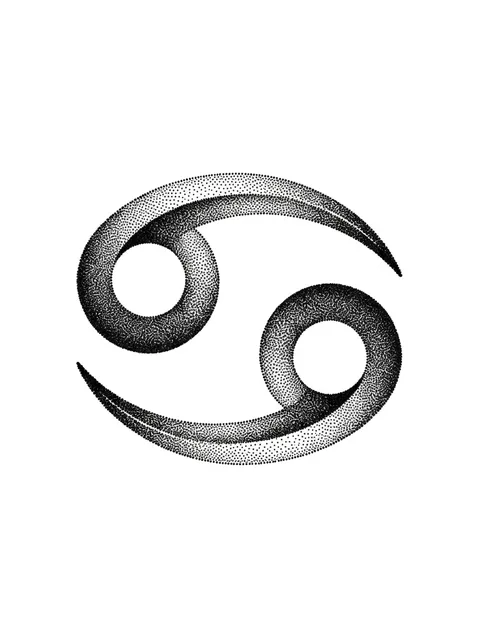
Black and grey dotwork cancer sign tattoo design Try it on — Black and grey dotwork cancer sign tattoo design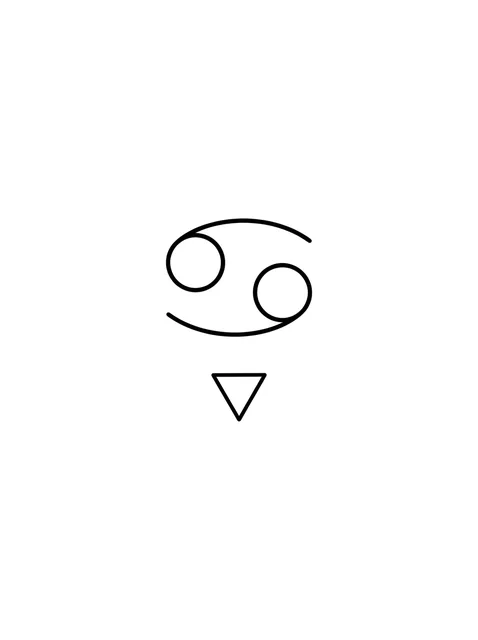
Black and white minimalist cancer sign tattoo design, outline stencil Try it on — Black and white minimalist cancer sign tattoo design, outline stencil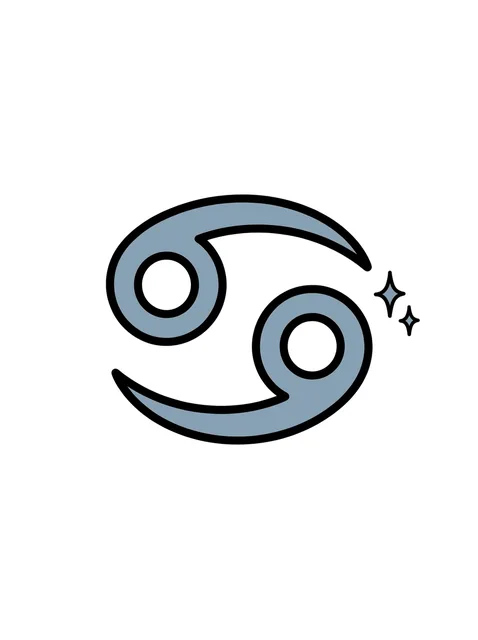
Color traditional cancer sign tattoo design Try it on — Color traditional cancer sign tattoo design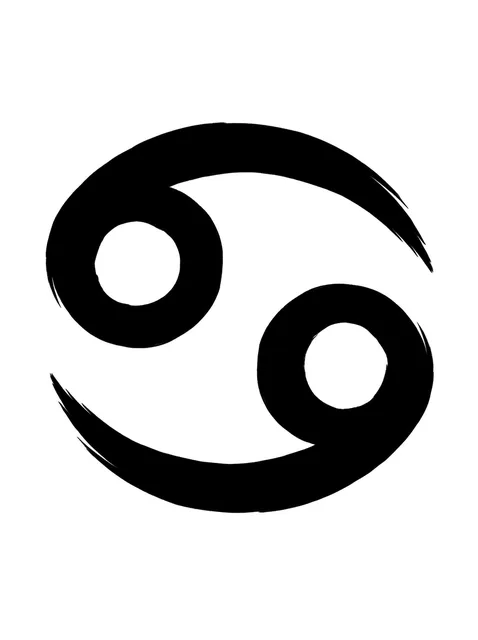
Black and white blackwork cancer sign tattoo design Try it on — Black and white blackwork cancer sign tattoo design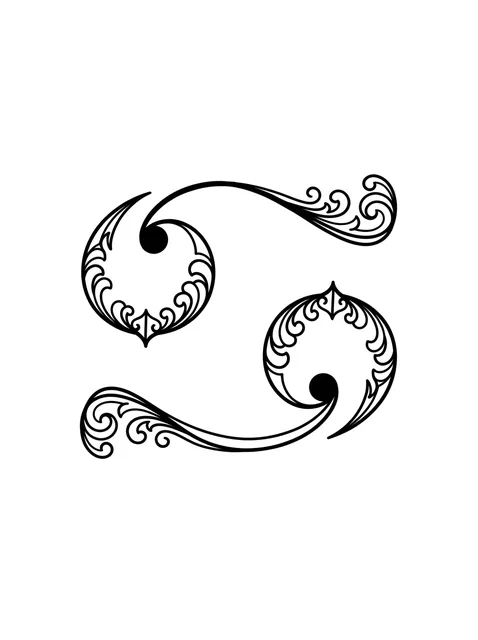
Black and grey ornamental cancer sign tattoo design Try it on — Black and grey ornamental cancer sign tattoo design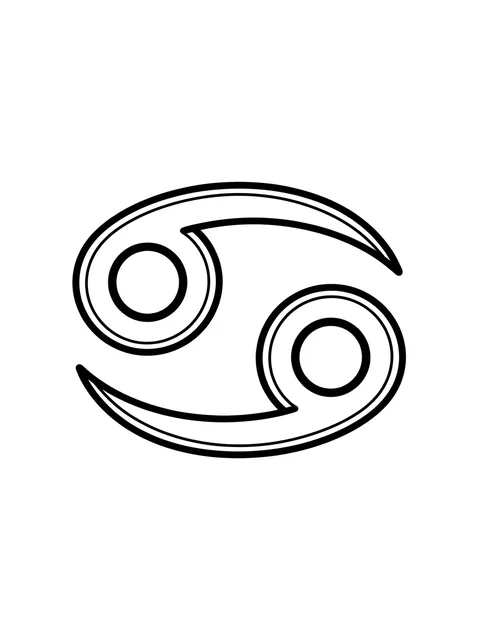
Black and white linework cancer sign tattoo design, outline stencil Try it on — Black and white linework cancer sign tattoo design, outline stencil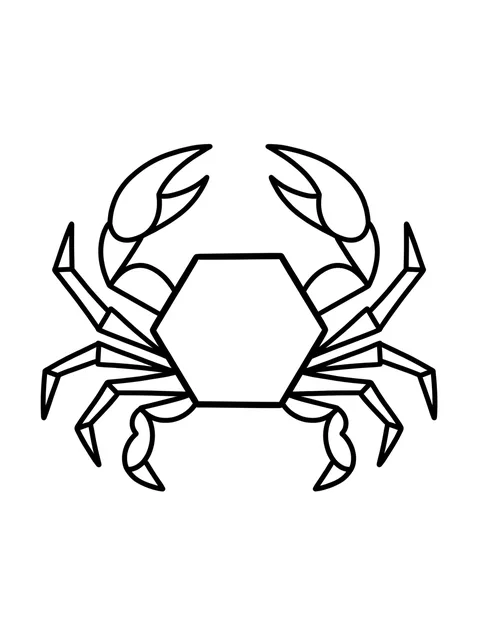
Black and white geometric cancer sign tattoo design, outline stencil Try it on — Black and white geometric cancer sign tattoo design, outline stencil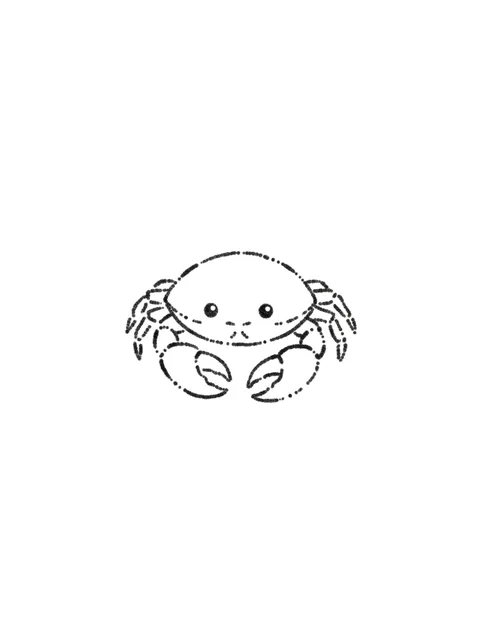
Black and white minimalist cancer sign tattoo design, outline stencil Try it on — Black and white minimalist cancer sign tattoo design, outline stencil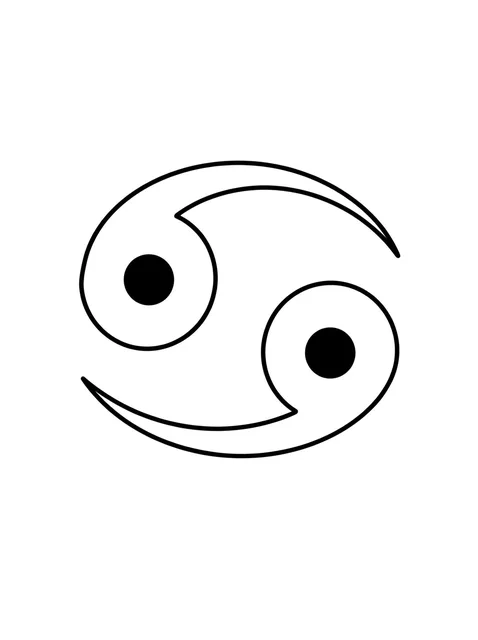
Black and white fine line cancer sign tattoo design, outline stencil Try it on — Black and white fine line cancer sign tattoo design, outline stencil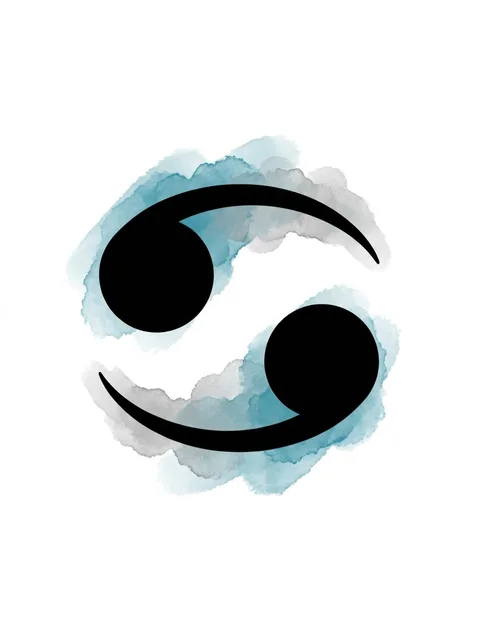
Color watercolor cancer sign tattoo design Try it on — Color watercolor cancer sign tattoo design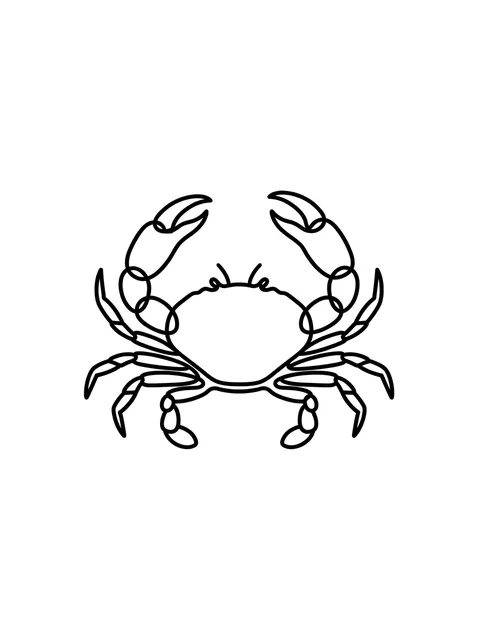
Black and white linework cancer sign tattoo design, outline stencil Try it on — Black and white linework cancer sign tattoo design, outline stencil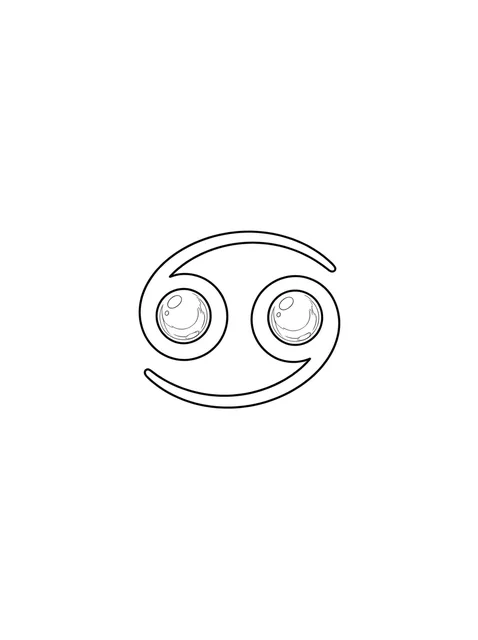
Black and white fine line cancer sign tattoo design, outline stencil: a single pearl Try it on — Black and white fine line cancer sign tattoo design, outline stencil: a single pearl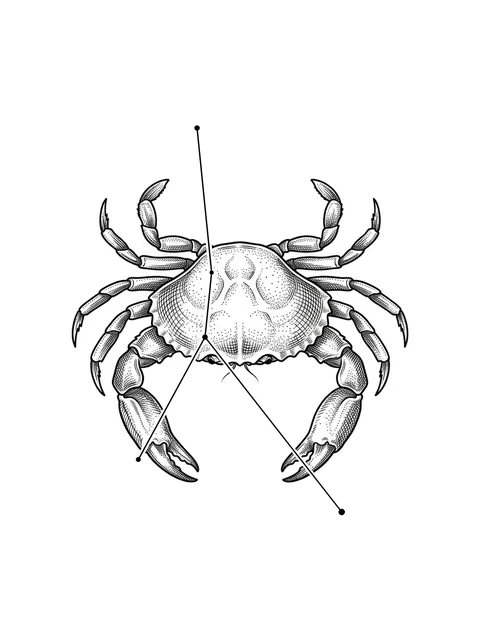
Black and grey illustrative cancer sign and constellation tattoo design Try it on — Black and grey illustrative cancer sign and constellation tattoo design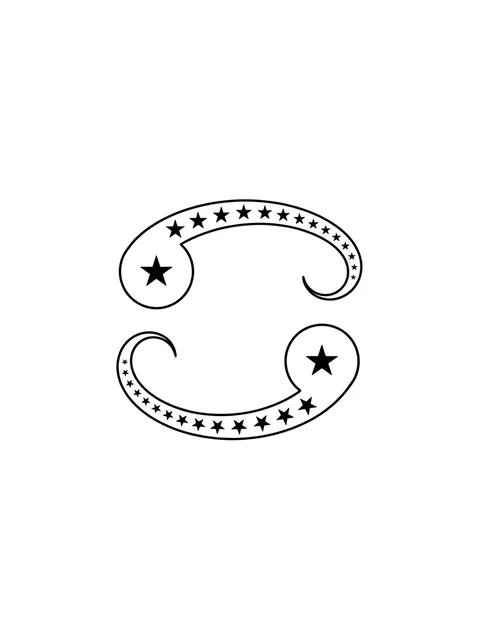
Black and white fine line cancer sign and star tattoo design, outline stencil Try it on — Black and white fine line cancer sign and star tattoo design, outline stencil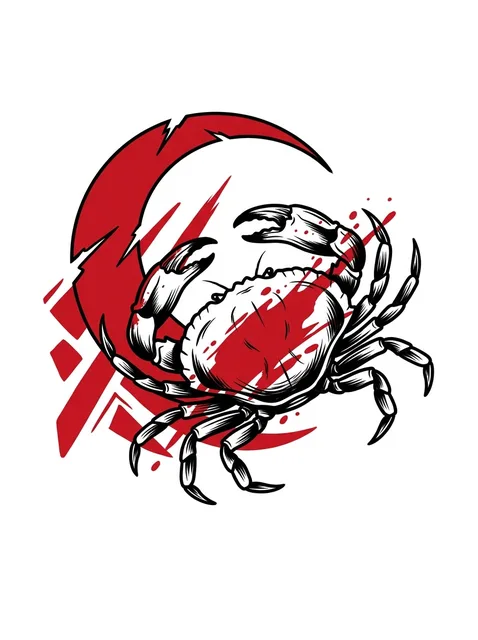
Color trash polka cancer sign and moon tattoo design: a red splash across its shell Try it on — Color trash polka cancer sign and moon tattoo design: a red splash across its shell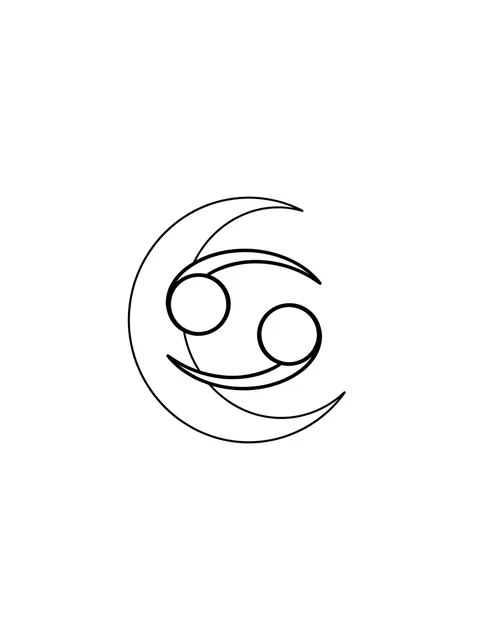
Black and white fine line cancer sign and moon tattoo design, outline stencil Try it on — Black and white fine line cancer sign and moon tattoo design, outline stencil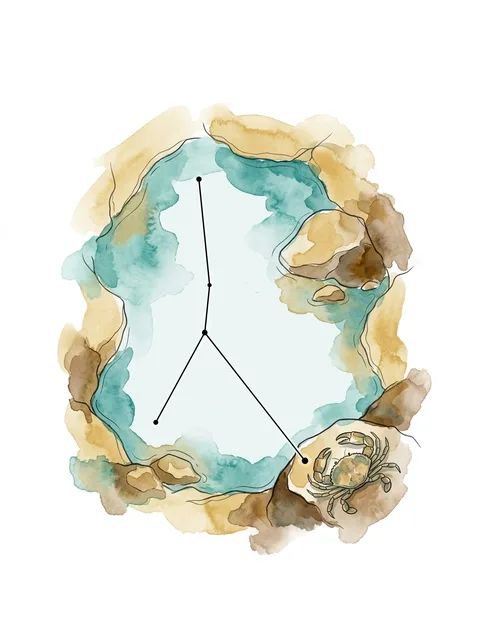
Color watercolor cancer sign and constellation tattoo design Try it on — Color watercolor cancer sign and constellation tattoo design


Tap any design to see it on your own skin in the try-on — no signup.
This set of 17 cancer designs, by the numbers
- Styles represented
- fine line (4), minimalist (2), linework (2), watercolor (2), dotwork (1), traditional (1)
- Black-and-grey vs colour
- 76% black-and-grey, 24% colour
- Most often drawn with
- constellation, moon, star
Counted from the 17 designs shown on this page. Every one was drawn for InkCraft — none are scraped or reposted. Free to reference with a link to this page.
What a cancer tattoo means
Cancer is the sign of home. Astrology gives it care, memory, loyalty to family and a protective streak, along with the crab's habit of pulling back into its shell when hurt. People who wear it mostly mean the first half, the carer and keeper of the house, and the shell is the image that joins both: something soft that has learned to carry its own armour.
In the sky it is the faintest of the twelve. No star in it is brighter than magnitude 3.5, and from a city it can vanish entirely. The figure is an upside-down Y. A stem runs down from Iota Cancri through the two stars called the Aselli, the donkeys, then forks to Acubens, whose name comes from the Arabic for the claws, and to Tarf, the brightest star in the group. Look for it on late winter and spring evenings from the northern hemisphere, about halfway between Pollux in Gemini and Regulus in Leo.
Between the donkeys sits the Beehive, a cluster of hundreds of stars that shows as a faint grey smudge to the naked eye under a dark sky. Ancient writers called it the Manger, Praesepe in Latin, which is why the stars on either side are donkeys feeding at it. Galileo turned his telescope on it and counted more than forty stars, published in 1610. The stick figure used for charts does not include the cluster, so it has to be asked for.
The glyph is two small circles with tails curling towards each other, one circle above and to the left, the other below and to the right. It is most often explained as the crab's two claws; some read it as two breasts, tied to the sign's ruler, the Moon, and to its reputation for nurture. The Moon is why crescents appear beside the glyph on this page. Water, its element, accounts for the tide pool, the pearls set in the circles and the downward triangle that is the alchemical sign for water.
Where the design comes from
The crab has a small part in a large story. When Heracles fought the Hydra in the marsh at Lerna, his second labour, Hera sent a crab called Karkinos to bite his foot; he crushed it, and Hera, who hated him, set it among the stars for its trouble. The name then passed into geography. The Tropic of Cancer marks where the Sun stands overhead at the June solstice, and it was named when the Sun at that solstice lay in these stars, about two thousand years ago. Precession has since carried the solstice point west through Gemini and into Taurus, but the line on the map kept its name. Aratus, writing in the third century BC, used the Manger as a weather sign: if it faded on a night that looked clear, rain was on the way.
Choosing yours
- Orientation is the whole problem with this glyph. Lying on its side, one circle at the upper left and one at the lower right, it reads as the sign; turned upright it becomes the number 69, and strangers will see the number first. On a forearm or down the spine, where designs are usually turned to run along the limb, say at the stencil stage that this one stays horizontal.
- The constellation has only five main stars, so a chart is small and sparse: a stem and a fork. That makes it one of the easiest charts to put on skin at a small size and one of the least recognisable to anyone else. Most of the constellation designs here give it a setting that does the explaining, a crab drawn around the stars or a tide pool reflecting them, and that is worth copying if you want it read as the sign rather than as three lines.
- Some people born under the sign would rather not have the word on their skin, since it is also the name of an illness. The glyph, the crab and the chart all say the sign without it. The crab itself varies with the drawing: seen from above with claws raised it fills a square, while one drawn in a single continuous line holds at 4 or 5 cm.
Size, cost and placement
How big, and what it costs
The glyph is two circles and two tails, done in well under an hour at 2 to 5 cm, and the open circles need a line heavy enough not to fill in, which matters more than size. A five-star chart is cheap for a constellation, since there is so little to draw, and holds at 5 to 7 cm. A crab drawn around the stars or a tide-pool scene is a two-to-three-hour piece at 10 cm and up.
Where it sits, and how much it hurts
The glyph wants somewhere it will sit level: across the inside of the wrist, the back of the neck, the ankle, the collarbone. The upright chart fits the inner forearm or behind the ear. A crab seen from above is square and suits the shoulder blade or the top of the foot, the second being one of the more painful spots and quicker to fade from shoe rub.
What to ask your artist
- That the glyph stays horizontal on the stencil, whatever direction the rest of the piece runs.
- Whether the open circles will still be open in ten years at the line weight planned.
- If you want the Beehive, to place it between the two Aselli rather than wherever the chart looks empty.
Prices vary widely by city and artist — treat these as session lengths rather than quotes, and expect a shop minimum on anything small. The cost guide turns hours into money by size, placement and style.
Common questions
What does a Cancer zodiac tattoo mean?
Home, care and protectiveness, with the shell as the image of all three: something soft that carries its own shelter. Most wearers mean the sign's loyalty to family, and the Moon, its ruler, often appears beside it.
Why does my Cancer glyph look like 69?
Because it has been turned upright. The sign lies on its side, one circle at the upper left and one at the lower right, their tails curling towards each other. Keep it horizontal on the skin even when the rest of a design runs along the limb.
Can I see the Cancer constellation?
Only from somewhere dark. It is the faintest of the zodiac figures, lying between Pollux and Regulus on late winter and spring evenings. The easiest part to spot is the Beehive, a pale smudge between the two stars called the donkeys.
Will people read it as being about the illness?
The written word can be, which is why many people with the sign leave it off. The illness took its name from the crab, because Greek physicians thought a spreading tumour looked like one. A glyph, a crab or a chart carries no such reading.
Is the Beehive cluster part of the Cancer chart?
Not of the stick figure, which joins only five stars. The cluster sits in the middle of the constellation between the Aselli, and an artist can add it as a small, soft group of dots; it is the thing an astronomer looks for first.
See it on your skin before you commit
InkCraft places any of these designs on a photo of you — scaled, wrapped and shaded to the placement you pick.