 InkCraft
Blackwork tattoo designs: solid black, real cost
48 original blackwork tattoos designs drawn for InkCraftBy Uladzimir TumanauUpdated
Large areas of solid black, with the skin left bare doing as much work as the ink. It stays readable longer than anything else and leaves you the least room to change your mind.
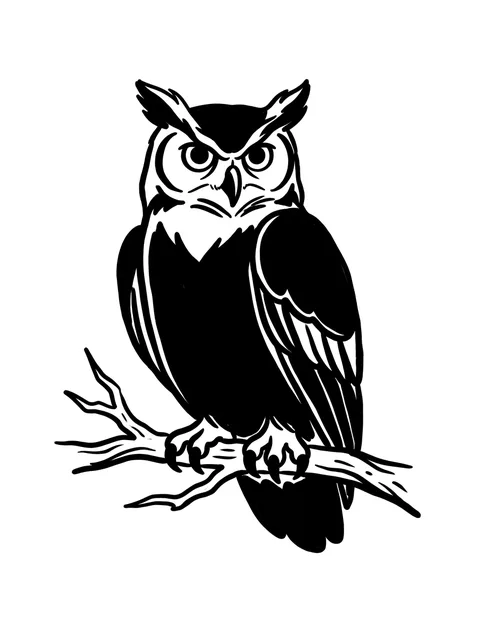
Black and white blackwork owl and bird tattoo design: a majestic owl perched on a branch Try it on — Black and white blackwork owl and bird tattoo design: a majestic owl perched on a branch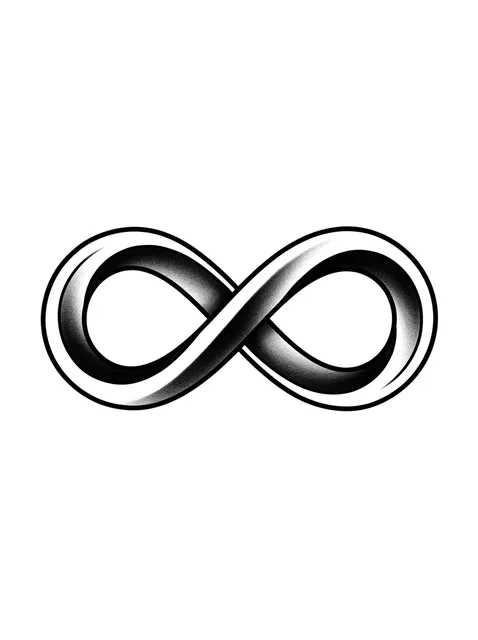
Black and white blackwork infinity tattoo design Try it on — Black and white blackwork infinity tattoo design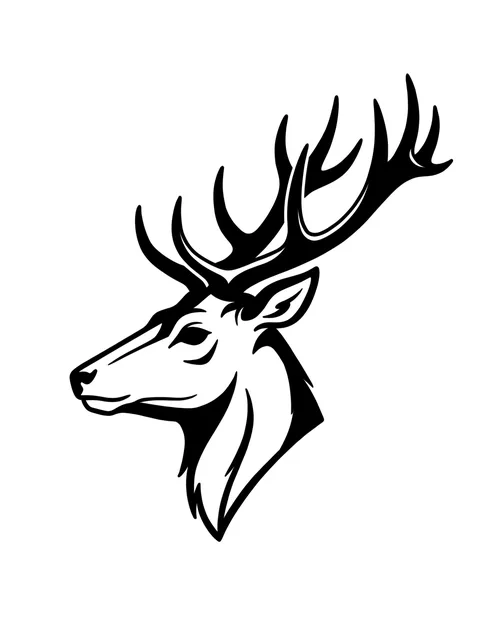
Black and white blackwork deer tattoo design: the head of a deer in profile Try it on — Black and white blackwork deer tattoo design: the head of a deer in profile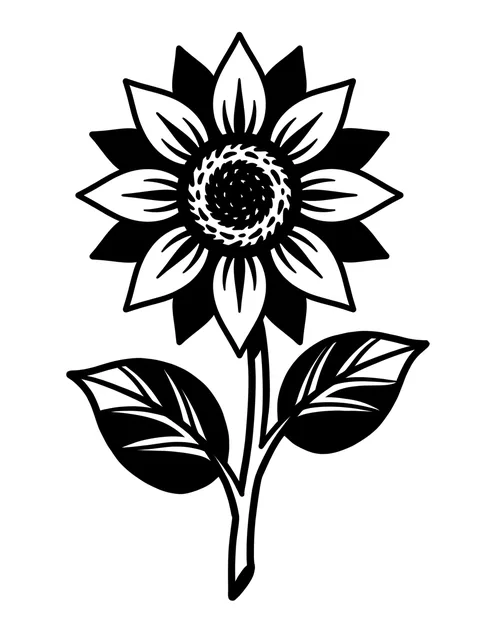
Black and white blackwork sunflower and flower tattoo design Try it on — Black and white blackwork sunflower and flower tattoo design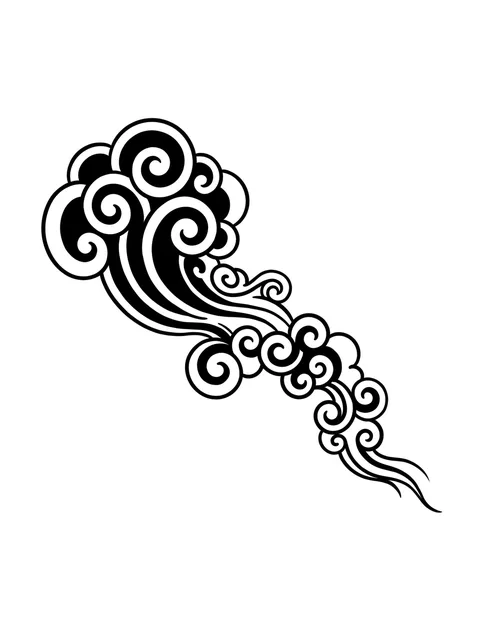
Black and white blackwork cloud tattoo design Try it on — Black and white blackwork cloud tattoo design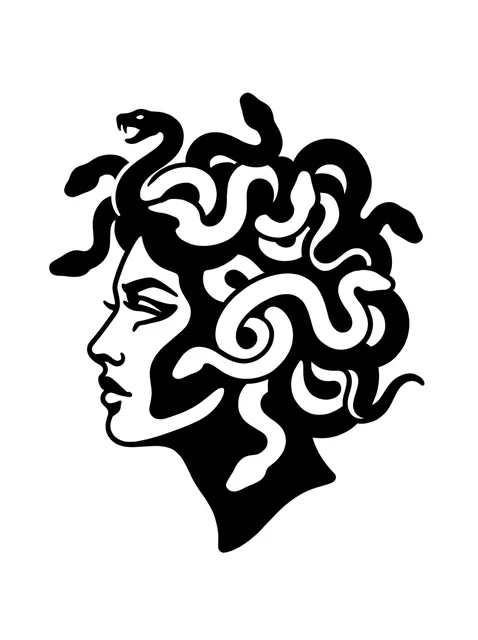
Black and white blackwork medusa and snake tattoo design Try it on — Black and white blackwork medusa and snake tattoo design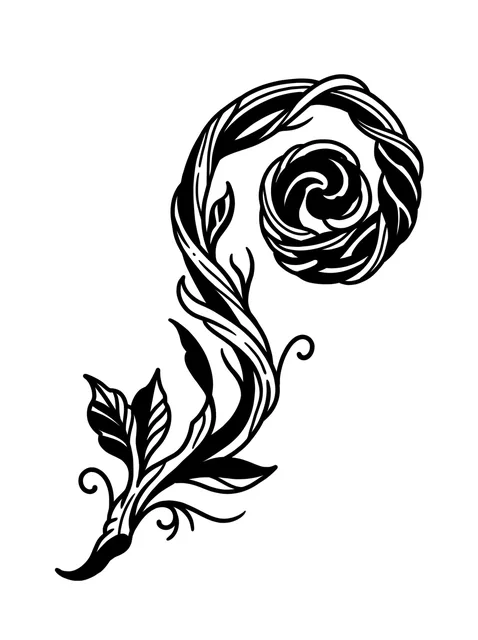
Black and white blackwork fern and leaf tattoo design: a stylized fern frond unfurling in a spiral Try it on — Black and white blackwork fern and leaf tattoo design: a stylized fern frond unfurling in a spiral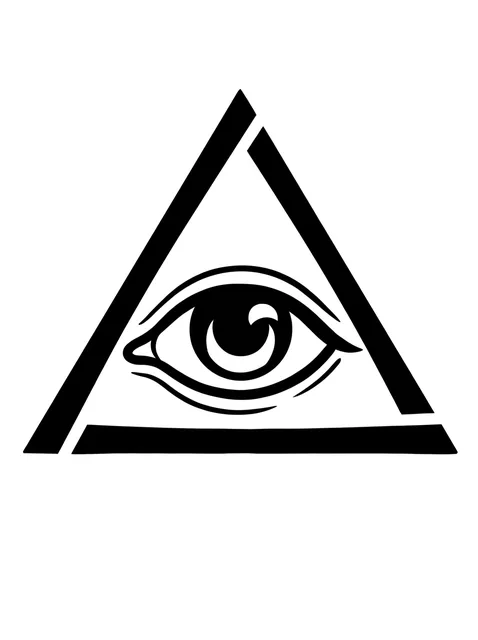
Black and white blackwork eye tattoo design: the Eye of Providence Try it on — Black and white blackwork eye tattoo design: the Eye of Providence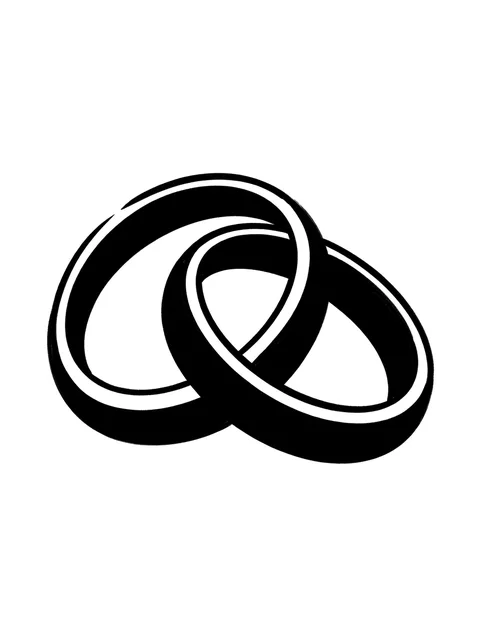
Black and white blackwork ring tattoo design Try it on — Black and white blackwork ring tattoo design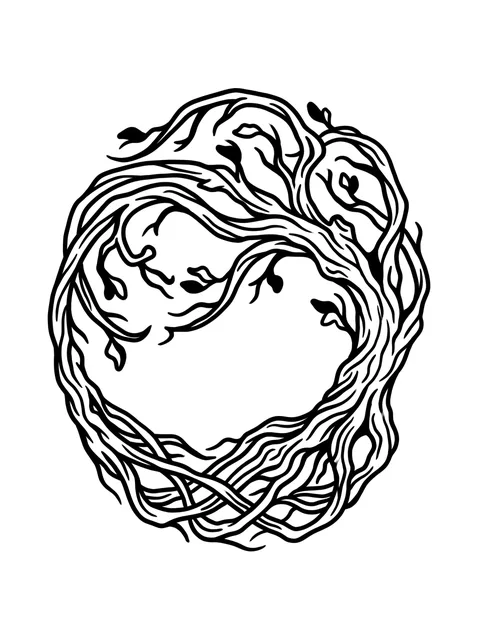
Black and white blackwork tree and leaf tattoo design: a circular tree of life Try it on — Black and white blackwork tree and leaf tattoo design: a circular tree of life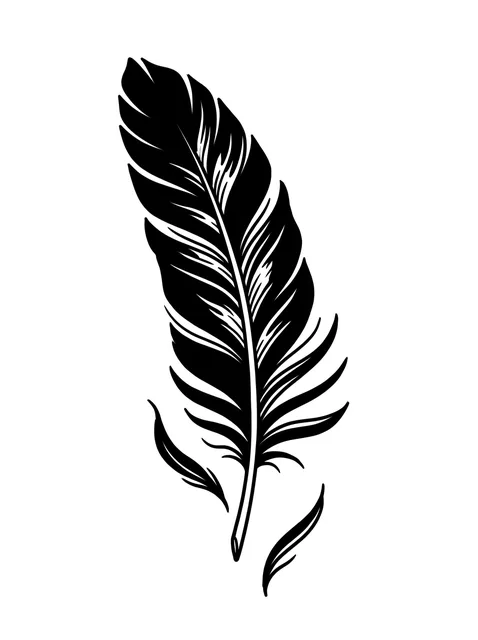
Black and white blackwork feather tattoo design Try it on — Black and white blackwork feather tattoo design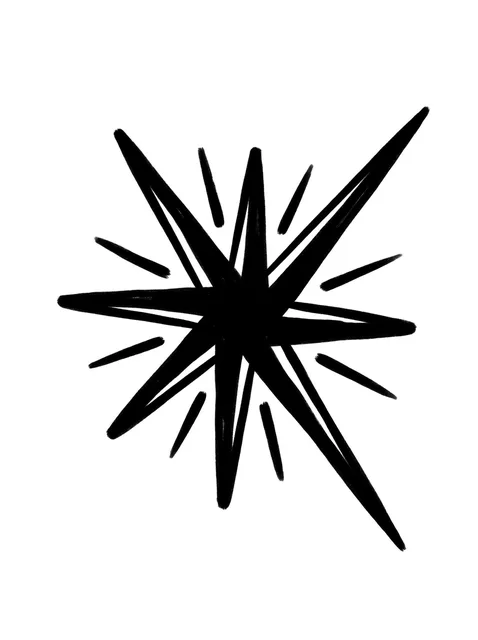
Black and white blackwork star tattoo design: a stylized starburst Try it on — Black and white blackwork star tattoo design: a stylized starburst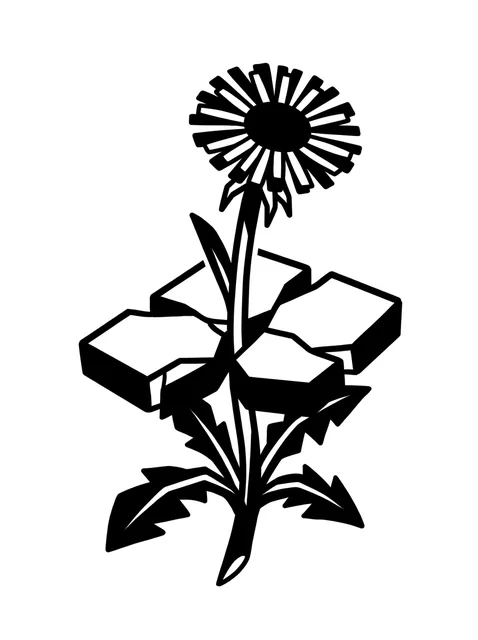
Black and white blackwork dandelion and flower tattoo design Try it on — Black and white blackwork dandelion and flower tattoo design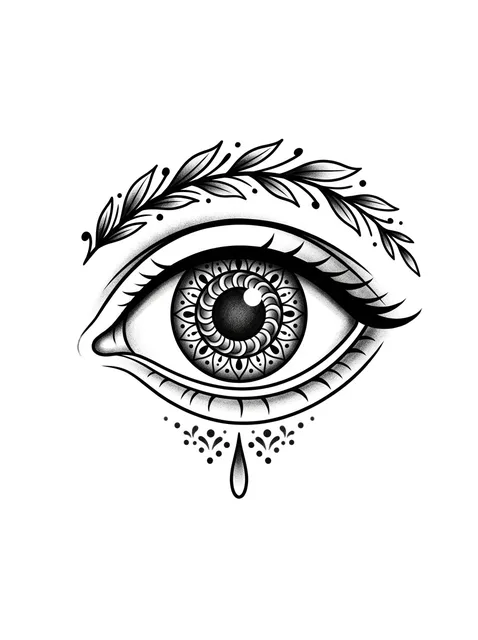
Black and white blackwork eye and leaf tattoo design: a stylized eye with a detailed mandala iris Try it on — Black and white blackwork eye and leaf tattoo design: a stylized eye with a detailed mandala iris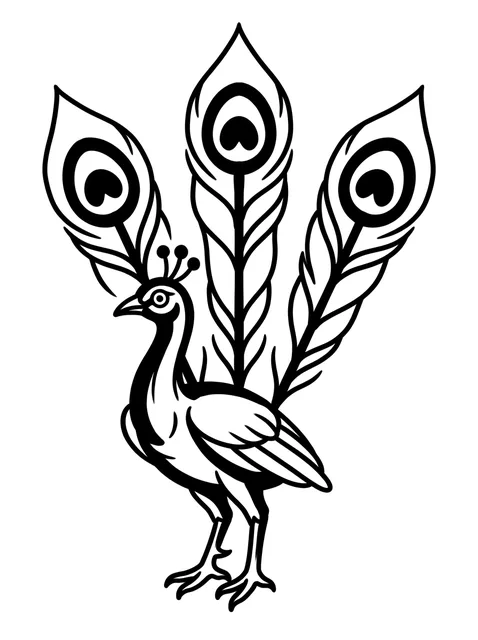
Black and white blackwork peacock and feather tattoo design Try it on — Black and white blackwork peacock and feather tattoo design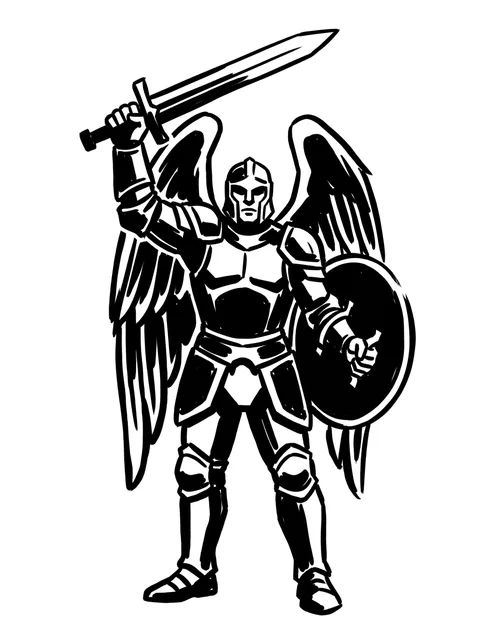
Black and white blackwork archangel and angel wings tattoo design Try it on — Black and white blackwork archangel and angel wings tattoo design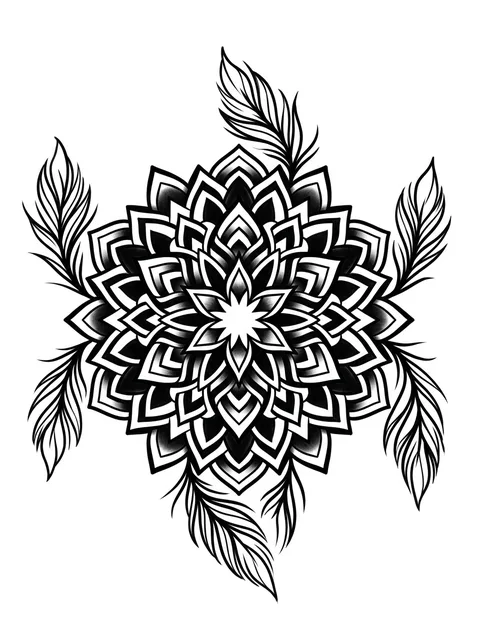
Black and white blackwork mandala and feather tattoo design Try it on — Black and white blackwork mandala and feather tattoo design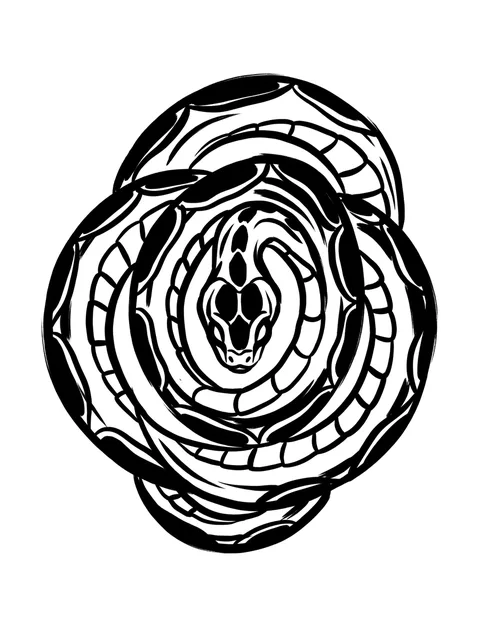
Black and white blackwork snake and ouroboros tattoo design Try it on — Black and white blackwork snake and ouroboros tattoo design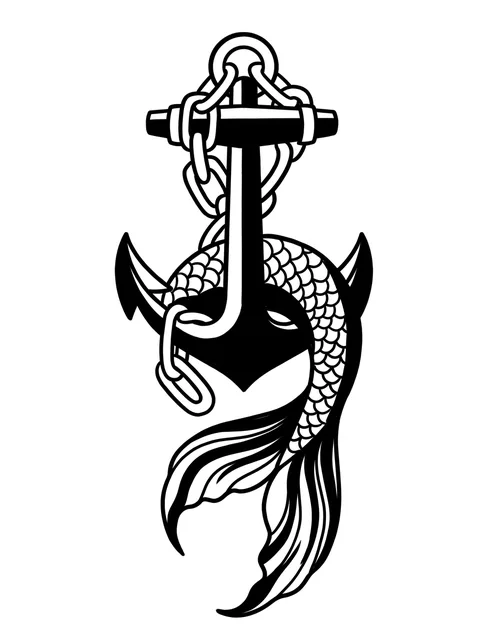
Black and white blackwork anchor and fish tattoo design Try it on — Black and white blackwork anchor and fish tattoo design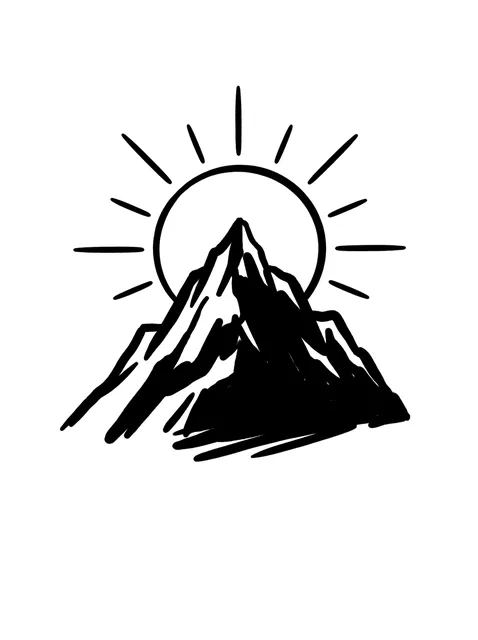
Black and white blackwork mountain and sun tattoo design Try it on — Black and white blackwork mountain and sun tattoo design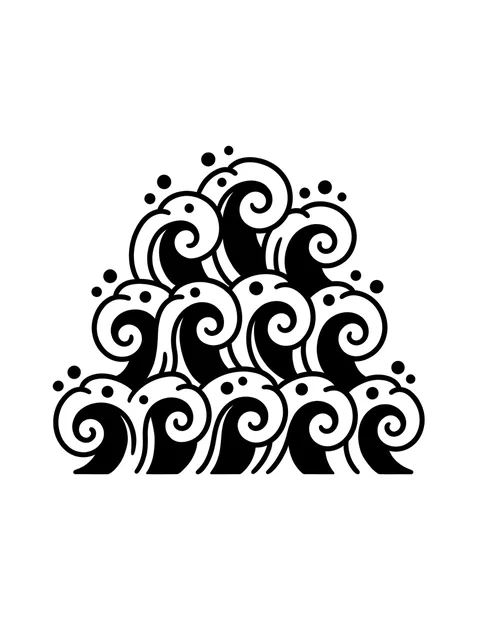
Black and white blackwork wave tattoo design Try it on — Black and white blackwork wave tattoo design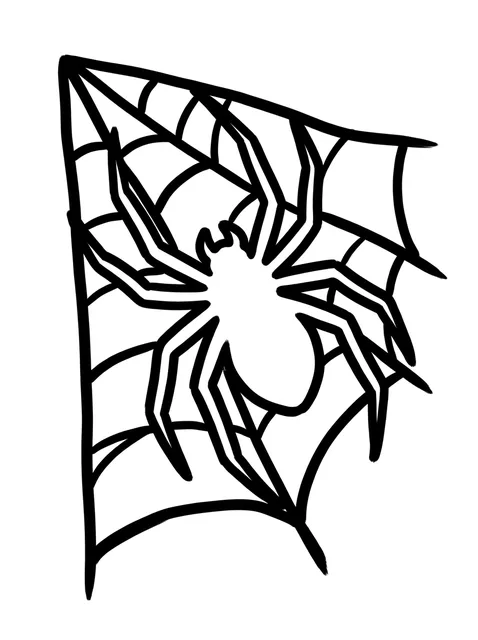
Black and white blackwork spider tattoo design: a stylized spider on a web Try it on — Black and white blackwork spider tattoo design: a stylized spider on a web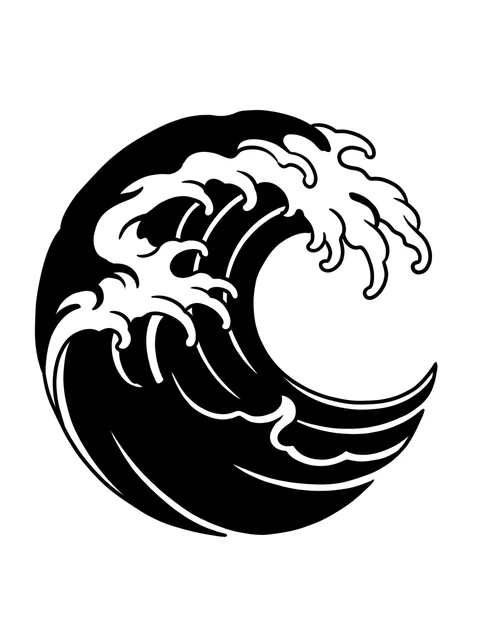
Black and white blackwork wave tattoo design Try it on — Black and white blackwork wave tattoo design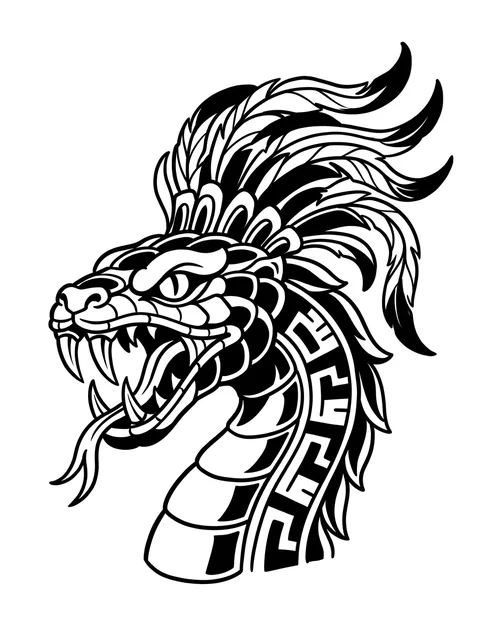
Black and white blackwork aztec and snake tattoo design Try it on — Black and white blackwork aztec and snake tattoo design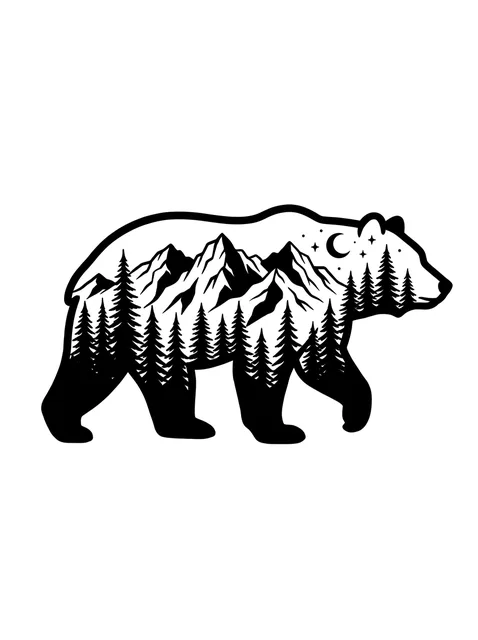
Black and white blackwork bear and mountain tattoo design Try it on — Black and white blackwork bear and mountain tattoo design
Black and white blackwork music note tattoo design Try it on — Black and white blackwork music note tattoo design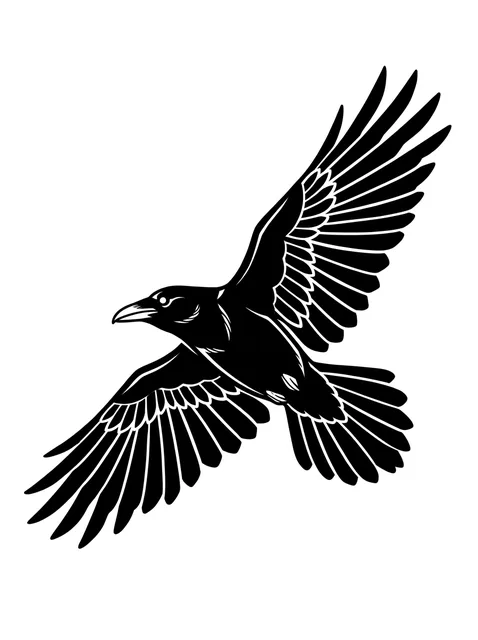
Black and white blackwork raven and bird tattoo design: a raven in full flight, wings outstretched Try it on — Black and white blackwork raven and bird tattoo design: a raven in full flight, wings outstretched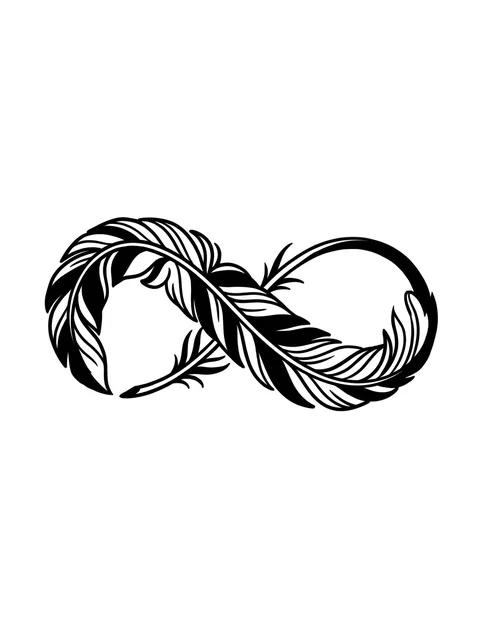
Black and white blackwork infinity and feather tattoo design Try it on — Black and white blackwork infinity and feather tattoo design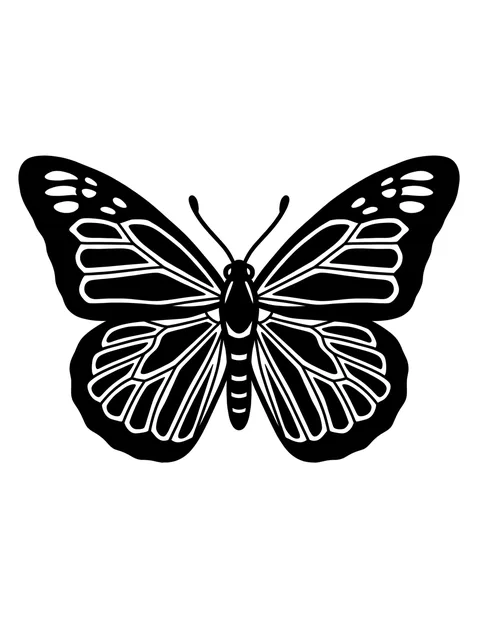
Black and white blackwork butterfly tattoo design Try it on — Black and white blackwork butterfly tattoo design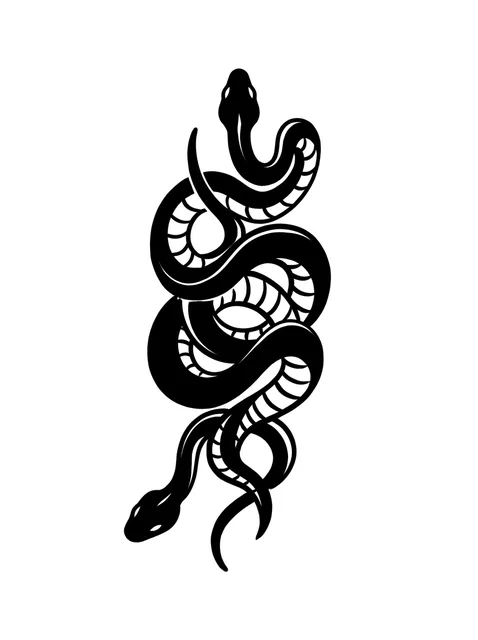
Black and white blackwork snake tattoo design: two intertwined snakes Try it on — Black and white blackwork snake tattoo design: two intertwined snakes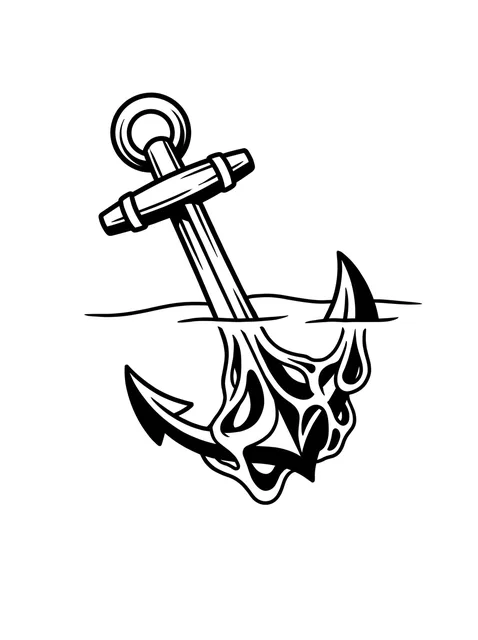
Black and white blackwork anchor tattoo design Try it on — Black and white blackwork anchor tattoo design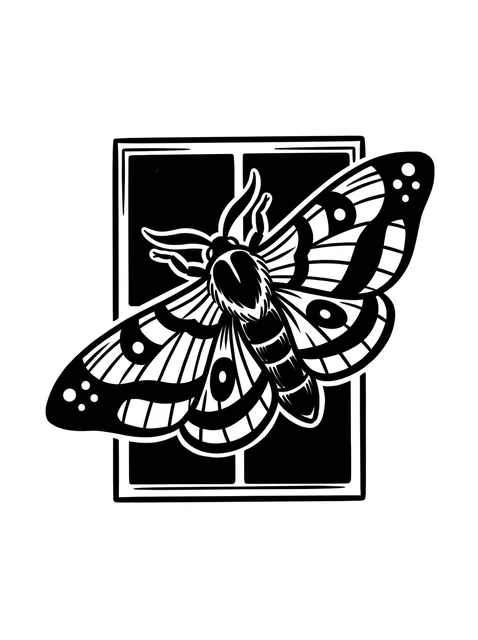
Black and white blackwork moth tattoo design: a moth with detailed wings and antennae Try it on — Black and white blackwork moth tattoo design: a moth with detailed wings and antennae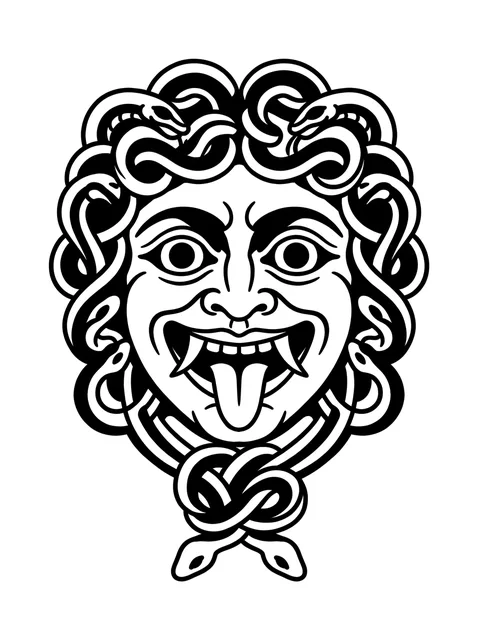
Black and white blackwork medusa and snake tattoo design Try it on — Black and white blackwork medusa and snake tattoo design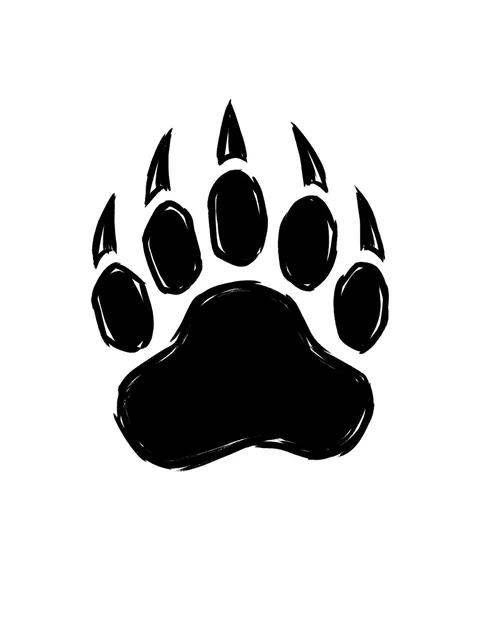
Black and white blackwork bear tattoo design: a bear paw print with prominent claws Try it on — Black and white blackwork bear tattoo design: a bear paw print with prominent claws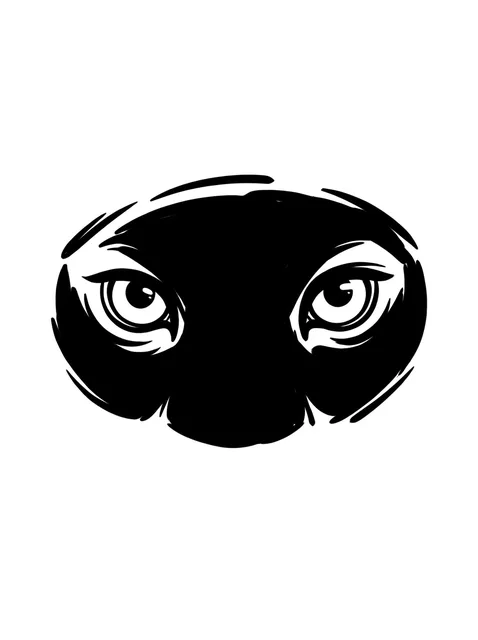
Black and white blackwork eye tattoo design Try it on — Black and white blackwork eye tattoo design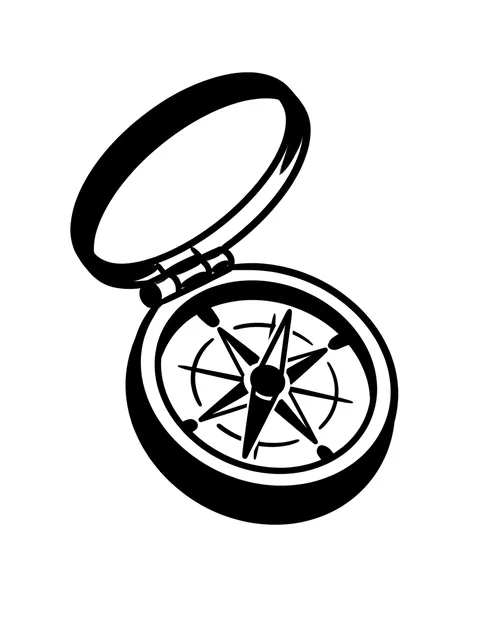
Black and white blackwork compass tattoo design: an open compass Try it on — Black and white blackwork compass tattoo design: an open compass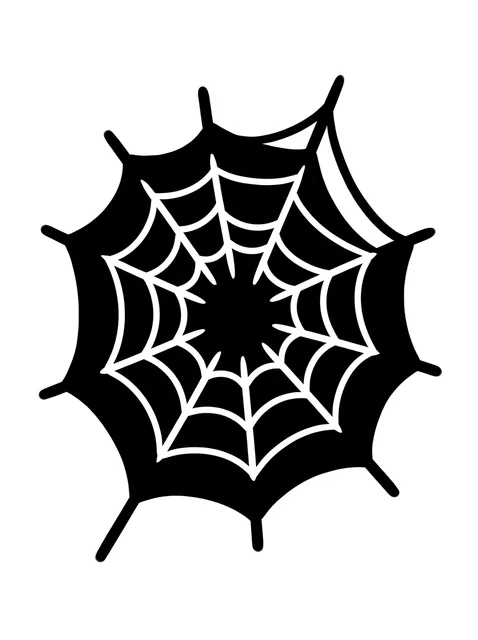
Black and white blackwork web tattoo design: a classic spider web Try it on — Black and white blackwork web tattoo design: a classic spider web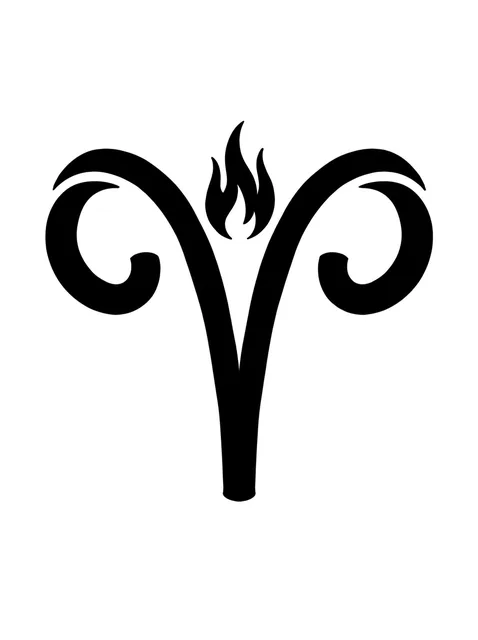
Black and white blackwork aries and fire tattoo design Try it on — Black and white blackwork aries and fire tattoo design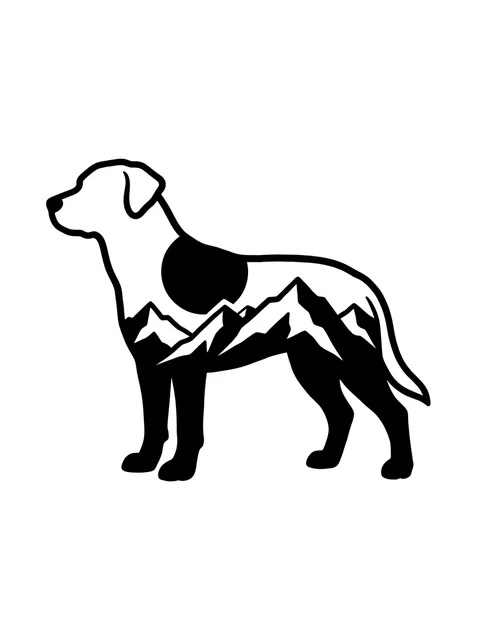
Black and white blackwork dog and mountain tattoo design: the silhouette of a dog Try it on — Black and white blackwork dog and mountain tattoo design: the silhouette of a dog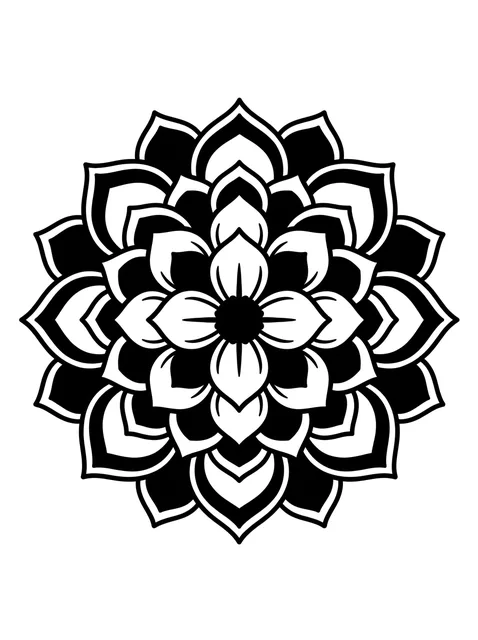
Black and white blackwork mandala and flower tattoo design Try it on — Black and white blackwork mandala and flower tattoo design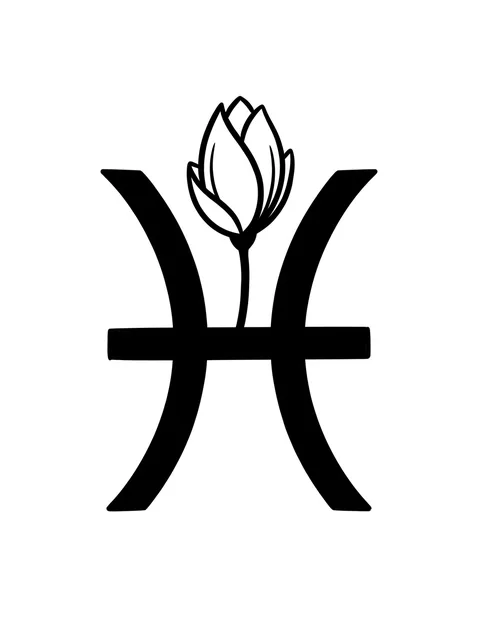
Black and white blackwork pisces and lotus tattoo design Try it on — Black and white blackwork pisces and lotus tattoo design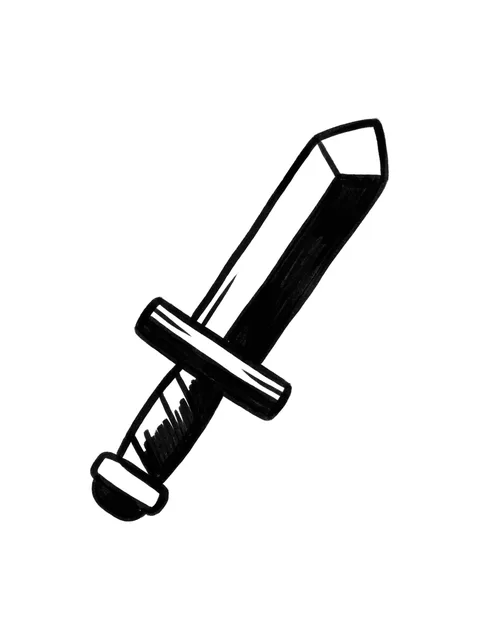
Black and white blackwork sword and dagger tattoo design Try it on — Black and white blackwork sword and dagger tattoo design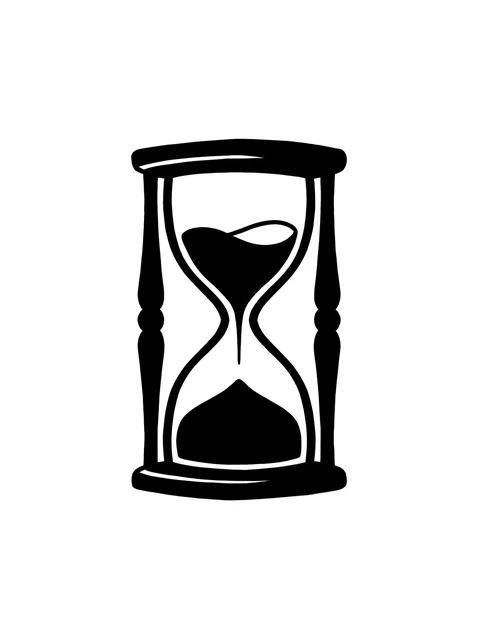
Black and white blackwork hourglass tattoo design: a classic hourglass Try it on — Black and white blackwork hourglass tattoo design: a classic hourglass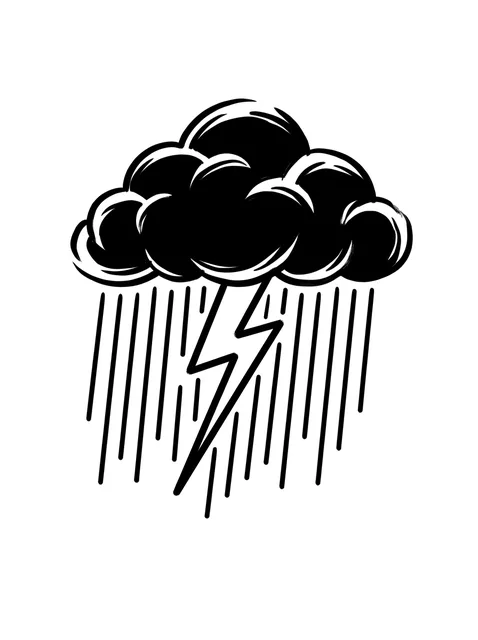
Black and white blackwork cloud and lightning tattoo design Try it on — Black and white blackwork cloud and lightning tattoo design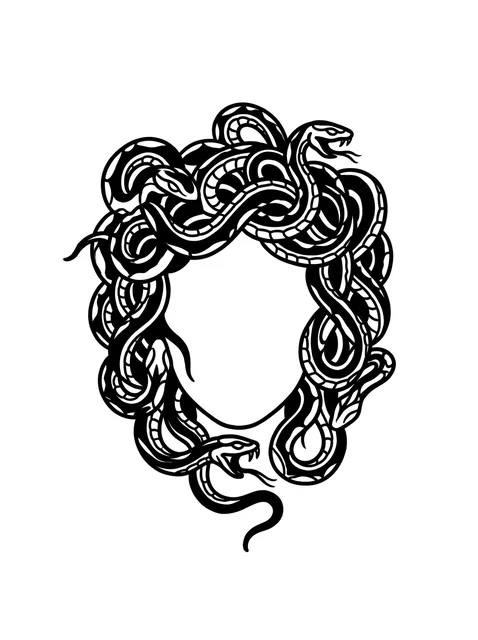
Black and white blackwork medusa and snake tattoo design: the head of Medusa Try it on — Black and white blackwork medusa and snake tattoo design: the head of Medusa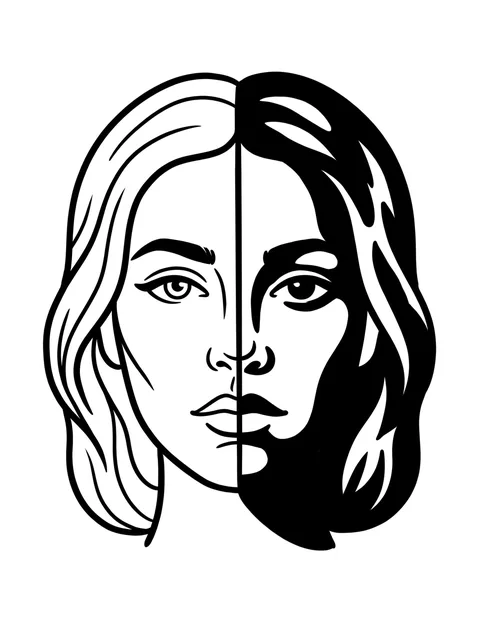
Black and white blackwork woman portrait tattoo design Try it on — Black and white blackwork woman portrait tattoo design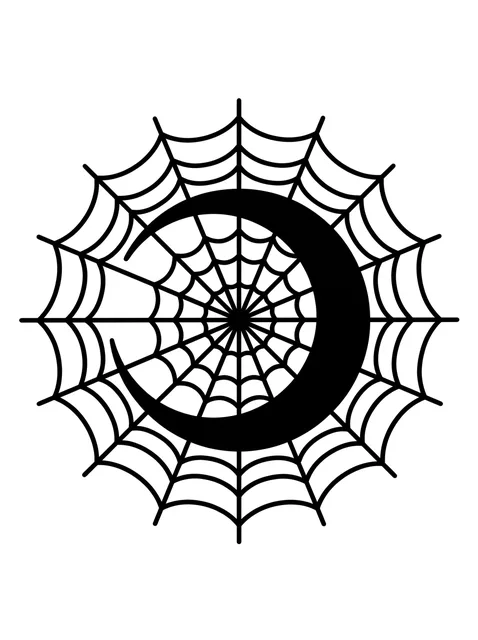
Black and white blackwork moon and web tattoo design: a crescent moon nestled within a spider web Try it on — Black and white blackwork moon and web tattoo design: a crescent moon nestled within a spider web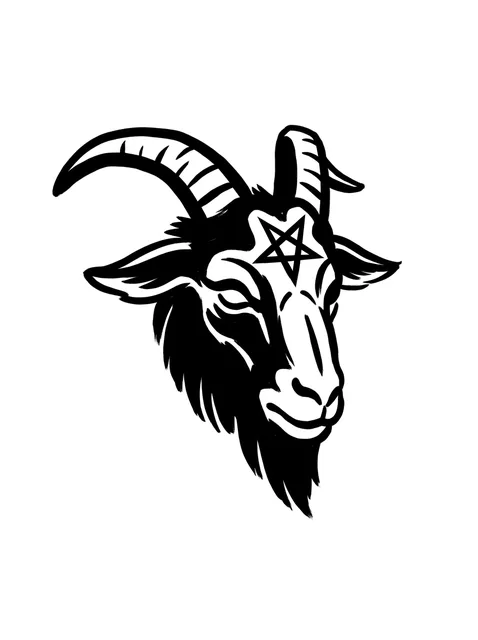
Black and white blackwork goat and pentagram tattoo design Try it on — Black and white blackwork goat and pentagram tattoo design


48 designs drawn for InkCraft in this style. Tap any one to place it on a photo of your own skin.
These 48 designs, in numbers
- Black and grey
- 48
- Colour
- 0
- Subjects covered
- 50
The bare skin is half the drawing
In most styles, black describes a subject. Here it surrounds one. A blackwork piece is usually read as the shape of what has been left uninked — a figure carved out of a filled field — which is why the negative space is designed with as much care as the black, and why a piece that looks simple often took longer than a detailed one.
This gives it a graphic weight nothing else matches. At any distance and in any light, a solid field and a clean edge read instantly, where a shaded piece needs to be close enough to resolve. It is the style to choose if you want something that works as a silhouette across a room.
It also differs from tribal, which people conflate with it. Tribal is a black shape that is the design; blackwork typically uses black as ground, with the drawing appearing in what is missing from it. Closely related, opposite in construction.
Healing large solid areas
Packing a big field of black is a lot of trauma concentrated in one sitting. The area weeps more, takes longer to settle, and is more prone to patchy healing than line or shaded work — and patchiness shows mercilessly against flat black, where the same unevenness would vanish inside a gradient.
So expect a touch-up, and expect a good artist to say so in advance rather than treat it as a fault. Large pieces are often split across sessions for exactly this reason: two smaller healing loads recover more evenly than one large one, and the finish is better for it.
Aftercare is worth doing properly here even if you have been casual with it before. Sun on a healing black field is the fastest route to a visibly uneven result, and unlike a fine-line piece there is nothing busy for the unevenness to hide behind.
The permanence to weigh up
Solid black is the most legible tattoo over decades and the least forgiving decision you can make. A saturated field cannot be covered with anything but more black, so the realistic options later are to grow the shape or to laser it over several sessions before anything else can go there.
That is not an argument against it — plenty of people want something this definite — but it changes what the consultation should be about. Spend the time on the shape and the size rather than on the interior, because the interior is the one part that will not change and the outline is the part you may want to extend.
Given how much rides on the footprint, see it on yourself at true scale before committing. Place the design on a photo and look at how much of the arm, chest or thigh the black actually claims — on a screen it consistently looks smaller than it lands.
What an hour of this work costs, and how many hours blackwork tattoos takes at each size, is in the cost guide. How it behaves later — under a laser, and as the thing doing the covering — is in the removal and cover-up guide.
Common questions
- What is the difference between blackwork and tribal?
- Tribal is a black shape that is itself the design. Blackwork typically uses black as a ground, with the drawing appearing in the skin left bare inside it. Closely related in appearance, opposite in construction.
- Does blackwork hurt more?
- The sitting is longer and more repetitive rather than sharper, because a solid field means going over the same skin until it is even. It also weeps more while healing, and large pieces are often split across sessions so the healing load is smaller each time.
- Can blackwork be covered up?
- Only with more black, or after laser removal across several sessions. A saturated field takes nothing over it. Spend the consultation on the shape and size rather than the interior — the interior is the part that cannot change later.
- Will it fade?
- Less visibly than anything else. There is no gradient to blur and no colour to shift, so a solid field softens at its edges and stays the tattoo it was. Patchy healing, not fading, is the thing that spoils blackwork — which is why aftercare matters here.
See this style on your own skin
InkCraft places a design on a photo of you — scaled, wrapped and shaded to the spot you pick, so you can judge how the style reads on your body before it is permanent.