 InkCraft
Dotwork tattoo designs: tone built from points
48 original dotwork tattoos designs drawn for InkCraftBy Uladzimir TumanauUpdated
Every tone here is thousands of separate points, placed by hand and spaced by eye. It is the slowest way to shade a tattoo and the one that survives longest.
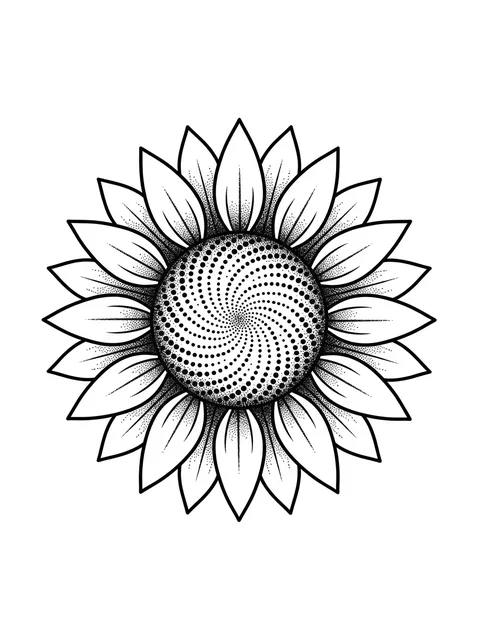
Black and white dotwork sunflower tattoo design: a mesmerizing spiral pattern in the center Try it on — Black and white dotwork sunflower tattoo design: a mesmerizing spiral pattern in the center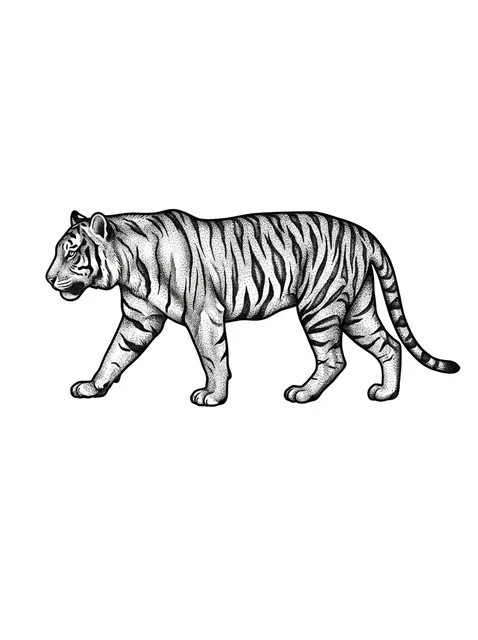
Black and grey dotwork tiger tattoo design: a tiger in profile, walking with a powerful stride Try it on — Black and grey dotwork tiger tattoo design: a tiger in profile, walking with a powerful stride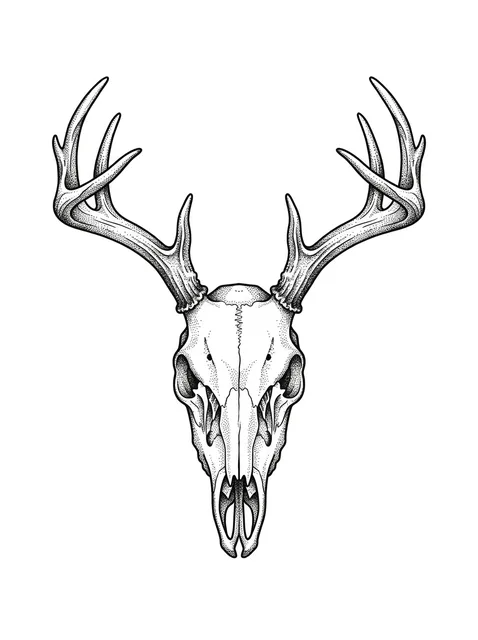
Black and grey dotwork skull and deer tattoo design: a deer skull with prominent antlers Try it on — Black and grey dotwork skull and deer tattoo design: a deer skull with prominent antlers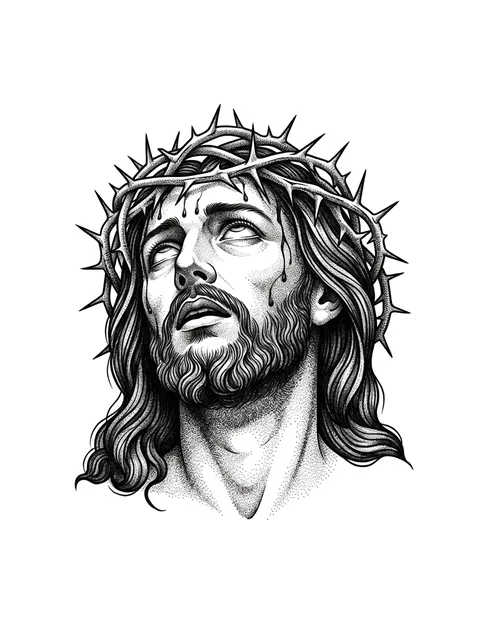
Black and grey dotwork jesus tattoo design: an expression of suffering Try it on — Black and grey dotwork jesus tattoo design: an expression of suffering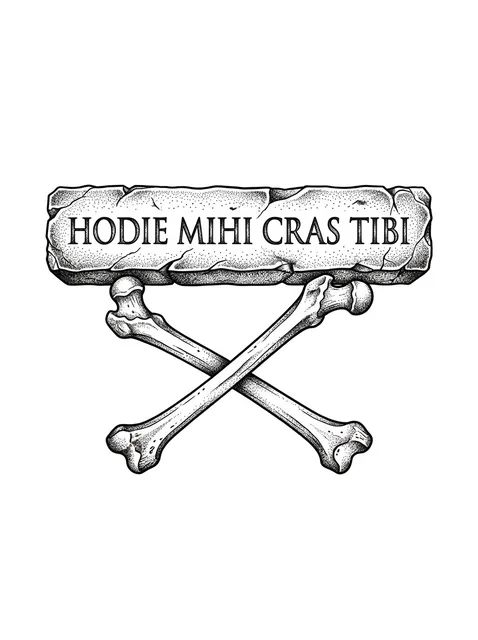
Black and white dotwork memento mori and skeleton tattoo design Try it on — Black and white dotwork memento mori and skeleton tattoo design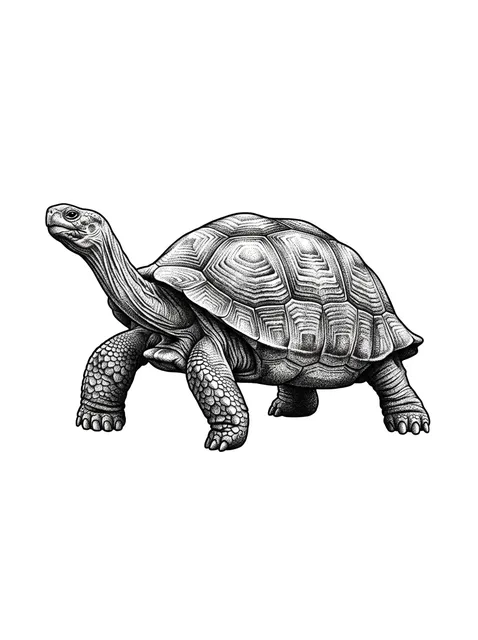
Black and grey dotwork turtle tattoo design Try it on — Black and grey dotwork turtle tattoo design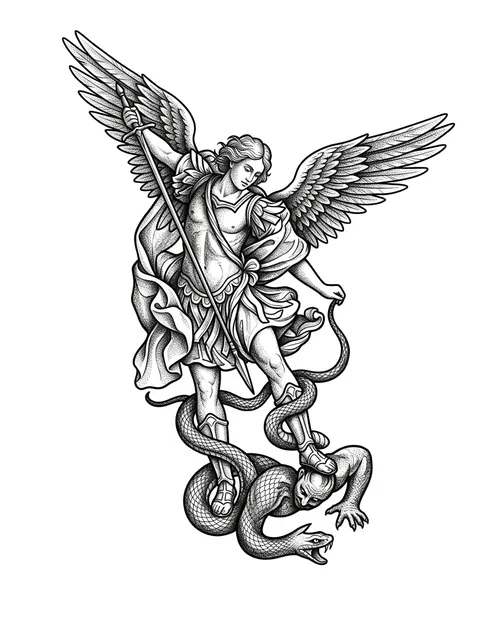
Black and grey dotwork archangel and angel wings tattoo design Try it on — Black and grey dotwork archangel and angel wings tattoo design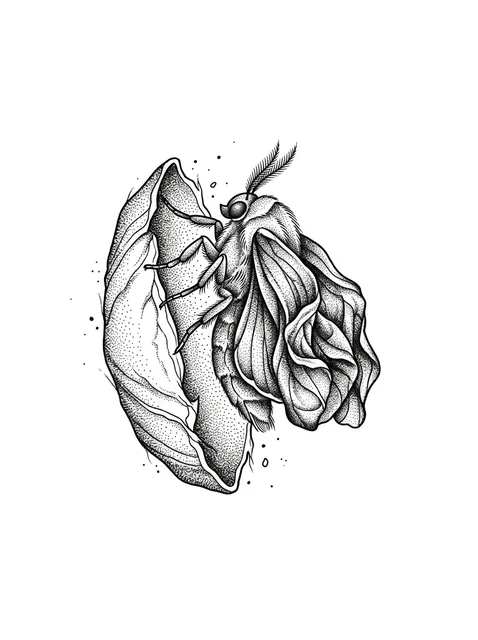
Black and grey dotwork moth and leaf tattoo design Try it on — Black and grey dotwork moth and leaf tattoo design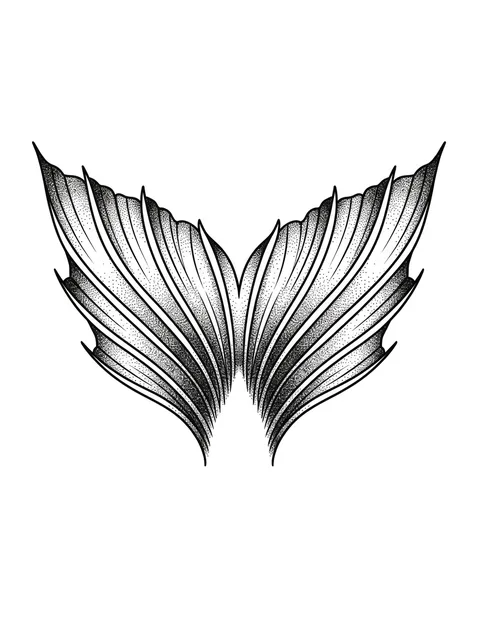
Black and grey dotwork mermaid tattoo design: a mermaid's tail Try it on — Black and grey dotwork mermaid tattoo design: a mermaid's tail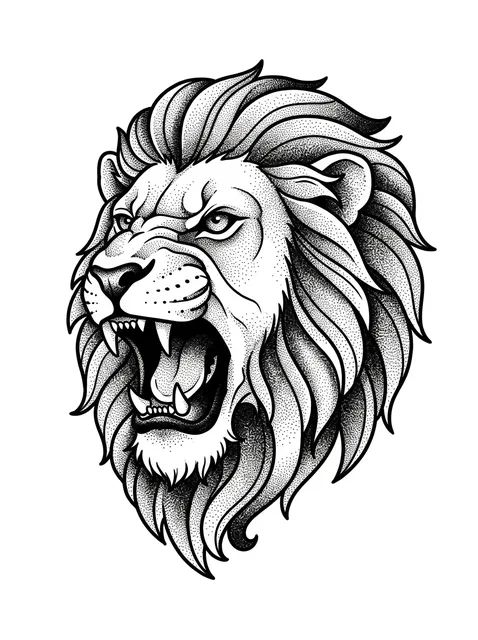
Black and grey dotwork lion tattoo design Try it on — Black and grey dotwork lion tattoo design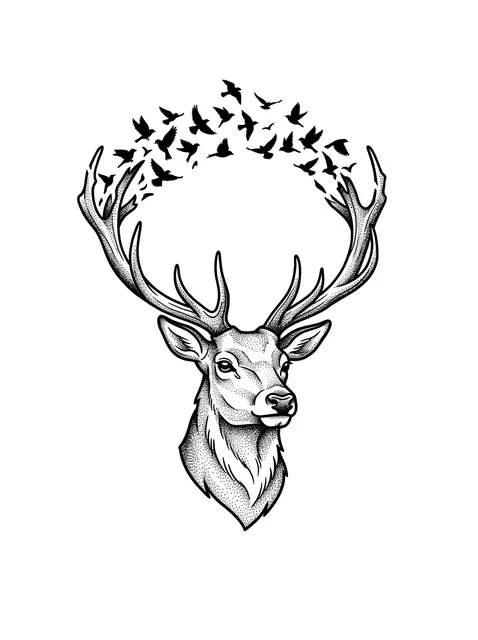
Black and grey dotwork deer and bird tattoo design: a deer head with large antlers Try it on — Black and grey dotwork deer and bird tattoo design: a deer head with large antlers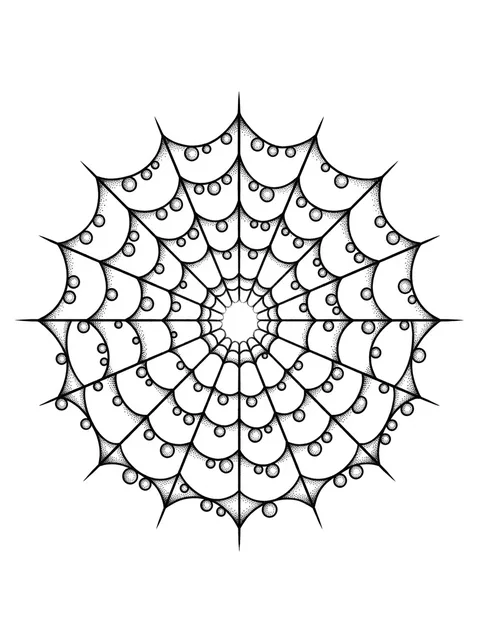
Black and grey dotwork web tattoo design: a spider web with dew drops Try it on — Black and grey dotwork web tattoo design: a spider web with dew drops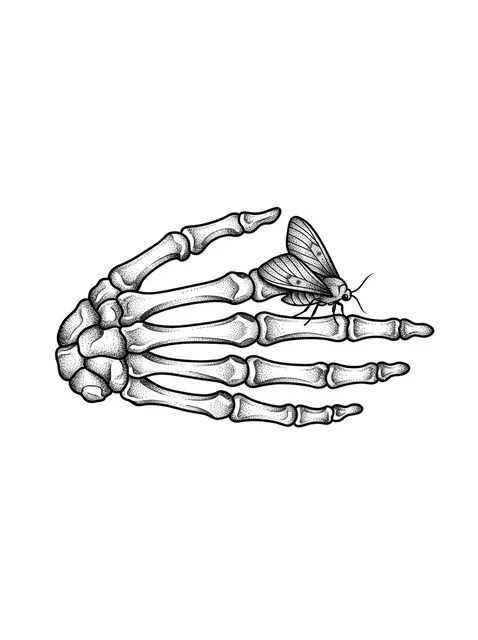
Black and grey dotwork skeleton hand and moth tattoo design Try it on — Black and grey dotwork skeleton hand and moth tattoo design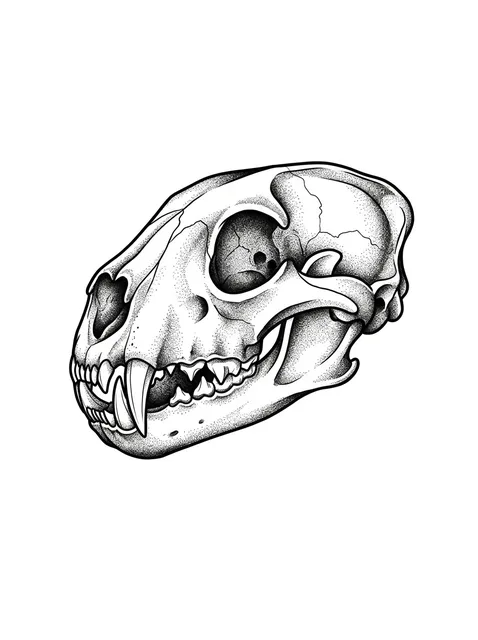
Black and grey dotwork skull tattoo design: an animal skull, possibly a feline or canine Try it on — Black and grey dotwork skull tattoo design: an animal skull, possibly a feline or canine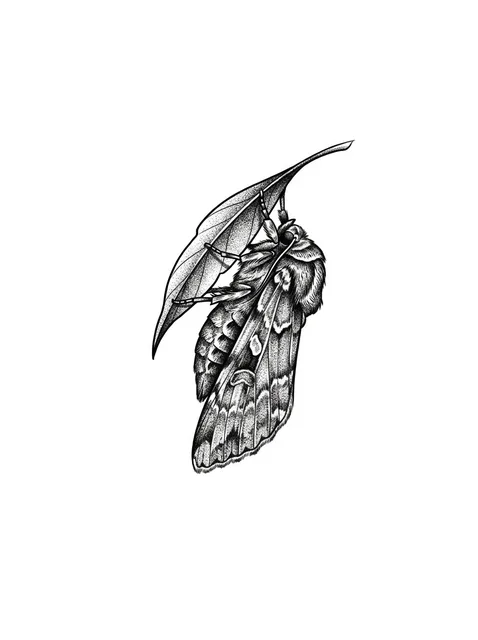
Black and grey dotwork moth and leaf tattoo design: a moth clinging to a leaf Try it on — Black and grey dotwork moth and leaf tattoo design: a moth clinging to a leaf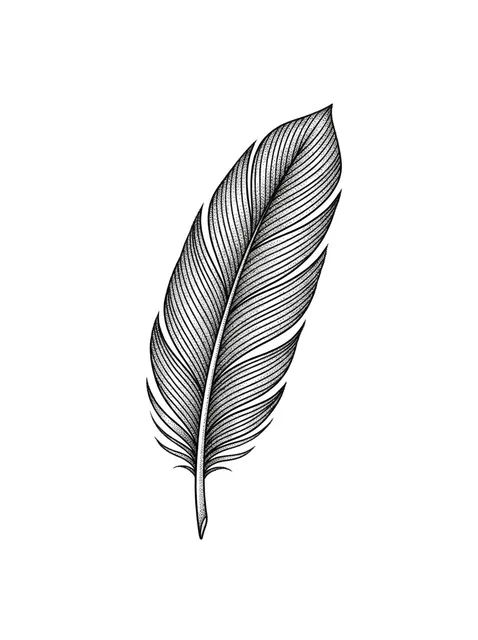
Black and grey dotwork feather tattoo design Try it on — Black and grey dotwork feather tattoo design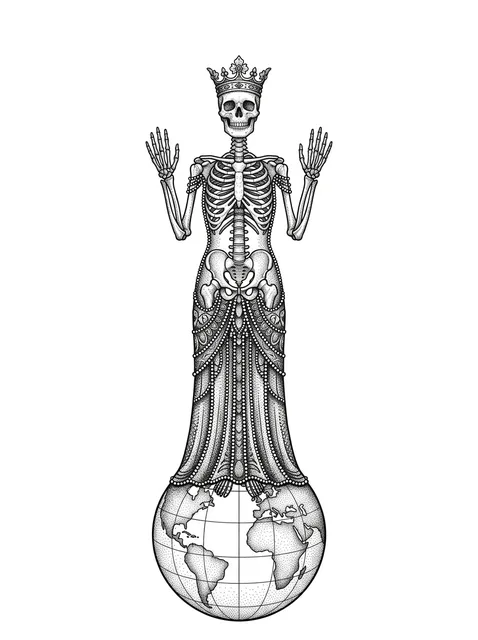
Black and grey dotwork santa muerte and skeleton tattoo design Try it on — Black and grey dotwork santa muerte and skeleton tattoo design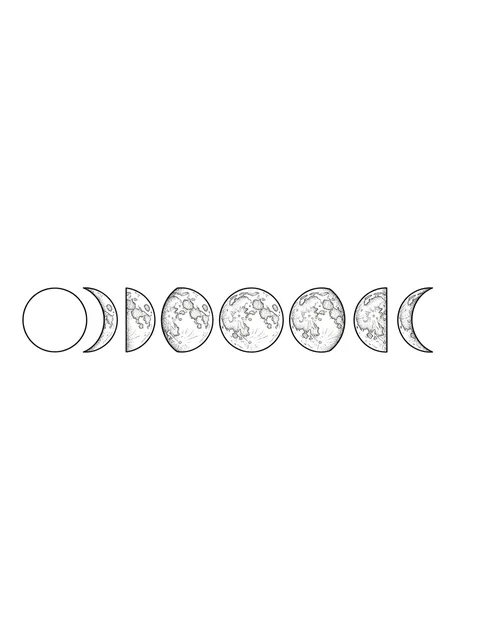
Black and grey dotwork moon tattoo design: the moon in a linear arrangement Try it on — Black and grey dotwork moon tattoo design: the moon in a linear arrangement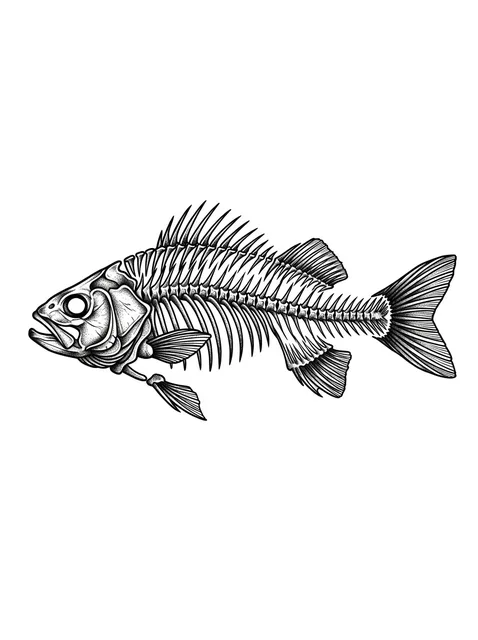
Black and grey dotwork fish and skeleton tattoo design: a fish skeleton Try it on — Black and grey dotwork fish and skeleton tattoo design: a fish skeleton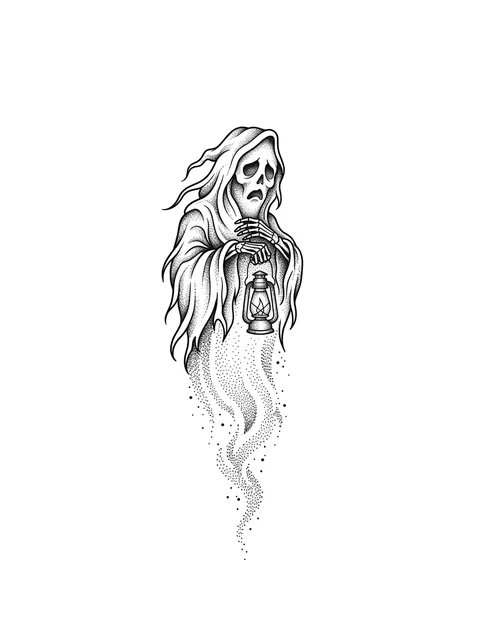
Black and grey dotwork ghost and grim reaper tattoo design Try it on — Black and grey dotwork ghost and grim reaper tattoo design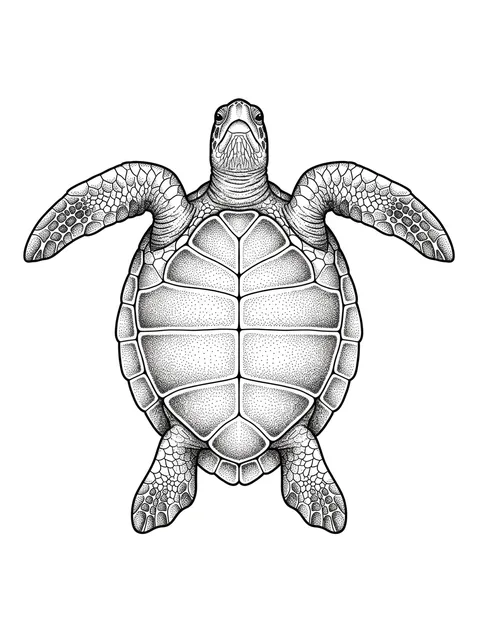
Black and grey dotwork turtle tattoo design: a sea turtle, viewed from above Try it on — Black and grey dotwork turtle tattoo design: a sea turtle, viewed from above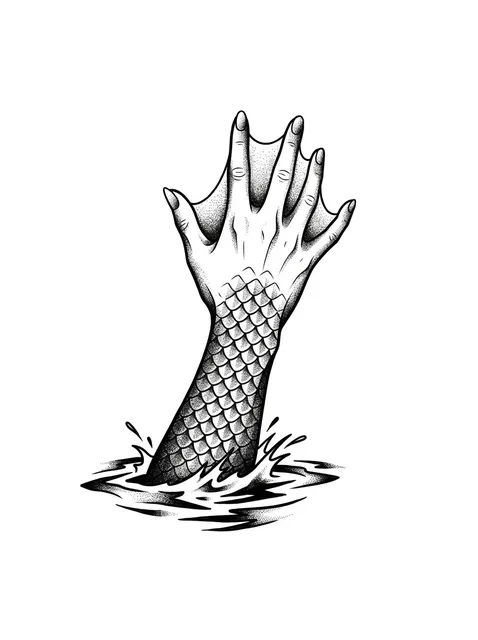
Black and grey dotwork hand and mermaid tattoo design Try it on — Black and grey dotwork hand and mermaid tattoo design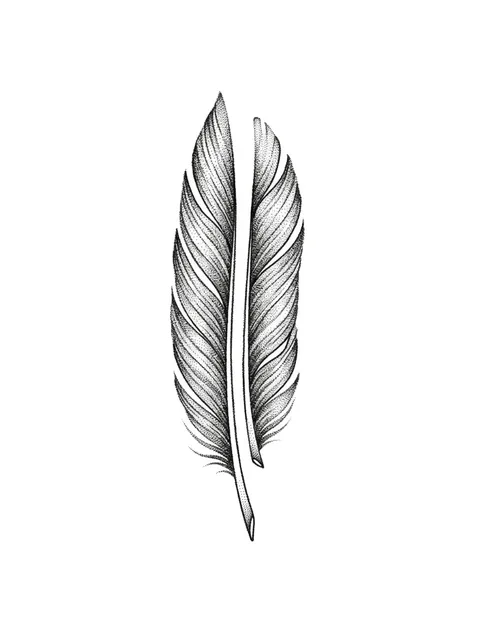
Black and grey dotwork feather tattoo design: a single feather, split down the middle Try it on — Black and grey dotwork feather tattoo design: a single feather, split down the middle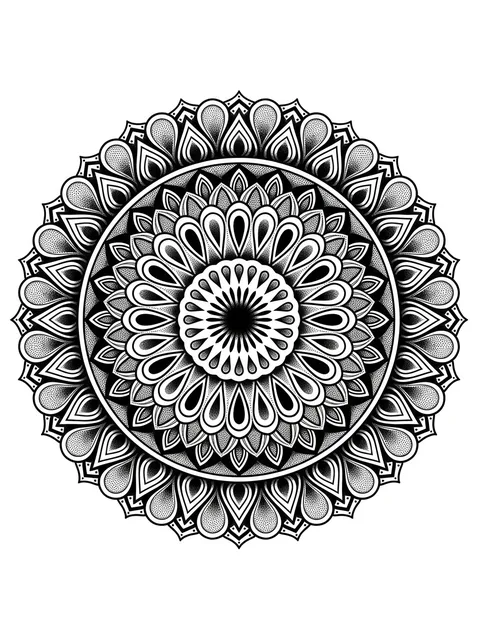
Black and white dotwork mandala tattoo design Try it on — Black and white dotwork mandala tattoo design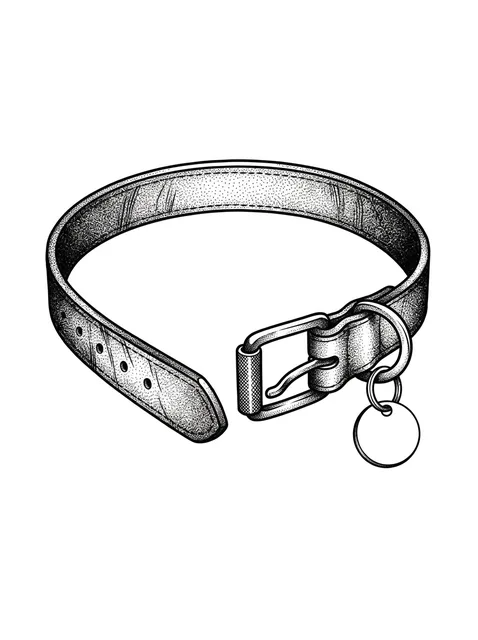
Black and grey dotwork dog collar tattoo design: a dog collar with a buckle and an empty tag Try it on — Black and grey dotwork dog collar tattoo design: a dog collar with a buckle and an empty tag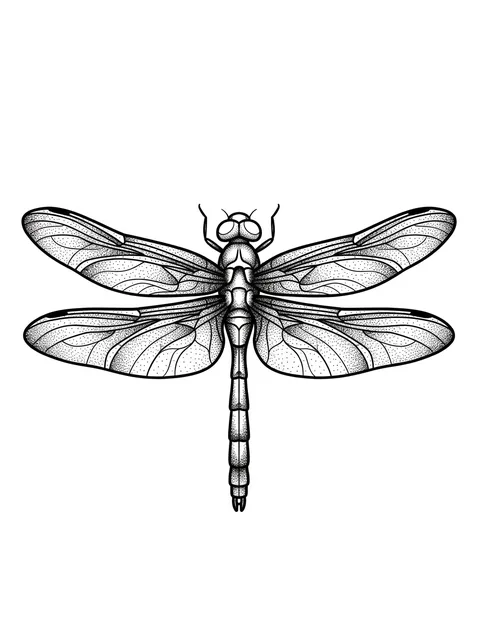
Black and grey dotwork dragonfly tattoo design Try it on — Black and grey dotwork dragonfly tattoo design
Black and grey dotwork virgin mary and praying hands tattoo design Try it on — Black and grey dotwork virgin mary and praying hands tattoo design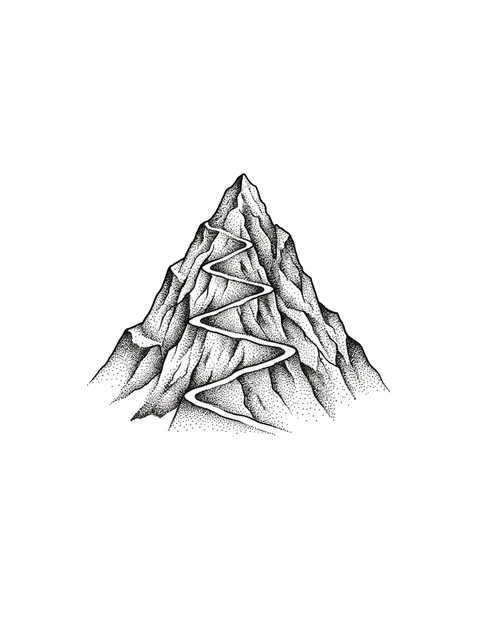
Black and grey dotwork mountain tattoo design Try it on — Black and grey dotwork mountain tattoo design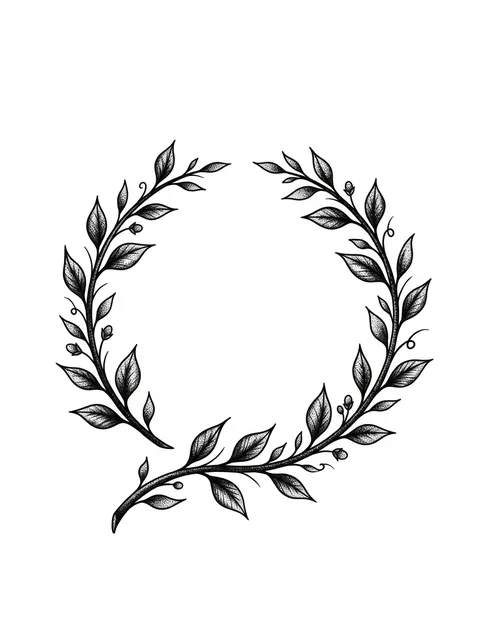
Black and grey dotwork leaf and vine tattoo design: a graceful laurel wreath Try it on — Black and grey dotwork leaf and vine tattoo design: a graceful laurel wreath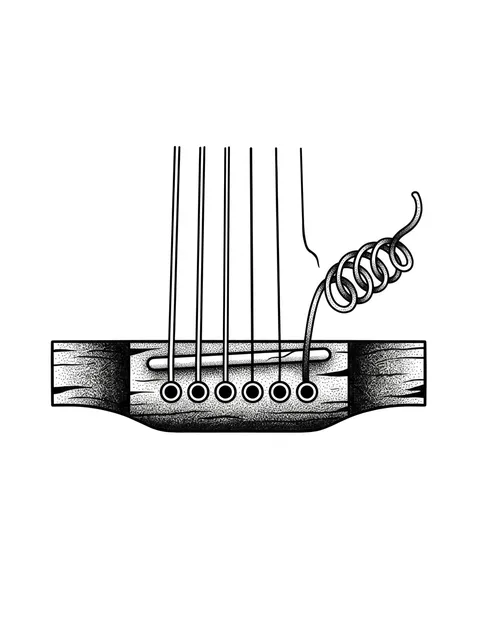
Black and white dotwork guitar tattoo design: the bridge of an acoustic guitar with six strings Try it on — Black and white dotwork guitar tattoo design: the bridge of an acoustic guitar with six strings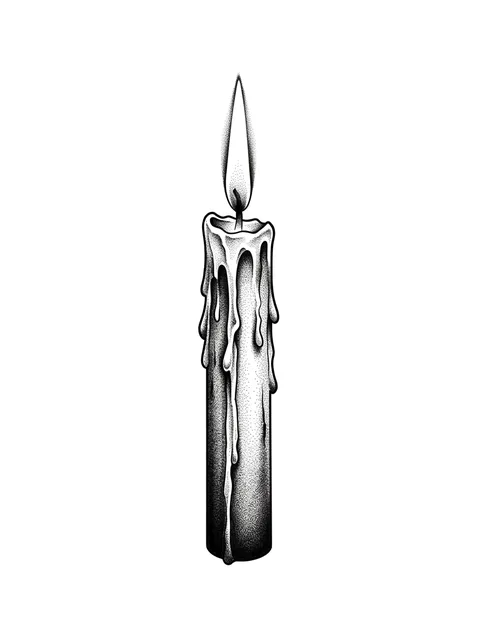
Black and grey dotwork fire and candle tattoo design: a melting candle Try it on — Black and grey dotwork fire and candle tattoo design: a melting candle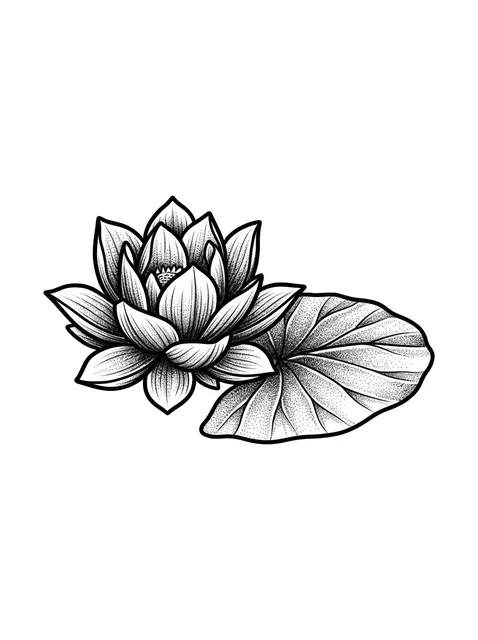
Black and grey dotwork lotus and leaf tattoo design: a prominent leaf Try it on — Black and grey dotwork lotus and leaf tattoo design: a prominent leaf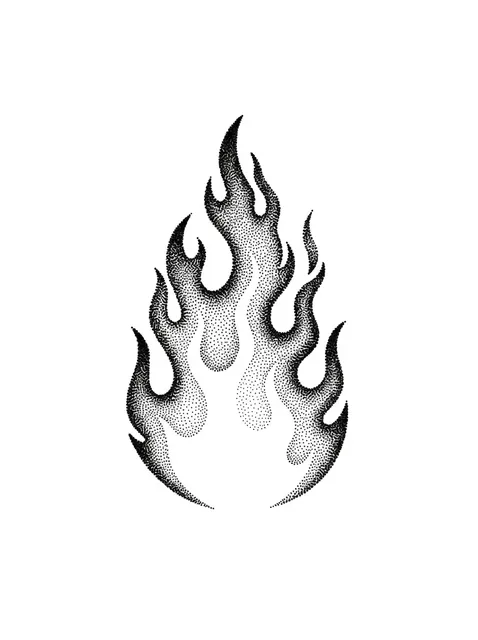
Black and grey dotwork fire tattoo design Try it on — Black and grey dotwork fire tattoo design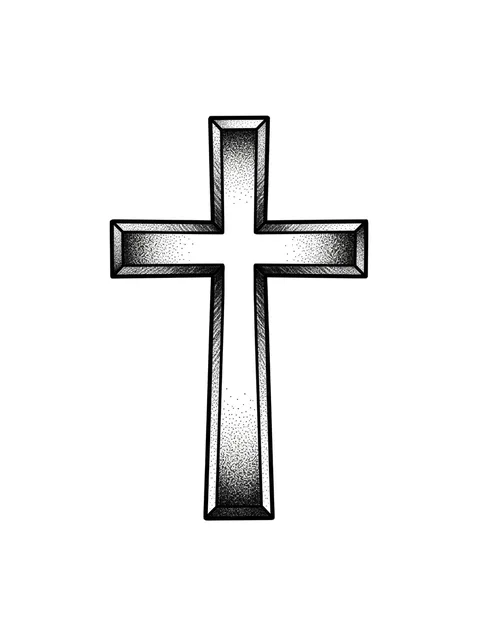
Black and grey dotwork cross tattoo design Try it on — Black and grey dotwork cross tattoo design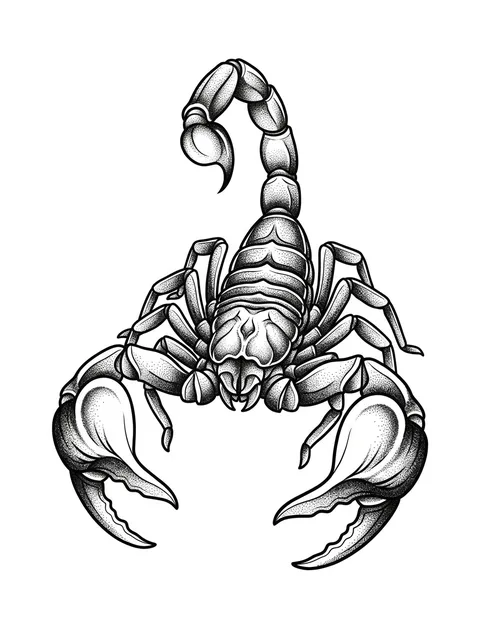
Black and grey dotwork scorpion tattoo design Try it on — Black and grey dotwork scorpion tattoo design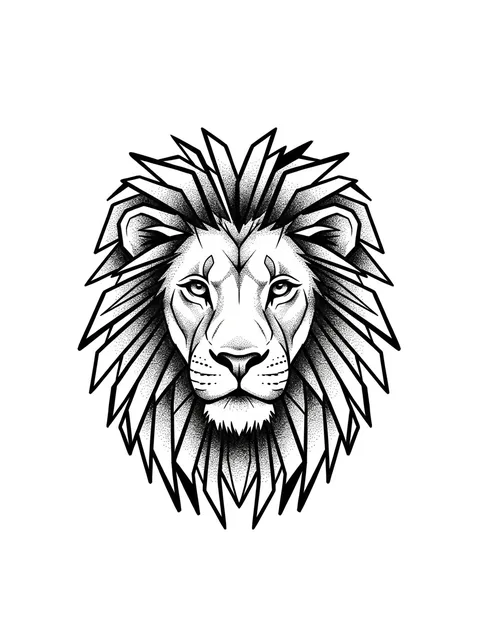
Black and grey dotwork lion tattoo design Try it on — Black and grey dotwork lion tattoo design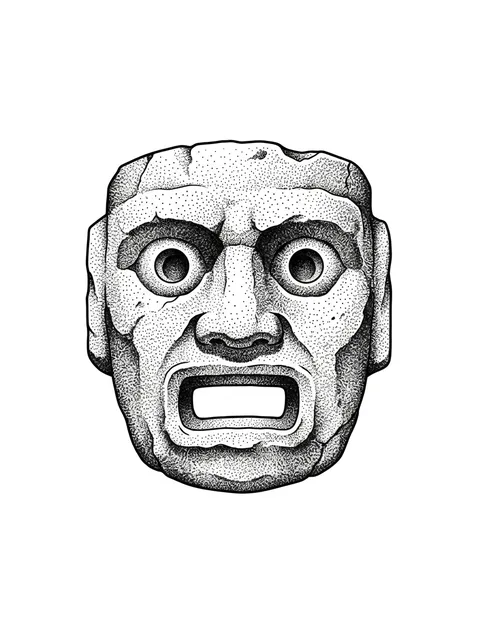
Black and grey dotwork aztec tattoo design Try it on — Black and grey dotwork aztec tattoo design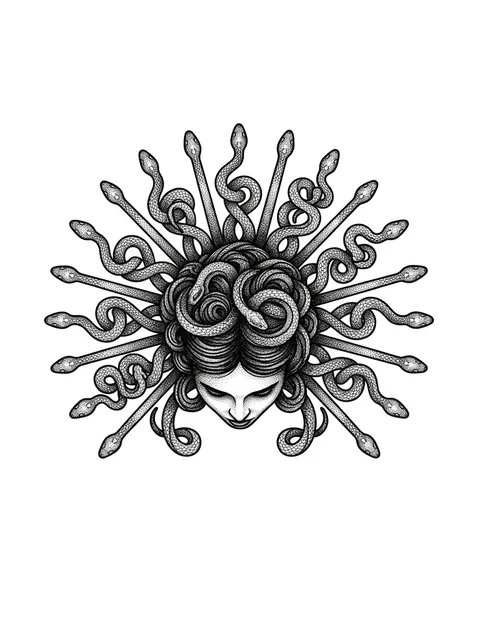
Black and grey dotwork medusa and snake tattoo design Try it on — Black and grey dotwork medusa and snake tattoo design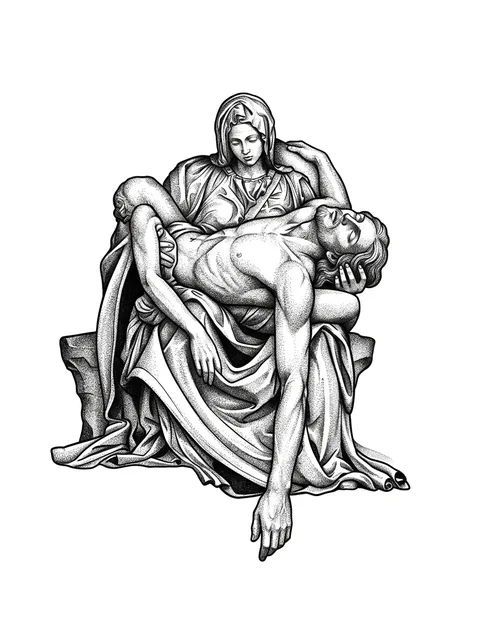
Black and grey dotwork virgin mary and jesus tattoo design Try it on — Black and grey dotwork virgin mary and jesus tattoo design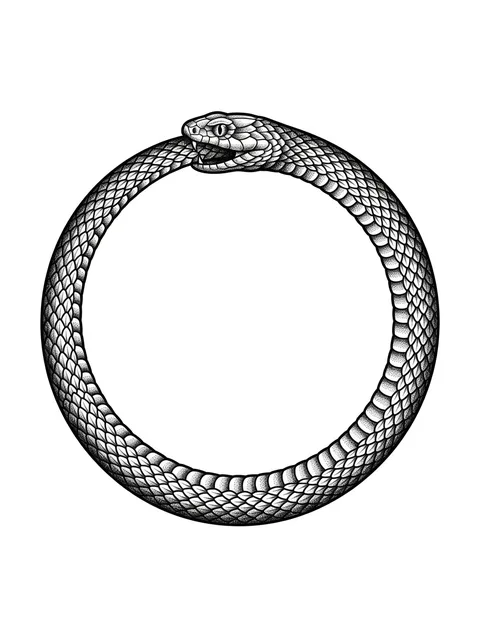
Black and grey dotwork ouroboros and snake tattoo design Try it on — Black and grey dotwork ouroboros and snake tattoo design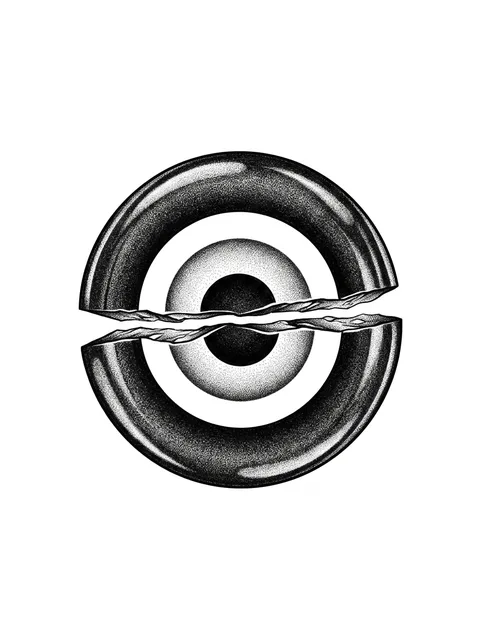
Black and grey dotwork eye and abstract tattoo design Try it on — Black and grey dotwork eye and abstract tattoo design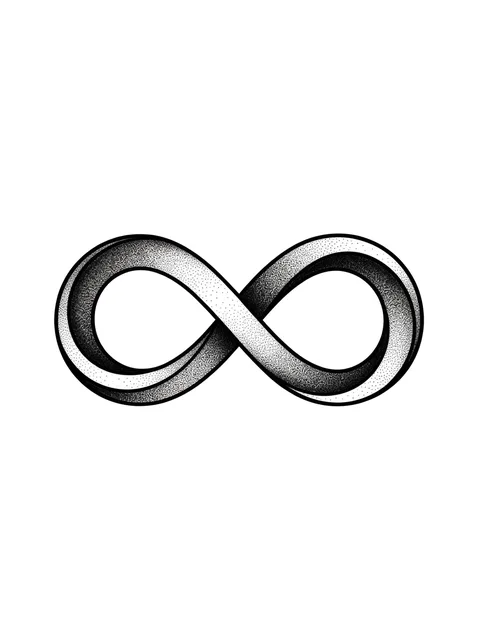
Black and grey dotwork infinity tattoo design Try it on — Black and grey dotwork infinity tattoo design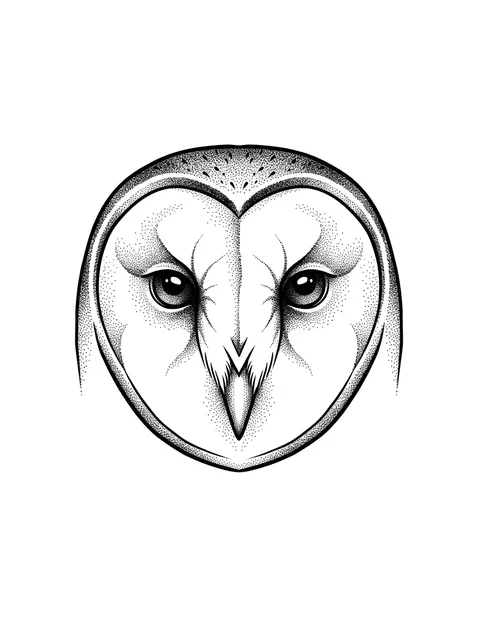
Black and grey dotwork owl tattoo design: the face of a barn owl Try it on — Black and grey dotwork owl tattoo design: the face of a barn owl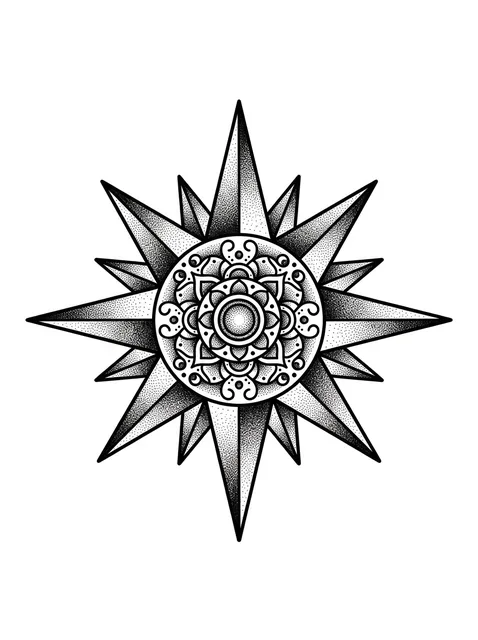
Black and grey dotwork mandala and star tattoo design Try it on — Black and grey dotwork mandala and star tattoo design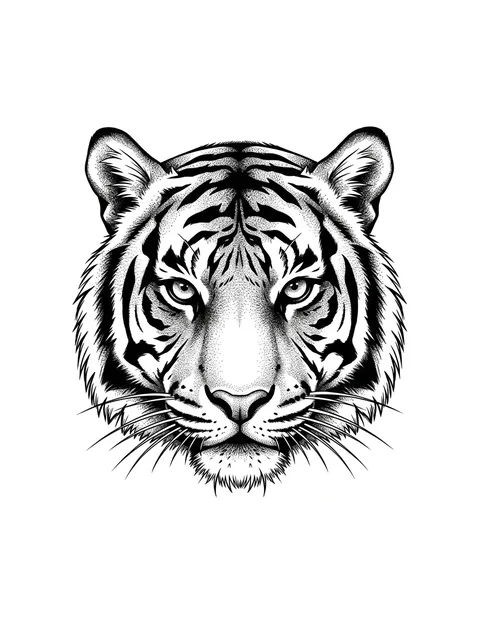
Black and grey dotwork tiger tattoo design: a tiger's head in a frontal view Try it on — Black and grey dotwork tiger tattoo design: a tiger's head in a frontal view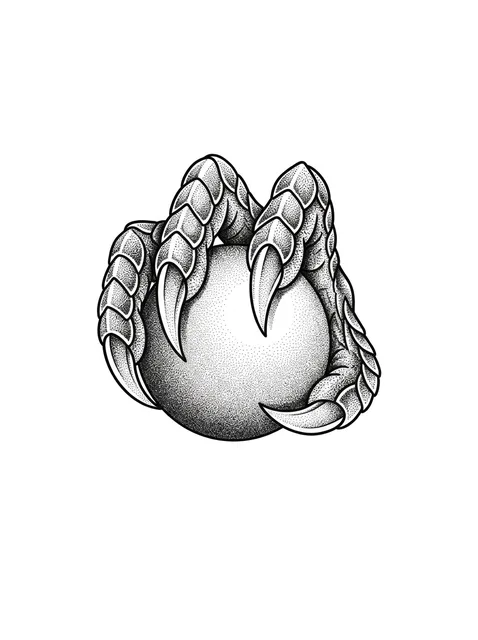
Black and grey dotwork claw tattoo design: a powerful claw grasping a spherical object Try it on — Black and grey dotwork claw tattoo design: a powerful claw grasping a spherical object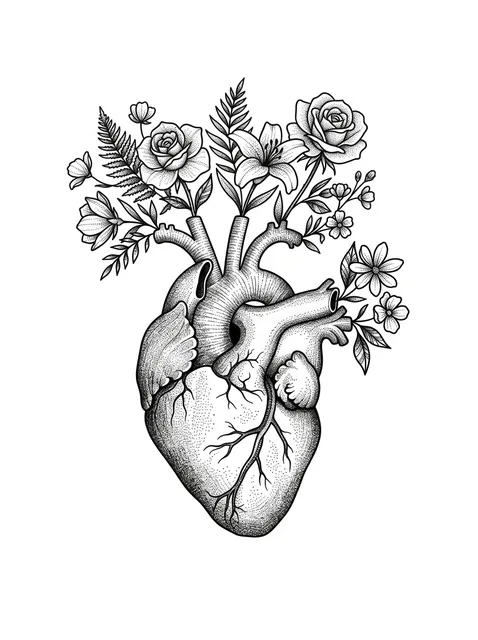
Black and grey dotwork heart and flower tattoo design Try it on — Black and grey dotwork heart and flower tattoo design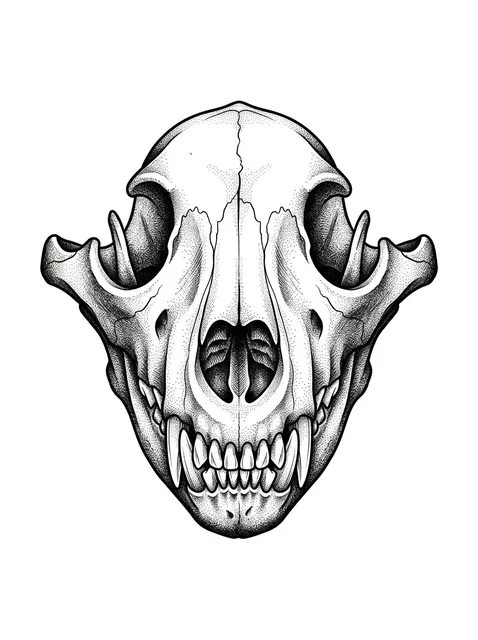
Black and grey dotwork skull tattoo design: an animal skull, possibly a bear or wolf Try it on — Black and grey dotwork skull tattoo design: an animal skull, possibly a bear or wolf


48 designs drawn for InkCraft in this style. Tap any one to place it on a photo of your own skin.
These 48 designs, in numbers
- Black and grey
- 48
- Colour
- 0
- Subjects covered
- 56
Why density reads as shadow
Put enough small marks close together and the eye stops counting them and starts reading a grey. Stipple them further apart and the grey lightens. That is the entire mechanism, and it is the same one engravers and etchers used for four centuries before tattooing borrowed it.
The advantage on skin is specific. Conventional shading lays down a continuous field of diluted pigment, and as that field spreads it softens at the edges and loses its gradient. A field of discrete points spreads too, but each point stays a point — the tone gets very slightly darker overall and the structure is untouched. A twenty-year-old stippled gradient still has its gradient.
It also gives unusually fine control at the pale end. Very light tone is hard to achieve with dilution, where thin grey heals unpredictably, but trivially easy with spacing: put fewer dots. That is why the softest gradients you will see on skin are almost always stippled.
What it costs
Time, mostly. A palm-sized area of mid tone is thousands of individual placements, and there is no shortcut that does not show — machine-packed "dotwork" done fast reads as texture rather than as tone, and the difference is obvious side by side. Expect a piece to be quoted by the session and to take noticeably longer than shaded work of the same size.
It is also, by most accounts, a gentler sitting than solid packing despite the length. Each point is a brief contact rather than a repeated pass over irritated skin, so the sensation is more of a long dull session than an intense one. Long is still long, though: hydrate and eat first.
Hand-poked dotwork is a related tradition worth knowing about — the same technique without a machine, slower again, and with a slightly softer quality that some people specifically want.
Subjects that suit it
Anything with a smooth gradient: mandalas and ornamental work, astronomical subjects, geometric solids, and organic forms where the light falls gradually rather than sharply. It pairs naturally with clean linework, where the line carries the structure and the stipple carries the tone.
It suits large flat areas better than small curved ones, because a gradient needs room to be a gradient. A thigh, a back, an outer arm or a chest all give it space; a finger or a wrist does not, and stipple on a very small piece tends to close into a solid patch as it settles.
The one subject to be careful with is anything needing hard contrast — bold graphic work or a design that should read instantly from a distance. Stippled tone is inherently soft, so a piece that depends on punch will want solid black somewhere in it.
What an hour of this work costs, and how many hours dotwork tattoos takes at each size, is in the cost guide. How it behaves later — under a laser, and as the thing doing the covering — is in the removal and cover-up guide.
Common questions
- Does dotwork last longer than regular shading?
- It holds its structure better. Conventional shading is a continuous field that softens at the edges as it spreads; stippled tone is discrete points that spread individually and stay points, so the gradient survives largely intact for decades.
- Does dotwork hurt more?
- It is usually reported as less intense but longer. Each point is a brief contact rather than repeated passes over already-irritated skin, so the sensation is duller — but a stippled piece can take several times as long as shaded work of the same size.
- How long does a dotwork piece take?
- Substantially longer than shaded work at the same size, because mid tone over a palm-sized area is thousands of individual placements. Most artists quote by the session, and larger ornamental pieces run across several.
- What does dotwork suit?
- Smooth gradients — mandalas, ornamental and geometric work, astronomical subjects — and it pairs naturally with linework, where the line holds the structure and the stipple holds the tone. It is a poor fit for designs that need hard contrast at a distance.
See this style on your own skin
InkCraft places a design on a photo of you — scaled, wrapped and shaded to the spot you pick, so you can judge how the style reads on your body before it is permanent.