 InkCraft
Constellation Tattoo Ideas and Real Star Charts
45 original constellation designs drawn for InkCraftBy Uladzimir TumanauUpdated
A constellation tattoo is either a chart of real stars or dots scattered to look like one, and only the chart can be checked against the sky. Brightness decides each dot's size, north sits at the top, and a mirrored figure matches nothing overhead.
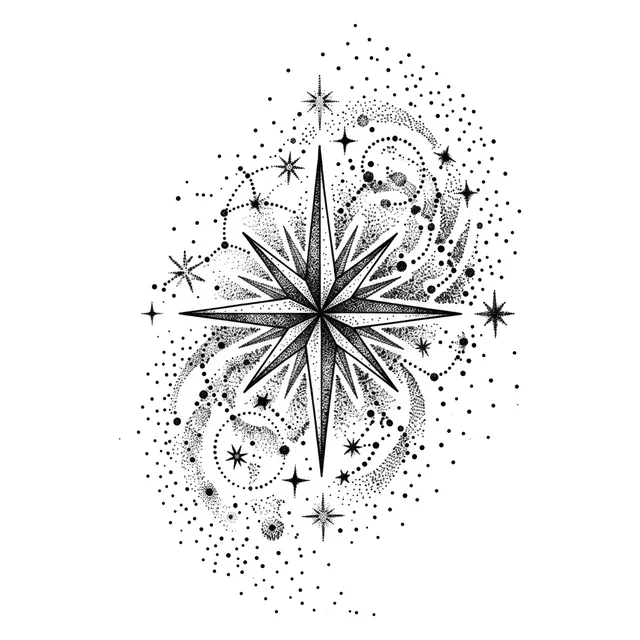
Black and grey dotwork constellation and star tattoo design Try it on — Black and grey dotwork constellation and star tattoo design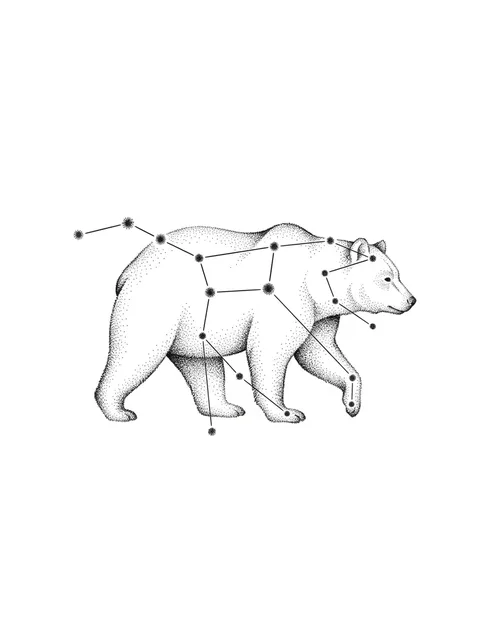
Black and white linework constellation and bear tattoo design, outline stencil: a walking bear Try it on — Black and white linework constellation and bear tattoo design, outline stencil: a walking bear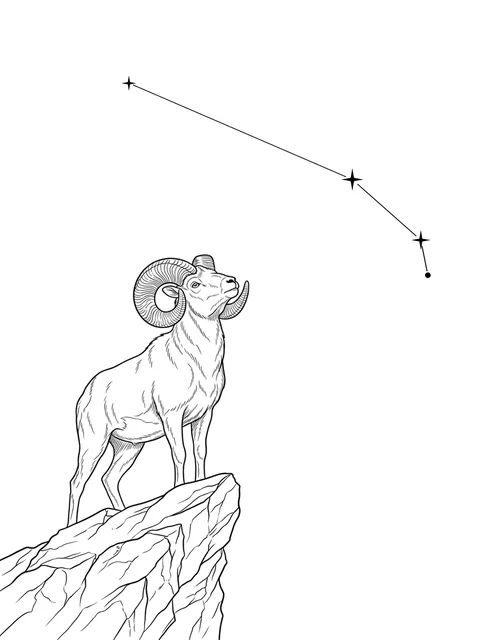
Black and white fine line constellation and aries tattoo design, outline stencil: its head raised Try it on — Black and white fine line constellation and aries tattoo design, outline stencil: its head raised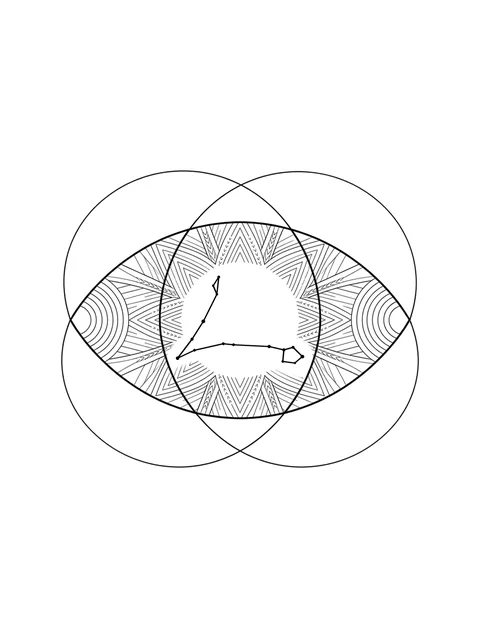
Black and white geometric constellation and pisces tattoo design, outline stencil Try it on — Black and white geometric constellation and pisces tattoo design, outline stencil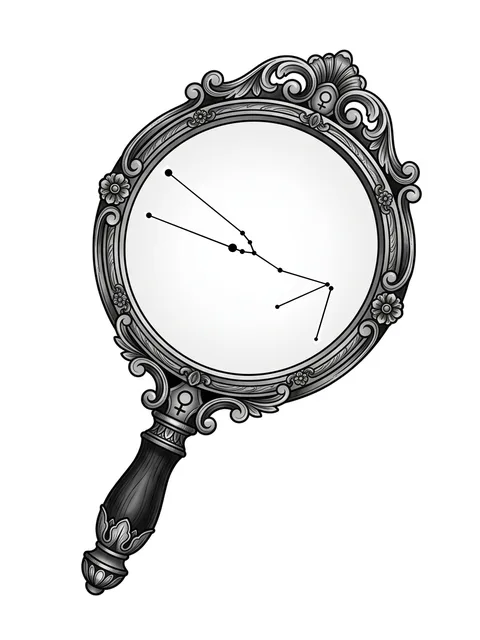
Black and grey illustrative constellation and taurus tattoo design Try it on — Black and grey illustrative constellation and taurus tattoo design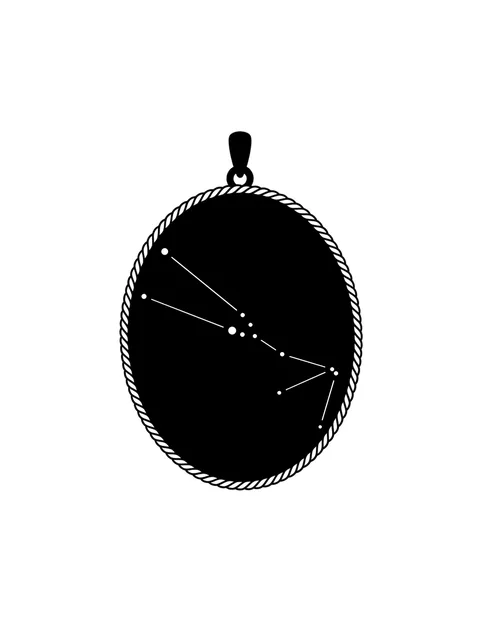
Black and white blackwork constellation and taurus tattoo design Try it on — Black and white blackwork constellation and taurus tattoo design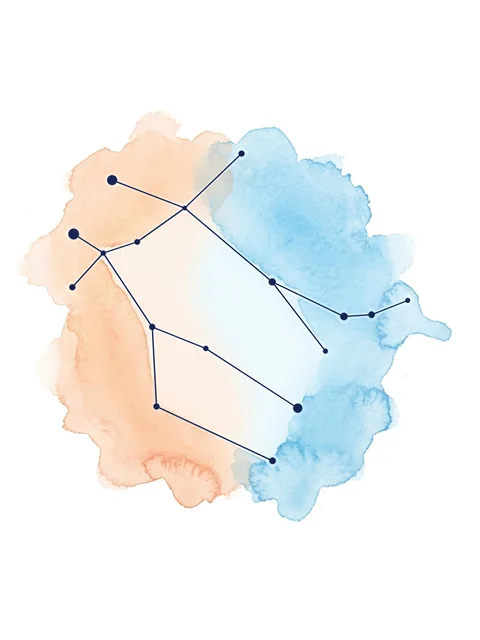
Color watercolor constellation and gemini tattoo design Try it on — Color watercolor constellation and gemini tattoo design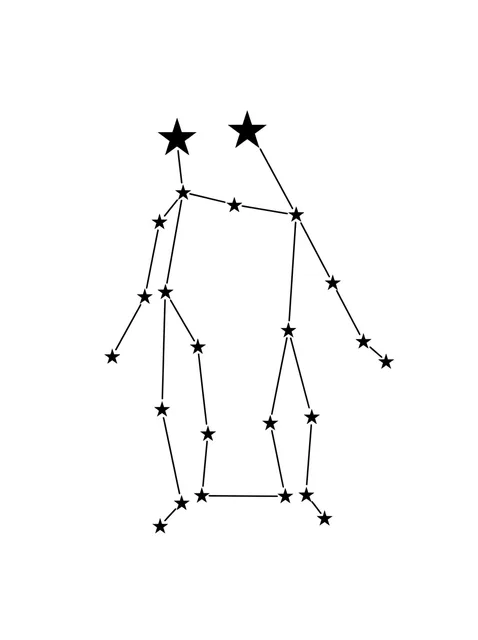
Black and white fine line constellation and gemini tattoo design, outline stencil Try it on — Black and white fine line constellation and gemini tattoo design, outline stencil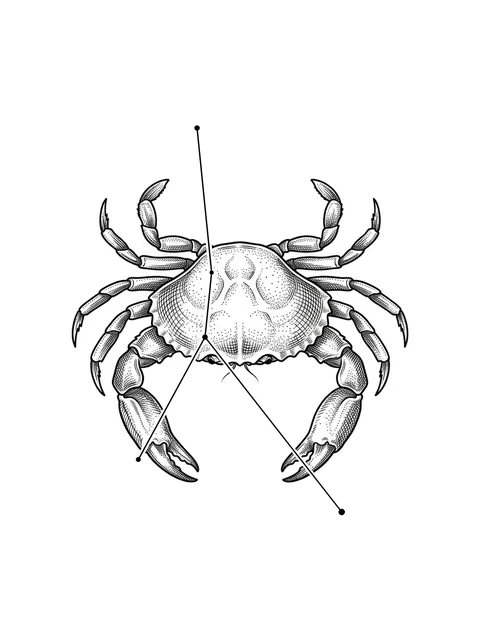
Black and grey illustrative constellation and cancer sign tattoo design Try it on — Black and grey illustrative constellation and cancer sign tattoo design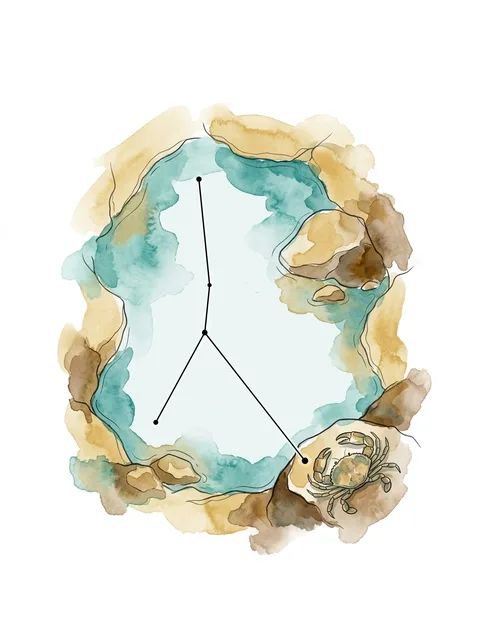
Color watercolor constellation and cancer sign tattoo design Try it on — Color watercolor constellation and cancer sign tattoo design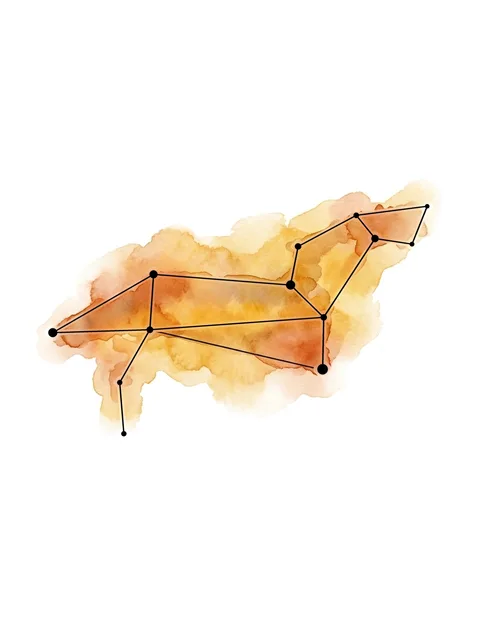
Color watercolor constellation and leo tattoo design Try it on — Color watercolor constellation and leo tattoo design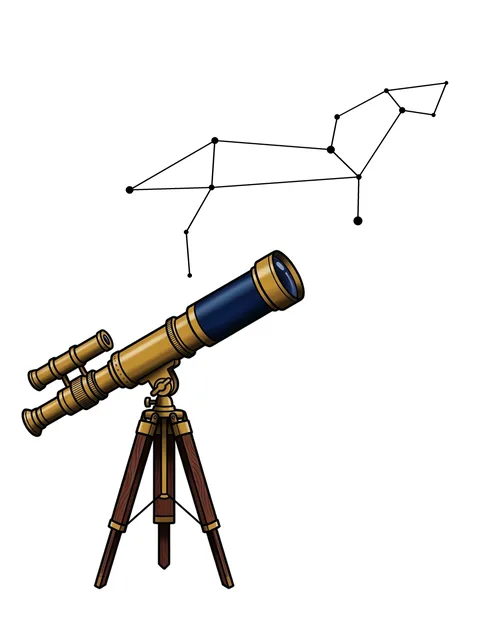
Color illustrative constellation and leo tattoo design Try it on — Color illustrative constellation and leo tattoo design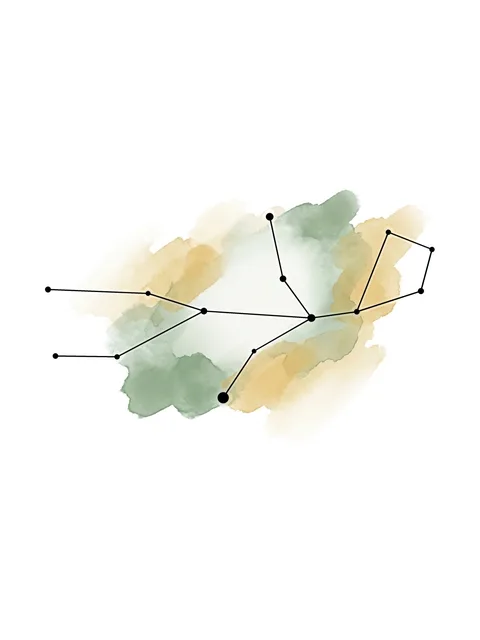
Color watercolor constellation and virgo tattoo design Try it on — Color watercolor constellation and virgo tattoo design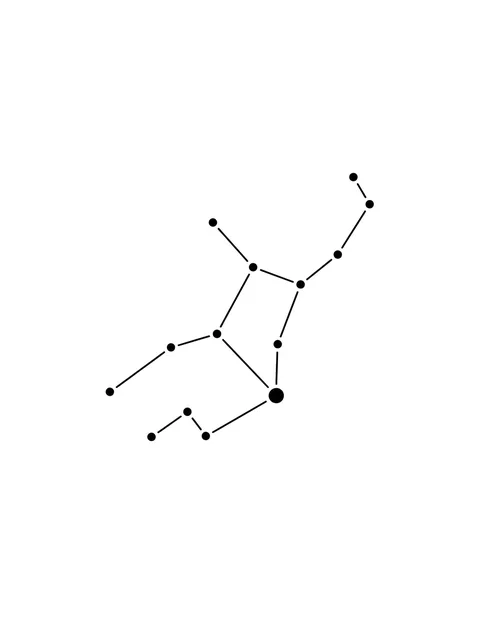
Black and white minimalist constellation and virgo tattoo design, outline stencil Try it on — Black and white minimalist constellation and virgo tattoo design, outline stencil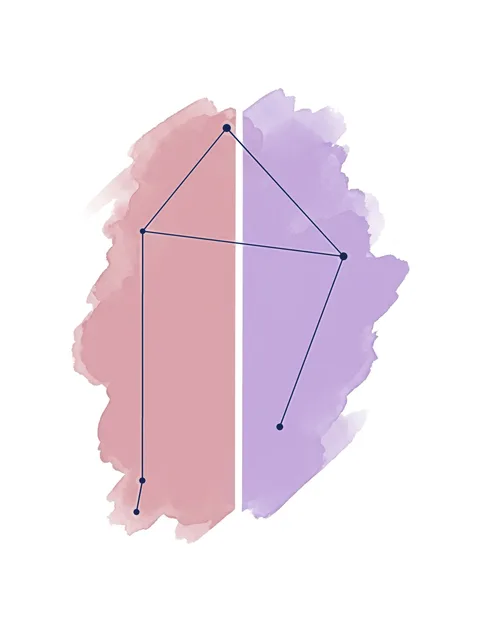
Color watercolor constellation and libra tattoo design Try it on — Color watercolor constellation and libra tattoo design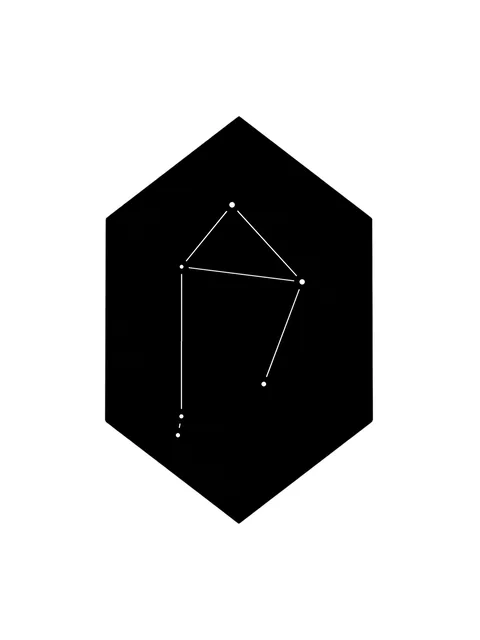
Black and white blackwork constellation and libra tattoo design Try it on — Black and white blackwork constellation and libra tattoo design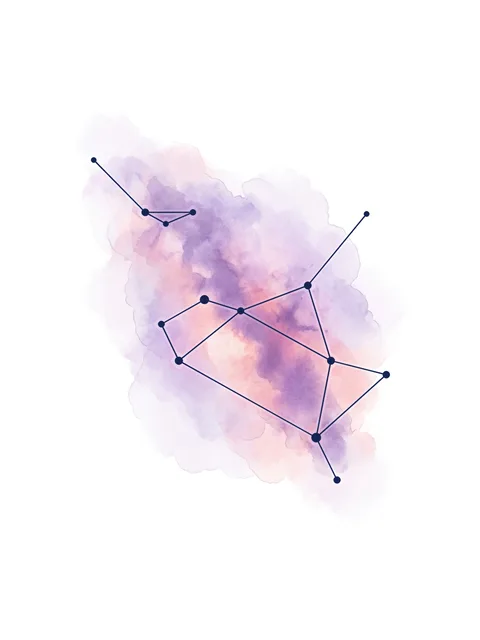
Color watercolor constellation and sagittarius tattoo design Try it on — Color watercolor constellation and sagittarius tattoo design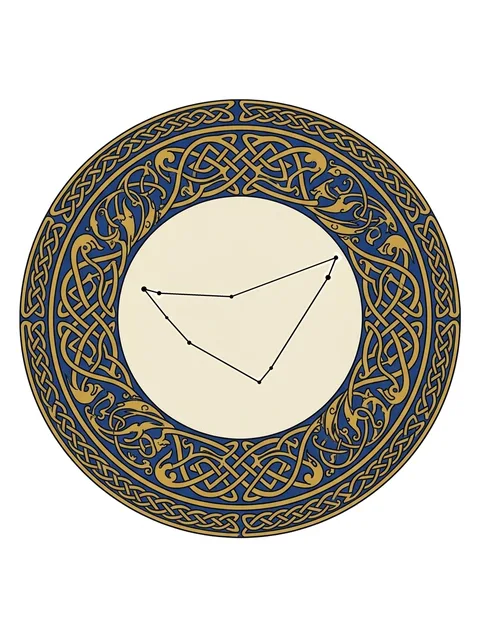
Color celtic constellation and capricorn tattoo design Try it on — Color celtic constellation and capricorn tattoo design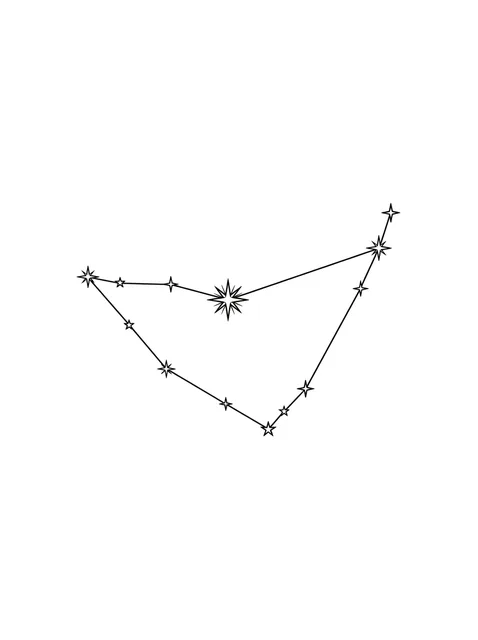
Black and white fine line constellation and capricorn tattoo design, outline stencil Try it on — Black and white fine line constellation and capricorn tattoo design, outline stencil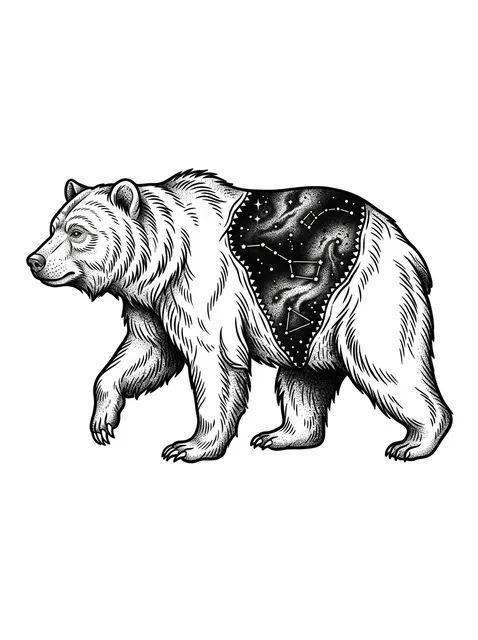
Black and grey illustrative constellation and bear tattoo design Try it on — Black and grey illustrative constellation and bear tattoo design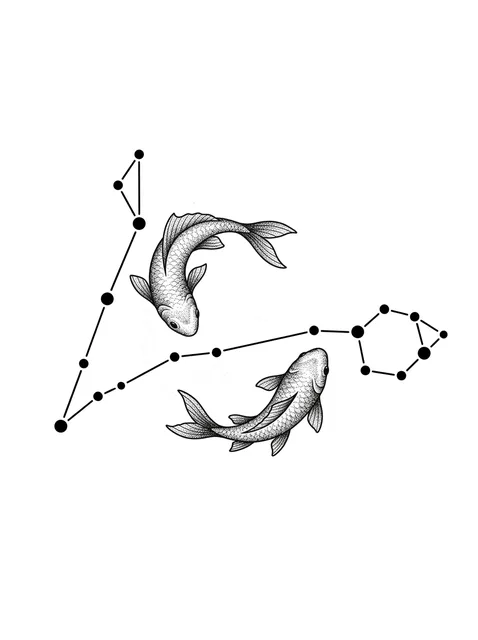
Black and grey dotwork constellation and pisces tattoo design Try it on — Black and grey dotwork constellation and pisces tattoo design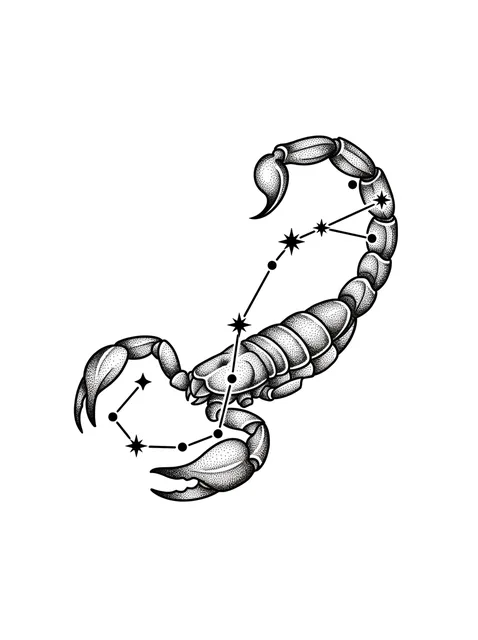
Black and grey dotwork constellation and scorpion tattoo design: a scorpion with its tail curled Try it on — Black and grey dotwork constellation and scorpion tattoo design: a scorpion with its tail curled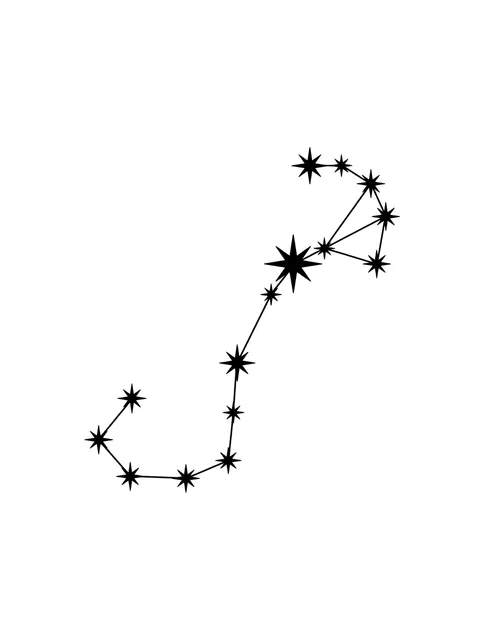
Black and white fine line constellation and scorpio tattoo design, outline stencil Try it on — Black and white fine line constellation and scorpio tattoo design, outline stencil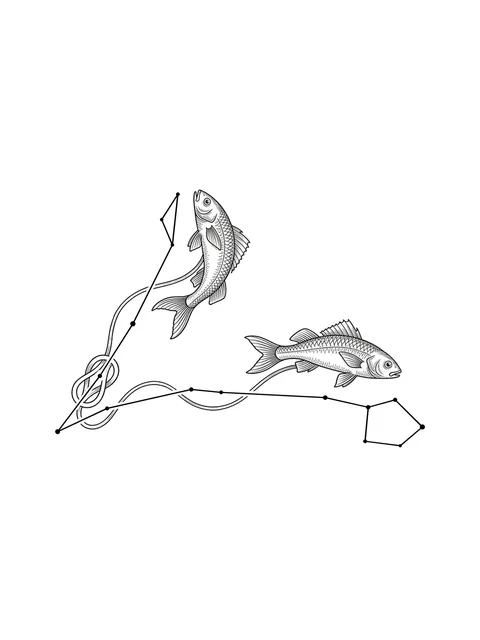
Black and grey illustrative constellation and pisces tattoo design Try it on — Black and grey illustrative constellation and pisces tattoo design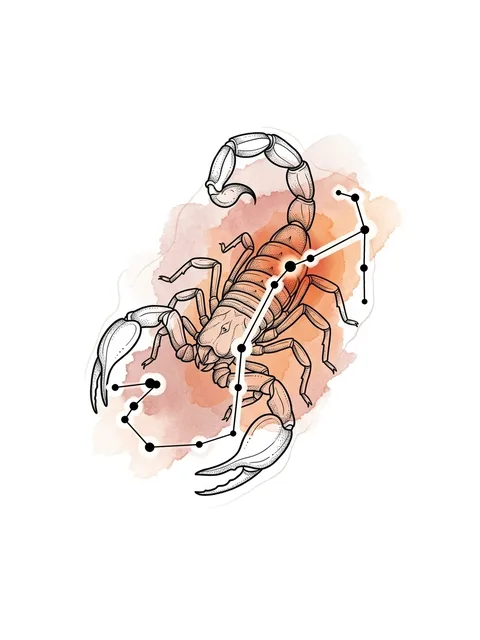
Color watercolor constellation and scorpio tattoo design Try it on — Color watercolor constellation and scorpio tattoo design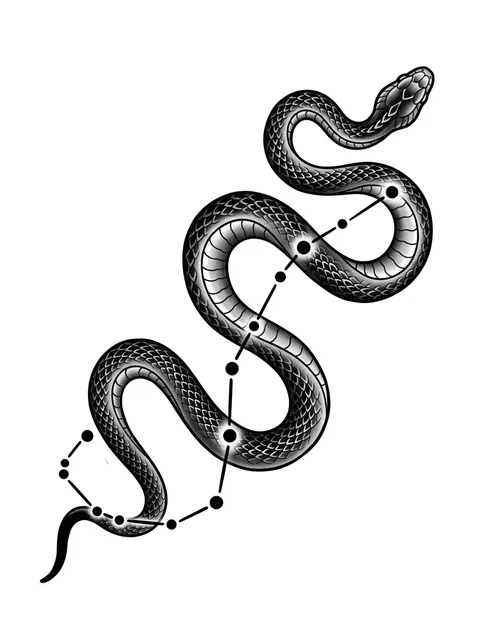
Black and grey illustrative constellation and scorpio tattoo design Try it on — Black and grey illustrative constellation and scorpio tattoo design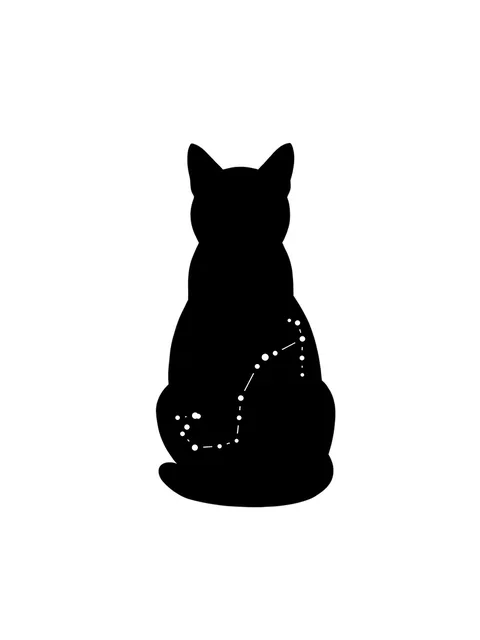
Black and white blackwork constellation and scorpio tattoo design Try it on — Black and white blackwork constellation and scorpio tattoo design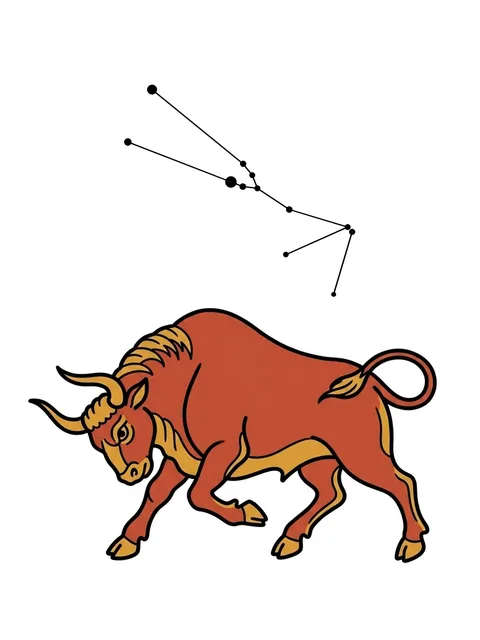
Color illustrative constellation and taurus tattoo design Try it on — Color illustrative constellation and taurus tattoo design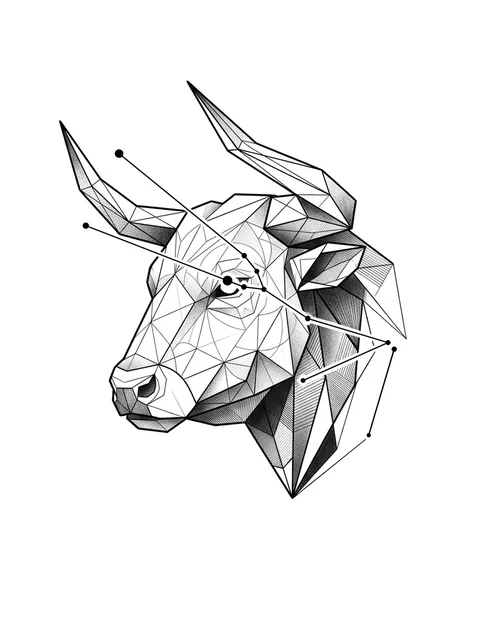
Black and grey geometric constellation and taurus tattoo design, outline stencil Try it on — Black and grey geometric constellation and taurus tattoo design, outline stencil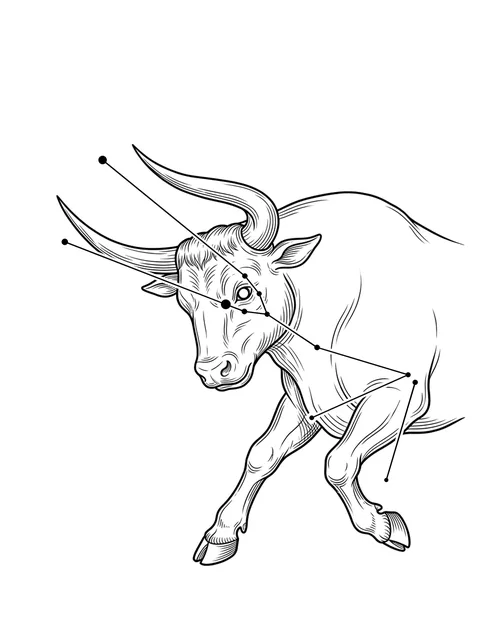
Black and grey illustrative constellation and taurus tattoo design Try it on — Black and grey illustrative constellation and taurus tattoo design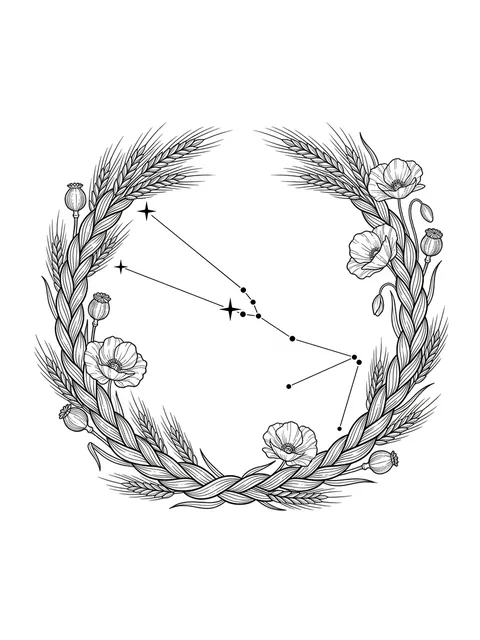
Black and grey fine line constellation and taurus tattoo design, outline stencil Try it on — Black and grey fine line constellation and taurus tattoo design, outline stencil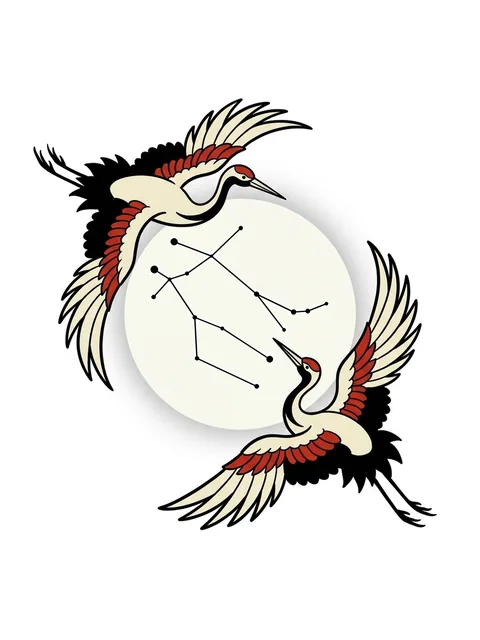
Color Japanese constellation and gemini tattoo design Try it on — Color Japanese constellation and gemini tattoo design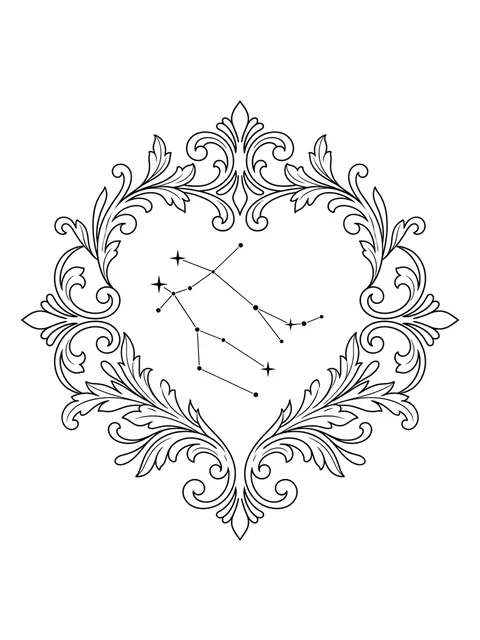
Black and grey ornamental constellation and gemini tattoo design Try it on — Black and grey ornamental constellation and gemini tattoo design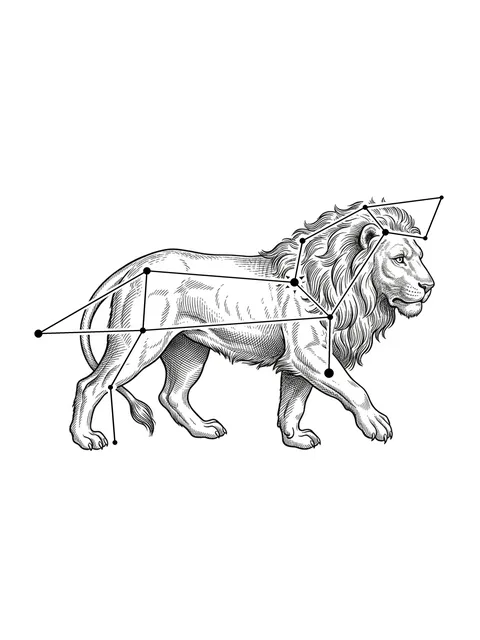
Black and grey illustrative constellation and leo tattoo design Try it on — Black and grey illustrative constellation and leo tattoo design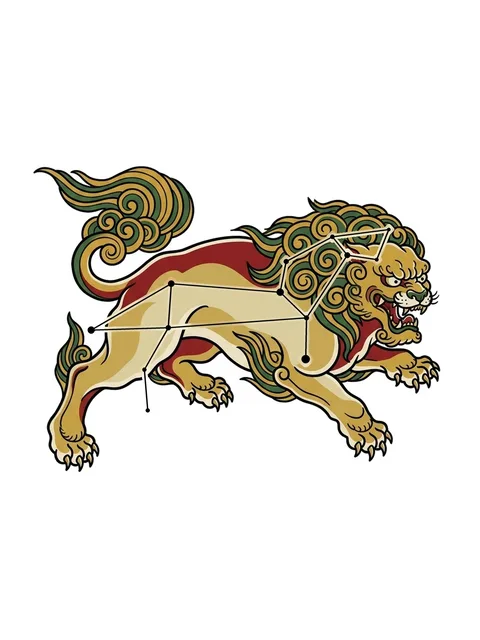
Color Japanese constellation and leo tattoo design Try it on — Color Japanese constellation and leo tattoo design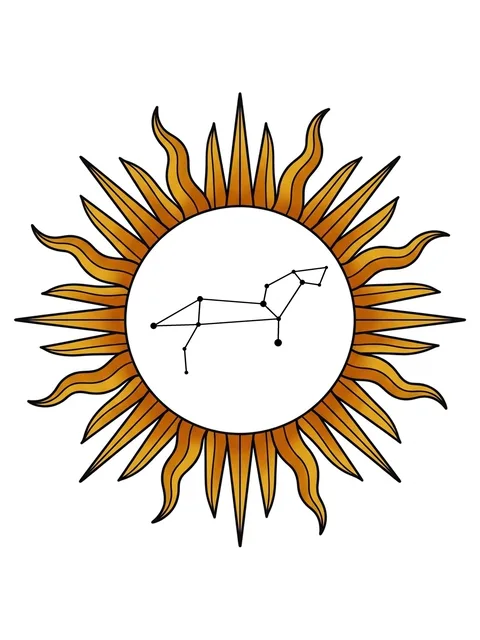
Color illustrative constellation and leo tattoo design Try it on — Color illustrative constellation and leo tattoo design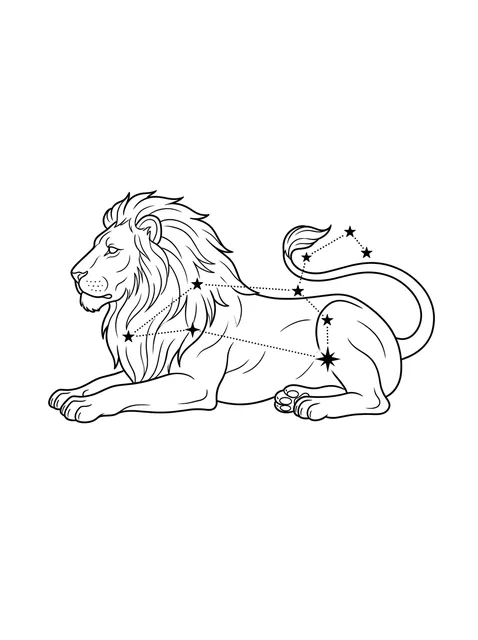
Black and white fine line constellation and leo tattoo design, outline stencil Try it on — Black and white fine line constellation and leo tattoo design, outline stencil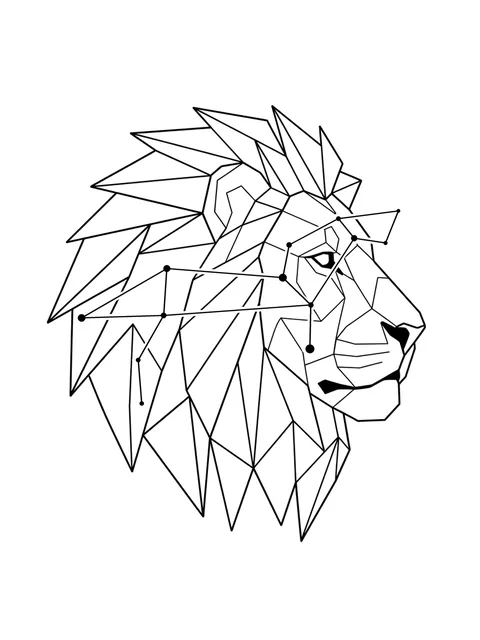
Black and white geometric constellation and leo tattoo design, outline stencil Try it on — Black and white geometric constellation and leo tattoo design, outline stencil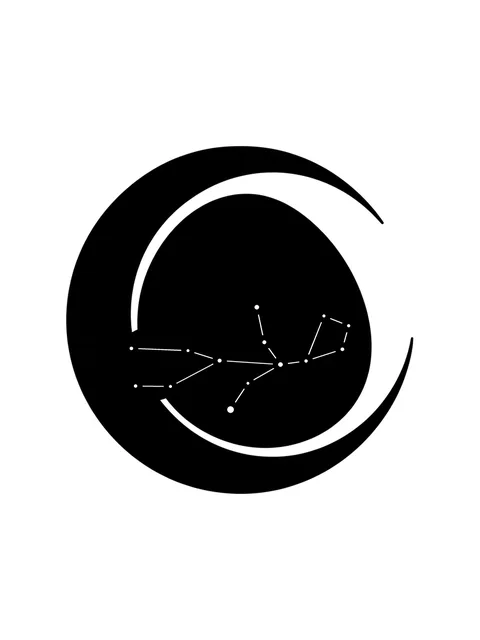
Black and white blackwork constellation and virgo tattoo design Try it on — Black and white blackwork constellation and virgo tattoo design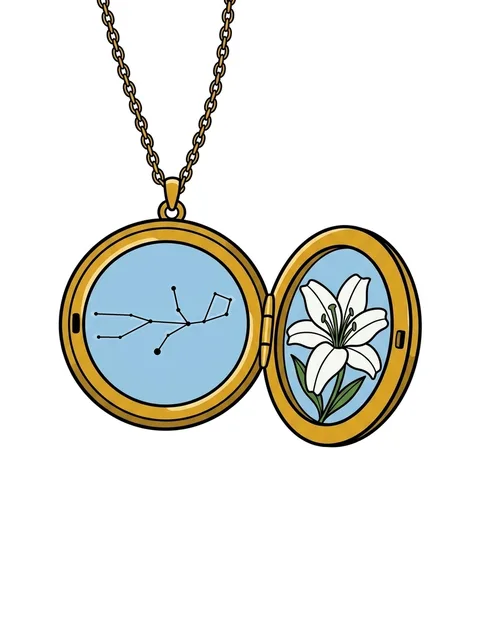
Color illustrative constellation and virgo tattoo design Try it on — Color illustrative constellation and virgo tattoo design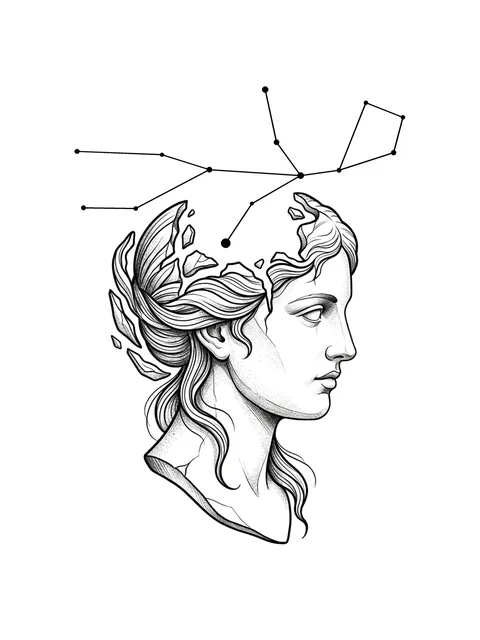
Black and grey illustrative constellation and virgo tattoo design Try it on — Black and grey illustrative constellation and virgo tattoo design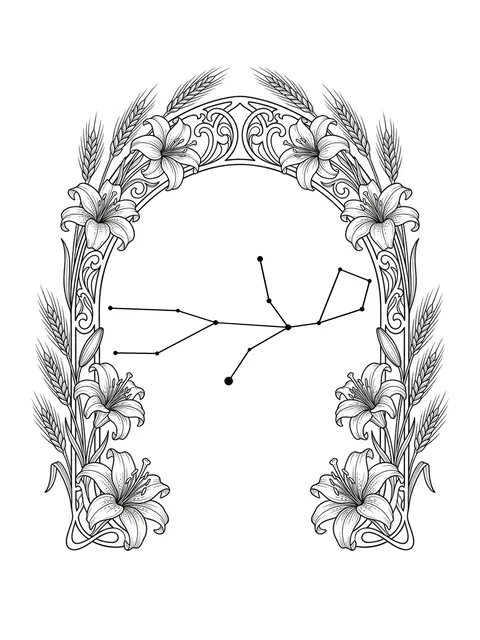
Black and grey ornamental constellation and virgo tattoo design Try it on — Black and grey ornamental constellation and virgo tattoo design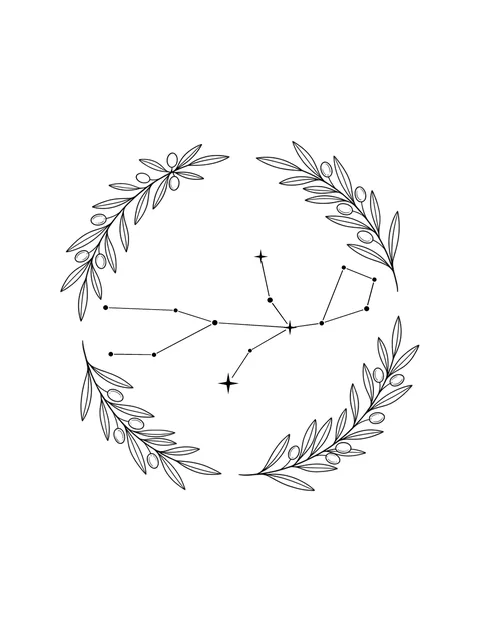
Black and white fine line constellation and virgo tattoo design, outline stencil Try it on — Black and white fine line constellation and virgo tattoo design, outline stencil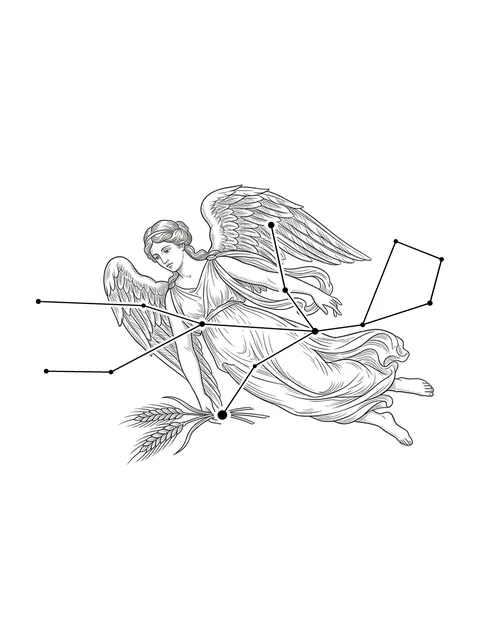
Black and grey illustrative constellation and virgo tattoo design Try it on — Black and grey illustrative constellation and virgo tattoo design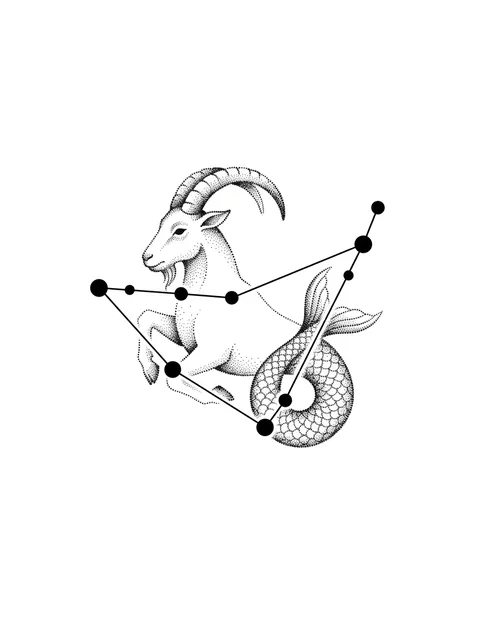
Black and grey fine line constellation and capricorn tattoo design, outline stencil Try it on — Black and grey fine line constellation and capricorn tattoo design, outline stencil


Tap any design to see it on your own skin in the try-on — no signup.
This set of 45 constellation designs, by the numbers
- Styles represented
- illustrative (13), fine line (8), watercolor (7), blackwork (4), dotwork (3), geometric (3)
- Black-and-grey vs colour
- 69% black-and-grey, 31% colour
- Most often drawn with
- virgo, leo, taurus, gemini
Counted from the 45 designs shown on this page. Every one was drawn for InkCraft — none are scraped or reposted. Free to reference with a link to this page.
What a constellation tattoo means
Most constellation tattoos mark a person rather than the sky: a birth sign drawn as its stars instead of its glyph, the stars that stood over a town on the night of a birth or a death, or one named star. The sky makes a good record because it can be recomputed for any date and place.
The birth-sign version has a catch. On your birthday the Sun stands in or next to your sign's constellation, so those stars were up in daylight and invisible, and the pattern overhead that night belonged to the far side of the zodiac. Precession has also pulled the signs and their constellations apart by most of a constellation's width since Babylonian astronomers laid the zodiac out. None of that makes a sign chart wrong; it makes it a symbol of the sign, where a birth-sky chart is a record of one night.
Only a handful of constellations resemble their names. Scorpius does, a hooked tail with red Antares at the heart, and the Sickle of Leo makes a passable mane. Most do not, because the names are older than any agreed way of joining the dots. Ptolemy placed each star by where it fell in an imagined figure, the star in the heart, the one at the tip of the tail, and the stars never traced that figure. The Great Bear shows it best: its seven brightest stars, the Plough, are the hindquarters and a long tail no real bear has. In 1952 H.A. Rey, better known for Curious George, redrew the lines in The Stars so that each figure looked like its name.
The designs here are mostly zodiac constellations, some bare and some set inside a scene: Scorpius reversed out of a black cat, Gemini on a full moon between two cranes, Virgo in half of a gold locket, Taurus in a hand mirror.
Where the design comes from
The eighty-eight constellations are an agreement, not a discovery. The International Astronomical Union adopted the list in Rome in 1922, and the Belgian astronomer Eugène Delporte drew their boundaries, published in 1930. The IAU defines areas and never lines, so no stick figure is official; the charts here follow the figures the IAU publishes with Sky & Telescope magazine, and star positions from the Hipparcos satellite.
Choosing yours
- Brightness decides the size of each dot. Astronomers measure it in magnitudes, and since Norman Pogson fixed the scale in 1856 five magnitudes have meant exactly a hundred times the light. Three or four dot sizes keep the brightest star recognisable; one size for all reads as a pattern of pins.
- Keep north at the top and east on the left, because you look up at the sky from inside; a figure copied from a celestial globe comes out reversed. Turning a chart is harmless, since the sky wheels through the night anyway. Flipping it is not: a mirrored figure matches nothing overhead.
- On a small tattoo drop the faintest stars, but leave every other one exactly where it is.
Size, cost and placement
How big, and what it costs
A bare chart of six to twelve stars runs 5 to 10 cm and is quick, though each dot is sized separately. Scenes such as a chart over a lion or inside a locket are illustrations at 12 cm and up.
Where it sits, and how much it hurts
Charts want a flat field where lines stay straight: the collarbone, outer forearm, shoulder blade or upper back. The ribs take a long constellation and hurt more.
What to ask your artist
- To trace the chart as supplied, moving no star to tidy the shape.
- How many dot sizes they will use, and whether the smallest will show in ten years.
- That north is marked on the stencil and the chart has not been flipped.
Prices vary widely by city and artist — treat these as session lengths rather than quotes, and expect a shop minimum on anything small. The cost guide turns hours into money by size, placement and style.
Common questions
Can I get the sky from the night I was born?
Yes, as the stars above one place at one hour. Free planetarium programs such as Stellarium show it for any date, and an artist can trace the patch you want.
Why was my sign's constellation not visible when I was born?
Because the Sun was in front of it, and its stars were lost in daylight. They stand highest at midnight about six months later.
Are the stars in one constellation actually near each other?
Almost never. Regulus, at the heart of Leo, is nearly 80 light years away and Denebola, at its tail, about 36; seen from any other star the pattern falls apart.
Can a star bought from a naming company go on a chart?
The star is real, but the name has no standing: the IAU, which has approved star names through a working group since 2016, does not recognise names sold by companies.
See it on your skin before you commit
InkCraft places any of these designs on a photo of you — scaled, wrapped and shaded to the placement you pick.