 InkCraft
Filler Tattoo Ideas for the Gaps in a Sleeve
22 original filler designs drawn for InkCraftBy Uladzimir TumanauUpdated
A filler is chosen by the gap it has to close rather than by what it shows, so its outline matters more than its subject. Match its silhouette and line weight to the pieces around it, and leave bare skin on every side.
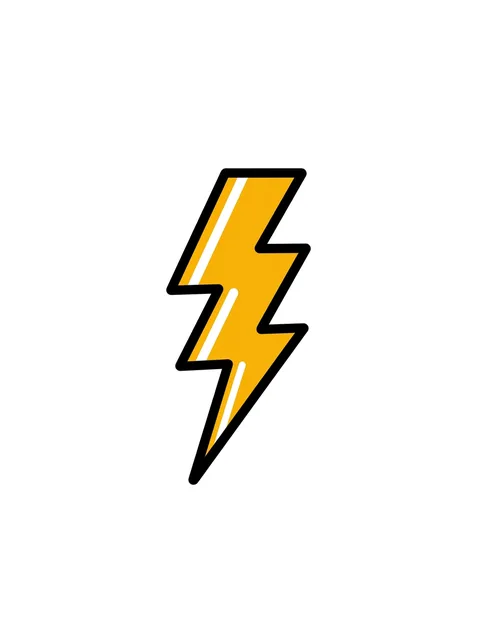
Color traditional filler and lightning tattoo design Try it on — Color traditional filler and lightning tattoo design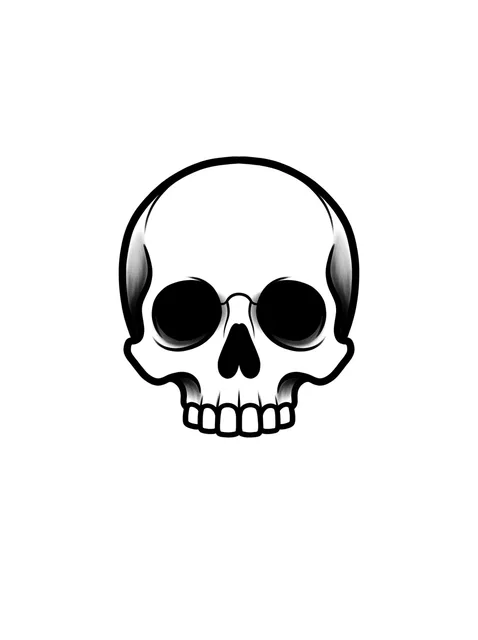
Black and grey neo traditional filler and skull tattoo design Try it on — Black and grey neo traditional filler and skull tattoo design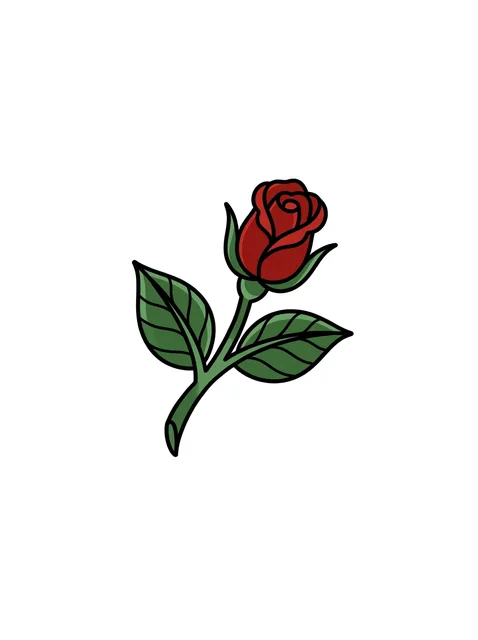
Color traditional filler and rose tattoo design Try it on — Color traditional filler and rose tattoo design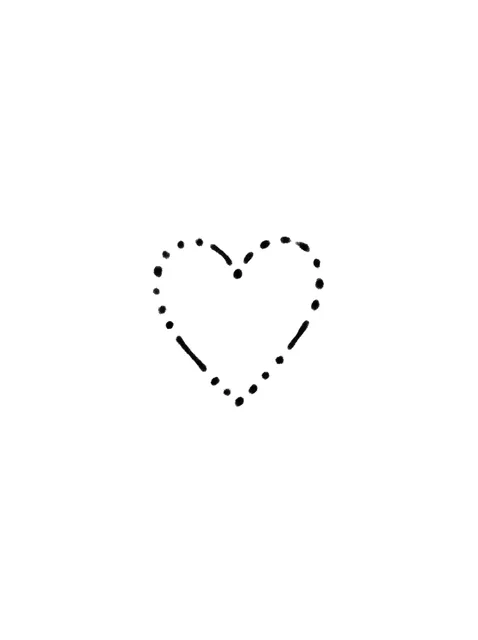
Black and grey stick and poke filler and heart tattoo design Try it on — Black and grey stick and poke filler and heart tattoo design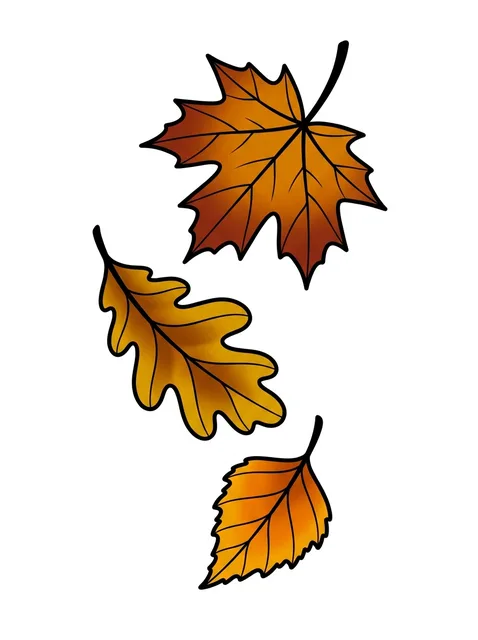
Color neo traditional filler and leaf tattoo design Try it on — Color neo traditional filler and leaf tattoo design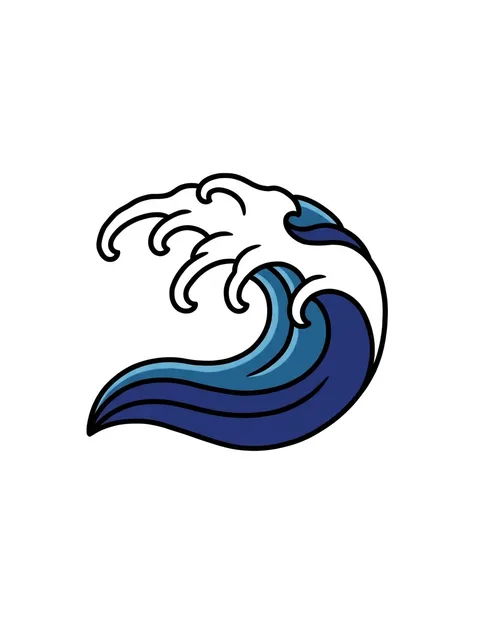
Color Japanese filler and wave tattoo design Try it on — Color Japanese filler and wave tattoo design
Color new school filler and ghost tattoo design: a thick black outline, sized as a filler Try it on — Color new school filler and ghost tattoo design: a thick black outline, sized as a filler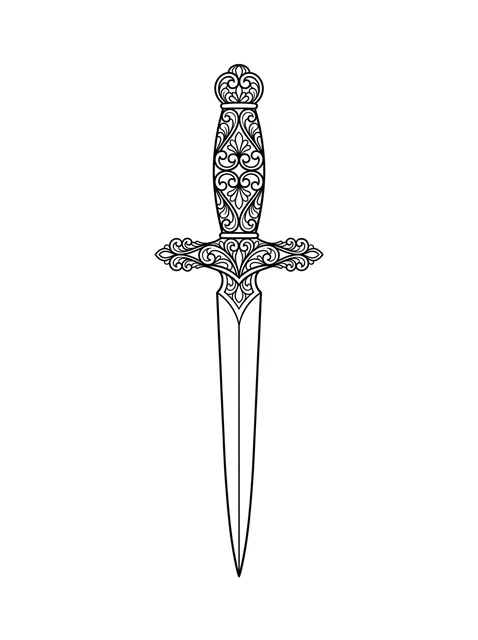
Black and grey ornamental filler and dagger tattoo design: a long narrow blade Try it on — Black and grey ornamental filler and dagger tattoo design: a long narrow blade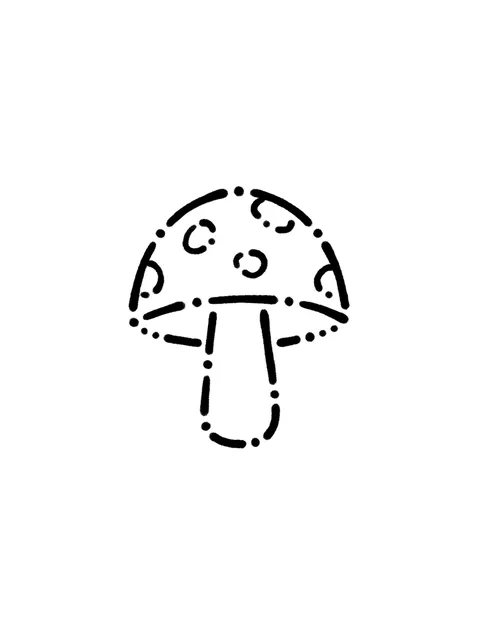
Black and grey stick and poke filler and mushroom tattoo design Try it on — Black and grey stick and poke filler and mushroom tattoo design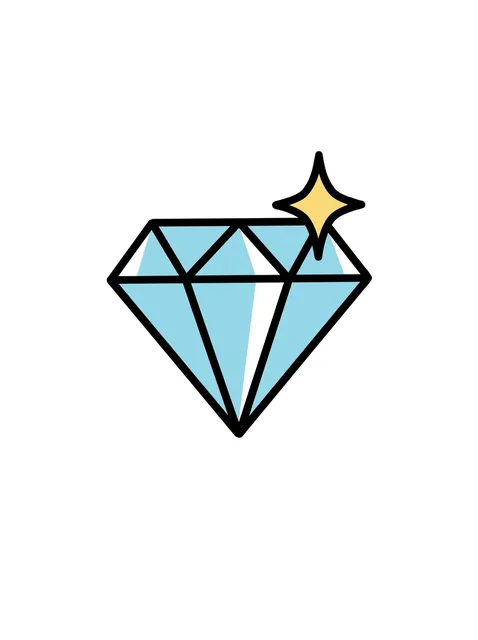
Color traditional filler and diamond tattoo design Try it on — Color traditional filler and diamond tattoo design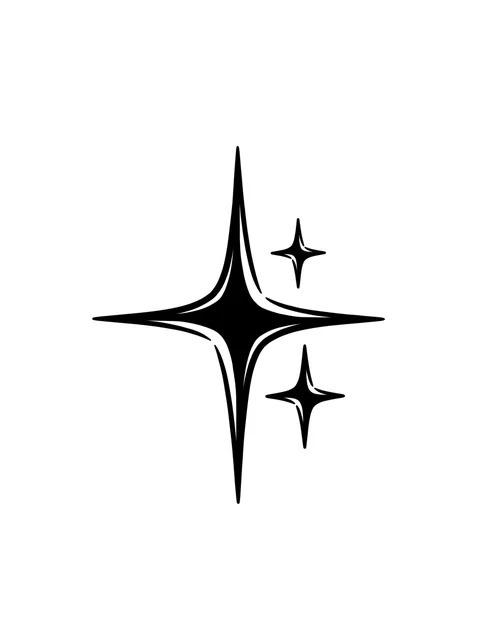
Black and white blackwork filler and sparkle tattoo design Try it on — Black and white blackwork filler and sparkle tattoo design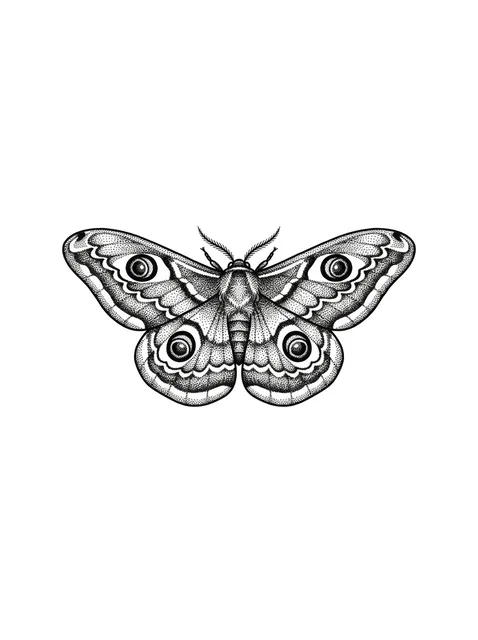
Black and grey dotwork filler and moth tattoo design Try it on — Black and grey dotwork filler and moth tattoo design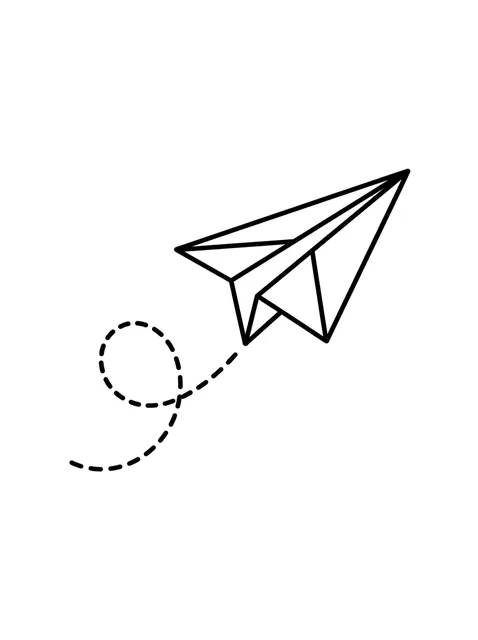
Black and white geometric filler and paper plane tattoo design, outline stencil Try it on — Black and white geometric filler and paper plane tattoo design, outline stencil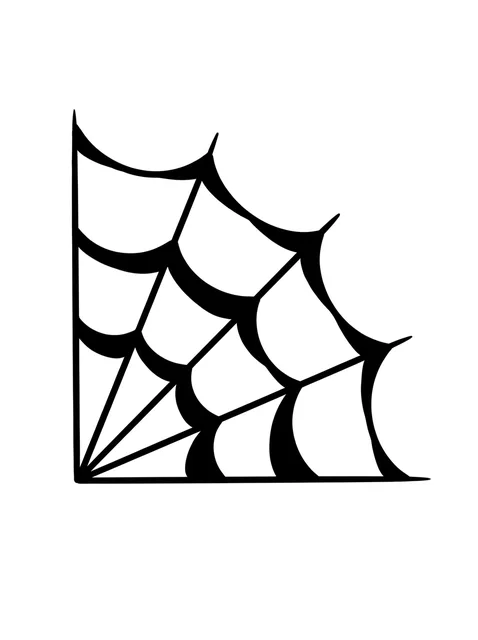
Black and white blackwork filler and web tattoo design Try it on — Black and white blackwork filler and web tattoo design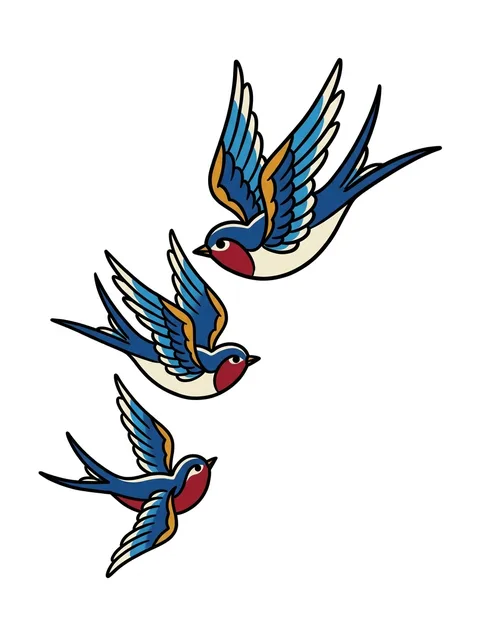
Color traditional filler and swallow tattoo design Try it on — Color traditional filler and swallow tattoo design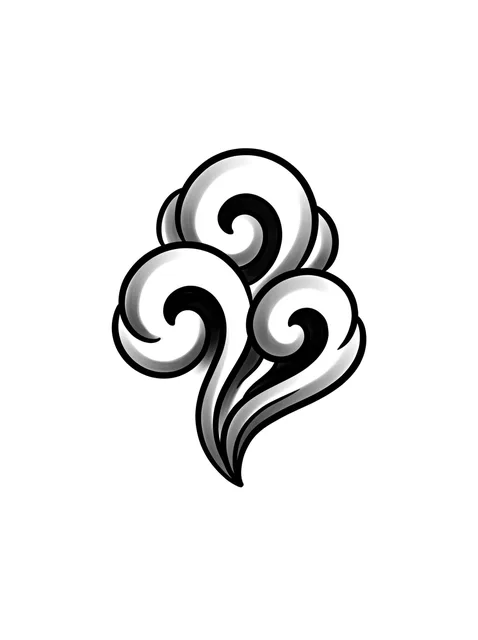
Black and grey illustrative filler and smoke tattoo design Try it on — Black and grey illustrative filler and smoke tattoo design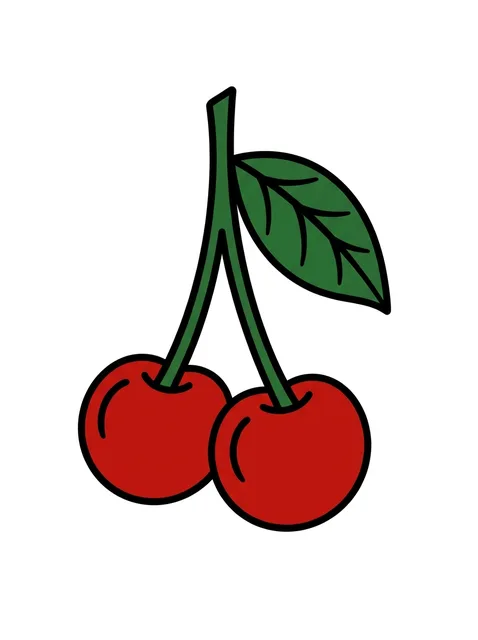
Color traditional filler and cherry tattoo design Try it on — Color traditional filler and cherry tattoo design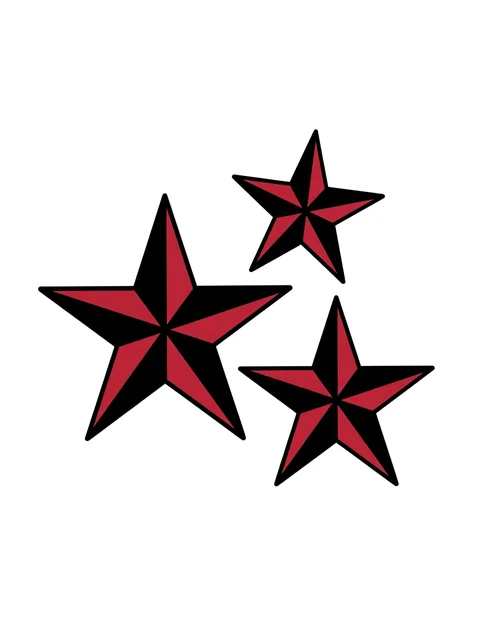
Color traditional filler and star tattoo design Try it on — Color traditional filler and star tattoo design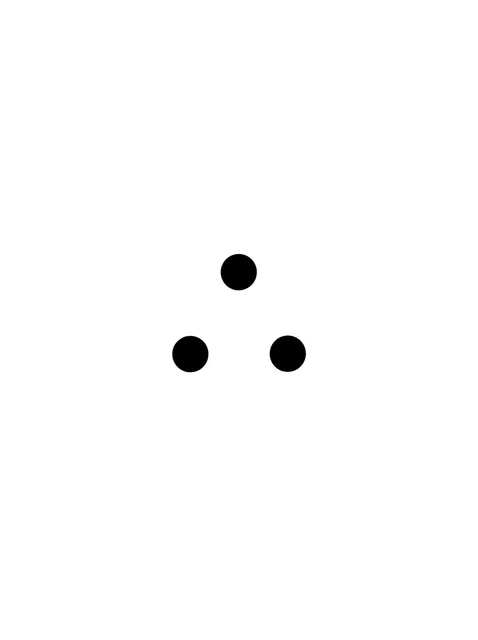
Black and white minimalist filler and three dots tattoo design, outline stencil Try it on — Black and white minimalist filler and three dots tattoo design, outline stencil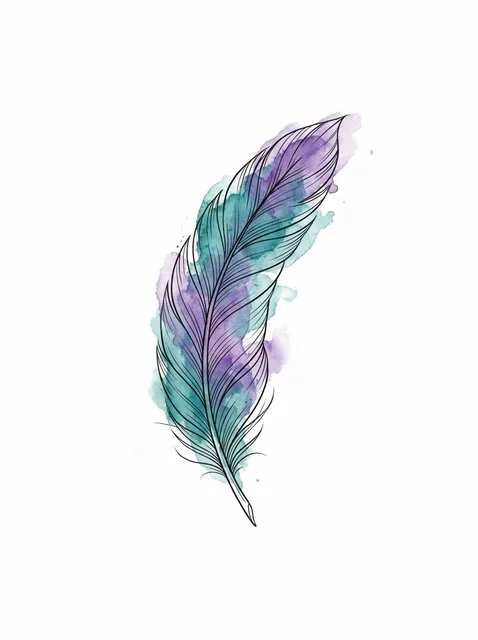
Color watercolor filler and feather tattoo design: the shaft and barbs, sized as a filler piece Try it on — Color watercolor filler and feather tattoo design: the shaft and barbs, sized as a filler piece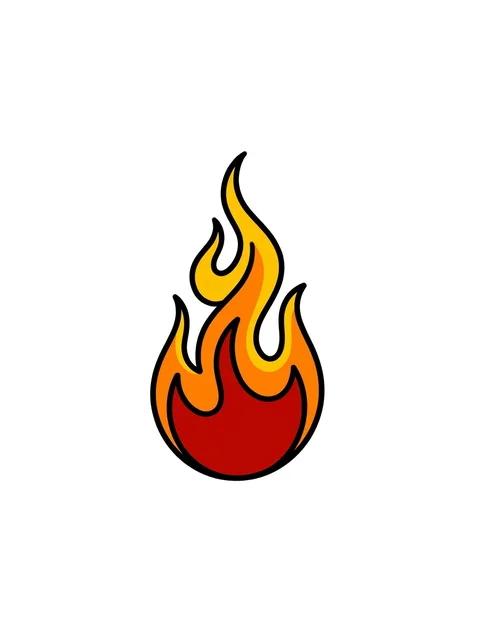
Color traditional filler and fire tattoo design Try it on — Color traditional filler and fire tattoo design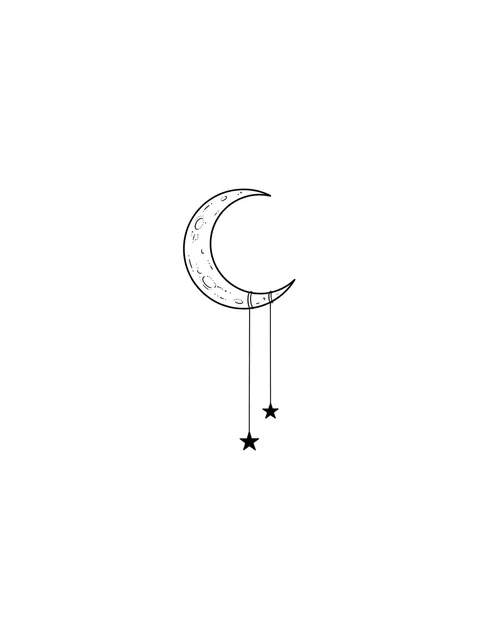
Black and white fine line filler and moon tattoo design, outline stencil Try it on — Black and white fine line filler and moon tattoo design, outline stencil


Tap any design to see it on your own skin in the try-on — no signup.
This set of 22 filler designs, by the numbers
- Styles represented
- traditional (7), neo traditional (2), stick and poke (2), blackwork (2), japanese asian (1), new school (1)
- Black-and-grey vs colour
- 50% black-and-grey, 50% colour
- Most often drawn with
- star, lightning, skull, rose
Counted from the 22 designs shown on this page. Every one was drawn for InkCraft — none are scraped or reposted. Free to reference with a link to this page.
What a filler tattoo means
Filler is a job description rather than a motif. It is the small piece that goes into the bare patch left between larger tattoos, and almost anything small can do the job: every design on this page, from a rosebud to a paper plane, was drawn at the size and weight of one. What a filler says is mostly what its neighbours say, since its work is to make a collection look spaced on purpose rather than abandoned halfway.
It is not the same thing as a background. The smoke, cloud and water that bind a Japanese or black-and-grey sleeve touch every piece and turn them into one picture; a filler touches nothing and keeps each piece separate. That is why fillers belong to arms built one visit at a time, the scattered American traditional arm and its present-day descendant, the patchwork sleeve, and have little place in a sleeve designed as a single composition.
Most small flash still carries its old meaning. Swallows and nautical stars come from sailors' sheets and read as homecoming; cherries come from the pin-up and rockabilly side and read as flirtation. Two need thought before they fill anything. A web in the crook of the elbow has been read as prison time in several countries, and the triangle of three dots here is the Chicano sign for mi vida loca, my crazy life, widely taken across the United States as a prison mark when it sits on the hand or beside the eye.
Some fillers are built to stretch. The three swallows on a curve, the cluster of stars and the burst of sparkles are made of repeated units, so an artist can add one, drop one or spread them out to fit a long or short gap. A single skull or rosebud has one size that works, and the space has to be found for it.
Where the design comes from
Filler is as old as the collected arm. Flash sheets on the walls of port-town shops offered rows of small designs with a price painted beside each, and sailors on shore leave bought swallows, stars, daggers and cherries a few dollars at a time, fitting each one wherever the last shop had left room. Norman Collins, known as Sailor Jerry, tattooed in the Hotel Street district of Honolulu during and after the Second World War, and his flash fixed the heavy outline and flat primary colour that seven of the fillers here still use. Recent patchwork arms made the leftover a category of its own.
Choosing yours
- Measure the gap before choosing the subject. A long narrow strip between two pieces wants an upright shape, the dagger, the feather, the lightning bolt or the flame; a round hole wants the cherries, the skull or the ghost; the ditch of the elbow, or a corner where three tattoos meet, wants a fan such as the web. Hold the flash against a photograph of the empty space, because the silhouette decides whether a filler looks planted or squeezed in.
- Match the weight of what surrounds it more than the style. The stick-and-poke heart or the fine-line moon among heavy traditional pieces looks like an error rather than a contrast, and the solid black sparkle beside delicate linework looks like a blot.
- Put fillers in last. The gaps take their true shape only once the large pieces are finished and healed.
Size, cost and placement
How big, and what it costs
Most fillers are 2 to 6 cm across and cost the shop minimum when booked alone. The three swallows and the shaded moth are the largest and slowest here, around an hour each; the dots, the dotted heart and the sparkle take minutes, which is the argument for grouping them into one visit.
Where it sits, and how much it hurts
Wherever the gaps are: between pieces on the outer arm, round the elbow and wrist, behind the knee, on the ankle. The inner elbow is among the more painful spots and heals slowly because the skin folds there; the outer forearm and outer calf are easy.
What to ask your artist
- To hold the flash up against a photograph of the gap rather than clean skin.
- What line weight the filler needs to sit beside the lightest of its neighbours.
- Whether several fillers can be done in one sitting instead of a minimum each.
Prices vary widely by city and artist — treat these as session lengths rather than quotes, and expect a shop minimum on anything small. The cost guide turns hours into money by size, placement and style.
Common questions
How close to an older tattoo can a filler sit?
Not touching it. Lines spread a little for years, so a filler set a few millimetres away eventually looks like a growth on its neighbour; a centimetre or more of bare skin keeps them apart.
Does every filler need to be in the same style as my other work?
No, and a mix is part of the patchwork look. What has to agree is line weight and the amount of black: the bold traditional pieces here sit happily beside the Japanese wave, while the dotted heart would look lost among them.
Can I use the three dots as an innocent filler?
Only knowing how they are read. On the hand or by the eye, most people who know the mark will take it as Chicano or prison work; scattered on an arm among other small pieces, it reads as dots to most, though not to all.
Is it cheaper to get several fillers in one sitting?
Usually. Booked separately, each pays the shop minimum for a fresh setup; booked together, the setup is paid once, and outline-only pieces such as the dotted heart and the mushroom take minutes each.
See it on your skin before you commit
InkCraft places any of these designs on a photo of you — scaled, wrapped and shaded to the placement you pick.