 InkCraft
Diamond Tattoo Ideas, Designs and Meaning
13 original diamond designs drawn for InkCraftBy Uladzimir TumanauUpdated
Named from the Greek for unconquerable, a diamond is the hardest natural material and can still be split by one sharp blow along its grain. Skin cannot sparkle, so every stone here fakes brilliance with contrast: black facets beside bare skin, pale blue and white highlights.
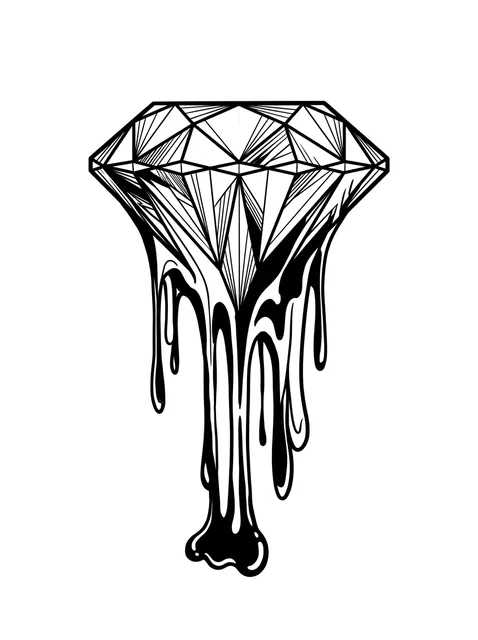
Black and white blackwork diamond tattoo design Try it on — Black and white blackwork diamond tattoo design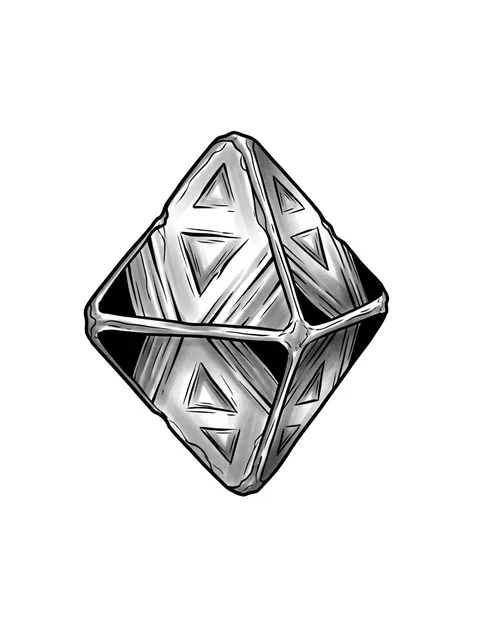
Black and grey illustrative diamond tattoo design Try it on — Black and grey illustrative diamond tattoo design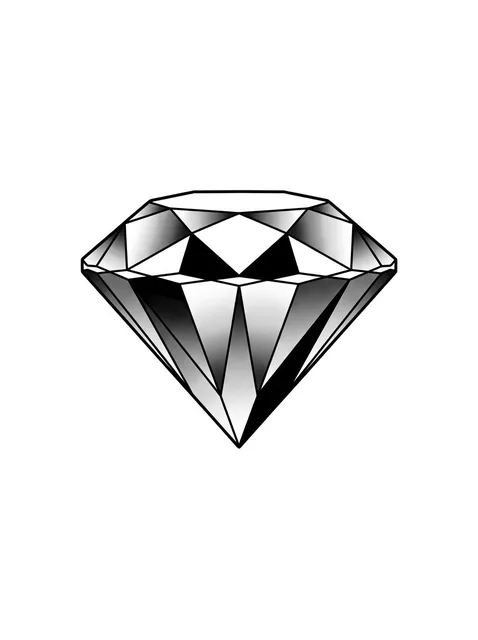
Black and grey traditional diamond tattoo design Try it on — Black and grey traditional diamond tattoo design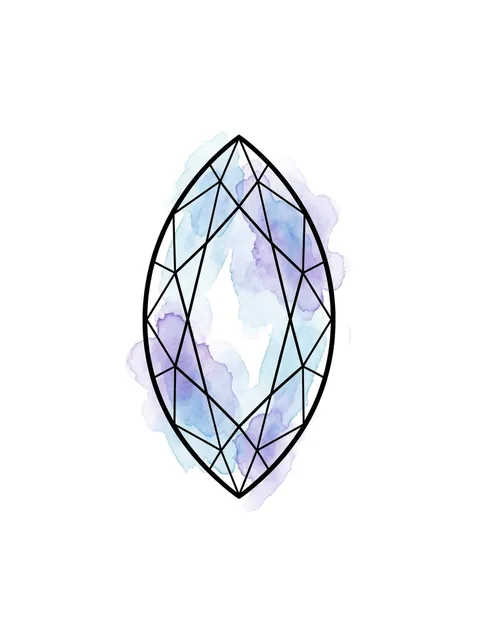
Color watercolor diamond tattoo design Try it on — Color watercolor diamond tattoo design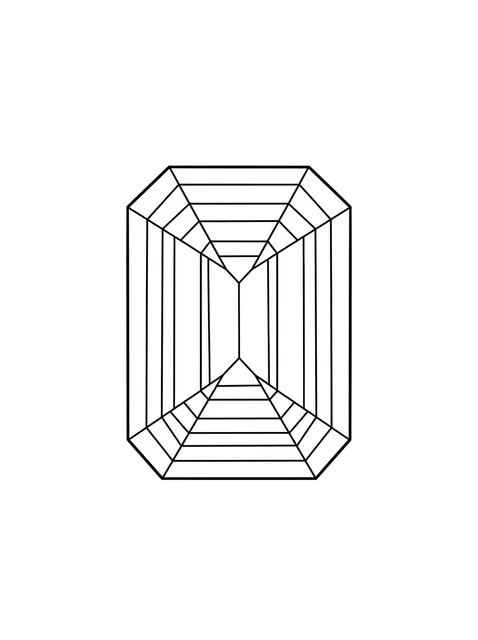
Black and white geometric diamond tattoo design, outline stencil Try it on — Black and white geometric diamond tattoo design, outline stencil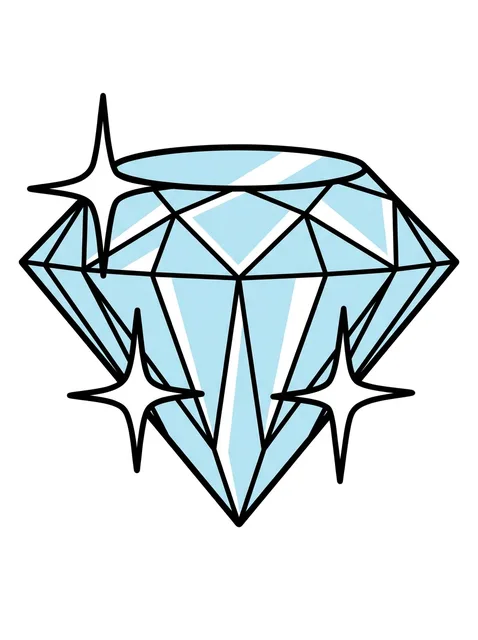
Color traditional diamond tattoo design Try it on — Color traditional diamond tattoo design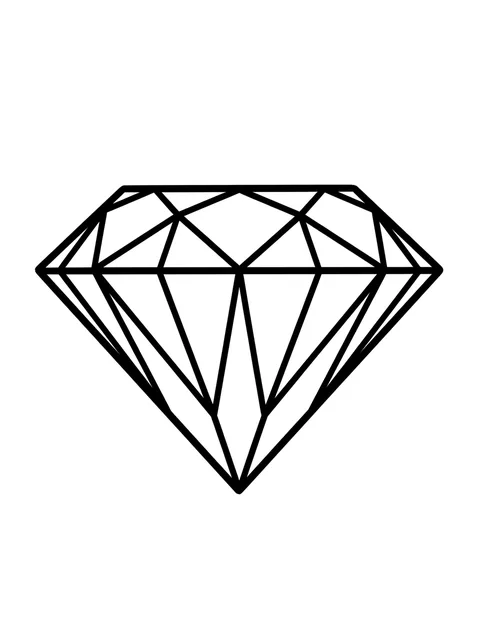
Black and white linework diamond tattoo design, outline stencil Try it on — Black and white linework diamond tattoo design, outline stencil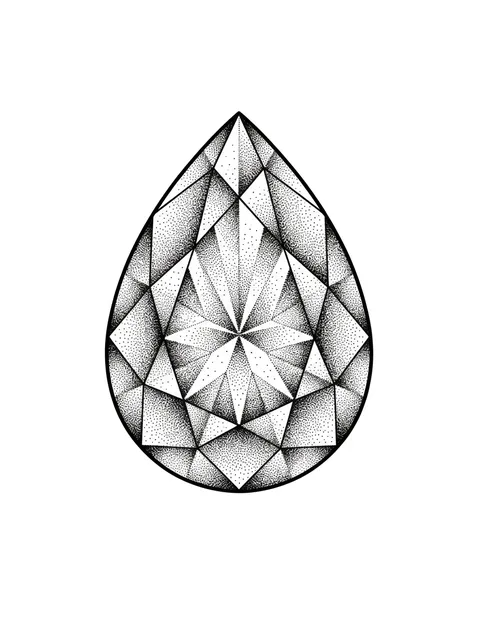
Black and grey dotwork diamond tattoo design Try it on — Black and grey dotwork diamond tattoo design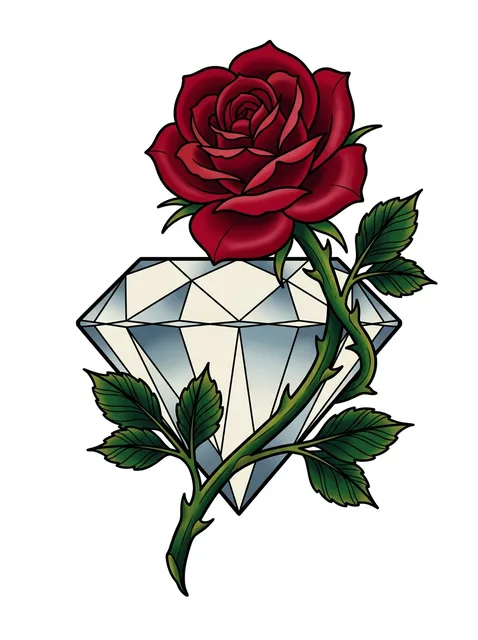
Color neo traditional diamond and rose tattoo design Try it on — Color neo traditional diamond and rose tattoo design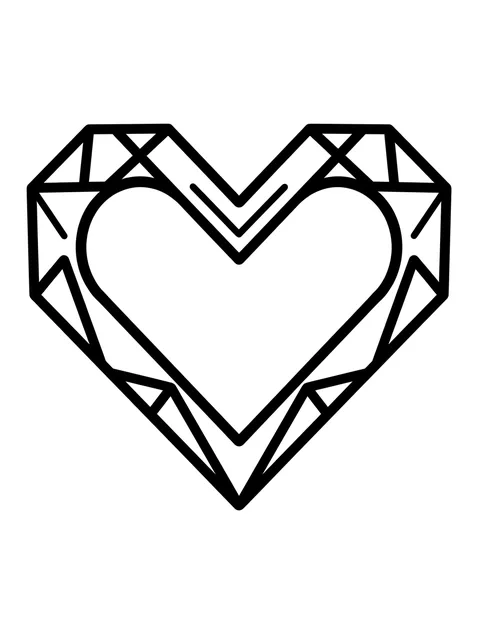
Black and white geometric diamond and heart tattoo design, outline stencil Try it on — Black and white geometric diamond and heart tattoo design, outline stencil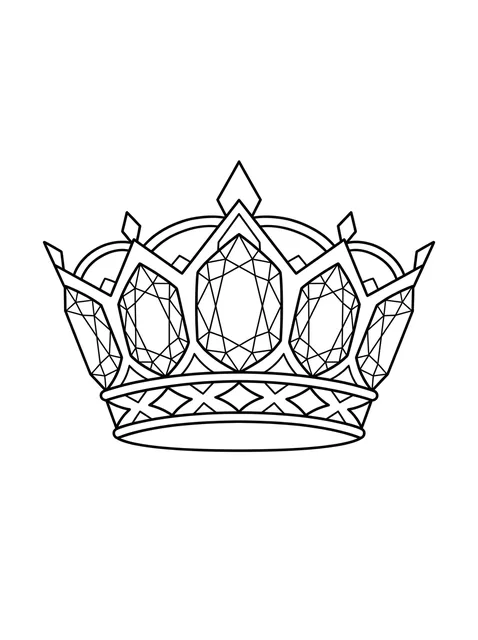
Black and white linework diamond and crown tattoo design, outline stencil Try it on — Black and white linework diamond and crown tattoo design, outline stencil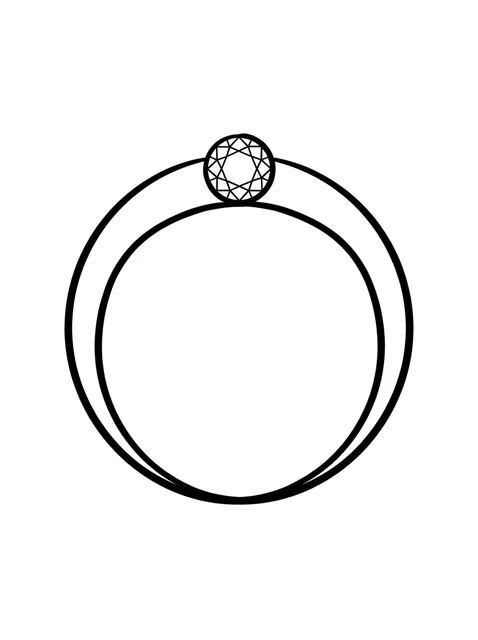
Black and white linework diamond and ring tattoo design, outline stencil Try it on — Black and white linework diamond and ring tattoo design, outline stencil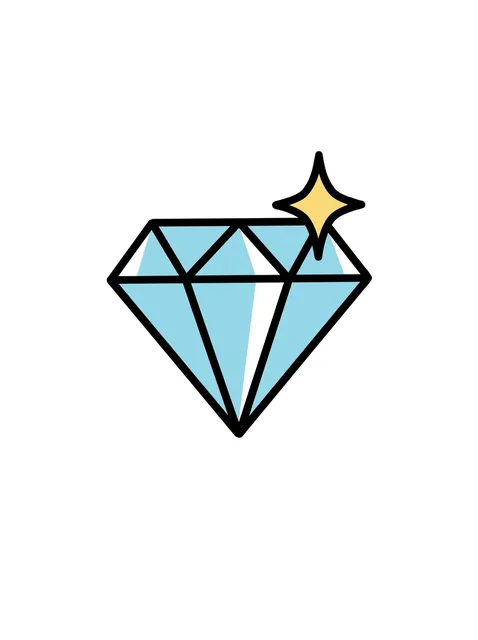
Color traditional diamond and filler tattoo design Try it on — Color traditional diamond and filler tattoo design


Tap any design to see it on your own skin in the try-on — no signup.
This set of 13 diamond designs, by the numbers
- Styles represented
- traditional (3), linework (3), geometric (2), blackwork (1), illustrative (1), watercolor (1)
- Black-and-grey vs colour
- 69% black-and-grey, 31% colour
- Most often drawn with
- rose, heart, crown, ring
Counted from the 13 designs shown on this page. Every one was drawn for InkCraft — none are scraped or reposted. Free to reference with a link to this page.
What a diamond tattoo means
The name is the first meaning. It comes through Latin from the Greek adamas, unconquerable, and the stone earns it: diamond is the hardest natural material, the 10 at the top of the scale Friedrich Mohs drew up in 1812. Worn for that, it says someone could not be worn down. The honest version carries a flaw. Hardness resists scratching, not shock, and a diamond struck along its cleavage plane splits cleanly, which is how cutters once opened rough stones.
Pressure is the second. Diamonds crystallise from carbon roughly 150 kilometres below the surface and reach it only through rare volcanic pipes, so the stone is worn for something survived under strain. The popular version, coal squeezed into gems, is wrong: most diamonds formed far deeper than any coal seam, and long before land plants existed to make coal.
Love is the reading advertising built. Archduke Maximilian of Austria gave Mary of Burgundy a diamond ring at their betrothal in 1477, often cited as the first on record, but the stone became the standard engagement ring only in the twentieth century, after the copywriter Frances Gerety wrote A Diamond Is Forever for De Beers in 1947. The plain band with a small stone on this page belongs to that story. So do the crown set with stones and the heart built out of facets, where the gem is an attribute of something else.
Worth is the last, in both senses. The flash diamond with four-pointed sparkles at its edges is about shining and being seen, the same instinct as ice in hip-hop slang. The raw octahedron here is the older phrase, a diamond in the rough: value that is real before anyone has cut it. The melting stone turns the whole idea over, borrowing the soft drip Salvador Dalí gave his watches in 1931 to say that even forever ran out.
Where the design comes from
For most of history diamonds came from India, from the gravels of the Golconda region, thought to have yielded the Koh-i-Noor and the blue stone later cut into the Hope. Brazil took over in the eighteenth century, and after the Eureka diamond was picked up near the Orange River in 1867 South Africa overtook both. The shape tattooists draw is younger than the trade. Early stones were polished octahedra, the point cut, and the modern round brilliant, a flat table over a deep pointed pavilion, took its proportions from Marcel Tolkowsky's Diamond Design of 1919. Buddhism made the stone a picture of wisdom that cuts through illusion, and a Diamond Sutra printed at Dunhuang in 868 is the oldest surviving printed book to carry a date.
Choosing yours
- Pick the cut before the style, since each is its own outline: the round brilliant seen side-on is the symbol everyone reads, the emerald cut from above a rectangle of stepped facets with clipped corners, the pear a teardrop, the marquise a pointed oval, the raw crystal two pyramids base to base. The emerald cut's nested steps close up first and read as a grey block below about 5 cm.
- Brilliance has to be faked. A real stone shines because light bounces inside it; ink can only set dark facets beside light ones, so contrast carries the sparkle. White ink fades soonest, so a highlight left as bare skin lasts longer.
- Symmetry shows every error, so keep a lone stone on a flat field. The rose-crossed stone and the melting one break the mirror on purpose.
Size, cost and placement
How big, and what it costs
The linework brilliant and the small filler diamond are shop-minimum work at 3 to 5 cm. The stippled pear and the black and grey stone floating with no floor need 6 to 9 cm and an hour or two, since every facet is its own tone. The emerald cut wants 7 cm for its steps; the melting stone or the diamond with a rose runs 12 to 15 cm and about three hours.
Where it sits, and how much it hurts
A single stone is compact: the inner wrist, the back of the hand, behind the ear, the ankle, or the centre of the sternum, which suits a mirrored shape best and hurts most. Hand and finger work fades fastest. The tall melting diamond wants the forearm or the calf.
What to ask your artist
- Whether the highlights will be white ink or skin left bare.
- How many facets survive at your size, and which cut the stencil follows.
- That the stencil of a lone stone is checked for symmetry on your body.
Prices vary widely by city and artist — treat these as session lengths rather than quotes, and expect a shop minimum on anything small. The cost guide turns hours into money by size, placement and style.
Common questions
Why are so many tattooed diamonds pale blue?
Because a colourless stone disappears on skin. Pale blue with white highlights is flash shorthand for clear. Real blue diamonds are rare and owe their colour to traces of boron, like the Hope, on show at the Smithsonian since 1958.
Is a diamond tattoo about money or about strength?
Whichever you draw. A sparkling brilliant reads as worth and shine, a raw crystal as potential, a stone in plain black and grey as hardness. Set into a ring or beside a name, it is a promise to one person.
What is the melting diamond saying?
That something sold as permanent did not last: a marriage, a fortune, a certainty. Its solid black runs, ending in one heavy drop, need about 12 cm of length to stay separate.
Why would anyone choose the rough crystal over a cut stone?
Because a rough diamond is value nobody has shaped yet. Natural crystals are usually octahedra, and the small triangular pits on their faces, called trigons, are among the signs gemmologists use to tell a natural stone from a made one. The raw crystal here keeps them.
See it on your skin before you commit
InkCraft places any of these designs on a photo of you — scaled, wrapped and shaded to the placement you pick.