 InkCraft
Dagger Tattoo Ideas, Designs and Meaning
26 original dagger designs drawn for InkCraftBy Uladzimir TumanauUpdated
Short blade, long grip, widest at the guard: the proportion is what separates it from a sword. That proportion changes the meaning too, because betrayal needs a weapon already within reach.
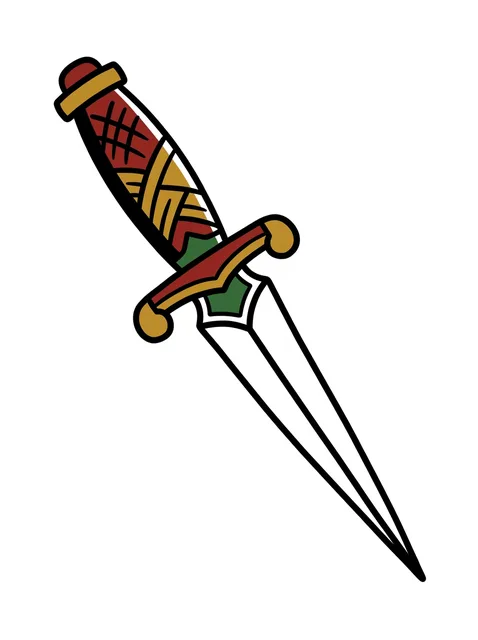
Color traditional dagger tattoo design: a dagger with a colorful hilt Try it on — Color traditional dagger tattoo design: a dagger with a colorful hilt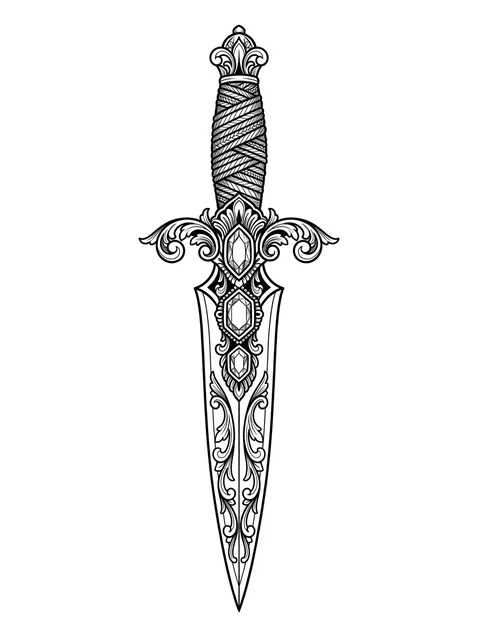
Black and white ornamental dagger tattoo design Try it on — Black and white ornamental dagger tattoo design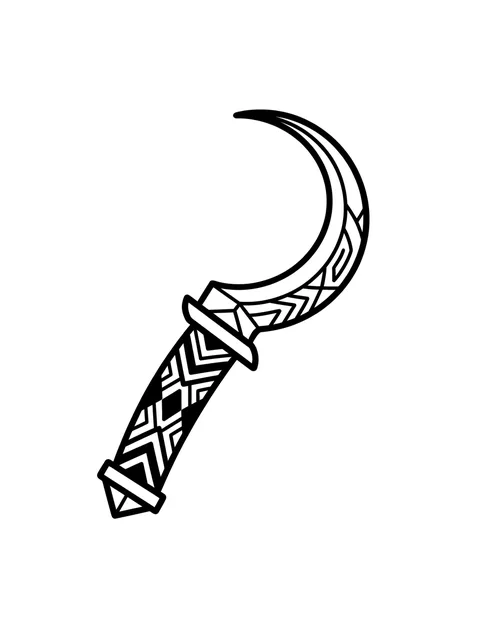
Black and white tribal dagger tattoo design Try it on — Black and white tribal dagger tattoo design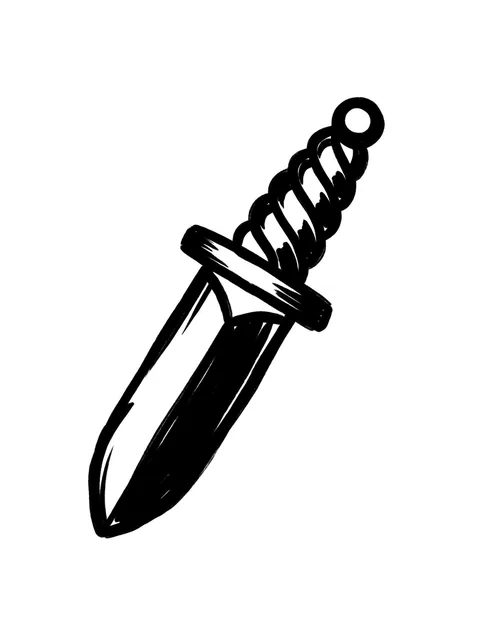
Black and white blackwork dagger tattoo design: a twisted hilt and a sharp blade Try it on — Black and white blackwork dagger tattoo design: a twisted hilt and a sharp blade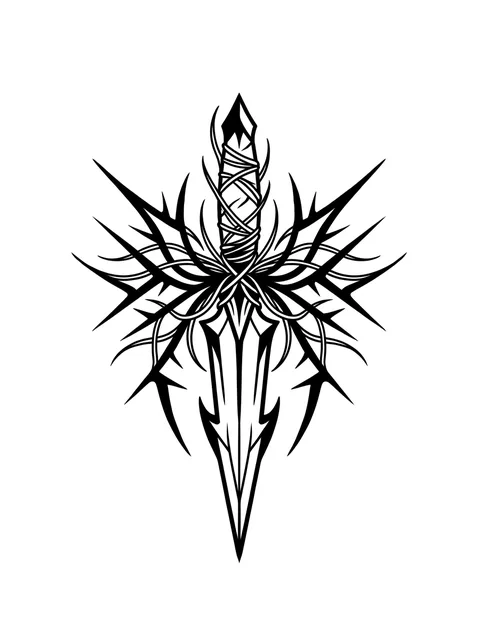
Black and grey illustrative dagger tattoo design: the dagger is intricately wrapped Try it on — Black and grey illustrative dagger tattoo design: the dagger is intricately wrapped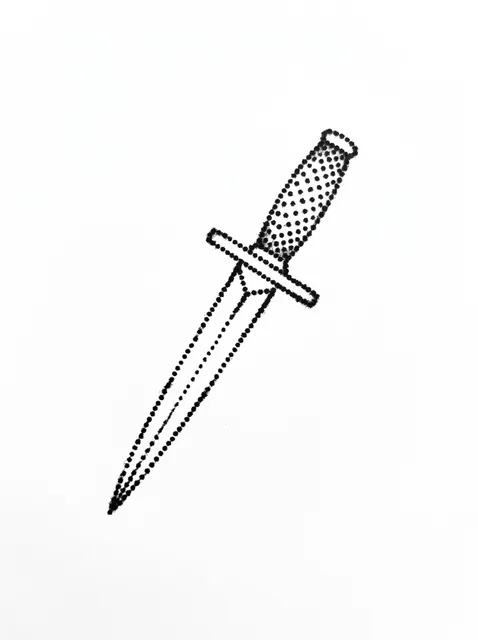
Black and grey stick and poke dagger tattoo design Try it on — Black and grey stick and poke dagger tattoo design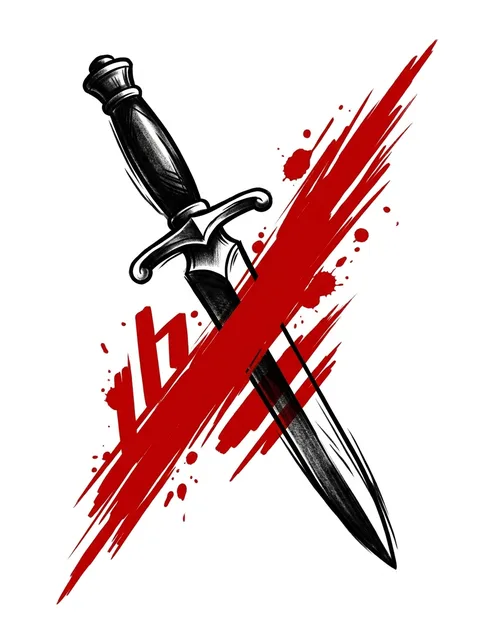
Color trash polka dagger tattoo design: the dynamic, abstract red mark Try it on — Color trash polka dagger tattoo design: the dynamic, abstract red mark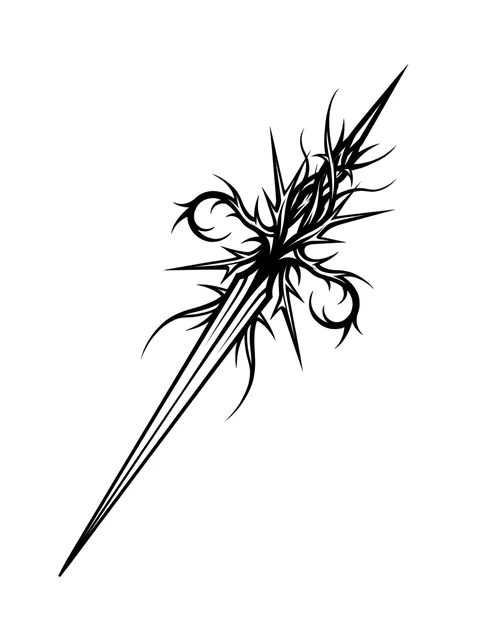
Black and grey cybersigilism dagger tattoo design: two barbed tendrils curling away from the grip Try it on — Black and grey cybersigilism dagger tattoo design: two barbed tendrils curling away from the grip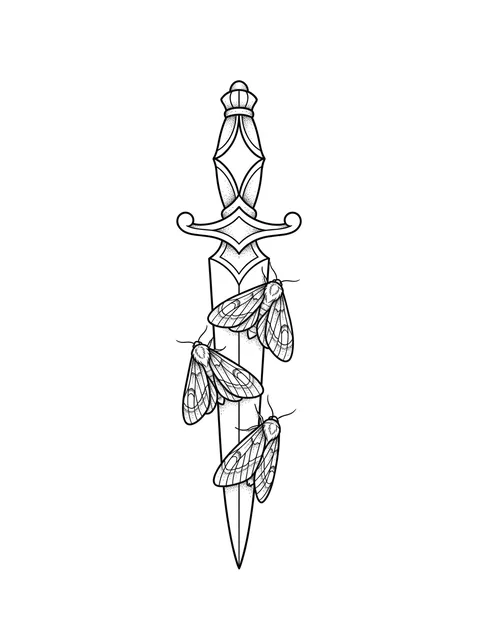
Black and grey illustrative dagger and moth tattoo design Try it on — Black and grey illustrative dagger and moth tattoo design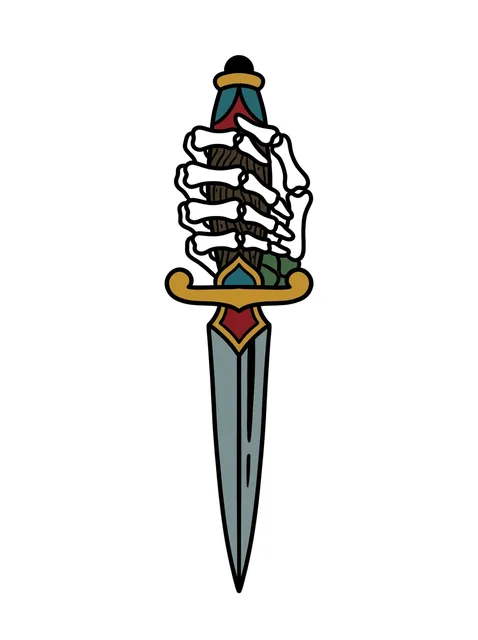
Color traditional dagger and skeleton hand tattoo design Try it on — Color traditional dagger and skeleton hand tattoo design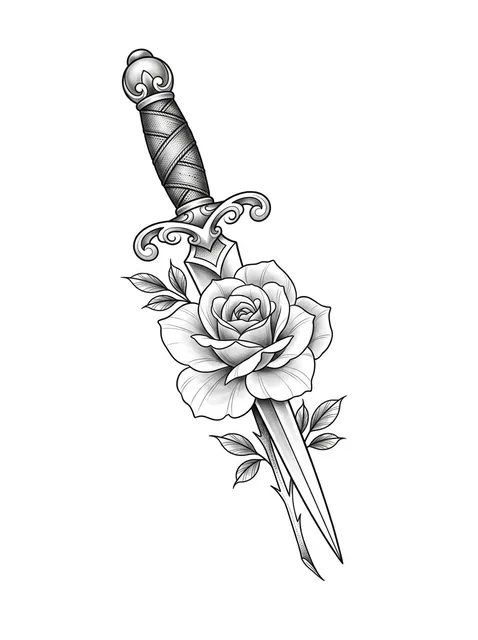
Black and grey chicano dagger and rose tattoo design Try it on — Black and grey chicano dagger and rose tattoo design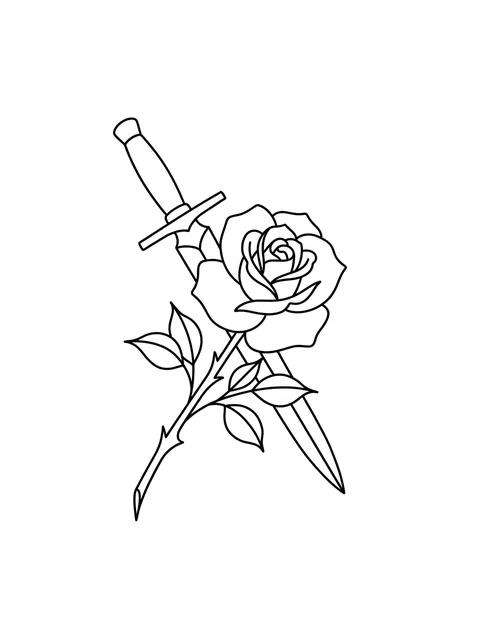
Black and grey traditional dagger and rose tattoo design Try it on — Black and grey traditional dagger and rose tattoo design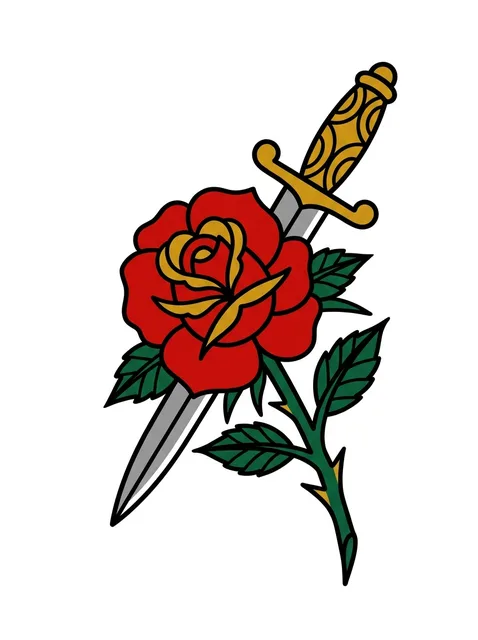
Color traditional dagger and rose tattoo design Try it on — Color traditional dagger and rose tattoo design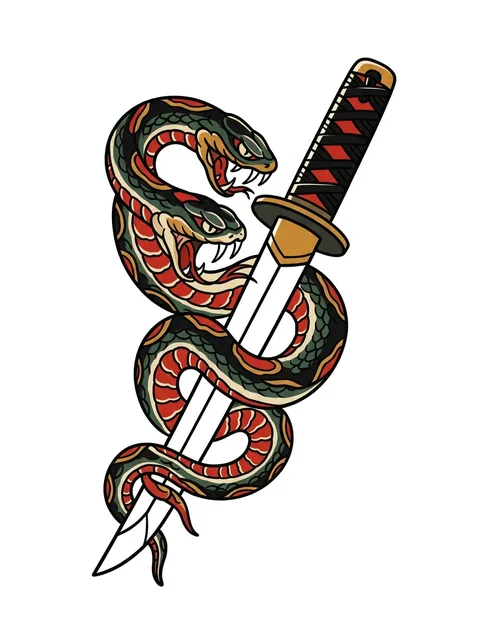
Color traditional dagger and snake tattoo design: their fangs bared Try it on — Color traditional dagger and snake tattoo design: their fangs bared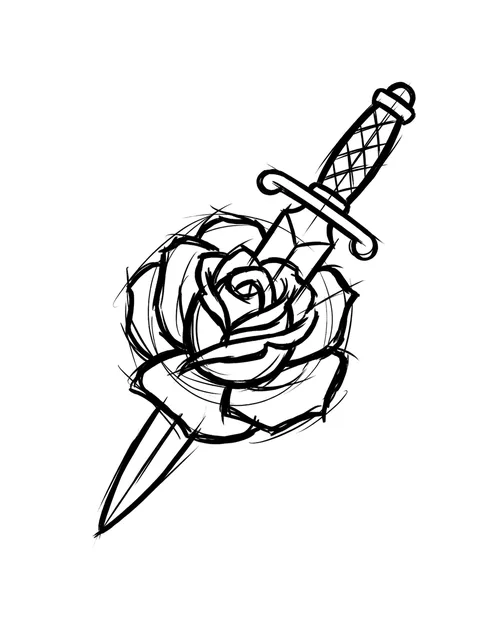
Black and grey illustrative dagger and rose tattoo design: a rose pierced by a dagger Try it on — Black and grey illustrative dagger and rose tattoo design: a rose pierced by a dagger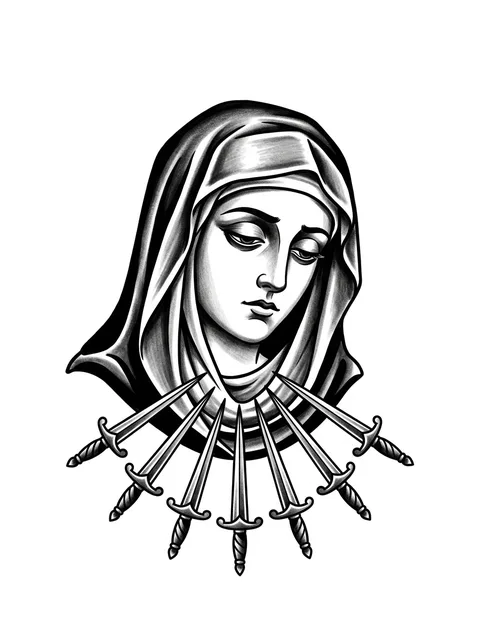
Black and grey traditional dagger and virgin mary tattoo design Try it on — Black and grey traditional dagger and virgin mary tattoo design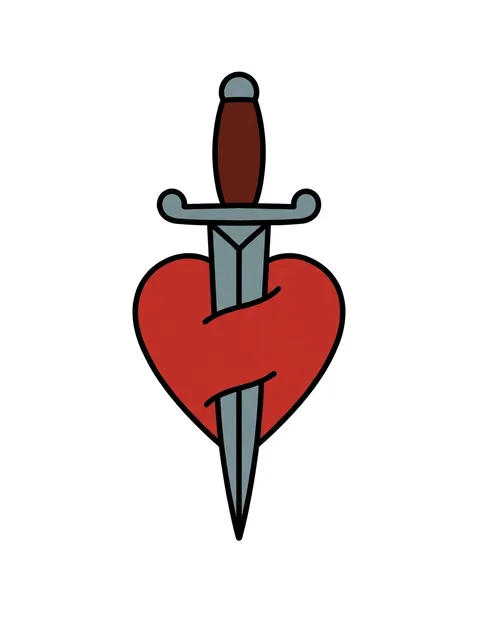
Color traditional dagger and heart tattoo design Try it on — Color traditional dagger and heart tattoo design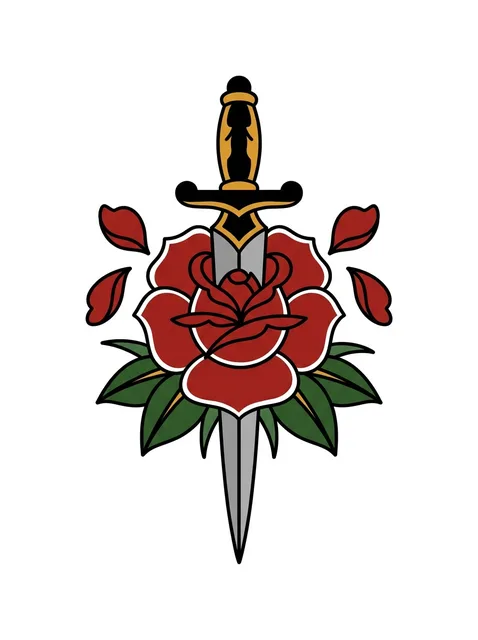
Color traditional dagger and rose tattoo design Try it on — Color traditional dagger and rose tattoo design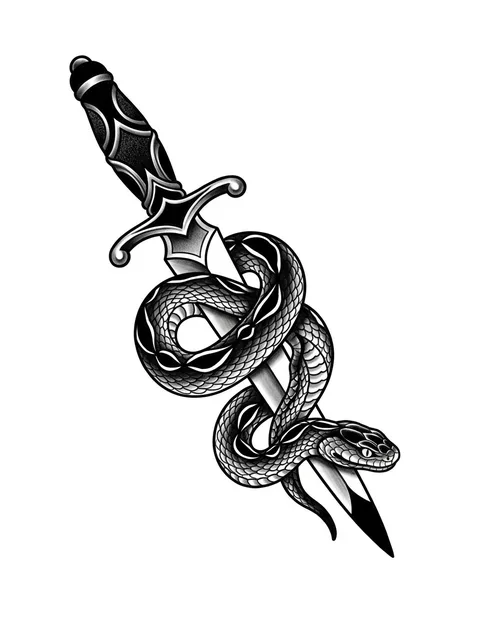
Black and grey traditional dagger and snake tattoo design: a snake coiled around a dagger Try it on — Black and grey traditional dagger and snake tattoo design: a snake coiled around a dagger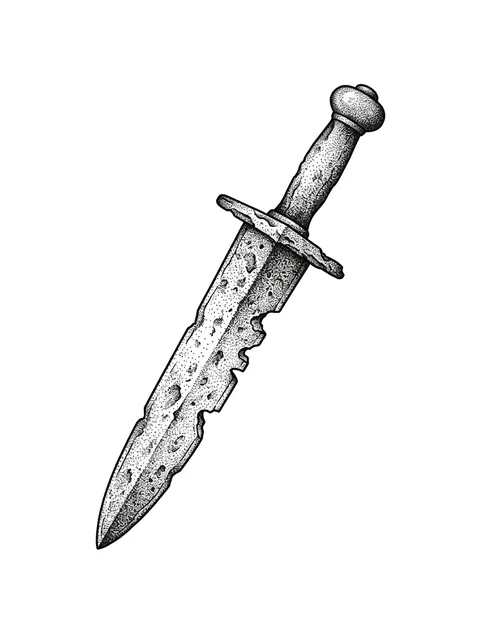
Black and grey dotwork dagger and sword tattoo design: a weathered and ancient-looking dagger Try it on — Black and grey dotwork dagger and sword tattoo design: a weathered and ancient-looking dagger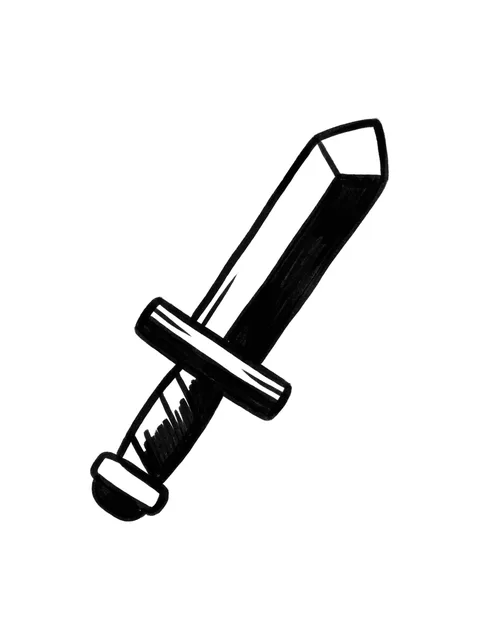
Black and white blackwork dagger and sword tattoo design Try it on — Black and white blackwork dagger and sword tattoo design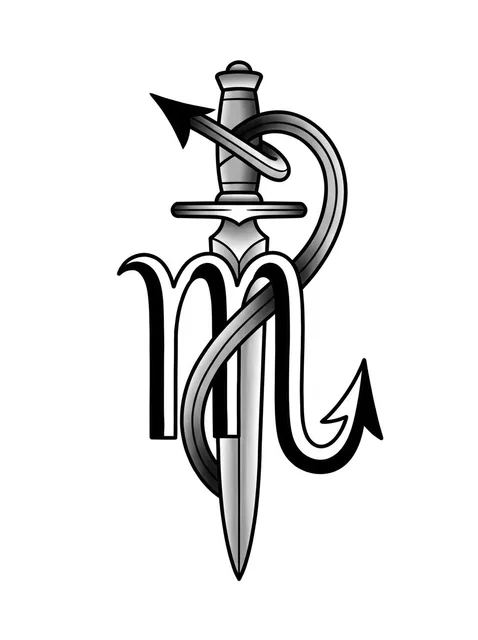
Black and grey illustrative dagger and scorpio tattoo design Try it on — Black and grey illustrative dagger and scorpio tattoo design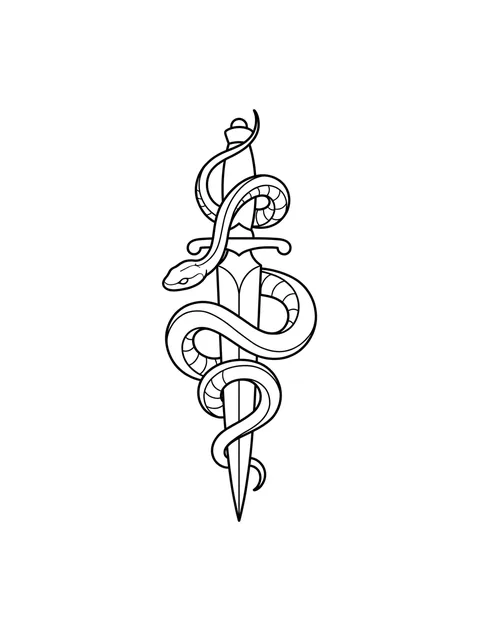
Black and white linework dagger and snake and dagger tattoo design, outline stencil Try it on — Black and white linework dagger and snake and dagger tattoo design, outline stencil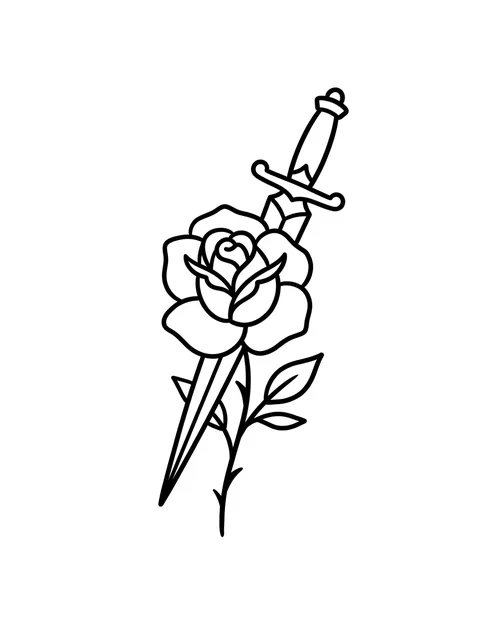
Black and grey traditional dagger and rose tattoo design Try it on — Black and grey traditional dagger and rose tattoo design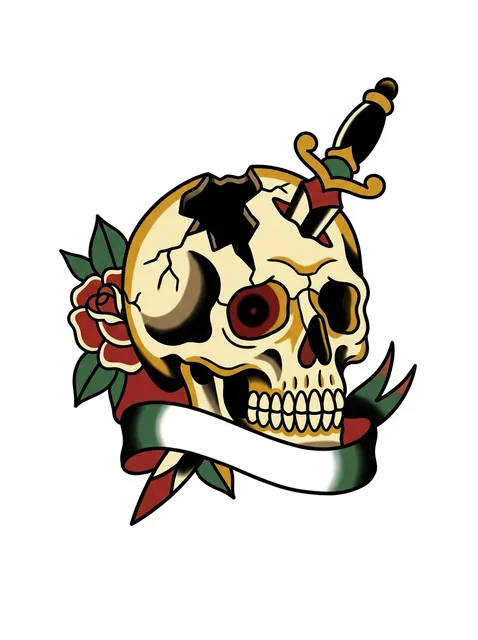
Color traditional dagger and skull tattoo design: a cracked skull with a dagger plunged into its top Try it on — Color traditional dagger and skull tattoo design: a cracked skull with a dagger plunged into its top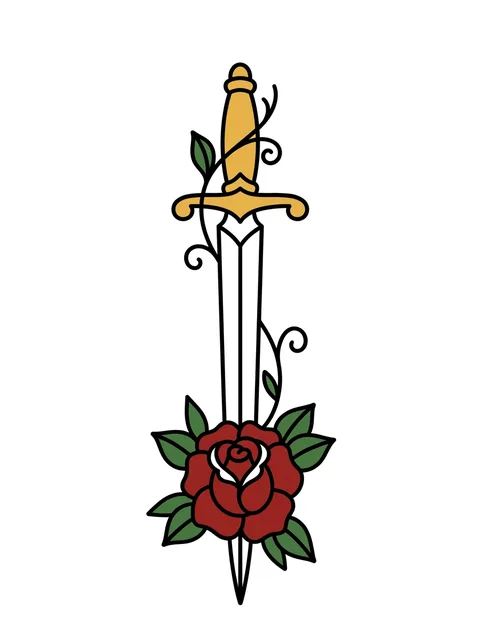
Color traditional dagger and sword tattoo design Try it on — Color traditional dagger and sword tattoo design


Tap any design to see it on your own skin in the try-on — no signup.
This set of 26 dagger designs, by the numbers
- Styles represented
- traditional (12), illustrative (4), blackwork (2), ornamental (1), tribal (1), stick and poke (1)
- Black-and-grey vs colour
- 65% black-and-grey, 35% colour
- Most often drawn with
- rose, snake, sword, moth
Counted from the 26 designs shown on this page. Every one was drawn for InkCraft — none are scraped or reposted. Free to reference with a link to this page.
What a dagger tattoo means
Distance is the whole difference. A sword is used at a range you can see coming; a dagger is used by someone already standing next to you. That is why the image carries betrayal so naturally — it is not a weapon you defend against, it is a weapon that requires trust to be within reach.
In flash tradition the same object just as often means readiness, which is the other side of the same fact. Worn point down, alone, without anything pierced, it reads as a person who does not intend to be caught out. That version is far older in tattooing than the betrayal reading and is what most traditional daggers are actually saying.
What the blade passes through changes the statement completely, and this is where most of the meaning actually lives. Through a rose, it is love that cost something. Through a heart, it is betrayal in the plainest terms available. Through a snake, it is a threat dealt with. The dagger itself is nearly neutral; the pairing does the talking.
There is also a practical reason so many exist, which nobody mentions: the dagger is the standard cover-up shape. Long, narrow, mostly solid black and naturally vertical, it fits over a name or a small piece of old work better than almost anything else. A good number of the daggers in circulation are there to hide something.
Where the design comes from
Most daggers drawn today descend from American flash between the wars, and specifically from Norman Collins, who tattooed in Honolulu from the 1930s under the name Sailor Jerry. His dagger-through-rose and dagger-through-heart fixed the proportions still used: a blade barely longer than the grip, widest immediately below the guard, tapering to a needle point. Further back the pierced heart is Catholic rather than nautical — the Sacred Heart and the Seven Sorrows of the Virgin are both shown with blades driven through them, and the flash tradition inherited the image without the theology.
Choosing yours
- Ask for the proportion explicitly. Left to default, a brief that says dagger produces a short sword, and the two mean different things — the whole betrayal reading rests on it being a weapon used at arm's length rather than at sword's length.
- Decide what it pierces before anything else. The blade is close to meaningless alone and takes almost all of its content from the rose, heart, snake or skull it passes through, so that choice is the design rather than a decoration on it.
- If the piece is covering something, say so at the start. A dagger drawn to cover has different requirements — more solid black, a wider guard, a specific angle to sit over what is underneath — and an artist told afterwards has to redraw rather than adjust.
Size, cost and placement
How big, and what it costs
Roughly 10 to 15 cm, and a plain traditional dagger is among the quicker original pieces to have done — bold outline, flat fill, an hour or two. What adds time is what it passes through: a rose or a heart with real shading can triple the sitting. A cover-up version costs more again, because solid black has to go exactly where the old work is.
Where it sits, and how much it hurts
The forearm, the outer upper arm and the calf all suit a vertical this size. It is also the traditional choice for the outside of a thigh. Pain is moderate everywhere here; the dagger's usual placements are chosen for the shape of the field rather than for comfort, and none of them are among the harder spots.
What to ask your artist
- The blade-to-grip proportion, stated out loud, so you do not receive a short sword.
- What the blade pierces, since that carries nearly all of the meaning.
- Whether this is covering existing work, raised at the first consultation rather than later.
Prices vary widely by city and artist — treat these as session lengths rather than quotes, and expect a shop minimum on anything small. The cost guide turns hours into money by size, placement and style.
Common questions
Why does a dagger mean betrayal and not just danger?
Two things depending on what it pierces. Alone and point down it is readiness, which is the older flash reading. Through a heart it is betrayal, through a rose it is love that cost something, through a snake it is a threat dealt with. The blade itself is close to neutral.
What is the difference between a dagger and a sword tattoo?
Proportion, and it carries the meaning. A dagger's blade is barely longer than its grip and widest just below the guard; a sword's blade is several times the grip. A dagger is a weapon used by someone already beside you, which is why betrayal attaches to it and not to a sword.
Why are daggers used for cover-ups?
Because the shape suits the job better than almost anything else: long, narrow, naturally vertical and largely solid black, so it sits over a name or a small old piece without needing to be enormous. Tell your artist at the start, since a cover-up dagger is drawn differently from a fresh one.
How big should a dagger tattoo be?
Around 10 to 15 cm for a traditional one, which is smaller than a sword needs and part of the point. The guard is the detail that suffers first when it shrinks — below about 8 cm it merges into the grip and the silhouette stops reading as a dagger at all.
See it on your skin before you commit
InkCraft places any of these designs on a photo of you — scaled, wrapped and shaded to the placement you pick.