 InkCraft
Ghost Tattoo Ideas, Designs and Meaning
21 original ghost designs drawn for InkCraftBy Uladzimir TumanauUpdated
A ghost is a drawing problem before it is a subject: the thing has no edges and no weight, and every good one solves that differently. The sheet gives it a silhouette, transparency gives it a background, and dissolving into stipple gives it no edge at all.
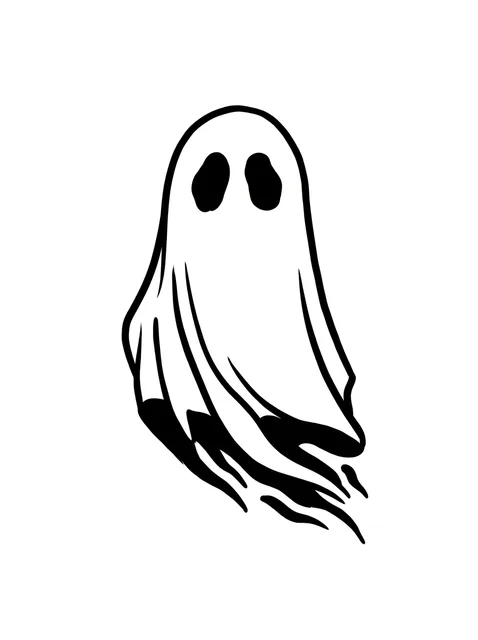
Black and white illustrative ghost tattoo design Try it on — Black and white illustrative ghost tattoo design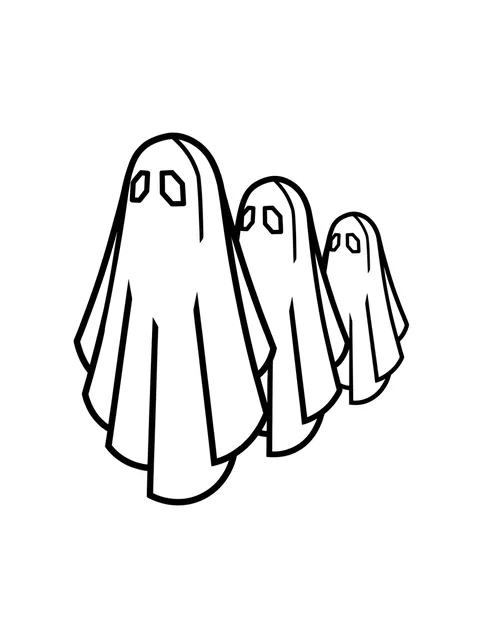
Black and white linework ghost tattoo design, outline stencil Try it on — Black and white linework ghost tattoo design, outline stencil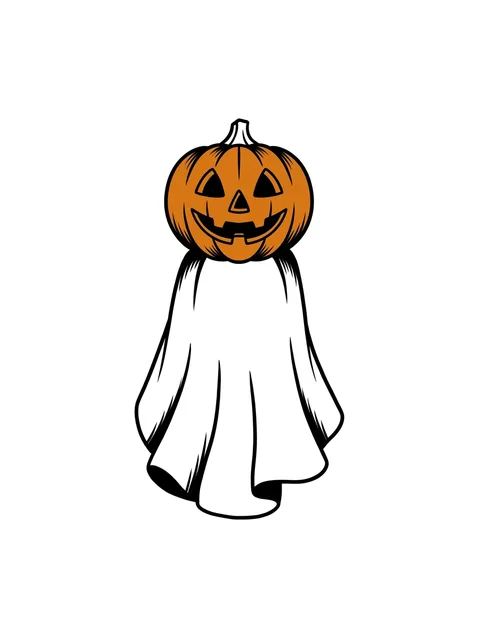
Color illustrative ghost tattoo design: a ghost with a carved pumpkin head Try it on — Color illustrative ghost tattoo design: a ghost with a carved pumpkin head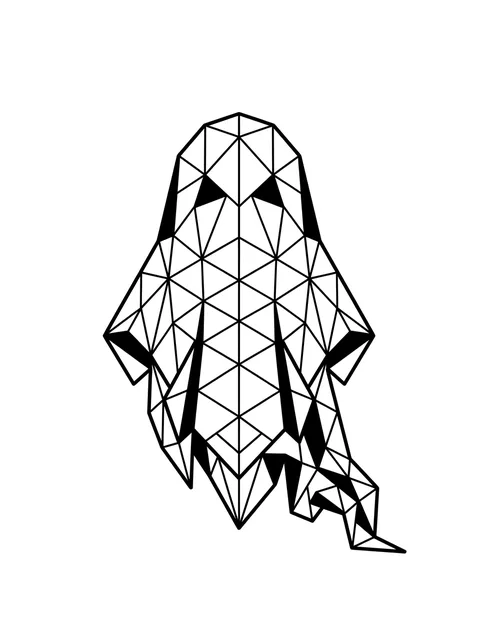
Black and white geometric ghost tattoo design, outline stencil Try it on — Black and white geometric ghost tattoo design, outline stencil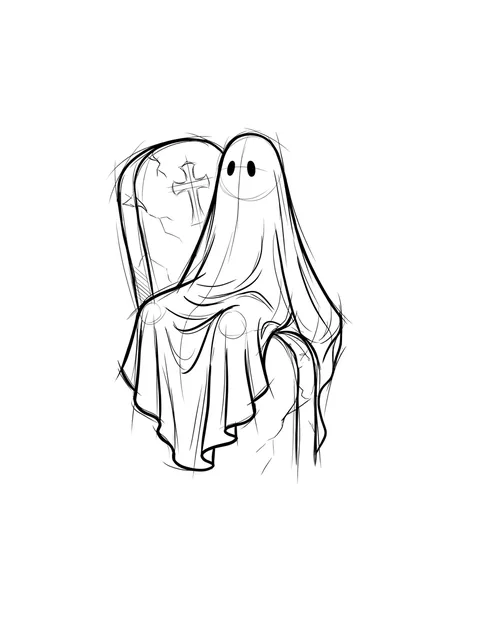
Black and white illustrative ghost tattoo design: a ghost draped over a tombstone with a cross Try it on — Black and white illustrative ghost tattoo design: a ghost draped over a tombstone with a cross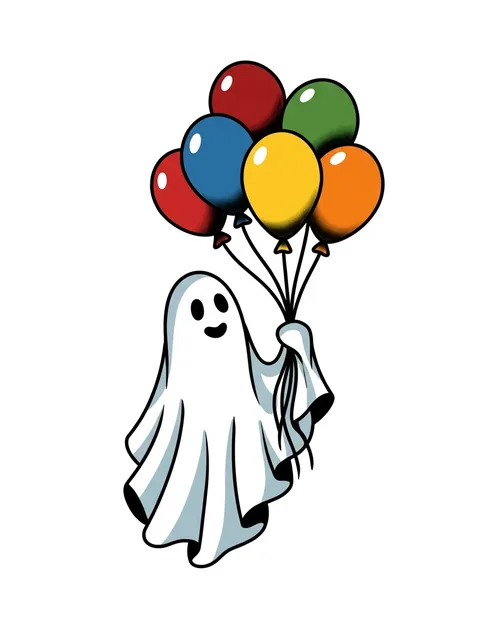
Color new school ghost tattoo design: a friendly white ghost holding a vibrant bunch of balloons Try it on — Color new school ghost tattoo design: a friendly white ghost holding a vibrant bunch of balloons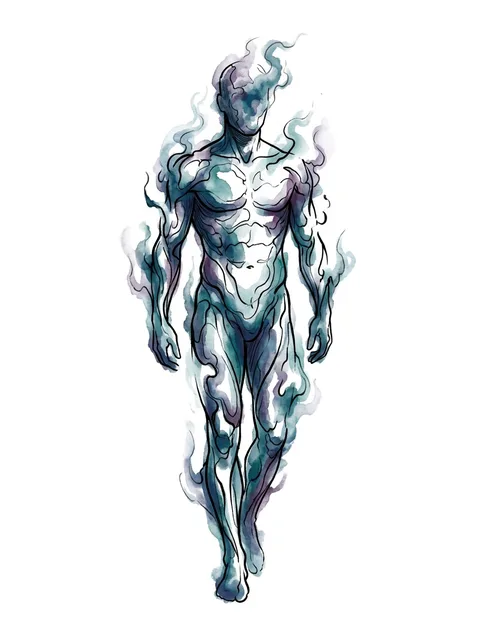
Color watercolor ghost tattoo design Try it on — Color watercolor ghost tattoo design
Black and white minimalist ghost tattoo design, outline stencil Try it on — Black and white minimalist ghost tattoo design, outline stencil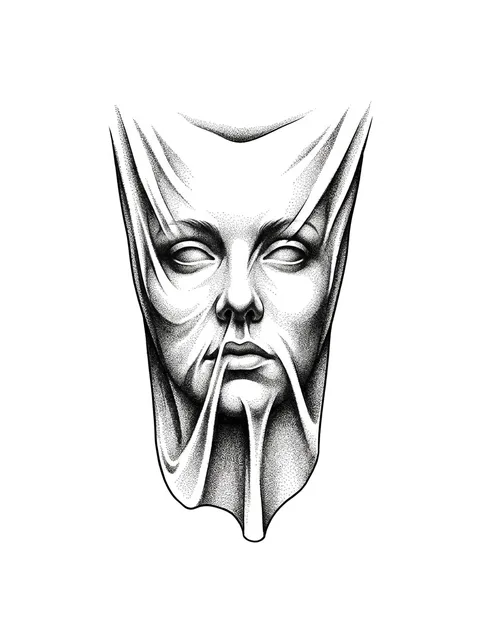
Black and grey dotwork ghost tattoo design Try it on — Black and grey dotwork ghost tattoo design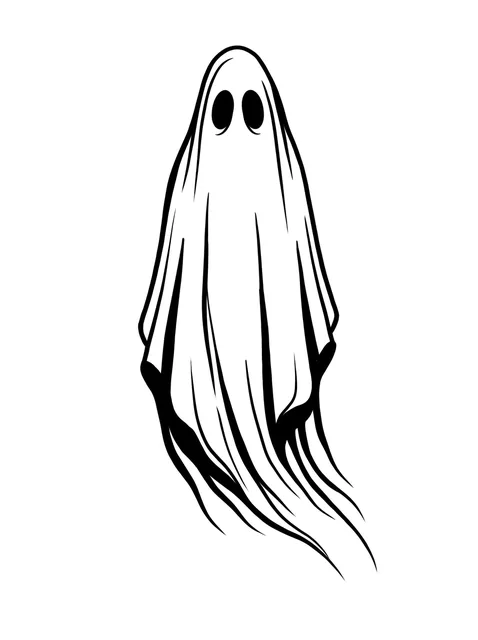
Black and grey illustrative ghost tattoo design: a classic sheet ghost with two dark, empty eyeholes Try it on — Black and grey illustrative ghost tattoo design: a classic sheet ghost with two dark, empty eyeholes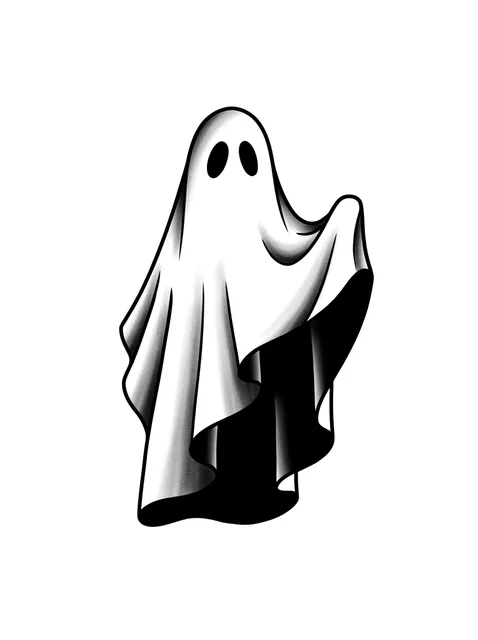
Black and grey traditional ghost tattoo design: a classic ghost figure Try it on — Black and grey traditional ghost tattoo design: a classic ghost figure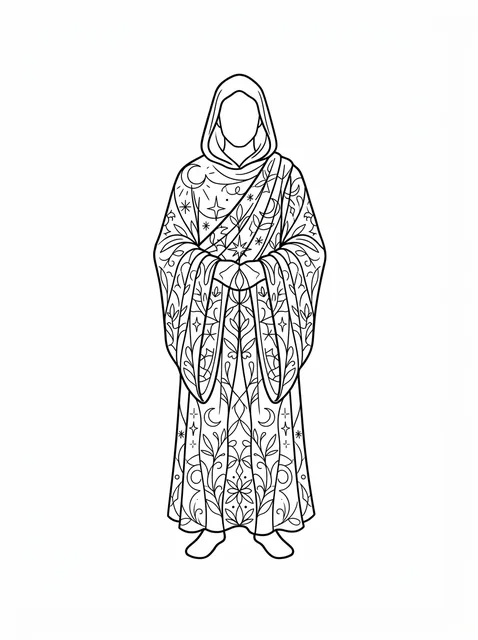
Black and white linework ghost tattoo design, outline stencil Try it on — Black and white linework ghost tattoo design, outline stencil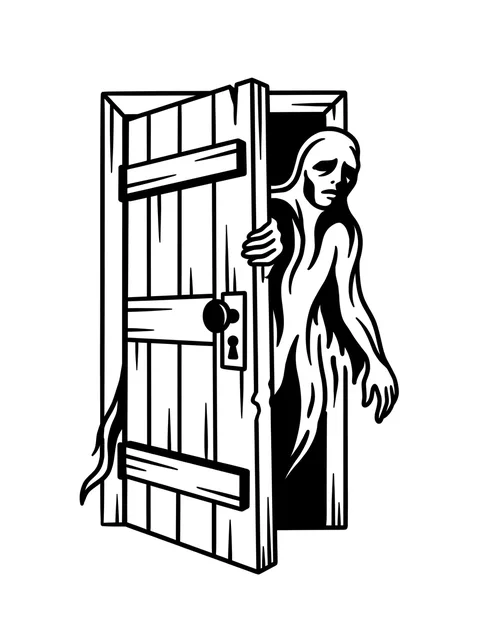
Black and grey illustrative ghost tattoo design Try it on — Black and grey illustrative ghost tattoo design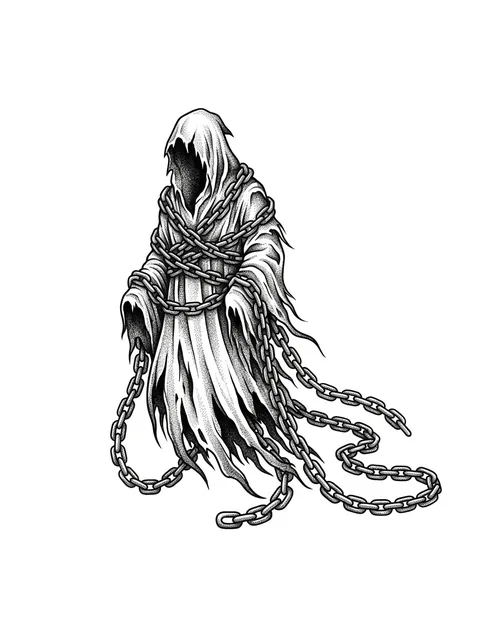
Black and grey dotwork ghost and skeleton tattoo design Try it on — Black and grey dotwork ghost and skeleton tattoo design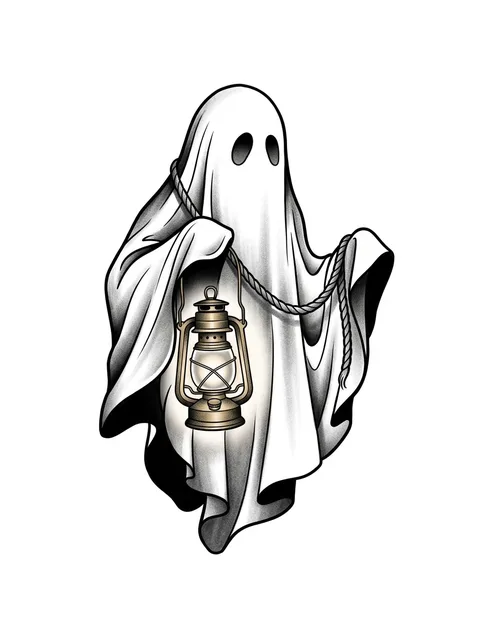
Black and grey neo traditional ghost and lantern tattoo design Try it on — Black and grey neo traditional ghost and lantern tattoo design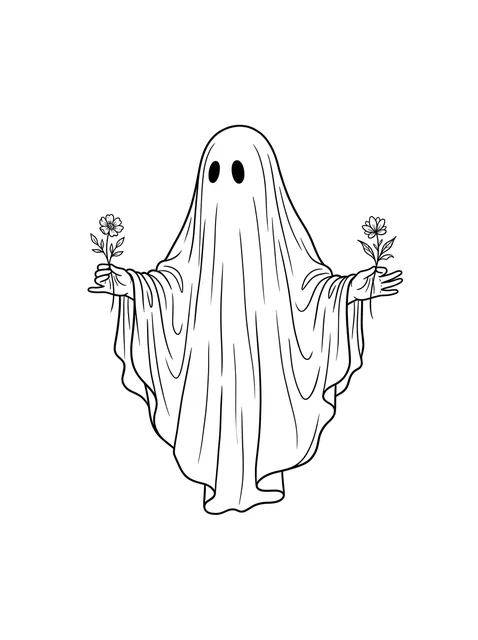
Black and white linework ghost and flower tattoo design, outline stencil Try it on — Black and white linework ghost and flower tattoo design, outline stencil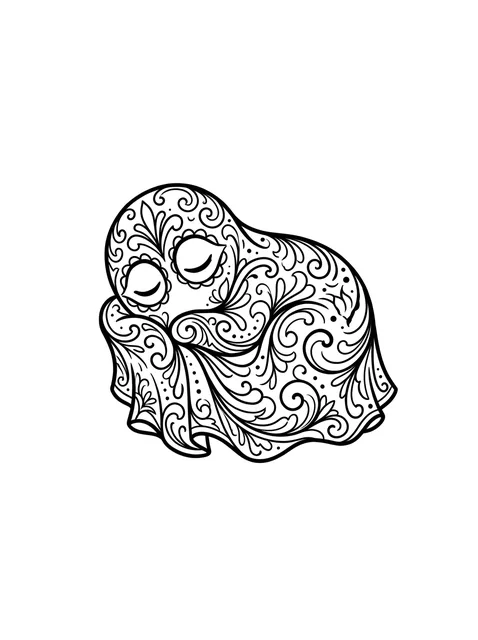
Black and white illustrative ghost and mandala tattoo design Try it on — Black and white illustrative ghost and mandala tattoo design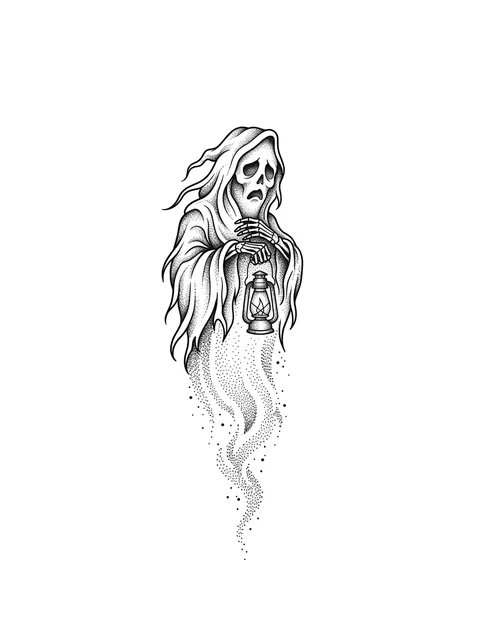
Black and grey dotwork ghost and grim reaper tattoo design Try it on — Black and grey dotwork ghost and grim reaper tattoo design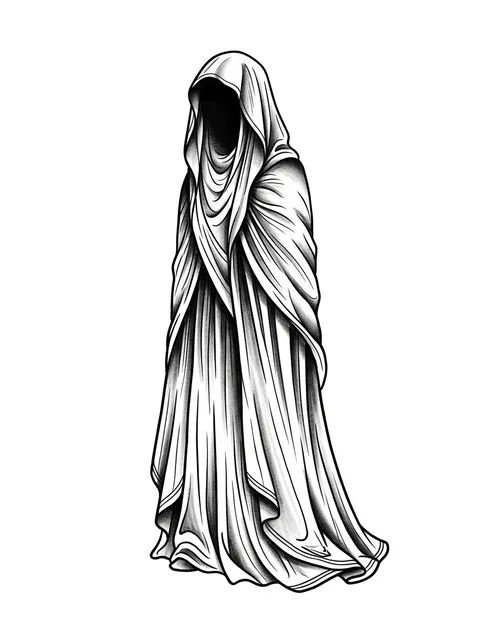
Black and grey illustrative ghost and grim reaper tattoo design Try it on — Black and grey illustrative ghost and grim reaper tattoo design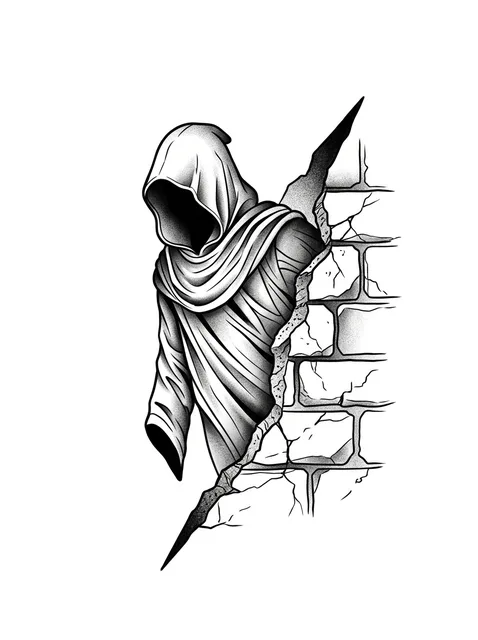
Black and grey illustrative ghost and grim reaper tattoo design Try it on — Black and grey illustrative ghost and grim reaper tattoo design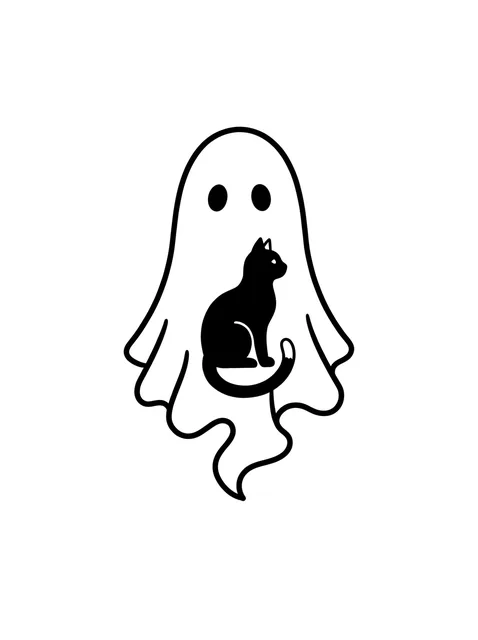
Black and white minimalist ghost and cat tattoo design, outline stencil Try it on — Black and white minimalist ghost and cat tattoo design, outline stencil


Tap any design to see it on your own skin in the try-on — no signup.
This set of 21 ghost designs, by the numbers
- Styles represented
- illustrative (8), linework (3), dotwork (3), minimalist (2), geometric (1), new school (1)
- Black-and-grey vs colour
- 86% black-and-grey, 14% colour
- Most often drawn with
- grim reaper, skeleton, lantern, flower
Counted from the 21 designs shown on this page. Every one was drawn for InkCraft — none are scraped or reposted. Free to reference with a link to this page.
What a ghost tattoo means
The ghost is the friendliest way to carry a death. It can be worn as a memorial without any of the weight a skull or an urn brings, which is why the cartoon sheet version turns up so often on people marking something genuinely serious.
Unfinished business is the older reading and the more useful one. A ghost is not simply a dead person, it is one who has not left, which makes it a much better image for something you are still carrying than for something you have put down.
The sheet is a joke that became the standard, and knowing that helps. It comes from theatrical convention rather than folklore, and it is why the modern ghost can be drawn bored, asleep, holding balloons or sitting on a gravestone — none of which a spectre could do.
Transparency is the version that unsettles. A figure you can see the room through says something a sheet cannot: that the person is present and not present at once, which is closer to how being haunted actually feels.
Where the design comes from
The white-sheeted ghost is surprisingly recent and surprisingly practical. Burial shrouds were the ordinary dress of the dead in Britain and northern Europe into the nineteenth century, so a returning spirit was imagined in one, and stage productions dressed their ghosts the same way because a sheet was the only costume that read from the back of a theatre. Victorian spirit photography turned the transparent double exposure into the other standard image, and it is where the see-through ghost of every later film comes from. In tattooing the subject barely existed before the 2010s, when the small, flat, cartoon-adjacent style now called ignorant or naive work made a five-centimetre sheet ghost one of the most-requested tiny tattoos there is.
Choosing yours
- Pick how it stops being solid. A trailing dissolving hem, a see-through body, or an edge that breaks into stipple — a ghost with a hard outline all the way round reads as a costume.
- Small and simple works here better than almost any other subject. The sheet ghost is one of very few designs that loses nothing at 4 cm, because the whole form is two eye holes and a silhouette.
- Decide whether it is funny. A ghost holding balloons and a translucent figure standing behind someone are both legitimate and they sit at opposite ends of the register. This subject can carry either, which very few can.
Size, cost and placement
How big, and what it costs
A small sheet ghost is a shop-minimum piece, often under half an hour, and one of the cheapest designs on this site. A translucent figure with a background showing through is a different job entirely: 15 cm and three to four hours, because transparency is drawn rather than faded.
Where it sits, and how much it hurts
Small ghosts suit the ankle, the inner forearm, behind the ear, the finger and the ribs. Larger transparent figures want a flat field with room around them, since the empty space is doing the work. A dissolving hem needs somewhere to dissolve into and should not run off an edge.
What to ask your artist
- How the lower edge will end — a hard line, a dissolve into dots, or trailing tatters — since that decision is the whole design.
- For a transparent figure, whether the background will be drawn through it in line or in stipple.
- At very small sizes, to keep the eye holes large, because they close up first and a ghost with no eyes is a blob.
Prices vary widely by city and artist — treat these as session lengths rather than quotes, and expect a shop minimum on anything small. The cost guide turns hours into money by size, placement and style.
Common questions
Why is this the gentlest way to mark a death?
Most often a memorial carried lightly, or something unresolved that is still around. The sheet version in particular lets people mark a death without the weight that a skull or a portrait brings.
Does it still work at three centimetres?
Very small. A simple sheet ghost works at 3-4 cm because it is a silhouette with two holes in it, which is why it is such a common first tattoo and such a common finger or ankle piece.
Why are ghosts drawn as sheets?
Because the dead were buried in shrouds, and because a sheet was the only ghost costume that worked on a stage. It is a theatrical convention that outlived the theatre and became the default image.
What a ghost tattoo can mean
The meanings this motif carries on the pages that argue them. Each line is that page's own reason for including it.
- Halloween tattoos
- The one motif here that comes in both versions, and the difference is the humour. A sheet with eye holes is seasonal; a figure passing through solid matter is a ghost in any month, because passing through a wall is a thing only a ghost does.
See it on your skin before you commit
InkCraft places any of these designs on a photo of you — scaled, wrapped and shaded to the placement you pick.