 InkCraft
Traditional tattoo designs: bold lines that last
48 original traditional tattoos designs drawn for InkCraftBy Uladzimir TumanauUpdated
The style that has not needed to change in a century, because it was built around what skin does to ink rather than around what looks best on the day it heals.
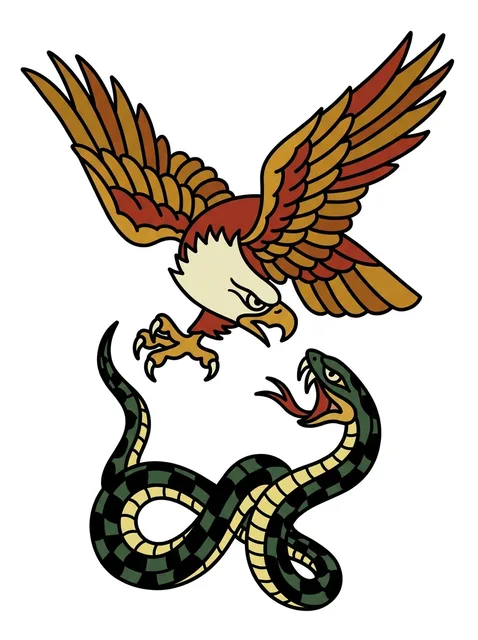
Color traditional eagle and snake tattoo design Try it on — Color traditional eagle and snake tattoo design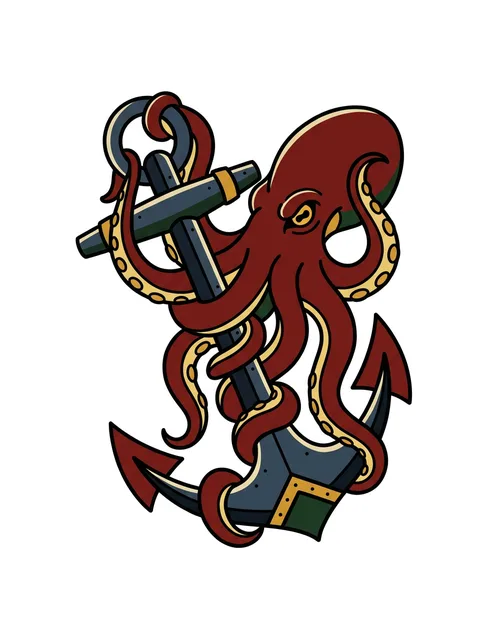
Color traditional octopus and anchor tattoo design Try it on — Color traditional octopus and anchor tattoo design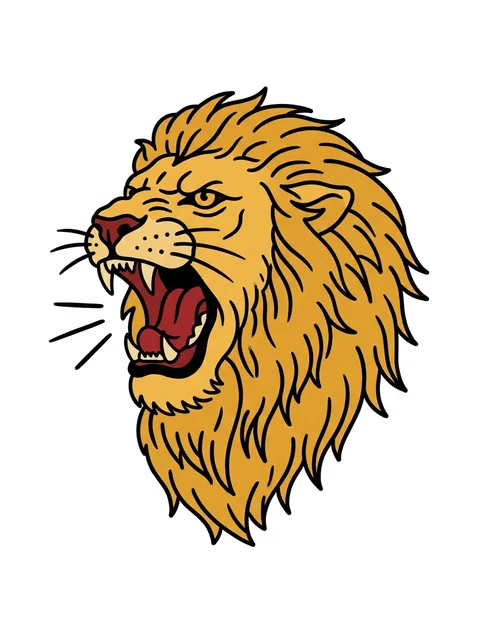
Color traditional lion tattoo design: a golden mane and a vibrant red mouth Try it on — Color traditional lion tattoo design: a golden mane and a vibrant red mouth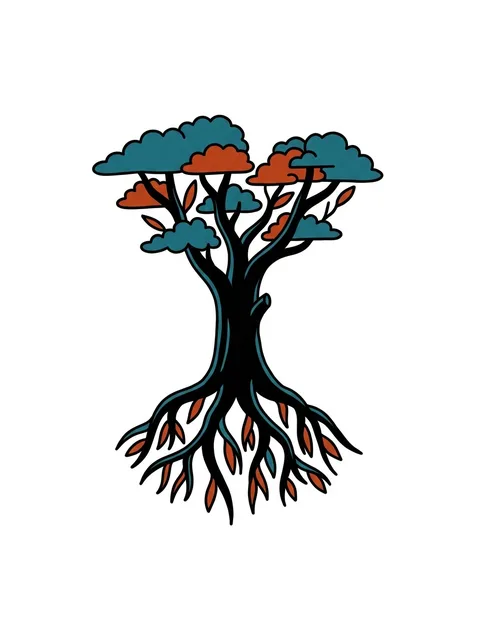
Color traditional tree tattoo design: a stylized tree with prominent roots Try it on — Color traditional tree tattoo design: a stylized tree with prominent roots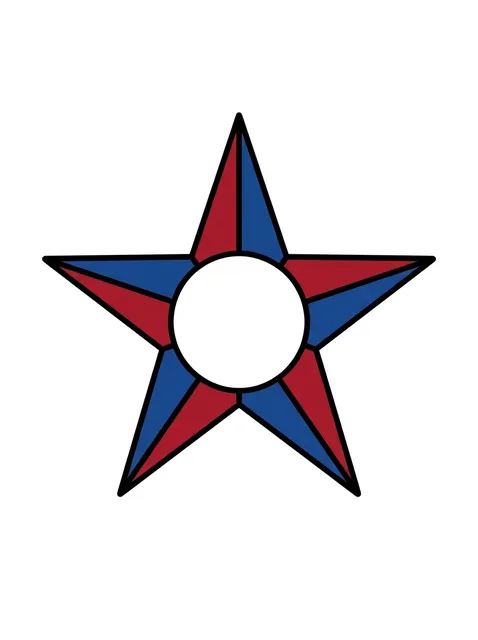
Color traditional star tattoo design: a prominent white circular void in its center Try it on — Color traditional star tattoo design: a prominent white circular void in its center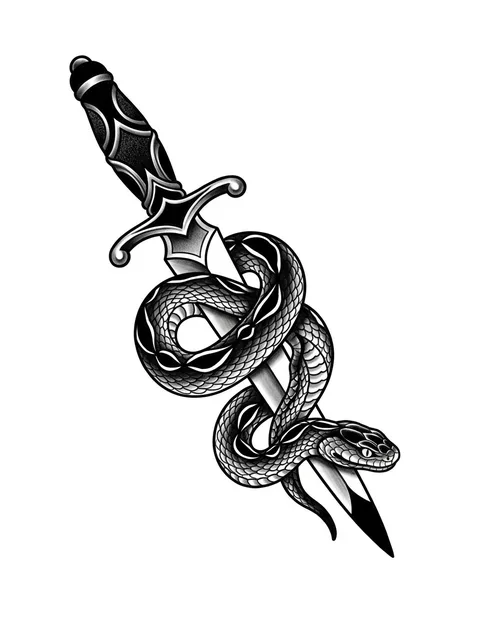
Black and grey traditional snake and dagger tattoo design: a snake coiled around a dagger Try it on — Black and grey traditional snake and dagger tattoo design: a snake coiled around a dagger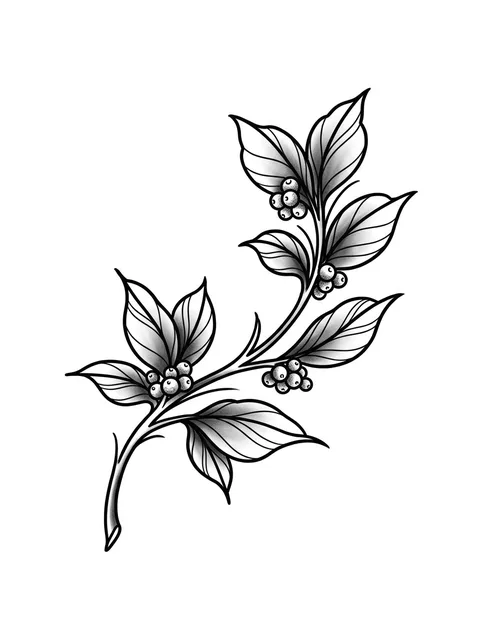
Black and grey traditional leaf tattoo design: a branch with leaves and berries Try it on — Black and grey traditional leaf tattoo design: a branch with leaves and berries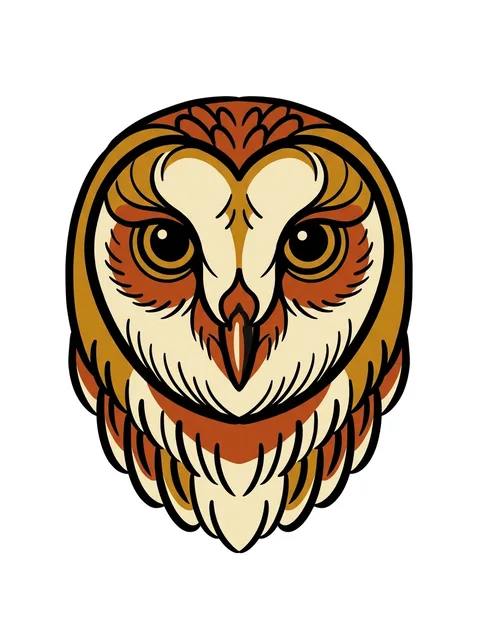
Color traditional owl tattoo design: the head of an owl Try it on — Color traditional owl tattoo design: the head of an owl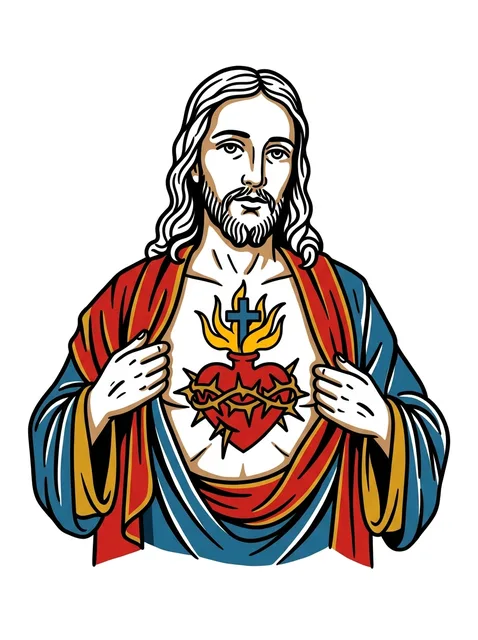
Color traditional jesus and heart tattoo design Try it on — Color traditional jesus and heart tattoo design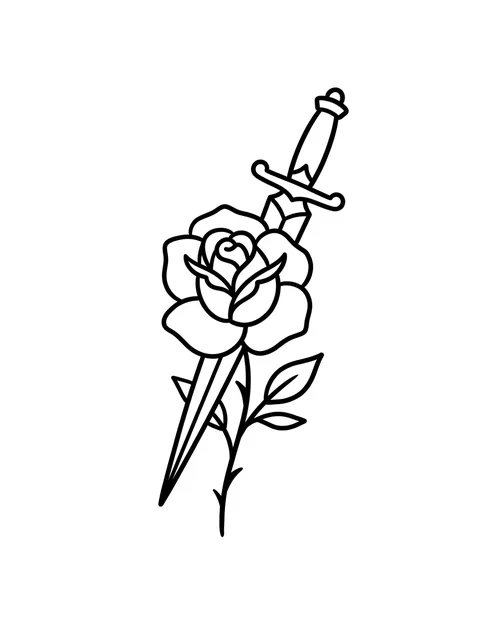
Black and grey traditional rose and dagger tattoo design Try it on — Black and grey traditional rose and dagger tattoo design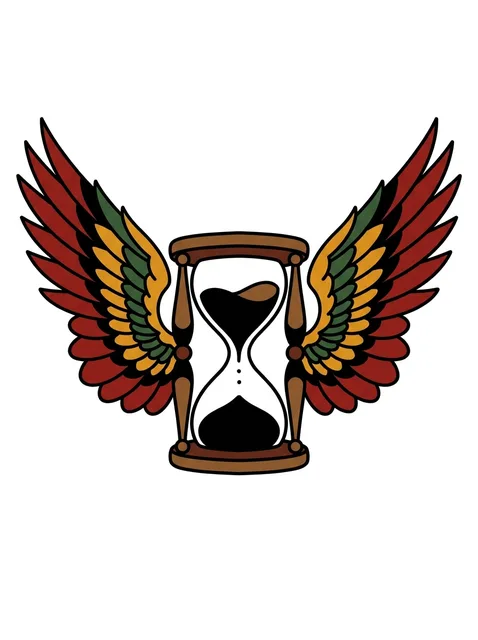
Color traditional hourglass and feather tattoo design: a winged hourglass Try it on — Color traditional hourglass and feather tattoo design: a winged hourglass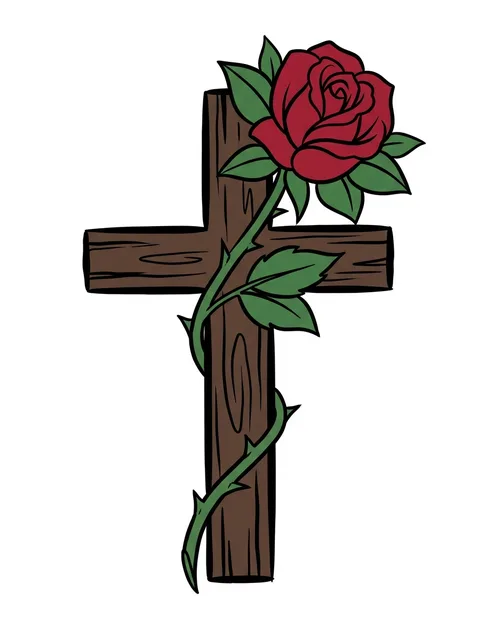
Color traditional cross and rose tattoo design Try it on — Color traditional cross and rose tattoo design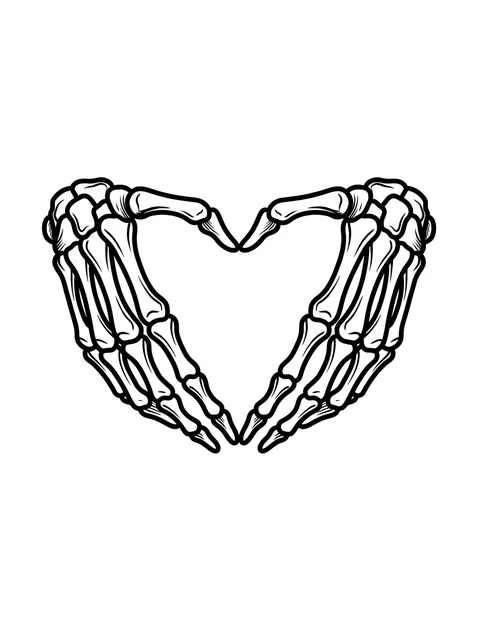
Black and grey traditional skeleton hand and heart tattoo design Try it on — Black and grey traditional skeleton hand and heart tattoo design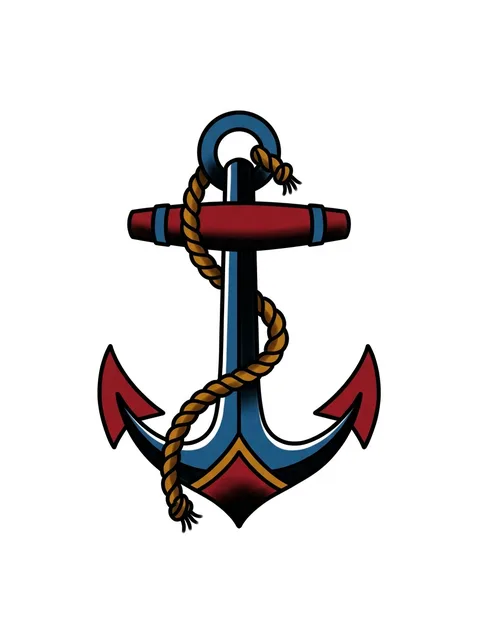
Color traditional anchor tattoo design: a vibrant anchor with a rope wrapped around it Try it on — Color traditional anchor tattoo design: a vibrant anchor with a rope wrapped around it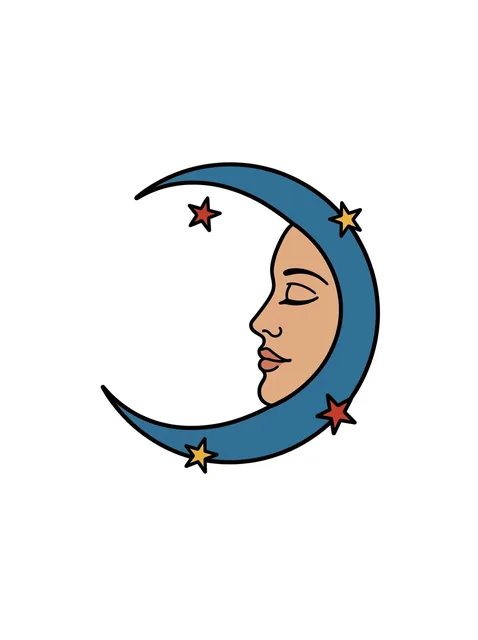
Color traditional moon and star tattoo design: a crescent moon with a serene woman's face in profile Try it on — Color traditional moon and star tattoo design: a crescent moon with a serene woman's face in profile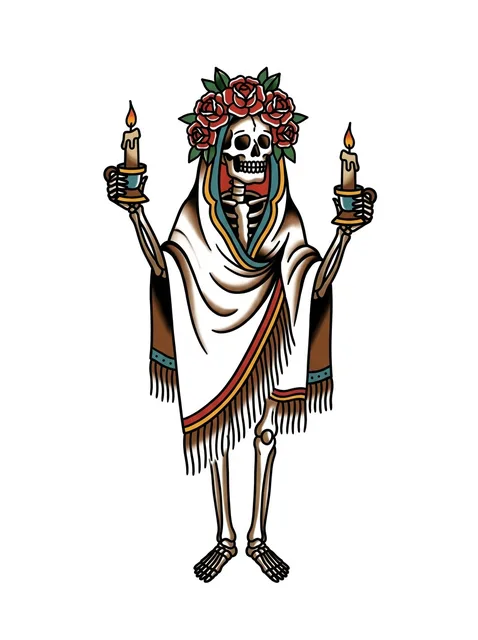
Color traditional santa muerte and skeleton tattoo design Try it on — Color traditional santa muerte and skeleton tattoo design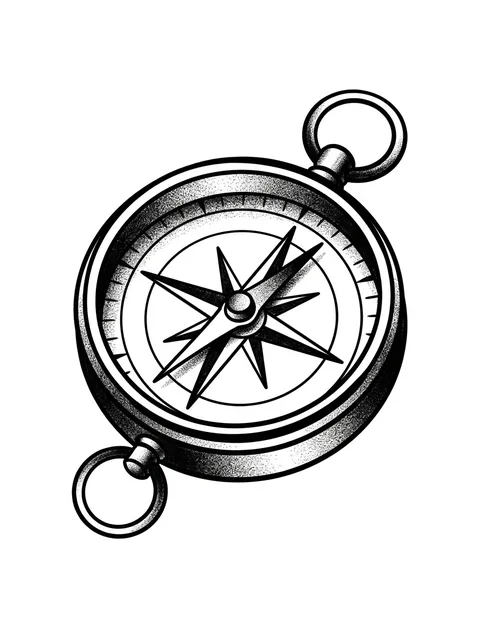
Black and grey traditional compass tattoo design Try it on — Black and grey traditional compass tattoo design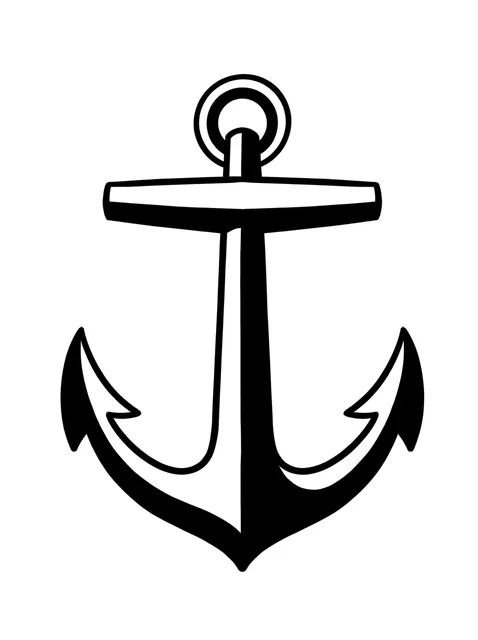
Black and grey traditional anchor tattoo design: a sturdy shank, crossbar, and flukes Try it on — Black and grey traditional anchor tattoo design: a sturdy shank, crossbar, and flukes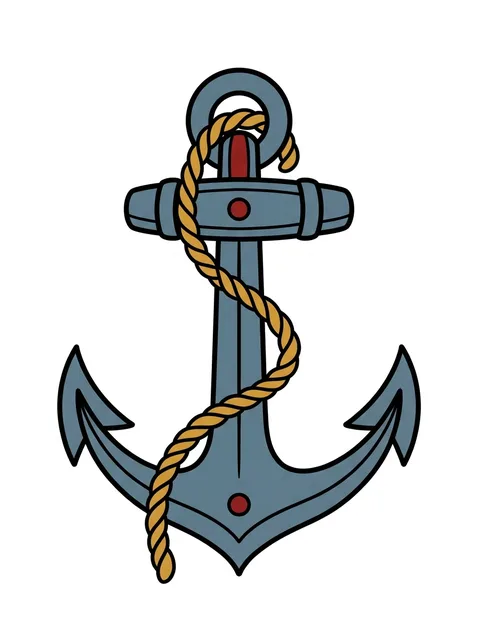
Color traditional anchor tattoo design Try it on — Color traditional anchor tattoo design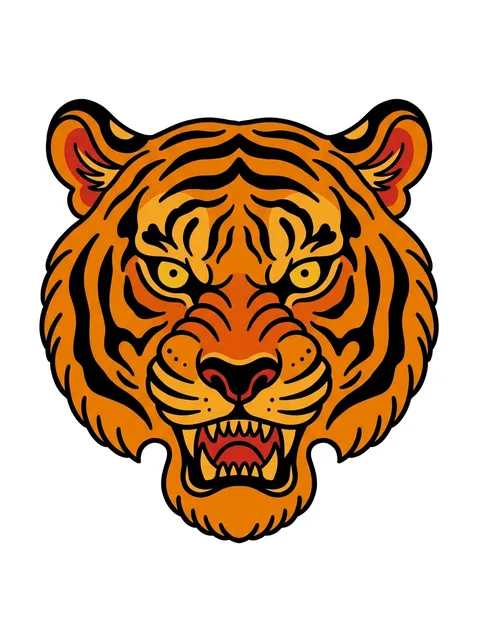
Color traditional tiger tattoo design: a roaring tiger head Try it on — Color traditional tiger tattoo design: a roaring tiger head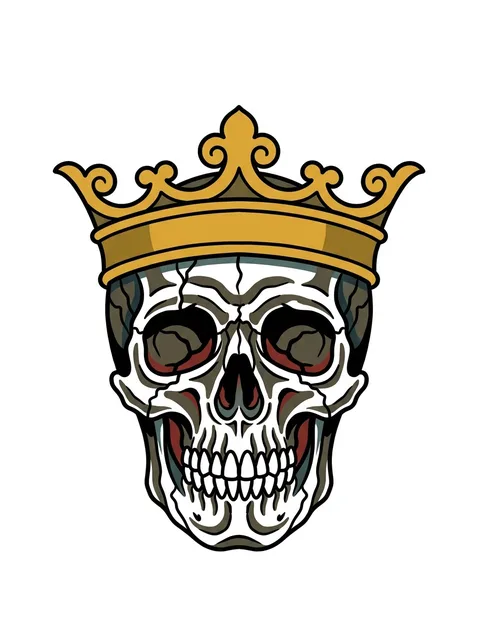
Color traditional skull and crown tattoo design: a detailed skull wearing a golden crown Try it on — Color traditional skull and crown tattoo design: a detailed skull wearing a golden crown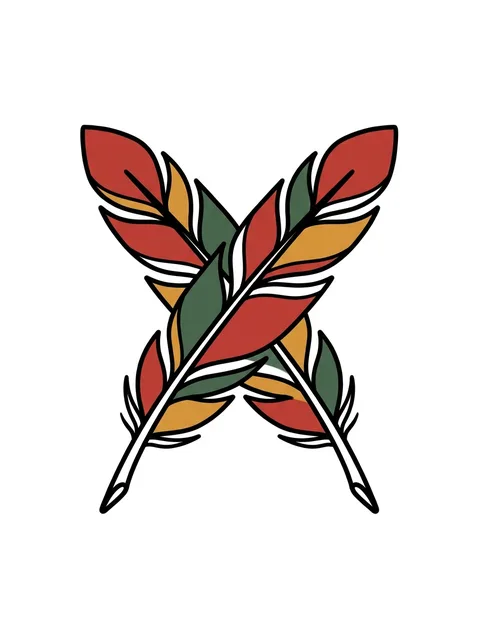
Color traditional feather tattoo design Try it on — Color traditional feather tattoo design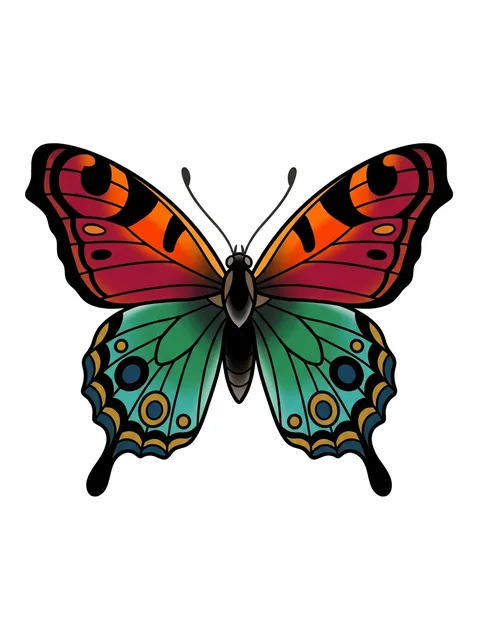
Color traditional butterfly tattoo design Try it on — Color traditional butterfly tattoo design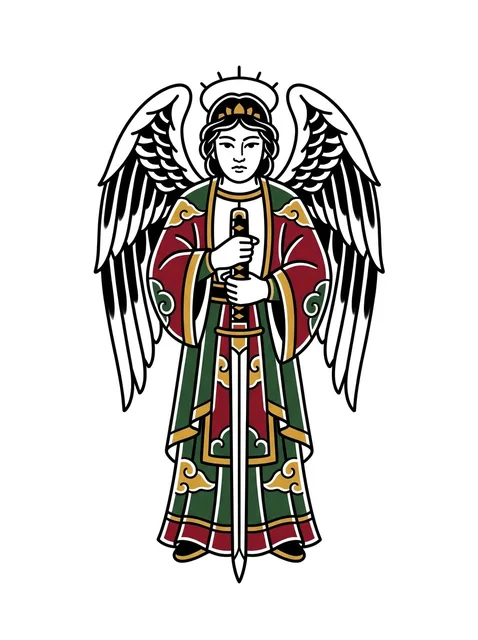
Color traditional angel and sword tattoo design Try it on — Color traditional angel and sword tattoo design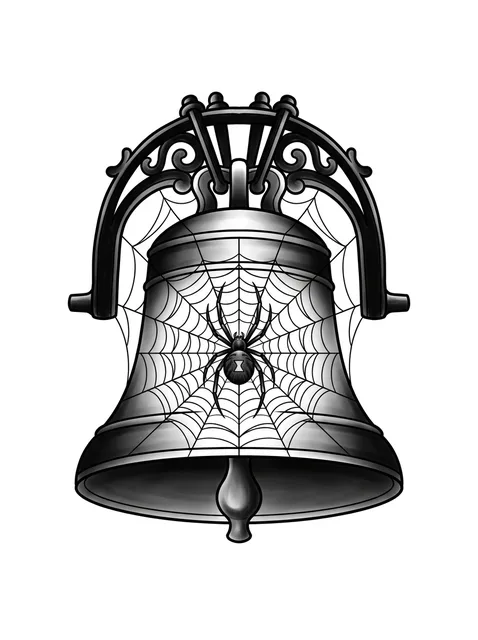
Black and grey traditional spider and web tattoo design Try it on — Black and grey traditional spider and web tattoo design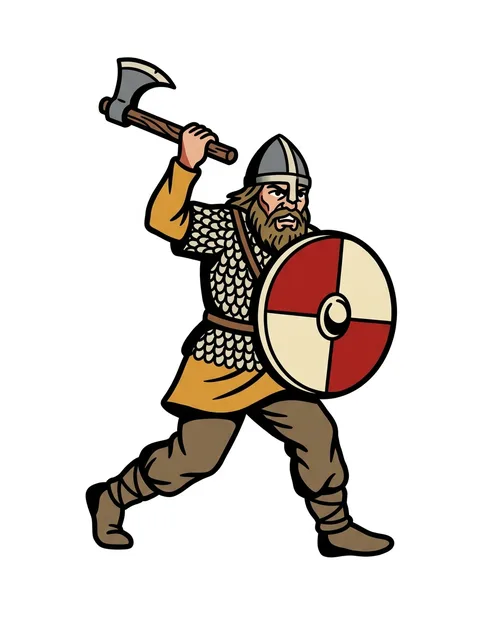
Color traditional viking tattoo design Try it on — Color traditional viking tattoo design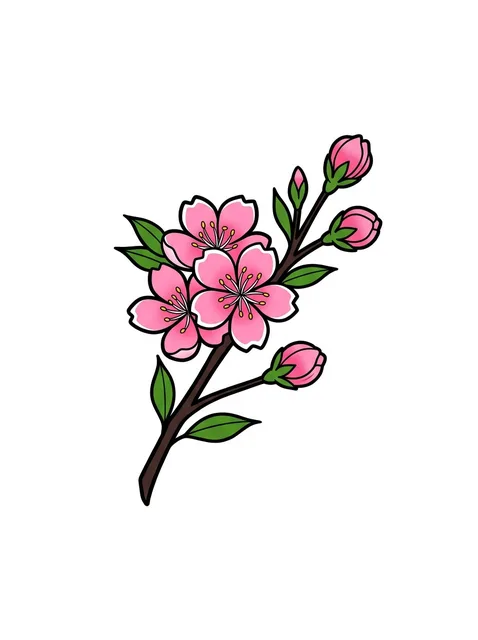
Color traditional cherry blossom and flower tattoo design: a branch of cherry blossoms Try it on — Color traditional cherry blossom and flower tattoo design: a branch of cherry blossoms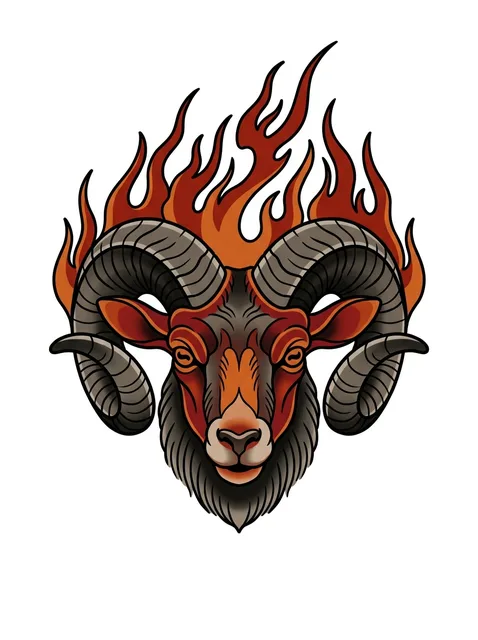
Color traditional goat and fire tattoo design: a ram's head engulfed in flames Try it on — Color traditional goat and fire tattoo design: a ram's head engulfed in flames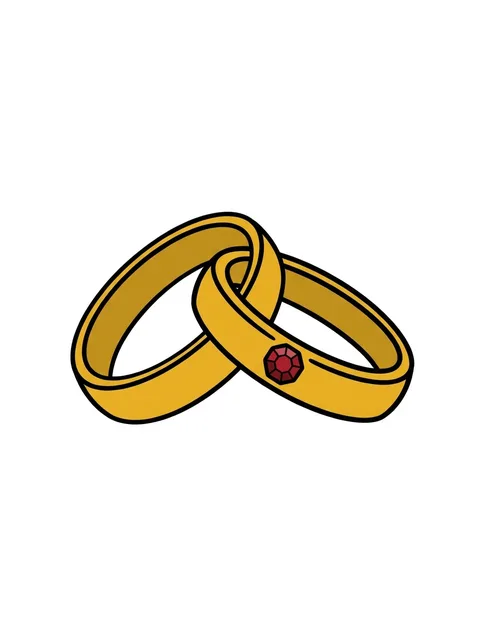
Color traditional ring tattoo design Try it on — Color traditional ring tattoo design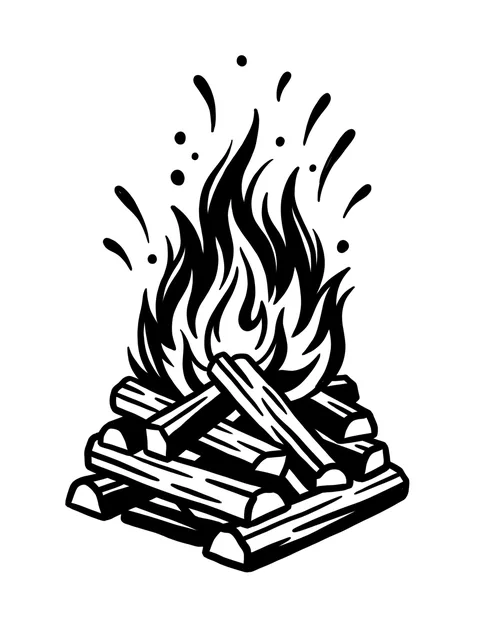
Black and grey traditional fire tattoo design: a campfire with logs and flames Try it on — Black and grey traditional fire tattoo design: a campfire with logs and flames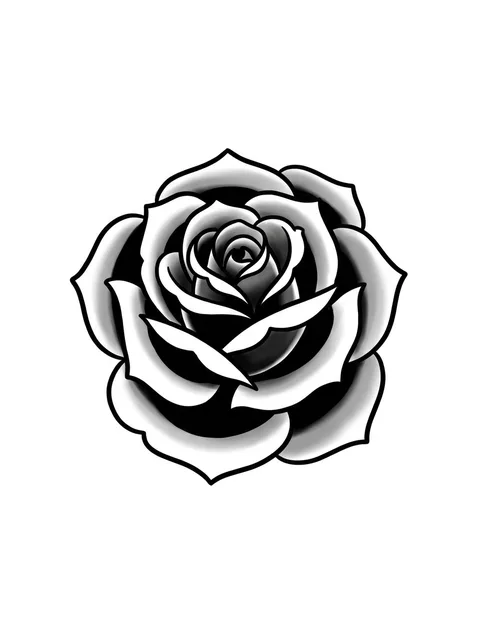
Black and grey traditional rose tattoo design Try it on — Black and grey traditional rose tattoo design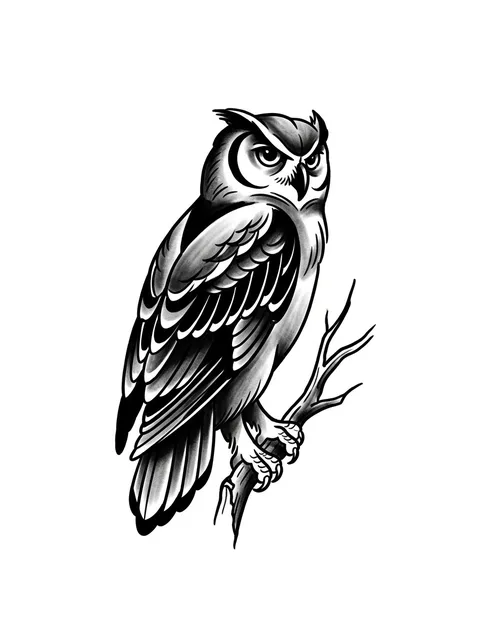
Black and grey traditional owl tattoo design: a stern-looking owl perched on a bare tree branch Try it on — Black and grey traditional owl tattoo design: a stern-looking owl perched on a bare tree branch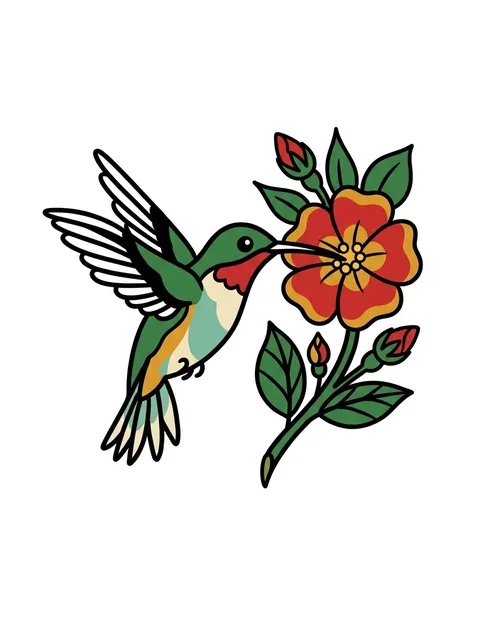
Color traditional hummingbird and flower tattoo design Try it on — Color traditional hummingbird and flower tattoo design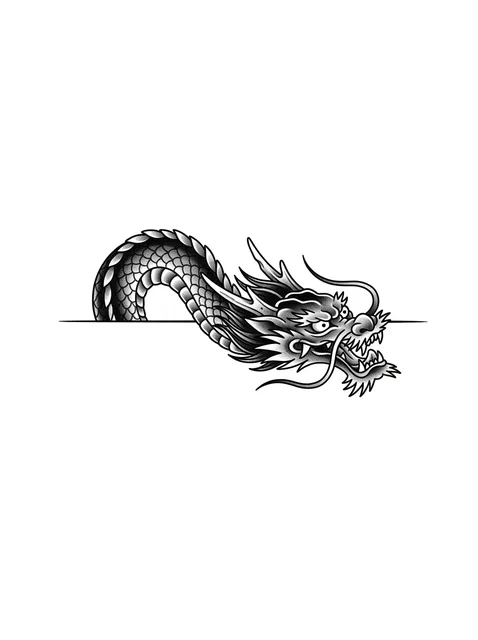
Black and grey traditional dragon tattoo design Try it on — Black and grey traditional dragon tattoo design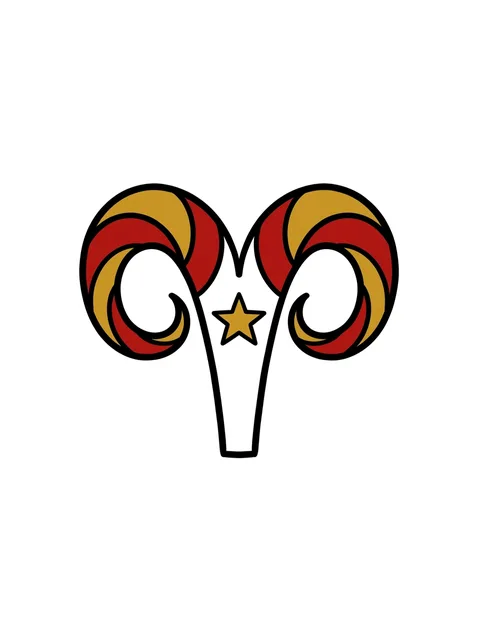
Color traditional aries and star tattoo design Try it on — Color traditional aries and star tattoo design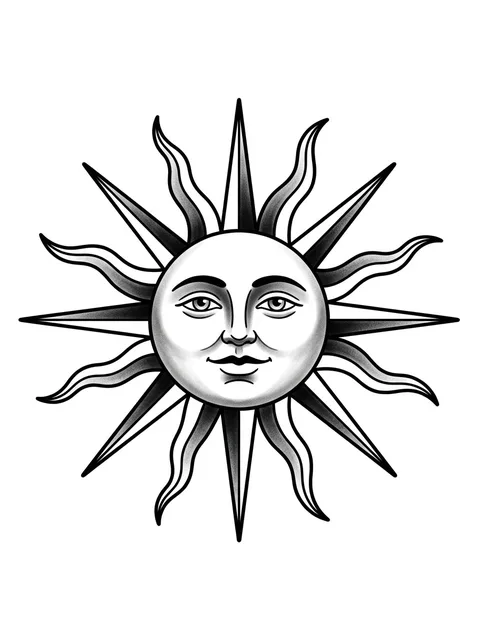
Black and grey traditional sun tattoo design: a sun with a human face Try it on — Black and grey traditional sun tattoo design: a sun with a human face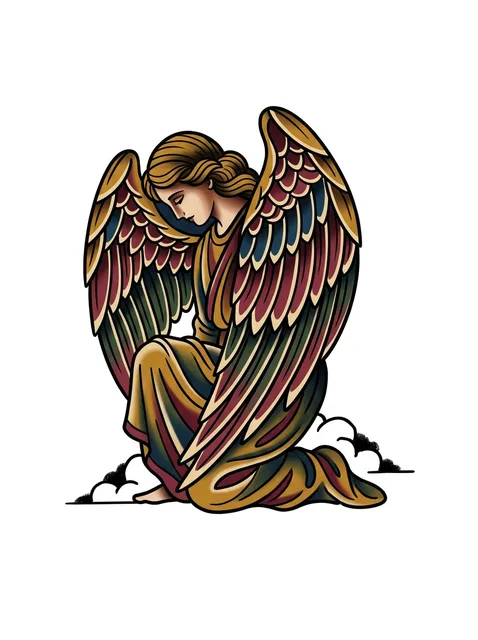
Color traditional angel tattoo design: a kneeling angel with large, richly colored wings Try it on — Color traditional angel tattoo design: a kneeling angel with large, richly colored wings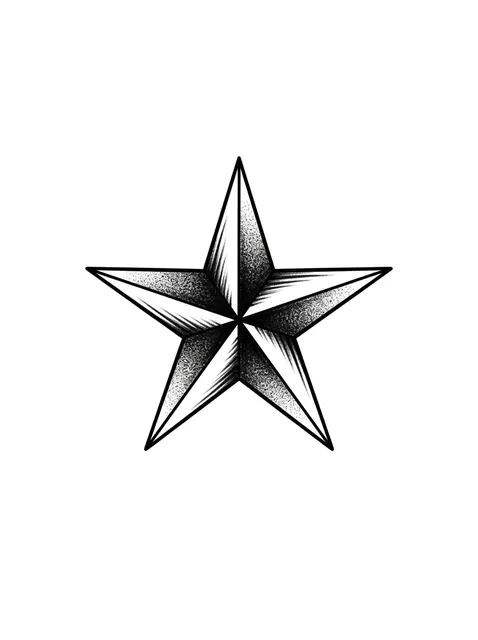
Black and white traditional star tattoo design Try it on — Black and white traditional star tattoo design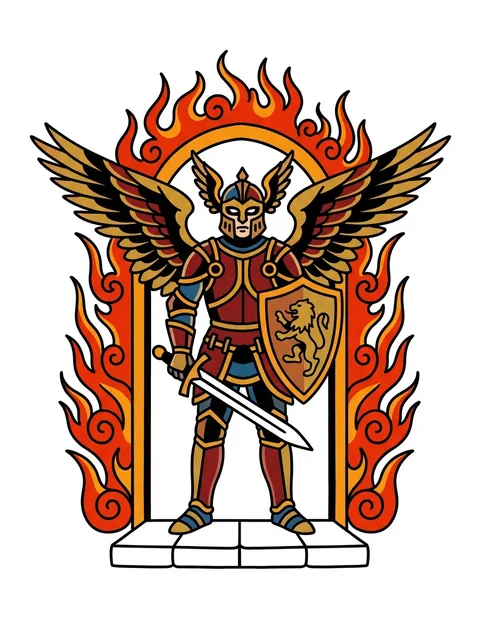
Color traditional archangel and angel tattoo design Try it on — Color traditional archangel and angel tattoo design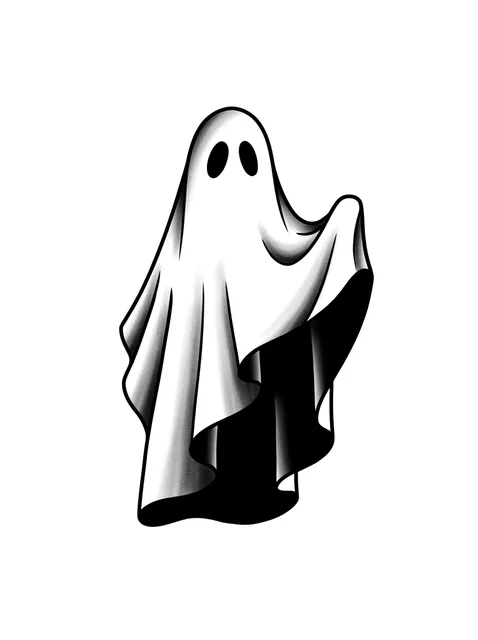
Black and grey traditional ghost tattoo design: a classic ghost figure Try it on — Black and grey traditional ghost tattoo design: a classic ghost figure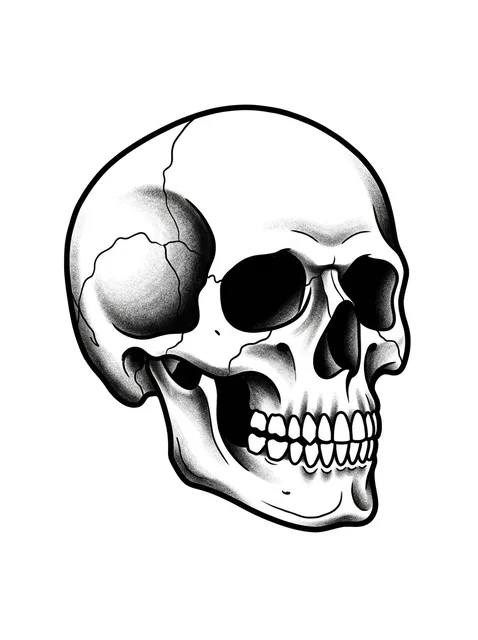
Black and grey traditional skull tattoo design: a human skull Try it on — Black and grey traditional skull tattoo design: a human skull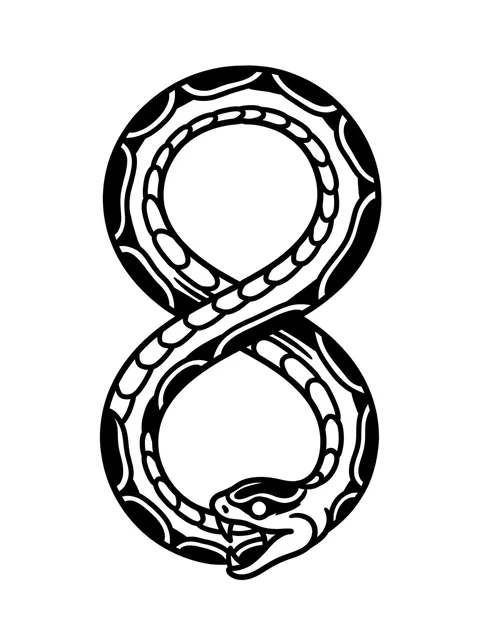
Black and grey traditional ouroboros and snake tattoo design Try it on — Black and grey traditional ouroboros and snake tattoo design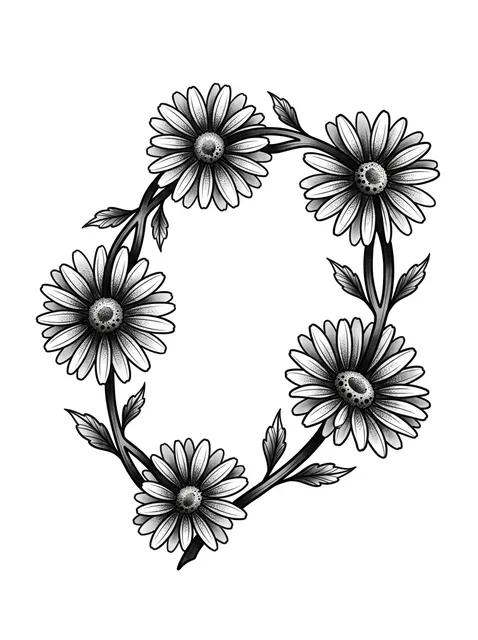
Black and grey traditional daisy and flower tattoo design Try it on — Black and grey traditional daisy and flower tattoo design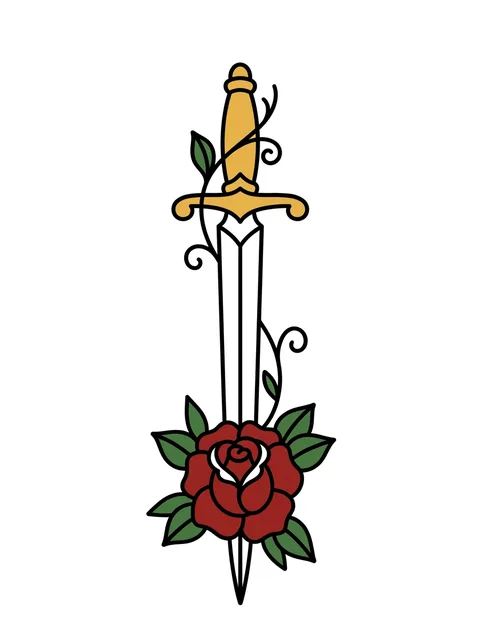
Color traditional sword and dagger tattoo design Try it on — Color traditional sword and dagger tattoo design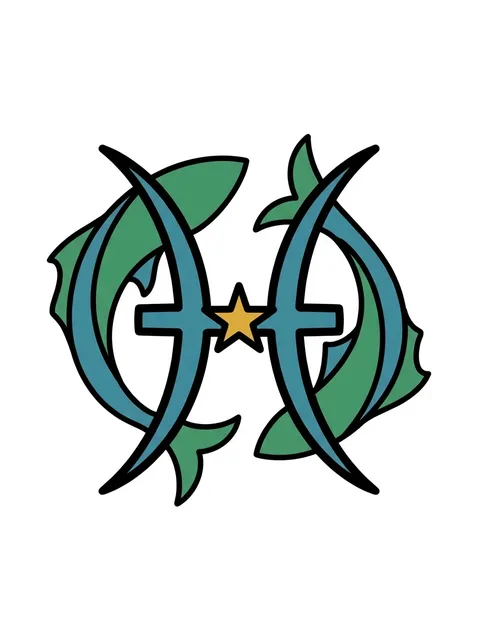
Color traditional pisces and star tattoo design Try it on — Color traditional pisces and star tattoo design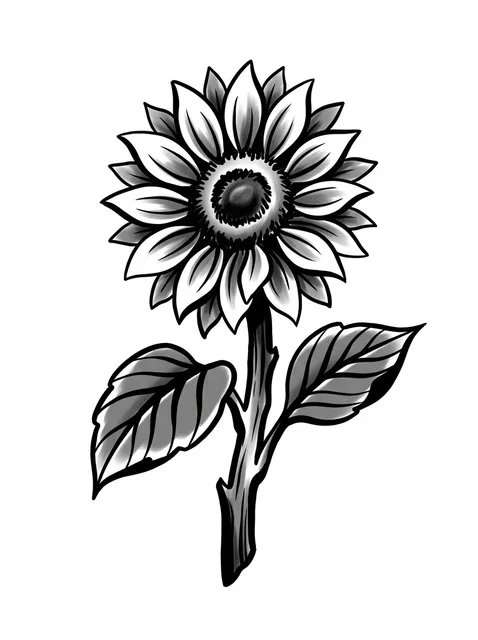
Black and grey traditional sunflower and flower tattoo design Try it on — Black and grey traditional sunflower and flower tattoo design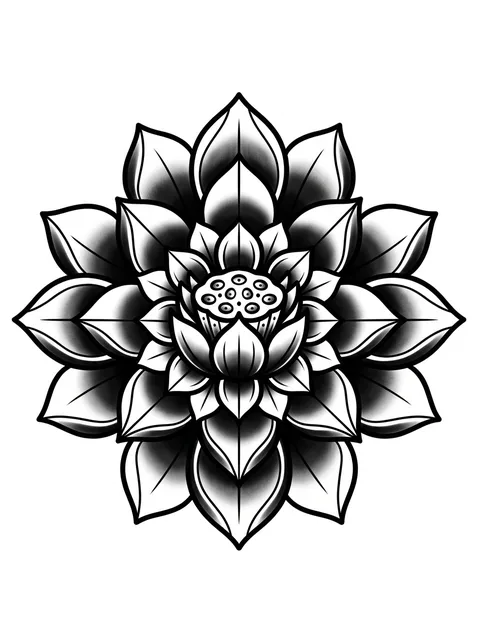
Black and grey traditional lotus tattoo design Try it on — Black and grey traditional lotus tattoo design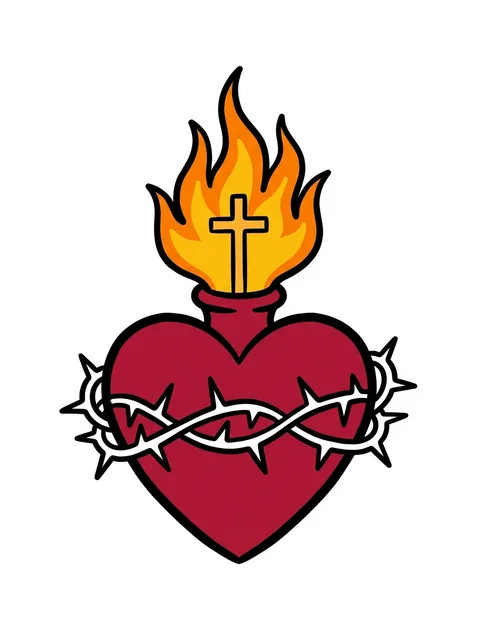
Color traditional jesus and heart tattoo design: a Sacred Heart Try it on — Color traditional jesus and heart tattoo design: a Sacred Heart


48 designs drawn for InkCraft in this style. Tap any one to place it on a photo of your own skin.
These 48 designs, in numbers
- Black and grey
- 19
- Colour
- 29
- Subjects covered
- 50
Built for the way ink spreads
Every tattoo blurs slightly. Ink is placed in the dermis, the surrounding tissue takes a fraction of it outward while the wound heals, and that migration continues slowly for decades. A style drawn with thick outlines and large fields of solid colour simply has more to lose before it loses anything — a 1 mm line can spread a quarter of a millimetre and still read as the same line. The same spread across 0.3 mm detail closes it up entirely.
That is the whole engineering argument, and it is why the palette is small too. Black, red, yellow, green and a muted blue were the pigments that held; the outline carries the drawing and the colour fills inside a boundary that will still be there in thirty years. Modern inks are better, but the structure is what does the work, not the chemistry.
The practical result is a piece that survives being ignored. It needs no touch-ups on a schedule, it reads from across a room rather than at arm's length, and it looks deliberate rather than faded when it is old — which is not true of most styles and is the honest reason artists still recommend it for a first tattoo.
The motif vocabulary is fixed, and that is the point
Roses, daggers, swallows, anchors, panthers, hearts, hands and eyes: the subject list is short and has barely moved. Each one exists in a settled form that has been drawn tens of thousands of times, so the composition is solved before your artist starts — where the black sits, how the leaves fall around the bloom, which way the swallow banks.
This is why two traditional pieces from different artists sit together on an arm in a way that two realistic portraits never will. You are not commissioning a unique drawing so much as commissioning a known one, well executed. If that sounds like a limitation, it is also the reason a sleeve assembled over ten years from six artists can still look like one thing.
It also makes the style unusually honest about cost. A flash-derived piece takes a predictable time, so quotes are firm, and a small one often meets the studio minimum rather than exceeding it.
Where it sits, and what it needs
Bold work wants surface. The outer arm, the chest, the calf and the upper back all give a design somewhere to be seen from, and none of them distort much as you move. Fine placements — inner wrist, behind the ear, fingers — fight this style rather than suiting it: shrink a bold outline and it becomes a blob, keep it large and it does not fit.
Body hair matters here less than anywhere else, which is worth knowing. On a dense forearm or chest, fine detail vanishes into regrowth within a couple of weeks, but a heavy outline with solid fill reads straight through it. If you have been told to shave permanently for a tattoo to look right, the design was the problem rather than the hair.
The one real caution is coverage. Large fields of solid black age beautifully and cover terribly — over a saturated area there is almost no cover-up available that is not more black again. Leave breathing room around a piece you are not certain about, and see it at true size on your own arm before the needle comes out.
What an hour of this work costs, and how many hours traditional tattoos takes at each size, is in the cost guide. How it behaves later — under a laser, and as the thing doing the covering — is in the removal and cover-up guide.
Common questions
- Why do traditional tattoos age better than other styles?
- Because they are drawn with more margin than the ink will lose. Outlines around a millimetre thick and solid colour fields can spread slightly without the design changing shape, while fine detail set close together merges into a single mark. The style was refined by watching decades-old tattoos rather than fresh ones.
- What colours are used in American traditional?
- A short palette — black, red, yellow, green and a muted blue — chosen originally because those pigments held their density. The black outline carries the drawing and colour fills inside it, so even as the colour softens the composition stays legible.
- Is traditional a good first tattoo?
- It is the style most artists suggest for one. The compositions are solved, the time and cost are predictable, the healing is straightforward, and it needs no maintenance schedule. It also sits well beside whatever you add later, which a highly individual piece often does not.
- How big does a traditional tattoo need to be?
- Roughly 8 cm is a sensible floor and 12 to 15 cm is a normal arm piece. The limit is the outline: shrink a bold line far enough and it closes the shapes it is meant to define, so a small traditional design is drawn with fewer elements rather than thinner ones.
See this style on your own skin
InkCraft places a design on a photo of you — scaled, wrapped and shaded to the spot you pick, so you can judge how the style reads on your body before it is permanent.