 InkCraft
Key Tattoo Ideas, Skeleton Keys and Meaning
10 original key designs drawn for InkCraftBy Uladzimir TumanauUpdated
Opens in your browser. No signup. Or tap any design below.
Most keys mean one door, and a skeleton key means every door, which is why the two are worn for different reasons. The difference lies in the bit, the part that turns the lock, which a skeleton key has cut away to almost nothing.
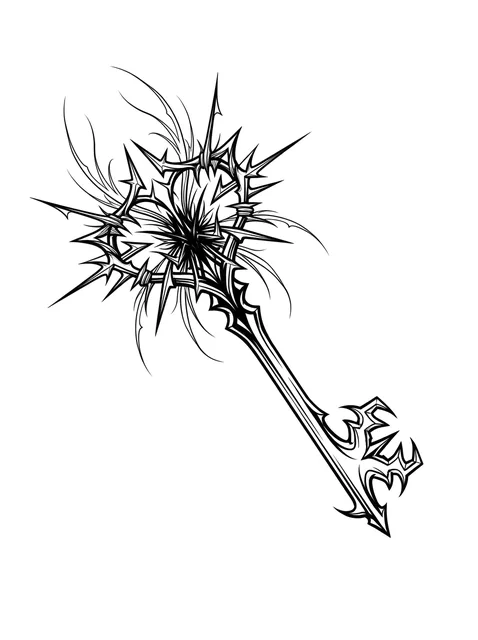
Black and grey cybersigilism key tattoo design: a handle, its shaft and bit carved Try it on — Black and grey cybersigilism key tattoo design: a handle, its shaft and bit carved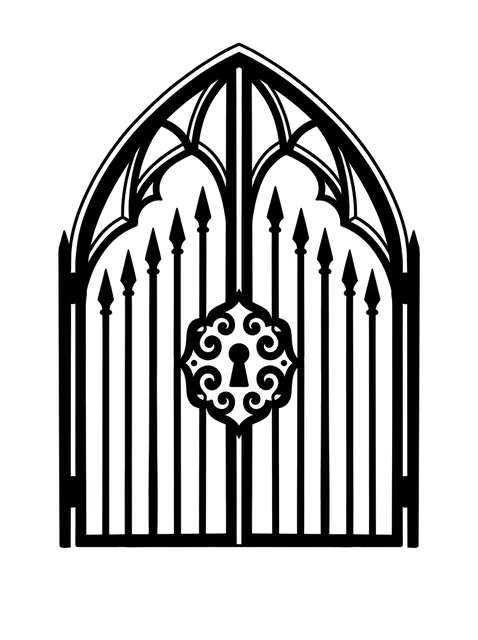
Black and grey gothic key tattoo design: a prominent keyhole in the center Try it on — Black and grey gothic key tattoo design: a prominent keyhole in the center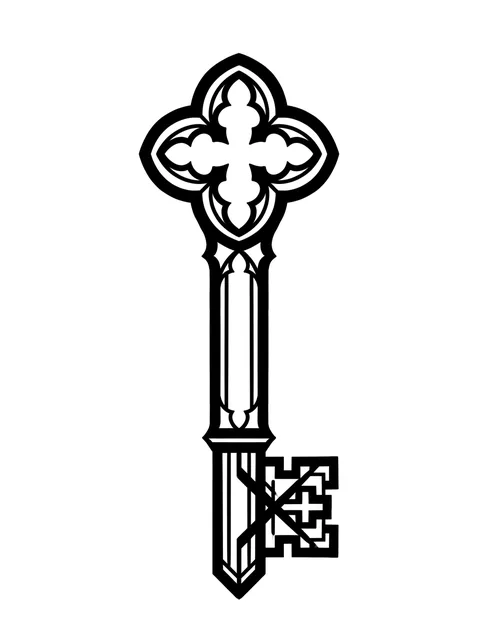
Black and grey gothic key tattoo design Try it on — Black and grey gothic key tattoo design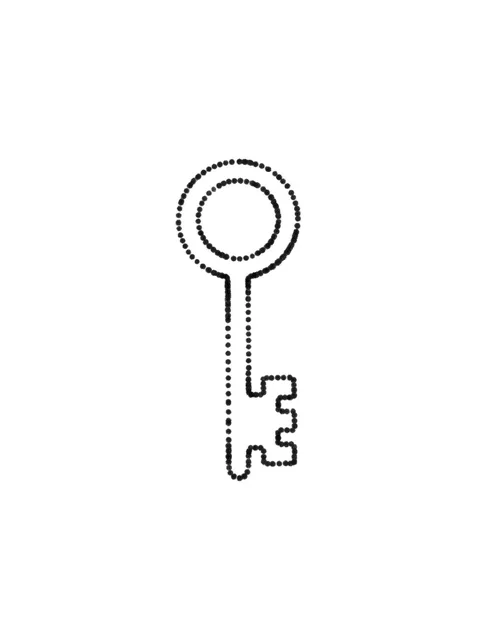
Black and grey stick and poke key tattoo design Try it on — Black and grey stick and poke key tattoo design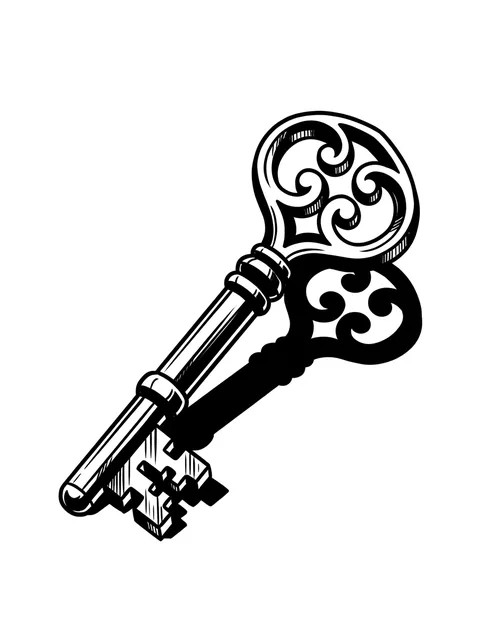
Black and white 3D key tattoo design: an ornate scrolled bow and a notched bit, lying at an angle Try it on — Black and white 3D key tattoo design: an ornate scrolled bow and a notched bit, lying at an angle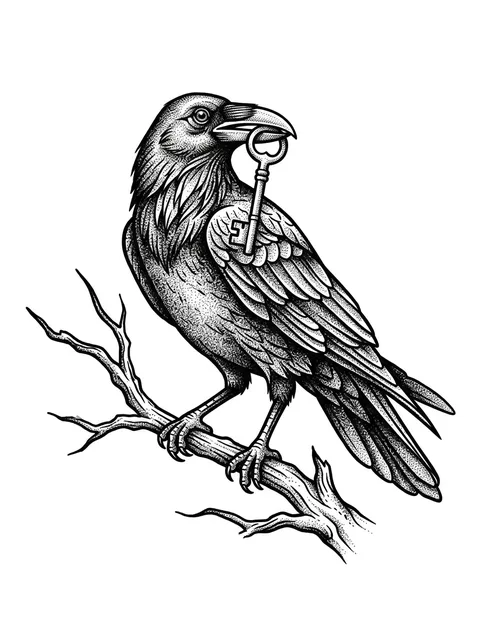
Black and grey dotwork key and raven tattoo design: a raven perched on a bare branch Try it on — Black and grey dotwork key and raven tattoo design: a raven perched on a bare branch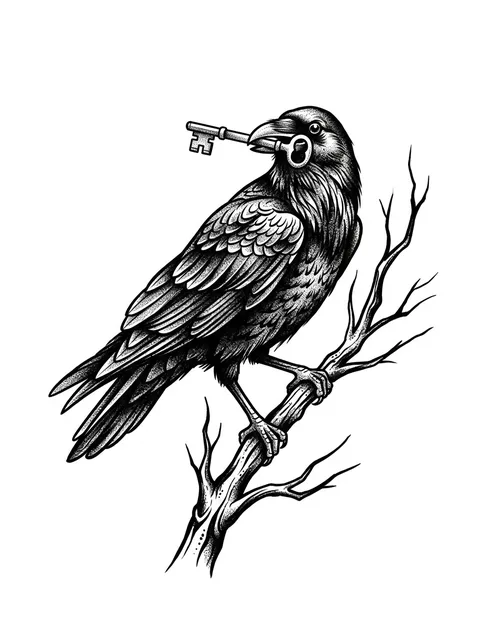
Black and grey illustrative key and raven tattoo design: a raven perched on a bare branch Try it on — Black and grey illustrative key and raven tattoo design: a raven perched on a bare branch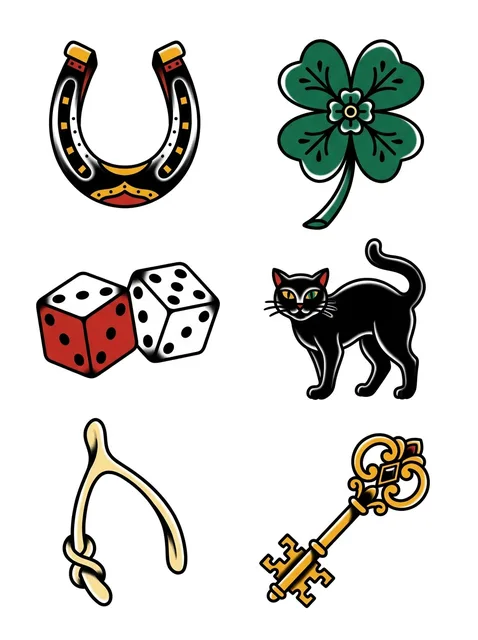
Color flash key and cat tattoo design Try it on — Color flash key and cat tattoo design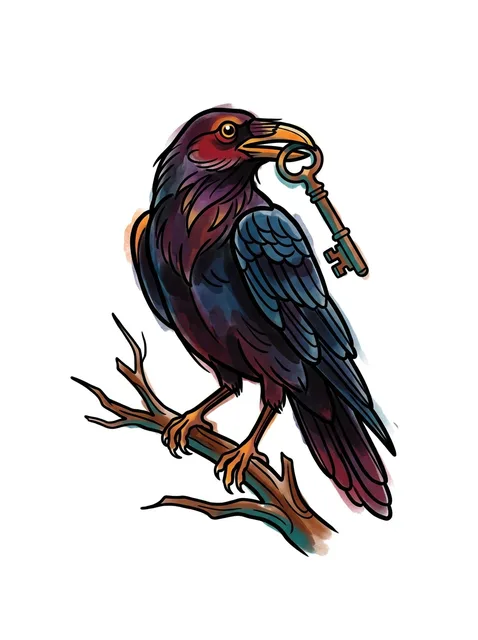
Color neo traditional key and raven tattoo design Try it on — Color neo traditional key and raven tattoo design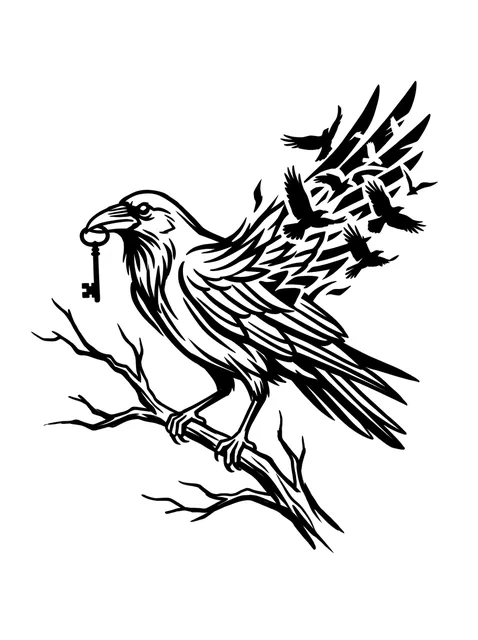
Black and white illustrative key and raven tattoo design: a raven perched on a bare tree branch Try it on — Black and white illustrative key and raven tattoo design: a raven perched on a bare tree branch


Tap any design to see it on your own skin in the try-on — no signup.
This set of 10 key designs, by the numbers
- Styles represented
- gothic (2), illustrative (2), cybersigilism (1), stick and poke (1), 3d (1), dotwork (1)
- Black-and-grey vs colour
- 80% black-and-grey, 20% colour
- Most often drawn with
- raven, bird, cat
Counted from the 10 designs shown on this page. Every one was drawn for InkCraft — none are scraped or reposted. Free to reference with a link to this page.
What a key tattoo means
A key means access, and the interesting part is always access to what. A house key is home and belonging, and the key of the door on British twenty-first birthday cards is the right to come and go from one. A key to a heart is devotion, usually one half of a pair whose lock is worn by someone else. A key to the city is an honour, a ceremonial object that opens nothing at all. An ornate antique key and a plain modern one tell different stories.
A skeleton key reverses the idea. Old warded locks keep out the wrong key with fixed obstructions inside the case, and a key whose bit is cut back to a bare skeleton slips past the wards of many locks at once. It is the key of the burglar, the jailer and the housekeeper who holds every room, and on skin it reads as freedom or as secrets rather than as one door. Its antique shape adds a softer meaning: the key to a house that no longer exists, kept after the door has gone.
Christian art gives the key its heaviest meaning. In Matthew's Gospel Jesus promises Peter the keys of the kingdom of heaven and the power to bind and to loose, and Peter has carried two keys in painting ever since; the papal arms still cross a gold one and a silver one. A crossed pair on skin is Peter's before it is anyone else's.
The raven carrying a key, the commonest composition on this page, is a tattoo idea rather than a folk tale. It sets a bird famous for puzzles beside the object that opens what is shut; in Bernd Heinrich's aviary experiments some ravens worked out how to haul up meat hung on a string. Worn this way it means knowledge kept or a secret carried more than a door opened.
Where the design comes from
The oldest locks worked by keys were wooden pin locks of the ancient Near East and Egypt. The Romans made metal keys small enough to wear as rings. Most drawings use the later warded key: a bow to turn it by, a long shank and a notched bit. Literature gave that shape its darkest moment. In Bluebeard, published by Charles Perrault in 1697, a new wife is handed every key in the castle and forbidden one small room; she opens it, drops the key in blood, and the stain will not come off.
Choosing yours
- The bow, the part you hold, carries the ornament: a quatrefoil on the gothic key here, a spiked star on the cybersigilism one, scrolls on the iron key. The bit, the flag of metal that works the lock, can hide initials or a date that nobody notices until they look closely.
- Keep it long: a key drawn short and fat turns into a toy. For a lock and key on two people, have one artist draw both so they belong together.
Size, cost and placement
How big, and what it costs
A key needs length more than width, 7 to 15 cm. A plain or dotwork key is an hour or less; an ornate bow or a raven on a branch is two to four hours, most of it the bird.
Where it sits, and how much it hurts
The inner forearm, ribs, outer calf and spine give it length, and a small one fits a finger or behind the ear; a raven wants the outer upper arm or shoulder blade. Ribs and spine hurt most.
What to ask your artist
- Whether the bit stays readable, and whether to hide initials in it.
- For a raven piece, whether the key or the bird leads.
- For a pair, whether both halves will be drawn together.
Prices vary widely by city and artist — treat these as session lengths rather than quotes, and expect a shop minimum on anything small. The cost guide turns hours into money by size, placement and style.
Common questions
How does a skeleton key differ in meaning from an ordinary one?
An ordinary key opens one door: one home, one person, one secret. A skeleton key's bit is cut back to pass the wards of many locks, and that difference makes it read as freedom, access or hidden knowledge.
Why is the raven so often the one holding the key?
Because the pairing fits: a clever bird carrying what opens what is shut. For a Norse layer, Odin's ravens went out over the world each morning and came back with news.
Do crossed keys make a tattoo religious?
Usually. Two crossed keys, gold and silver, are Saint Peter's, from the promise in Matthew's Gospel, and sit on the papal arms; a single key has no religious reading unless you give it one.
Should a lock and key be split between two people?
That is the usual arrangement. Paris took the love padlocks off the Pont des Arts in 2015 because their weight was damaging the bridge; skin carries no such load.
What a key tattoo can mean
The meanings this motif carries on the pages that argue them. Each line is that page's own reason for including it.
- Couples tattoos
- The key-and-lock pair is the most literal version of a couples tattoo, and the most dependent on the other person. Worth choosing with that understood.
See it on your skin before you commit
InkCraft places any of these designs on a photo of you — scaled, wrapped and shaded to the placement you pick.