 InkCraft
Raven Tattoo Ideas, Designs and Meaning
55 original raven designs drawn for InkCraftBy Uladzimir TumanauUpdated
Opens in your browser. No signup. Or tap any design below.
Blackwork, illustrative and traditional, built on negative space rather than solid fill. Heavy black heals better on flatter, less mobile skin, so the inner elbow and the back of the hand are the two placements to avoid.
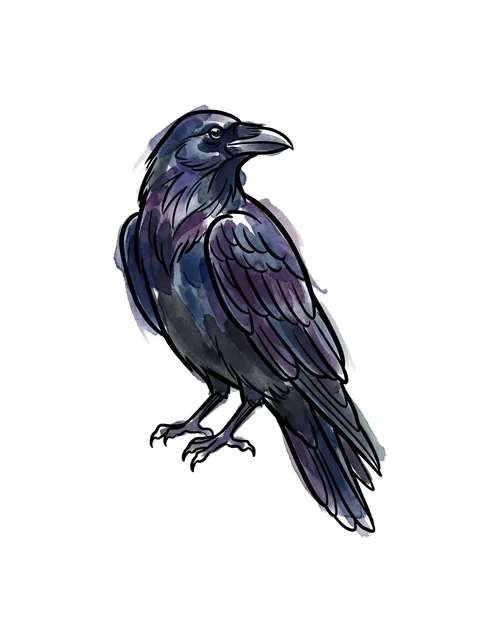
Color watercolor raven tattoo design: a mix of deep blues, purples, and blacks Try it on — Color watercolor raven tattoo design: a mix of deep blues, purples, and blacks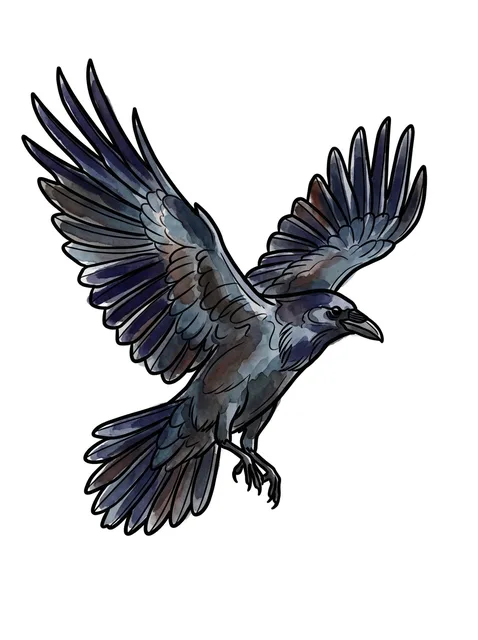
Color illustrative raven tattoo design: a raven in flight with outstretched wings Try it on — Color illustrative raven tattoo design: a raven in flight with outstretched wings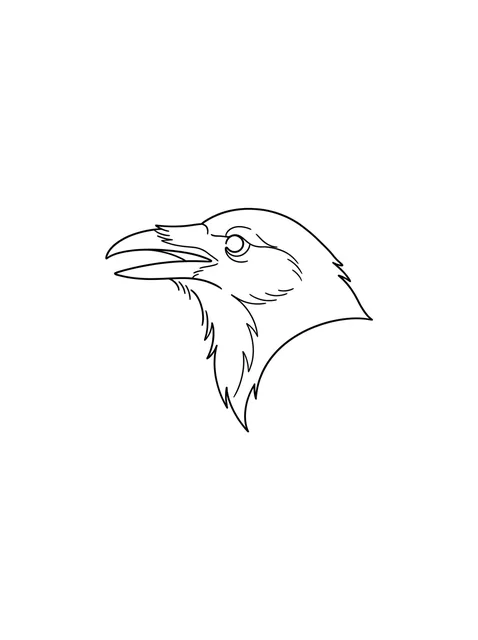
Black and white linework raven tattoo design, outline stencil (1 of 2) Try it on — Black and white linework raven tattoo design, outline stencil (1 of 2)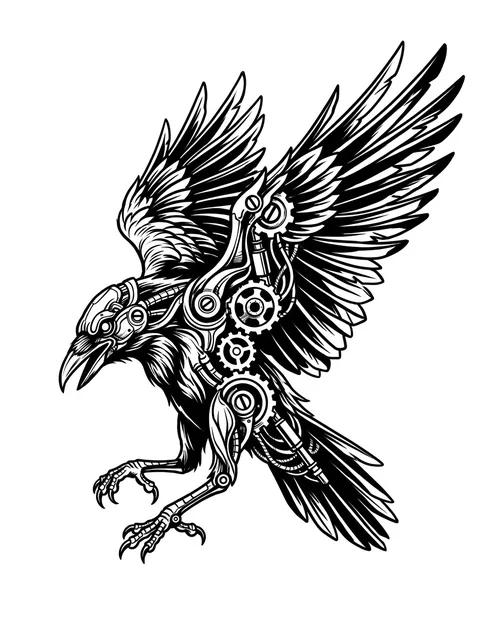
Black and white illustrative raven tattoo design Try it on — Black and white illustrative raven tattoo design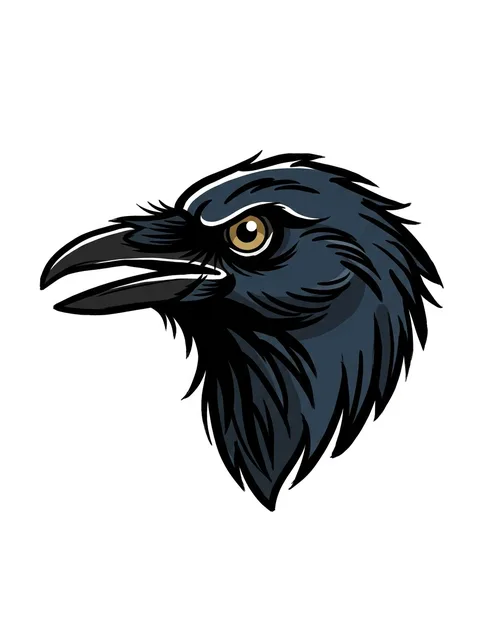
Color illustrative raven tattoo design: the head of a raven in profile Try it on — Color illustrative raven tattoo design: the head of a raven in profile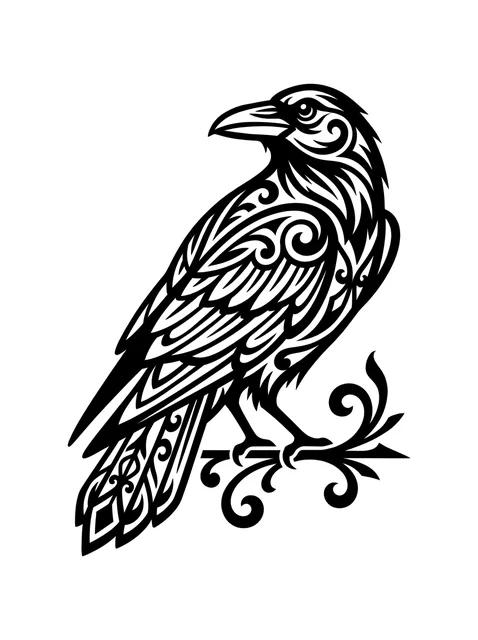
Black and white tribal raven tattoo design Try it on — Black and white tribal raven tattoo design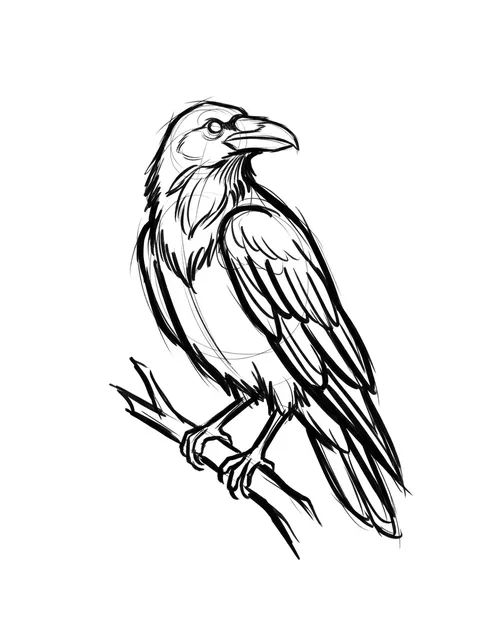
Black and grey sketch raven tattoo design: a raven perched on a branch, looking to the right Try it on — Black and grey sketch raven tattoo design: a raven perched on a branch, looking to the right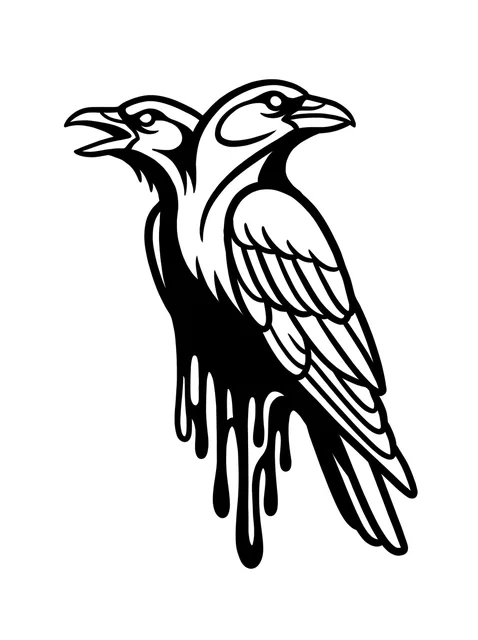
Black and grey illustrative raven tattoo design: two raven heads sharing a single body Try it on — Black and grey illustrative raven tattoo design: two raven heads sharing a single body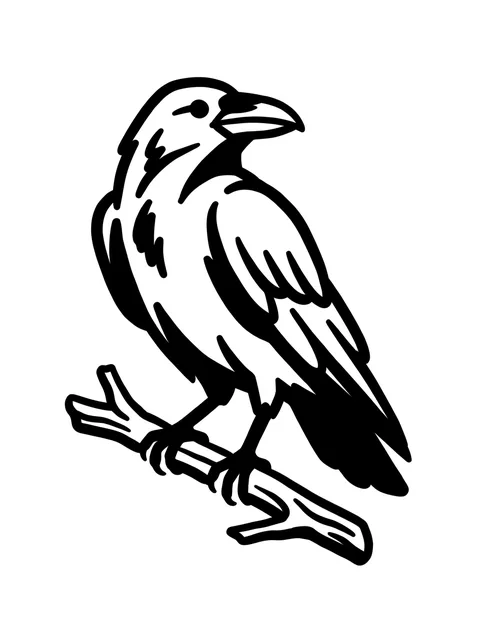
Black and grey illustrative raven tattoo design: a raven perched on a branch Try it on — Black and grey illustrative raven tattoo design: a raven perched on a branch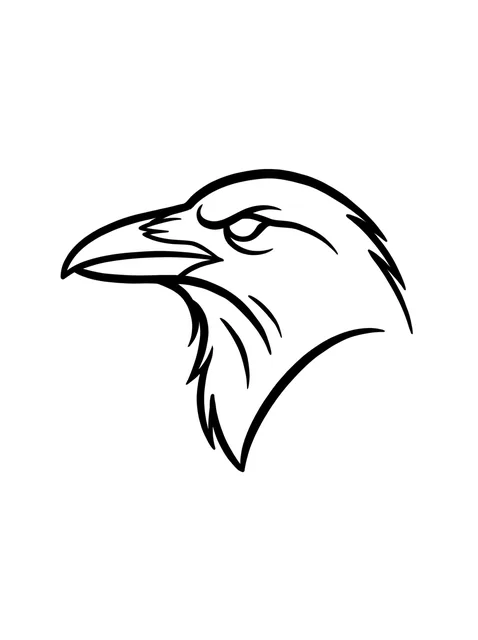
Black and white linework raven tattoo design, outline stencil (2 of 2) Try it on — Black and white linework raven tattoo design, outline stencil (2 of 2)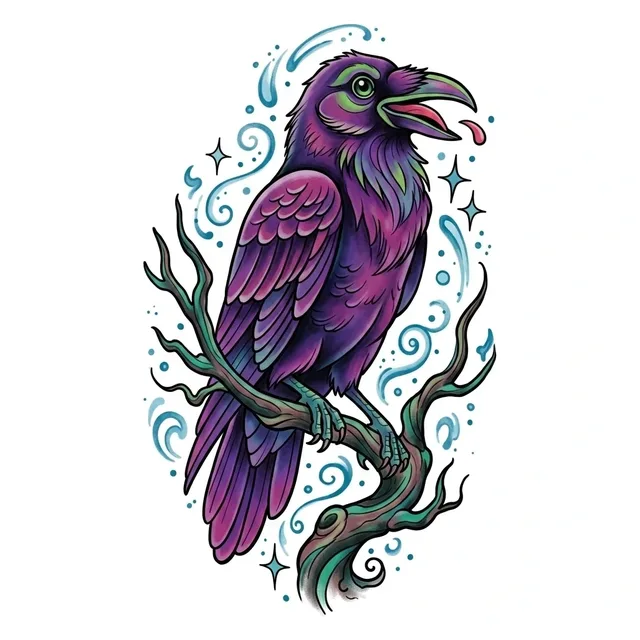
Color neo traditional raven tattoo design: a purple raven perched on a gnarled branch Try it on — Color neo traditional raven tattoo design: a purple raven perched on a gnarled branch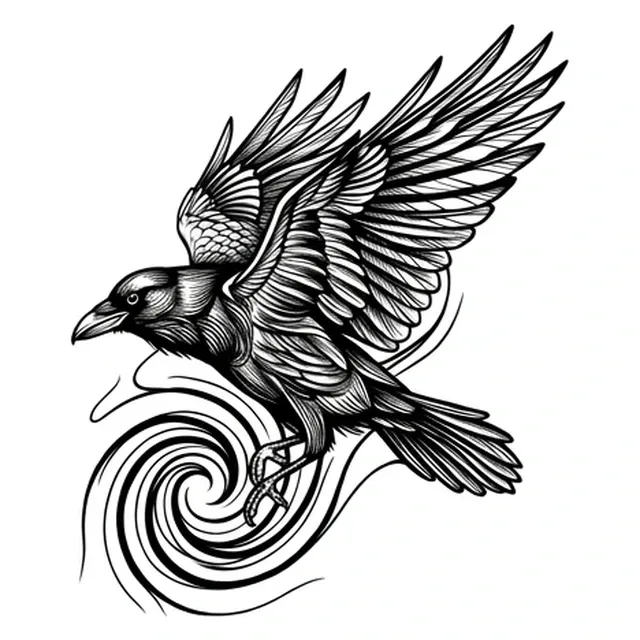
Black and grey illustrative raven tattoo design: a raven in flight Try it on — Black and grey illustrative raven tattoo design: a raven in flight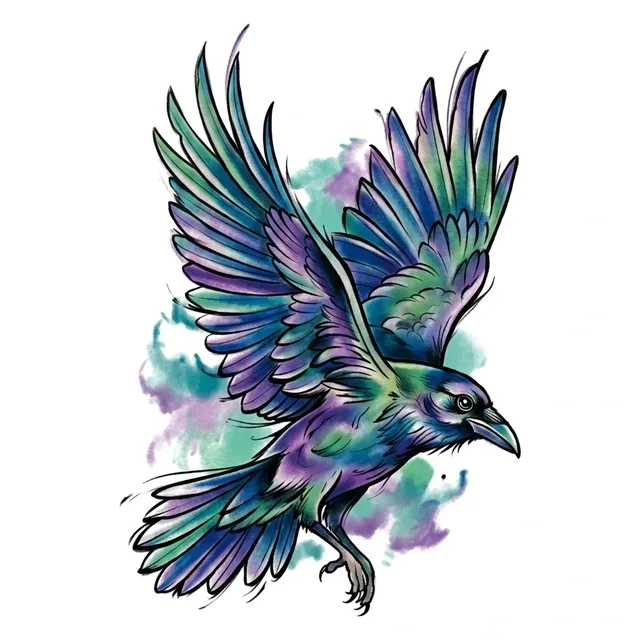
Color watercolor raven tattoo design: a raven in flight, with wings spread wide Try it on — Color watercolor raven tattoo design: a raven in flight, with wings spread wide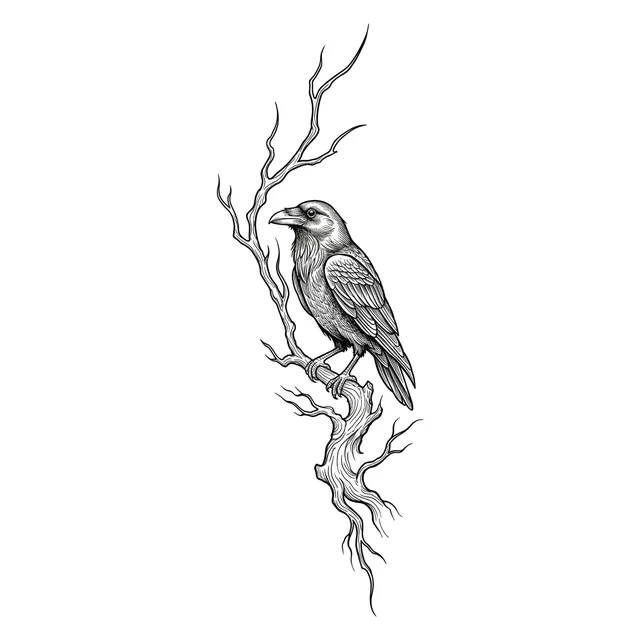
Black and grey illustrative raven tattoo design: a raven perched on a gnarled, bare tree branch Try it on — Black and grey illustrative raven tattoo design: a raven perched on a gnarled, bare tree branch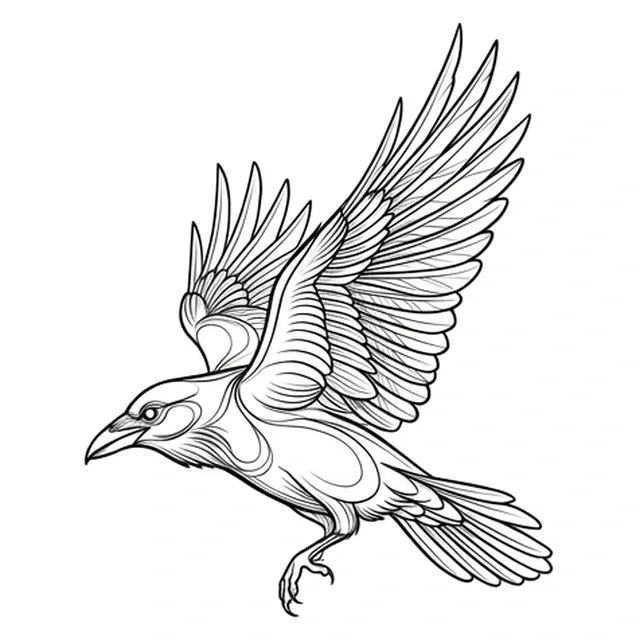
Black and grey illustrative raven tattoo design: a raven in mid-flight Try it on — Black and grey illustrative raven tattoo design: a raven in mid-flight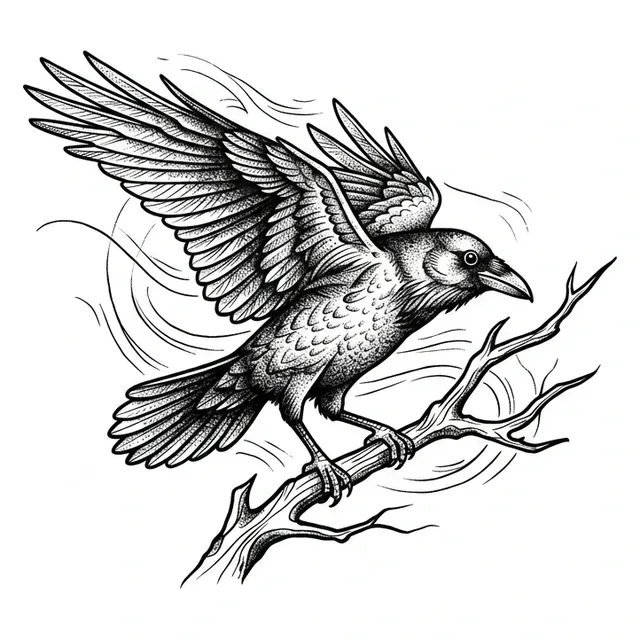
Black and grey dotwork raven tattoo design Try it on — Black and grey dotwork raven tattoo design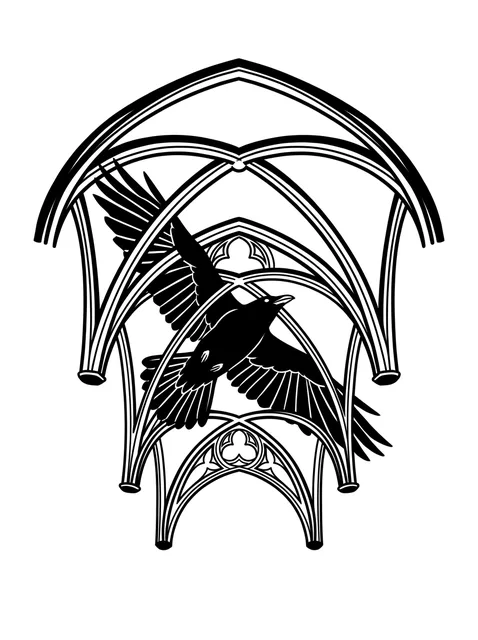
Black and grey gothic raven tattoo design: a raven in flight Try it on — Black and grey gothic raven tattoo design: a raven in flight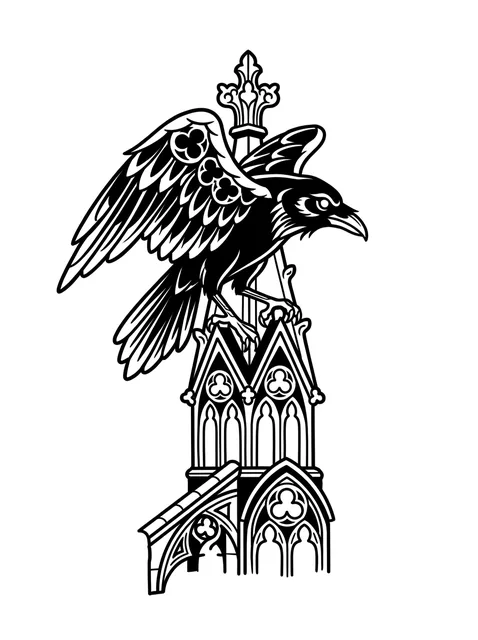
Black and grey gothic raven tattoo design: a raven perched atop an ornate architectural spire Try it on — Black and grey gothic raven tattoo design: a raven perched atop an ornate architectural spire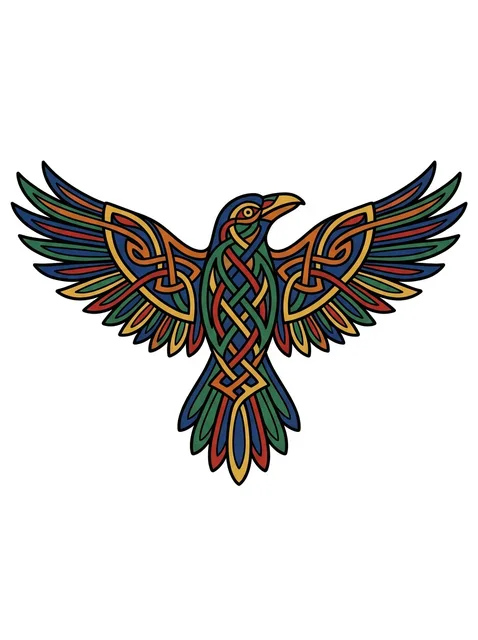
Color celtic raven tattoo design: its wings spread wide and head turned to the side Try it on — Color celtic raven tattoo design: its wings spread wide and head turned to the side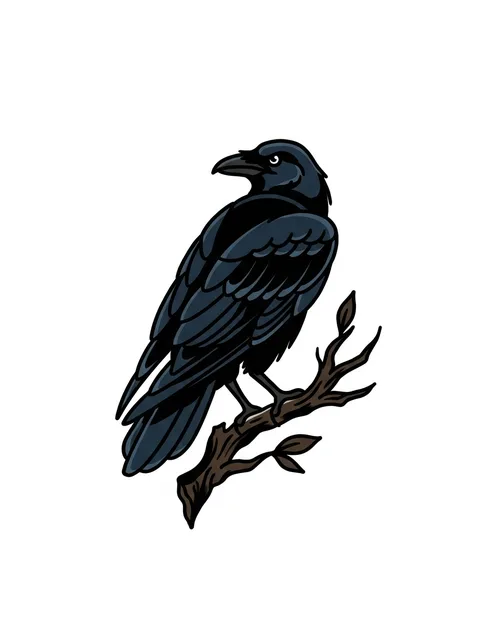
Color traditional raven and bird tattoo design: a black raven perched on a bare branch Try it on — Color traditional raven and bird tattoo design: a black raven perched on a bare branch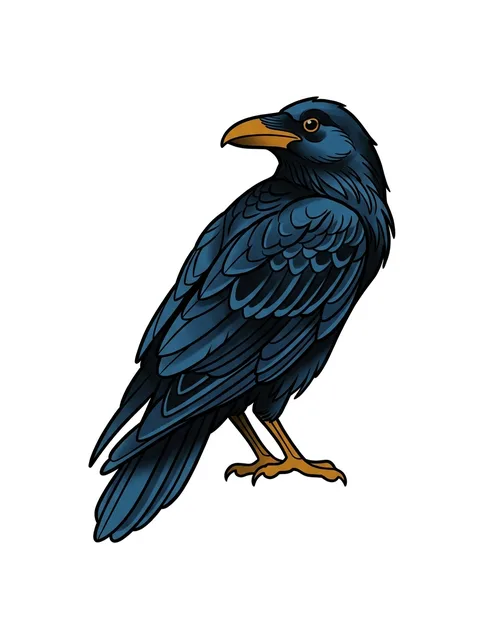
Color neo traditional raven and bird tattoo design (1 of 2) Try it on — Color neo traditional raven and bird tattoo design (1 of 2)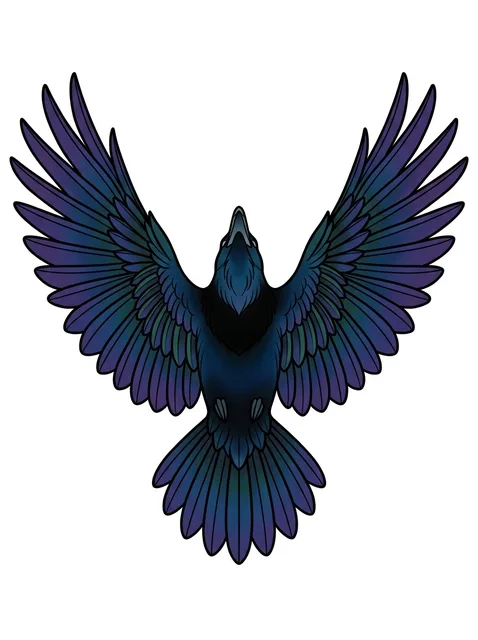
Color illustrative raven and bird tattoo design: a raven with outstretched wings, looking upwards Try it on — Color illustrative raven and bird tattoo design: a raven with outstretched wings, looking upwards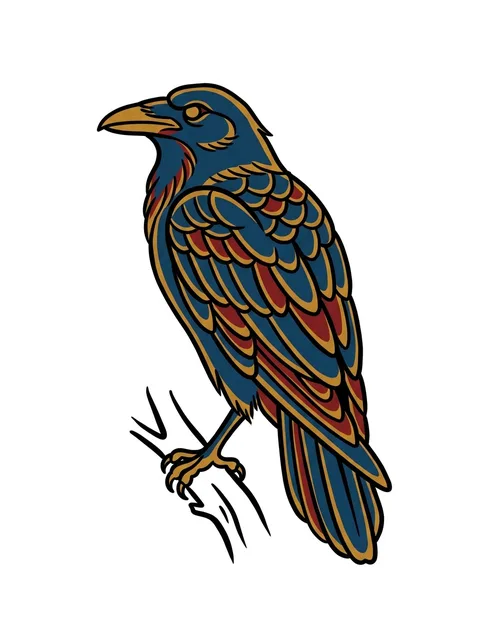
Color neo traditional raven and bird tattoo design (2 of 2) Try it on — Color neo traditional raven and bird tattoo design (2 of 2)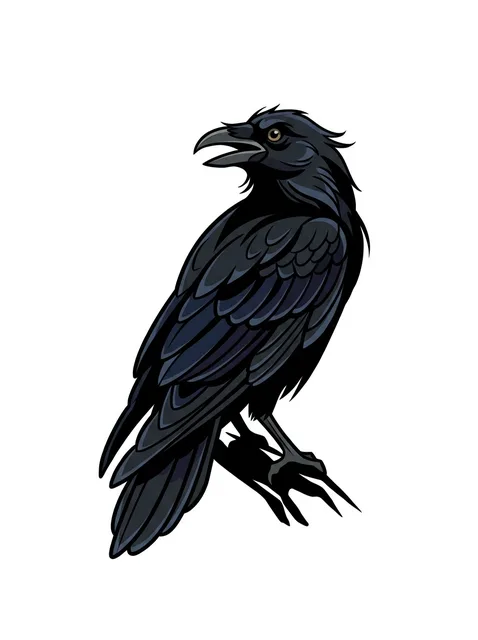
Color illustrative raven and bird tattoo design Try it on — Color illustrative raven and bird tattoo design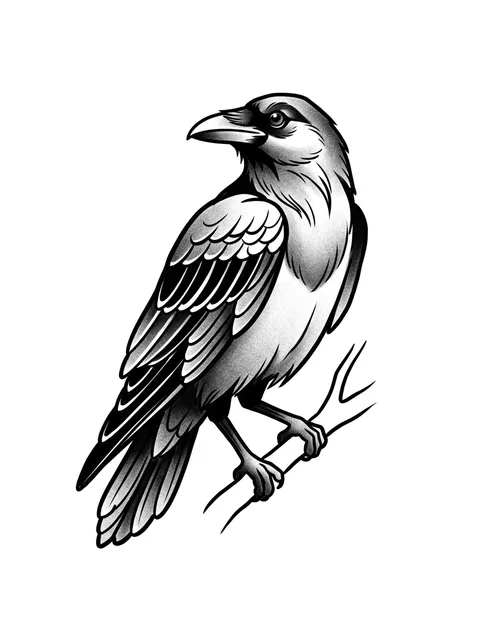
Black and grey traditional raven and bird tattoo design: a raven perched on a branch Try it on — Black and grey traditional raven and bird tattoo design: a raven perched on a branch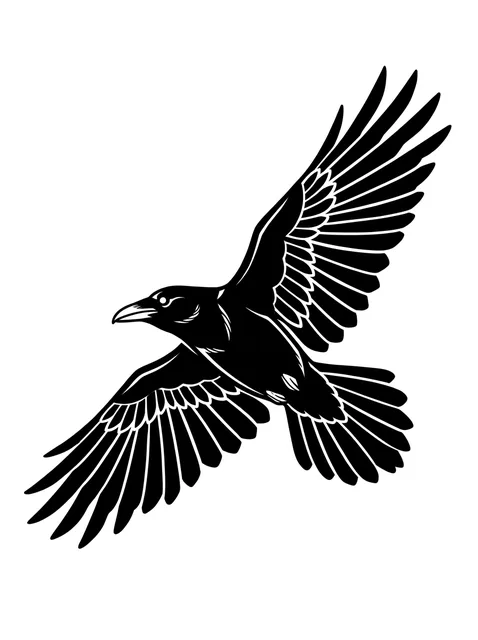
Black and white blackwork raven and bird tattoo design: a raven in full flight, wings outstretched Try it on — Black and white blackwork raven and bird tattoo design: a raven in full flight, wings outstretched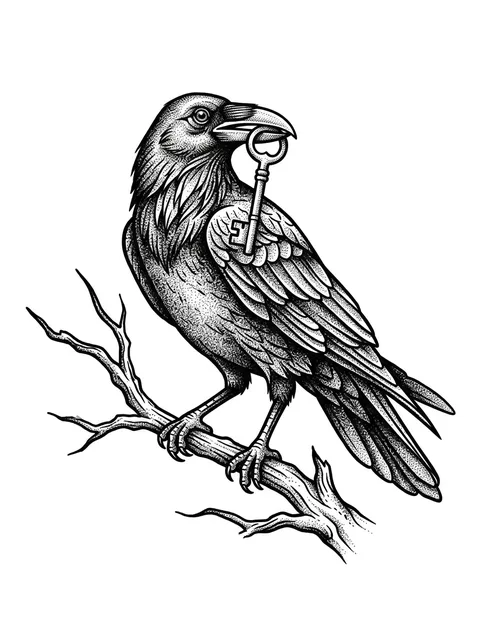
Black and grey dotwork raven and key tattoo design: a raven perched on a bare branch Try it on — Black and grey dotwork raven and key tattoo design: a raven perched on a bare branch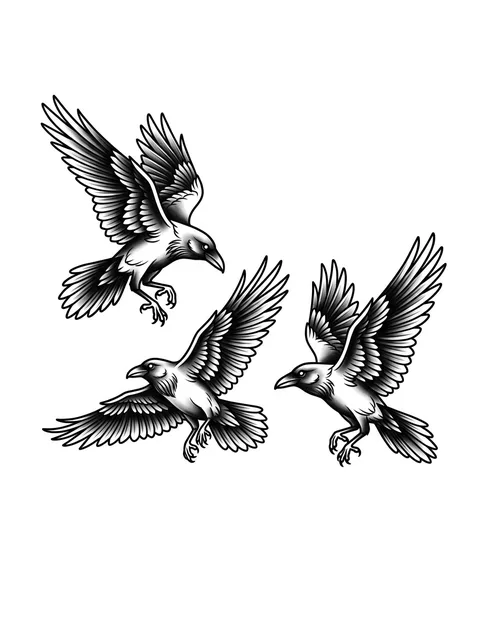
Black and grey traditional raven and bird tattoo design Try it on — Black and grey traditional raven and bird tattoo design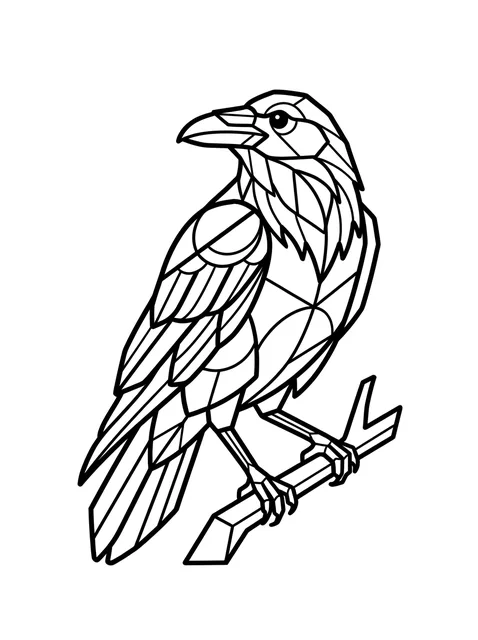
Black and white geometric raven and bird tattoo design, outline stencil (1 of 2) Try it on — Black and white geometric raven and bird tattoo design, outline stencil (1 of 2)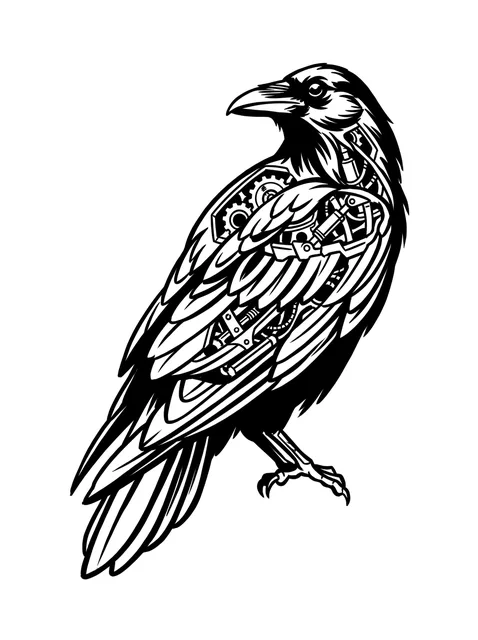
Black and white illustrative raven and bird tattoo design (1 of 2) Try it on — Black and white illustrative raven and bird tattoo design (1 of 2)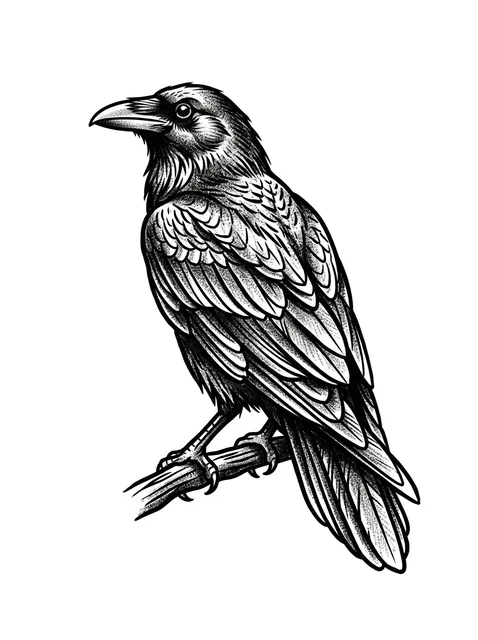
Black and grey illustrative raven and bird tattoo design: a raven perched on a branch Try it on — Black and grey illustrative raven and bird tattoo design: a raven perched on a branch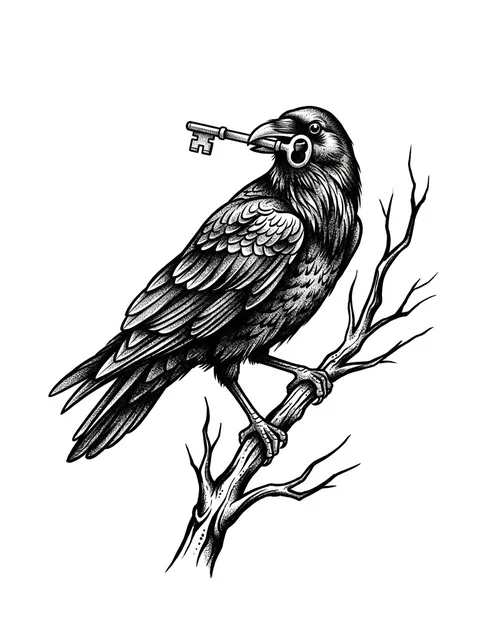
Black and grey illustrative raven and key tattoo design: a raven perched on a bare branch Try it on — Black and grey illustrative raven and key tattoo design: a raven perched on a bare branch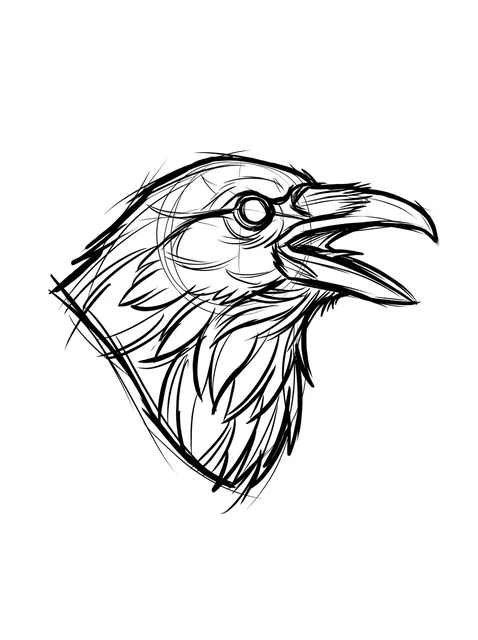
Black and grey sketch raven and bird tattoo design: the head of a raven with its beak open Try it on — Black and grey sketch raven and bird tattoo design: the head of a raven with its beak open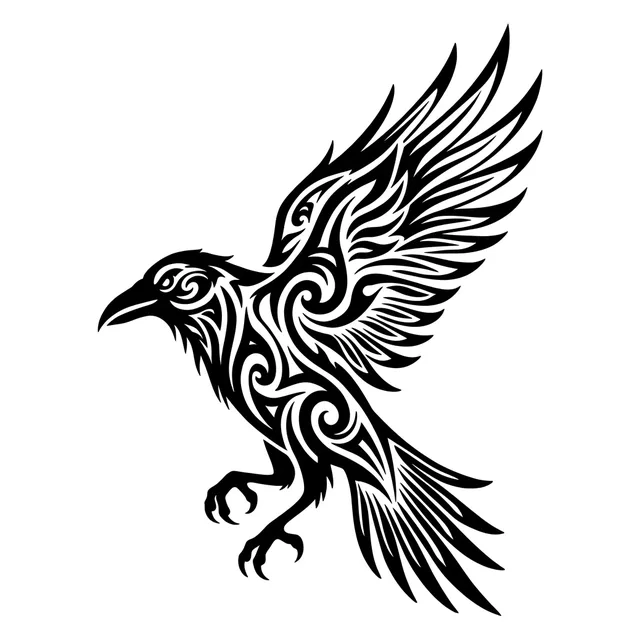
Black and white tribal raven and bird tattoo design Try it on — Black and white tribal raven and bird tattoo design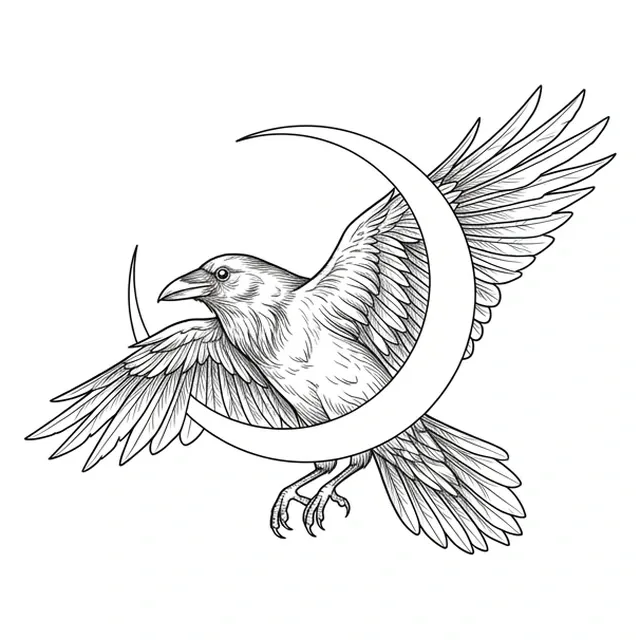
Black and grey illustrative raven and moon tattoo design: a raven in flight, its wings spread wide Try it on — Black and grey illustrative raven and moon tattoo design: a raven in flight, its wings spread wide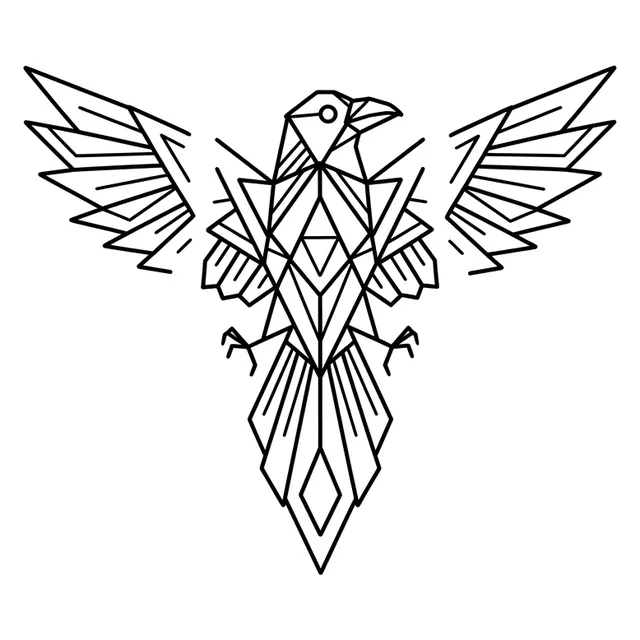
Black and white geometric raven and bird tattoo design, outline stencil (2 of 2) Try it on — Black and white geometric raven and bird tattoo design, outline stencil (2 of 2)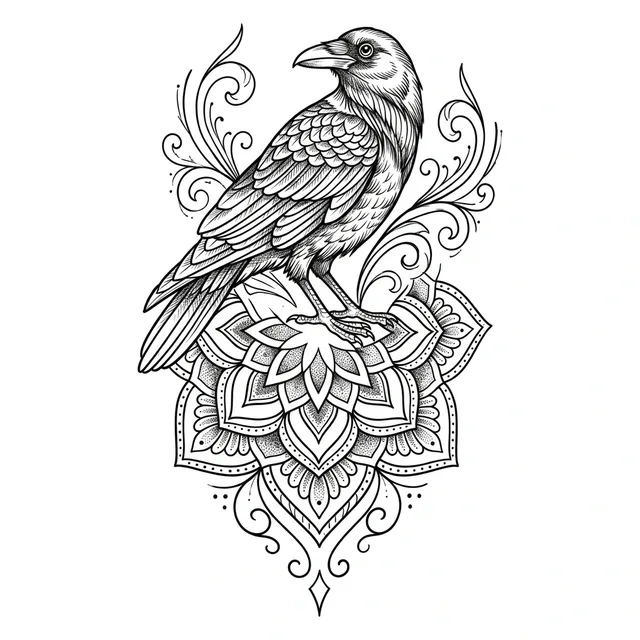
Black and grey dotwork raven and mandala tattoo design: a raven perched atop an intricate mandala Try it on — Black and grey dotwork raven and mandala tattoo design: a raven perched atop an intricate mandala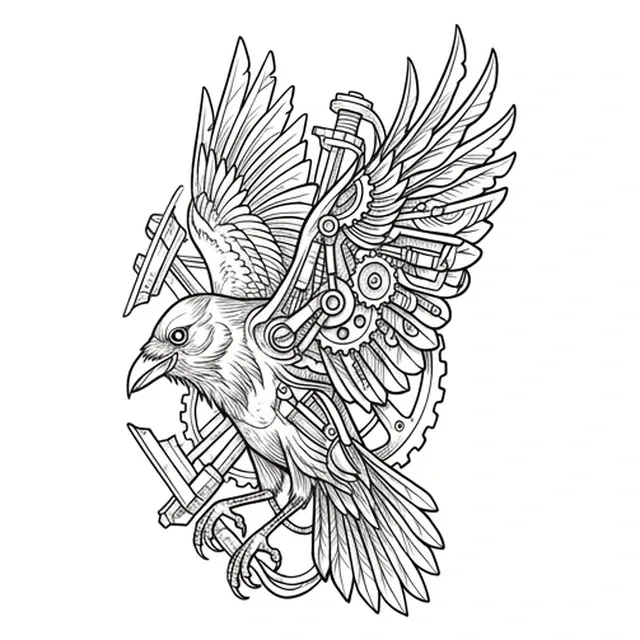
Black and white illustrative raven and bird tattoo design (2 of 2) Try it on — Black and white illustrative raven and bird tattoo design (2 of 2)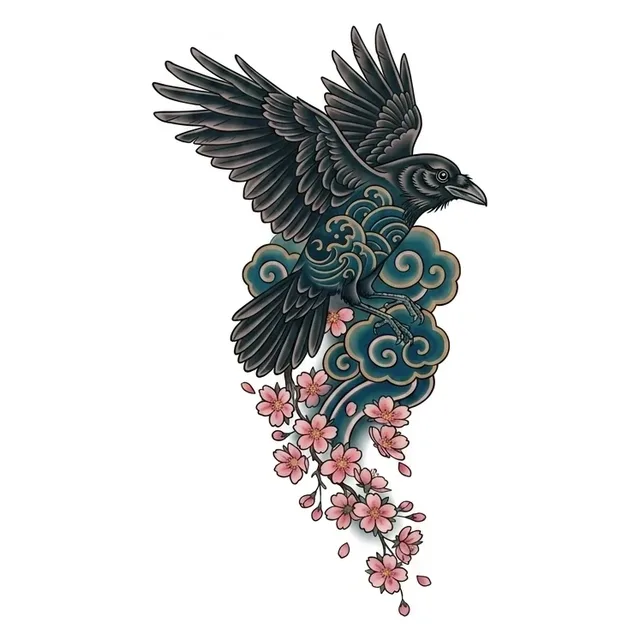
Color Japanese raven and cherry blossom tattoo design: a black raven Try it on — Color Japanese raven and cherry blossom tattoo design: a black raven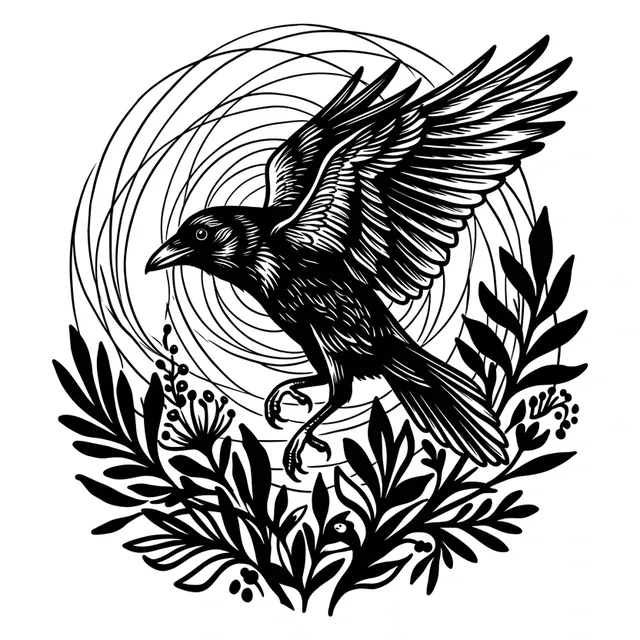
Black and grey illustrative raven and leaf tattoo design: a raven in flight Try it on — Black and grey illustrative raven and leaf tattoo design: a raven in flight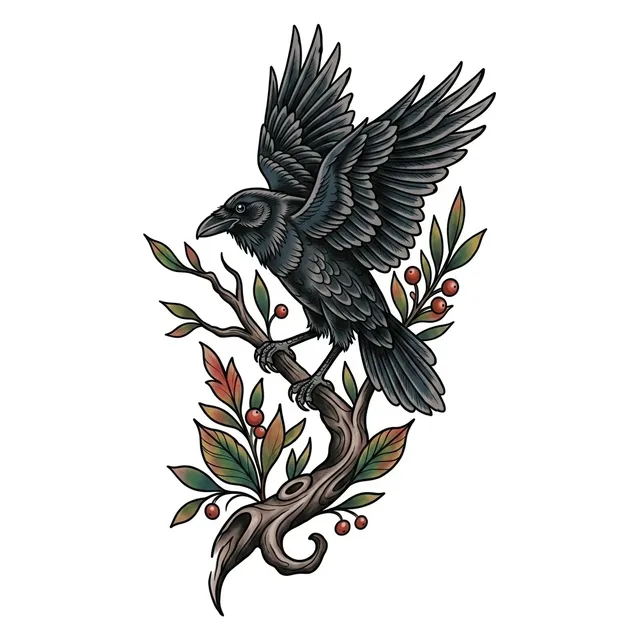
Color neo traditional raven and leaf tattoo design Try it on — Color neo traditional raven and leaf tattoo design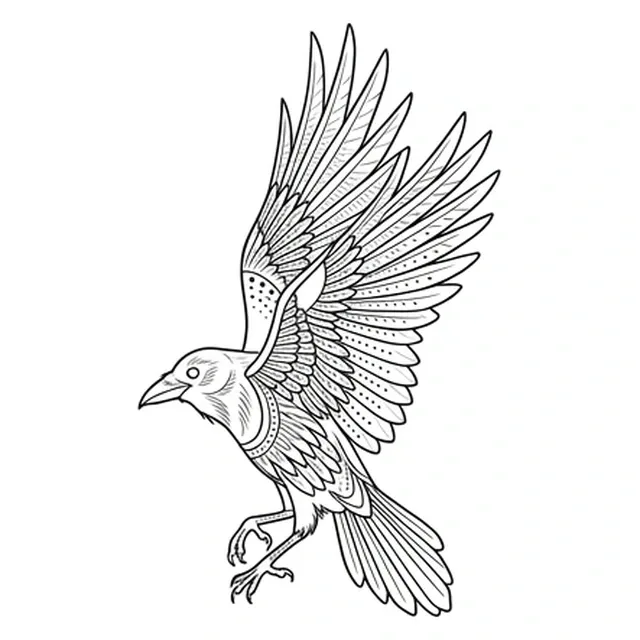
Black and grey dotwork raven and bird tattoo design: a raven in flight Try it on — Black and grey dotwork raven and bird tattoo design: a raven in flight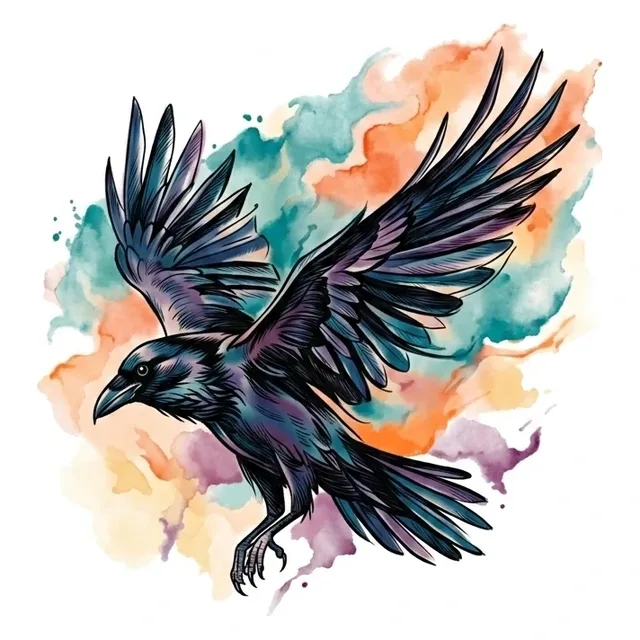
Color watercolor raven and bird tattoo design: a raven in flight, its wings spread wide Try it on — Color watercolor raven and bird tattoo design: a raven in flight, its wings spread wide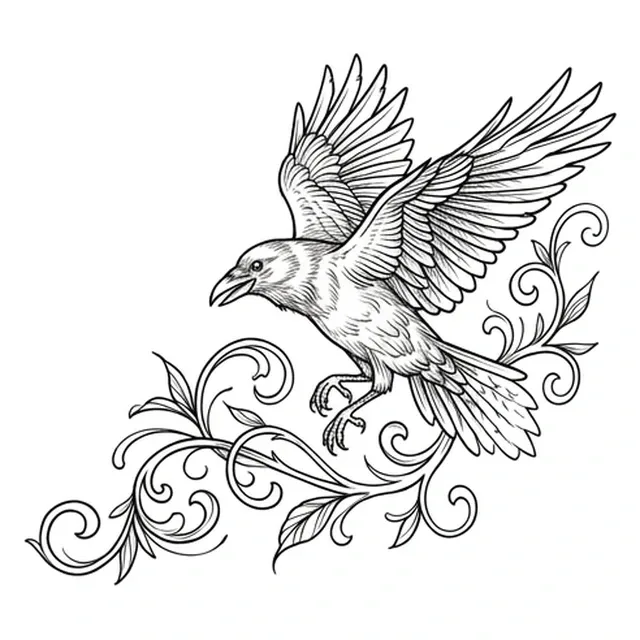
Black and grey illustrative raven and vine tattoo design (1 of 2) Try it on — Black and grey illustrative raven and vine tattoo design (1 of 2)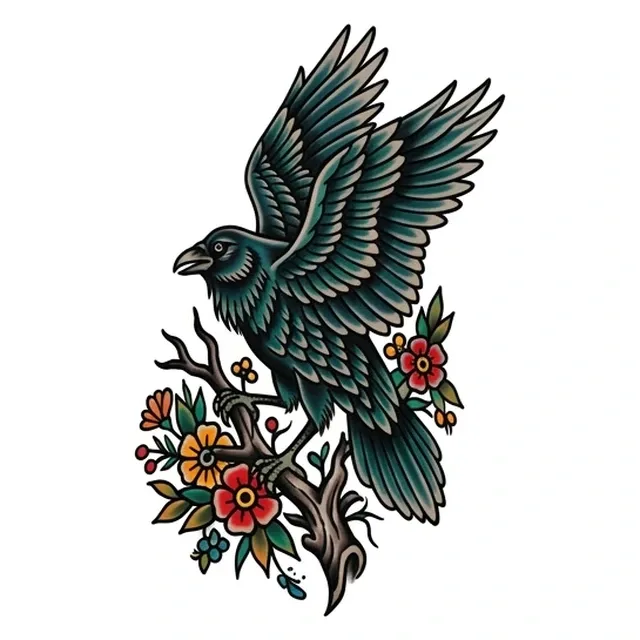
Color traditional raven and flower tattoo design Try it on — Color traditional raven and flower tattoo design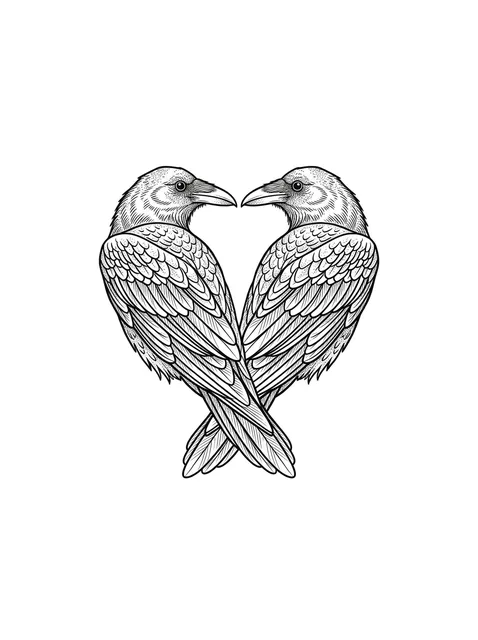
Black and grey illustrative raven and bird tattoo design: their necks crossed to form a heart shape Try it on — Black and grey illustrative raven and bird tattoo design: their necks crossed to form a heart shape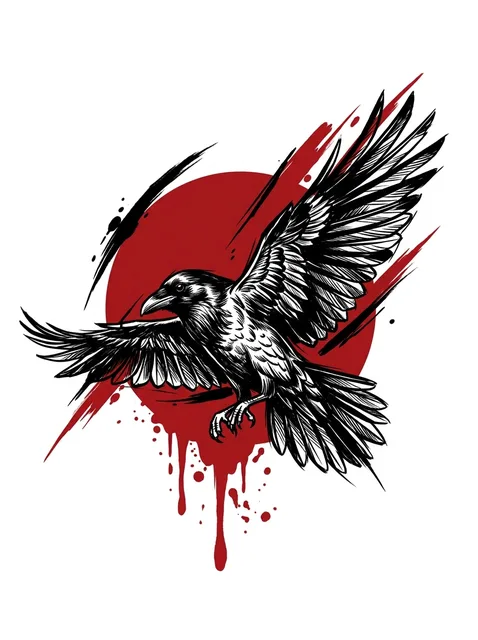
Color trash polka raven and moon tattoo design: a black raven in flight with outstretched wings Try it on — Color trash polka raven and moon tattoo design: a black raven in flight with outstretched wings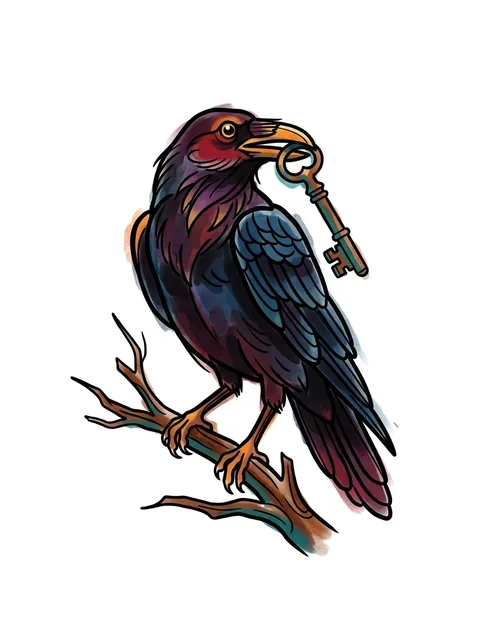
Color neo traditional raven and key tattoo design Try it on — Color neo traditional raven and key tattoo design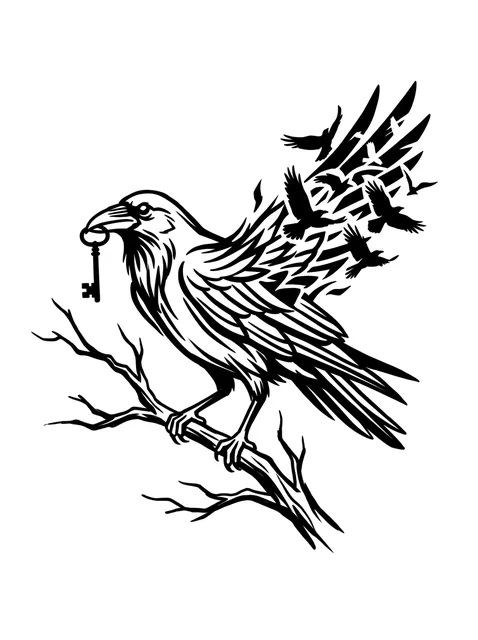
Black and white illustrative raven and bird tattoo design: a raven perched on a bare tree branch Try it on — Black and white illustrative raven and bird tattoo design: a raven perched on a bare tree branch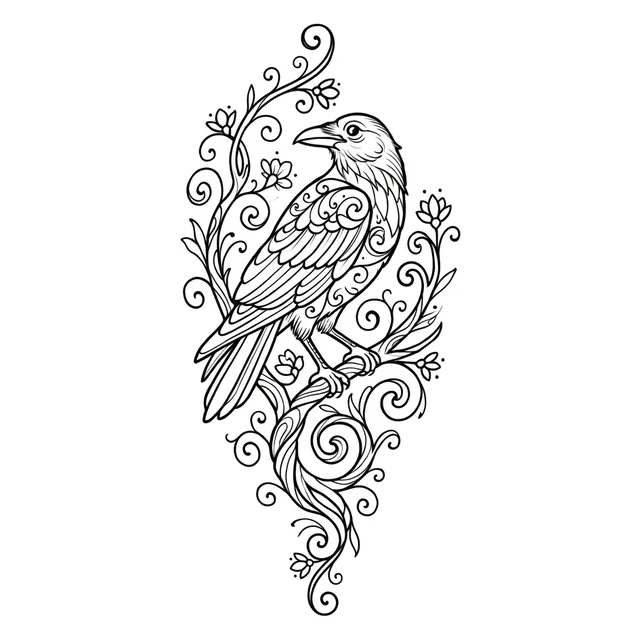
Black and grey illustrative raven and vine tattoo design (2 of 2) Try it on — Black and grey illustrative raven and vine tattoo design (2 of 2)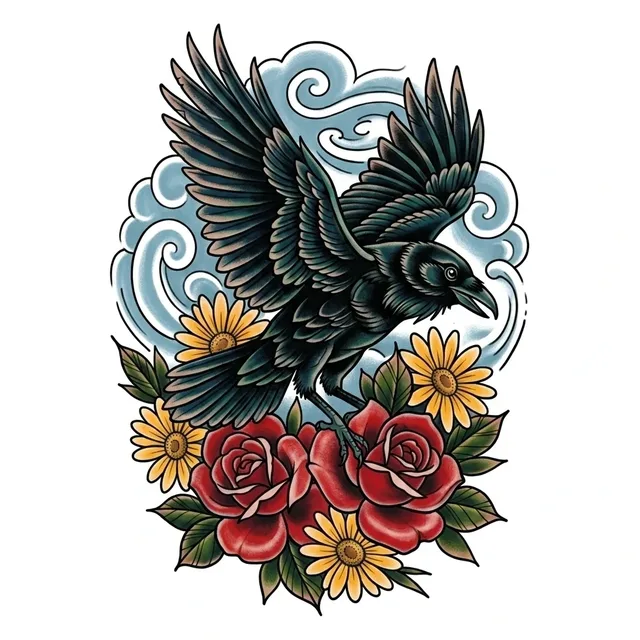
Color neo traditional raven and rose tattoo design: a black raven Try it on — Color neo traditional raven and rose tattoo design: a black raven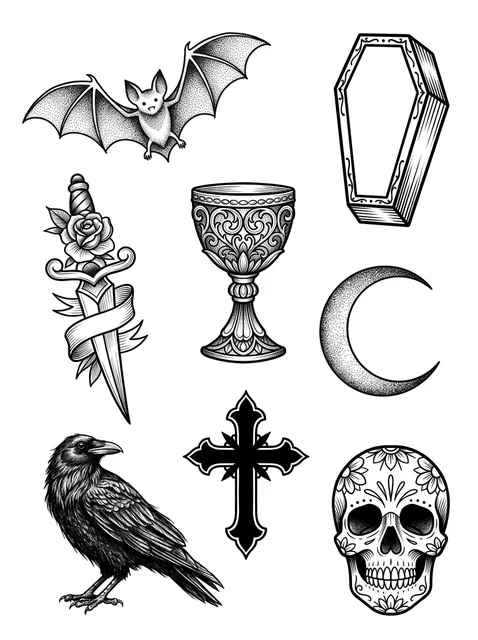
Black and grey patchwork raven and sugar skull tattoo design Try it on — Black and grey patchwork raven and sugar skull tattoo design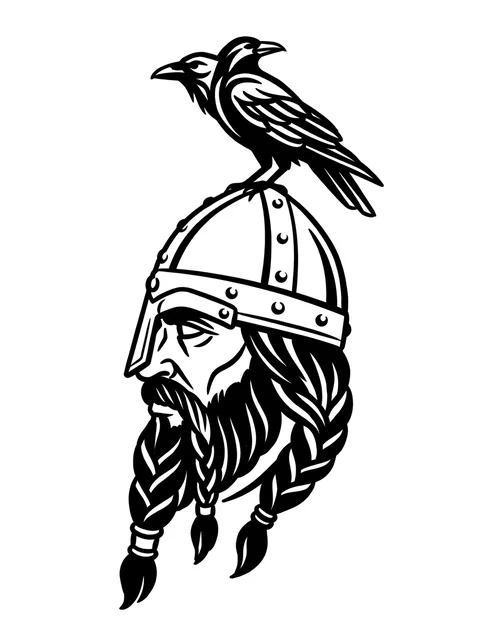
Black and white blackwork raven and viking tattoo design: the helmet, in heavy black Try it on — Black and white blackwork raven and viking tattoo design: the helmet, in heavy black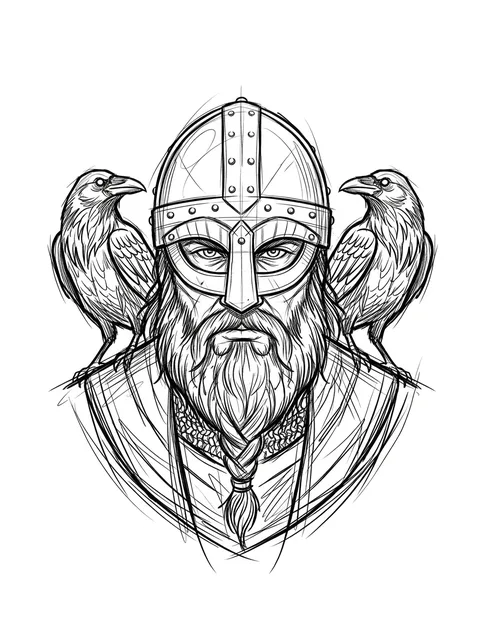
Black and grey sketch raven and viking tattoo design Try it on — Black and grey sketch raven and viking tattoo design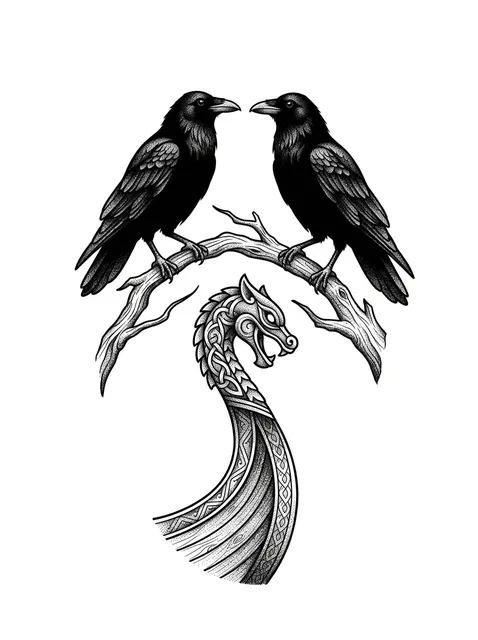
Black and grey illustrative raven and viking tattoo design Try it on — Black and grey illustrative raven and viking tattoo design


Tap any design to see it on your own skin in the try-on — no signup.
This set of 55 raven designs, by the numbers
- Styles represented
- illustrative (21), neo traditional (6), dotwork (4), traditional (4), watercolor (3), sketch (3)
- Black-and-grey vs colour
- 67% black-and-grey, 33% colour
- Most often drawn with
- bird, key, flower, viking
Counted from the 55 designs shown on this page. Every one was drawn for InkCraft — none are scraped or reposted. Free to reference with a link to this page.
What a raven tattoo means
The raven is an intelligence symbol before it is a death symbol, and people who choose one usually know that. Ravens use tools, recognise individual human faces for years, and are among the very few animals that appear to plan for the future — so the bird stands for a particular kind of watchful, unsentimental cleverness rather than for wisdom in the owl sense.
The Norse reading is the most specific. Huginn and Muninn — Thought and Memory — flew out each day and reported back to Odin, and a pair of ravens is a direct reference to that rather than a decorative choice. Odin was said to fear that Muninn might not return, which is a memory-loss image that resonates with a great many people who get the pair tattooed.
The death association is real but narrower than reputation suggests. Ravens follow wolves and armies because both produce carrion, so the bird became an omen of battle by proximity rather than by nature. A raven on a battlefield is reportage; a raven as a death omen is a later literary embellishment.
Poe fixed the modern melancholy version in 1845, and it is worth knowing that a raven perched and staring is quoting that poem whether or not you intend it. A raven in flight, or a pair, reads as Norse instead. The pose does more work here than in almost any other subject.
Where the design comes from
Ravens carry meaning in Norse, Celtic, Haida and Tlingit traditions independently — in Pacific Northwest art the Raven is a creator and trickster figure, which is a distinct lineage from the European one and drawn in a completely different formline style. Edgar Allan Poe published The Raven in 1845 and gave the bird its modern association with grief and sleeplessness. In tattooing, blackwork ravens belong largely to the last two decades and draw on woodcut and engraving conventions rather than on flash.
Choosing yours
- A raven is a black bird, which sounds simple and is the hardest part. Solid black loses all internal detail as it spreads, so a good design uses negative space — gaps left in the feathering — to keep the form readable. An artist who plans the white space is the one to book.
- Perched and in-flight are different tattoos with different placements. A perched raven is compact and vertical and suits a forearm or calf. A bird in flight is wide and wants a broad field — chest, shoulder blade, upper back.
- If you want the Norse pair, plan both at once. Two ravens designed together balance; a second one added later almost never sits right, because the first was composed as a single subject.
Size, cost and placement
How big, and what it costs
A blackwork raven at 10-12 cm is a two-to-three-hour piece — most of the time goes into feather structure, not into filling black. A large illustrative bird in flight, or a Norse pair, is a full session. Solid black is slower to pack cleanly than people expect and often needs a touch-up.
Where it sits, and how much it hurts
Perched ravens suit the forearm, outer calf and the side of the ribs. Birds in flight want width: chest, shoulder blade, upper back. Heavy black areas heal better on flatter, less mobile skin, so avoid the inner elbow and the back of the hand.
What to ask your artist
- How they keep the form readable in solid black — the answer should involve negative space in the feathering, not more black.
- Perched or in flight, since they suit opposite placements and quote different traditions.
- If you want the Norse pair, to design both now even if only one is tattooed today.
Prices vary widely by city and artist — treat these as session lengths rather than quotes, and expect a shop minimum on anything small. The cost guide turns hours into money by size, placement and style.
Common questions
Do raven tattoos mean death?
Less than reputation suggests. Ravens followed armies and wolves because both produce carrion, so the omen is by association. The older meanings are intelligence and memory.
What do two ravens mean?
Huginn and Muninn — Thought and Memory — Odin's ravens. A pair is a direct Norse reference, and the memory half resonates for a lot of people who choose it.
Raven or crow?
Ravens are larger, with a wedge-shaped tail and a heavier beak; crows have a fan tail. Artists draw them differently, and it is worth naming which you mean.
What a raven tattoo can mean
The meanings this motif carries on the pages that argue them. Each line is that page's own reason for including it.
- Halloween tattoos
- Carries the atmosphere entirely through silhouette, which means it survives at small sizes where everything else in this set has already closed up. The heavy bill and shaggy throat are what separate it from a crow.
- Memorial tattoos
- A messenger between the living and the dead in most European folklore, which is why it carries loss without any lettering. Darker in tone than a dove, and chosen for that.
See it on your skin before you commit
InkCraft places any of these designs on a photo of you — scaled, wrapped and shaded to the placement you pick.