 InkCraft
Broken Heart Tattoo Ideas, Designs and Meaning
22 original broken heart designs drawn for InkCraftBy Uladzimir TumanauUpdated
A heart is love; a broken one says what happened to it, and whether it is still open. Stitches, kintsugi gold and a padlock put the break in the past, while a crack left bare keeps the wound present, and that decision matters more than the style.
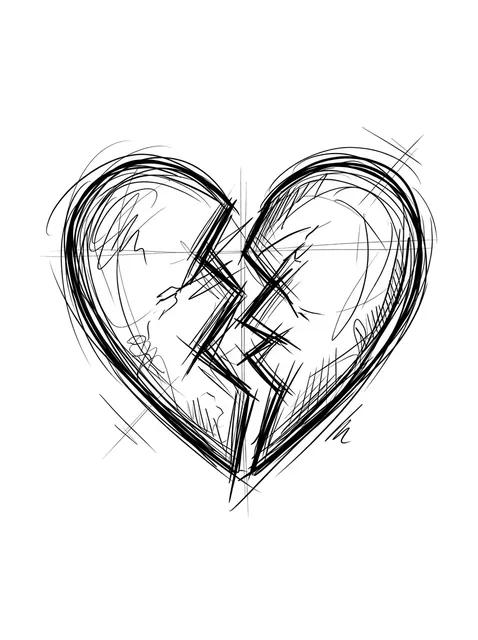
Black and grey sketch broken heart tattoo design Try it on — Black and grey sketch broken heart tattoo design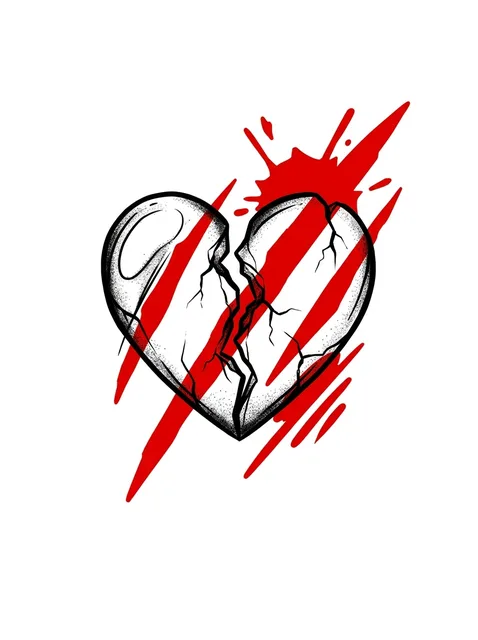
Color trash polka broken heart tattoo design Try it on — Color trash polka broken heart tattoo design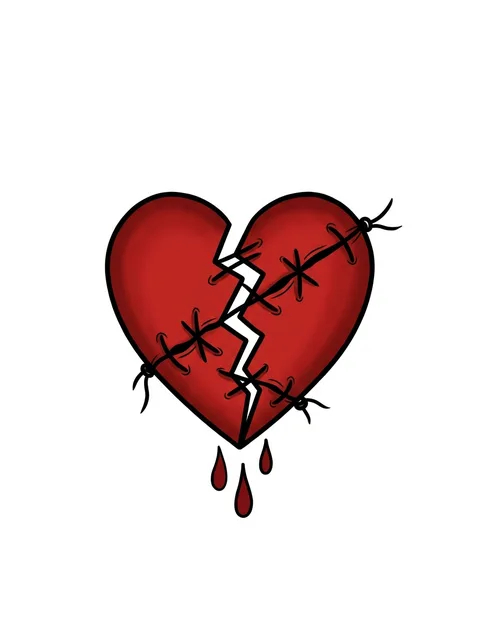
Color traditional broken heart tattoo design Try it on — Color traditional broken heart tattoo design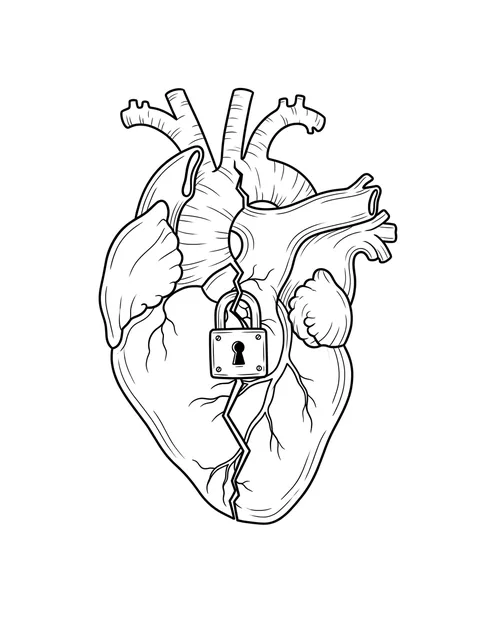
Black and white fine line broken heart tattoo design, outline stencil Try it on — Black and white fine line broken heart tattoo design, outline stencil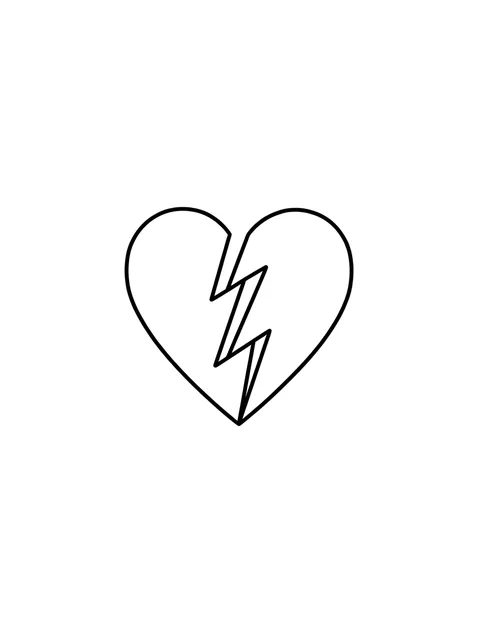
Black and white minimalist broken heart tattoo design, outline stencil Try it on — Black and white minimalist broken heart tattoo design, outline stencil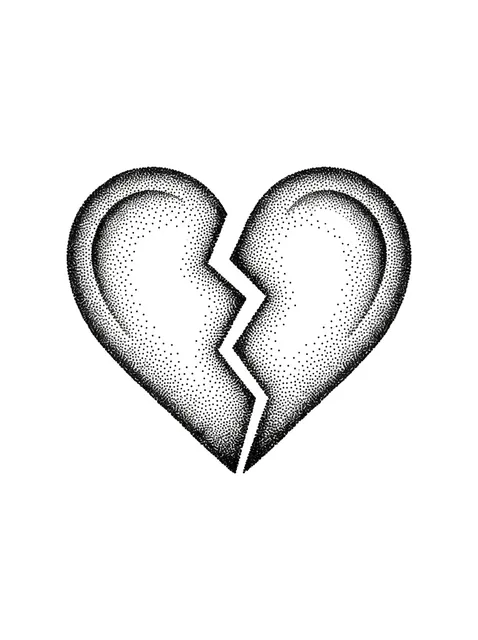
Black and grey dotwork broken heart tattoo design Try it on — Black and grey dotwork broken heart tattoo design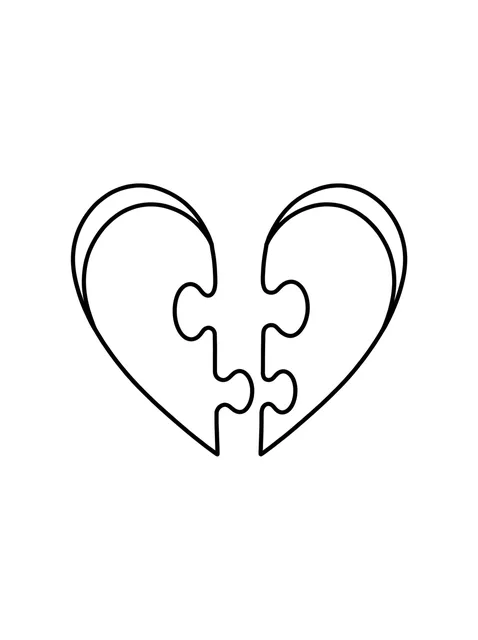
Black and white minimalist broken heart tattoo design, outline stencil Try it on — Black and white minimalist broken heart tattoo design, outline stencil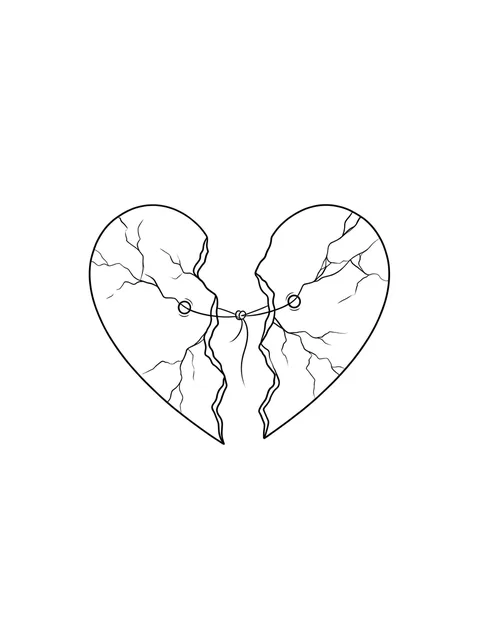
Black and white fine line broken heart tattoo design, outline stencil: a broken heart Try it on — Black and white fine line broken heart tattoo design, outline stencil: a broken heart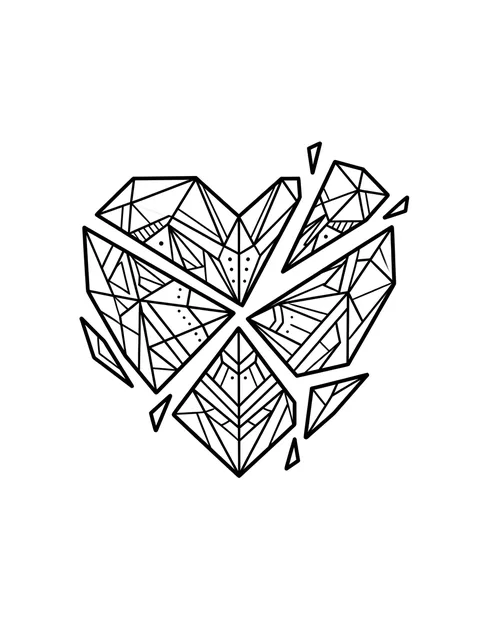
Black and white geometric broken heart tattoo design, outline stencil Try it on — Black and white geometric broken heart tattoo design, outline stencil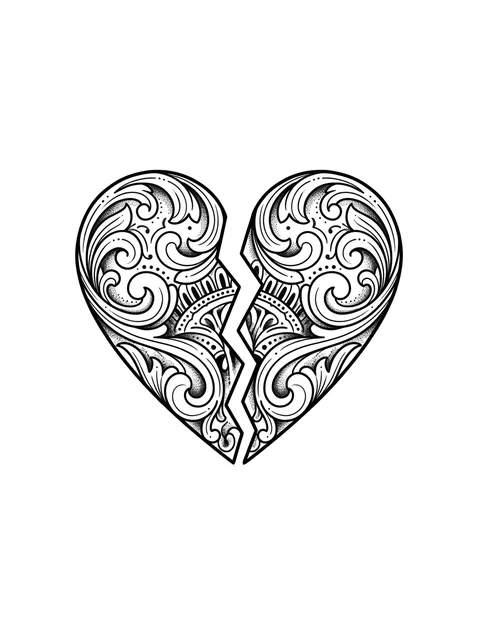
Black and grey ornamental broken heart tattoo design Try it on — Black and grey ornamental broken heart tattoo design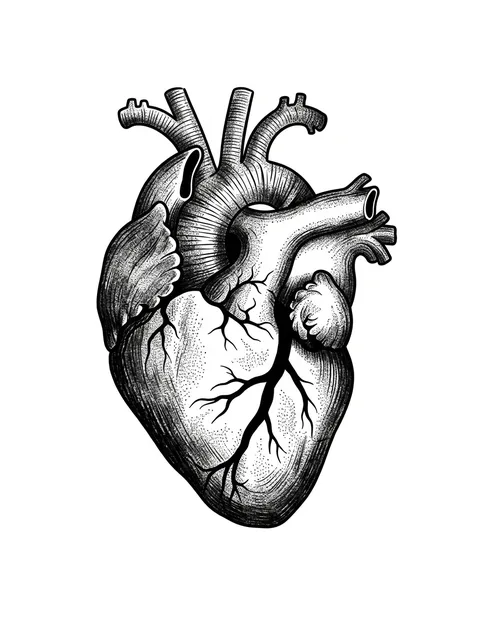
Black and grey illustrative broken heart tattoo design Try it on — Black and grey illustrative broken heart tattoo design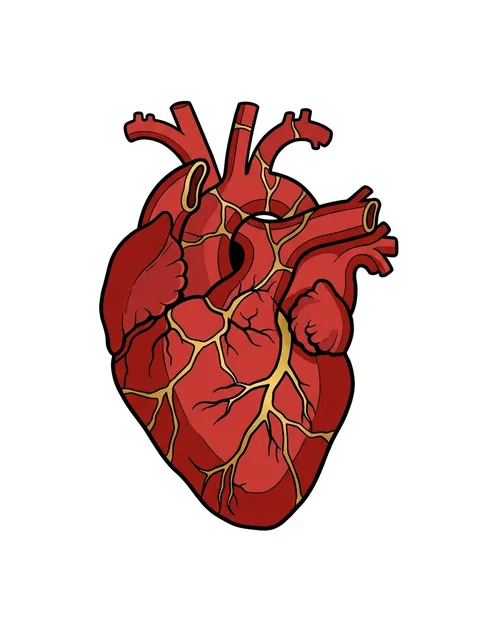
Color illustrative broken heart tattoo design Try it on — Color illustrative broken heart tattoo design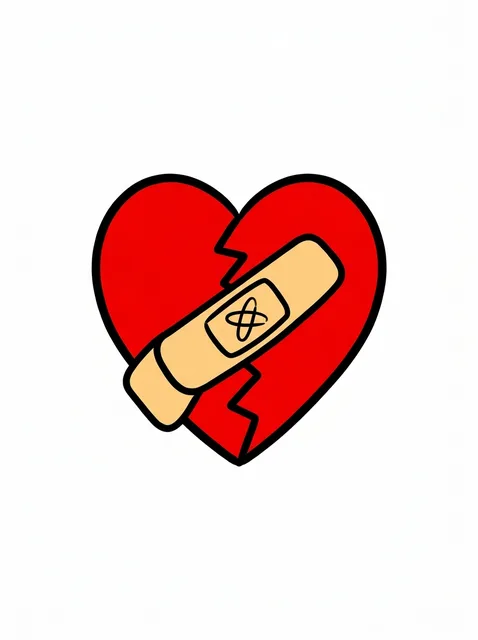
Color new school broken heart tattoo design Try it on — Color new school broken heart tattoo design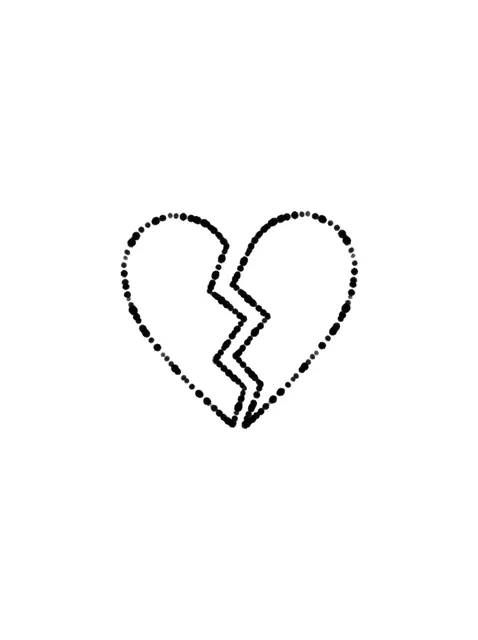
Black and white minimalist broken heart tattoo design, outline stencil Try it on — Black and white minimalist broken heart tattoo design, outline stencil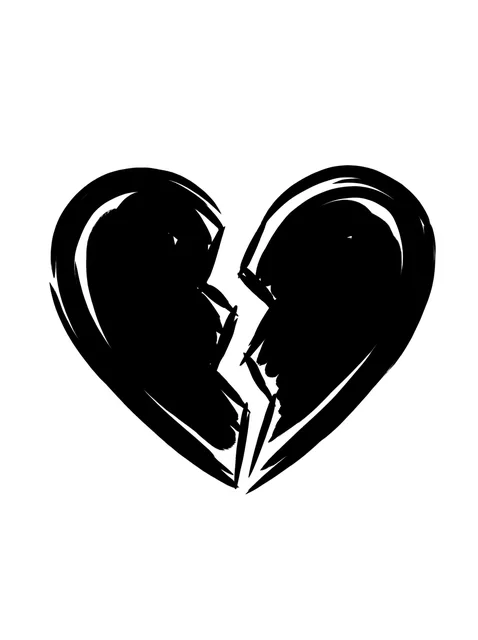
Black and white blackwork broken heart tattoo design Try it on — Black and white blackwork broken heart tattoo design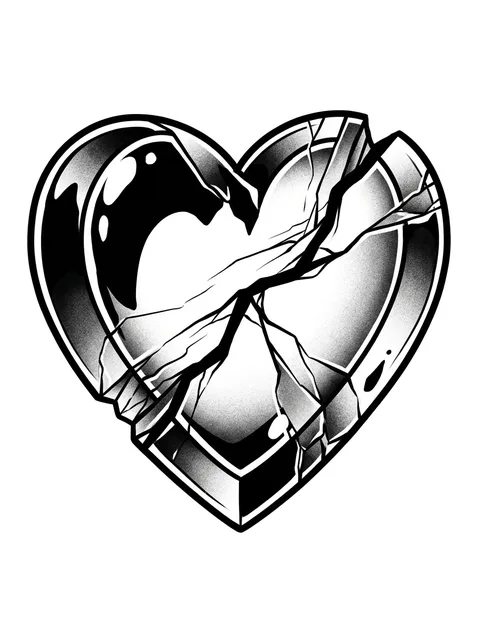
Black and grey illustrative broken heart tattoo design Try it on — Black and grey illustrative broken heart tattoo design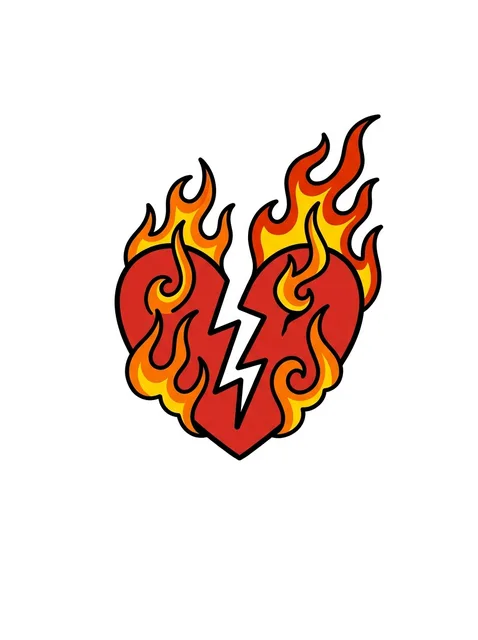
Color traditional broken heart and fire tattoo design Try it on — Color traditional broken heart and fire tattoo design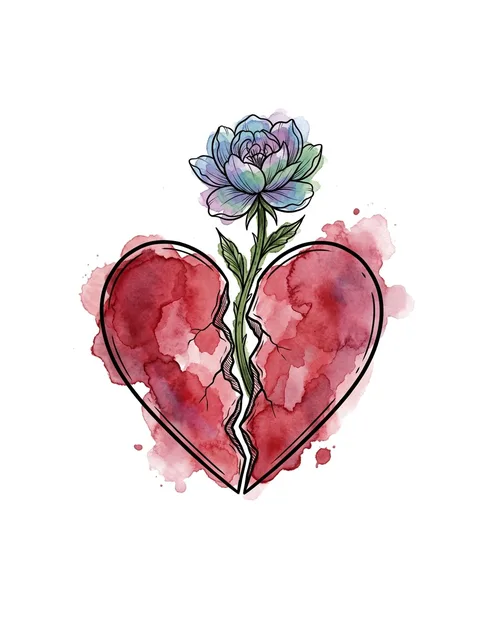
Color watercolor broken heart and flower tattoo design Try it on — Color watercolor broken heart and flower tattoo design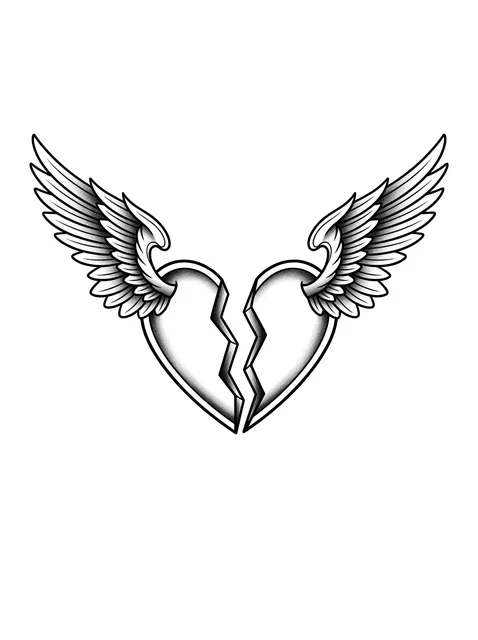
Black and grey illustrative broken heart and angel wings tattoo design Try it on — Black and grey illustrative broken heart and angel wings tattoo design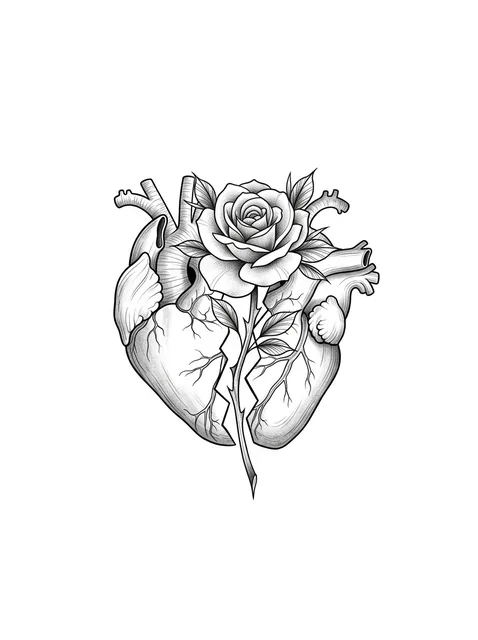
Black and grey fine line broken heart and rose tattoo design, outline stencil Try it on — Black and grey fine line broken heart and rose tattoo design, outline stencil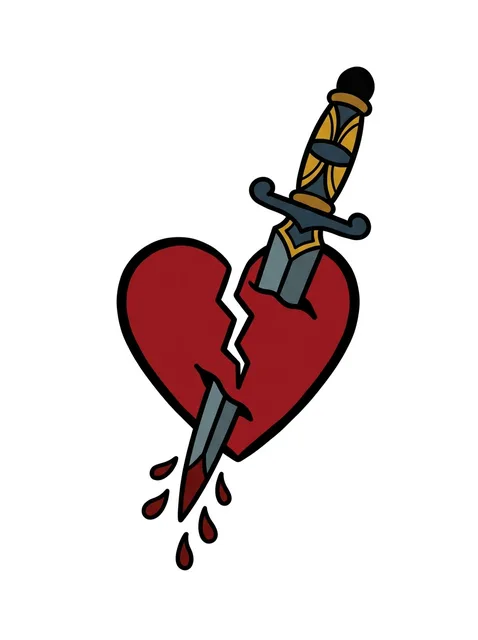
Color traditional broken heart and dagger tattoo design Try it on — Color traditional broken heart and dagger tattoo design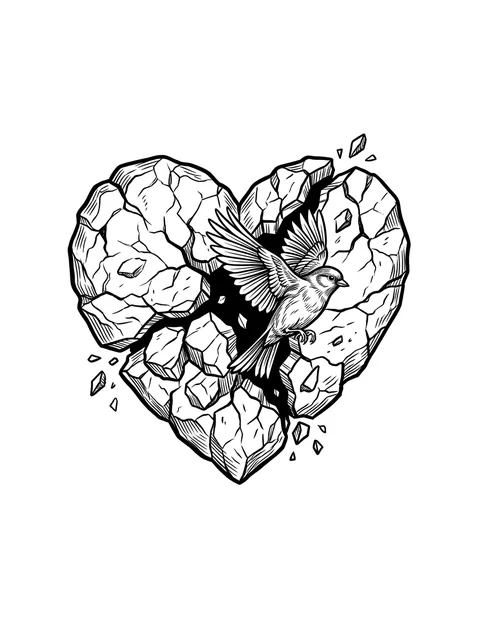
Black and grey illustrative broken heart and bird tattoo design Try it on — Black and grey illustrative broken heart and bird tattoo design


Tap any design to see it on your own skin in the try-on — no signup.
This set of 22 broken heart designs, by the numbers
- Styles represented
- illustrative (5), traditional (3), fine line (3), minimalist (3), sketch (1), trash polka (1)
- Black-and-grey vs colour
- 68% black-and-grey, 32% colour
- Most often drawn with
- fire, flower, angel wings, rose
Counted from the 22 designs shown on this page. Every one was drawn for InkCraft — none are scraped or reposted. Free to reference with a link to this page.
What a broken heart tattoo means
A plain heart says love and stops there. A broken one has a before and an after, and the drawing decides which you are wearing. A crack left open, like the minimalist zigzag or the dotwork heart split by a white line, is the wound in the present. Stitches, a sticking plaster, a thread tying the halves or a padlock across the break are repair, which puts it in the past. A flower growing from the crack, or a bird escaping a heart of stone, is what came out of it.
Who broke it is the second question. A crack from inside reads as grief, and plenty are worn for a death rather than a breakup. A dagger through the break points at someone else, which is why the traditional dagger heart reads as betrayal, and a heart that cracks while it burns is a love that used itself up. A heart of glass broke because it was fragile. A heart of stone broke although it was hard, and that difference is worth choosing.
The anatomical version has a literal edge. Doctors in Japan described takotsubo cardiomyopathy in 1990, a sudden weakening of the heart muscle brought on by severe stress or grief, now widely called broken heart syndrome; the name is the octopus trap that the stricken ventricle resembles. It is usually temporary, but it gives a cracked anatomical heart a weight the cartoon shape does not have.
Kintsugi turns the story round. The Japanese craft mends broken pottery with lacquer and powdered gold, tracing the repair in the most valuable material on the object instead of hiding it, and the anatomical heart here mended in gold makes the same argument: the break is part of the history, not something to disguise. Halves shared between two people argue the opposite, since each means something only beside the other.
Where the design comes from
The broken heart is older in words than in pictures. The King James Bible of 1611 has "He healeth the broken in heart, and bindeth up their wounds" in Psalm 147, which reads now like a description of the stitched heart. Catholic art supplied the blades: Our Lady of Sorrows is painted with seven swords in her heart, after the prophecy in Luke that a sword would pierce her soul. Frida Kahlo painted the anatomical version in The Two Fridas in 1939, the year of her divorce from Diego Rivera, both hearts exposed and joined by one blood vessel.
Choosing yours
- Choose the tense before the style. An open crack, a mended one and a heart with something growing through it are three different statements, and every style here, from the loose sketch to the filigree halves, can carry any of them. That decision is yours to bring.
- The crack is negative space, and negative space closes. A white line through a solid heart depends on bare skin staying bare, and as ink spreads a hairline gap fills until the heart looks whole again. Make it at least two or three millimetres wide on a small piece, or move the halves apart as the blackwork and puzzle hearts do.
- For the kintsugi heart, ask how the gold will be done. No tattoo ink shines like metal, so gold is built from yellows, ochres and white highlights, and it only reads as gold with dark lines beside it.
Size, cost and placement
How big, and what it costs
A minimalist outline, or the dotted heart here, is shop-minimum work at 2 to 4 cm. A traditional stitched or dagger heart in flat colour is 7 to 10 cm and about two hours. The anatomical and glass hearts are shading jobs at 10 to 15 cm and three to four hours, and the kintsugi heart needs the same size to keep its gold lines apart.
Where it sits, and how much it hurts
Over the real heart, on the left of the chest, is the traditional spot, moderate for pain and sharper toward the sternum. The inner forearm and outer upper arm take the larger hearts; small outlines suit the wrist, the ankle or behind the ear. Halves drawn apart want a flat field so the gap stays even.
What to ask your artist
- How wide the crack will be once the ink has settled.
- For kintsugi, how they build gold without metallic ink.
- Whether the sketch reads as open or mended.
Prices vary widely by city and artist — treat these as session lengths rather than quotes, and expect a shop minimum on anything small. The cost guide turns hours into money by size, placement and style.
Common questions
Is a broken heart tattoo always about a breakup?
No. Plenty are worn for a death, an estrangement or a loss nobody else knew about. A dagger or a padlock points at another person; a flower through the crack, or angel wings on the halves, points toward grief and memory.
Why is there a dagger through so many broken hearts?
Because it names a cause. In traditional flash a blade through the heart is a wound somebody else inflicted, usually betrayal, and the drops of blood falling from its point keep it recent. Without the dagger the same crack could be grief.
Should two people each get half of a split heart?
Think hard first. Each half means something only beside the other, so if the relationship ends both of you wear half a heart, the very image this page is about. Halves that also stand alone, like the puzzle pieces with their own outlines, age better.
Will a thin white crack still show in ten years?
Often not. Bare skin between areas of solid colour narrows as ink spreads, and a hairline crack can close completely. A wider crack, a gap between the halves or a dark line along the break lasts much longer.
See it on your skin before you commit
InkCraft places any of these designs on a photo of you — scaled, wrapped and shaded to the placement you pick.