 InkCraft
Fairy Tattoo Ideas, Designs and Meaning
22 original fairy designs drawn for InkCraftBy Uladzimir TumanauUpdated
In the folklore of Ireland and Britain fairies were dangerous neighbours who seldom had wings, and the small winged figure owes more to Victorian painters. The wings set the size: fine dragonfly veins and patterned butterfly panels close up long before the face does.
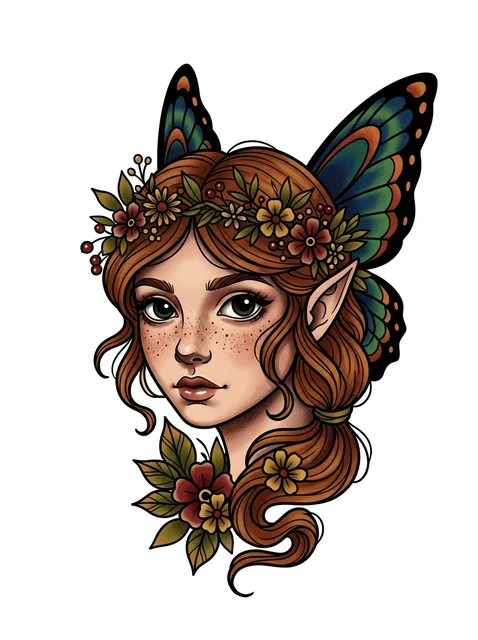
Color neo traditional fairy tattoo design Try it on — Color neo traditional fairy tattoo design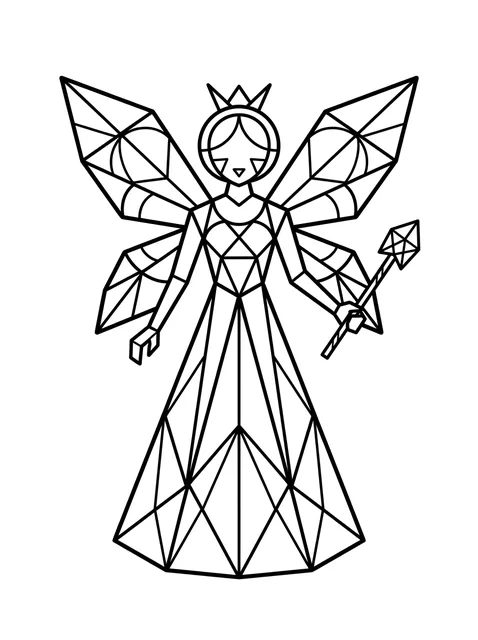
Black and white geometric fairy tattoo design, outline stencil Try it on — Black and white geometric fairy tattoo design, outline stencil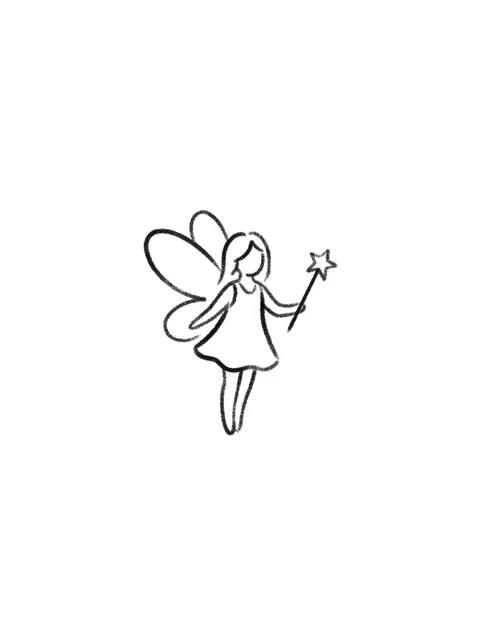
Black and grey stick and poke fairy tattoo design Try it on — Black and grey stick and poke fairy tattoo design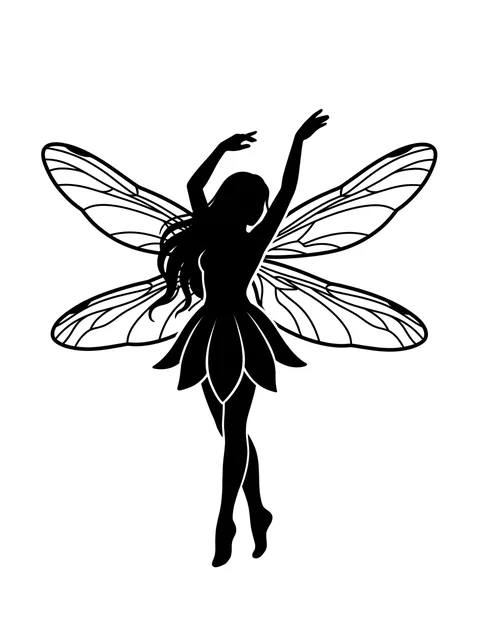
Black and white blackwork fairy tattoo design Try it on — Black and white blackwork fairy tattoo design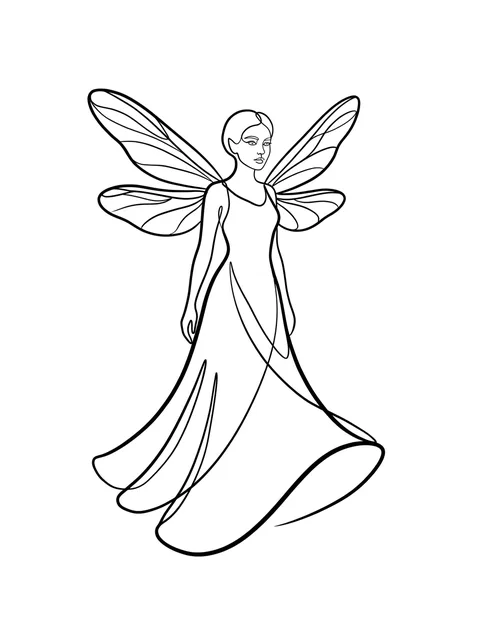
Black and white minimalist fairy tattoo design, outline stencil Try it on — Black and white minimalist fairy tattoo design, outline stencil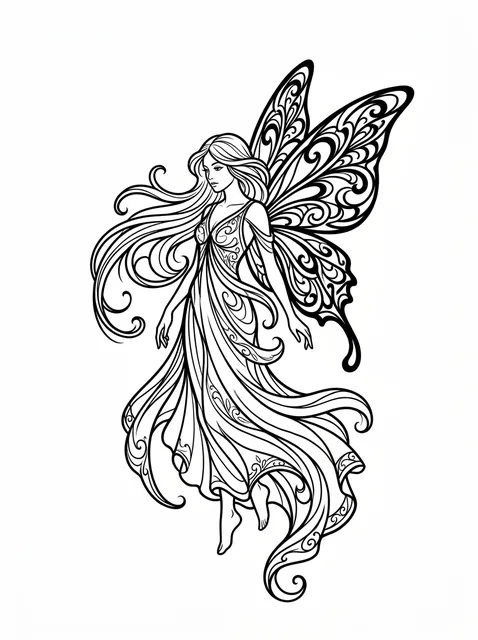
Black and grey ornamental fairy tattoo design Try it on — Black and grey ornamental fairy tattoo design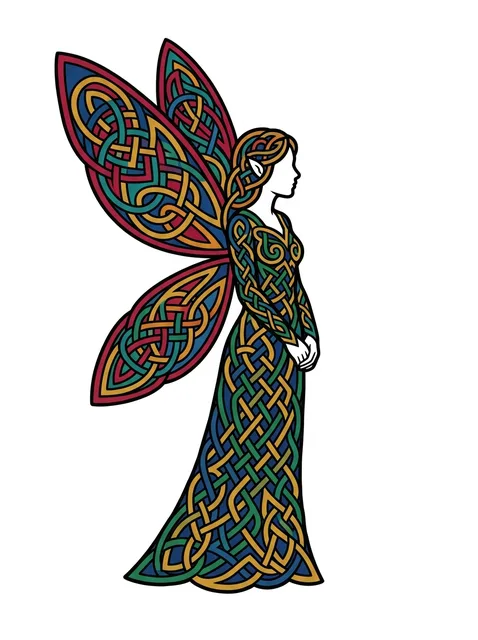
Color celtic fairy tattoo design Try it on — Color celtic fairy tattoo design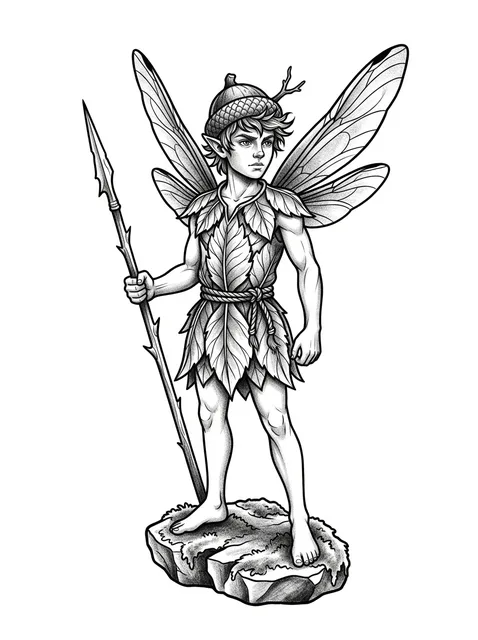
Black and grey illustrative fairy tattoo design Try it on — Black and grey illustrative fairy tattoo design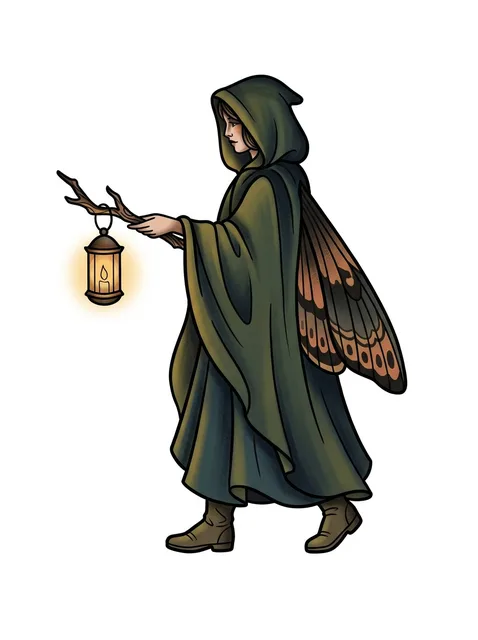
Color neo traditional fairy and lantern tattoo design: a small glowing lantern hung from it Try it on — Color neo traditional fairy and lantern tattoo design: a small glowing lantern hung from it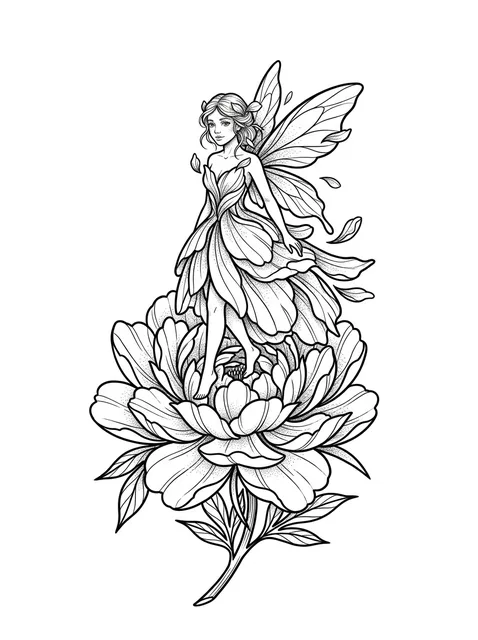
Black and white fine line fairy and peony tattoo design, outline stencil: an open peony Try it on — Black and white fine line fairy and peony tattoo design, outline stencil: an open peony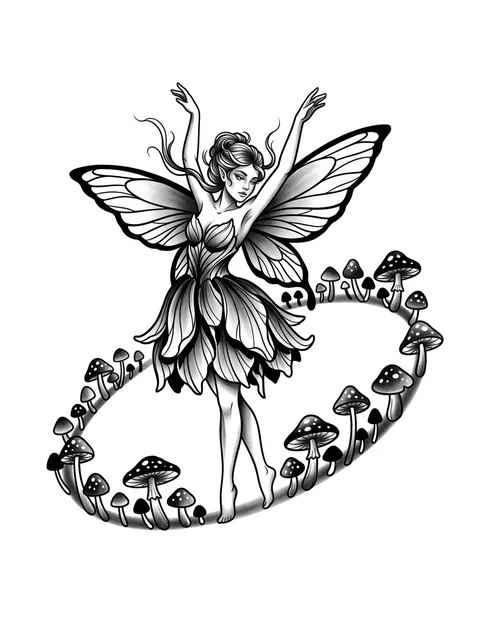
Black and grey illustrative fairy and mushroom tattoo design Try it on — Black and grey illustrative fairy and mushroom tattoo design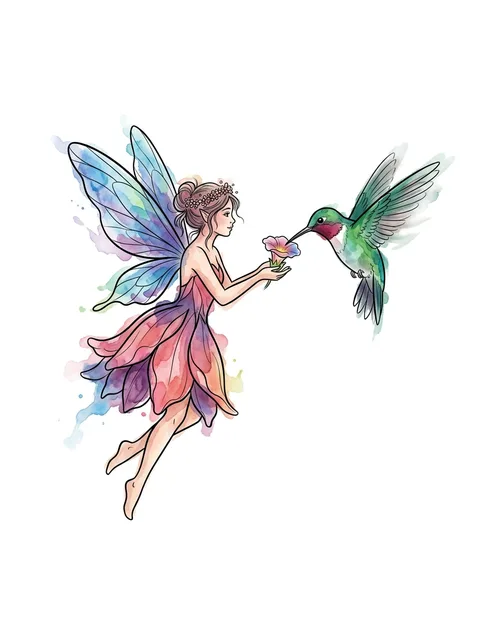
Color watercolor fairy and hummingbird tattoo design Try it on — Color watercolor fairy and hummingbird tattoo design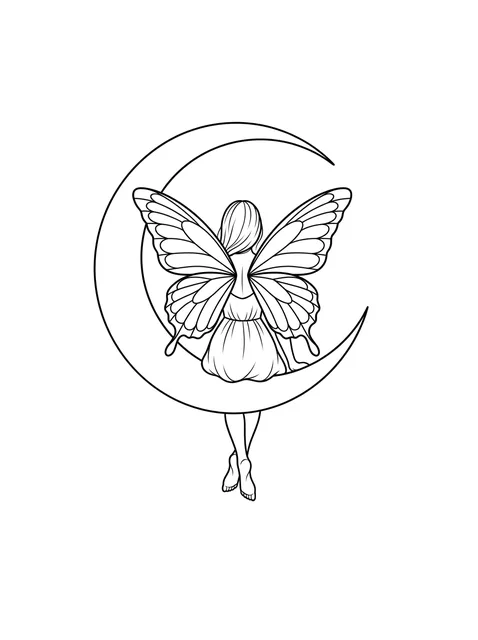
Black and white fine line fairy and moon tattoo design, outline stencil: a crescent moon Try it on — Black and white fine line fairy and moon tattoo design, outline stencil: a crescent moon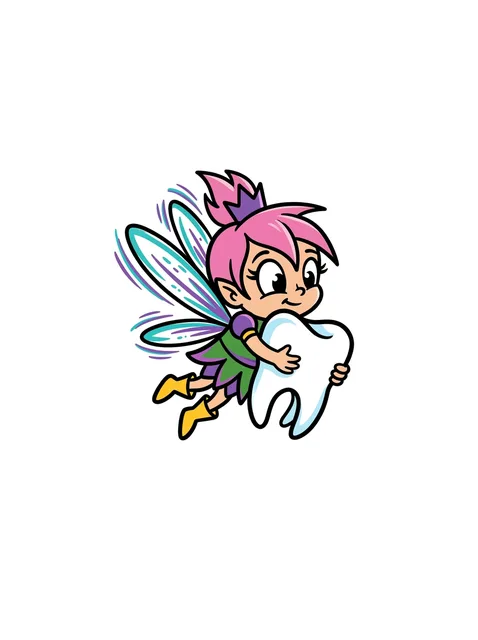
Color new school fairy and tooth tattoo design Try it on — Color new school fairy and tooth tattoo design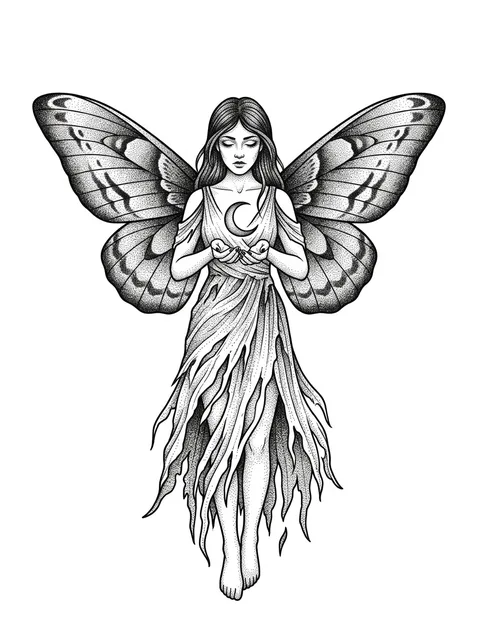
Black and grey dotwork fairy and moon tattoo design Try it on — Black and grey dotwork fairy and moon tattoo design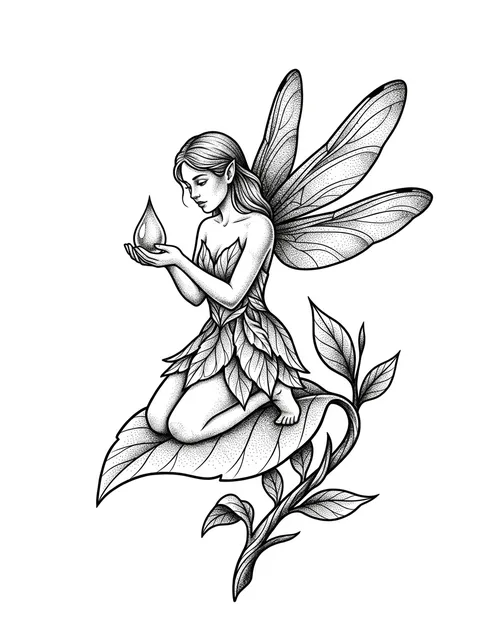
Black and grey illustrative fairy and leaf tattoo design: a curling stem Try it on — Black and grey illustrative fairy and leaf tattoo design: a curling stem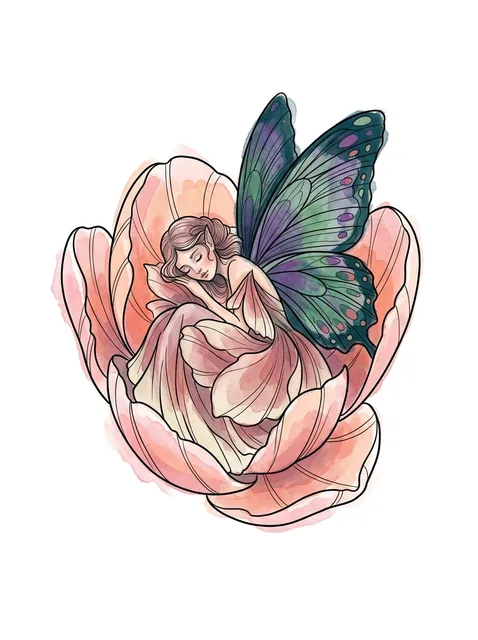
Color watercolor fairy and tulip tattoo design Try it on — Color watercolor fairy and tulip tattoo design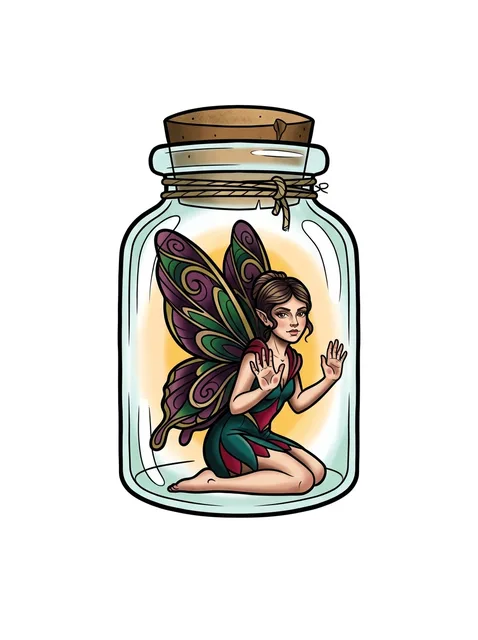
Color neo traditional fairy and jar tattoo design Try it on — Color neo traditional fairy and jar tattoo design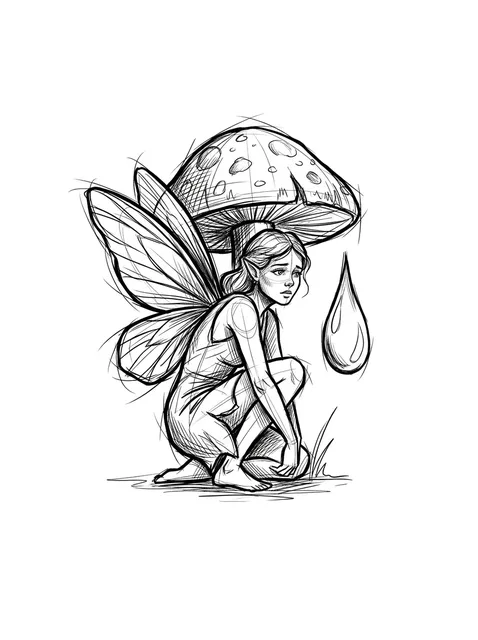
Black and grey sketch fairy and mushroom tattoo design Try it on — Black and grey sketch fairy and mushroom tattoo design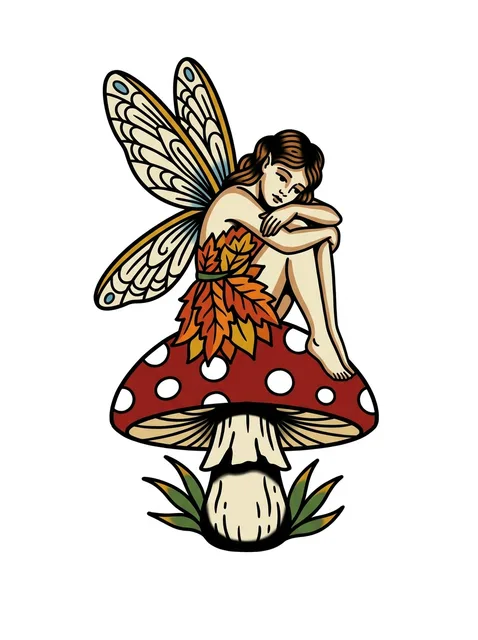
Color traditional fairy and mushroom tattoo design Try it on — Color traditional fairy and mushroom tattoo design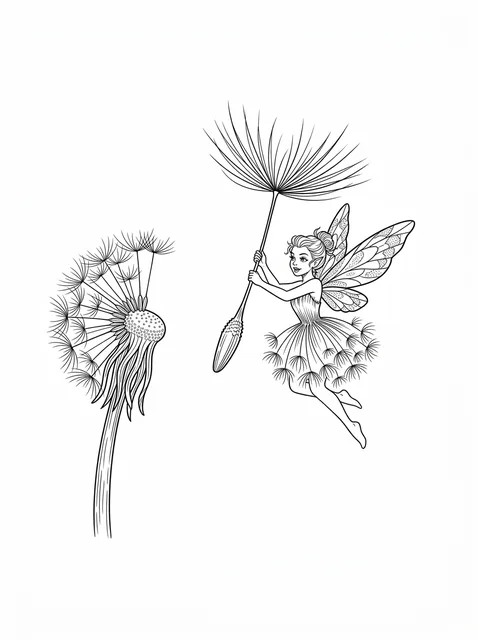
Black and white fine line fairy and dandelion tattoo design, outline stencil Try it on — Black and white fine line fairy and dandelion tattoo design, outline stencil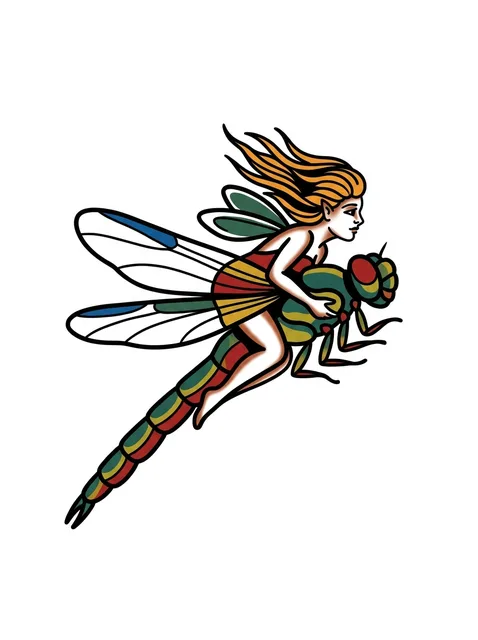
Color traditional fairy and dragonfly tattoo design Try it on — Color traditional fairy and dragonfly tattoo design


Tap any design to see it on your own skin in the try-on — no signup.
This set of 22 fairy designs, by the numbers
- Styles represented
- neo traditional (3), illustrative (3), fine line (3), watercolor (2), traditional (2), geometric (1)
- Black-and-grey vs colour
- 59% black-and-grey, 41% colour
- Most often drawn with
- mushroom, moon, lantern, peony
Counted from the 22 designs shown on this page. Every one was drawn for InkCraft — none are scraped or reposted. Free to reference with a link to this page.
What a fairy tattoo means
Before they were small and pretty, fairies were feared. In Irish and Scottish folklore they were the Good People or the Good Neighbours, named politely so as not to give offence, and they stole children, led travellers astray and punished anyone who cut down a lone hawthorn they claimed. The word itself came through Old French faerie, enchantment, from the Latin fata, the Fates, so at its root a fairy is someone who decides what happens to you.
Shakespeare shrank them. In A Midsummer Night's Dream, written around 1595, the elves creep into acorn cups to hide, and Mercutio's Queen Mab is no bigger than an agate stone on an alderman's finger. Later painters added insect wings and flowers to sleep in, and the fairy became a picture of nature at its most delicate. Most of the designs here come from that second line: a fairy stepping out of a peony, asleep in a tulip, kneeling on a leaf with a dewdrop, or drifting off on a single dandelion seed.
Worn now, the figure usually means one of three things. Wonder kept past childhood, often by someone raised on fairy stories; a closeness to gardens, woods and small living things, which is what the flower fairies say; or the wilder older fairy, independent and not entirely safe, which the moth-winged dark fairy in dotwork and the young guard with his thorn spear lean towards. The tooth fairy flying off with a tooth in her arms is its own case, and nearly always a tattoo about a child.
The wings are not decoration. Butterfly wings make her a creature of daylight and colour, moth wings a creature of the night, and long clear dragonfly wings make her quick and a little unearthly, so choose the insect for what you want her to be before you choose a style.
Where the design comes from
Wings are rare in the folklore itself, where fairies flew by magic or astride a stem of ragwort; painters supplied them, and by the Victorian period the tiny winged figure was standard. Richard Dadd painted The Fairy Feller's Master-Stroke between 1855 and 1864 while confined at Bethlem Hospital, and W. B. Yeats gathered the Irish stories in Fairy and Folk Tales of the Irish Peasantry in 1888. In 1917 two cousins at Cottingley in Yorkshire photographed paper cut-outs of fairies, Arthur Conan Doyle published the pictures as genuine in 1920, and the cousins admitted the trick only in 1983. Cicely Mary Barker's Flower Fairies of the Spring, in 1923, gave every plant a fairy of its own, the tradition the peony, tulip and dandelion fairies here belong to.
Choosing yours
- Pick the wings for the size. Dragonfly wings are a net of fine veins that fill in as the ink spreads, so below about 8 cm they should be left open with only an outline, as on the blackwork silhouette and the single-line fairy here. Butterfly wings hold small if they are patterned in a few bold panels rather than fine scales.
- Decide whether she needs a face. Under about 6 cm her features are a few millimetres across and blur first, which is why the smallest designs here turn her away: seen from behind on the crescent moon, in solid silhouette, or drawn in one line.
- Know what the Celtic fairy is. Knotwork comes from Insular manuscripts such as the Book of Kells, made around 800, and has no link to fairy lore, so the pairing here is modern.
Size, cost and placement
How big, and what it costs
A one-line or silhouette fairy is a short sitting at 5 to 7 cm. A flower fairy with shaded petals takes two to three hours at 10 to 12 cm, and the full scenes, the dancer in her ring of mushrooms or the rider leaning over a dragonfly, are half a day at 15 cm or more.
Where it sits, and how much it hurts
Spread wings make a fairy wider than she is tall, which suits the shoulder blade and the upper back. With wings folded or raised she becomes a vertical piece for the forearm, the calf or the side of the ribs. Ribs and spine are the painful ones; the shoulder blade and calf are moderate.
What to ask your artist
- Whether the wing veins stay open at your size, or should be simplified.
- How many millimetres wide the face will be, and whether a back view would hold better.
- For watercolour wings, how much line sits underneath to keep the colour in place.
Prices vary widely by city and artist — treat these as session lengths rather than quotes, and expect a shop minimum on anything small. The cost guide turns hours into money by size, placement and style.
Common questions
Is a fairy tattoo childish?
Only if drawn that way. The fairy of folklore is closer to a warning than a nursery figure, and the dark moth-winged fairy and the barefoot guard here read as adult pieces.
What is the ring of mushrooms around the dancing fairy?
A fairy ring. Fungi such as the fairy ring champignon grow outward from one point and fruit at the edge, leaving a circle in the grass; folklore said fairies danced there, and that anyone who stepped inside might be kept dancing far longer than they meant.
How old is the tooth fairy?
Young, by fairy standards. The first known mention in print is a household hint in the Chicago Daily Tribune in 1908, telling parents that a child would give up a loose tooth for a small gift left under the pillow.
Can I get Tinker Bell instead?
She comes from J. M. Barrie's Peter Pan, first staged in 1904, but her familiar look is Disney's, from the 1953 film, and some artists will not copy a studio character. Any fairy here can be recoloured or given details of your own instead.
See it on your skin before you commit
InkCraft places any of these designs on a photo of you — scaled, wrapped and shaded to the placement you pick.