 InkCraft
Peacock Tattoo Ideas, Designs and Meaning
20 original peacock designs drawn for InkCraftBy Uladzimir TumanauUpdated
The tail is the subject and also a density trap. Five or eight large eyes hold their detail for decades where forty small ones merge into tone within ten years.
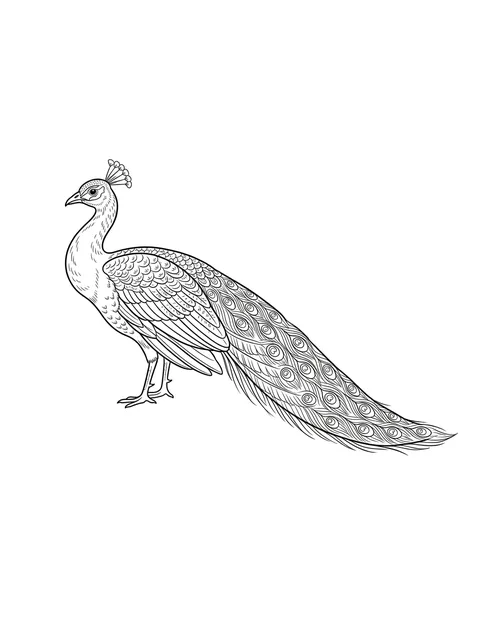
Black and grey illustrative peacock tattoo design Try it on — Black and grey illustrative peacock tattoo design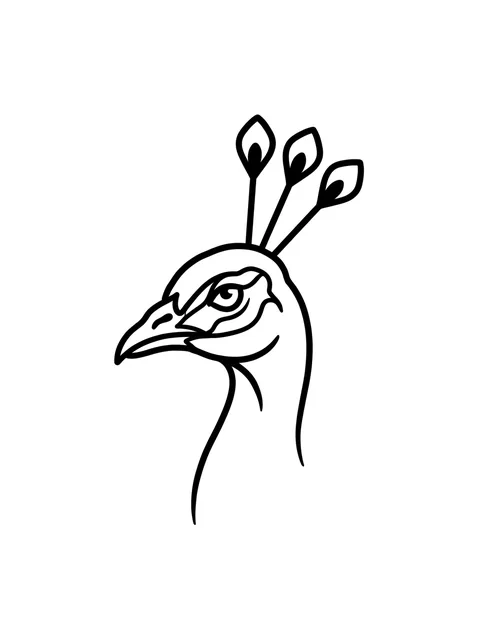
Black and white linework peacock tattoo design, outline stencil Try it on — Black and white linework peacock tattoo design, outline stencil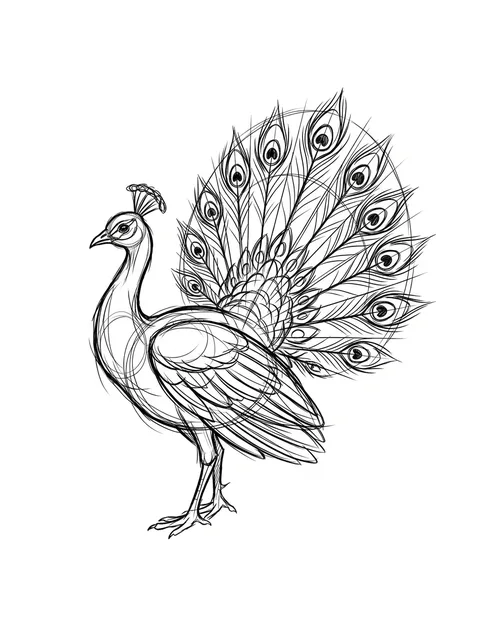
Black and grey illustrative peacock tattoo design: a peacock with its tail fanned out Try it on — Black and grey illustrative peacock tattoo design: a peacock with its tail fanned out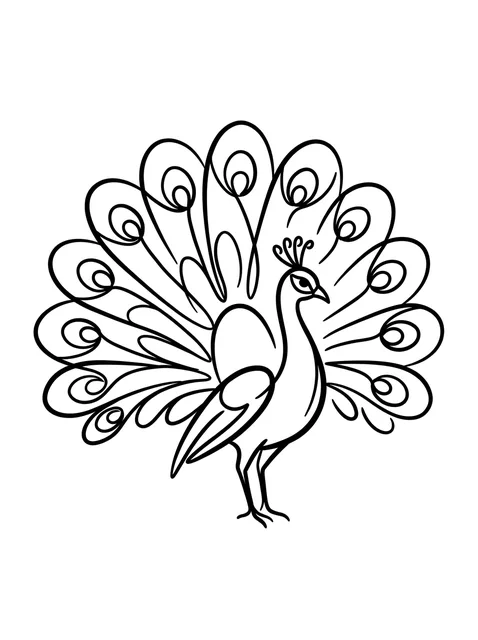
Black and white linework peacock tattoo design, outline stencil Try it on — Black and white linework peacock tattoo design, outline stencil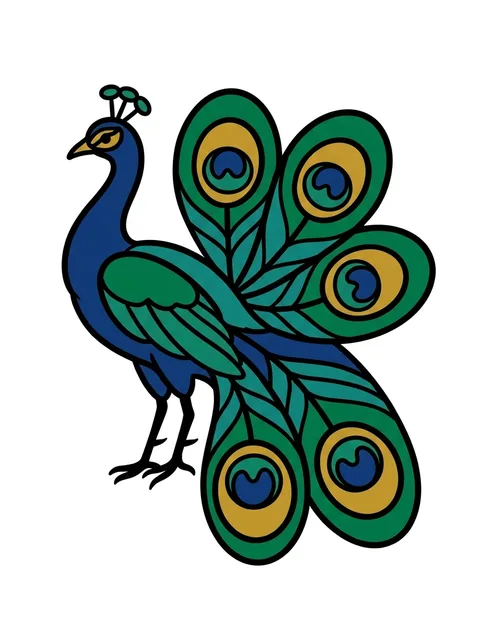
Color illustrative peacock tattoo design Try it on — Color illustrative peacock tattoo design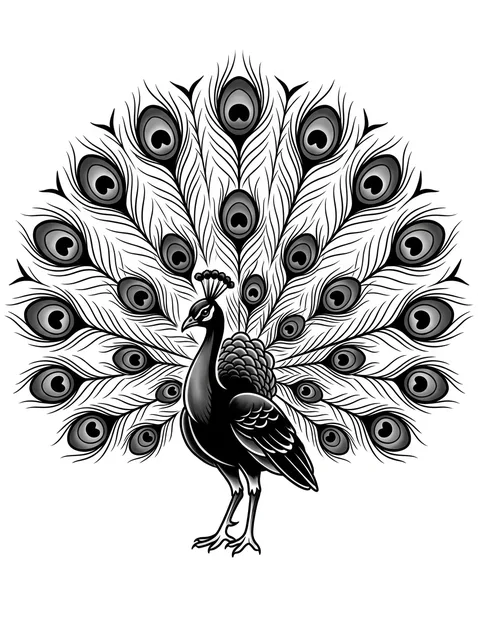
Black and grey neo traditional peacock and feather tattoo design Try it on — Black and grey neo traditional peacock and feather tattoo design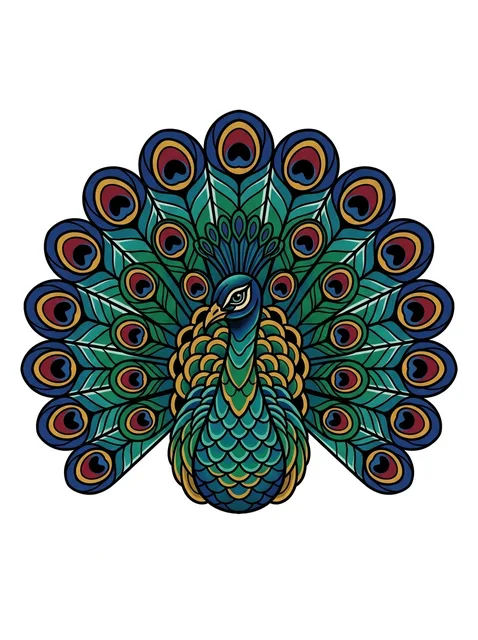
Color illustrative peacock and bird tattoo design Try it on — Color illustrative peacock and bird tattoo design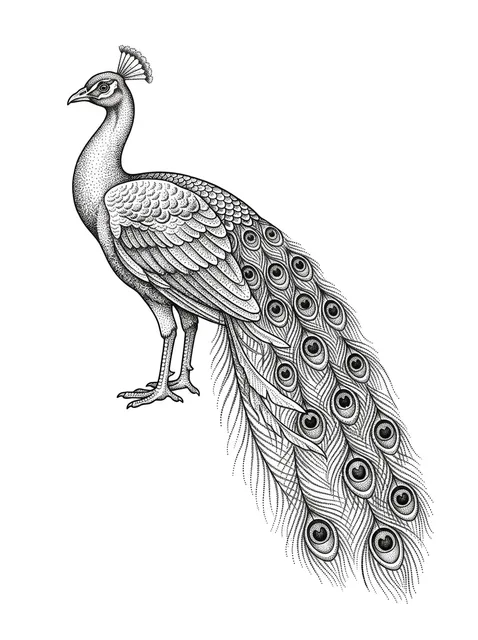
Black and grey dotwork peacock and bird tattoo design Try it on — Black and grey dotwork peacock and bird tattoo design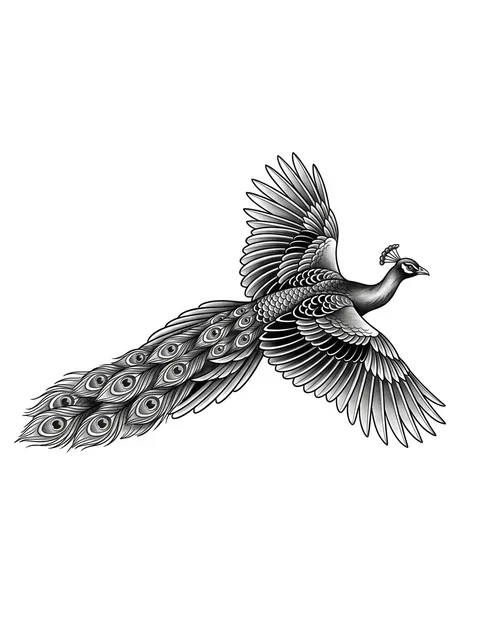
Black and grey neo traditional peacock and bird tattoo design Try it on — Black and grey neo traditional peacock and bird tattoo design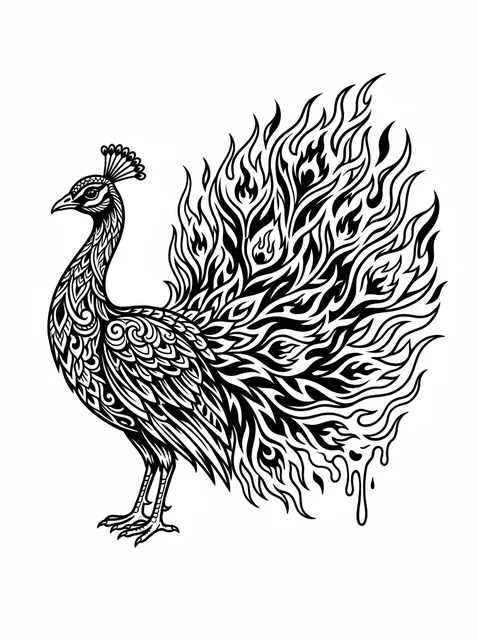
Black and white illustrative peacock and fire tattoo design: a peacock with its tail feathers Try it on — Black and white illustrative peacock and fire tattoo design: a peacock with its tail feathers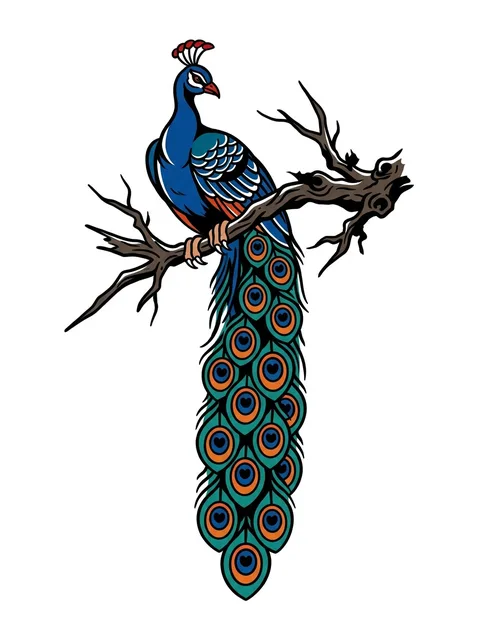
Color neo traditional peacock and bird tattoo design Try it on — Color neo traditional peacock and bird tattoo design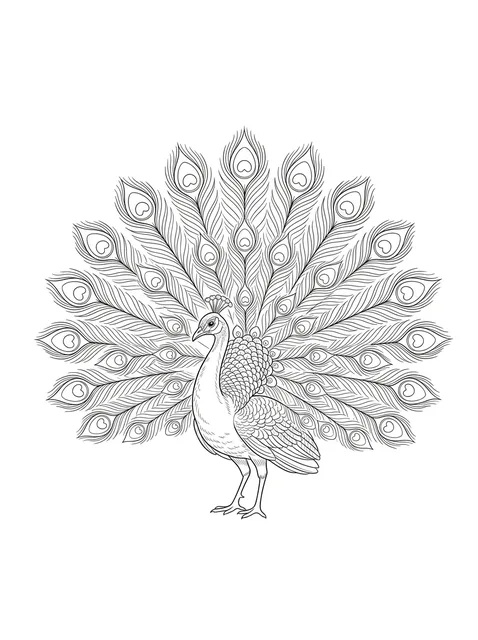
Black and grey illustrative peacock and feather tattoo design Try it on — Black and grey illustrative peacock and feather tattoo design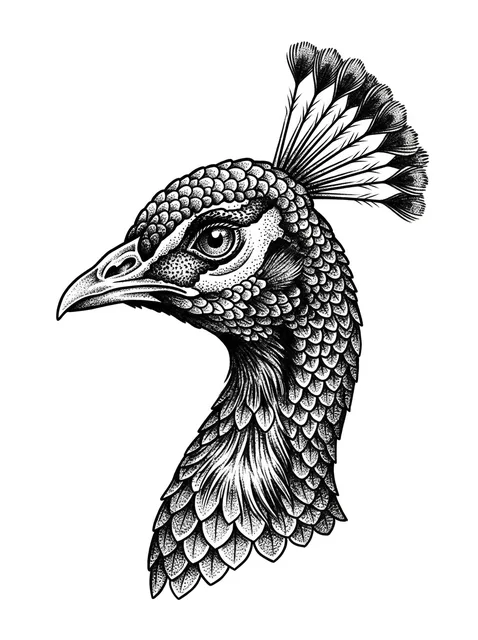
Black and grey dotwork peacock and bird tattoo design: the head and neck of a peacock Try it on — Black and grey dotwork peacock and bird tattoo design: the head and neck of a peacock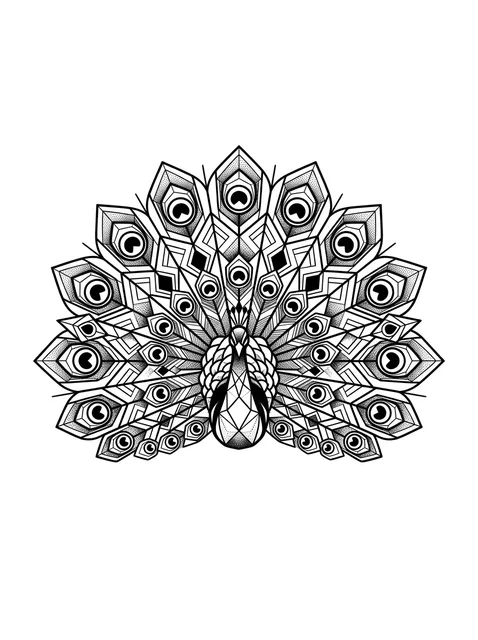
Black and white geometric peacock and bird tattoo design, outline stencil Try it on — Black and white geometric peacock and bird tattoo design, outline stencil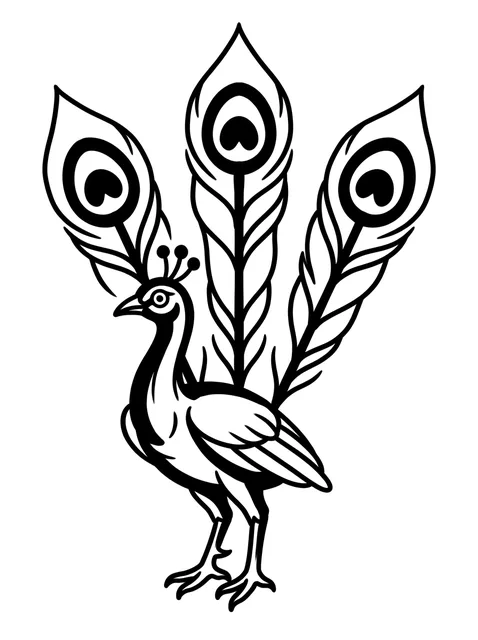
Black and white blackwork peacock and feather tattoo design Try it on — Black and white blackwork peacock and feather tattoo design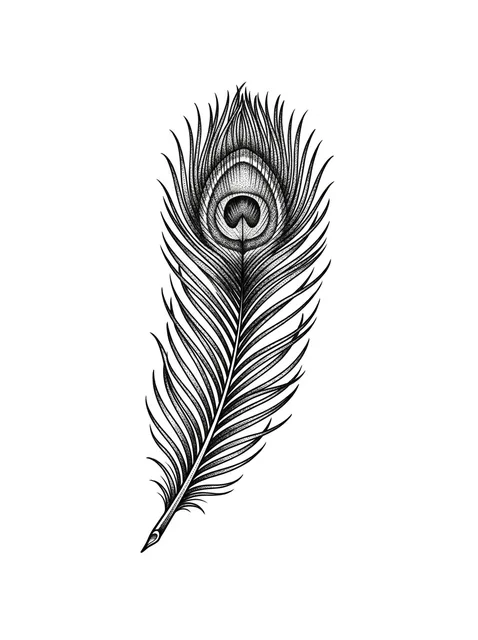
Black and grey dotwork peacock and feather tattoo design: a peacock feather Try it on — Black and grey dotwork peacock and feather tattoo design: a peacock feather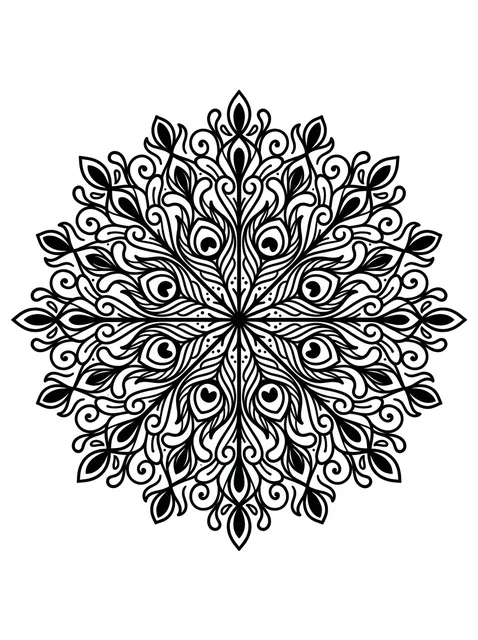
Black and grey ornamental peacock and mandala tattoo design Try it on — Black and grey ornamental peacock and mandala tattoo design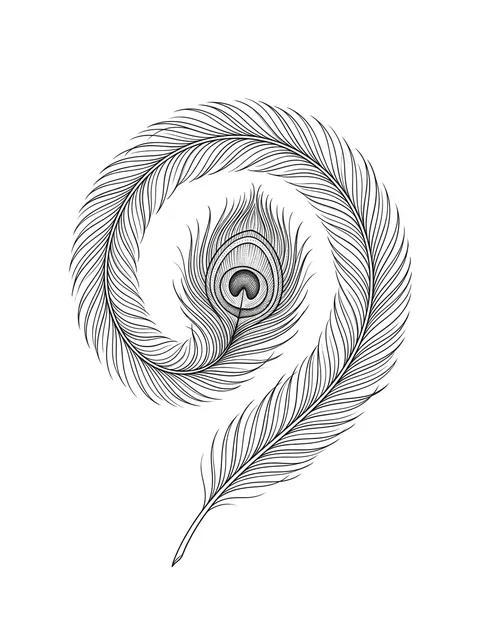
Black and white fine line peacock and feather tattoo design, outline stencil Try it on — Black and white fine line peacock and feather tattoo design, outline stencil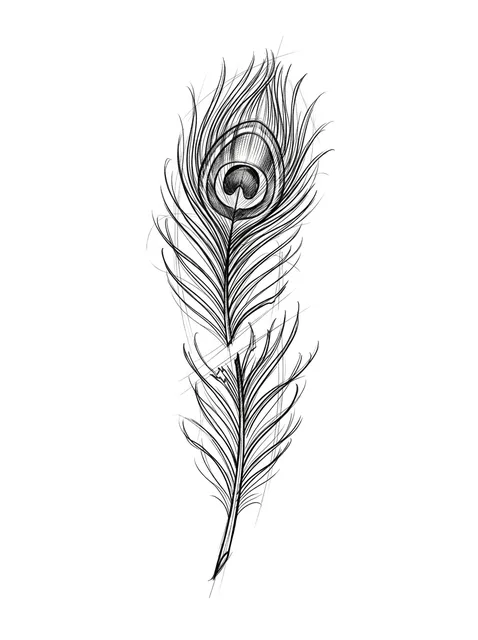
Black and grey sketch peacock and feather tattoo design Try it on — Black and grey sketch peacock and feather tattoo design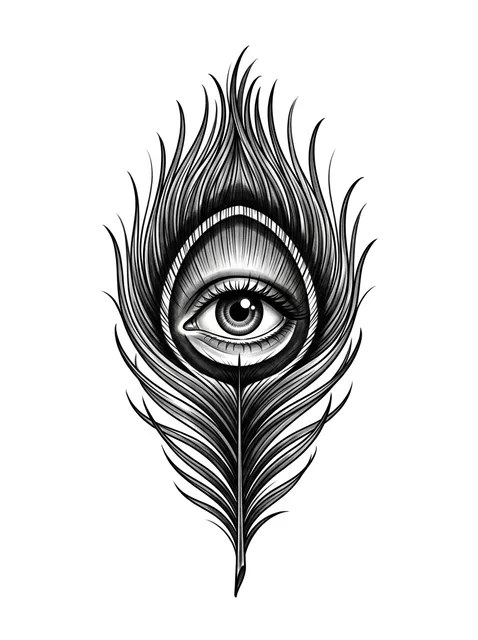
Black and grey illustrative peacock and eye tattoo design Try it on — Black and grey illustrative peacock and eye tattoo design


Tap any design to see it on your own skin in the try-on — no signup.
This set of 20 peacock designs, by the numbers
- Styles represented
- illustrative (7), neo traditional (3), dotwork (3), linework (2), geometric (1), blackwork (1)
- Black-and-grey vs colour
- 85% black-and-grey, 15% colour
- Most often drawn with
- feather, bird, fire, mandala
Counted from the 20 designs shown on this page. Every one was drawn for InkCraft — none are scraped or reposted. Free to reference with a link to this page.
What a peacock tattoo means
The peacock stands for renewal in the oldest traditions that use it, because it sheds and regrows its train every year. That is the same claim a stag makes with antlers, and it is much older than the association with vanity.
The eyespots carry their own story. In the Greek telling the hundred eyes of Argus were set into the tail after he was killed, which makes the bird a watcher rather than a show-off, and explains why the eyespot is drawn as an eye so often.
The vanity reading is European and comparatively recent, arriving through medieval moral writing. It is the one most people know and the one least supported by the older sources, which is worth knowing if the meaning matters to you.
Where the design comes from
The peacock appears in Persian, Indian and Byzantine art for well over a millennium as a symbol of immortality, and in Christian art as a sign of resurrection for the same reason. Tattooing took the bird late and took the European reading with it, which is why a peacock tattoo usually means pride to the viewer and renewal to the informed wearer.
Choosing yours
- Reduce the eyespot count deliberately. Five or eight large eyes hold their detail for decades where forty small ones merge into tone within ten years. This is the single decision that separates a peacock that ages well from one that does not.
- Consider the tail down. Almost every reference shows the train fanned, but a peacock with the tail closed is a more elegant silhouette and a far easier piece to place, since the fan wants a wide field that most of the body does not offer.
Size, cost and placement
How big, and what it costs
A single feather is a one-to-two-hour piece. A full bird with a fanned tail is a half-day at minimum and wants 20 cm or more, because the fan is wider than it is tall and compressing it is what destroys the eyespots.
Where it sits, and how much it hurts
A fanned tail wants width: the thigh, the centre of the back, the chest. A bird with the tail down, or a single feather, follows a long field like a forearm or a calf far more naturally.
What to ask your artist
- How many eyespots the design will carry, and whether that count survives ink spread.
- Whether the field is wide enough for a fan, or whether the tail should come down.
- If black and grey, how the iridescence will be suggested without colour.
Prices vary widely by city and artist — treat these as session lengths rather than quotes, and expect a shop minimum on anything small. The cost guide turns hours into money by size, placement and style.
Common questions
Is a peacock about vanity or renewal?
Renewal in the older traditions, because the bird sheds and regrows its train every year. The vanity reading is European and comparatively recent. The Greek version makes it a watcher, since the hundred eyes of Argus were set into the tail.
How many eyespots should it have?
Fewer than you think. Five or eight large ones hold their detail for decades; forty small ones merge into grey tone within ten years. Reducing the count is the single decision that decides whether the piece ages well.
Does a peacock have to be in colour?
No, but it is the one subject where colour is closest to essential. The bird is defined by iridescence, and black and grey has to work considerably harder to say what a few saturated hues say immediately.
Where does a fanned tail fit?
It needs a wide field rather than a long one, which is why the thigh, the centre of the back and the chest work and a forearm rarely does. A closed tail solves the placement problem entirely and is the more elegant silhouette.
See it on your skin before you commit
InkCraft places any of these designs on a photo of you — scaled, wrapped and shaded to the placement you pick.