 InkCraft
Elephant Tattoo Ideas, Designs and Meaning
20 original elephant designs drawn for InkCraftBy Uladzimir TumanauUpdated
The elephant tattoo has collapsed into one image: a head facing forward with a mandala worked into it. Giving the ornament a boundary where the ears begin is what stops the pattern swallowing the animal.
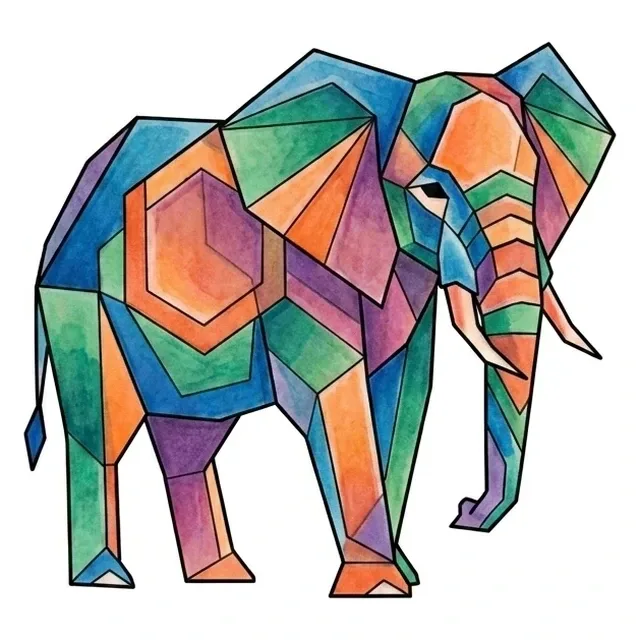
Color geometric elephant tattoo design, outline stencil Try it on — Color geometric elephant tattoo design, outline stencil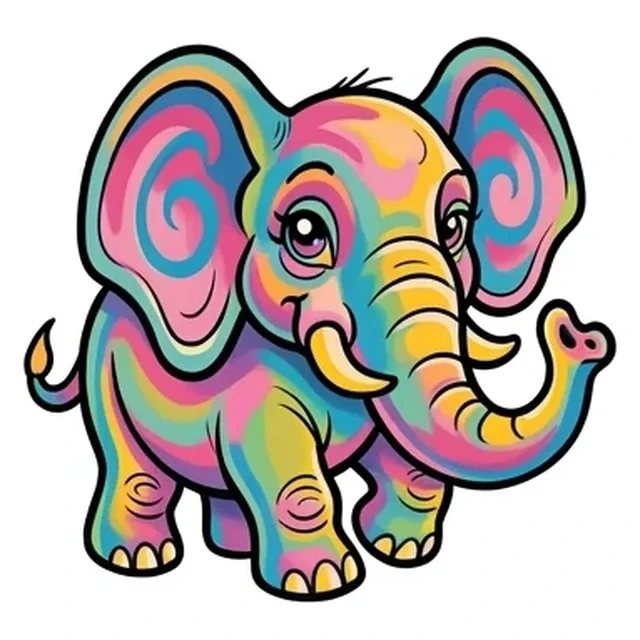
Color new school elephant tattoo design: a cute baby elephant Try it on — Color new school elephant tattoo design: a cute baby elephant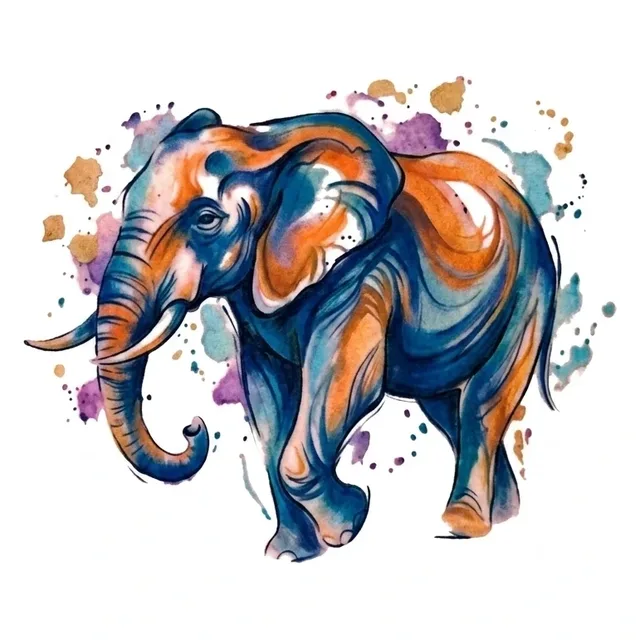
Color watercolor elephant tattoo design Try it on — Color watercolor elephant tattoo design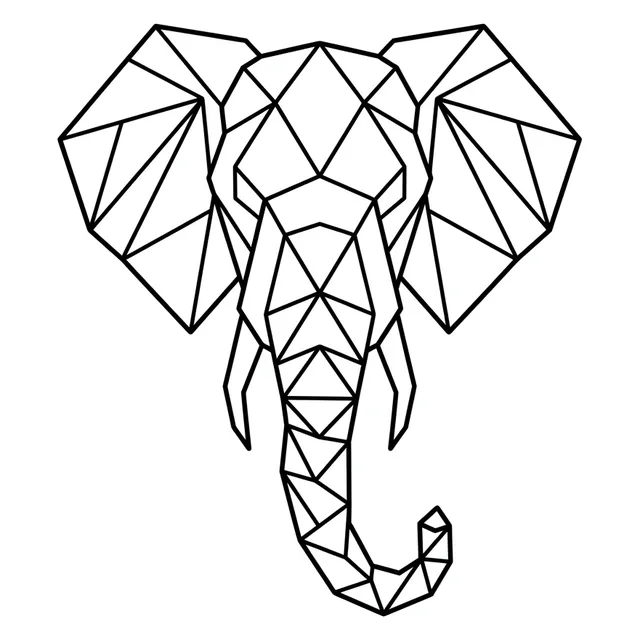
Black and white geometric elephant tattoo design, outline stencil: an elephant's head Try it on — Black and white geometric elephant tattoo design, outline stencil: an elephant's head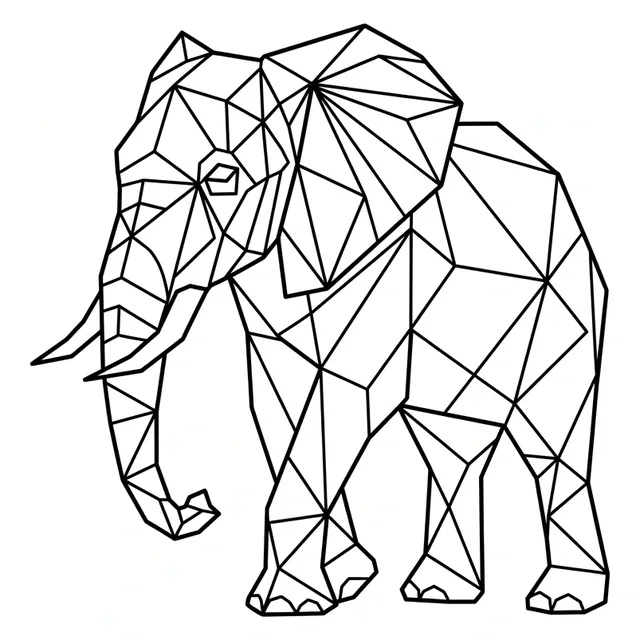
Black and white geometric elephant tattoo design, outline stencil Try it on — Black and white geometric elephant tattoo design, outline stencil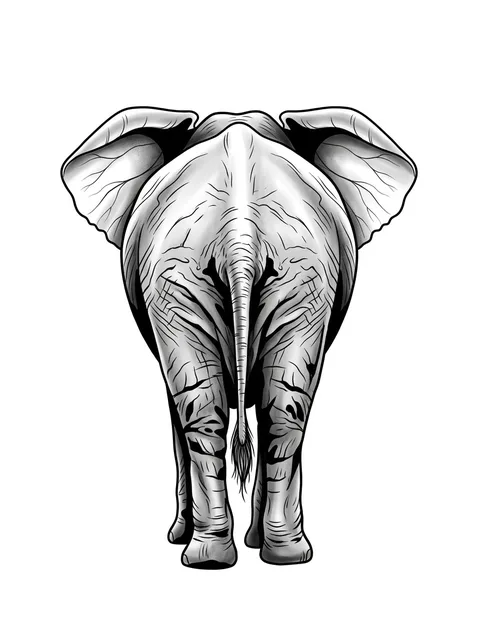
Black and grey illustrative elephant tattoo design: an elephant, viewed from behind Try it on — Black and grey illustrative elephant tattoo design: an elephant, viewed from behind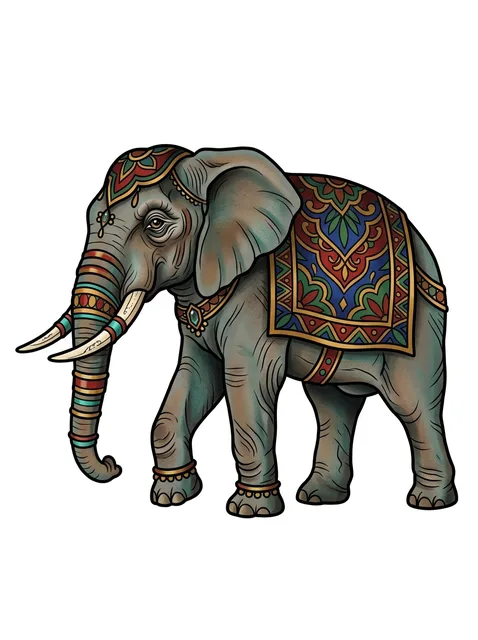
Color neo traditional elephant tattoo design Try it on — Color neo traditional elephant tattoo design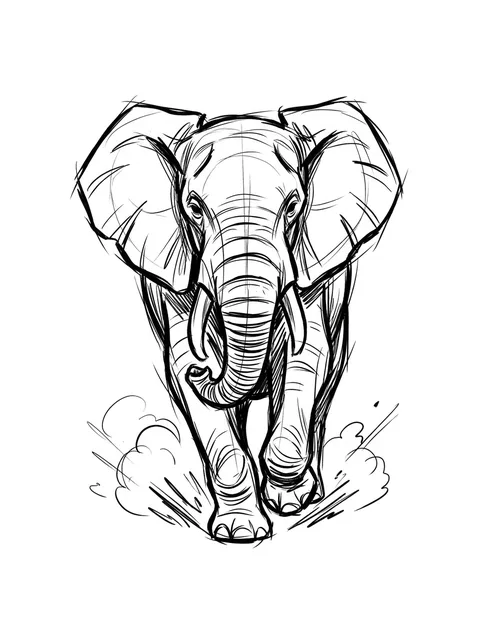
Black and grey sketch elephant tattoo design: an elephant charging forward Try it on — Black and grey sketch elephant tattoo design: an elephant charging forward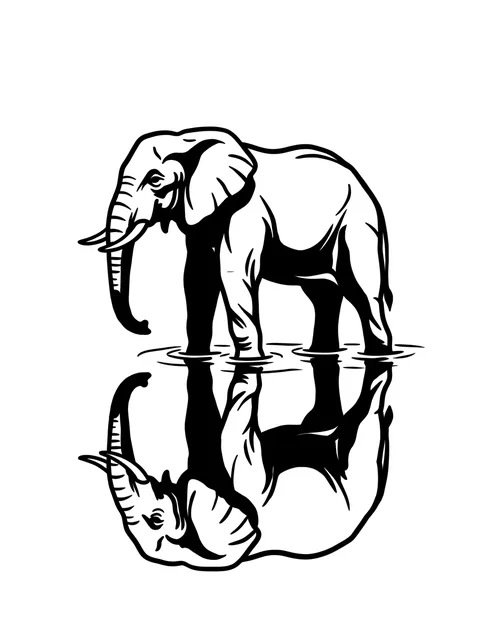
Black and white blackwork elephant tattoo design Try it on — Black and white blackwork elephant tattoo design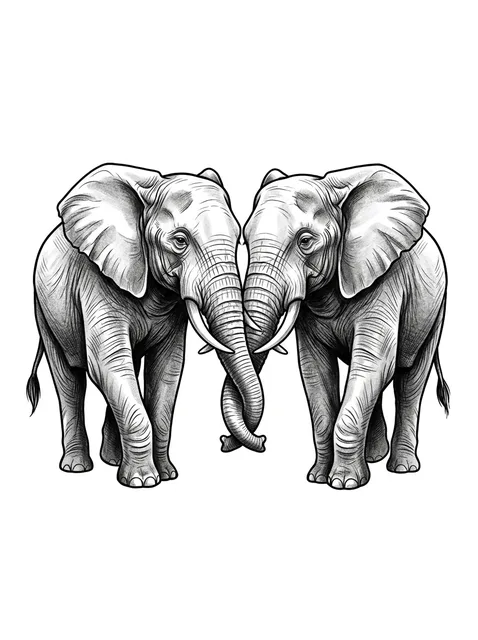
Black and grey illustrative elephant tattoo design Try it on — Black and grey illustrative elephant tattoo design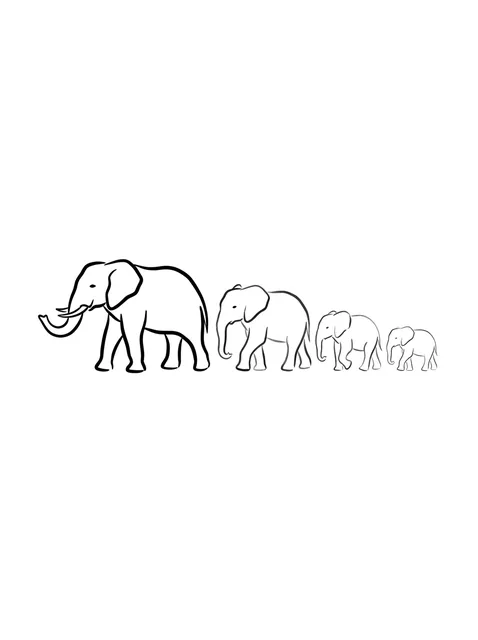
Black and white linework elephant tattoo design, outline stencil Try it on — Black and white linework elephant tattoo design, outline stencil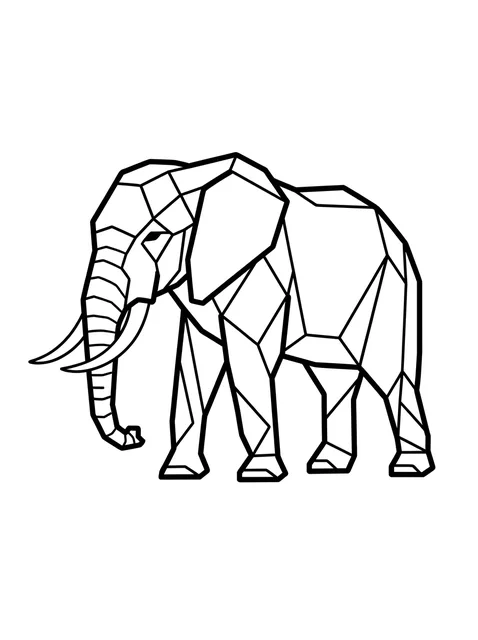
Black and white geometric elephant tattoo design, outline stencil Try it on — Black and white geometric elephant tattoo design, outline stencil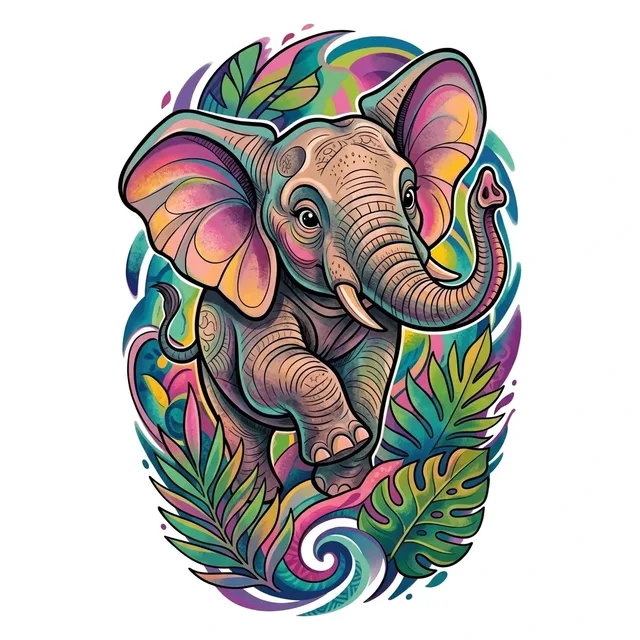
Color illustrative elephant and leaf tattoo design Try it on — Color illustrative elephant and leaf tattoo design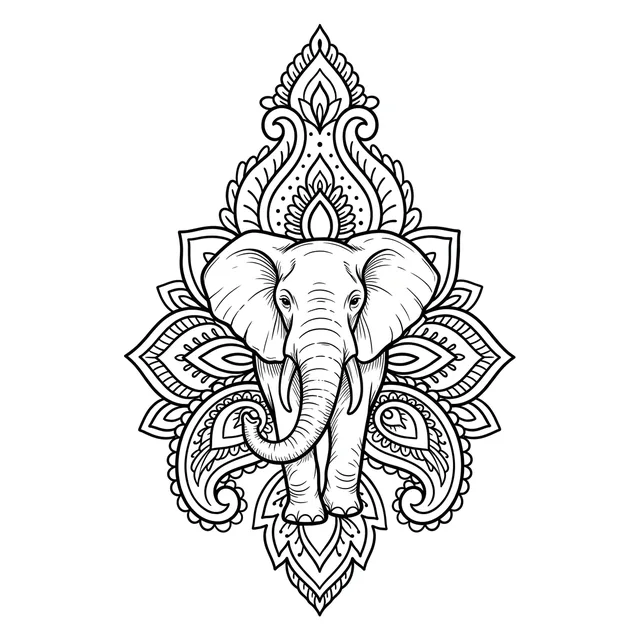
Black and grey illustrative elephant and mandala tattoo design Try it on — Black and grey illustrative elephant and mandala tattoo design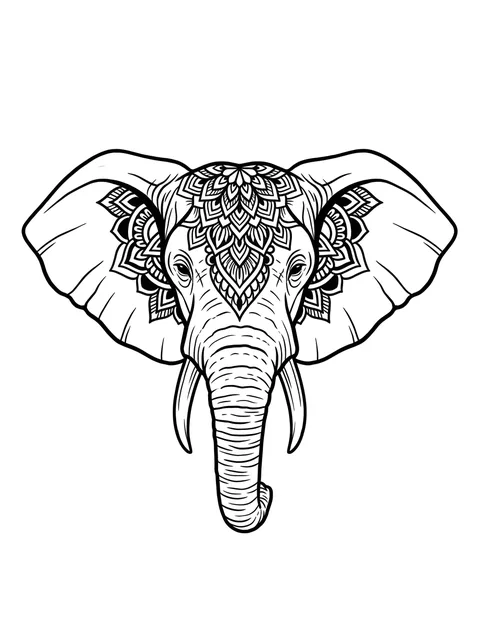
Black and grey illustrative elephant and mandala tattoo design Try it on — Black and grey illustrative elephant and mandala tattoo design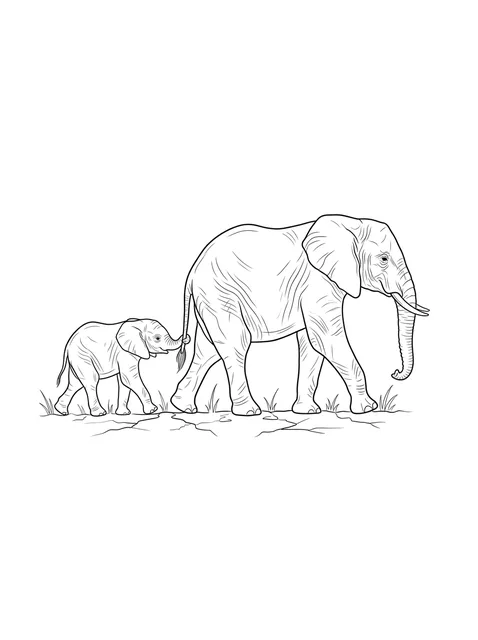
Black and grey illustrative elephant and mother and child tattoo design Try it on — Black and grey illustrative elephant and mother and child tattoo design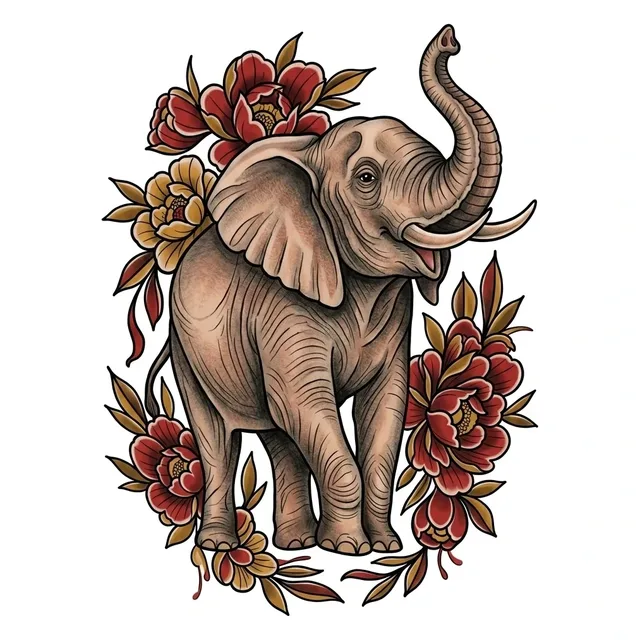
Color neo traditional elephant and peony tattoo design Try it on — Color neo traditional elephant and peony tattoo design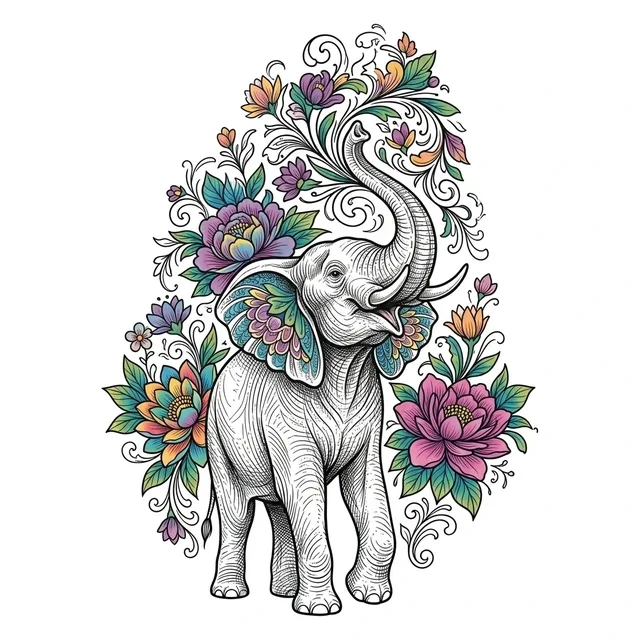
Color illustrative elephant and flower tattoo design Try it on — Color illustrative elephant and flower tattoo design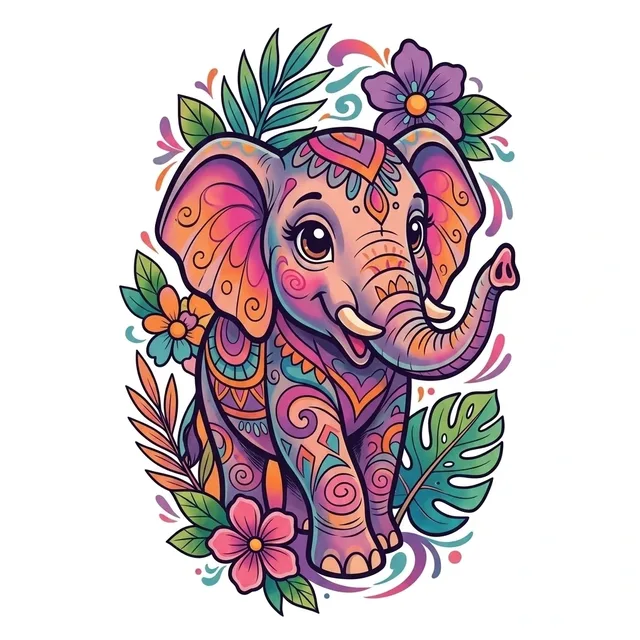
Color illustrative elephant and flower tattoo design Try it on — Color illustrative elephant and flower tattoo design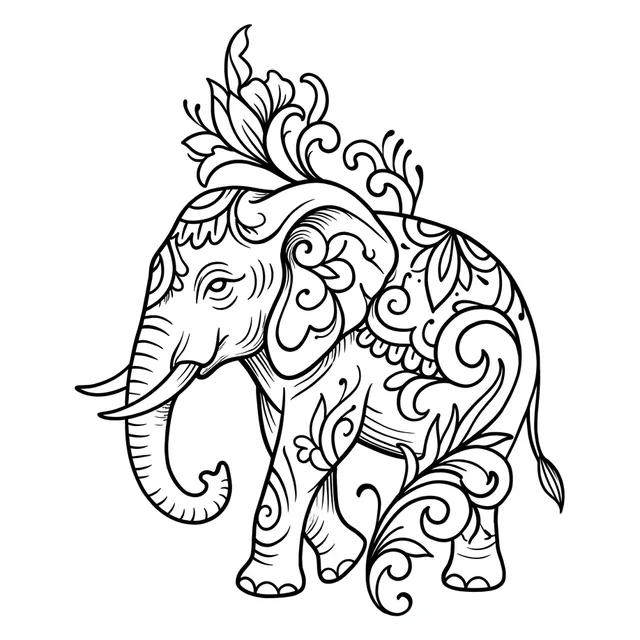
Black and grey ornamental elephant and flower tattoo design Try it on — Black and grey ornamental elephant and flower tattoo design


Tap any design to see it on your own skin in the try-on — no signup.
This set of 20 elephant designs, by the numbers
- Styles represented
- illustrative (8), geometric (4), neo traditional (2), new school (1), watercolor (1), sketch (1)
- Black-and-grey vs colour
- 60% black-and-grey, 40% colour
- Most often drawn with
- flower, leaf, mandala, vine
Counted from the 20 designs shown on this page. Every one was drawn for InkCraft — none are scraped or reposted. Free to reference with a link to this page.
What a elephant tattoo means
The elephant carries memory more than strength, and the reputation is broadly earned. Matriarchs hold decades of route and water knowledge that the herd depends on, and elephants demonstrably recognise individuals after many years apart. When people say an elephant never forgets, the tattoo meaning they are reaching for is usually about carrying the past deliberately rather than about intelligence.
In Hindu practice the elephant is Ganesha, the remover of obstacles, and is invoked at the start of things — new ventures, journeys, undertakings. That gives it a forward-looking reading quite unlike the memorial one, and the two coexist in the same image without anyone noticing the tension.
Buddhist use adds the white elephant, which appears in the account of the Buddha's conception and stands for mental strength brought under control. The image of a wild grey elephant gradually turning white through training is a standard teaching illustration, and it is the source of the calm-power reading the animal now carries generally.
Grief is the reading people least expect and the one that holds up best. Elephants return to the bones of their dead, handle them and stay with them, which is documented rather than folkloric. An elephant worn as a memorial piece is a considerably more specific choice than it appears.
Where the design comes from
The elephant reached western tattooing through two channels that produced very different drawings. The first was the circus and the sideshow of the late nineteenth century, where tattooed performers worked alongside elephants and the animal entered flash as a spectacle — trunk raised, on a ball, in harness. The second and far more influential channel was the Thai and Indian devotional tradition, where the elephant is sacred and is drawn with the ornamental head-dressing that western artists later abstracted into the mandala-faced elephant now seen everywhere. That modern version is essentially a 2010s invention built on a much older ornamental vocabulary it no longer references.
Choosing yours
- Give ornament a stopping point. A mandala worked across the forehead and ears that continues indefinitely turns the elephant into wallpaper; ending it cleanly at the ear edge keeps an animal in the picture.
- Consider the parts instead of the whole. A trunk curled into a spiral, a single torn ear or a skull with both tusks are complete compositions, and they are far more interesting than another front-facing head.
- Decide trunk up or trunk down and mean it. A raised trunk reads as celebration and good fortune in most traditions, a lowered one as calm or mourning. It is the one detail on this subject with a widely shared meaning.
Size, cost and placement
How big, and what it costs
A small silhouette is a shop-minimum piece. An ornamental head at 15-20 cm is four to six hours, since mandala work is slow precise line drawing with no shortcuts. A realistic elephant with rendered skin is the most expensive version here, because the wrinkling is essentially a texture study across the whole surface.
Where it sits, and how much it hurts
Ornamental heads want a broad flat panel: the outer thigh, the shoulder blade, the chest, the upper arm. Small silhouettes and trunk studies work on the forearm and the ankle. Symmetrical front-facing designs need a placement that does not curve, or the mandala will look skewed from every angle but one.
What to ask your artist
- Where the ornament stops, and to mark that boundary on the stencil before it goes on.
- Whether the mandala line weight will hold at your size, and to thicken it now if it will not.
- If you want Ganesha specifically rather than an elephant, to discuss placement, since the conventions around depicting a deity are real and worth respecting.
Prices vary widely by city and artist — treat these as session lengths rather than quotes, and expect a shop minimum on anything small. The cost guide turns hours into money by size, placement and style.
Common questions
Does the direction of the trunk matter?
Yes, and it is one of the few reliable conventions here. A raised trunk is associated with luck and celebration; a lowered trunk reads as calm, rest or mourning. Artists will often default to raised without asking, so say which you want.
Is an elephant with a mandala on it appropriative?
The specific mandala-faced design is largely a western tattoo invention rather than a sacred image, so it carries little risk. A Ganesha depiction is different — that is an actual deity, and many Hindus consider placement below the waist disrespectful. Worth asking about rather than assuming.
How large does an elephant need to be?
A silhouette works small, around 6 cm. An ornamental head needs 15 cm or more, because the pattern is fine repeated line work and it merges into grey below that. The skin texture on a realistic elephant needs more room still.
What a elephant tattoo can mean
The meanings this motif carries on the pages that argue them. Each line is that page's own reason for including it.
- Father and daughter tattoos
- Herds are matriarchal and the young are raised collectively, which makes a large and small elephant walking trunk-to-tail a pairing with an actual behaviour behind it rather than an invented one.
See it on your skin before you commit
InkCraft places any of these designs on a photo of you — scaled, wrapped and shaded to the placement you pick.