 InkCraft
Peony Tattoo Ideas, Designs and Meaning
26 original peony designs drawn for InkCraftBy Uladzimir TumanauUpdated
Japanese work calls it the king of flowers and pairs it with the lion-dog: prosperity and bravery, not romance. It is built from overlapping layers of petal, and that structure is what identifies it — below about 8 cm the layers merge into a rosette.
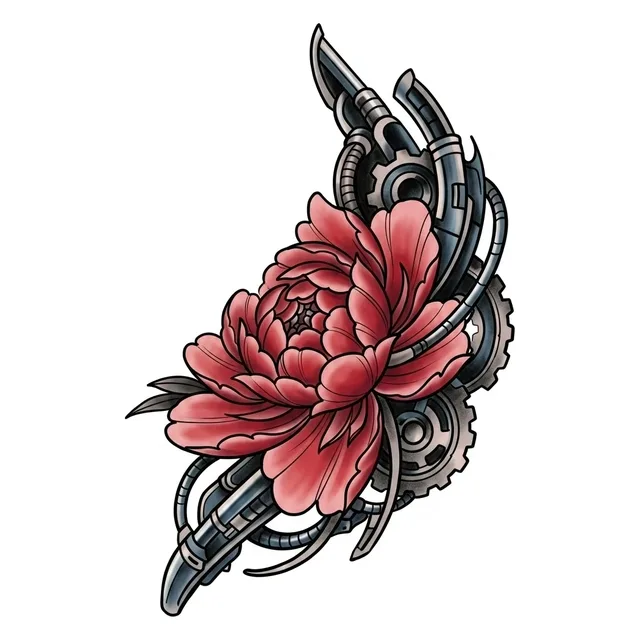
Color biomechanical peony tattoo design Try it on — Color biomechanical peony tattoo design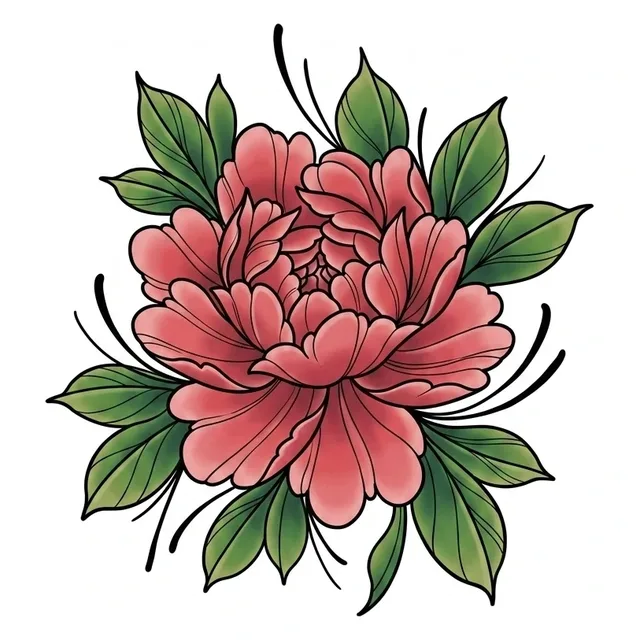
Color neo traditional peony and leaf tattoo design: a lush pink peony with green leaves Try it on — Color neo traditional peony and leaf tattoo design: a lush pink peony with green leaves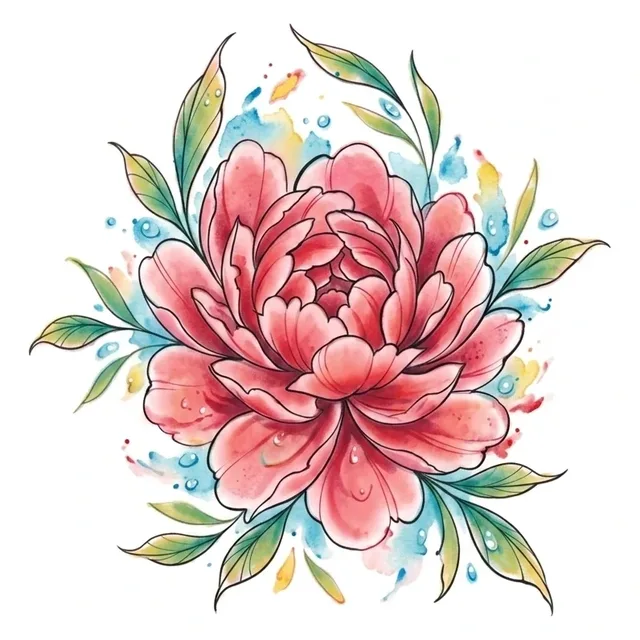
Color watercolor peony and leaf tattoo design: a large, detailed pink peony with green leaves Try it on — Color watercolor peony and leaf tattoo design: a large, detailed pink peony with green leaves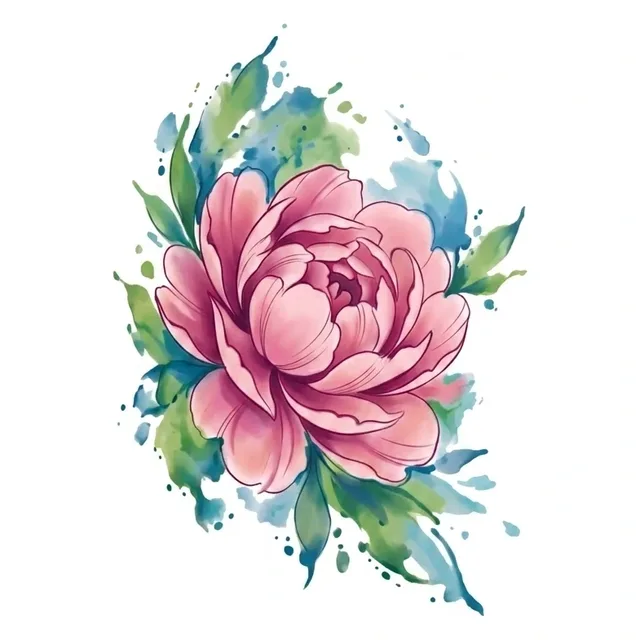
Color watercolor peony and flower tattoo design Try it on — Color watercolor peony and flower tattoo design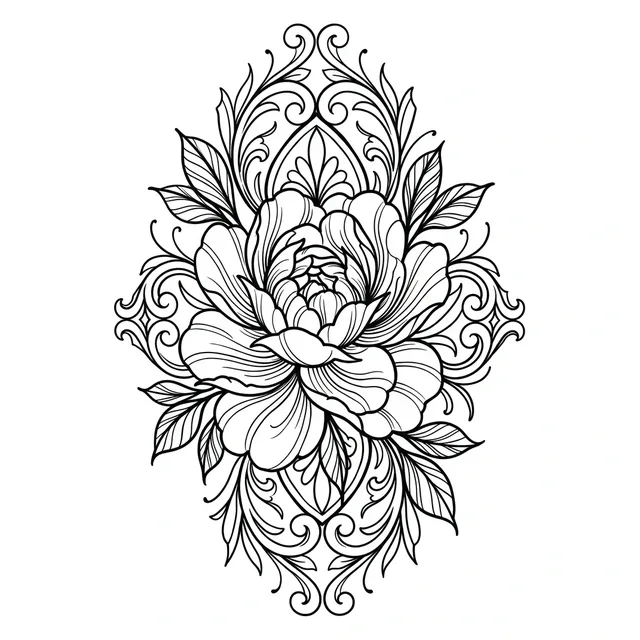
Black and white ornamental peony and leaf tattoo design: a central peony flower Try it on — Black and white ornamental peony and leaf tattoo design: a central peony flower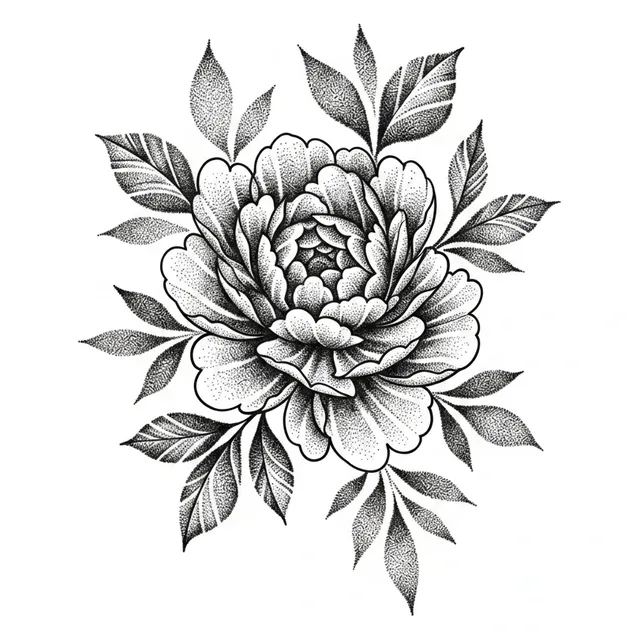
Black and grey dotwork peony and leaf tattoo design: a soft, textured appearance Try it on — Black and grey dotwork peony and leaf tattoo design: a soft, textured appearance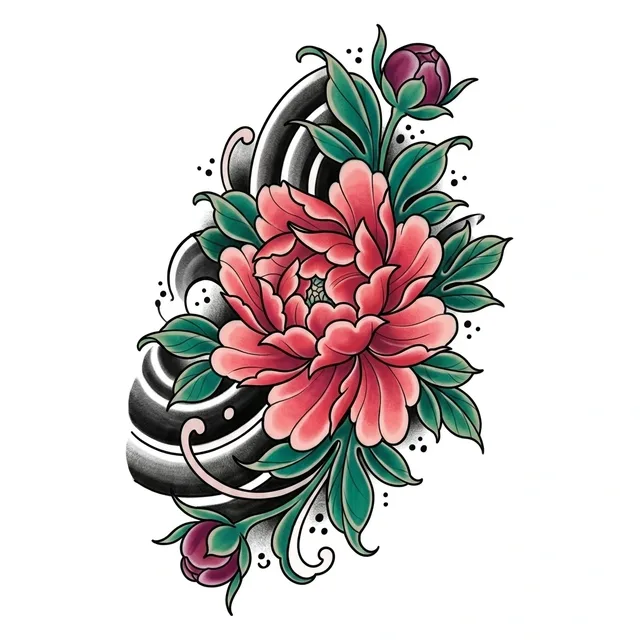
Color Japanese peony and flower tattoo design: a large, detailed pink peony in full bloom Try it on — Color Japanese peony and flower tattoo design: a large, detailed pink peony in full bloom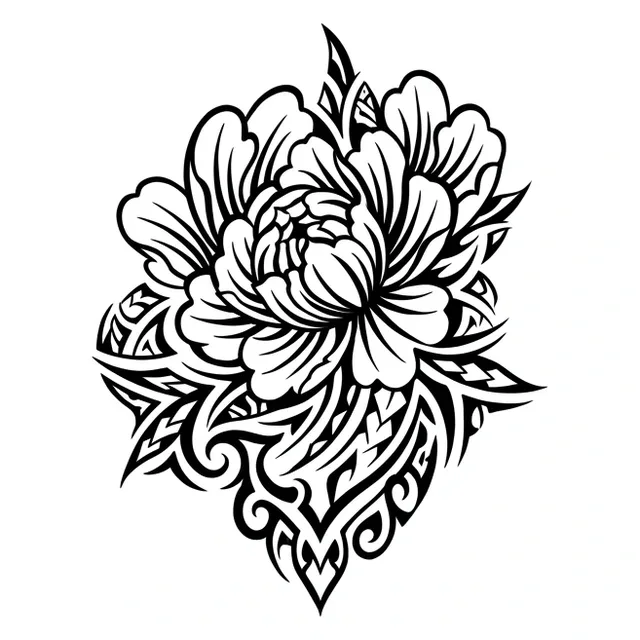
Black and white tribal peony and flower tattoo design Try it on — Black and white tribal peony and flower tattoo design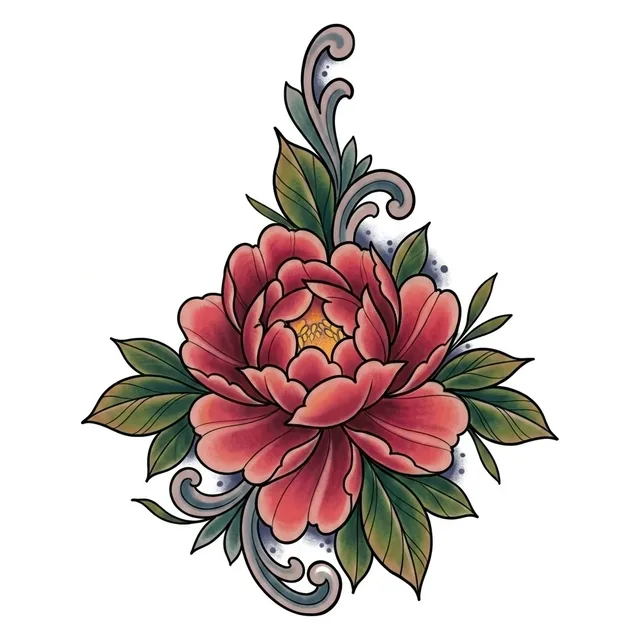
Color neo traditional peony and leaf tattoo design: a yellow center, surrounded by deep green leaves Try it on — Color neo traditional peony and leaf tattoo design: a yellow center, surrounded by deep green leaves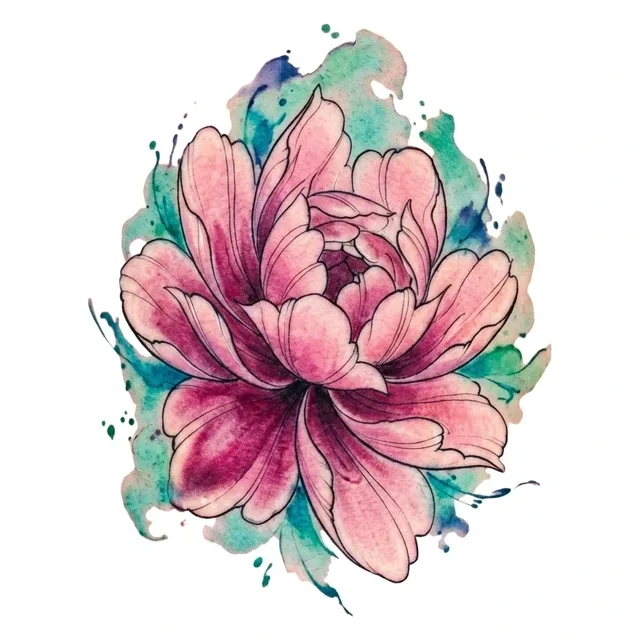
Color watercolor peony and flower tattoo design: a pink peony with black outlines Try it on — Color watercolor peony and flower tattoo design: a pink peony with black outlines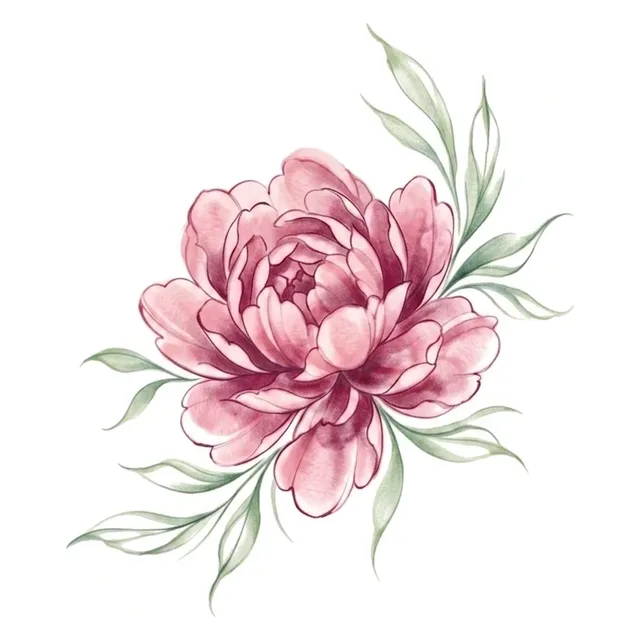
Color watercolor peony and flower tattoo design: a lush pink peony with delicate green leaves Try it on — Color watercolor peony and flower tattoo design: a lush pink peony with delicate green leaves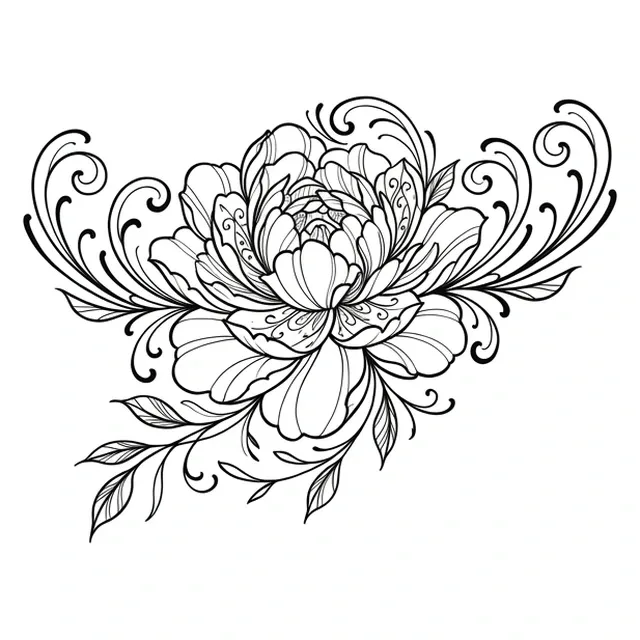
Black and white fine line peony and leaf tattoo design, outline stencil Try it on — Black and white fine line peony and leaf tattoo design, outline stencil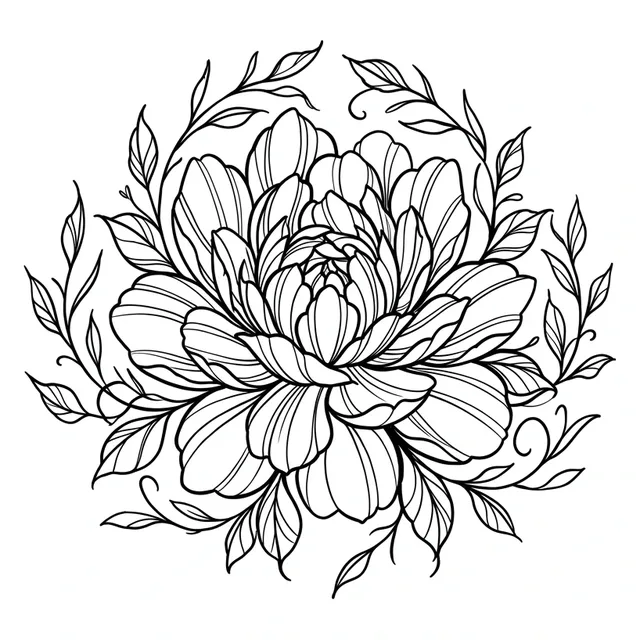
Black and white linework peony and leaf tattoo design, outline stencil Try it on — Black and white linework peony and leaf tattoo design, outline stencil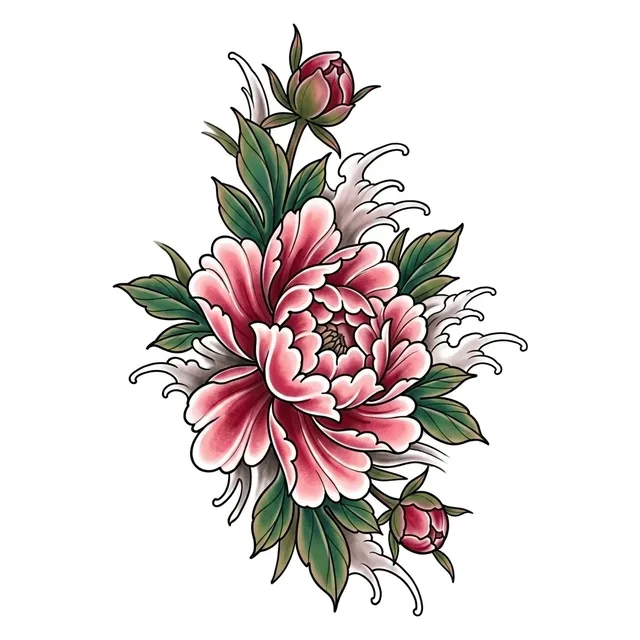
Color Japanese peony and flower tattoo design Try it on — Color Japanese peony and flower tattoo design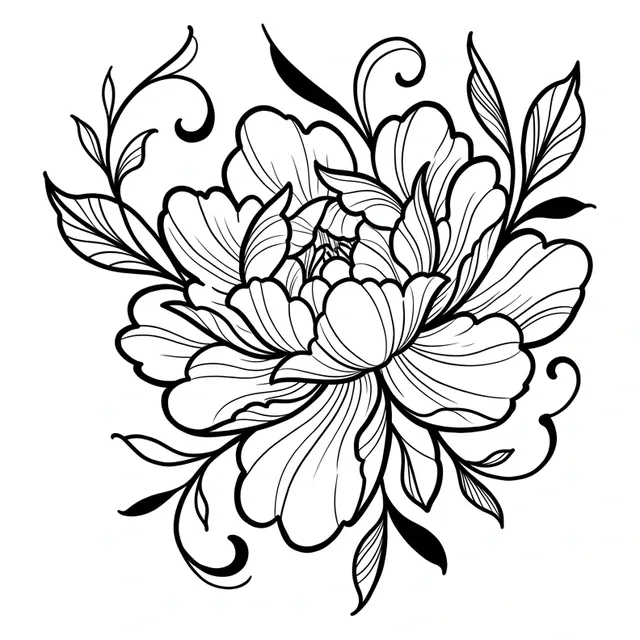
Black and white fine line peony and leaf tattoo design, outline stencil Try it on — Black and white fine line peony and leaf tattoo design, outline stencil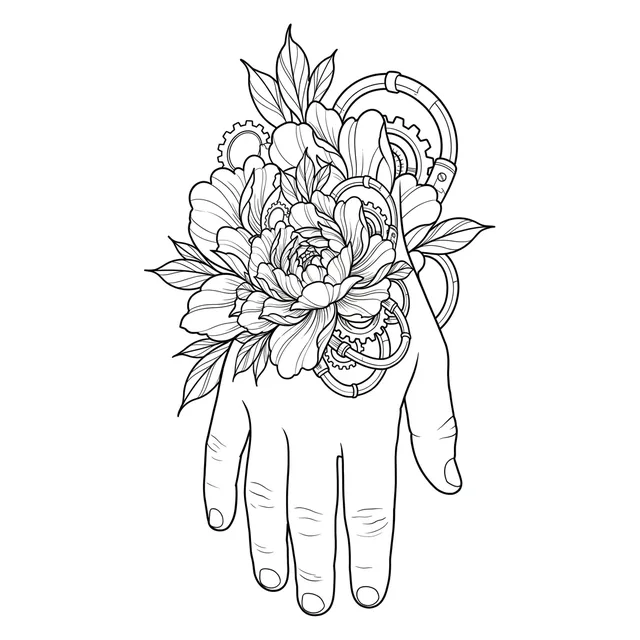
Black and grey illustrative peony and hand tattoo design Try it on — Black and grey illustrative peony and hand tattoo design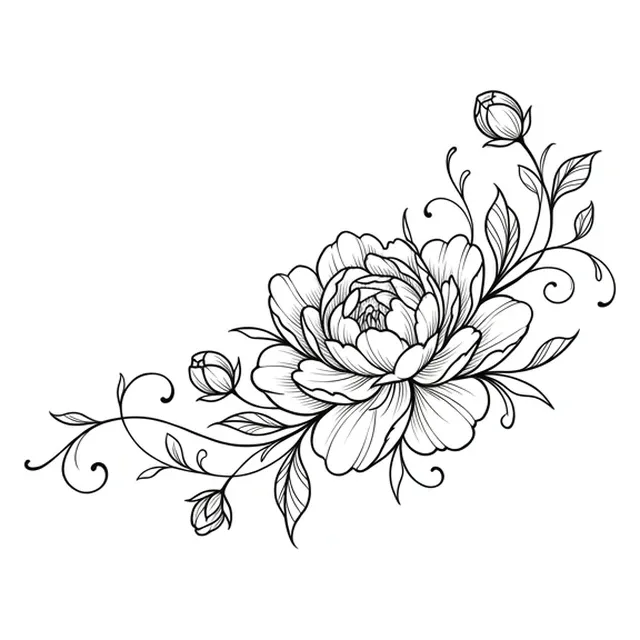
Black and white fine line peony and flower tattoo design, outline stencil Try it on — Black and white fine line peony and flower tattoo design, outline stencil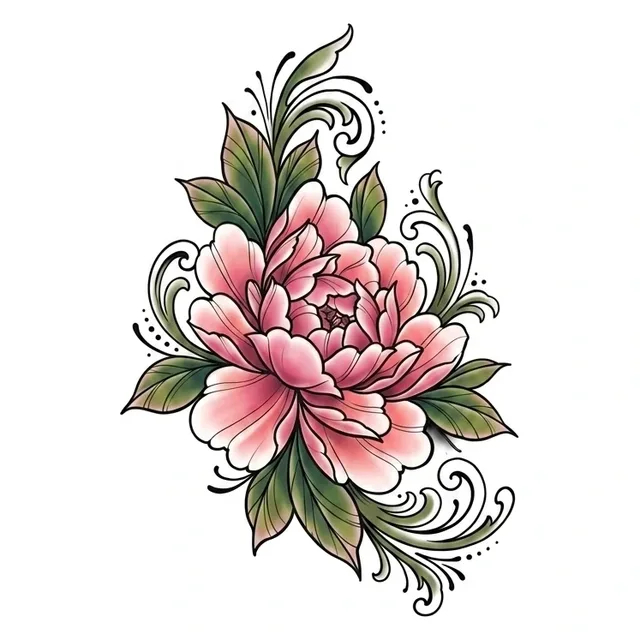
Color neo traditional peony and flower tattoo design Try it on — Color neo traditional peony and flower tattoo design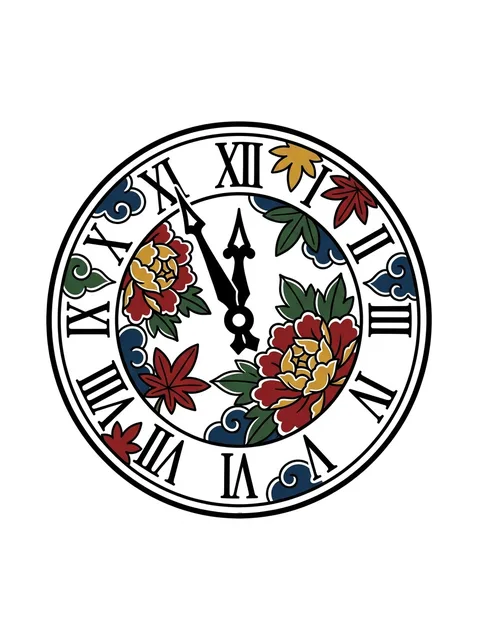
Color Japanese peony and clock tattoo design: a clock face with Roman numerals Try it on — Color Japanese peony and clock tattoo design: a clock face with Roman numerals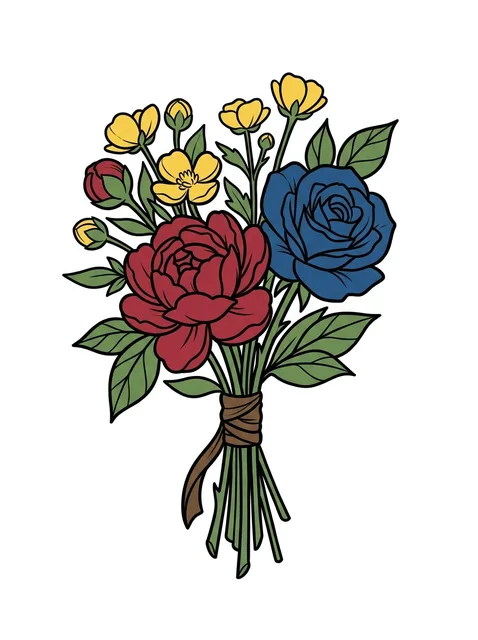
Color neo traditional peony and flower tattoo design: a bouquet of flowers Try it on — Color neo traditional peony and flower tattoo design: a bouquet of flowers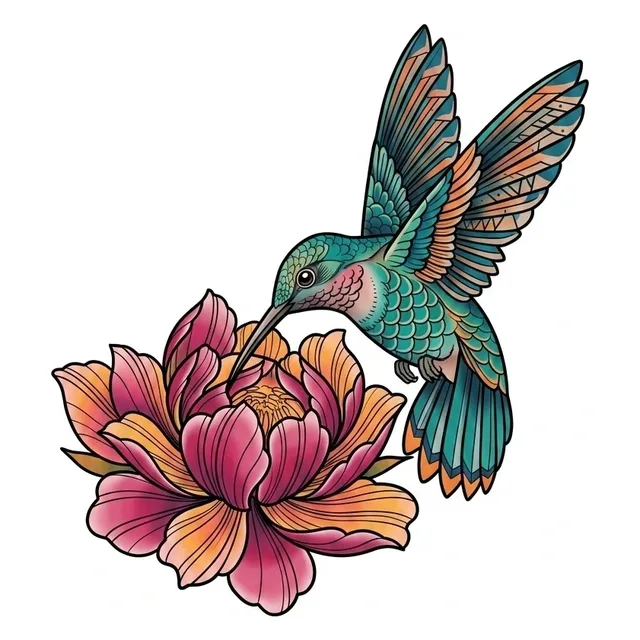
Color neo traditional peony and hummingbird tattoo design: a hummingbird hovering over a peony Try it on — Color neo traditional peony and hummingbird tattoo design: a hummingbird hovering over a peony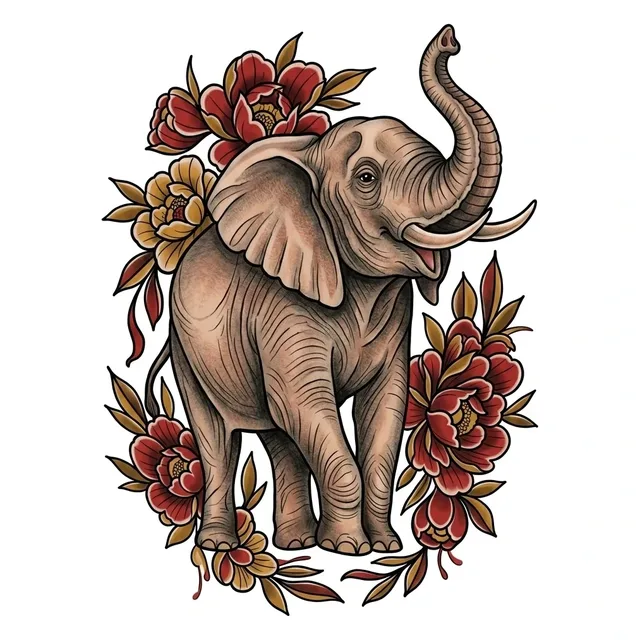
Color neo traditional peony and elephant tattoo design Try it on — Color neo traditional peony and elephant tattoo design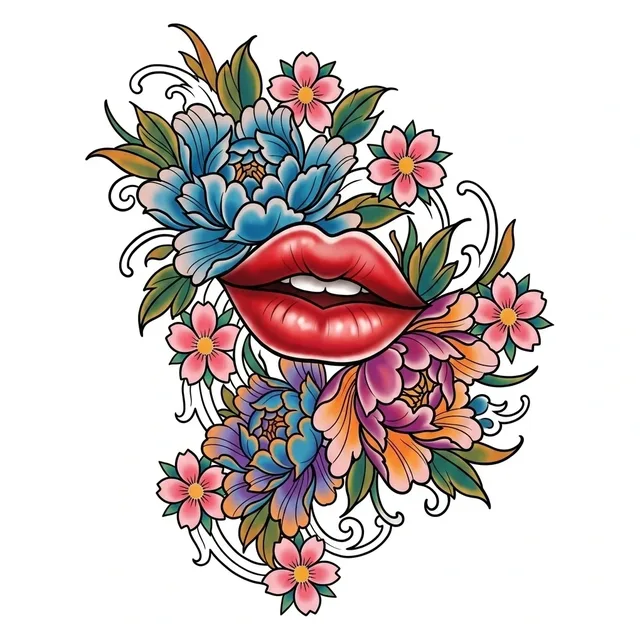
Color neo traditional peony and lips tattoo design Try it on — Color neo traditional peony and lips tattoo design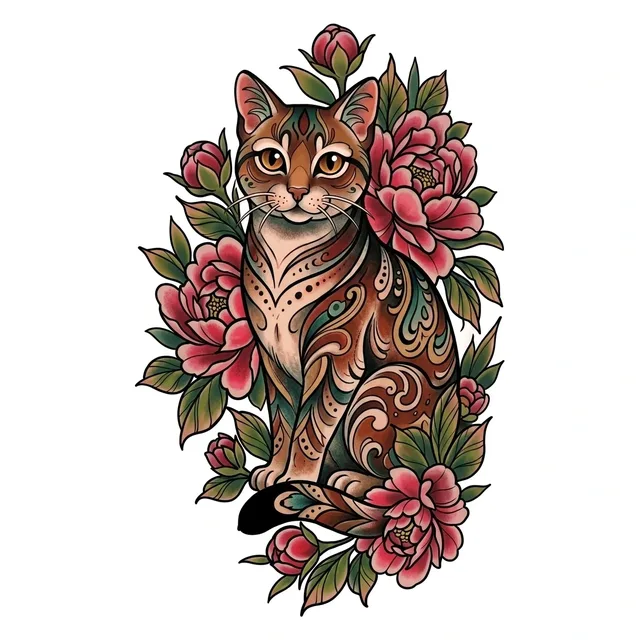
Color neo traditional peony and cat tattoo design Try it on — Color neo traditional peony and cat tattoo design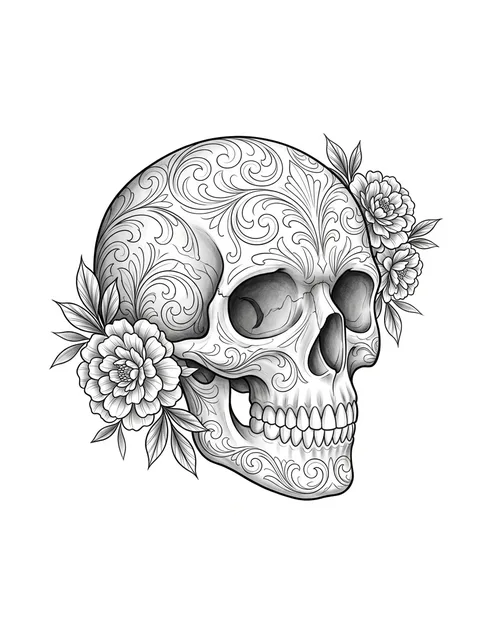
Black and grey illustrative peony and skull tattoo design Try it on — Black and grey illustrative peony and skull tattoo design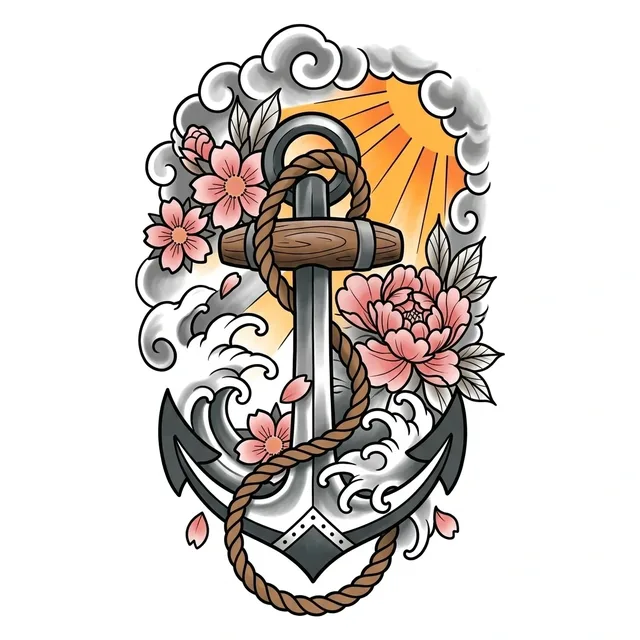
Color neo traditional peony and anchor tattoo design Try it on — Color neo traditional peony and anchor tattoo design


Tap any design to see it on your own skin in the try-on — no signup.
This set of 26 peony designs, by the numbers
- Styles represented
- neo traditional (9), watercolor (4), japanese asian (3), fine line (3), illustrative (2), biomechanical (1)
- Black-and-grey vs colour
- 35% black-and-grey, 65% colour
- Most often drawn with
- flower, leaf, vine, hand
Counted from the 26 designs shown on this page. Every one was drawn for InkCraft — none are scraped or reposted. Free to reference with a link to this page.
What a peony tattoo means
In Japanese work the peony is the "king of flowers", and the meaning attached to it is not delicacy but standing: wealth, good fortune, and a kind of bravery that does not need to announce itself. It is conventionally paired with the lion-dog, and that pairing is the clue to how it is supposed to be read — the flower is the bold half of the image, not the soft half.
That is the main thing people get wrong about it. A peony looks like a romantic flower and is usually chosen as one, but in the tradition it comes from it is closer to a heraldic device. If you want a flower that says tenderness, a rose or cherry blossom carries that; the peony carries prosperity and nerve.
In Chinese use the associations run in a similar direction — honour, prosperity, a flower fit for an empress — and there it is tied specifically to feminine power rather than to romance. Either reading gives you a flower about status rather than affection.
There is also a Western reading that has nothing to do with either: the peony as the flower of a specific month or a specific person, worn as a marker the way any birth flower is. That is a perfectly good reason to wear one, and it is worth saying out loud at the consultation, because it changes how the piece should be drawn.
Where the design comes from
The peony arrived in Japanese tattooing through Chinese painting, where it had been the flower of rank for centuries, and it entered the Western tattoo vocabulary largely through Japanese-influenced work in the twentieth century rather than through traditional flash. That route explains its conventions: it is drawn with many layered petals and a deep centre because Chinese brush painting rendered it that way, and it is usually large because it was designed to sit inside a full-body composition rather than to stand alone on a wrist. The bloom is also botanically enormous — a real peony head is often 15 cm across — so tattooing it small is a departure from the flower, not just from the style.
Choosing yours
- Size it generously or change the flower. The peony is built from overlapping layers of petal, and that structure is what identifies it — shrink it below about 8 cm and the layers merge into a rosette that could be any bloom. This is the single most common disappointment with the motif.
- Decide whether it is a Japanese peony or a botanical one. The Japanese version has a bold outline, stylised petal edges and usually a background; the botanical version is softly shaded with no outline and reads as an illustration. They sit very differently beside other tattoos, and they age very differently too.
- Colour is a real choice here rather than a default. Peonies are drawn in deep reds and pinks conventionally, but black and grey versions hold their layering better over decades because the depth comes from shading rather than from hue. If the piece is large and you want it to still read at forty, that is worth weighing.
Size, cost and placement
How big, and what it costs
Realistically 10 to 20 cm, and most of the cost is in the petal layering rather than the outline. A Japanese-style peony with a background is normally quoted by the session because it is part of a larger composition; a standalone botanical bloom is a half-day. Expect colour packing to roughly double the chair time over black and grey.
Where it sits, and how much it hurts
The outer thigh, the upper arm, the shoulder and the ribs all give it the room it needs and a surface that does not distort the layering. It is a poor fit for the wrist, ankle or behind the ear, where the scale that makes it a peony will not fit. Thigh and upper arm are moderate for pain; ribs are among the sharpest spots on the body.
What to ask your artist
- Japanese or botanical — outlined and stylised, or softly shaded with no outline. They are different tattoos and they age differently.
- Whether this bloom is meant to stand alone or to be the start of a larger composition, because the framing changes if more is coming.
- How the petal layers will be kept separate as the ink spreads, which is the specific thing that decides whether it still reads as a peony in twenty years.
Prices vary widely by city and artist — treat these as session lengths rather than quotes, and expect a shop minimum on anything small. The cost guide turns hours into money by size, placement and style.
Common questions
Why is the peony paired with a lion in Japanese work?
Because the flower is the bold half of that image, not the soft one. It is the "king of flowers", standing for prosperity and a bravery that does not announce itself, so the lion-dog and the bloom are saying the same thing twice. That pairing is the clearest signal it is not a romantic flower.
How big does a peony tattoo need to be?
About 8 cm as a floor and larger is better. The flower is identified by its layered petals, and below that scale the layers merge into a generic rosette. A real peony head is often 15 cm across, so drawing it small departs from the flower itself.
What is the difference between a peony and a rose tattoo?
A rose is built around a spiral centre and usually keeps its stem and thorns; a peony is built from many loose overlapping layers and is normally drawn as a head alone. They also mean opposite things — the rose is romantic, the peony is about standing and fortune.
Colour or black and grey?
Deep reds and pinks are conventional, but black and grey holds the layering better over decades because the depth comes from shading rather than hue. On a large piece you want to still read at forty, that difference is worth more than the colour is.
What a peony tattoo can mean
The meanings this motif carries on the pages that argue them. Each line is that page's own reason for including it.
- Love tattoos
- In Japanese work, a bold and slightly dangerous beauty rather than a tender one — the flower of prosperity and of recklessness at the same time.
See it on your skin before you commit
InkCraft places any of these designs on a photo of you — scaled, wrapped and shaded to the placement you pick.