 InkCraft
Elbow Tattoo Ideas, Designs and Placement Guide
38 elbow tattoos photographed on skin for InkCraftBy Uladzimir TumanauUpdated

Opens in your browser. No signup. Or tap any design below.
The elbow folds through more than 140 degrees and the skin over it stretches to match. That single mechanical fact is why elbow tattoos look the way they do.
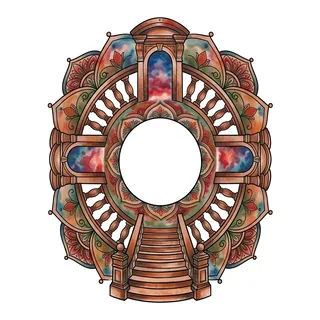
- watercolor · colourTry it on — Color watercolor portal tattoo on a man's elbow

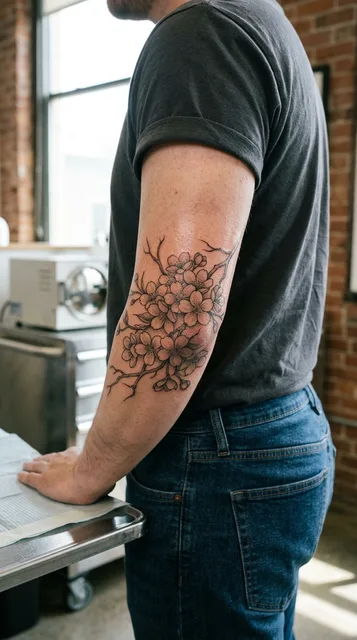
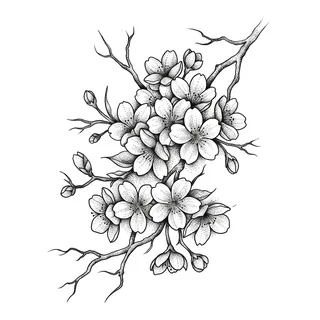
- dotwork · black and greyTry it on — Black and grey dotwork cherry blossom tattoo on a man's elbow
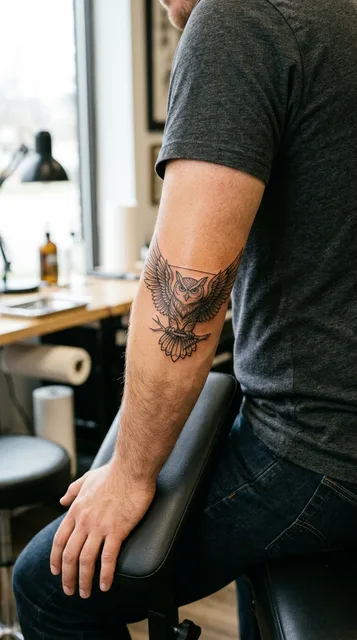
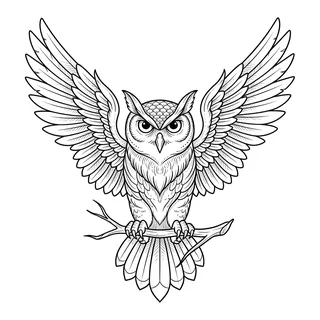
- fine line · black and whiteTry it on — Black and white fine line owl tattoo on a man's elbow
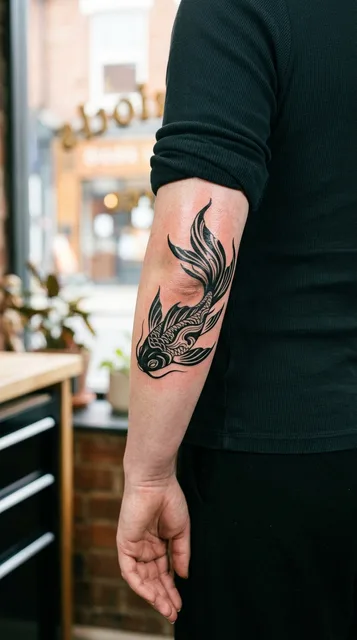
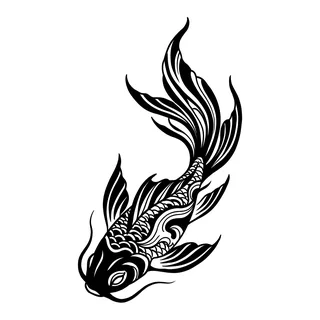
- blackwork · black and whiteTry it on — Black and white blackwork koi fish tattoo on a woman's elbow
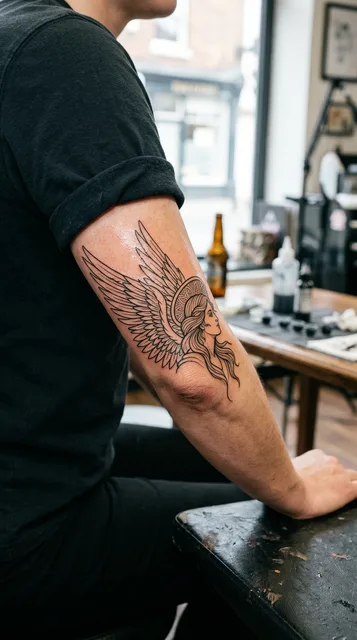
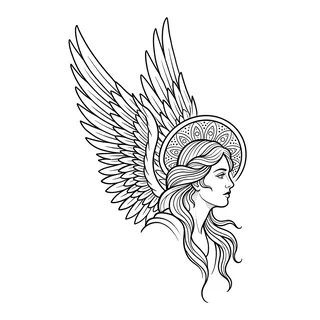
- linework · black and whiteTry it on — Black and white linework angel tattoo on a woman's elbow
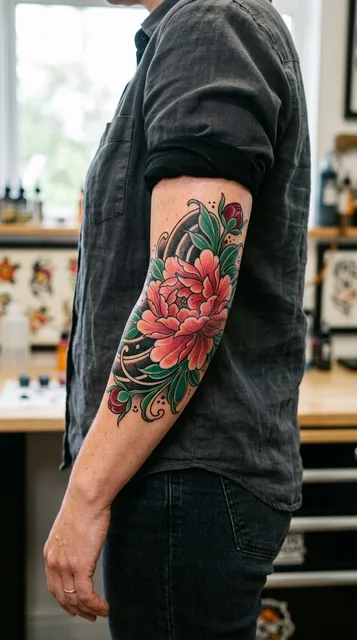
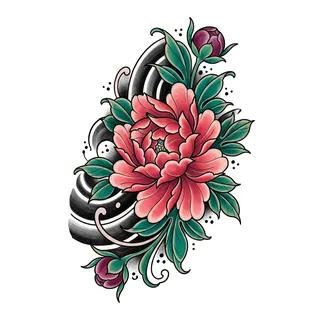
- Japanese · colourTry it on — Color Japanese peony tattoo on a woman's elbow
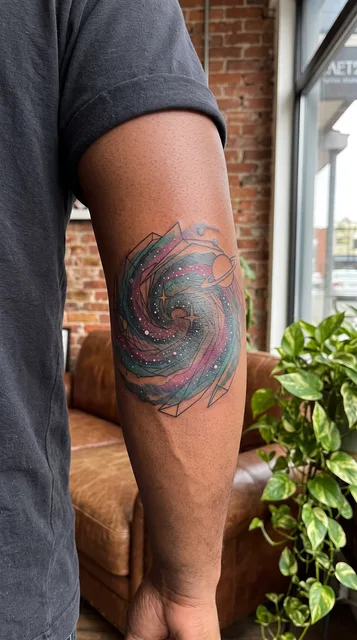
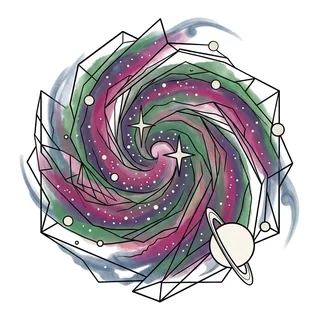
- illustrative · colourTry it on — Color illustrative galaxy tattoo on a man's elbow
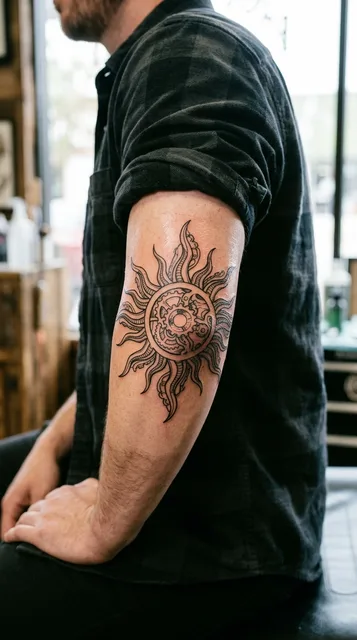
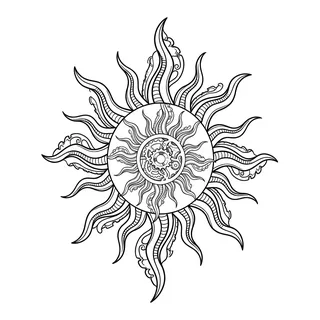
- biomechanical · black and greyTry it on — Black and grey biomechanical sun tattoo on a man's elbow
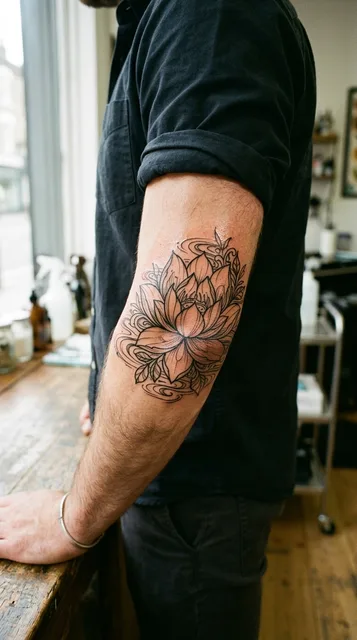
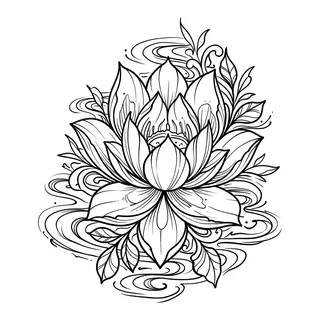
- illustrative · black and greyTry it on — Black and grey illustrative lotus tattoo on a man's elbow
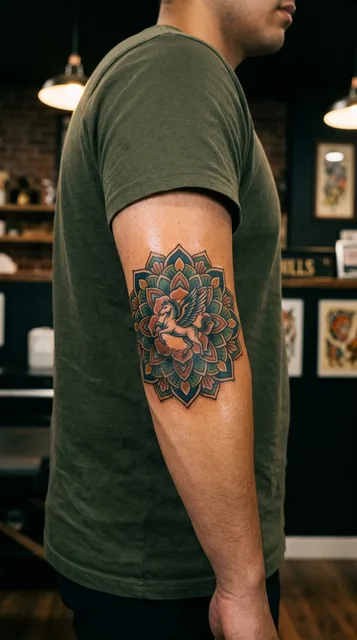
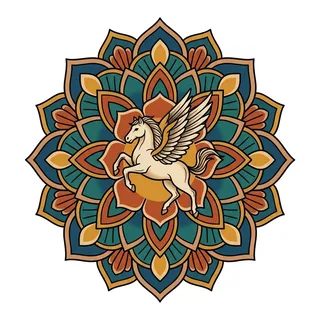
- neo traditional · colourTry it on — Color neo traditional pegasus tattoo on a man's elbow
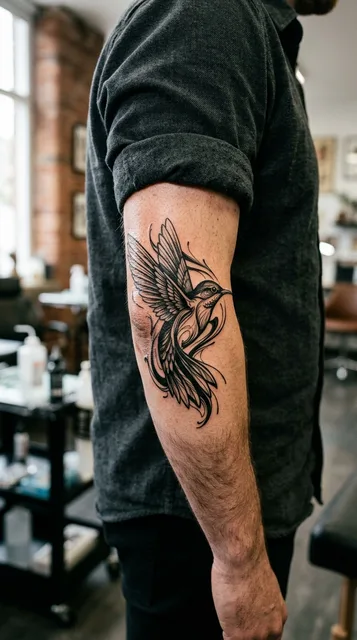
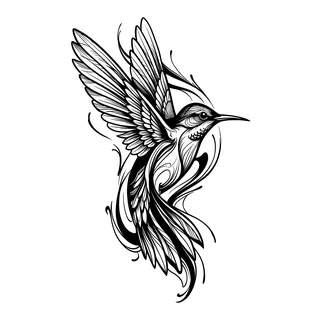
- blackwork · black and whiteTry it on — Black and white blackwork hummingbird tattoo on a man's elbow
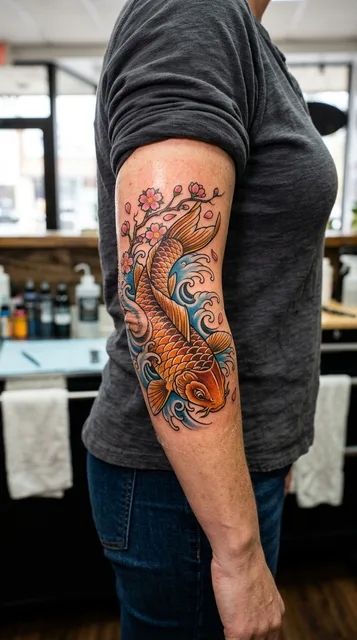
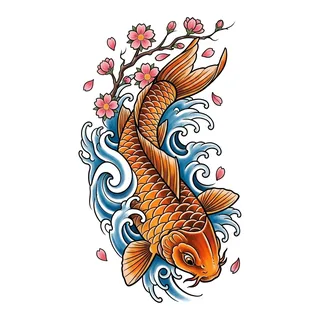
- neo traditional · colourTry it on — Color neo traditional koi fish tattoo on a woman's elbow
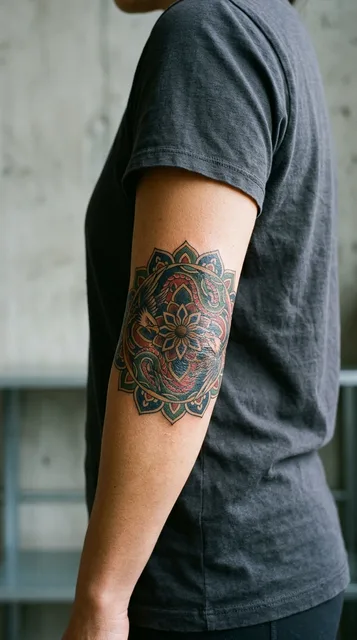
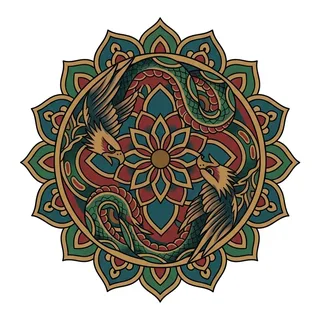
- ornamental · colourTry it on — Color ornamental mandala tattoo on a woman's elbow
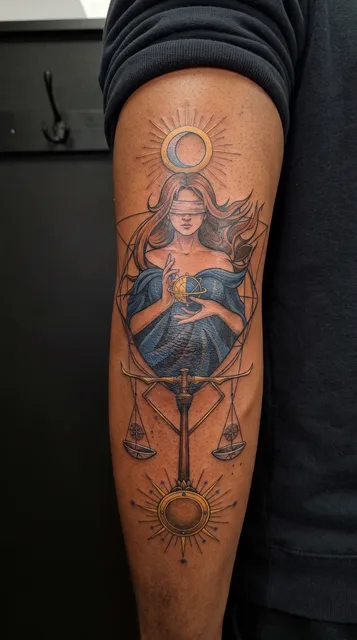
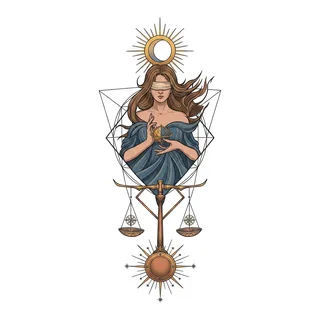
- illustrative · colourTry it on — Color illustrative woman tattoo on a man's elbow
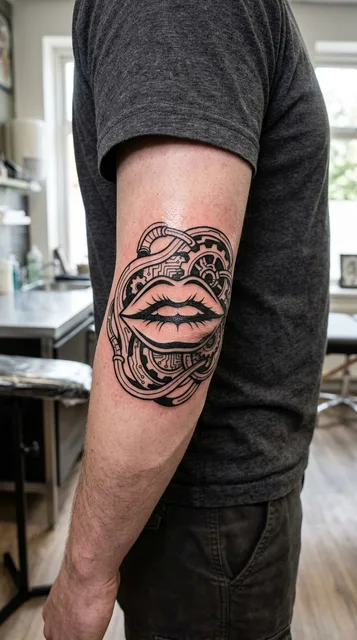
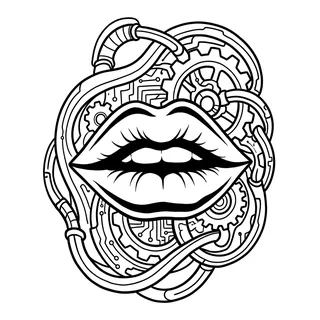
- biomechanical · black and greyTry it on — Black and grey biomechanical lips tattoo on a man's elbow
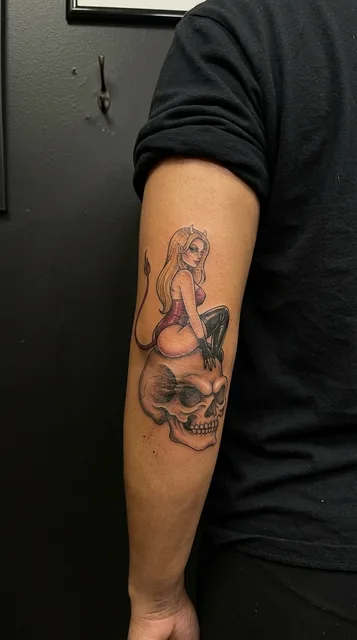
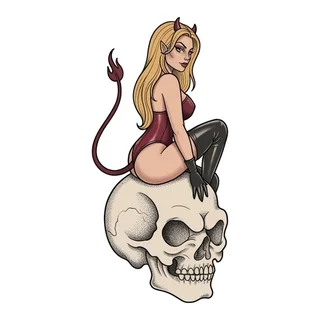
- neo traditional · colourTry it on — Color neo traditional skull tattoo on a woman's elbow
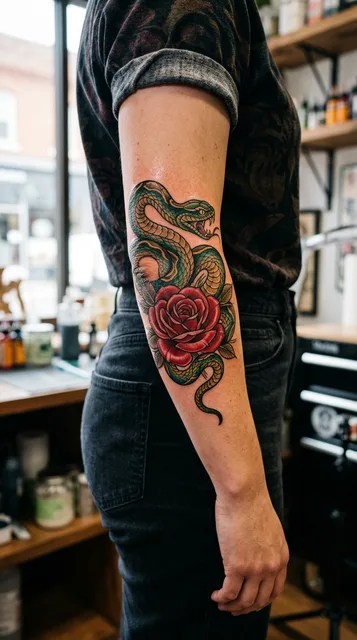
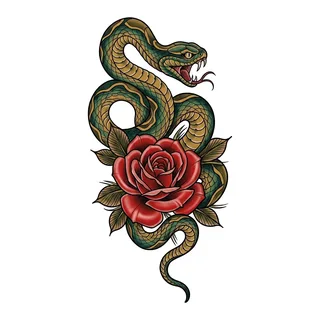
- neo traditional · colourTry it on — Color neo traditional snake rose tattoo on a woman's elbow
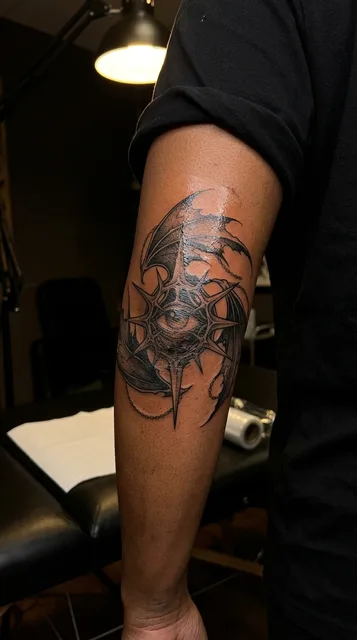
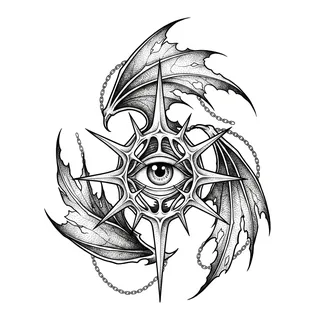
- dotwork · black and greyTry it on — Black and grey dotwork eye tattoo on a woman's elbow
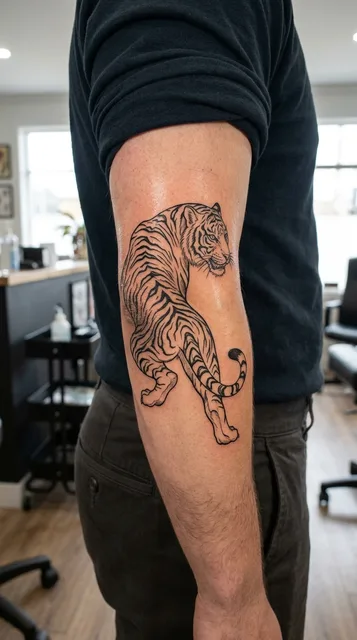
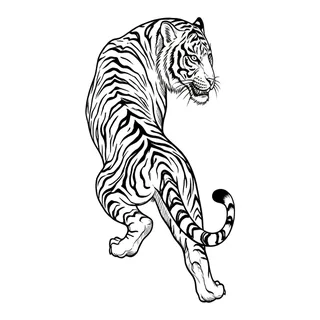
- linework · black and whiteTry it on — Black and white linework tiger tattoo on a man's elbow
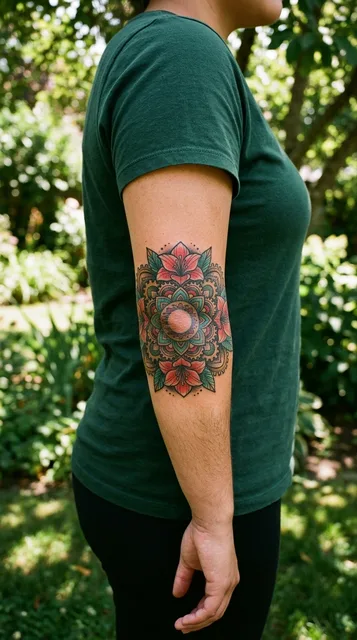
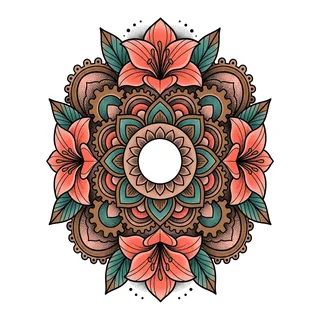
- neo traditional · colourTry it on — Color neo traditional mandala tattoo on a woman's elbow
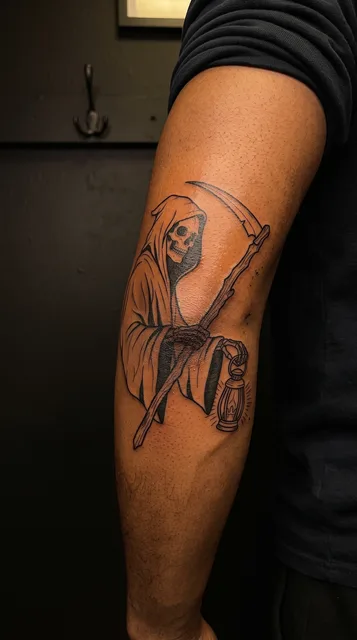
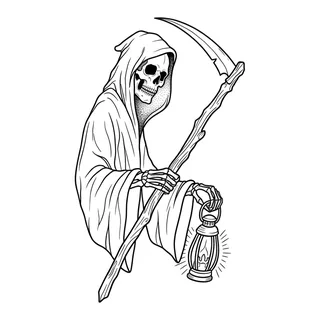
- linework · black and whiteTry it on — Black and white linework grim reaper tattoo on a man's elbow
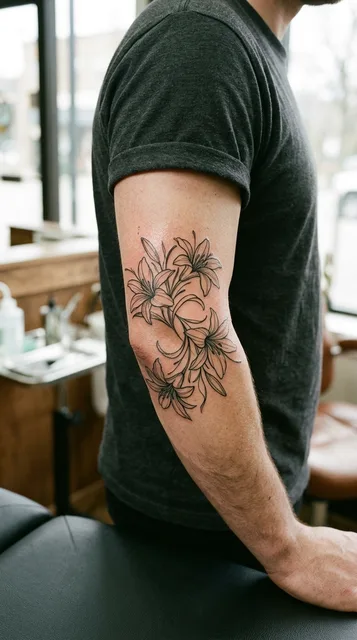
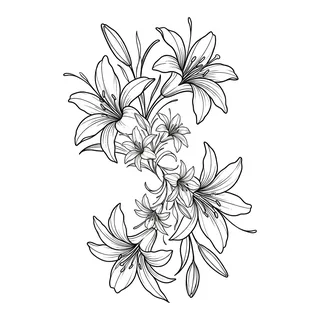
- linework · black and whiteTry it on — Black and white linework lily tattoo on a man's elbow
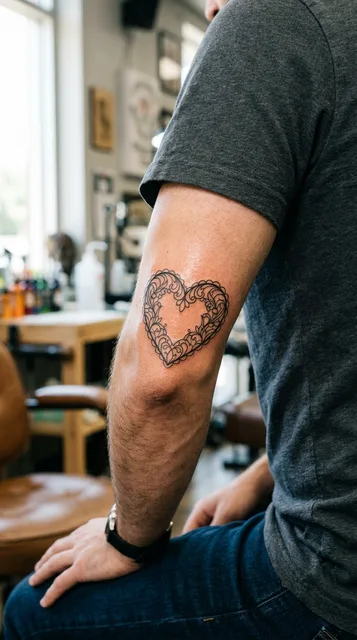
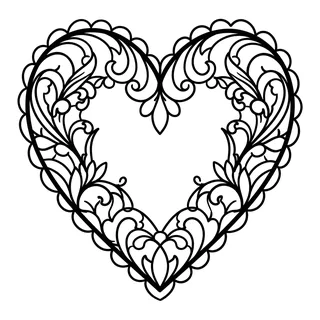
- fine line · black and whiteTry it on — Black and white fine line heart tattoo on a man's elbow
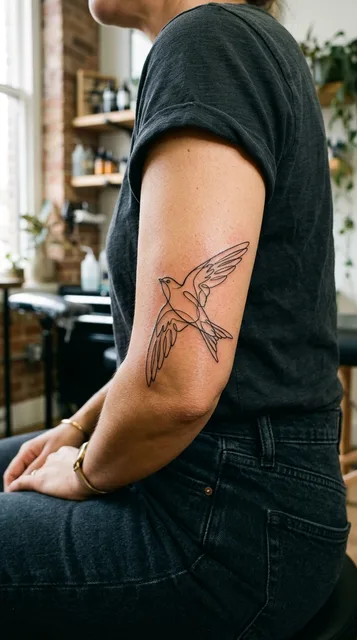
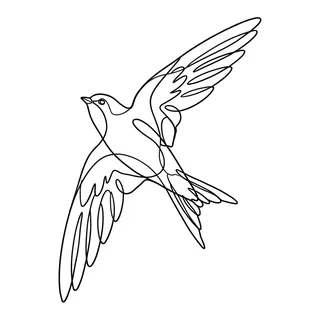
- linework · black and whiteTry it on — Black and white linework bird tattoo on a woman's elbow
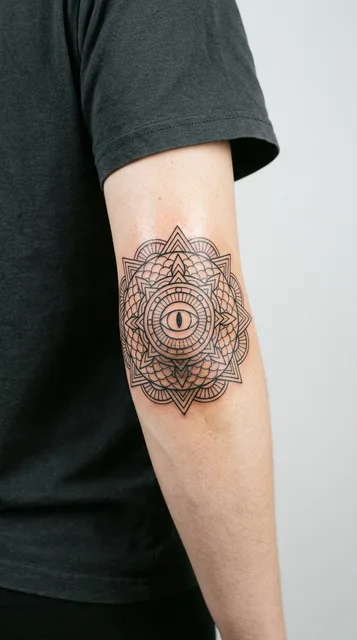
- geometric · black and whiteTry it on — Black and white geometric mandala tattoo on a woman's elbow
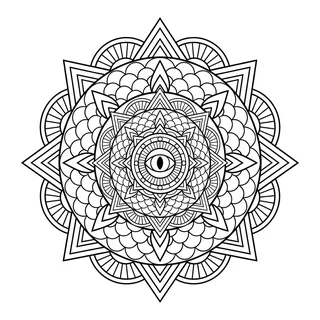
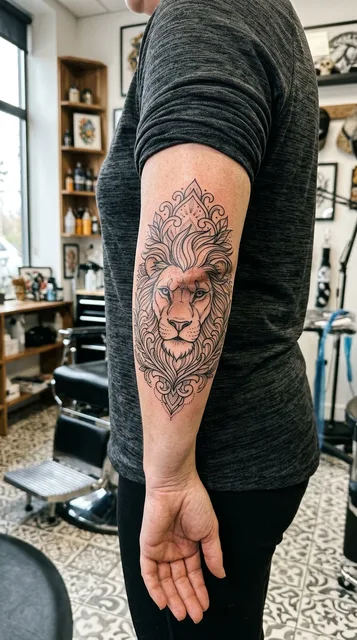
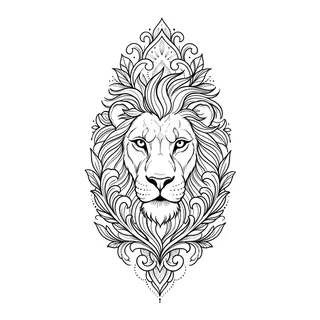
- ornamental · black and greyTry it on — Black and grey ornamental lion tattoo on a woman's elbow
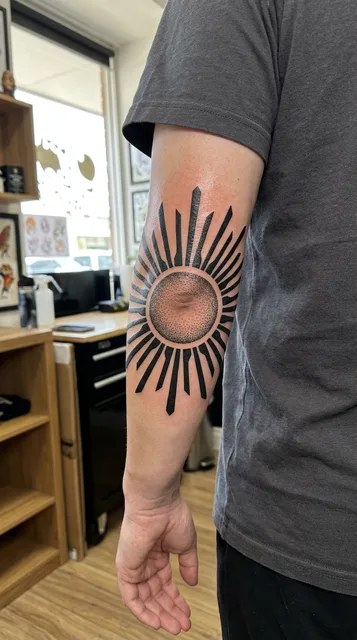
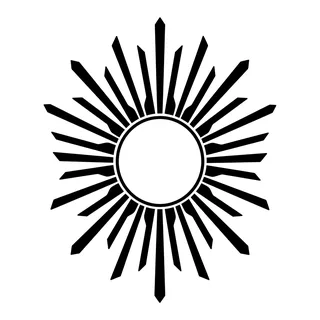
- blackwork · black and whiteTry it on — Black and white blackwork sun tattoo on a man's elbow
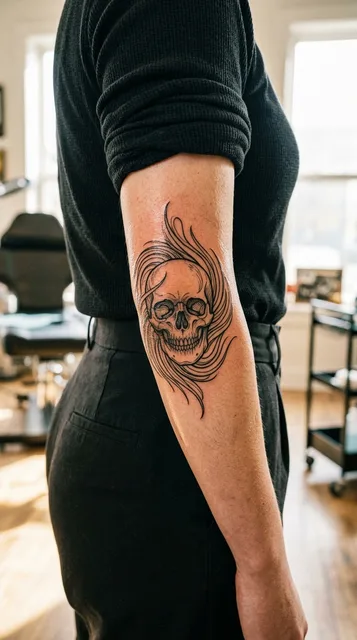
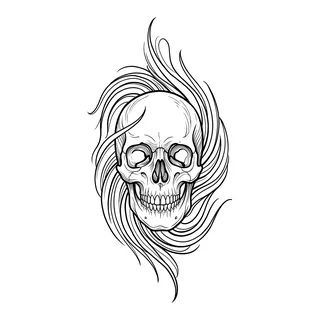
- linework · black and whiteTry it on — Black and white linework skull tattoo on a woman's elbow
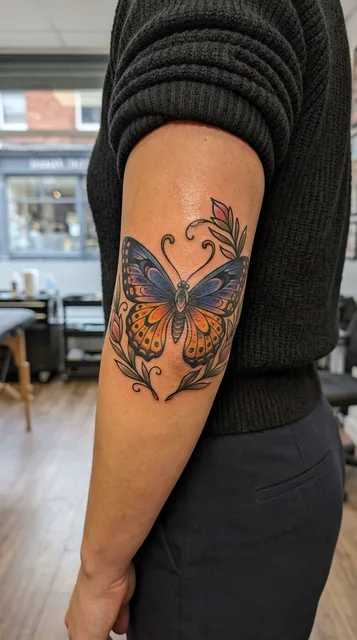
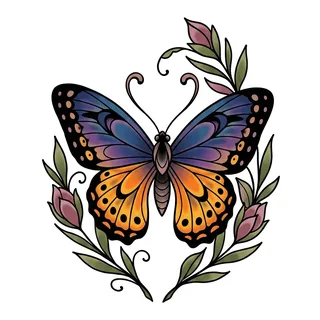
- neo traditional · colourTry it on — Color neo traditional butterfly tattoo on a woman's elbow
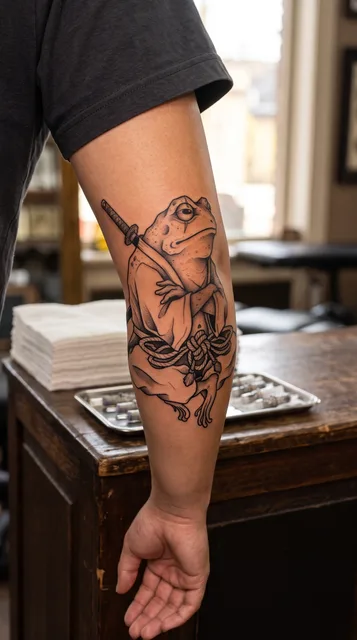
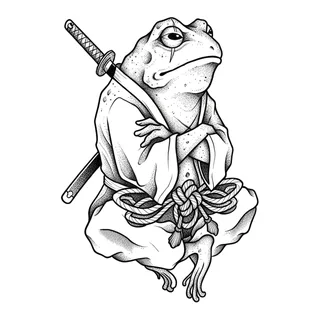
- dotwork · black and greyTry it on — Black and grey dotwork frog tattoo on a woman's elbow
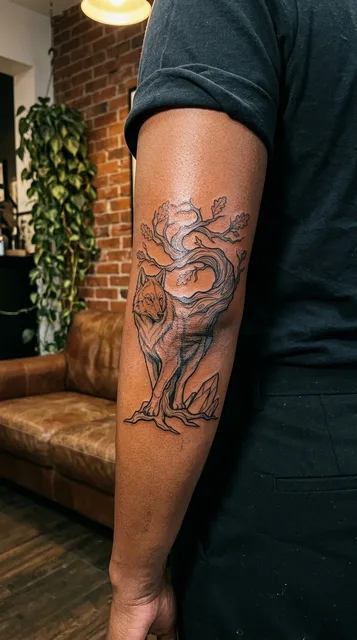
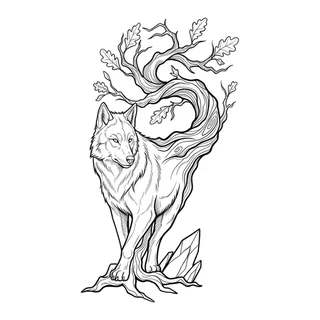
- illustrative · black and greyTry it on — Black and grey illustrative wolf tree tattoo on a woman's elbow
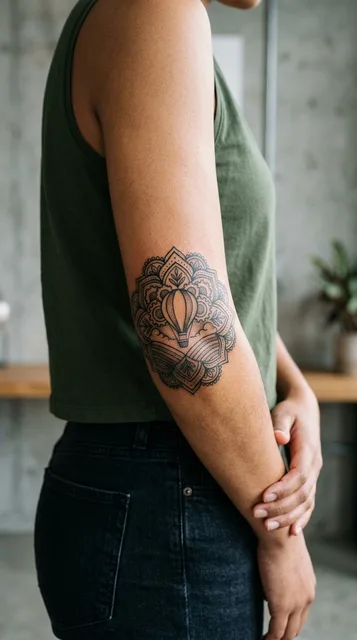
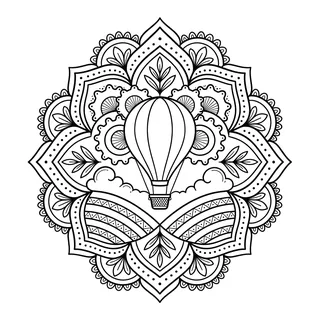
- ornamental · black and greyTry it on — Black and grey ornamental hot air balloon tattoo on a woman's elbow
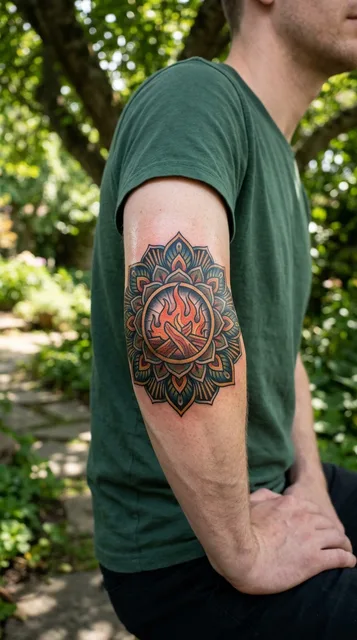
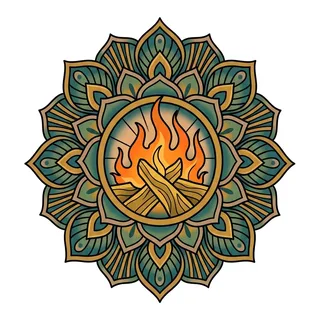
- neo traditional · colourTry it on — Color neo traditional fire tattoo on a man's elbow
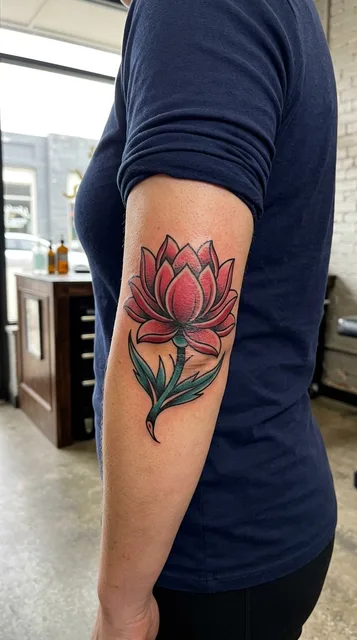
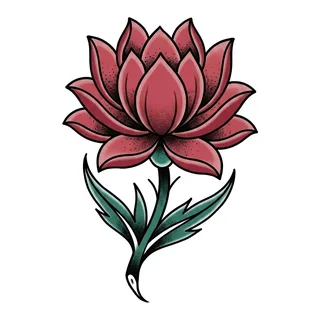
- traditional · colourTry it on — Color traditional lotus tattoo on a woman's elbow
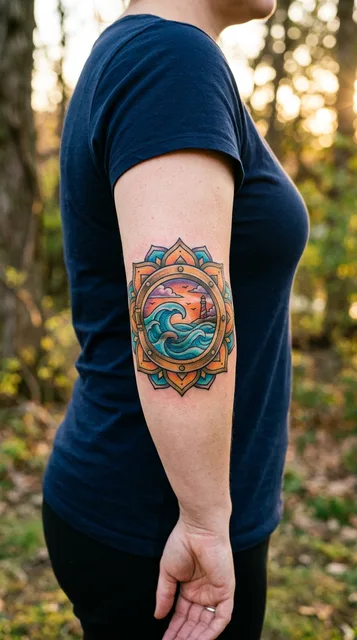
- neo traditional · colourTry it on — Color neo traditional wave tattoo on a woman's elbow

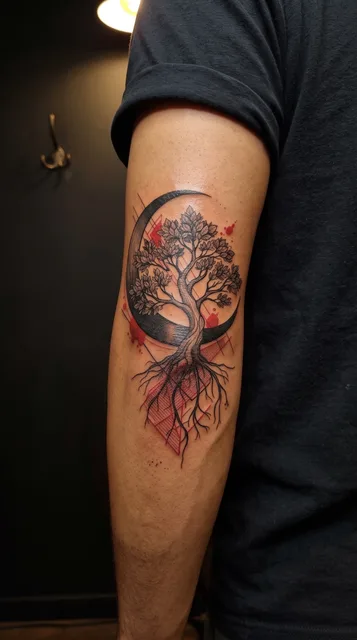
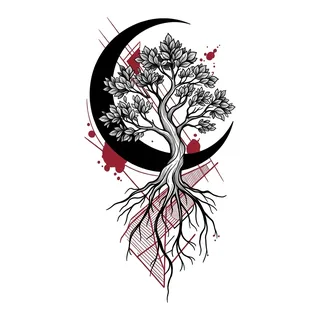
- illustrative · colourTry it on — Color illustrative tree tattoo on a man's elbow
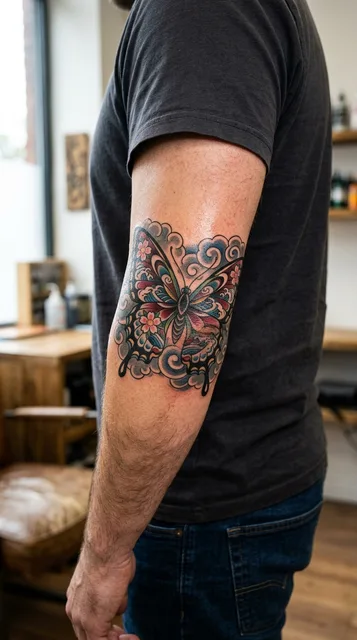
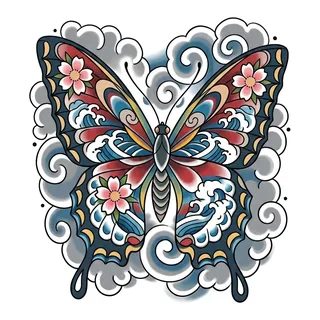
- Japanese · colourTry it on — Color Japanese butterfly tattoo on a man's elbow
- blackwork · black and whiteTry it on — Black and white blackwork ornament tattoo on a woman's elbow
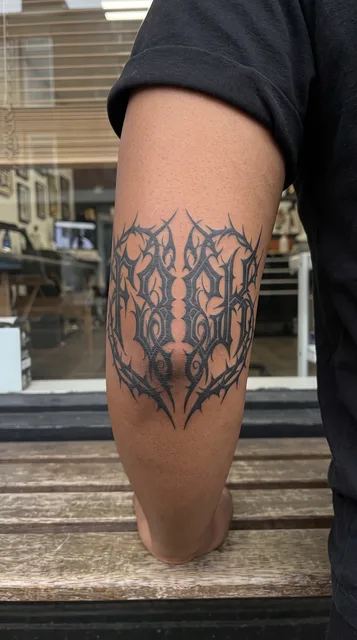
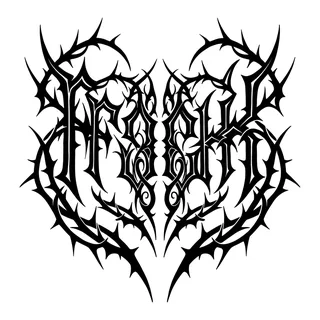


Every pair is one tattoo: the design as it was drawn, and a photograph of that same design on the elbow.
These 38 elbow tattoos, by the numbers
- Styles represented
- neo traditional (8), linework (6), illustrative (5), blackwork (4), dotwork (3), ornamental (3)
- Black-and-grey vs colour
- 58% black-and-grey, 42% colour
- Shown on
- 20 feminine, 18 masculine presentation
Counted from the 38 tattoos shown on this page. Every design was drawn for InkCraft and photographed on this placement — none are scraped or reposted. Free to reference with a link to this page.
How a elbow tattoo wears
Skin over the point of the elbow is loose and heavily creased when the arm is straight and pulled taut when it is bent — a bigger range than anywhere else on the arm. A design here is therefore seen in two states that are genuinely different sizes, and only radial compositions read correctly in both. That is the reason for the tradition: mandalas, webs, rosettes and radiating ornament are what the anatomy actually supports.
The olecranon — the bony point itself — sits immediately under that loose skin with nothing between. Working directly over it is sharp and it is also the area that holds ink least reliably, which is why many elbow designs deliberately radiate outward from the point rather than concentrating detail on it.
The inner elbow, the ditch, is the opposite in every way: soft, thin, very sensitive, and constantly creased. It heals slowly and many artists will discourage detailed work there. Most elbow tattoos mean the outer point.
Pain and healing
Sharp over the bone and moderate on the surrounding arm. The inner ditch is sharper still and is one of the more uncomfortable small areas on the body. Healing is the harder half of an elbow tattoo: the joint bends constantly, the skin over the point cracks as it heals, and patchy healing is common enough that many artists build a touch-up into the plan. Keep it moisturised, avoid straightening and bending it hard for the first few days, and expect it to look worse before it looks right.
The tattoo pain chart ranks the elbow against the other twenty-five body parts on this site, and says why. The aftercare guide has a row for healing a elbow tattoo specifically: what gets in the way here, and the one thing to do about it.
Choosing a design that suits it
- Radial designs are the answer here — they expand and contract evenly as the joint moves instead of skewing.
- Radiate outward from the point rather than concentrating fine detail directly on it, where ink holds least well.
- Expect a touch-up and ask about it upfront. This is one of the few placements where needing one is normal rather than a failure.
- Treat the inner ditch as a separate and much harder placement.
Size, cost and who sees it
How big, and what it costs
Usually a single session of two to four hours. The cost worth planning for is the touch-up, which is more likely here than on almost any other placement — ask whether it is included before booking.
Who will see it
Visible in a t-shirt, hidden by a long sleeve. Because it sits mid-arm it reads as part of a sleeve even when it is standalone, which is worth considering if that is not the impression you want.
What to ask your artist
- How will this look with my arm bent as well as straight?
- Should the detail sit on the point or radiate around it?
- Do you expect this to need a touch-up, and is it included?
- How much should I avoid bending it in the first week?
Prices vary widely by city and artist — treat these as session lengths rather than quotes, and expect a shop minimum on anything small. The cost guide puts the elbow in a table with the other twenty-five placements.
Common questions
Why are elbow tattoos usually mandalas or webs?
Because they are radial. The skin over the elbow stretches enormously between straight and bent, and a design radiating from a centre expands evenly rather than skewing — it reads correctly in both positions.
Do elbow tattoos heal badly?
They heal awkwardly. The joint bends constantly and the skin over the point cracks, so patchy healing is common. Diligent aftercare helps a lot, and a touch-up is a normal part of the process rather than a sign something went wrong.
What about the inside of the elbow?
Much harder — thin, very sensitive, constantly creased and slow to heal. Many artists steer people away from detailed work there.
See it on your own elbow
InkCraft places a design on a photo of you — scaled, wrapped and shaded to the placement you pick, so you can judge it before it is permanent.