 InkCraft
Half Sleeve Tattoo Ideas and How to Plan One
40 half sleeve tattoos photographed on skin for InkCraftBy Uladzimir TumanauUpdated

Opens in your browser. No signup. Or tap any design below.
Shoulder to elbow, as one piece. The difference between a half sleeve and several arm tattoos is not size — it is whether the whole thing was designed at once.
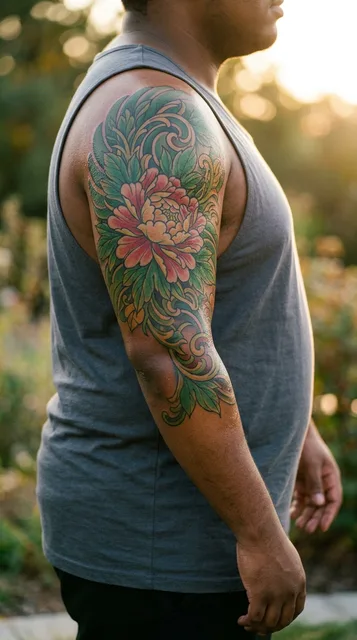
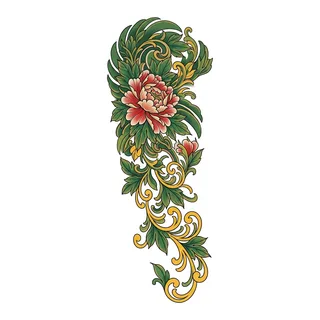
- illustrative · colourTry it on — Color illustrative peony tattoo as a half sleeve on a man
- Japanese · colourTry it on — Color Japanese dragon tattoo as a half sleeve on a man (1 of 2)
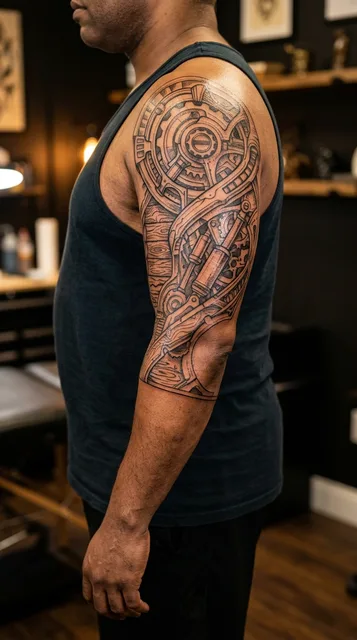
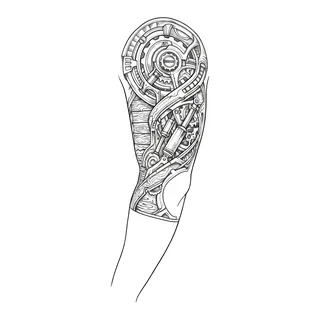
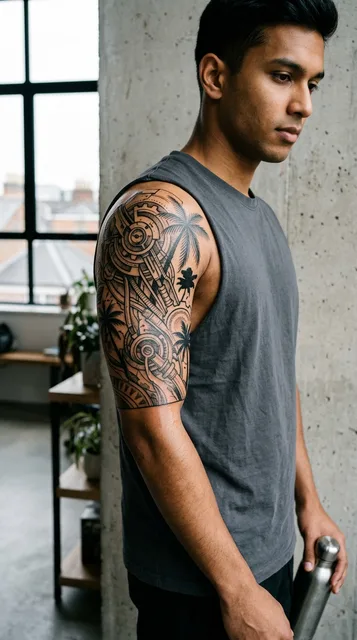
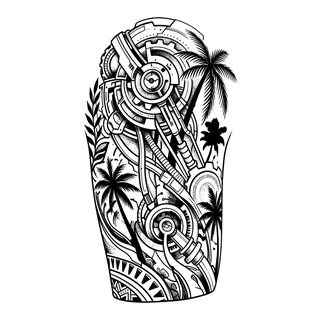
- biomechanical · black and greyTry it on — Black and grey biomechanical gear tattoo as a half sleeve on a man (1 of 2)
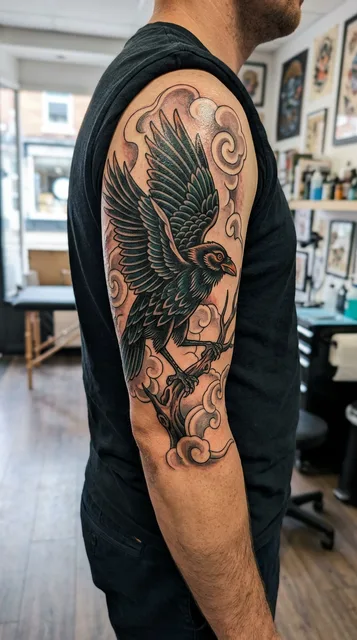
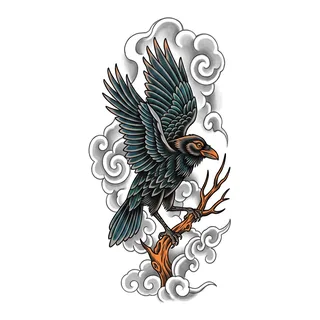
- traditional · colourTry it on — Color traditional raven tattoo as a half sleeve on a man
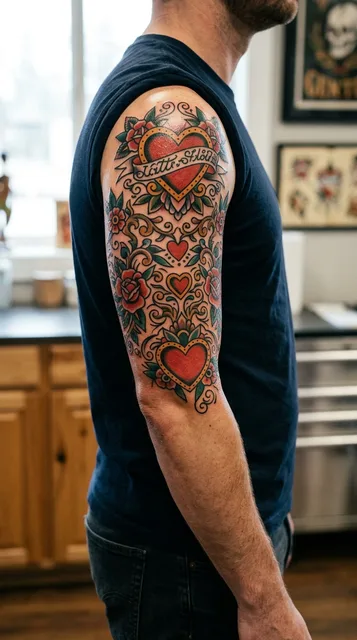
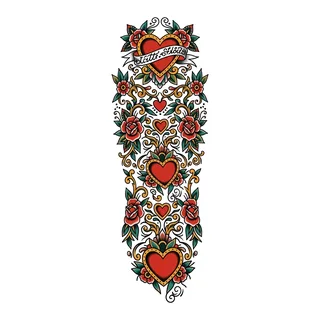
- traditional · colourTry it on — Color traditional heart tattoo as a half sleeve on a man
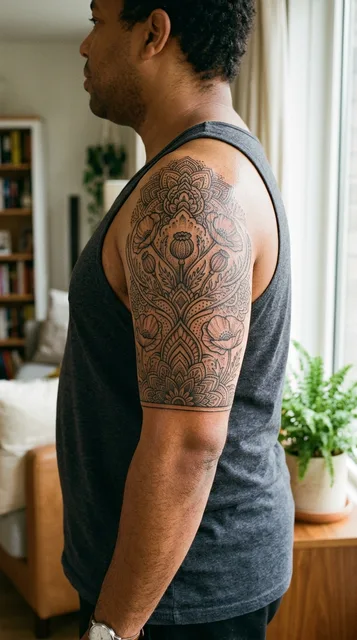
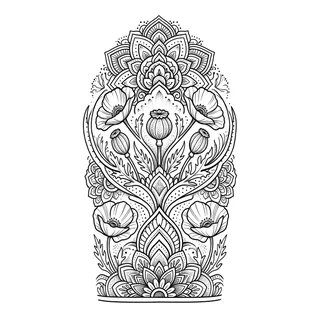
- ornamental · black and greyTry it on — Black and grey ornamental poppy tattoo as a half sleeve on a man
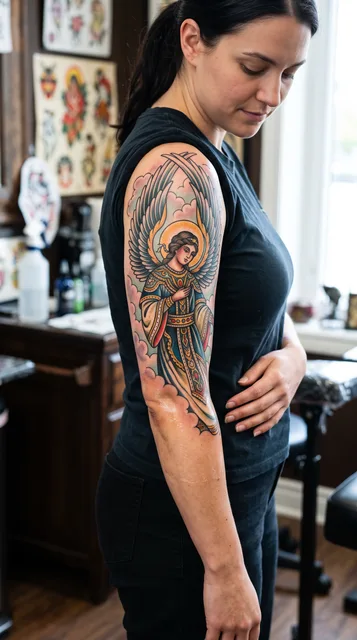
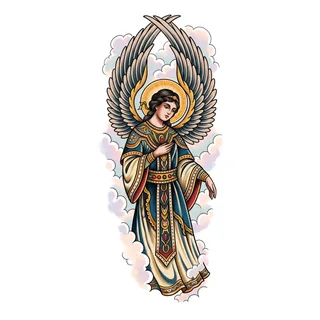
- traditional · colourTry it on — Color traditional angel tattoo as a half sleeve on a woman
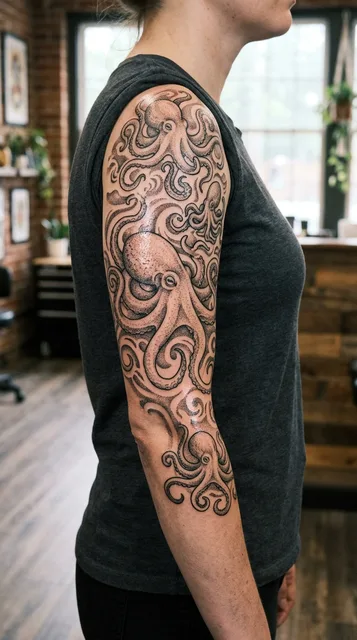
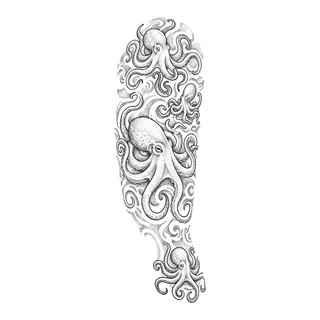
- dotwork · black and greyTry it on — Black and grey dotwork octopus tattoo as a half sleeve on a woman
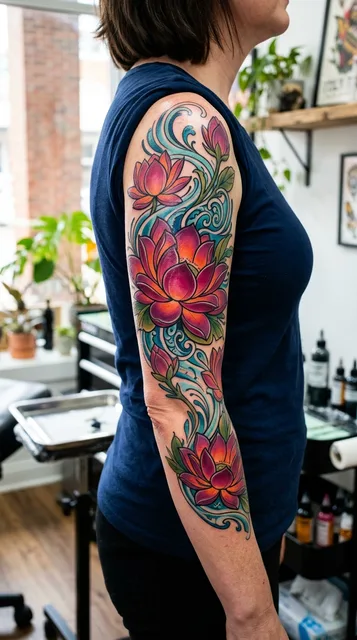
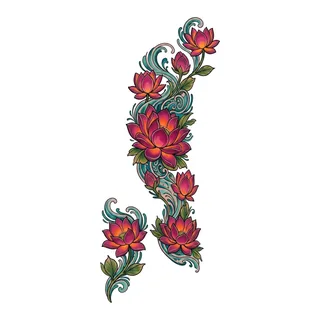
- new school · colourTry it on — Color new school lotus tattoo as a half sleeve on a woman
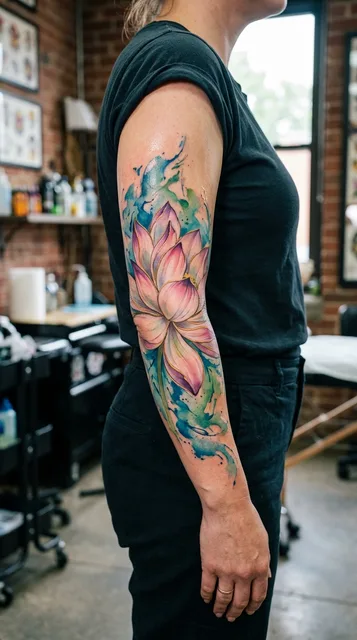
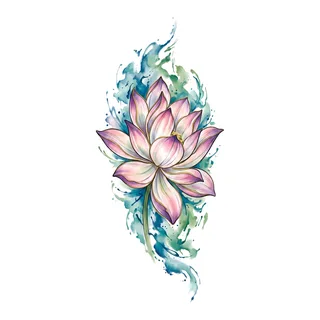
- watercolor · colourTry it on — Color watercolor lotus tattoo as a half sleeve on a woman
- biomechanical · black and greyTry it on — Black and grey biomechanical gear tattoo as a half sleeve on a woman
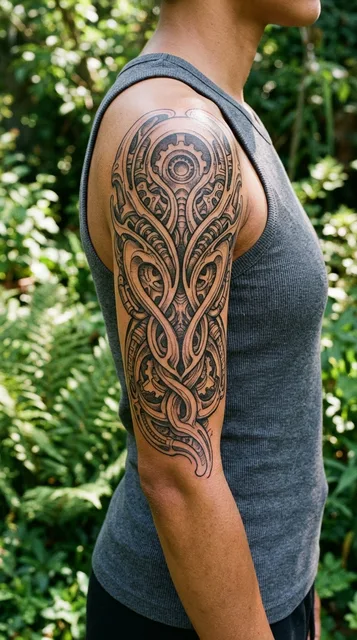
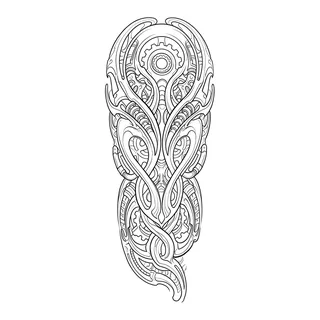
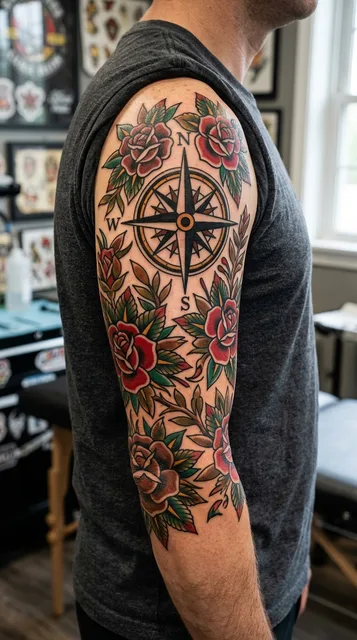
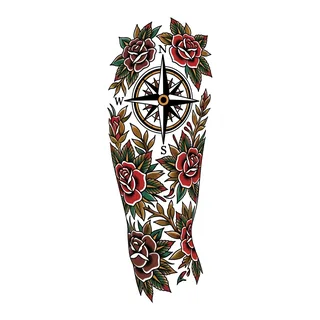
- traditional · colourTry it on — Color traditional compass tattoo as a half sleeve on a man
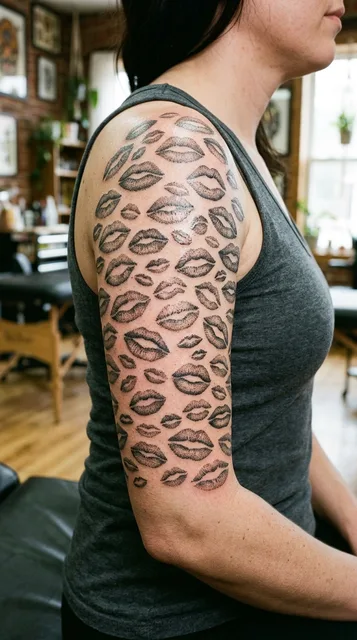
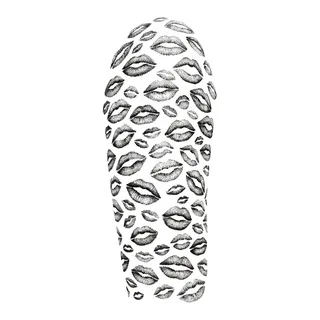
- dotwork · black and greyTry it on — Black and grey dotwork lips tattoo as a half sleeve on a woman
- biomechanical · black and greyTry it on — Black and grey biomechanical gear tattoo as a half sleeve on a man (2 of 2)
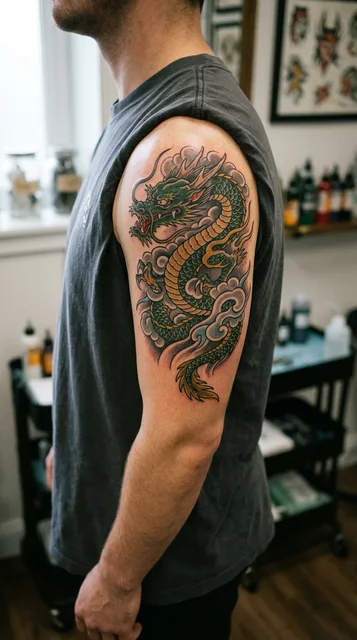
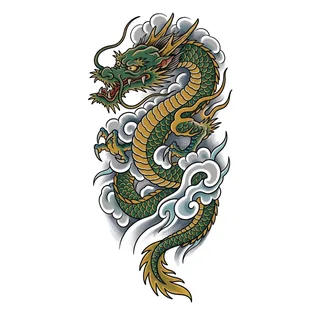
- Japanese · colourTry it on — Color Japanese dragon tattoo as a half sleeve on a man (2 of 2)
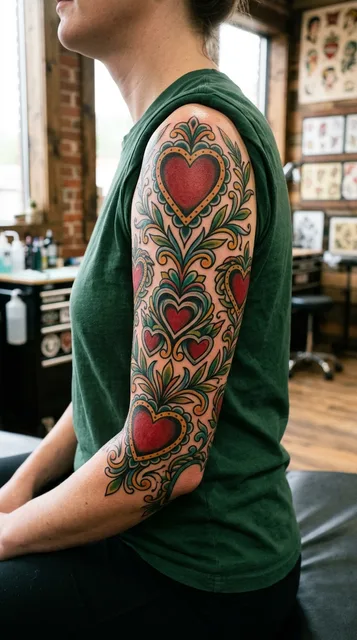
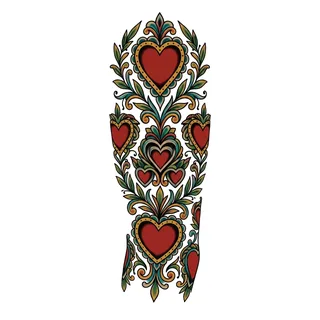
- traditional · colourTry it on — Color traditional heart tattoo as a half sleeve on a woman
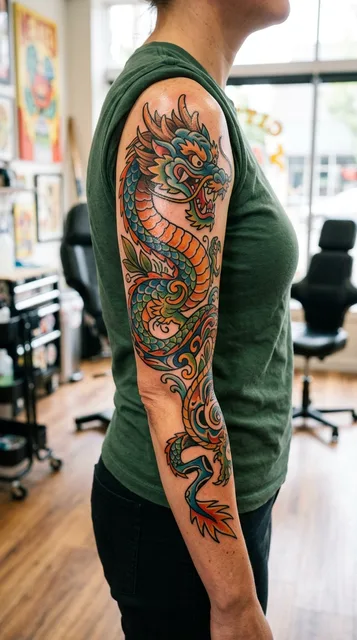
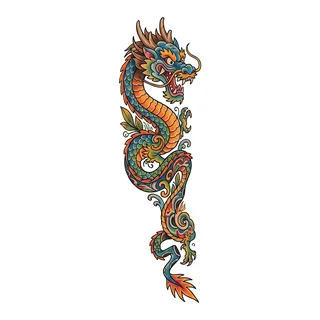
- new school · colourTry it on — Color new school dragon tattoo as a half sleeve on a woman
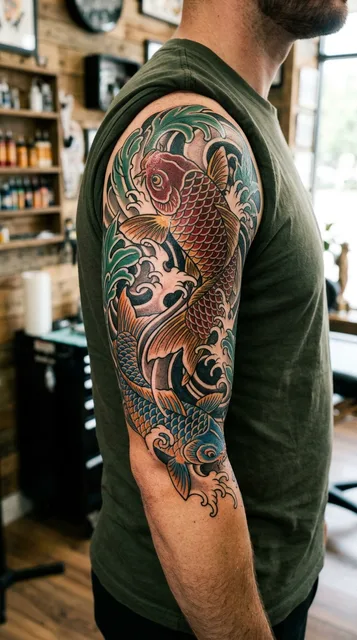
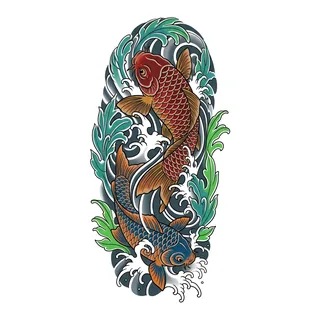
- Japanese · colourTry it on — Color Japanese koi tattoo as a half sleeve on a man
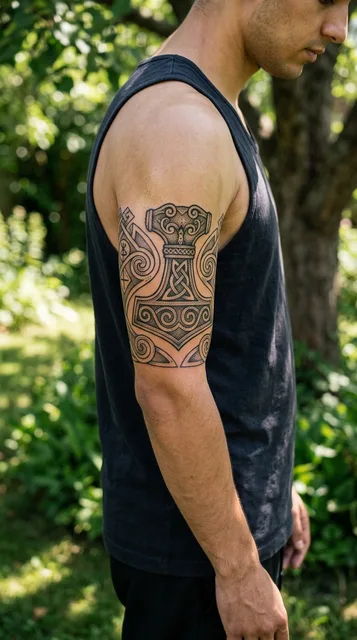
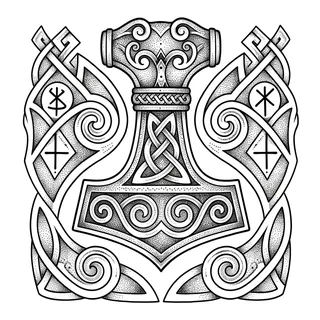
- dotwork · black and greyTry it on — Black and grey dotwork mjolnir tattoo as a half sleeve on a man
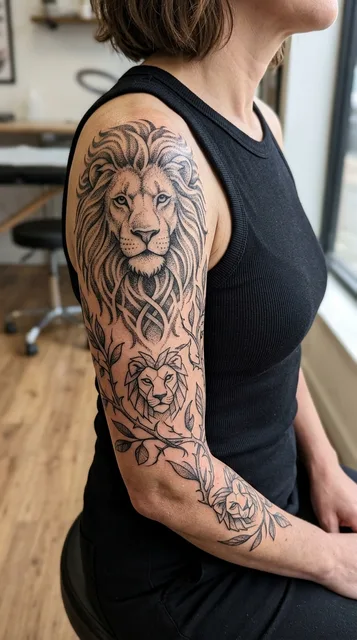
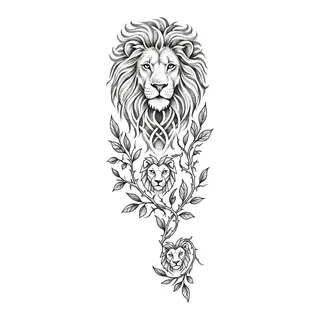
- dotwork · black and greyTry it on — Black and grey dotwork lion tattoo as a half sleeve on a woman
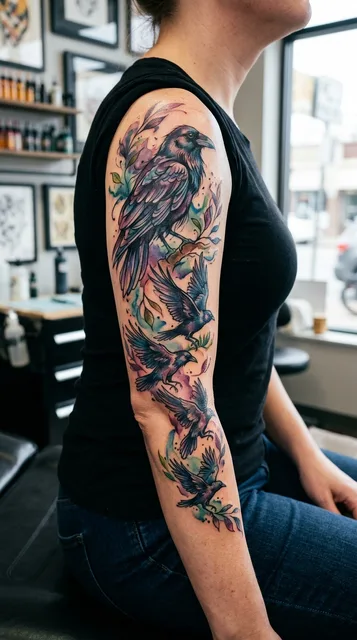
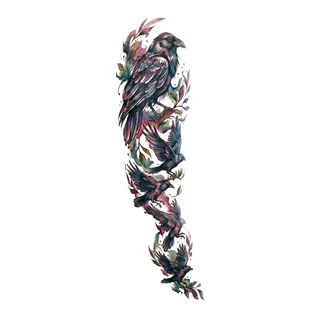
- watercolor · colourTry it on — Color watercolor ravens tattoo as a half sleeve on a woman
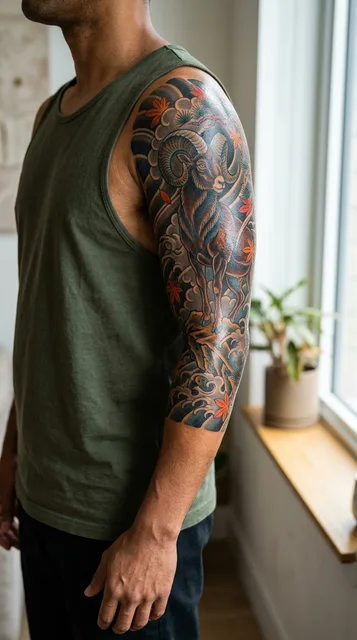
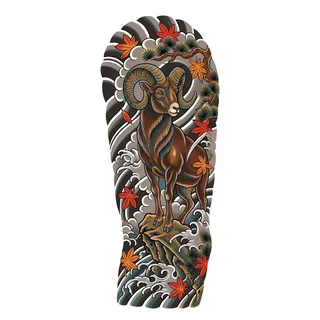
- Japanese · colourTry it on — Color Japanese ram tattoo as a half sleeve on a man
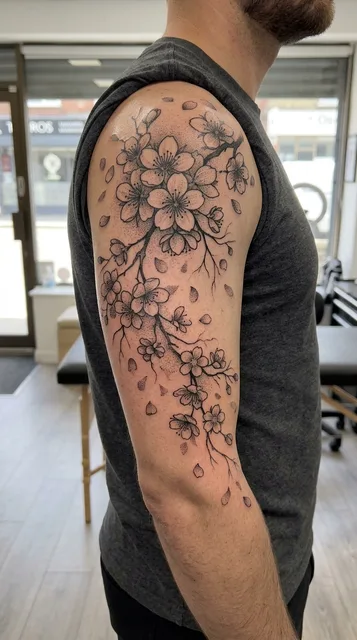
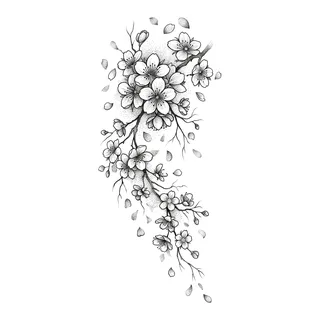
- dotwork · black and greyTry it on — Black and grey dotwork cherry blossom tattoo as a half sleeve on a man
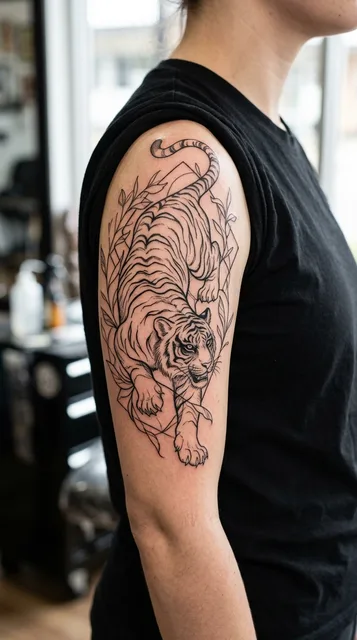
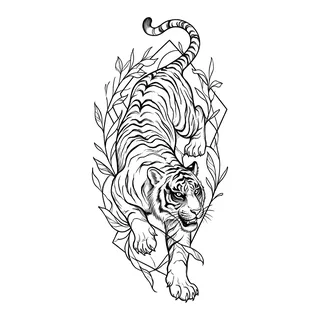
- illustrative · black and greyTry it on — Black and grey illustrative tiger tattoo as a half sleeve on a woman
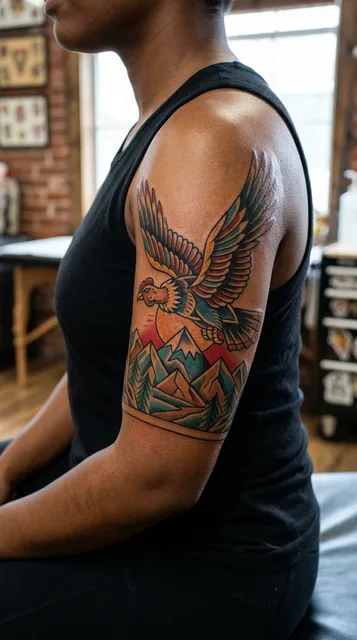
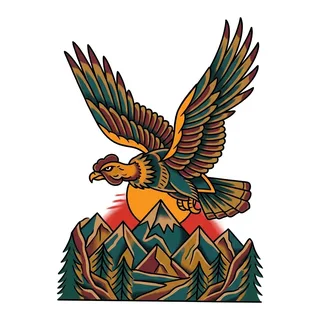
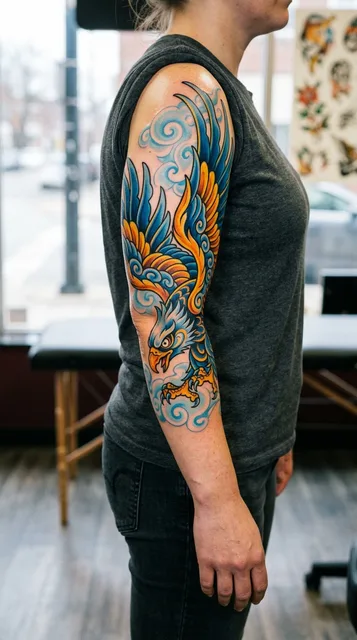
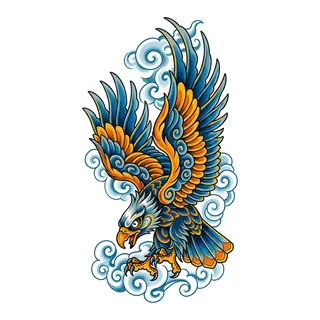
- traditional · colourTry it on — Color traditional eagle tattoo as a half sleeve on a woman
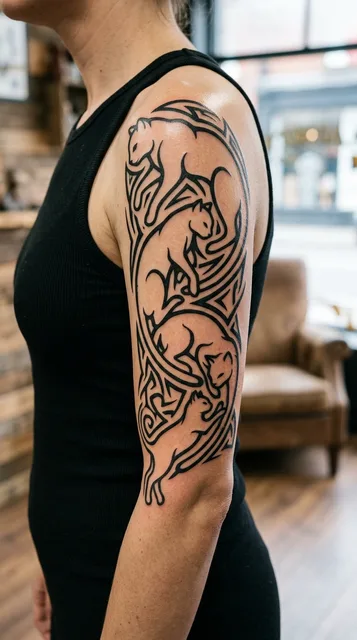
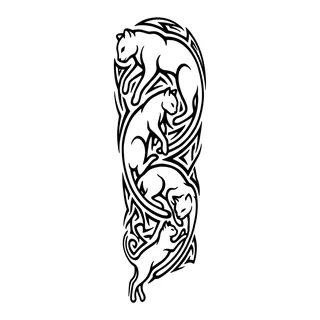
- tribal · black and whiteTry it on — Black and white tribal cats tattoo as a half sleeve on a woman
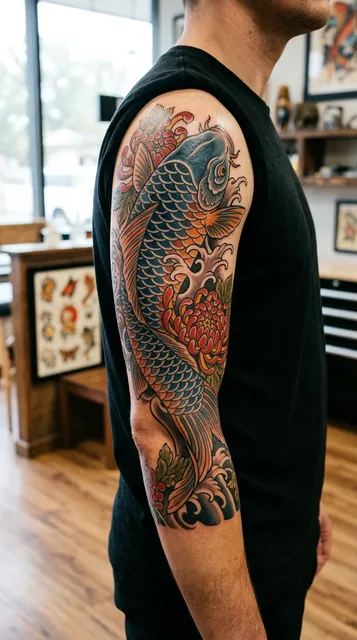
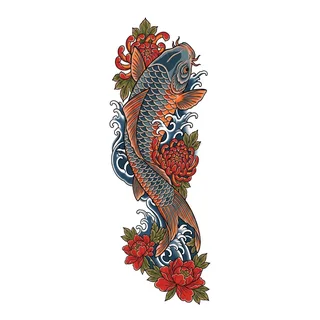
- neo traditional · colourTry it on — Color neo traditional koi fish tattoo as a half sleeve on a man
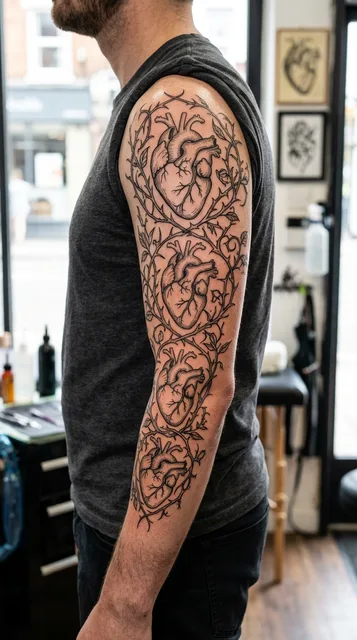
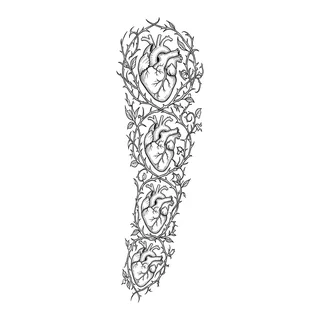
- fine line · black and whiteTry it on — Black and white fine line heart tattoo as a half sleeve on a man
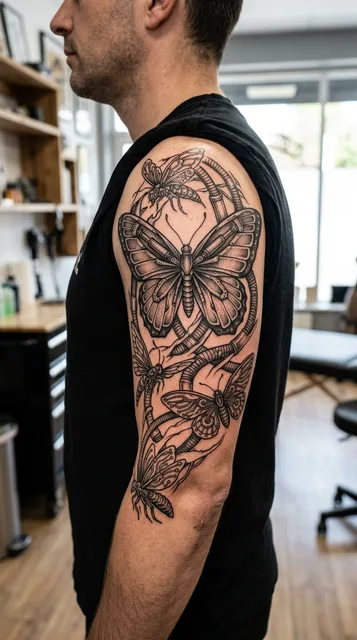
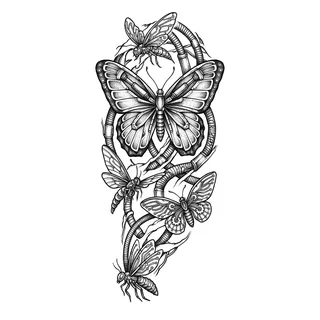
- illustrative · black and greyTry it on — Black and grey illustrative butterfly tattoo as a half sleeve on a man
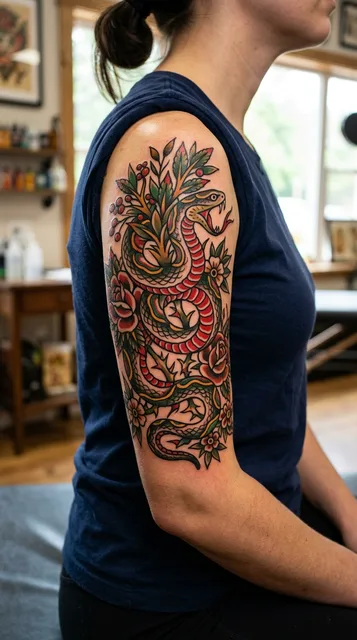
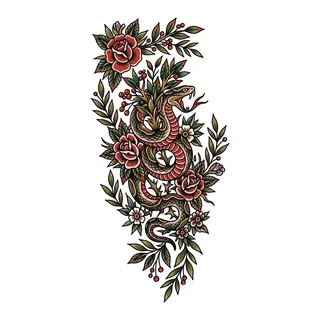
- traditional · colourTry it on — Color traditional snake tattoo as a half sleeve on a woman
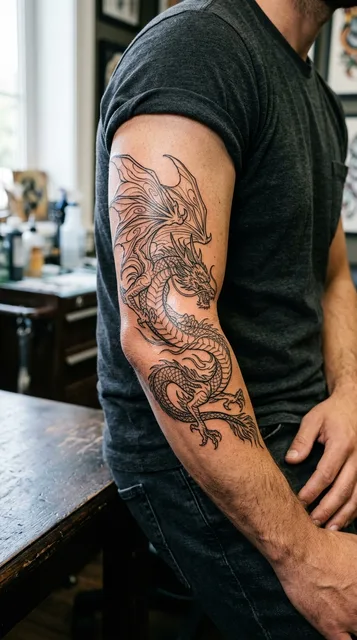
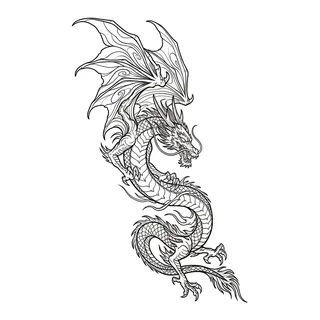
- linework · black and whiteTry it on — Black and white linework dragon tattoo as a half sleeve on a man
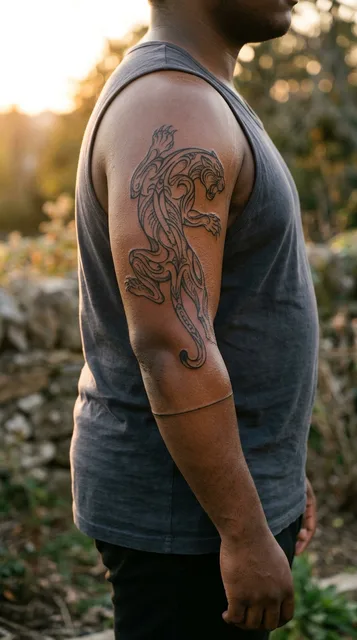
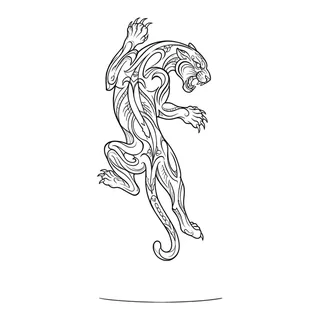
- fine line · black and whiteTry it on — Black and white fine line panther tattoo as a half sleeve on a man
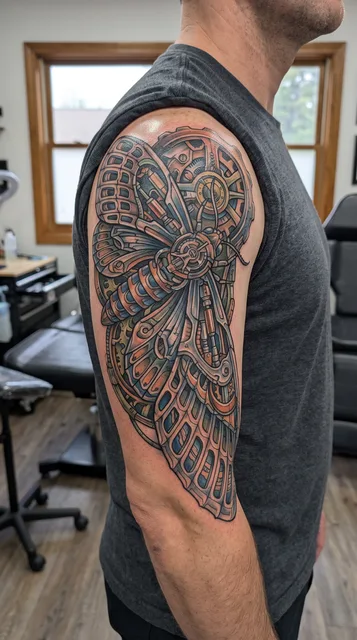
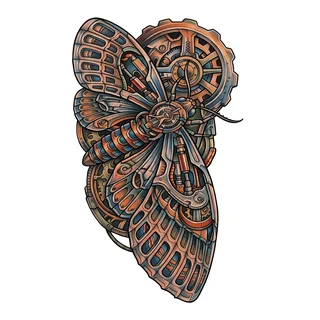
- biomechanical · colourTry it on — Color biomechanical moth tattoo as a half sleeve on a man
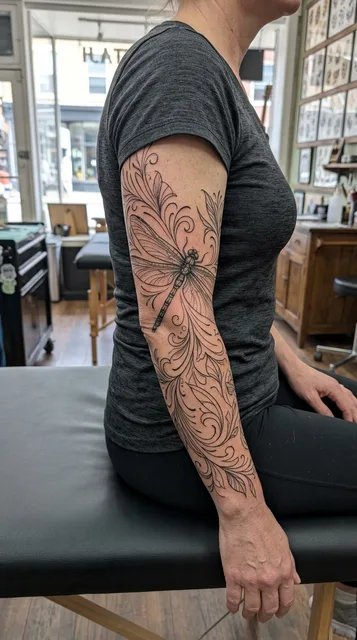
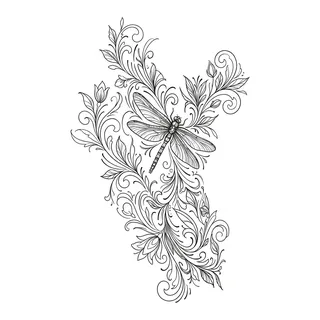
- fine line · black and whiteTry it on — Black and white fine line dragonfly tattoo as a half sleeve on a woman
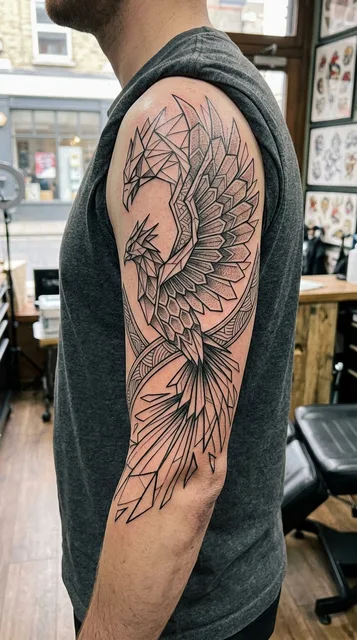
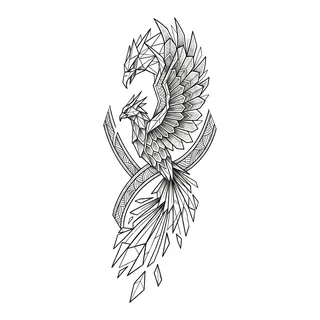
- geometric · black and whiteTry it on — Black and white geometric phoenix tattoo as a half sleeve on a man
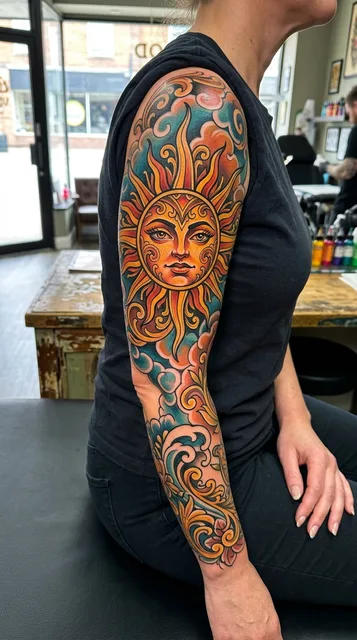
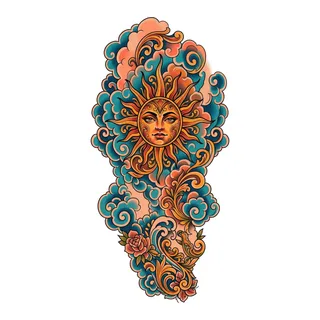
- neo traditional · colourTry it on — Color neo traditional sun tattoo as a half sleeve on a woman
- new school · colourTry it on — Color new school eagle tattoo as a half sleeve on a woman
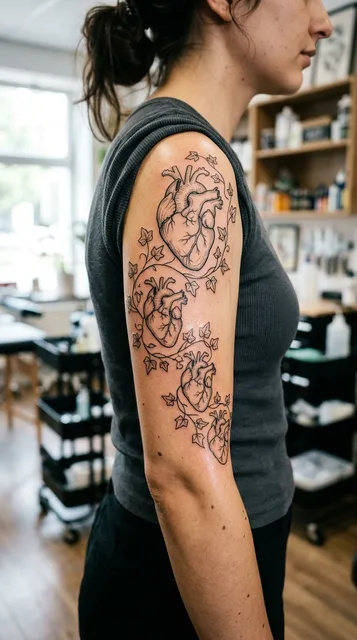
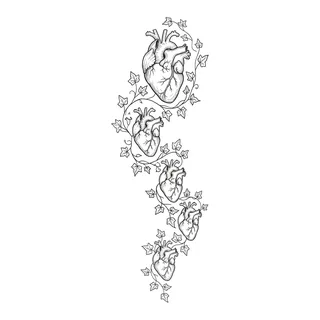
- linework · black and whiteTry it on — Black and white linework hearts tattoo as a half sleeve on a woman
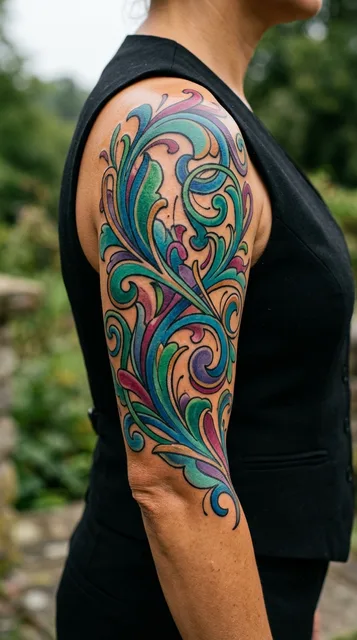
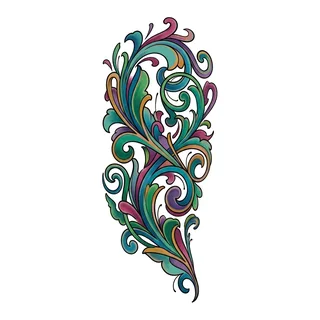
- ornamental · colourTry it on — Color ornamental abstract tattoo as a half sleeve on a woman
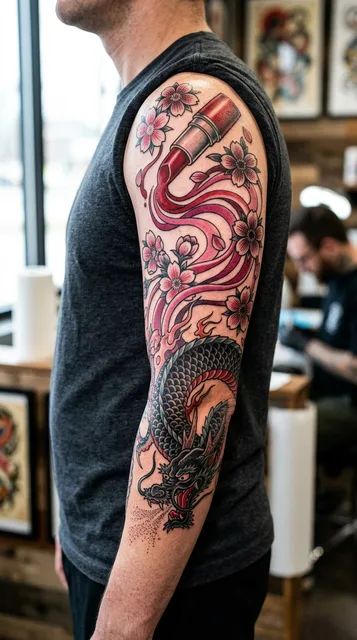
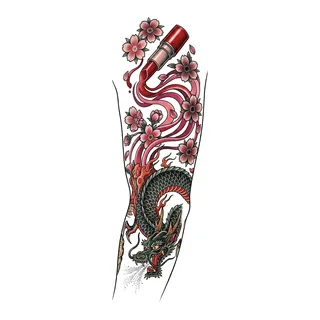
- Japanese · colourTry it on — Color Japanese lips tattoo as a half sleeve on a woman
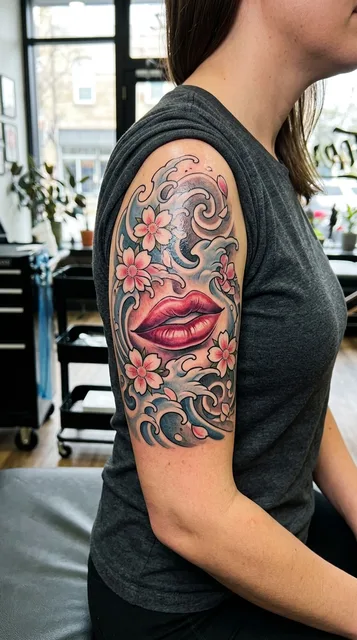
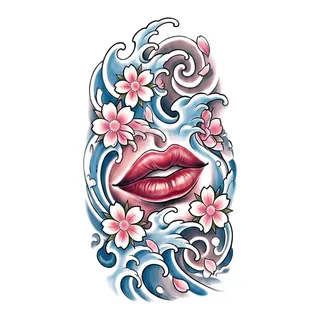


Every pair is one tattoo: the design as it was drawn, and a photograph of that same design on the half sleeve.
These 40 half sleeve tattoos, by the numbers
- Styles represented
- traditional (7), dotwork (5), japanese (5), biomechanical (4), fine line (3), illustrative (3)
- Black-and-grey vs colour
- 45% black-and-grey, 55% colour
- Shown on
- 20 feminine, 20 masculine presentation
Counted from the 40 tattoos shown on this page. Every design was drawn for InkCraft and photographed on this placement — none are scraped or reposted. Free to reference with a link to this page.
How a half sleeve tattoo wears
A half sleeve covers the upper arm from the deltoid down to the elbow, and what makes it read as one thing is continuity: a background, a flow, or a repeating motif that carries the eye from top to bottom. Arms with three separate upper-arm tattoos are not half sleeves, however densely packed, and the difference is obvious at a glance.
The upper arm is a taper — the deltoid is wide and rounded, the biceps and triceps narrow toward the elbow joint — and good half sleeve compositions use that. Larger elements sit high where there is room, detail concentrates lower, and the design resolves deliberately above the elbow crease rather than stopping wherever it ran out. The two ends are the hardest part of the design and the part most worth spending consultation time on.
Because the arm is round, roughly a third is visible at once. A half sleeve is therefore designed to be walked around: there is a primary face, but no dead side. Artists usually plan this with the arm in a neutral hanging position, since that is how it is seen most of the time.
Pain and healing
Mostly comfortable, with known hard spots. The outer bicep and the deltoid are among the easier areas on the body; the inner bicep is soft but sharper than it looks, being thin skin over a bundle of surface nerves; and the approach to the olecranon at the elbow is genuinely sharp, with barely two millimetres between needle and bone. Because a half sleeve is multi-session work, the practical experience is several moderate sittings rather than one hard one. Healing between sessions is straightforward — the arm is easy to keep clean and covered — but do respect the gap the artist asks for, since tattooing over under-healed skin is what produces patchy colour.
The tattoo pain chart ranks the half sleeve against the other twenty-five body parts on this site, and says why. The aftercare guide has a row for healing a half sleeve tattoo specifically: what gets in the way here, and the one thing to do about it.
Choosing a design that suits it
- Design the whole thing before starting, even if it is executed over months. Retrofitting a half sleeve around existing tattoos is the single biggest constraint people bring to a consultation.
- Decide how it ends at the elbow and at the shoulder. Those two boundaries are what make it look finished.
- Use the taper — larger elements high, finer work lower.
- Plan for it to be seen from every side; there should be no angle that looks like the back of the design.
Size, cost and who sees it
How big, and what it costs
Typically three to six sessions across a few months, priced by the hour or as a project. Most artists want a deposit and a full design agreed before the first sitting, which is a good sign — a half sleeve booked as a series of unrelated appointments usually looks like one.
Who will see it
Covered by a t-shirt in most cases and fully visible bare-armed. It is the largest commitment that still disappears under ordinary work clothing.
What to ask your artist
- Can I see the whole design before we start the first session?
- How does this resolve at the elbow and at the shoulder?
- How many sessions, and how long between them?
- If I later want to extend this to a full sleeve, does this design allow it?
Prices vary widely by city and artist — treat these as session lengths rather than quotes, and expect a shop minimum on anything small. The cost guide puts the half sleeve in a table with the other twenty-five placements.
Common questions
How long does a half sleeve take?
Usually three to six sessions over a few months, with healing time between. The hours matter more than the calendar — the gaps exist so each section heals before the next sits beside it.
Can I build a half sleeve out of tattoos I already have?
Sometimes, and it is always harder than starting fresh. Existing pieces constrain the composition and often need something built around them. Bring photographs to the consultation rather than descriptions.
What actually makes it a half sleeve rather than several tattoos?
Continuity. A background, a flow or a repeating motif carrying the eye from shoulder to elbow. Without it you have an arm with tattoos on it, and the difference is visible immediately.
See it on your own half sleeve
InkCraft places a design on a photo of you — scaled, wrapped and shaded to the placement you pick, so you can judge it before it is permanent.