 InkCraft
Shoulder Tattoo Ideas, Designs and Where They Sit
40 shoulder tattoos photographed on skin for InkCraftBy Uladzimir TumanauUpdated

Opens in your browser. No signup. Or tap any design below.
A ball joint rotates rather than folds, which is why a design here reads from every angle instead of one. Forgiving to sit for, and the natural anchor for anything that later becomes a sleeve.
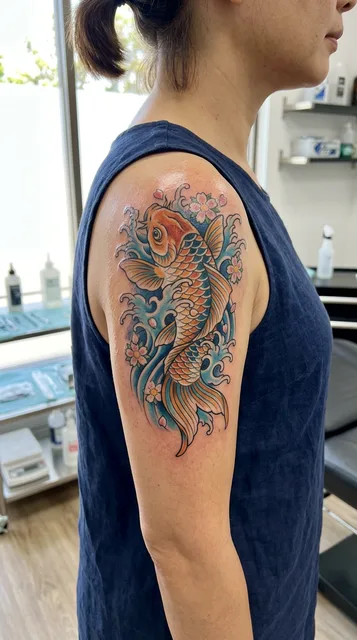
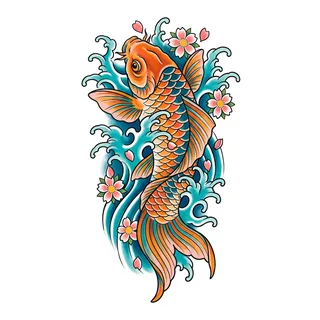
- Japanese · colourTry it on — Color Japanese koi fish tattoo on a woman's shoulder
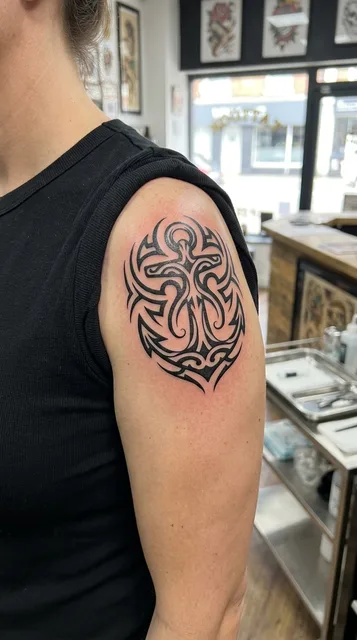
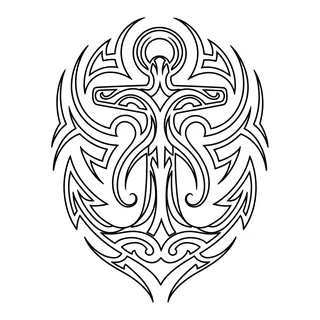
- tribal · black and whiteTry it on — Black and white tribal anchor tattoo on a woman's shoulder
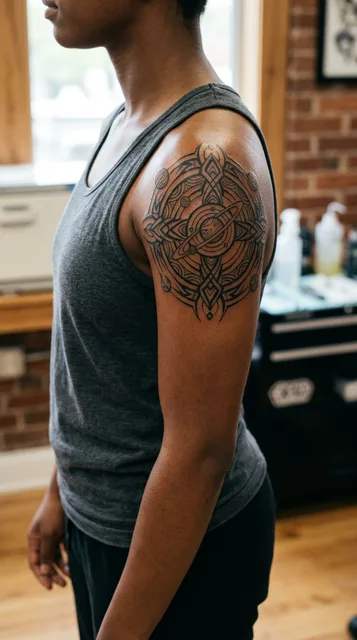
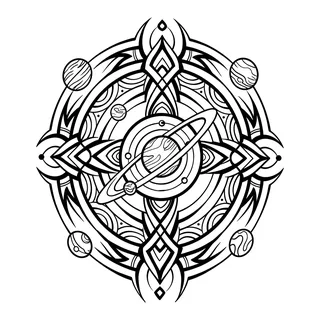
- tribal · black and whiteTry it on — Black and white tribal planet tattoo on a woman's shoulder
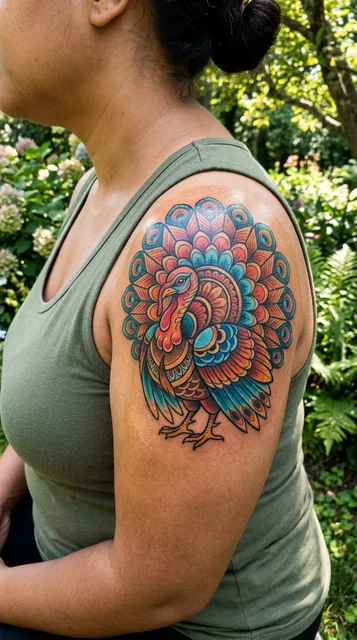
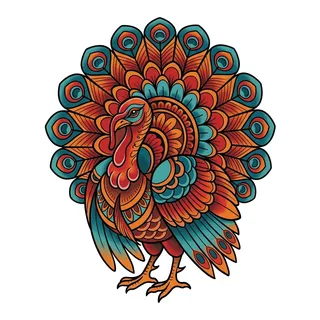
- neo traditional · colourTry it on — Color neo traditional turkey tattoo on a woman's shoulder
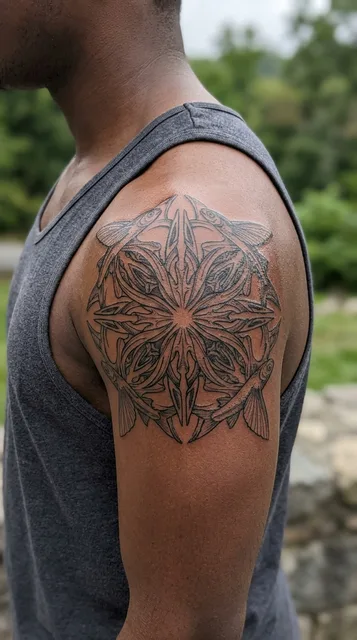
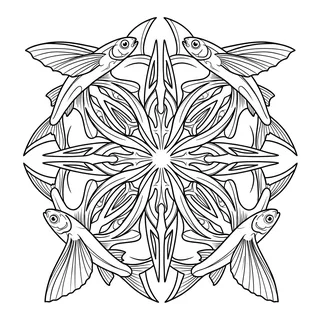
- linework · black and whiteTry it on — Black and white linework fish tattoo on a man's shoulder
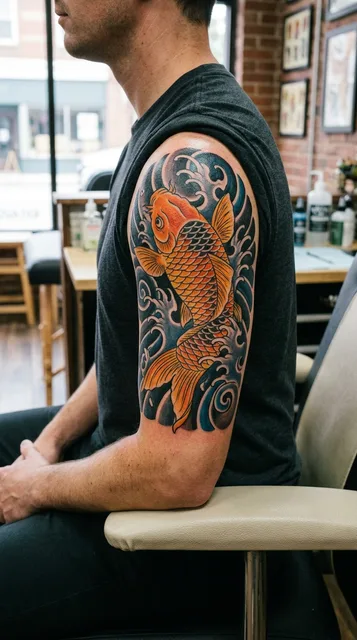
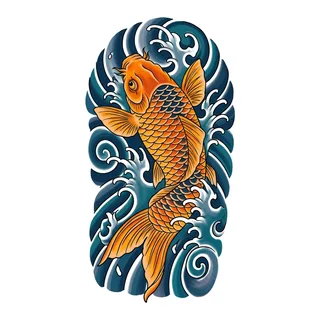
- Japanese · colourTry it on — Color Japanese koi fish tattoo on a man's shoulder
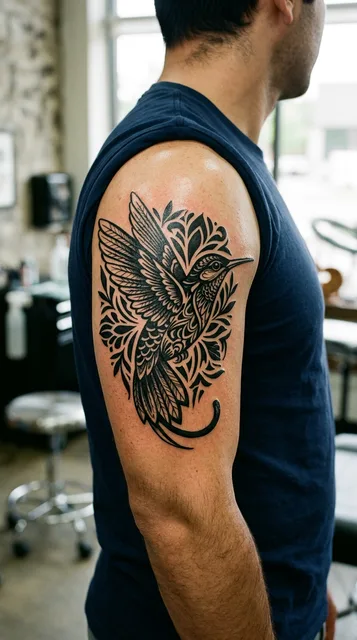
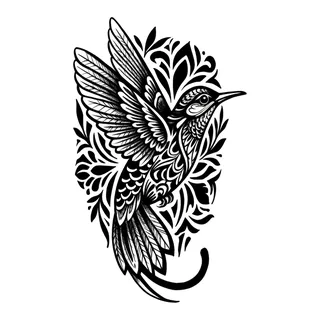
- blackwork · black and whiteTry it on — Black and white blackwork hummingbird tattoo on a man's shoulder
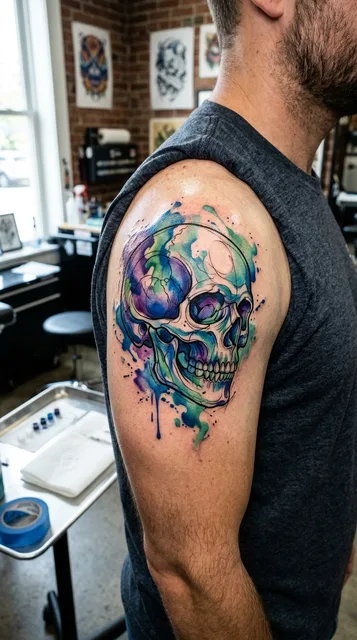
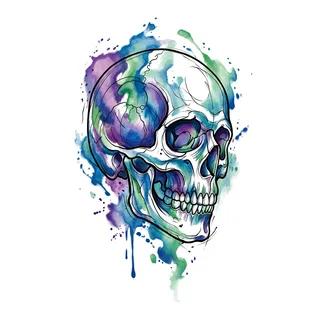
- watercolor · colourTry it on — Color watercolor skull tattoo on a man's shoulder
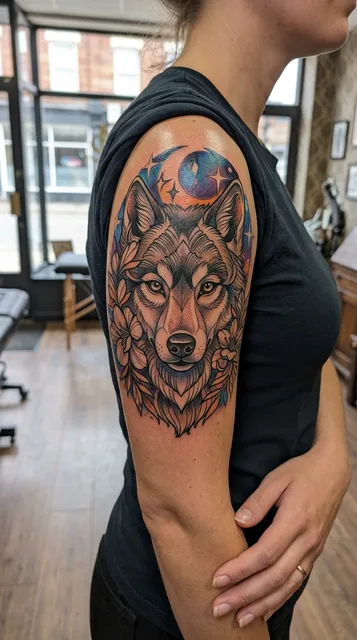
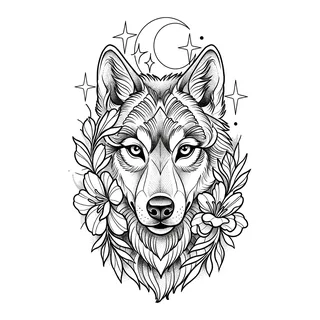
- neo traditional · colourTry it on — Color neo traditional wolf tattoo on a woman's shoulder
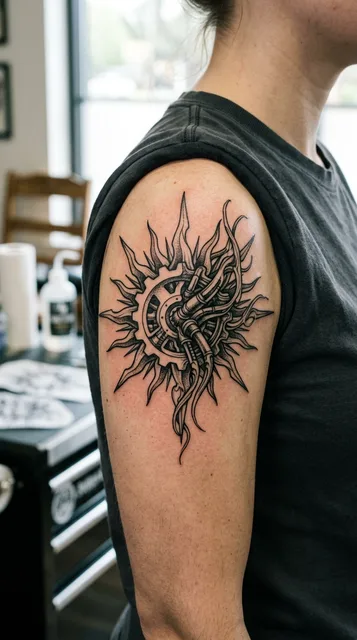
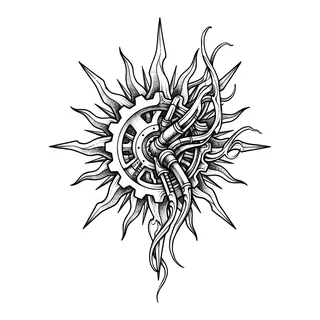
- biomechanical · black and greyTry it on — Black and grey biomechanical sun tattoo on a woman's shoulder
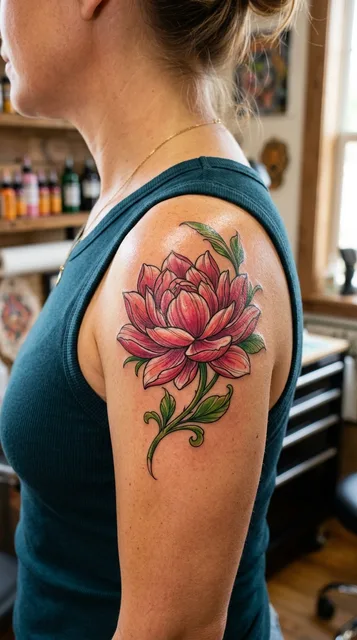
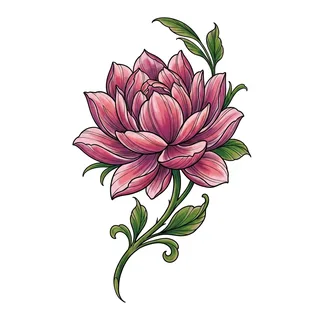
- illustrative · colourTry it on — Color illustrative lotus tattoo on a woman's shoulder
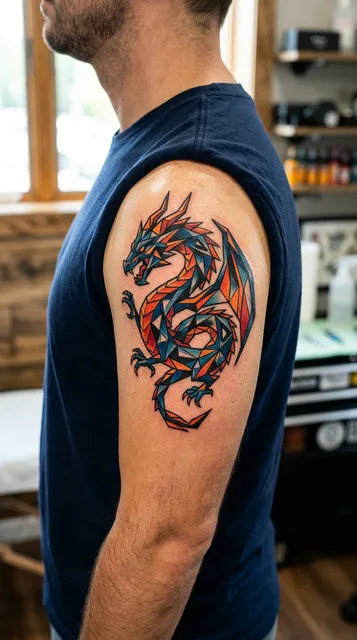
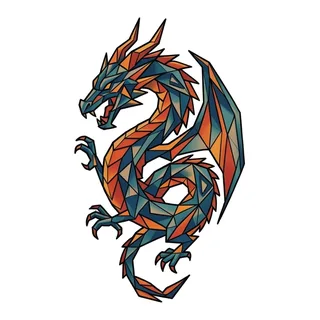
- geometric · colourTry it on — Color geometric dragon tattoo on a man's shoulder
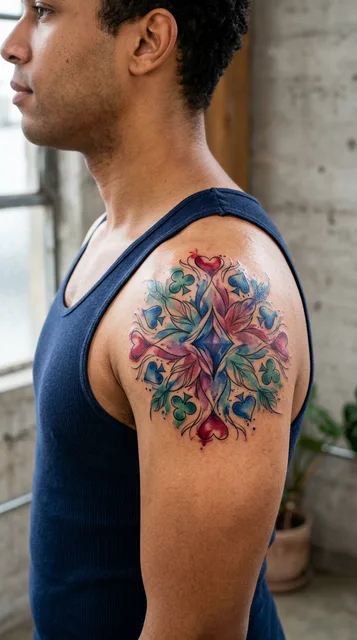
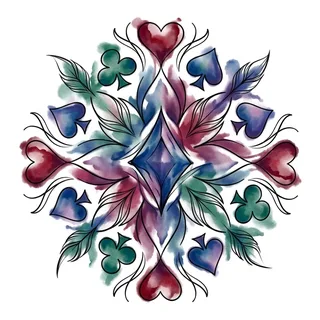
- watercolor · colourTry it on — Color watercolor card suits tattoo on a man's shoulder
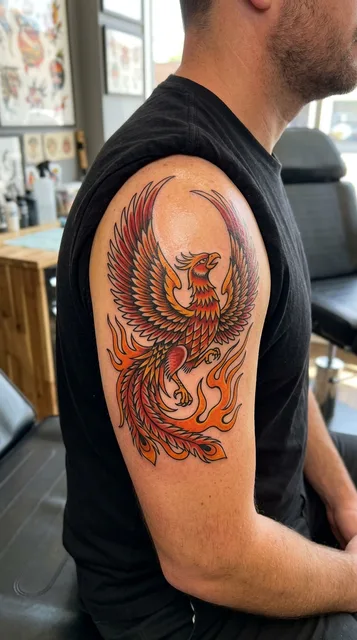
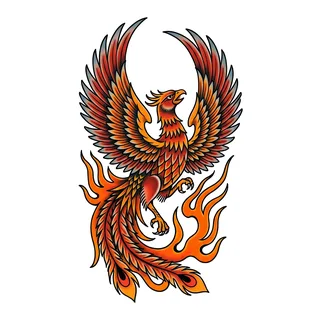
- traditional · colourTry it on — Color traditional phoenix tattoo on a man's shoulder
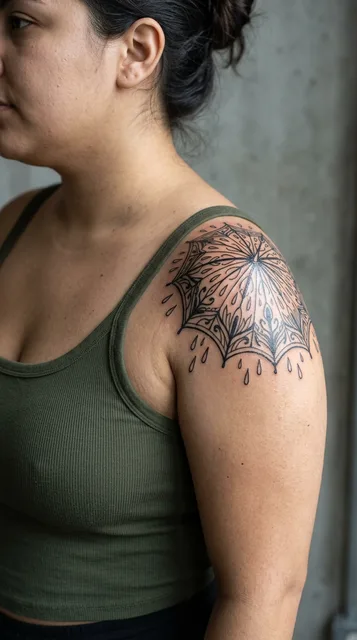
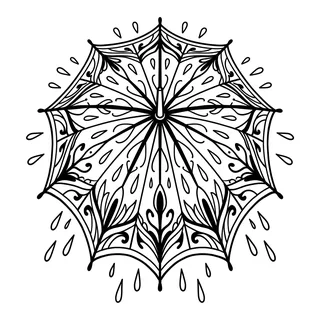
- ornamental · black and greyTry it on — Black and grey ornamental umbrella tattoo on a woman's shoulder
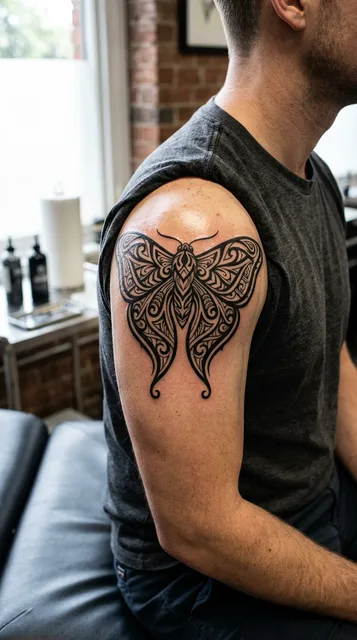
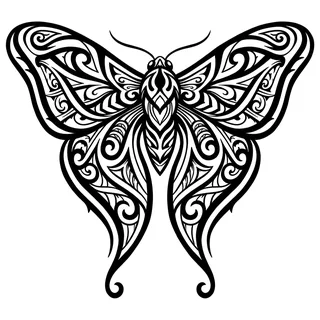
- tribal · black and whiteTry it on — Black and white tribal butterfly tattoo on a man's shoulder
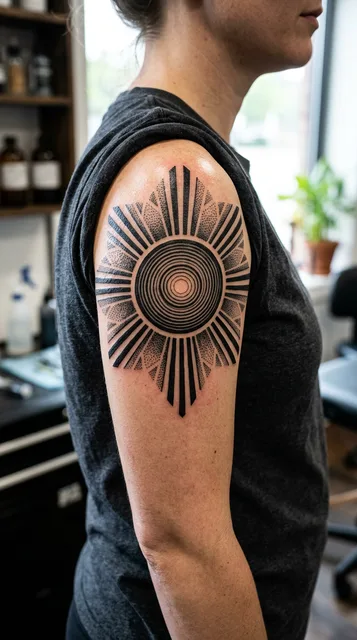
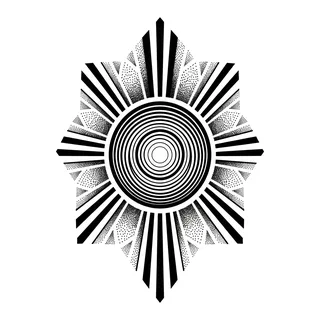
- blackwork · black and whiteTry it on — Black and white blackwork sun tattoo on a woman's shoulder
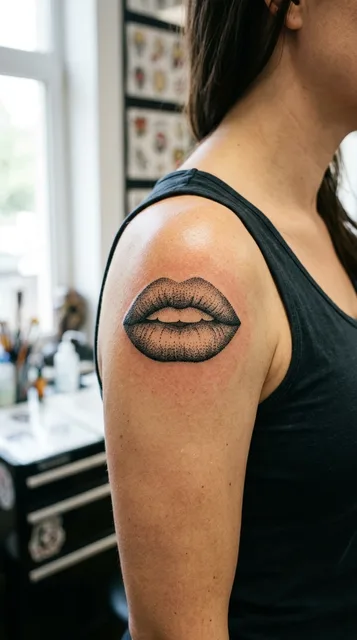
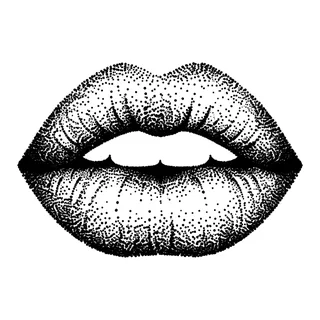
- dotwork · black and greyTry it on — Black and grey dotwork lips tattoo on a woman's shoulder
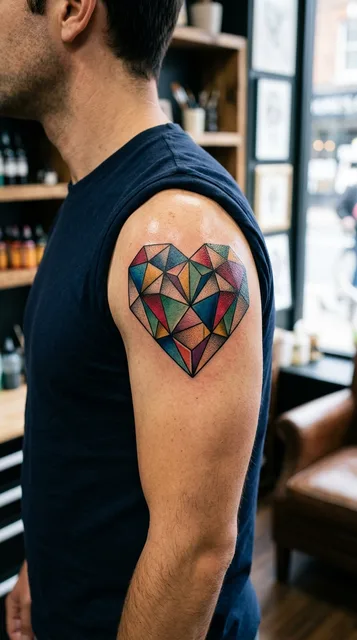
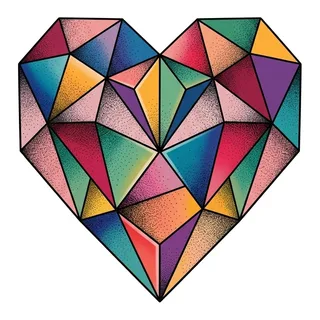
- geometric · colourTry it on — Color geometric heart tattoo on a man's shoulder
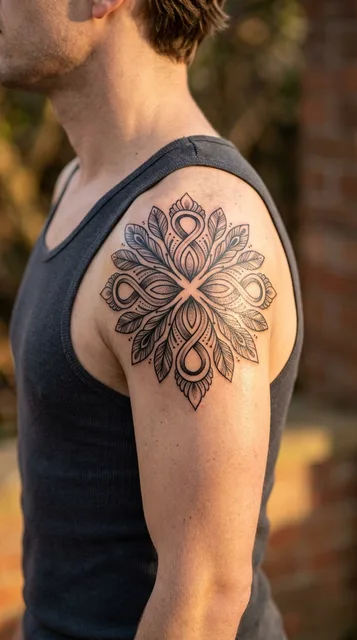
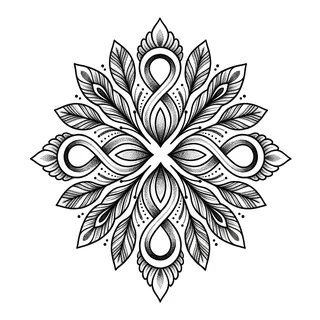
- ornamental · black and greyTry it on — Black and grey ornamental infinity tattoo on a man's shoulder
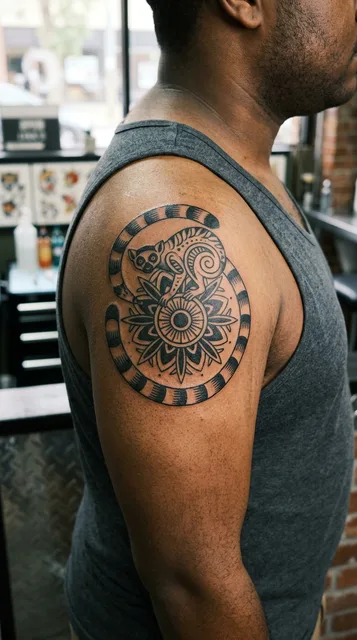
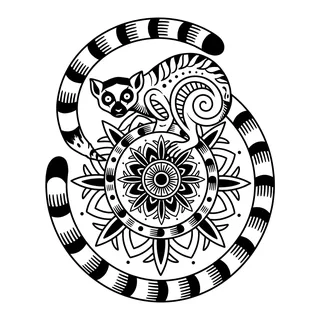
- blackwork · black and whiteTry it on — Black and white blackwork lemur tattoo on a man's shoulder
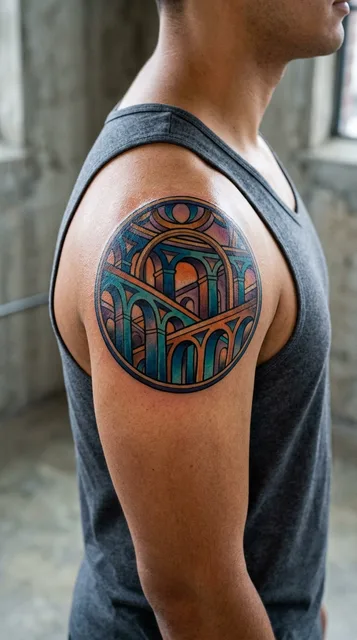
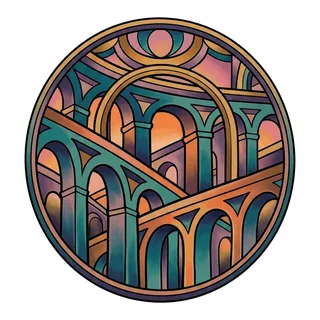
- geometric · colourTry it on — Color geometric aqueduct tattoo on a man's shoulder
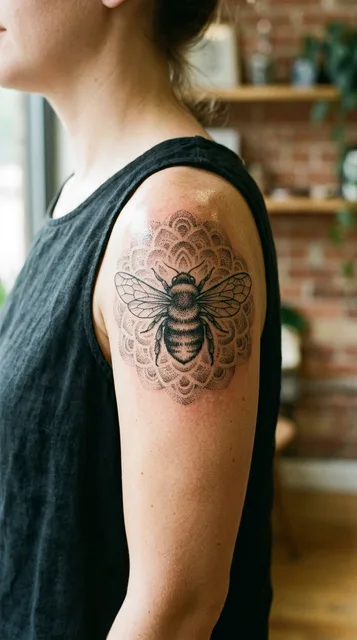
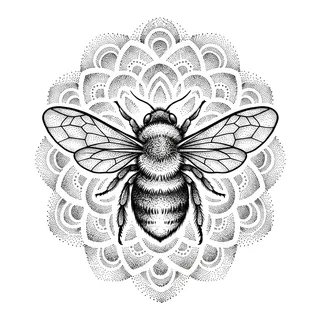
- dotwork · black and greyTry it on — Black and grey dotwork bee tattoo on a woman's shoulder
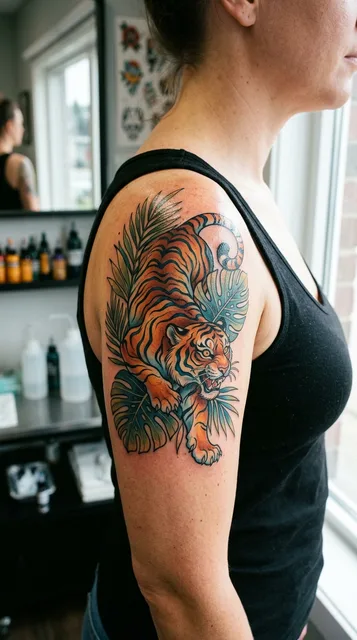
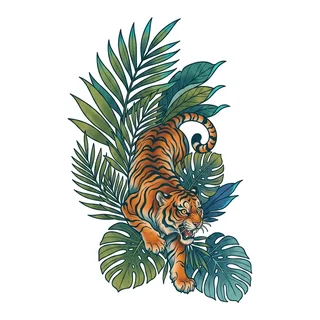
- new school · colourTry it on — Color new school tiger tattoo on a woman's shoulder
- geometric · colourTry it on — Color geometric ornament tattoo on a man's shoulder
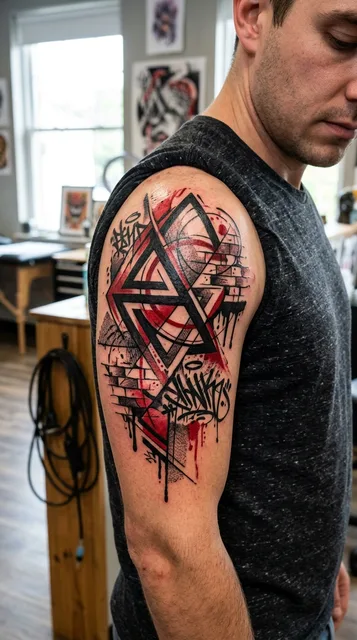
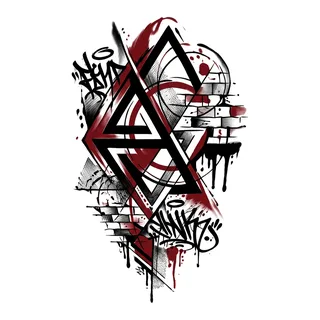
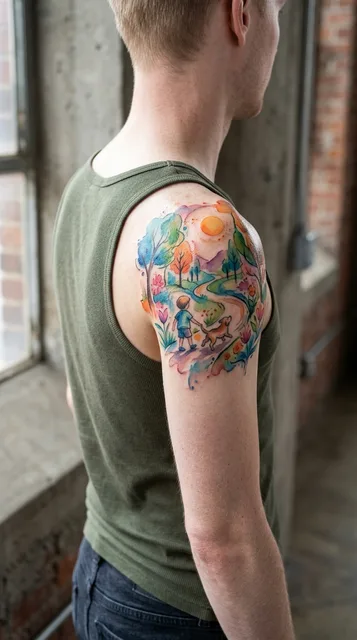
- watercolor · colourTry it on — Color watercolor dog tattoo on a man's shoulder

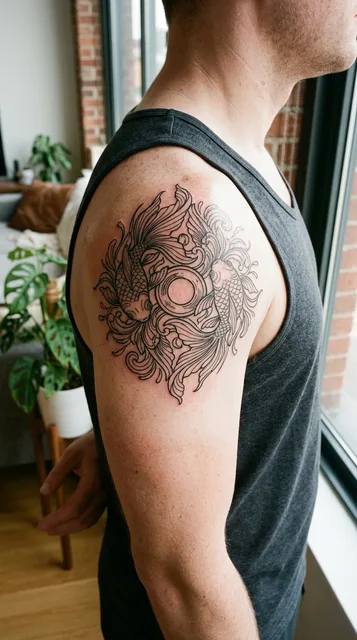
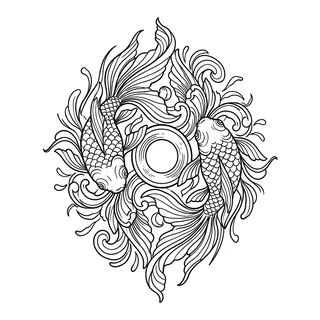
- linework · black and whiteTry it on — Black and white linework koi tattoo on a man's shoulder
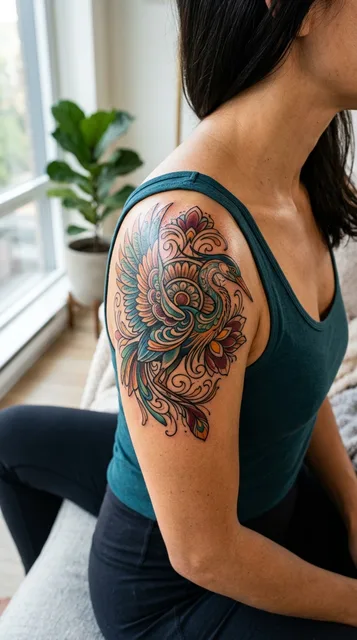
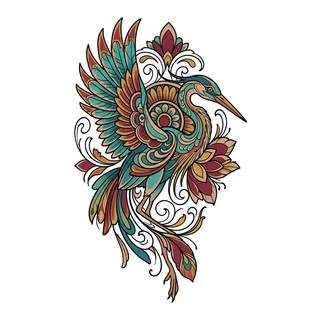
- neo traditional · colourTry it on — Color neo traditional heron tattoo on a woman's shoulder
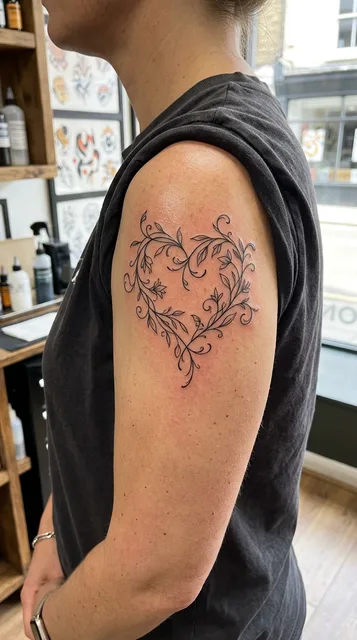
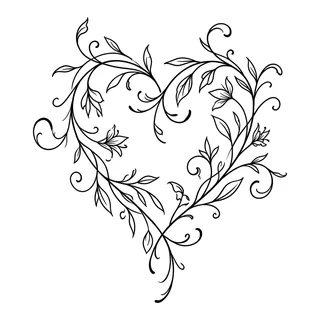
- fine line · black and whiteTry it on — Black and white fine line heart tattoo on a woman's shoulder
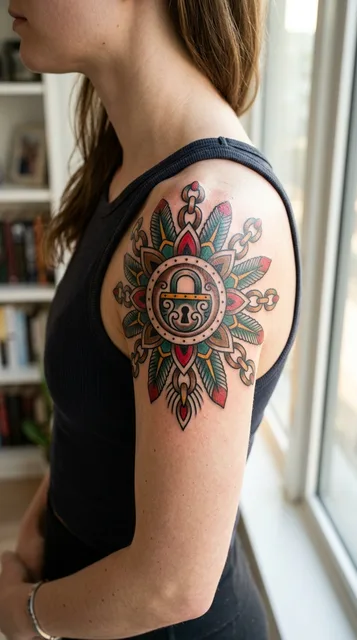
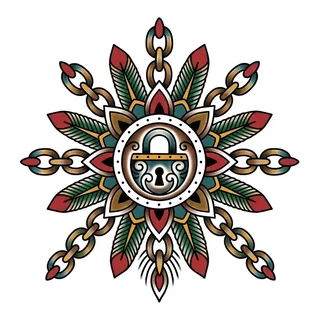
- traditional · colourTry it on — Color traditional padlock tattoo on a woman's shoulder
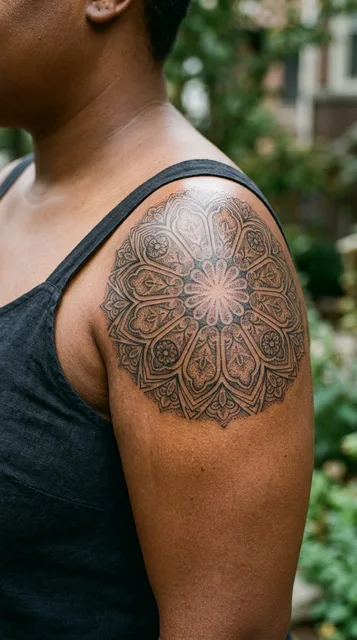
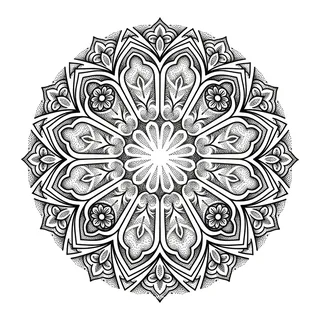
- dotwork · black and greyTry it on — Black and grey dotwork mandala tattoo on a woman's shoulder
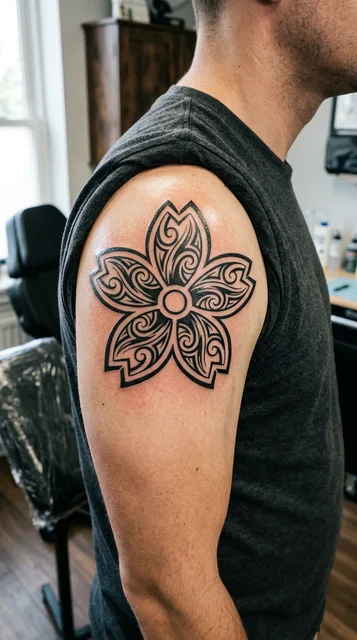
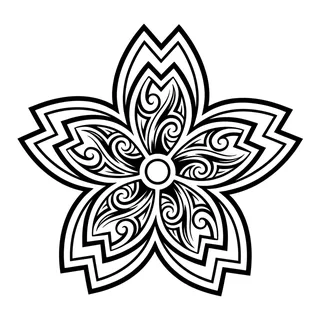
- tribal · black and whiteTry it on — Black and white tribal cherry blossom tattoo on a man's shoulder
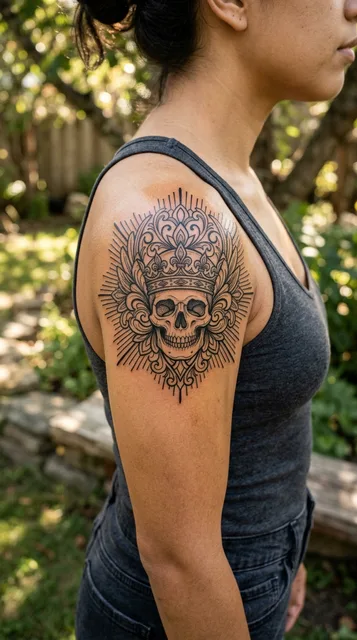
- illustrative · black and greyTry it on — Black and grey illustrative skull tattoo on a woman's shoulder
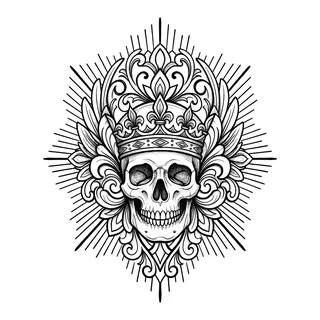
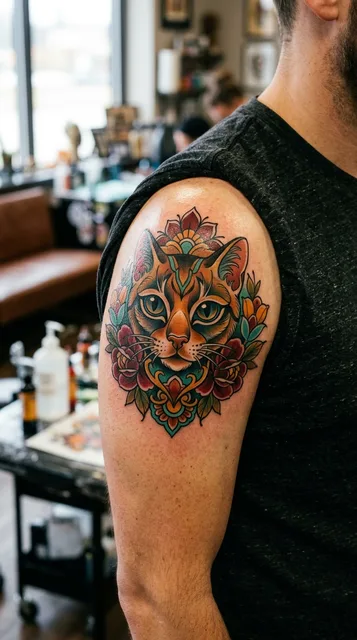
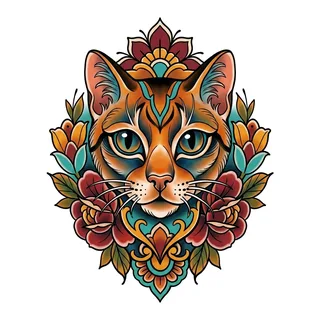
- neo traditional · colourTry it on — Color neo traditional cat tattoo on a man's shoulder
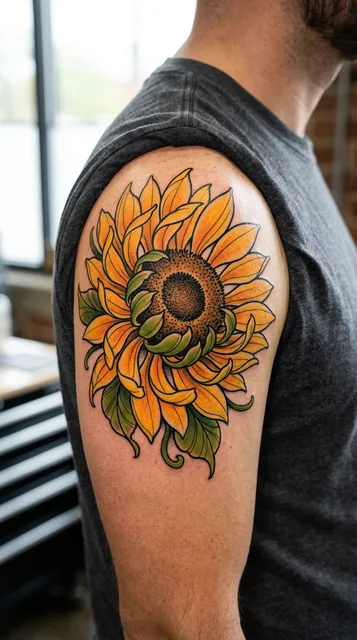
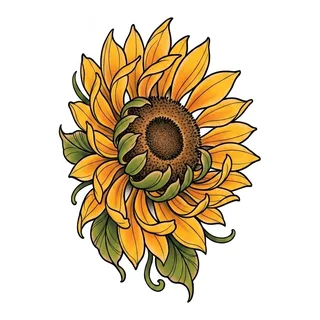
- new school · colourTry it on — Color new school sunflower tattoo on a man's shoulder
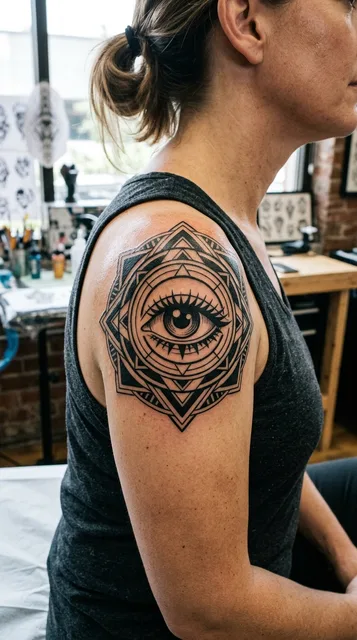
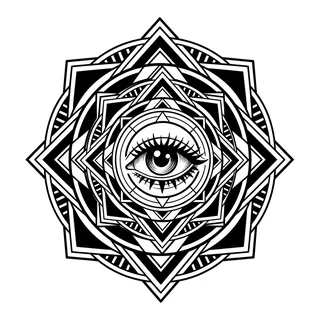
- blackwork · black and whiteTry it on — Black and white blackwork eye tattoo on a woman's shoulder
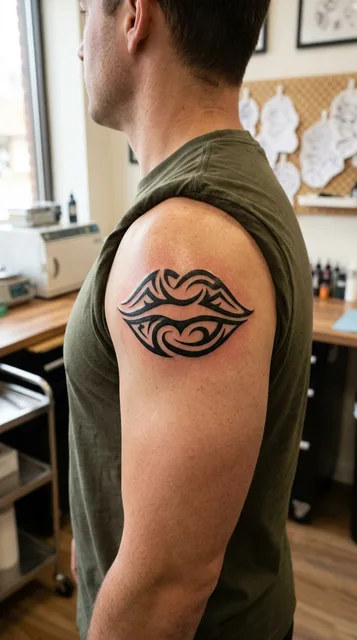
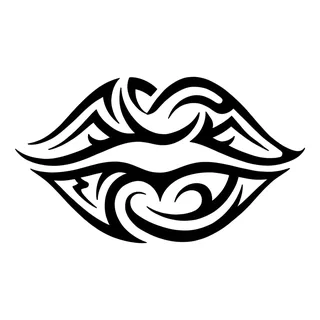
- tribal · black and whiteTry it on — Black and white tribal lips tattoo on a man's shoulder
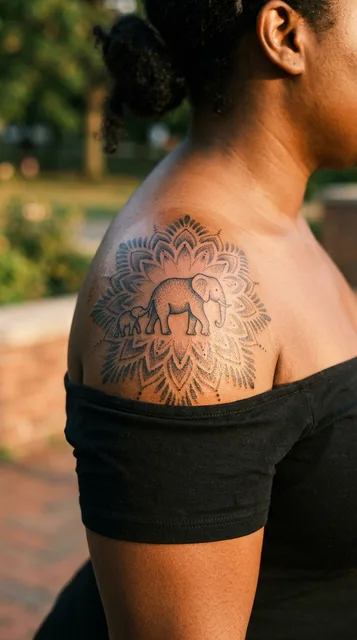
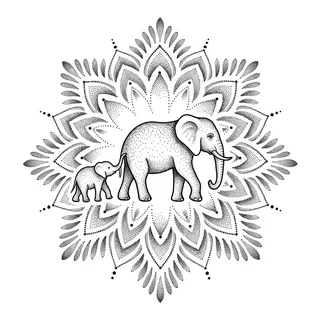
- dotwork · black and greyTry it on — Black and grey dotwork elephant tattoo on a woman's shoulder
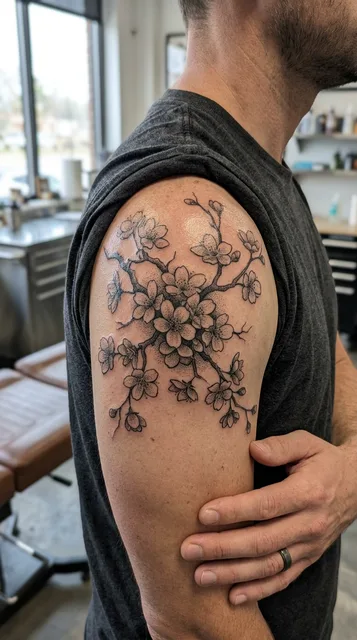
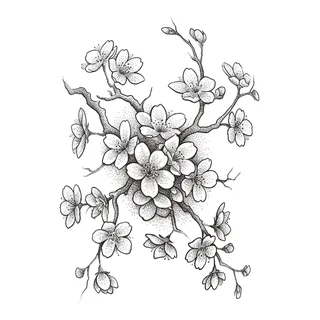
- dotwork · black and greyTry it on — Black and grey dotwork cherry blossom tattoo on a man's shoulder
- new school · colourTry it on — Color new school bird tattoo on a woman's shoulder
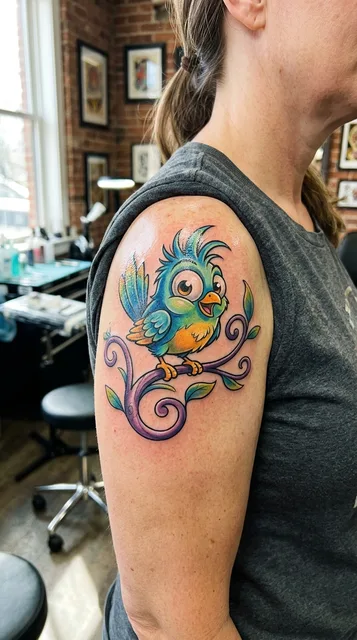
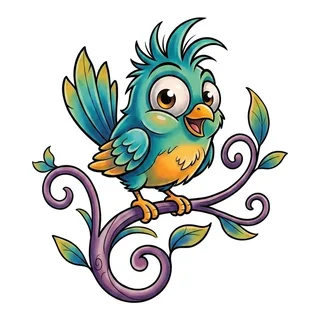


Every pair is one tattoo: the design as it was drawn, and a photograph of that same design on the shoulder.
These 40 shoulder tattoos, by the numbers
- Styles represented
- dotwork (5), tribal (5), blackwork (4), geometric (4), neo traditional (4), new school (3)
- Black-and-grey vs colour
- 53% black-and-grey, 48% colour
- Shown on
- 20 feminine, 20 masculine presentation
Counted from the 40 tattoos shown on this page. Every design was drawn for InkCraft and photographed on this placement — none are scraped or reposted. Free to reference with a link to this page.
How a shoulder tattoo wears
The deltoid gives you a smooth dome of muscle with no bone close to the surface across most of it. That makes it comfortable, stable and generous: a design can be substantial without needing to wrap, and it holds its shape well because the skin here is thick and does not crease.
Because the shoulder is a ball joint, the surface rotates rather than folds. A tattoo here is seen from the front, the side and the back depending on where the viewer is, which suits radial and circular compositions — designs with a centre read correctly from every angle, while ones with a strong top and bottom only read correctly from one.
It is also the junction piece. A shoulder tattoo connects naturally to the chest, the upper back and the bicep, which is why so many sleeves and larger torso pieces either start or resolve here. A standalone shoulder piece placed without that in mind is the most common thing that makes a later sleeve awkward to design.
Pain and healing
One of the more comfortable placements. Thick skin over substantial muscle with the bone well beneath, and most people describe it as easy sitting. It sharpens toward the top where the work approaches the acromion — the bony point of the shoulder — and toward the collarbone. Healing is simple: the area is easy to keep clean, does not crease, and is covered by a t-shirt sleeve. Bag straps are the one thing to keep off it for a fortnight.
The tattoo pain chart ranks the shoulder against the other twenty-five body parts on this site, and says why. The aftercare guide has a row for healing a shoulder tattoo specifically: what gets in the way here, and the one thing to do about it.
Choosing a design that suits it
- Radial and circular compositions suit the dome; designs with a fixed top and bottom only read from one angle.
- Decide now whether this might grow. The shoulder is the hinge between chest, back and arm, and where a piece ends here decides what is possible later.
- Keep clear of the bony point at the top unless the design needs it — it is the sharpest part and the most exposed to wear.
- Bag straps sit exactly here. Worth a thought both for healing and for the long term.
Size, cost and who sees it
How big, and what it costs
A defined shoulder cap is commonly a single session of three to five hours. As part of a larger project it is usually the first or last piece placed, and pricing follows the project rather than the panel.
Who will see it
Any t-shirt hides it; a vest or a wide neckline reveals it. It is one of the easiest large placements to keep private day to day.
What to ask your artist
- Does this read correctly from the front, side and back?
- If I later want a sleeve, where should this end?
- How close does this come to the bony point at the top?
- Will this connect naturally to my chest or back if I extend it?
Prices vary widely by city and artist — treat these as session lengths rather than quotes, and expect a shop minimum on anything small. The cost guide puts the shoulder in a table with the other twenty-five placements.
Common questions
Is the shoulder a good first large tattoo?
One of the best. It is comfortable to sit, heals easily, holds detail well and is covered by a t-shirt — and it gives you room for something substantial without committing to a sleeve.
Why do circular designs suit shoulders?
Because the joint rotates. The surface is seen from several angles depending on where you are standing, and a design with a centre reads correctly from all of them where one with a fixed top and bottom does not.
Should I plan for a sleeve before getting a shoulder piece?
You do not have to commit, but say it is possible. The shoulder connects the arm to the chest and back, and a piece placed with no thought for that is the usual reason a later sleeve has to work around something.
See it on your own shoulder
InkCraft places a design on a photo of you — scaled, wrapped and shaded to the placement you pick, so you can judge it before it is permanent.