 InkCraft
Bicep Tattoo Ideas, Designs and Placement Guide
40 bicep tattoos photographed on skin for InkCraftBy Uladzimir TumanauUpdated

Opens in your browser. No signup. Or tap any design below.
The upper arm is where a lot of people put their first larger piece: comfortable to sit, easy to cover, and with an inner face that is among the gentlest surfaces on the body.
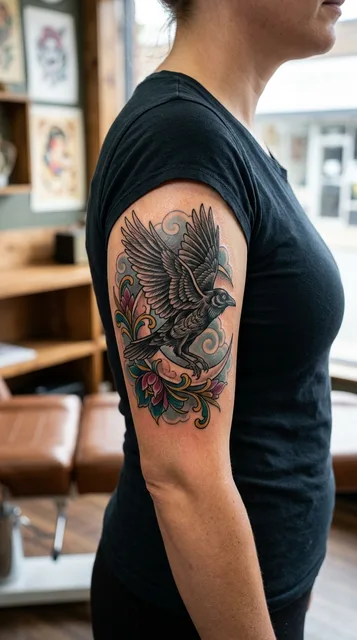
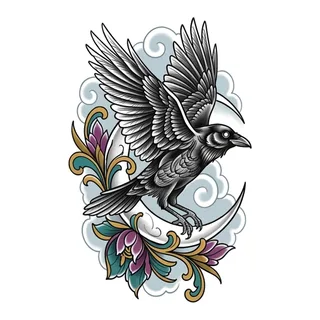
- neo traditional · colourTry it on — Color neo traditional raven tattoo on a woman's bicep
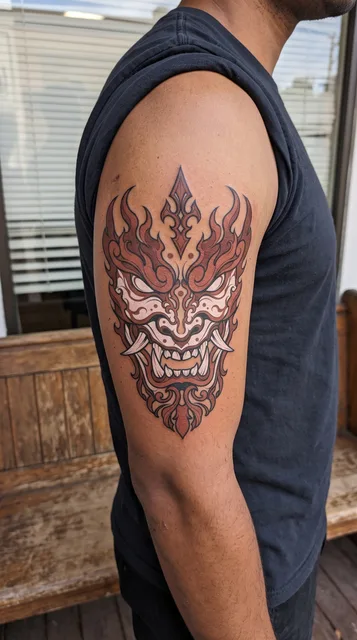
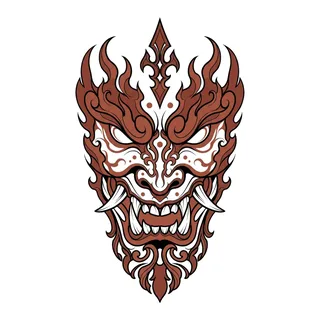
- Japanese · black and greyTry it on — Black and grey Japanese oni mask tattoo on a man's bicep
- geometric · black and whiteTry it on — Black and white geometric dragonfly tattoo on a woman's bicep
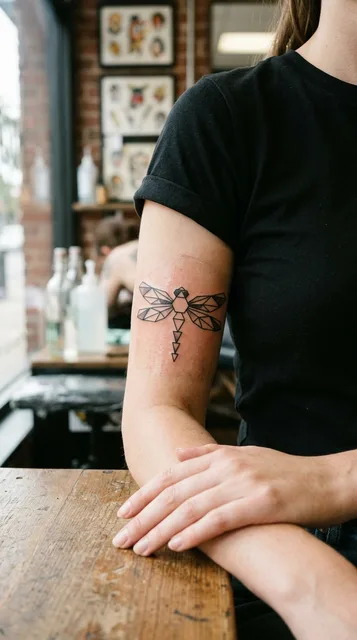
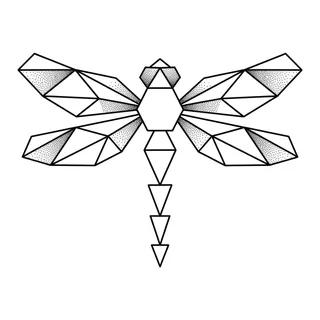
- linework · black and whiteTry it on — Black and white linework bird tattoo on a woman's bicep
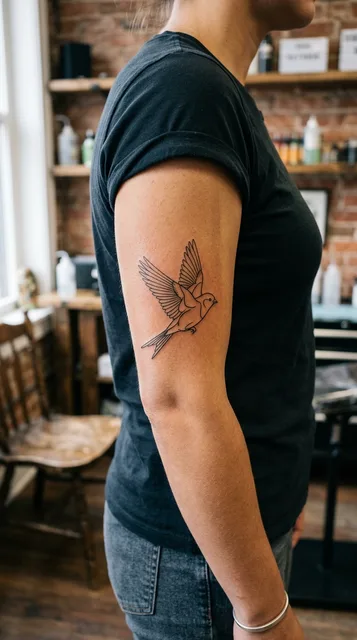
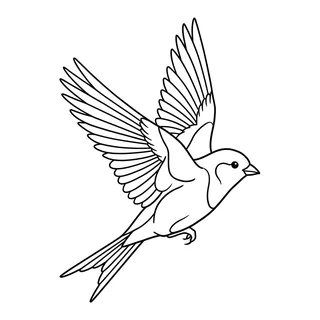
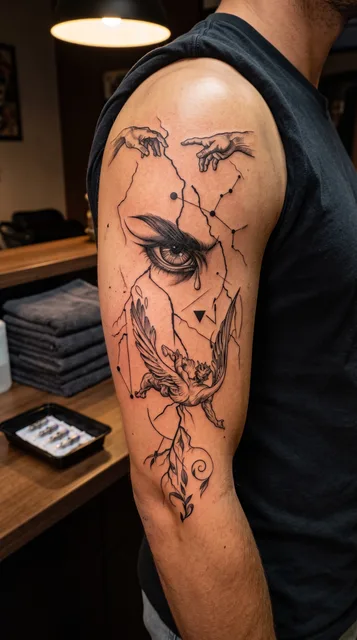
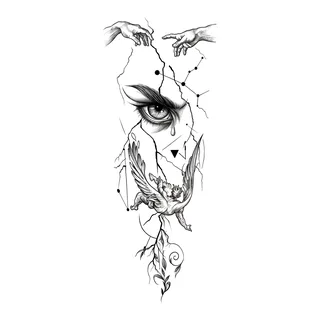
- illustrative · black and greyTry it on — Black and grey illustrative angel eye tattoo on a man's bicep
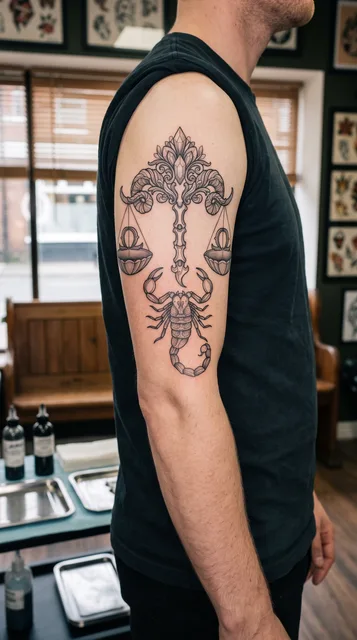
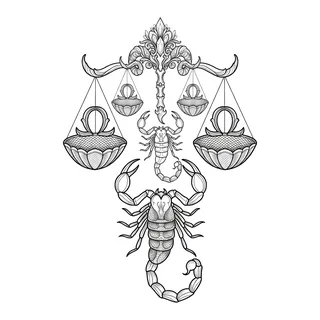
- illustrative · black and greyTry it on — Black and grey illustrative scales scorpion tattoo on a man's bicep
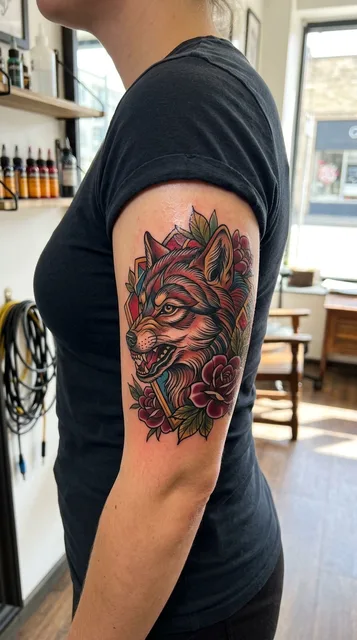
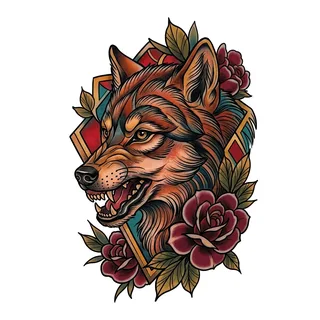
- neo traditional · colourTry it on — Color neo traditional wolf tattoo on a woman's bicep
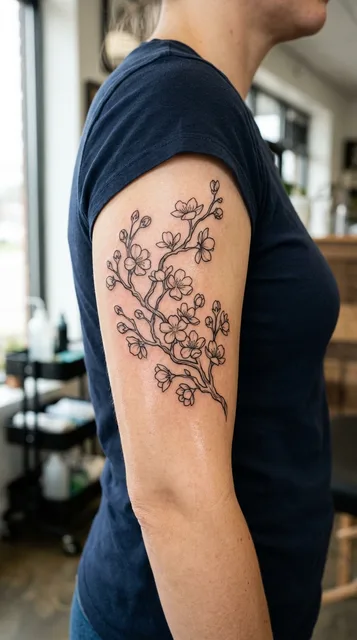
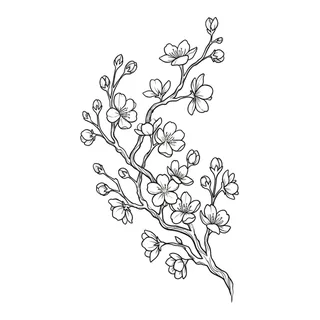
- linework · black and whiteTry it on — Black and white linework cherry blossom tattoo on a woman's bicep
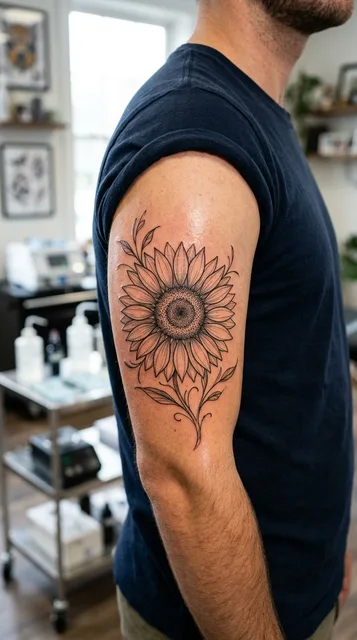
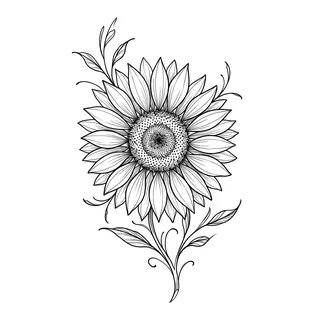
- fine line · black and whiteTry it on — Black and white fine line sunflower tattoo on a man's bicep
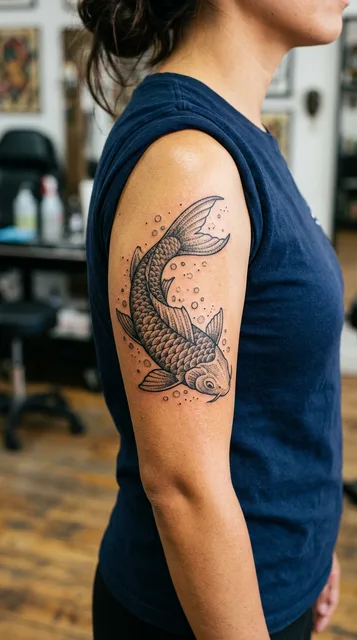
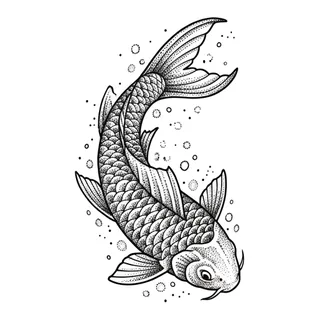
- dotwork · black and greyTry it on — Black and grey dotwork koi fish tattoo on a woman's bicep
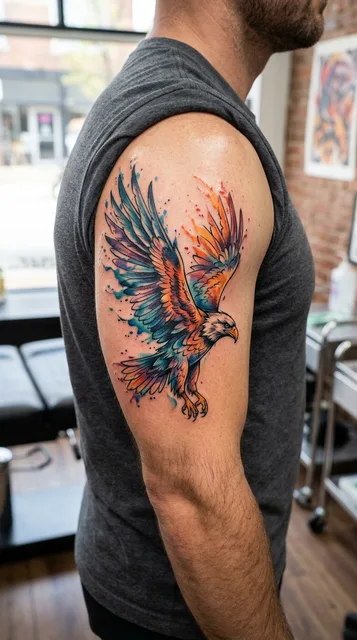
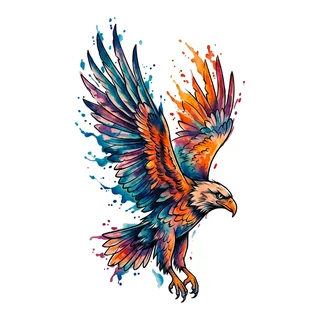
- watercolor · colourTry it on — Color watercolor eagle tattoo on a man's bicep
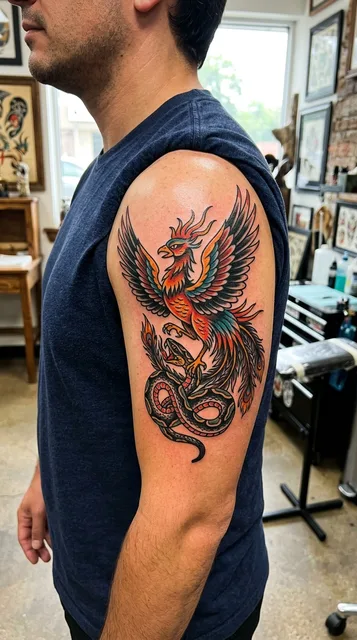
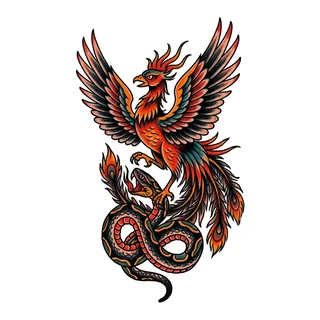
- traditional · colourTry it on — Color traditional phoenix tattoo on a man's bicep
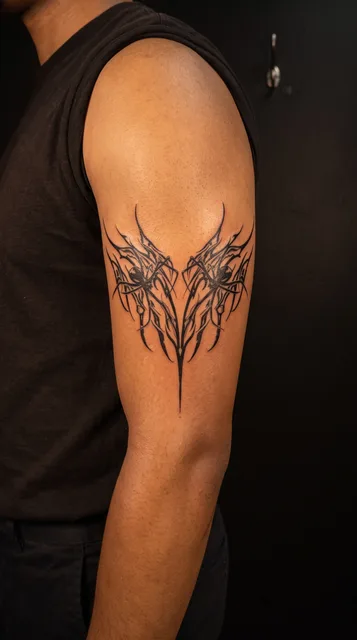
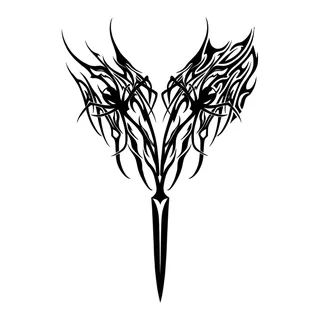
- tribal · black and whiteTry it on — Black and white tribal ornament tattoo on a man's bicep
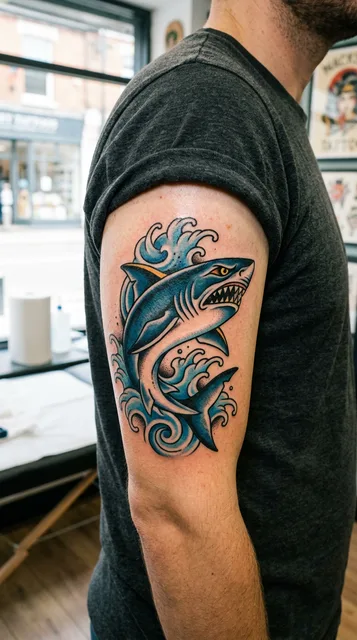
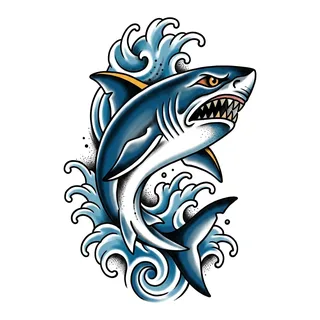
- traditional · colourTry it on — Color traditional shark tattoo on a man's bicep
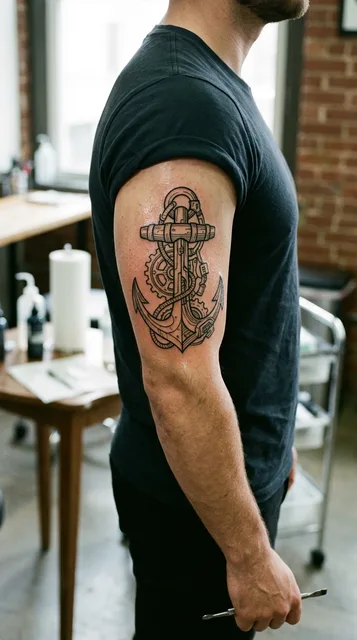
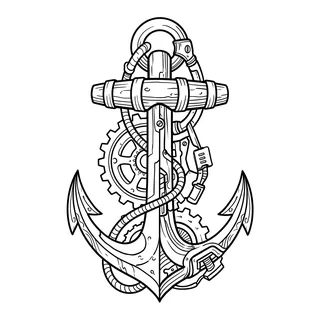
- biomechanical · black and greyTry it on — Black and grey biomechanical anchor tattoo on a man's bicep
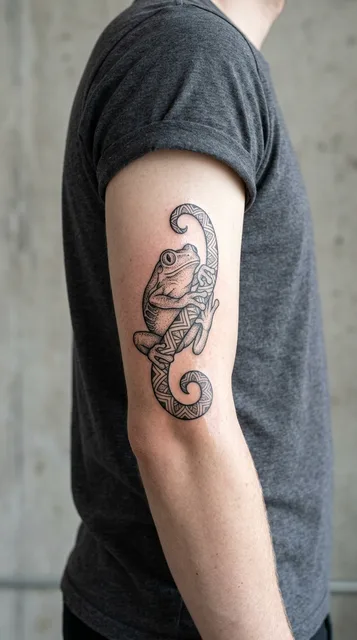
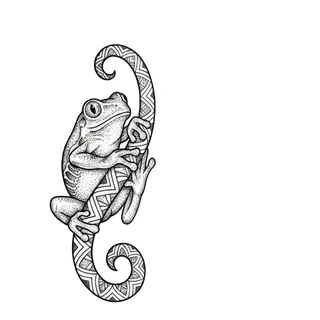
- dotwork · black and greyTry it on — Black and grey dotwork frog tattoo on a man's bicep
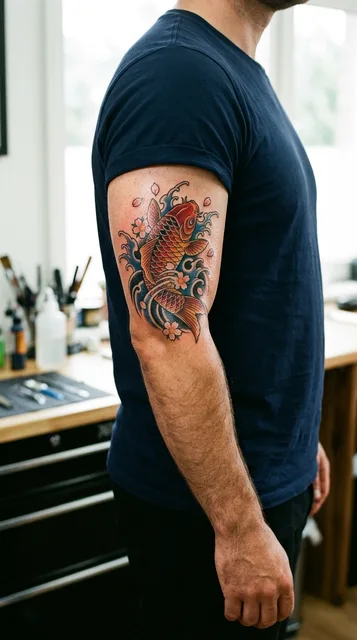
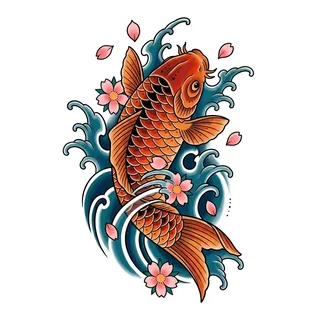
- Japanese · colourTry it on — Color Japanese koi fish tattoo on a man's bicep
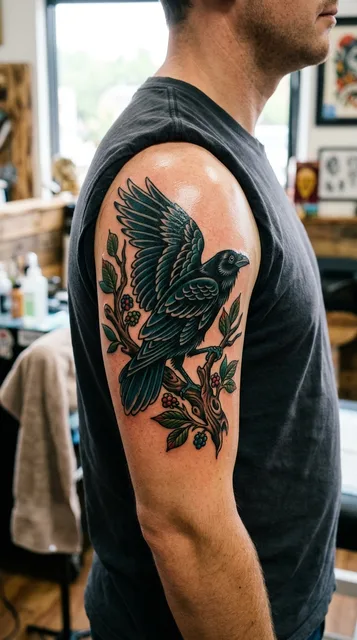
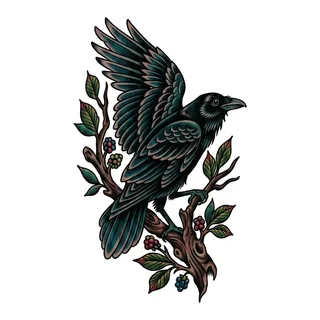
- traditional · colourTry it on — Color traditional raven tattoo on a man's bicep
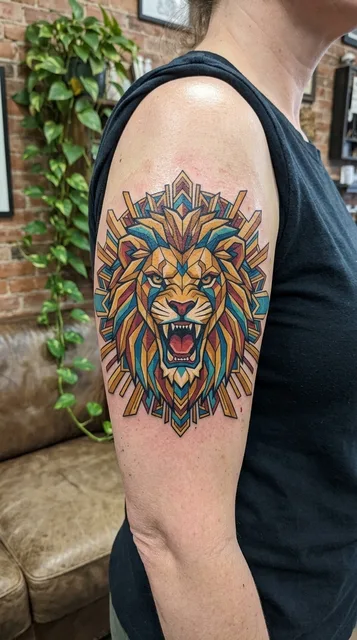
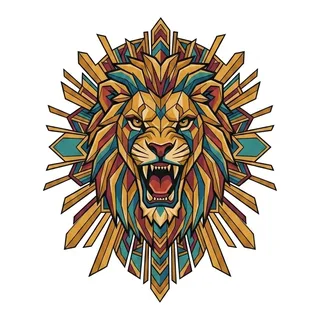
- geometric · colourTry it on — Color geometric lion tattoo on a man's bicep
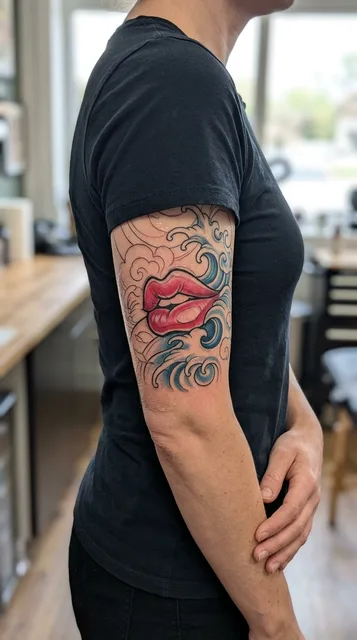
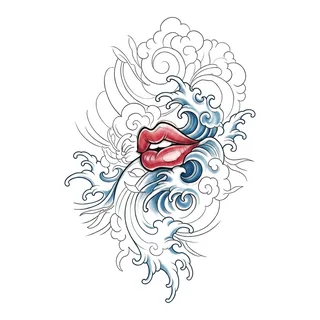
- Japanese · colourTry it on — Color Japanese lips tattoo on a man's bicep
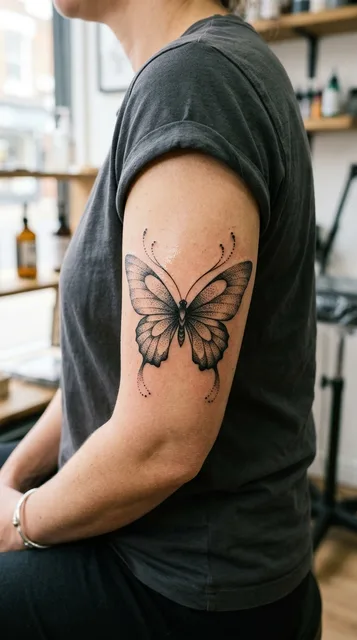
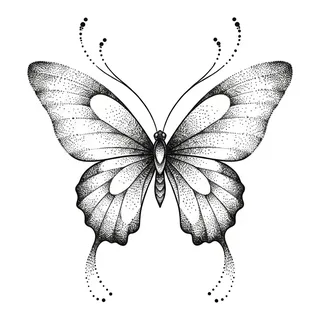
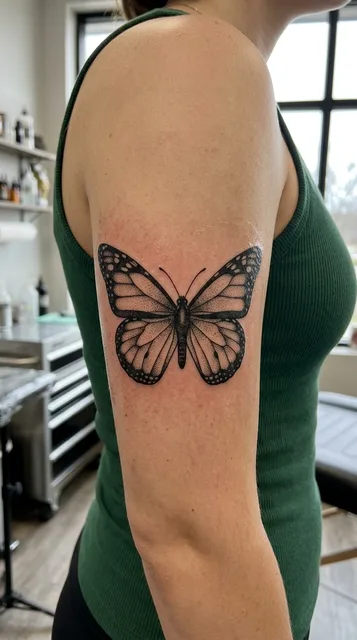
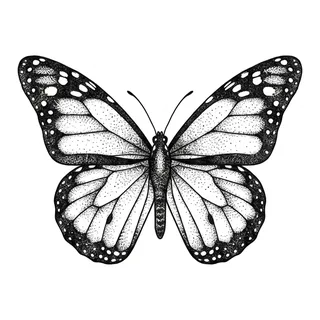
- dotwork · black and greyTry it on — Black and grey dotwork butterfly tattoo on a woman's bicep (1 of 2)
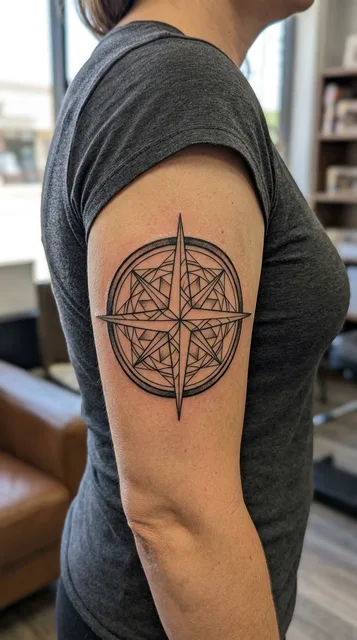
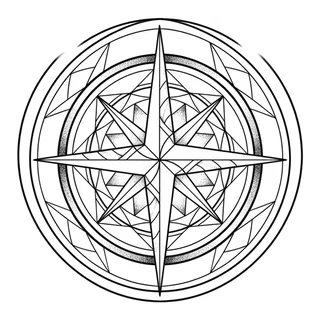
- linework · black and whiteTry it on — Black and white linework compass tattoo on a woman's bicep
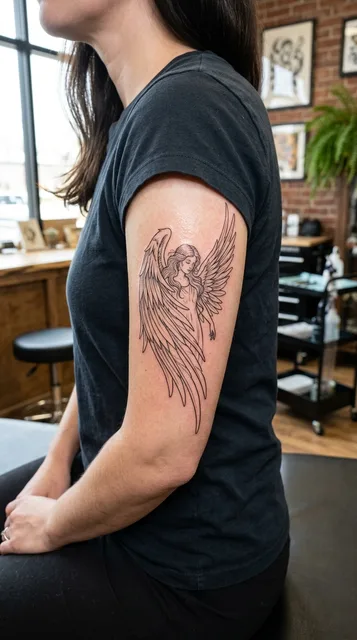
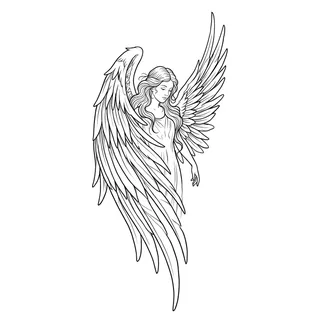
- fine line · black and whiteTry it on — Black and white fine line angel tattoo on a woman's bicep
- dotwork · black and greyTry it on — Black and grey dotwork butterfly tattoo on a woman's bicep (2 of 2)
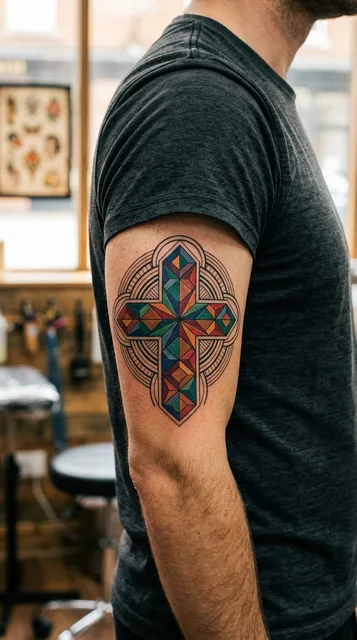
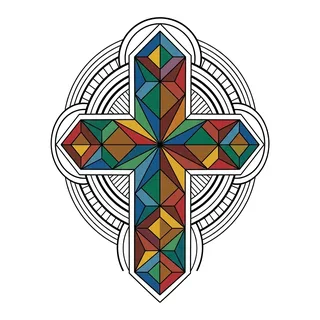
- geometric · colourTry it on — Color geometric cross tattoo on a man's bicep
- illustrative · black and greyTry it on — Black and grey illustrative figure tattoo on a man's bicep
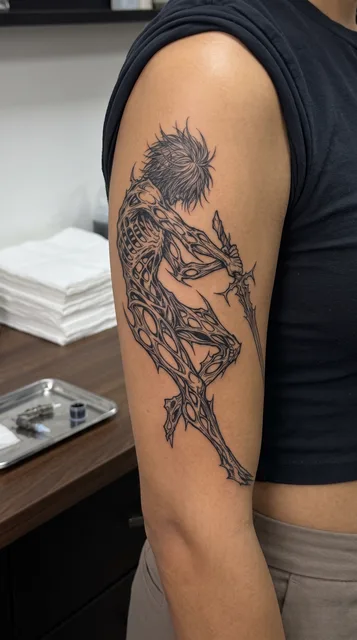
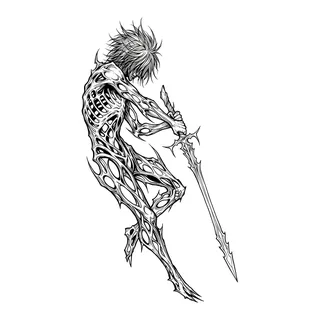
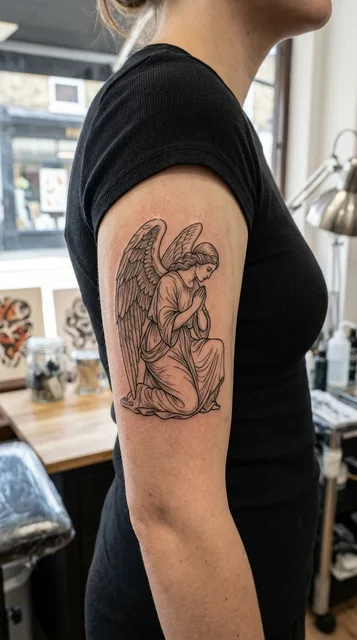
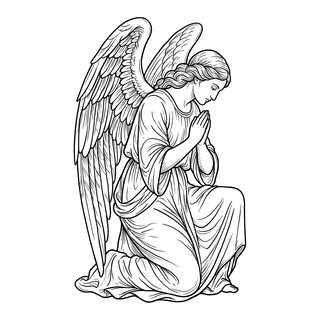
- illustrative · black and greyTry it on — Black and grey illustrative angel tattoo on a woman's bicep
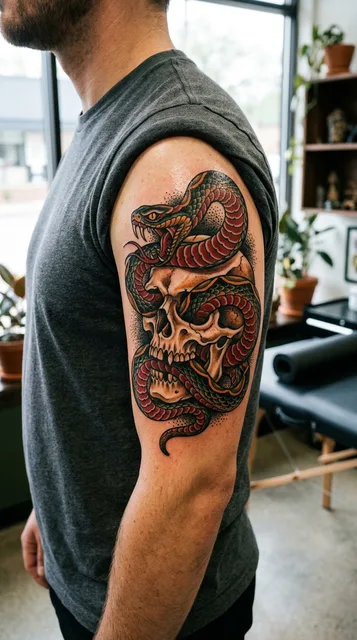
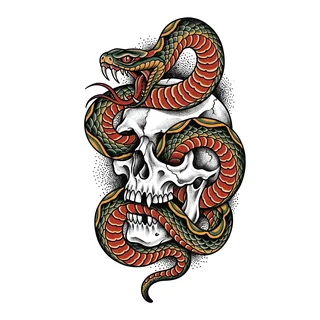
- Japanese · colourTry it on — Color Japanese skull tattoo on a man's bicep
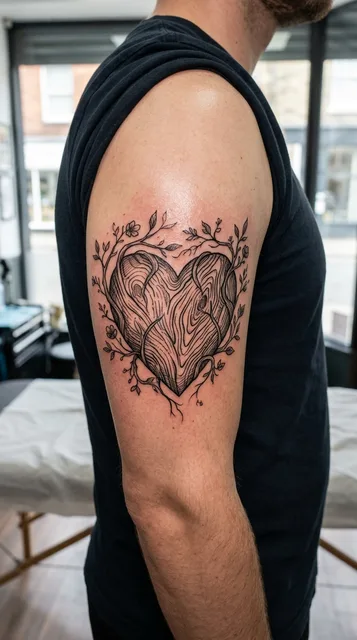
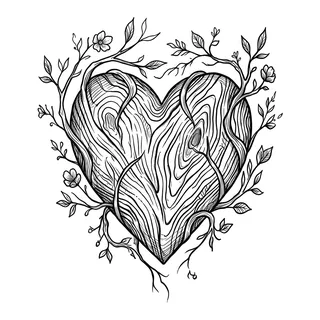
- illustrative · black and greyTry it on — Black and grey illustrative heart tattoo on a man's bicep
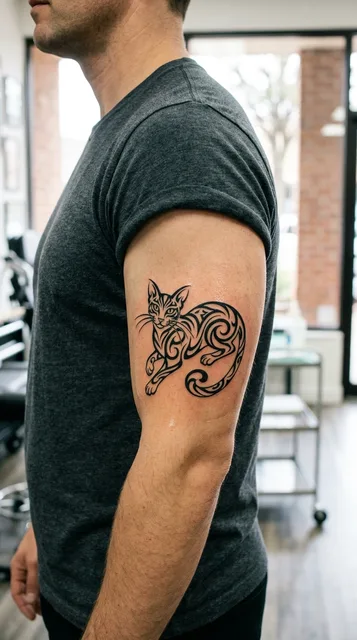
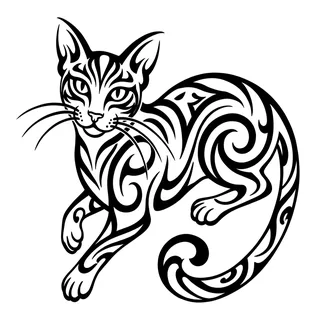
- tribal · black and whiteTry it on — Black and white tribal cat tattoo on a man's bicep
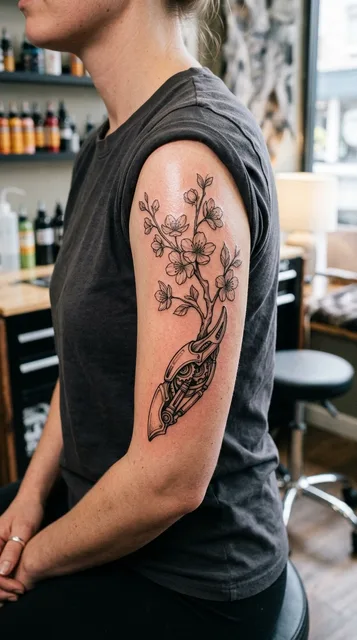
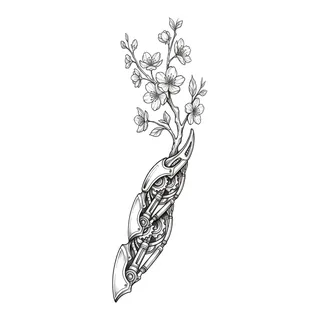
- biomechanical · black and greyTry it on — Black and grey biomechanical cherry blossom tattoo on a woman's bicep
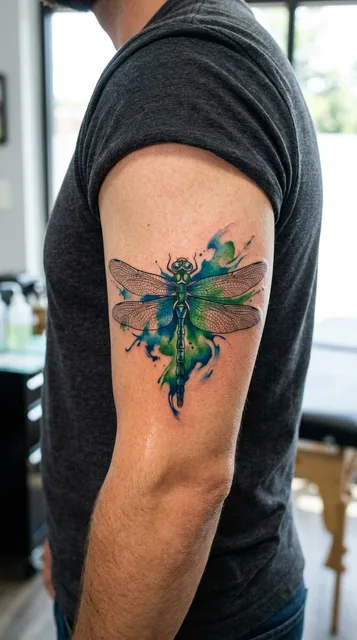
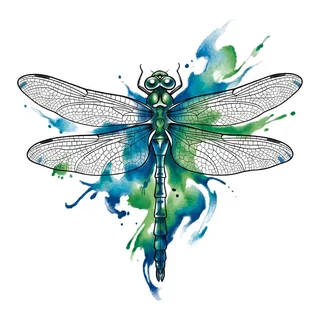
- watercolor · colourTry it on — Color watercolor dragonfly tattoo on a man's bicep
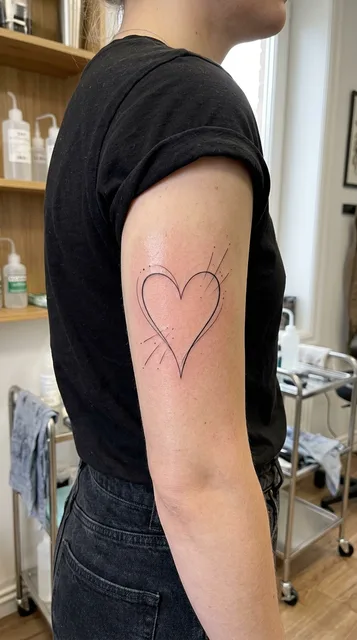
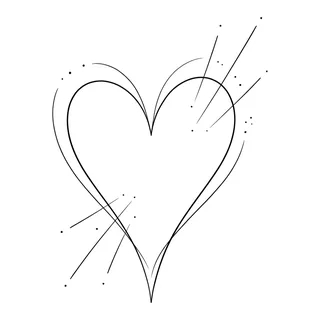
- fine line · black and whiteTry it on — Black and white fine line heart tattoo on a woman's bicep
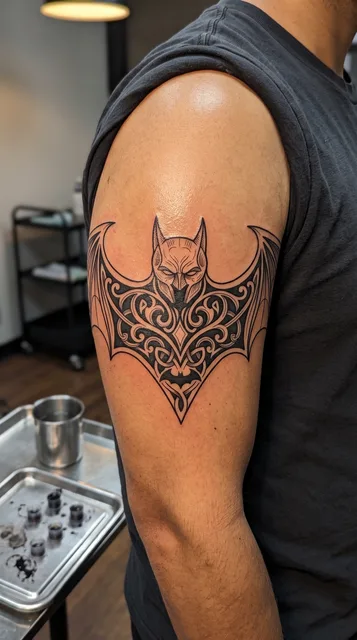
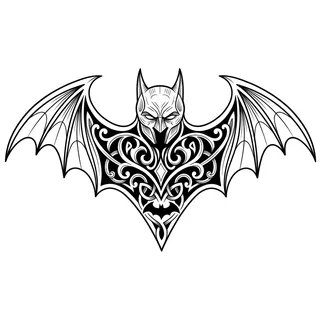
- ornamental · black and greyTry it on — Black and grey ornamental bat tattoo on a man's bicep
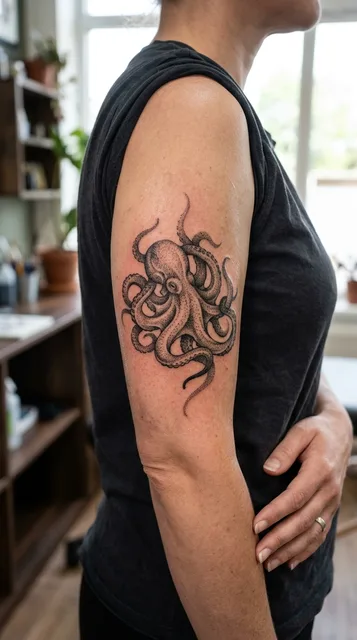
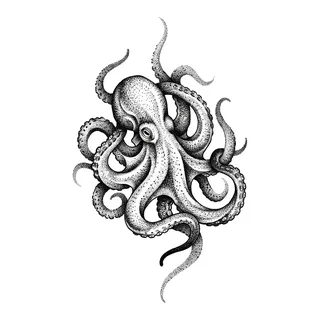
- dotwork · black and greyTry it on — Black and grey dotwork octopus tattoo on a woman's bicep
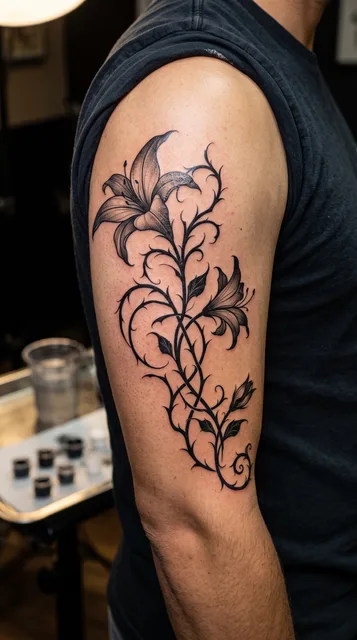
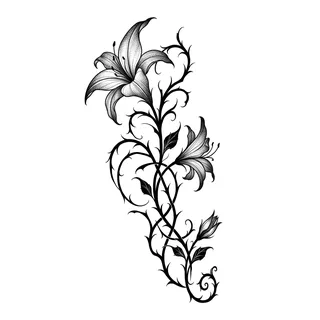
- dotwork · black and greyTry it on — Black and grey dotwork lily tattoo on a man's bicep
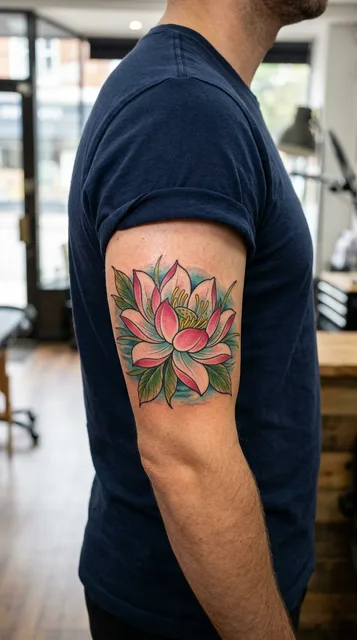
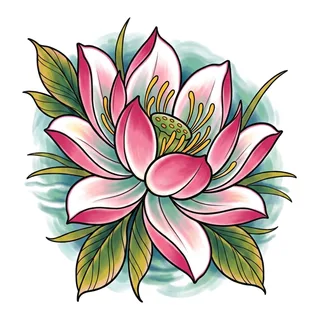
- traditional · colourTry it on — Color traditional lotus tattoo on a man's bicep
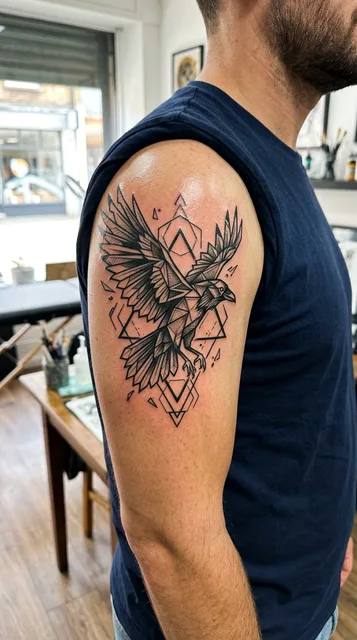
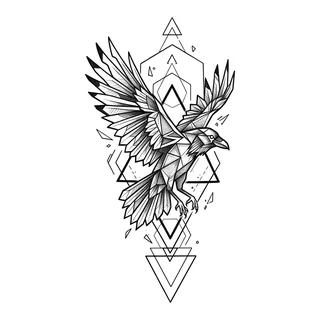
- geometric · black and whiteTry it on — Black and white geometric raven tattoo on a man's bicep
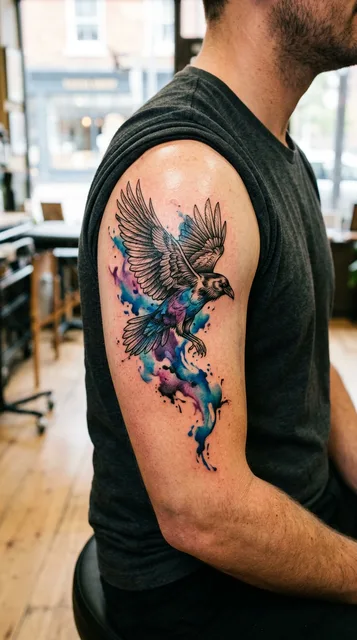
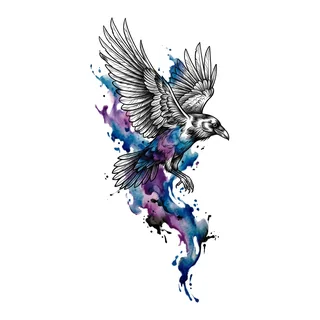
- watercolor · colourTry it on — Color watercolor raven tattoo on a man's bicep
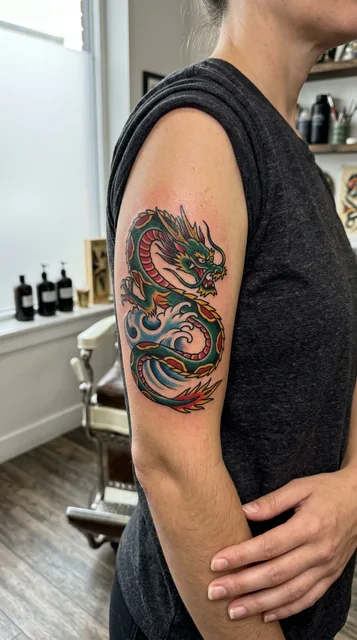
- traditional · colourTry it on — Color traditional dragon tattoo on a woman's bicep
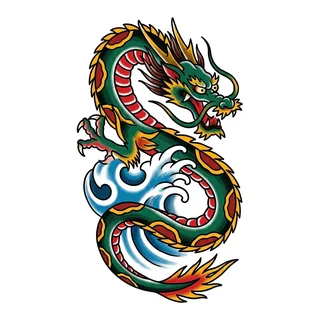


Every pair is one tattoo: the design as it was drawn, and a photograph of that same design on the bicep.
These 40 bicep tattoos, by the numbers
- Styles represented
- dotwork (6), illustrative (5), traditional (5), geometric (4), japanese (4), fine line (3)
- Black-and-grey vs colour
- 63% black-and-grey, 38% colour
- Shown on
- 15 feminine, 25 masculine presentation
Counted from the 40 tattoos shown on this page. Every design was drawn for InkCraft and photographed on this placement — none are scraped or reposted. Free to reference with a link to this page.
How a bicep tattoo wears
The outer bicep is a rounded, muscular surface that takes ink comfortably and shows it well in a t-shirt. It is the classic home for a self-contained piece — round or oval compositions sit naturally on the curve, and there is enough room for real detail without the design having to wrap.
The inner bicep is the quiet opposite. Pale, soft, never sun-exposed and rarely seen, it is one of the best-preserving surfaces available and one of the most comfortable to sit for. People often use it for something personal precisely because it is not on display: it is visible to you, and to others only when you raise your arm.
Muscle changes shape more here than almost anywhere else, and that is the one real design consideration. A bicep that grows or shrinks noticeably will stretch a design placed across its belly. Compositions that sit on the curve rather than spanning the whole muscle handle that better, and bold work absorbs it where fine parallel lines do not.
Pain and healing
Among the easiest placements on the body, particularly the outer bicep, where there is real muscle between the needle and the humerus. The inner bicep is softer still but has more nerve endings, so it is a slightly sharper — though still mild — sensation. Healing is uncomplicated: the area does not crease, is covered by a t-shirt sleeve, and is easy to reach for aftercare.
The tattoo pain chart ranks the bicep against the other twenty-five body parts on this site, and says why. The aftercare guide has a row for healing a bicep tattoo specifically: what gets in the way here, and the one thing to do about it.
Choosing a design that suits it
- Round and oval compositions suit the curve of the outer bicep; long rectangular designs tend to look stretched across it.
- Consider the inner bicep for anything personal or fine — it is both the most comfortable and the best-preserving surface on the arm.
- If your build is likely to change, favour bolder work and compositions that sit on the curve rather than spanning the whole muscle.
- Think about how this relates to a possible sleeve. The bicep is usually the second piece in one, and its placement decides how the sleeve flows.
Size, cost and who sees it
How big, and what it costs
Typically one session of two to four hours for a self-contained piece. It is a comfortable enough placement that a longer first sitting is realistic, which makes it a sensible choice for a first substantial tattoo.
Who will see it
Covered by any t-shirt sleeve, visible in a vest or bare-armed. The inner bicep is more private still — effectively invisible unless you raise your arm.
What to ask your artist
- Outer or inner for this design?
- How would this look if my arm size changed?
- Does this composition work with the curve, or is it being flattened onto it?
- How does this fit if I later build a sleeve around it?
Prices vary widely by city and artist — treat these as session lengths rather than quotes, and expect a shop minimum on anything small. The cost guide puts the bicep in a table with the other twenty-five placements.
Common questions
Is the inner bicep really that painless?
It is one of the mildest placements people report, though not literally painless — the skin is soft but has plenty of nerve endings, so it is a sharper sensation than the outer bicep despite being less bony.
Will a bicep tattoo distort if I gain muscle?
Significant change stretches a design placed across the muscle belly. Bold work and compositions that sit on the curve absorb it well; fine parallel lines spanning the whole muscle show it most.
Is the bicep a good place to start a sleeve?
It is usually the second piece rather than the first — most sleeves begin on the forearm — but the bicep is what makes a half sleeve read as a sleeve rather than as two separate tattoos.
See it on your own bicep
InkCraft places a design on a photo of you — scaled, wrapped and shaded to the placement you pick, so you can judge it before it is permanent.