 InkCraft
Forearm Tattoo Ideas, Designs and Placement Guide
40 forearm tattoos photographed on skin for InkCraftBy Uladzimir TumanauUpdated

Opens in your browser. No signup. Or tap any design below.
The forearm is where most people get their first serious tattoo, and it earns that: flat, visible when you want it, coverable when you do not, and among the least painful places to sit.
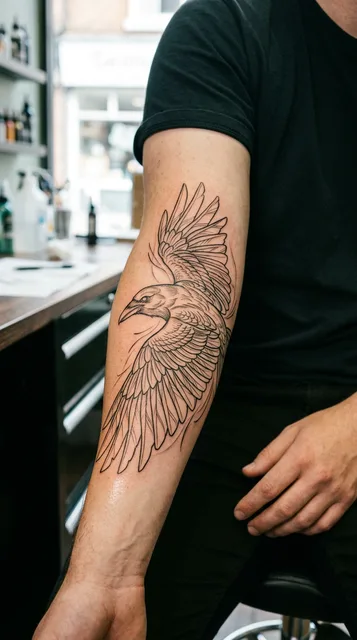
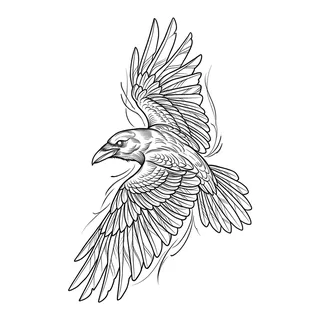
- linework · black and whiteTry it on — Black and white linework raven tattoo on a man's forearm
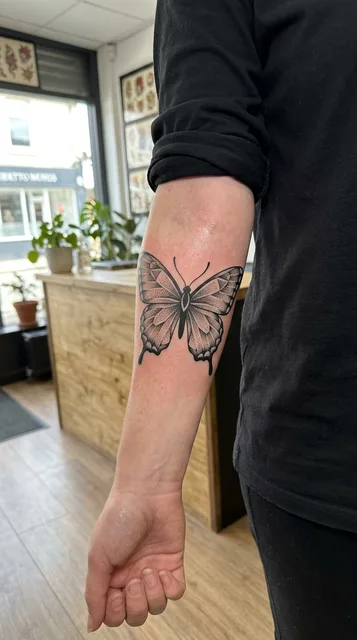
- dotwork · black and greyTry it on — Black and grey dotwork butterfly tattoo on a woman's forearm

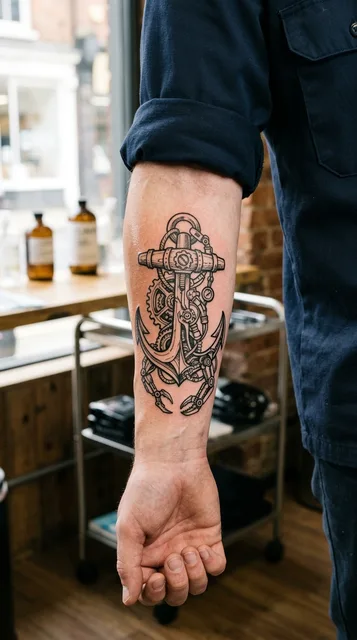
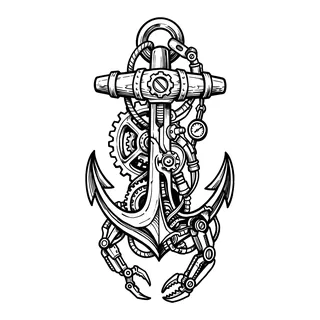
- biomechanical · black and greyTry it on — Black and grey biomechanical anchor tattoo on a man's forearm
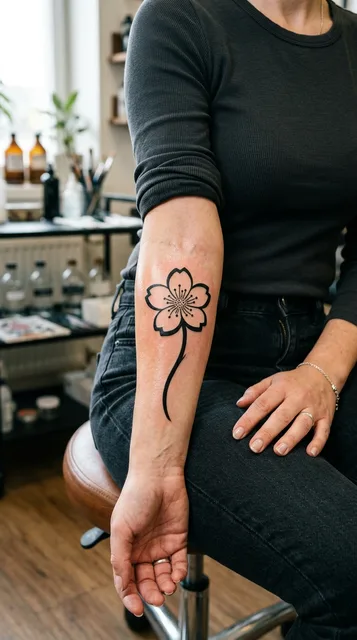
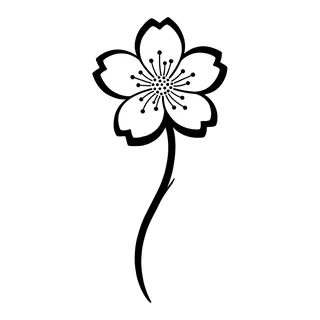
- minimalist · black and whiteTry it on — Black and white minimalist cherry blossom tattoo on a woman's forearm
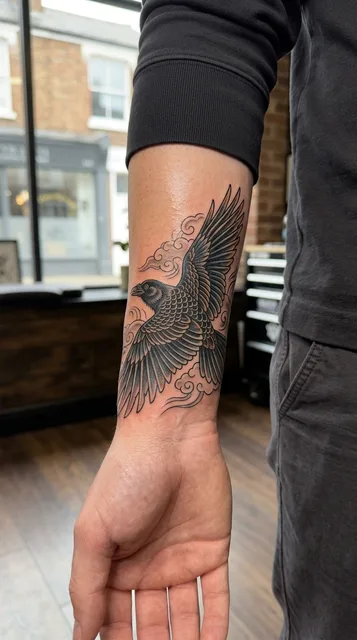
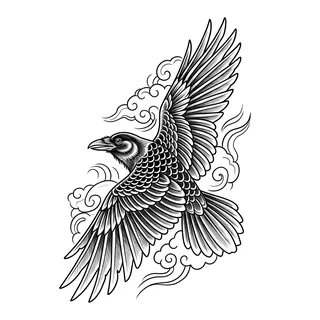
- illustrative · black and greyTry it on — Black and grey illustrative raven tattoo on a man's forearm (1 of 2)
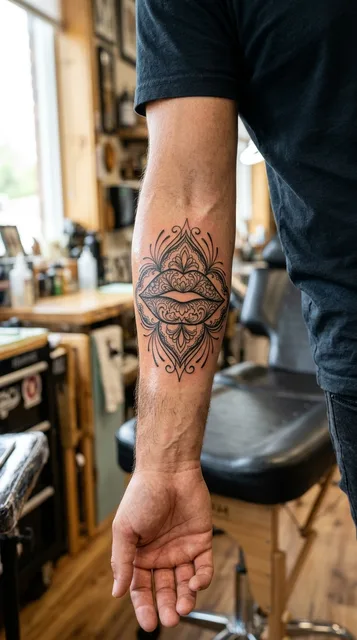
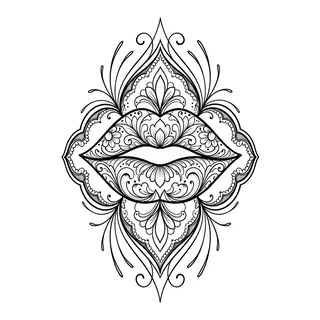
- ornamental · black and greyTry it on — Black and grey ornamental lips tattoo on a man's forearm
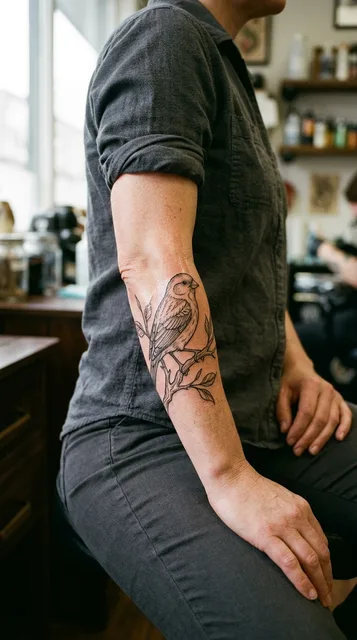
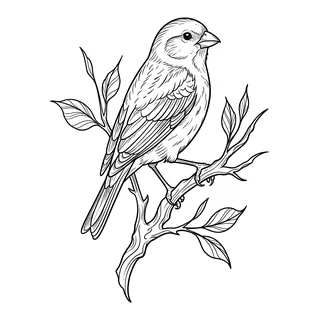
- fine line · black and whiteTry it on — Black and white fine line bird tattoo on a woman's forearm
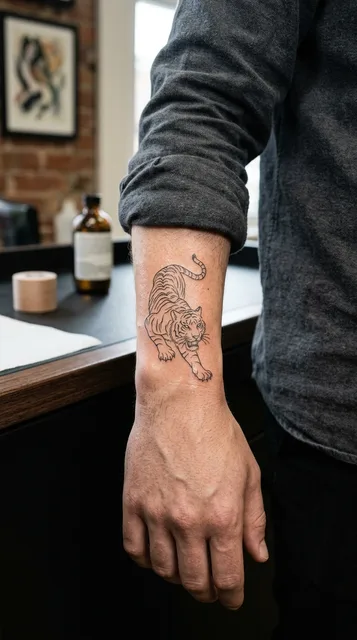
- fine line · black and whiteTry it on — Black and white fine line tiger tattoo on a man's forearm
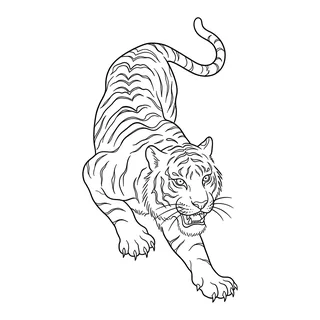
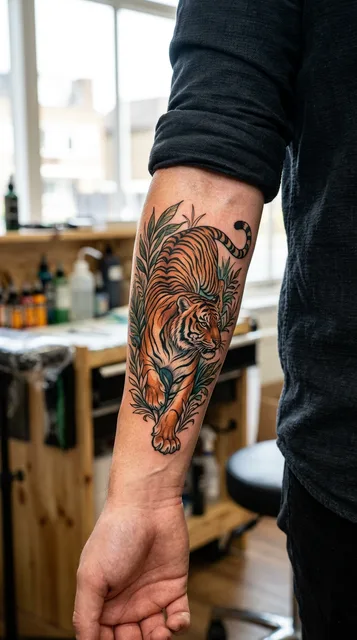
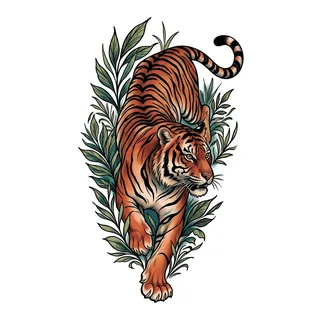
- illustrative · colourTry it on — Color illustrative tiger tattoo on a man's forearm
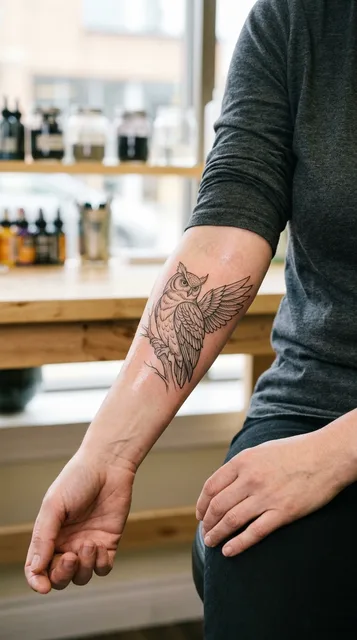
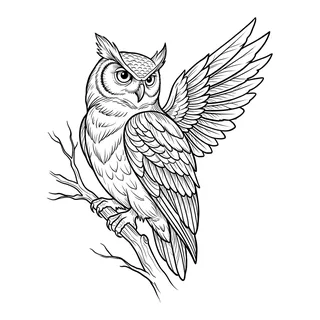
- fine line · black and whiteTry it on — Black and white fine line owl tattoo on a woman's forearm
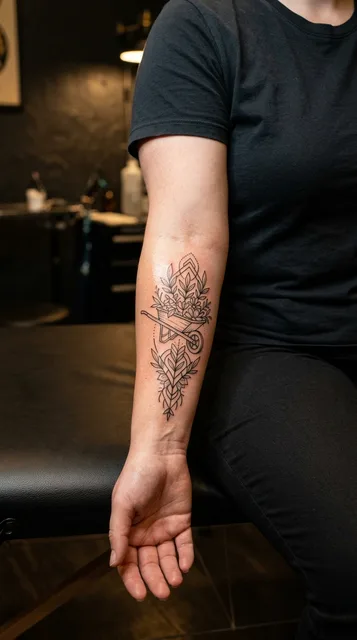
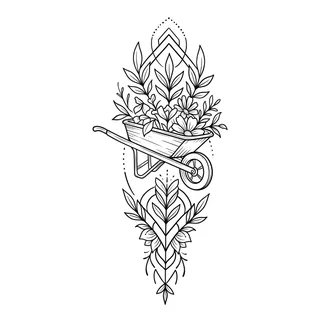
- linework · black and whiteTry it on — Black and white linework wheelbarrow tattoo on a woman's forearm
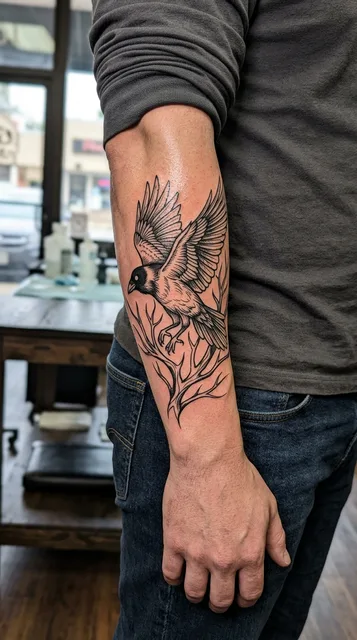
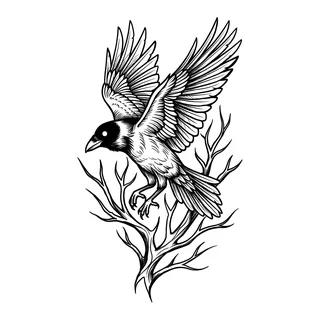
- illustrative · black and greyTry it on — Black and grey illustrative crow tattoo on a man's forearm
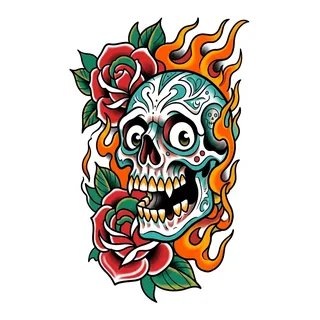
- new school · colourTry it on — Color new school skull tattoo on a woman's forearm

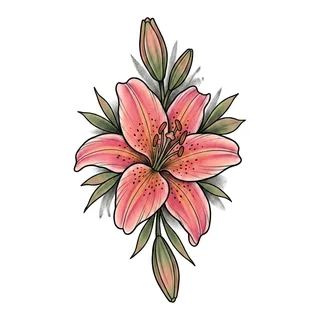
- neo traditional · colourTry it on — Color neo traditional lily tattoo on a man's forearm

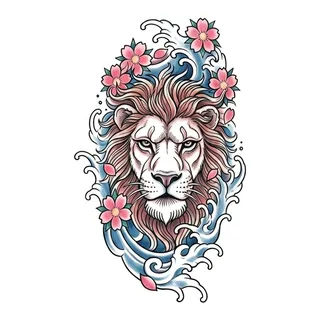
- Japanese · colourTry it on — Color Japanese lion tattoo on a man's forearm

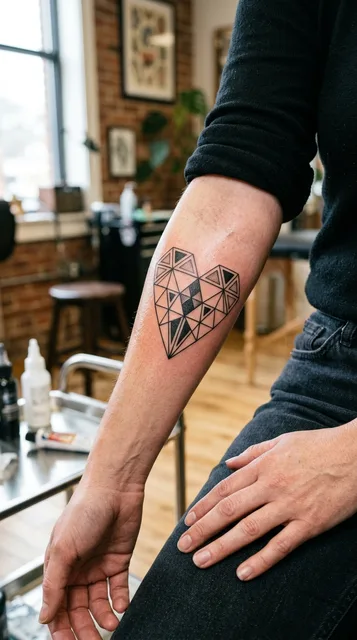
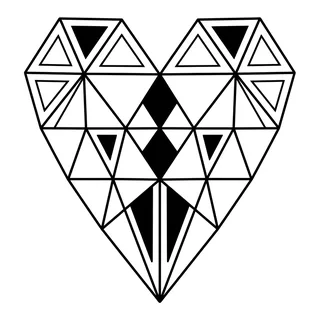
- geometric · black and whiteTry it on — Black and white geometric heart tattoo on a woman's forearm
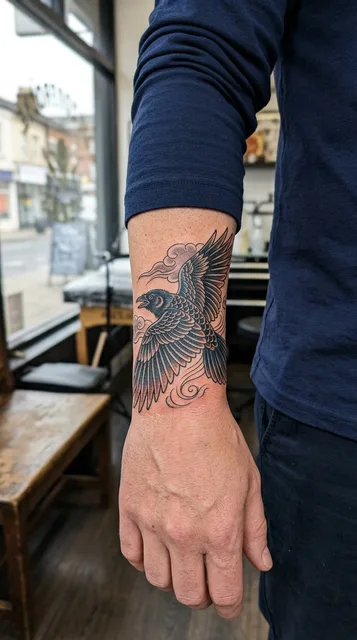
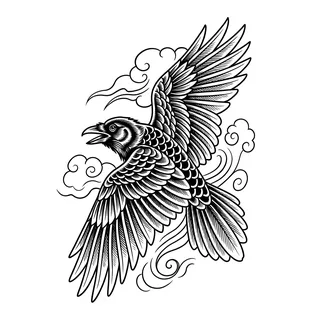
- illustrative · black and greyTry it on — Black and grey illustrative raven tattoo on a man's forearm (2 of 2)
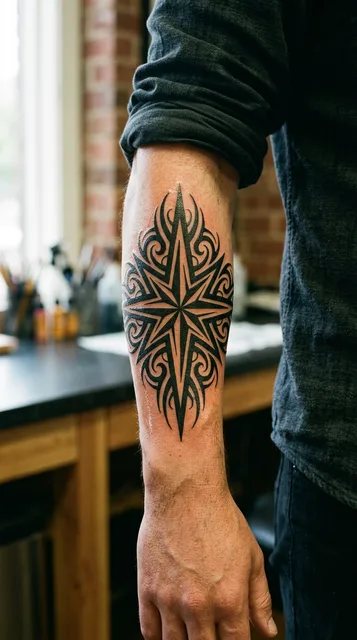
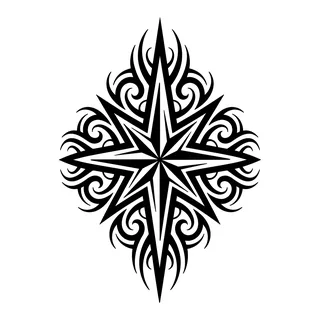
- tribal · black and whiteTry it on — Black and white tribal compass rose tattoo on a man's forearm
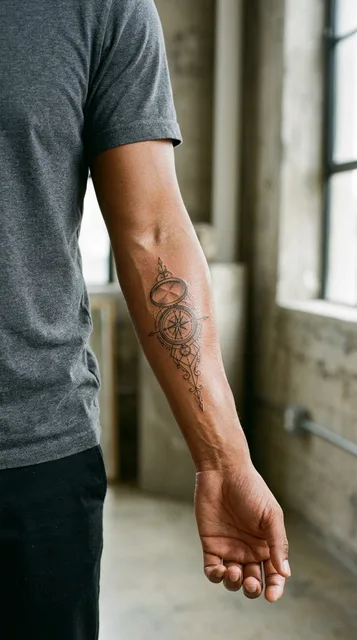
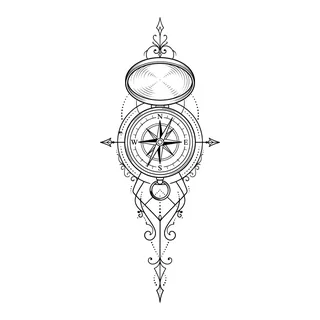
- fine line · black and whiteTry it on — Black and white fine line compass tattoo on a man's forearm
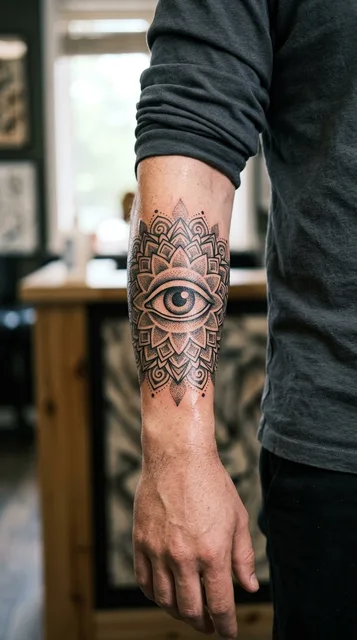
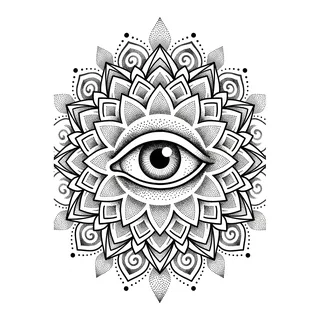
- dotwork · black and greyTry it on — Black and grey dotwork eye tattoo on a man's forearm
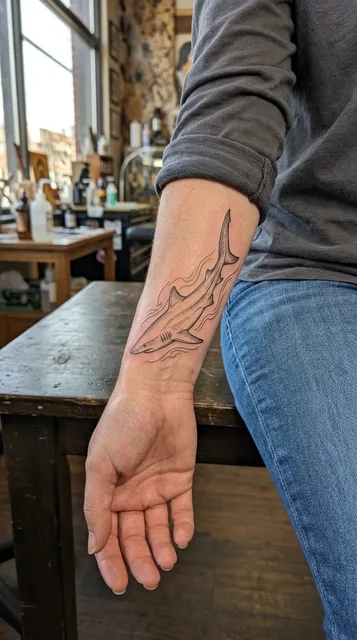
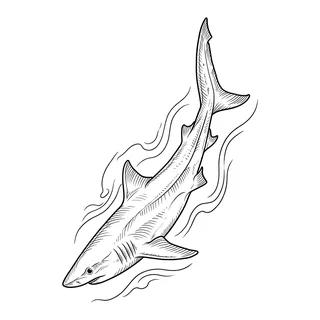
- fine line · black and whiteTry it on — Black and white fine line shark tattoo on a woman's forearm
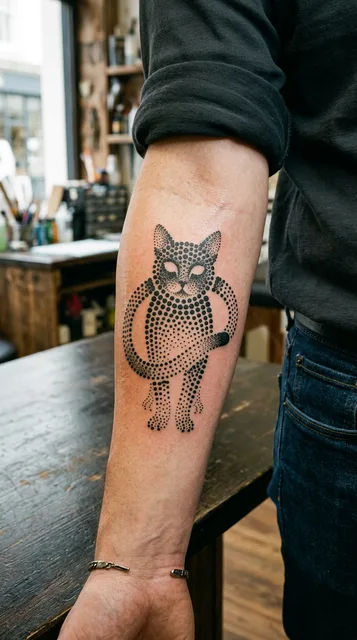
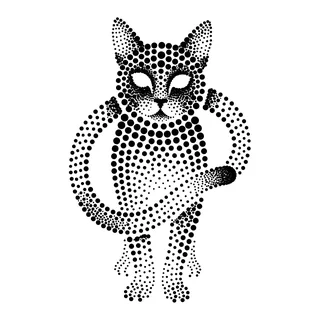
- dotwork · black and greyTry it on — Black and grey dotwork cat tattoo on a man's forearm
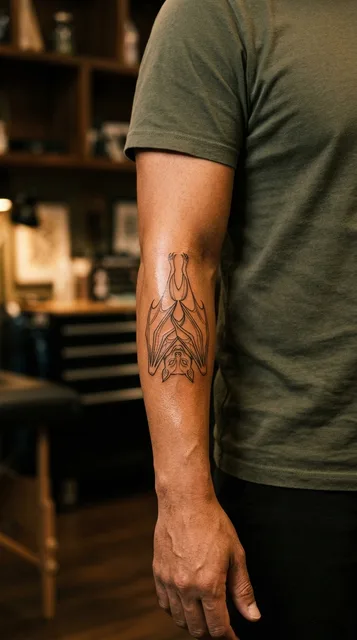
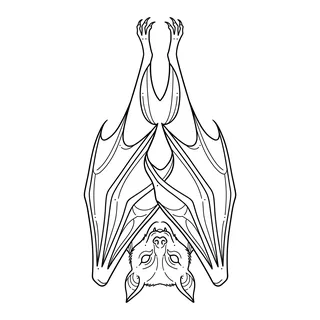
- fine line · black and whiteTry it on — Black and white fine line bat tattoo on a man's forearm
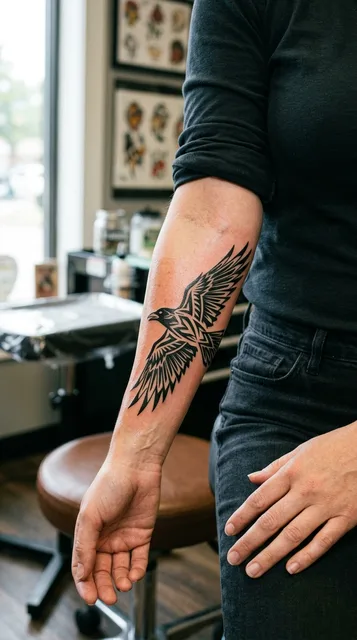
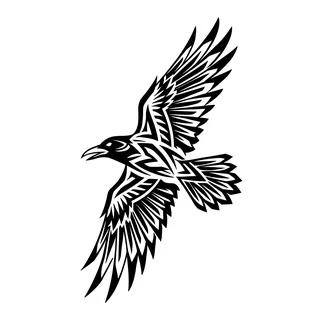
- tribal · black and whiteTry it on — Black and white tribal raven tattoo on a woman's forearm
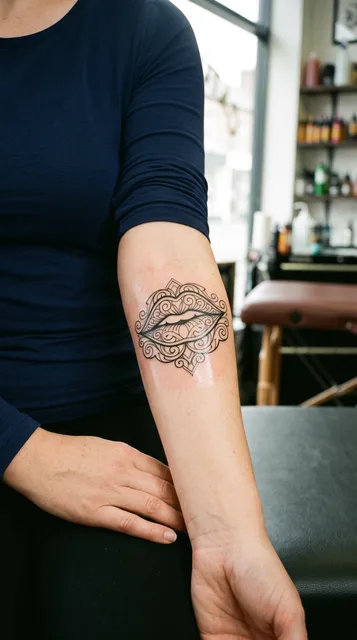
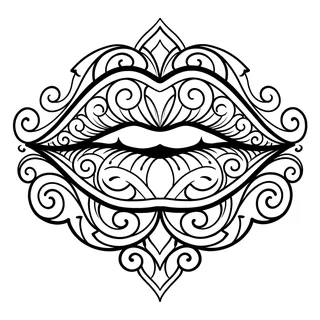
- ornamental · black and greyTry it on — Black and grey ornamental lips tattoo on a woman's forearm
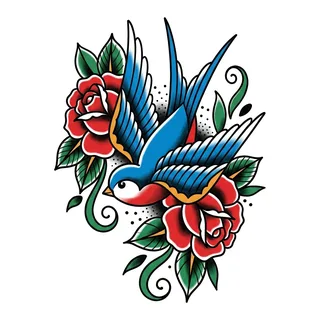
- traditional · colourTry it on — Color traditional bird tattoo on a woman's forearm

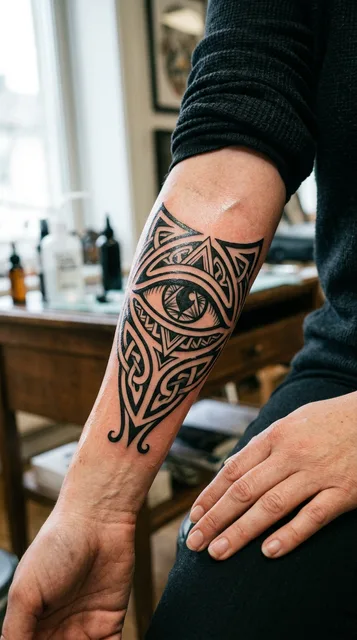
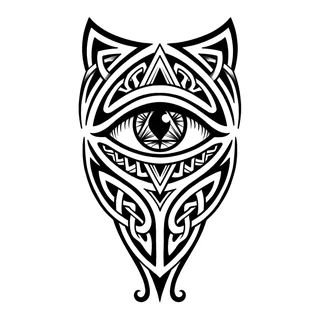
- tribal · black and whiteTry it on — Black and white tribal eye tattoo on a woman's forearm
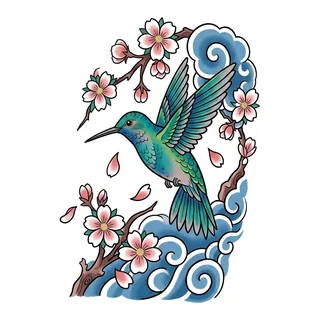
- Japanese · colourTry it on — Color Japanese hummingbird tattoo on a woman's forearm

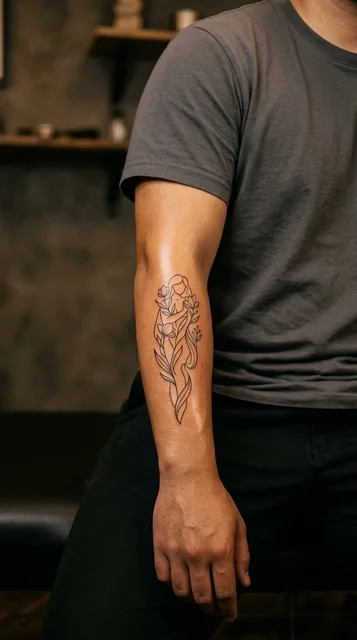
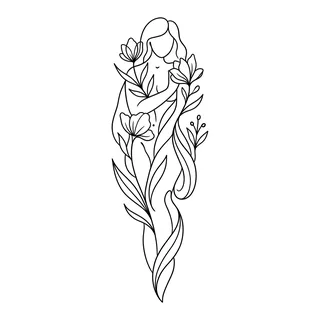
- linework · black and whiteTry it on — Black and white linework female figure tattoo on a man's forearm
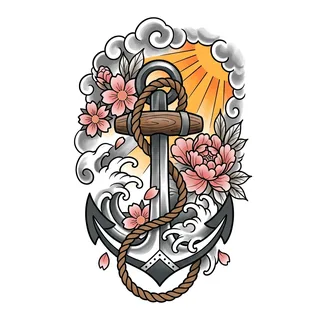
- Japanese · colourTry it on — Color Japanese anchor tattoo on a woman's forearm

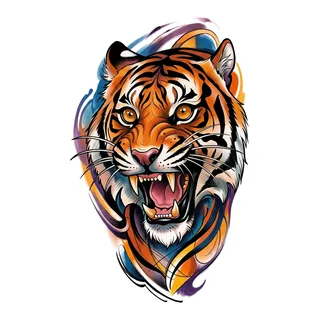
- new school · colourTry it on — Color new school tiger tattoo on a man's forearm

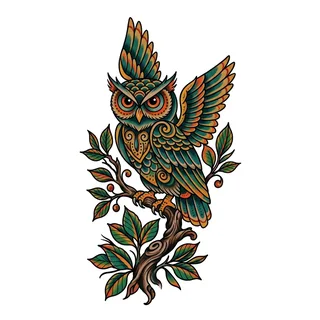
- traditional · colourTry it on — Color traditional owl tattoo on a woman's forearm

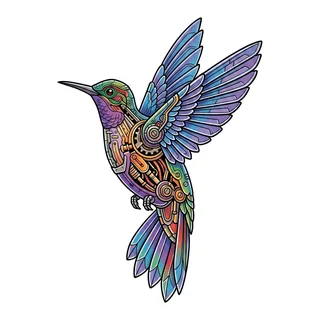
- biomechanical · colourTry it on — Color biomechanical hummingbird tattoo on a woman's forearm

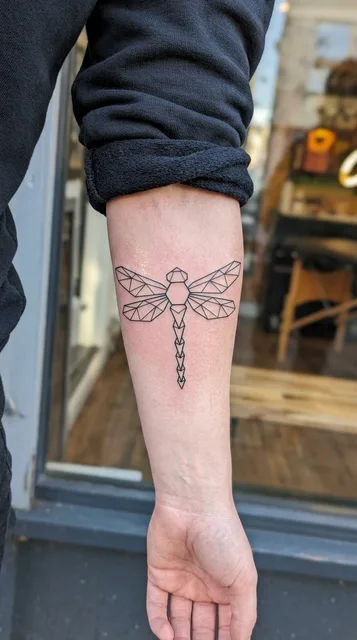
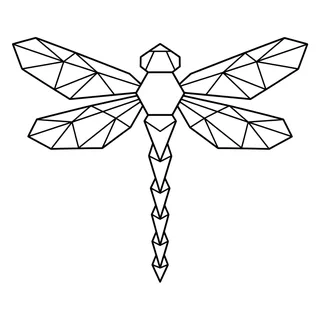
- geometric · black and whiteTry it on — Black and white geometric dragonfly tattoo on a woman's forearm
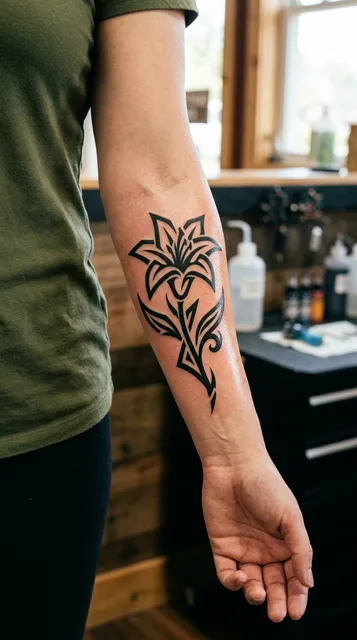
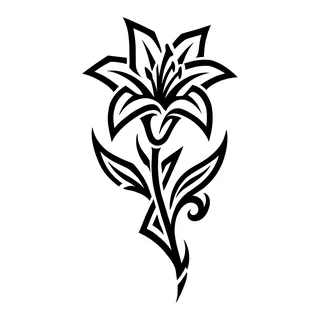
- tribal · black and whiteTry it on — Black and white tribal lily tattoo on a woman's forearm
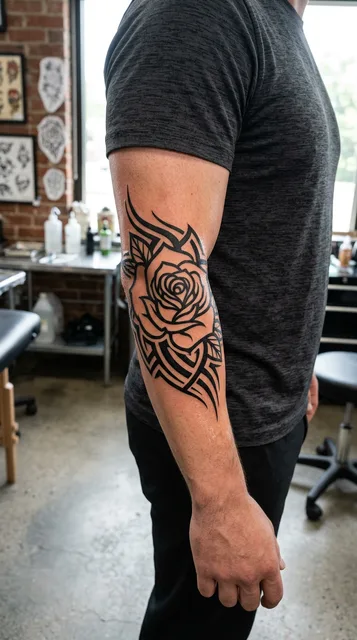
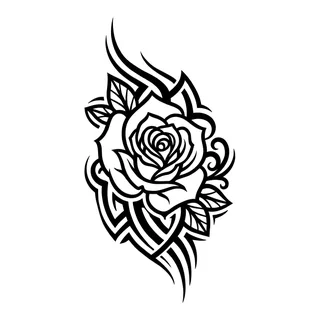
- tribal · black and whiteTry it on — Black and white tribal rose tattoo on a man's forearm
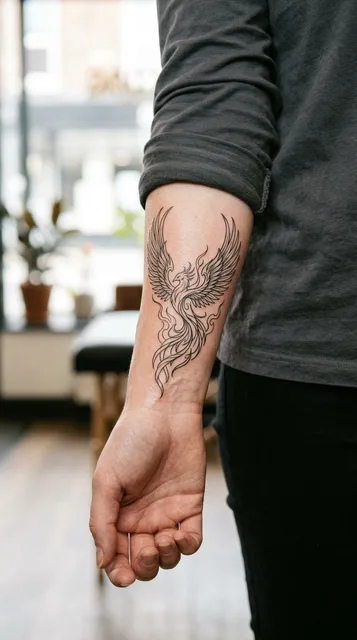
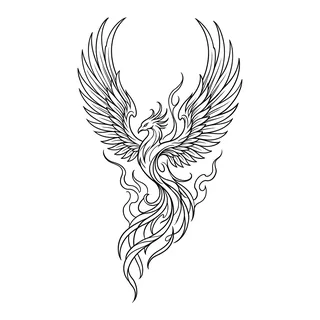
- linework · black and whiteTry it on — Black and white linework phoenix tattoo on a woman's forearm
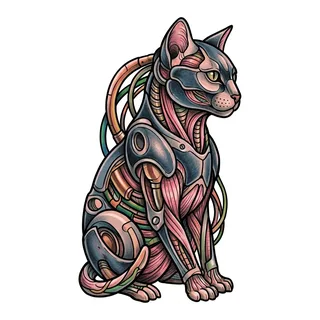
- biomechanical · colourTry it on — Color biomechanical cat tattoo on a man's forearm

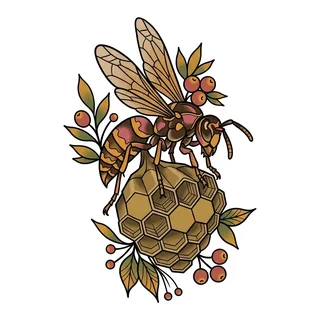
- neo traditional · colourTry it on — Color neo traditional bee tattoo on a man's forearm

- geometric · colourTry it on — Color geometric sunflower tattoo on a man's forearm




Every pair is one tattoo: the design as it was drawn, and a photograph of that same design on the forearm.
These 40 forearm tattoos, by the numbers
- Styles represented
- fine line (6), tribal (5), illustrative (4), linework (4), biomechanical (3), dotwork (3)
- Black-and-grey vs colour
- 68% black-and-grey, 33% colour
- Shown on
- 19 feminine, 21 masculine presentation
Counted from the 40 tattoos shown on this page. Every design was drawn for InkCraft and photographed on this placement — none are scraped or reposted. Free to reference with a link to this page.
How a forearm tattoo wears
The forearm gives an artist something rare — a broad, mostly flat surface with no major joint crossing it and skin that stays put. That is why so much of the best-executed tattooing you see is on forearms: the placement simply does not fight the work. Detail holds, gradients stay smooth, and a straight line drawn straight stays straight a decade later.
Inner and outer are different placements wearing the same name. The inner forearm is pale, soft and barely sun-exposed, which makes it the better surface for fine line work, script and anything with subtle grey wash — it will hold detail longer than almost anywhere else on the body. The outer forearm is tougher, tans, and reads as more public; it suits bolder, higher-contrast work and is what people mean when they talk about a forearm piece being the start of a sleeve.
Because the limb is roughly cylindrical, only about a third of a forearm design is visible from any one angle. Pieces that acknowledge this — a composition with a clear front, wrapping elements that resolve rather than trail off — look considered from every side. Pieces designed flat on paper and then applied often have an awkward seam where the drawing runs out of room.
Pain and healing
Among the more comfortable placements. The outer forearm has muscle and fascia between needle and bone for most of its length, and most people describe it as very manageable. Two spots are sharper than the rest: the inner wrist end, where the skin thins and nerves surface, and the ridge along the ulna on the outer edge, where there is little between skin and bone. Healing is straightforward — the area is easy to keep clean, easy to keep out of the sun under a sleeve, and does not crease or stretch much in normal use.
The tattoo pain chart ranks the forearm against the other twenty-five body parts on this site, and says why. The aftercare guide has a row for healing a forearm tattoo specifically: what gets in the way here, and the one thing to do about it.
Choosing a design that suits it
- Decide inner or outer before you decide the design. They suit different weights of work and the same drawing rarely reads well on both.
- Vertical compositions follow the limb; wide horizontal ones get cut off by the curve and look cramped.
- This is the placement that holds fine detail best — if a design has delicate internal work you want kept, the inner forearm is where it survives.
- If a sleeve is a possibility later, tell the artist now. A standalone piece placed without that in mind is the single most common thing that makes a sleeve harder to build.
Size, cost and who sees it
How big, and what it costs
A forearm piece scales from a two-hour single session to a full outer-forearm panel across two or three sittings. The area is forgiving enough that a well-drawn medium piece can be finished in one visit, which keeps the cost predictable. It is also the placement where paying for a better artist shows most clearly, because nothing about the surface hides weak linework.
Who will see it
Fully coverable by any long sleeve and fully visible in a t-shirt, which is why it is the default recommendation for a first visible tattoo. Worth knowing that the inner forearm is more private in practice than the outer — it faces your body at rest, so it is seen when you choose to turn your arm rather than constantly.
What to ask your artist
- Inner or outer for this particular design, and why?
- How will this sit if I later want to extend it into a half or full sleeve?
- Where exactly will the composition end at the wrist and elbow?
- Is there fine detail here that would hold better if it were slightly larger?
Prices vary widely by city and artist — treat these as session lengths rather than quotes, and expect a shop minimum on anything small. The cost guide puts the forearm in a table with the other twenty-five placements.
Common questions
Which hurts less, inner or outer forearm?
The outer, for most people. The inner forearm has thinner, softer skin and more surface nerves, so it tends to feel sharper — though both are usually described as mild compared with ribs, spine or feet.
How much of a forearm design is actually visible?
Roughly a third at any one time, because the limb is round. Good forearm compositions have a clear primary face and resolve cleanly at the sides rather than being drawn as a flat rectangle and wrapped.
Is the forearm a good first tattoo?
It is the most common recommendation, and for sound reasons: comfortable to sit, easy to heal, holds detail, and coverable while you get used to having it.
See it on your own forearm
InkCraft places a design on a photo of you — scaled, wrapped and shaded to the placement you pick, so you can judge it before it is permanent.