 InkCraft
Quote Tattoo Ideas, Latin Phrases and Verses
22 original quote designs drawn for InkCraftBy Uladzimir TumanauUpdated
A quote is chosen for what it says, but its length, its language and the places where its lines break decide whether it can still be read in twenty years. Every doubling of the words on a fixed placement halves the height each letter can have.
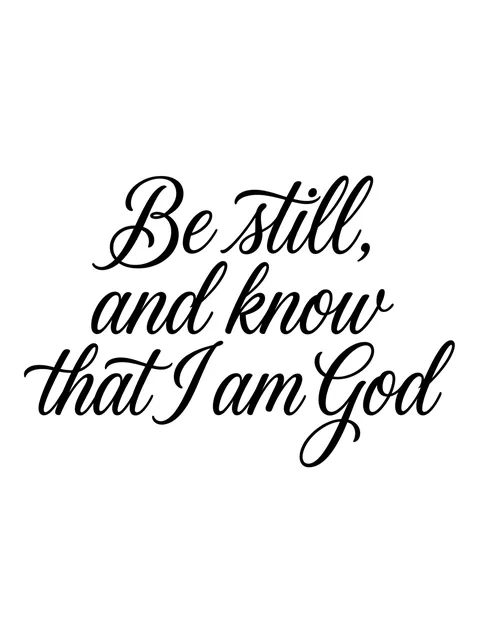
Black and grey lettering quote tattoo design Try it on — Black and grey lettering quote tattoo design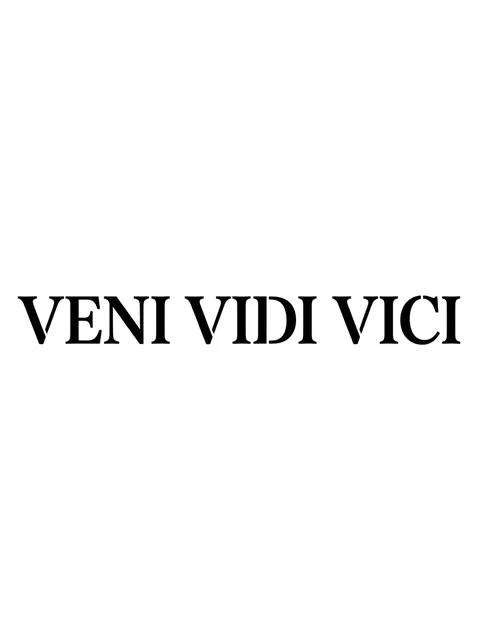
Black and grey lettering quote tattoo design Try it on — Black and grey lettering quote tattoo design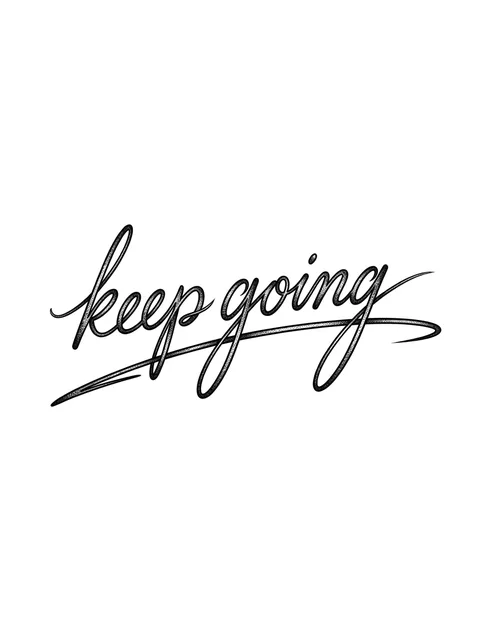
Black and grey lettering quote tattoo design Try it on — Black and grey lettering quote tattoo design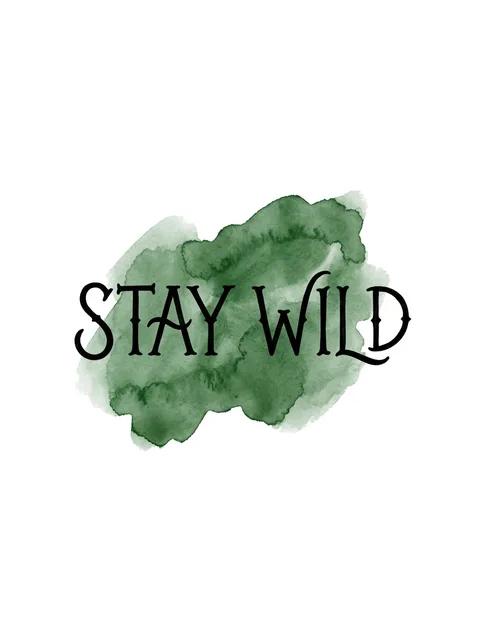
Color lettering quote tattoo design Try it on — Color lettering quote tattoo design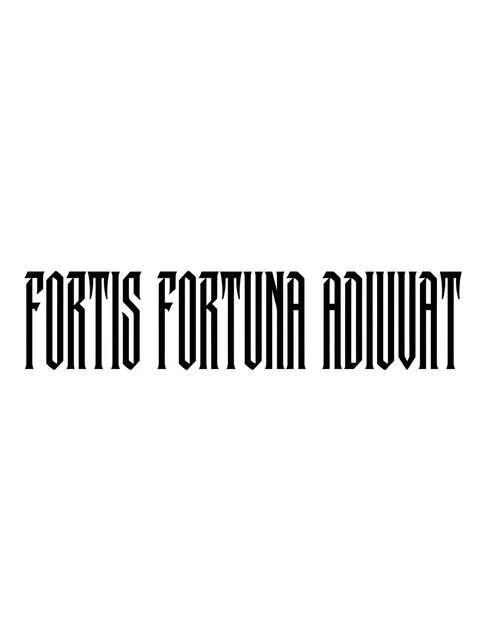
Black and grey lettering quote tattoo design Try it on — Black and grey lettering quote tattoo design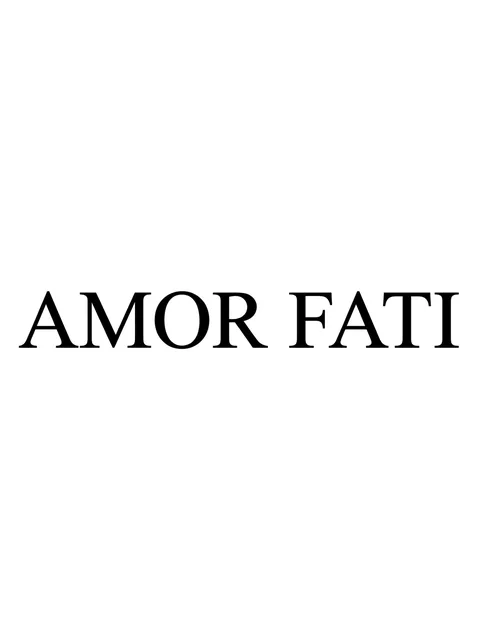
Black and grey lettering quote tattoo design Try it on — Black and grey lettering quote tattoo design
Black and grey lettering quote tattoo design Try it on — Black and grey lettering quote tattoo design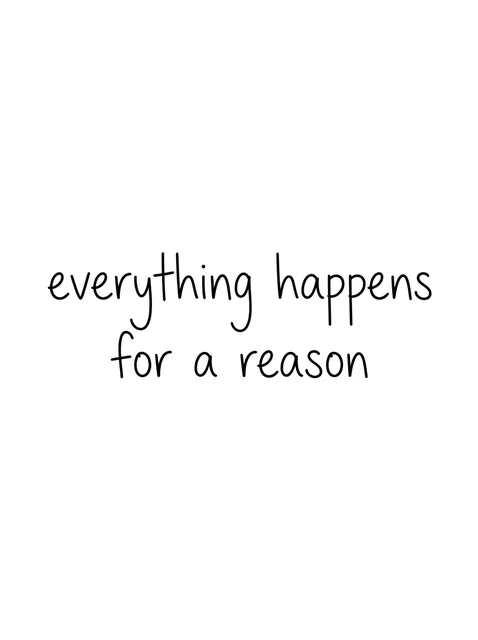
Black and grey lettering quote tattoo design Try it on — Black and grey lettering quote tattoo design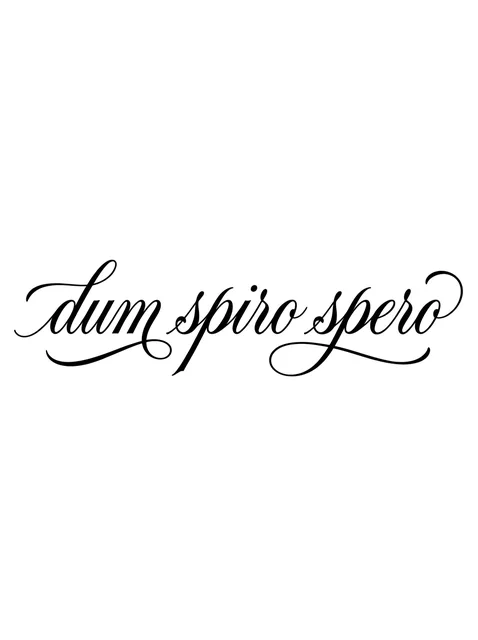
Black and grey lettering quote tattoo design Try it on — Black and grey lettering quote tattoo design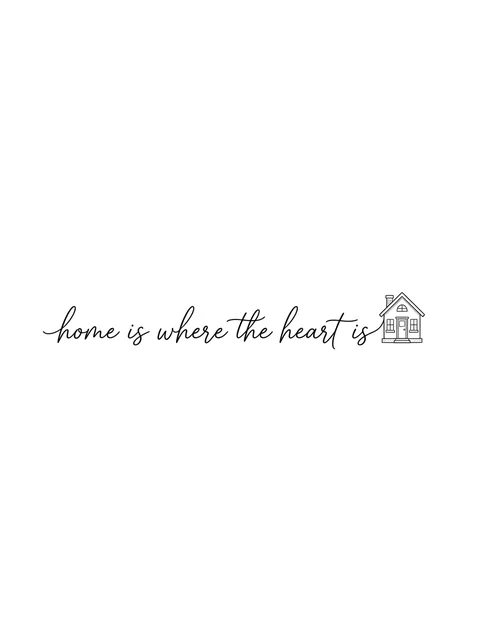
Black and grey lettering quote tattoo design Try it on — Black and grey lettering quote tattoo design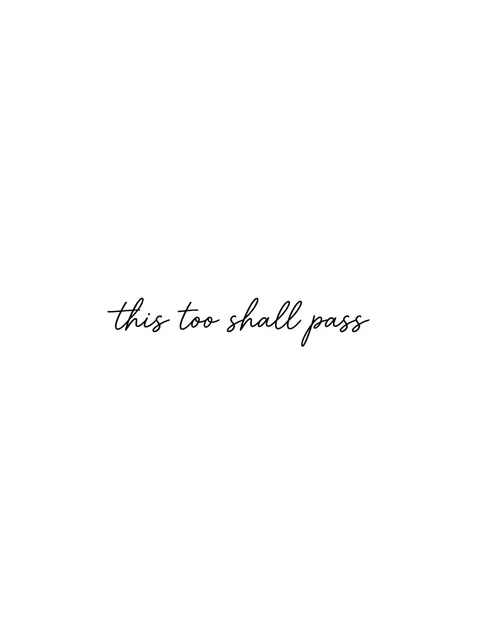
Black and grey lettering quote tattoo design Try it on — Black and grey lettering quote tattoo design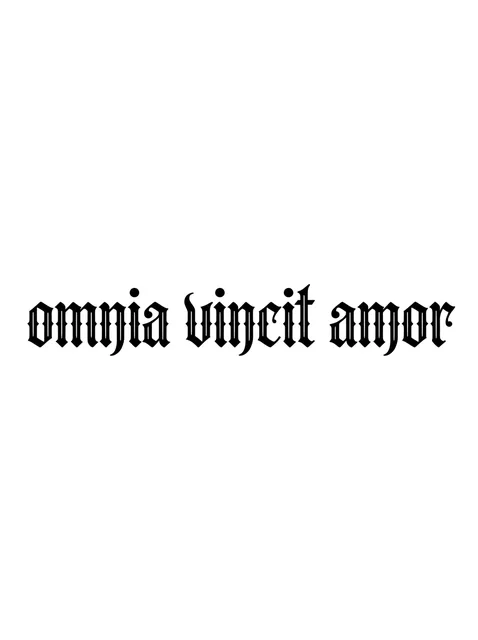
Black and grey lettering quote tattoo design Try it on — Black and grey lettering quote tattoo design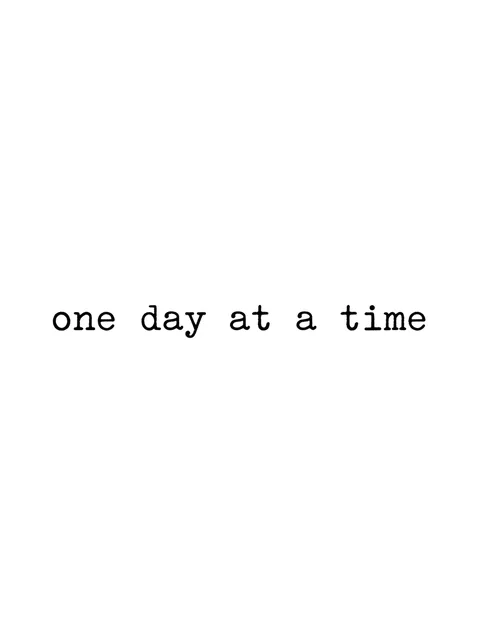
Black and grey lettering quote tattoo design Try it on — Black and grey lettering quote tattoo design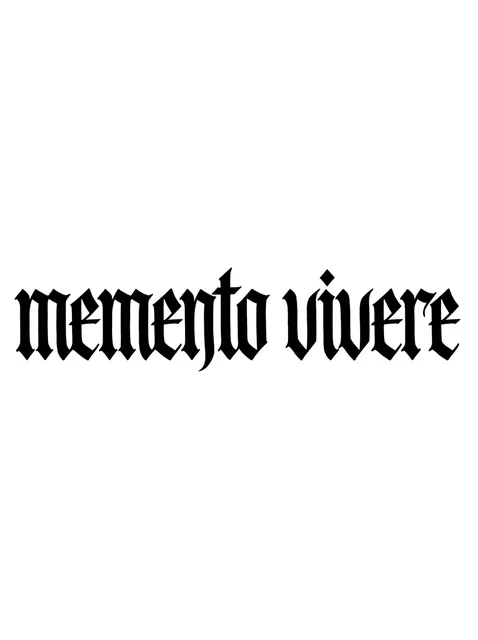
Black and grey lettering quote tattoo design Try it on — Black and grey lettering quote tattoo design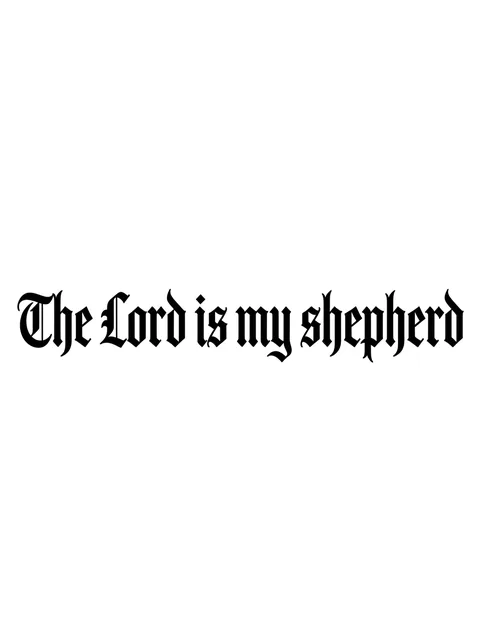
Black and grey lettering quote tattoo design Try it on — Black and grey lettering quote tattoo design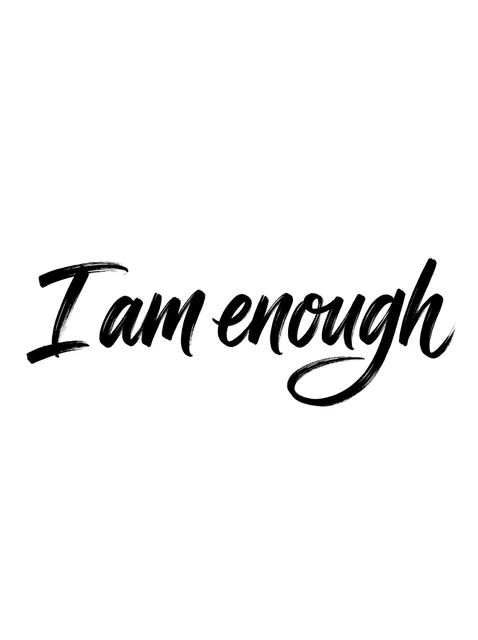
Black and grey lettering quote tattoo design Try it on — Black and grey lettering quote tattoo design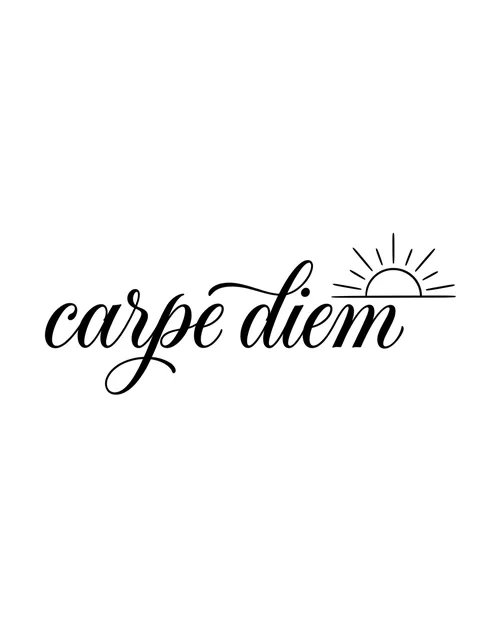
Black and grey lettering quote and sun tattoo design Try it on — Black and grey lettering quote and sun tattoo design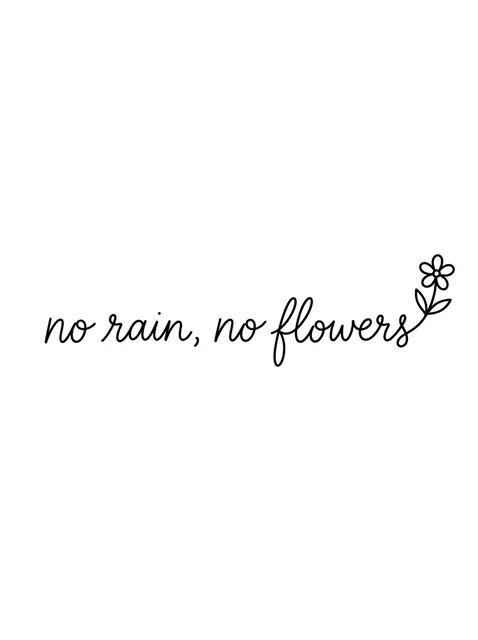
Black and grey lettering quote and flower tattoo design Try it on — Black and grey lettering quote and flower tattoo design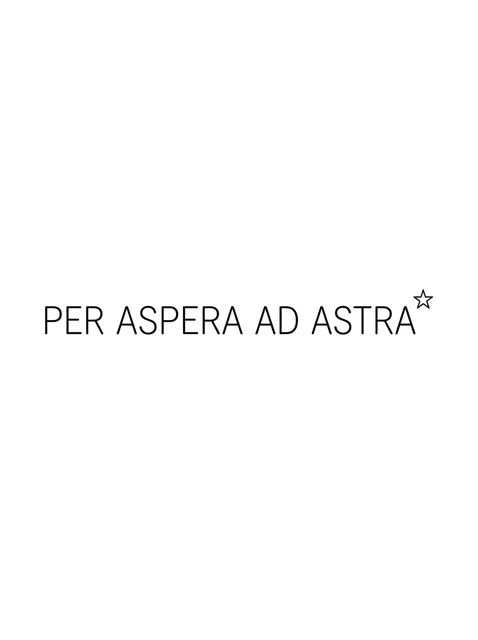
Black and grey lettering quote and star tattoo design Try it on — Black and grey lettering quote and star tattoo design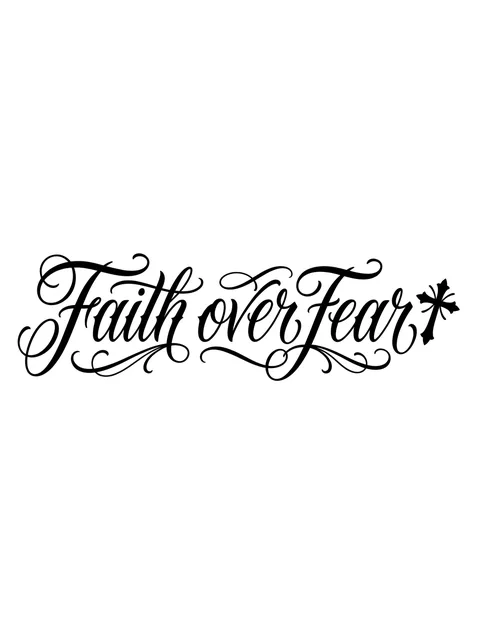
Black and grey lettering quote and cross tattoo design Try it on — Black and grey lettering quote and cross tattoo design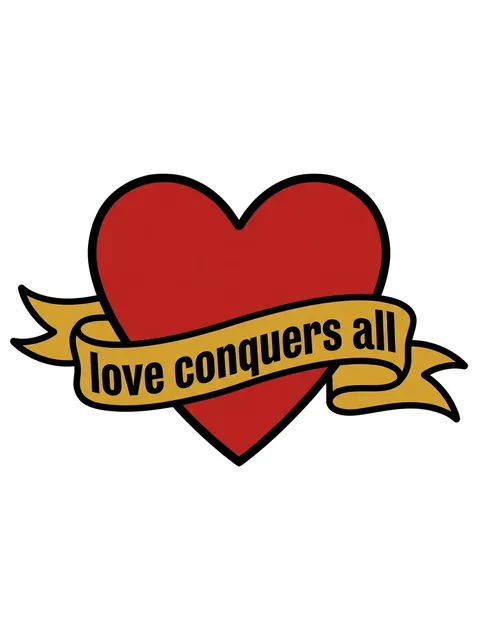
Color lettering quote and heart tattoo design Try it on — Color lettering quote and heart tattoo design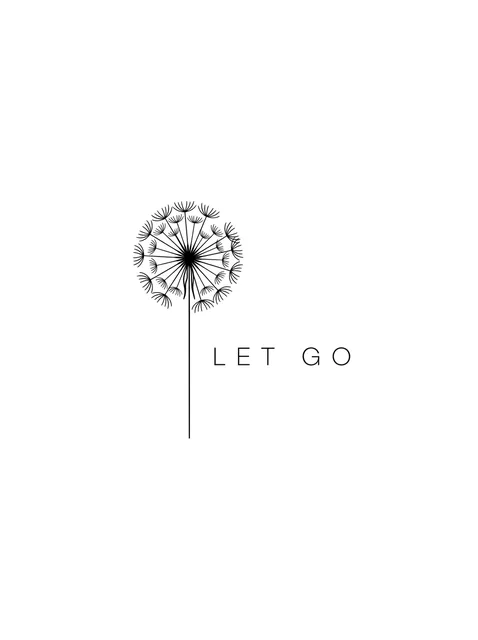
Black and grey lettering quote and dandelion tattoo design: a dandelion seed head Try it on — Black and grey lettering quote and dandelion tattoo design: a dandelion seed head


Tap any design to see it on your own skin in the try-on — no signup.
This set of 22 quote designs, by the numbers
- Styles represented
- lettering (22)
- Black-and-grey vs colour
- 91% black-and-grey, 9% colour
- Most often drawn with
- sun, flower, star, cross
Counted from the 22 designs shown on this page. Every one was drawn for InkCraft — none are scraped or reposted. Free to reference with a link to this page.
What a quote tattoo means
A quote is a borrowed sentence, chosen because someone else said the thing better or because age has given it weight. That is much of the reason Latin is so common in the category. A phrase that has survived two thousand years, carpe diem or amor fati, arrives with evidence that it lasts, and Latin packs a whole clause into two or three words, which matters on skin more than anywhere else.
The phrases on this page sort into a few kinds. Endurance: per aspera ad astra, fortis fortuna adiuvat, keep going, this too shall pass. Faith: two lines from the Psalms, lux in tenebris, Faith over Fear. Love: omnia vincit amor and its plain English version, love conquers all. Living now: carpe diem, memento vivere, one day at a time. Each kind is read by a different audience, and the audience is worth knowing before the words are fixed.
Some phrases carry a context that strangers recognise. One day at a time is a slogan of Alcoholics Anonymous, founded in Akron, Ohio, in 1935, and people in recovery will read it that way; Be still, and know that I am God will be read as a verse by anyone who knows Psalm 46. That can be the point, a quiet signal to people who share the reference, but the phrase stops being private the moment someone recognises it.
Language decides who the quote is for. English says it to everyone who reads it; Latin says it to the few who read Latin and the people curious enough to ask; a language you do not speak yourself says it to you alone, and is also where a mistake is easiest to miss.
Short suits most people better than long, and not only for size. A two-word phrase is something you glance at; a full sentence is something you read, and a line read every morning either becomes a companion or goes quiet. Before committing, write the phrase somewhere you will see it daily for a month: a line that still says something on the thirtieth morning will probably still say it on the thousandth.
Where the design comes from
Words on skin have a long flash tradition: the banner across a heart or under a swallow, and the sailors' HOLD FAST lettered one character per knuckle, were standard long before full sentences were. The Night of the Hunter fixed another knuckle pair, LOVE and HATE, on Robert Mitchum's hands in 1955. The phrases themselves are far older. Horace wrote carpe diem in his Odes, published in 23 BC; Virgil wrote omnia vincit amor in the Eclogues; Terence put fortis fortuna adiuvat into his comedy Phormio in 161 BC; and Julius Caesar reported veni vidi vici after the battle of Zela in 47 BC. Dum spiro spero is the motto of South Carolina, and per aspera ad astra has a near twin in per ardua ad astra, the motto of the Royal Air Force. The two psalms here are quoted in the King James wording of 1611.
Choosing yours
- Count the characters before choosing a placement. A collarbone offers roughly 15 cm of line; at that length a three-word Latin phrase can have comfortable letters, while this too shall pass or home is where the heart is on a single line drops towards the smallest letters skin will hold. The arithmetic is unforgiving: doubling the number of words on the same placement halves the height each letter can have. Longer quotes either stack or move to the upper back, the ribs or the thigh.
- Break the lines where the phrase breathes when read aloud, never inside a unit of meaning. Be still, and know that I am God falls naturally into three lines, at the comma and again before that I am God; everything happens for a reason sits comfortably over two. Avoid leaving one short word alone on the last line, and decide whether the block is centred, which reads as formal, or left-aligned, which reads more like handwriting on a page.
- Check every character against a written source: the spelling, the accents, the punctuation and, for a verse, which translation, since wordings differ between Bibles. Latin changes the ending of a word with its role in the sentence, which is exactly what machine translation finds easiest to get wrong, so a phrase you composed yourself needs someone who reads the language. In Spanish, año is year and ano is anus, and the tilde is the only difference.
- Decide who reads it and from where. A quote on the forearm can face you or face everyone else, and each is upside down to the other. Text written backwards so that it reads correctly in a mirror, a request usually made for the chest or collarbone, reads reversed to every other person and to you in any photograph. Phone front cameras often show a mirrored preview too, so a correctly written quote can look backwards in a selfie and still be right.
Size, cost and placement
How big, and what it costs
A two-word phrase in plain letters is a short sitting near a shop minimum. The price climbs with the character count and the letterform together: a psalm over three lines in connected script, or a Latin tag in engraved blackletter, takes several times as long as two typed words, and a heart with a banner in full colour is priced as an illustration first. Stacking lines keeps the letters bigger without adding much time, because the amount of text is unchanged.
Where it sits, and how much it hurts
One long line suits the collarbone, the side of the ribs, the inside of the forearm or the spine. A stacked block of two or three lines suits the shoulder blade, the outer thigh or the forearm. Two short words fit the wrist or behind the ear, and four-letter words fit across the knuckles, where the ink fades faster than almost anywhere else on the body. The ribs, spine and collarbone are sharp for pain; the forearm and thigh are mild.
What to ask your artist
- To set the line breaks with you, reading the phrase aloud, rather than letting the layout decide them.
- To check the spelling, accents, punctuation and translation against the written source you bring.
- Which way up the words will sit, and whether they are meant to read correctly to you, to others or in a mirror.
Prices vary widely by city and artist — treat these as session lengths rather than quotes, and expect a shop minimum on anything small. The cost guide turns hours into money by size, placement and style.
Common questions
What does carpe diem actually mean?
Literally pluck the day, as fruit is picked. Horace wrote it in his Odes, and the line continues quam minimum credula postero, trusting as little as possible to tomorrow, so it is advice about using the present more than a call to recklessness.
Should a quote tattoo be in Latin or English?
English is read by everyone and Latin by the few who know it or ask. Latin is shorter, which helps on a small placement, but stick to a phrase with a long written history or one checked by someone who reads the language, because home-made Latin is where the errors are.
How long a quote fits on a wrist or collarbone?
Two or three words fit the wrist at a readable size. The collarbone takes a short sentence on one line if the letters are plain; anything longer, a whole verse or a proverb of six or seven words, is better stacked over two or three lines or moved to the ribs, upper back or thigh.
Should the words read correctly in the mirror?
Only if you accept that everyone else will see them backwards. Mirror-reversed text reads properly when you look at yourself in a mirror, and reversed in every photograph and to every other person. Try both versions on the stencil before deciding.
Where does this too shall pass come from?
From an old fable of a king who asks his wise men for a sentence that is true in every situation. Abraham Lincoln told it in a speech in Milwaukee in 1859, and he told it as a borrowed story, so the line is older than him and belongs to no one.
See it on your skin before you commit
InkCraft places any of these designs on a photo of you — scaled, wrapped and shaded to the placement you pick.