 InkCraft
Taurus Tattoo Ideas, Designs and Meaning
22 original taurus designs drawn for InkCraftBy Uladzimir TumanauUpdated
The Taurus glyph is the bull's head in two strokes: a circle for the face and a crescent for the horns. In the star charts the eye is Aldebaran, an orange giant, and the horns run out to Elnath and Zeta Tauri.
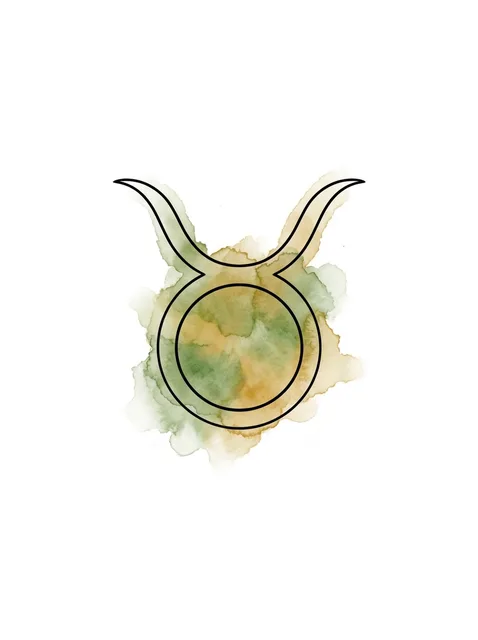
Color watercolor taurus tattoo design: an upturned crescent resting on top like horns Try it on — Color watercolor taurus tattoo design: an upturned crescent resting on top like horns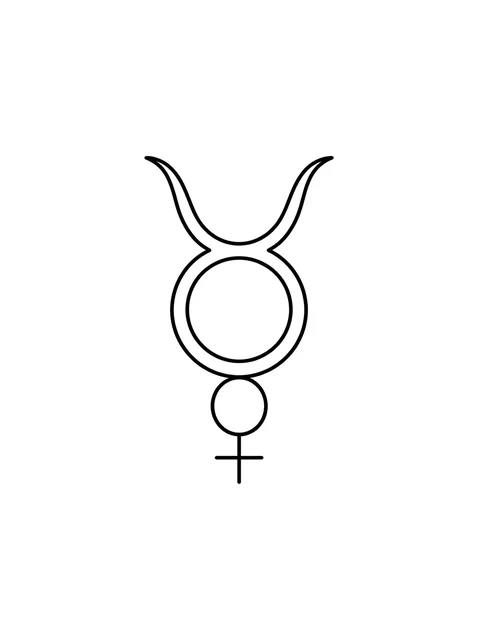
Black and white fine line taurus tattoo design, outline stencil: an upturned crescent on top Try it on — Black and white fine line taurus tattoo design, outline stencil: an upturned crescent on top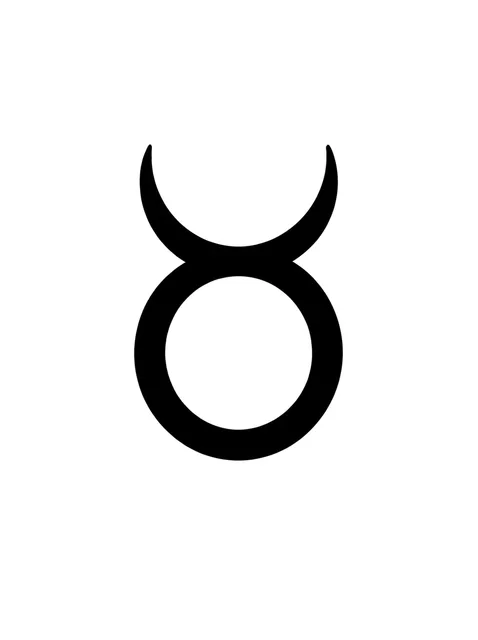
Black and white minimalist taurus tattoo design, outline stencil Try it on — Black and white minimalist taurus tattoo design, outline stencil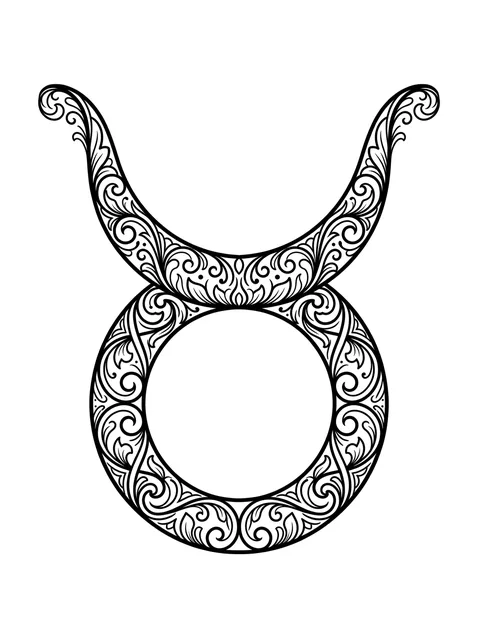
Black and grey ornamental taurus tattoo design: the circle left open Try it on — Black and grey ornamental taurus tattoo design: the circle left open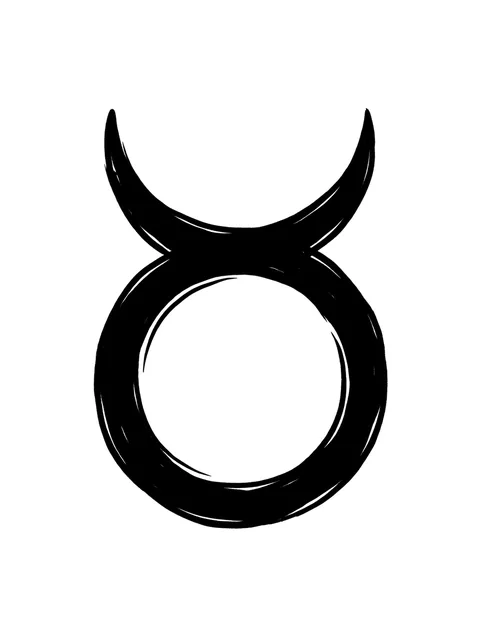
Black and white blackwork taurus tattoo design Try it on — Black and white blackwork taurus tattoo design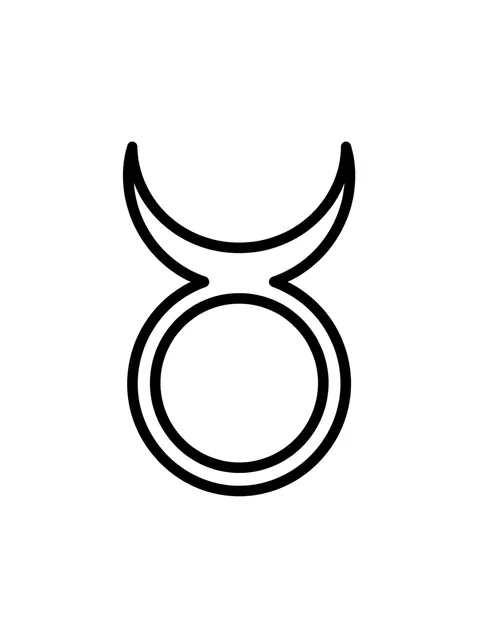
Black and white linework taurus tattoo design, outline stencil Try it on — Black and white linework taurus tattoo design, outline stencil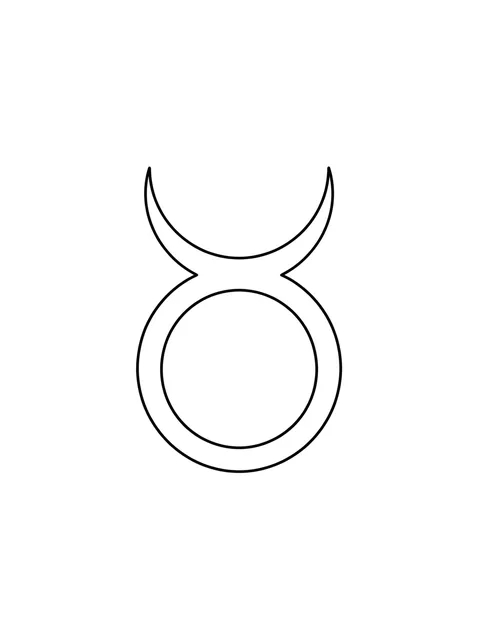
Black and white fine line taurus tattoo design, outline stencil Try it on — Black and white fine line taurus tattoo design, outline stencil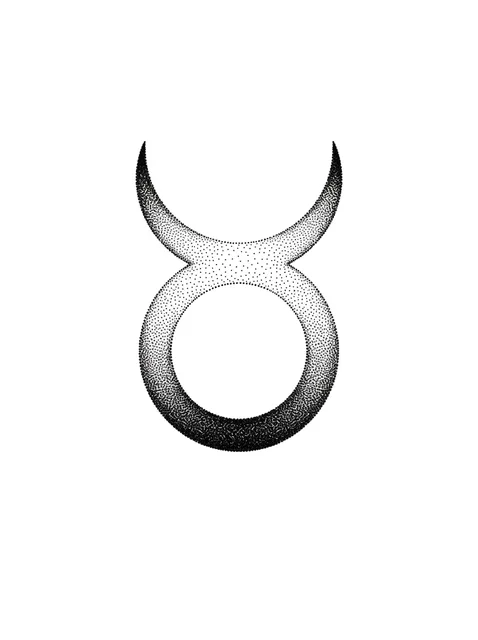
Black and grey dotwork taurus tattoo design: the circle and at the crescent tips Try it on — Black and grey dotwork taurus tattoo design: the circle and at the crescent tips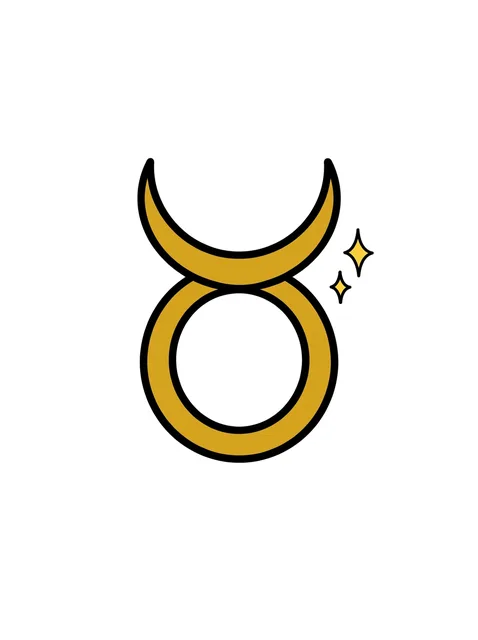
Color traditional taurus tattoo design Try it on — Color traditional taurus tattoo design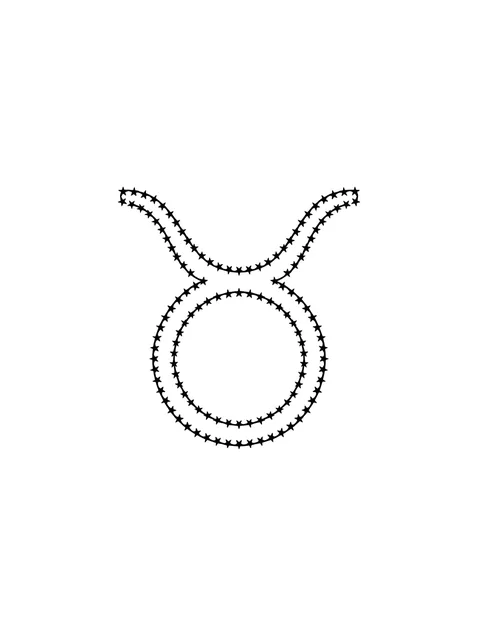
Black and white fine line taurus and star tattoo design, outline stencil Try it on — Black and white fine line taurus and star tattoo design, outline stencil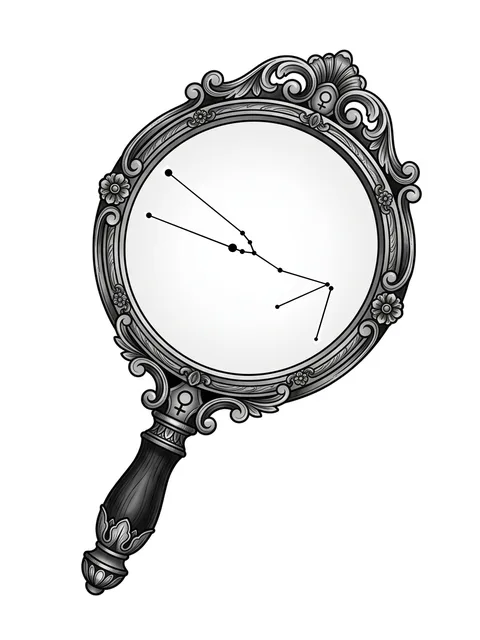
Black and grey illustrative taurus and constellation tattoo design Try it on — Black and grey illustrative taurus and constellation tattoo design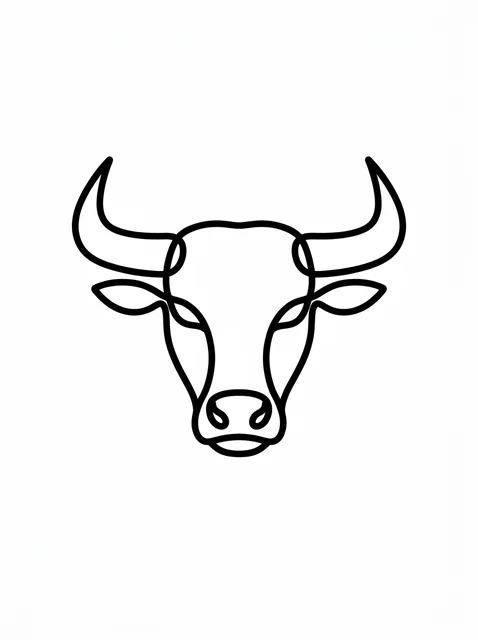
Black and white linework taurus and bull tattoo design, outline stencil Try it on — Black and white linework taurus and bull tattoo design, outline stencil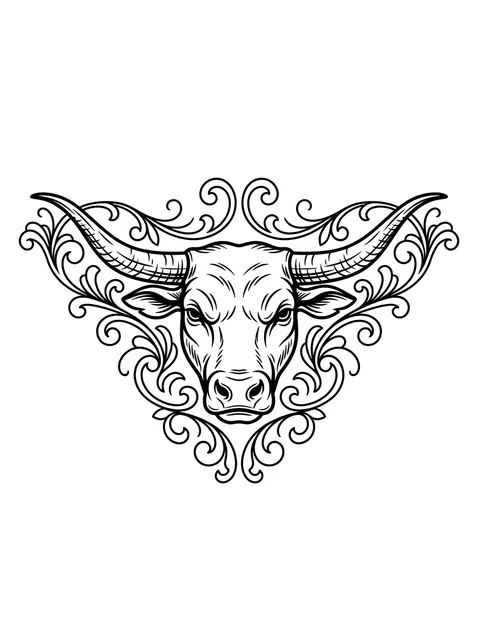
Black and grey ornamental taurus and bull tattoo design Try it on — Black and grey ornamental taurus and bull tattoo design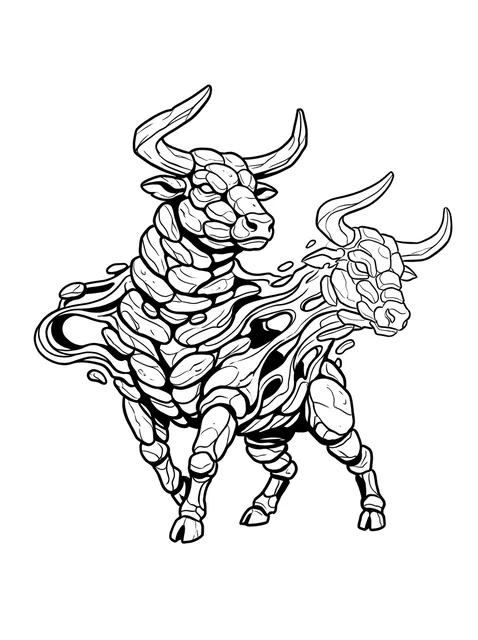
Black and grey illustrative taurus and bull tattoo design Try it on — Black and grey illustrative taurus and bull tattoo design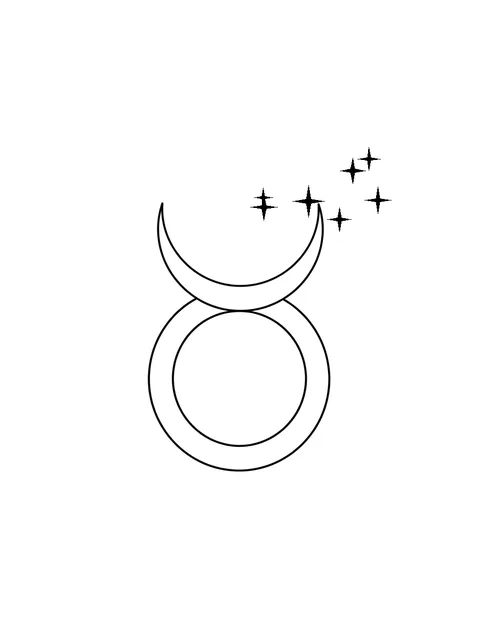
Black and white fine line taurus and star tattoo design, outline stencil Try it on — Black and white fine line taurus and star tattoo design, outline stencil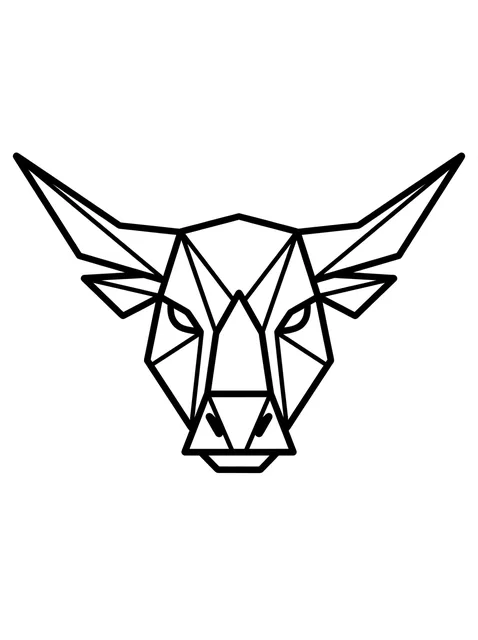
Black and white geometric taurus and bull tattoo design, outline stencil Try it on — Black and white geometric taurus and bull tattoo design, outline stencil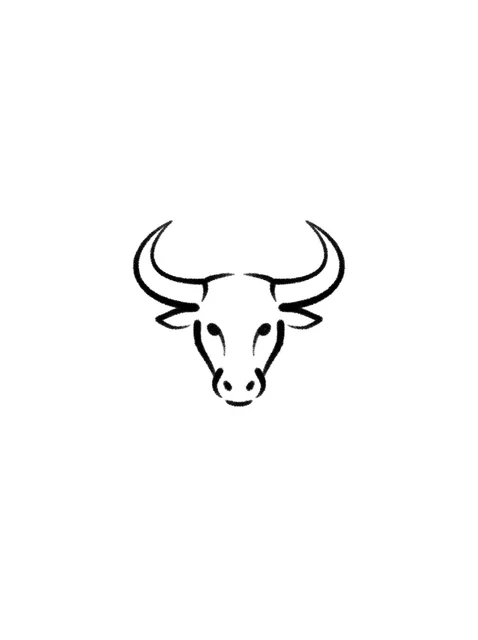
Black and white minimalist taurus and bull tattoo design, outline stencil Try it on — Black and white minimalist taurus and bull tattoo design, outline stencil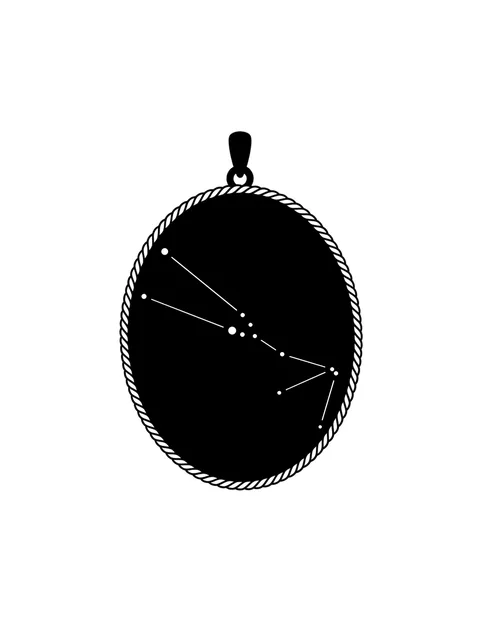
Black and white blackwork taurus and constellation tattoo design Try it on — Black and white blackwork taurus and constellation tattoo design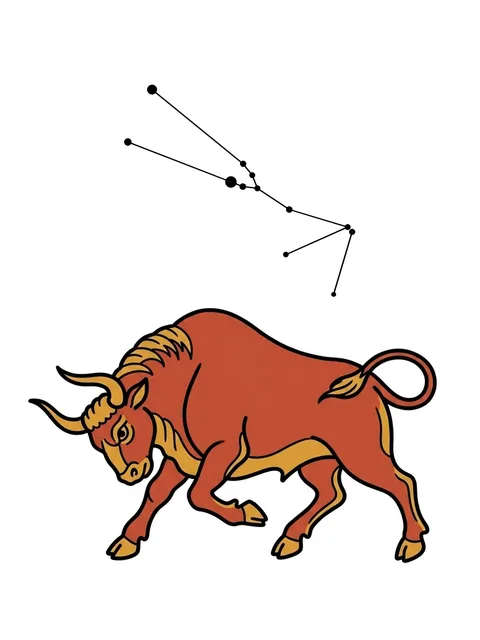
Color illustrative taurus and bull tattoo design Try it on — Color illustrative taurus and bull tattoo design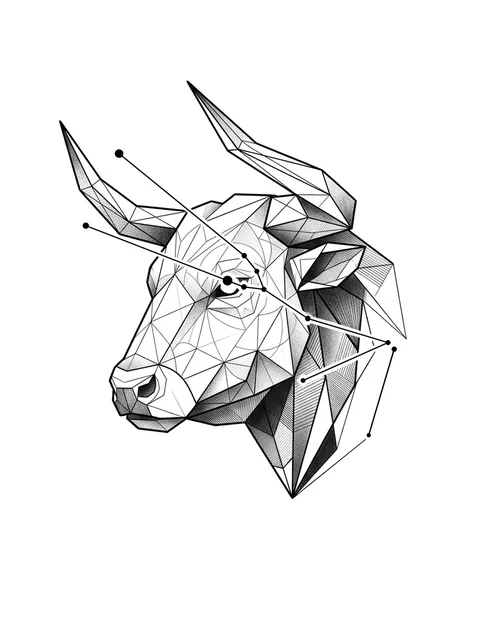
Black and grey geometric taurus and bull tattoo design, outline stencil Try it on — Black and grey geometric taurus and bull tattoo design, outline stencil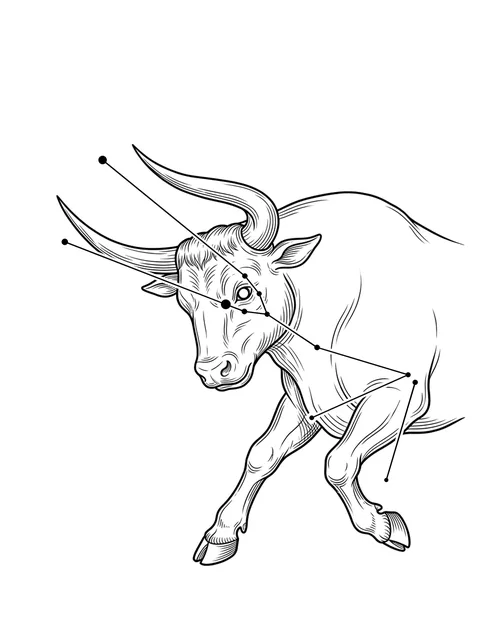
Black and grey illustrative taurus and bull tattoo design Try it on — Black and grey illustrative taurus and bull tattoo design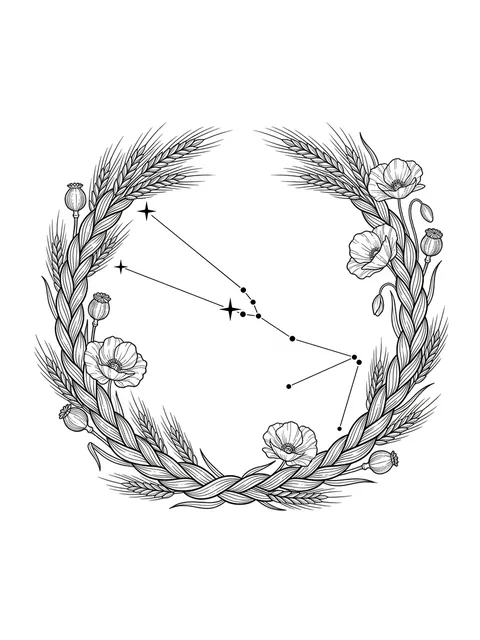
Black and grey fine line taurus and constellation tattoo design, outline stencil Try it on — Black and grey fine line taurus and constellation tattoo design, outline stencil


Tap any design to see it on your own skin in the try-on — no signup.
This set of 22 taurus designs, by the numbers
- Styles represented
- fine line (5), illustrative (4), minimalist (2), ornamental (2), blackwork (2), linework (2)
- Black-and-grey vs colour
- 86% black-and-grey, 14% colour
- Most often drawn with
- bull, constellation, star, poppy
Counted from the 22 designs shown on this page. Every one was drawn for InkCraft — none are scraped or reposted. Free to reference with a link to this page.
What a taurus tattoo means
Taurus is the sign of staying put. Astrology gives it patience, loyalty, steadiness and a frank appetite for comfort, meaning good food, good cloth and a garden, and the less flattering word for the same quality is stubbornness. Most wearers mean both halves and are happy to. The bull suits it because it rarely charges, and once it does, nothing turns it.
The constellation is one of the easiest to find. On a winter evening, follow the three stars of Orion's belt up and to the right and they point at Aldebaran, an orange giant and the brightest star in Taurus, which marks the bull's eye. Around it lies the V of the Hyades, the nearest open cluster to the Sun, forming the face; Aldebaran looks like part of it but is less than half as far away. The two horns run out to single stars at their tips, Elnath and Zeta Tauri. Only the front of the animal is in the sky, head, horns and forelegs, and the charts here keep that cut. From northern latitudes it is an evening sight from about November to March, and it is lost in the Sun's glare in May and June.
The Pleiades ride on the bull's shoulder. The Greeks called them seven sisters, daughters of Atlas and Pleione; most people with good eyes count six, which is where the story of a lost sister comes from. In Japanese the cluster is Subaru, and the car maker's badge is a drawing of it. It is the part of Taurus most people recognise without being told, and a glyph with the cluster set beside its horns is one of the pieces on this page.
The glyph is a head reduced to two shapes. Venus rules the sign, which is where the rosettes, mirrors and flowers in Taurus imagery come from, and the hand mirror framing the stars here is her emblem. Earth is its element, which accounts for the wheat, the poppies and the green-and-ochre washes. The sign runs from about 20 April to 20 May, so spring flowers belong to it as much as horns do.
Where the design comes from
The bull is among the oldest figures in the sky. Babylonian star lists call it the Bull of Heaven, the name of the beast that Ishtar sends against Gilgamesh in the epic and that he and Enkidu kill. The Greeks made it Zeus: a white bull that walked out of the herds on the shore of Phoenicia, let Europa climb on its back and swam with her to Crete, where she became the mother of Minos. Ovid tells it in the second book of the Metamorphoses, and the half-drawn figure is usually explained by the same story, since the bull is still swimming and its hindquarters are under the sea. Crete had its own bull long before: the Bronze Age fresco at Knossos of an acrobat vaulting a charging bull, whose flat terracotta bull one of the coloured designs here borrows. The Crab Nebula, near the southern horn tip, is what is left of a star that Chinese astronomers watched explode in 1054.
Choosing yours
- Keep the crescent sitting on the circle, touching it, and at least as wide. Float it above the circle or shrink it and the mark drifts towards a moon over a ring. Put a cross directly under the circle and you have drawn Mercury, whose symbol is exactly that; the Venus version on this page hangs a whole Venus sign, its own small circle and cross, below the glyph, and that second circle is what keeps it from reading as the planet.
- Choose a chart for its eye. In the constellation pieces the stars sit where they are in the sky and each dot is sized by its brightness, so Aldebaran is always the largest, and in the bull pieces it is the eye, as it is in every old star atlas. The horn lines are what make the figure Taurus. Cropping it to the V of the Hyades to save space leaves a small arrowhead that nobody reads as a bull.
- The Pleiades are the hard part at small size. Six or seven dots in a space the size of a fingernail are the first thing on the piece to merge as ink spreads, and a smudge is not a cluster. Leave a clear gap between the dots of at least their own width, or leave the cluster out and let Aldebaran carry the sky alone.
Size, cost and placement
How big, and what it costs
The glyph by itself is a short sitting charged at the shop's opening rate, anywhere from 2 to 5 cm. A plain Taurus chart takes longer than its outline suggests, because every star is a separately sized dot: about 7 to 10 cm and an hour or so. The bull scenes, the atlas bull, the Knossos charge and the faceted head, are drawings in their own right at 12 cm and up, two to four hours depending on the shading.
Where it sits, and how much it hurts
The glyph sits well at the wrist, the nape, behind the ear or on the ankle, all quick and mostly mild, the ankle bone less so. A chart with its long horn lines suits the outer forearm, the collarbone or the shoulder blade, where the lines can stay straight. The bull scenes want the flat of the upper back or the outer thigh; the Knossos charge is a long horizontal that also runs well along the ribs, which are the sharper of the two.
What to ask your artist
- Whether the crescent will touch the circle and stay wider than it, so the glyph keeps its horns.
- How far apart the Pleiades dots will be at your size, and whether they will still be separate in ten years.
- That the chart is traced as supplied rather than redrawn freehand, so Aldebaran stays the largest star and the horn lines stay straight.
Prices vary widely by city and artist — treat these as session lengths rather than quotes, and expect a shop minimum on anything small. The cost guide turns hours into money by size, placement and style.
Common questions
What does the bull stand for in a Taurus tattoo?
Steadiness, patience and an unembarrassed enjoyment of comfort, with stubbornness as the other face of the same quality. The bull is its picture because it seldom charges and cannot be turned once it has started.
Which star is the bull's eye?
Aldebaran, the brightest star in the constellation, an orange giant about 65 light years away. It sits in front of the V-shaped Hyades cluster that forms the face without belonging to it; the Hyades are more than twice as far off.
Why is only half a bull drawn in the sky?
Because the constellation has only a head, horns and forelegs. The usual explanation is the Europa story: Zeus, as a bull, is swimming to Crete with her on his back, and the rest of him is under the water.
Can the Pleiades go on a small tattoo?
Only with generous spacing. Six or seven dots packed into a fingernail-sized area close up into one mark within a few years. Give them room, or leave the cluster out and let the bright eye star stand for the constellation.
Does the Taurus glyph look like any other symbol?
Very like the symbol for Mercury, which is the same crescent on a circle with a cross added underneath. Anything hung below the glyph needs to stay clearly apart from its circle, or the sign turns into a planet.
See it on your skin before you commit
InkCraft places any of these designs on a photo of you — scaled, wrapped and shaded to the placement you pick.