 InkCraft
Virgo Tattoo Ideas, Designs and Meaning
22 original virgo designs drawn for InkCraftBy Uladzimir TumanauUpdated
Virgo is the largest constellation in the zodiac, a maiden holding an ear of wheat, and the ear is Spica, its brightest star. The glyph's last stroke loops back and crosses itself once, and an arrow in its place turns the mark into Scorpio.
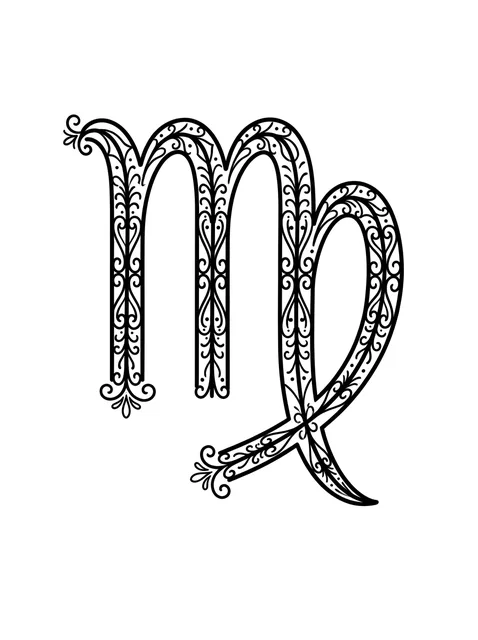
Black and grey ornamental virgo tattoo design Try it on — Black and grey ornamental virgo tattoo design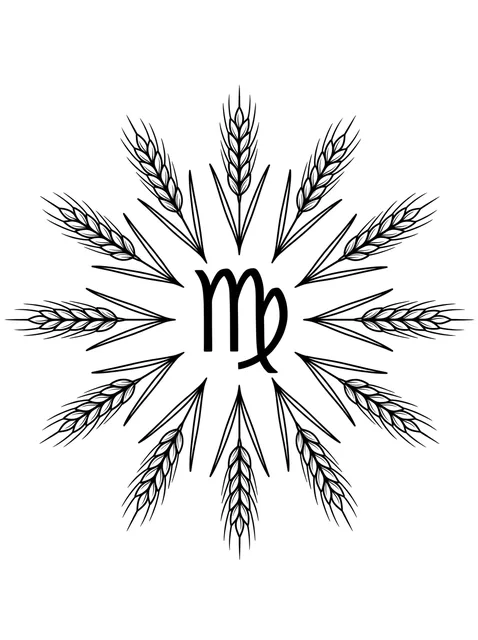
Black and grey ornamental virgo tattoo design Try it on — Black and grey ornamental virgo tattoo design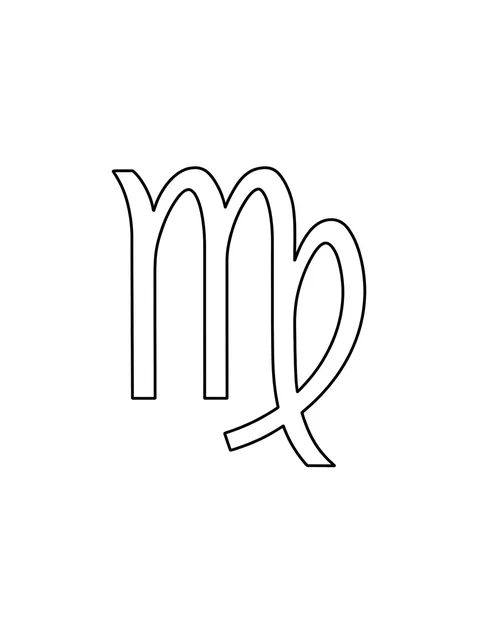
Black and white fine line virgo tattoo design, outline stencil Try it on — Black and white fine line virgo tattoo design, outline stencil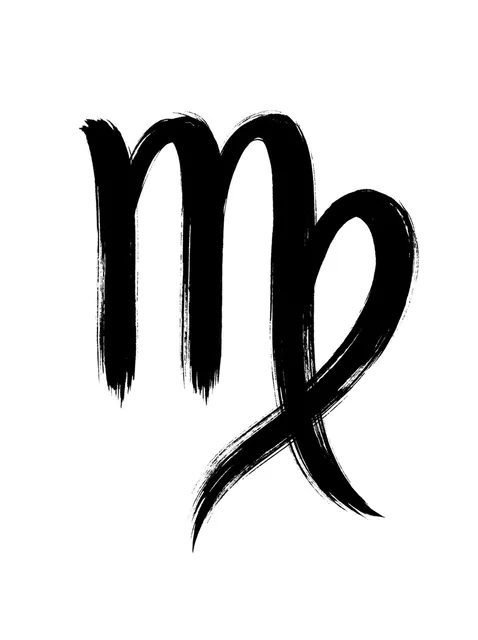
Black and white blackwork virgo tattoo design Try it on — Black and white blackwork virgo tattoo design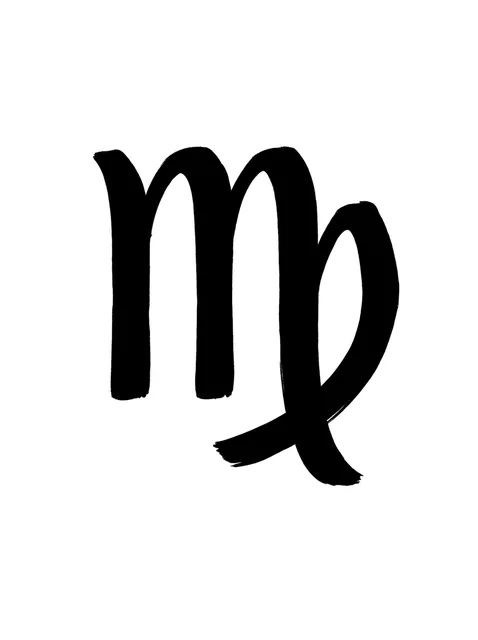
Black and white blackwork virgo tattoo design Try it on — Black and white blackwork virgo tattoo design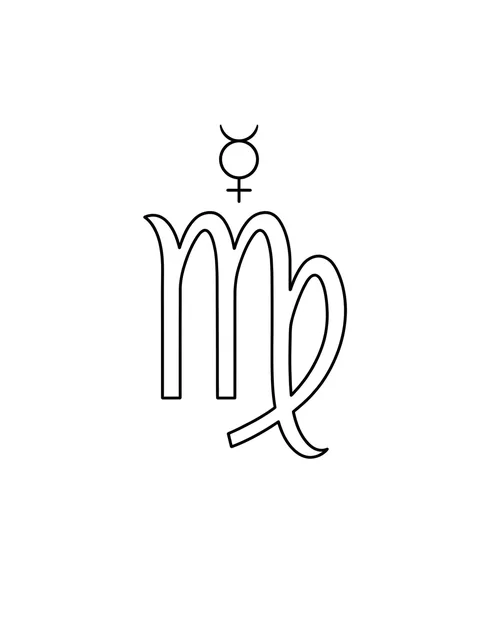
Black and white linework virgo tattoo design, outline stencil: the small symbol of Mercury Try it on — Black and white linework virgo tattoo design, outline stencil: the small symbol of Mercury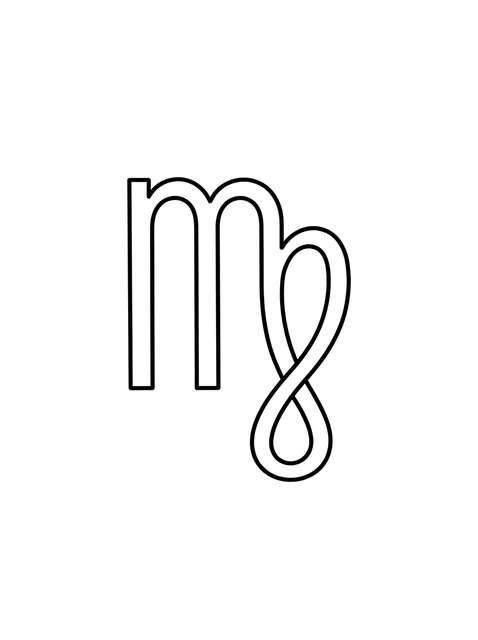
Black and white geometric virgo tattoo design, outline stencil Try it on — Black and white geometric virgo tattoo design, outline stencil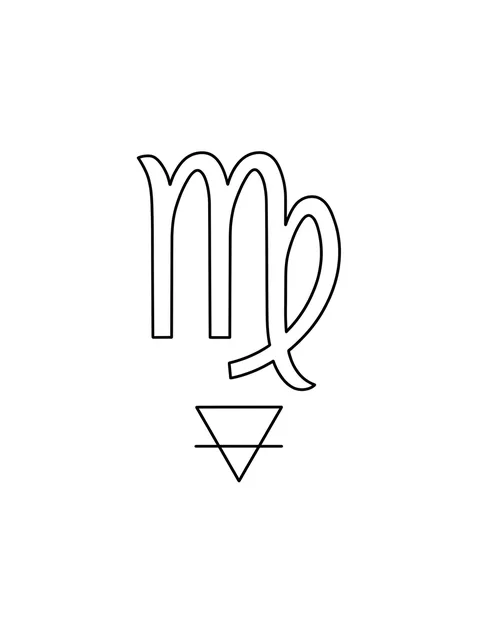
Black and white linework virgo tattoo design, outline stencil Try it on — Black and white linework virgo tattoo design, outline stencil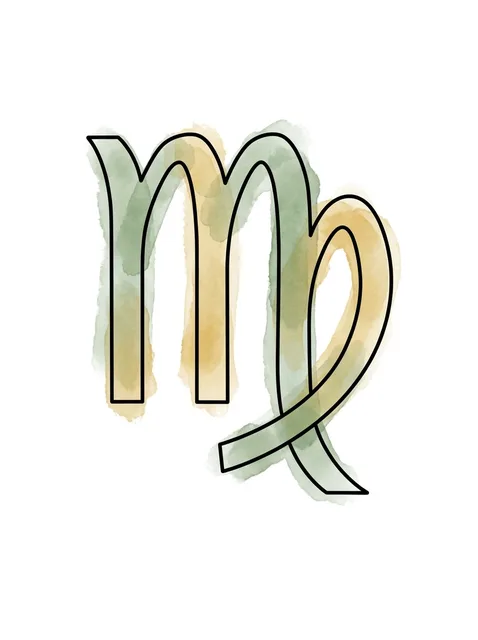
Color watercolor virgo tattoo design Try it on — Color watercolor virgo tattoo design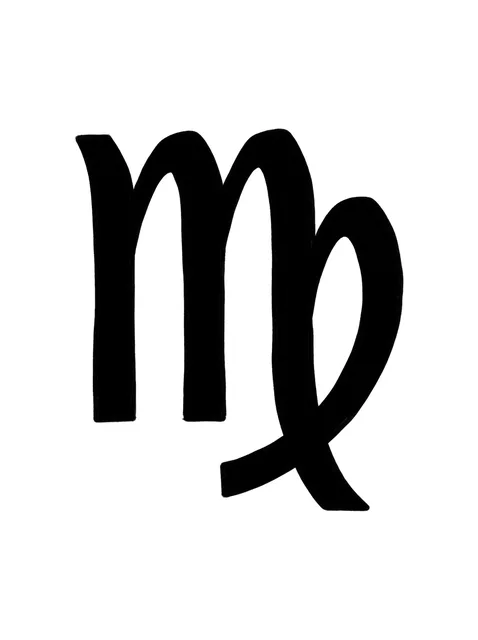
Black and white minimalist virgo tattoo design, outline stencil Try it on — Black and white minimalist virgo tattoo design, outline stencil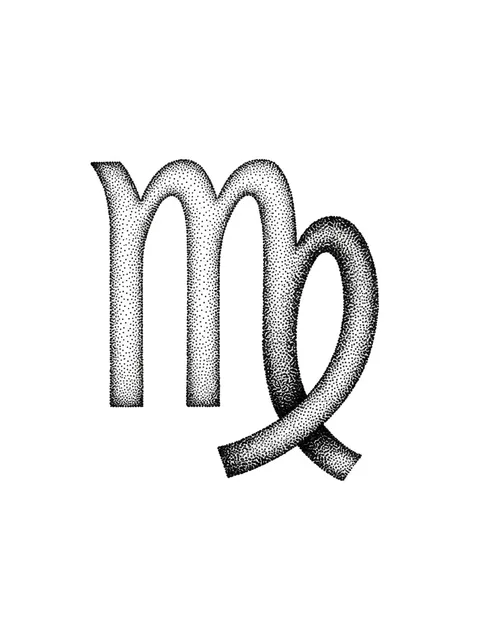
Black and grey dotwork virgo tattoo design Try it on — Black and grey dotwork virgo tattoo design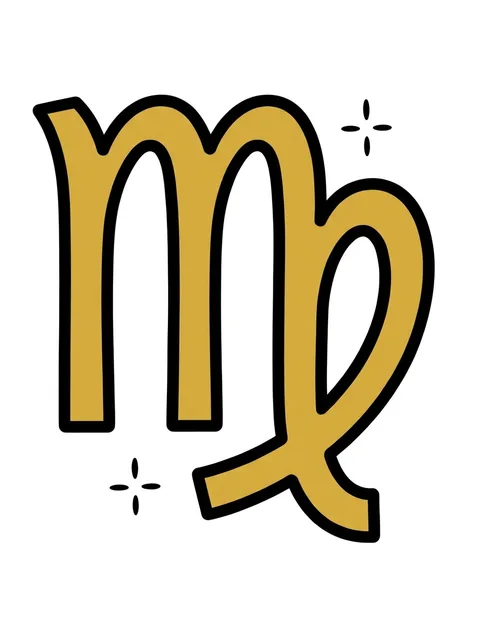
Color traditional virgo tattoo design Try it on — Color traditional virgo tattoo design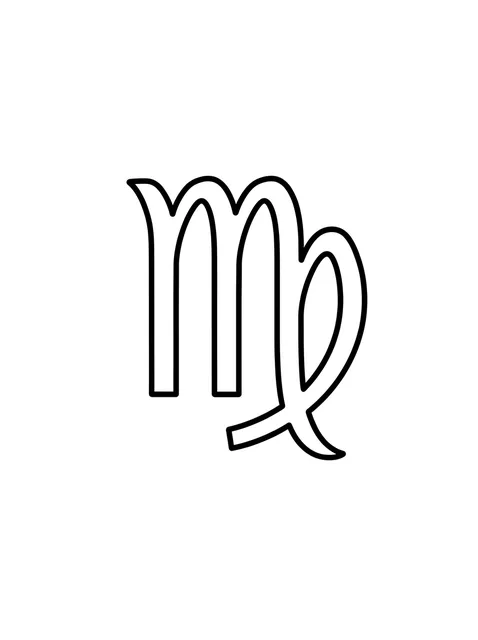
Black and white linework virgo tattoo design, outline stencil Try it on — Black and white linework virgo tattoo design, outline stencil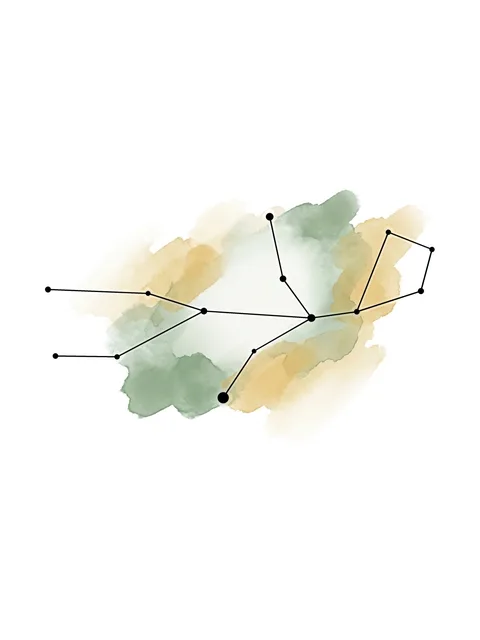
Color watercolor virgo and constellation tattoo design Try it on — Color watercolor virgo and constellation tattoo design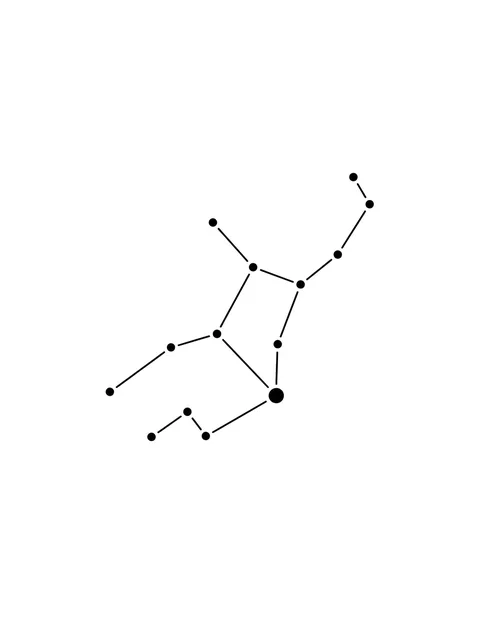
Black and white minimalist virgo and constellation tattoo design, outline stencil Try it on — Black and white minimalist virgo and constellation tattoo design, outline stencil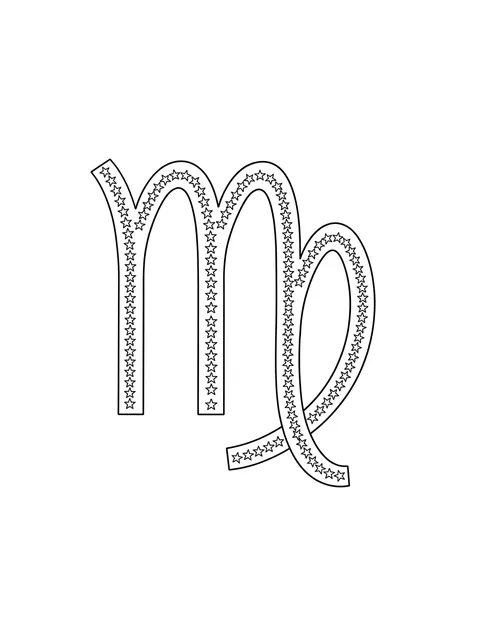
Black and white fine line virgo and star tattoo design, outline stencil Try it on — Black and white fine line virgo and star tattoo design, outline stencil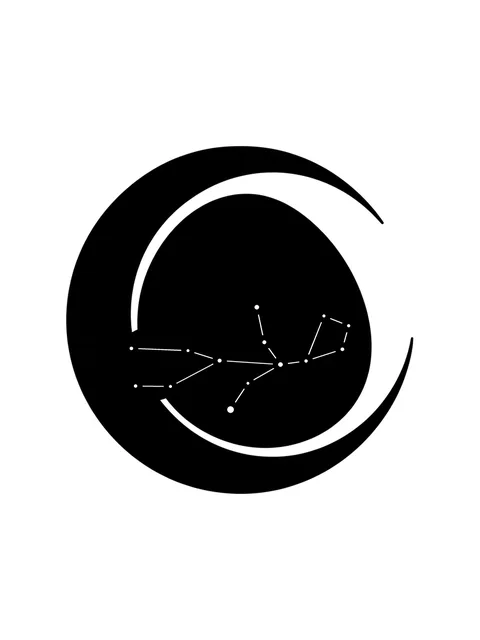
Black and white blackwork virgo and moon tattoo design Try it on — Black and white blackwork virgo and moon tattoo design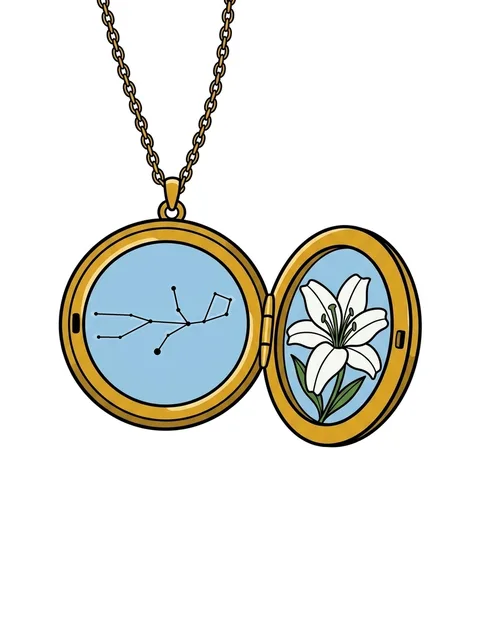
Color illustrative virgo and constellation tattoo design Try it on — Color illustrative virgo and constellation tattoo design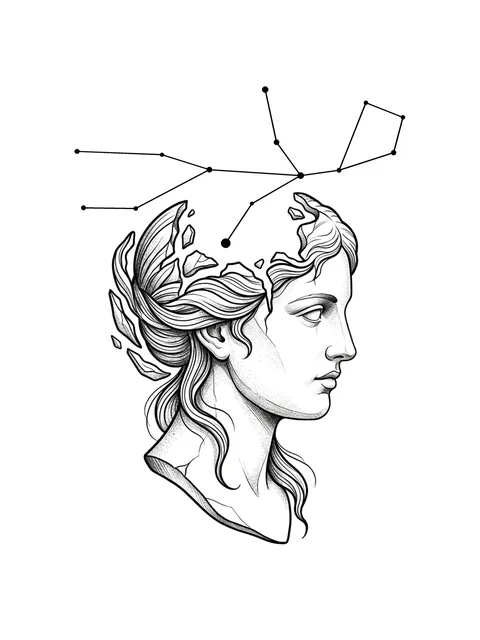
Black and grey illustrative virgo and constellation tattoo design Try it on — Black and grey illustrative virgo and constellation tattoo design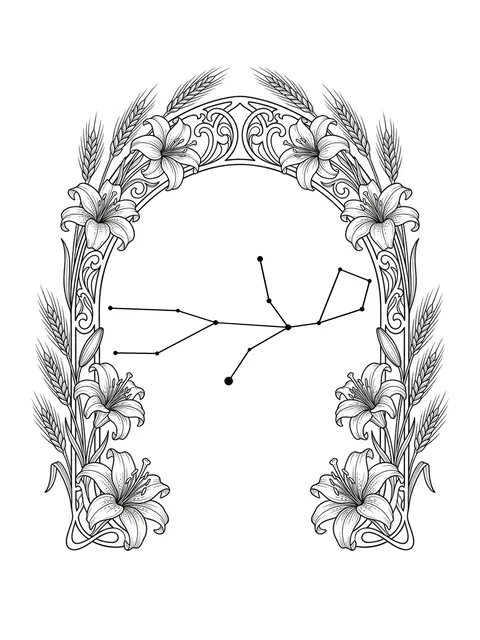
Black and grey ornamental virgo and constellation tattoo design Try it on — Black and grey ornamental virgo and constellation tattoo design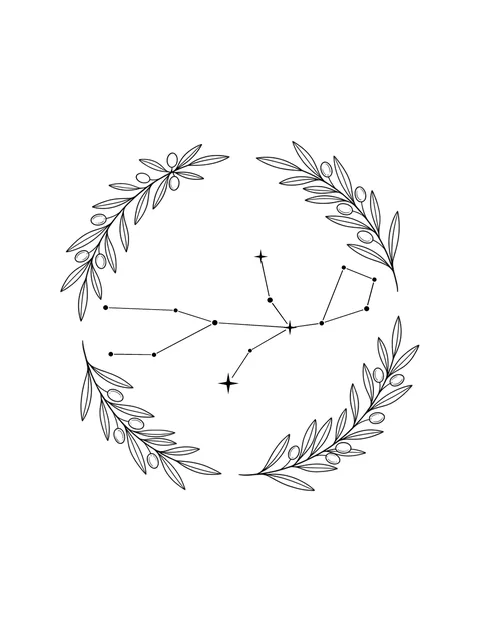
Black and white fine line virgo and constellation tattoo design, outline stencil Try it on — Black and white fine line virgo and constellation tattoo design, outline stencil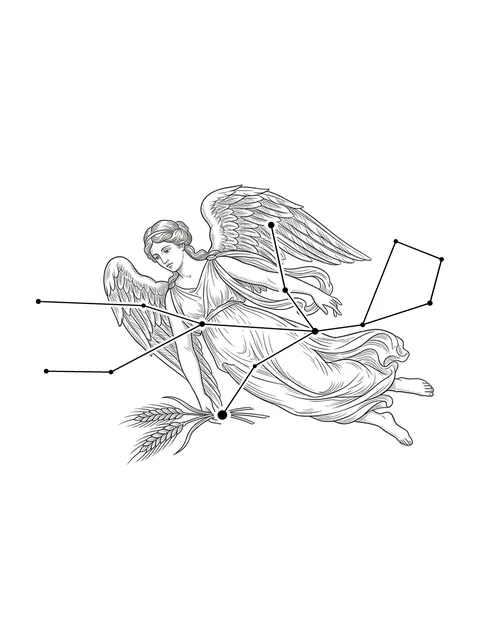
Black and grey illustrative virgo and constellation tattoo design Try it on — Black and grey illustrative virgo and constellation tattoo design


Tap any design to see it on your own skin in the try-on — no signup.
This set of 22 virgo designs, by the numbers
- Styles represented
- ornamental (3), fine line (3), blackwork (3), linework (3), illustrative (3), watercolor (2)
- Black-and-grey vs colour
- 82% black-and-grey, 18% colour
- Most often drawn with
- constellation, lily, woman portrait, star
Counted from the 22 designs shown on this page. Every one was drawn for InkCraft — none are scraped or reposted. Free to reference with a link to this page.
What a virgo tattoo means
Virgo is the sign of care taken over things. Astrology gives it precision, usefulness, modesty and a habit of noticing what everyone else missed, with perfectionism as the price. People who wear it tend to mean the craft half, the person who does it properly, and the harvest behind the sign, since she has always been the maiden who brings the grain in.
It is the largest constellation in the zodiac and the second largest in the whole sky, after Hydra. The figure is wide and flat, arms of stars spreading from the centre: a small box of four stars at the western end towards Leo, Vindemiatrix above the middle, and Spica low and bright beneath. Spica is Latin for an ear of grain, which is what the maiden holds in every old atlas. From the northern hemisphere Virgo is an evening sight from about April to June. Follow the curve of the Plough's handle to Arcturus and carry straight on, and you reach Spica; skywatchers learn it as arc to Arcturus, then speed on to Spica.
Its other named stars belong to the farm year too. Vindemiatrix means the grape-gatherer, because its rising before dawn in late summer marked the start of the grape harvest. Porrima is a pair of stars named after a Roman goddess of prophecy. Beyond them, where nothing shows to the eye, lies the Virgo Cluster of galaxies, including M87, whose central black hole became the first ever photographed, in 2019.
The glyph is an m whose last stroke drops below the others, bends out and loops back to cross itself once before ending in a short tail. It is usually said to be an M for maiden with the loop standing for the ear of wheat, though its real origin is argued over. Mercury rules the sign, as it rules Gemini, and earth is its element, which accounts for the wheat rings, olive wreaths, sage-and-gold washes and the barred downward triangle, the alchemical sign for earth, that keep the glyph company here.
Where the design comes from
Virgo has been a woman with grain for as long as anyone has recorded her. Babylonian astronomers called Spica the Furrow and pictured a goddess holding an ear of barley. The Greeks made her Astraea, the star maiden of justice and the last of the immortals to leave the earth as people turned violent; Aratus tells it, Ovid places her departure in the Iron Age, and the scales of Libra beside her are read as hers. Others saw Demeter, goddess of the harvest, or her daughter Persephone. Spica itself changed astronomy. Around 130 BC Hipparchus compared its position with records made about a century and a half earlier, found that it had shifted, and so discovered the precession of the equinoxes.
Choosing yours
- Check the loop on the stencil. The glyph's last stroke should cross itself exactly once and end in its short tail; a closed figure eight under the stroke, or a loop that never crosses, is a looser variant, and an arrowhead at the end makes the whole mark Scorpio. The three arches should stay evenly spaced too, or the glyph starts to look like handwriting.
- The chart is wide and flat, so it wants a horizontal field: across the collarbone, the upper back between the shoulder blades, or along the outer forearm with the arm held level. Spica should be the largest dot and low in the figure. In the chart pieces here it is, and in the atlas maiden it sits in the wheat she holds.
- The pieces that set the stars inside something, a locket, a black crescent, an arch of lilies and wheat, make the figure read as a keepsake rather than a map, and a frame also solves the width problem by rounding it off. A plain chart is quieter, but a spread of dots is not recognisable to most people as Virgo; add the glyph or the wheat if you want it read.
Size, cost and placement
How big, and what it costs
A Virgo glyph needs a little more room than most, about 3 to 5 cm, because three arches and a crossed loop are more strokes than a crescent or a pair of bars; it is still well under an hour. The chart spreads wide and holds best at 10 to 14 cm across, an hour or two of dots and lines. A framed piece, the locket, the olive wreath or the lily arch, adds the frame's hours on top, two to four in total.
Where it sits, and how much it hurts
For the glyph: the inner wrist, behind the ear, the side of a finger or the ankle. For the chart: the collarbone or across the upper back, both moderately painful over bone, or the outer forearm if you are happy for it to read sideways when the arm hangs. The framed pieces are rounder and suit the shoulder blade or the thigh.
What to ask your artist
- That the loop crosses the final stroke once and ends in a short tail, with no arrowhead.
- Whether the chart will sit level, so the flat figure is not tipped onto a diagonal.
- If wheat is added, how the grains will be kept apart from the stars as the ink spreads.
Prices vary widely by city and artist — treat these as session lengths rather than quotes, and expect a shop minimum on anything small. The cost guide turns hours into money by size, placement and style.
Common questions
What do Virgo tattoos usually mean?
Care, precision and useful work, with the harvest behind them: the maiden who brings the grain in. Most wearers mean the craft side of the sign, and the wheat is the image that carries it.
What is the bright star in the Virgo constellation?
Spica, Latin for an ear of grain, a blue-white star that is really two stars orbiting each other in about four days. On a chart it is the largest dot, low in the figure, and in the old atlases it sits in the maiden's hand.
How is the Virgo glyph different from Scorpio's?
Both begin as an m. Virgo's last stroke loops back, crosses itself once and stops; Scorpio's ends in an arrowhead. Artists do mix the two up, so check how the final stroke ends before the needle starts.
Who is the Virgo maiden?
Usually Astraea, the star maiden of justice who was the last immortal to leave the earth, which is why the scales of Libra sit beside her. Older readings make her a harvest goddess: the Babylonian goddess with an ear of barley, or Demeter and Persephone.
Where does a Virgo constellation tattoo fit?
Somewhere wide. The figure is broad and flat, so the collarbone, the upper back and a level forearm take it better than the wrist or the spine. Framing it in a wreath or a crescent is the other way to fit it into a rounder space.
See it on your skin before you commit
InkCraft places any of these designs on a photo of you — scaled, wrapped and shaded to the placement you pick.