 InkCraft
Aztec Tattoo Ideas, Designs and Meaning
23 original aztec designs drawn for InkCraftBy Uladzimir TumanauUpdated
Aztec work has a real visual grammar of stepped frets, feather ranks and glyph blocks, and almost none of it survives the trip into tattooing. Most designs sold as Aztec are a generic warrior with a feather headdress from the wrong continent.
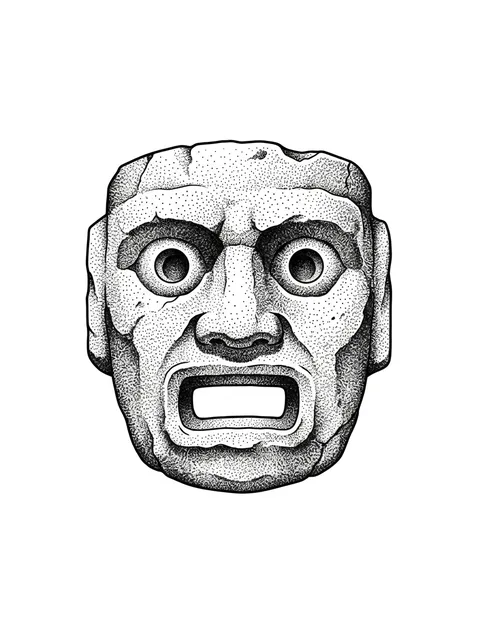
Black and grey dotwork aztec tattoo design Try it on — Black and grey dotwork aztec tattoo design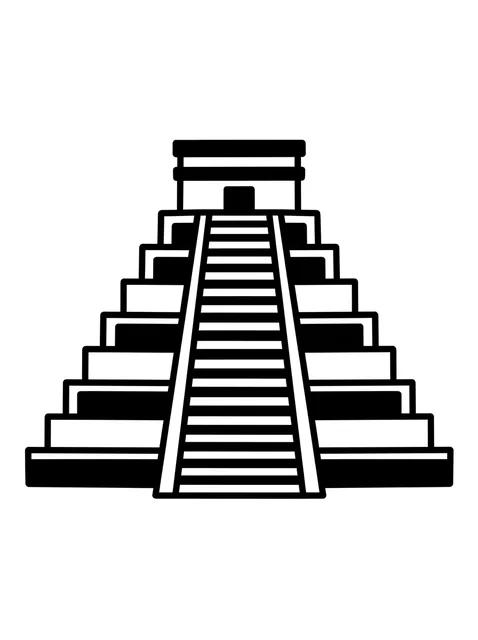
Black and white minimalist aztec tattoo design, outline stencil: an Aztec pyramid Try it on — Black and white minimalist aztec tattoo design, outline stencil: an Aztec pyramid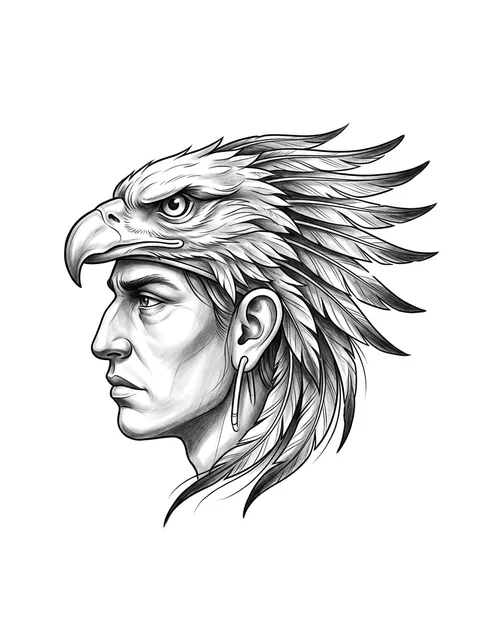
Black and grey chicano aztec tattoo design Try it on — Black and grey chicano aztec tattoo design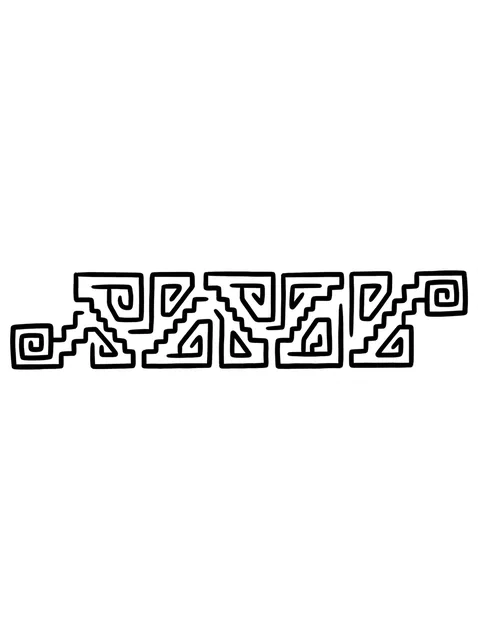
Black and white geometric aztec tattoo design, outline stencil Try it on — Black and white geometric aztec tattoo design, outline stencil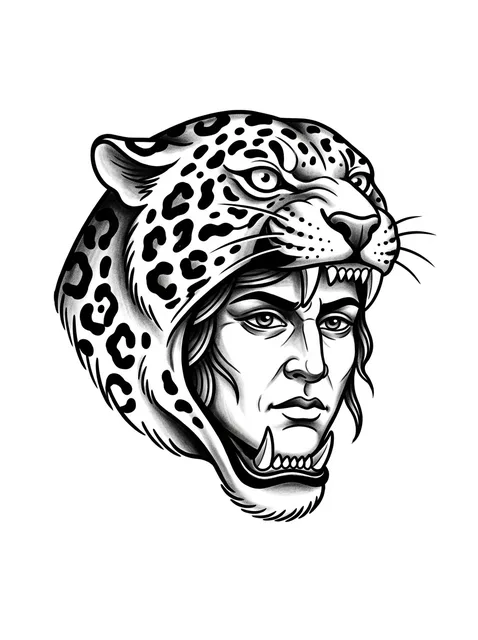
Black and grey neo traditional aztec tattoo design Try it on — Black and grey neo traditional aztec tattoo design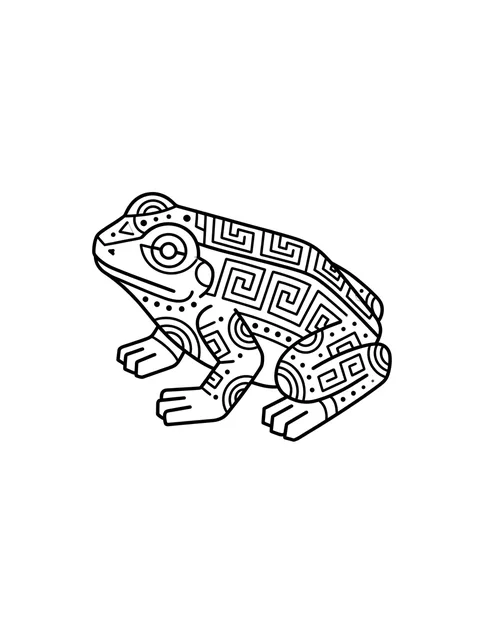
Black and white geometric aztec and frog tattoo design, outline stencil Try it on — Black and white geometric aztec and frog tattoo design, outline stencil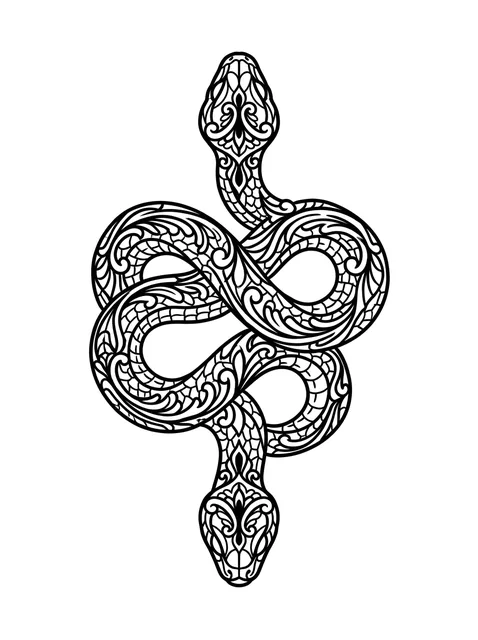
Black and grey ornamental aztec and snake tattoo design: two intertwined snakes Try it on — Black and grey ornamental aztec and snake tattoo design: two intertwined snakes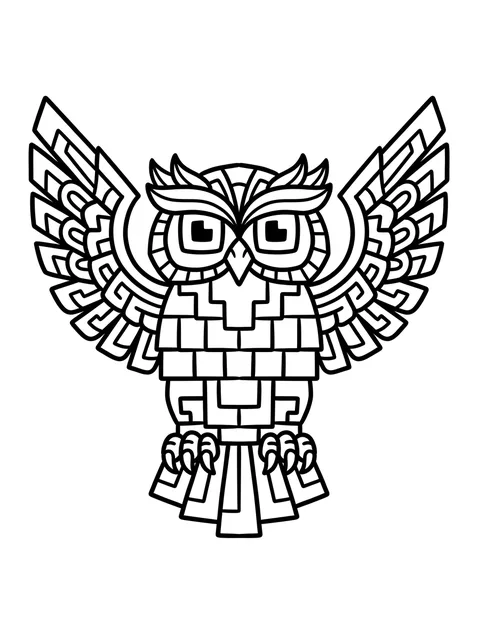
Black and white geometric aztec and owl tattoo design, outline stencil Try it on — Black and white geometric aztec and owl tattoo design, outline stencil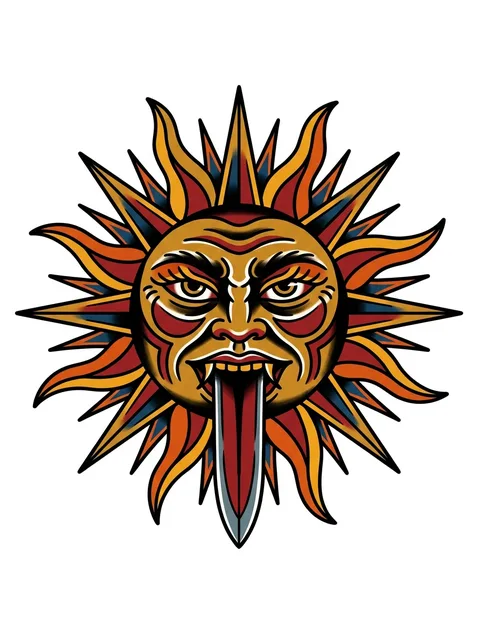
Color traditional aztec and sun tattoo design: a fierce stylized face, its tongue Try it on — Color traditional aztec and sun tattoo design: a fierce stylized face, its tongue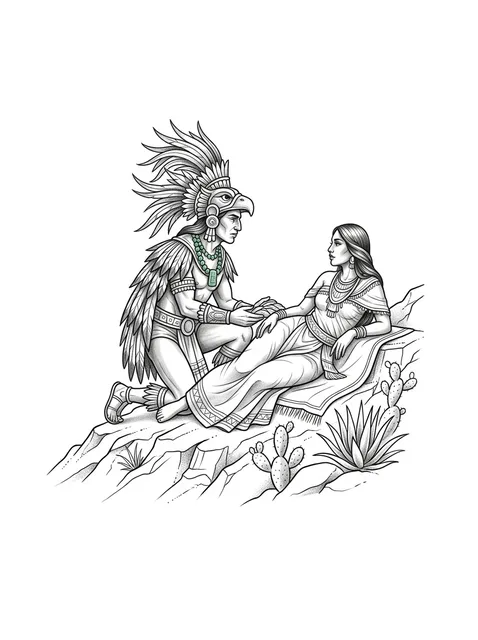
Black and grey chicano aztec and mountain tattoo design Try it on — Black and grey chicano aztec and mountain tattoo design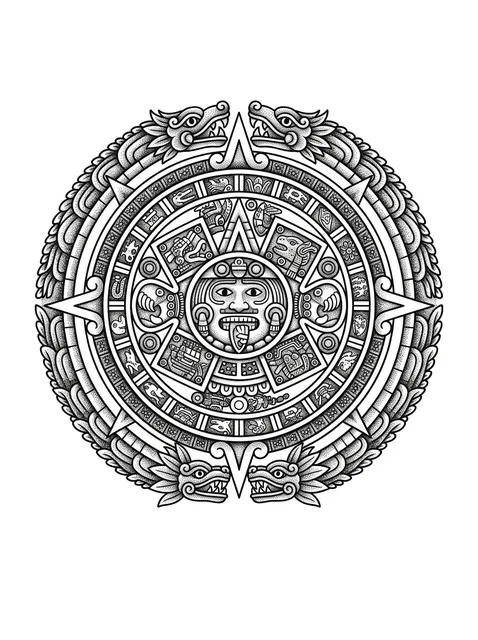
Black and grey dotwork aztec and sun tattoo design Try it on — Black and grey dotwork aztec and sun tattoo design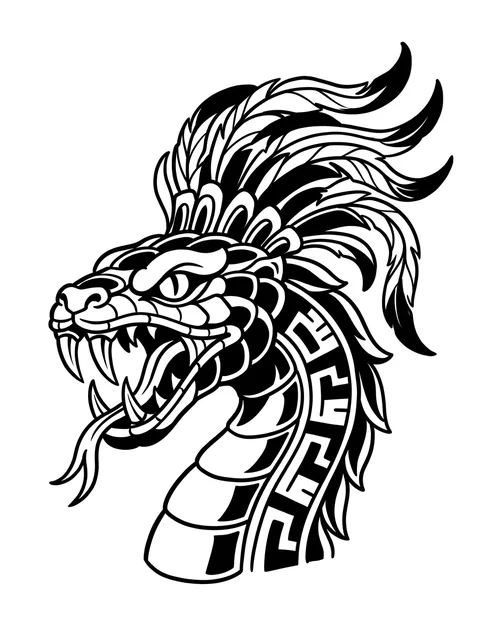
Black and white blackwork aztec and snake tattoo design Try it on — Black and white blackwork aztec and snake tattoo design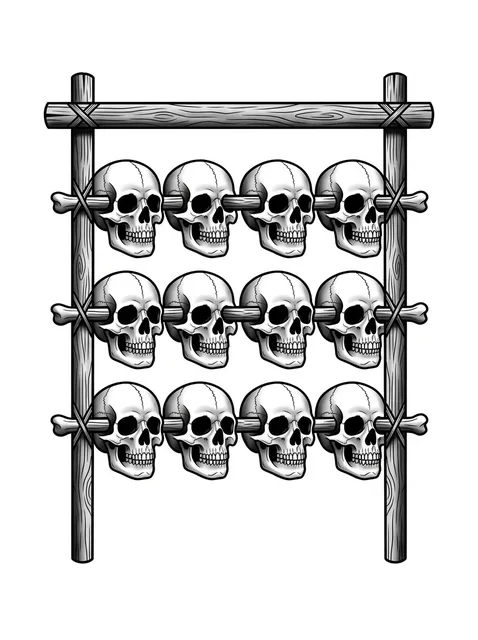
Black and grey illustrative aztec and skull tattoo design Try it on — Black and grey illustrative aztec and skull tattoo design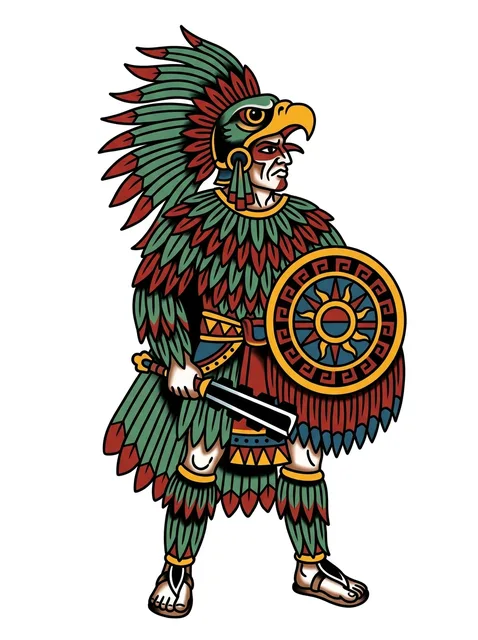
Color traditional aztec and eagle tattoo design Try it on — Color traditional aztec and eagle tattoo design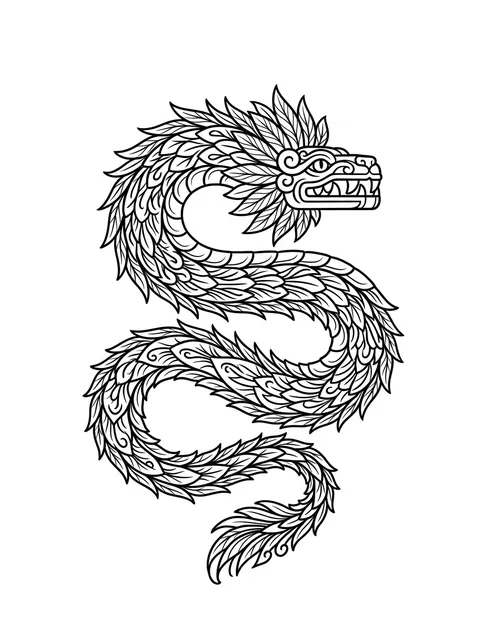
Black and grey illustrative aztec and dragon tattoo design Try it on — Black and grey illustrative aztec and dragon tattoo design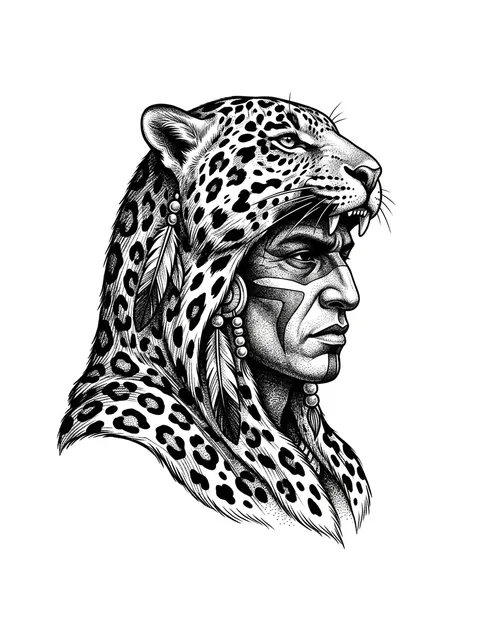
Black and grey illustrative aztec and panther tattoo design Try it on — Black and grey illustrative aztec and panther tattoo design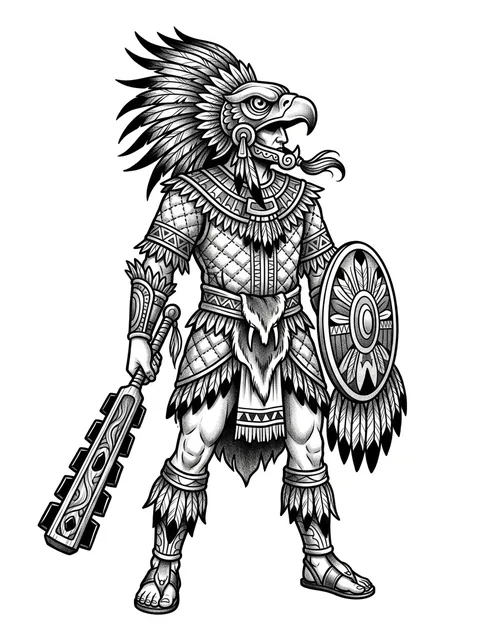
Black and grey illustrative aztec and eagle tattoo design: an Aztec eagle warrior in full regalia Try it on — Black and grey illustrative aztec and eagle tattoo design: an Aztec eagle warrior in full regalia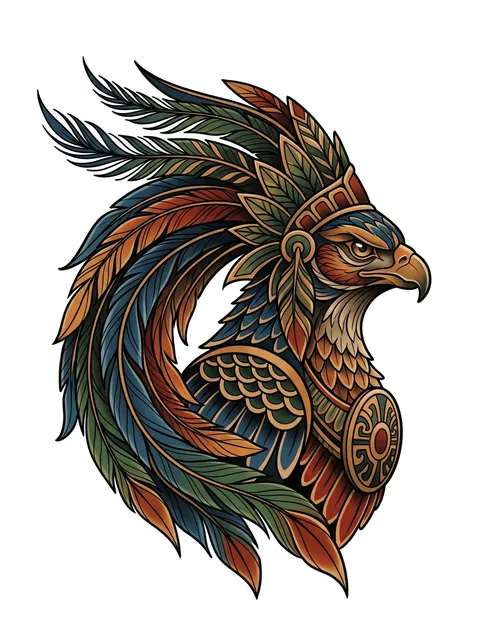
Color neo traditional aztec and eagle tattoo design Try it on — Color neo traditional aztec and eagle tattoo design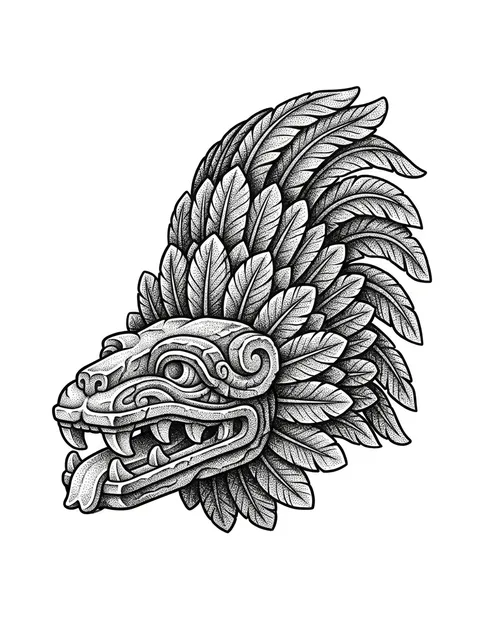
Black and grey illustrative aztec and dragon tattoo design Try it on — Black and grey illustrative aztec and dragon tattoo design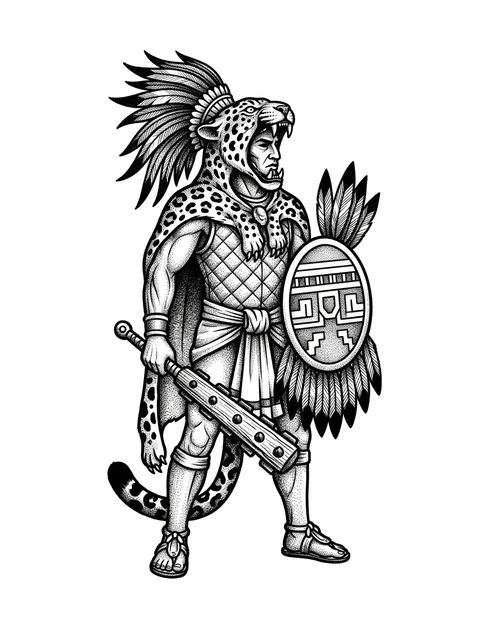
Black and grey dotwork aztec and panther tattoo design Try it on — Black and grey dotwork aztec and panther tattoo design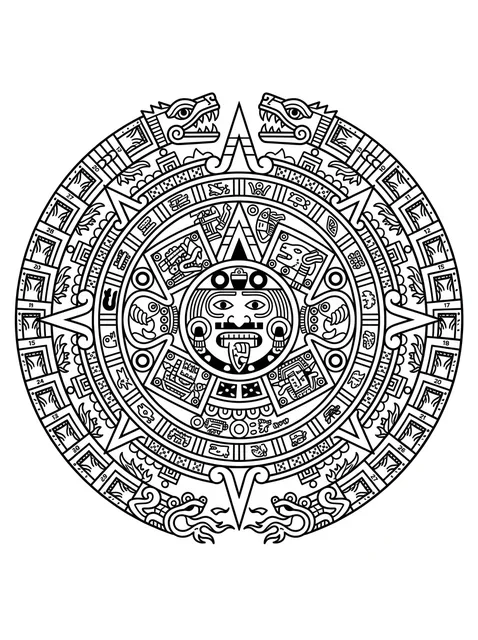
Black and white geometric aztec and mandala tattoo design, outline stencil Try it on — Black and white geometric aztec and mandala tattoo design, outline stencil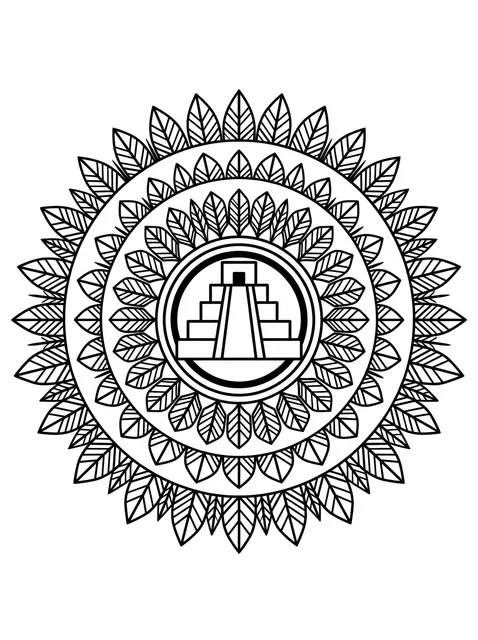
Black and white geometric aztec and mandala tattoo design, outline stencil Try it on — Black and white geometric aztec and mandala tattoo design, outline stencil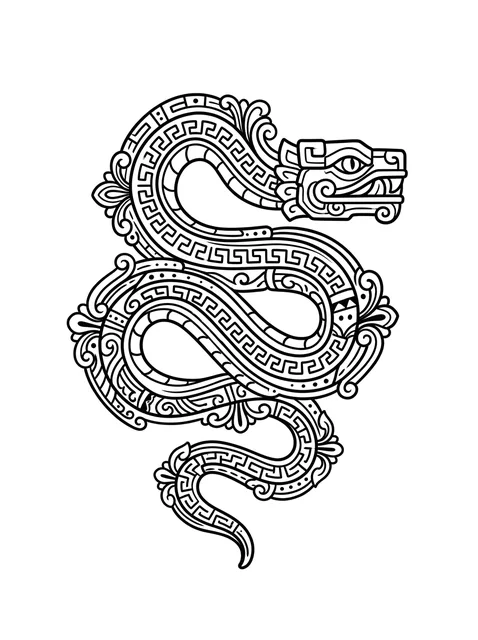
Black and white geometric aztec and snake tattoo design, outline stencil Try it on — Black and white geometric aztec and snake tattoo design, outline stencil


Tap any design to see it on your own skin in the try-on — no signup.
This set of 23 aztec designs, by the numbers
- Styles represented
- geometric (6), illustrative (5), dotwork (3), chicano (2), neo traditional (2), traditional (2)
- Black-and-grey vs colour
- 87% black-and-grey, 13% colour
- Most often drawn with
- feather, snake, eagle, dragon
Counted from the 23 designs shown on this page. Every one was drawn for InkCraft — none are scraped or reposted. Free to reference with a link to this page.
What a aztec tattoo means
The single most reproduced object is the calendar stone, and it is not a calendar. Carved around 1510 and unearthed in Mexico City in 1790, it is a ritual disc showing the face of a sun deity at the centre ringed by the four previous world-ages, each of which ended in catastrophe. What it says is that the present world is the fifth and it will also end.
The warrior orders are the other great subject and they are specific. Eagle warriors wore feathered helmets with the beak open over the face; jaguar warriors wore the pelt with the animal's jaws over the head. They were ranks, earned by taking captives alive, and the uniform is what makes the image legible rather than generic.
Quetzalcoatl, the feathered serpent, is the strangest and best form the tradition produced. A snake with the plumage of a quetzal bird runs against everything an animal should be, and it carried associations with wind, learning and the morning star rather than with menace.
For a great many people the image is about descent rather than about the Mexica state. Aztec work in tattooing has been a Mexican and Chicano identity mark since the 1970s, which is worth knowing because it changes how the piece is read by people who share it.
Where the design comes from
The Mexica themselves practised body modification, and the codices record face and body painting, but almost nothing survives about tattooing specifically because the Spanish burned the libraries. What we have instead is the sculpture, the four surviving pre-conquest codices and the post-conquest ones drawn under supervision. Aztec imagery entered tattooing through the Chicano movement of the 1960s and 70s, when Mexican-American artists in California reached past the colonial period for a visual language of their own, and it arrived alongside the fine-line black-and-grey technique that still dominates it. That history is why the strongest Aztec tattooing is monochrome and engraved-looking, and why the colour versions usually come from museum reconstructions rather than from the tradition.
Choosing yours
- Ask for a named object rather than a theme. The calendar stone, a tzompantli skull rack, an eagle-warrior helmet, a Quetzalcoatl head, a stepped fret panel: each of these is a specific thing with a specific look. "An Aztec warrior" produces a man in armour from anywhere.
- Check the headdress. A Plains feather war bonnet is North American and roughly four thousand kilometres and several centuries away from anything Mexica. It is the single most common error in designs sold as Aztec.
- Use the fret. The stepped xicalcoliuhqui fret is the base pattern of the entire visual language and it can be run along a serpent, over a shield or across a border to make an otherwise generic subject unmistakably Mesoamerican.
Size, cost and placement
How big, and what it costs
The calendar stone needs 20 cm minimum and six to eight hours, because it is concentric rings of small glyphs and every one of them is drawn. A single eagle-warrior head or a serpent is 12-15 cm and three to four hours. Fret panels are priced by complexity and are slower than they look, since every turn has to be exact.
Where it sits, and how much it hurts
Circular subjects like the calendar stone want a flat field where the circle stays a circle: the shoulder blade, the chest, the outer thigh. Serpents and fret panels run well down a forearm or a calf. Avoid heavy curvature for anything geometric, because a bent fret stops reading as a repeat.
What to ask your artist
- To work from photographs of the actual objects, since almost all Aztec tattoo reference is copies of copies.
- Whether the warrior they are proposing is an eagle or a jaguar, and to draw the correct uniform for it.
- For the calendar stone at your size, whether the inner glyph ring will survive or whether a simplified version would hold up better.
Prices vary widely by city and artist — treat these as session lengths rather than quotes, and expect a shop minimum on anything small. The cost guide turns hours into money by size, placement and style.
Common questions
Is the Aztec calendar stone actually a calendar?
No. It is a ritual sun disc showing the five world-ages, with the four previous ones ringed around a central deity face. The name stuck in the nineteenth century and has never come off.
What is the difference between Aztec and Mayan designs?
Different peoples, different centuries, different art. Maya work is older, uses a true written script and favours profile figures in dense narrative panels; Mexica work is later, heavier and more sculptural. They are routinely sold interchangeably and they do not look alike.
Is it appropriative to get one?
It is a live question and worth thinking about rather than dismissing. Aztec imagery is a Mexican and Chicano identity mark, and wearing it without that connection reads differently to people who have it. Nobody polices it, but the reading exists.
See it on your skin before you commit
InkCraft places any of these designs on a photo of you — scaled, wrapped and shaded to the placement you pick.