 InkCraft
Ouroboros Tattoo Ideas, Designs and Meaning
24 original ouroboros designs drawn for InkCraftBy Uladzimir TumanauUpdated
A serpent eating its own tail is the rare symbol that is also a definition: a thing sustained by consuming itself. Leave the ring open and it is an ordinary serpent; the closed bite is the entire difference.
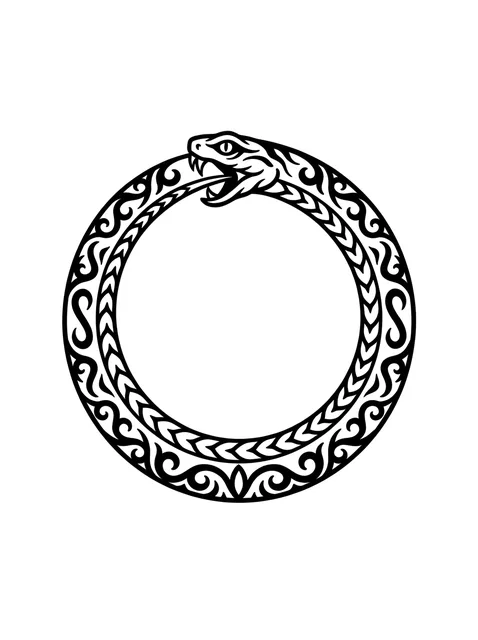
Black and white blackwork ouroboros and snake tattoo design Try it on — Black and white blackwork ouroboros and snake tattoo design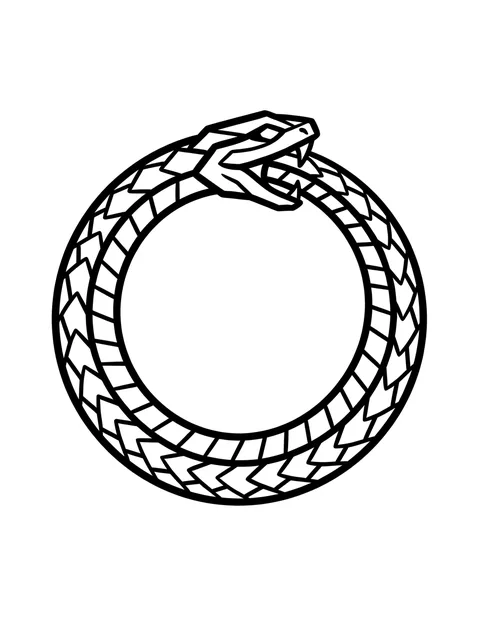
Black and white linework ouroboros and snake tattoo design, outline stencil Try it on — Black and white linework ouroboros and snake tattoo design, outline stencil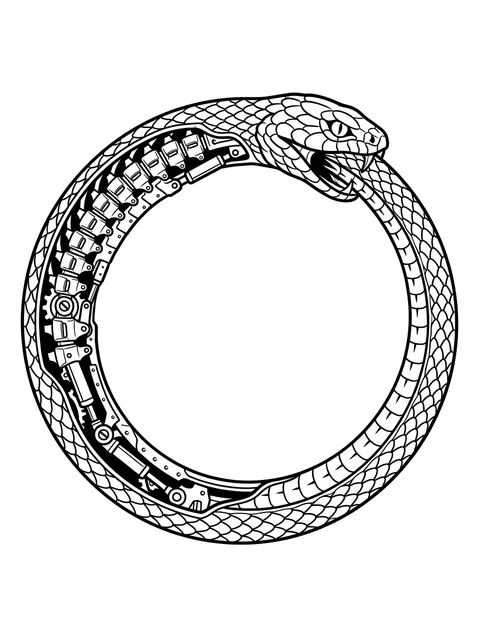
Black and grey illustrative ouroboros and snake tattoo design Try it on — Black and grey illustrative ouroboros and snake tattoo design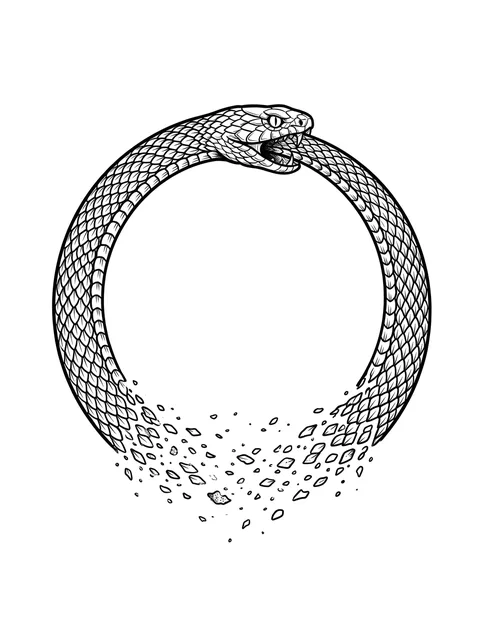
Black and white illustrative ouroboros and snake tattoo design Try it on — Black and white illustrative ouroboros and snake tattoo design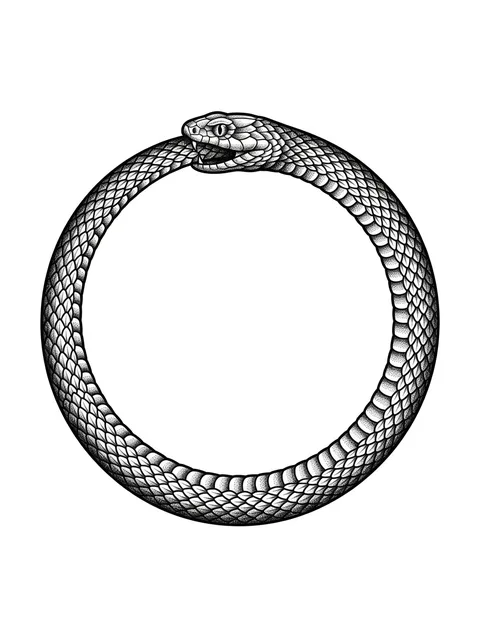
Black and grey dotwork ouroboros and snake tattoo design Try it on — Black and grey dotwork ouroboros and snake tattoo design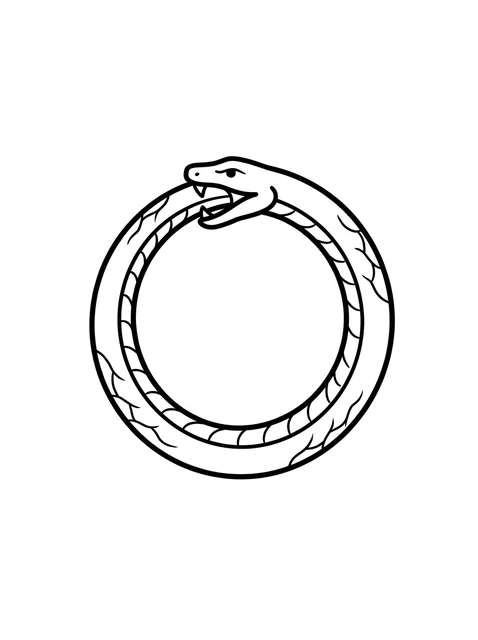
Black and white linework ouroboros and snake tattoo design, outline stencil Try it on — Black and white linework ouroboros and snake tattoo design, outline stencil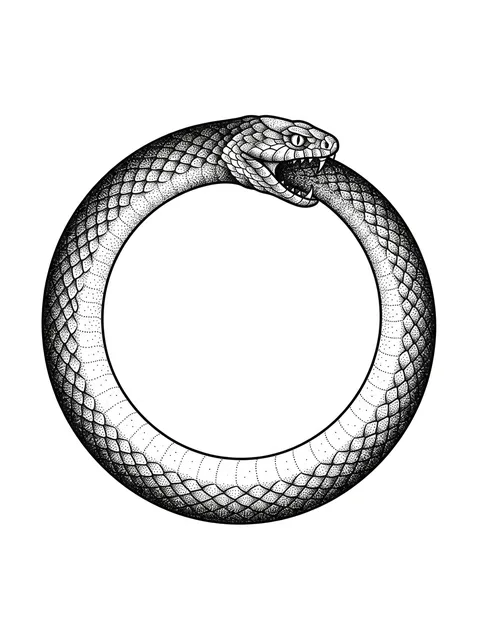
Black and grey dotwork ouroboros and snake tattoo design Try it on — Black and grey dotwork ouroboros and snake tattoo design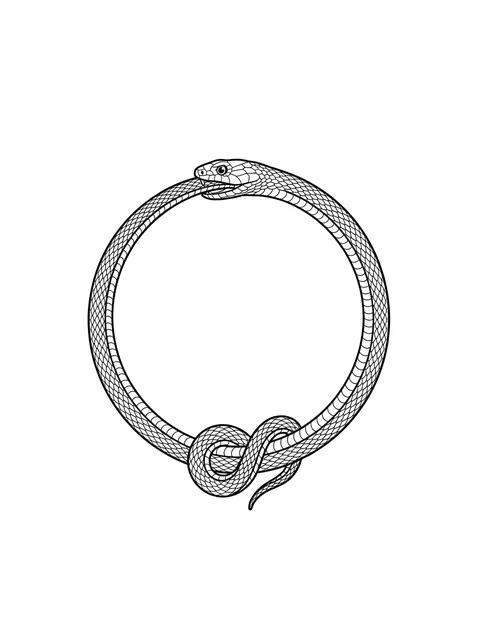
Black and white linework ouroboros and snake tattoo design, outline stencil Try it on — Black and white linework ouroboros and snake tattoo design, outline stencil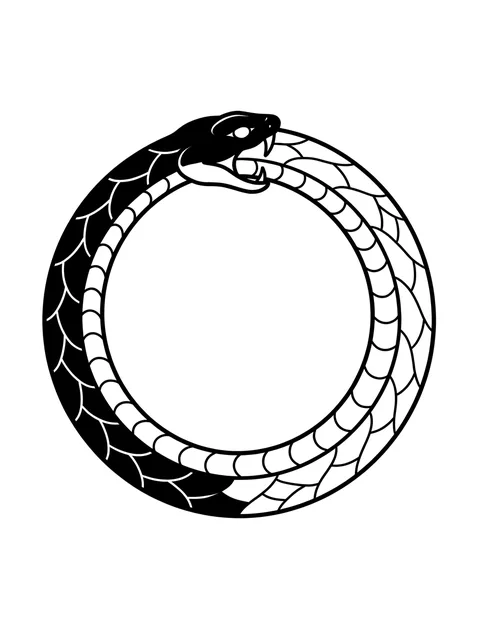
Black and white linework ouroboros and snake tattoo design, outline stencil Try it on — Black and white linework ouroboros and snake tattoo design, outline stencil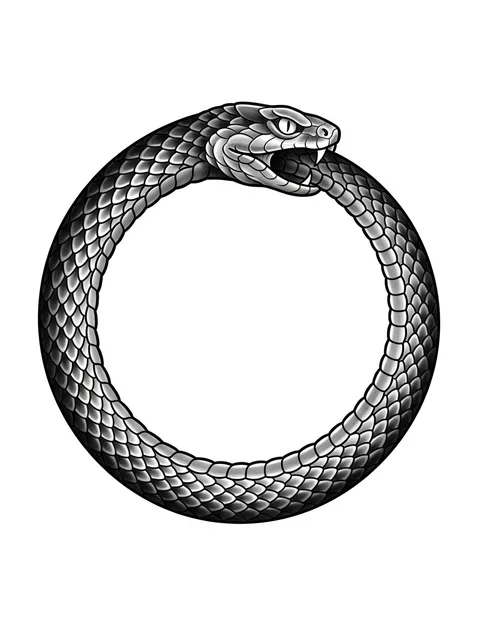
Black and grey neo traditional ouroboros and snake tattoo design Try it on — Black and grey neo traditional ouroboros and snake tattoo design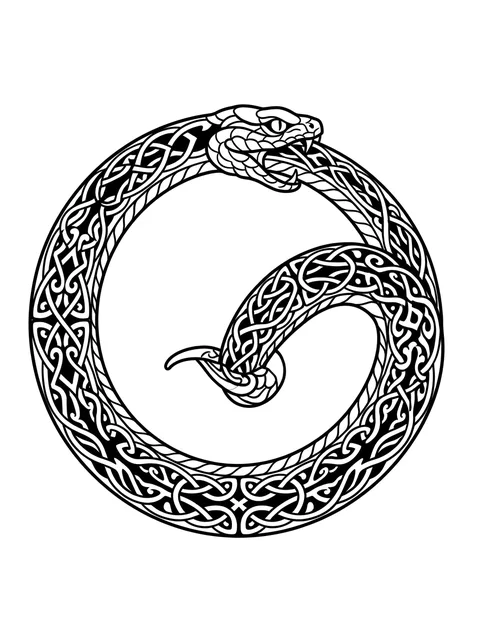
Black and white blackwork ouroboros and snake tattoo design Try it on — Black and white blackwork ouroboros and snake tattoo design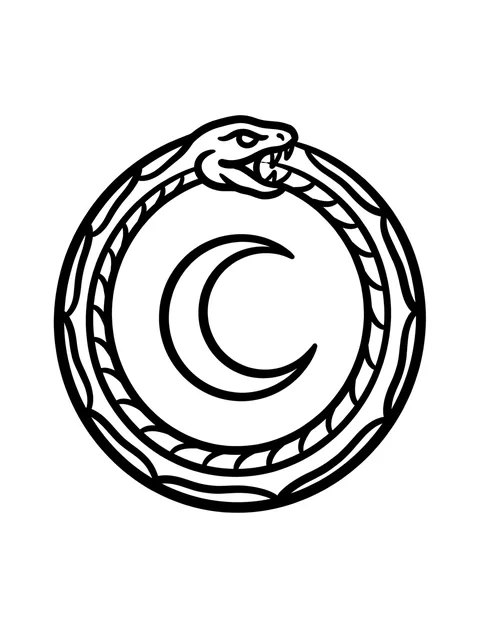
Black and white linework ouroboros and moon tattoo design, outline stencil Try it on — Black and white linework ouroboros and moon tattoo design, outline stencil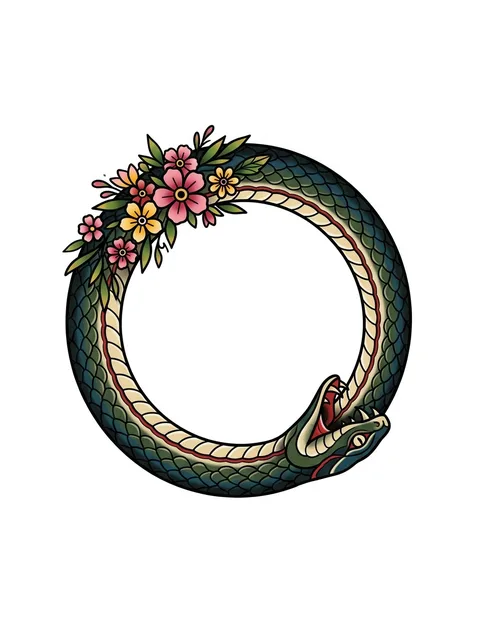
Color traditional ouroboros and snake tattoo design Try it on — Color traditional ouroboros and snake tattoo design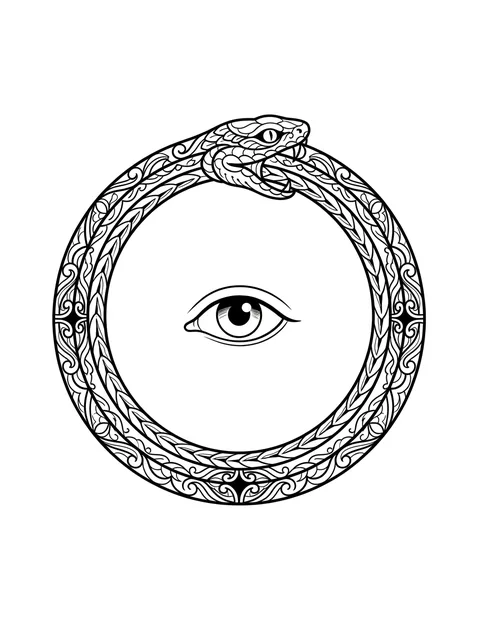
Black and white illustrative ouroboros and eye tattoo design Try it on — Black and white illustrative ouroboros and eye tattoo design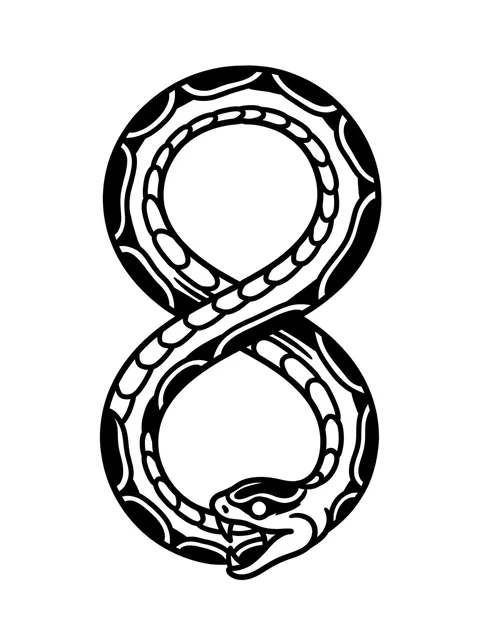
Black and grey traditional ouroboros and snake tattoo design Try it on — Black and grey traditional ouroboros and snake tattoo design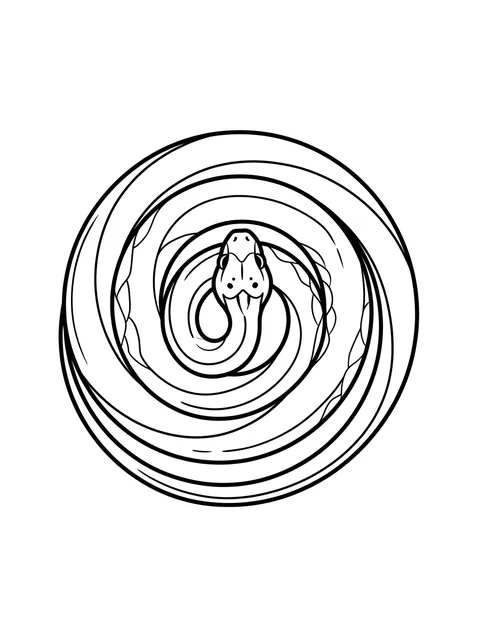
Black and white linework ouroboros and snake tattoo design, outline stencil Try it on — Black and white linework ouroboros and snake tattoo design, outline stencil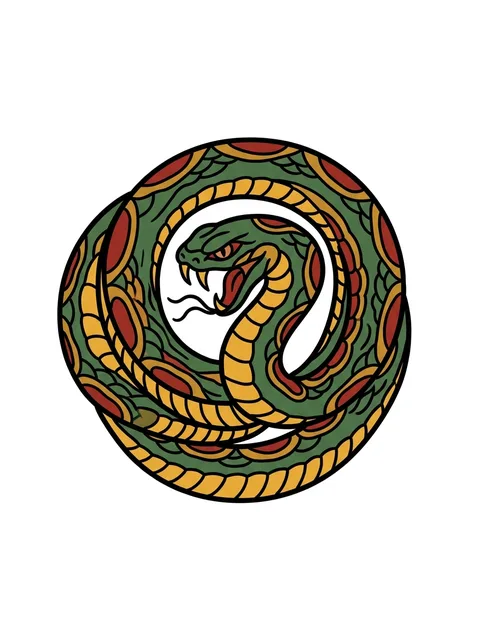
Color traditional ouroboros and snake tattoo design Try it on — Color traditional ouroboros and snake tattoo design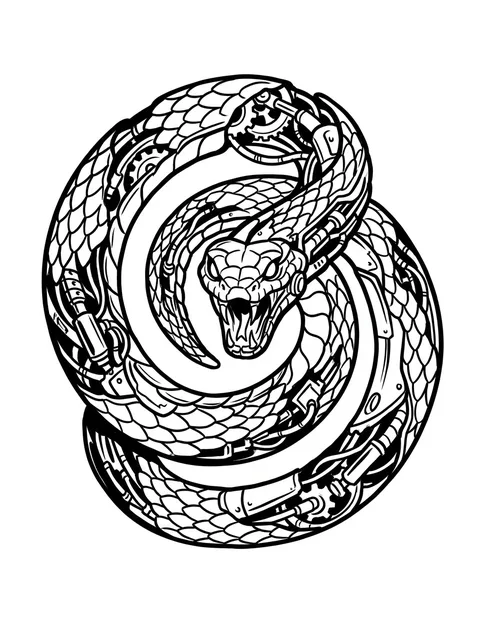
Black and white biomechanical ouroboros and snake tattoo design Try it on — Black and white biomechanical ouroboros and snake tattoo design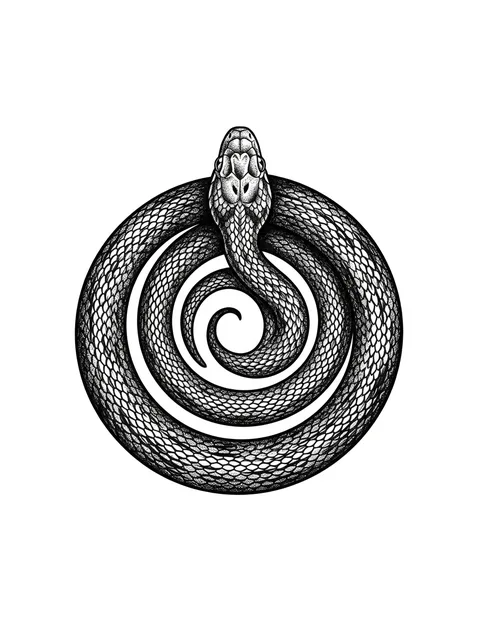
Black and grey dotwork ouroboros and snake tattoo design Try it on — Black and grey dotwork ouroboros and snake tattoo design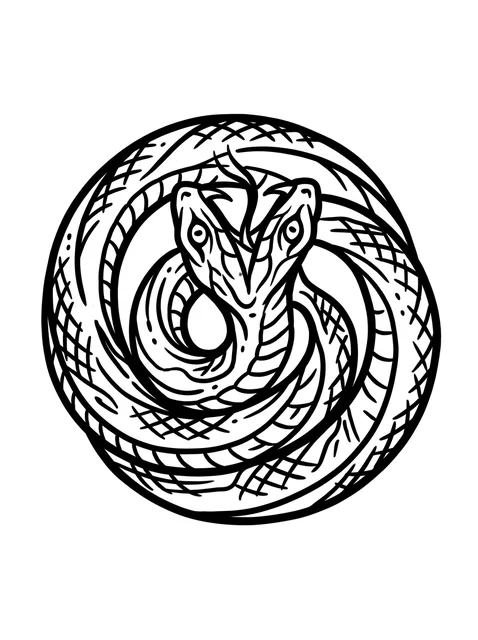
Black and grey traditional ouroboros and snake tattoo design Try it on — Black and grey traditional ouroboros and snake tattoo design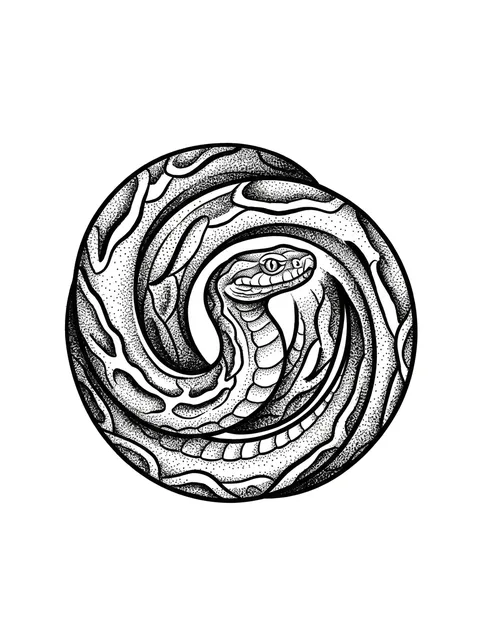
Black and grey dotwork ouroboros and snake tattoo design Try it on — Black and grey dotwork ouroboros and snake tattoo design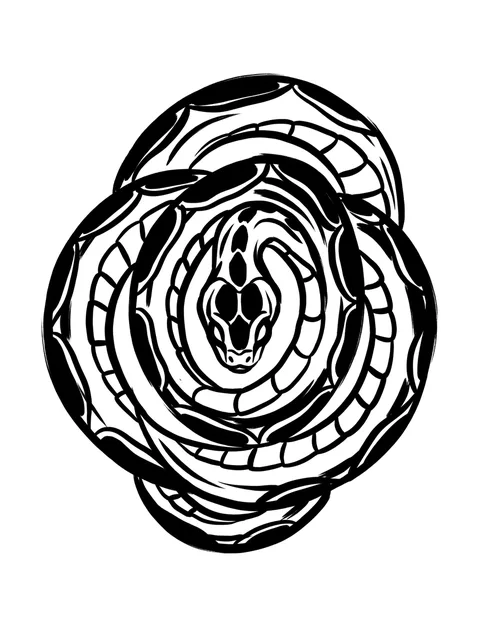
Black and white blackwork ouroboros and snake tattoo design Try it on — Black and white blackwork ouroboros and snake tattoo design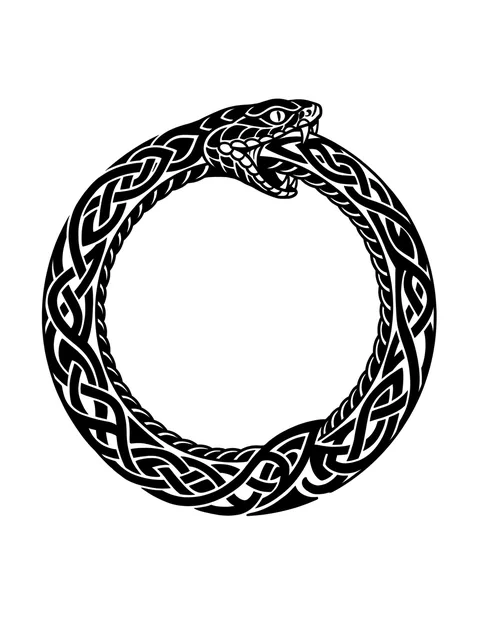
Black and white tribal ouroboros and viking tattoo design Try it on — Black and white tribal ouroboros and viking tattoo design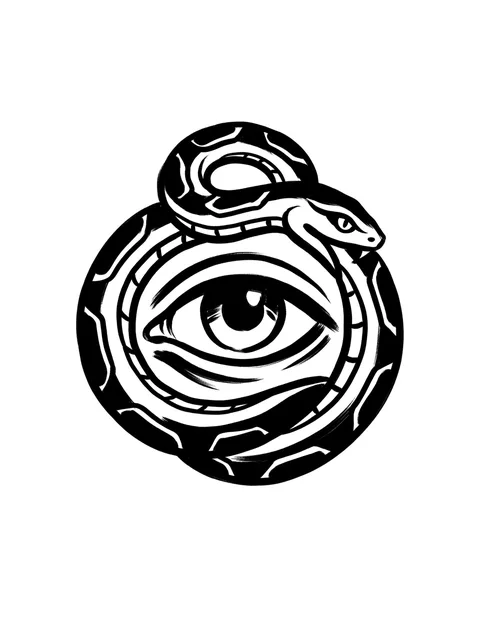
Black and white illustrative ouroboros and evil eye tattoo design Try it on — Black and white illustrative ouroboros and evil eye tattoo design


Tap any design to see it on your own skin in the try-on — no signup.
This set of 24 ouroboros designs, by the numbers
- Styles represented
- linework (6), illustrative (4), dotwork (4), traditional (4), blackwork (3), neo traditional (1)
- Black-and-grey vs colour
- 92% black-and-grey, 8% colour
- Most often drawn with
- snake, eye, moon, flower
Counted from the 24 designs shown on this page. Every one was drawn for InkCraft — none are scraped or reposted. Free to reference with a link to this page.
What a ouroboros tattoo means
Most symbols need a convention to be read. A dove means peace because we agreed it does. The ouroboros does not need the agreement — the picture states its own argument, which is that something can keep going only by using itself up. That is why it survives translation between cultures that never met.
Two readings come out of that, and they pull in opposite directions. The hopeful one is eternal return: nothing truly ends, the cycle closes and starts again, and what looks like destruction is the mechanism of renewal. The bleak one is self-consumption: the thing is eating itself and will eventually run out. Both are honest readings of the same drawing.
In practice most people wear the first. It is chosen for recovery, for a cycle survived, for the recognition that the version of you that arrives is built from the version that was spent getting there. Worn that way it is closer to a phoenix than to a warning, but with the cost written into the image rather than left out of it.
The last thing worth deciding is the middle. A closed ring is also an enclosure, and putting a moon, an eye, a date or a name inside turns the symbol into a frame for something else. That is a real choice rather than a decoration: an empty ring is about the cycle, and a filled one is about whatever you put in it.
Where the design comes from
The oldest surviving example is Egyptian. Two serpents biting their own tails encircle the figure of the king in the Enigmatic Book of the Netherworld, painted on a gilded shrine in the tomb of Tutankhamun and so dating to around 1323 BC. Greek-speaking alchemists in Roman Egypt took the figure up centuries later: a drawing in the Chrysopoeia of Cleopatra, usually placed around the third century AD, encloses the words hen to pan, "the all is one", inside the ring. Its modern fame owes a great deal to a story August Kekule told an audience in 1890, that the ring structure of benzene had come to him in 1865 after he dreamt of a snake seizing its own tail — a good story whether or not it was true, and the reason the symbol turns up in chemistry departments.
Choosing yours
- It is a ring, so it suits fields that are round or can be wrapped: the outer upper arm, the shoulder, the outside of a wrist, the centre of the back. A ring squeezed into a narrow vertical becomes an oval, which loses most of what the shape was for.
- The bite has to survive the final size. Where the jaws meet the tail is the only thing separating this from an ordinary coiled snake, so that junction needs real space — if the design shrinks, shrink the body and protect the mouth.
- Decide the interior before the outline is drawn. An empty middle and a filled one are different tattoos, and adding something later means working inside a finished ring, which is much harder than planning for it.
Size, cost and placement
How big, and what it costs
Roughly 8 to 15 cm across, and the price follows the scales rather than the circle. An outlined ring is quick; individually drawn scales graded all the way round, or knotwork worked into the body, is where the hours go. Expect anything with a filled interior to cost more than the ring alone, since that is effectively a second design.
Where it sits, and how much it hurts
The outer upper arm, the shoulder blade and the centre of the back all suit a circle without distorting it. The outside of a forearm or a wrist works for smaller versions and lets the ring wrap slightly, which flatters it. All are moderate for pain; the shoulder blade is among the easier places to sit still for.
What to ask your artist
- How much space the bite will get at final size, since that junction is the entire difference from a snake.
- Whether the interior stays empty, and if not, what goes there — decided now rather than added later.
- Whether the scales are drawn individually or suggested, which is the difference between a two-hour piece and a five-hour one.
Prices vary widely by city and artist — treat these as session lengths rather than quotes, and expect a shop minimum on anything small. The cost guide turns hours into money by size, placement and style.
Common questions
Why is a serpent biting its own tail a symbol at all?
That something is sustained by consuming itself. Two readings follow and they contradict each other: eternal return, where the cycle closes and begins again, or self-consumption, where the thing will run out. Most people wear the first, which is why it is common in recovery and after a cycle survived.
How is it different from a snake tattoo?
By the bite and the closed ring, and nothing else. A serpent coiled in a spiral, however tightly, is a snake. The jaws have to be on the tail and the body has to close, which is why that junction needs protecting when the design is scaled down.
Where did the symbol come from?
Egypt first — two tail-biting serpents surround the king in the Enigmatic Book of the Netherworld from Tutankhamun's tomb, around 1323 BC. Greek alchemists in Roman Egypt adopted it, notably in the Chrysopoeia of Cleopatra, and it reached modern popular use through Kekule's 1890 account of dreaming it before solving benzene.
Should the middle of the ring be empty?
That is the main design decision. An empty ring is about the cycle itself and is the stronger, quieter version. A ring enclosing a moon, an eye or a date becomes a frame for that thing instead, which is perfectly good but is a different tattoo — and much easier to plan than to add afterwards.
What a ouroboros tattoo can mean
The meanings this motif carries on the pages that argue them. Each line is that page's own reason for including it.
- Forever tattoos
- A snake eating its own tail — continuation through self-consumption, not simple endlessness. The most interesting claim in this category and the least chosen.
See it on your skin before you commit
InkCraft places any of these designs on a photo of you — scaled, wrapped and shaded to the placement you pick.