 InkCraft
Viking Tattoo Ideas, Designs and Meaning
24 original viking designs drawn for InkCraftBy Uladzimir TumanauUpdated
Norse art has a real grammar — interlace, ring chains, gripping beasts — and most viking tattoos ignore it in favour of a bearded man. Using the interlace is what separates a designed piece from an illustration of a warrior.
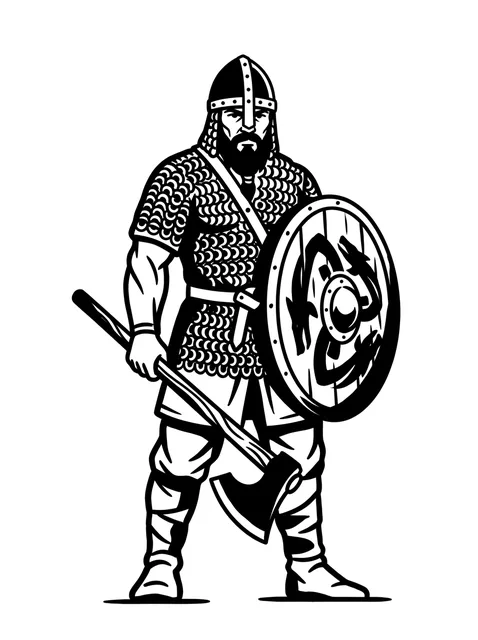
Black and grey illustrative viking tattoo design Try it on — Black and grey illustrative viking tattoo design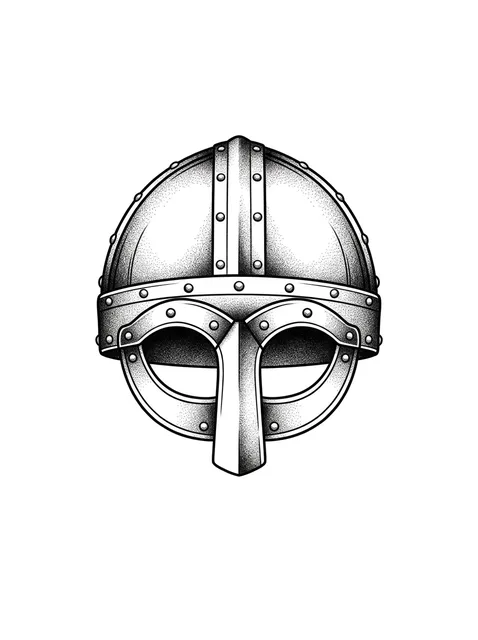
Black and grey dotwork viking tattoo design: a Viking helmet Try it on — Black and grey dotwork viking tattoo design: a Viking helmet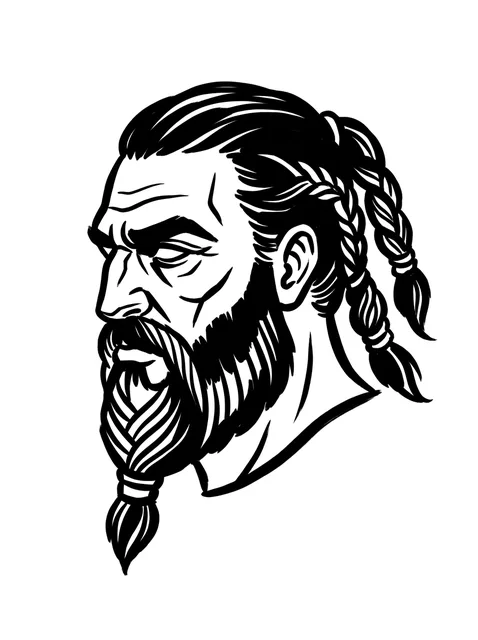
Black and white illustrative viking tattoo design: a fierce warrior's head in profile Try it on — Black and white illustrative viking tattoo design: a fierce warrior's head in profile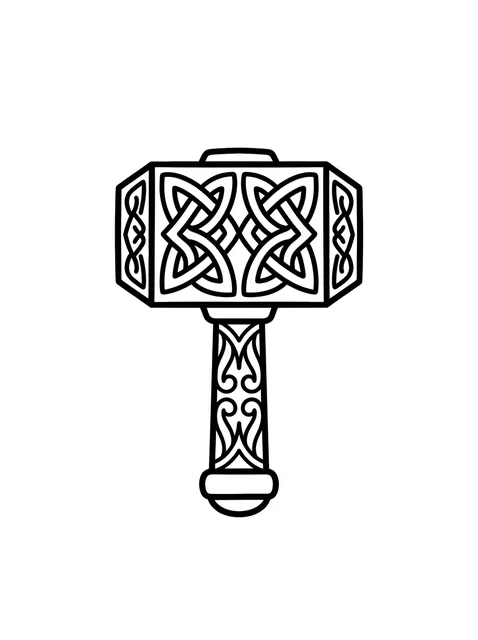
Black and white linework viking tattoo design, outline stencil Try it on — Black and white linework viking tattoo design, outline stencil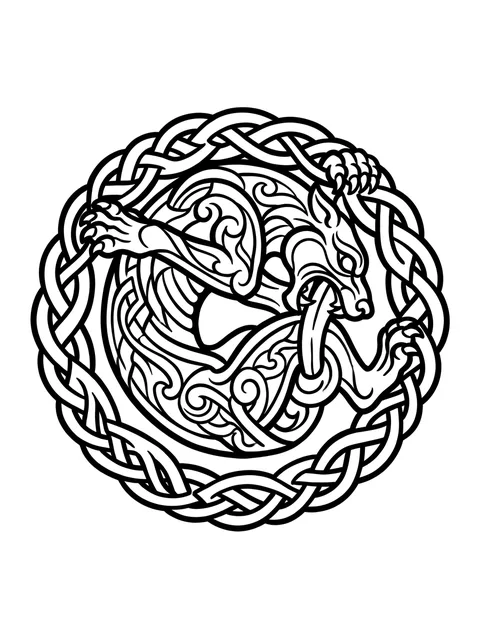
Black and grey ornamental viking tattoo design Try it on — Black and grey ornamental viking tattoo design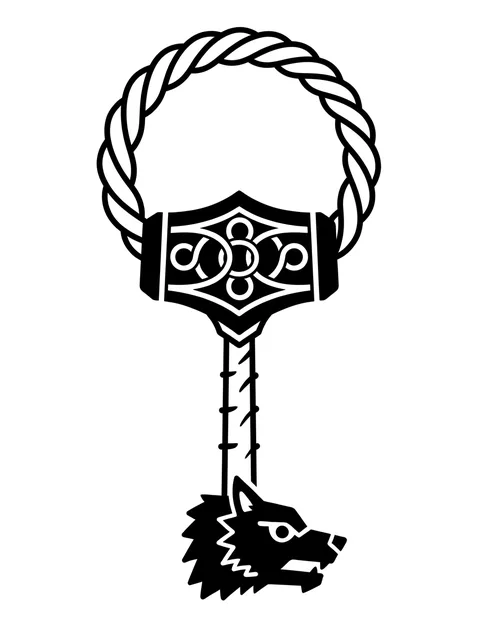
Black and white blackwork viking tattoo design Try it on — Black and white blackwork viking tattoo design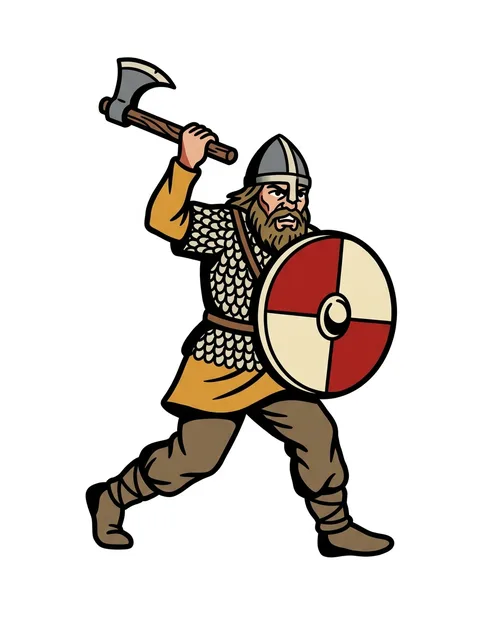
Color traditional viking tattoo design Try it on — Color traditional viking tattoo design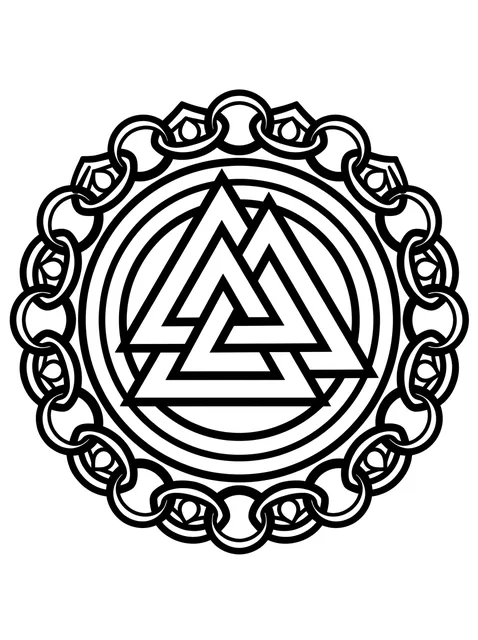
Black and white geometric viking tattoo design, outline stencil: three interlocked triangles Try it on — Black and white geometric viking tattoo design, outline stencil: three interlocked triangles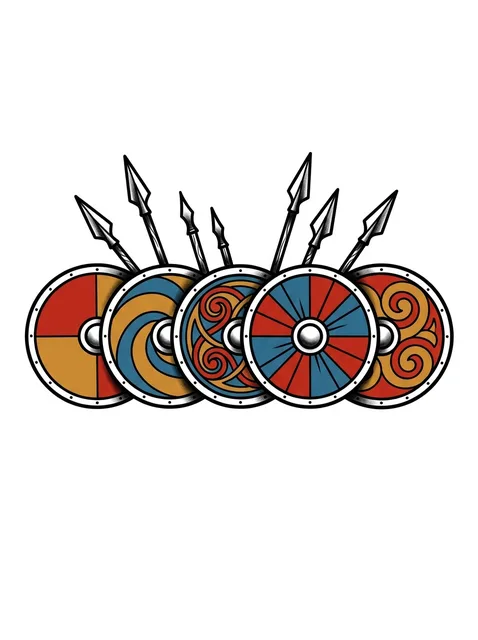
Color neo traditional viking tattoo design Try it on — Color neo traditional viking tattoo design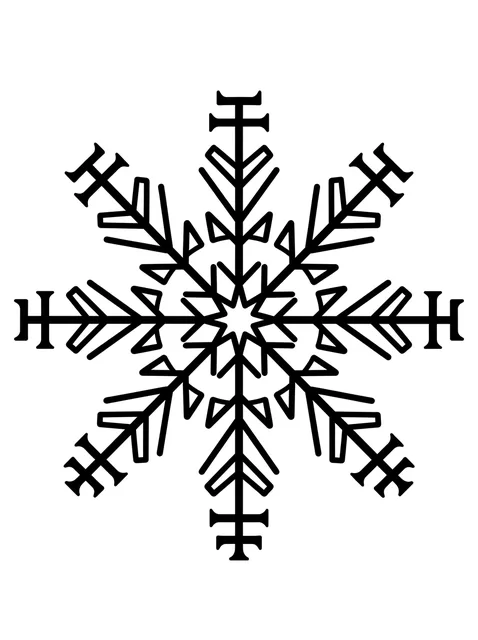
Black and white geometric viking and star tattoo design, outline stencil Try it on — Black and white geometric viking and star tattoo design, outline stencil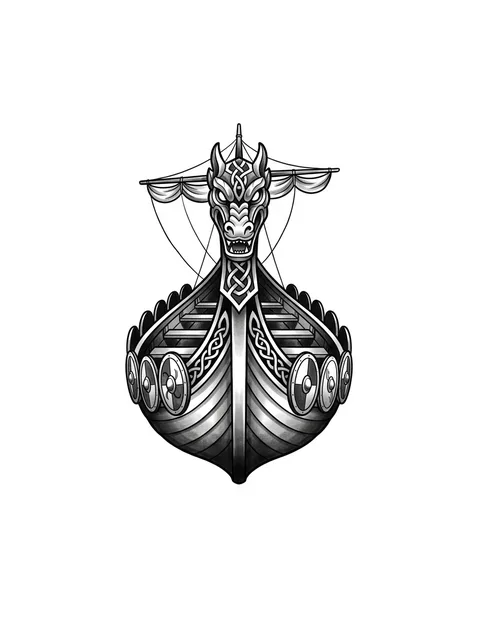
Black and grey neo traditional viking and ship tattoo design Try it on — Black and grey neo traditional viking and ship tattoo design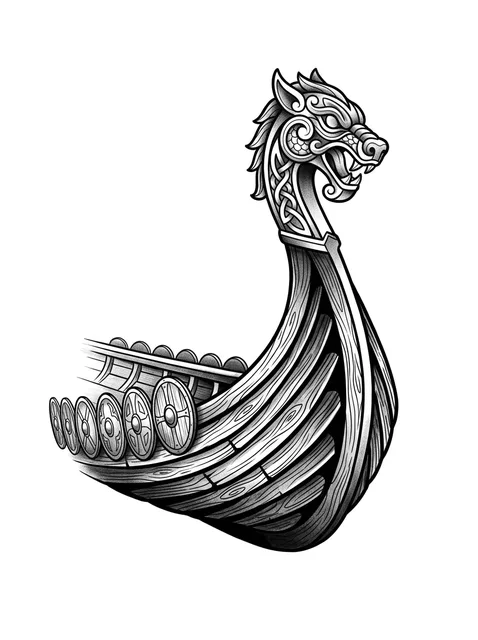
Black and grey illustrative viking and ship tattoo design Try it on — Black and grey illustrative viking and ship tattoo design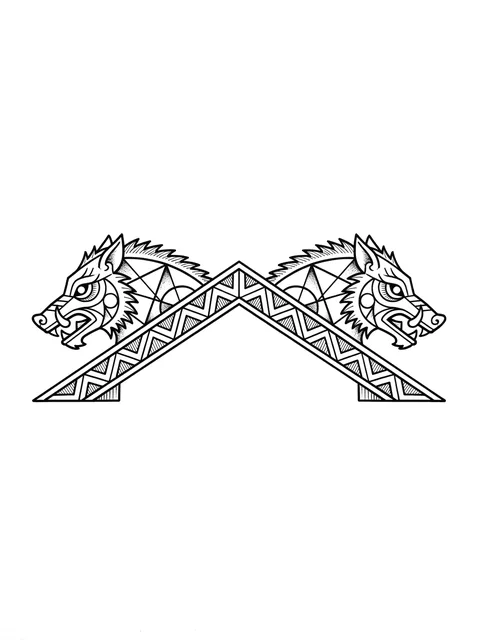
Black and white geometric viking and wolf tattoo design, outline stencil Try it on — Black and white geometric viking and wolf tattoo design, outline stencil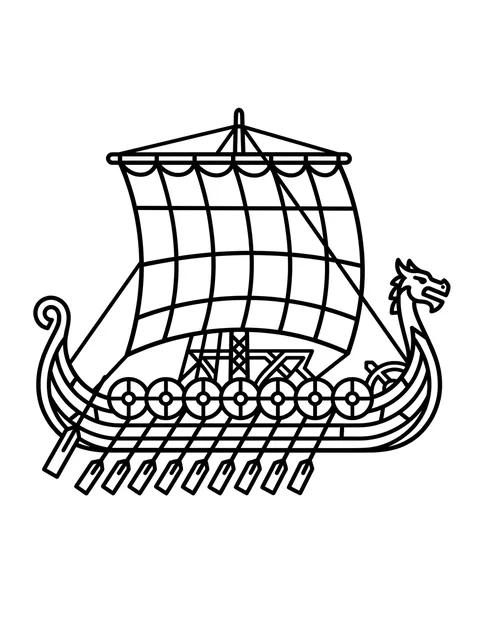
Black and white linework viking and ship tattoo design, outline stencil Try it on — Black and white linework viking and ship tattoo design, outline stencil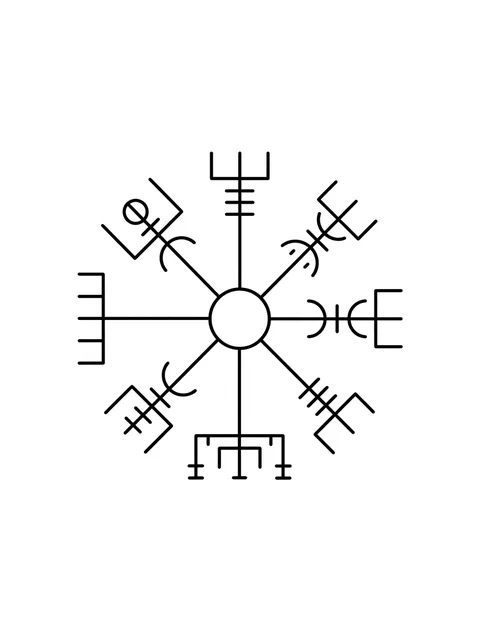
Black and white linework viking and rune tattoo design, outline stencil Try it on — Black and white linework viking and rune tattoo design, outline stencil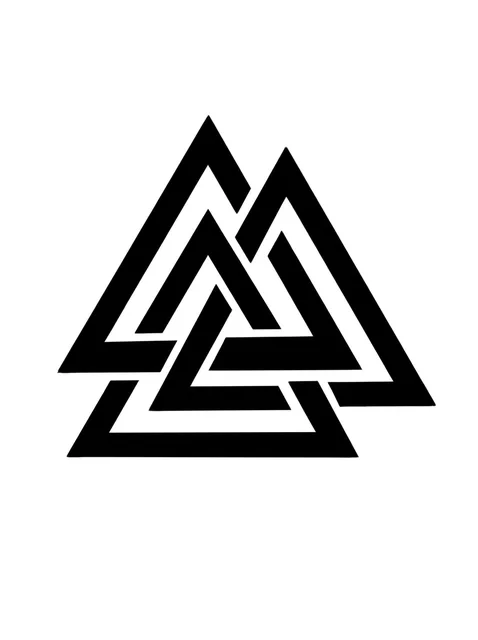
Black and white geometric viking and abstract tattoo design, outline stencil: the Valknut symbol Try it on — Black and white geometric viking and abstract tattoo design, outline stencil: the Valknut symbol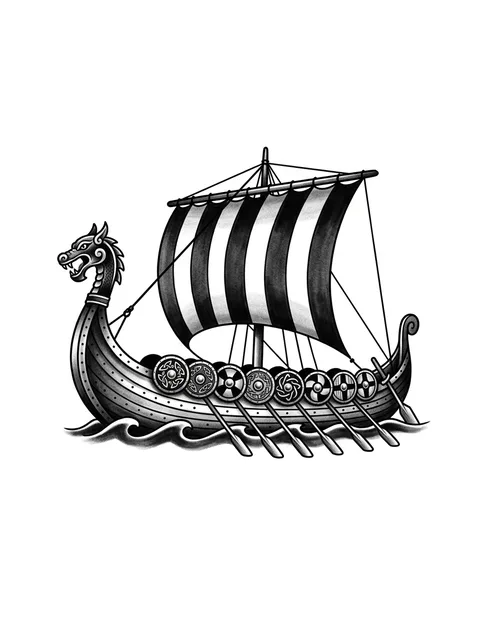
Black and grey illustrative viking and ship tattoo design Try it on — Black and grey illustrative viking and ship tattoo design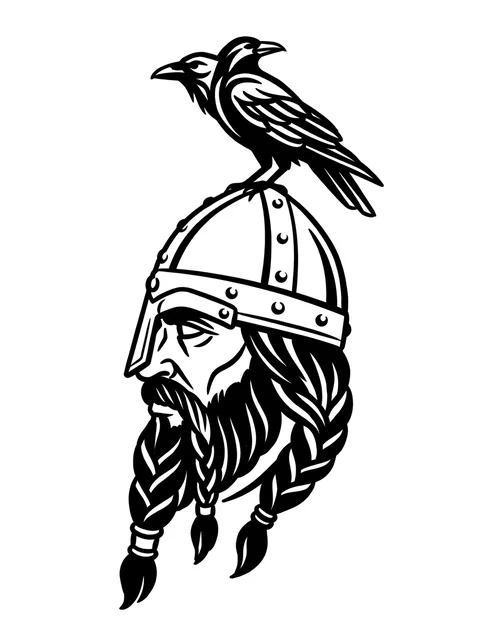
Black and white blackwork viking and raven tattoo design Try it on — Black and white blackwork viking and raven tattoo design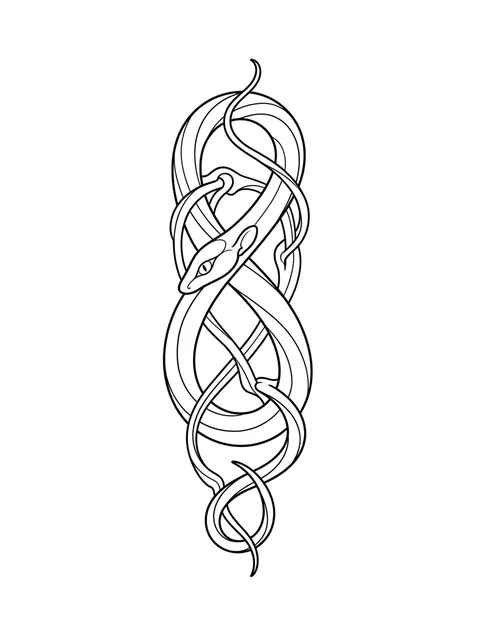
Black and white fine line viking and snake tattoo design, outline stencil Try it on — Black and white fine line viking and snake tattoo design, outline stencil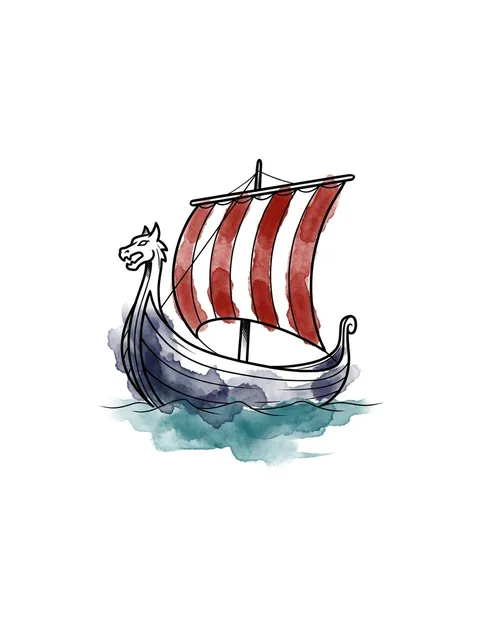
Color watercolor viking and ship tattoo design Try it on — Color watercolor viking and ship tattoo design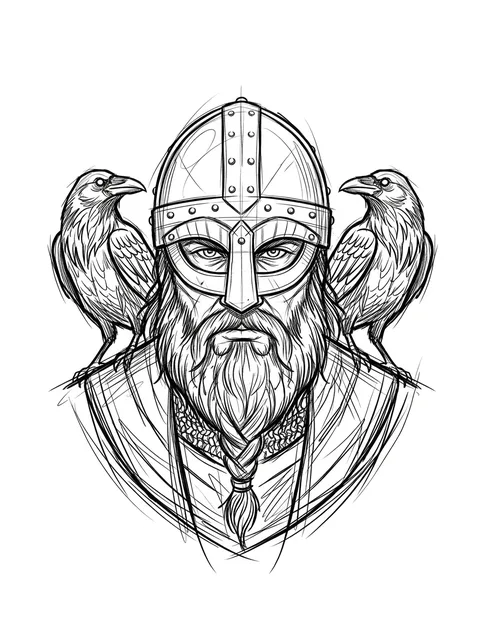
Black and grey sketch viking and raven tattoo design Try it on — Black and grey sketch viking and raven tattoo design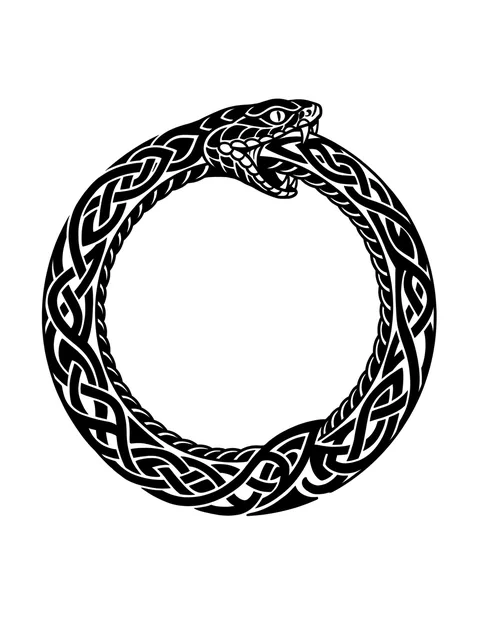
Black and white tribal viking and ouroboros tattoo design Try it on — Black and white tribal viking and ouroboros tattoo design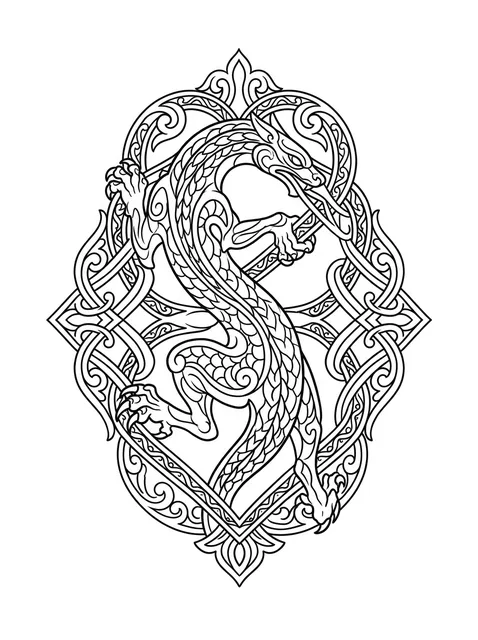
Black and grey ornamental viking and dragon tattoo design Try it on — Black and grey ornamental viking and dragon tattoo design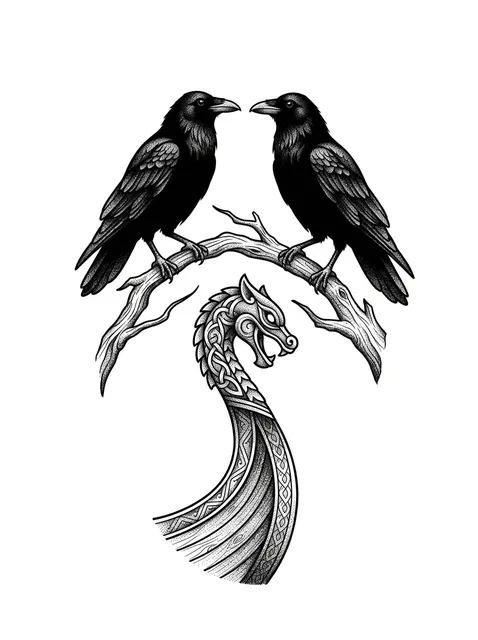
Black and grey illustrative viking and raven tattoo design Try it on — Black and grey illustrative viking and raven tattoo design


Tap any design to see it on your own skin in the try-on — no signup.
This set of 24 viking designs, by the numbers
- Styles represented
- illustrative (5), geometric (4), linework (3), ornamental (2), blackwork (2), neo traditional (2)
- Black-and-grey vs colour
- 88% black-and-grey, 13% colour
- Most often drawn with
- ship, raven, snake, star
Counted from the 24 designs shown on this page. Every one was drawn for InkCraft — none are scraped or reposted. Free to reference with a link to this page.
What a viking tattoo means
The Norse material carries a specific idea that most heroic imagery does not: fate is fixed and courage is how you meet it. There is no version of the mythology where the gods win — Ragnarök is scheduled — and the ethical weight falls entirely on conduct in a losing position. That is a considerably bleaker and more interesting thing to wear than "strength".
Interlace is the heart of the visual tradition. Norse ornament is built from bands that weave over and under continuously, and the crossings are either correct or the whole thing collapses into decoration. A valknut with the wrong crossings is not a valknut; it is three triangles.
The ravens and the wolves are Odin's, and they split neatly. Huginn and Muninn are thought and memory and return each day with information; Geri and Freki are appetite and are fed. Wearing the birds is a statement about knowing and wearing the wolves is one about hunger, and the difference is rarely made deliberately.
A caution worth stating plainly: several Norse symbols, particularly certain runes and the sunwheel, were appropriated by the Nazi party and are still used by far-right groups. Most Norse imagery carries no such association, but a few specific marks do, and it is worth checking a design rather than discovering the problem afterwards.
Where the design comes from
Almost everything popularly called a viking symbol is more recent than the vikings. The valknut appears on Gotland picture stones and is genuinely Viking Age, but the helm of awe and the vegvísir come from Icelandic grimoires of the seventeenth century and later, some five hundred years after the period ended. The horned helmet is a nineteenth-century invention, created by the costume designer Carl Emil Doepler for the 1876 premiere of Wagner's Ring cycle and never worn by anyone in the period. What is authentically Viking Age is the ornament: the Borre, Jelling, Mammen, Ringerike and Urnes styles, each with its own way of handling the interlaced beast, and all of them far more distinctive than another horned helmet.
Choosing yours
- Ask for the ornament rather than the figure. A gripping beast from the Borre style or a Urnes serpent is unmistakably Norse, visually far stronger than a bearded warrior portrait, and it reads as designed rather than as an illustration — which is what separates the two. Essentially nobody has one.
- Check the dates on any symbol you are given. If the meaning offered sounds like a neat one-line definition, it probably comes from a modern list rather than from the source, and a good artist will tell you which is which.
- Leave the horns off. Nothing marks a Norse tattoo as researched from a film faster, and a correct nasal-barred helmet with visible rivets is a much better drawing besides.
Size, cost and placement
How big, and what it costs
A valknut or a small stave is a shop-minimum piece. Interlace is the expensive part: a knotwork panel is priced by complexity rather than area, because every crossing has to be resolved, and 15 cm of dense weaving can take as long as a much larger simple design. Budget three to five hours for a serious ornamental piece.
Where it sits, and how much it hurts
Interlace panels suit flat fields where the weave stays legible — the outer arm, the shoulder blade, the chest, the calf. Long ring-chain designs run well down a forearm or a shin. Avoid heavy curvature for dense knotwork, because a bend in the surface makes the over-and-under crossings ambiguous.
What to ask your artist
- To draw the interlace properly rather than approximating it, and to show you the crossings resolving correctly at every junction.
- Which historical style they are working in, since Borre, Mammen and Urnes look substantially different from each other.
- To confirm the dating of any symbol they propose, particularly if it comes with a tidy modern meaning attached.
Prices vary widely by city and artist — treat these as session lengths rather than quotes, and expect a shop minimum on anything small. The cost guide turns hours into money by size, placement and style.
Common questions
Did viking helmets have horns?
No. Not one horned helmet has been excavated from the Viking Age, and the image was invented for a Wagner production in 1876. A real helmet is a riveted iron cap with a straight nasal bar, and it makes a considerably better tattoo.
Is the vegvísir an authentic viking symbol?
Not for the Viking Age. It appears in Icelandic manuscripts from the seventeenth century onward, several hundred years after the period. It is genuinely Icelandic and genuinely old, just not viking, and it is worth knowing that before someone tells you otherwise.
Are any Norse symbols best avoided?
A few. Certain runes and the sunwheel were adopted by the Nazi party and remain in use by far-right groups, and some are legally restricted in parts of Europe. Most Norse imagery is unaffected, but check a specific design rather than assuming.
Should Norse work be black or colour?
Black, in most cases. The tradition is carved and engraved rather than painted, so interlace reads best as line and solid fill. The exception is the round shield, which genuinely was painted and works in flat traditional colour.
See it on your skin before you commit
InkCraft places any of these designs on a photo of you — scaled, wrapped and shaded to the placement you pick.