 InkCraft
Samurai Tattoo Ideas, Designs and Meaning
24 original samurai designs drawn for InkCraftBy Uladzimir TumanauUpdated
Nearly every samurai tattoo is the same masked warrior in three-quarter view, which is why the objects are the better material. A helmet, a sword guard or an empty armour stand carries the same subject without competing against a thousand identical figures.
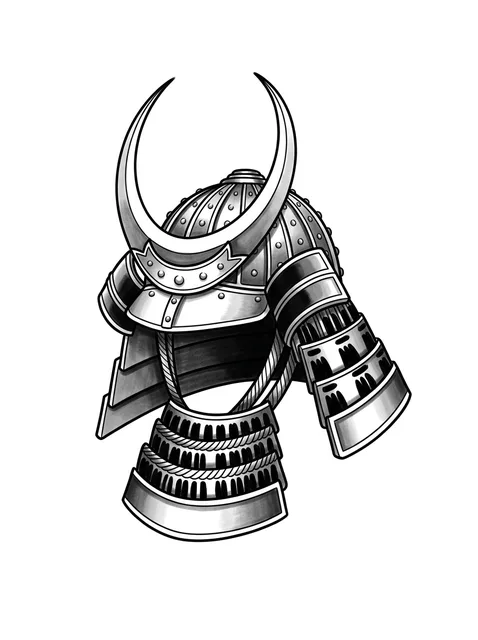
Black and grey neo traditional samurai tattoo design: a samurai helmet Try it on — Black and grey neo traditional samurai tattoo design: a samurai helmet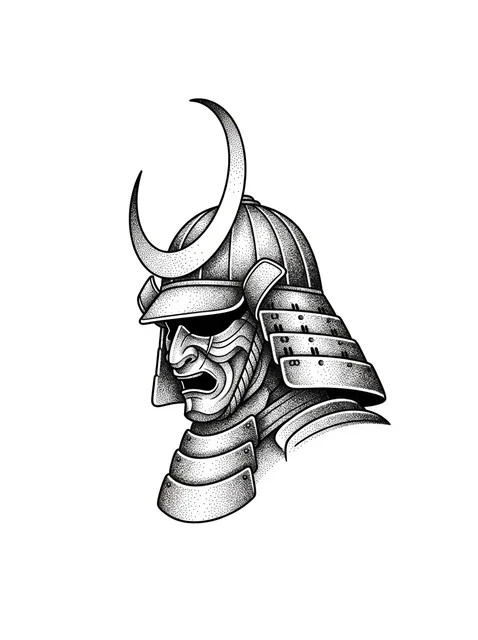
Black and grey dotwork samurai tattoo design: a samurai helmet and mask Try it on — Black and grey dotwork samurai tattoo design: a samurai helmet and mask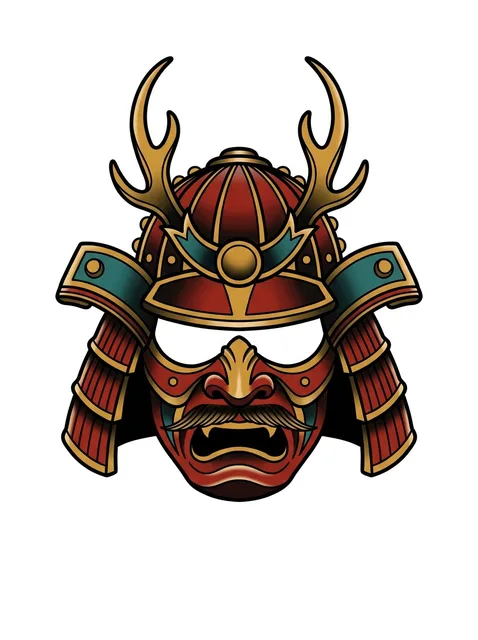
Color traditional samurai tattoo design: a samurai helmet and mask Try it on — Color traditional samurai tattoo design: a samurai helmet and mask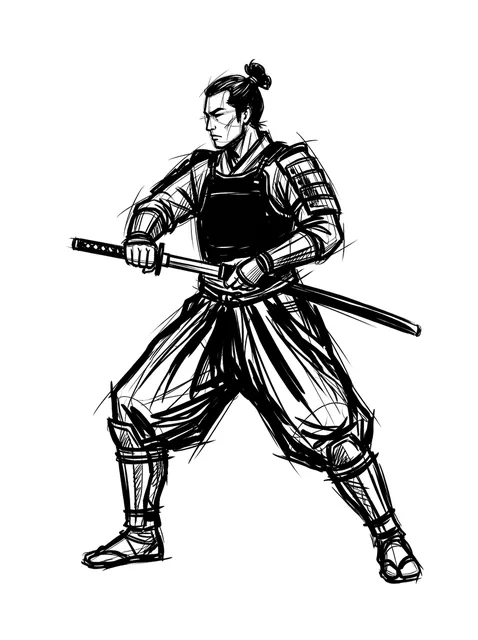
Black and grey sketch samurai tattoo design: a samurai warrior in a ready stance, holding a katana Try it on — Black and grey sketch samurai tattoo design: a samurai warrior in a ready stance, holding a katana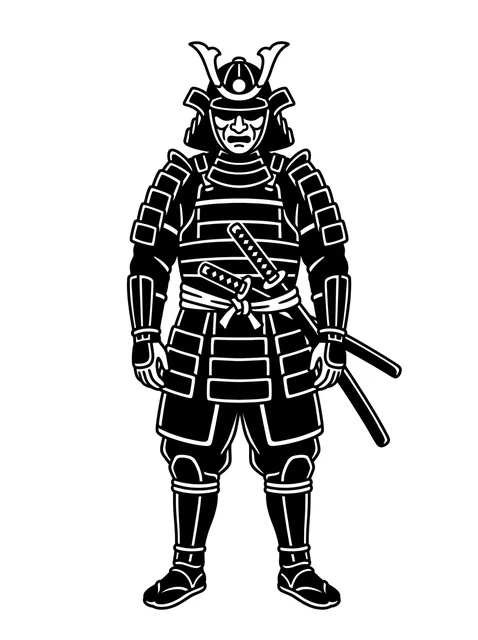
Black and grey Japanese samurai tattoo design: a full-body samurai warrior Try it on — Black and grey Japanese samurai tattoo design: a full-body samurai warrior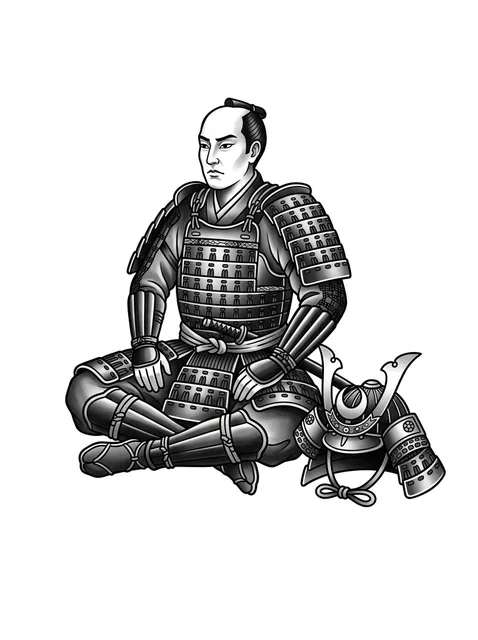
Black and grey Japanese samurai tattoo design: its faceguard resting beside him Try it on — Black and grey Japanese samurai tattoo design: its faceguard resting beside him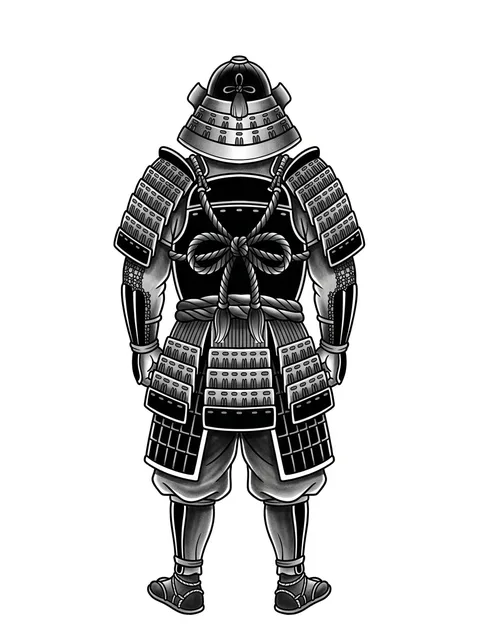
Black and grey Japanese samurai tattoo design: a samurai warrior's armor, viewed from the back Try it on — Black and grey Japanese samurai tattoo design: a samurai warrior's armor, viewed from the back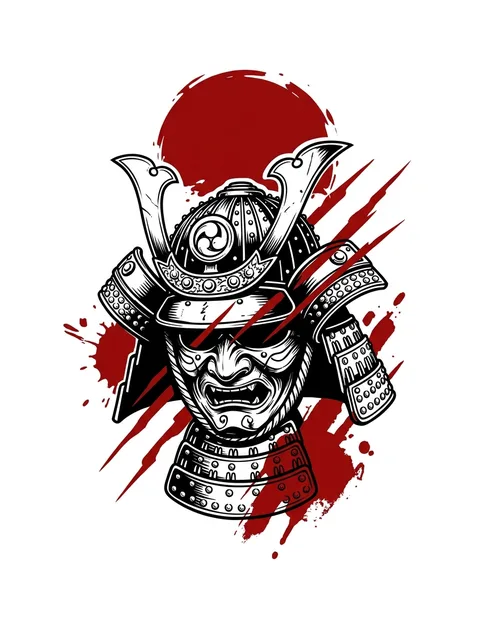
Color trash polka samurai tattoo design Try it on — Color trash polka samurai tattoo design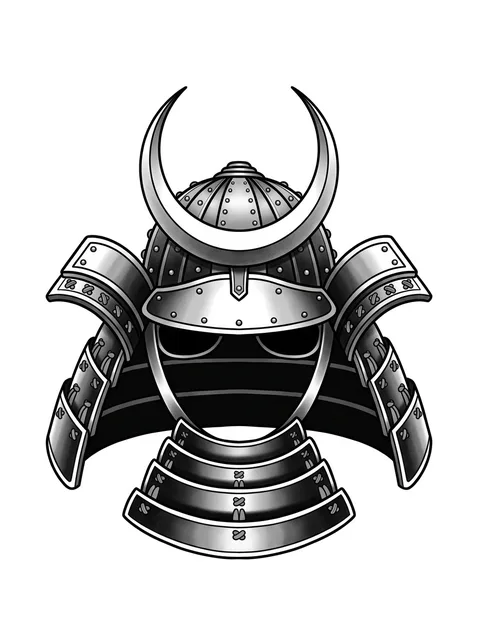
Black and grey illustrative samurai tattoo design Try it on — Black and grey illustrative samurai tattoo design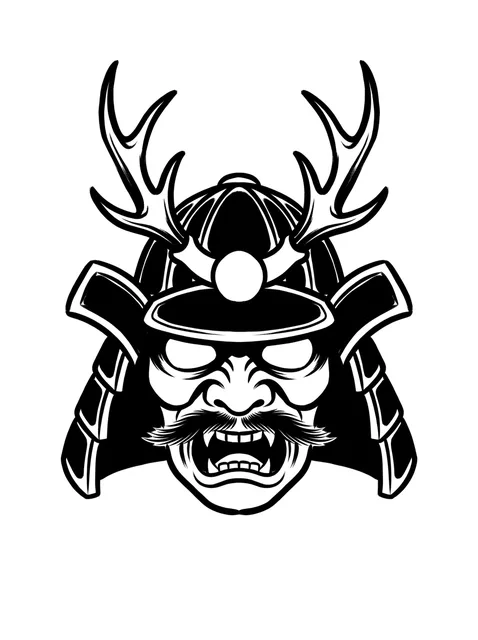
Black and white blackwork samurai tattoo design Try it on — Black and white blackwork samurai tattoo design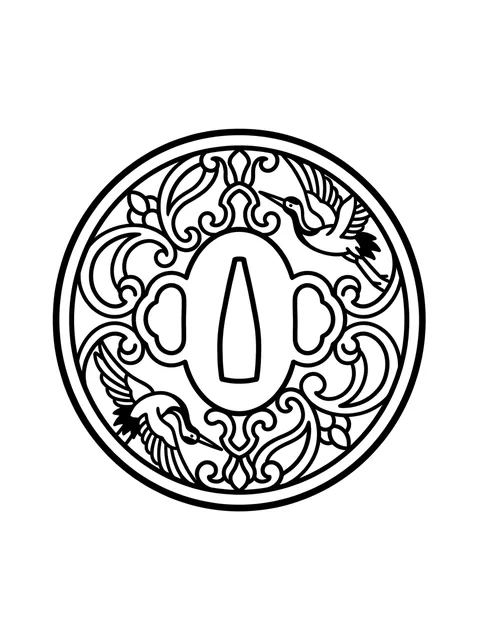
Black and grey ornamental samurai tattoo design Try it on — Black and grey ornamental samurai tattoo design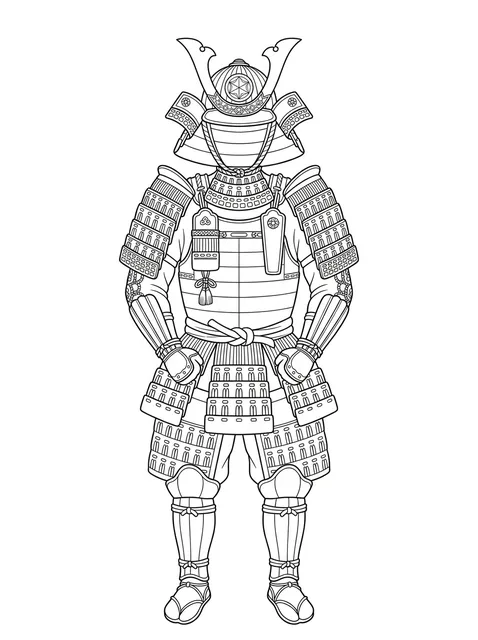
Black and white fine line samurai tattoo design, outline stencil Try it on — Black and white fine line samurai tattoo design, outline stencil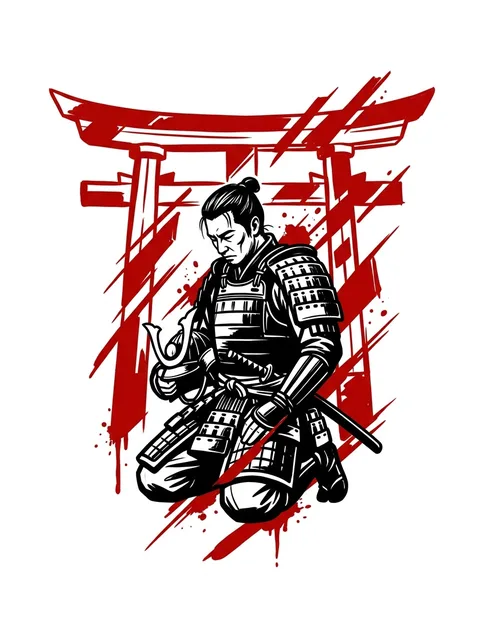
Color trash polka samurai tattoo design Try it on — Color trash polka samurai tattoo design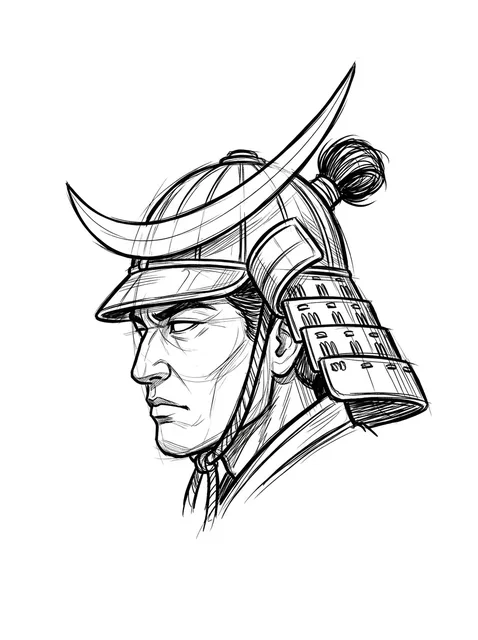
Black and grey sketch samurai tattoo design: a wide crescent crest, no face mask and the jaw Try it on — Black and grey sketch samurai tattoo design: a wide crescent crest, no face mask and the jaw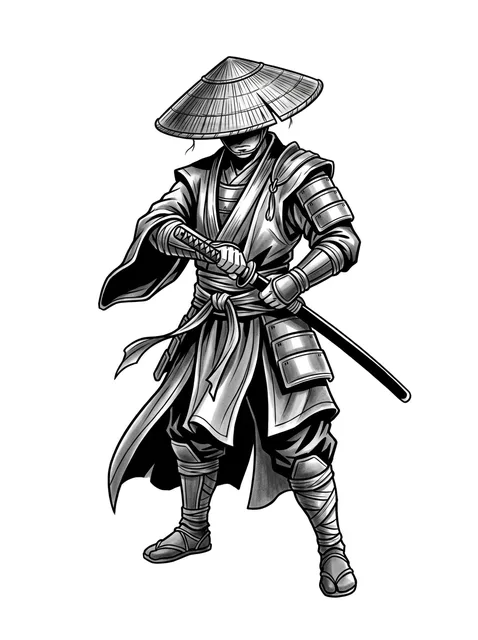
Black and grey illustrative samurai and sword tattoo design: a samurai warrior Try it on — Black and grey illustrative samurai and sword tattoo design: a samurai warrior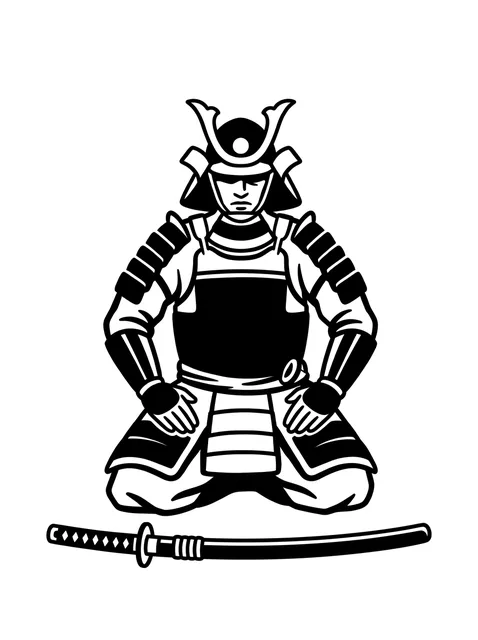
Black and white illustrative samurai and sword tattoo design: a kneeling samurai in full armor Try it on — Black and white illustrative samurai and sword tattoo design: a kneeling samurai in full armor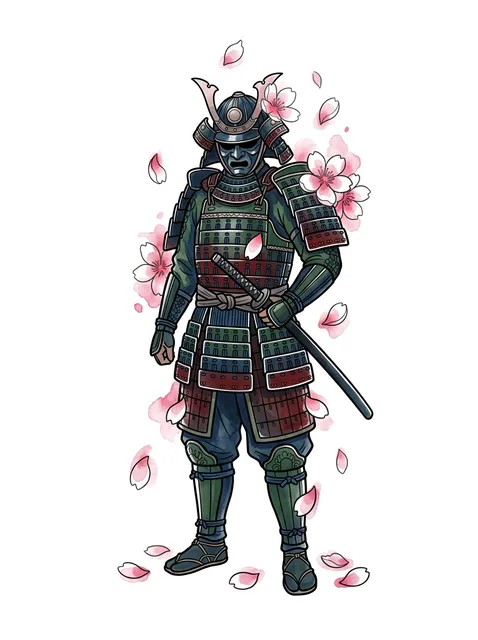
Color illustrative samurai and cherry blossom tattoo design Try it on — Color illustrative samurai and cherry blossom tattoo design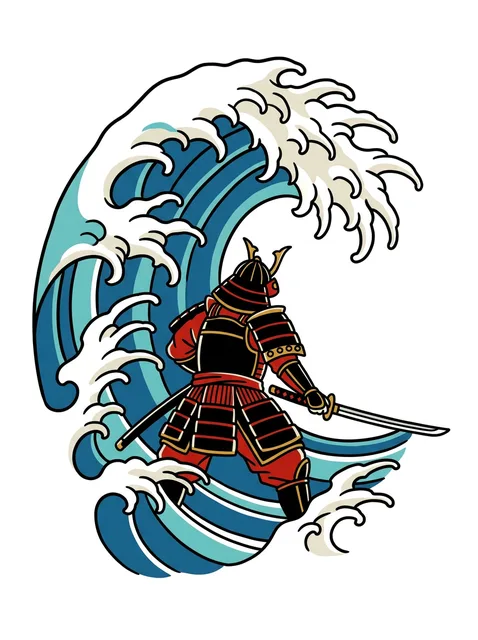
Color Japanese samurai and wave tattoo design Try it on — Color Japanese samurai and wave tattoo design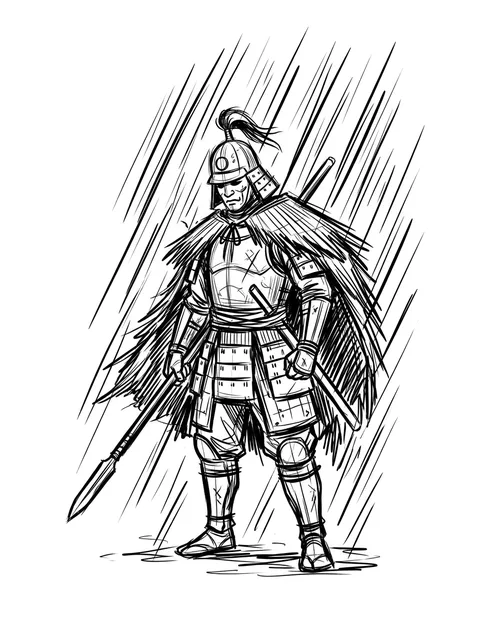
Black and white illustrative samurai and sword tattoo design Try it on — Black and white illustrative samurai and sword tattoo design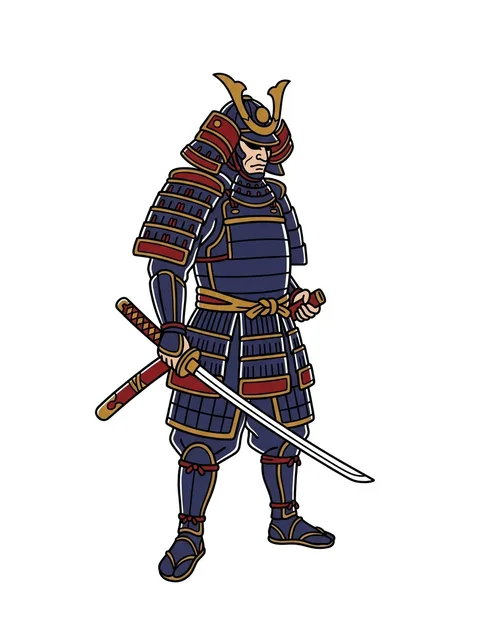
Color Japanese samurai and sword tattoo design Try it on — Color Japanese samurai and sword tattoo design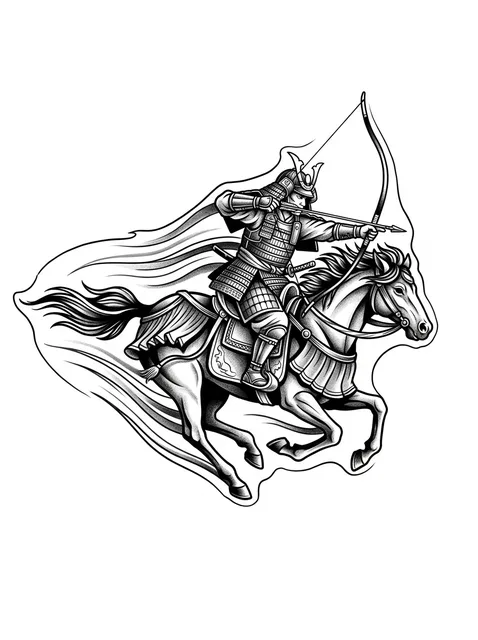
Black and grey illustrative samurai and horse tattoo design Try it on — Black and grey illustrative samurai and horse tattoo design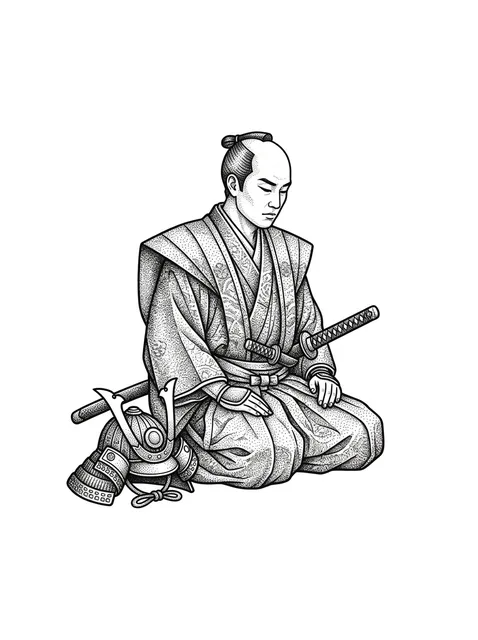
Black and grey illustrative samurai and sword tattoo design Try it on — Black and grey illustrative samurai and sword tattoo design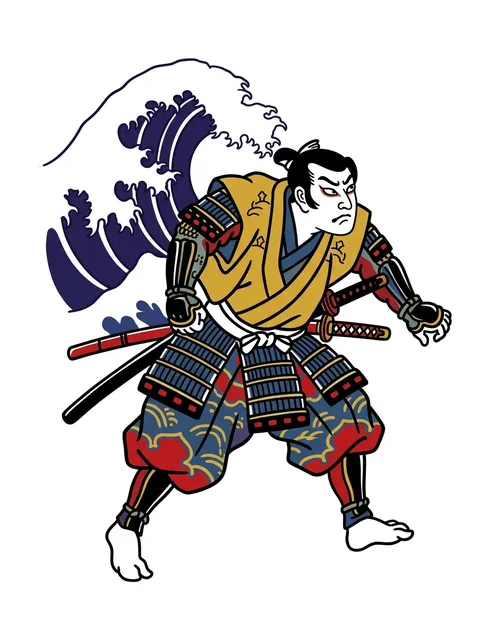
Color Japanese samurai and wave tattoo design Try it on — Color Japanese samurai and wave tattoo design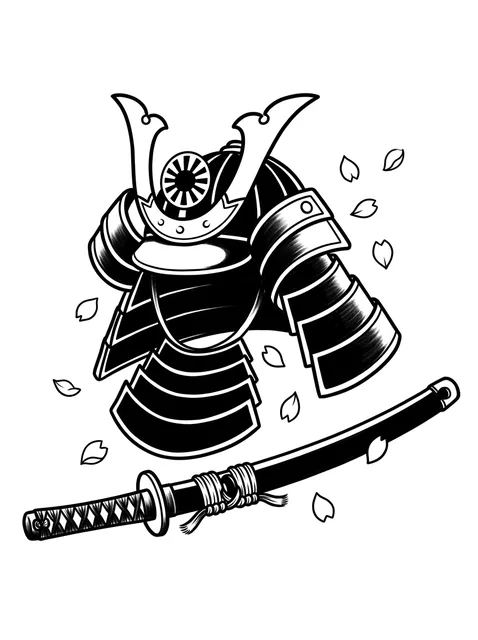
Black and grey neo traditional samurai and sword tattoo design Try it on — Black and grey neo traditional samurai and sword tattoo design


Tap any design to see it on your own skin in the try-on — no signup.
This set of 24 samurai designs, by the numbers
- Styles represented
- illustrative (7), japanese asian (6), neo traditional (2), sketch (2), trash polka (2), dotwork (1)
- Black-and-grey vs colour
- 71% black-and-grey, 29% colour
- Most often drawn with
- sword, cherry blossom, wave, horse
Counted from the 24 designs shown on this page. Every one was drawn for InkCraft — none are scraped or reposted. Free to reference with a link to this page.
What a samurai tattoo means
The samurai stands for a code rather than for combat, and that is the distinction people are usually reaching for. Bushidō as it is popularly understood — loyalty, restraint, accepting death as a condition of living well — is largely a late codification, written down most influentially in the seventeenth century once the wars had actually stopped. That does not make it hollow, but it does mean the ideal was assembled in peacetime.
The armour carries most of the meaning visually. A kabuto — the helmet, with its stepped neck plates and a crest rising from the brow — is instantly legible, and the menpō, the iron face mask with its fixed grimace, was built specifically to make a person unreadable. Wearing the mask is a statement about composure, not about ferocity.
Stillness is the harder and more interesting reading. The images that land are rarely the mid-swing ones: a figure kneeling with the sword unbelted and laid down, or standing under rain, says far more about discipline than a raised blade does. The genre almost never draws this.
The empty armour is the version that unsettles people, and it should. A full suit mounted on its stand with the sleeves hanging slack is a portrait with the person removed, and it carries the code without asking you to identify with a warrior you are not.
Where the design comes from
Japanese tattooing and samurai imagery came from opposite ends of the same society. Irezumi developed among firefighters, labourers and the merchant class in Edo-period cities, and the great wave of motifs arrived through Utagawa Kuniyoshi's woodblock prints of the Suikoden heroes in the 1820s — tattooed warriors on paper that people then asked to wear. The samurai class itself did not tattoo; the marks were associated with the people beneath them and with criminal punishment. So the samurai tattoo is a subject drawn by the class the samurai governed, which is part of why the imagery is heroic rather than documentary.
Choosing yours
- Choose an object over a figure if the field is small. A kabuto, a hannya mask or a tsuba is a complete composition at 12 cm; a full armoured figure at that size loses the lacing, the plates and the face, which is everything that identifies it, while competing against a thousand nearly identical figures besides.
- Decide whether you want the mask on or off. A face mask makes the piece about the armour and the code; a visible face makes it a portrait and requires portrait skill. These are different commissions and different prices.
- Background is not optional at scale. A large samurai piece in the Japanese manner is built with wind bars, water or clouds framing the figure, and a large figure floating on bare skin reads as unfinished however well it is drawn.
Size, cost and placement
How big, and what it costs
A hannya or oni mask at 12-15 cm is three to four hours. A katana or a tsuba is smaller and simpler, often under two. A full armoured figure with background is a sleeve-scale commitment — 15-25 hours across several sessions — because the armour is hundreds of small repeating plates and each one is drawn.
Where it sits, and how much it hurts
Masks work anywhere with a flat panel: the outer arm, the calf, the shoulder blade. Full figures want the length and width of a sleeve, a thigh or a back panel, and are usually designed around the limb rather than placed on it. A katana suits a long narrow run where the blade can stay straight.
What to ask your artist
- Whether they work in the Japanese tradition regularly, since the background conventions are a separate craft from the figure itself.
- For a mask, which mask specifically — hannya, oni and menpō are three different objects with three different meanings.
- At sleeve scale, to plan the whole layout before any of it is tattooed, because Japanese work is composed as one piece rather than assembled from parts.
Prices vary widely by city and artist — treat these as session lengths rather than quotes, and expect a shop minimum on anything small. The cost guide turns hours into money by size, placement and style.
Common questions
Is a samurai tattoo appropriative?
Japanese artists and studios overwhelmingly treat these motifs as open, and the tradition has exported deliberately for over a century. What does draw criticism is mixing the iconography carelessly — a hannya mask is a jealous female spirit from Noh theatre, not a generic demon, and using it as decoration is the thing likely to be noticed.
What does a hannya mask actually mean?
It represents a woman transformed by jealousy and grief into a demon, and in the Noh plays it is a tragic figure rather than a villain. Read properly it is about the cost of consuming emotion, which is a long way from the generic "demon mask" it is usually sold as.
Is black and grey a mistake for armour?
No, and black and grey suits the armour particularly well because lacquer plates are a value problem rather than a hue problem. Colour earns its place on the masks, where the red of a hannya or an oni is doing real work that grey cannot replicate.
See it on your skin before you commit
InkCraft places any of these designs on a photo of you — scaled, wrapped and shaded to the placement you pick.