 InkCraft
Tattoos With Meaning and What They Stand For
40 InkCraft designs chosen for meaningful tattoosBy Uladzimir TumanauUpdated
Most tattoo meanings are not fixed. They are conventions — inherited from sailors, from religious art, from a decade of one country’s flash sheets — and they drift. A swallow meant five thousand nautical miles to a nineteenth-century seaman and means almost nothing that specific to anyone getting one now. Knowing which meanings are load-bearing and which are decoration is most of choosing well.
Three meanings are genuinely stable, because they come from the thing itself rather than from a tradition. A phoenix means return after destruction because that is the story the bird is. An anchor means holding because that is what an anchor does. An hourglass means time running because you can see it running. These survive translation, generations and tattoo fashion.
Everything else is convention, and convention is fine — it just means the meaning is a shared agreement rather than a fact, and you can depart from it. What follows is sorted by what each design is commonly taken to say, with an honest note on where that reading came from.
8 designs that carry it, and why
- Phoenix
- Return after destruction. One of the few meanings that is structural rather than conventional — the bird is defined by burning and coming back, so the reading survives any culture.
- Anchor
- Holding steady against something that keeps pulling. Also the oldest Christian hidden symbol, used as a disguised cross under Roman persecution, which is why it turns up in devotional work.
- Lotus
- Coming through something unclean without being marked by it — the plant roots in mud and the flower is spotless. The meaning is botanical, not invented, which is why it crossed from Buddhism into general use intact.
- Compass
- Direction and return. Strongly associated with sailors, where it was a hope of getting home rather than a philosophy about finding yourself — the modern reading is a softening of a very literal one.
- Tree
- Roots and growth at once, which is why it carries family and endurance simultaneously. Almost every culture with trees arrived at the same reading independently.
- Moon
- Change on a reliable cycle. The phases are the only common motif that visually contains the passage of time without a clock in it.
- Eye
- Protection through being watched over — or being watched. The Egyptian, Turkish and Christian versions are different symbols that modern flash has largely merged, so be specific about which one you want.
- Rose
- Love and injury together, which is why traditional work never removes the thorns. A black rose reads as remembrance rather than death, and is usually a memorial piece.
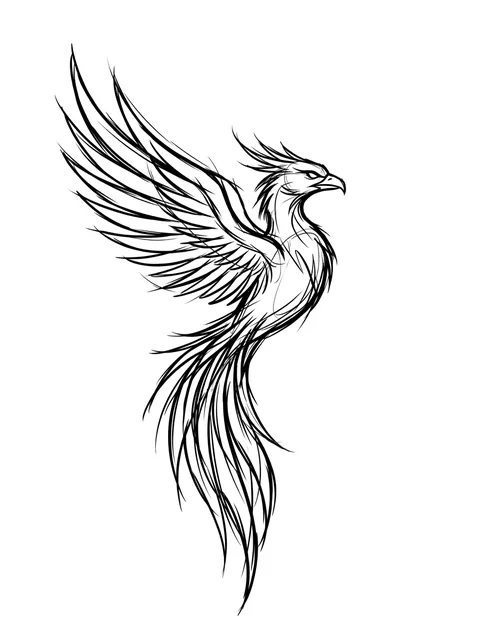
Black and grey illustrative phoenix tattoo design: a phoenix in flight Try it on — Black and grey illustrative phoenix tattoo design: a phoenix in flight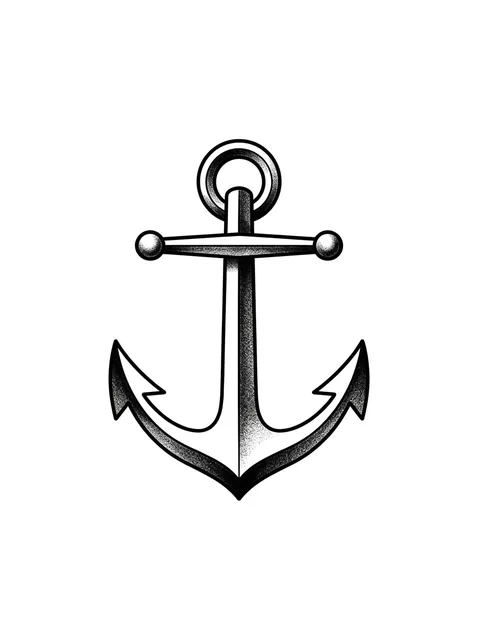
Black and grey traditional anchor tattoo design Try it on — Black and grey traditional anchor tattoo design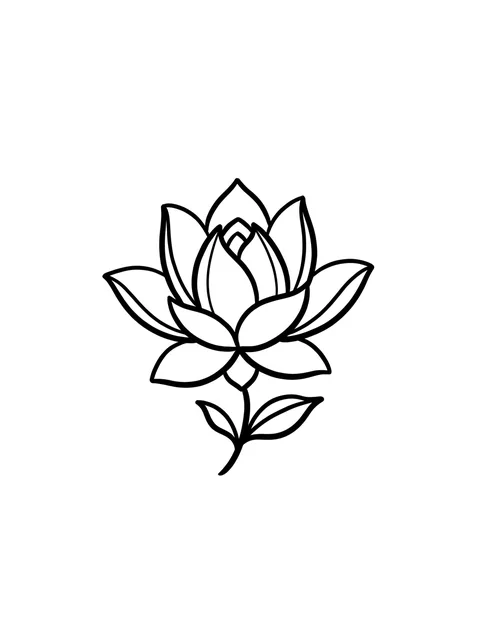
Black and white linework lotus and flower tattoo design, outline stencil Try it on — Black and white linework lotus and flower tattoo design, outline stencil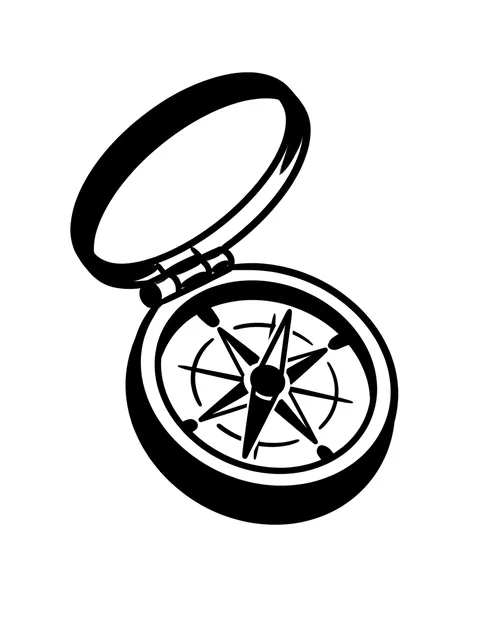
Black and white blackwork compass tattoo design: an open compass Try it on — Black and white blackwork compass tattoo design: an open compass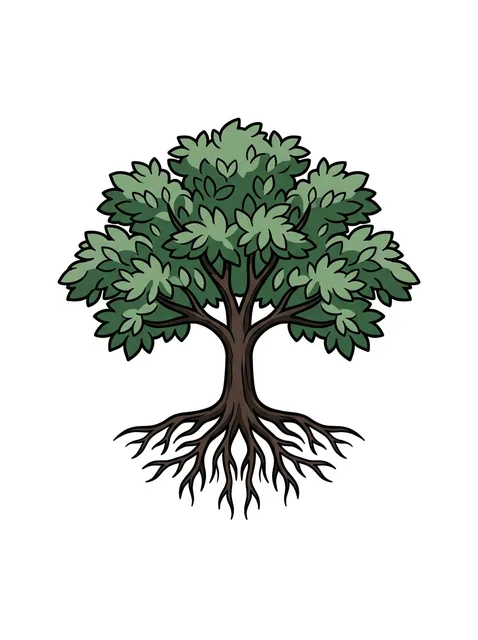
Color illustrative tree tattoo design Try it on — Color illustrative tree tattoo design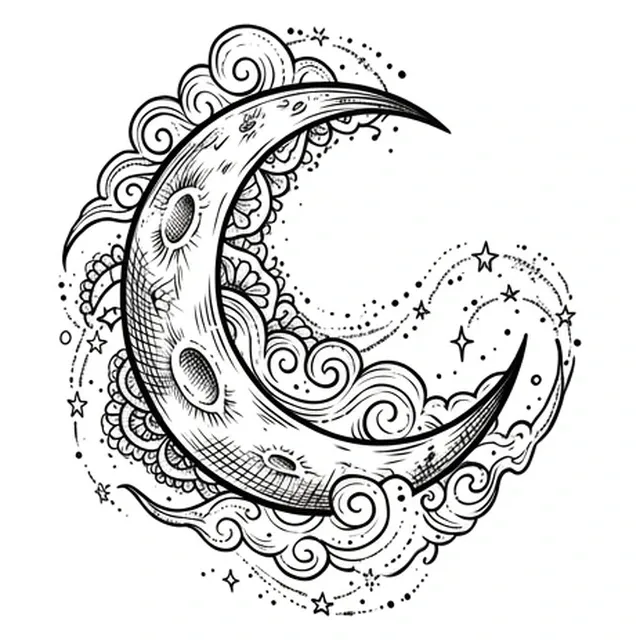
Black and grey illustrative moon and cloud tattoo design Try it on — Black and grey illustrative moon and cloud tattoo design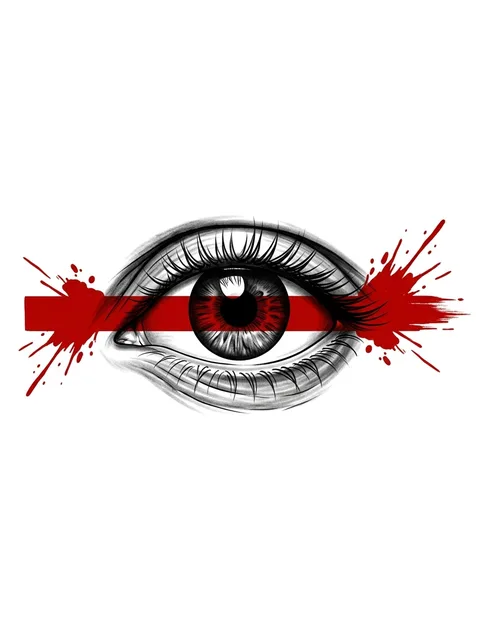
Color trash polka eye tattoo design Try it on — Color trash polka eye tattoo design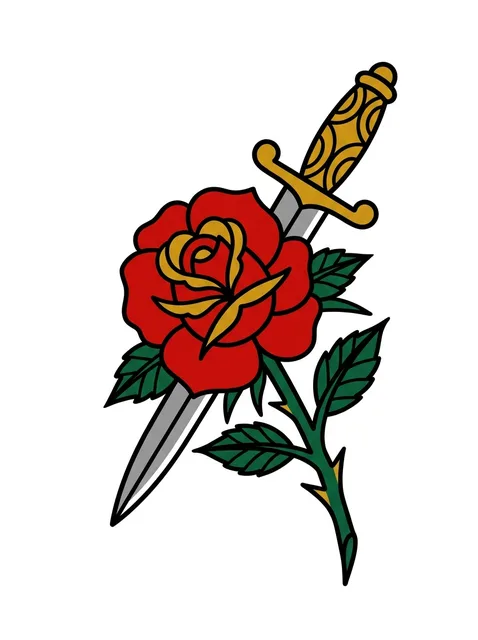
Color traditional rose and dagger tattoo design Try it on — Color traditional rose and dagger tattoo design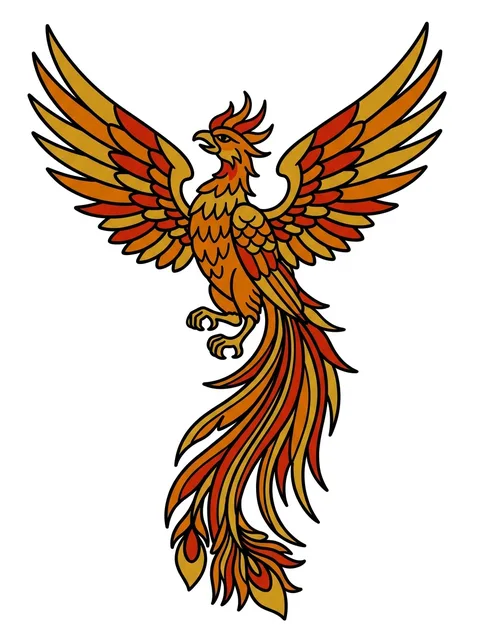
Color illustrative phoenix tattoo design Try it on — Color illustrative phoenix tattoo design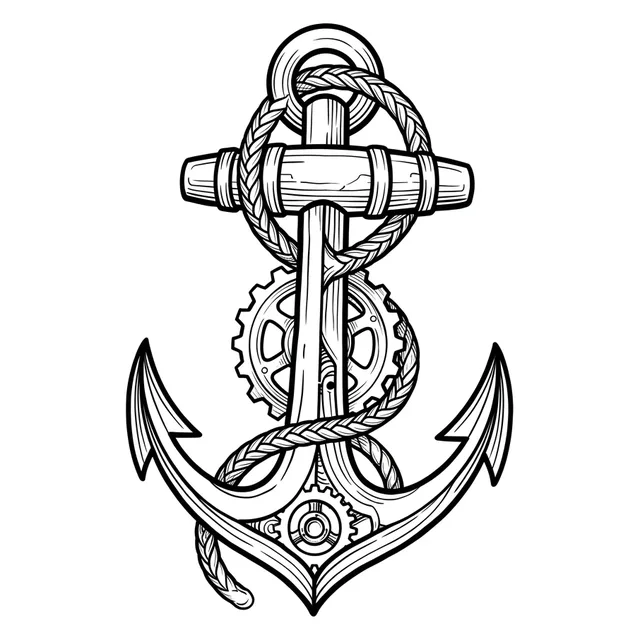
Black and white illustrative anchor tattoo design: an anchor with a rope wrapped around it Try it on — Black and white illustrative anchor tattoo design: an anchor with a rope wrapped around it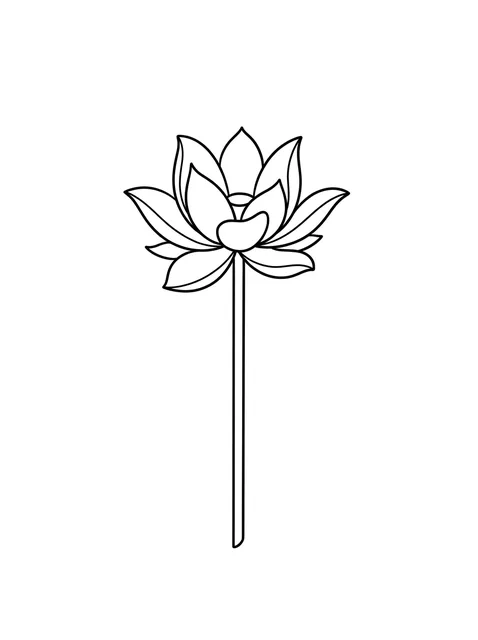
Black and white linework lotus and flower tattoo design, outline stencil Try it on — Black and white linework lotus and flower tattoo design, outline stencil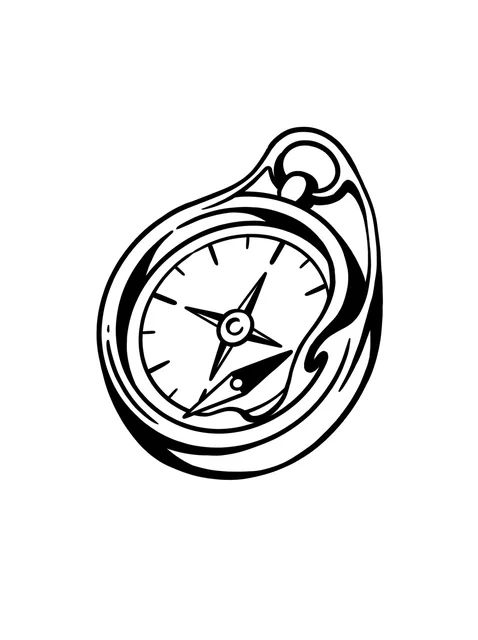
Black and white linework compass tattoo design, outline stencil Try it on — Black and white linework compass tattoo design, outline stencil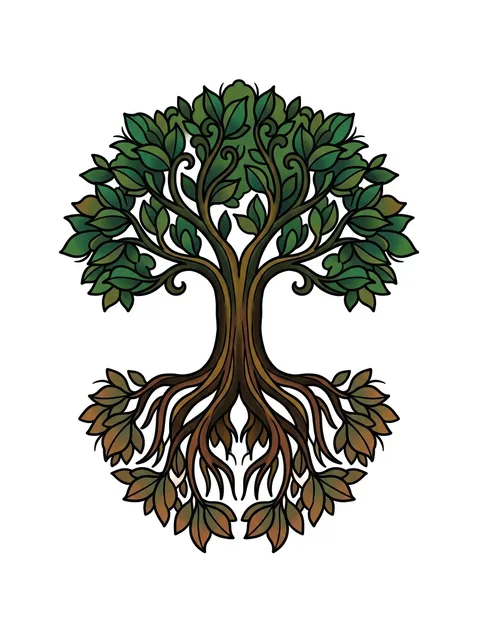
Color illustrative tree and leaf tattoo design Try it on — Color illustrative tree and leaf tattoo design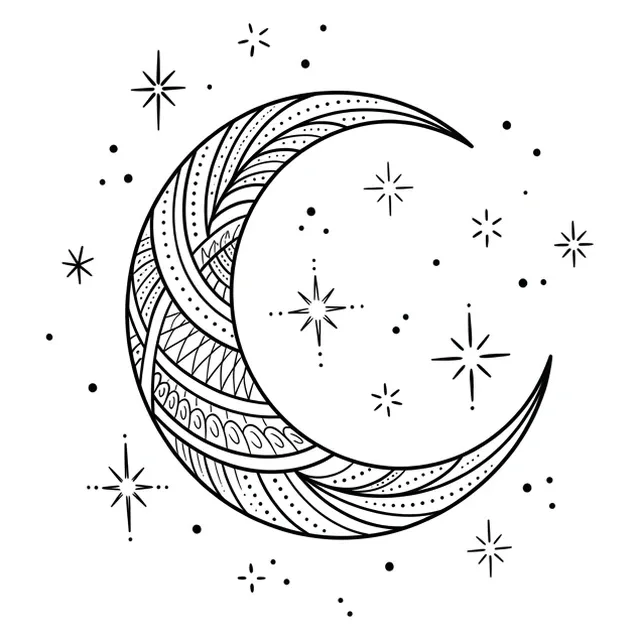
Black and grey ornamental moon and star tattoo design Try it on — Black and grey ornamental moon and star tattoo design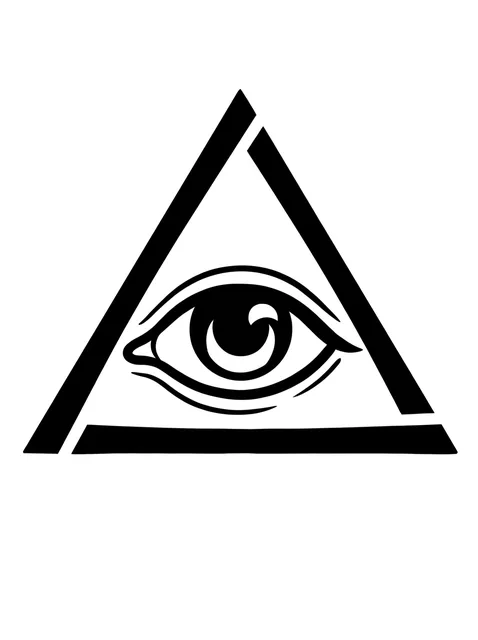
Black and white blackwork eye tattoo design: the Eye of Providence Try it on — Black and white blackwork eye tattoo design: the Eye of Providence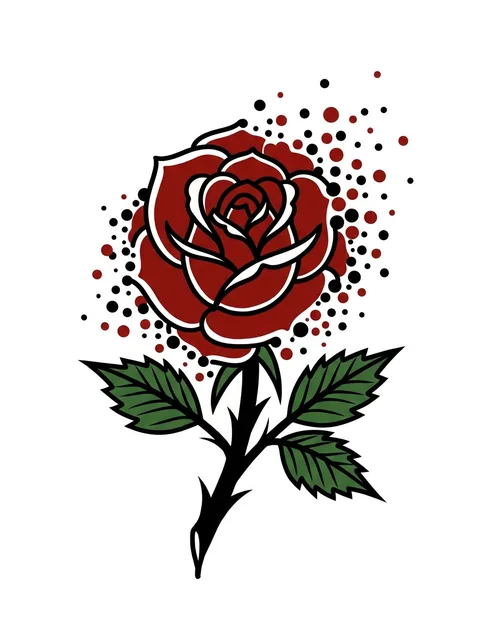
Color neo traditional rose tattoo design Try it on — Color neo traditional rose tattoo design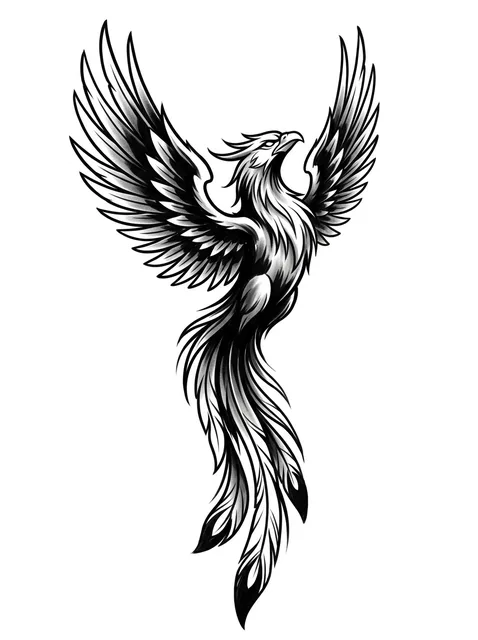
Black and grey illustrative phoenix tattoo design: its wings spread wide Try it on — Black and grey illustrative phoenix tattoo design: its wings spread wide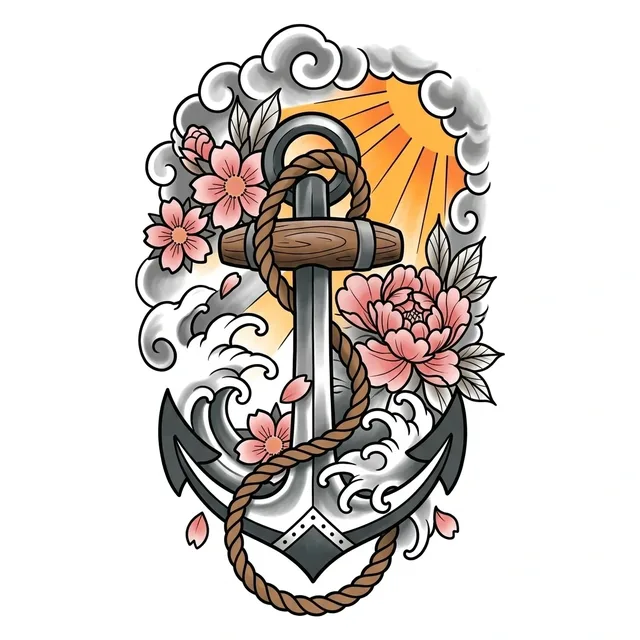
Color neo traditional anchor and peony tattoo design Try it on — Color neo traditional anchor and peony tattoo design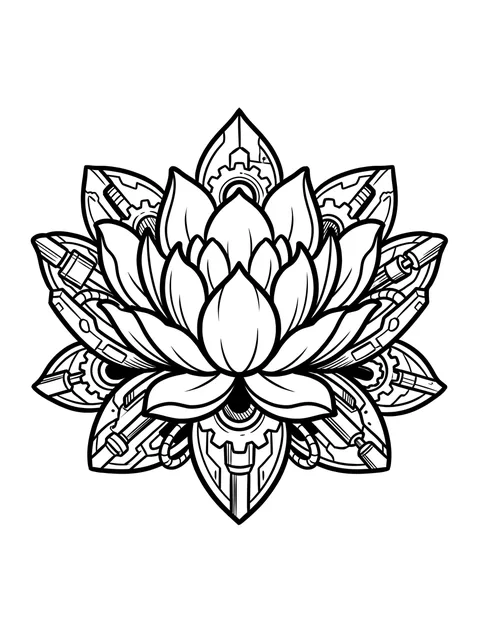
Black and white illustrative lotus and mandala tattoo design Try it on — Black and white illustrative lotus and mandala tattoo design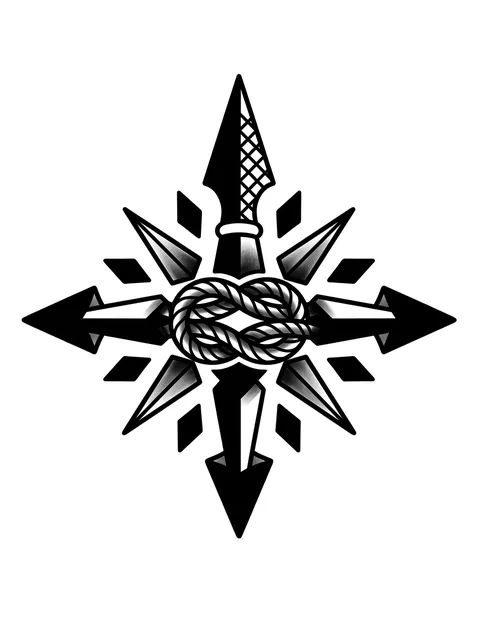
Black and grey traditional compass tattoo design: a compass rose with a rope knot at its center Try it on — Black and grey traditional compass tattoo design: a compass rose with a rope knot at its center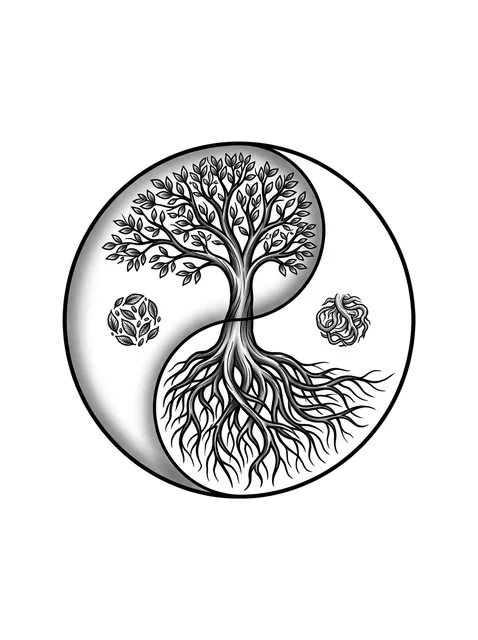
Black and grey illustrative tree and yin yang tattoo design Try it on — Black and grey illustrative tree and yin yang tattoo design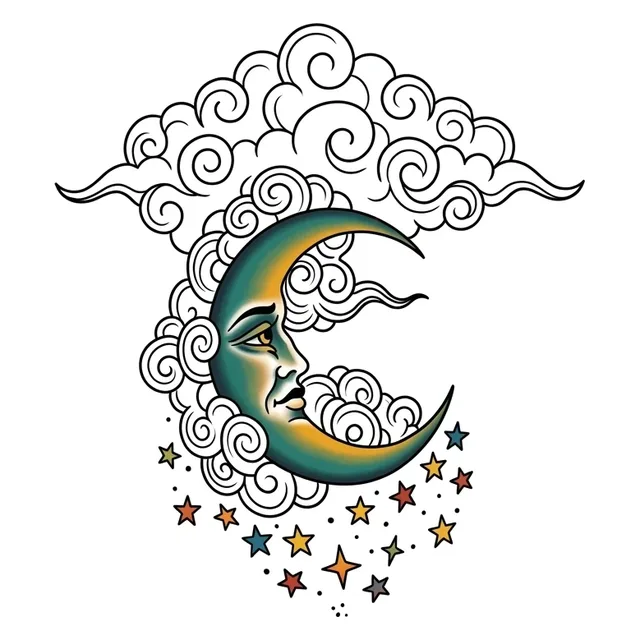
Color traditional moon and star tattoo design Try it on — Color traditional moon and star tattoo design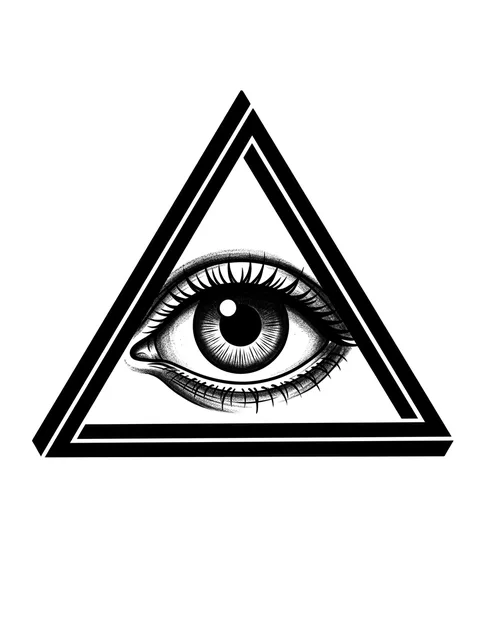
Black and grey illustrative eye tattoo design: a detailed eye within a bold, double-lined triangle Try it on — Black and grey illustrative eye tattoo design: a detailed eye within a bold, double-lined triangle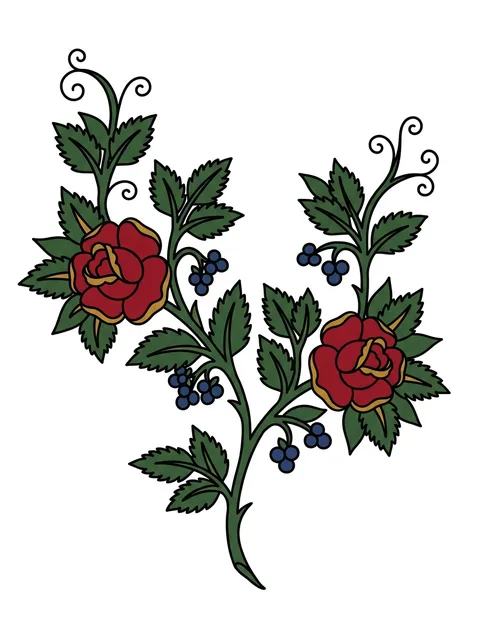
Color traditional rose and leaf tattoo design Try it on — Color traditional rose and leaf tattoo design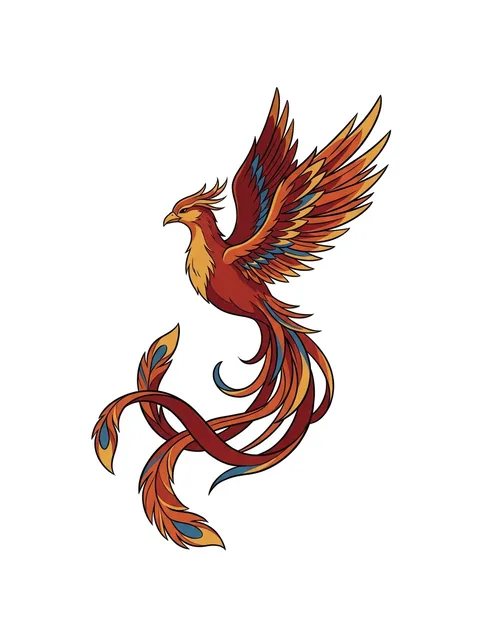
Color illustrative phoenix tattoo design Try it on — Color illustrative phoenix tattoo design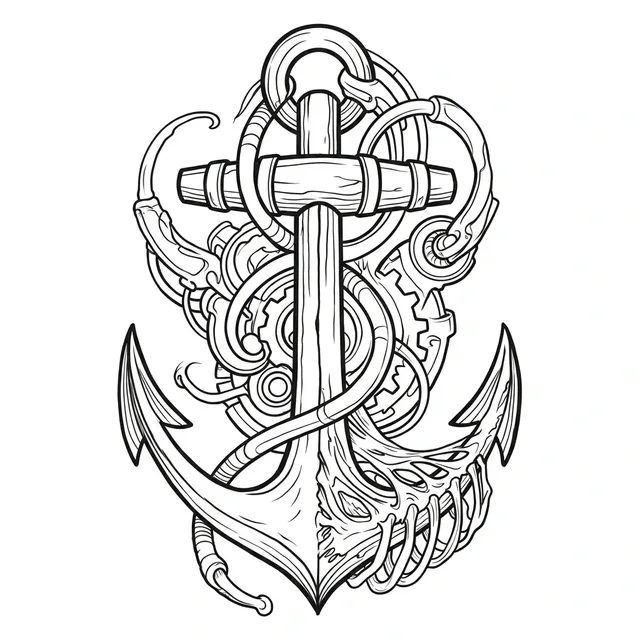
Black and white illustrative anchor and skeleton tattoo design Try it on — Black and white illustrative anchor and skeleton tattoo design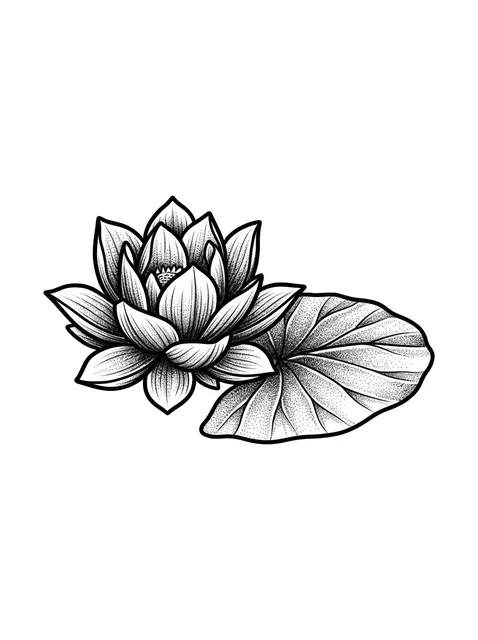
Black and grey dotwork lotus and leaf tattoo design: a prominent leaf Try it on — Black and grey dotwork lotus and leaf tattoo design: a prominent leaf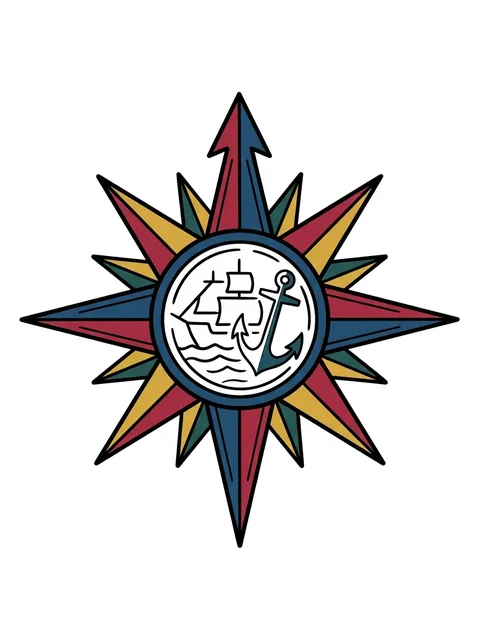
Color traditional compass and anchor tattoo design: a compass rose with a central medallion Try it on — Color traditional compass and anchor tattoo design: a compass rose with a central medallion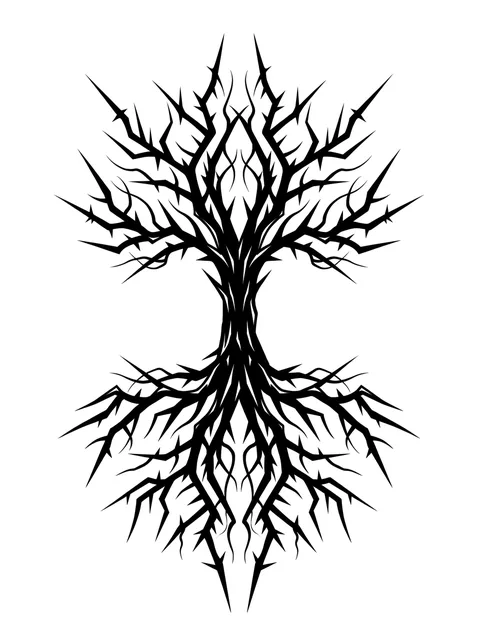
Black and grey cybersigilism tree tattoo design Try it on — Black and grey cybersigilism tree tattoo design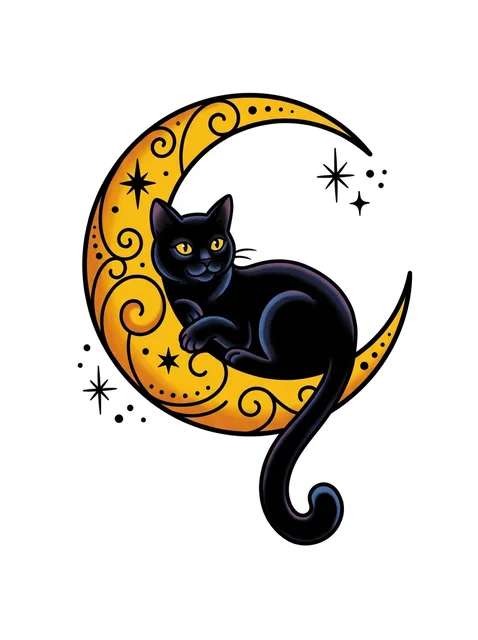
Color neo traditional cat and moon tattoo design Try it on — Color neo traditional cat and moon tattoo design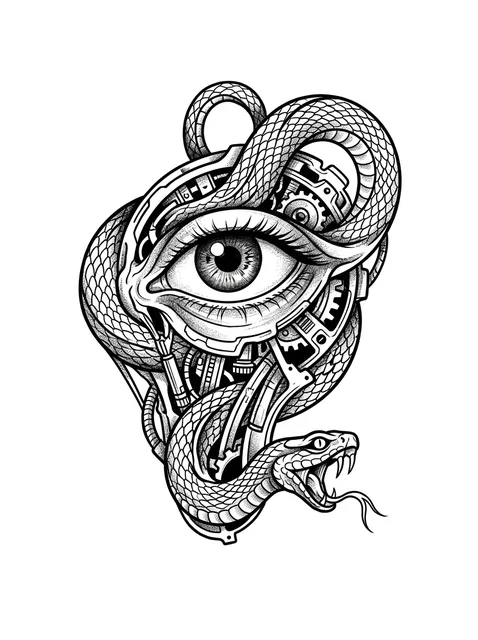
Black and grey illustrative eye and snake tattoo design: a detailed eye intertwined with a snake Try it on — Black and grey illustrative eye and snake tattoo design: a detailed eye intertwined with a snake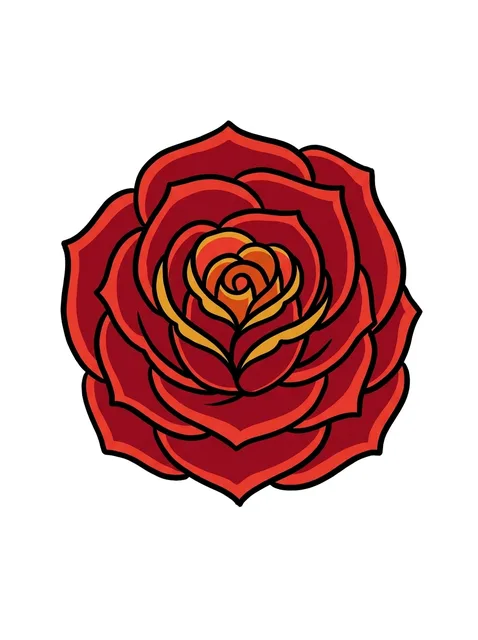
Color traditional rose tattoo design Try it on — Color traditional rose tattoo design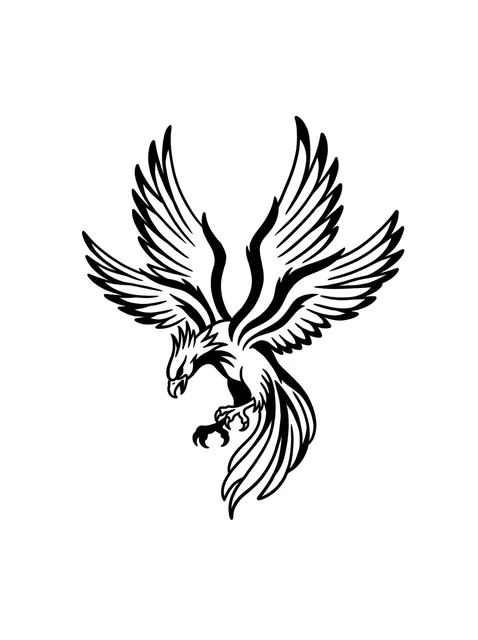
Black and grey illustrative phoenix tattoo design: a phoenix in mid-flight Try it on — Black and grey illustrative phoenix tattoo design: a phoenix in mid-flight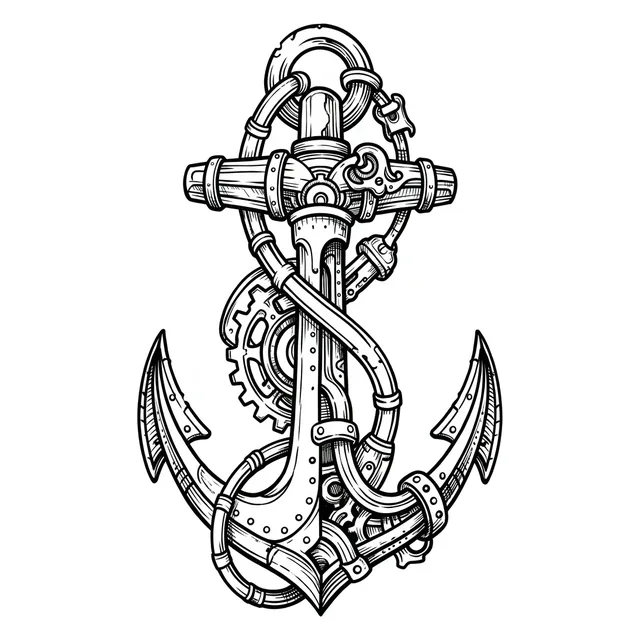
Black and white illustrative anchor tattoo design: a steampunk-inspired anchor Try it on — Black and white illustrative anchor tattoo design: a steampunk-inspired anchor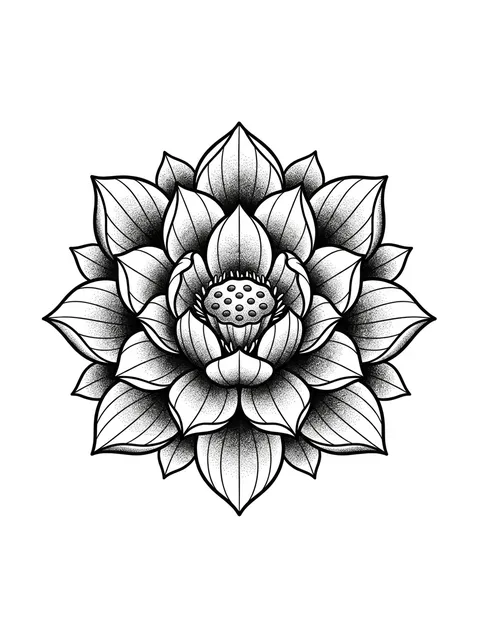
Black and grey dotwork lotus and flower tattoo design Try it on — Black and grey dotwork lotus and flower tattoo design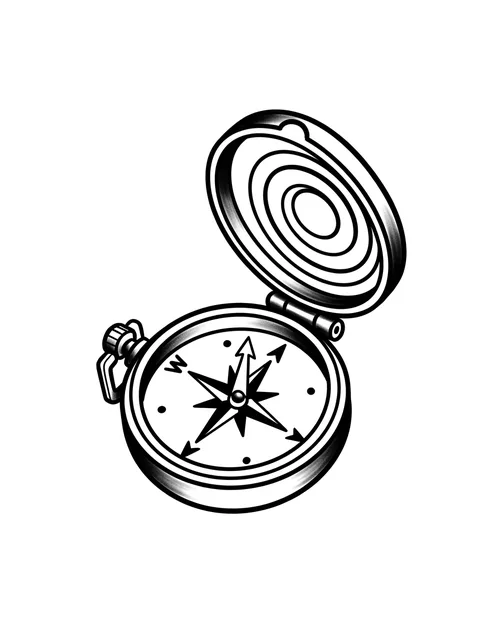
Black and grey traditional compass tattoo design: an open pocket compass Try it on — Black and grey traditional compass tattoo design: an open pocket compass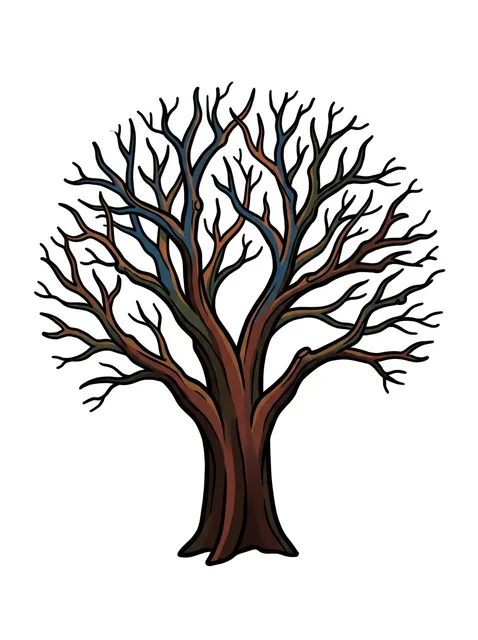
Color illustrative tree tattoo design Try it on — Color illustrative tree tattoo design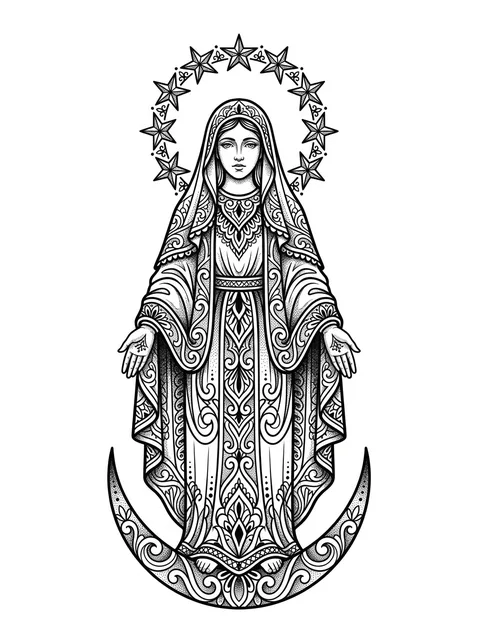
Black and white illustrative virgin mary and star tattoo design Try it on — Black and white illustrative virgin mary and star tattoo design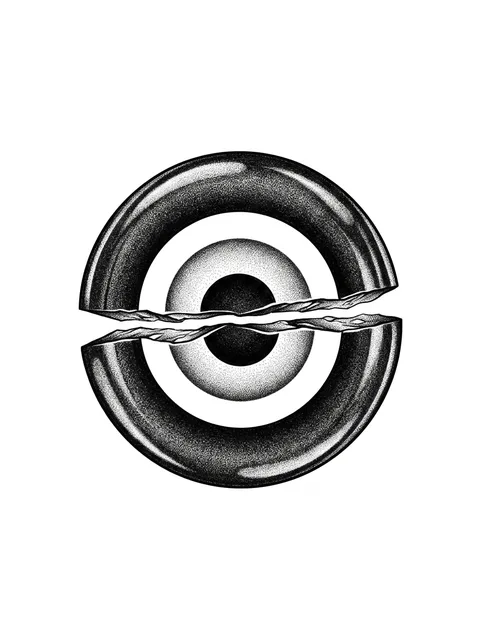
Black and grey dotwork eye and abstract tattoo design Try it on — Black and grey dotwork eye and abstract tattoo design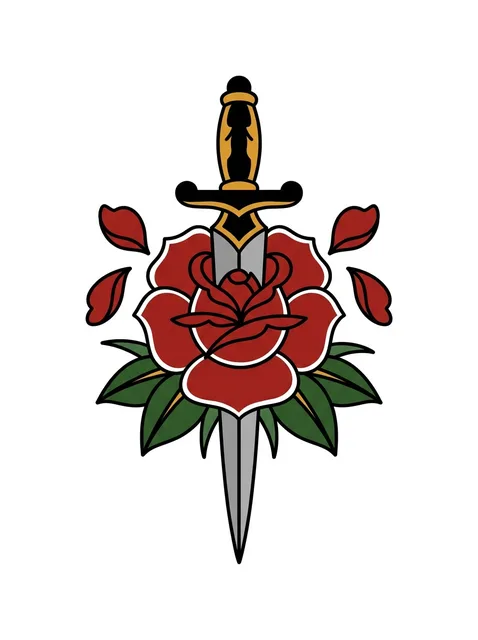
Color traditional rose and dagger tattoo design Try it on — Color traditional rose and dagger tattoo design


40 designs drawn in-house across 8 motifs. Tap any one to place it on a photo of your own skin.
Where these meanings come from
Three sources, mostly. Sailors carried a whole vocabulary — anchors, swallows, compasses, roses — out of European ports in the nineteenth century, and Norman Collins fixed the modern drawings of them in mid-century Honolulu. Religious art supplied the devotional set. And the last thirty years of fine-line work invented a layer of its own, which is why some very common "ancient" meanings are younger than the people wearing them.
This matters practically: a meaning invented in the last decade is not less valid, but it is less shared. If the point is that other people read it correctly, prefer the older conventions. If the point is that you know, it does not matter at all.
Choosing one you will still mean
The test that works: would this still make sense if the reason were gone? A piece that marks getting through something is a good tattoo after you have got through it. A piece that marks being in the middle of something is a tattoo about a state you hope to leave.
Prefer the image over the explanation. If a design needs a sentence to work, the sentence is the tattoo and the picture is decoration — and you cannot see the sentence. The strongest meaningful pieces are ones where somebody who knows nothing still sees a good drawing.
Be wary of stacking. Four symbols in one composition, each meaning something, usually reads as none of them. One image, well drawn, at a size that lets it hold detail, says more than an assembled list.
Common questions
- What is the most meaningful tattoo?
- There is no single answer, but the meanings that hold up longest are the ones that come from the object rather than from a tradition: a phoenix returning, an anchor holding, a lotus coming up clean out of mud, an hourglass running. Those read the same in any culture and in fifty years.
- Do tattoo meanings actually matter?
- To other people, rarely — most viewers see a drawing. To the wearer, usually a lot. The practical consequence is that you should pick something you like looking at, because that is the part you experience daily; the meaning is the part you experience when someone asks.
- Can a tattoo mean something different to me than the traditional meaning?
- Yes, and most do. Conventions are shared agreements, not facts. The only time it is worth deferring to the traditional reading is when the symbol is strongly claimed by a specific culture or group, where a personal reinterpretation will still be read as the original.
- How do I avoid regretting the meaning later?
- Choose something that marks a thing you got through rather than a thing you are in. And choose a picture that works as a picture — if the design only makes sense once you explain it, the explanation is doing the work and the tattoo is not.
See it on your own skin first
InkCraft places a design on a photo of you — scaled, wrapped and shaded to the spot you pick, so you can judge how it reads on your body before it is permanent.