 InkCraft
Lotus Tattoo Ideas, Designs and Meaning
54 original lotus designs drawn for InkCraftBy Uladzimir TumanauUpdated
Opens in your browser. No signup. Or tap any design below.
Dotwork, linework and traditional, with petal counts that mean something. Radial symmetry decides this one: on a curved field like an outer bicep one side foreshortens and the flower goes lopsided in every photograph.
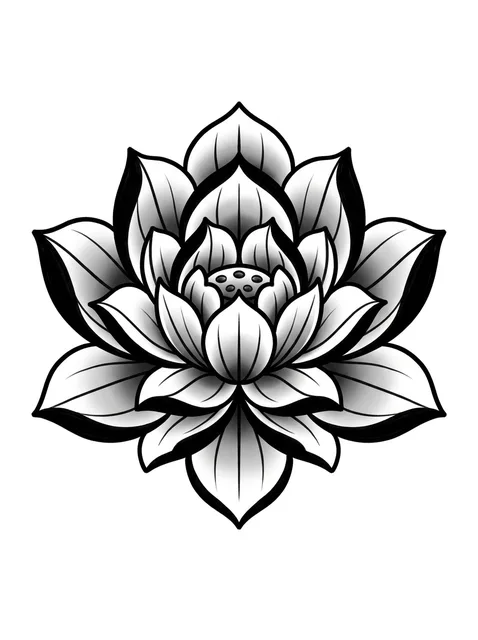
Black and grey traditional lotus tattoo design: a dotted seed pod at its center Try it on — Black and grey traditional lotus tattoo design: a dotted seed pod at its center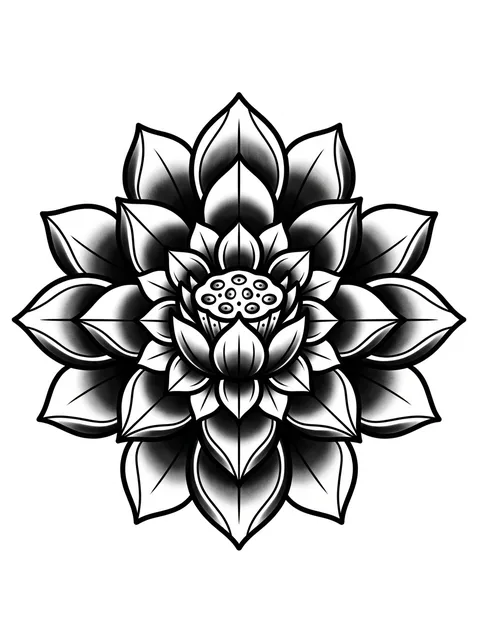
Black and grey traditional lotus tattoo design Try it on — Black and grey traditional lotus tattoo design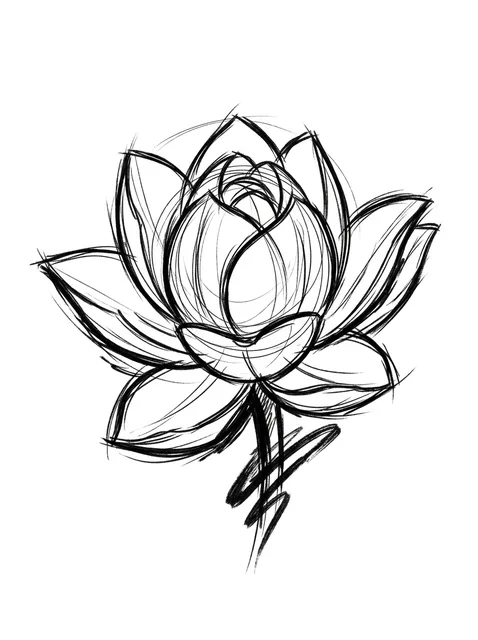
Black and grey sketch lotus tattoo design Try it on — Black and grey sketch lotus tattoo design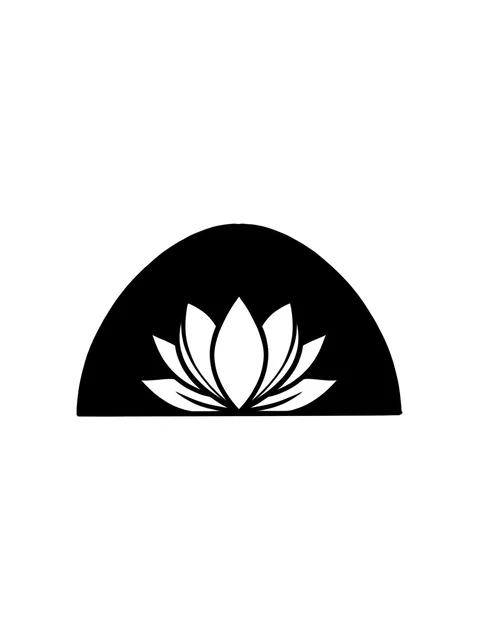
Black and white blackout lotus tattoo design: a solid black semicircle Try it on — Black and white blackout lotus tattoo design: a solid black semicircle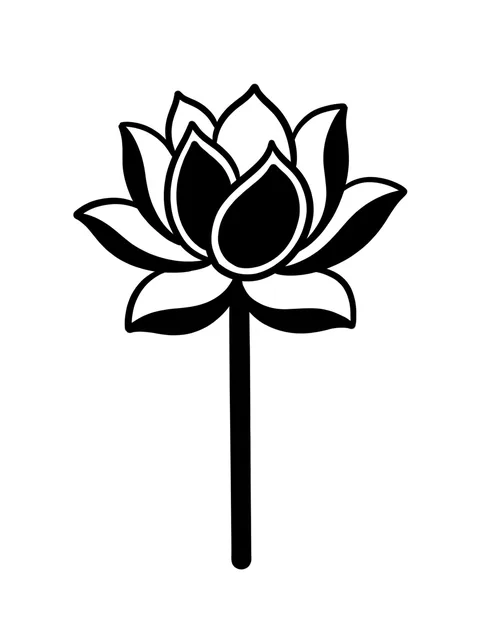
Black and white blackwork lotus and flower tattoo design: a stylized lotus flower Try it on — Black and white blackwork lotus and flower tattoo design: a stylized lotus flower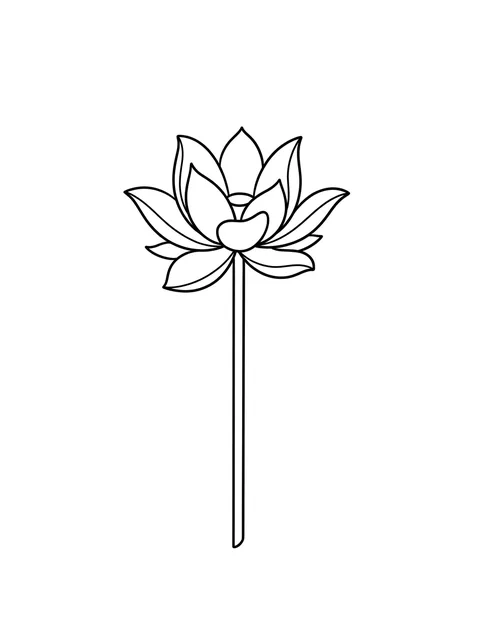
Black and white linework lotus and flower tattoo design, outline stencil: a single lotus flower Try it on — Black and white linework lotus and flower tattoo design, outline stencil: a single lotus flower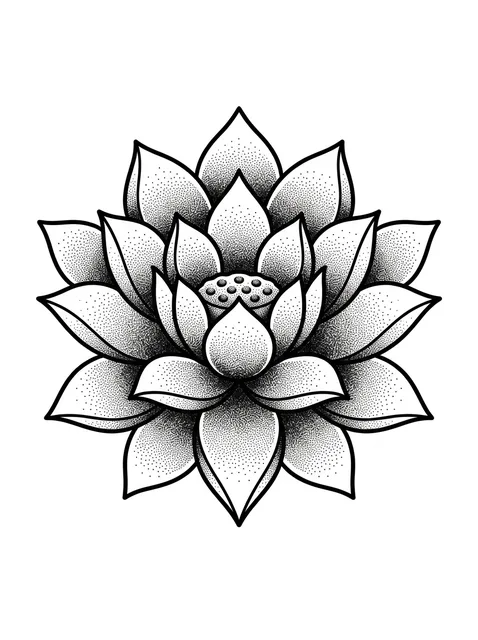
Black and grey dotwork lotus and flower tattoo design: a detailed stamen at the center Try it on — Black and grey dotwork lotus and flower tattoo design: a detailed stamen at the center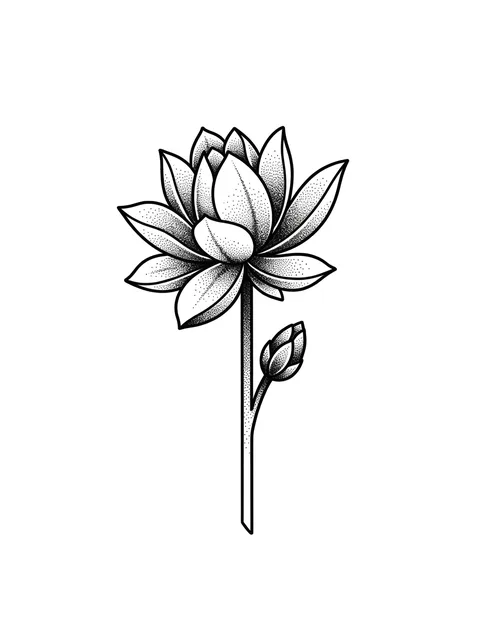
Black and grey dotwork lotus and flower tattoo design: a fully bloomed lotus Try it on — Black and grey dotwork lotus and flower tattoo design: a fully bloomed lotus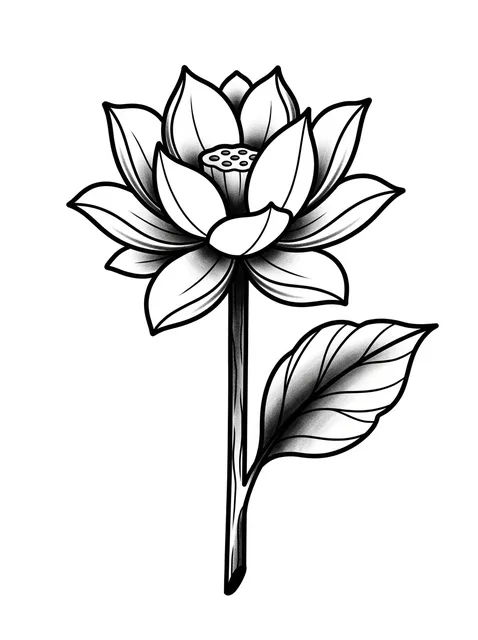
Black and grey neo traditional lotus and leaf tattoo design: a prominent lotus flower Try it on — Black and grey neo traditional lotus and leaf tattoo design: a prominent lotus flower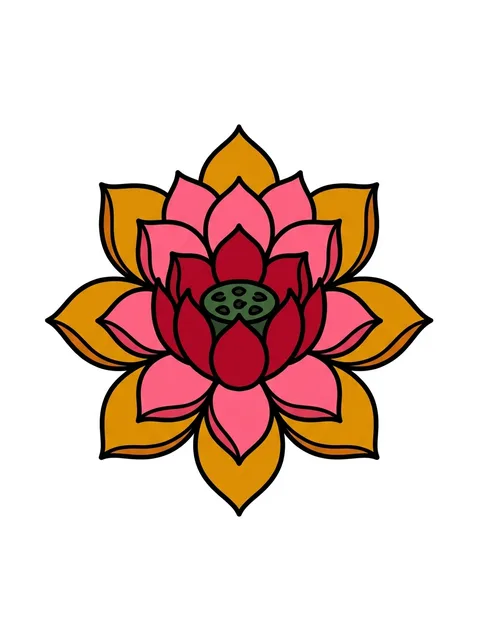
Color illustrative lotus and flower tattoo design: a green seed pod at its core Try it on — Color illustrative lotus and flower tattoo design: a green seed pod at its core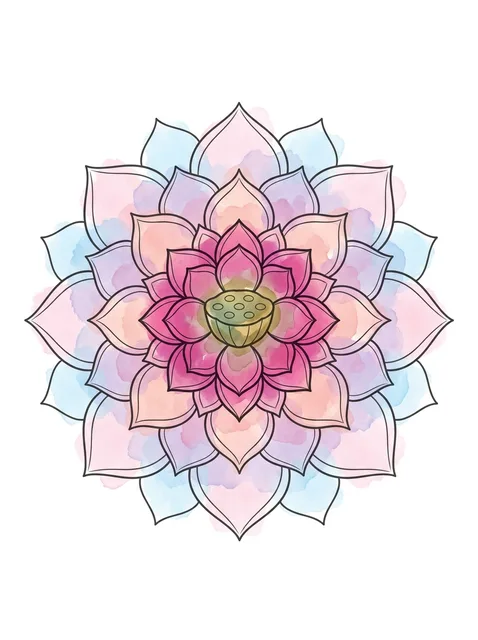
Color watercolor lotus and mandala tattoo design Try it on — Color watercolor lotus and mandala tattoo design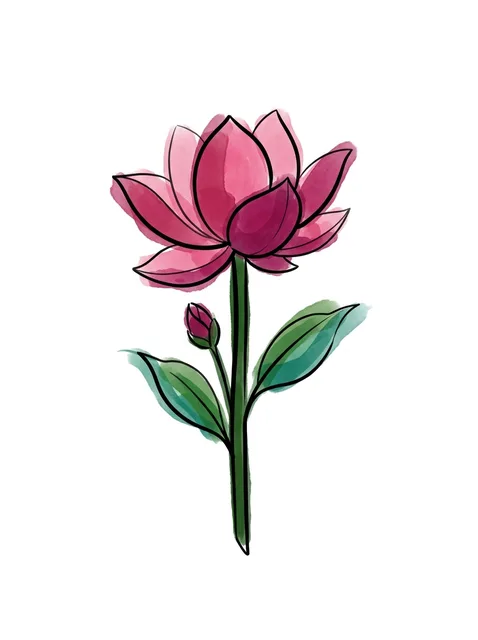
Color illustrative lotus and flower tattoo design: a bud and leaves Try it on — Color illustrative lotus and flower tattoo design: a bud and leaves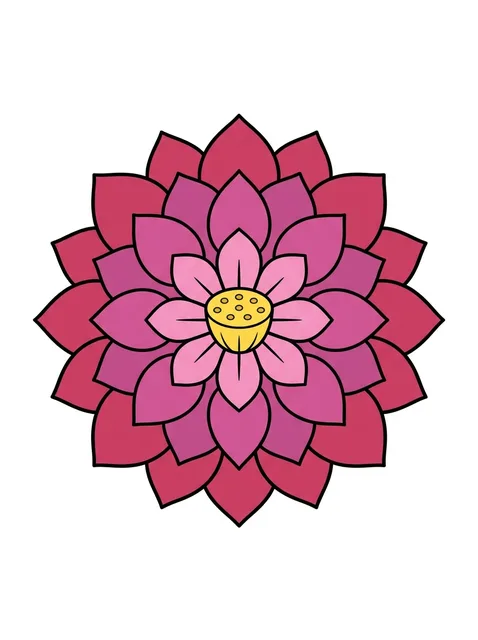
Color illustrative lotus and mandala tattoo design: a bright yellow center Try it on — Color illustrative lotus and mandala tattoo design: a bright yellow center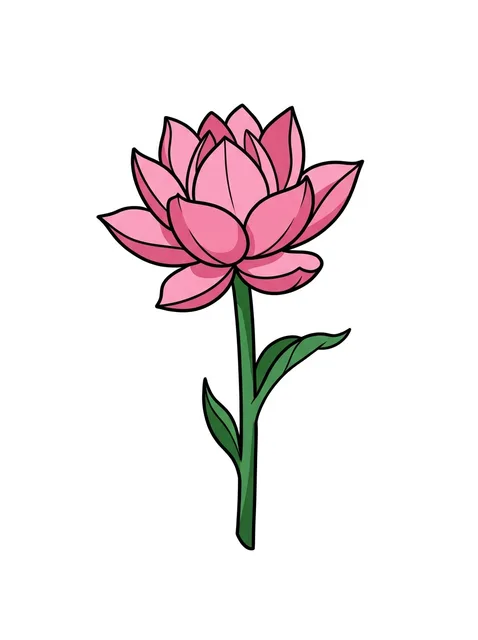
Color illustrative lotus and flower tattoo design: a pink lotus flower with a green stem and leaves Try it on — Color illustrative lotus and flower tattoo design: a pink lotus flower with a green stem and leaves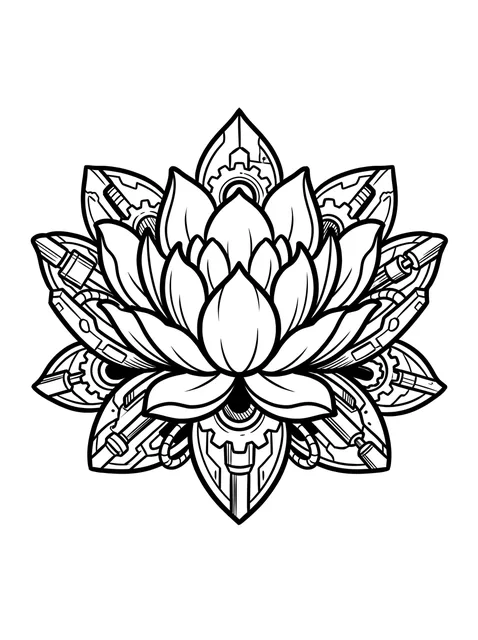
Black and white illustrative lotus and mandala tattoo design: a lotus flower Try it on — Black and white illustrative lotus and mandala tattoo design: a lotus flower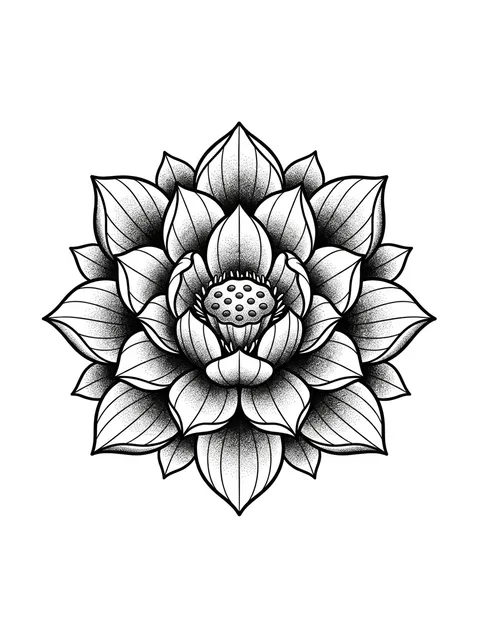
Black and grey dotwork lotus and flower tattoo design Try it on — Black and grey dotwork lotus and flower tattoo design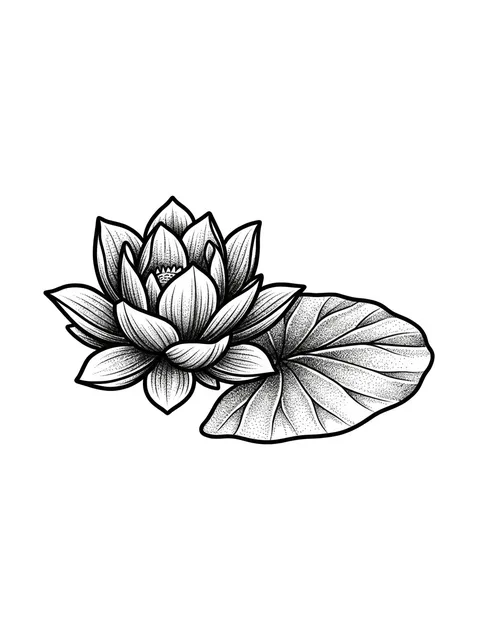
Black and grey dotwork lotus and leaf tattoo design: a prominent leaf Try it on — Black and grey dotwork lotus and leaf tattoo design: a prominent leaf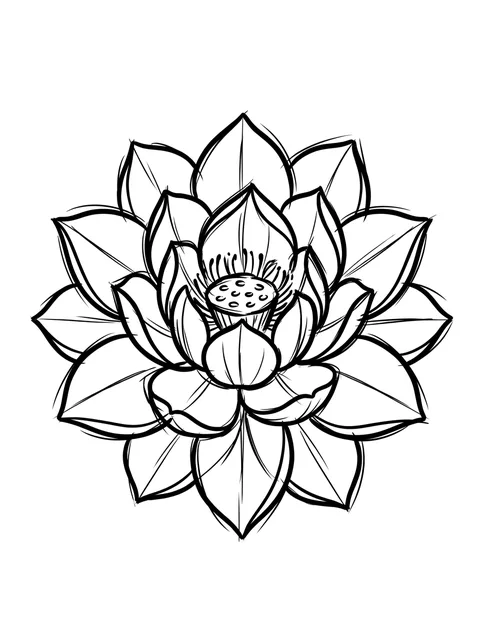
Black and grey linework lotus and flower tattoo design, outline stencil Try it on — Black and grey linework lotus and flower tattoo design, outline stencil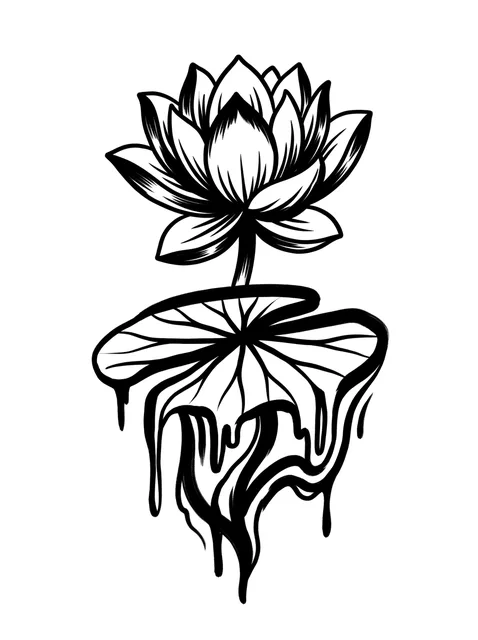
Black and white blackwork lotus and leaf tattoo design: a blooming lotus flower atop a lily pad Try it on — Black and white blackwork lotus and leaf tattoo design: a blooming lotus flower atop a lily pad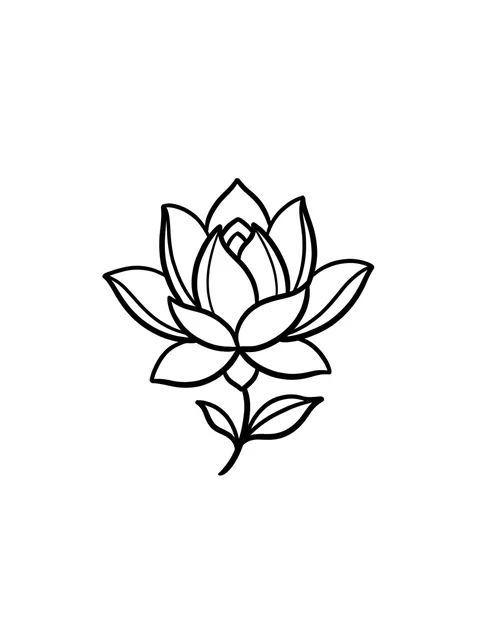
Black and white linework lotus and flower tattoo design, outline stencil: a blooming lotus flower Try it on — Black and white linework lotus and flower tattoo design, outline stencil: a blooming lotus flower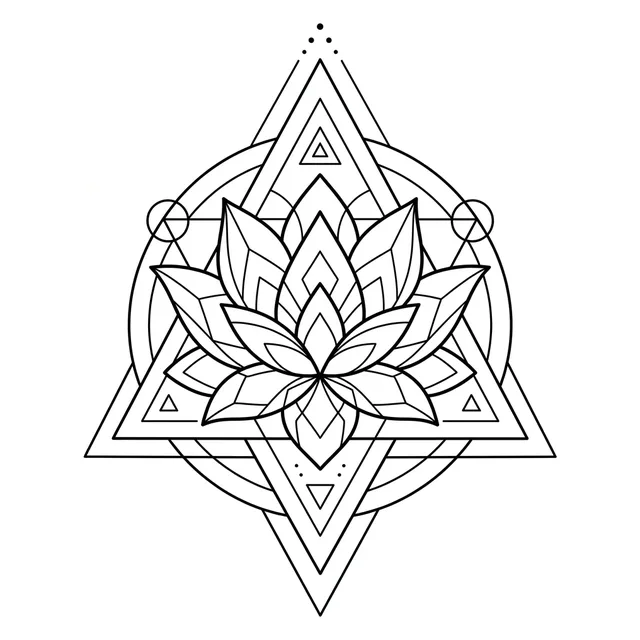
Black and white geometric lotus and mandala tattoo design, outline stencil Try it on — Black and white geometric lotus and mandala tattoo design, outline stencil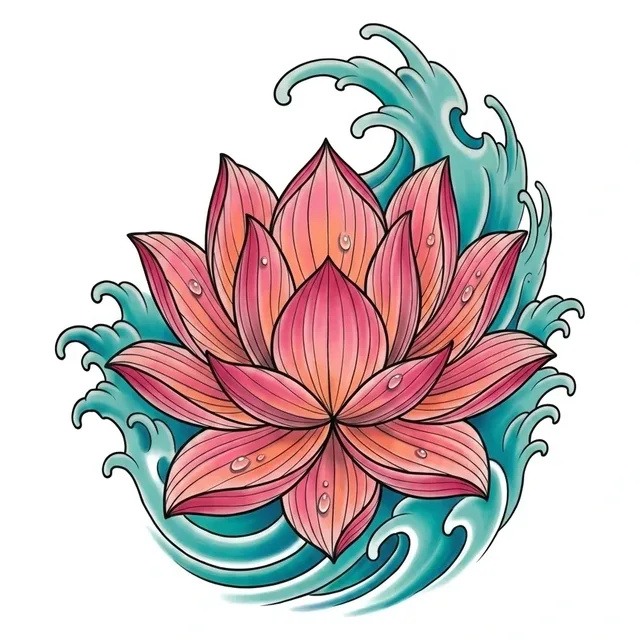
Color Japanese lotus and wave tattoo design: a pink and orange lotus flower Try it on — Color Japanese lotus and wave tattoo design: a pink and orange lotus flower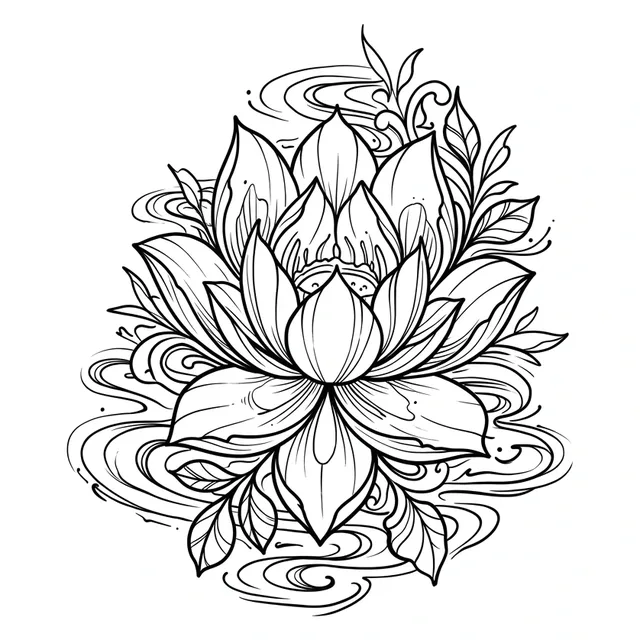
Black and white linework lotus and leaf tattoo design, outline stencil Try it on — Black and white linework lotus and leaf tattoo design, outline stencil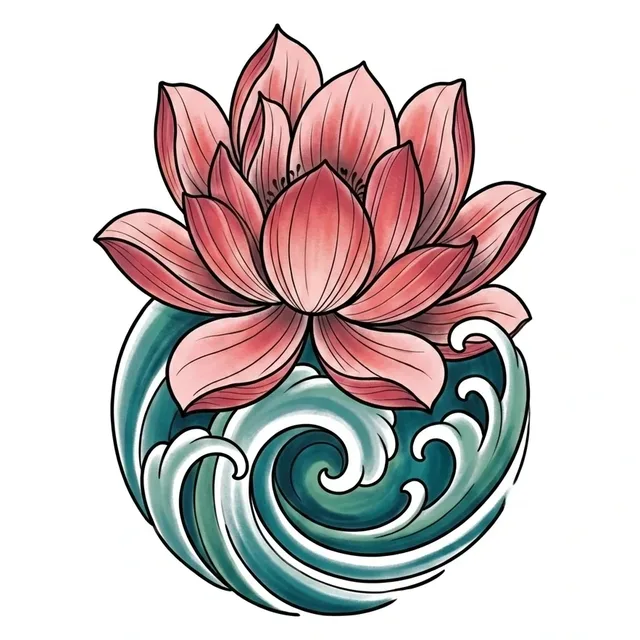
Color Japanese lotus and wave tattoo design Try it on — Color Japanese lotus and wave tattoo design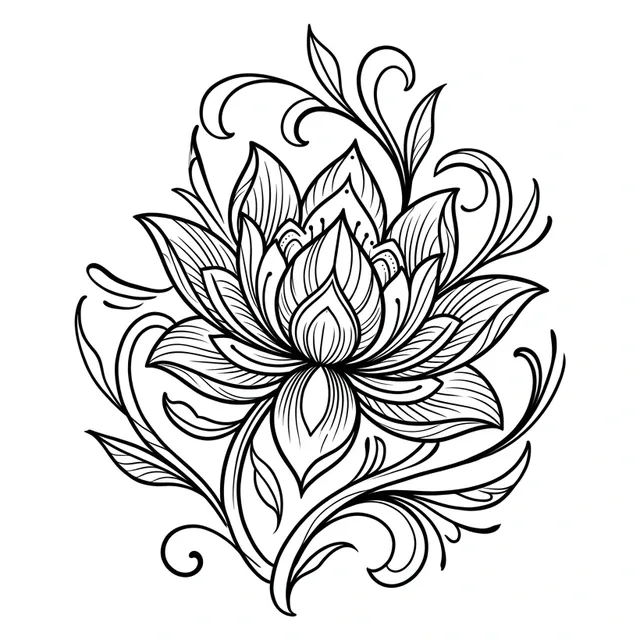
Black and white linework lotus and vine tattoo design, outline stencil: a central lotus flower Try it on — Black and white linework lotus and vine tattoo design, outline stencil: a central lotus flower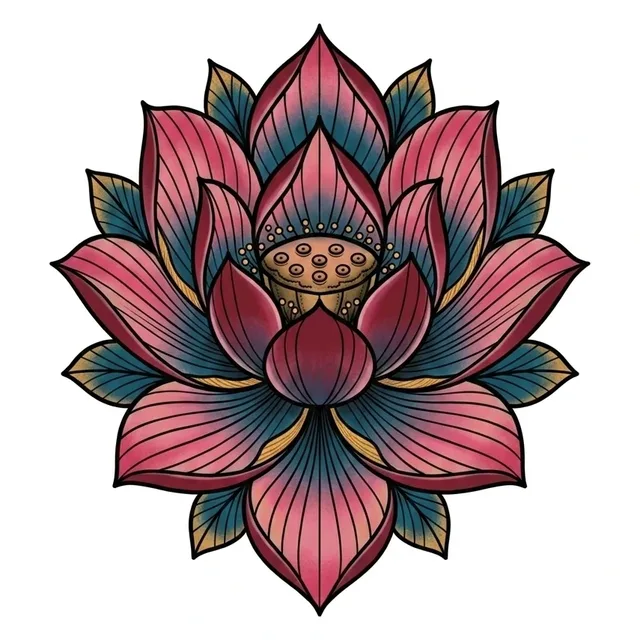
Color neo traditional lotus and flower tattoo design (1 of 2) Try it on — Color neo traditional lotus and flower tattoo design (1 of 2)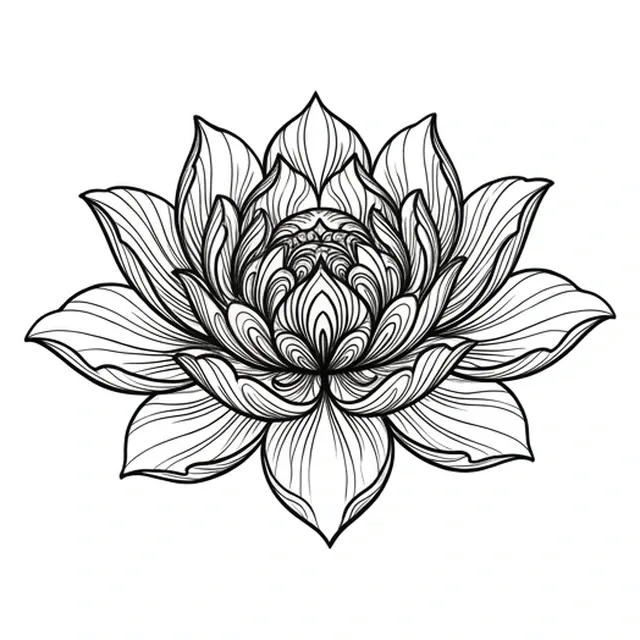
Black and white fine line lotus and flower tattoo design, outline stencil Try it on — Black and white fine line lotus and flower tattoo design, outline stencil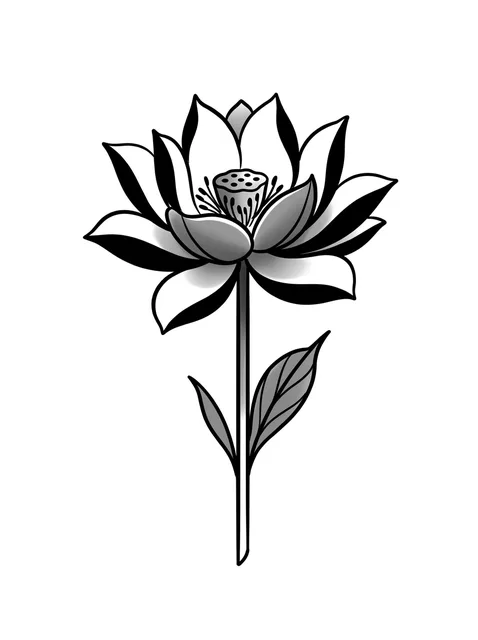
Black and grey traditional lotus and flower tattoo design: a long stem and two small leaves Try it on — Black and grey traditional lotus and flower tattoo design: a long stem and two small leaves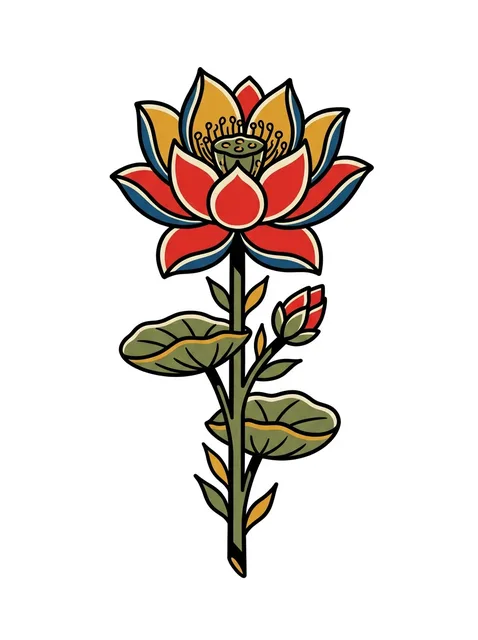
Color traditional lotus and flower tattoo design: a blooming lotus flower with a bud and leaves Try it on — Color traditional lotus and flower tattoo design: a blooming lotus flower with a bud and leaves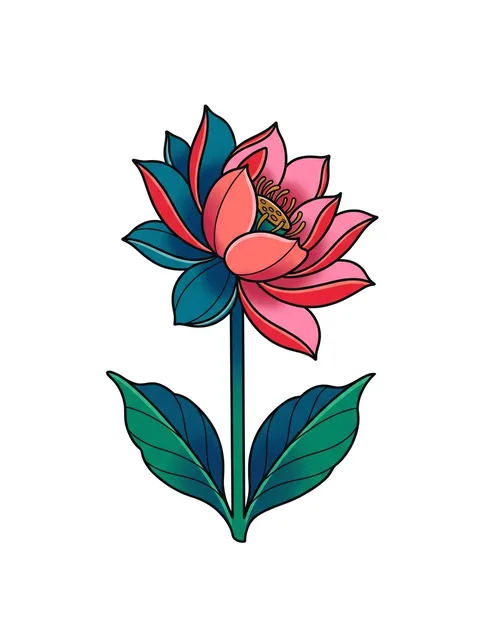
Color neo traditional lotus and flower tattoo design (2 of 2) Try it on — Color neo traditional lotus and flower tattoo design (2 of 2)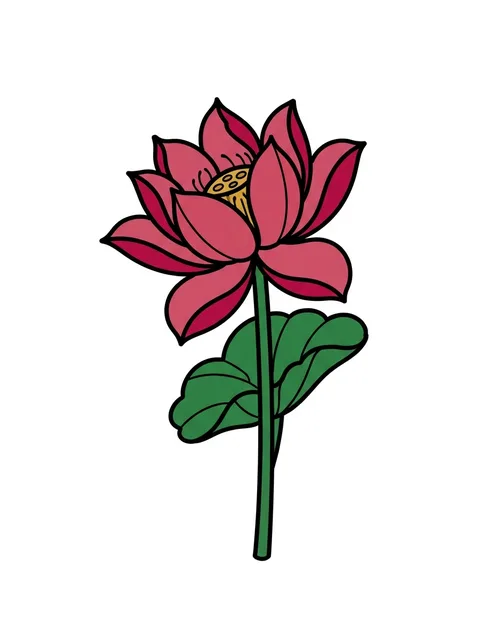
Color illustrative lotus and flower tattoo design: a single pink lotus flower Try it on — Color illustrative lotus and flower tattoo design: a single pink lotus flower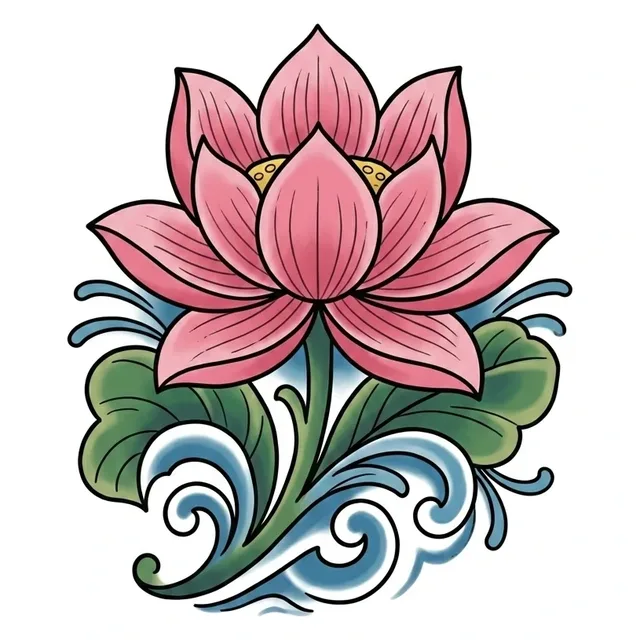
Color Japanese lotus and wave tattoo design: a pink lotus flower in full bloom Try it on — Color Japanese lotus and wave tattoo design: a pink lotus flower in full bloom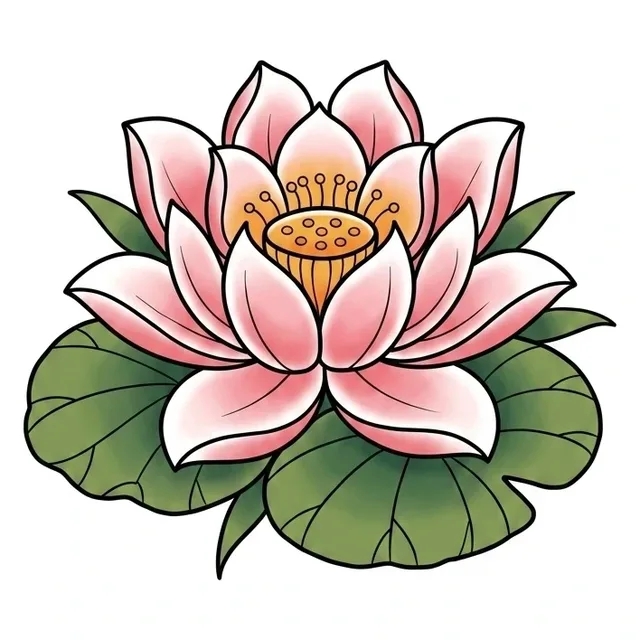
Color neo traditional lotus and flower tattoo design: a fully bloomed pink lotus flower Try it on — Color neo traditional lotus and flower tattoo design: a fully bloomed pink lotus flower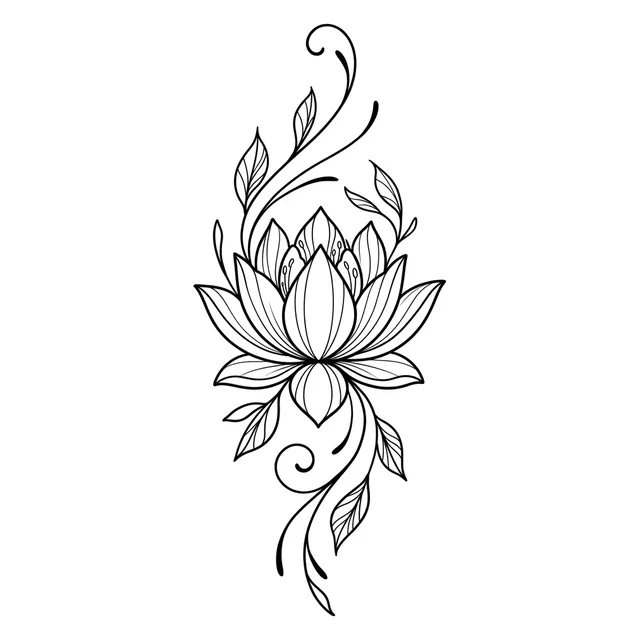
Black and white fine line lotus and leaf tattoo design, outline stencil: a blooming lotus flower Try it on — Black and white fine line lotus and leaf tattoo design, outline stencil: a blooming lotus flower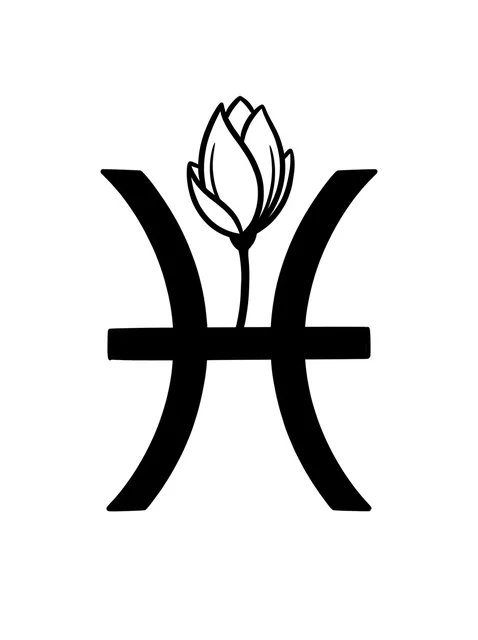
Black and white blackwork lotus and pisces tattoo design Try it on — Black and white blackwork lotus and pisces tattoo design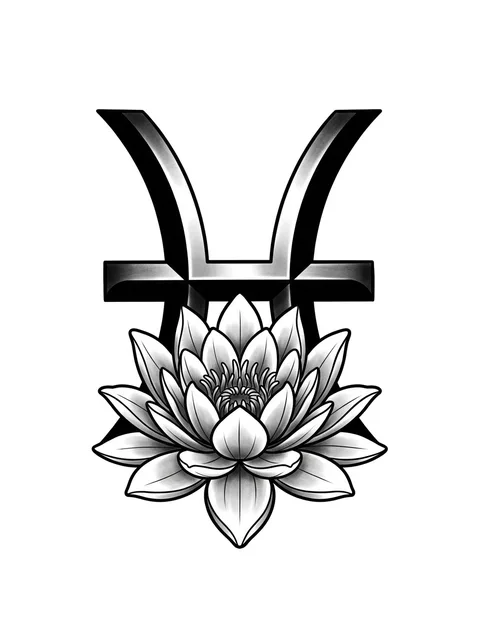
Black and grey illustrative lotus and pisces tattoo design Try it on — Black and grey illustrative lotus and pisces tattoo design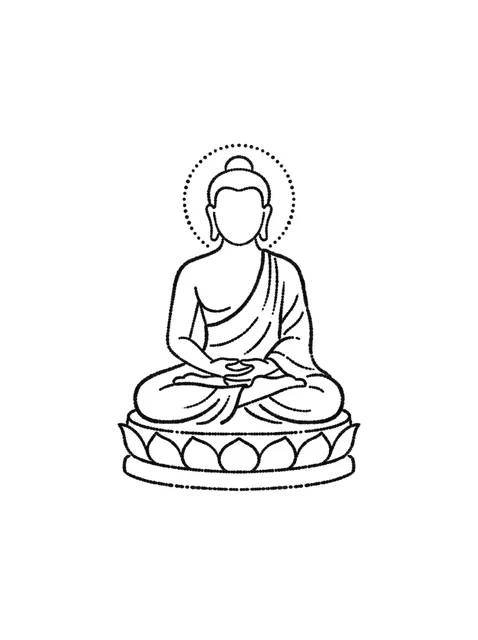
Black and white minimalist lotus and buddha tattoo design, outline stencil Try it on — Black and white minimalist lotus and buddha tattoo design, outline stencil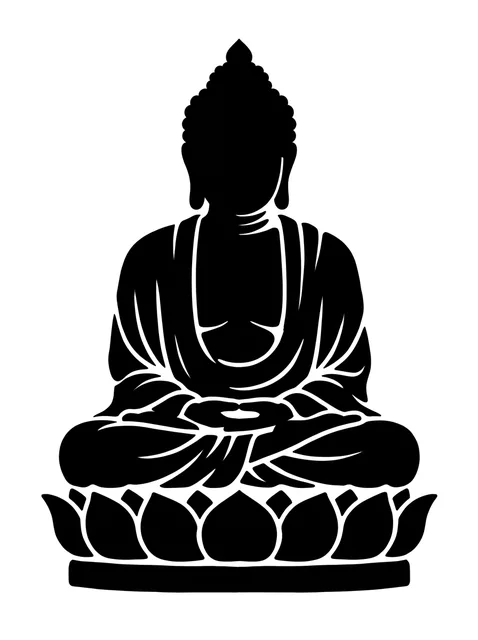
Black and white blackwork lotus and buddha tattoo design (1 of 2) Try it on — Black and white blackwork lotus and buddha tattoo design (1 of 2)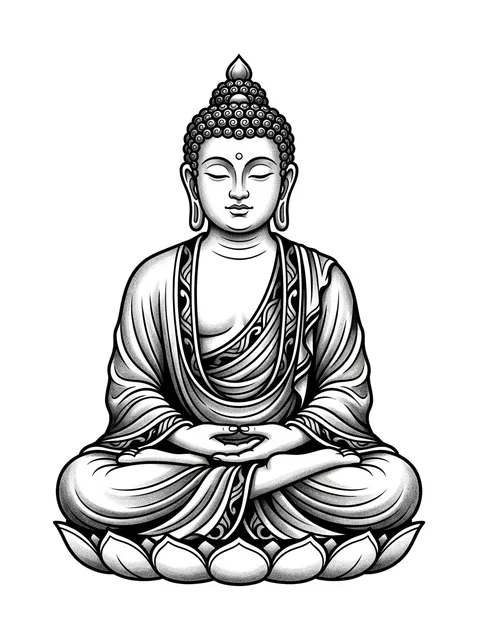
Black and grey illustrative lotus and buddha tattoo design (1 of 2) Try it on — Black and grey illustrative lotus and buddha tattoo design (1 of 2)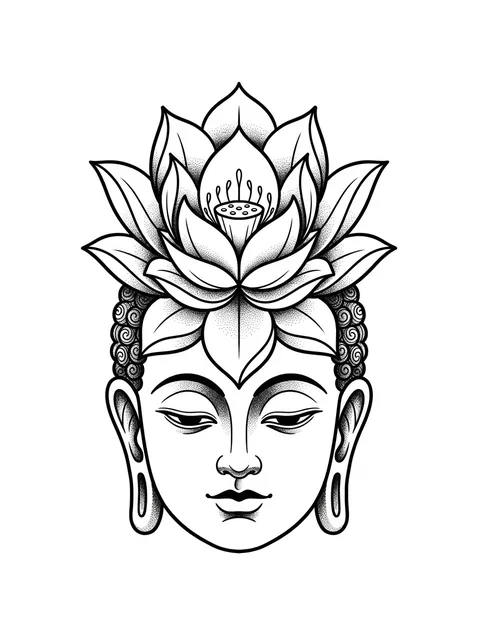
Black and white linework lotus and buddha tattoo design, outline stencil Try it on — Black and white linework lotus and buddha tattoo design, outline stencil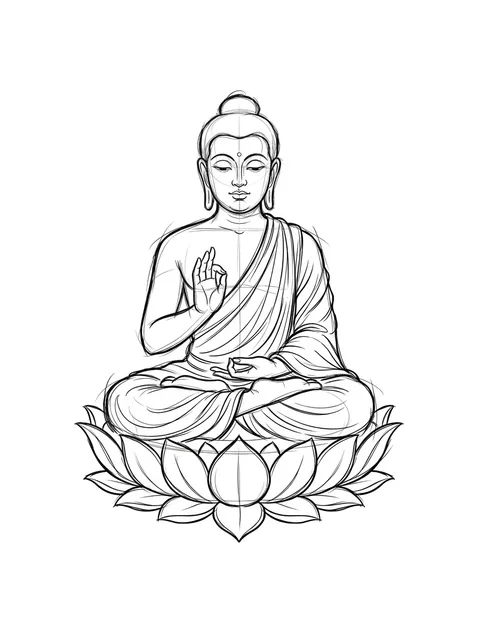
Black and grey sketch lotus and buddha tattoo design Try it on — Black and grey sketch lotus and buddha tattoo design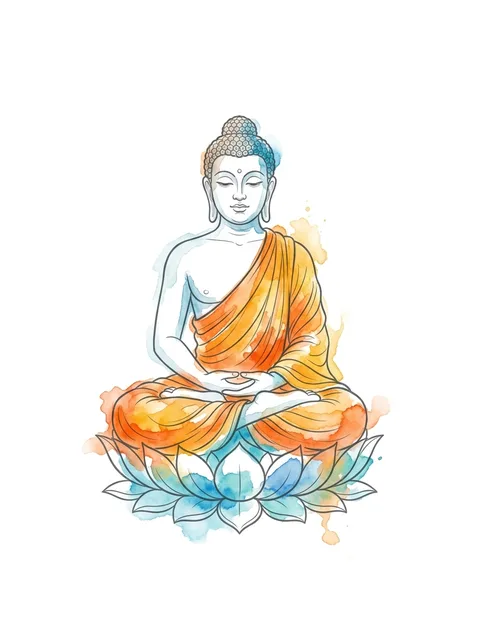
Color watercolor lotus and buddha tattoo design (1 of 2) Try it on — Color watercolor lotus and buddha tattoo design (1 of 2)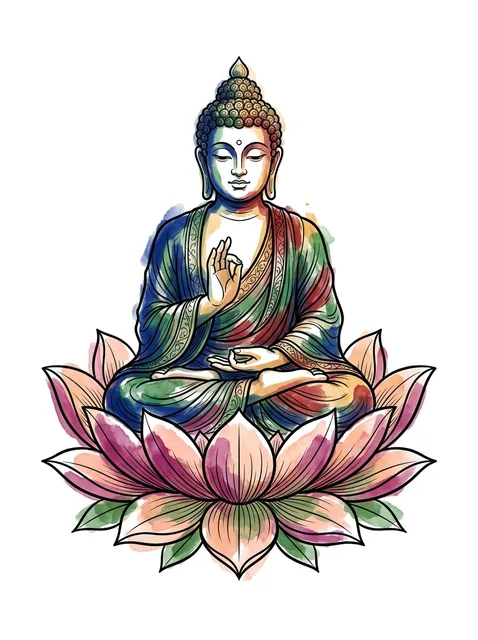
Color watercolor lotus and buddha tattoo design (2 of 2) Try it on — Color watercolor lotus and buddha tattoo design (2 of 2)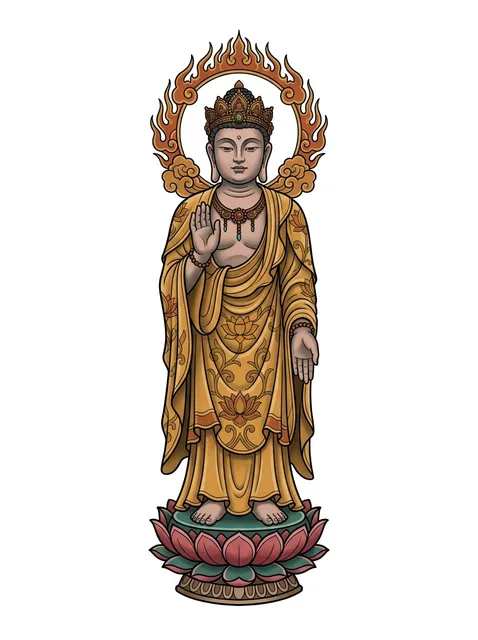
Color illustrative lotus and buddha tattoo design Try it on — Color illustrative lotus and buddha tattoo design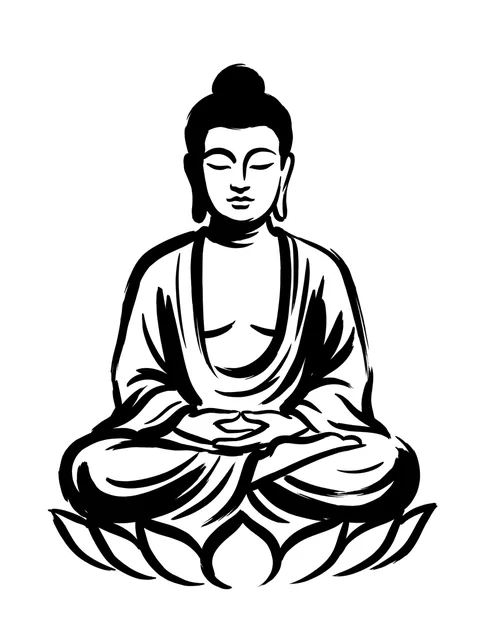
Black and white blackwork lotus and buddha tattoo design (2 of 2) Try it on — Black and white blackwork lotus and buddha tattoo design (2 of 2)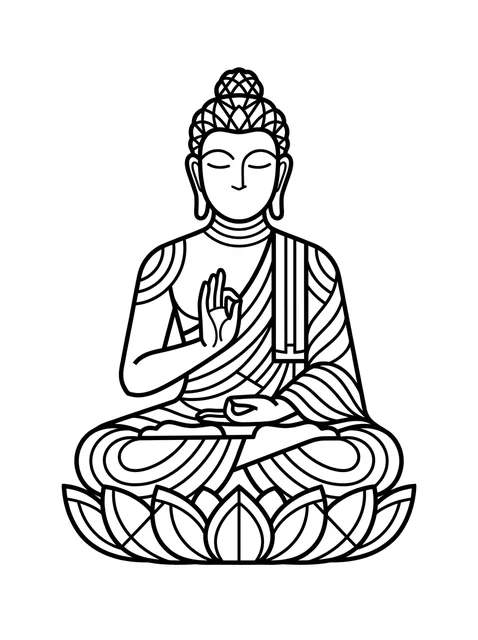
Black and white geometric lotus and buddha tattoo design, outline stencil Try it on — Black and white geometric lotus and buddha tattoo design, outline stencil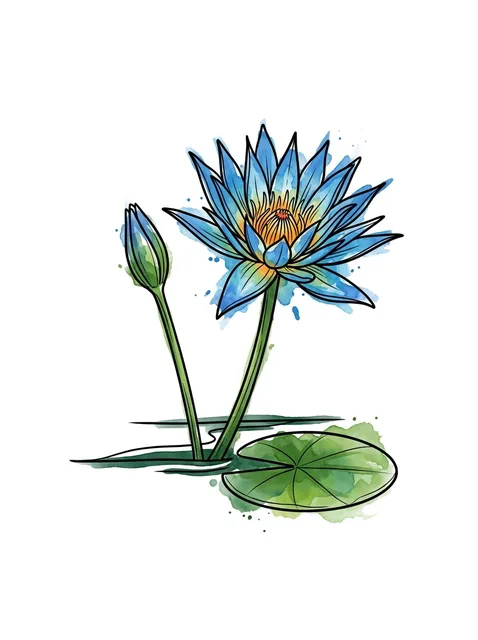
Color watercolor lotus and egyptian tattoo design Try it on — Color watercolor lotus and egyptian tattoo design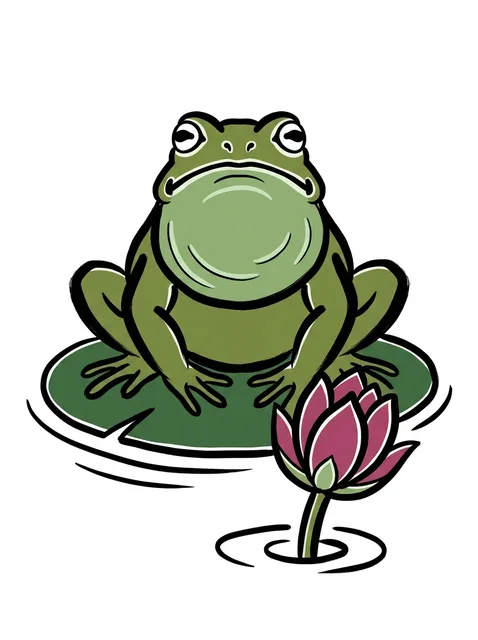
Color Japanese lotus and frog tattoo design Try it on — Color Japanese lotus and frog tattoo design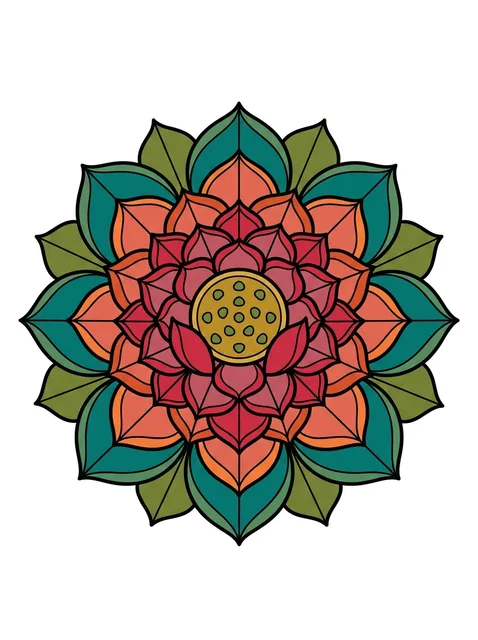
Color illustrative lotus and mandala tattoo design Try it on — Color illustrative lotus and mandala tattoo design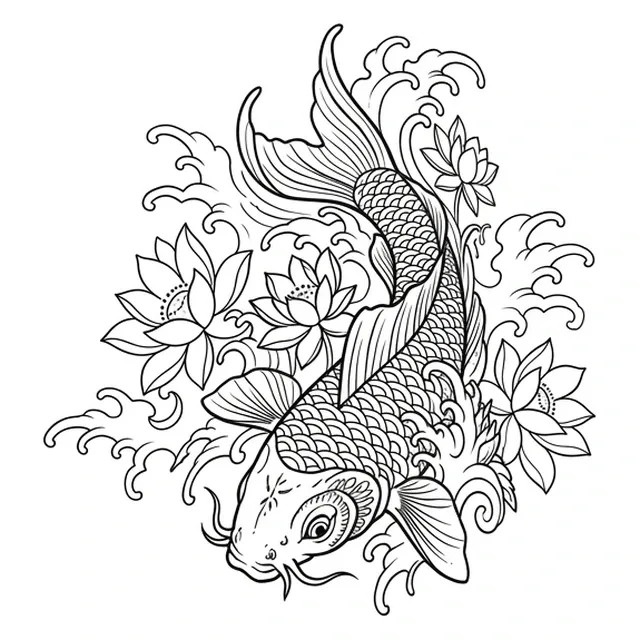
Black and grey Japanese lotus and koi tattoo design: the fish and the delicate petals of the lotus Try it on — Black and grey Japanese lotus and koi tattoo design: the fish and the delicate petals of the lotus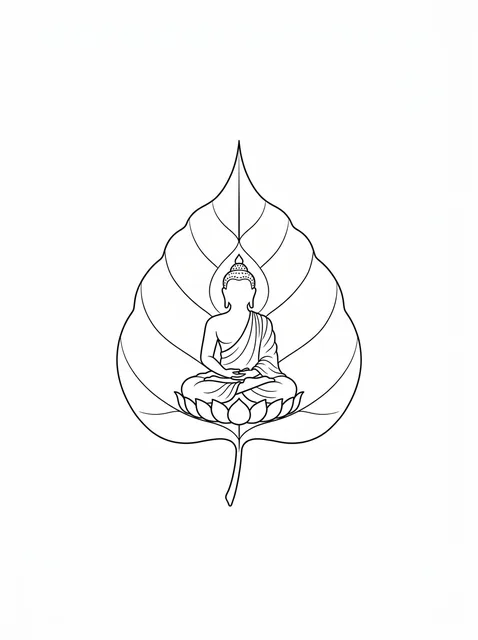
Black and white fine line lotus and buddha tattoo design, outline stencil Try it on — Black and white fine line lotus and buddha tattoo design, outline stencil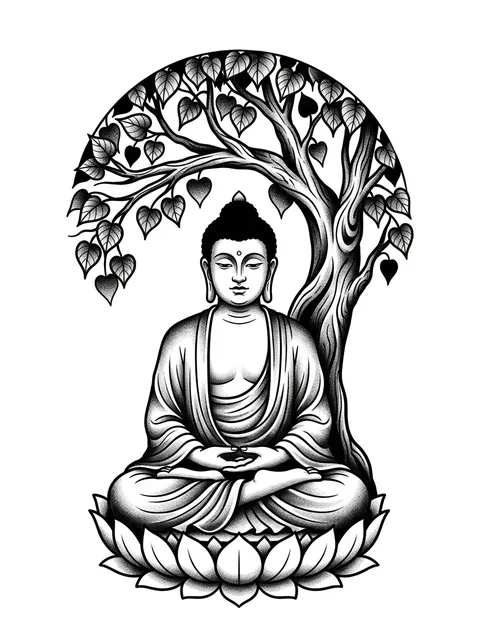
Black and grey illustrative lotus and buddha tattoo design (2 of 2) Try it on — Black and grey illustrative lotus and buddha tattoo design (2 of 2)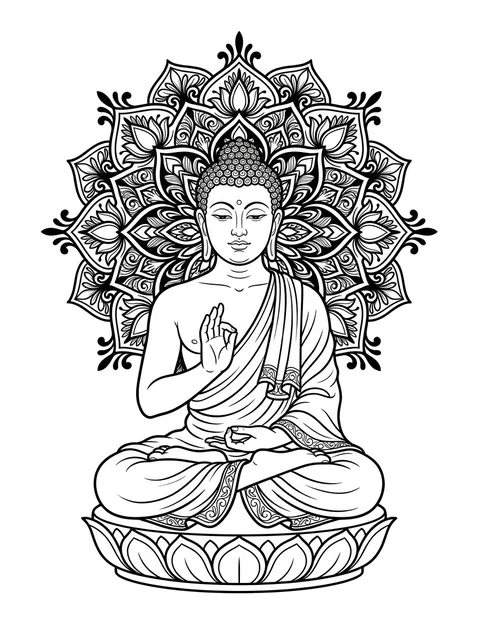
Black and grey ornamental lotus and buddha tattoo design Try it on — Black and grey ornamental lotus and buddha tattoo design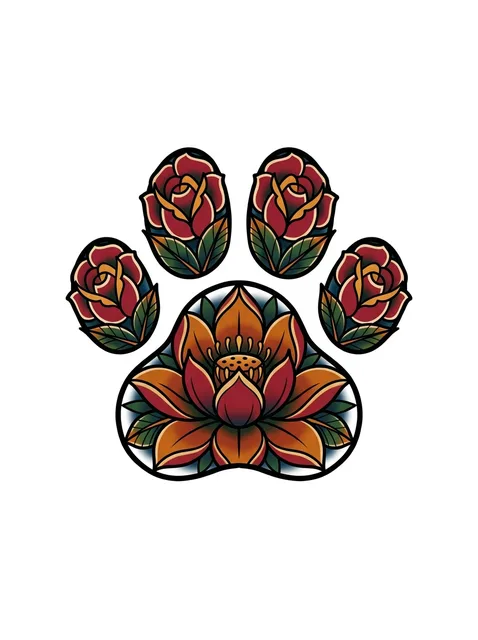
Color traditional lotus and paw tattoo design: a bold black outline and solid colour Try it on — Color traditional lotus and paw tattoo design: a bold black outline and solid colour


Tap any design to see it on your own skin in the try-on — no signup.
This set of 54 lotus designs, by the numbers
- Styles represented
- illustrative (11), linework (6), traditional (5), blackwork (5), japanese asian (5), dotwork (4)
- Black-and-grey vs colour
- 63% black-and-grey, 37% colour
- Most often drawn with
- flower, buddha, leaf, mandala
Counted from the 54 designs shown on this page. Every one was drawn for InkCraft — none are scraped or reposted. Free to reference with a link to this page.
What a lotus tattoo means
The lotus means something quite precise, and it is not simply purity. The plant roots in mud, grows up through opaque water, and opens clean — so the image is about what the flower came through, not about the flower being unspoiled. A lotus tattoo without that context loses the only thing that distinguishes it from any other stylised flower.
That makes it the standard choice for pieces about depression, recovery and grief, where the point is that the difficulty is part of the meaning rather than something to be hidden. It is quieter than a phoenix and carries no drama, which is why people who dislike the phoenix often land here.
Colour is doctrinal in Buddhist usage rather than aesthetic. White is spiritual perfection, pink is the historical Buddha, blue is wisdom and the mind, red is compassion and the heart. Most lotus tattoos are black-and-grey and sidestep this entirely, but if colour is going on, the choice is worth making deliberately.
The mandala pairing is the most common one in our set and is not just decorative stacking — both are meditation objects, and a lotus at the centre of a mandala is a conventional composition rather than an invention. It is also the pairing most likely to be executed badly, because it demands symmetry that only holds on a flat field.
Where the design comes from
The lotus is one of the oldest continuously used symbols in the world: Egyptian tomb painting used the blue lotus for rebirth, and Hindu and then Buddhist iconography made it the seat of deities — the padmasana, the lotus position, is named for it. The eight-petalled lotus maps to the Eightfold Path, and the thousand-petalled sahasrara is the crown chakra, which is where the modern spiritual reading in Western tattooing comes from. Dotwork and geometric lotus tattoos are a much later Western development, arriving through the sacred-geometry work of the 2000s.
Choosing yours
- A lotus is radially symmetrical, so it wants a flat, broad field where symmetry survives — sternum, centre back, the flat of the forearm. On a curved surface like an outer bicep one side foreshortens and the flower quietly goes lopsided in every photograph.
- Dotwork lotuses are the most common version and the most size-sensitive. Stippling relies on the space between dots, and as ink spreads that space closes; below about 8 cm a dotwork lotus tends toward a solid grey shape. Linework holds smaller.
- Petal count is the detail people wish they had chosen on purpose. Eight is the conventional Buddhist number and reads as intentional; an arbitrary count reads as a flower. It costs nothing to specify and is impossible to change later.
Size, cost and placement
How big, and what it costs
A linework lotus is small and quick at 6-8 cm. A dotwork lotus is priced by patience rather than size: stippling is slow, and an 10-12 cm dotwork lotus can take as long as a much larger piece in solid black. A lotus-and-mandala composition is a half-day and demands an artist who works in symmetry.
Where it sits, and how much it hurts
Symmetry decides this one. Sternum, centre back, the flat of the forearm and the nape all keep a radial design honest. A curved field like an outer bicep foreshortens one side and the flower goes quietly lopsided in every photograph. The sternum is painful and is also the best field for it.
What to ask your artist
- The petal count, since eight is the conventional Buddhist number and an arbitrary count reads as decoration.
- Whether dotwork will hold at your size — ask about the gaps between dots, not the dots.
- If a mandala is included, whether they lay out symmetry freehand or with a stencil, and to see healed work either way.
Prices vary widely by city and artist — treat these as session lengths rather than quotes, and expect a shop minimum on anything small. The cost guide turns hours into money by size, placement and style.
Common questions
Does a lotus tattoo have to be spiritual?
No, but it is hard to fully detach from the reading, since the mud-to-bloom idea is the whole reason the flower became a symbol. If you want a flower without that, a peony or a rose is a cleaner choice.
What does an unopened lotus mean?
Potential rather than arrival — a process still under way. It is a deliberate choice some people prefer to a fully open bloom, which claims the work is finished.
Lotus or mandala?
They do different jobs and are often combined. The lotus carries a specific meaning; a mandala is a meditation pattern. A lotus centred in a mandala is a conventional composition, not a mashup.
What a lotus tattoo can mean
The meanings this motif carries on the pages that argue them. Each line is that page's own reason for including it.
- Meaningful tattoos
- Coming through something unclean without being marked by it — the plant roots in mud and the flower is spotless. The meaning is botanical, not invented, which is why it crossed from Buddhism into general use intact.
- Faith tattoos
- Buddhist and Hindu — coming up clean through mud. Widely used outside both traditions now, but the reading is theirs and stays legible as such.
- Growth tattoos
- Growth specifically out of something bad. A narrower claim than a flower — worth choosing only if that is the story.
- Spiritual tattoos
- The most-borrowed symbol in this set and the least objected to, because the meaning is in the botany rather than in a scripture: it roots in mud and opens clean above the water, which is an argument anyone can make without belonging to anything.
- Mental health tattoos
- Comes up through mud unmarked. The clearest recovery image there is, and it reads as a flower to anyone who does not know the symbol.
- Peace tattoos
- Calm that came out of something unpleasant rather than calm that was always there — a more specific claim than a generic peace symbol.
- Resilience tattoos
- Roots in mud, flower unmarked. The plant does the argument for you, which is why the reading survived crossing out of Buddhism into general use.
See it on your skin before you commit
InkCraft places any of these designs on a photo of you — scaled, wrapped and shaded to the placement you pick.