 InkCraft
Greek Mythology Tattoo Ideas and What They Mean
40 InkCraft designs chosen for greek mythology tattoosBy Uladzimir TumanauUpdated
Greek myth is not a collection of heroes. It is a collection of consequences, and almost every figure people choose to wear is in the middle of being punished for something. That is not a reason to avoid them — it is the reason they are worth wearing — but it does mean the popular reading and the original story frequently point in opposite directions.
Medusa is the clearest case and the most common tattoo in this group. She was not born a monster: in Ovid's telling she was assaulted in Athena's temple and it was she, not her attacker, who was transformed and exiled. That reading is why the image has been reclaimed over the last decade as a survivor's mark, and it is why a Medusa tattoo now usually carries very nearly the reverse of what it carried fifty years ago.
Icarus runs the same way. The story is told as a warning about ambition and is worn as a tribute to it — but the instruction he actually broke was to fly the middle course, not to fly at all, and his father gave the same warning about flying too low. What follows are the figures with enough visual identity to survive being drawn, each with the reading its own source actually supports.
8 designs that carry it, and why
- Medusa
- The most-worn figure in Greek myth and the one whose meaning has moved furthest: from monster to survivor, on the strength of Ovid's version where she is punished for what was done to her. The snakes must be individually drawn or she is simply a woman with unusual hair.
- Icarus
- Almost always drawn at the wrong moment. The fall is the famous image; the flight is the one that means ambition rather than failure, and the harness straps are what separate him from an angel in any pose.
- Athena's owl
- The little owl of Athens, stamped on the silver coin that funded the city, which is why owl and wisdom have been joined for 2,500 years. It is the only motif here that is a civic emblem as much as a myth.
- Phoenix
- Greek by way of Herodotus, who reported it from Egypt and was sceptical — the bird returns once every five hundred years carrying its parent's body. Worn for renewal, and one of the few figures in this group not being punished.
- Asclepius' serpent
- A single snake on a staff is the rod of Asclepius and means medicine; two snakes with wings is Hermes' caduceus and means commerce and messengers. Medical tattoos get this wrong constantly and it is a one-snake difference.
- Eye of the Fates
- The three Graeae shared one eye between them and Perseus stole it to make them talk, which is the rare Greek image about knowledge as a possession that can be taken rather than earned.
- Laurel crown
- The victor's wreath, and also Daphne — who was turned into a laurel tree escaping Apollo, and whose leaves he then wore. Triumph made out of someone else's refusal, which is a very Greek arrangement.
- Sword of Damocles
- The whole story is a prop: a sword hung by a single hair over a throne, to show a courtier what the king's life was actually like. It is the one image here that is entirely about anxiety and is rarely drawn as such.
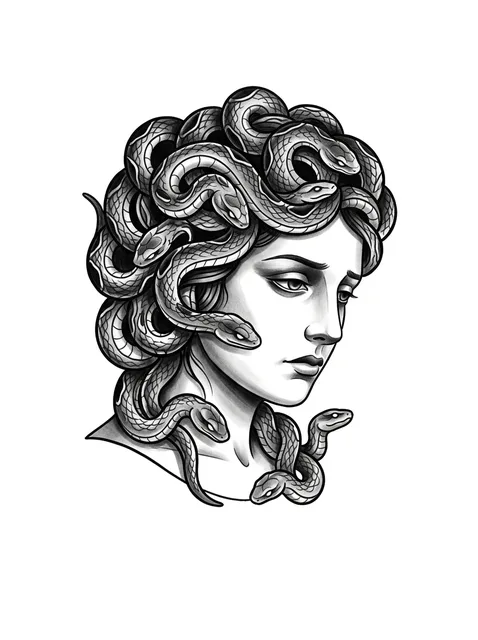
Black and grey illustrative medusa and snake tattoo design: a serene yet melancholic expression Try it on — Black and grey illustrative medusa and snake tattoo design: a serene yet melancholic expression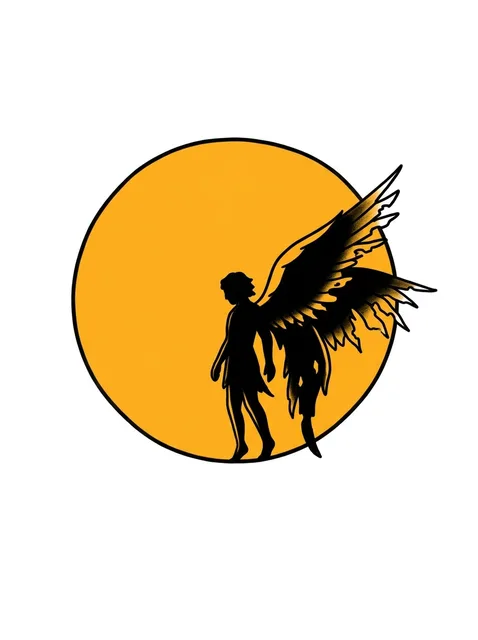
Color neo traditional icarus and angel wings tattoo design Try it on — Color neo traditional icarus and angel wings tattoo design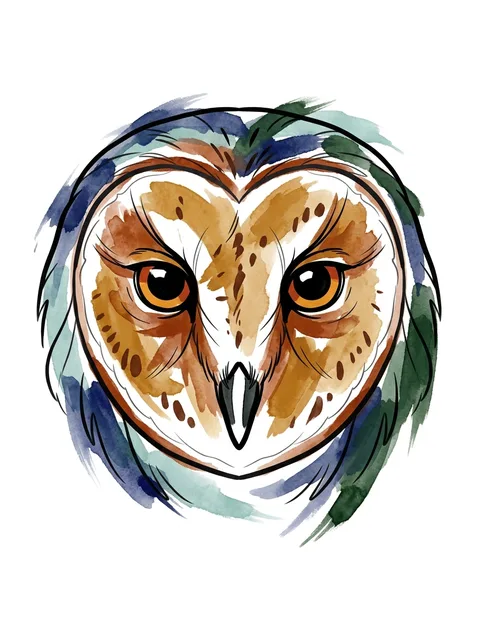
Color watercolor owl tattoo design: the head of an owl Try it on — Color watercolor owl tattoo design: the head of an owl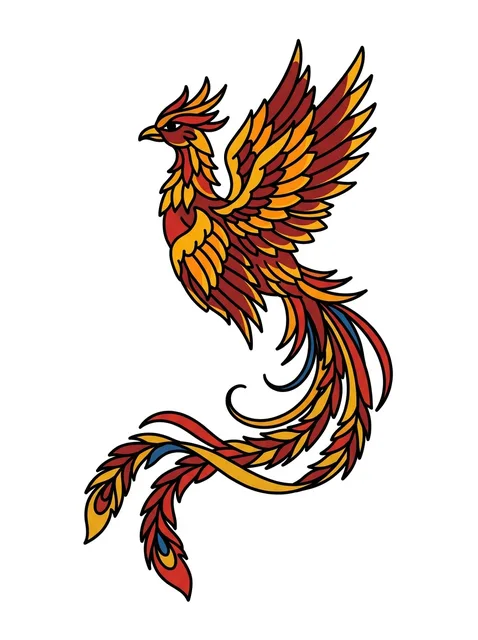
Color neo traditional phoenix tattoo design Try it on — Color neo traditional phoenix tattoo design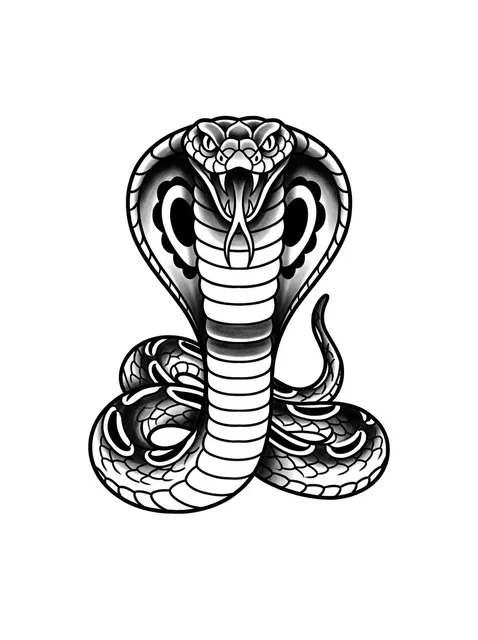
Black and grey traditional snake tattoo design Try it on — Black and grey traditional snake tattoo design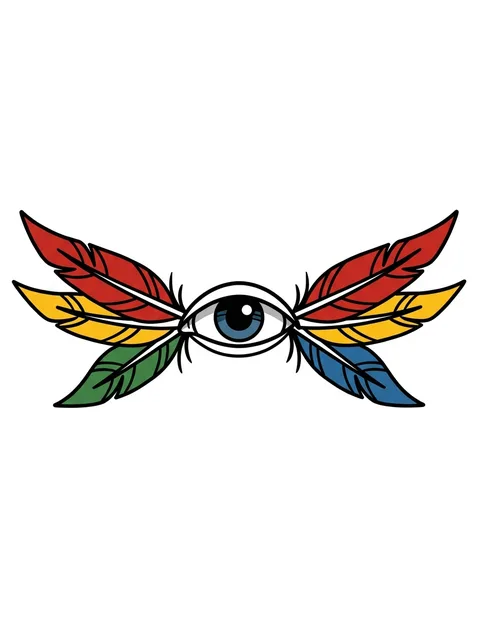
Color traditional eye and feather tattoo design Try it on — Color traditional eye and feather tattoo design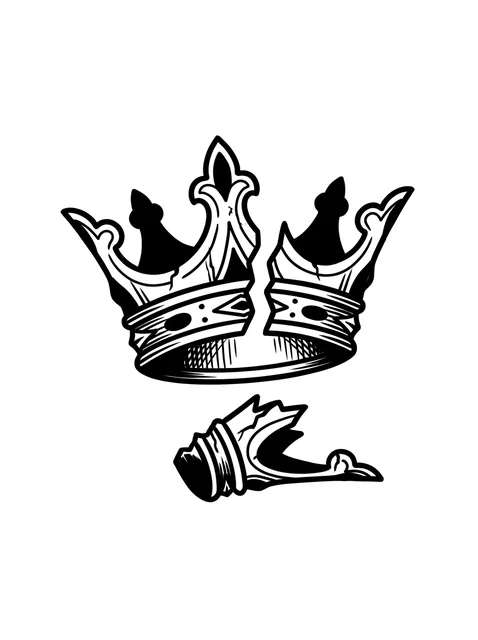
Black and white blackwork crown tattoo design Try it on — Black and white blackwork crown tattoo design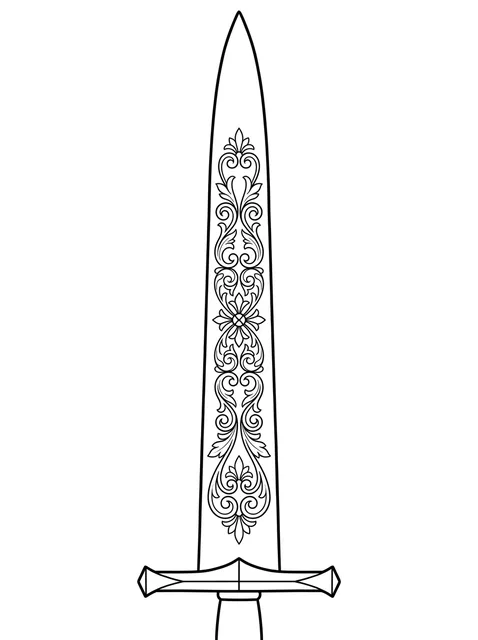
Black and white linework sword and leaf tattoo design, outline stencil: a sword with an ornate blade Try it on — Black and white linework sword and leaf tattoo design, outline stencil: a sword with an ornate blade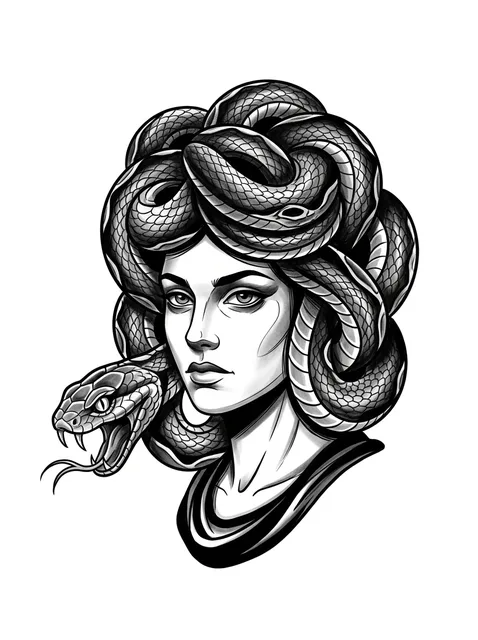
Black and grey neo traditional medusa and snake tattoo design Try it on — Black and grey neo traditional medusa and snake tattoo design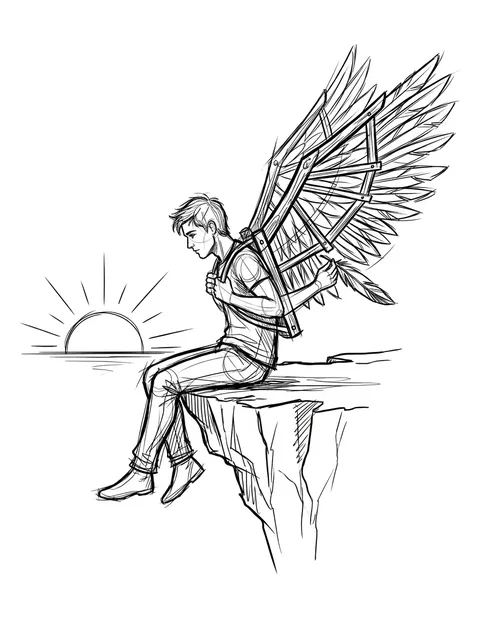
Black and grey illustrative icarus and angel wings tattoo design Try it on — Black and grey illustrative icarus and angel wings tattoo design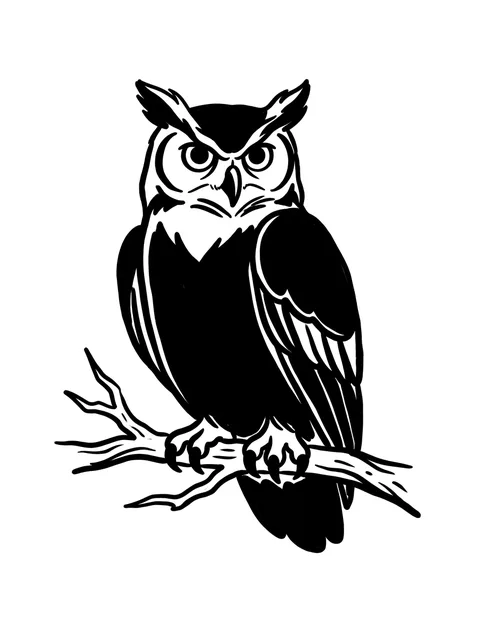
Black and white blackwork owl and bird tattoo design: a majestic owl perched on a branch Try it on — Black and white blackwork owl and bird tattoo design: a majestic owl perched on a branch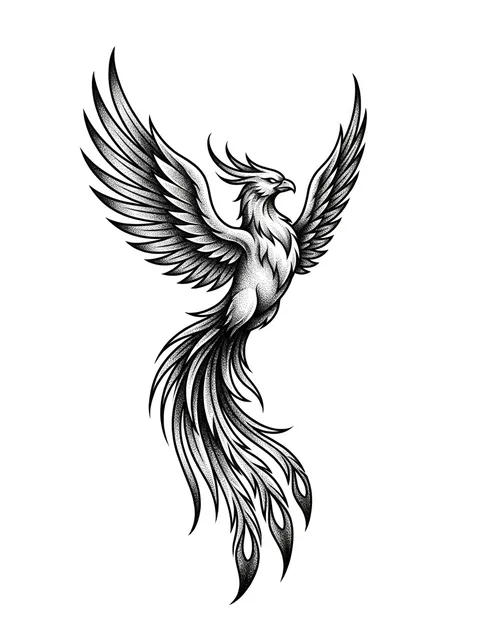
Black and grey dotwork phoenix tattoo design Try it on — Black and grey dotwork phoenix tattoo design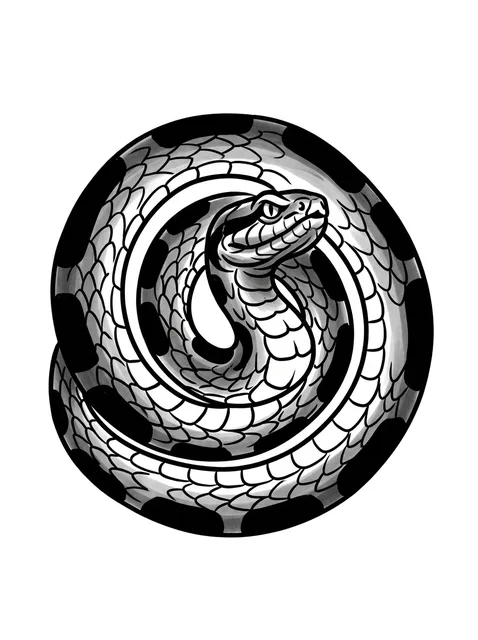
Black and grey traditional snake tattoo design: a coiled snake Try it on — Black and grey traditional snake tattoo design: a coiled snake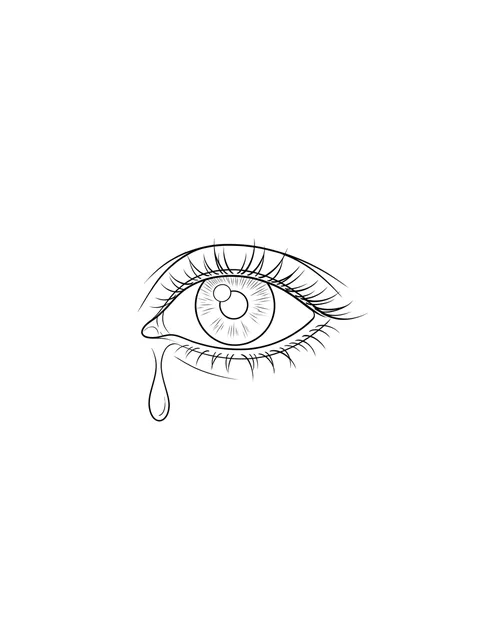
Black and grey illustrative eye tattoo design: a single eye with a tear falling from it Try it on — Black and grey illustrative eye tattoo design: a single eye with a tear falling from it
Black and white blackwork crown tattoo design Try it on — Black and white blackwork crown tattoo design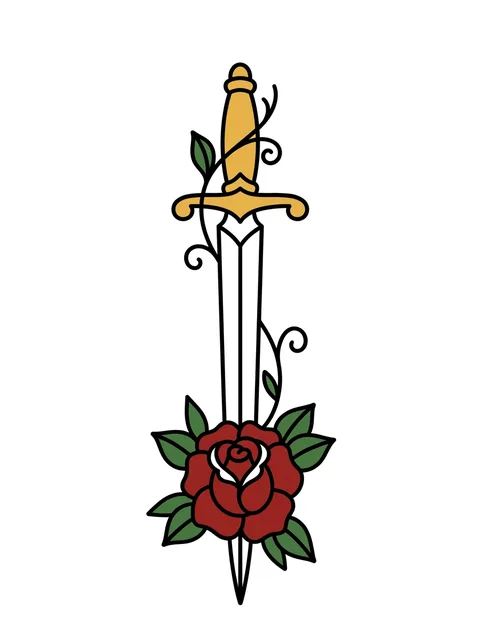
Color traditional sword and dagger tattoo design Try it on — Color traditional sword and dagger tattoo design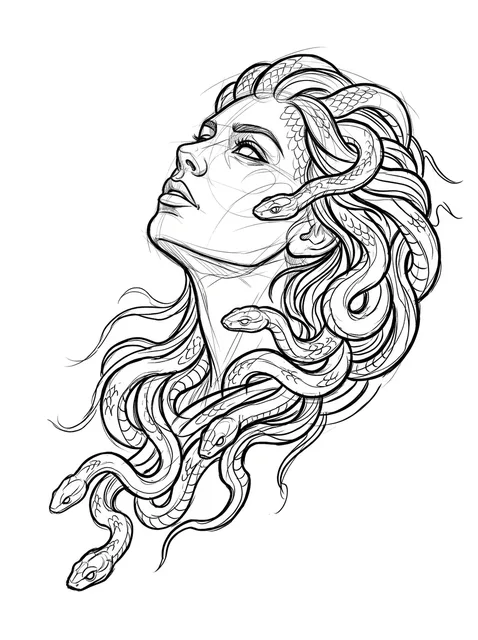
Black and grey illustrative medusa and woman portrait tattoo design Try it on — Black and grey illustrative medusa and woman portrait tattoo design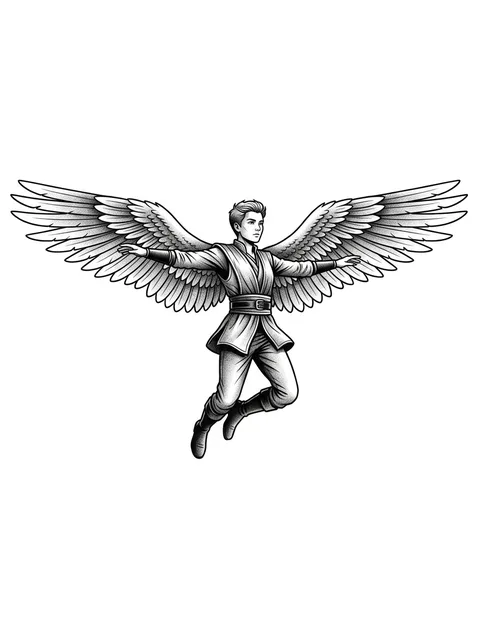
Black and grey illustrative icarus and angel wings tattoo design Try it on — Black and grey illustrative icarus and angel wings tattoo design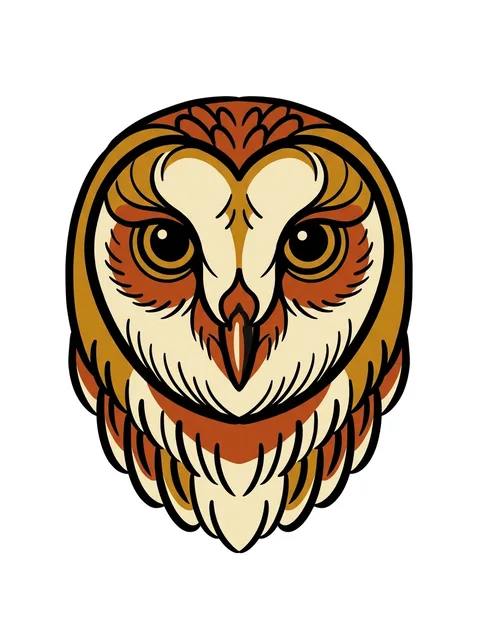
Color traditional owl tattoo design: the head of an owl Try it on — Color traditional owl tattoo design: the head of an owl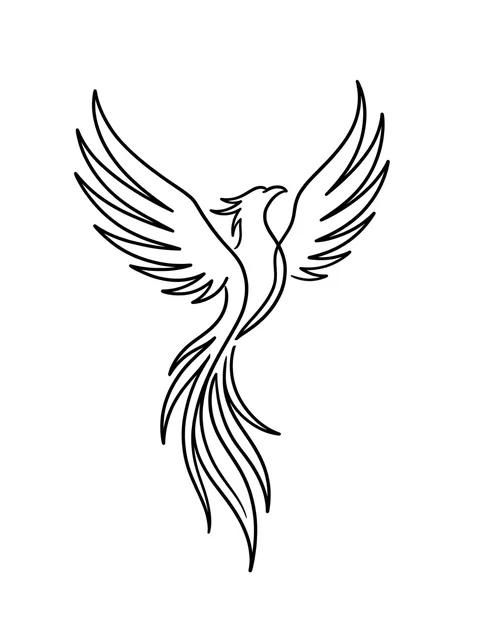
Black and white linework phoenix tattoo design, outline stencil Try it on — Black and white linework phoenix tattoo design, outline stencil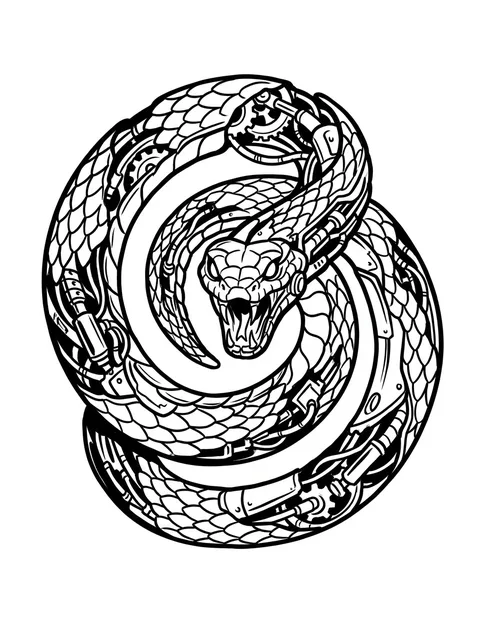
Black and white biomechanical snake and ouroboros tattoo design Try it on — Black and white biomechanical snake and ouroboros tattoo design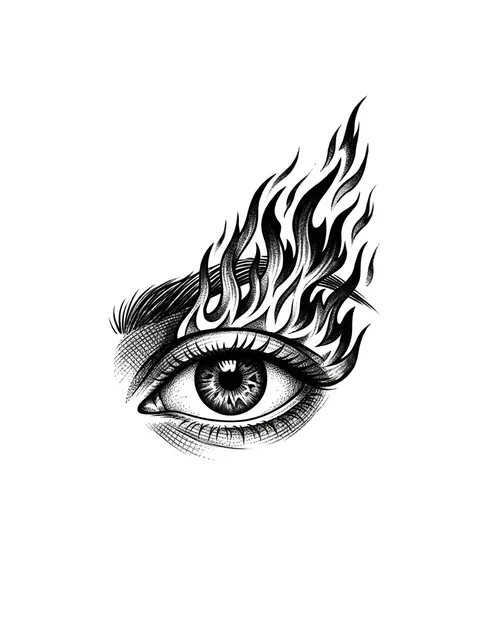
Black and grey illustrative eye and fire tattoo design Try it on — Black and grey illustrative eye and fire tattoo design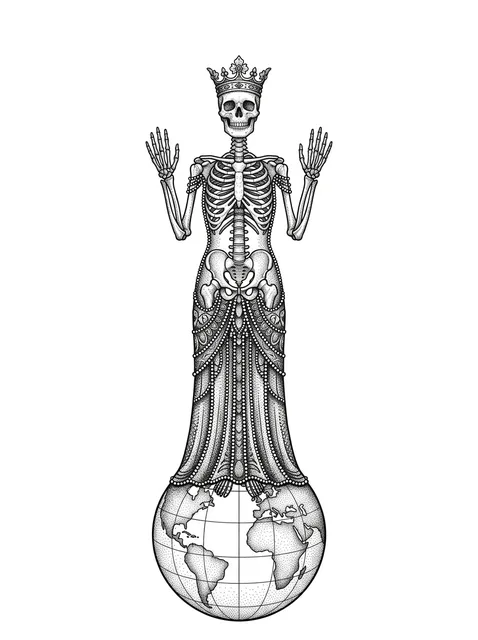
Black and grey dotwork santa muerte and skeleton tattoo design Try it on — Black and grey dotwork santa muerte and skeleton tattoo design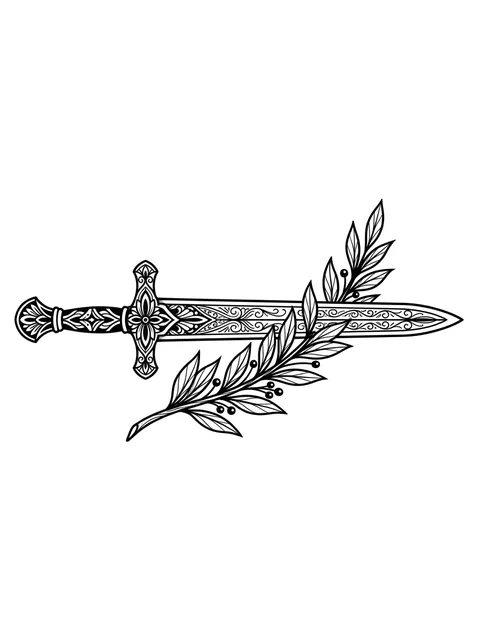
Black and white illustrative sword and leaf tattoo design Try it on — Black and white illustrative sword and leaf tattoo design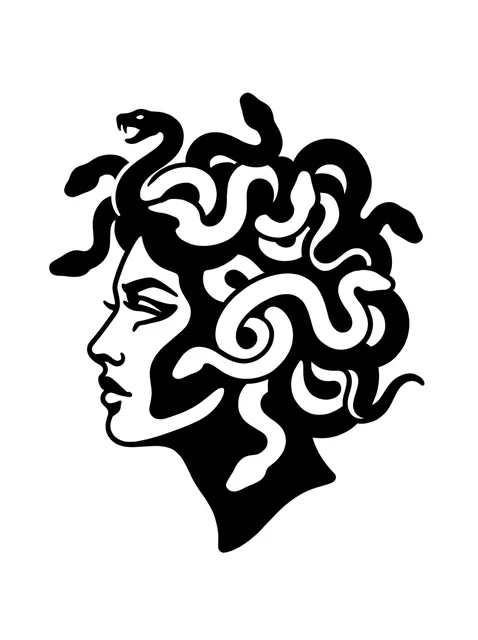
Black and white blackwork medusa and snake tattoo design Try it on — Black and white blackwork medusa and snake tattoo design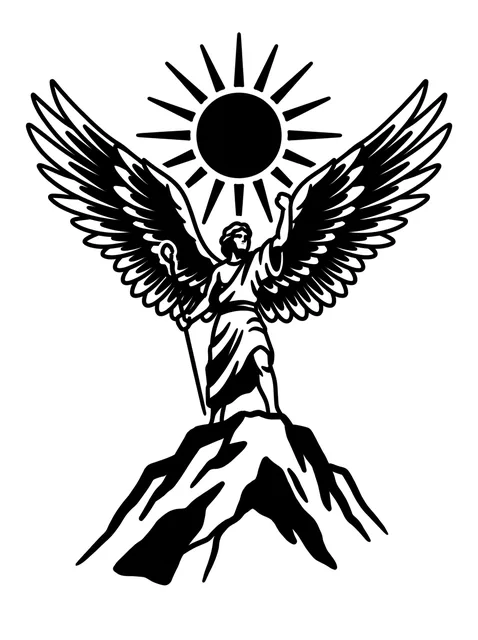
Black and grey traditional icarus and sun tattoo design Try it on — Black and grey traditional icarus and sun tattoo design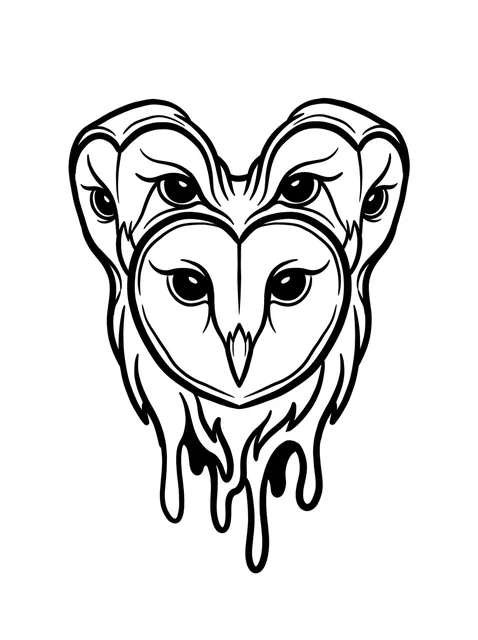
Black and grey illustrative owl and eye tattoo design Try it on — Black and grey illustrative owl and eye tattoo design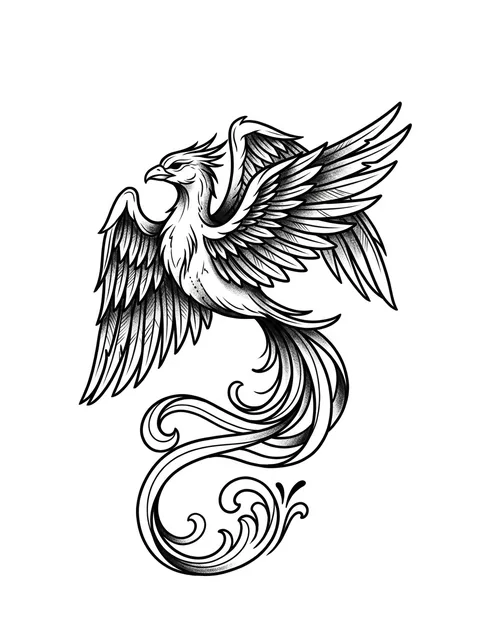
Black and grey illustrative phoenix tattoo design: its wings spread wide Try it on — Black and grey illustrative phoenix tattoo design: its wings spread wide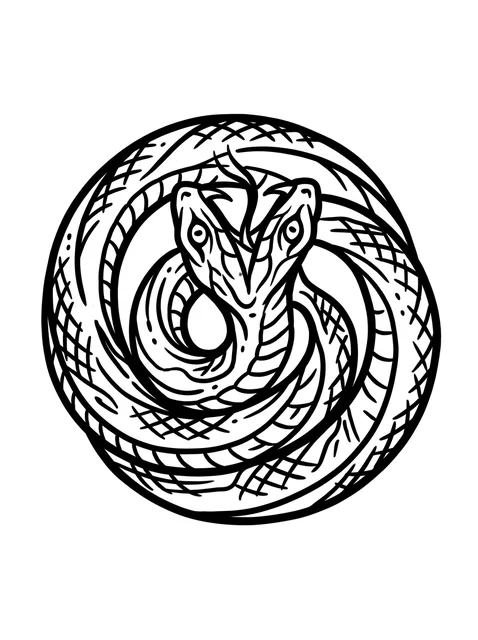
Black and grey traditional snake and ouroboros tattoo design Try it on — Black and grey traditional snake and ouroboros tattoo design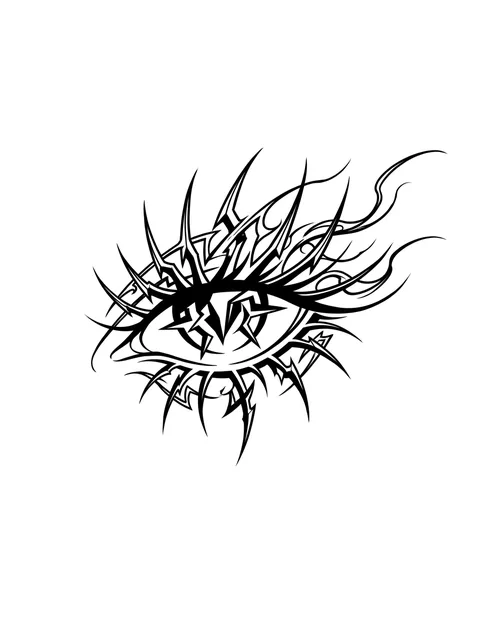
Black and grey cybersigilism eye tattoo design Try it on — Black and grey cybersigilism eye tattoo design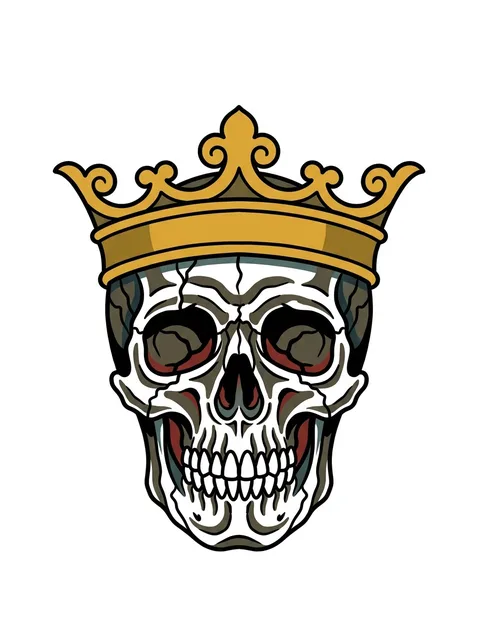
Color traditional skull and crown tattoo design: a detailed skull wearing a golden crown Try it on — Color traditional skull and crown tattoo design: a detailed skull wearing a golden crown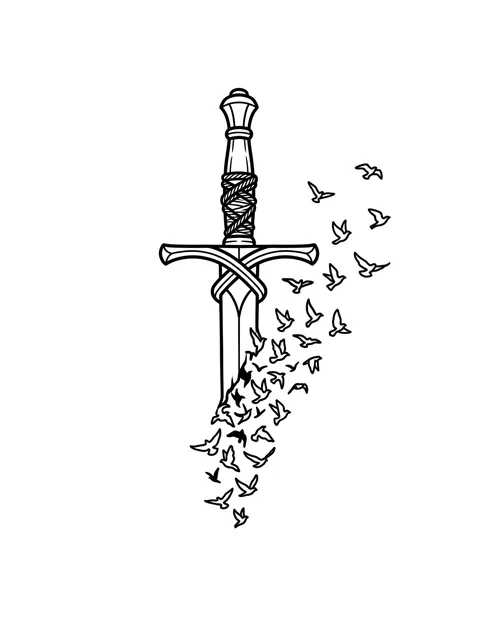
Black and white linework sword and bird tattoo design, outline stencil Try it on — Black and white linework sword and bird tattoo design, outline stencil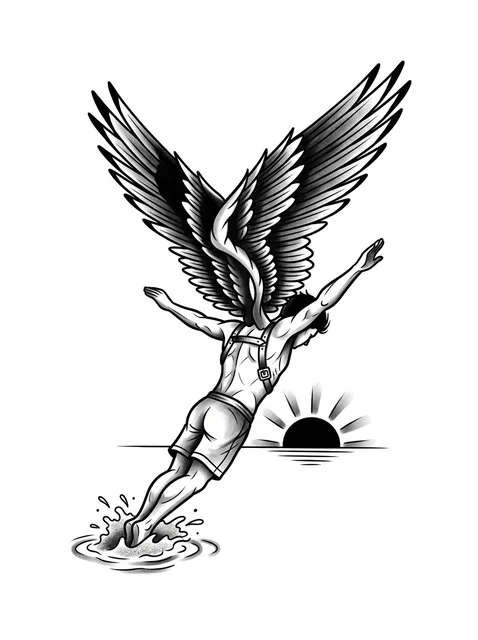
Black and grey neo traditional icarus and angel wings tattoo design Try it on — Black and grey neo traditional icarus and angel wings tattoo design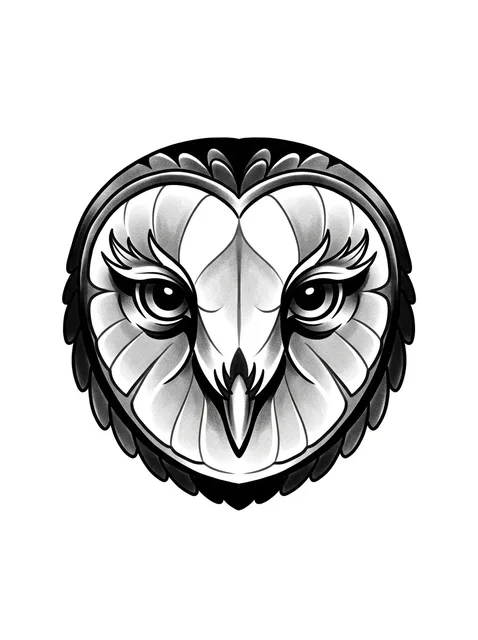
Black and grey neo traditional owl tattoo design: the head of an owl Try it on — Black and grey neo traditional owl tattoo design: the head of an owl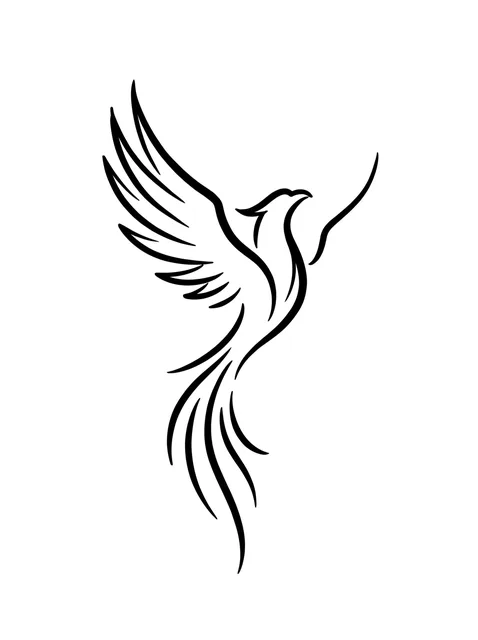
Black and white tribal phoenix tattoo design: a phoenix in flight Try it on — Black and white tribal phoenix tattoo design: a phoenix in flight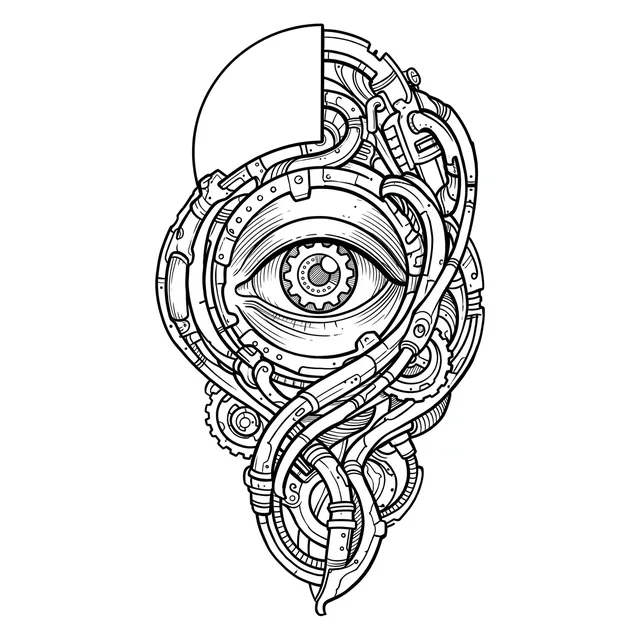
Black and grey biomechanical eye tattoo design Try it on — Black and grey biomechanical eye tattoo design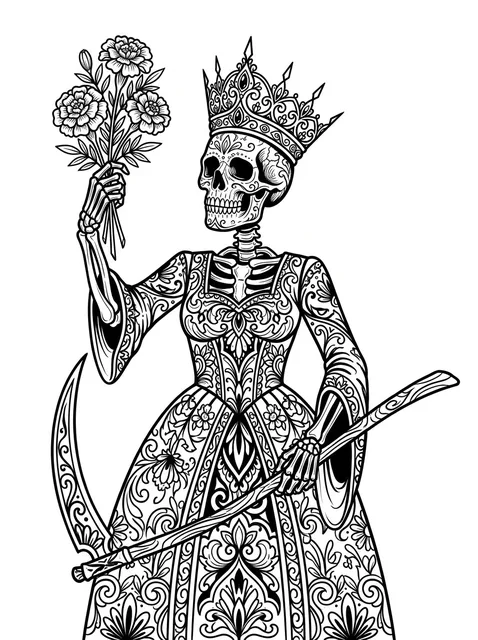
Black and grey illustrative santa muerte and sugar skull tattoo design Try it on — Black and grey illustrative santa muerte and sugar skull tattoo design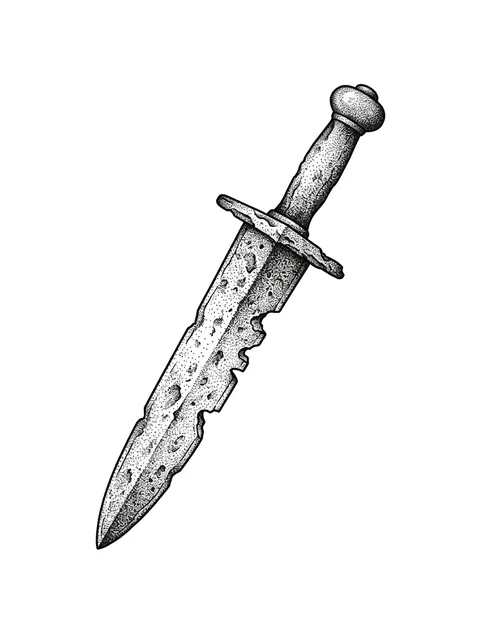
Black and grey dotwork sword and dagger tattoo design: a weathered and ancient-looking dagger Try it on — Black and grey dotwork sword and dagger tattoo design: a weathered and ancient-looking dagger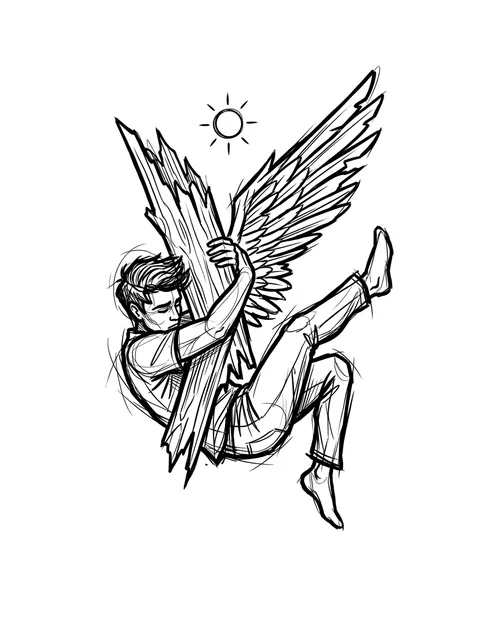
Black and white sketch icarus and angel wings tattoo design Try it on — Black and white sketch icarus and angel wings tattoo design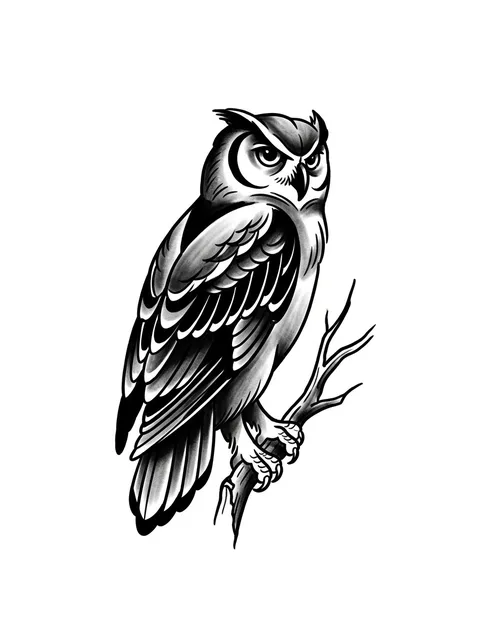
Black and grey traditional owl tattoo design: a stern-looking owl perched on a bare tree branch Try it on — Black and grey traditional owl tattoo design: a stern-looking owl perched on a bare tree branch


40 designs drawn in-house across 8 motifs. Tap any one to place it on a photo of your own skin.
The figures people ask for and what the sources say
Medusa dominates, and the shift in what she means is recent and traceable. The version most people now hold comes from Ovid's Metamorphoses, written around the year 8, in which Poseidon assaults her in Athena's temple and Athena punishes the victim by turning her hair to serpents and her gaze to stone. Hesiod, writing seven centuries earlier, simply has her born a Gorgon with no such story. Which source you are drawing from changes the piece: Ovid's Medusa is grieving and Hesiod's is a monster, and a good artist will ask which one you mean.
Icarus is the second most requested and the most often drawn as a failure. Daedalus warned him against flying too high, where the sun would soften the wax, and equally against flying too low, where the sea spray would sodden the feathers — the instruction was to hold the middle. Worn as a tribute to ambition the image is honest; worn as a warning it is also honest; but the version drawn falling with the wings already gone can only be read the second way, and most people asking for it mean the first.
Athena's owl is the outlier in this group because it is a real object before it is a myth. The little owl appears on the Athenian tetradrachm from around 510 BC, a coin so widely circulated that the bird became shorthand for the city itself and, by extension, for the goddess and for wisdom. Nobody invented that association; commerce did.
Drawing them so they are recognisable
Every figure here has one feature doing all the identification, and a version that loses it becomes generic. Medusa needs individually drawn serpents with their own heads and directions, not a mass of coiled shapes. Icarus needs the harness and the straps, because wings that grow from the back are an angel and wings that are strapped on are him. The owl needs the short, round, flat-faced build of the little owl rather than a great horned owl, which is a North American bird and a different picture entirely.
Scale is the other trap. These are figurative subjects with faces, and faces are the part of a tattoo that changes most as ink spreads across twenty years. A Medusa at 10 cm is a Medusa on the day and an ambiguous woman later; the same drawing at 20 cm still holds its expression. If the budget only allows the smaller version, choose a figure identified by silhouette — the owl, the serpent, the laurel — rather than one identified by a face.
Common questions
- What does a Medusa tattoo mean now?
- Most often survival of assault, and the reading has a source. Ovid's version has her attacked in Athena's temple and punished for it, which is why the image has been reclaimed over the last decade. Hesiod's much older account simply has her born a monster, so it is worth telling your artist which version you mean.
- Is an Icarus tattoo about failure or ambition?
- Either, and the pose decides it. Drawn falling with the wings gone it can only read as a warning. Drawn in flight with the harness intact and the sun above, it reads as the ambition itself — which is what most people asking for it actually mean.
- Which snake symbol means medicine?
- One snake on a plain staff, the rod of Asclepius. Two snakes on a winged staff is the caduceus, which belongs to Hermes and means commerce, messengers and, unhelpfully, thieves. The two are confused constantly, including by hospitals, and it is a one-snake difference.
- Do I need to know the myth to wear the tattoo?
- You will be asked, which is answer enough. These images invite the question in a way a flower does not, and the interesting part is usually that the original story disagrees with the popular reading. Knowing which version you are wearing is most of the pleasure of owning one.
See it on your own skin first
InkCraft places a design on a photo of you — scaled, wrapped and shaded to the spot you pick, so you can judge how it reads on your body before it is permanent.