 InkCraft
American Flag Tattoo Ideas, Designs and Meaning
22 original american flag designs drawn for InkCraftBy Uladzimir TumanauUpdated
The flag is worn for a country, for service or for one death, and what is drawn beside it tells people which. Under about 8 cm fifty stars close into a blur, so the minimalist and linework flags here draw the canton as dots or a few outlines.
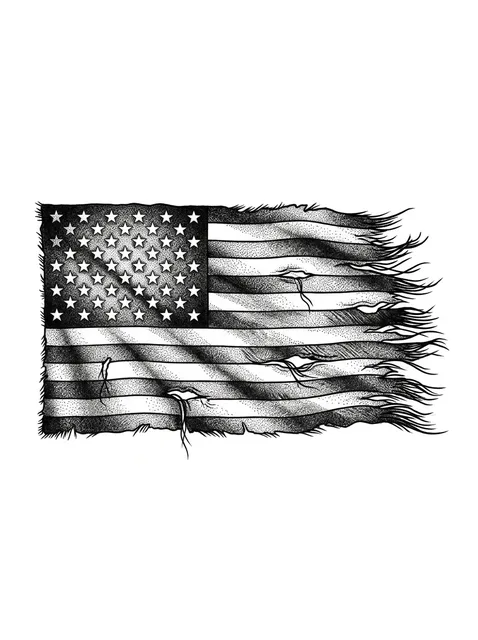
Black and grey dotwork american flag tattoo design (1 of 2) Try it on — Black and grey dotwork american flag tattoo design (1 of 2)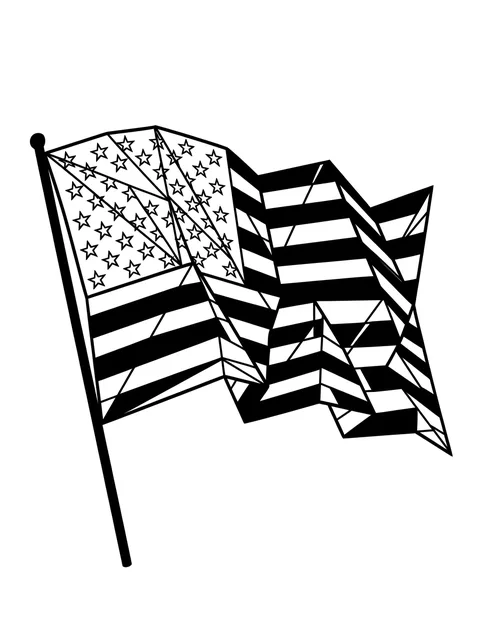
Black and white geometric american flag tattoo design, outline stencil Try it on — Black and white geometric american flag tattoo design, outline stencil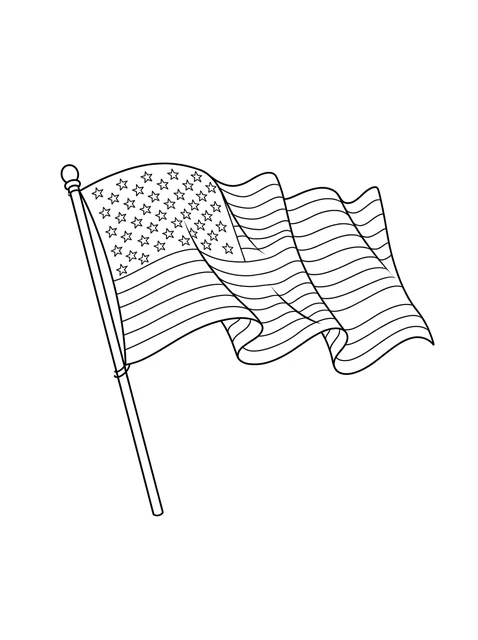
Black and white fine line american flag tattoo design, outline stencil Try it on — Black and white fine line american flag tattoo design, outline stencil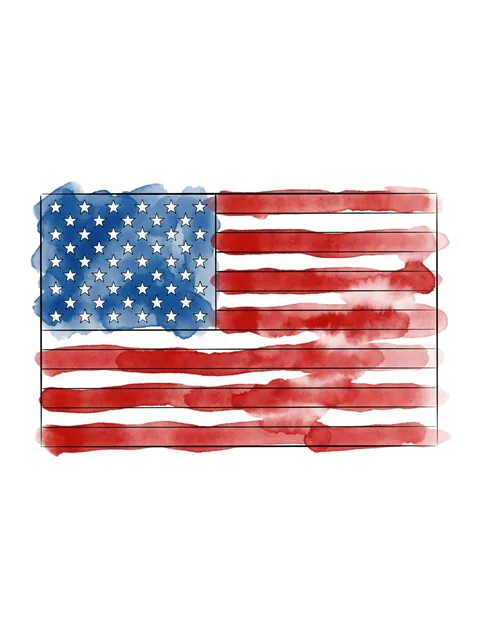
Color watercolor american flag tattoo design Try it on — Color watercolor american flag tattoo design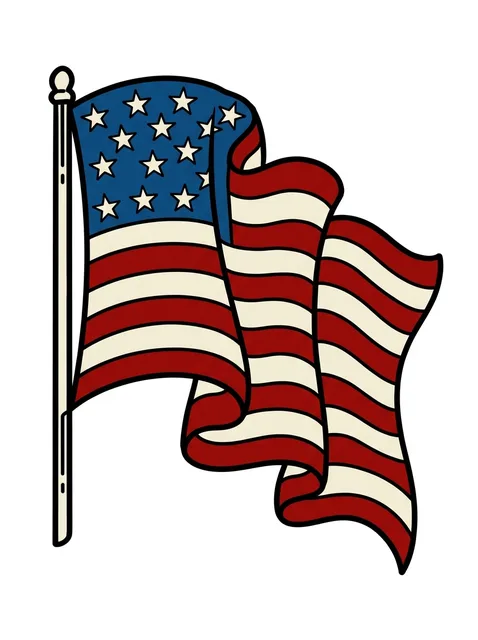
Color traditional american flag tattoo design (1 of 2) Try it on — Color traditional american flag tattoo design (1 of 2)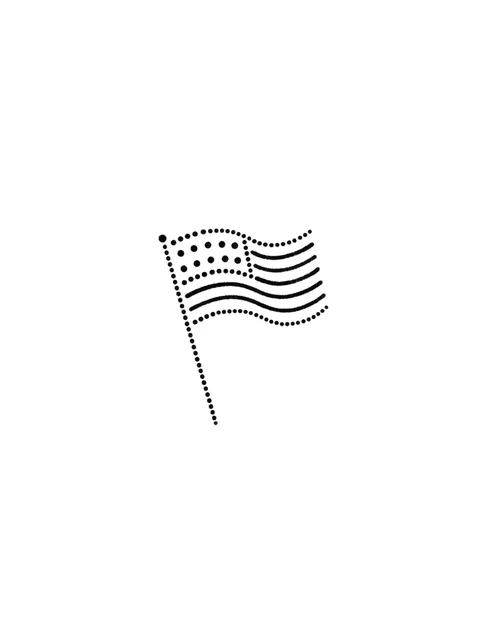
Black and white minimalist american flag tattoo design, outline stencil Try it on — Black and white minimalist american flag tattoo design, outline stencil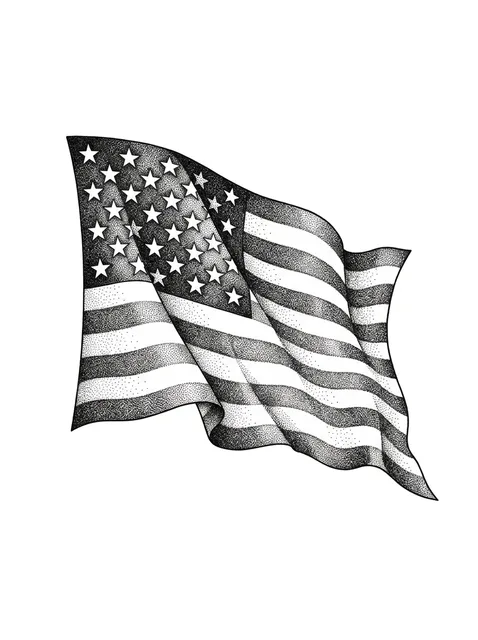
Black and grey dotwork american flag tattoo design (2 of 2) Try it on — Black and grey dotwork american flag tattoo design (2 of 2)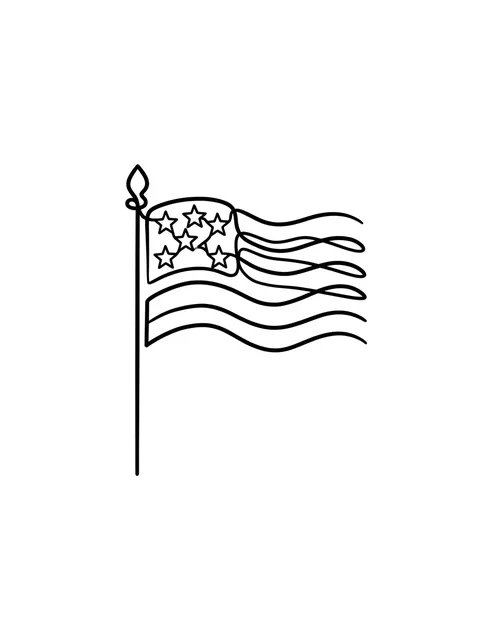
Black and white linework american flag tattoo design, outline stencil Try it on — Black and white linework american flag tattoo design, outline stencil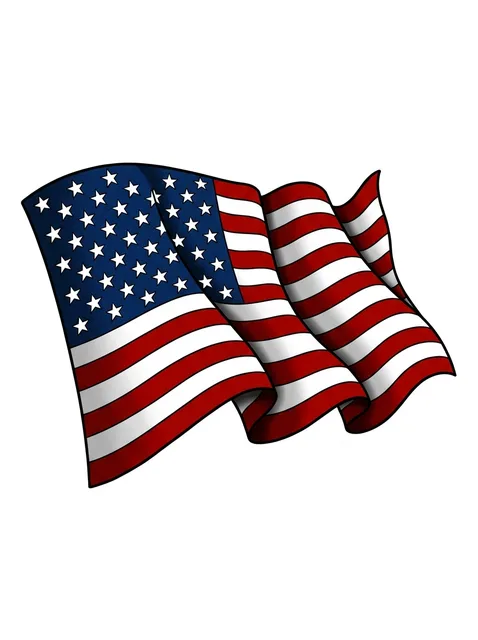
Color illustrative american flag tattoo design: a black outline, in full colour Try it on — Color illustrative american flag tattoo design: a black outline, in full colour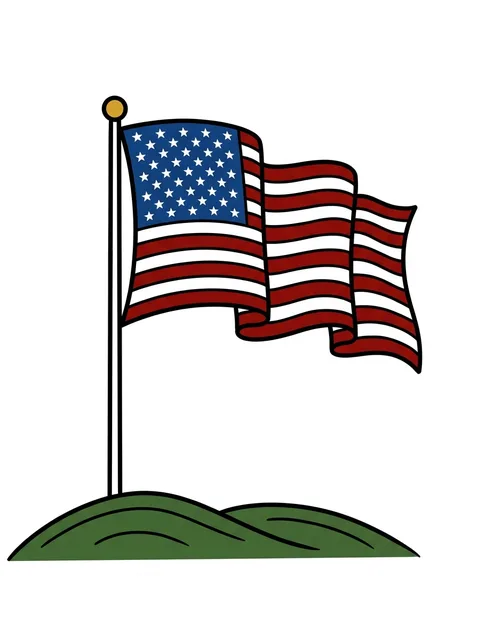
Color traditional american flag tattoo design (2 of 2) Try it on — Color traditional american flag tattoo design (2 of 2)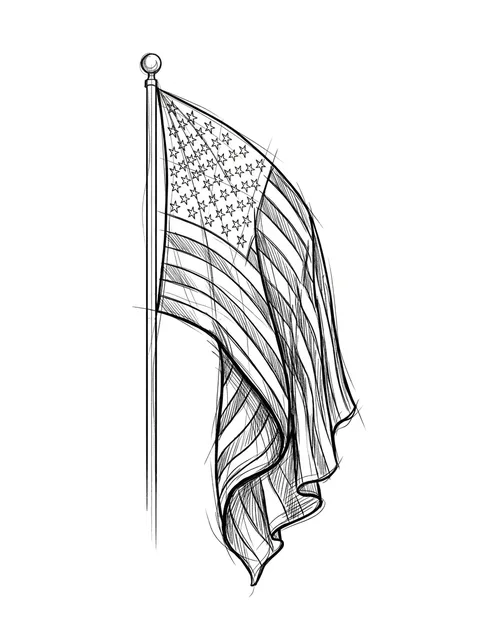
Black and grey sketch american flag tattoo design Try it on — Black and grey sketch american flag tattoo design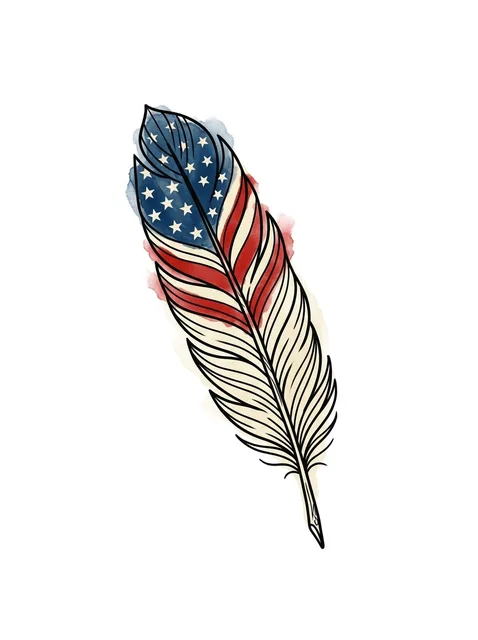
Color watercolor american flag and feather tattoo design Try it on — Color watercolor american flag and feather tattoo design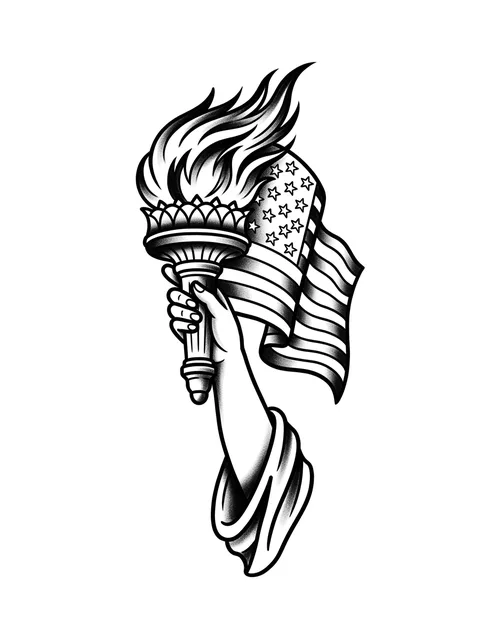
Black and grey traditional american flag and torch tattoo design Try it on — Black and grey traditional american flag and torch tattoo design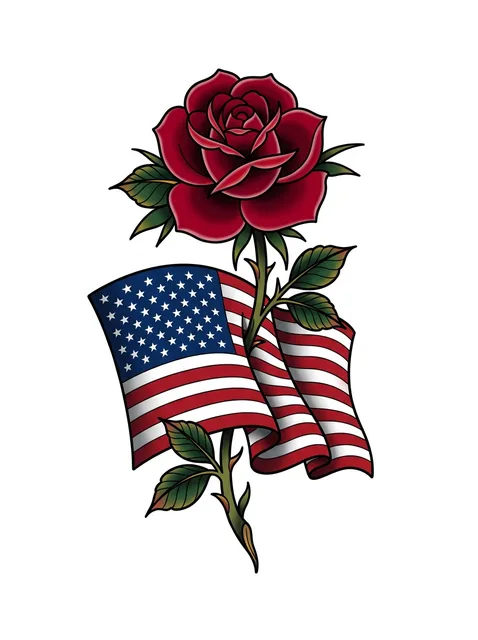
Color traditional american flag and rose tattoo design Try it on — Color traditional american flag and rose tattoo design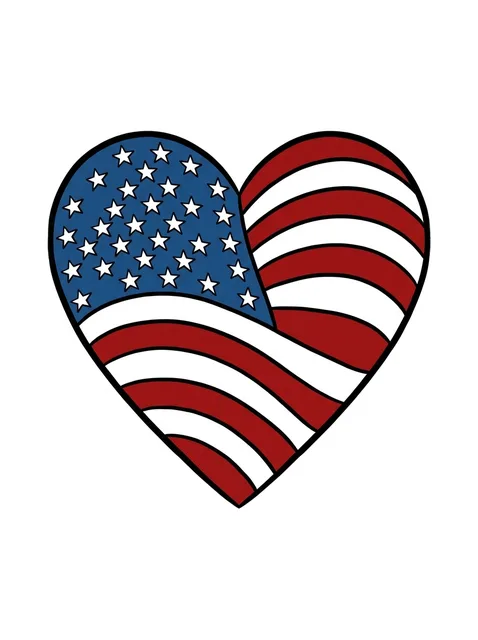
Color traditional american flag and heart tattoo design Try it on — Color traditional american flag and heart tattoo design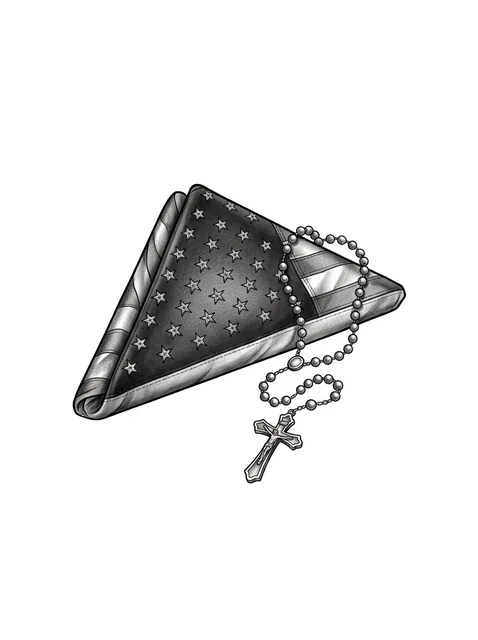
Black and grey realism american flag and rosary tattoo design Try it on — Black and grey realism american flag and rosary tattoo design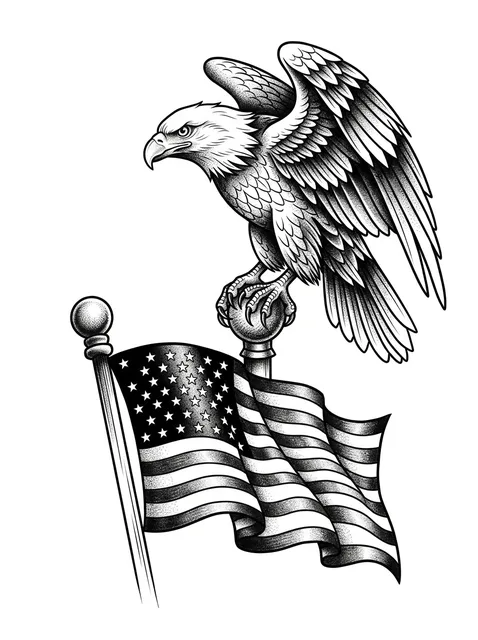
Black and grey illustrative american flag and eagle tattoo design Try it on — Black and grey illustrative american flag and eagle tattoo design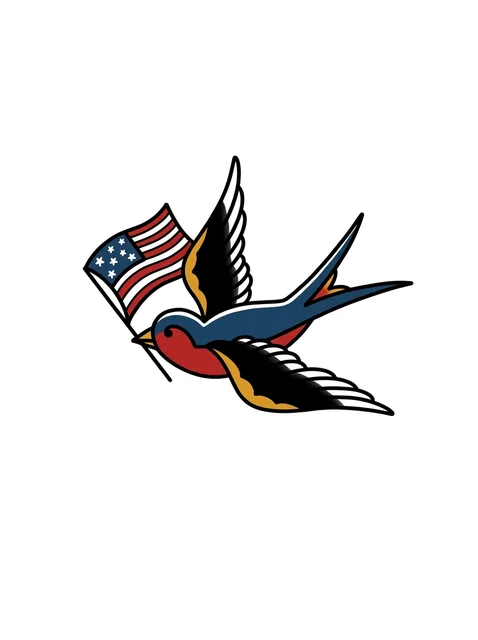
Color traditional american flag and swallow tattoo design: a swallow in flight, the bird Try it on — Color traditional american flag and swallow tattoo design: a swallow in flight, the bird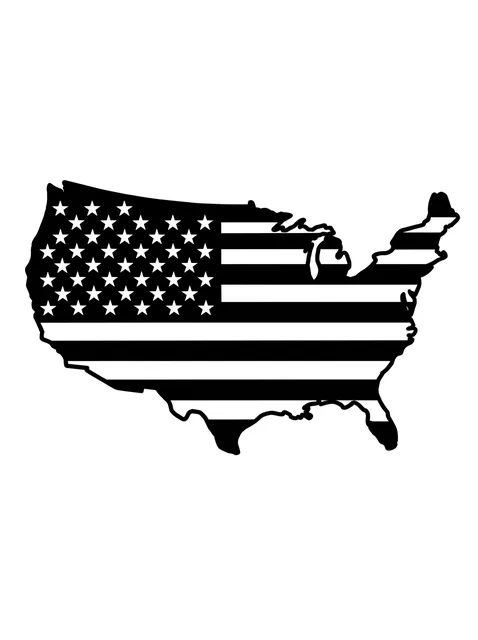
Black and white blackwork american flag and usa map tattoo design Try it on — Black and white blackwork american flag and usa map tattoo design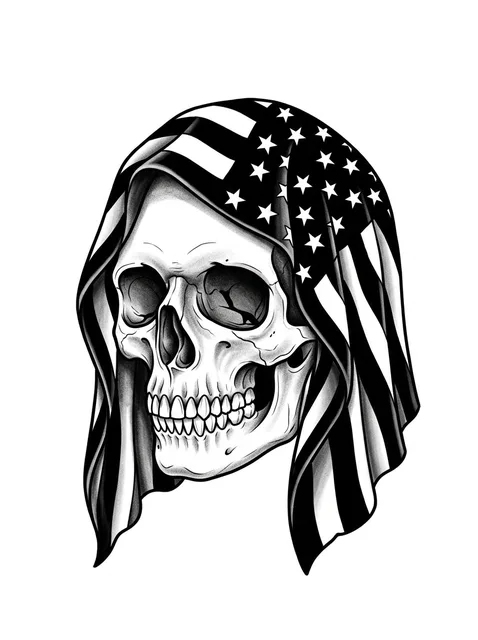
Black and white blackwork american flag and skull tattoo design Try it on — Black and white blackwork american flag and skull tattoo design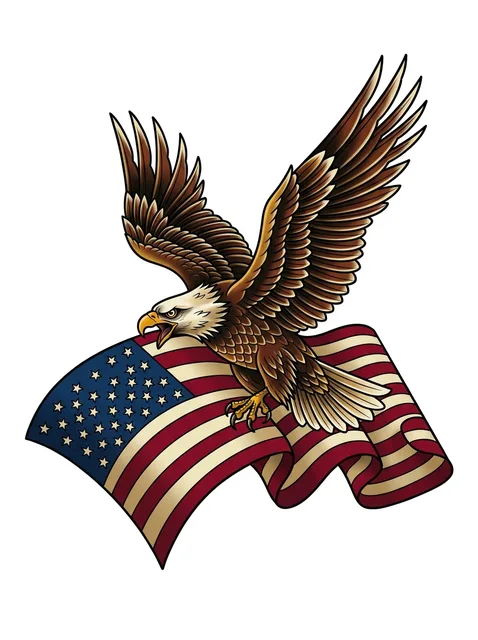
Color neo traditional american flag and eagle tattoo design Try it on — Color neo traditional american flag and eagle tattoo design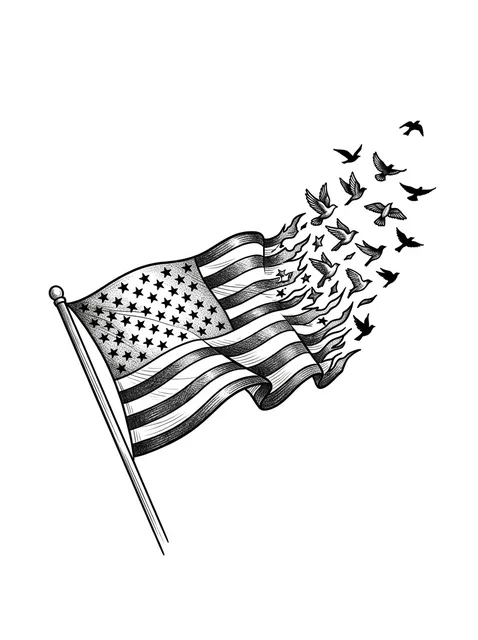
Black and grey illustrative american flag and bird tattoo design Try it on — Black and grey illustrative american flag and bird tattoo design


Tap any design to see it on your own skin in the try-on — no signup.
This set of 22 american flag designs, by the numbers
- Styles represented
- traditional (6), illustrative (3), dotwork (2), watercolor (2), blackwork (2), geometric (1)
- Black-and-grey vs colour
- 59% black-and-grey, 41% colour
- Most often drawn with
- eagle, feather, torch, rose
Counted from the 22 designs shown on this page. Every one was drawn for InkCraft — none are scraped or reposted. Free to reference with a link to this page.
What a american flag tattoo means
A flag tattoo is worn for one of three things, and this page holds all of them. The first is the country: pride, a birthplace, or a citizenship taken on later, which is what the Statue of Liberty's torch with the flag behind it tends to say. The second is service, in the forces, the police or a fire department, which is why so many of these flags come with an eagle. The third is a death, and for that the flag is folded.
The design carries its own arithmetic. Thirteen stripes, seven red and six white, stand for the colonies that declared independence; the stars stand for the states, and the resolution the Continental Congress passed on 14 June 1777 called them a new constellation. No colour was given a meaning then. The usual reading comes from Charles Thomson's 1782 notes on the Great Seal: white for purity and innocence, red for hardiness and valour, blue for vigilance, perseverance and justice.
The folded triangle is the memorial reading, and it is exact. At a military funeral the flag from the coffin is folded thirteen times until only the blue field and its stars show, then handed to the next of kin. The triangle is often said to recall the tricorn hats of the Revolution, and the meanings read out for each fold are a tradition rather than any official text. The realism flag on this page has a rosary and crucifix looped over one corner, a Catholic family's version of the same goodbye.
Condition changes the message. Crisp on a pole, the flag is ceremony. Frayed and torn, like the stippled flag here, it has come through something; the flag that flew over Fort McHenry in 1814, the one Francis Scott Key wrote about, is kept at the Smithsonian with pieces missing, snipped off as keepsakes. Draped over a skull it is a death in service, and a flag whose free end breaks into a flock of birds is letting go.
Where the design comes from
Stars were added as states joined, and there have been twenty-seven versions; the fifty-star flag has flown since 4 July 1960, the year after Hawaii became a state. Sailors wore it early: the protection certificates issued to American seamen from 1796 listed their tattoos as identifying marks, flags and eagles among them. The Statue of Liberty, whose torch appears here, was dedicated in 1886 and had that torch replaced in 1986. By the Second World War the flag was a fixture of American flash, carried by swallows and eagles on the sheets sailors chose from in Honolulu.
Choosing yours
- Decide which way it flies. A veteran may want the Army's right-sleeve version, stars forward, on a right arm; ask for it on purpose, because a mirrored stencil does the same by accident, and one flipped top to bottom puts the union down, which the Flag Code keeps for a signal of dire distress.
- Fifty filled stars in a canton under about 4 cm run together as the ink spreads, and thirteen thin stripes merge. The minimalist and linework flags here draw the canton as dots or a few outlines instead, and still read at once.
- Red is the pigment most often behind tattoo allergies; if you have reacted to it before, a black and grey flag avoids it.
Size, cost and placement
How big, and what it costs
A flag on a stick or a single-line flag at 4 to 6 cm is shop-minimum work. A full waving flag in colour wants 12 to 15 cm so the canton can hold its stars, and two to three hours; the realism folded triangle, or an eagle in front of the flag, is 15 to 20 cm and half a day or more.
Where it sits, and how much it hurts
A waving flag is wide, so it suits the outer forearm, the upper arm or a line across the chest; a flag on a tall pole fits the calf. The folded triangle sits over the heart or on the inner forearm. The sternum is sharp; the outer arm and calf are easy.
What to ask your artist
- Which way the stars face on your arm, and that the stencil is not flipped.
- How many stars they will draw at your size, and whether dots or outlines hold better.
- For a memorial, where the name and dates sit so the triangle stays clear.
Prices vary widely by city and artist — treat these as session lengths rather than quotes, and expect a shop minimum on anything small. The cost guide turns hours into money by size, placement and style.
Common questions
Does the US Flag Code forbid a flag tattoo?
No. Section 8 of Title 4 says the flag should not be worn as clothing or have anything marked on it, but it never mentions tattoos, and Congress adopted it in 1942 as guidance with no penalty attached. Its spirit is still a fair guide to drawing the flag with care.
Why do some flag tattoos have the stars on the right?
They copy the reversed flag on the right shoulder of US Army uniforms, star field forward so the flag seems to move ahead with the wearer. On a right arm that is correct; elsewhere it may look like a mirrored stencil.
What should go with a folded memorial flag?
Usually a name, dates and the branch of service, sometimes dog tags or a rosary, as on the realism design here. Keep the lettering outside the triangle, since the star field is the part everyone recognises.
Is a black and grey flag disrespectful?
No. The US military wears subdued flag patches on its own field uniforms. More than half the flags on this page are black and grey, from fine line and dotwork to the solid blackwork map.
See it on your skin before you commit
InkCraft places any of these designs on a photo of you — scaled, wrapped and shaded to the placement you pick.