 InkCraft
Western Tattoo Ideas: Cowboy, Desert and Rodeo
22 original western designs drawn for InkCraftBy Uladzimir TumanauUpdated
Much of a cowboy's gear came north from Mexico with the vaquero, and so did its names: lariat, lasso, rodeo and corral are Spanish. Tooled leather on a saddle, holster or spur needs about 10 cm to stay open, so single objects suit the forearm better than the wrist.
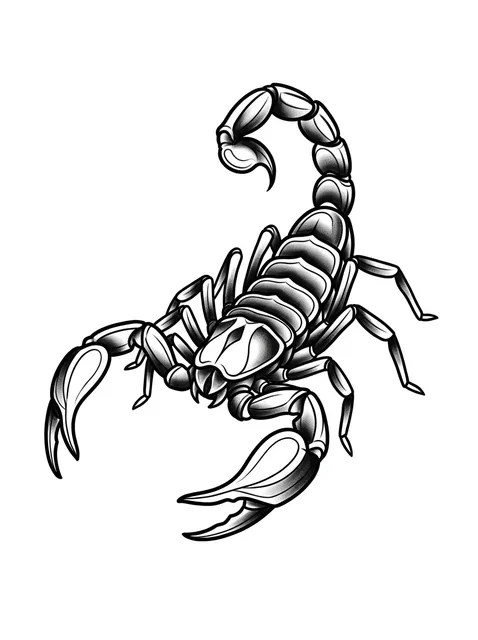
Black and grey illustrative western and scorpion tattoo design Try it on — Black and grey illustrative western and scorpion tattoo design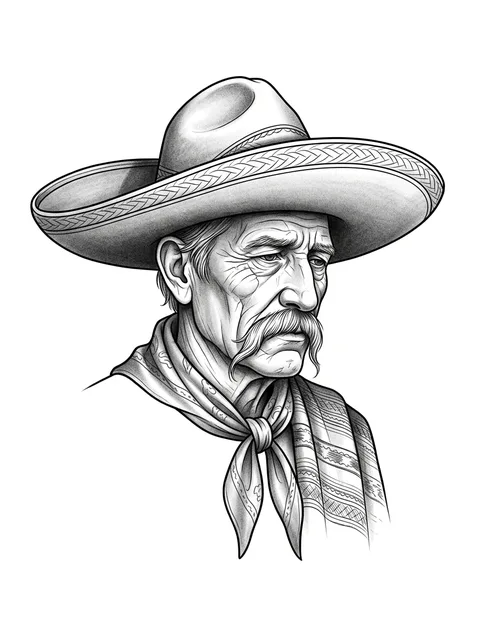
Black and grey realism western and cowboy tattoo design Try it on — Black and grey realism western and cowboy tattoo design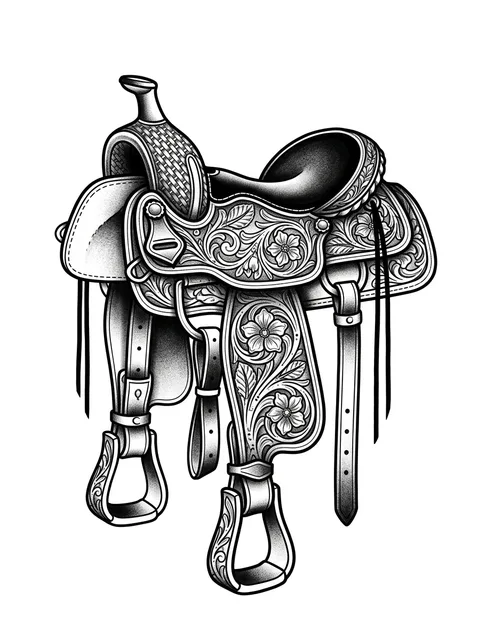
Black and grey illustrative western and saddle tattoo design Try it on — Black and grey illustrative western and saddle tattoo design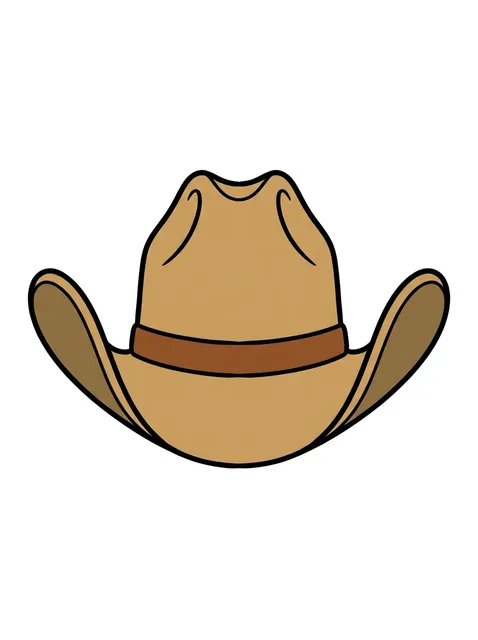
Color illustrative western and cowboy hat tattoo design Try it on — Color illustrative western and cowboy hat tattoo design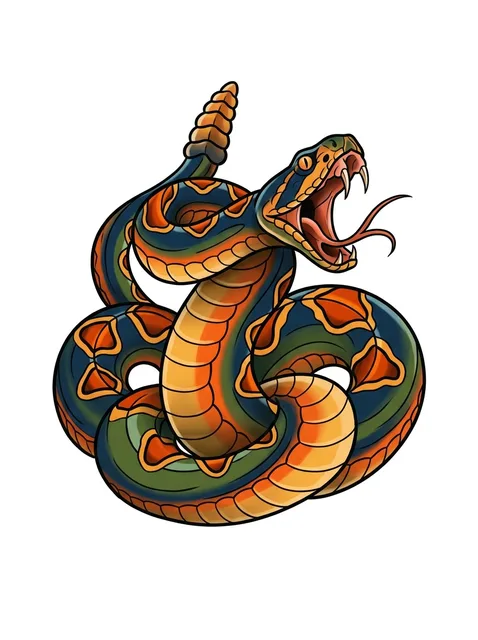
Color neo traditional western and snake tattoo design Try it on — Color neo traditional western and snake tattoo design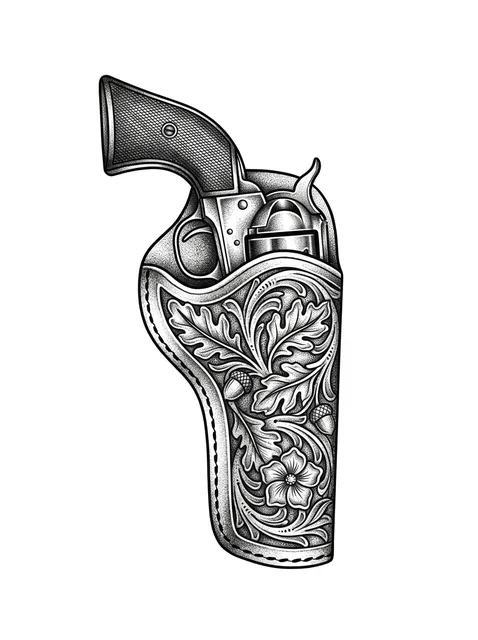
Black and grey illustrative western and gun tattoo design Try it on — Black and grey illustrative western and gun tattoo design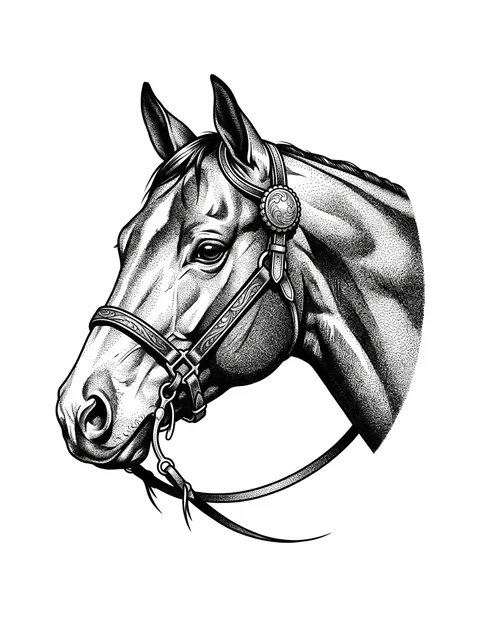
Black and grey illustrative western and horse tattoo design Try it on — Black and grey illustrative western and horse tattoo design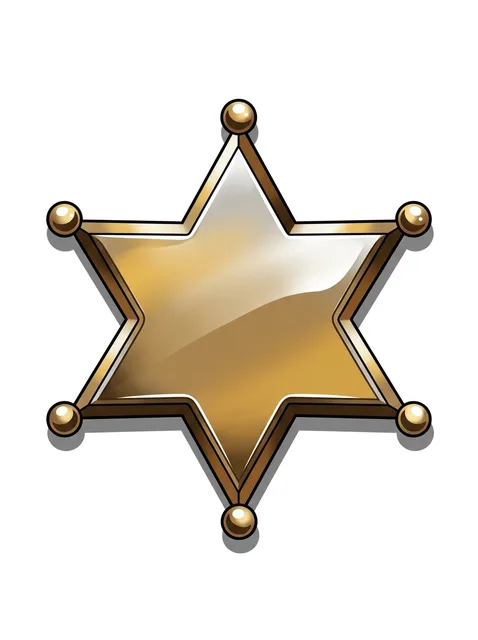
Color realism western and sheriff badge tattoo design Try it on — Color realism western and sheriff badge tattoo design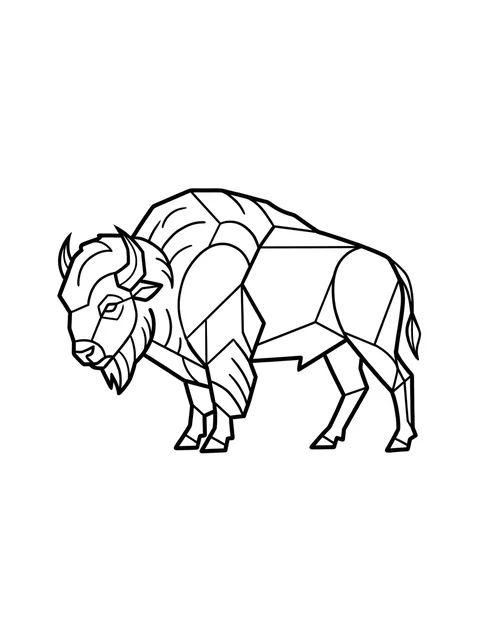
Black and white geometric western and bison tattoo design, outline stencil Try it on — Black and white geometric western and bison tattoo design, outline stencil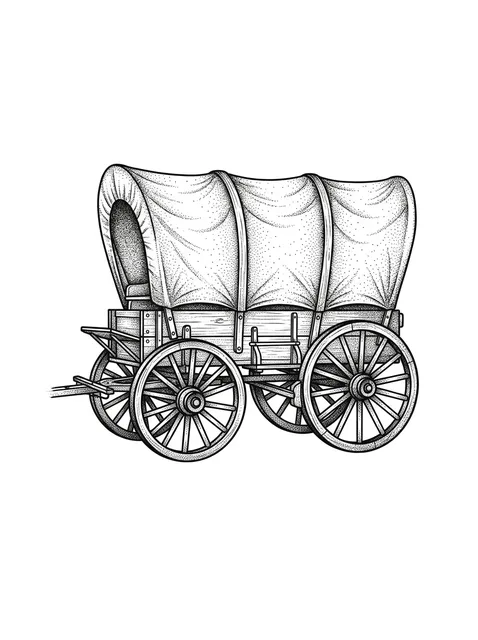
Black and grey illustrative western and covered wagon tattoo design Try it on — Black and grey illustrative western and covered wagon tattoo design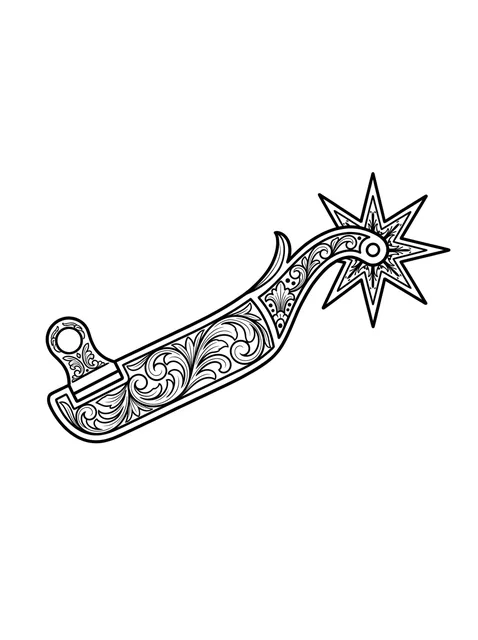
Black and white fine line western and spur tattoo design, outline stencil Try it on — Black and white fine line western and spur tattoo design, outline stencil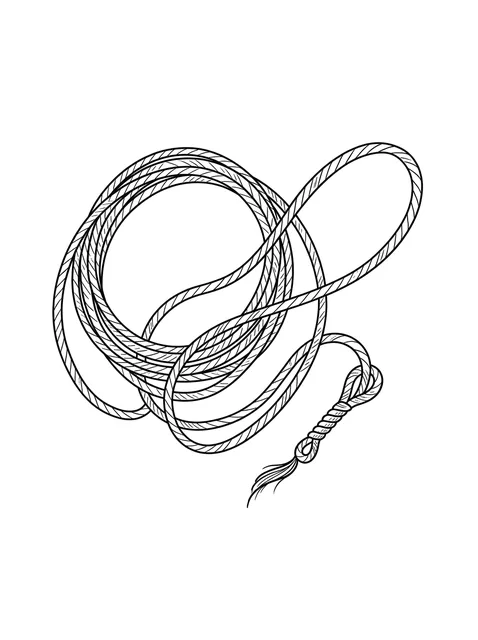
Black and white fine line western and lasso tattoo design, outline stencil Try it on — Black and white fine line western and lasso tattoo design, outline stencil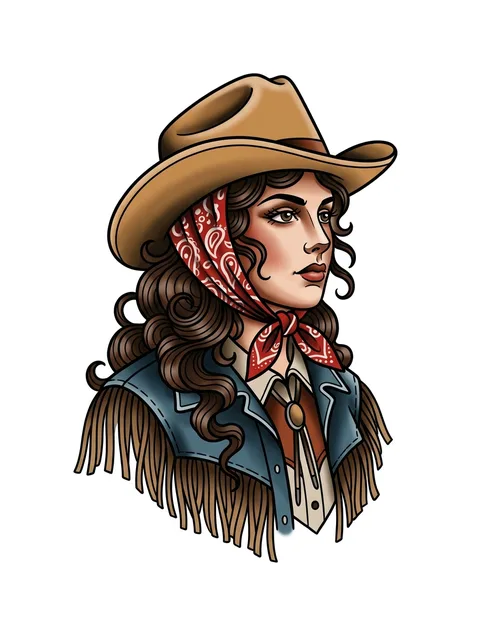
Color neo traditional western and woman portrait tattoo design Try it on — Color neo traditional western and woman portrait tattoo design
Black and white minimalist western and fire tattoo design, outline stencil: two crossed logs Try it on — Black and white minimalist western and fire tattoo design, outline stencil: two crossed logs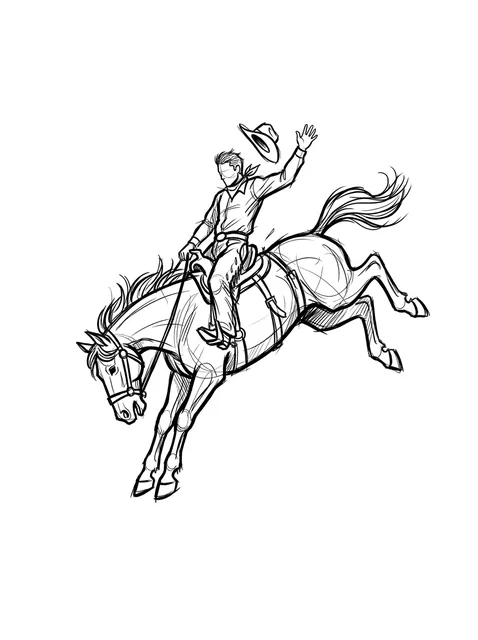
Black and grey sketch western and horse tattoo design Try it on — Black and grey sketch western and horse tattoo design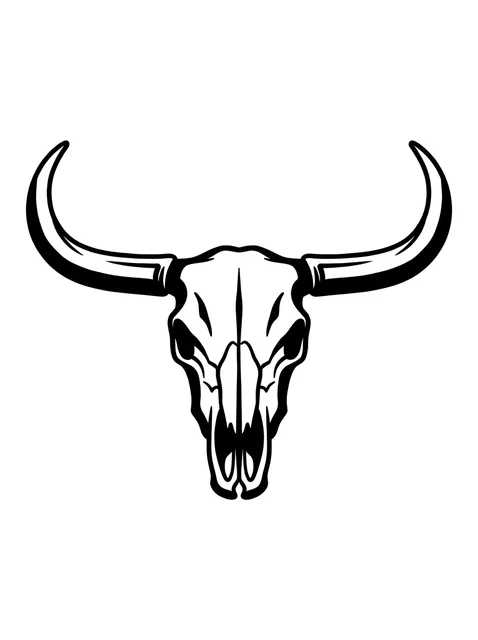
Black and white blackwork western and bull tattoo design Try it on — Black and white blackwork western and bull tattoo design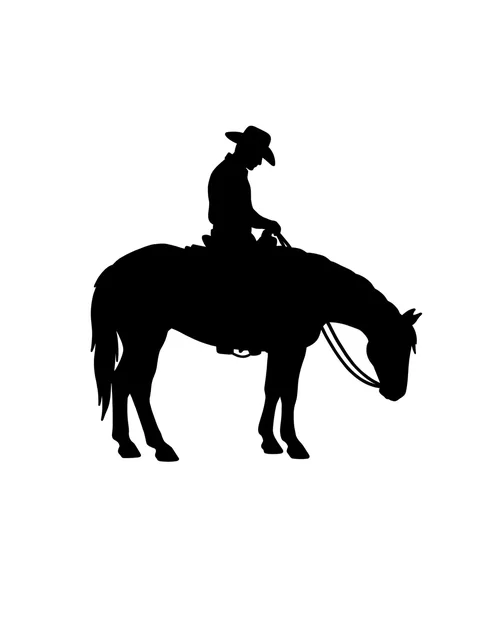
Black and white blackwork western and horse tattoo design Try it on — Black and white blackwork western and horse tattoo design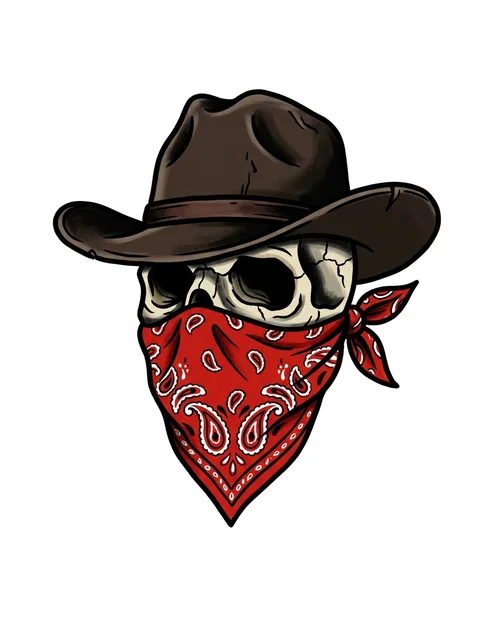
Color neo traditional western and skull tattoo design Try it on — Color neo traditional western and skull tattoo design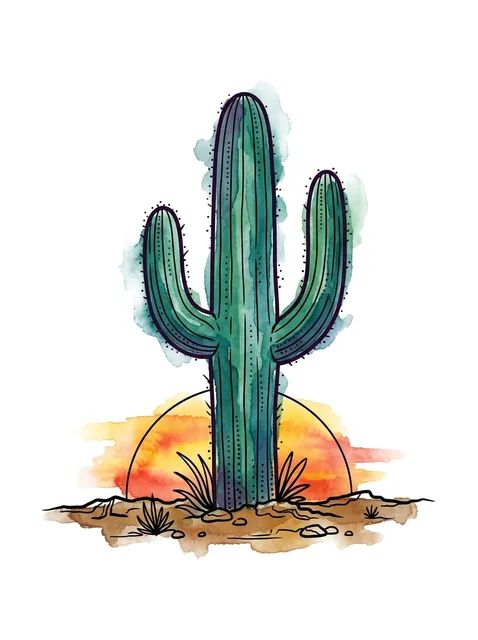
Color watercolor western and cactus tattoo design Try it on — Color watercolor western and cactus tattoo design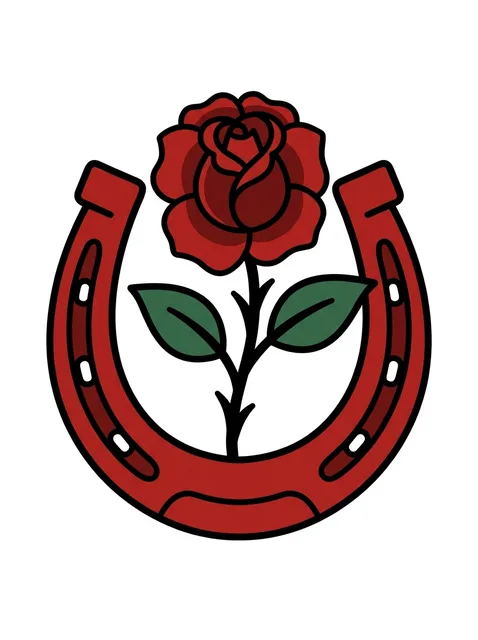
Color traditional western and horseshoe tattoo design Try it on — Color traditional western and horseshoe tattoo design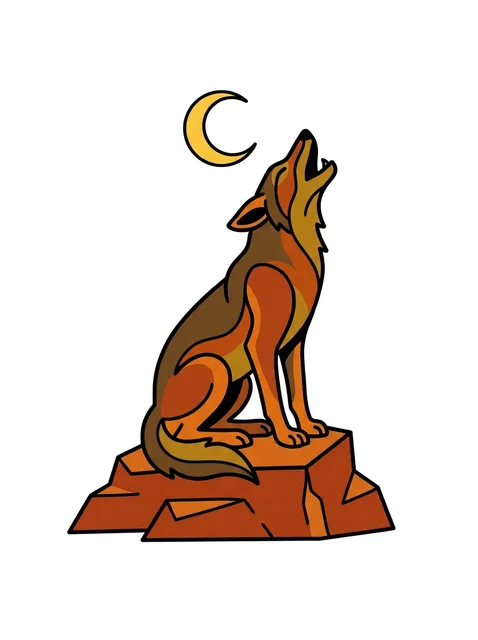
Color illustrative western and coyote tattoo design: its head thrown back Try it on — Color illustrative western and coyote tattoo design: its head thrown back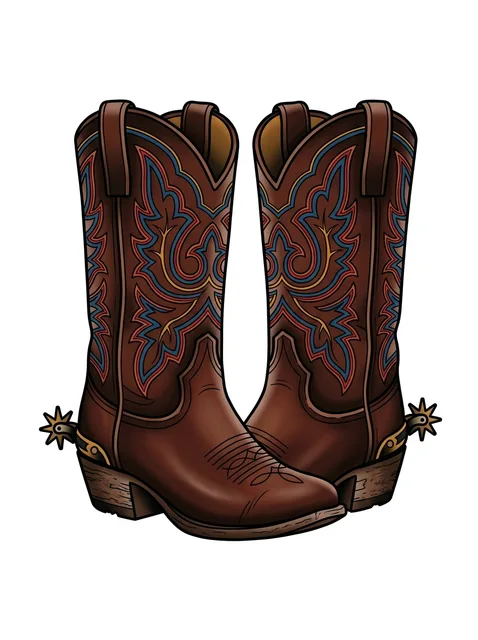
Color illustrative western and cowboy boots tattoo design Try it on — Color illustrative western and cowboy boots tattoo design


Tap any design to see it on your own skin in the try-on — no signup.
This set of 22 western designs, by the numbers
- Styles represented
- illustrative (8), neo traditional (3), realism (2), fine line (2), blackwork (2), geometric (1)
- Black-and-grey vs colour
- 59% black-and-grey, 41% colour
- Most often drawn with
- cowboy, horse, cowboy hat, spur
Counted from the 22 designs shown on this page. Every one was drawn for InkCraft — none are scraped or reposted. Free to reference with a link to this page.
What a western tattoo means
A western tattoo is less one symbol than a working kit. Hat, boots, spurs, lariat, saddle, revolver and badge each belonged to a job on the open range, and most designs on this page are one thing drawn alone, a piece of gear, an animal or a figure, with the longhorn skull, the bison and the saguaro standing in for the country. People choose it because they ride or ranch, because they come from Texas, Wyoming or Sonora, or because the films got there first.
Each object has its own reading. The sheriff's star is the law and the skull in a paisley bandana is the outlaw it was pinned on to catch, an odd pair for one arm. The covered wagon is the journey out, and the lone rider in solid black, slumped with the reins hanging slack, is the end of a long day: endurance with nobody watching.
The horseshoe is pure folklore, and European. In the English legend Saint Dunstan, the tenth-century Archbishop of Canterbury remembered as a skilled smith, nailed a shoe to the Devil's hoof and pulled it off only when the Devil swore never to enter a house with a horseshoe over the door. Hung open end up it holds luck like a cup; in other households it hangs points down to pour luck over whoever walks beneath. The red shoe here grows a rose up through its open end.
Much of the rest is Mexican before it is American. The cowboy's trade came north with the vaquero, the cattle hand of the Spanish and Mexican ranchos, and the words came with it: lariat from la reata, lasso from lazo, rodeo from rodear, to encircle, and dally, the turn of rope round the saddle horn that holds a roped steer, from a Spanish phrase for taking a turn. The weathered vaquero in black and grey on this page is that ancestor.
Where the design comes from
The open-range era behind all this was short. For twenty years after the Civil War, Texas longhorns were driven north to Kansas railheads such as Abilene and Dodge City, until barbed wire and the killing winter of 1886 to 1887 ended it. Frederic Remington and Charles M. Russell painted it, Buffalo Bill's Wild West toured it from 1883, and John Ford filmed Stagecoach in Monument Valley in 1939. Some props date exactly, Stetson's Boss of the Plains hat to 1865 and the Colt Single Action Army to 1873, and a bucking bronco with its rider, like the one sketched here, has been on Wyoming licence plates since 1936.
Choosing yours
- Pick one object and give it room. Tooled leather is what makes the saddle, the holster and the spur here, and its carved flowers and scrolls, the floral work known as Sheridan style after the Wyoming town, are fine lines packed close; below about 10 cm they close into grey. The single objects that survive small are the plain ones: the campfire, the flat tan hat, the star.
- If you ride, get the gear right, because riders check: a spur's rowel sits behind the heel, and a western saddle has a horn where an English one has none.
- Leave the feathered headdress out. The war bonnet belongs to particular Plains nations and is earned, not a costume, and none of the designs here uses it.
Size, cost and placement
How big, and what it costs
A plain object, the campfire, the hat or a spur, is one to two hours at 6 to 10 cm. The saddle and the holstered revolver want 12 to 15 cm and about three hours, because the carving takes the time; the realism vaquero and the coloured cowgirl are half a day each.
Where it sits, and how much it hurts
Tall objects, the boots, the saguaro, the holstered revolver, fit the forearm and calf. Wide ones need width: the longhorn skull spans a chest or upper back, and the bison and the wagon sit on the outer thigh. The sternum and ribs hurt most; the outer forearm and calf least.
What to ask your artist
- How fine the tooled-leather carving can go at your size before it closes into grey.
- If you ride, to check the spur and the saddle against real gear.
- For a horseshoe, how many nail holes, and that the open end faces up.
Prices vary widely by city and artist — treat these as session lengths rather than quotes, and expect a shop minimum on anything small. The cost guide turns hours into money by size, placement and style.
Common questions
Why keep the nail holes in a horseshoe?
Without them a thick red U reads as a magnet; the row of holes is what makes it a shoe. Set it open end up to hold the luck in, and check the stencil, since a shape flipped top to bottom is easy to miss.
Is a vaquero the same as a cowboy?
He came first. The vaquero worked cattle on Mexican ranchos long before the Texas drives, and the cowboy learned the rope and the saddle from him; buckaroo is usually traced to his name. The charro, horseman of the charrería that UNESCO listed as heritage in 2016, is a third figure.
Why is there a saguaro in so many western designs?
Cartoons made it shorthand for the whole West, but it grows only in the Sonoran Desert of Arizona and north-west Mexico, and Monument Valley has none. For a real place, draw what grows there: prickly pear for Texas, a Joshua tree for the Mojave.
Do tan and brown hold up on darker skin?
They need a bold black outline, as on the hat and boots here. Felt, leather and coyote fur are low-contrast colours that sit close to olive or dark skin, and black and grey avoids the problem.
See it on your skin before you commit
InkCraft places any of these designs on a photo of you — scaled, wrapped and shaded to the placement you pick.