 InkCraft
Armband Tattoo Ideas and How to Fit a Band
22 original armband designs drawn for InkCraftBy Uladzimir TumanauUpdated
An armband has to meet itself, so its pattern must come round the arm a whole number of times and close without a step. Every design here is drawn as a flat strip, and the stencil must be curved and resized to wrap a tapering upper arm.
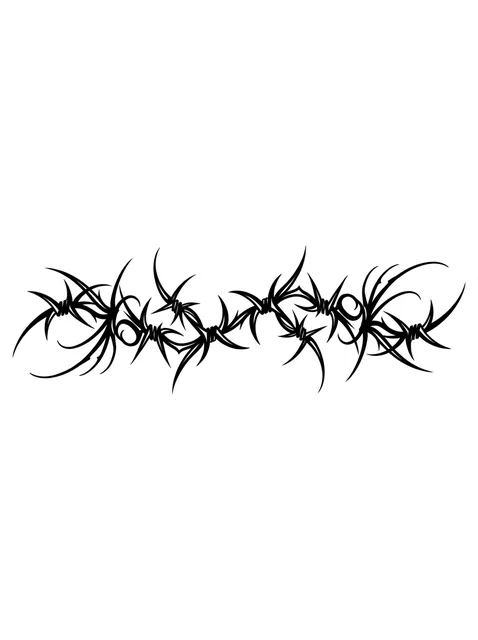
Black and white tribal armband tattoo design Try it on — Black and white tribal armband tattoo design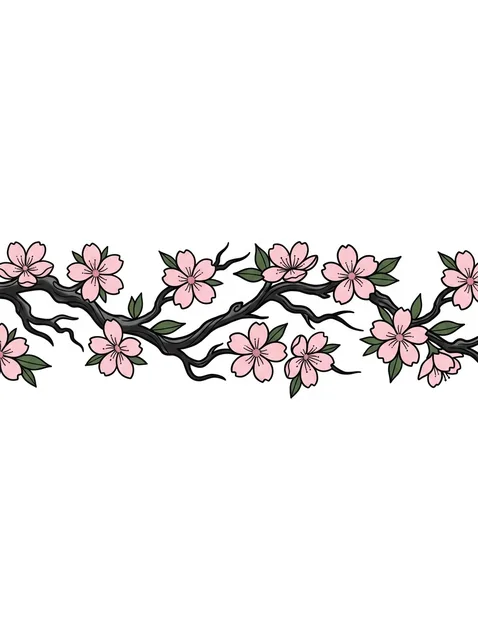
Color illustrative armband and cherry blossom tattoo design Try it on — Color illustrative armband and cherry blossom tattoo design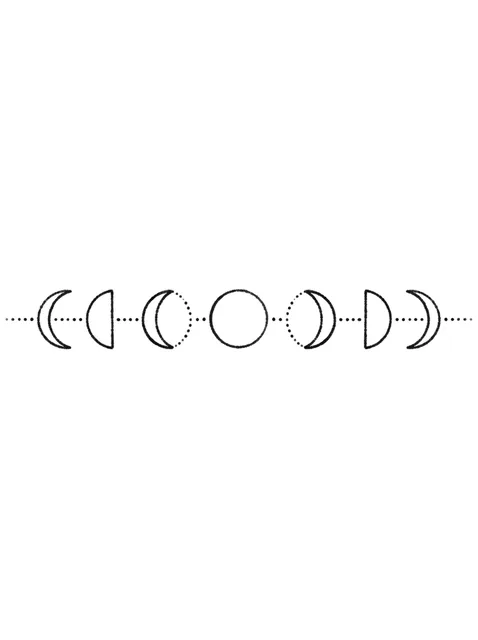
Black and white fine line armband and moon tattoo design, outline stencil Try it on — Black and white fine line armband and moon tattoo design, outline stencil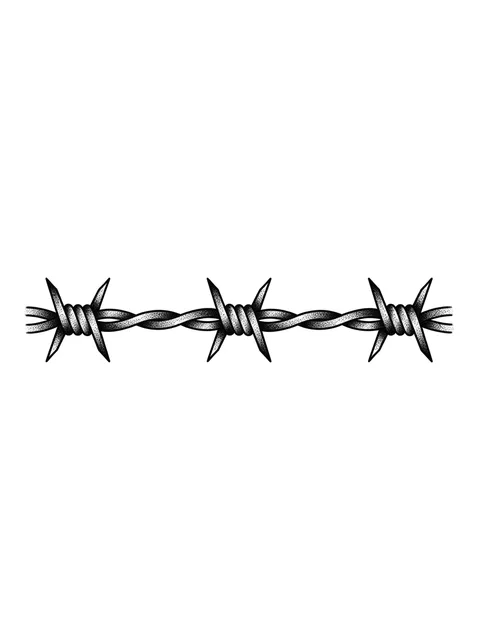
Black and grey illustrative armband and barbed wire tattoo design Try it on — Black and grey illustrative armband and barbed wire tattoo design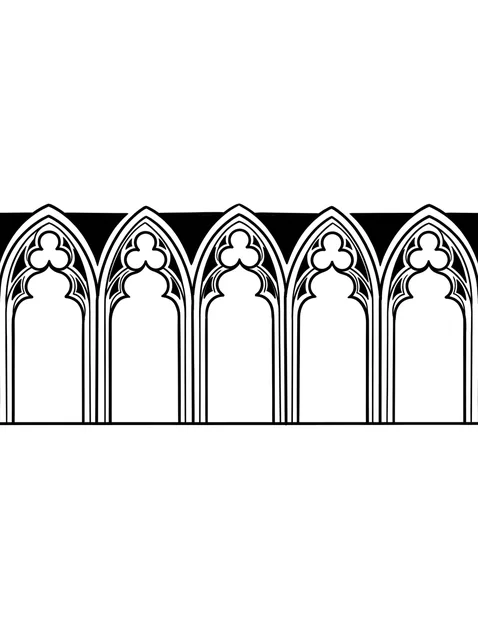
Black and grey gothic armband and gothic arch tattoo design Try it on — Black and grey gothic armband and gothic arch tattoo design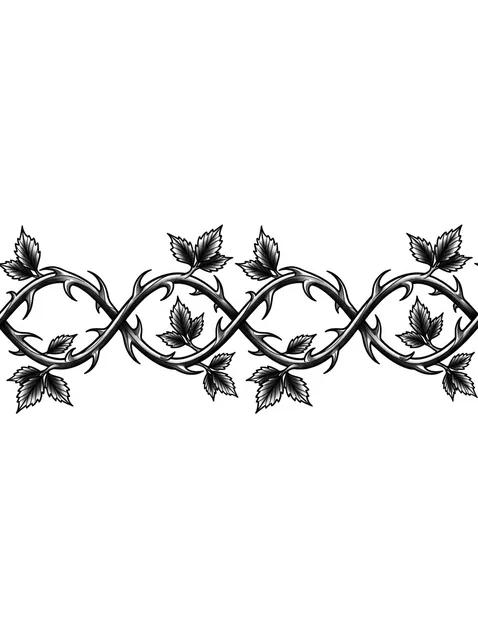
Black and grey illustrative armband and vine tattoo design Try it on — Black and grey illustrative armband and vine tattoo design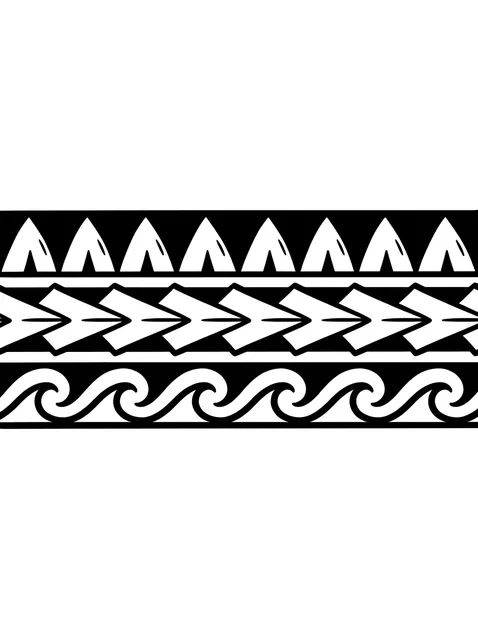
Black and grey polynesian armband and wave tattoo design Try it on — Black and grey polynesian armband and wave tattoo design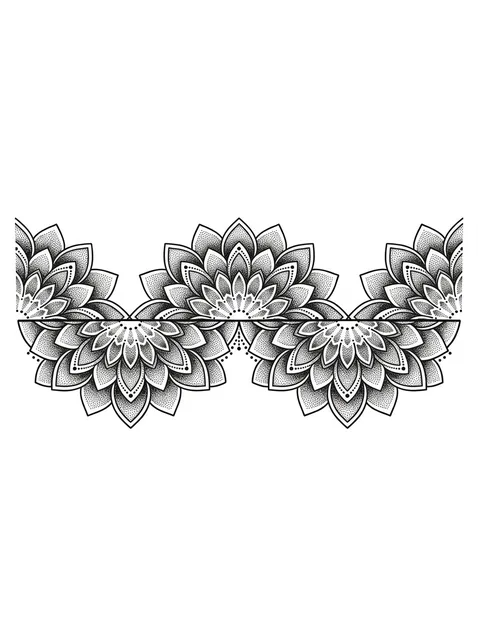
Black and grey dotwork armband and mandala tattoo design Try it on — Black and grey dotwork armband and mandala tattoo design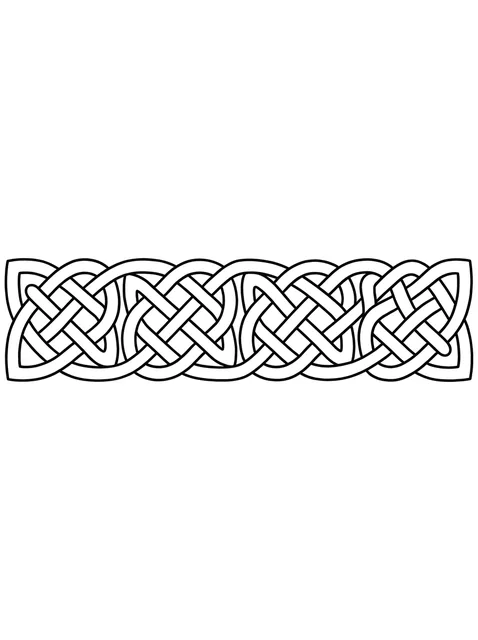
Black and grey celtic armband and celtic knot tattoo design Try it on — Black and grey celtic armband and celtic knot tattoo design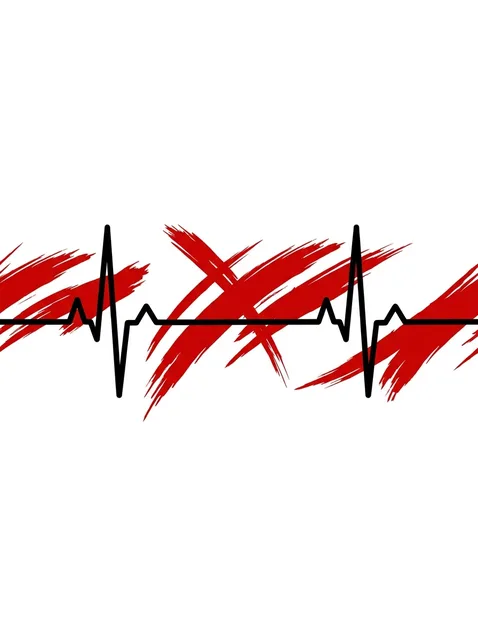
Color trash polka armband and heartbeat tattoo design Try it on — Color trash polka armband and heartbeat tattoo design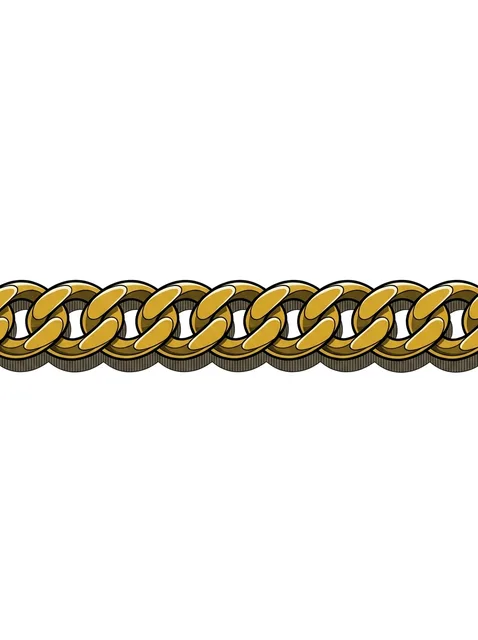
Color illustrative armband and chain tattoo design: a highlight and a small shadow beneath Try it on — Color illustrative armband and chain tattoo design: a highlight and a small shadow beneath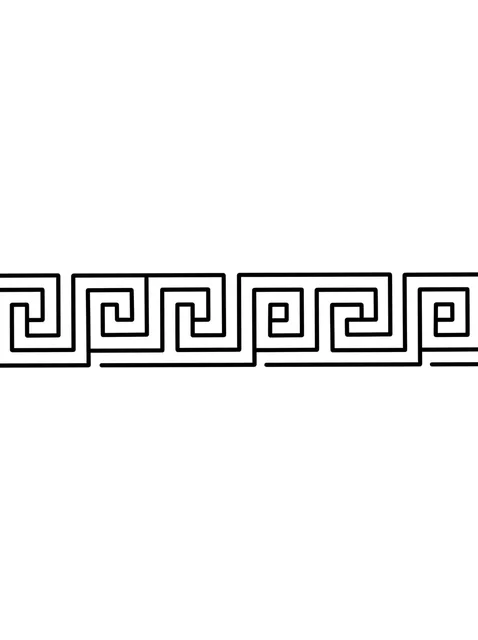
Black and white geometric armband and greek key tattoo design, outline stencil Try it on — Black and white geometric armband and greek key tattoo design, outline stencil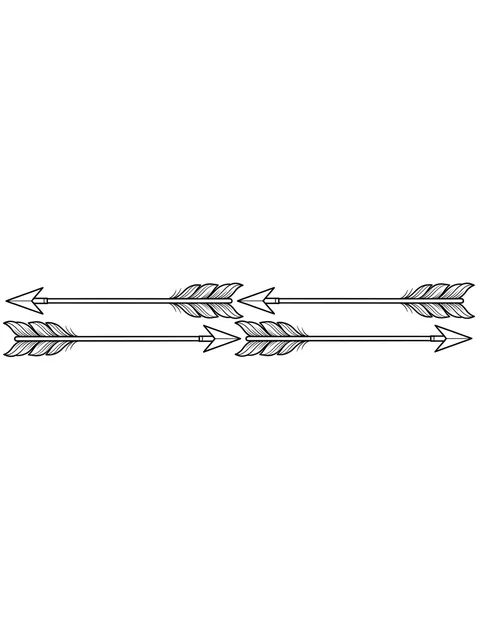
Black and white linework armband and arrow tattoo design, outline stencil Try it on — Black and white linework armband and arrow tattoo design, outline stencil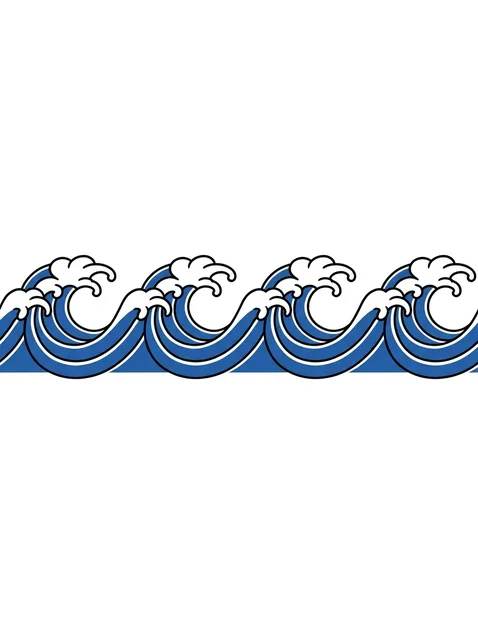
Color Japanese armband and wave tattoo design Try it on — Color Japanese armband and wave tattoo design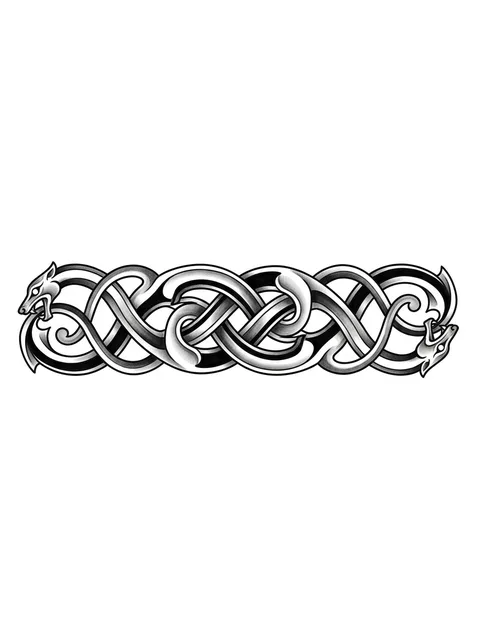
Black and grey ornamental armband and viking tattoo design Try it on — Black and grey ornamental armband and viking tattoo design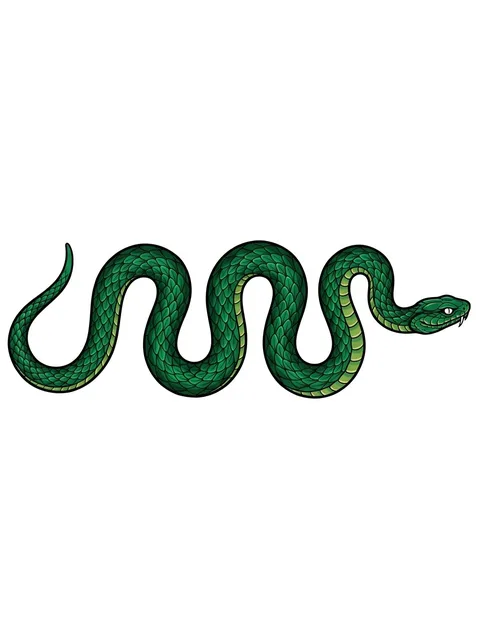
Color illustrative armband and snake tattoo design Try it on — Color illustrative armband and snake tattoo design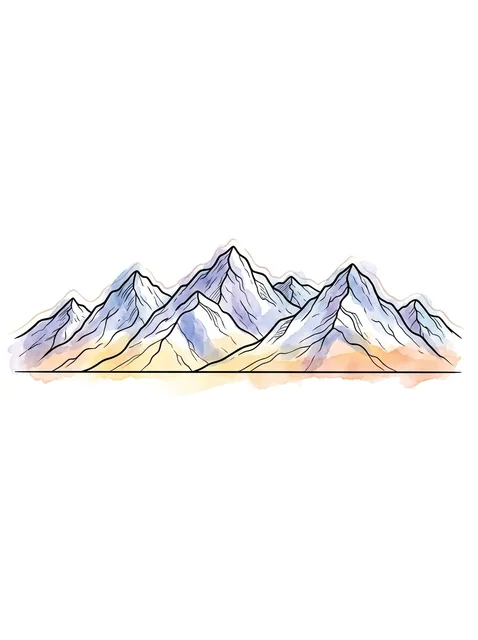
Color watercolor armband and mountain tattoo design Try it on — Color watercolor armband and mountain tattoo design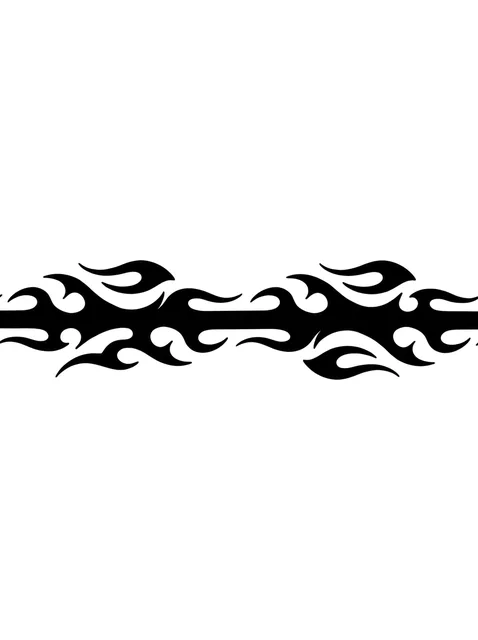
Black and white tribal armband and fire tattoo design Try it on — Black and white tribal armband and fire tattoo design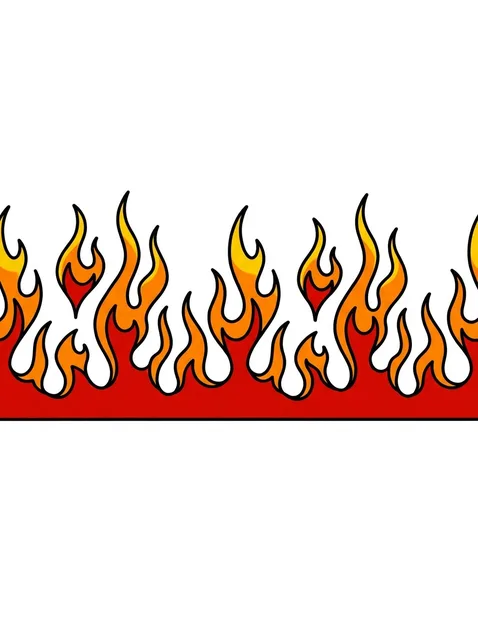
Color traditional armband and fire tattoo design Try it on — Color traditional armband and fire tattoo design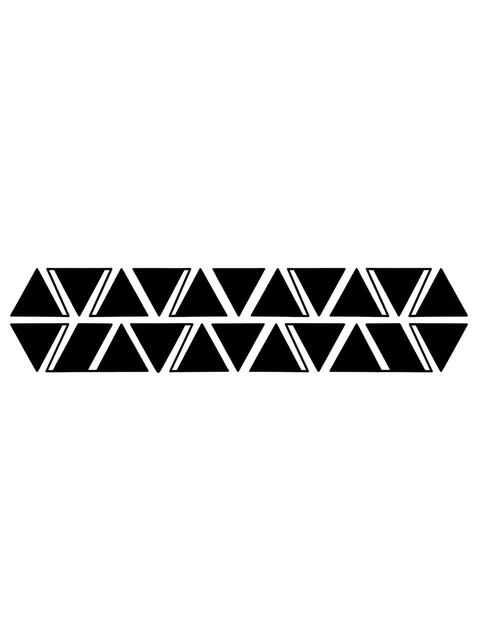
Black and white geometric armband and triangle tattoo design, outline stencil Try it on — Black and white geometric armband and triangle tattoo design, outline stencil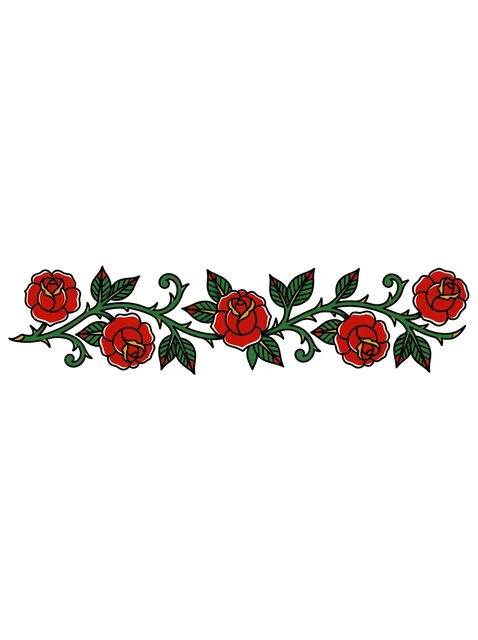
Color traditional armband and rose tattoo design Try it on — Color traditional armband and rose tattoo design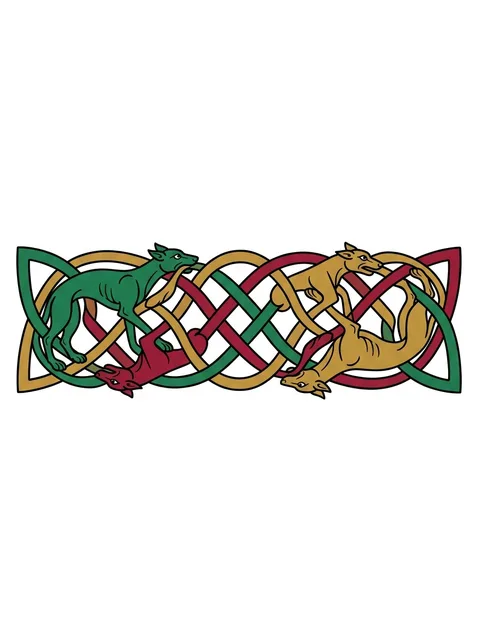
Color celtic armband and celtic knot tattoo design Try it on — Color celtic armband and celtic knot tattoo design


Tap any design to see it on your own skin in the try-on — no signup.
This set of 22 armband designs, by the numbers
- Styles represented
- illustrative (5), tribal (2), celtic (2), geometric (2), traditional (2), fine line (1)
- Black-and-grey vs colour
- 59% black-and-grey, 41% colour
- Most often drawn with
- vine, wave, celtic knot, fire
Counted from the 22 designs shown on this page. Every one was drawn for InkCraft — none are scraped or reposted. Free to reference with a link to this page.
What a armband tattoo means
An armband is a format before it is a picture. It says whatever its pattern says: the band of moons here is about cycles, the barbed wire about pain or confinement, the heartbeat line about one heart in particular, the knotwork about heritage. The ring adds one idea of its own, continuity, which is why bands are chosen to mark an unbroken bond or a vow.
The Polynesian band is the one with a living tradition behind it. In Samoa a tattooed armlet is called a taulima, and unlike the pe'a and the malu, the full tattoos of men and women, it carries no rite and is often personal. The shark teeth, spearheads and ocean swells in the three-row band here come from that vocabulary but serve as ornament, so anyone who wants a band to speak for a family or an island should take it to a Polynesian artist, who draws for a wearer rather than from a sheet.
Two bands defined the 1990s. The black tribal band came out of California; the other was barbed wire, which Pamela Anderson had tattooed round her upper arm in 1995 for the film Barb Wire rather than have it painted on each day, and later had largely lasered away. Both became shorthand for a dated tattoo, and both come back here redrawn: the tribal bands as flames and hooked spikes, the wire as two shaded strands twisted together.
A plain black band has a separate history. The black cloth armband is an old sign of mourning, still worn by footballers when a match follows a death or holds a minute's silence, and some people have a solid band tattooed for the same reason. None of the bands here is solid, so a memorial band is something to ask for rather than pick from this grid.
Where the design comes from
The Greek key takes its name from the Maeander, a river in Asia Minor that loops back on itself, and potters of the Geometric period painted it round vases in the eighth century BC. The plaited borders of the Book of Kells, made around 800, stand behind the Celtic band; the two slender biting beasts here are in the Urnes style, named after the carved portal of a Norwegian stave church; and the gothic arches follow bar tracery, first cut at Reims Cathedral early in the thirteenth century. Barbed wire is the newest pattern on the page: Joseph Glidden of DeKalb, Illinois, patented his version in 1874.
Choosing yours
- Measure the arm, not the drawing. The pattern has to repeat a whole number of times round it, so the artist stretches or squeezes the units slightly, or adds or drops one, until the repeat closes. The join goes on the inner arm, where a small mismatch is least seen, and is checked standing with the arm relaxed, since flexing moves the line.
- The upper arm is a cone, wider at the shoulder than at the elbow, so a band drawn as a straight strip, as every design here is, lands tilted once wrapped. The stencil has to be curved into a shallow arc and resized from one edge to the other, or the band drawn freehand on the arm with a marker. Straight-edged patterns such as the Greek key and the gothic arches show the error most; the snake and the bramble forgive it.
- Choose the height for the arm. A single row of arrows or moons suits a slim arm or a forearm; the three-row Polynesian band and the Japanese waves need 6 cm or more to keep their rows apart.
Size, cost and placement
How big, and what it costs
Most bands are 2 to 8 cm high and as long as the arm is round, roughly 25 to 40 cm on an adult upper arm, so a 3 cm band covers close to 100 square centimetres, the area of a palm. A line of moons or arrows takes one to two hours; a dense Celtic, Polynesian or Japanese band three to five.
Where it sits, and how much it hurts
Just below the shoulder is the classic spot, where a short sleeve shows the outside and hides the join. The outside barely hurts; the inner arm, which every full band crosses, is among the tenderest places on the body.
What to ask your artist
- How the repeat will be sized to close at your measurement, and where the join will fall.
- Whether the stencil will be curved for the taper or the band drawn freehand on the arm.
- For a half band, where the ends stop and how they are finished.
Prices vary widely by city and artist — treat these as session lengths rather than quotes, and expect a shop minimum on anything small. The cost guide turns hours into money by size, placement and style.
Common questions
Does an armband have to go all the way round?
No. A half band across the outside of the arm is quicker and cheaper, spares the tender inner arm, and suits patterns with a clear front such as the gothic arches or the snake. Only the full ring says continuity.
Why do some armbands look crooked?
Usually because a straight stencil was wrapped round a tapering arm, which drops it towards the elbow on one side; a curved stencil or freehand lines prevent it.
What happens to a band if my arm gets bigger?
It stretches evenly, which a ring tolerates well: the pattern widens but stays closed. What shifts is where it sits on the muscle.
Can an old tribal band be covered?
Usually, by going wider and darker. A deeper blackwork band, a Polynesian band or dense Japanese waves can swallow a thin 1990s band, and a few laser sessions to lighten it first widen the choice.
See it on your skin before you commit
InkCraft places any of these designs on a photo of you — scaled, wrapped and shaded to the placement you pick.