 InkCraft
Fire and Flame Tattoo Ideas, Designs and Meaning
30 original fire designs drawn for InkCraftBy Uladzimir TumanauUpdated
Fire is the only thing people tattoo that has no shape of its own, so every flame drawn is an invention. Destruction and purification are the same process, and both of them come down to maintenance.
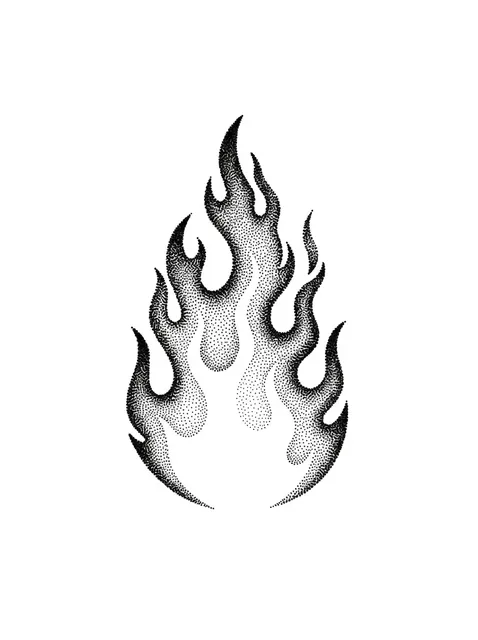
Black and grey dotwork fire tattoo design Try it on — Black and grey dotwork fire tattoo design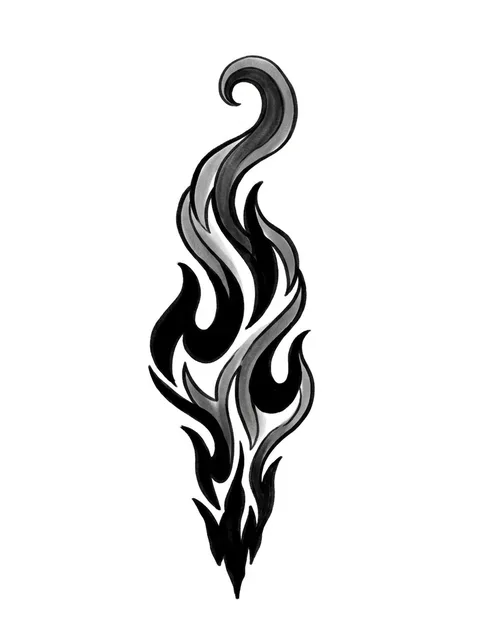
Black and grey illustrative fire tattoo design Try it on — Black and grey illustrative fire tattoo design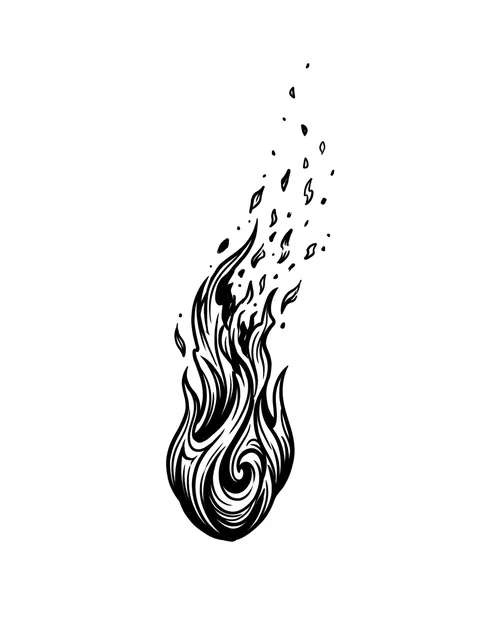
Black and grey illustrative fire tattoo design Try it on — Black and grey illustrative fire tattoo design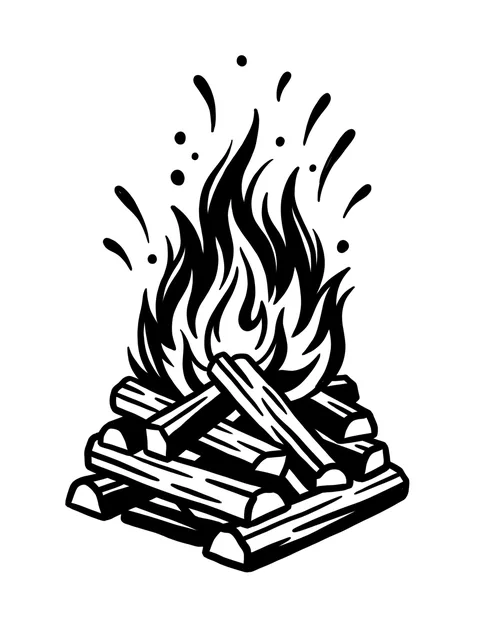
Black and grey traditional fire tattoo design: a campfire with logs and flames Try it on — Black and grey traditional fire tattoo design: a campfire with logs and flames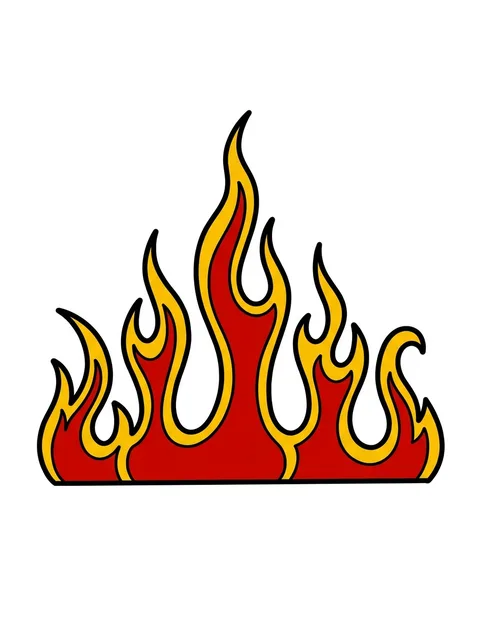
Color traditional fire tattoo design Try it on — Color traditional fire tattoo design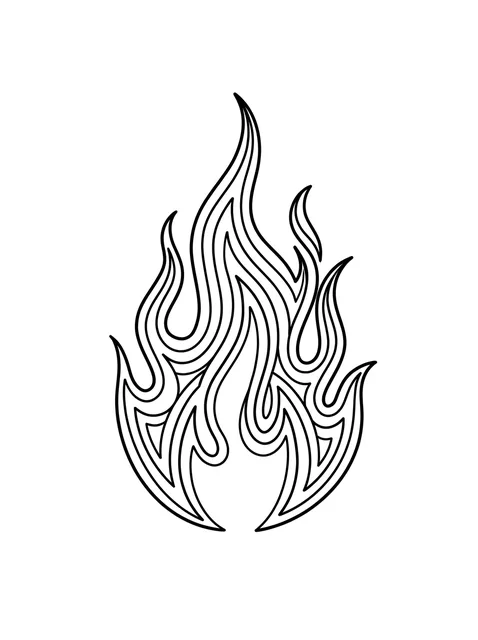
Black and white tribal fire tattoo design Try it on — Black and white tribal fire tattoo design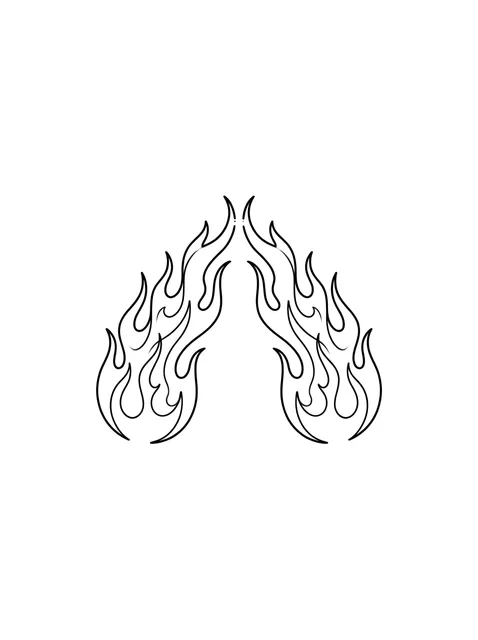
Black and white linework fire tattoo design, outline stencil Try it on — Black and white linework fire tattoo design, outline stencil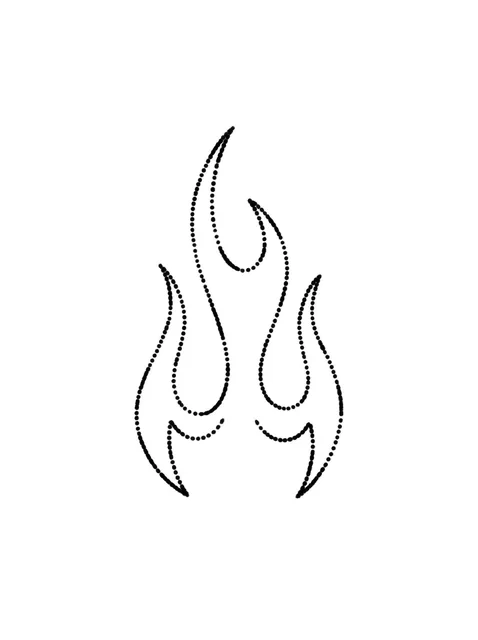
Black and grey stick and poke fire tattoo design Try it on — Black and grey stick and poke fire tattoo design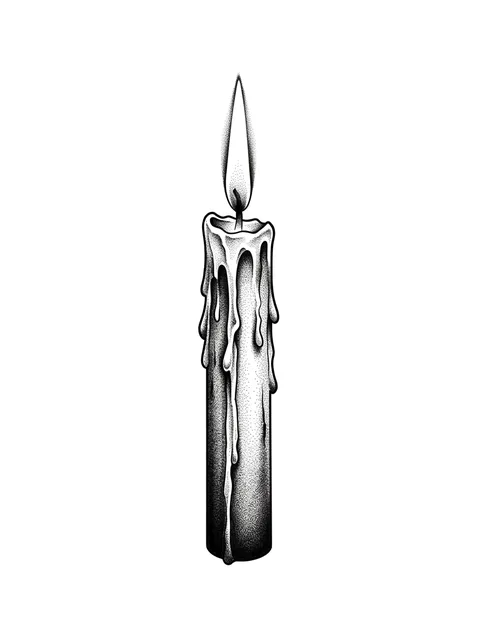
Black and grey dotwork fire and candle tattoo design: a melting candle Try it on — Black and grey dotwork fire and candle tattoo design: a melting candle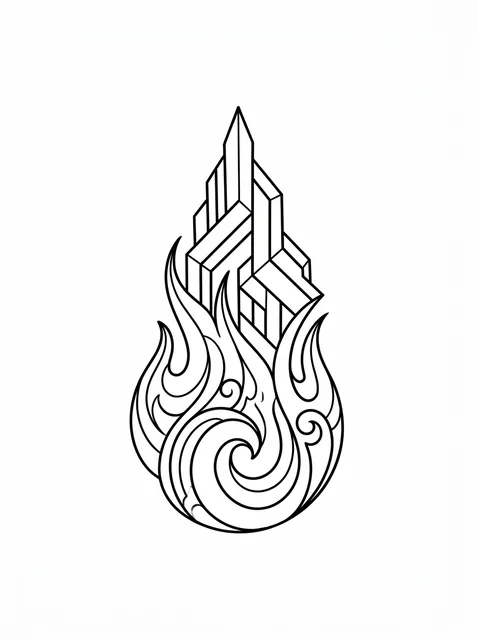
Black and white geometric fire and abstract tattoo design, outline stencil Try it on — Black and white geometric fire and abstract tattoo design, outline stencil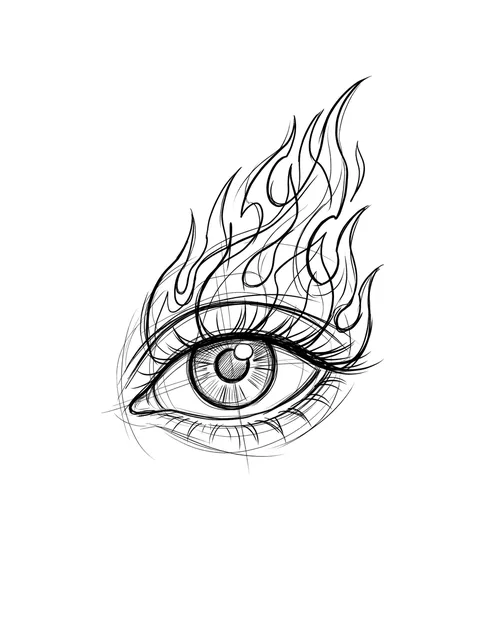
Black and white sketch fire and eye tattoo design: a flaming eye Try it on — Black and white sketch fire and eye tattoo design: a flaming eye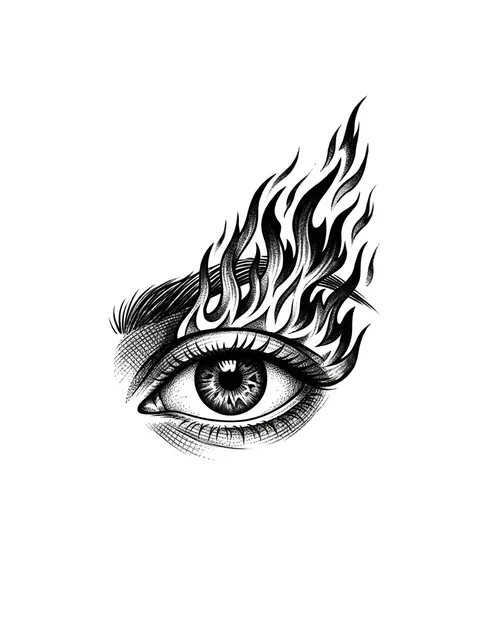
Black and grey illustrative fire and eye tattoo design Try it on — Black and grey illustrative fire and eye tattoo design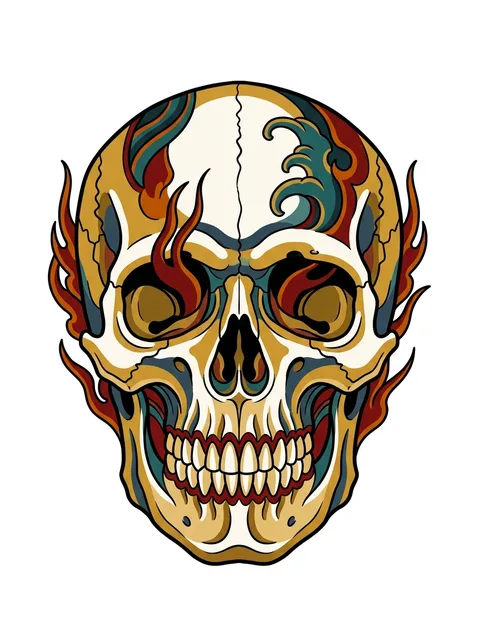
Color neo traditional fire and skull tattoo design Try it on — Color neo traditional fire and skull tattoo design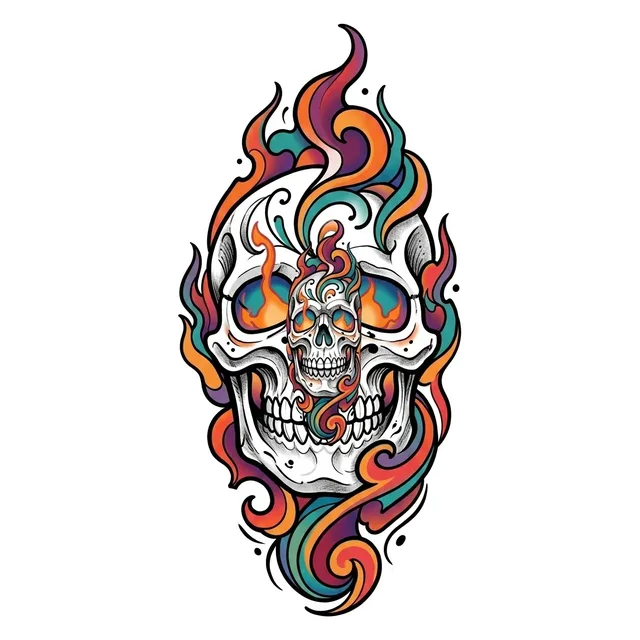
Color neo traditional fire and skull tattoo design Try it on — Color neo traditional fire and skull tattoo design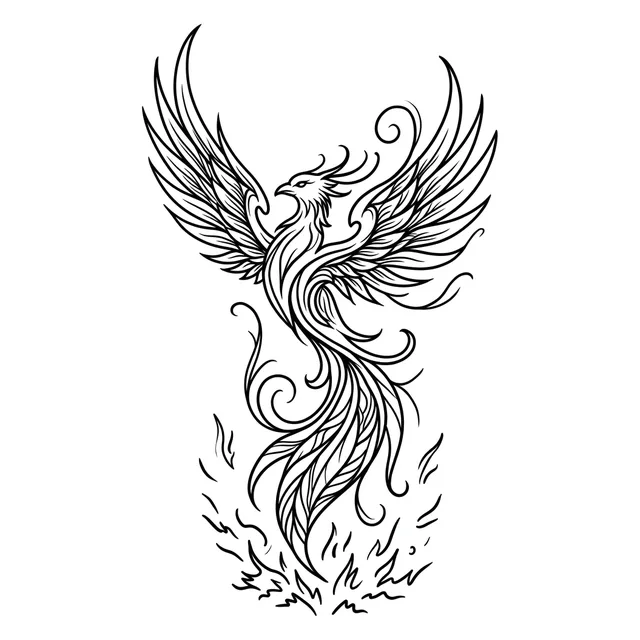
Black and white linework fire and phoenix tattoo design, outline stencil Try it on — Black and white linework fire and phoenix tattoo design, outline stencil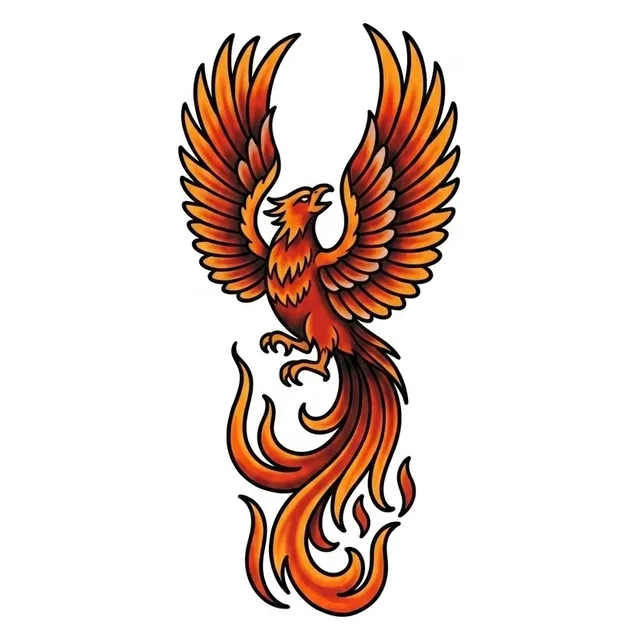
Color traditional fire and phoenix tattoo design: a phoenix rising Try it on — Color traditional fire and phoenix tattoo design: a phoenix rising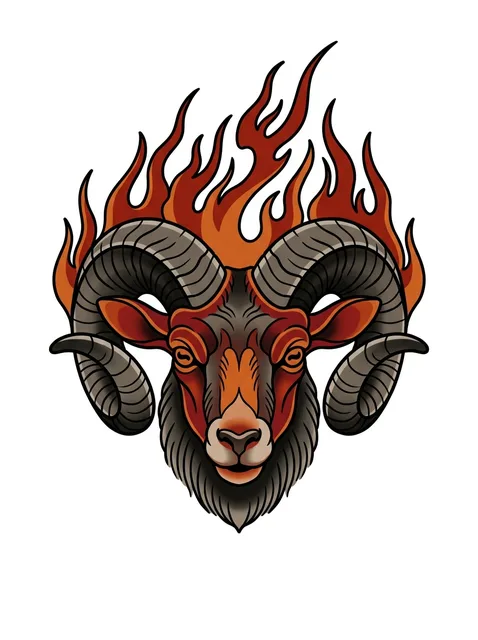
Color traditional fire and goat tattoo design: a ram's head engulfed in flames Try it on — Color traditional fire and goat tattoo design: a ram's head engulfed in flames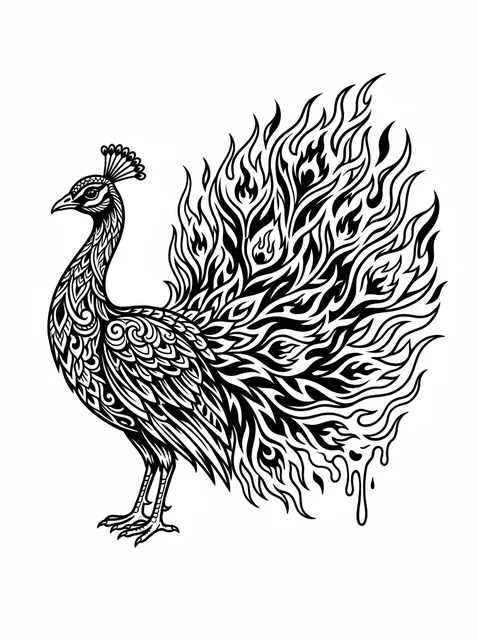
Black and white illustrative fire and peacock tattoo design: a peacock with its tail feathers Try it on — Black and white illustrative fire and peacock tattoo design: a peacock with its tail feathers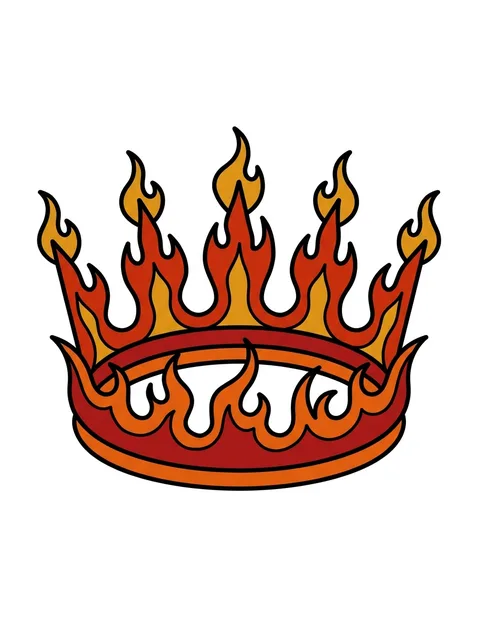
Color traditional fire and crown tattoo design: a crown crafted entirely from leaping flames Try it on — Color traditional fire and crown tattoo design: a crown crafted entirely from leaping flames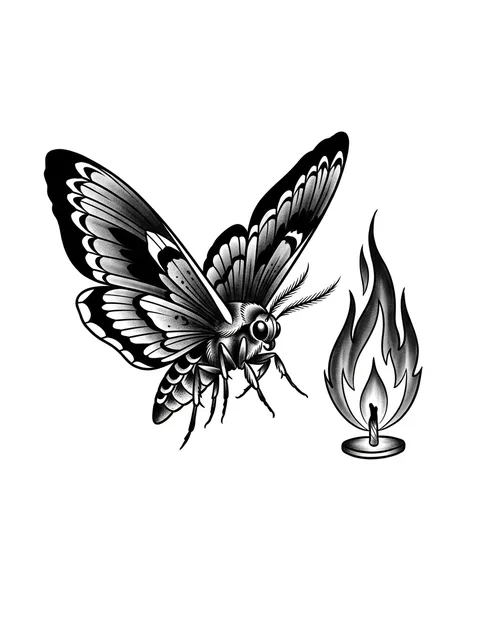
Black and grey traditional fire and moth tattoo design Try it on — Black and grey traditional fire and moth tattoo design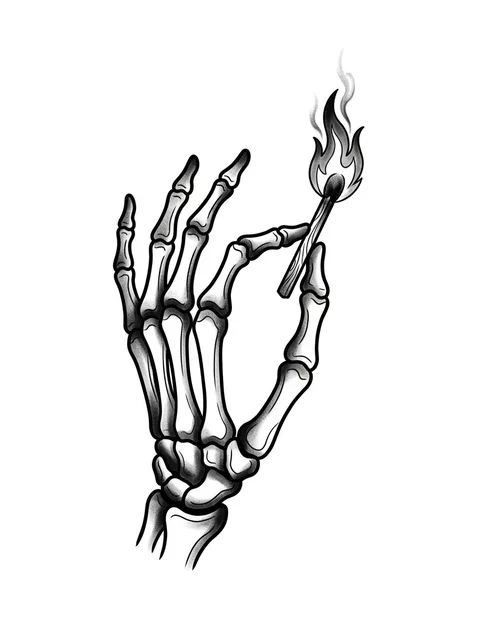
Black and grey neo traditional fire and skeleton hand tattoo design Try it on — Black and grey neo traditional fire and skeleton hand tattoo design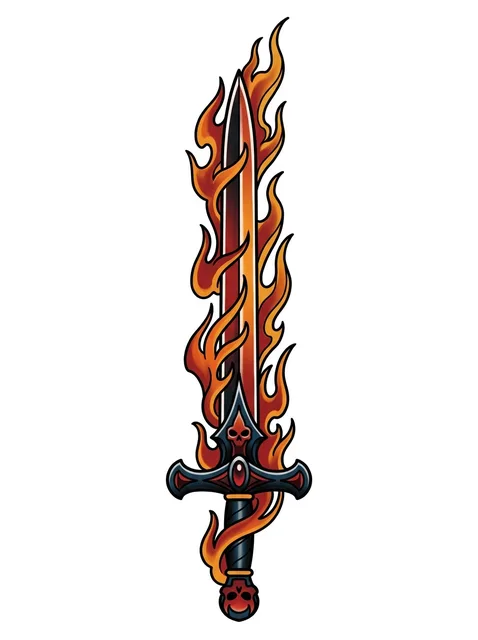
Color neo traditional fire and sword tattoo design Try it on — Color neo traditional fire and sword tattoo design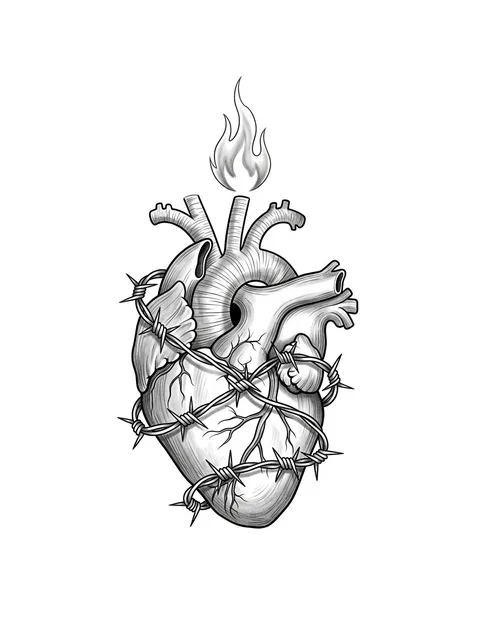
Black and grey illustrative fire and heart tattoo design Try it on — Black and grey illustrative fire and heart tattoo design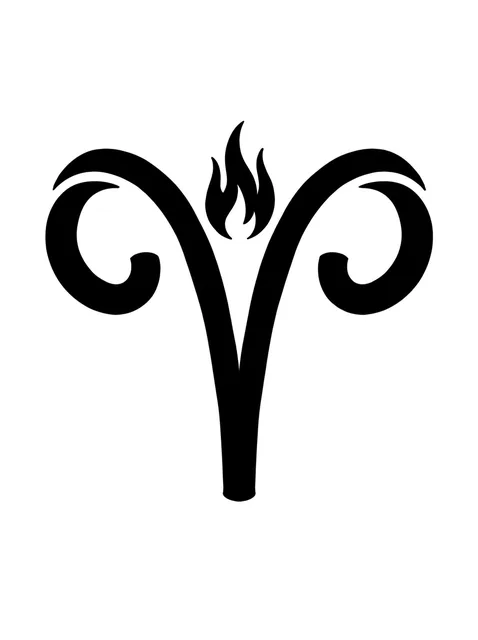
Black and white blackwork fire and aries tattoo design Try it on — Black and white blackwork fire and aries tattoo design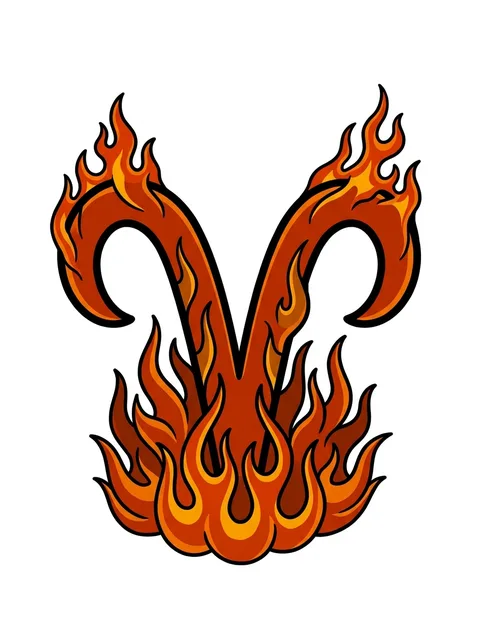
Color neo traditional fire and aries tattoo design Try it on — Color neo traditional fire and aries tattoo design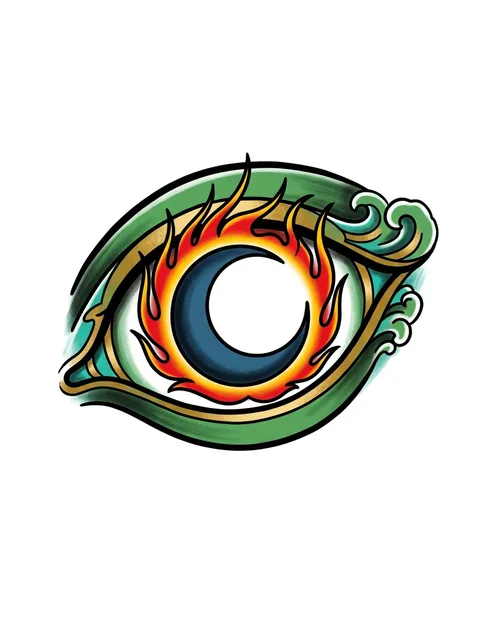
Color neo traditional fire and eye tattoo design Try it on — Color neo traditional fire and eye tattoo design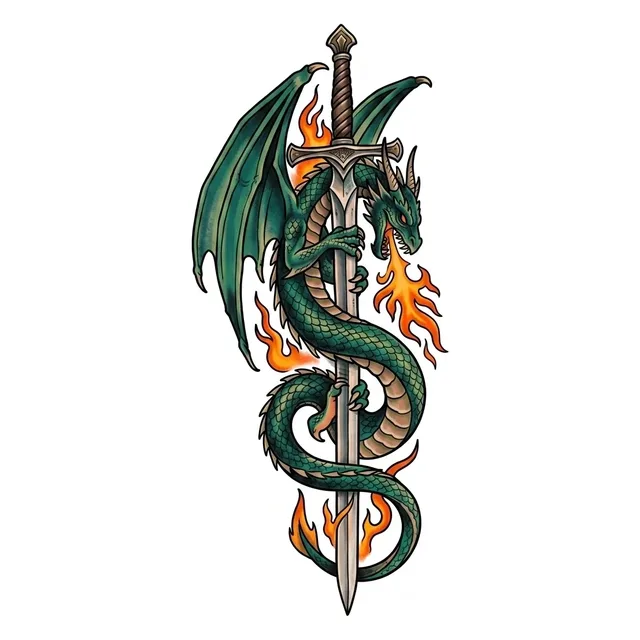
Color neo traditional fire and dragon tattoo design Try it on — Color neo traditional fire and dragon tattoo design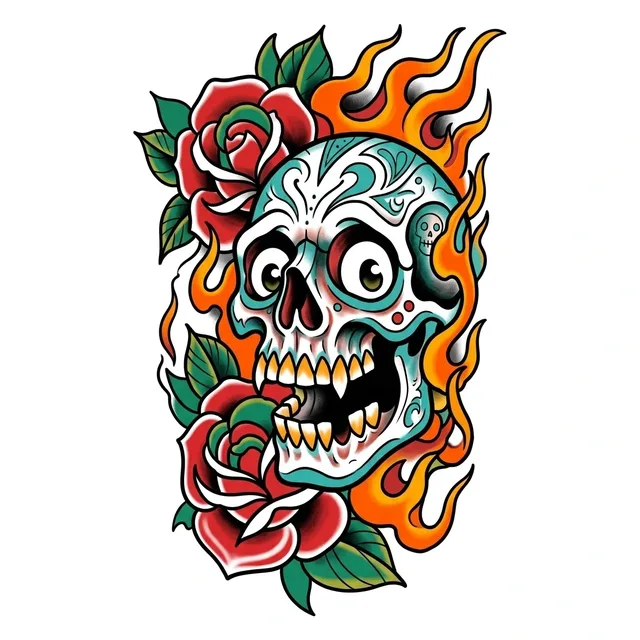
Color traditional fire and sugar skull tattoo design Try it on — Color traditional fire and sugar skull tattoo design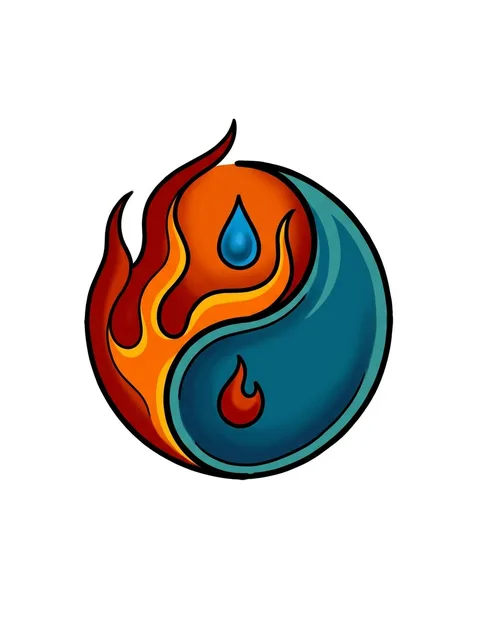
Color neo traditional fire and yin yang tattoo design: a yin-yang symbol, with one half Try it on — Color neo traditional fire and yin yang tattoo design: a yin-yang symbol, with one half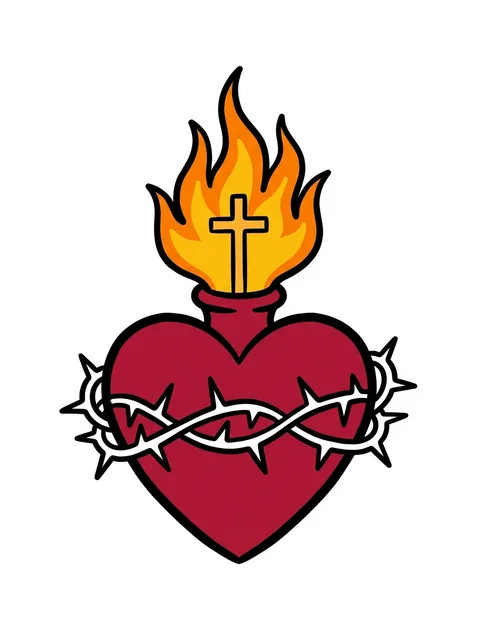
Color traditional fire and jesus tattoo design: a Sacred Heart Try it on — Color traditional fire and jesus tattoo design: a Sacred Heart


Tap any design to see it on your own skin in the try-on — no signup.
This set of 30 fire designs, by the numbers
- Styles represented
- traditional (8), neo traditional (8), illustrative (5), dotwork (2), linework (2), tribal (1)
- Black-and-grey vs colour
- 57% black-and-grey, 43% colour
- Most often drawn with
- eye, skull, phoenix, sword
Counted from the 30 designs shown on this page. Every one was drawn for InkCraft — none are scraped or reposted. Free to reference with a link to this page.
What a fire tattoo means
Earth, air and water persist whether or not anyone attends to them. Fire does not: it has to be fed, and it goes out. That dependence is the most interesting thing about it as a symbol and the part most often left out — a flame is not a statement about power so much as about maintenance.
Two readings dominate and they are the same process described by people with different interests. Destruction: fire takes what was there and leaves nothing. Purification: fire takes what was there and leaves only what could not burn. Which one you mean should probably decide whether the flame is consuming something in the design or standing alone.
Prometheus supplies the third. Fire in that story is not a force but a theft — knowledge taken without permission and paid for indefinitely — and it is the reading behind most of the flames worn as a statement about defiance rather than about danger.
The quietest version is a flame that stands for a person. A candle beside a date, an eternal flame, a single steady light rather than a blaze. It is the least dramatic thing you can do with the subject and by some distance the most common reason people actually choose it.
Where the design comes from
Kept fire is one of the oldest institutions humans have. Zoroastrian fire temples maintain flames that are never allowed to go out, and the one at Yazd in Iran is said to have burned continuously since the fifth century. Rome ran the same idea as a state office: six Vestal priestesses whose entire duty was that the fire in the Temple of Vesta did not lapse, with severe punishment if it did. The Olympic flame is a deliberate modern imitation of both — reintroduced at Amsterdam in 1928 and given the torch relay from Olympia at Berlin in 1936, which is recent enough that most people assume it is ancient and it is not.
Choosing yours
- Fire has no silhouette, so the drawing has to decide on one, and that decision is the design. Tall and narrow with a curling tip reads as a candle flame; broad with several tongues reads as a fire. Left unspecified you get whatever the artist draws by habit.
- Consider inverting the values. Fire photographs brightest at its core, so a flame drawn dark at the edges and left bare in the middle looks more like fire than a solid black one does — and it ages better, because there is less ink to spread.
- Decide whether the flame is attached to something. A flame alone is abstract and can go anywhere; a flame on a candle, a match, a skull or a hand is a scene, and needs enough room for both halves to be legible.
Size, cost and placement
How big, and what it costs
Roughly 8 to 20 cm, and flames are among the more forgiving pieces to quote because the shape is fast to lay in. Cost rises with the treatment: nested outline work and graded stipple both take far longer than flat fill. A row of traditional flames is often used as filler around other work and is priced accordingly.
Where it sits, and how much it hurts
Flames suit fields that are longer than they are wide and bend a little — the outer forearm, the calf, the outside of a thigh. They are also the standard choice for filling gaps between existing pieces, since a flame has no fixed outline and can be shaped to whatever space is left. Pain is moderate at all of these.
What to ask your artist
- What silhouette the flame will take, since fire has none of its own and the choice is the design.
- Whether the core is left open or filled, which changes both how it reads and how it ages.
- If it is going between existing pieces, how the flame will be shaped to the gap rather than drawn first and squeezed in.
Prices vary widely by city and artist — treat these as session lengths rather than quotes, and expect a shop minimum on anything small. The cost guide turns hours into money by size, placement and style.
Common questions
What does a fire or flame tattoo mean?
Destruction and purification are the same process seen differently, and both readings are common. Prometheus adds defiance — fire as knowledge taken without permission. The quietest and most frequent reason is a flame standing for a person, as a candle beside a date rather than as a blaze.
Why do flame tattoos look so different from each other?
Because fire has no fixed outline, so every drawing invents one. A tall narrow flame with a curling tip reads as a candle; a broad one with several tongues reads as a fire. It is the one subject where the silhouette is entirely a design decision rather than an observation.
Should a flame be solid black or open?
Open usually looks more like fire and lasts better. Real flame is brightest at its core, so shading dark at the edges and leaving the middle bare reads correctly, and there is less ink in the skin to spread over twenty years. Solid black flames are bolder but flatten sooner.
Does a fire tattoo need colour?
No. Black and grey flames are long established and age more predictably, because the reds and oranges that make a colour flame convincing are among the first pigments to soften. If you want colour, keep the black structure underneath it so the shape survives when the brightness does not.
See it on your skin before you commit
InkCraft places any of these designs on a photo of you — scaled, wrapped and shaded to the placement you pick.