 InkCraft
80 Snake Tattoo Ideas, Stencils and Meaning
80 original snake designs drawn for InkCraftBy Uladzimir TumanauUpdated
Opens in your browser. No signup. Or tap any design below.
A shape that suits the body better than almost any other, because it is already a curve. A wrap has to be planned as one drawing rather than two halves that meet, so the field gets decided before the size does.
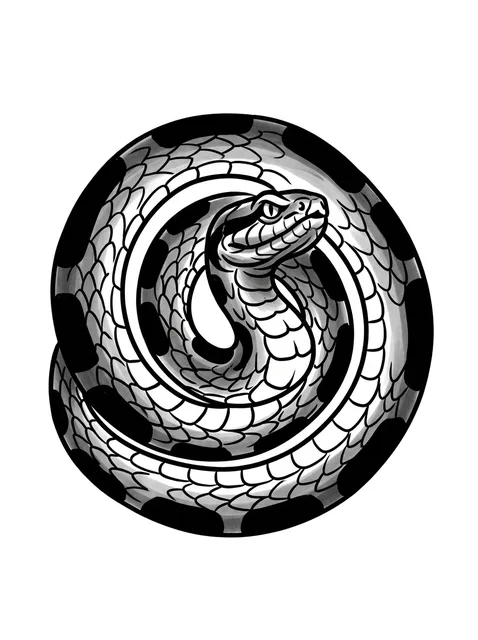
Black and grey traditional snake tattoo design: a coiled snake (1 of 2) Try it on — Black and grey traditional snake tattoo design: a coiled snake (1 of 2)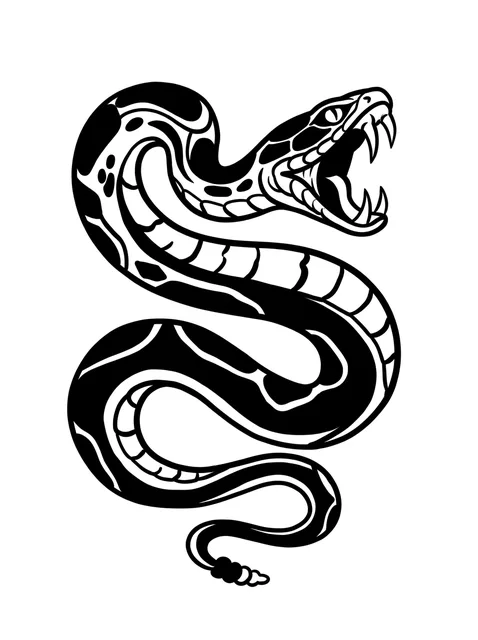
Black and grey traditional snake tattoo design: a coiled snake (2 of 2) Try it on — Black and grey traditional snake tattoo design: a coiled snake (2 of 2)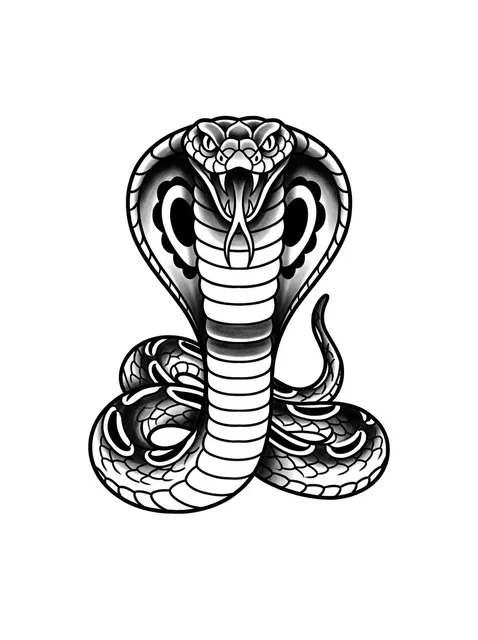
Black and grey traditional snake tattoo design: a coiled cobra Try it on — Black and grey traditional snake tattoo design: a coiled cobra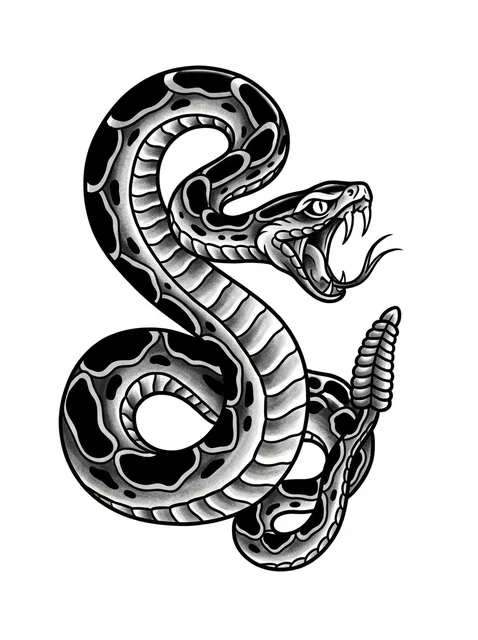
Black and grey traditional snake tattoo design: a coiled rattlesnake Try it on — Black and grey traditional snake tattoo design: a coiled rattlesnake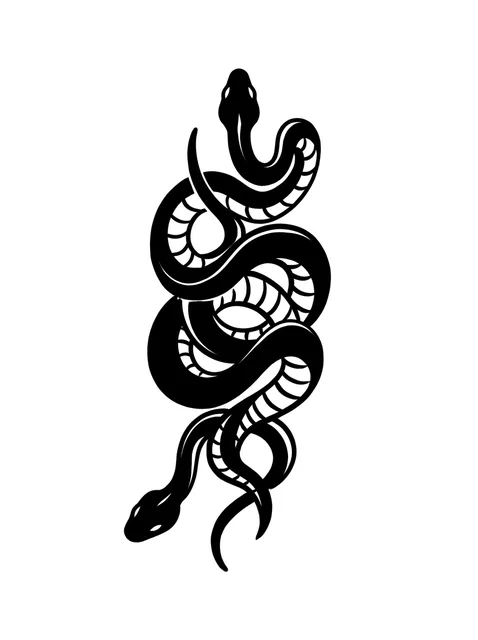
Black and white blackwork snake tattoo design: two intertwined snakes Try it on — Black and white blackwork snake tattoo design: two intertwined snakes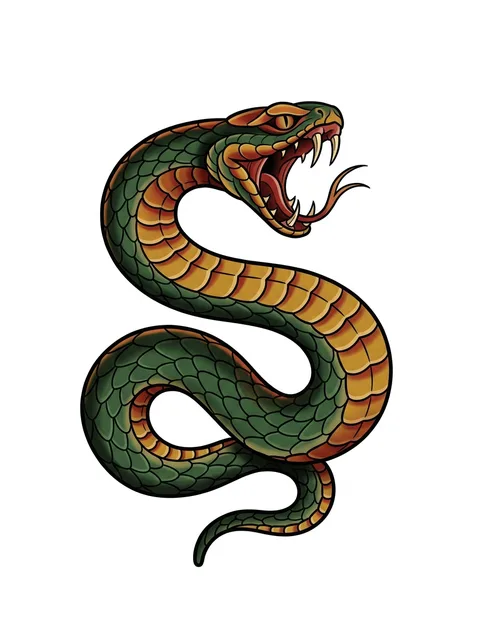
Color traditional snake tattoo design: a coiled snake Try it on — Color traditional snake tattoo design: a coiled snake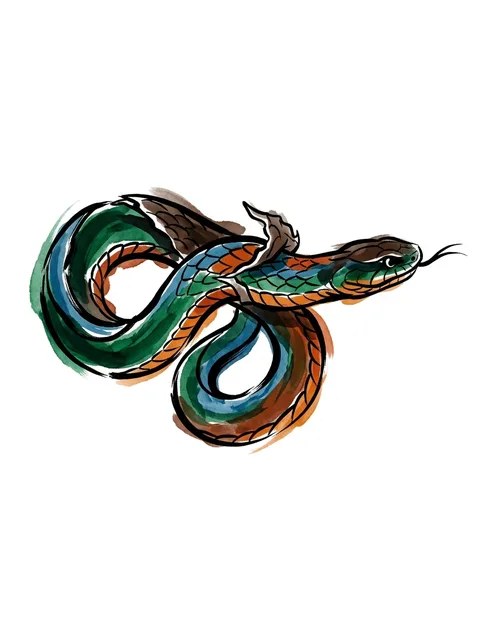
Color watercolor snake tattoo design Try it on — Color watercolor snake tattoo design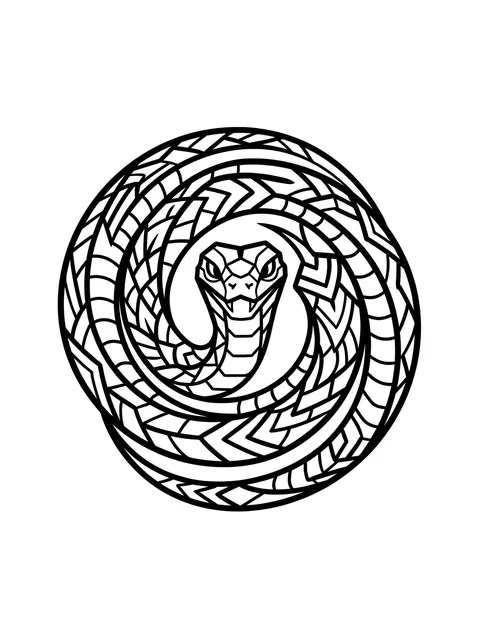
Black and white geometric snake tattoo design, outline stencil: its head prominently centered Try it on — Black and white geometric snake tattoo design, outline stencil: its head prominently centered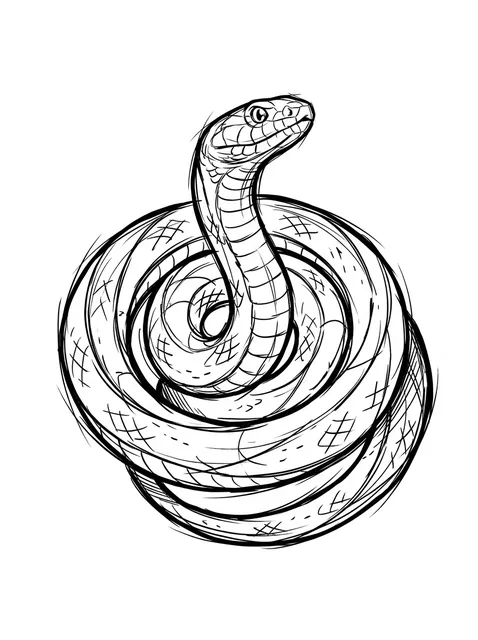
Black and grey illustrative snake tattoo design: its head raised and looking forward Try it on — Black and grey illustrative snake tattoo design: its head raised and looking forward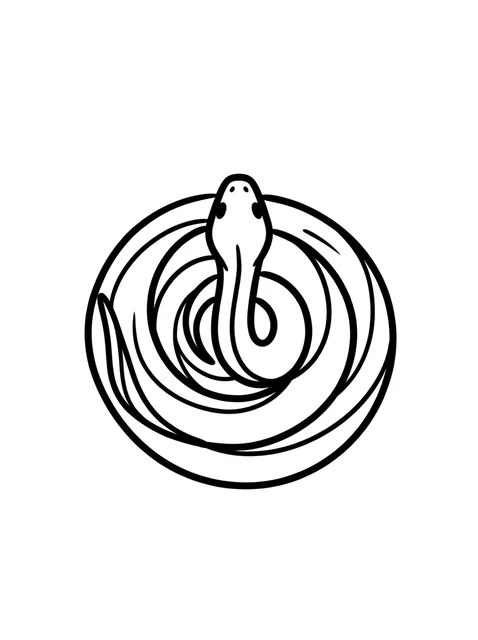
Black and white linework snake tattoo design, outline stencil: a coiled snake, viewed from above Try it on — Black and white linework snake tattoo design, outline stencil: a coiled snake, viewed from above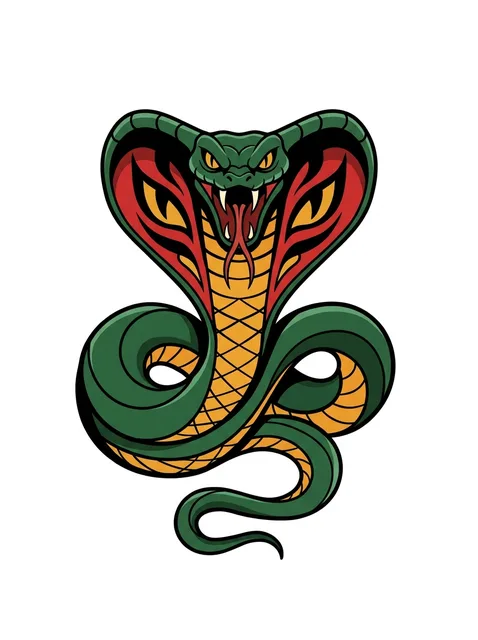
Color new school snake tattoo design: a cobra with its hood spread, ready to strike Try it on — Color new school snake tattoo design: a cobra with its hood spread, ready to strike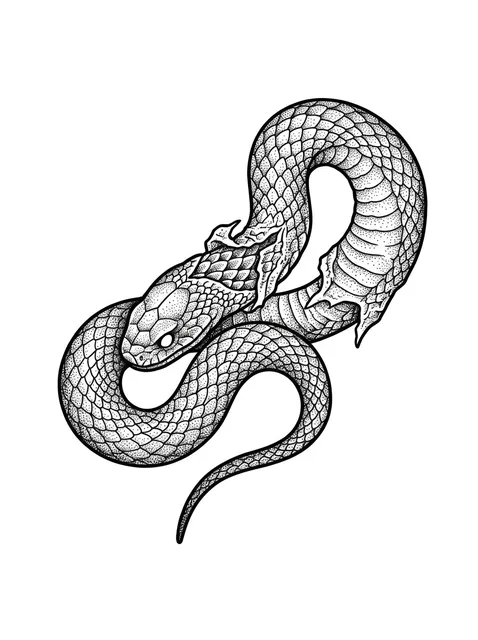
Black and grey dotwork snake tattoo design: a coiled snake, shedding its skin Try it on — Black and grey dotwork snake tattoo design: a coiled snake, shedding its skin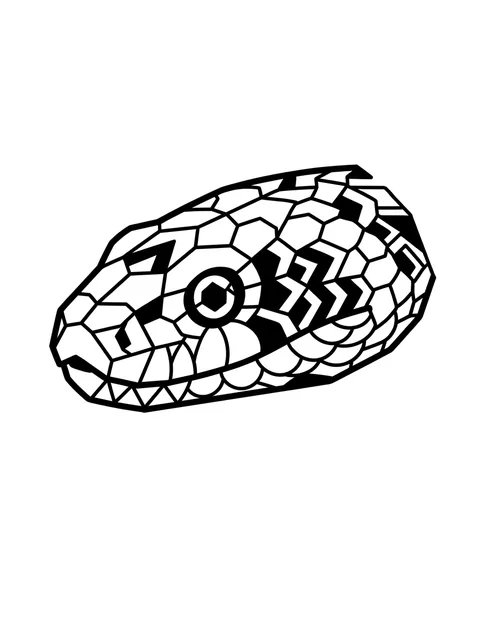
Black and white geometric snake tattoo design, outline stencil: the head of a snake Try it on — Black and white geometric snake tattoo design, outline stencil: the head of a snake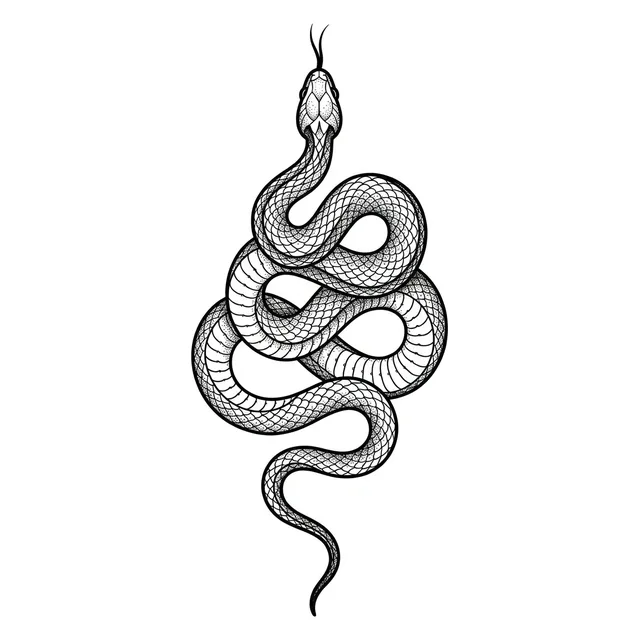
Black and white dotwork snake tattoo design: a coiled snake Try it on — Black and white dotwork snake tattoo design: a coiled snake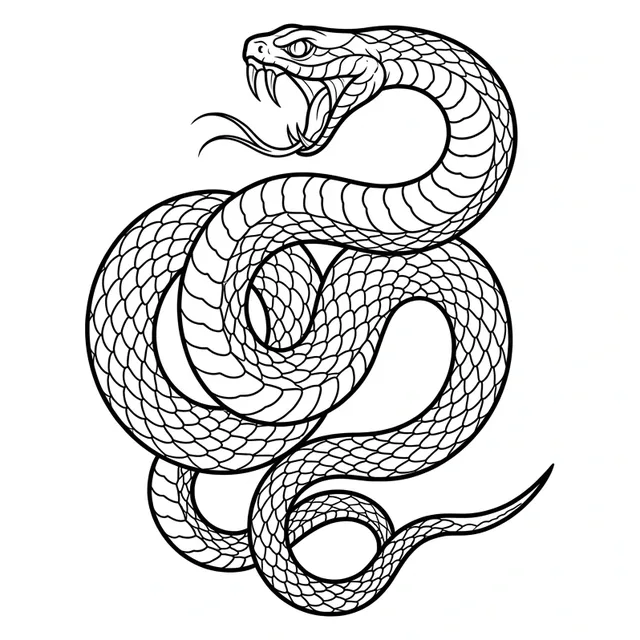
Black and grey illustrative snake tattoo design: a coiled snake (1 of 2) Try it on — Black and grey illustrative snake tattoo design: a coiled snake (1 of 2)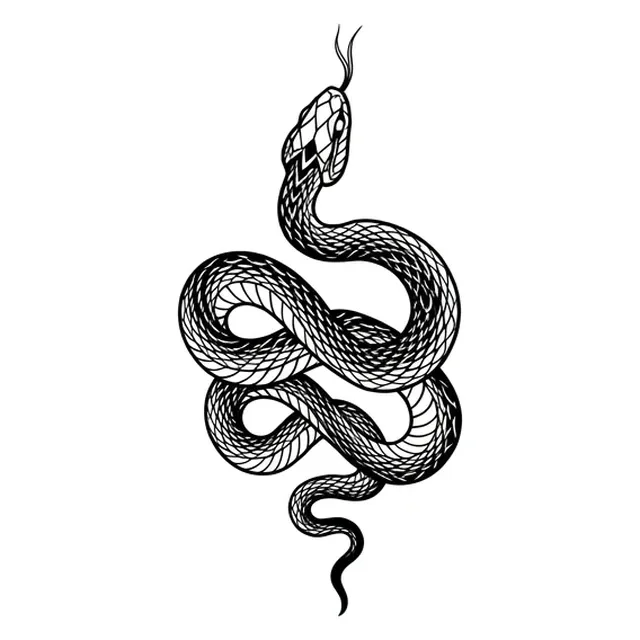
Black and grey illustrative snake tattoo design: a coiled snake (2 of 2) Try it on — Black and grey illustrative snake tattoo design: a coiled snake (2 of 2)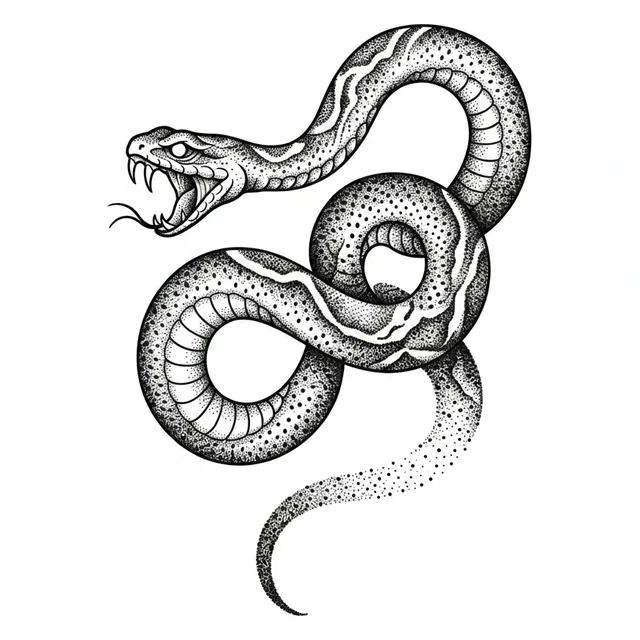
Black and grey dotwork snake tattoo design: a coiled snake Try it on — Black and grey dotwork snake tattoo design: a coiled snake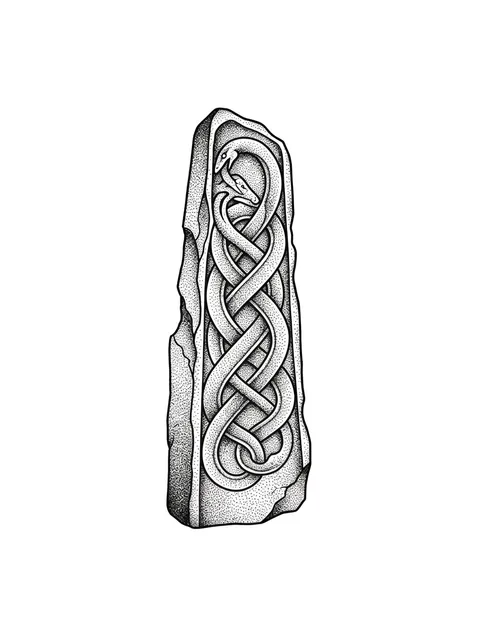
Black and grey dotwork snake tattoo design Try it on — Black and grey dotwork snake tattoo design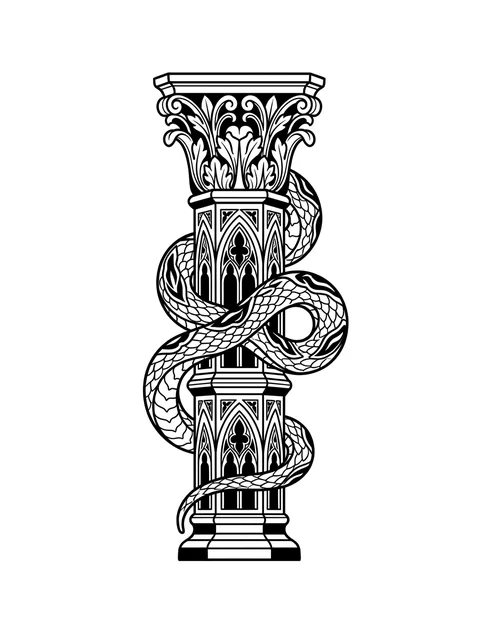
Black and grey gothic snake tattoo design Try it on — Black and grey gothic snake tattoo design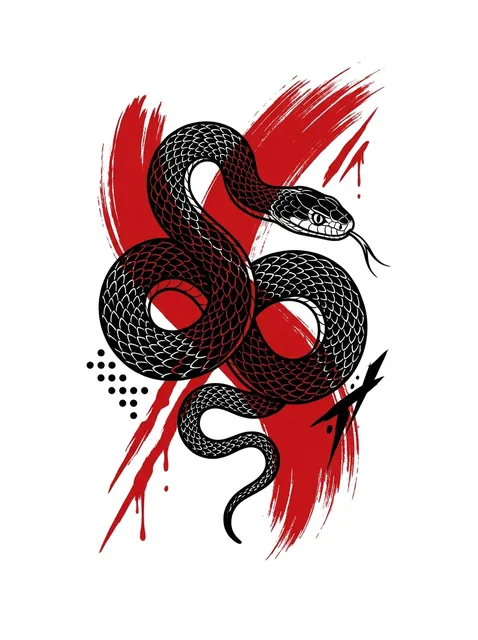
Color trash polka snake tattoo design: a coiled black snake with detailed scales Try it on — Color trash polka snake tattoo design: a coiled black snake with detailed scales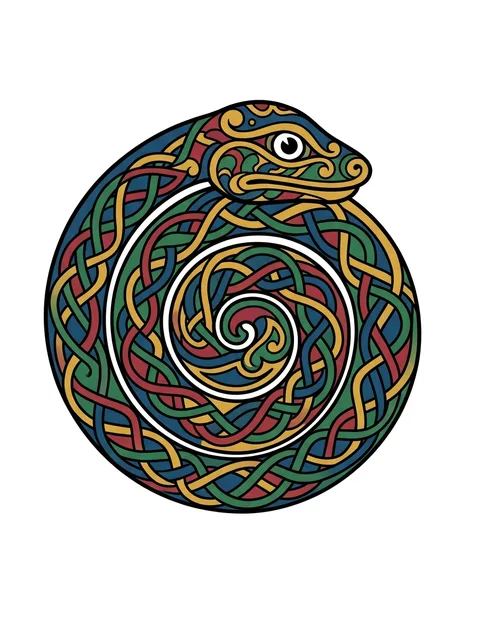
Color celtic snake tattoo design: its head resting on top, its body filled Try it on — Color celtic snake tattoo design: its head resting on top, its body filled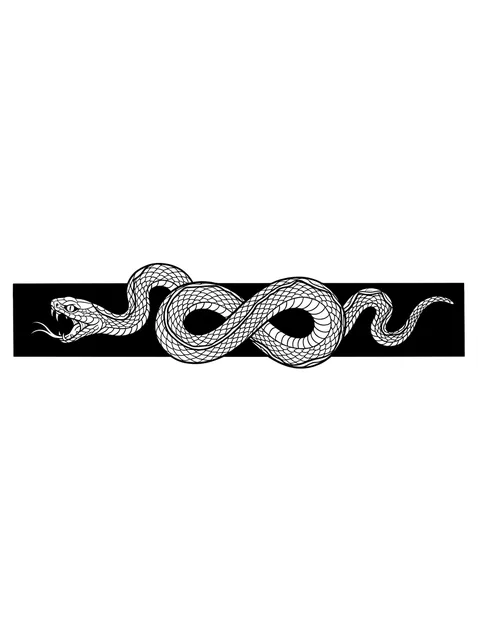
Black and white blackout snake tattoo design Try it on — Black and white blackout snake tattoo design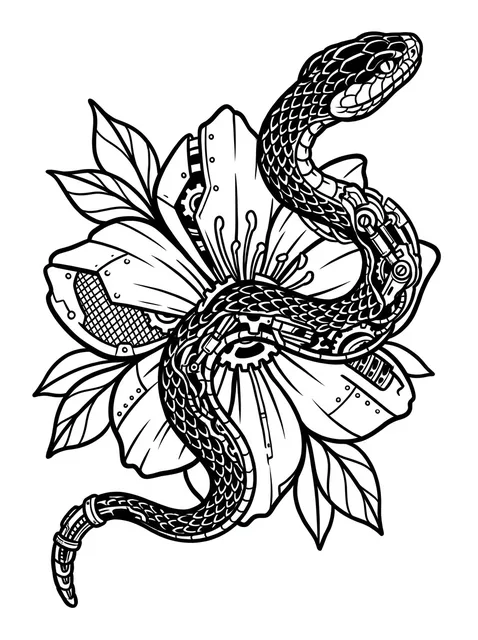
Black and grey biomechanical snake and flower tattoo design: a snake intertwined with a flower Try it on — Black and grey biomechanical snake and flower tattoo design: a snake intertwined with a flower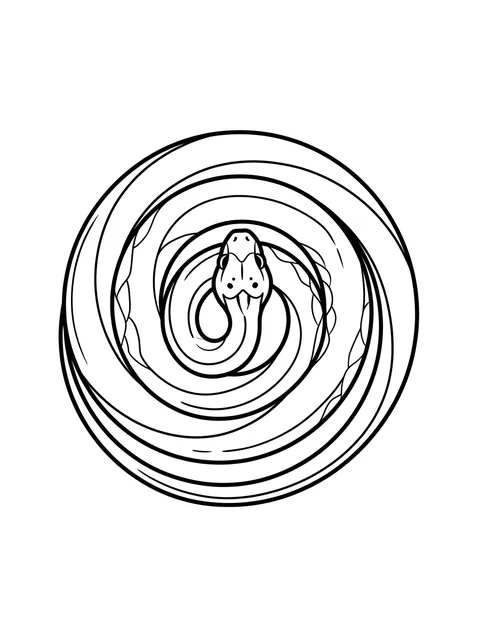
Black and white linework snake and ouroboros tattoo design, outline stencil: a coiled snake Try it on — Black and white linework snake and ouroboros tattoo design, outline stencil: a coiled snake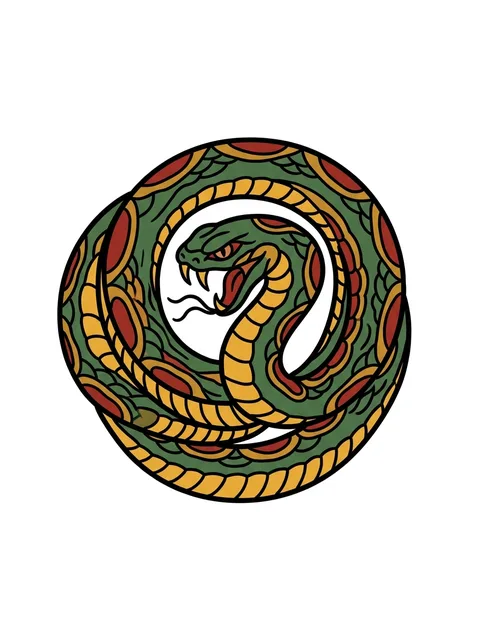
Color traditional snake and ouroboros tattoo design: a coiled snake in the form of an ouroboros Try it on — Color traditional snake and ouroboros tattoo design: a coiled snake in the form of an ouroboros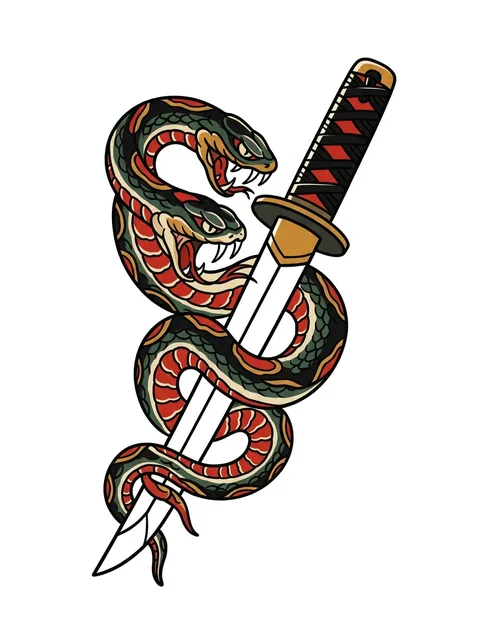
Color traditional snake and dagger tattoo design: their fangs bared Try it on — Color traditional snake and dagger tattoo design: their fangs bared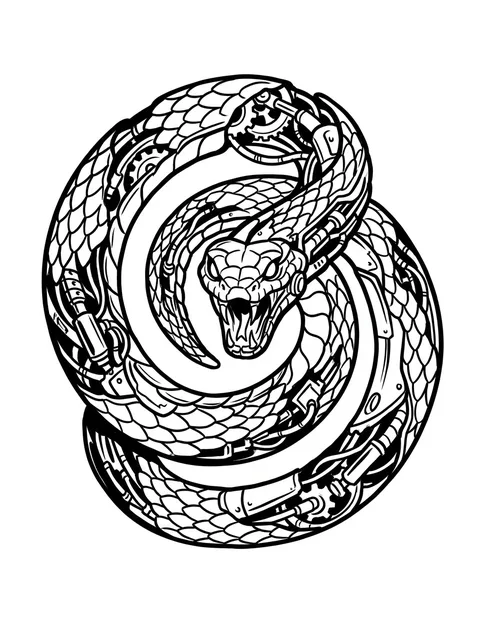
Black and white biomechanical snake and ouroboros tattoo design Try it on — Black and white biomechanical snake and ouroboros tattoo design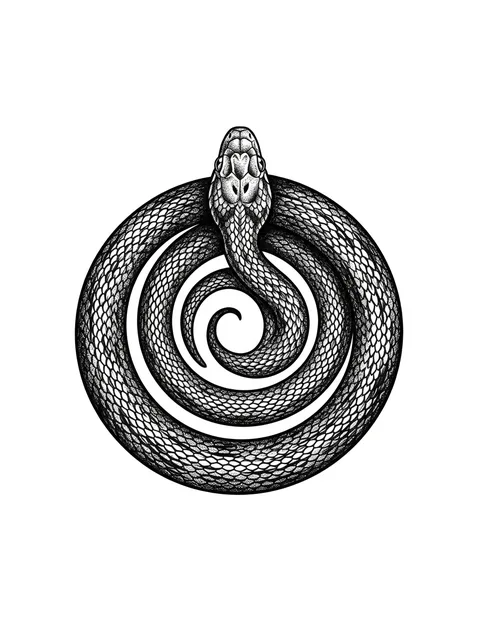
Black and grey dotwork snake and ouroboros tattoo design: a snake coiled into a spiral Try it on — Black and grey dotwork snake and ouroboros tattoo design: a snake coiled into a spiral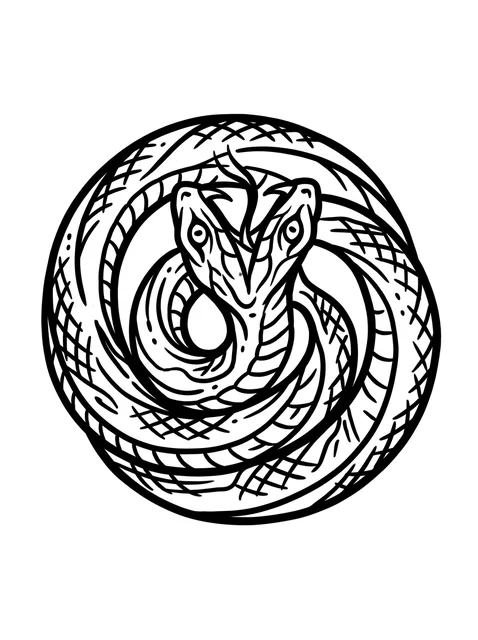
Black and grey traditional snake and ouroboros tattoo design Try it on — Black and grey traditional snake and ouroboros tattoo design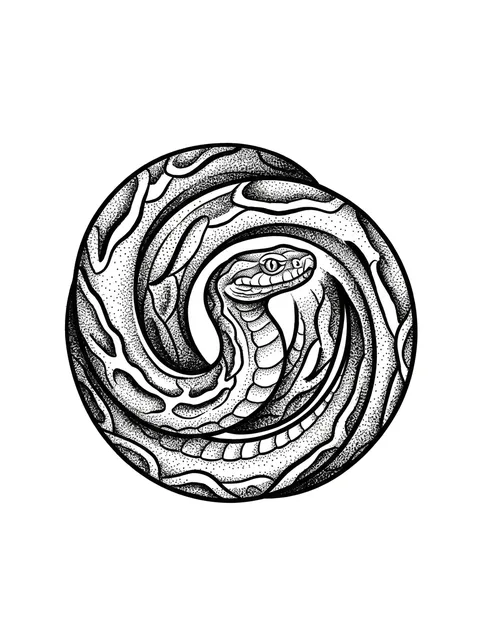
Black and grey dotwork snake and ouroboros tattoo design (1 of 3) Try it on — Black and grey dotwork snake and ouroboros tattoo design (1 of 3)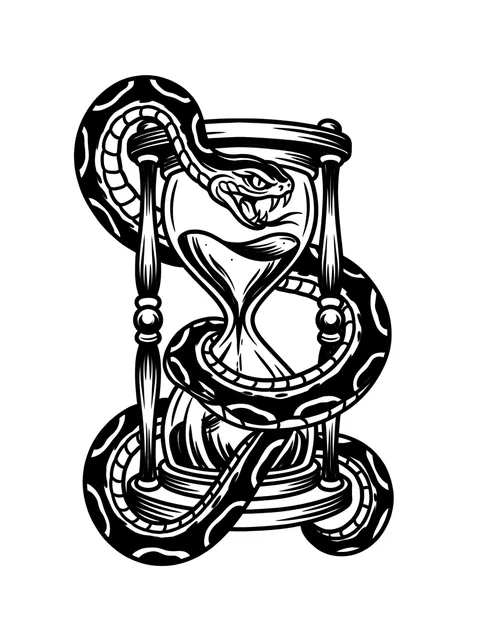
Black and white traditional snake and hourglass tattoo design: a snake coiled around an hourglass Try it on — Black and white traditional snake and hourglass tattoo design: a snake coiled around an hourglass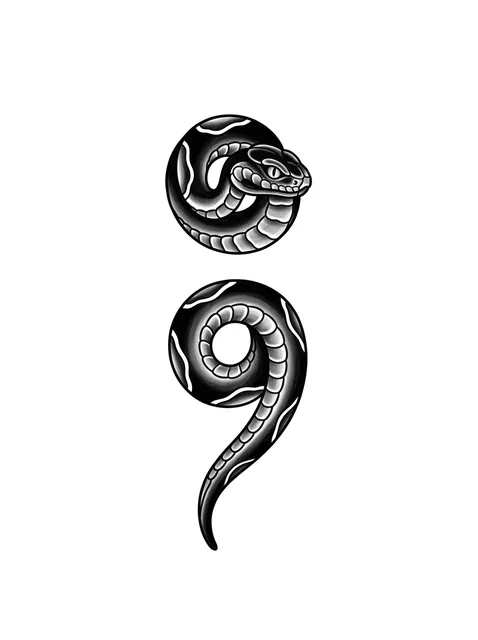
Black and grey traditional snake and semicolon tattoo design Try it on — Black and grey traditional snake and semicolon tattoo design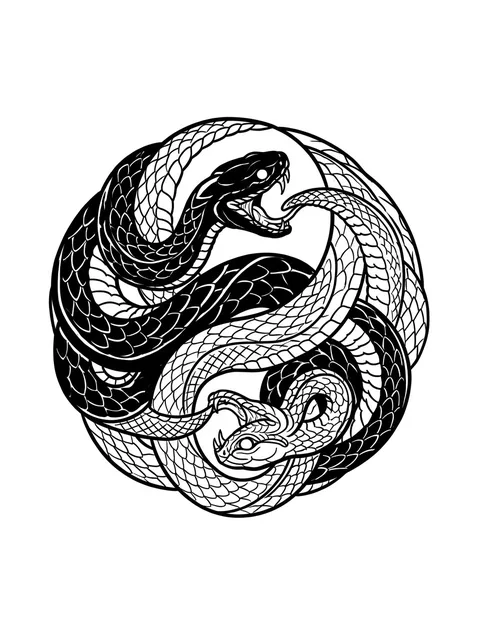
Black and white blackwork snake and yin yang tattoo design Try it on — Black and white blackwork snake and yin yang tattoo design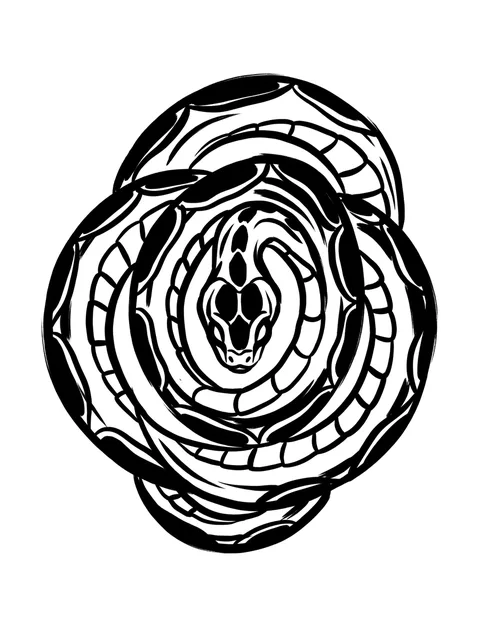
Black and white blackwork snake and ouroboros tattoo design (1 of 3) Try it on — Black and white blackwork snake and ouroboros tattoo design (1 of 3)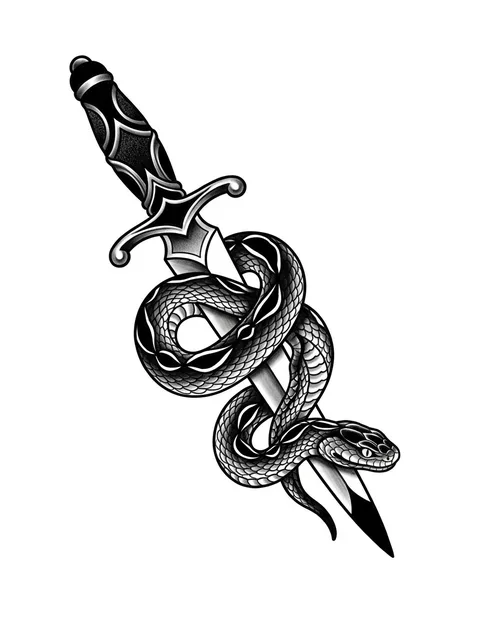
Black and grey traditional snake and dagger tattoo design: a snake coiled around a dagger Try it on — Black and grey traditional snake and dagger tattoo design: a snake coiled around a dagger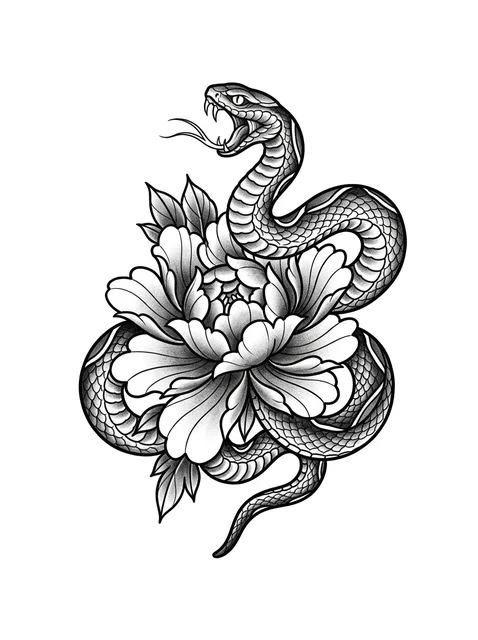
Black and grey irezumi snake and peony tattoo design Try it on — Black and grey irezumi snake and peony tattoo design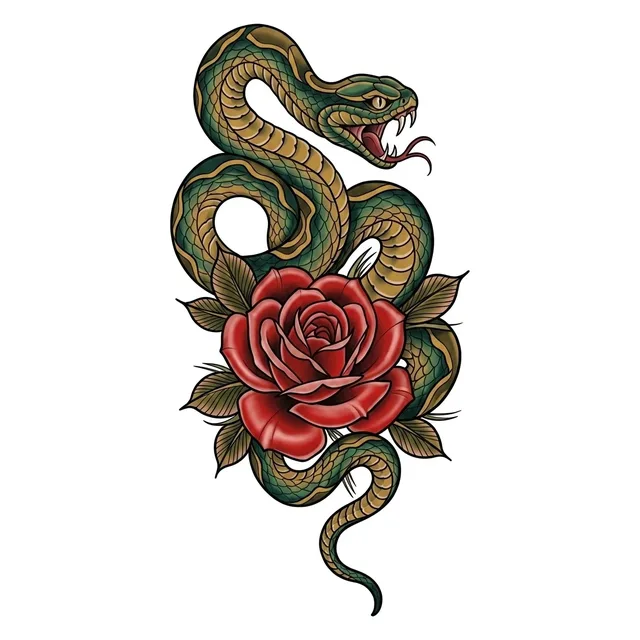
Color traditional snake and rose tattoo design: a coiled green and gold snake Try it on — Color traditional snake and rose tattoo design: a coiled green and gold snake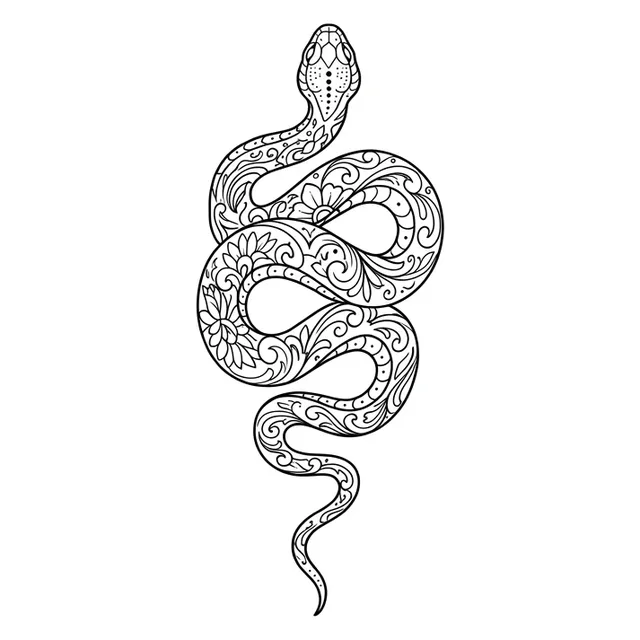
Black and grey illustrative snake and flower tattoo design: a coiled snake Try it on — Black and grey illustrative snake and flower tattoo design: a coiled snake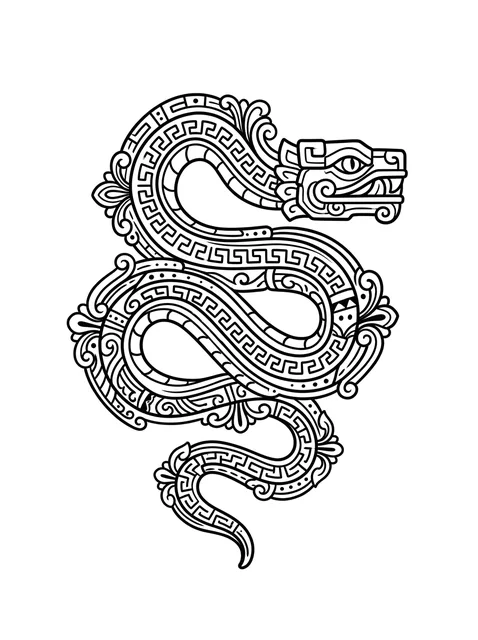
Black and white geometric snake and dragon tattoo design, outline stencil Try it on — Black and white geometric snake and dragon tattoo design, outline stencil
Color flash snake and skull tattoo design Try it on — Color flash snake and skull tattoo design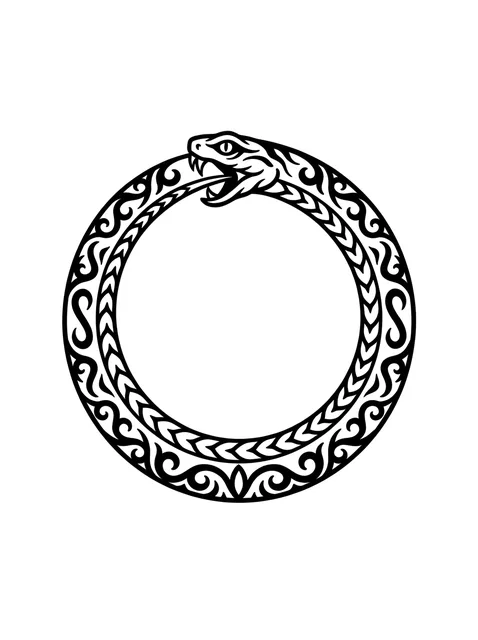
Black and white blackwork snake and ouroboros tattoo design (2 of 3) Try it on — Black and white blackwork snake and ouroboros tattoo design (2 of 3)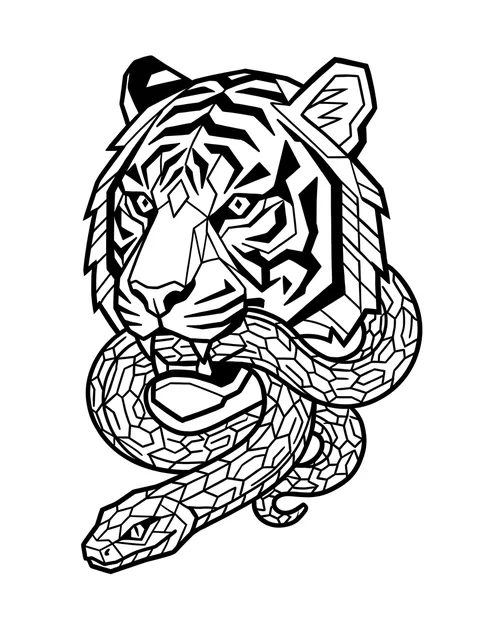
Black and white geometric snake and tiger tattoo design, outline stencil: a tiger's head Try it on — Black and white geometric snake and tiger tattoo design, outline stencil: a tiger's head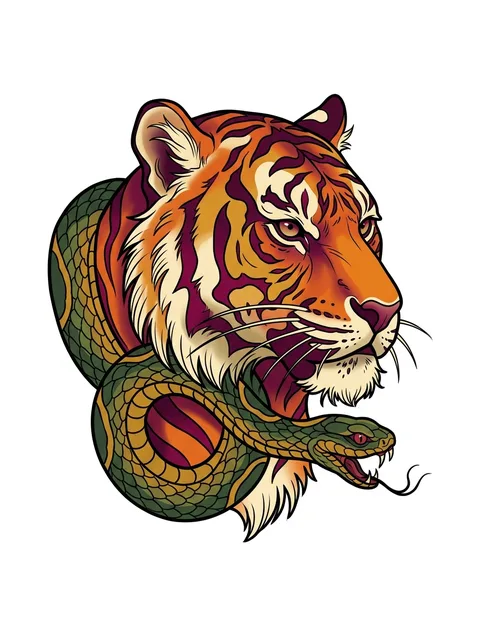
Color neo traditional snake and tiger tattoo design: a tiger's head in profile Try it on — Color neo traditional snake and tiger tattoo design: a tiger's head in profile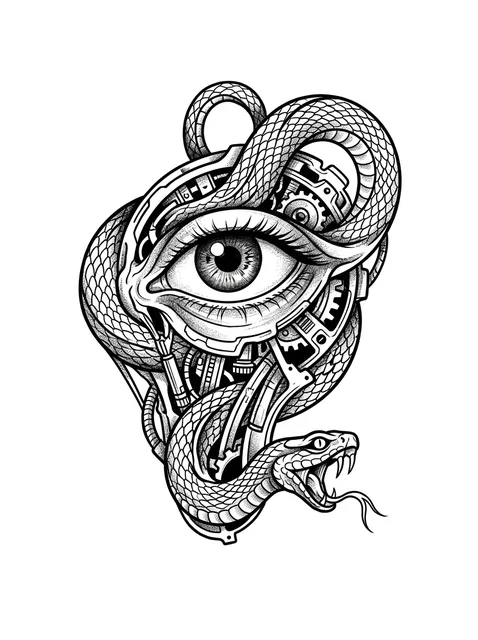
Black and grey illustrative snake and eye tattoo design: a detailed eye intertwined with a snake Try it on — Black and grey illustrative snake and eye tattoo design: a detailed eye intertwined with a snake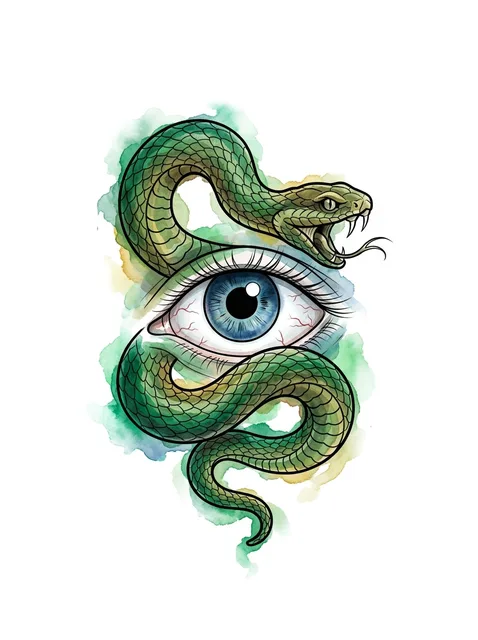
Color watercolor snake and eye tattoo design: an open mouth and exposed fangs poised above it Try it on — Color watercolor snake and eye tattoo design: an open mouth and exposed fangs poised above it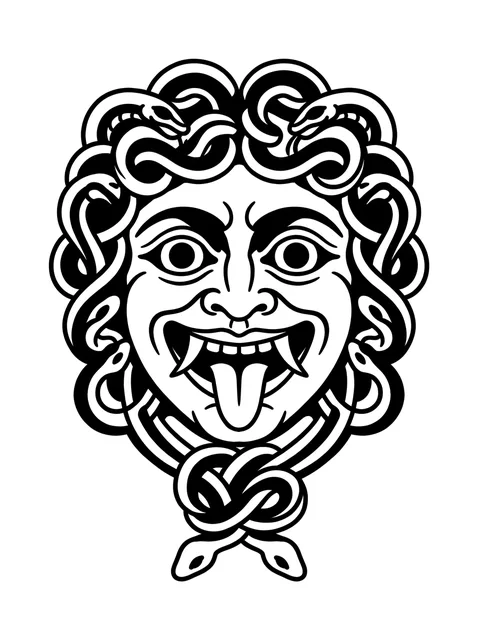
Black and white blackwork snake and medusa tattoo design: a stylized Medusa head Try it on — Black and white blackwork snake and medusa tattoo design: a stylized Medusa head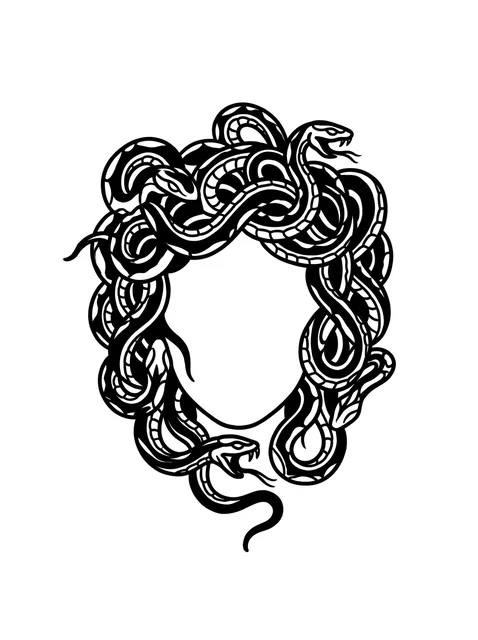
Black and white blackwork snake and medusa tattoo design: the head of Medusa Try it on — Black and white blackwork snake and medusa tattoo design: the head of Medusa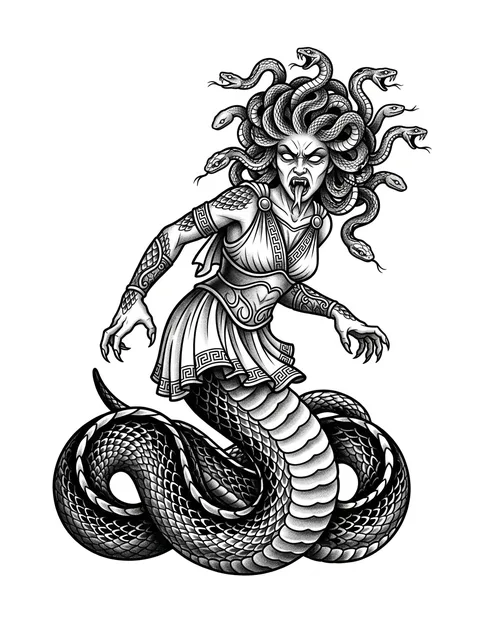
Black and grey neo traditional snake and medusa tattoo design Try it on — Black and grey neo traditional snake and medusa tattoo design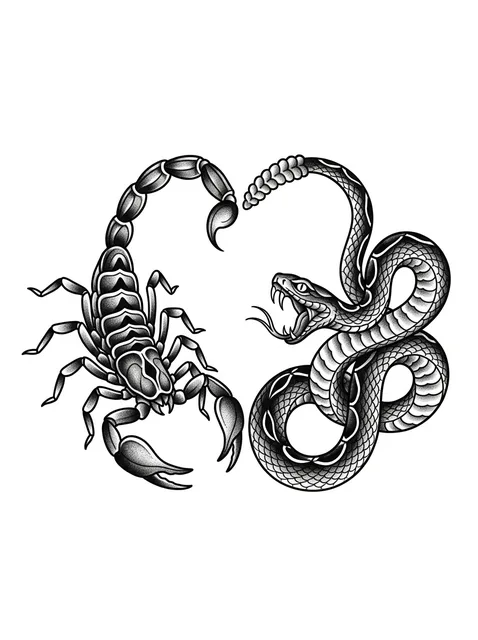
Black and grey traditional snake and scorpion tattoo design Try it on — Black and grey traditional snake and scorpion tattoo design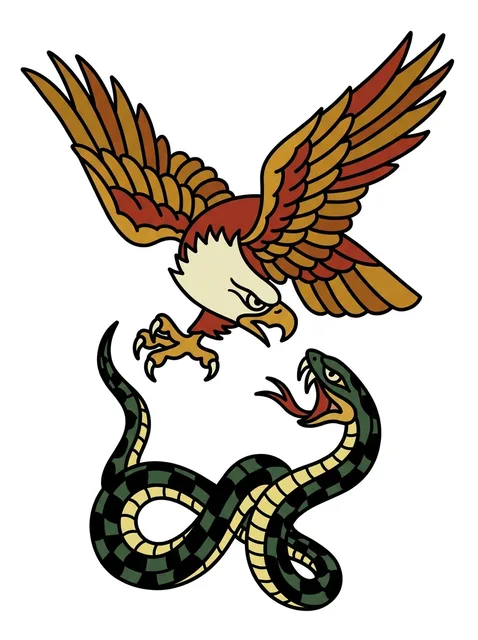
Color traditional snake and eagle tattoo design Try it on — Color traditional snake and eagle tattoo design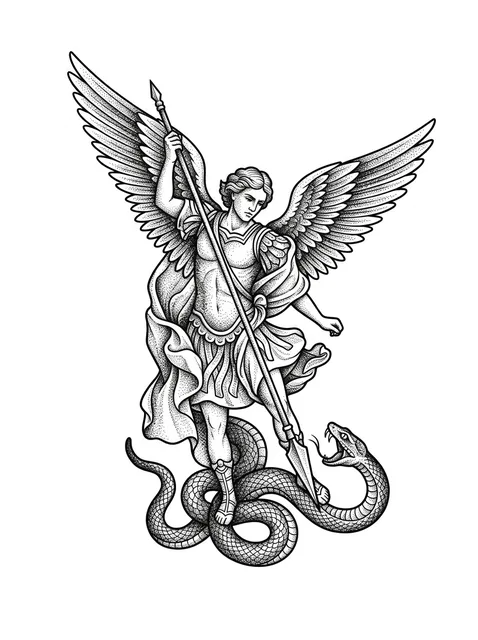
Black and grey dotwork snake and archangel tattoo design: an archangel, likely St Try it on — Black and grey dotwork snake and archangel tattoo design: an archangel, likely St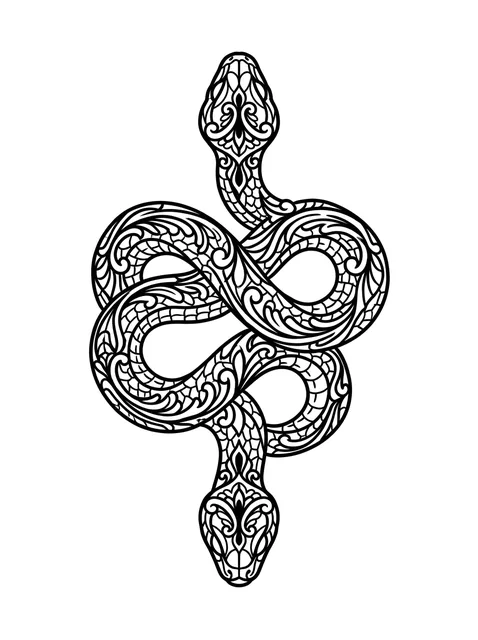
Black and grey ornamental snake and aztec tattoo design: two intertwined snakes Try it on — Black and grey ornamental snake and aztec tattoo design: two intertwined snakes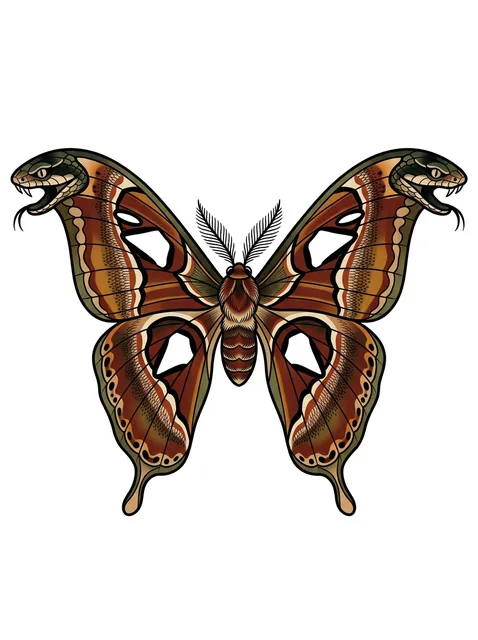
Color neo traditional snake and moth tattoo design Try it on — Color neo traditional snake and moth tattoo design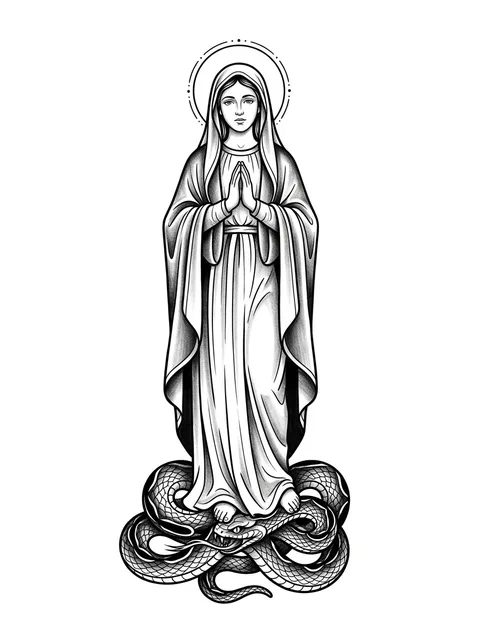
Black and grey neo traditional snake and virgin mary tattoo design Try it on — Black and grey neo traditional snake and virgin mary tattoo design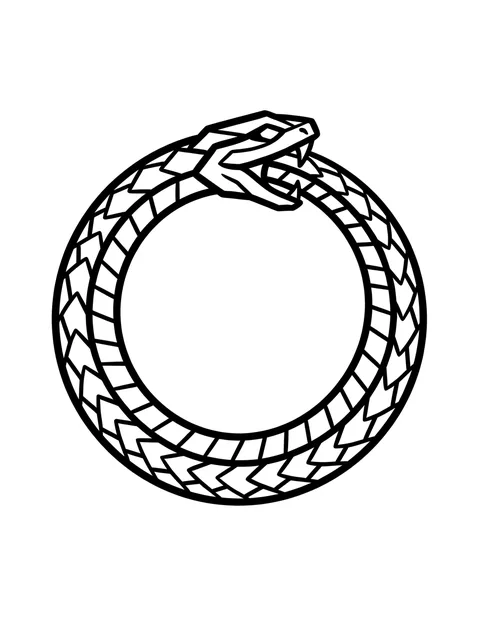
Black and white linework snake and ouroboros tattoo design, outline stencil (1 of 4) Try it on — Black and white linework snake and ouroboros tattoo design, outline stencil (1 of 4)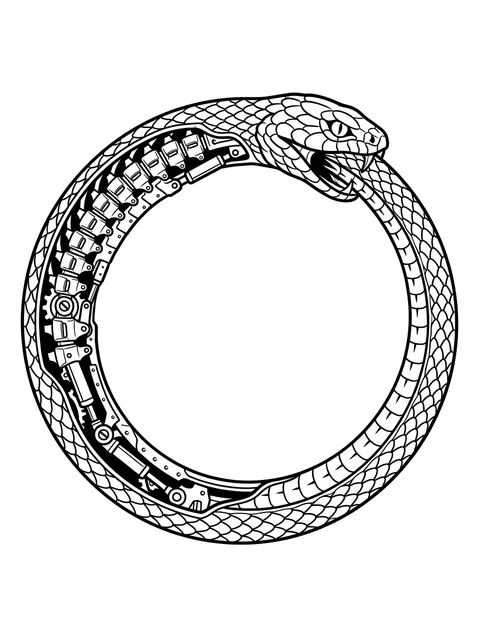
Black and grey illustrative snake and ouroboros tattoo design Try it on — Black and grey illustrative snake and ouroboros tattoo design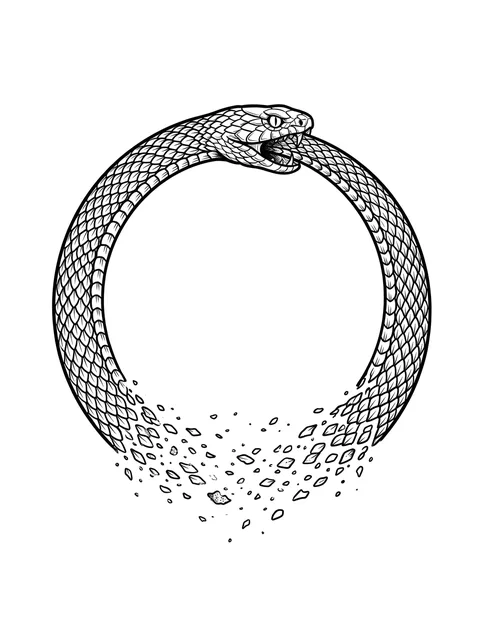
Black and white illustrative snake and ouroboros tattoo design Try it on — Black and white illustrative snake and ouroboros tattoo design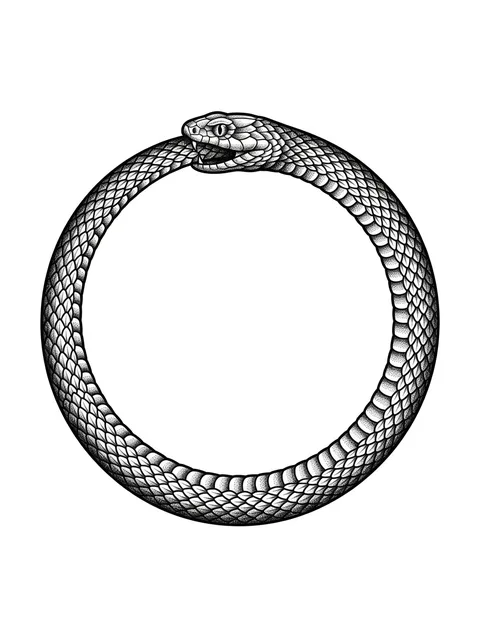
Black and grey dotwork snake and ouroboros tattoo design (2 of 3) Try it on — Black and grey dotwork snake and ouroboros tattoo design (2 of 3)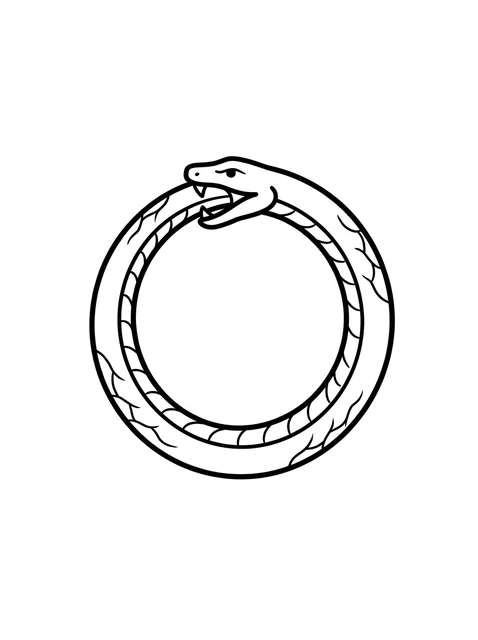
Black and white linework snake and ouroboros tattoo design, outline stencil (2 of 4) Try it on — Black and white linework snake and ouroboros tattoo design, outline stencil (2 of 4)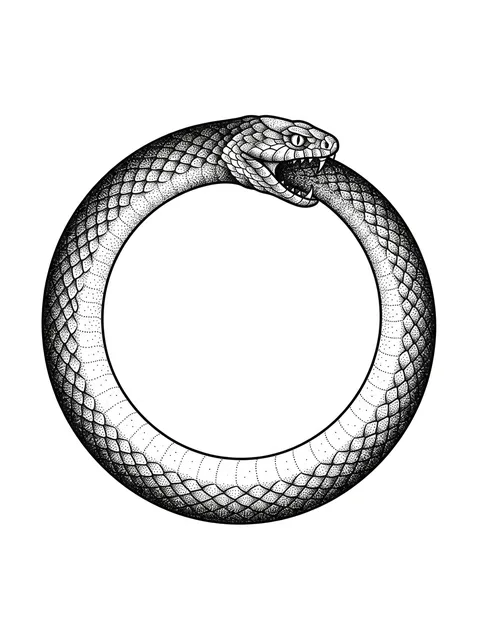
Black and grey dotwork snake and ouroboros tattoo design (3 of 3) Try it on — Black and grey dotwork snake and ouroboros tattoo design (3 of 3)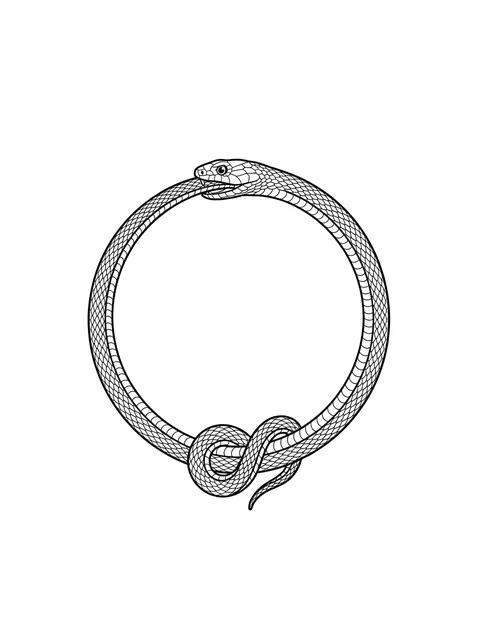
Black and white linework snake and ouroboros tattoo design, outline stencil (3 of 4) Try it on — Black and white linework snake and ouroboros tattoo design, outline stencil (3 of 4)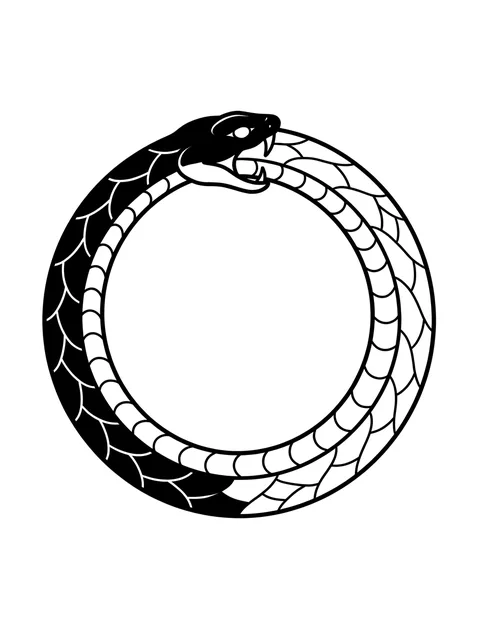
Black and white linework snake and ouroboros tattoo design, outline stencil (4 of 4) Try it on — Black and white linework snake and ouroboros tattoo design, outline stencil (4 of 4)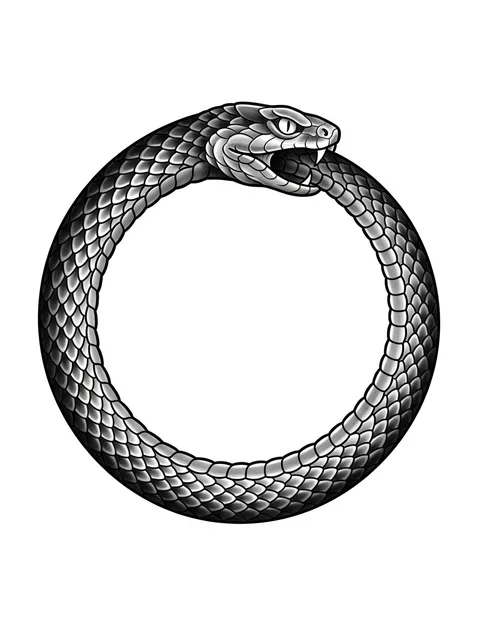
Black and grey neo traditional snake and ouroboros tattoo design: a snake biting its own tail Try it on — Black and grey neo traditional snake and ouroboros tattoo design: a snake biting its own tail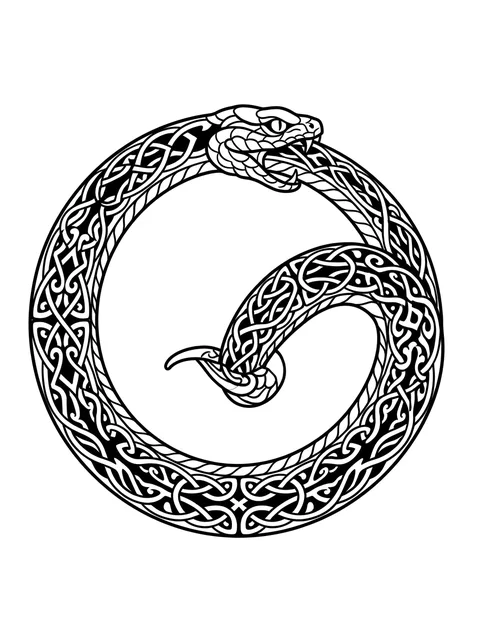
Black and white blackwork snake and ouroboros tattoo design (3 of 3) Try it on — Black and white blackwork snake and ouroboros tattoo design (3 of 3)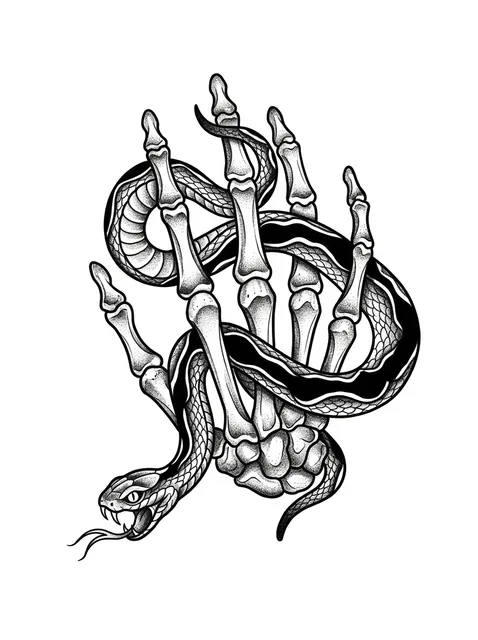
Black and grey dotwork snake and skeleton hand tattoo design: a skeletal hand intertwined Try it on — Black and grey dotwork snake and skeleton hand tattoo design: a skeletal hand intertwined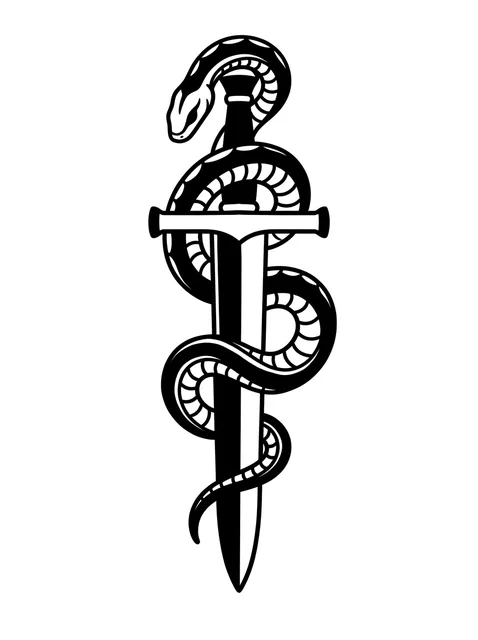
Black and grey traditional snake and sword tattoo design: a snake wrapped around a dagger Try it on — Black and grey traditional snake and sword tattoo design: a snake wrapped around a dagger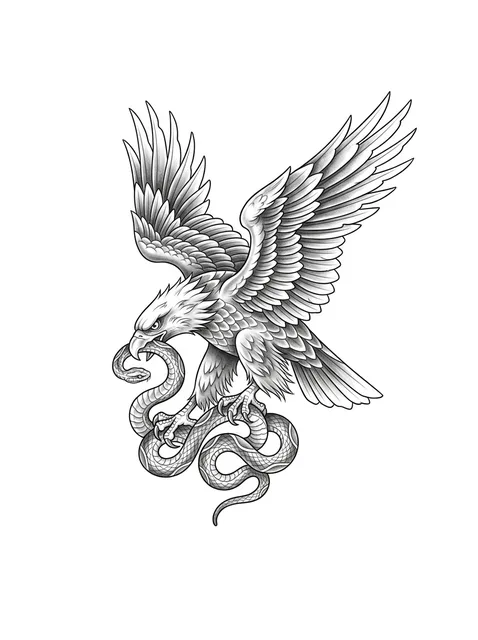
Black and grey neo traditional snake and eagle tattoo design Try it on — Black and grey neo traditional snake and eagle tattoo design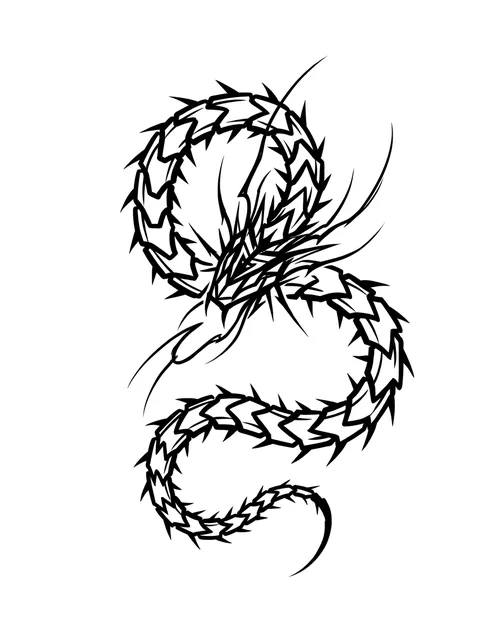
Black and white tribal snake and dragon tattoo design Try it on — Black and white tribal snake and dragon tattoo design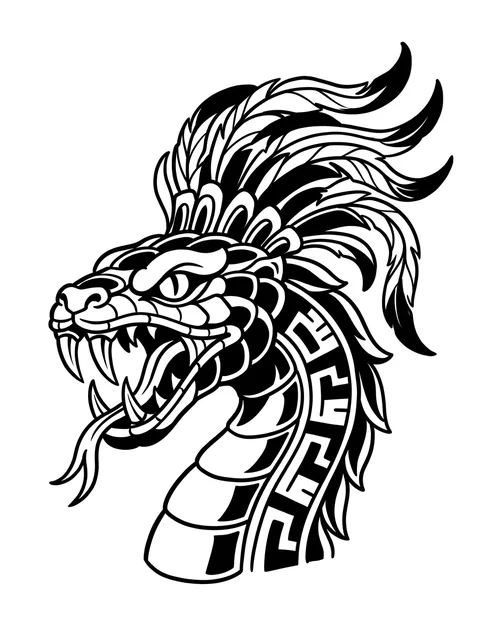
Black and white blackwork snake and aztec tattoo design Try it on — Black and white blackwork snake and aztec tattoo design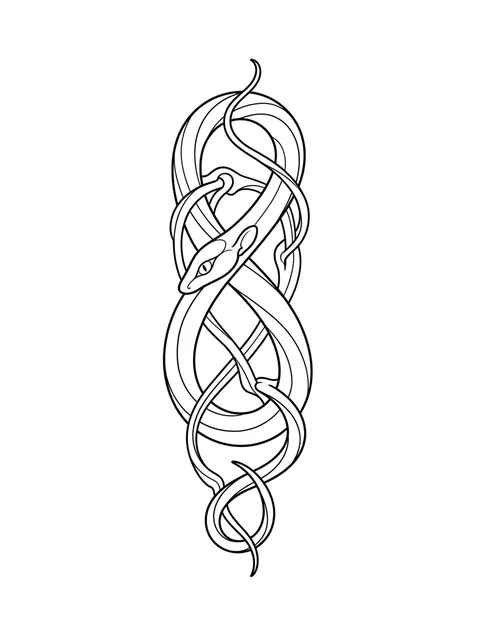
Black and white fine line snake and viking tattoo design, outline stencil Try it on — Black and white fine line snake and viking tattoo design, outline stencil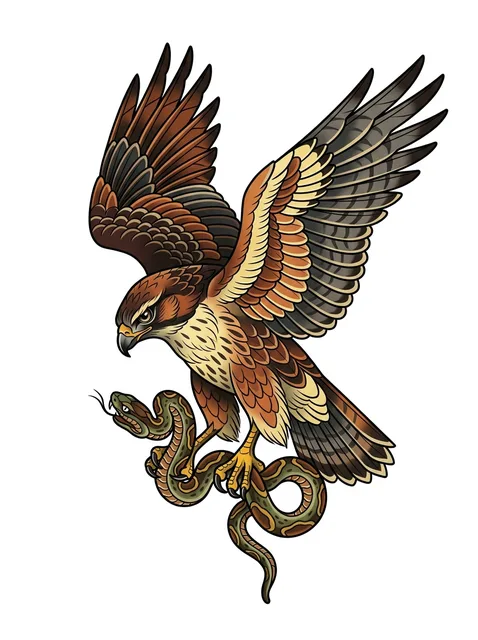
Color neo traditional snake and hawk tattoo design Try it on — Color neo traditional snake and hawk tattoo design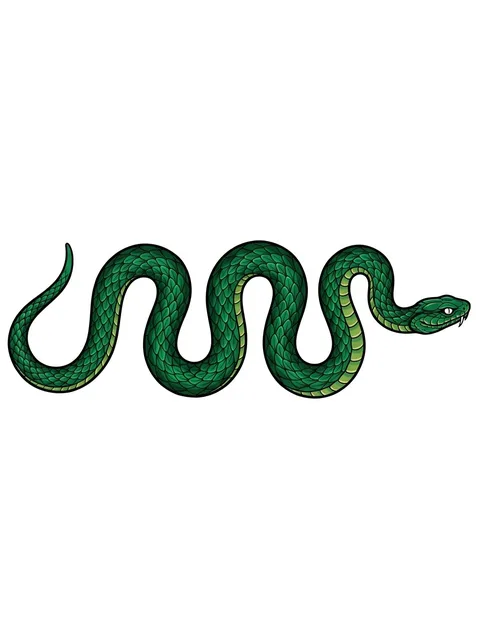
Color illustrative snake and armband tattoo design Try it on — Color illustrative snake and armband tattoo design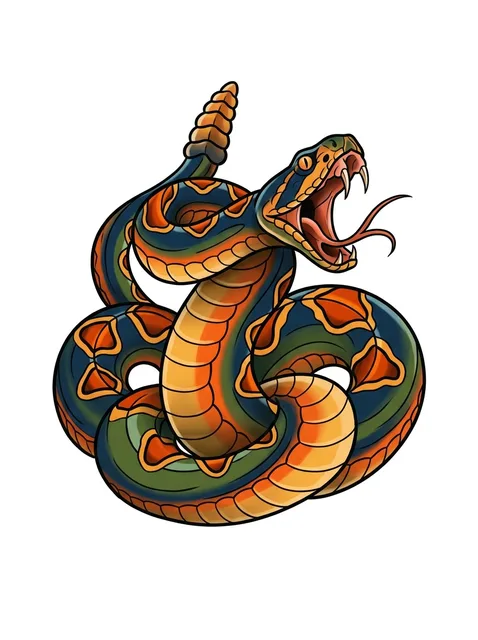
Color neo traditional snake and western tattoo design Try it on — Color neo traditional snake and western tattoo design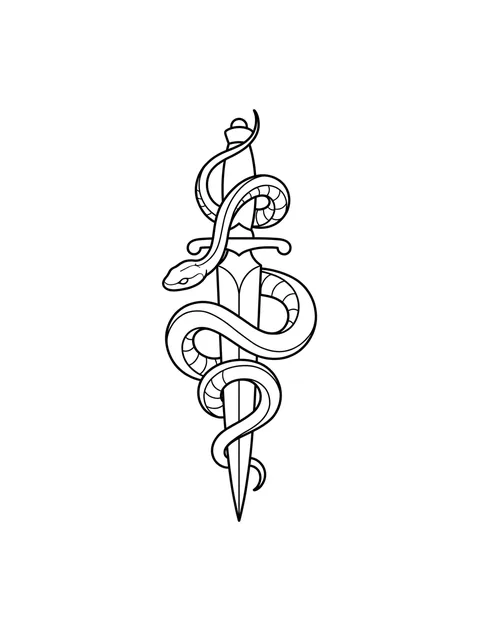
Black and white linework snake and snake and dagger tattoo design, outline stencil Try it on — Black and white linework snake and snake and dagger tattoo design, outline stencil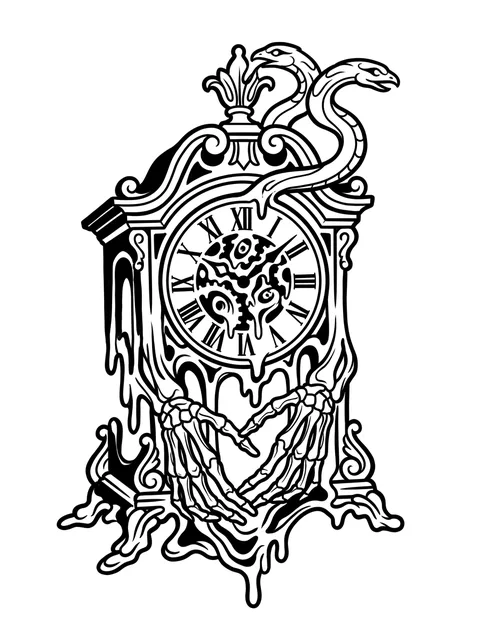
Black and white blackwork snake and clock tattoo design: an ornate grandfather clock Try it on — Black and white blackwork snake and clock tattoo design: an ornate grandfather clock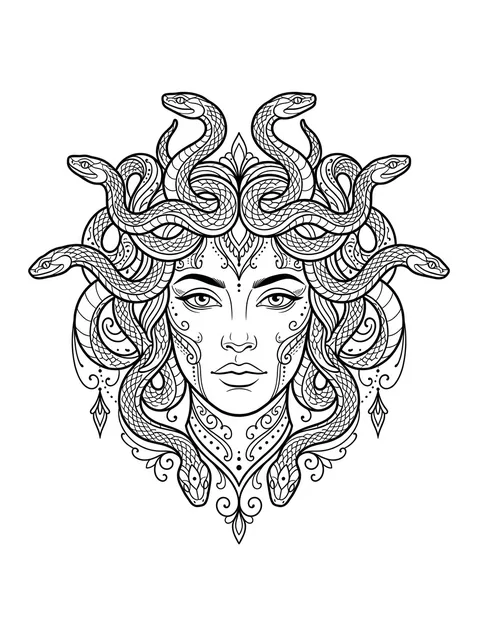
Black and grey illustrative snake and medusa tattoo design: a serene female face adorned Try it on — Black and grey illustrative snake and medusa tattoo design: a serene female face adorned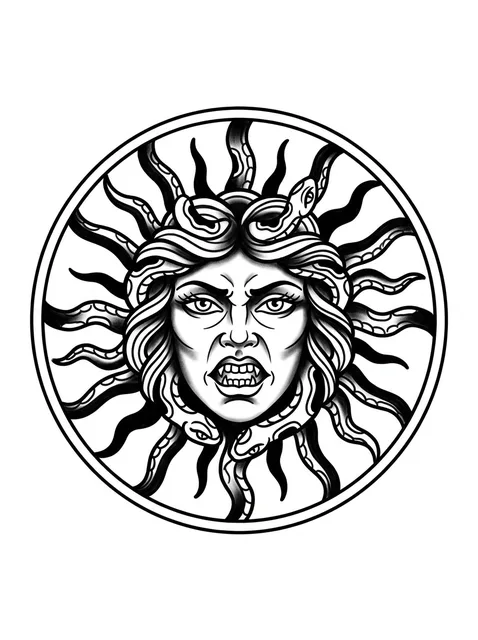
Black and grey traditional snake and medusa tattoo design Try it on — Black and grey traditional snake and medusa tattoo design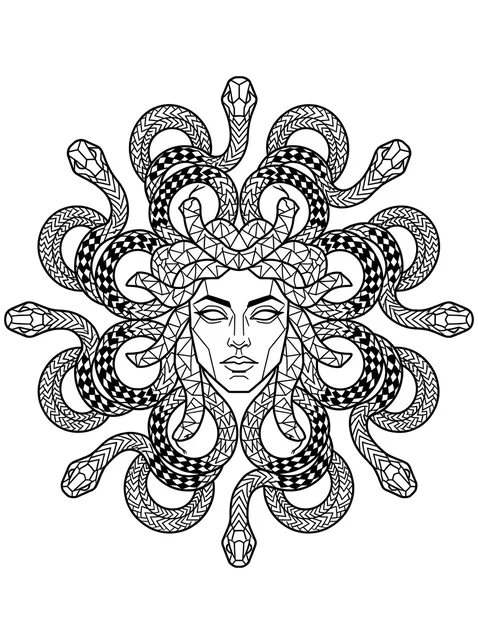
Black and white geometric snake and medusa tattoo design, outline stencil: a stylized woman's face Try it on — Black and white geometric snake and medusa tattoo design, outline stencil: a stylized woman's face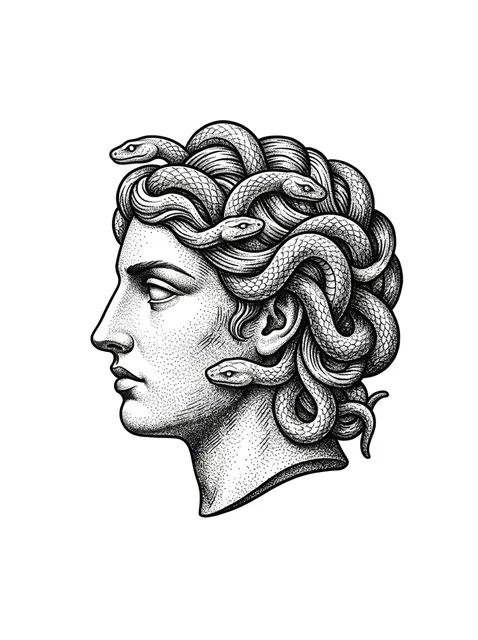
Black and grey dotwork snake and medusa tattoo design Try it on — Black and grey dotwork snake and medusa tattoo design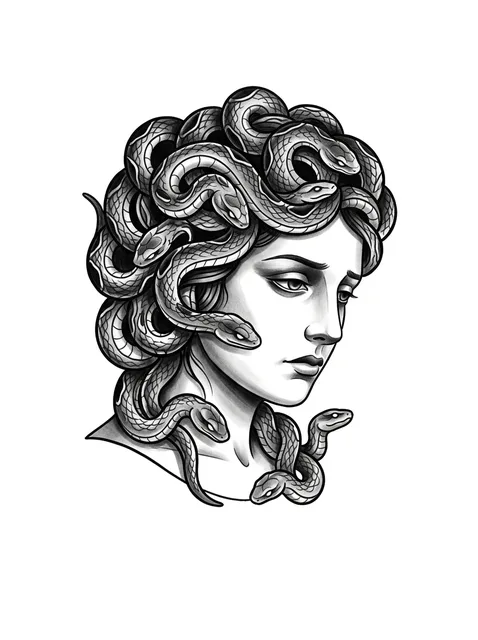
Black and grey illustrative snake and medusa tattoo design: a serene yet melancholic expression Try it on — Black and grey illustrative snake and medusa tattoo design: a serene yet melancholic expression


Tap any design to see it on your own skin in the try-on — no signup.
This set of 80 snake designs, by the numbers
- Styles represented
- traditional (16), dotwork (11), illustrative (10), blackwork (9), neo traditional (8), linework (7)
- Black-and-grey vs colour
- 80% black-and-grey, 20% colour
- Most often drawn with
- ouroboros, medusa, woman portrait, dagger
Counted from the 80 designs shown on this page. Every one was drawn for InkCraft — none are scraped or reposted. Free to reference with a link to this page.
What a snake tattoo means
The snake is the most reliably double-edged animal in tattooing. It reads as danger and as healing, as temptation and as renewal, and which one you get depends almost entirely on what the snake is doing.
A shedding snake is about renewal — the most common reason people choose one after coming through something. A snake swallowing its own tail is the ouroboros: cycles, return, things that have no end. A coiled snake with the head raised is defensive rather than aggressive, and reads as self-protection. A striking snake, fangs out, is the only genuinely hostile pose in the vocabulary.
Pairings sharpen it. A snake around a dagger is the classic protection-through-threat image. A snake through a flower borrows the rose's duality and doubles it. A snake with an eye motif reaches for the older Mediterranean sense of the serpent as guardian rather than tempter.
The medical snake is a separate lineage worth not confusing with the rest. The rod of Asclepius â one snake, one staff â is the genuine symbol of medicine, and the caduceus with two snakes and wings is Hermes’ herald staff, adopted by the US Army Medical Corps in 1902 by apparent mistake and now used by hospitals worldwide. If the tattoo is about medicine, the single-snake version is the one that means it.
In Japanese work the snake is protective rather than sinister. The hebi guards against illness and misfortune, and a snake wrapped around a skull or a peony in irezumi is a ward, not a threat — close to the opposite of the Western Eden reading, and worth knowing if the style you like is Japanese.
Where the design comes from
Snakes ran through Japanese irezumi as protective figures long before Western traditional work adopted them as danger symbols, and both readings survive side by side today. The Japanese hebi guards against illness and misfortune; the American traditional snake, arriving through sailor flash, mostly meant do not tread on me. The same animal, two nearly opposite jobs.
Choosing yours
- A snake is the most placement-flexible shape in tattooing because it bends to fit. A long body follows a limb, wraps, or curves along the spine — one of the few designs that can be drawn to the space rather than squeezed into it.
- Scales are where snakes age badly. Individually drawn scales at small sizes blur into texture within a decade; a snake meant to stay legible either goes large or gets its scales suggested rather than rendered.
Size, cost and placement
How big, and what it costs
A snake is mostly length, so it prices by field rather than by subject. A coiled snake at 10-12 cm is a two-to-three-hour piece. A snake running the length of a forearm or wrapping a limb is a half-day or more, and scale detail is what takes the time — every scale is a deliberate mark.
Where it sits, and how much it hurts
This is the motif that most rewards a curved field, because a snake is already a curve. Forearm, calf and the line of the spine all suit it. It is also the classic wrap-around design, and a wrap needs to be planned as one drawing rather than two halves that meet.
What to ask your artist
- Where the head sits, because that is what the eye finds first and it should land somewhere you want looked at.
- Whether scales are drawn individually or suggested — the second reads better small and costs considerably less.
- If it wraps, how the design resolves on the hidden side, which you will not see in the stencil photo.
Prices vary widely by city and artist — treat these as session lengths rather than quotes, and expect a shop minimum on anything small. The cost guide turns hours into money by size, placement and style.
Common questions
Are snake tattoos bad luck?
No tradition in tattooing treats them that way. In Japanese work the snake is explicitly protective, and in Western traditional it signals wariness rather than misfortune.
What does a snake wrapped around a dagger mean?
Protection through threat — the willingness to defend rather than the wish to attack. It is one of the oldest combinations in flash.
Which placements suit a snake?
Anywhere long and curved. The shape is designed to follow a limb, which is why it survives placements that would ruin a symmetrical design.
What a snake tattoo can mean
The meanings this motif carries on the pages that argue them. Each line is that page's own reason for including it.
- Growth tattoos
- Grows by shedding. The only motif here where getting bigger requires discarding the thing that used to protect you.
- Forever tattoos
- Sheds and continues, so it carries renewal rather than stasis. Permanence through changing rather than through staying the same.
- Scar cover-up tattoos
- A long, flexible body can be laid along the length of a linear scar — a surgical line, a self-harm scar — so the scar becomes the spine of the drawing instead of something being hidden behind it.
- Protection tattoos
- The uraeus on an Egyptian crown is a rearing cobra placed at the forehead to spit at the pharaoh's enemies — protection by threatening first, which is the most aggressive version of this idea and the oldest surviving one.
- Greek mythology tattoos
- A single snake on a staff is the rod of Asclepius and means medicine; two snakes with wings is Hermes' caduceus and means commerce and messengers. Medical tattoos get this wrong constantly and it is a one-snake difference.
See it on your skin before you commit
InkCraft places any of these designs on a photo of you — scaled, wrapped and shaded to the placement you pick.