 InkCraft
Vine Tattoo Ideas, Designs and Meaning
80 original vine designs drawn for InkCraftBy Uladzimir TumanauUpdated
Opens in your browser. No signup. Or tap any design below.
The one motif that should be drawn around your actual limb rather than picked flat. It has no fixed proportion to violate, which is why it is also the usual choice for threading between tattoos you already have.
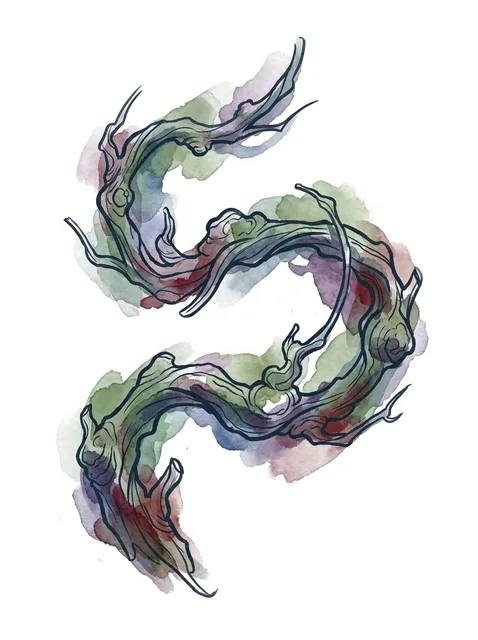
Color watercolor vine tattoo design: a winding vine or branch Try it on — Color watercolor vine tattoo design: a winding vine or branch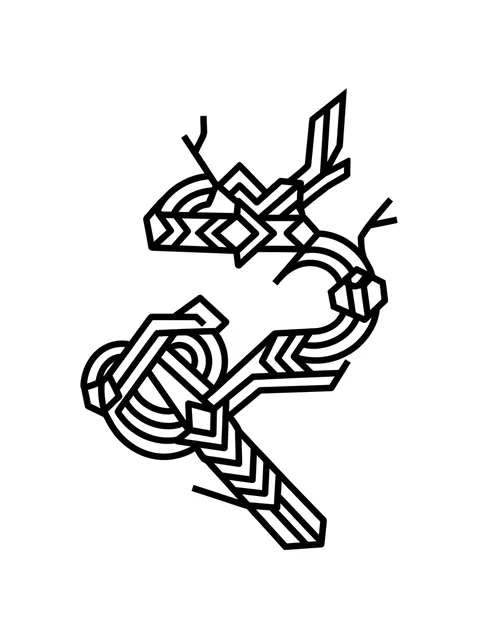
Black and white geometric vine tattoo design, outline stencil: a forked branch-like end Try it on — Black and white geometric vine tattoo design, outline stencil: a forked branch-like end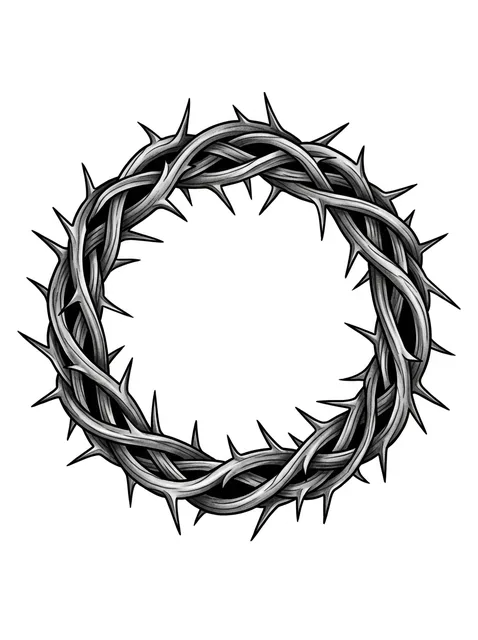
Black and grey illustrative vine tattoo design: a crown of thorns woven into a circular wreath Try it on — Black and grey illustrative vine tattoo design: a crown of thorns woven into a circular wreath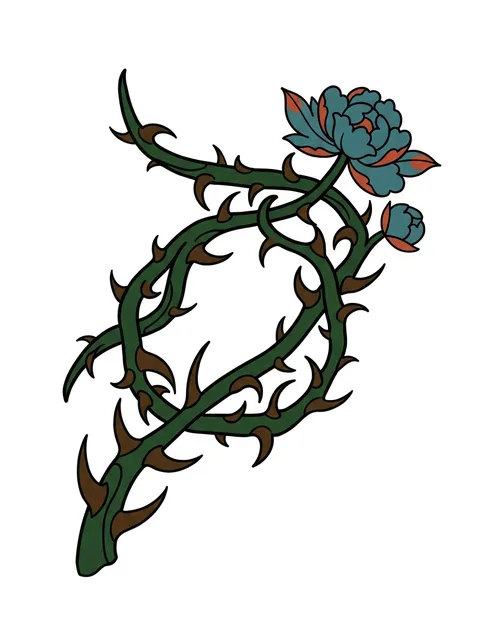
Color neo traditional vine and flower tattoo design Try it on — Color neo traditional vine and flower tattoo design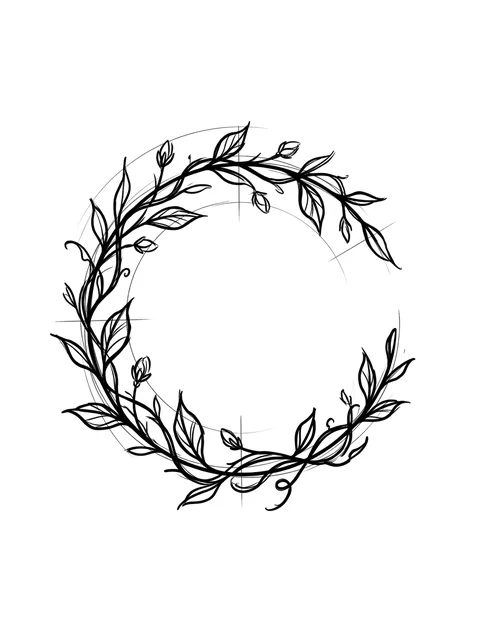
Black and grey sketch vine and leaf tattoo design Try it on — Black and grey sketch vine and leaf tattoo design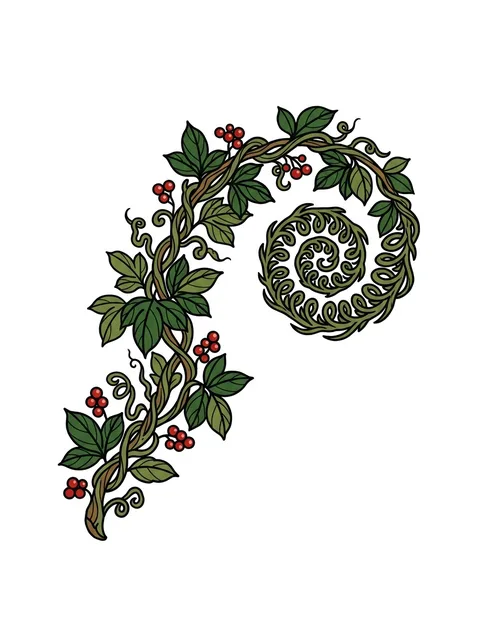
Color illustrative vine and leaf tattoo design: a winding vine with green leaves and red berries Try it on — Color illustrative vine and leaf tattoo design: a winding vine with green leaves and red berries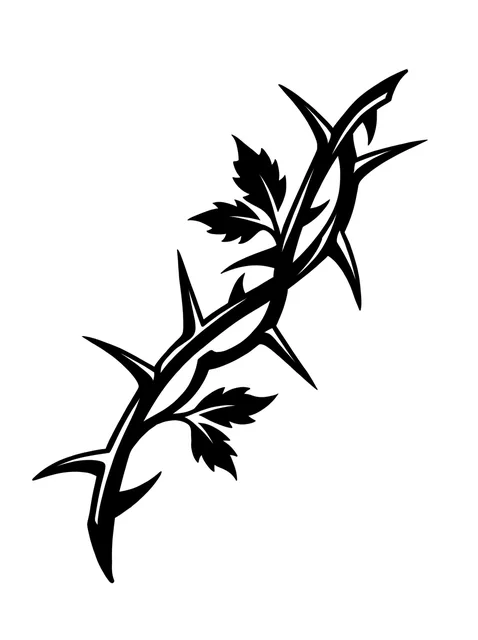
Black and white tribal vine and leaf tattoo design: a thorny vine with small leaves Try it on — Black and white tribal vine and leaf tattoo design: a thorny vine with small leaves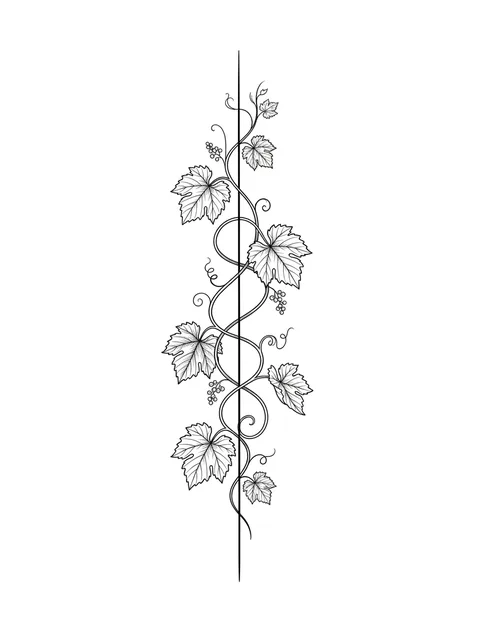
Black and white fine line vine and leaf tattoo design, outline stencil: a vertical vine Try it on — Black and white fine line vine and leaf tattoo design, outline stencil: a vertical vine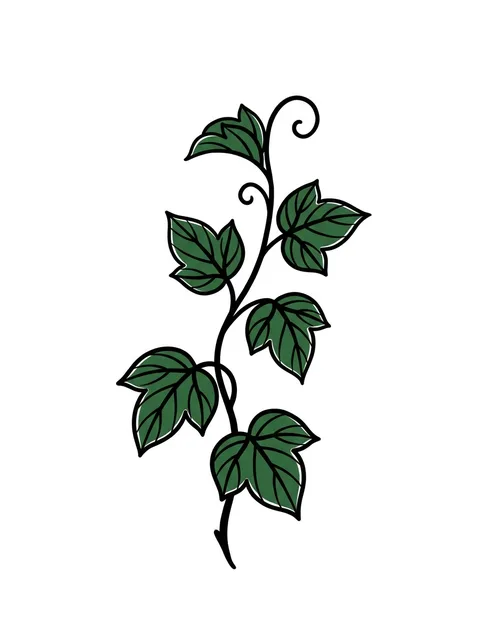
Color illustrative vine and leaf tattoo design: a green ivy vine with several leaves Try it on — Color illustrative vine and leaf tattoo design: a green ivy vine with several leaves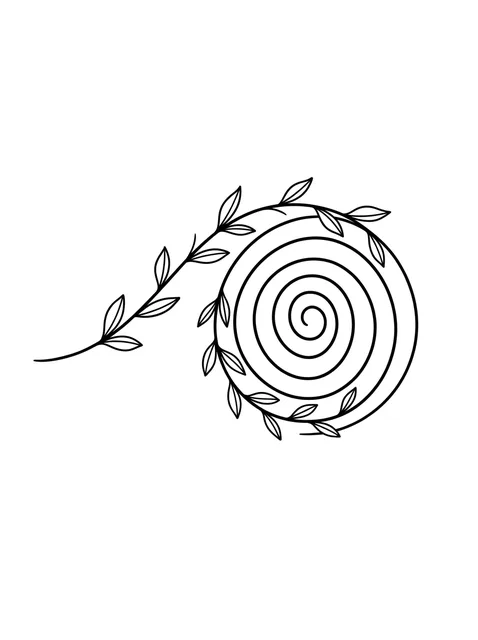
Black and white linework vine and leaf tattoo design, outline stencil (1 of 2) Try it on — Black and white linework vine and leaf tattoo design, outline stencil (1 of 2)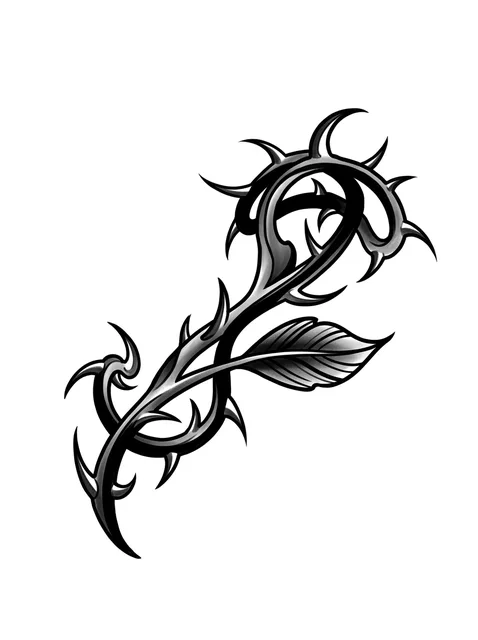
Black and grey illustrative vine and leaf tattoo design: a thorny vine with a single leaf Try it on — Black and grey illustrative vine and leaf tattoo design: a thorny vine with a single leaf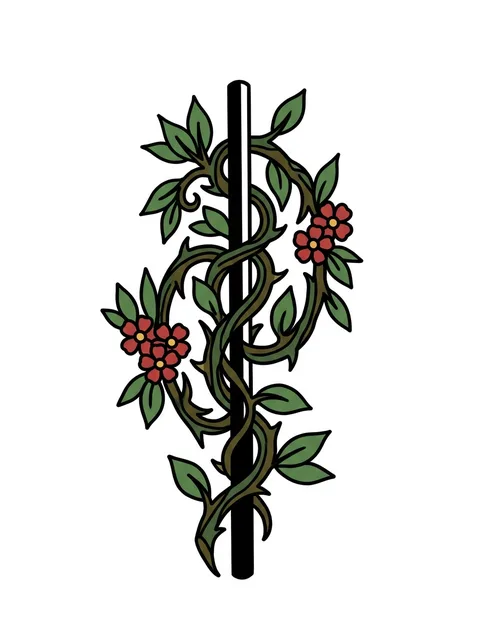
Color traditional vine and flower tattoo design: a thorny vine Try it on — Color traditional vine and flower tattoo design: a thorny vine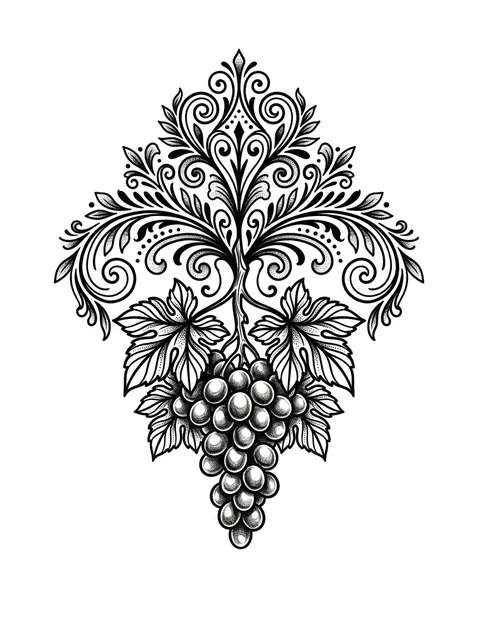
Black and grey illustrative vine and leaf tattoo design: an ornate vine with a cluster of grapes Try it on — Black and grey illustrative vine and leaf tattoo design: an ornate vine with a cluster of grapes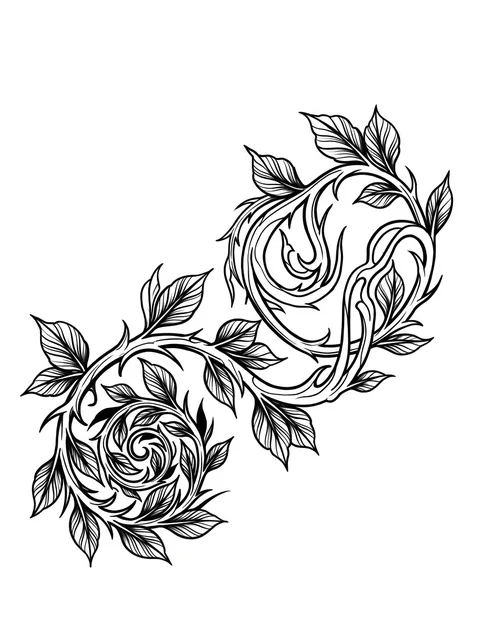
Black and grey illustrative vine and leaf tattoo design: two ornate, swirling vine elements adorned Try it on — Black and grey illustrative vine and leaf tattoo design: two ornate, swirling vine elements adorned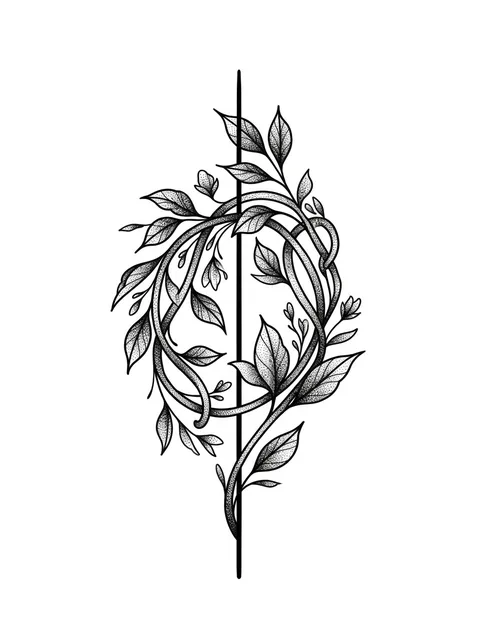
Black and grey dotwork vine and leaf tattoo design Try it on — Black and grey dotwork vine and leaf tattoo design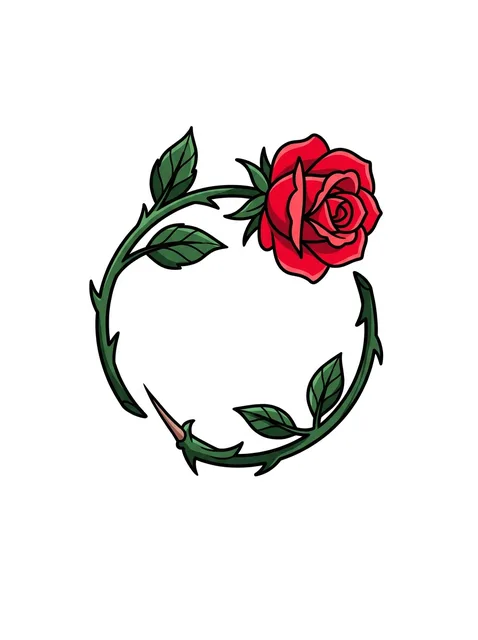
Color traditional vine and rose tattoo design Try it on — Color traditional vine and rose tattoo design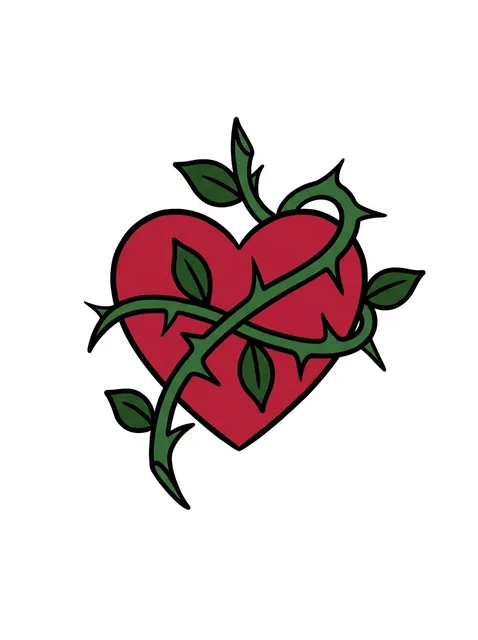
Color traditional vine and heart tattoo design: a vibrant red heart entwined Try it on — Color traditional vine and heart tattoo design: a vibrant red heart entwined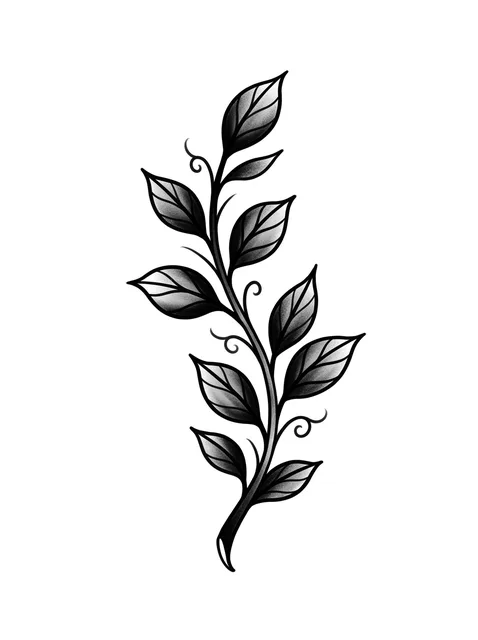
Black and grey traditional vine and leaf tattoo design Try it on — Black and grey traditional vine and leaf tattoo design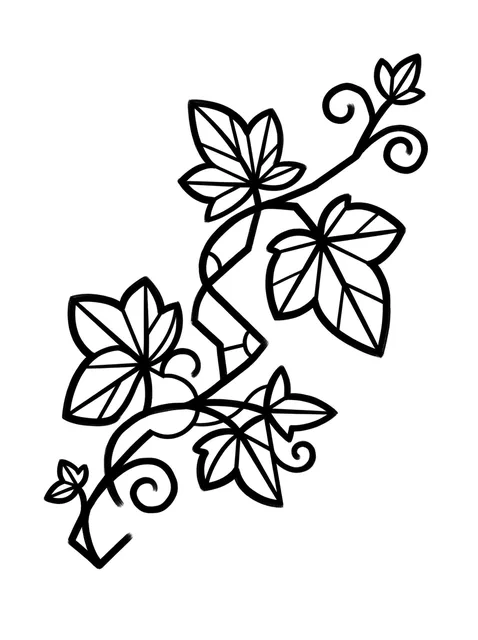
Black and white linework vine and leaf tattoo design, outline stencil (2 of 2) Try it on — Black and white linework vine and leaf tattoo design, outline stencil (2 of 2)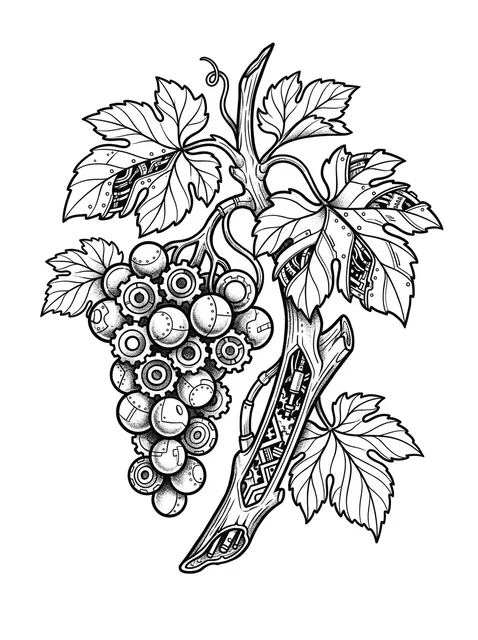
Black and grey biomechanical vine and leaf tattoo design: a cluster of grapes and vine leaves Try it on — Black and grey biomechanical vine and leaf tattoo design: a cluster of grapes and vine leaves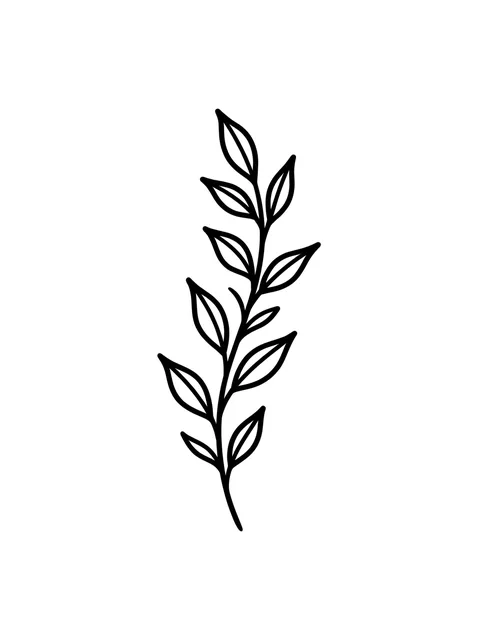
Black and white linework vine and leaf tattoo design, outline stencil: a delicate vine Try it on — Black and white linework vine and leaf tattoo design, outline stencil: a delicate vine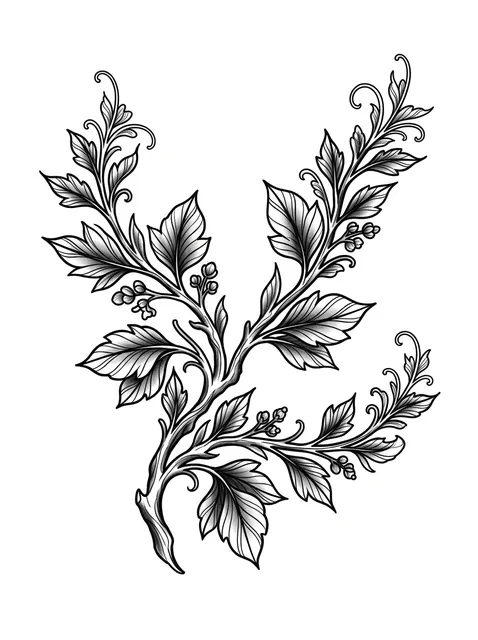
Black and grey illustrative vine and leaf tattoo design: an elegant botanical vine Try it on — Black and grey illustrative vine and leaf tattoo design: an elegant botanical vine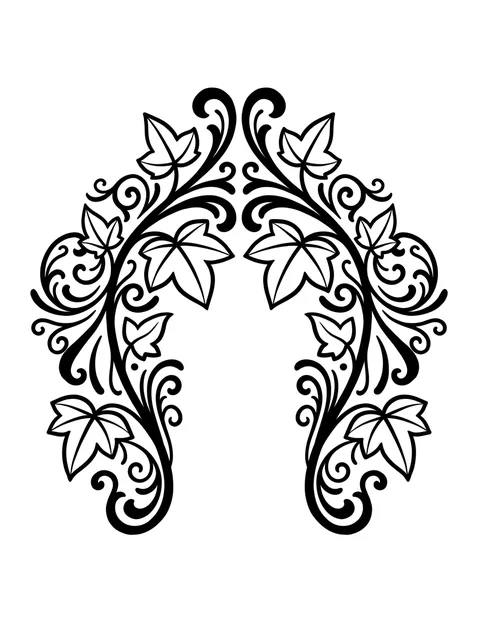
Black and grey ornamental vine and leaf tattoo design Try it on — Black and grey ornamental vine and leaf tattoo design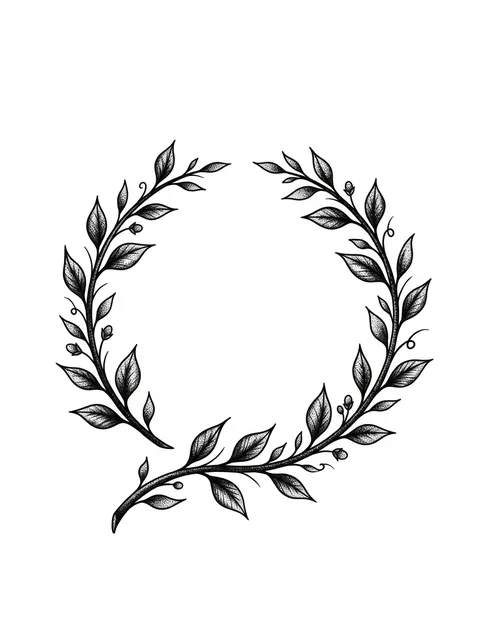
Black and grey dotwork vine and leaf tattoo design: a graceful laurel wreath Try it on — Black and grey dotwork vine and leaf tattoo design: a graceful laurel wreath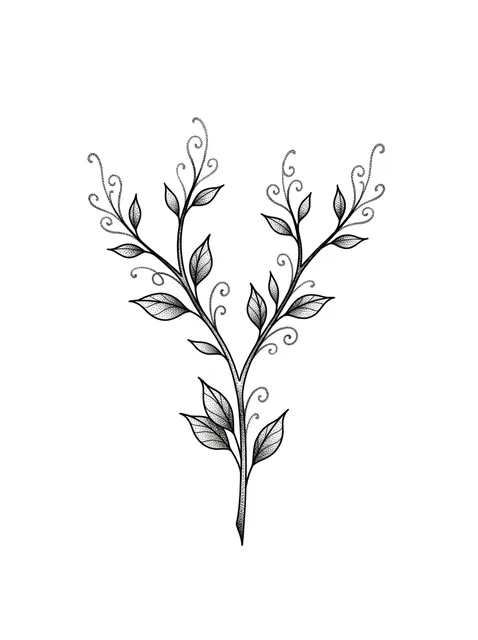
Black and grey dotwork vine and leaf tattoo design: a symmetrical vine Try it on — Black and grey dotwork vine and leaf tattoo design: a symmetrical vine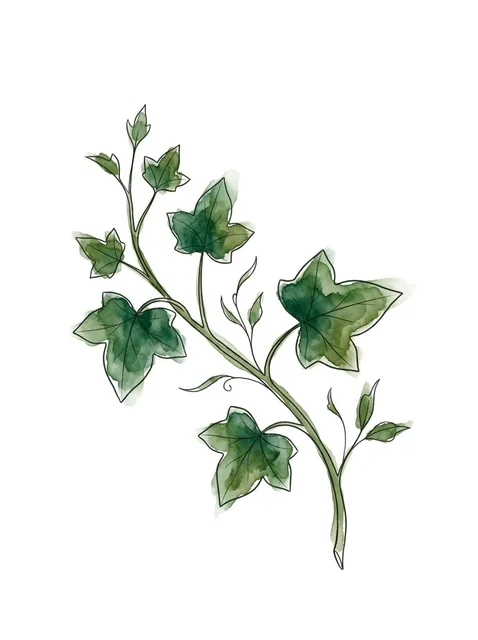
Color watercolor vine and leaf tattoo design: a winding ivy vine with several green leaves Try it on — Color watercolor vine and leaf tattoo design: a winding ivy vine with several green leaves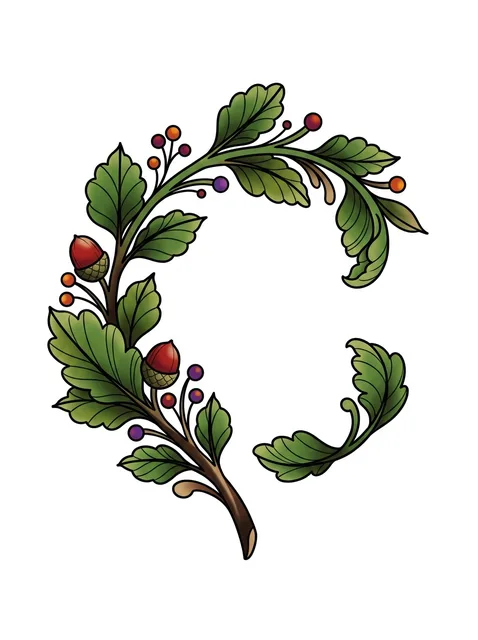
Color neo traditional vine and leaf tattoo design: a curved branch adorned Try it on — Color neo traditional vine and leaf tattoo design: a curved branch adorned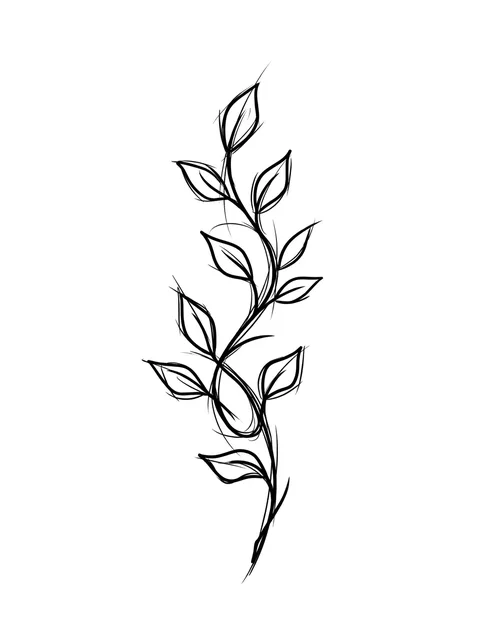
Black and grey sketch vine and leaf tattoo design: a delicate vine with several leaves Try it on — Black and grey sketch vine and leaf tattoo design: a delicate vine with several leaves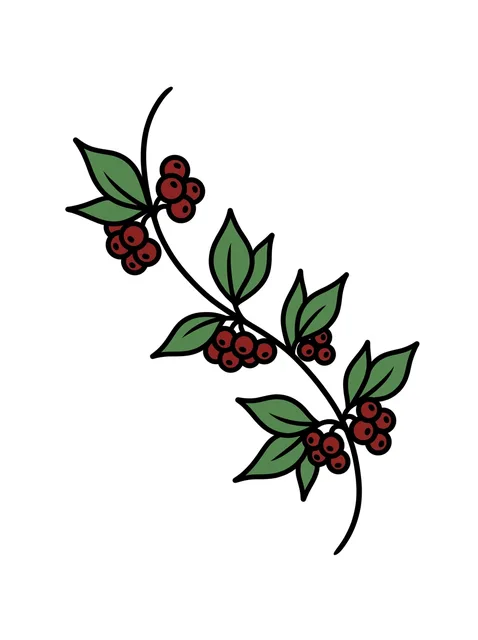
Color traditional vine and leaf tattoo design: a winding vine adorned Try it on — Color traditional vine and leaf tattoo design: a winding vine adorned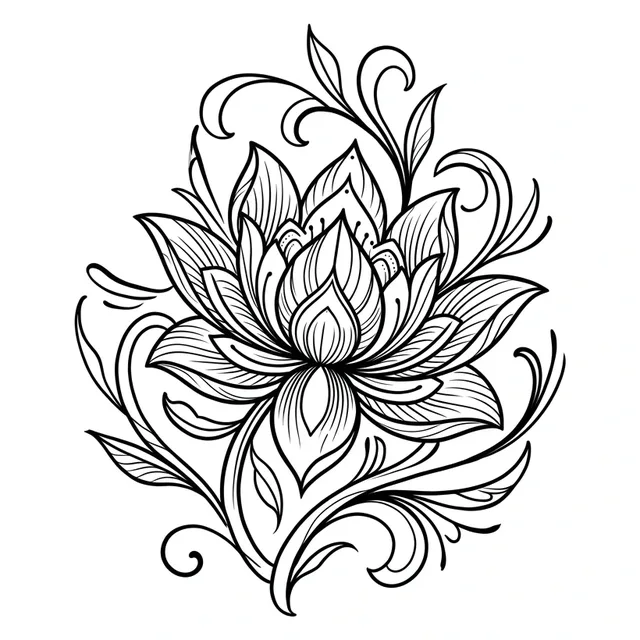
Black and white linework vine and lotus tattoo design, outline stencil: a central lotus flower Try it on — Black and white linework vine and lotus tattoo design, outline stencil: a central lotus flower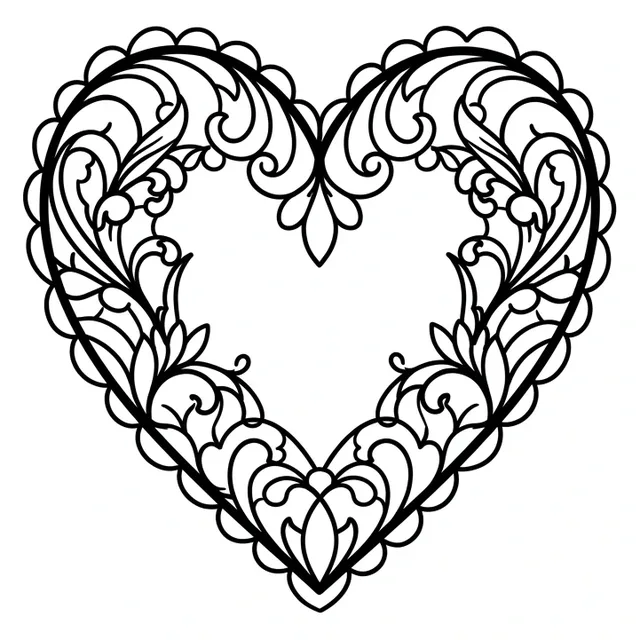
Black and grey ornamental vine and heart tattoo design (1 of 3) Try it on — Black and grey ornamental vine and heart tattoo design (1 of 3)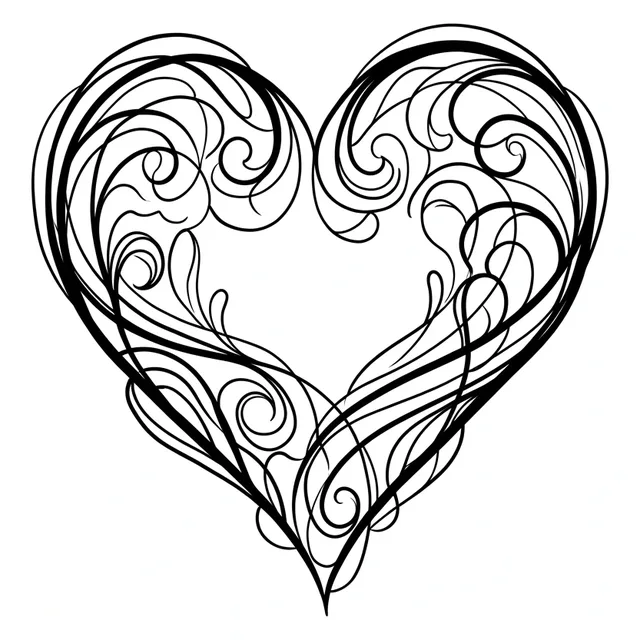
Black and grey ornamental vine and heart tattoo design (2 of 3) Try it on — Black and grey ornamental vine and heart tattoo design (2 of 3)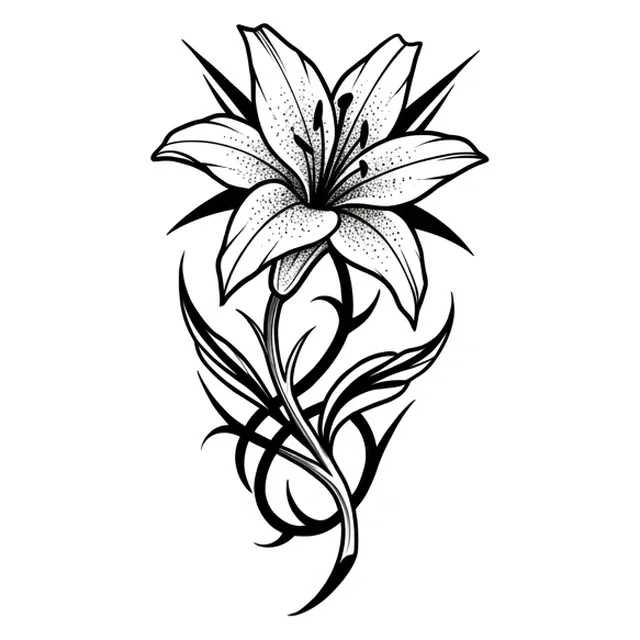
Black and white illustrative vine and lily tattoo design Try it on — Black and white illustrative vine and lily tattoo design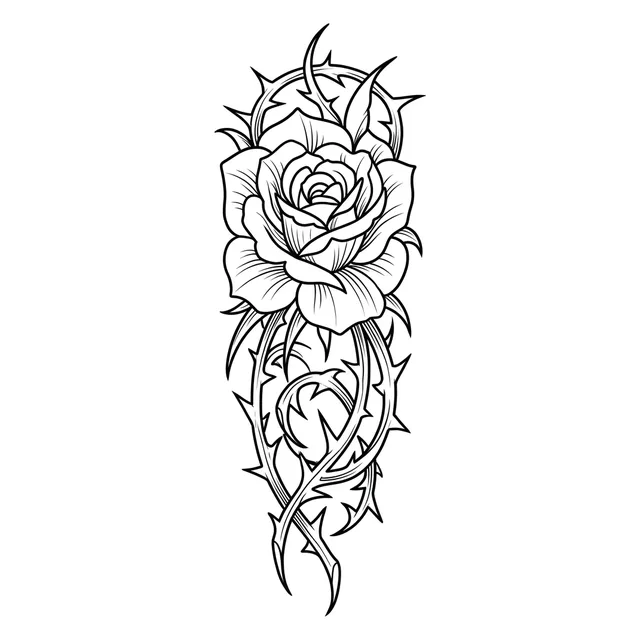
Black and white illustrative vine and rose tattoo design Try it on — Black and white illustrative vine and rose tattoo design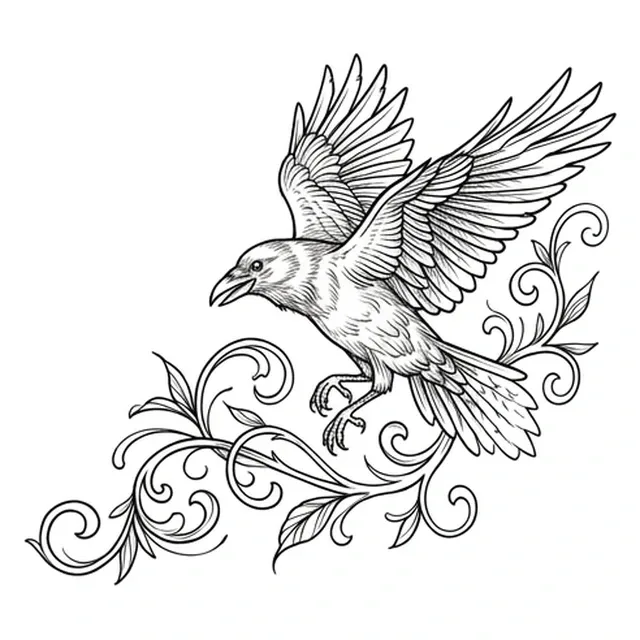
Black and grey illustrative vine and raven tattoo design (1 of 2) Try it on — Black and grey illustrative vine and raven tattoo design (1 of 2)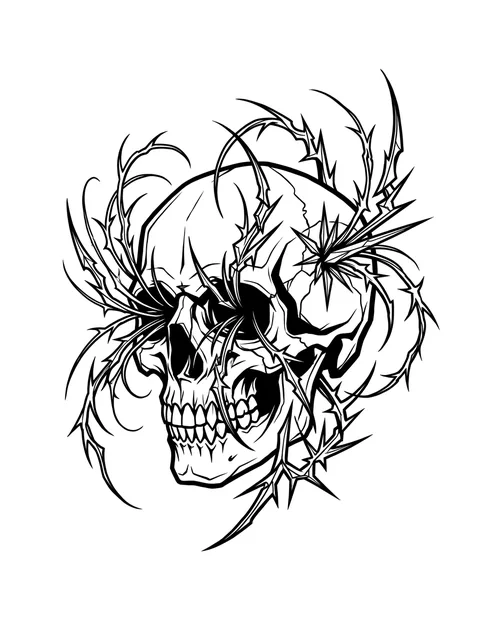
Black and grey gothic vine and skull tattoo design: a skull entangled with thorny vines Try it on — Black and grey gothic vine and skull tattoo design: a skull entangled with thorny vines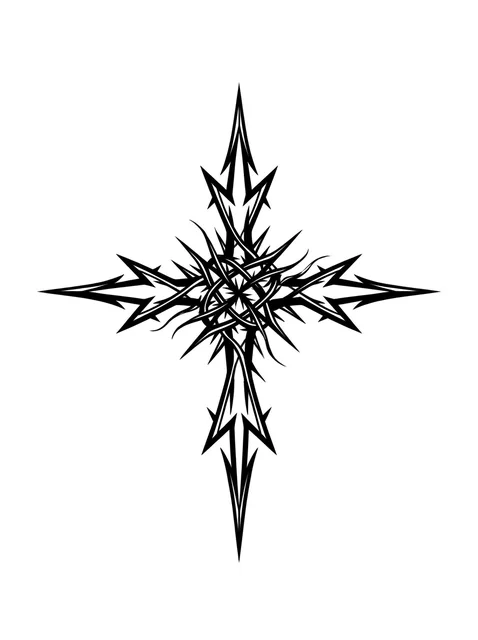
Black and white tribal vine and cross tattoo design Try it on — Black and white tribal vine and cross tattoo design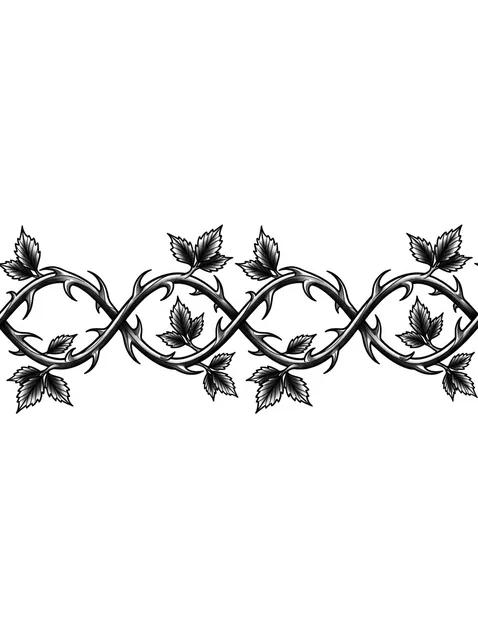
Black and grey illustrative vine and armband tattoo design Try it on — Black and grey illustrative vine and armband tattoo design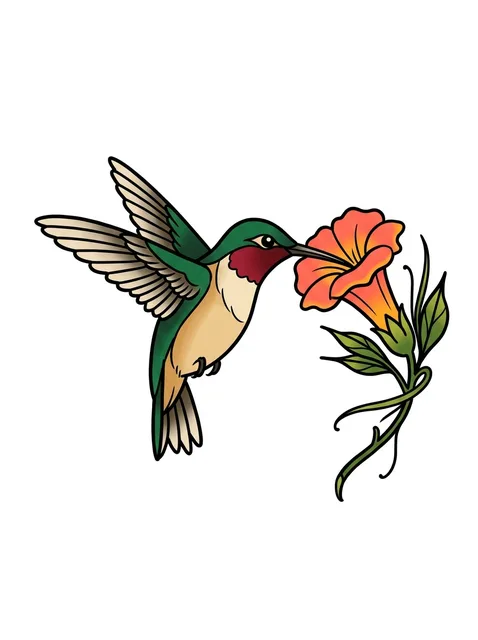
Color traditional vine and hummingbird tattoo design: a hummingbird with green and red plumage Try it on — Color traditional vine and hummingbird tattoo design: a hummingbird with green and red plumage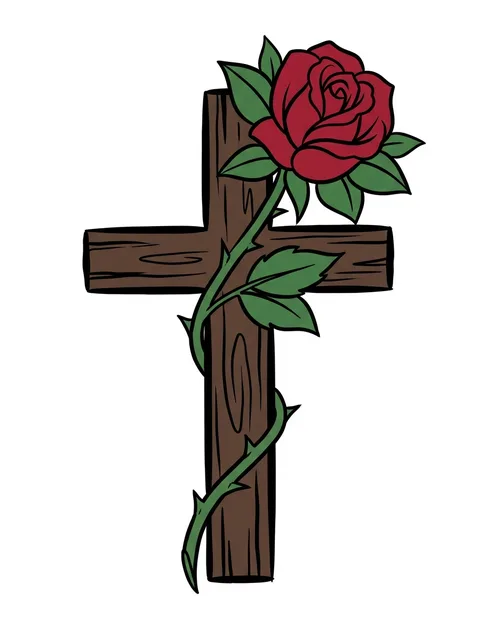
Color traditional vine and cross tattoo design: a wooden cross Try it on — Color traditional vine and cross tattoo design: a wooden cross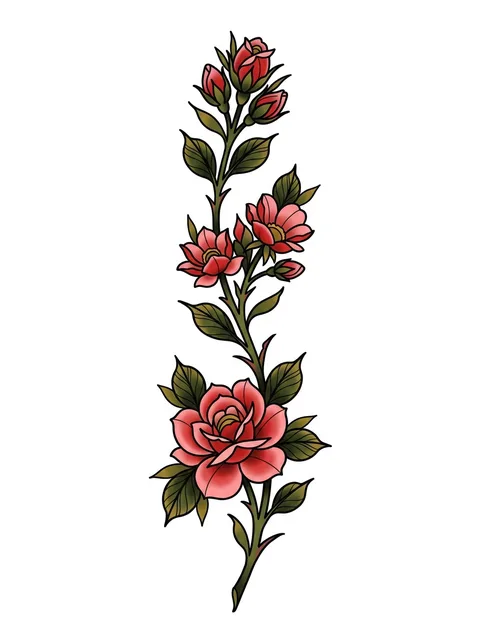
Color traditional vine and rose tattoo design: a vertical rose vine Try it on — Color traditional vine and rose tattoo design: a vertical rose vine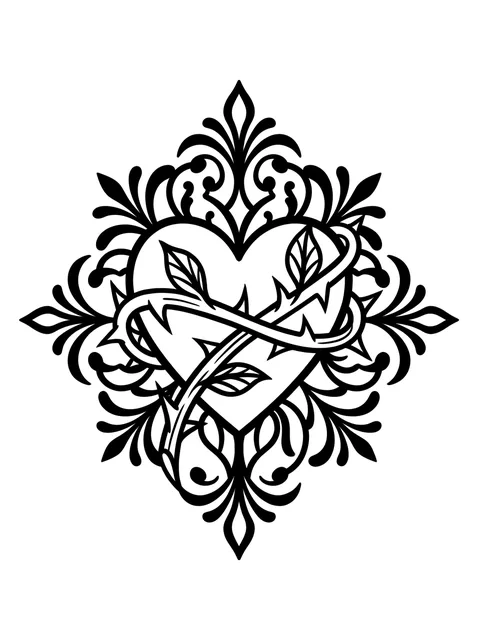
Black and grey ornamental vine and heart tattoo design (3 of 3) Try it on — Black and grey ornamental vine and heart tattoo design (3 of 3)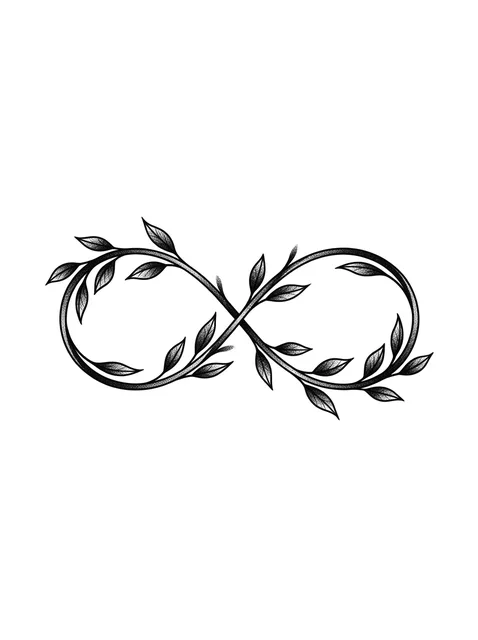
Black and grey dotwork vine and infinity tattoo design Try it on — Black and grey dotwork vine and infinity tattoo design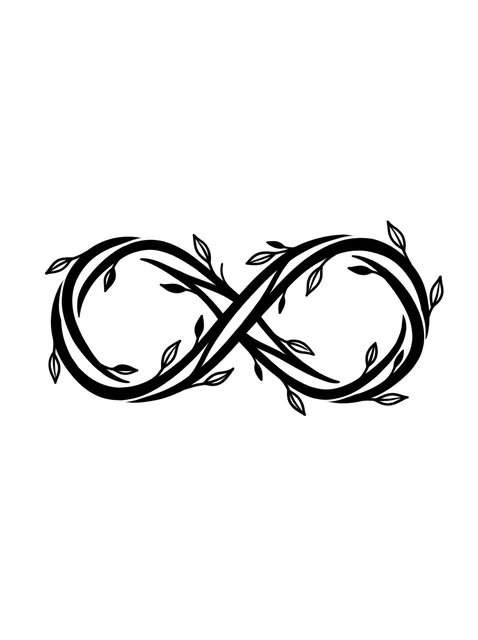
Black and white linework vine and infinity tattoo design, outline stencil Try it on — Black and white linework vine and infinity tattoo design, outline stencil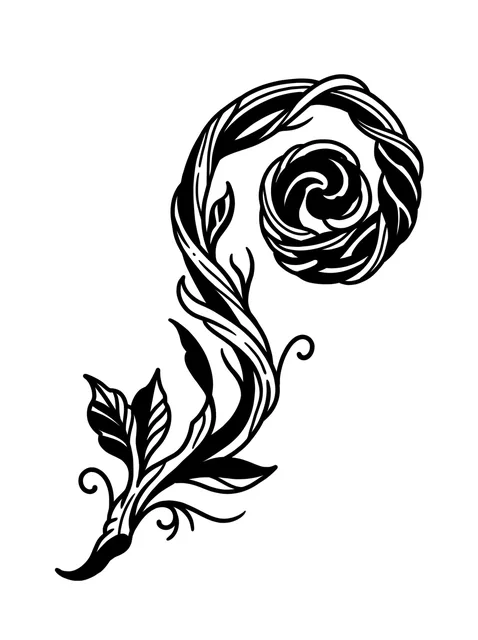
Black and white blackwork vine and fern tattoo design: a stylized fern frond unfurling in a spiral Try it on — Black and white blackwork vine and fern tattoo design: a stylized fern frond unfurling in a spiral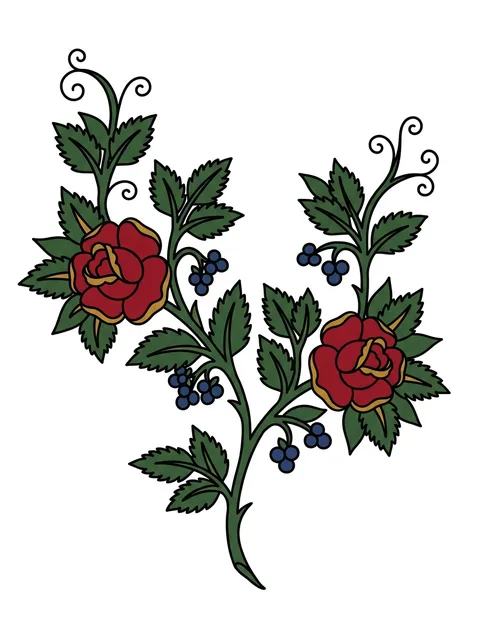
Color traditional vine and rose tattoo design: two bold red roses with golden outlines, intertwined Try it on — Color traditional vine and rose tattoo design: two bold red roses with golden outlines, intertwined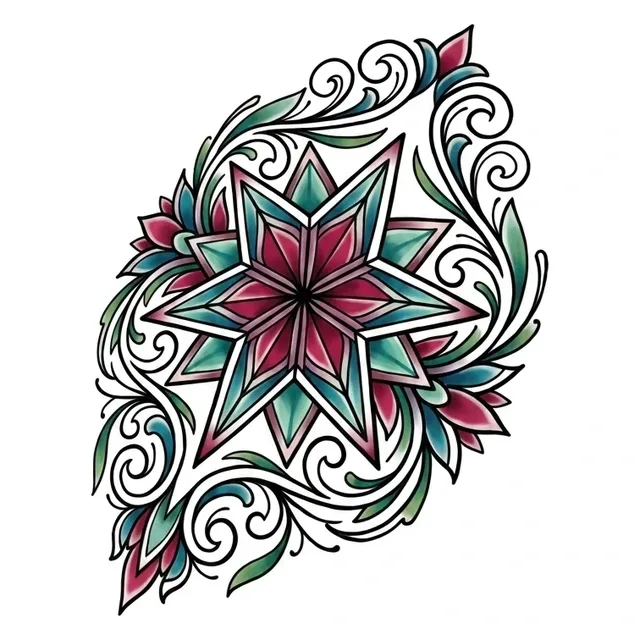
Color neo traditional vine and star tattoo design Try it on — Color neo traditional vine and star tattoo design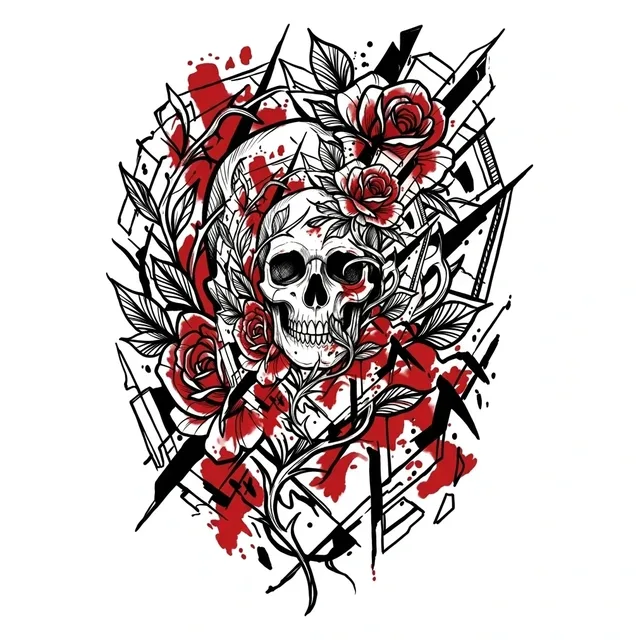
Color trash polka vine and skull tattoo design Try it on — Color trash polka vine and skull tattoo design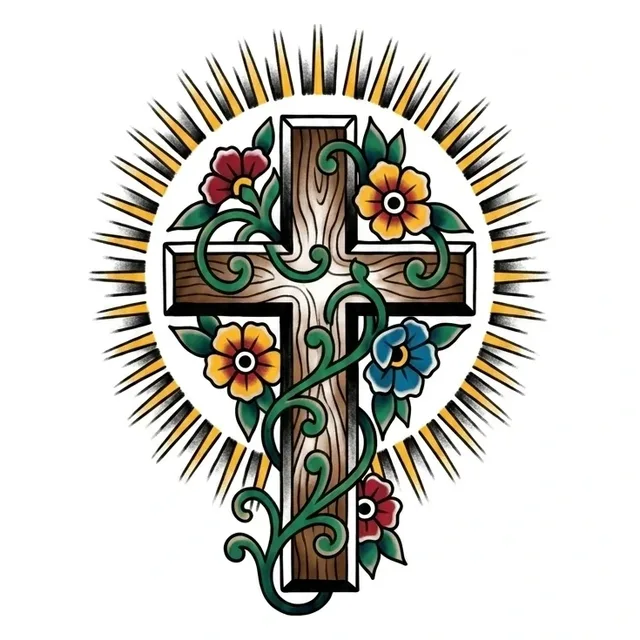
Color neo traditional vine and cross tattoo design: a wooden cross adorned Try it on — Color neo traditional vine and cross tattoo design: a wooden cross adorned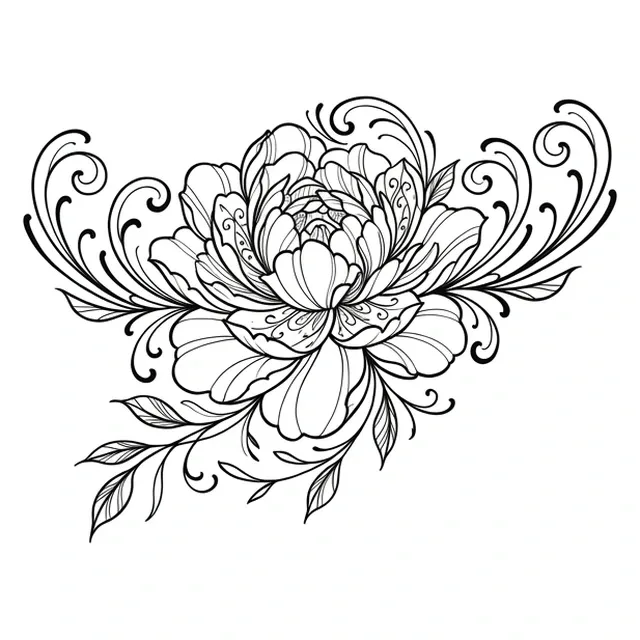
Black and white fine line vine and peony tattoo design, outline stencil: a central peony flower Try it on — Black and white fine line vine and peony tattoo design, outline stencil: a central peony flower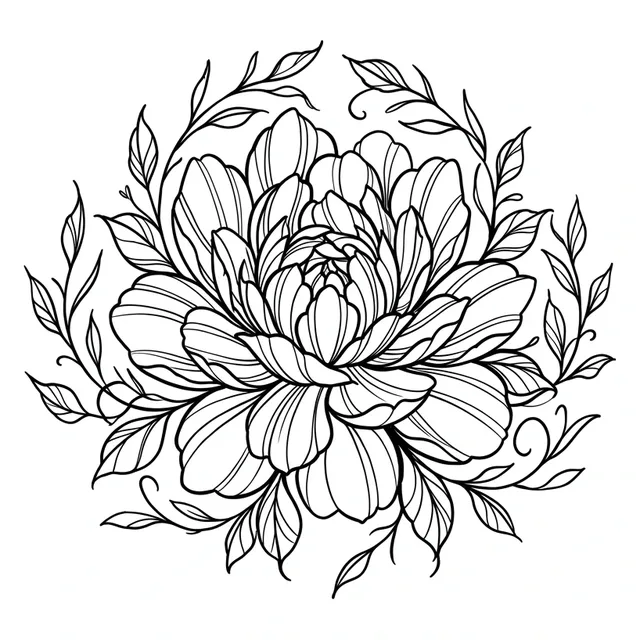
Black and white linework vine and peony tattoo design, outline stencil Try it on — Black and white linework vine and peony tattoo design, outline stencil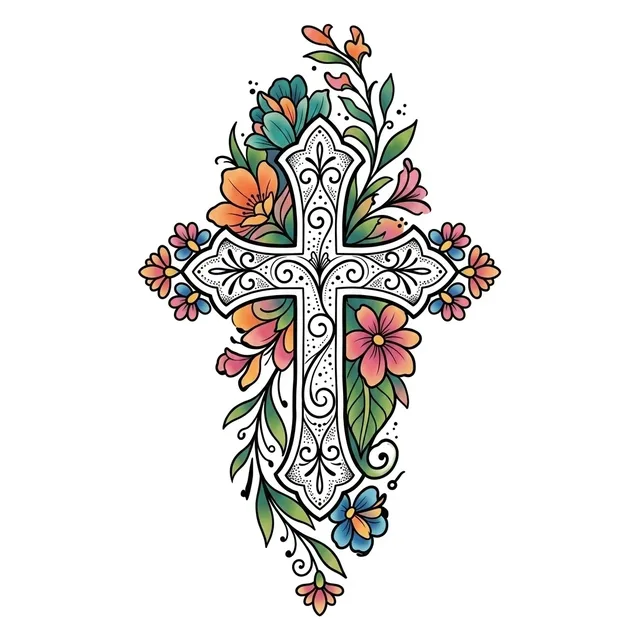
Color neo traditional vine and cross tattoo design: an ornate cross adorned Try it on — Color neo traditional vine and cross tattoo design: an ornate cross adorned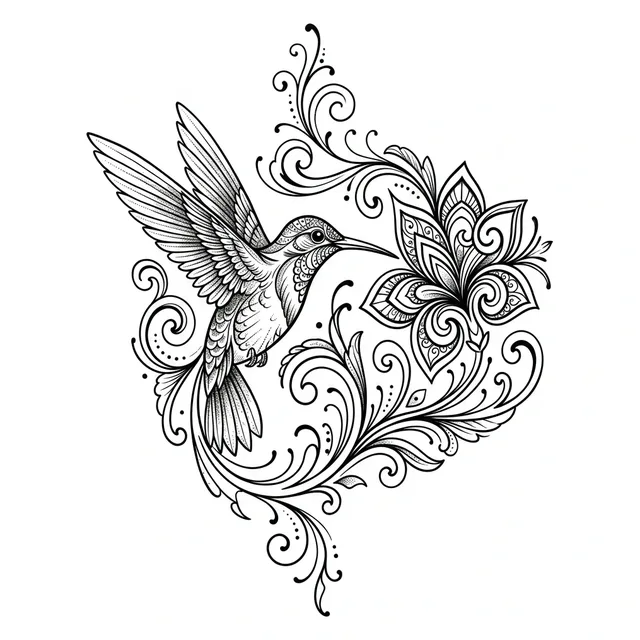
Black and grey illustrative vine and hummingbird tattoo design: a hummingbird in flight Try it on — Black and grey illustrative vine and hummingbird tattoo design: a hummingbird in flight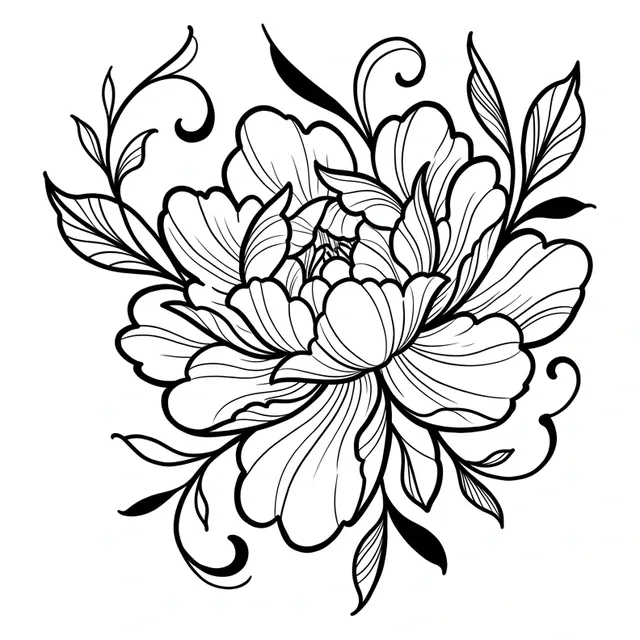
Black and white fine line vine and peony tattoo design, outline stencil: a blooming peony flower Try it on — Black and white fine line vine and peony tattoo design, outline stencil: a blooming peony flower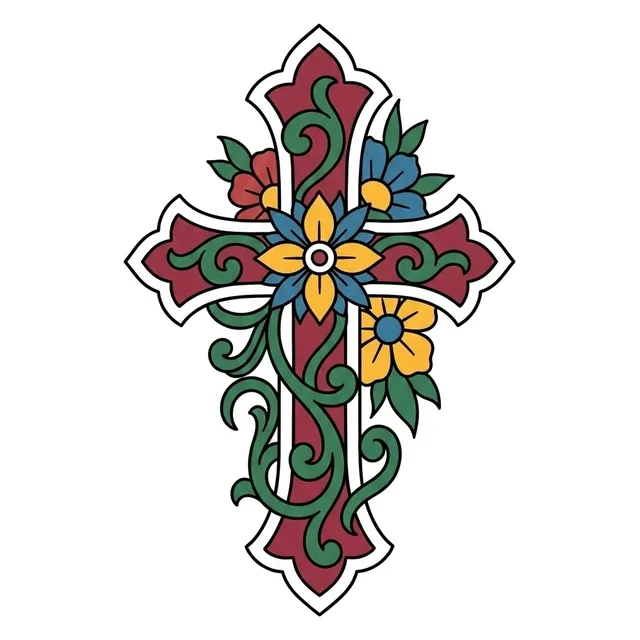
Color neo traditional vine and cross tattoo design: a stylized cross adorned Try it on — Color neo traditional vine and cross tattoo design: a stylized cross adorned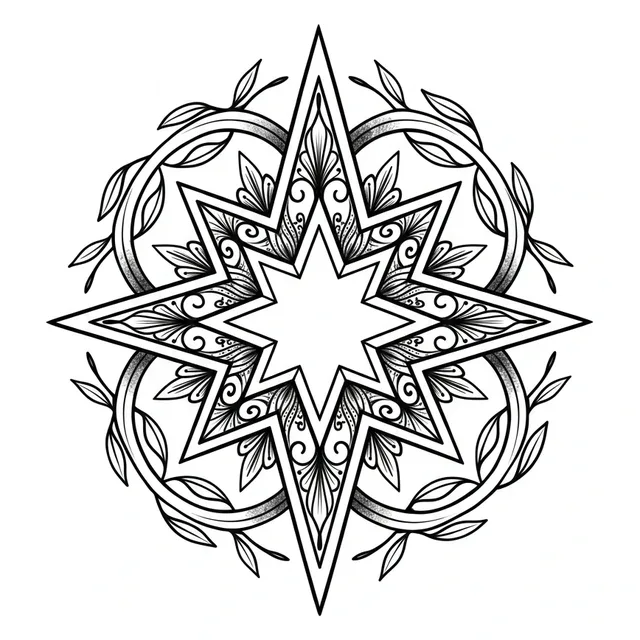
Black and grey ornamental vine and star tattoo design Try it on — Black and grey ornamental vine and star tattoo design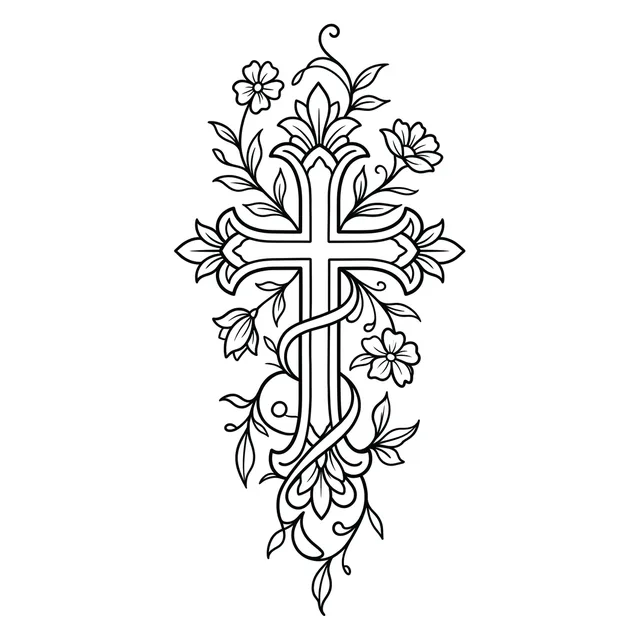
Black and white linework vine and cross tattoo design, outline stencil: an ornate cross intertwined Try it on — Black and white linework vine and cross tattoo design, outline stencil: an ornate cross intertwined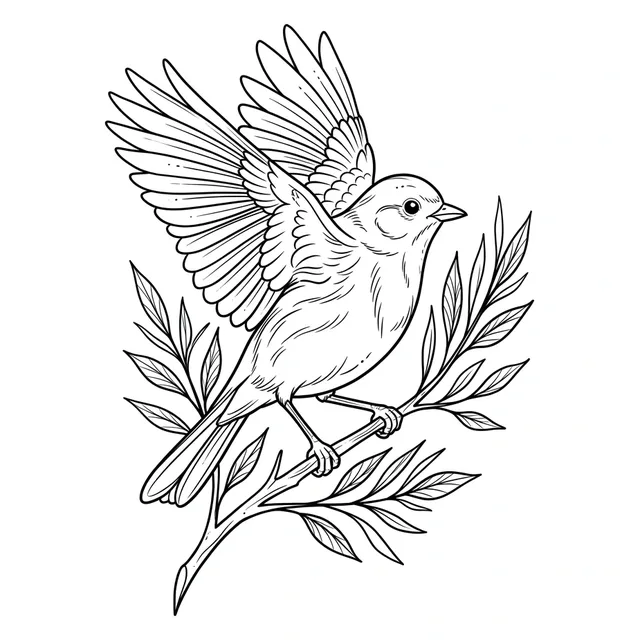
Black and grey illustrative vine and bird tattoo design: a small bird Try it on — Black and grey illustrative vine and bird tattoo design: a small bird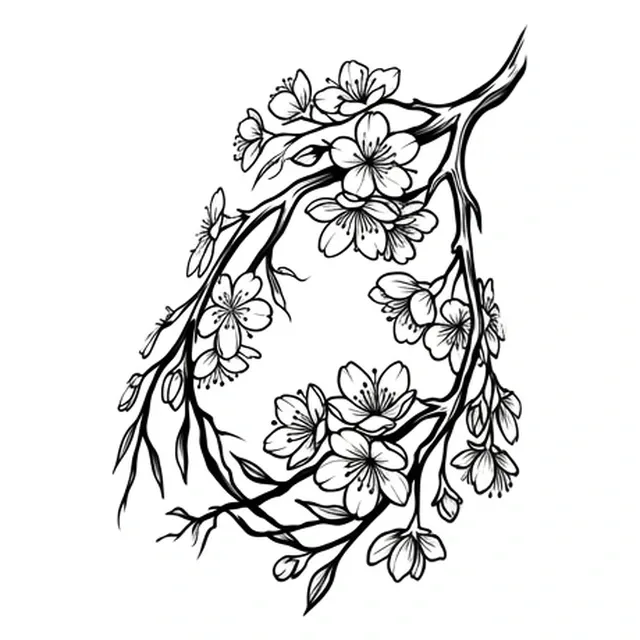
Black and white fine line vine and cherry blossom tattoo design, outline stencil (1 of 2) Try it on — Black and white fine line vine and cherry blossom tattoo design, outline stencil (1 of 2)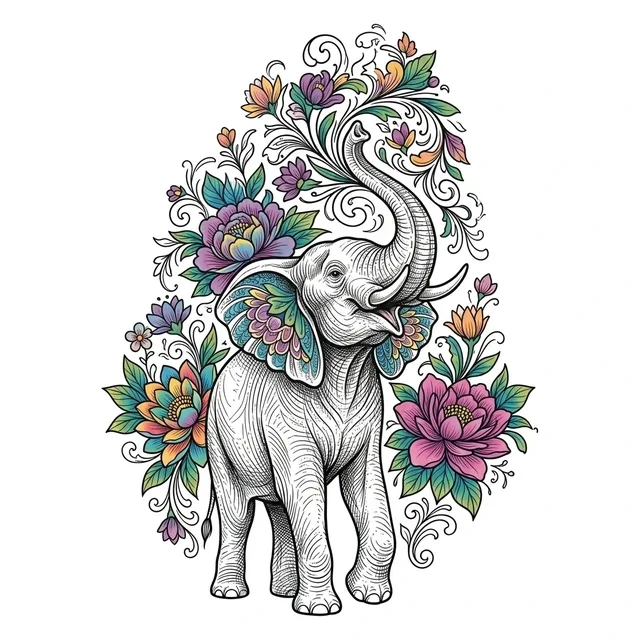
Color illustrative vine and elephant tattoo design: a majestic elephant with its trunk raised Try it on — Color illustrative vine and elephant tattoo design: a majestic elephant with its trunk raised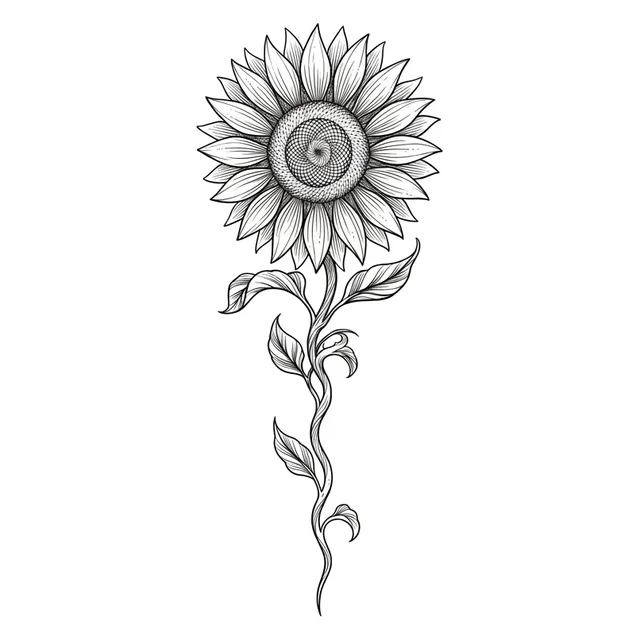
Black and grey illustrative vine and sunflower tattoo design: a single sunflower Try it on — Black and grey illustrative vine and sunflower tattoo design: a single sunflower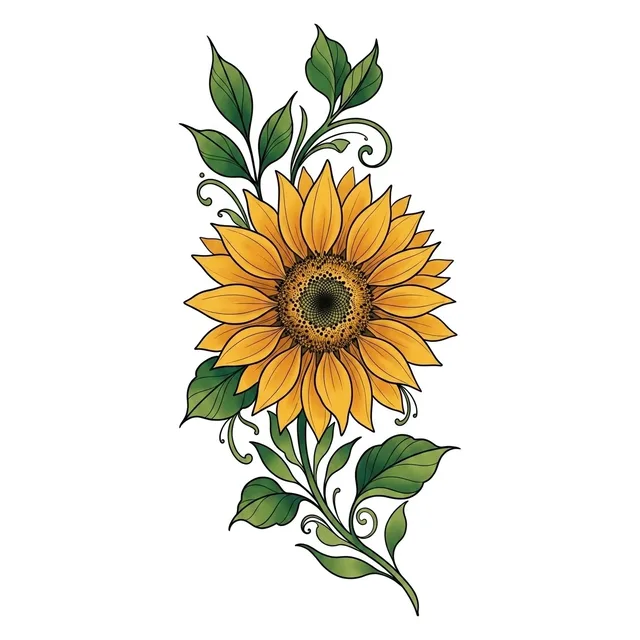
Color illustrative vine and sunflower tattoo design: a large, detailed sunflower Try it on — Color illustrative vine and sunflower tattoo design: a large, detailed sunflower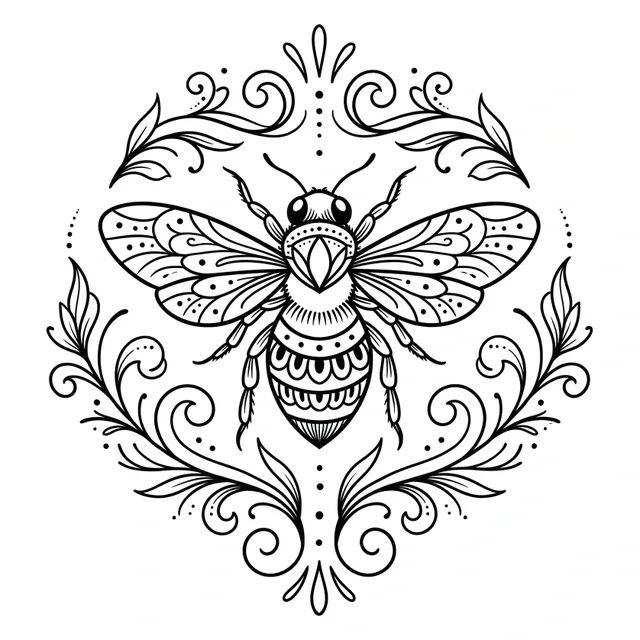
Black and grey ornamental vine and bee tattoo design Try it on — Black and grey ornamental vine and bee tattoo design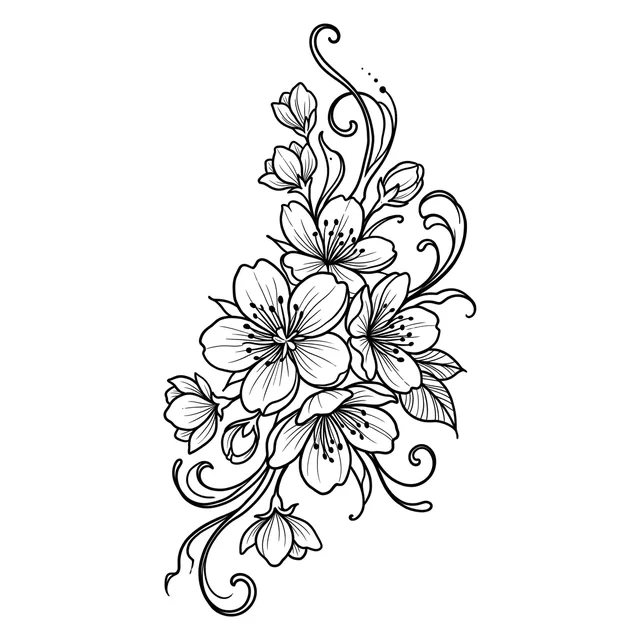
Black and white fine line vine and cherry blossom tattoo design, outline stencil (2 of 2) Try it on — Black and white fine line vine and cherry blossom tattoo design, outline stencil (2 of 2)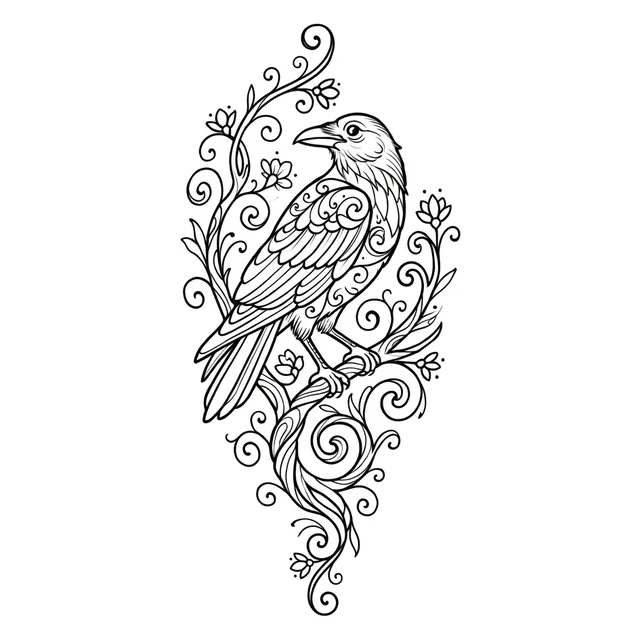
Black and grey illustrative vine and raven tattoo design (2 of 2) Try it on — Black and grey illustrative vine and raven tattoo design (2 of 2)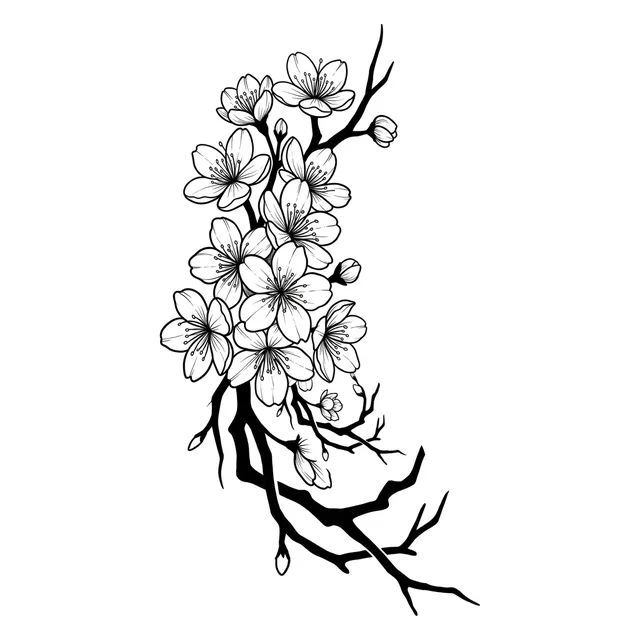
Black and grey illustrative vine and cherry blossom tattoo design Try it on — Black and grey illustrative vine and cherry blossom tattoo design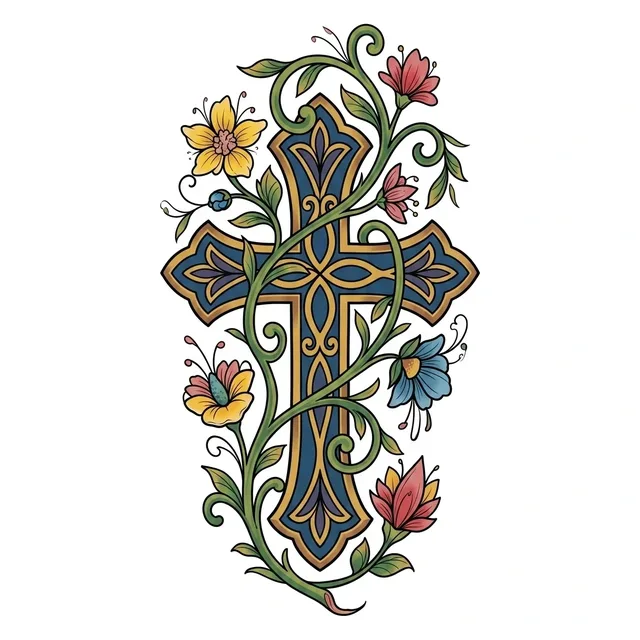
Color illustrative vine and cross tattoo design: a blue and gold ornate cross, intricately entwined Try it on — Color illustrative vine and cross tattoo design: a blue and gold ornate cross, intricately entwined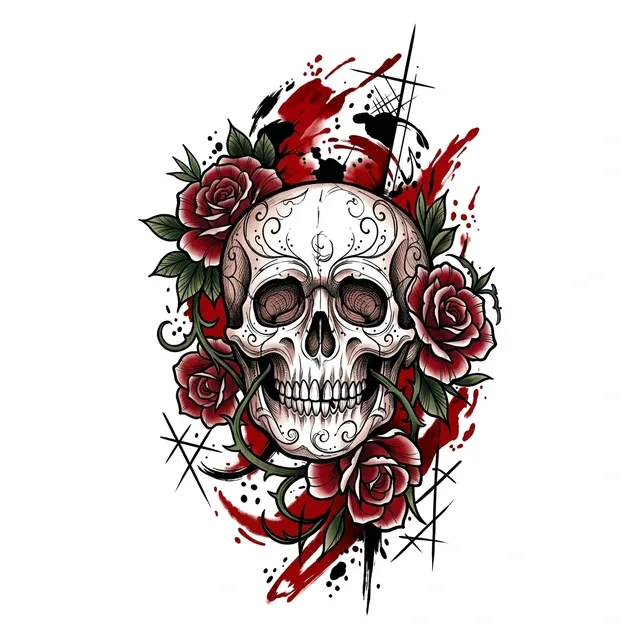
Color illustrative vine and skull tattoo design: a decorated skull entwined Try it on — Color illustrative vine and skull tattoo design: a decorated skull entwined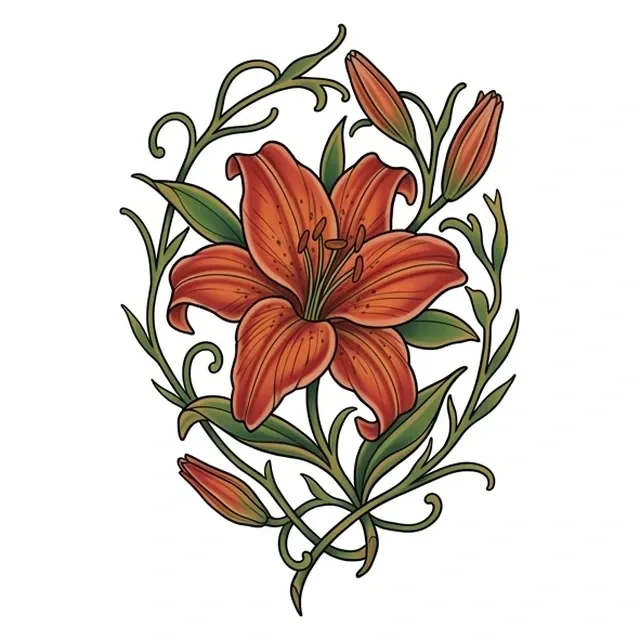
Color neo traditional vine and lily tattoo design: a prominent orange lily in full bloom Try it on — Color neo traditional vine and lily tattoo design: a prominent orange lily in full bloom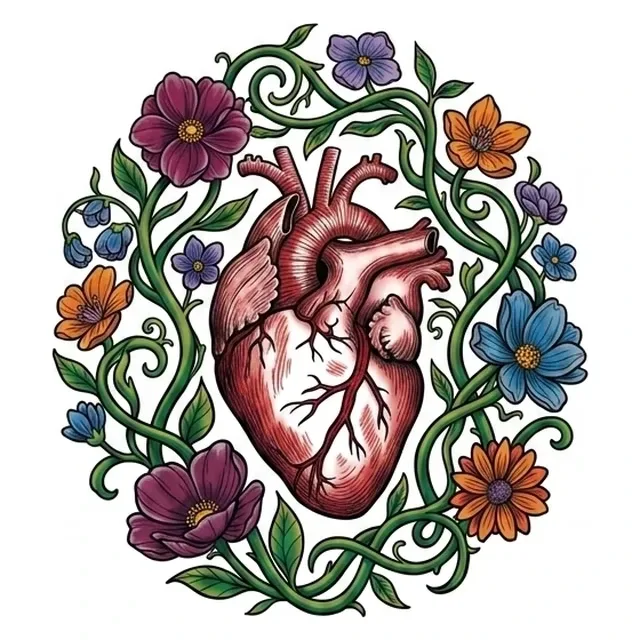
Color illustrative vine and heart tattoo design Try it on — Color illustrative vine and heart tattoo design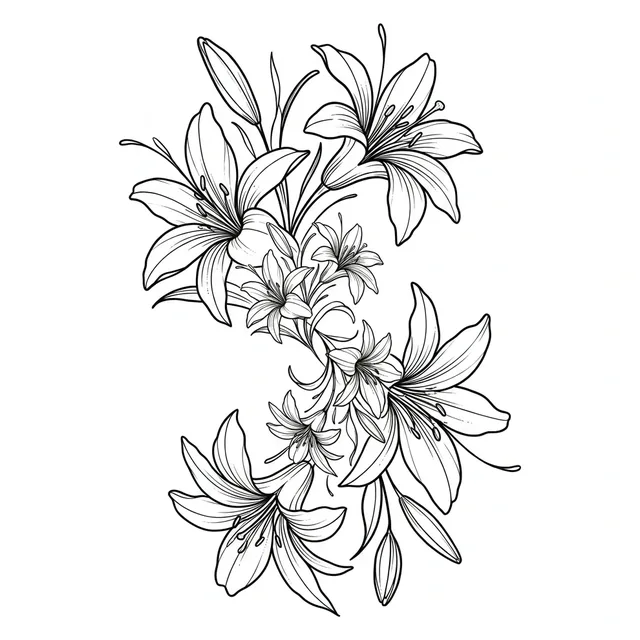
Black and grey illustrative vine and lily tattoo design Try it on — Black and grey illustrative vine and lily tattoo design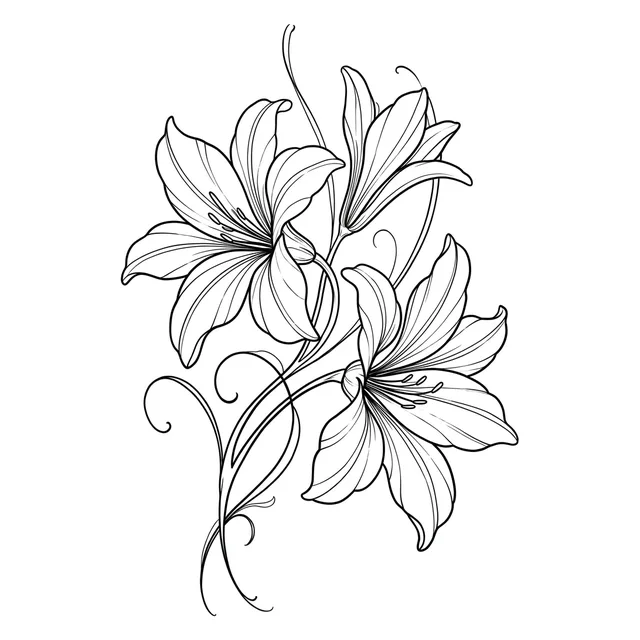
Black and grey illustrative vine and lily tattoo design: two blooming lilies Try it on — Black and grey illustrative vine and lily tattoo design: two blooming lilies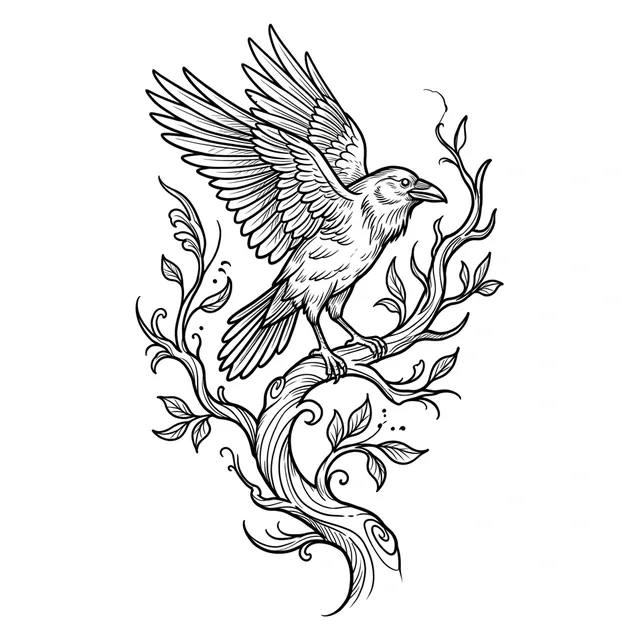
Black and grey illustrative vine and bird tattoo design Try it on — Black and grey illustrative vine and bird tattoo design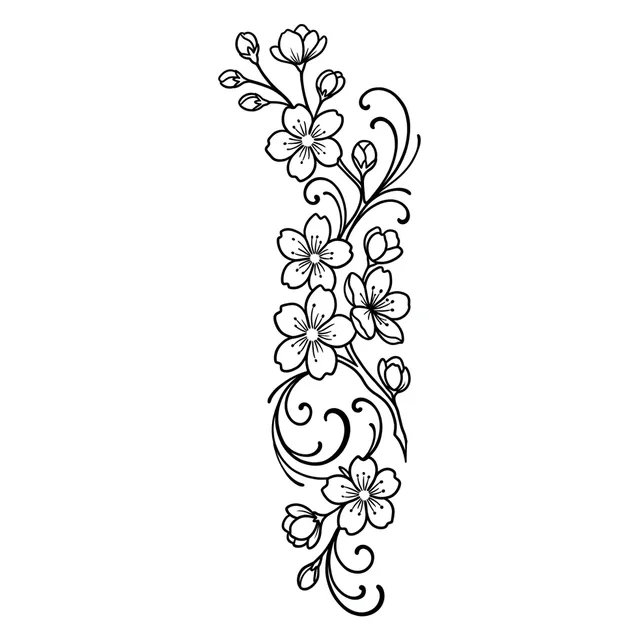
Black and white linework vine and cherry blossom tattoo design, outline stencil Try it on — Black and white linework vine and cherry blossom tattoo design, outline stencil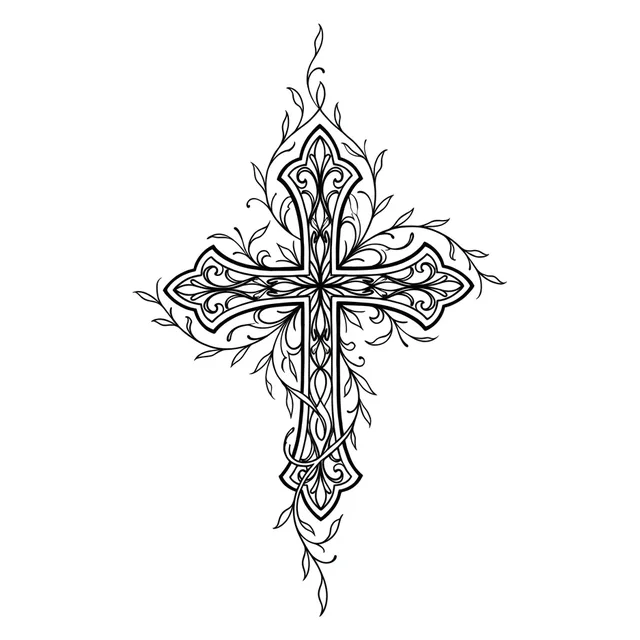
Black and grey ornamental vine and cross tattoo design Try it on — Black and grey ornamental vine and cross tattoo design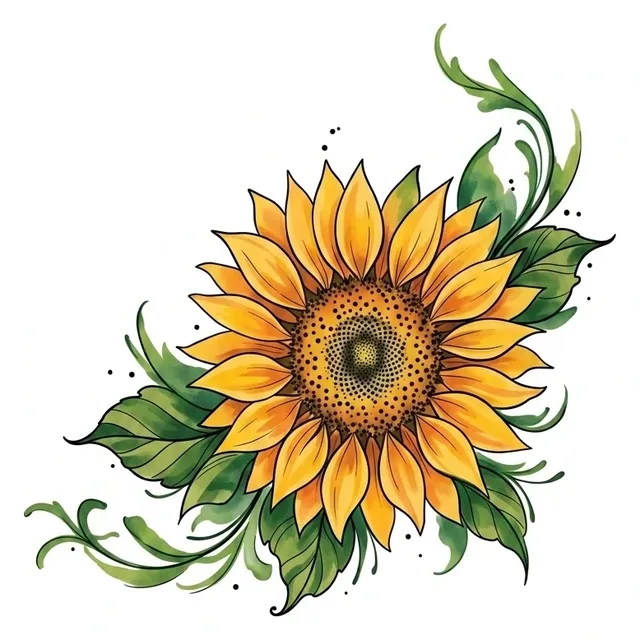
Color illustrative vine and sunflower tattoo design Try it on — Color illustrative vine and sunflower tattoo design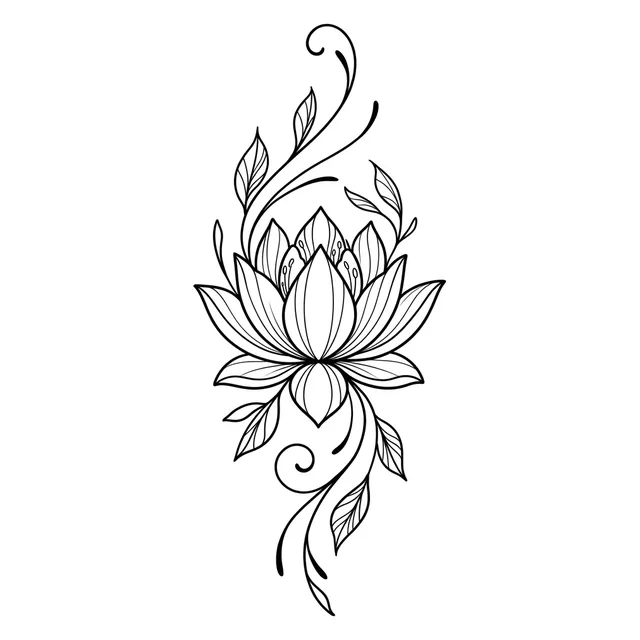
Black and white fine line vine and lotus tattoo design, outline stencil: a blooming lotus flower Try it on — Black and white fine line vine and lotus tattoo design, outline stencil: a blooming lotus flower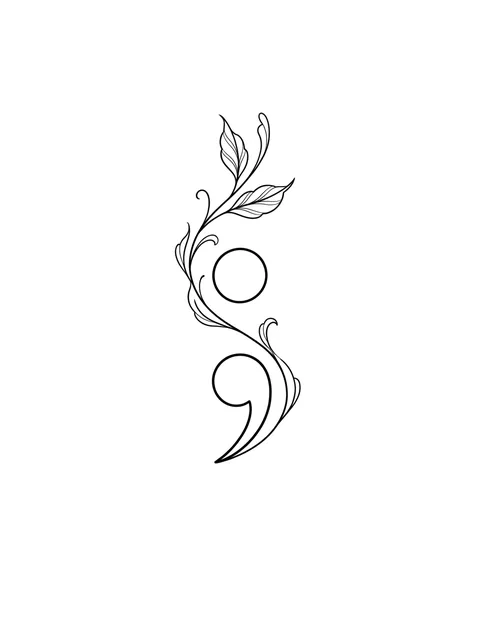
Black and white fine line vine and semicolon tattoo design, outline stencil Try it on — Black and white fine line vine and semicolon tattoo design, outline stencil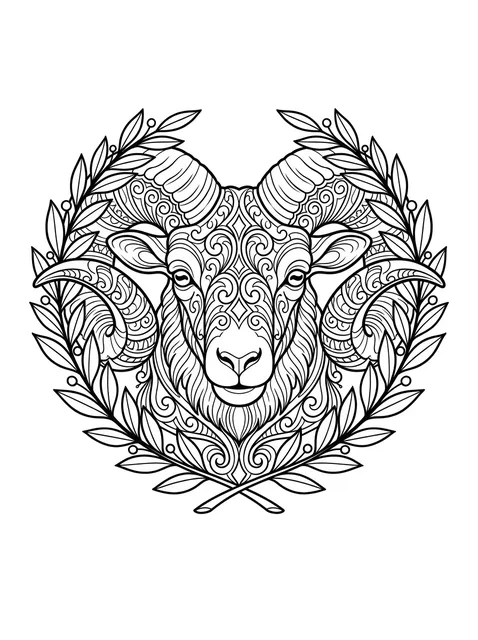
Black and grey ornamental vine and goat tattoo design: a ram's head Try it on — Black and grey ornamental vine and goat tattoo design: a ram's head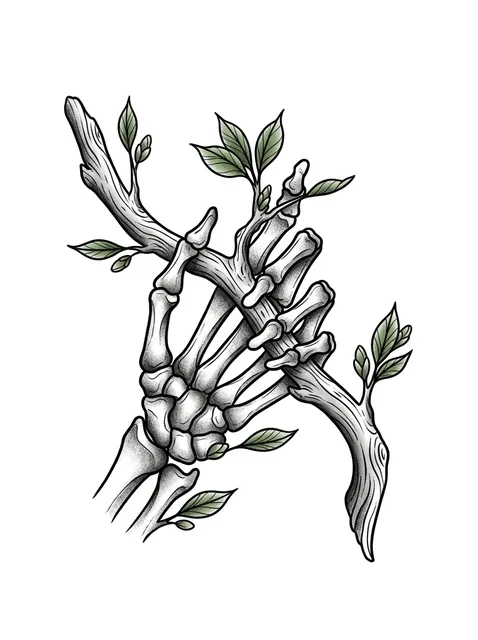
Color neo traditional vine and skeleton hand tattoo design: a skeleton hand intertwined Try it on — Color neo traditional vine and skeleton hand tattoo design: a skeleton hand intertwined


Tap any design to see it on your own skin in the try-on — no signup.
This set of 80 vine designs, by the numbers
- Styles represented
- illustrative (25), traditional (9), neo traditional (8), linework (8), ornamental (8), fine line (7)
- Black-and-grey vs colour
- 66% black-and-grey, 34% colour
- Most often drawn with
- leaf, flower, cross, rose
Counted from the 80 designs shown on this page. Every one was drawn for InkCraft — none are scraped or reposted. Free to reference with a link to this page.
What a vine tattoo means
A vine means growth that needs something to grow on, and that dependency is the whole point rather than a weakness in the metaphor. It does not stand alone, it climbs — so it is an image of persistence that is honest about needing support, which is a more specific idea than growth on its own.
Ivy is the version that means attachment and fidelity, because it holds fast to what it climbs and is very hard to remove. That is why it appears in wedding imagery across European tradition and why an ivy vine reads as a bond rather than as decoration.
The grapevine carries the Dionysian register — abundance, intoxication, celebration and the loss of control that comes with it. In Christian iconography the same plant means something almost opposite: the true vine, with the branches dependent on it. The same drawing carries both, and which one a viewer sees depends entirely on what else is in the design.
A thorned vine is a deliberate variant and a common one for pieces about a difficult relationship or period — something that grew, held on, and hurt. It is the most emotionally specific version of this motif and worth asking for by name if that is what you mean.
Where the design comes from
Vine scrollwork is one of the oldest decorative devices in Western art, running from classical acanthus ornament through Romanesque manuscript borders into the Arts and Crafts movement — William Morris built much of his wallpaper and textile work on repeating vine forms in the 1870s and 80s, and a great deal of modern ornamental tattooing borrows that vocabulary directly. The grapevine carries Dionysian meaning from Greek practice and separate Christian meaning from the Gospel of John, and both readings survive in the same imagery today.
Choosing yours
- This is the one subject that should be drawn onto your body rather than chosen from a sheet. A vine is defined by what it wraps, so it wants to be designed around a specific arm, calf or ribcage — a good artist will draw it freehand on the skin, and a vine drawn flat on paper almost always looks applied rather than grown.
- It is the most placement-flexible motif there is because it has no fixed proportion. It can be a small trailing piece behind the ear or a full wrap around a limb, and the same design language works at both ends.
- Leaves are the size constraint, not the stem. A stem holds at any scale, but leaf venation merges below roughly 5 cm — so at small sizes ask for simplified leaves rather than a shrunken detailed drawing, and the piece will hold its shape for decades.
Size, cost and placement
How big, and what it costs
A small trailing vine is a shop-minimum to one-hour piece. A full wrap around a forearm or calf is a half to full day, and much of that time is design rather than tattooing, since it has to be laid out on your actual limb. Adding flowers or berries pushes it into a second session.
Where it sits, and how much it hurts
Anywhere, genuinely — behind the ear, the forearm, a full limb wrap, the ribs, the spine, or threaded between existing tattoos as connective work. It is the most adaptable subject in the catalogue because it has no fixed proportion to violate.
What to ask your artist
- To draw it freehand on your skin rather than applying a flat stencil, which is what makes a wrap look grown rather than stuck on.
- How the design resolves on the side you cannot see, if it wraps.
- Whether leaves are simplified for your size, since venation is the first thing to merge.
Prices vary widely by city and artist — treat these as session lengths rather than quotes, and expect a shop minimum on anything small. The cost guide turns hours into money by size, placement and style.
Common questions
What does a vine say that a flower does not?
Growth that depends on something to climb — persistence that is honest about needing support. Ivy specifically means attachment and fidelity, because it holds fast to what it grows on.
Should a vine wrap around my arm?
It is what the motif is for. A wrap has to be designed on your actual limb, usually freehand, which is why a vine chosen from a flat sheet tends to look applied rather than grown.
What does a thorned vine mean?
Something that grew, held on and hurt — usually a difficult relationship or period. It is the most emotionally specific version of the motif and worth asking for by name.
What a vine tattoo can mean
The meanings this motif carries on the pages that argue them. Each line is that page's own reason for including it.
- Growth tattoos
- The one motif that is literally designed to be continued — a vine can be extended along a limb for decades, and nobody can tell where one session stopped.
- Scar cover-up tattoos
- A vine can be routed around a scar rather than over it, following the parts of the skin that will hold ink and simply travelling past the parts that will not. Almost nothing else in tattooing can be re-drawn mid-session like that.
- Resilience tattoos
- Grows over and through whatever is in the way rather than removing it. Quiet, and the most literal image of adaptation here.
See it on your skin before you commit
InkCraft places any of these designs on a photo of you — scaled, wrapped and shaded to the placement you pick.