 InkCraft
Birth Flower Tattoo Ideas, Designs and Meaning
22 original birth flower designs drawn for InkCraftBy Uladzimir TumanauUpdated
A birth flower is a month worn as a plant, and many are chosen for someone else: a child, a mother, a person who has died. The twenty-three flowers here follow the Almanac list, and in fine line each species is told apart by one small detail.
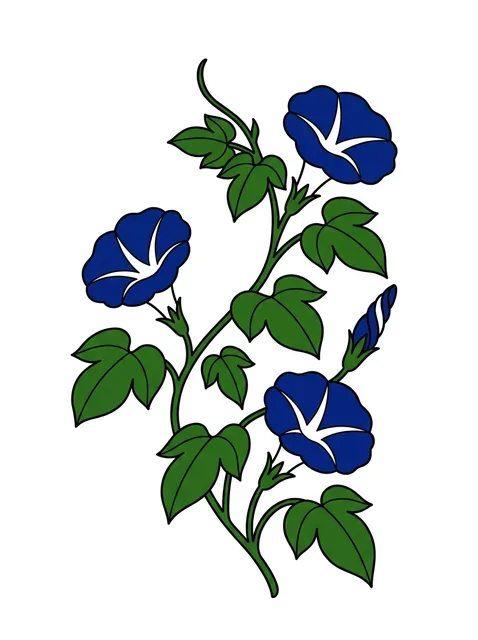
Color traditional birth flower and morning glory tattoo design Try it on — Color traditional birth flower and morning glory tattoo design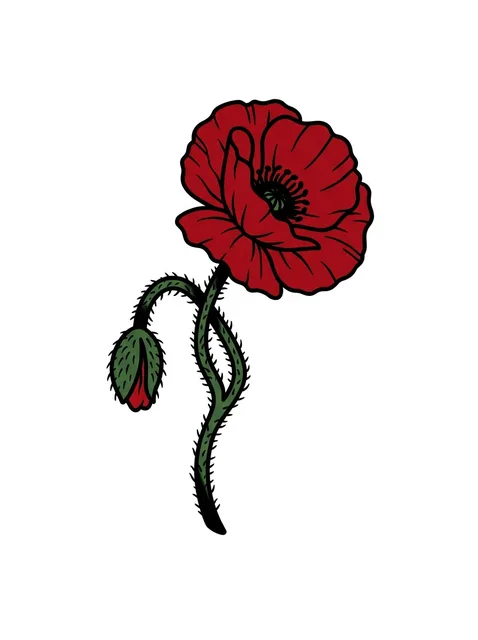
Color illustrative birth flower and poppy tattoo design Try it on — Color illustrative birth flower and poppy tattoo design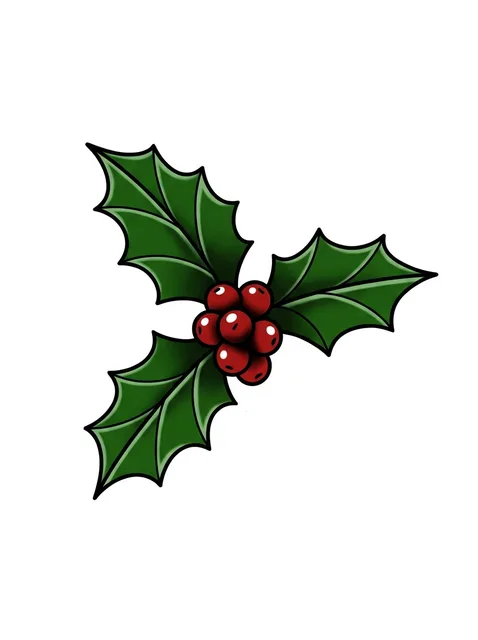
Color traditional birth flower and holly tattoo design Try it on — Color traditional birth flower and holly tattoo design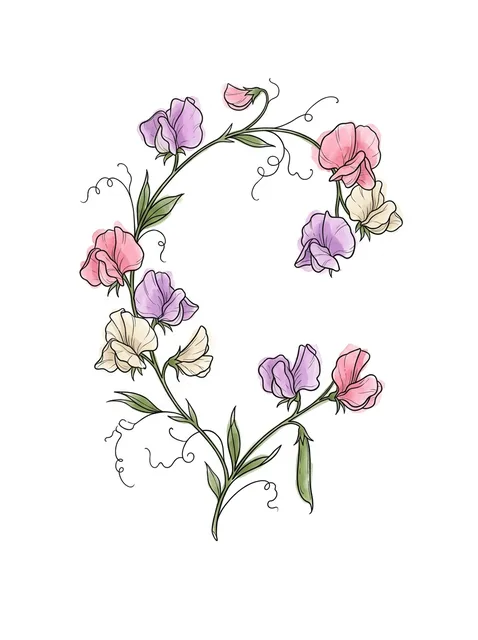
Color watercolor birth flower and sweet pea tattoo design Try it on — Color watercolor birth flower and sweet pea tattoo design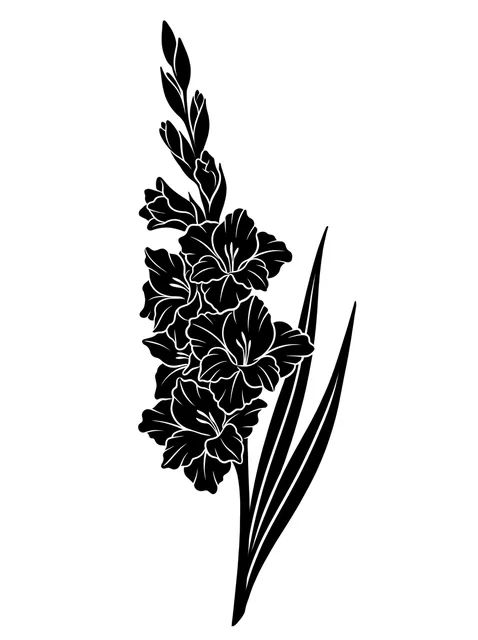
Black and white blackwork birth flower and gladiolus tattoo design Try it on — Black and white blackwork birth flower and gladiolus tattoo design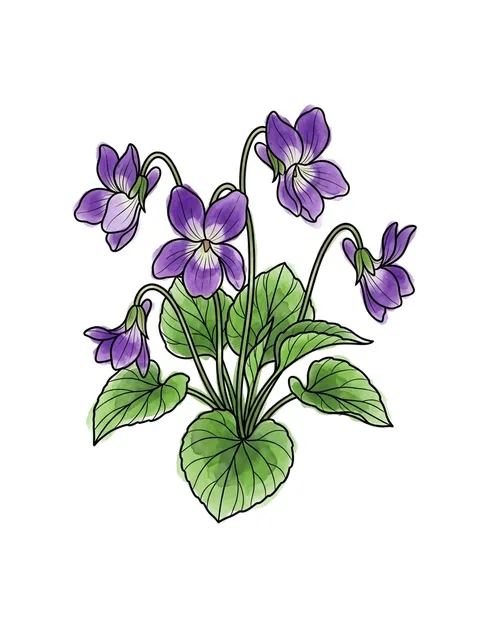
Color watercolor birth flower and violet tattoo design Try it on — Color watercolor birth flower and violet tattoo design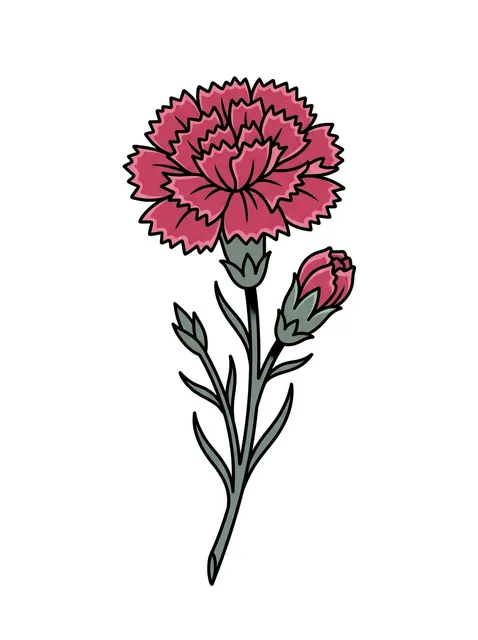
Color illustrative birth flower and carnation tattoo design Try it on — Color illustrative birth flower and carnation tattoo design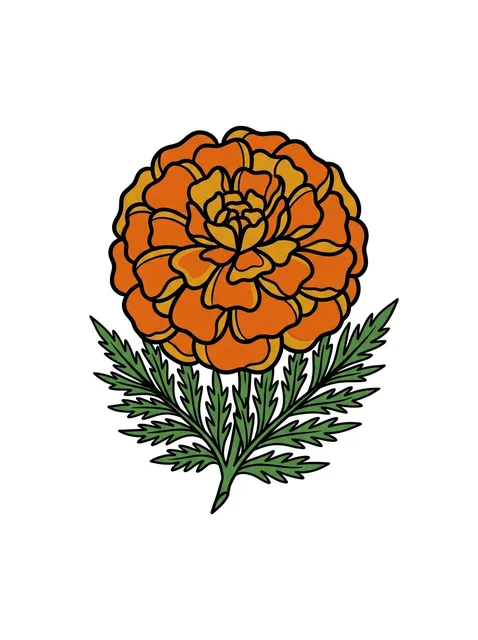
Color traditional birth flower and marigold tattoo design Try it on — Color traditional birth flower and marigold tattoo design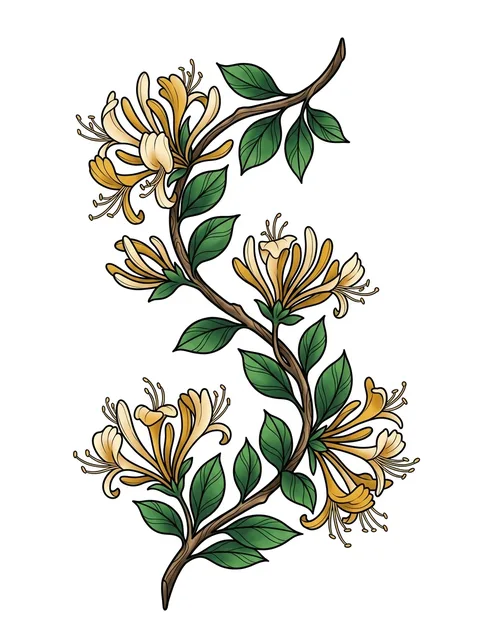
Color illustrative birth flower and honeysuckle tattoo design Try it on — Color illustrative birth flower and honeysuckle tattoo design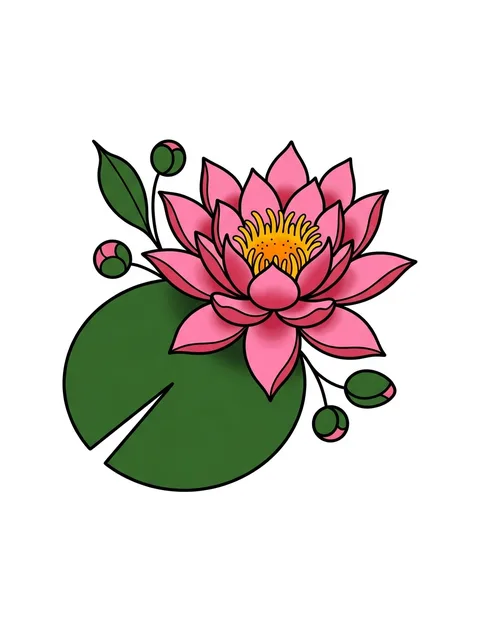
Color illustrative birth flower and water lily tattoo design Try it on — Color illustrative birth flower and water lily tattoo design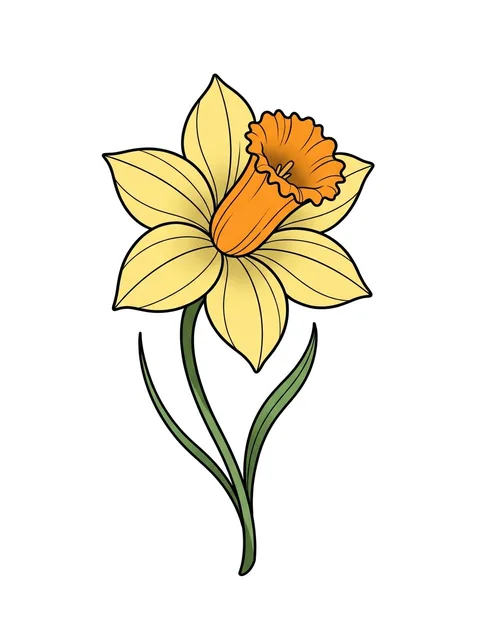
Color illustrative birth flower and daffodil tattoo design Try it on — Color illustrative birth flower and daffodil tattoo design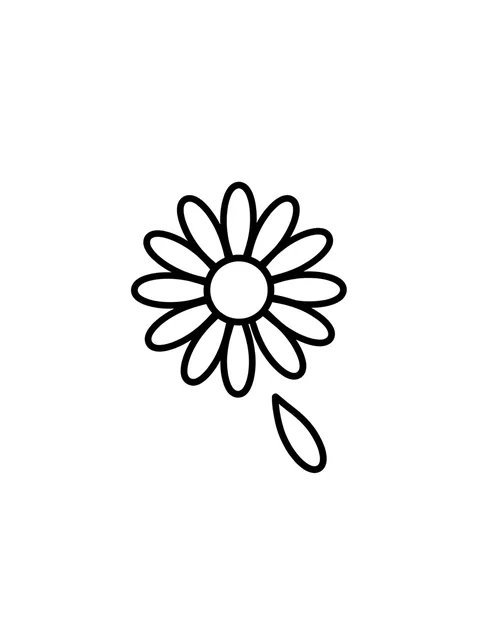
Black and white minimalist birth flower and daisy tattoo design, outline stencil Try it on — Black and white minimalist birth flower and daisy tattoo design, outline stencil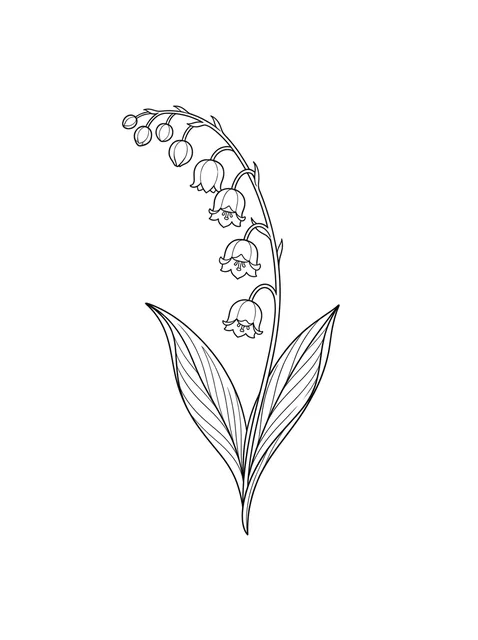
Black and white fine line birth flower and lily of the valley tattoo design, outline stencil Try it on — Black and white fine line birth flower and lily of the valley tattoo design, outline stencil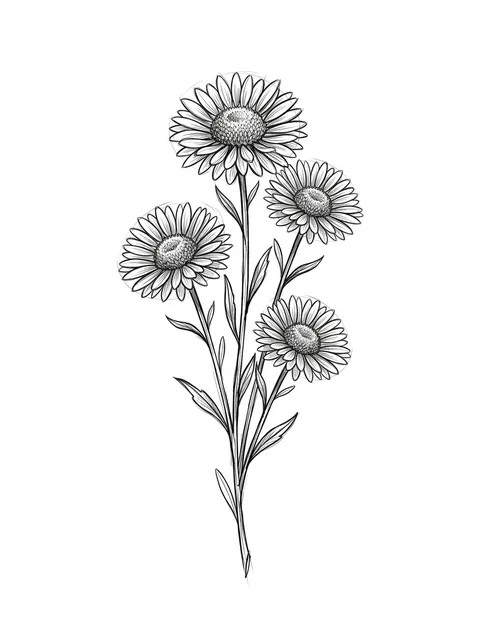
Black and white fine line birth flower and aster tattoo design, outline stencil Try it on — Black and white fine line birth flower and aster tattoo design, outline stencil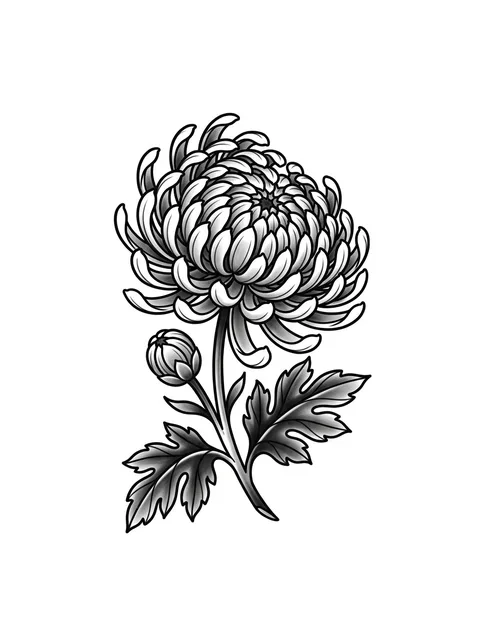
Black and white blackwork birth flower and chrysanthemum tattoo design Try it on — Black and white blackwork birth flower and chrysanthemum tattoo design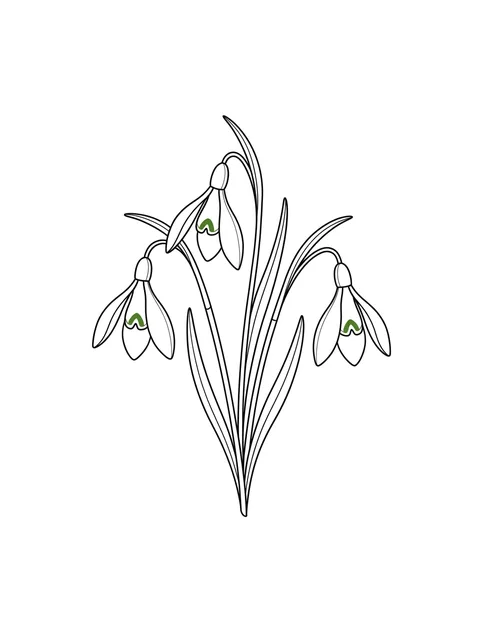
Color fine line birth flower and snowdrop tattoo design, outline stencil Try it on — Color fine line birth flower and snowdrop tattoo design, outline stencil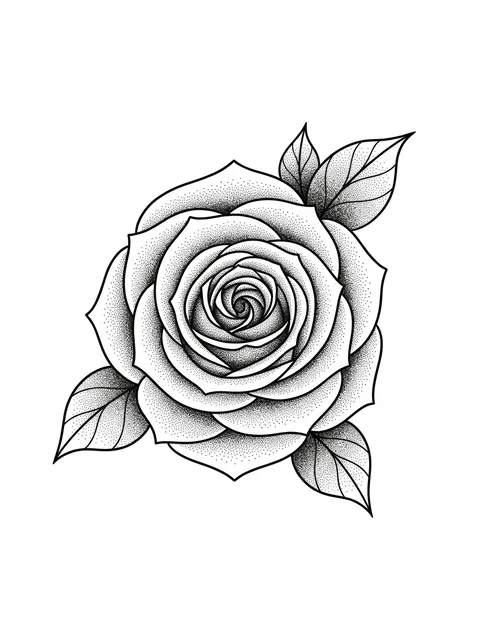
Black and grey dotwork birth flower and rose tattoo design Try it on — Black and grey dotwork birth flower and rose tattoo design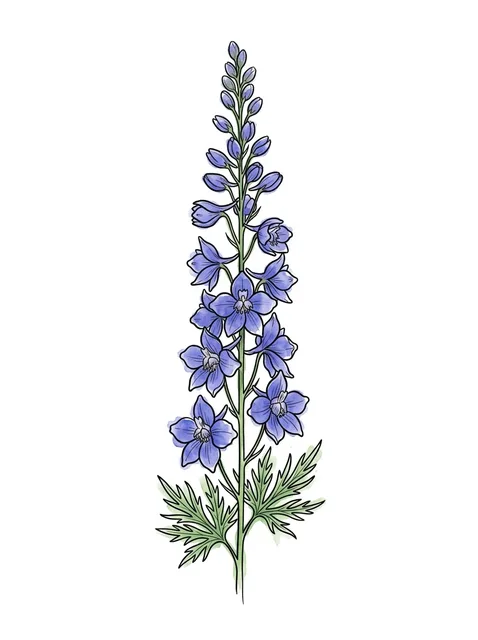
Color illustrative birth flower and larkspur tattoo design Try it on — Color illustrative birth flower and larkspur tattoo design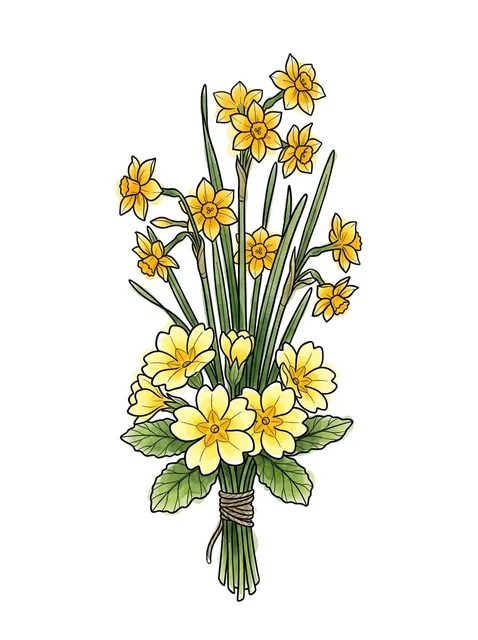
Color illustrative birth flower and primrose tattoo design Try it on — Color illustrative birth flower and primrose tattoo design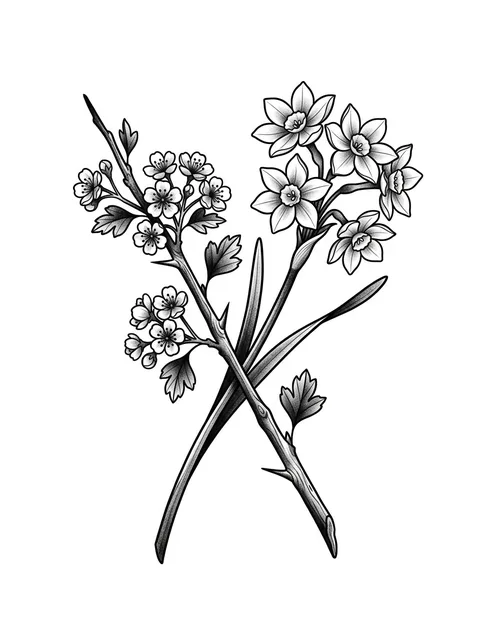
Black and grey illustrative birth flower and hawthorn tattoo design Try it on — Black and grey illustrative birth flower and hawthorn tattoo design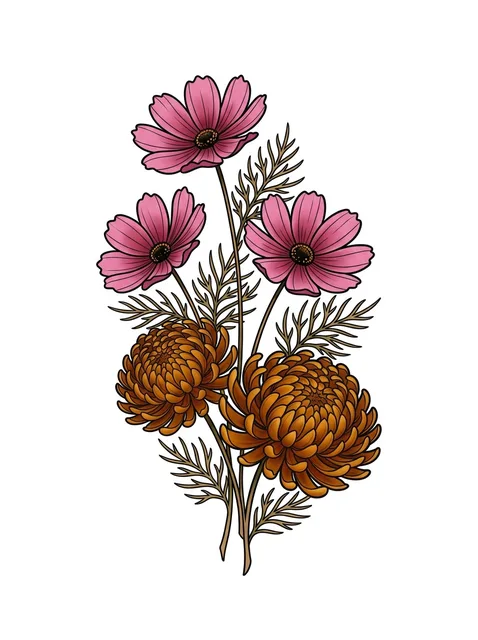
Color illustrative birth flower and cosmos tattoo design: three pink cosmos Try it on — Color illustrative birth flower and cosmos tattoo design: three pink cosmos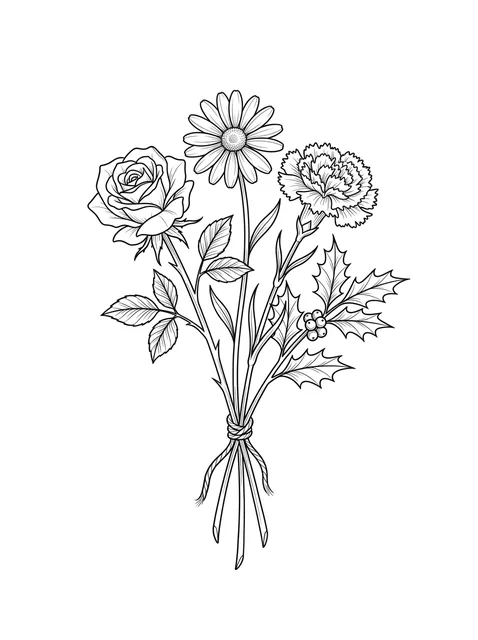
Black and white fine line birth flower and rose tattoo design, outline stencil Try it on — Black and white fine line birth flower and rose tattoo design, outline stencil


Tap any design to see it on your own skin in the try-on — no signup.
This set of 22 birth flower designs, by the numbers
- Styles represented
- illustrative (9), fine line (4), traditional (3), watercolor (2), blackwork (2), minimalist (1)
- Black-and-grey vs colour
- 36% black-and-grey, 64% colour
- Most often drawn with
- daisy, chrysanthemum, rose, morning glory
Counted from the 22 designs shown on this page. Every one was drawn for InkCraft — none are scraped or reposted. Free to reference with a link to this page.
What a birth flower tattoo means
A birth flower works like a birthstone that grows. It stands in for a date without writing one, which is why so many are worn for somebody else: a mother carries her children's months, a daughter her mother's, a widower the month his wife was born. The four stems tied with twine on this page, a rose, a daisy, a carnation and a sprig of holly, are four people, June, April, January and December, and only the family can read them.
No list is official. American jewellers meeting in Kansas City fixed the birthstones in 1912, and nobody ever did the same for flowers. The designs here follow the two-flowers-a-month list printed by The Old Farmer's Almanac in the United States, twenty-three flowers in all, with November keeping only the chrysanthemum. Many British florists use the same list; others give one flower a month and put the delphinium in July in place of its cousin the larkspur.
The meanings attached to each flower come from the Victorian language of flowers rather than from the calendar, and they were not all kind. Kate Greenaway's Language of Flowers, published in 1884, gives the snowdrop hope and the lily of the valley the return of happiness, but the marigold grief, the morning glory affectation and the narcissus egotism. Few people choose their month for those readings, and nobody is obliged to take them on.
The list is also a northern calendar. Most months are tied to what blooms then in a northern garden, snowdrops in January, lily of the valley in May, chrysanthemums in November, so someone born in Melbourne in March is given a spring daffodil in an autumn month. Some wearers in the southern hemisphere keep the list anyway, since it is the one everybody recognises; others choose the plant that was flowering where they were born.
Where the design comes from
Giving flowers meanings became a fashion in Paris in 1819, when Louise Cortambert, writing as Charlotte de la Tour, published Le Langage des Fleurs and arranged it by season and month; English versions followed. In 1908 Anna Jarvis sent five hundred white carnations, her mother's favourite flower, to the first Mother's Day service in Grafton, West Virginia. The primrose was Disraeli's, and 19 April, the day he died in 1881, was kept as Primrose Day into the 1920s.
Choosing yours
- In black line most of these species are identified by one detail. The water lily's pad has a narrow notch cut to its centre, and without it the July flower is a lotus; larkspur has a spur behind each floret, the gladiolus leaves like swords, and a jonquil several small cups where a daffodil has one long trumpet.
- The plant's shape decides the placement: spikes such as gladiolus and larkspur run down a forearm or the ribs, vines such as honeysuckle and sweet pea wrap, and faces seen head on, like the marigold, want a round field.
- Tie a family bouquet loosely at the base, as the four stems here are, so that a later stem can join it beside the twine.
Size, cost and placement
How big, and what it costs
The small daisy is shop-minimum work; a stem with leaves at 8 to 12 cm, like the carnation or the snowdrops, takes one to two hours. The four-stem bouquet in fine line runs 12 to 15 cm and about two hours, and the coloured posy closer to three.
Where it sits, and how much it hurts
Spikes suit the inner forearm, ribs and spine; vines the ankle or a wrap round the upper arm; round faces the shoulder cap. The ribs and spine are the sharpest, the forearm the easiest.
What to ask your artist
- Which month list the reference follows, and whether the species on the stencil matches it.
- Where a stem added in a few years would go without redrawing the bouquet.
- For violet or larkspur in black and grey, whether the leaf shape will carry the identification.
Prices vary widely by city and artist — treat these as session lengths rather than quotes, and expect a shop minimum on anything small. The cost guide turns hours into money by size, placement and style.
Common questions
My mother says July is the delphinium. Who is right?
Both of you. Larkspur and delphinium are close cousins with the same spurred florets, and British lists often name the delphinium instead.
Can one tattoo hold the months of a whole family?
Yes: one stem per person, tied together. The rose, daisy, carnation and holly here are four birthdays, and the hawthorn crossed with paperwhite narcissus is May and December.
I was born in Australia. Does the northern list still apply?
Only by convention. The Almanac follows a northern year, so its March daffodil flowers around August or September in Australia.
Which birth flowers stay readable at wrist size?
The simple faces. The small daisy here holds at 3 cm, one ring of petals round a plain centre; lily of the valley bells and aster rays need 8 cm or more.
See it on your skin before you commit
InkCraft places any of these designs on a photo of you — scaled, wrapped and shaded to the placement you pick.