 InkCraft
Crucifix Tattoo Ideas, Designs and Meaning
12 original crucifix designs drawn for InkCraftBy Uladzimir TumanauUpdated
A crucifix is a cross that still carries the body, and that one addition places it in a tradition: Catholic and Orthodox churches keep the figure, most Protestant ones leave the cross empty. The corpus sets the minimum size, since its arms, head and crossed feet need room.
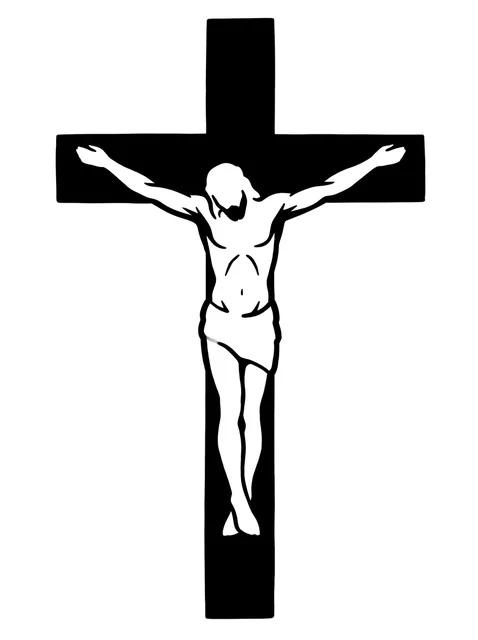
Black and white blackwork crucifix tattoo design Try it on — Black and white blackwork crucifix tattoo design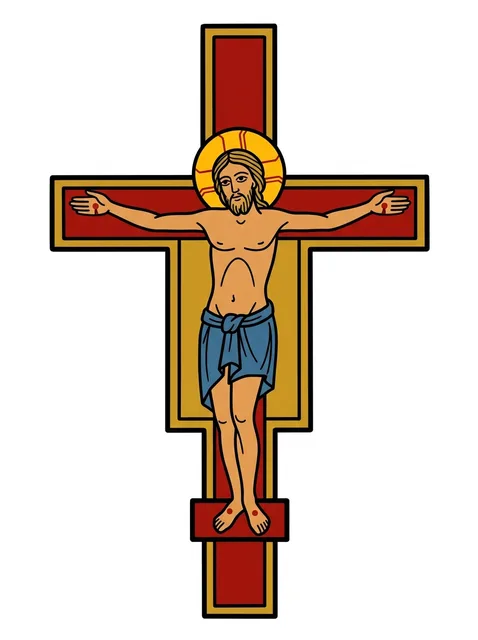
Color illustrative crucifix tattoo design (1 of 2) Try it on — Color illustrative crucifix tattoo design (1 of 2)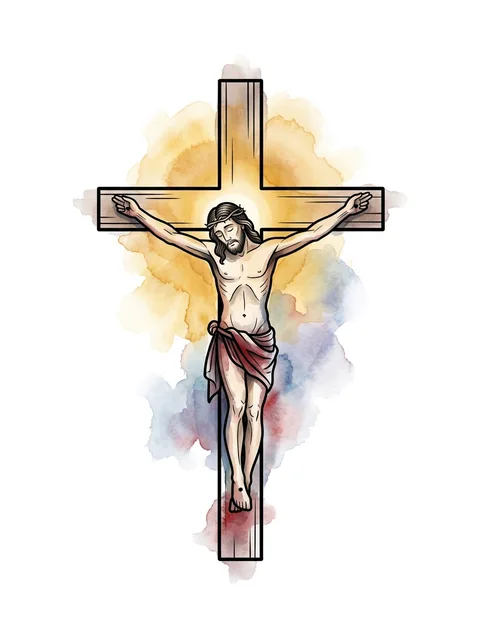
Color watercolor crucifix tattoo design Try it on — Color watercolor crucifix tattoo design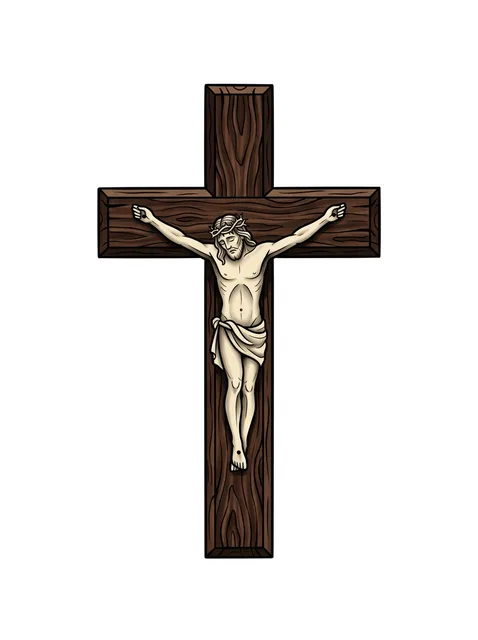
Color illustrative crucifix tattoo design (2 of 2) Try it on — Color illustrative crucifix tattoo design (2 of 2)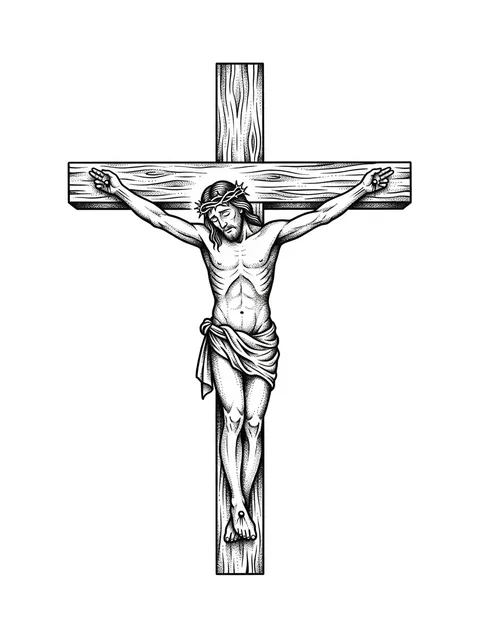
Black and grey illustrative crucifix tattoo design Try it on — Black and grey illustrative crucifix tattoo design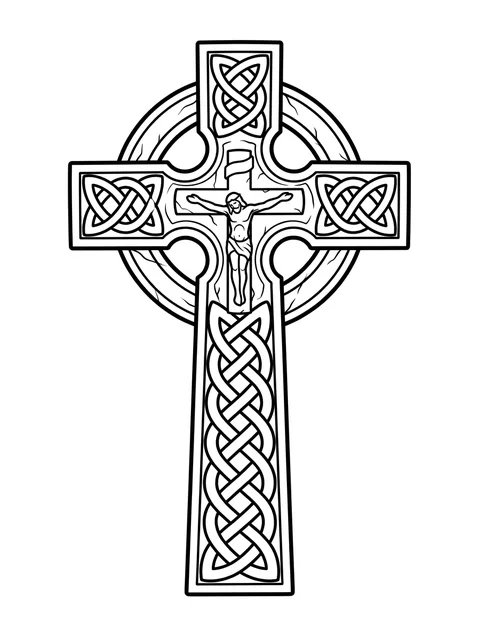
Black and white celtic crucifix tattoo design: an Irish high cross Try it on — Black and white celtic crucifix tattoo design: an Irish high cross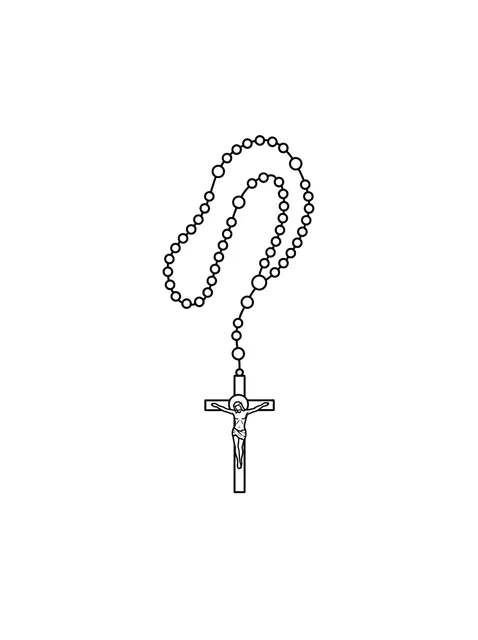
Black and white fine line crucifix and rosary tattoo design, outline stencil Try it on — Black and white fine line crucifix and rosary tattoo design, outline stencil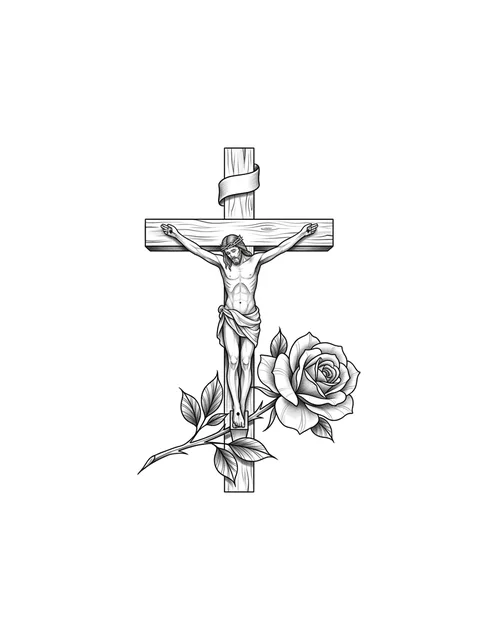
Black and grey fine line crucifix and rose tattoo design, outline stencil Try it on — Black and grey fine line crucifix and rose tattoo design, outline stencil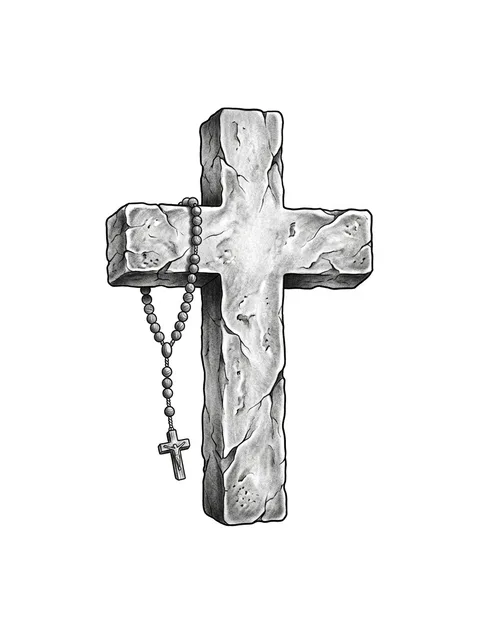
Black and grey chicano crucifix and cross tattoo design: a weathered stone cross Try it on — Black and grey chicano crucifix and cross tattoo design: a weathered stone cross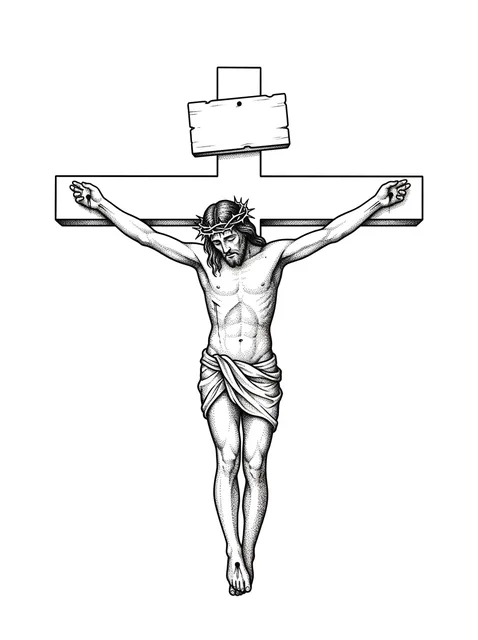
Black and grey illustrative crucifix and jesus tattoo design Try it on — Black and grey illustrative crucifix and jesus tattoo design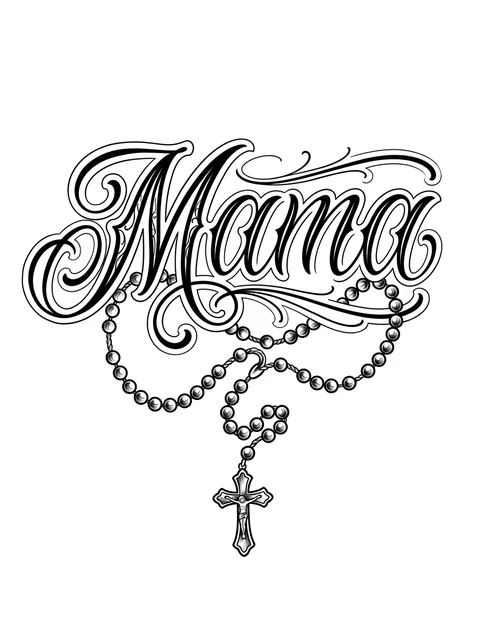
Black and grey lettering crucifix and name tattoo design: a small crucifix looping beneath it Try it on — Black and grey lettering crucifix and name tattoo design: a small crucifix looping beneath it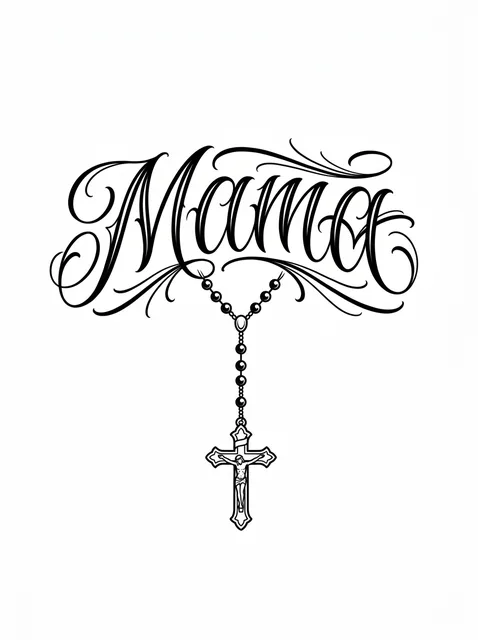
Black and grey lettering crucifix and rip tattoo design Try it on — Black and grey lettering crucifix and rip tattoo design


Tap any design to see it on your own skin in the try-on — no signup.
This set of 12 crucifix designs, by the numbers
- Styles represented
- illustrative (4), fine line (2), lettering (2), blackwork (1), watercolor (1), celtic (1)
- Black-and-grey vs colour
- 75% black-and-grey, 25% colour
- Most often drawn with
- rosary, rose, cross, jesus
Counted from the 12 designs shown on this page. Every one was drawn for InkCraft — none are scraped or reposted. Free to reference with a link to this page.
What a crucifix tattoo means
The difference from a plain cross is exact. A Latin cross is the shape alone; a crucifix is that shape with the corpus, Latin for body, fixed to it. The empty cross looks past the death to Easter morning, while the crucifix holds the viewer at the hour of dying and asks them to see the cost rather than skip to the ending.
The churches handle it differently. The Catholic Church requires a cross bearing the figure of Christ on or near the altar at every Mass, and the rosary ends in one. Orthodox Christians prefer the figure painted or in low relief rather than carved in the round. Lutherans kept crucifixes after the Reformation, but Reformed, Baptist and most evangelical churches display the empty cross instead, so a crucifix on skin is usually taken for a Catholic or Orthodox sign.
The pose tells you the period. Christ upright with open eyes and his feet side by side on a footrest is the older triumphant type, the Christus triumphans of Byzantine icons and Romanesque painted crosses such as the San Damiano cross in Assisi, and the red and gold icon crucifix here follows it. The head fallen to one shoulder, the body sagging and the feet crossed under one nail is the suffering type, the Christus patiens, which took over in the West from the thirteenth century and is the one most crucifixes on this page draw.
Respect turns on use more than on drawing. An upside-down crucifix, body and all, is read almost everywhere as an attack on the faith. Many Catholic and Orthodox believers are uneasy with one on the feet or below the waist, or worn purely as a fashion piece, while a crucifix hanging from a rosary under a mother's name, as in two older designs here, sits well inside the devotional tradition.
Where the design comes from
Christians avoided picturing the crucifixion for about four hundred years. The earliest surviving images, an ivory panel of around 420 to 430 now in the British Museum and the carved cypress doors of Santa Sabina in Rome, both show Christ alive with his eyes open. In 692 the Quinisext Council at Constantinople ruled that Christ should be shown in human form rather than as a lamb. The Gero Cross in Cologne Cathedral, carved in oak around 970, is the oldest large sculpted crucifix north of the Alps, and its Christ already hangs dead with closed eyes. In Ireland the corpus went into stone: Muiredach's Cross at Monasterboice, from the tenth century, has the Crucifixion at the heart of its ring, the model for the Celtic high-cross crucifix among these designs.
Choosing yours
- Choose which Christ before choosing a style: upright and alive in the Byzantine manner, or bowed and dead as in Western art since the Gothic period, the default if you do not say.
- The corpus sets the minimum size. A figure under about 4 cm tall loses its arms into the crossbeam and its feet into the upright, so the smallest designs here are the rosary crucifix, where the body is barely a mark, and the blackwork one, which cuts the body out as white negative space so it survives as a silhouette.
- Decide what goes above the head. The titulus, the board Pilate had fixed to the cross, carries INRI on most Western crucifixes, the Latin initials of Jesus of Nazareth, King of the Jews; two designs here leave it blank, so the letters can go in or stay out.
Size, cost and placement
How big, and what it costs
The rosary crucifix and the small one with a rose are 5 to 8 cm and an hour or less. A shaded corpus with a readable face, ribs and hands needs 12 to 15 cm and two to four hours; the painted icon and the knotwork high cross run 15 to 20 cm and half a day.
Where it sits, and how much it hurts
It is tall and narrow and wants a vertical run: the forearm, the calf, the spine or the centre of the chest. The ringed high cross fits the upper back or a shoulder blade. Many believers keep it above the waist. The spine and sternum hurt most, the outer forearm least.
What to ask your artist
- Whether Christ is upright and alive or bowed and dead, and whether the feet cross.
- What goes on the titulus: INRI, a blank board or nothing.
- For the high cross, whether every knotwork strand passes over and under in turn.
Prices vary widely by city and artist — treat these as session lengths rather than quotes, and expect a shop minimum on anything small. The cost guide turns hours into money by size, placement and style.
Common questions
Should a Protestant choose a crucifix or an empty cross?
Most Protestant churches use the empty cross, so a crucifix will usually be taken as Catholic or Orthodox. Lutherans are the exception, having kept it since the Reformation. What your own church expects is a question for your pastor, not a tattooist.
Why are the feet crossed on some and side by side on others?
Western art from the thirteenth century on usually crosses the feet under a single nail, three nails in all. Byzantine and Orthodox crosses keep four, with the feet side by side on a footrest, the suppedaneum, as the icon crucifix here does.
Is an upside-down crucifix the same as Saint Peter's cross?
No. Tradition says Peter was crucified head down, and a plain inverted cross honours him. Turn a crucifix over with the body on it and nearly every Christian will read it as mockery.
Does it have to hang from a rosary?
No, but a rosary is prayed starting from its crucifix, and once the beads are added it reads as plainly Catholic, which a crucifix alone does not always do.
See it on your skin before you commit
InkCraft places any of these designs on a photo of you — scaled, wrapped and shaded to the placement you pick.