 InkCraft
Virgin Mary Tattoo Ideas, Designs and Meaning
26 original virgin mary designs drawn for InkCraftBy Uladzimir TumanauUpdated
There is no agreed likeness of Mary, so the veil and the attributes carry the whole identification. Guadalupe with her mandorla, the Immaculate Conception on a serpent and Our Lady of Sorrows with seven swords are three different devotions rather than three styles.
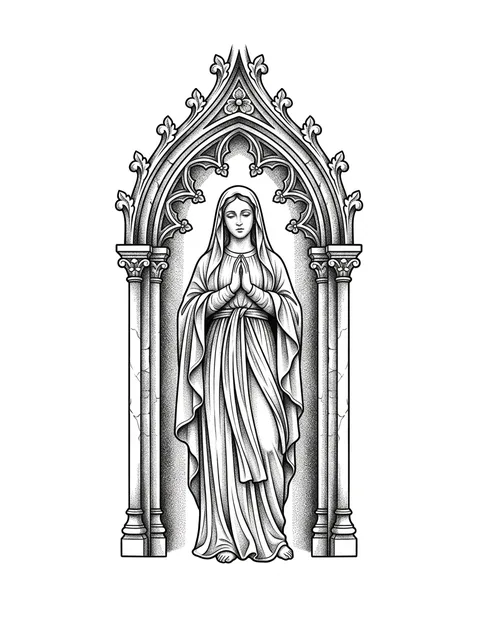
Black and grey dotwork virgin mary tattoo design: the Virgin Mary in a gothic archway Try it on — Black and grey dotwork virgin mary tattoo design: the Virgin Mary in a gothic archway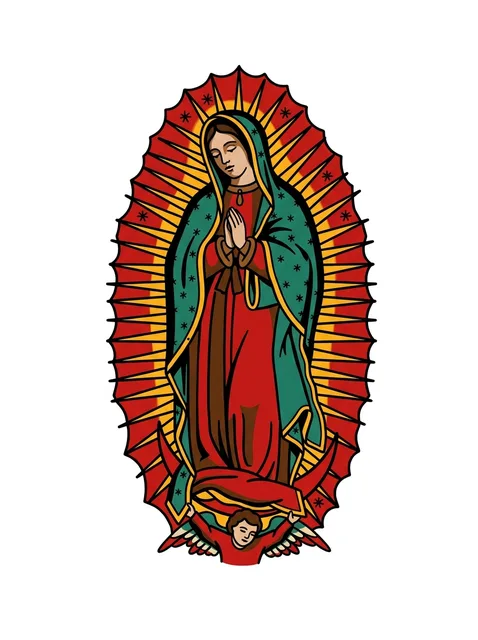
Color traditional virgin mary tattoo design: the Virgin Mary Try it on — Color traditional virgin mary tattoo design: the Virgin Mary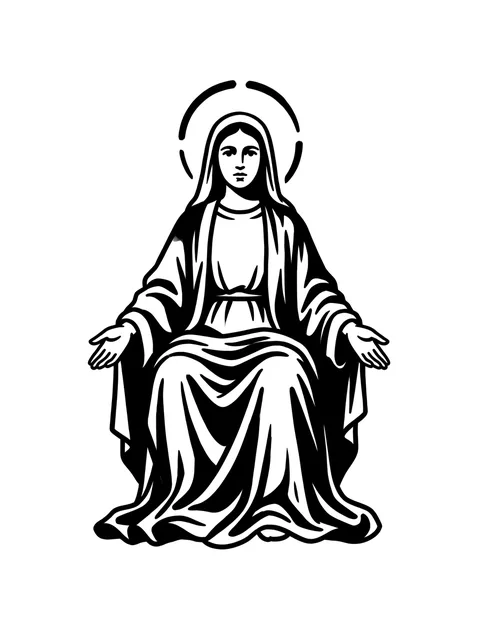
Black and white blackwork virgin mary tattoo design Try it on — Black and white blackwork virgin mary tattoo design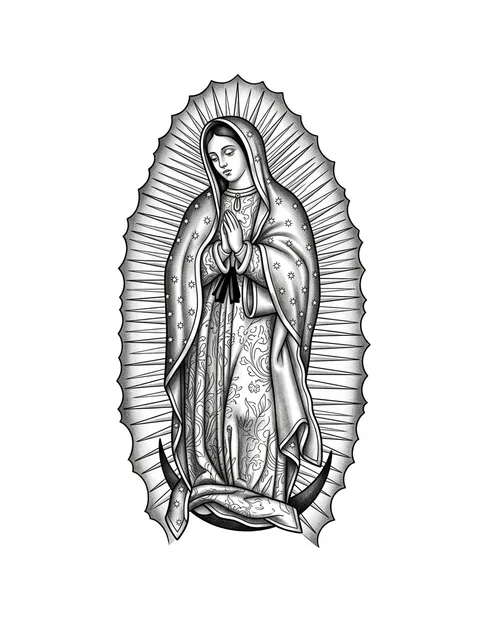
Black and grey chicano virgin mary tattoo design Try it on — Black and grey chicano virgin mary tattoo design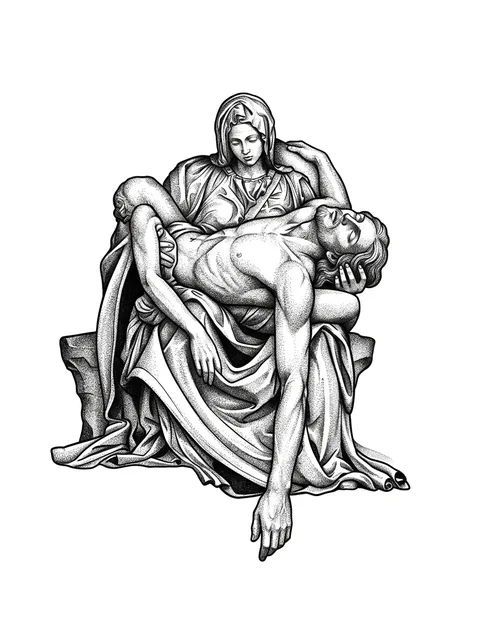
Black and grey dotwork virgin mary and jesus tattoo design Try it on — Black and grey dotwork virgin mary and jesus tattoo design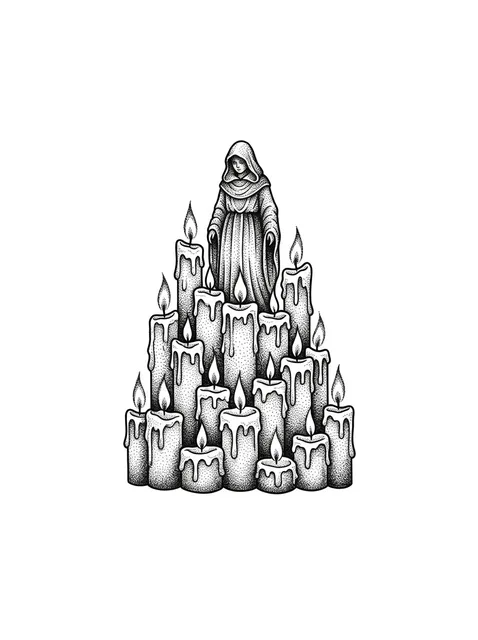
Black and grey dotwork virgin mary and candle tattoo design Try it on — Black and grey dotwork virgin mary and candle tattoo design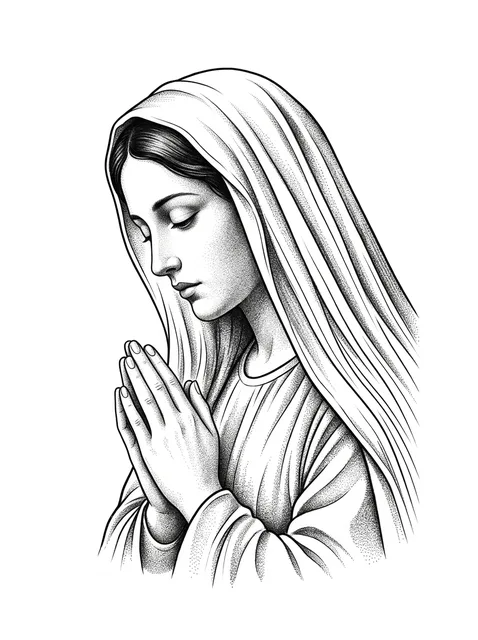
Black and grey dotwork virgin mary and praying hands tattoo design: the Virgin Mary in prayer Try it on — Black and grey dotwork virgin mary and praying hands tattoo design: the Virgin Mary in prayer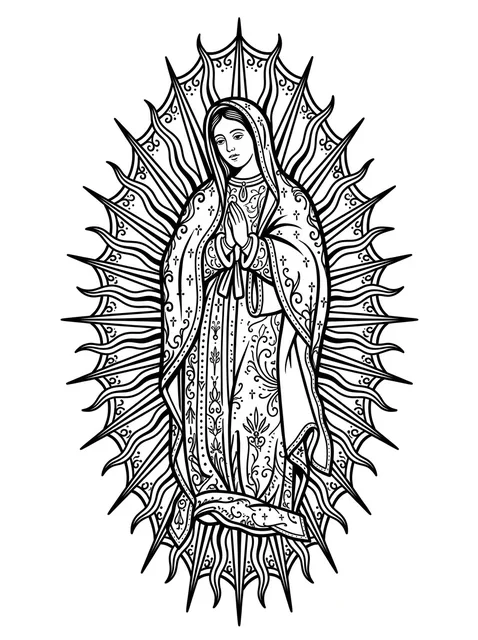
Black and white illustrative virgin mary and praying hands tattoo design: the Virgin Mary Try it on — Black and white illustrative virgin mary and praying hands tattoo design: the Virgin Mary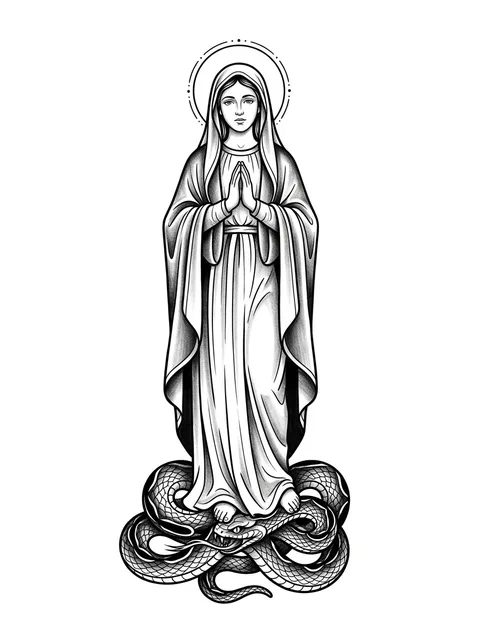
Black and grey neo traditional virgin mary and snake tattoo design Try it on — Black and grey neo traditional virgin mary and snake tattoo design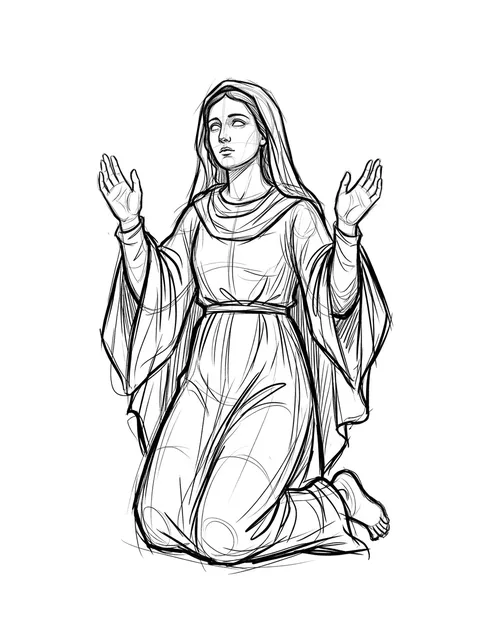
Black and grey illustrative virgin mary and woman portrait tattoo design Try it on — Black and grey illustrative virgin mary and woman portrait tattoo design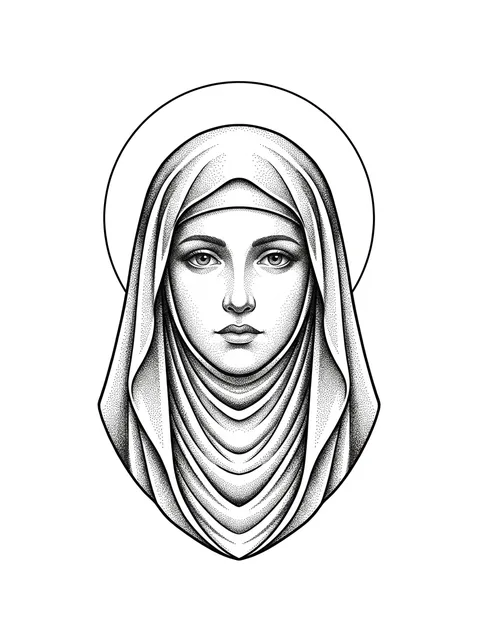
Black and grey dotwork virgin mary and woman portrait tattoo design: the Virgin Mary Try it on — Black and grey dotwork virgin mary and woman portrait tattoo design: the Virgin Mary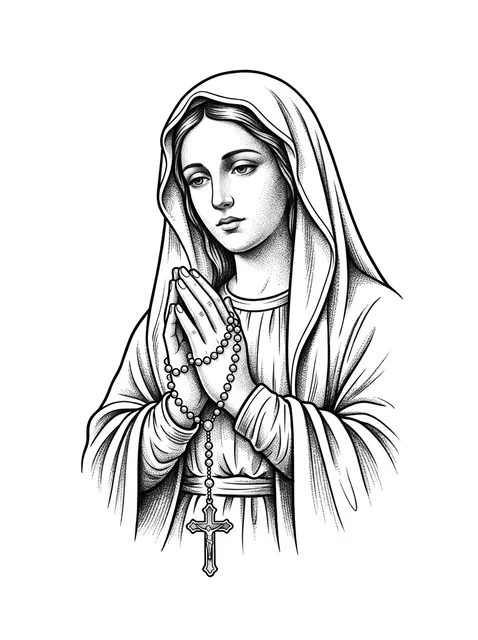
Black and white illustrative virgin mary and praying hands tattoo design: the Virgin Mary in prayer Try it on — Black and white illustrative virgin mary and praying hands tattoo design: the Virgin Mary in prayer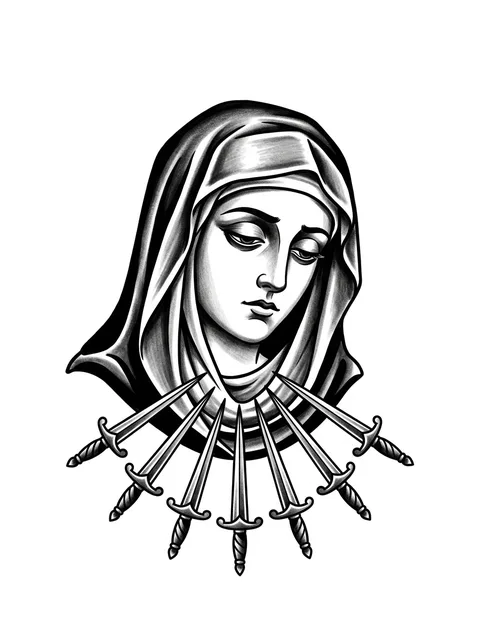
Black and grey traditional virgin mary and dagger tattoo design Try it on — Black and grey traditional virgin mary and dagger tattoo design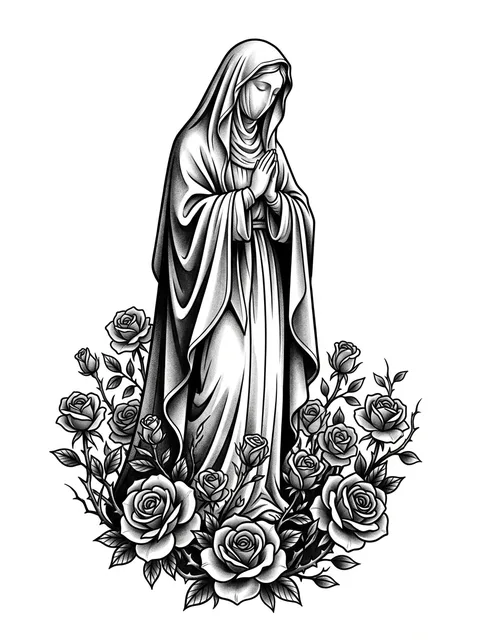
Black and grey neo traditional virgin mary and rose tattoo design Try it on — Black and grey neo traditional virgin mary and rose tattoo design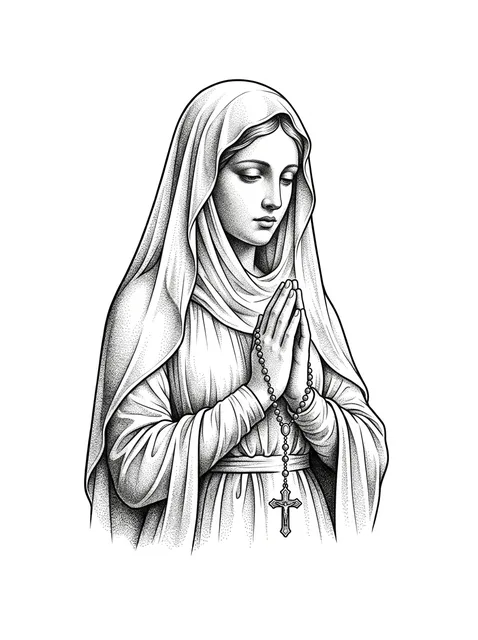
Black and grey dotwork virgin mary and praying hands tattoo design Try it on — Black and grey dotwork virgin mary and praying hands tattoo design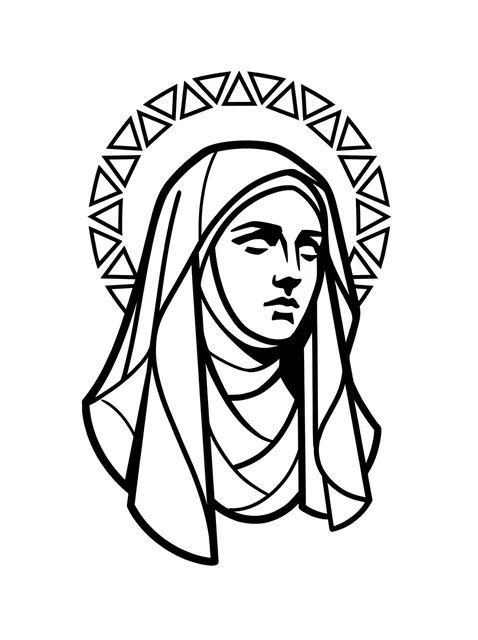
Black and white geometric virgin mary and woman portrait tattoo design, outline stencil Try it on — Black and white geometric virgin mary and woman portrait tattoo design, outline stencil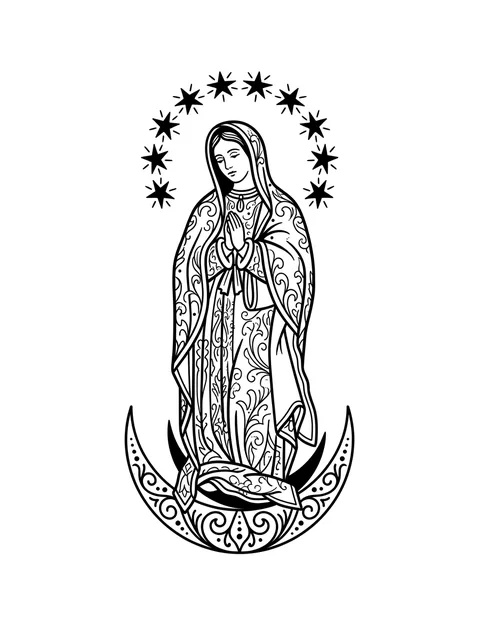
Black and white illustrative virgin mary and moon tattoo design: the Virgin Mary Try it on — Black and white illustrative virgin mary and moon tattoo design: the Virgin Mary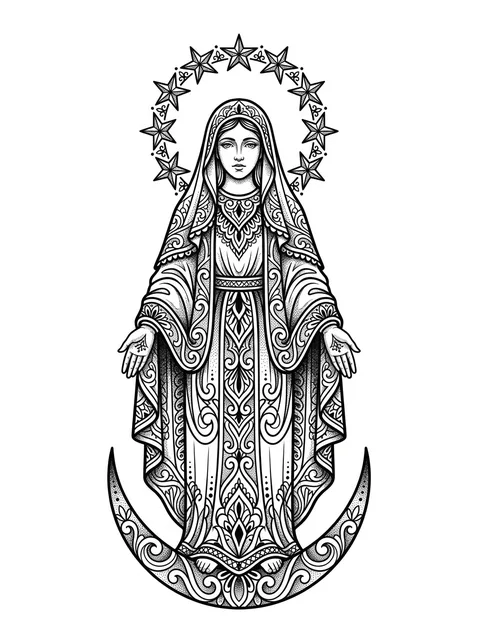
Black and white illustrative virgin mary and star tattoo design Try it on — Black and white illustrative virgin mary and star tattoo design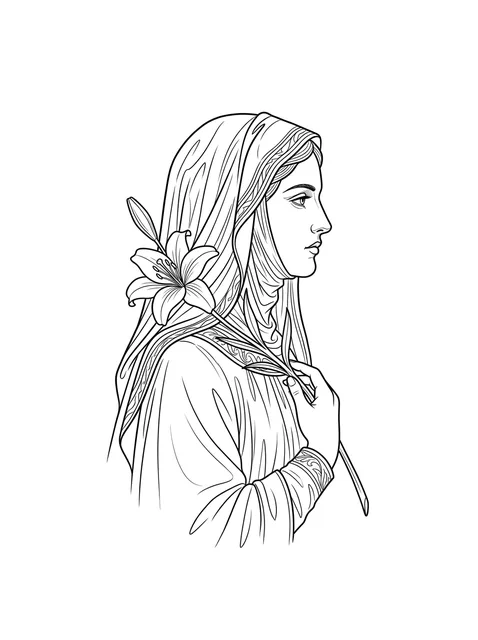
Black and white illustrative virgin mary and lily tattoo design Try it on — Black and white illustrative virgin mary and lily tattoo design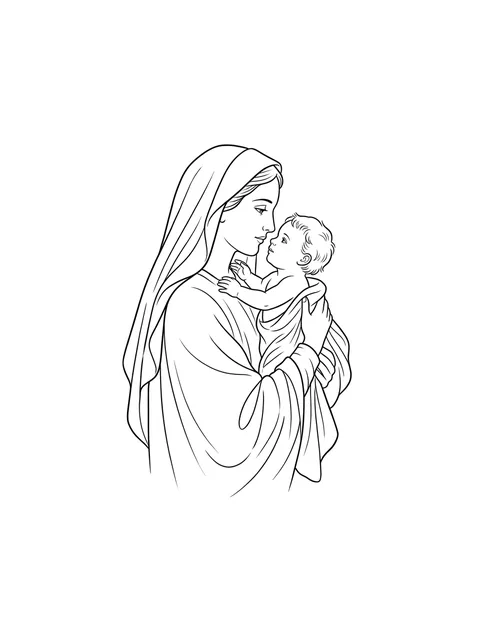
Black and grey illustrative virgin mary and mother and child tattoo design Try it on — Black and grey illustrative virgin mary and mother and child tattoo design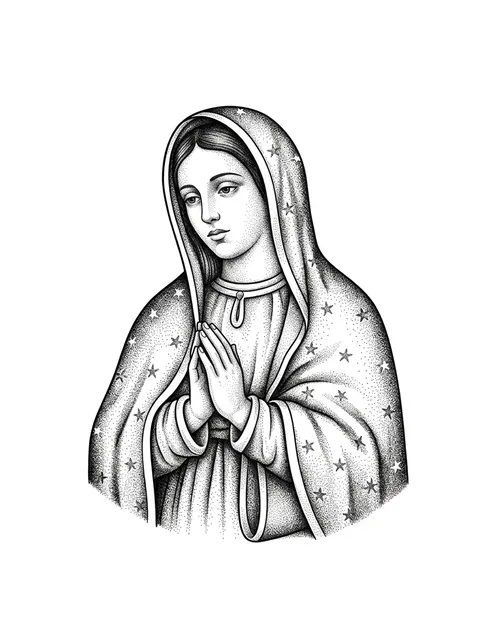
Black and grey dotwork virgin mary and praying hands tattoo design Try it on — Black and grey dotwork virgin mary and praying hands tattoo design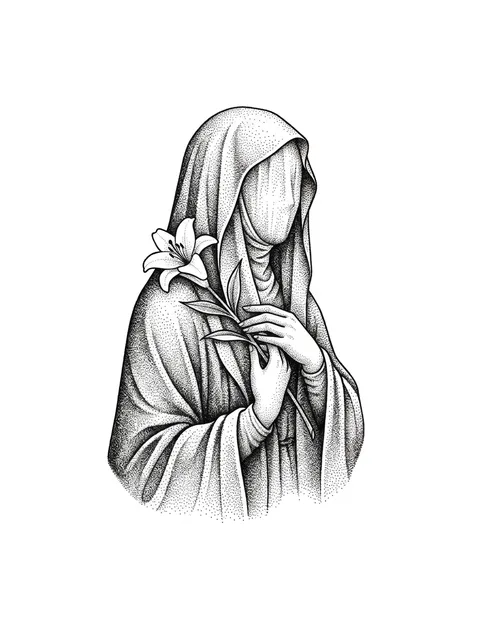
Black and grey dotwork virgin mary and lily tattoo design Try it on — Black and grey dotwork virgin mary and lily tattoo design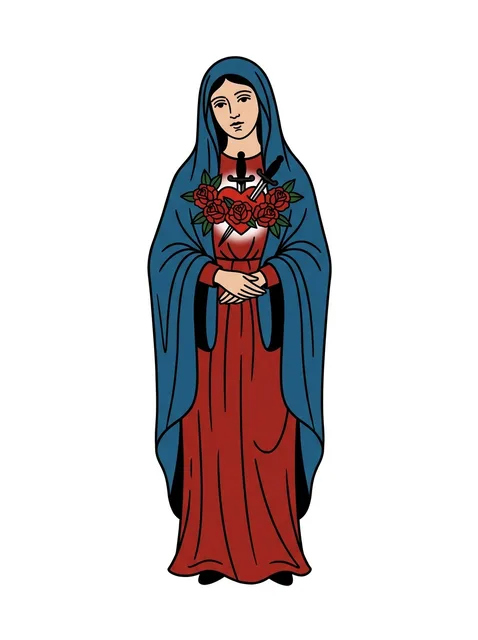
Color traditional virgin mary and heart tattoo design: the Virgin Mary Try it on — Color traditional virgin mary and heart tattoo design: the Virgin Mary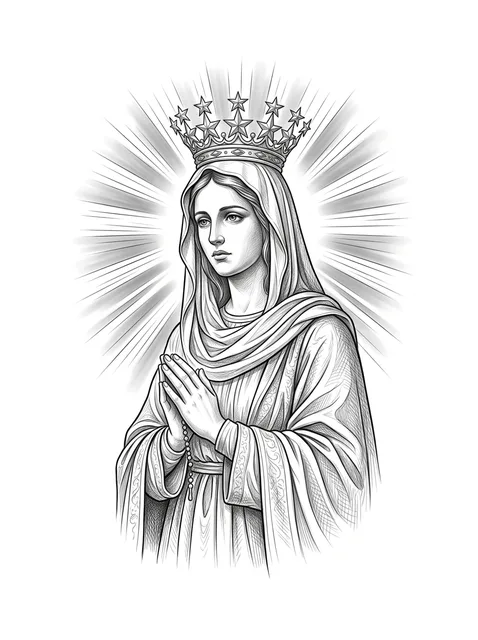
Black and grey illustrative virgin mary and praying hands tattoo design: the Virgin Mary Try it on — Black and grey illustrative virgin mary and praying hands tattoo design: the Virgin Mary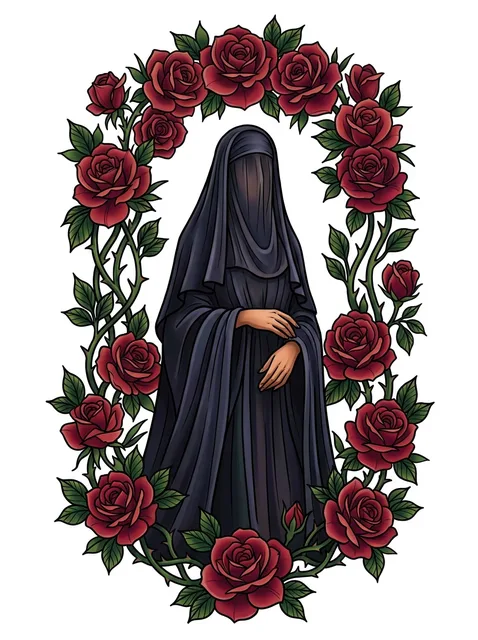
Color neo traditional virgin mary and woman portrait tattoo design: a veiled woman in dark robes Try it on — Color neo traditional virgin mary and woman portrait tattoo design: a veiled woman in dark robes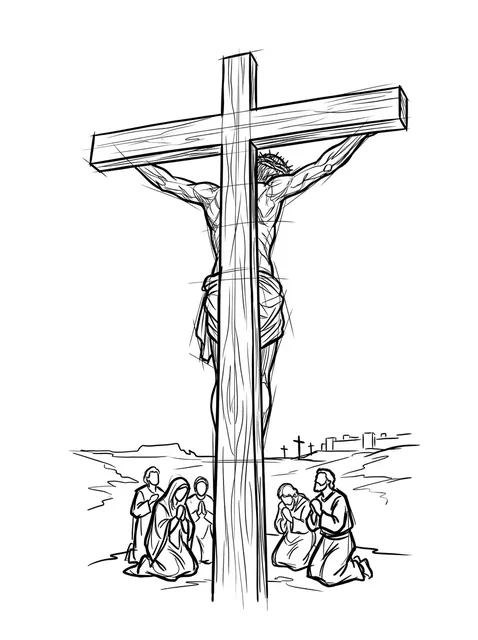
Black and grey illustrative virgin mary and jesus tattoo design Try it on — Black and grey illustrative virgin mary and jesus tattoo design


Tap any design to see it on your own skin in the try-on — no signup.
This set of 26 virgin mary designs, by the numbers
- Styles represented
- illustrative (9), dotwork (8), traditional (3), neo traditional (3), blackwork (1), chicano (1)
- Black-and-grey vs colour
- 88% black-and-grey, 12% colour
- Most often drawn with
- praying hands, woman portrait, jesus, rose
Counted from the 26 designs shown on this page. Every one was drawn for InkCraft — none are scraped or reposted. Free to reference with a link to this page.
What a virgin mary tattoo means
Mary is the most reproduced female figure in western art and she is not one subject but several. The Guadalupe image, the Immaculate Conception, Our Lady of Sorrows and the Madonna with the child are distinct devotions with distinct attributes, and wearing one is a more specific statement than most people realise.
The dominant reading is intercession rather than divinity. She is asked to speak on someone's behalf, which is why the pose is so often listening or lowered rather than commanding. That is also why she appears so frequently in memorial work: the request is for someone else.
Guadalupe carries a second meaning that has nothing to do with theology. Since 1531 she has been a Mexican and Mexican-American identity image as much as a religious one, which is why she is central to Chicano tattooing and why the full mandorla version reads as a statement about where someone is from.
Our Lady of Sorrows is the version people mean when they cannot say why they want her. Seven swords, one for each grief, arranged in a fan below a veiled head — it is the only image in the repertoire that is explicitly about accumulated loss rather than about comfort.
Where the design comes from
The oldest surviving image of Mary is a third-century wall painting in the Catacomb of Priscilla in Rome. The frontal, symmetrical, heavily veiled type that most tattoos descend from is Byzantine, fixed by the ninth century and deliberately unchanging, because an icon was meant to be copied rather than invented. The Guadalupe image dates to 1531 and its mandorla of alternating straight and wavy rays, the crescent beneath her feet and the twelve stars all come from the Book of Revelation. Mary entered western tattooing through two doors at once: the Catholic devotional tradition carried by sailors and immigrants, and the black-and-grey fine-line school that developed in Californian prisons and Chicano shops from the 1970s, which is where the photorealistic weeping Madonna comes from.
Choosing yours
- Name which Mary you want. Guadalupe with her mandorla, the Immaculate Conception standing on a serpent, Our Lady of Sorrows with seven swords and the Madonna with the child are four different tattoos, and an artist asked for "the Virgin Mary" will pick one for you.
- The veil is the identification, so give it room. The fall of the cloth, the parting at the brow and the way it frames the face carry more of the recognition than the features do, and a cropped or simplified veil is the most common reason a piece stops reading as her.
- Black and grey is the tradition for the portraits and colour is the tradition for Guadalupe. The devotional prints are flat saturated colour with heavy outlines, and a grey Guadalupe loses the thing that makes it that image.
Size, cost and placement
How big, and what it costs
A veiled head in black and grey wants 12-15 cm and three to four hours. A full-length Guadalupe with the mandorla is a much larger commitment, 25 cm or more and eight to ten hours, because the rays have to be even and evenness is slow. Colour devotional work is priced above black and grey for the same size.
Where it sits, and how much it hurts
Portraits want a flat field that does not crease: the outer arm, the chest, the shoulder blade, the outer thigh. Full-length Guadalupe traditionally runs down a forearm, a calf or the centre of the back, where its vertical shape has somewhere to go. Avoid placements that fold the face.
What to ask your artist
- Which devotion you actually want, by name, and to work from the historical image rather than from other tattoos.
- To show you healed black-and-grey portrait work, which is a separate skill from line or colour.
- For Guadalupe, whether the ray count and the twelve stars will be drawn correctly, since both are usually approximated.
Prices vary widely by city and artist — treat these as session lengths rather than quotes, and expect a shop minimum on anything small. The cost guide turns hours into money by size, placement and style.
Common questions
What is the difference between Guadalupe and the Virgin Mary?
Guadalupe is a specific apparition and a specific image: the mandorla of rays, the crescent beneath her feet, the star-covered mantle, the hands joined and the head inclined. It is Mary, but it is also a Mexican identity image, and it reads that way to anyone who knows it.
What do the seven swords mean?
They are the seven sorrows of Mary, and the image is Our Lady of Sorrows. It is the one version explicitly about grief, which is why it appears so often in memorial pieces.
Do I have to be Catholic to get one?
Nobody will stop you, and the image circulates far beyond the church. Worth knowing that Guadalupe in particular carries a cultural meaning as well as a religious one, and that people who share it will read it that way.
What a virgin mary tattoo can mean
The meanings this motif carries on the pages that argue them. Each line is that page's own reason for including it.
- Christian tattoos
- Devotional rather than doctrinal, and the attribute is what identifies her: the veil, the crown of stars, the roses, the heart. Without one of those she is simply a woman in a headscarf.
See it on your skin before you commit
InkCraft places any of these designs on a photo of you — scaled, wrapped and shaded to the placement you pick.