 InkCraft
Praying Hands Tattoo Ideas and Dürer's Drawing
16 original praying hands designs drawn for InkCraftBy Uladzimir TumanauUpdated
Opens in your browser. No signup. Or tap any design below.
Nearly every pair of praying hands in circulation copies one sheet of blue paper: an apostle's hands that Albrecht Dürer drew in 1508 for an altarpiece. The drawing shows palms pressed flat and fingers straight, not interlaced, and that is the pose to ask for.
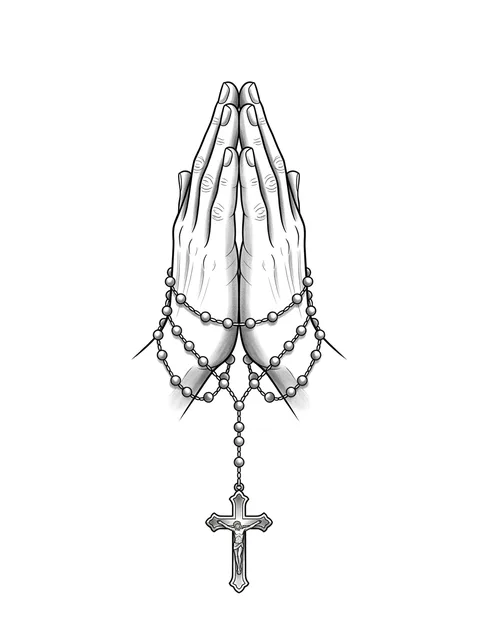
Black and grey illustrative praying hands tattoo design: a rosary draped around them Try it on — Black and grey illustrative praying hands tattoo design: a rosary draped around them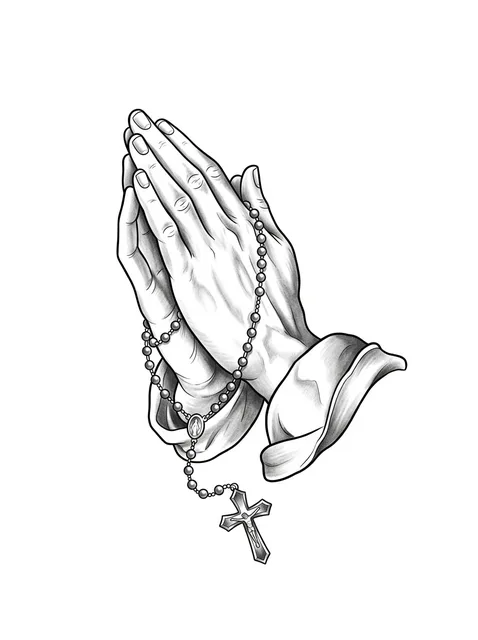
Black and grey chicano praying hands tattoo design Try it on — Black and grey chicano praying hands tattoo design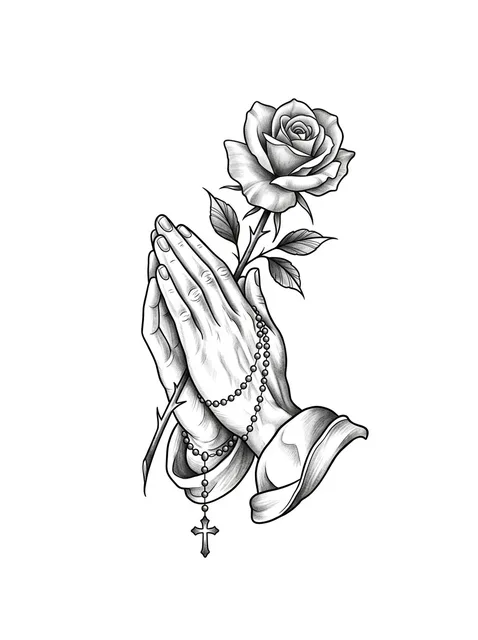
Black and grey illustrative praying hands and rose tattoo design: a cross, intertwined Try it on — Black and grey illustrative praying hands and rose tattoo design: a cross, intertwined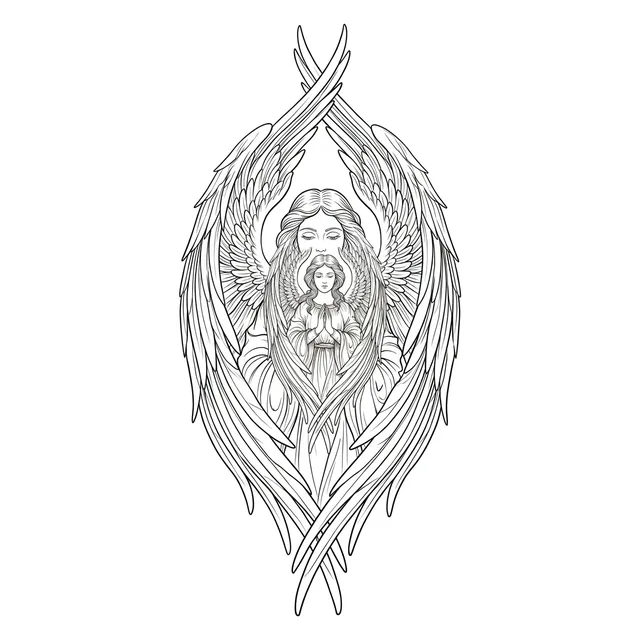
Black and grey illustrative praying hands and angel tattoo design Try it on — Black and grey illustrative praying hands and angel tattoo design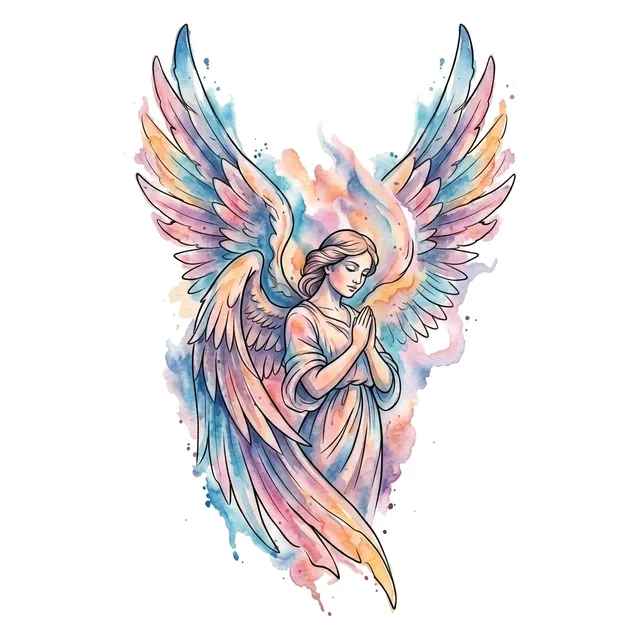
Color watercolor praying hands and angel tattoo design: an angel with large, spread wings Try it on — Color watercolor praying hands and angel tattoo design: an angel with large, spread wings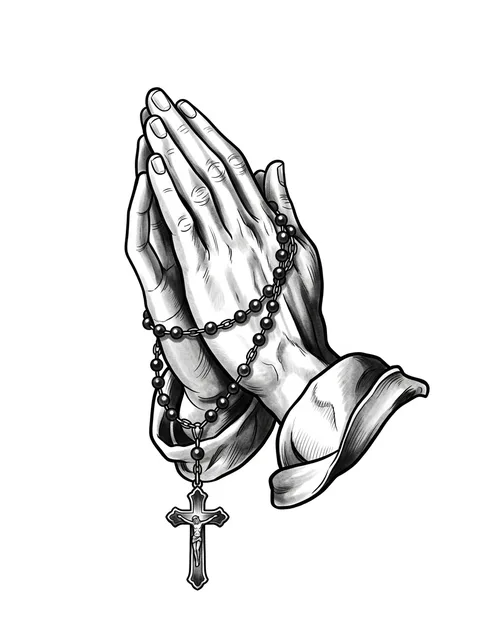
Black and grey illustrative praying hands and jesus tattoo design Try it on — Black and grey illustrative praying hands and jesus tattoo design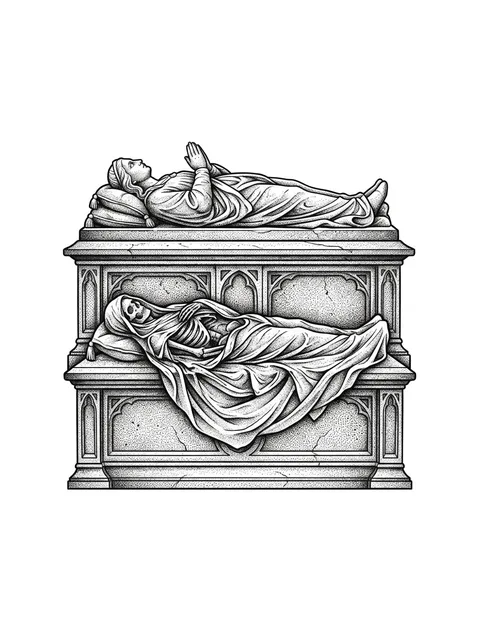
Black and grey dotwork praying hands and memento mori tattoo design Try it on — Black and grey dotwork praying hands and memento mori tattoo design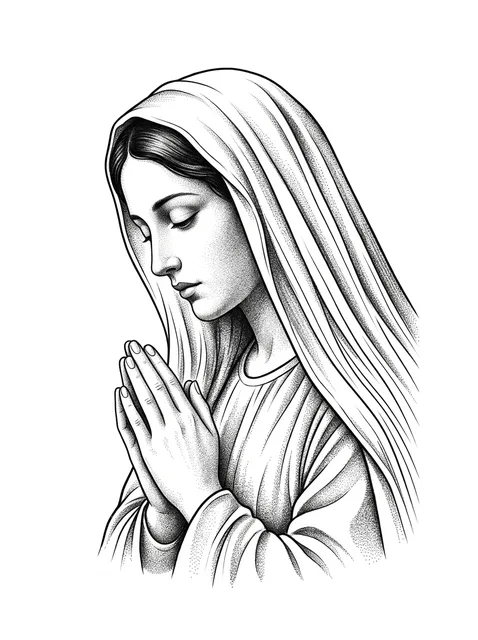
Black and grey dotwork praying hands and virgin mary tattoo design: the Virgin Mary in prayer Try it on — Black and grey dotwork praying hands and virgin mary tattoo design: the Virgin Mary in prayer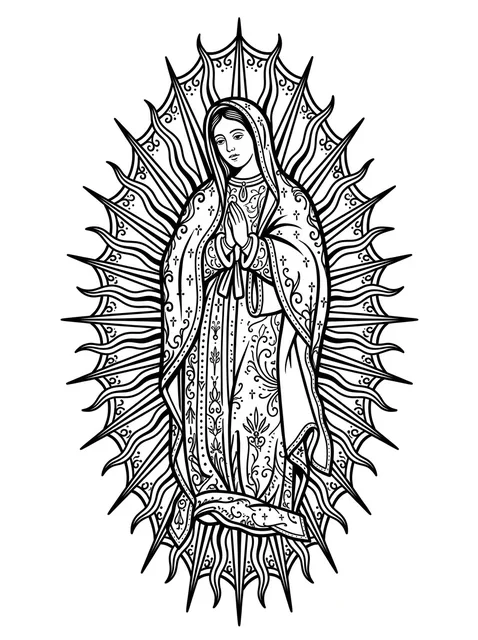
Black and white illustrative praying hands and virgin mary tattoo design: the Virgin Mary Try it on — Black and white illustrative praying hands and virgin mary tattoo design: the Virgin Mary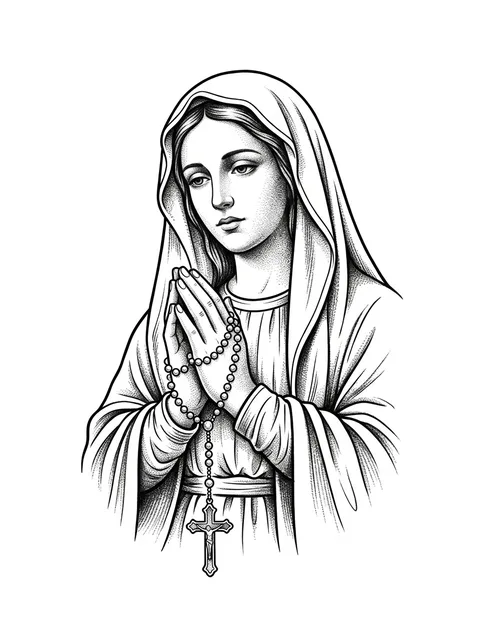
Black and white illustrative praying hands and virgin mary tattoo design: the Virgin Mary in prayer Try it on — Black and white illustrative praying hands and virgin mary tattoo design: the Virgin Mary in prayer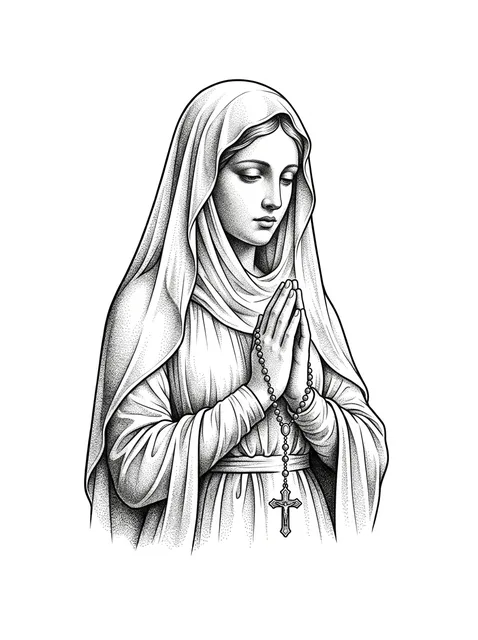
Black and grey dotwork praying hands and virgin mary tattoo design: the Virgin Mary in a prayer pose Try it on — Black and grey dotwork praying hands and virgin mary tattoo design: the Virgin Mary in a prayer pose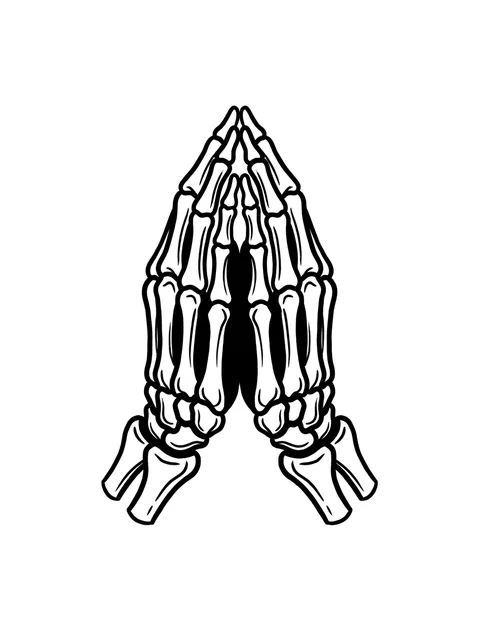
Black and white traditional praying hands and skeleton hand tattoo design Try it on — Black and white traditional praying hands and skeleton hand tattoo design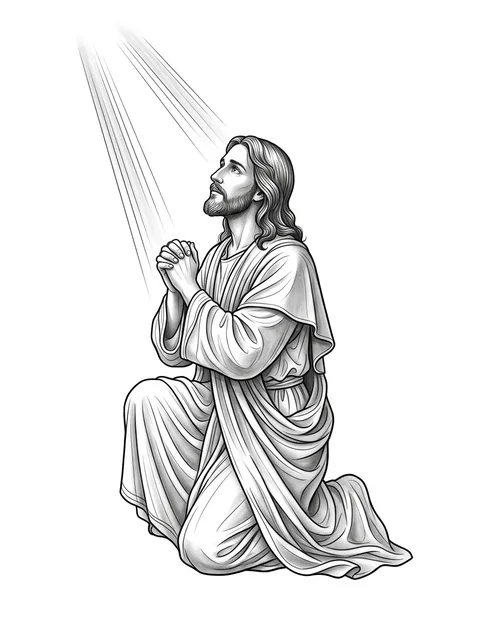
Black and grey chicano praying hands and jesus tattoo design Try it on — Black and grey chicano praying hands and jesus tattoo design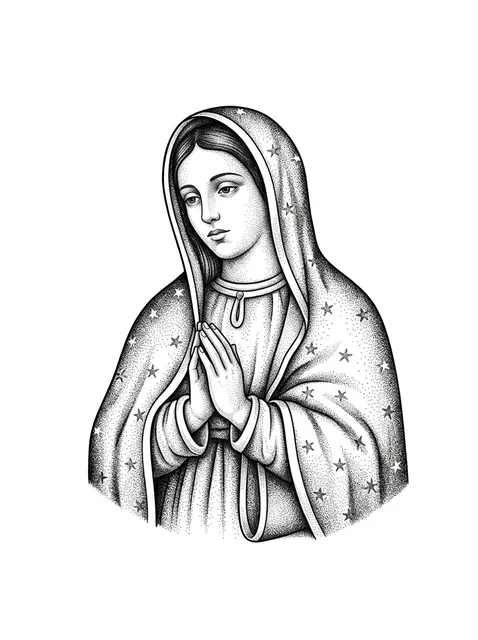
Black and grey dotwork praying hands and virgin mary tattoo design: the Virgin Mary Try it on — Black and grey dotwork praying hands and virgin mary tattoo design: the Virgin Mary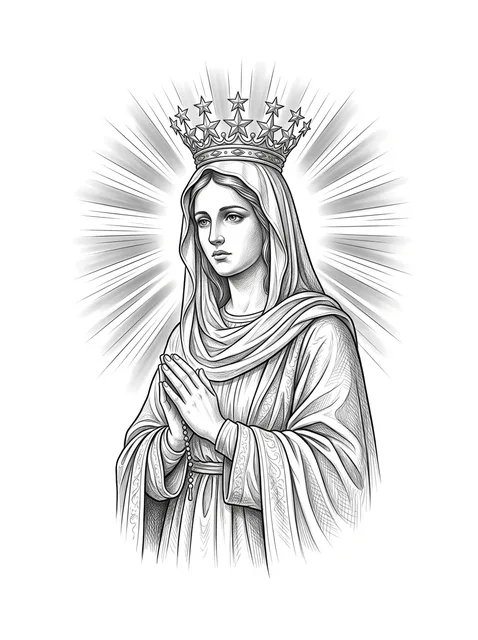
Black and grey illustrative praying hands and virgin mary tattoo design: the Virgin Mary Try it on — Black and grey illustrative praying hands and virgin mary tattoo design: the Virgin Mary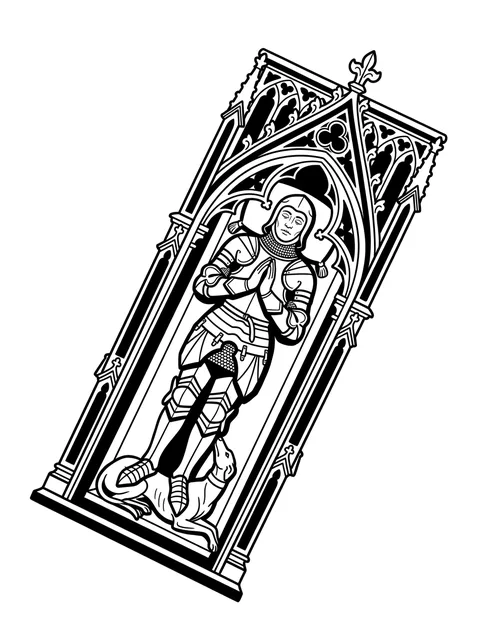
Black and grey gothic praying hands and knight tattoo design Try it on — Black and grey gothic praying hands and knight tattoo design


Tap any design to see it on your own skin in the try-on — no signup.
This set of 16 praying hands designs, by the numbers
- Styles represented
- illustrative (7), dotwork (4), chicano (2), watercolor (1), traditional (1), gothic (1)
- Black-and-grey vs colour
- 94% black-and-grey, 6% colour
- Most often drawn with
- virgin mary, angel, jesus, rose
Counted from the 16 designs shown on this page. Every one was drawn for InkCraft — none are scraped or reposted. Free to reference with a link to this page.
What a praying hands tattoo means
Praying hands say that someone is praying, and the question the design leaves open is for whom. Worn alone they are faith stated plainly, and because the hands have no face the wearer supplies one: they read as the wearer's own prayer rather than a saint's. With a name, a pair of dates or the letters RIP they become a prayer for one person who has died, and in Chicano black and grey the rosary wound through the fingers usually marks the same thing: a mother, a grandmother, a friend lost young.
The gesture is younger than most people assume. Early Christians prayed standing with their arms raised and palms open, the posture painted in the Roman catacombs and called the orans. Joined palms became the usual Western posture only in the Middle Ages, and one common explanation is feudal: a vassal swearing loyalty placed his joined hands between his lord's, and prayer borrowed the pledge. The same pressed palms are the anjali mudra of Hindu and Buddhist practice, the gesture behind namaste, which reached it by a separate road.
The figure attached to the hands changes the prayer. The Virgin with lowered eyes and joined hands is intercession, the mother who asks on someone else's behalf. An angel with clasped hands is a guardian, and often a memorial for a child. A knight lying on a tomb with his hands joined and a dog at his feet is a medieval effigy, the dog standing for fidelity, and the robed woman on a stone sarcophagus in this set is the same tradition in its female form. A skeleton's praying hands put the prayer on the far side of death. Christ kneeling in a single beam of light is Gethsemane, the prayer before the arrest, and the version most people know is Heinrich Hofmann's painting of 1890, reproduced on prayer cards ever since.
Where the design comes from
Dürer made the drawing in 1508, in brush and ink heightened with white on blue-grounded paper, in connection with an altarpiece commissioned by the Frankfurt merchant Jakob Heller; the hands belong to an apostle looking up at the Virgin as she is taken into heaven. The panel burned in the Munich Residenz in 1729 and survives only in a copy by Jobst Harrich, while the study is in the Albertina in Vienna. Printed plaques and sympathy cards of the twentieth century made it the default image of prayer.
Choosing yours
- Ask for the pose in the drawing. Dürer's hands press flat, the fingers straight and just parted at the tips, the cuffs of the sleeves showing; interlaced fingers are a tenser gesture, closer to pleading than to prayer.
- Decide what the hands hold. A rosary makes the piece Catholic and, in Chicano work, usually a memorial; a rose adds love or grief; a banner carries a name.
- Light them from one side. Two nearly identical shapes pressed together separate on skin only if one is lit and the other shaded, as Dürer did with white on blue.
Size, cost and placement
How big, and what it costs
A pair of hands alone needs about 8 to 10 cm to keep the fingers separate, two to three hours in black and grey; a rosary and a banner take it to 15 cm and most of a day.
Where it sits, and how much it hurts
The hands point upward, so the piece wants height: the forearm, the calf, the upper arm or the centre of the chest, which hurts more than the arm.
What to ask your artist
- To work from Dürer's pose, so the palms press flat and the sleeves show.
- How the two hands will be kept apart in shading once healed.
- Whether each rosary bead will stay separate at your size.
Prices vary widely by city and artist — treat these as session lengths rather than quotes, and expect a shop minimum on anything small. The cost guide turns hours into money by size, placement and style.
Common questions
Were they really the hands of Dürer's brother?
There is no evidence for it. The brother who laboured in the mines to pay for Albrecht's training is a much later inspirational tale, unsupported by the family chronicle Dürer wrote in 1524.
Do praying hands on their own mean someone has died?
No. Alone they say the wearer prays; a name, RIP or a pair of dates turns them into a prayer for one person.
Can I wear them without being Christian?
Yes. Pressed palms are also the anjali mudra of Hindu and Buddhist practice; the sleeves of the Dürer version, and any rosary or cross, are what make the image Christian.
Why do Chicano rosary hands all look alike?
They share a root in the single-needle black and grey of East Los Angeles in the 1970s, carried out of prisons into shops such as Good Time Charlie's Tattooland, where Freddy Negrete and Jack Rudy worked.
What a praying hands tattoo can mean
The meanings this motif carries on the pages that argue them. Each line is that page's own reason for including it.
- Faith tattoos
- Dürer’s drawing, by way of mid-century American flash. Direct, devotional, and strongly associated with memorial work as well as with faith.
- Christian tattoos
- The most-worn Christian image after the cross, and it comes from a drawing — Durer's study of about 1508, made for an altarpiece that burned. Almost every version in circulation is a copy of a copy of that sketch.
See it on your skin before you commit
InkCraft places any of these designs on a photo of you — scaled, wrapped and shaded to the placement you pick.