 InkCraft
78 Cross Tattoo Ideas, Stencils and Meaning
78 original cross designs drawn for InkCraftBy Uladzimir TumanauUpdated
Opens in your browser. No signup. Or tap any design below.
From plain linework to Celtic knotwork, with proportions that carry different traditions. It reads badly rotated, so it wants a field longer than it is wide — and a small one on the fingers is among the fastest on the body to blur.
Color illustrative cross tattoo design: the cross is colored red Try it on — Color illustrative cross tattoo design: the cross is colored red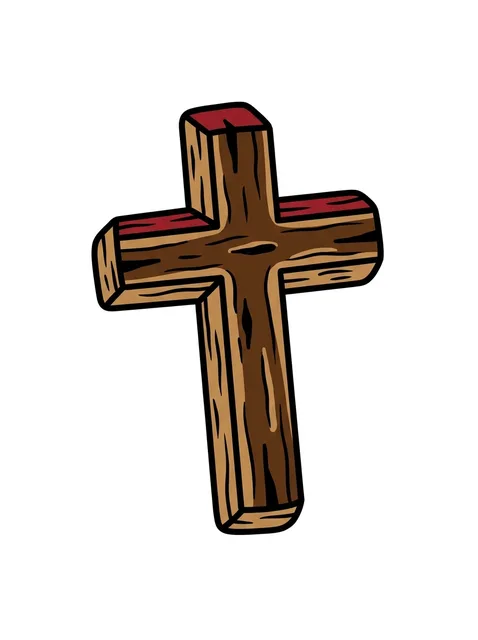
Color traditional cross tattoo design: a wooden cross with bold black outlines Try it on — Color traditional cross tattoo design: a wooden cross with bold black outlines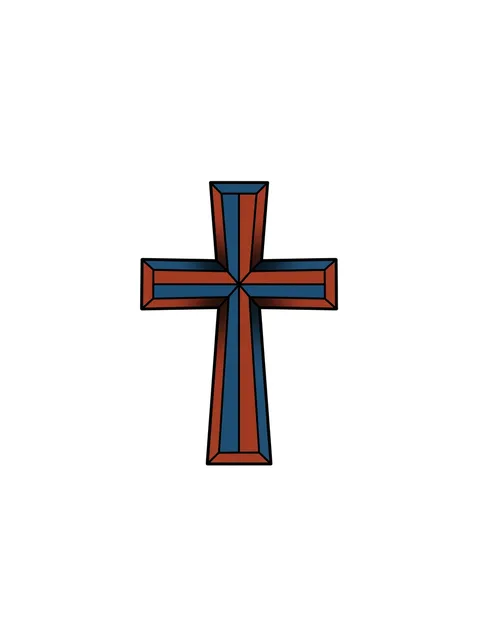
Color traditional cross tattoo design Try it on — Color traditional cross tattoo design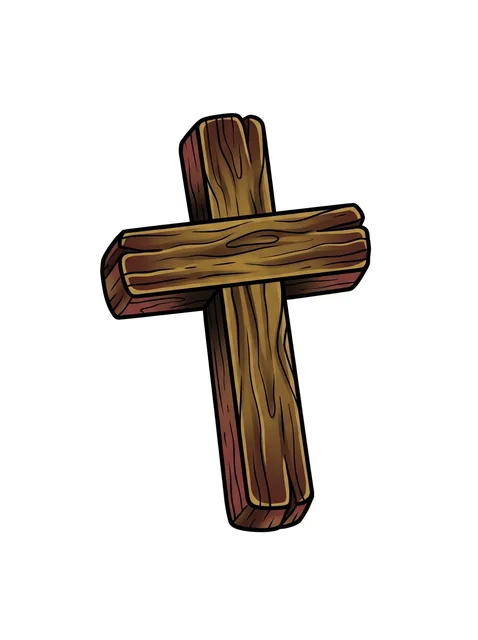
Color illustrative cross tattoo design (1 of 5) Try it on — Color illustrative cross tattoo design (1 of 5)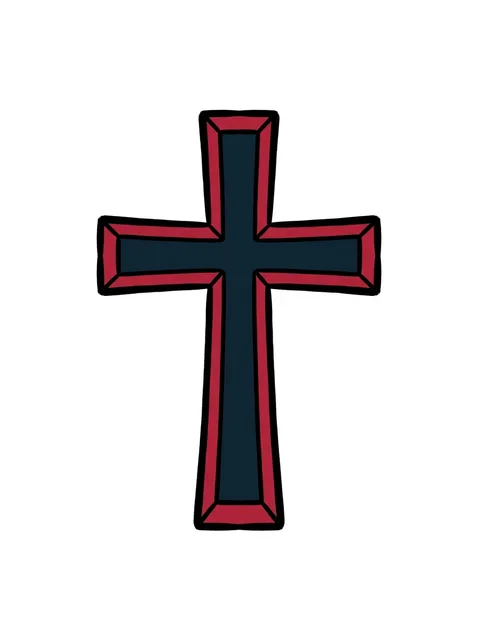
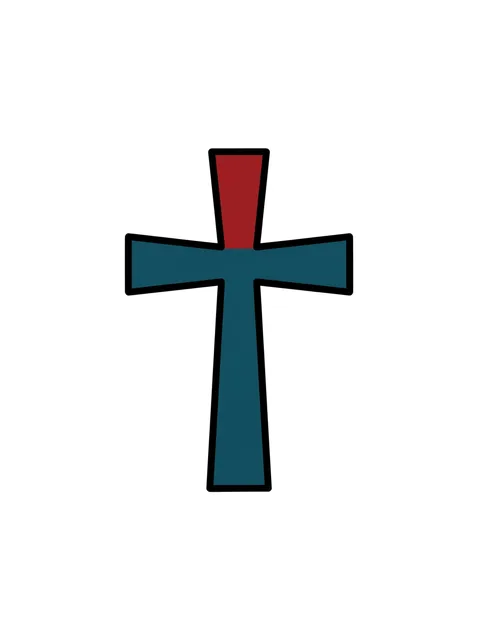
Color illustrative cross tattoo design: a dark teal color Try it on — Color illustrative cross tattoo design: a dark teal color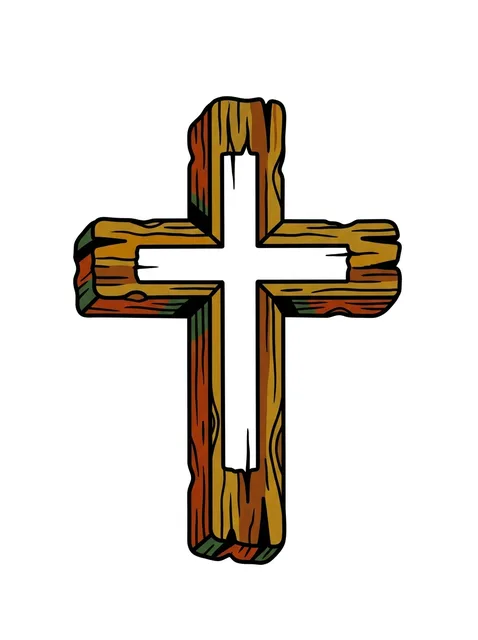
Color illustrative cross tattoo design (2 of 5) Try it on — Color illustrative cross tattoo design (2 of 5)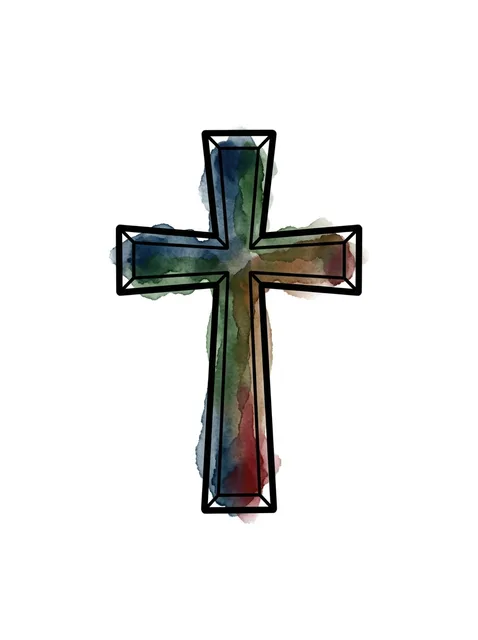
Color watercolor cross tattoo design: a black outline with a colorful, painterly fill Try it on — Color watercolor cross tattoo design: a black outline with a colorful, painterly fill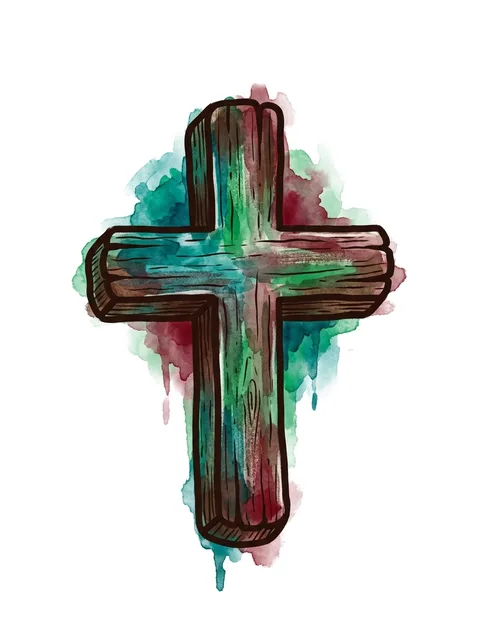
Color watercolor cross tattoo design: a wooden cross Try it on — Color watercolor cross tattoo design: a wooden cross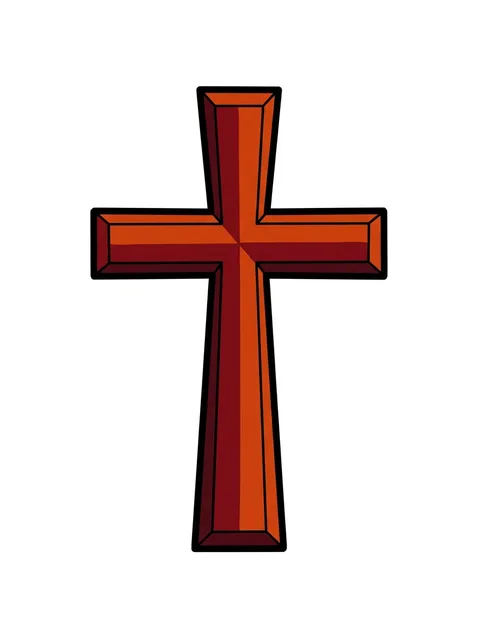
Color illustrative cross tattoo design (3 of 5) Try it on — Color illustrative cross tattoo design (3 of 5)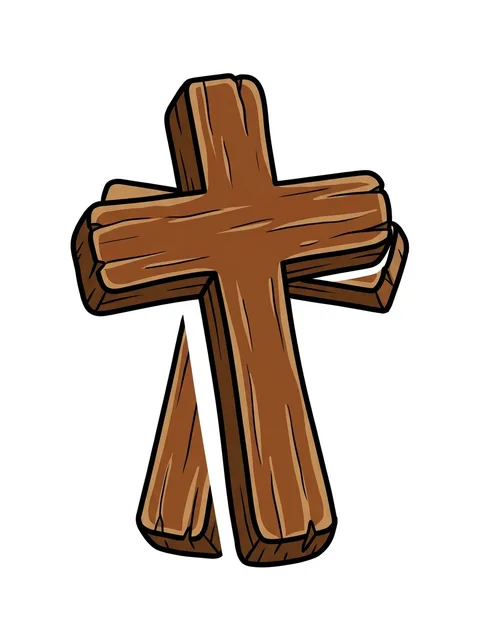
Color illustrative cross tattoo design (4 of 5) Try it on — Color illustrative cross tattoo design (4 of 5)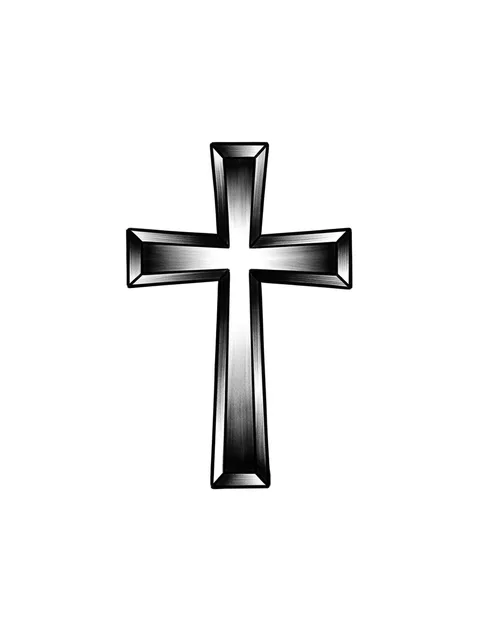
Black and grey illustrative cross tattoo design: a cross with a metallic, almost beveled appearance Try it on — Black and grey illustrative cross tattoo design: a cross with a metallic, almost beveled appearance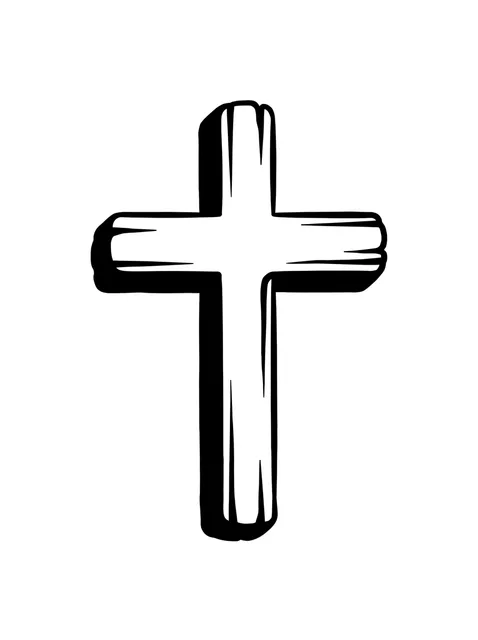
Black and white illustrative cross tattoo design Try it on — Black and white illustrative cross tattoo design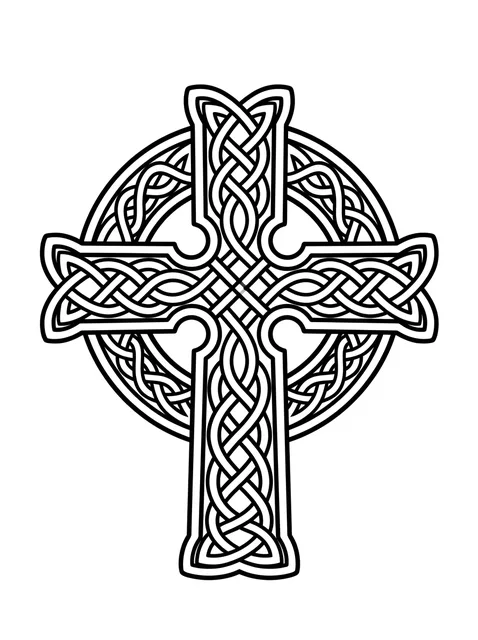
Black and white geometric cross tattoo design, outline stencil (1 of 4) Try it on — Black and white geometric cross tattoo design, outline stencil (1 of 4)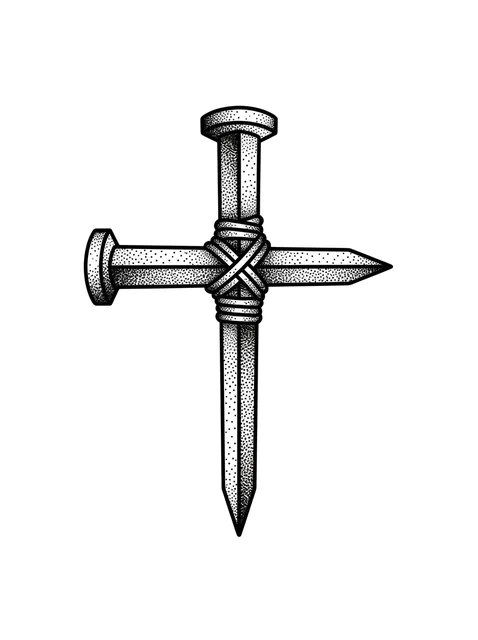
Black and grey dotwork cross tattoo design: a cross formed by two nails, bound together with rope Try it on — Black and grey dotwork cross tattoo design: a cross formed by two nails, bound together with rope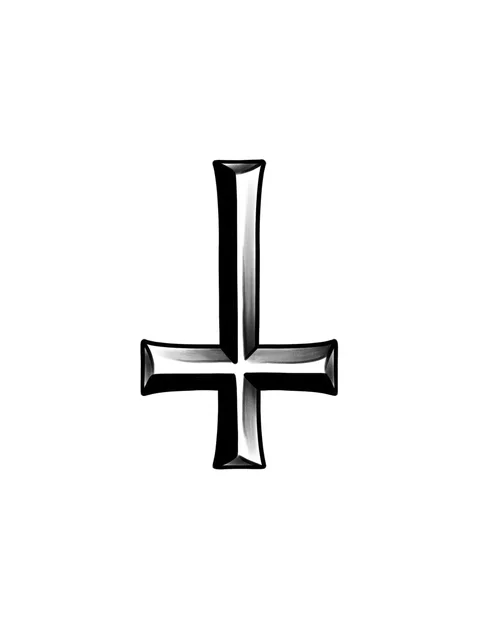
Black and grey illustrative cross tattoo design (1 of 2) Try it on — Black and grey illustrative cross tattoo design (1 of 2)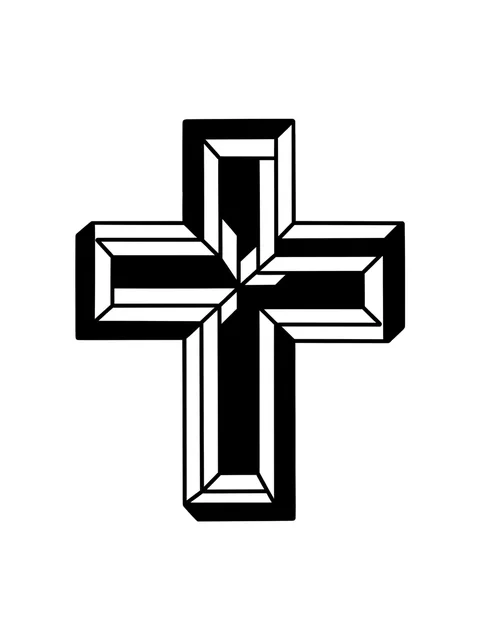
Black and white geometric cross tattoo design, outline stencil (2 of 4) Try it on — Black and white geometric cross tattoo design, outline stencil (2 of 4)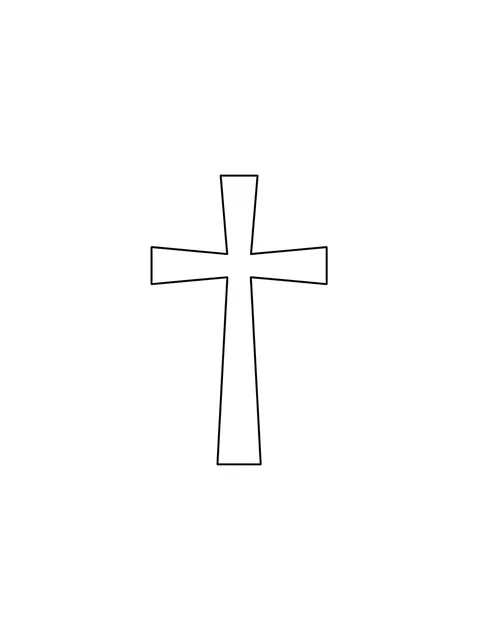
Black and white minimalist cross tattoo design, outline stencil: a Latin cross Try it on — Black and white minimalist cross tattoo design, outline stencil: a Latin cross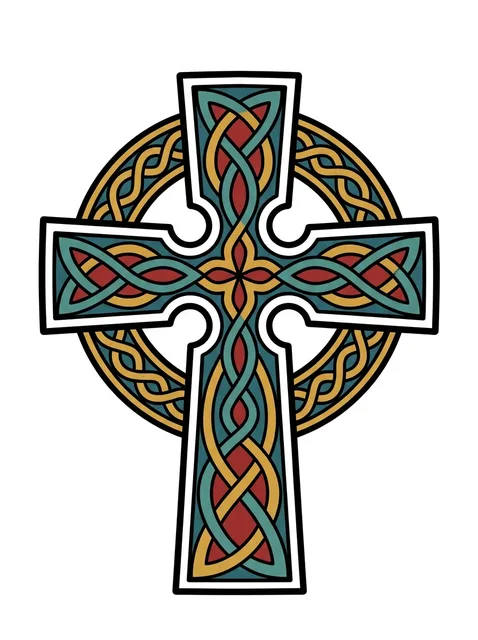
Color illustrative cross tattoo design (5 of 5) Try it on — Color illustrative cross tattoo design (5 of 5)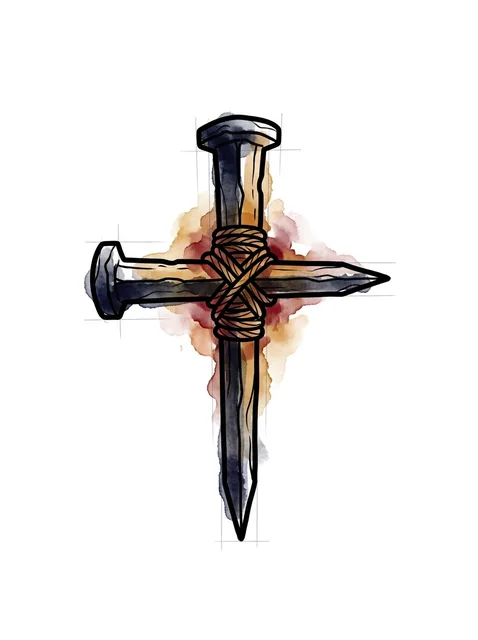
Color watercolor cross tattoo design: two nails forming a cross, bound together by rope Try it on — Color watercolor cross tattoo design: two nails forming a cross, bound together by rope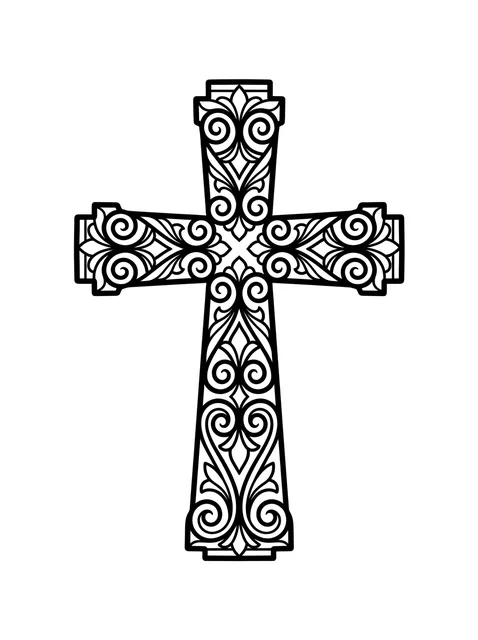
Black and grey ornamental cross tattoo design (1 of 2) Try it on — Black and grey ornamental cross tattoo design (1 of 2)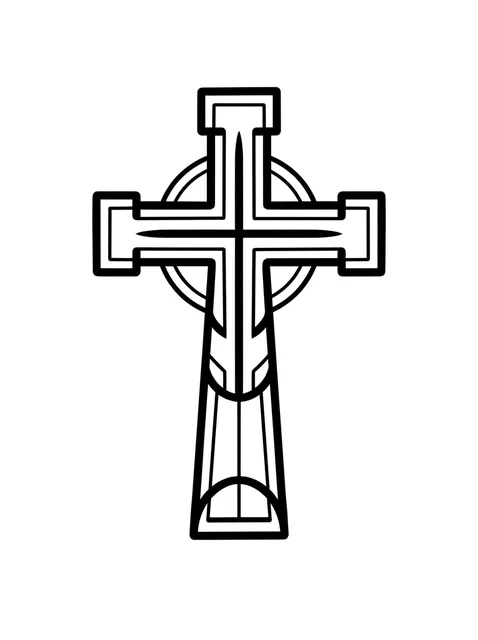
Black and white linework cross tattoo design, outline stencil: a Celtic cross Try it on — Black and white linework cross tattoo design, outline stencil: a Celtic cross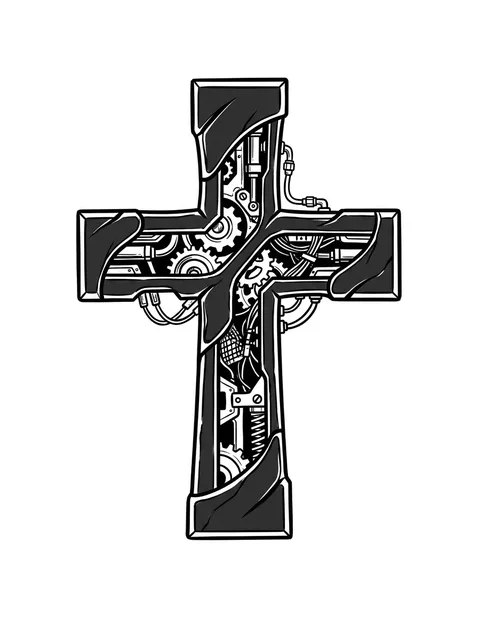
Black and grey biomechanical cross tattoo design Try it on — Black and grey biomechanical cross tattoo design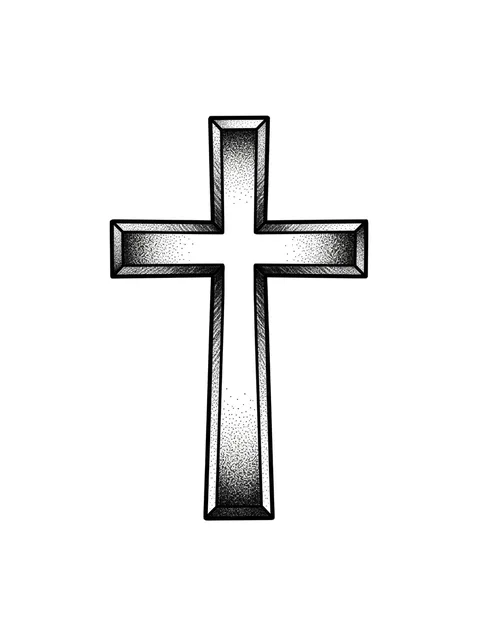
Black and grey dotwork cross tattoo design Try it on — Black and grey dotwork cross tattoo design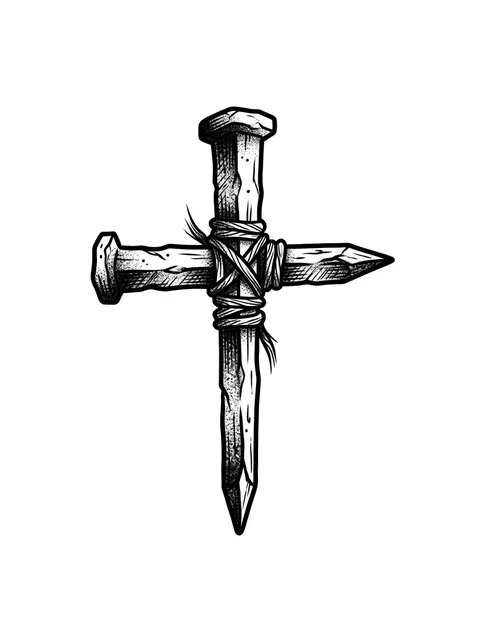
Black and grey illustrative cross tattoo design (2 of 2) Try it on — Black and grey illustrative cross tattoo design (2 of 2)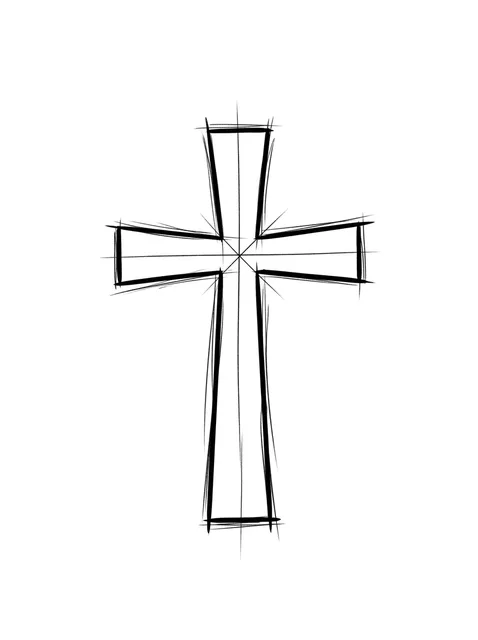
Black and grey sketch cross tattoo design: a hand-drawn, slightly uneven aesthetic Try it on — Black and grey sketch cross tattoo design: a hand-drawn, slightly uneven aesthetic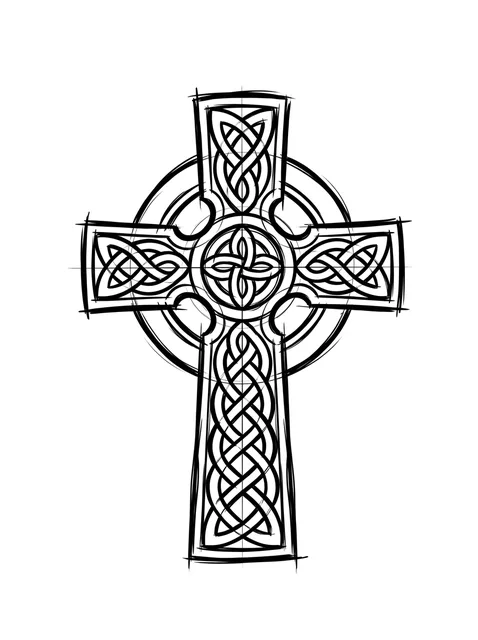
Black and grey illustrative cross tattoo design: a sketch-like quality Try it on — Black and grey illustrative cross tattoo design: a sketch-like quality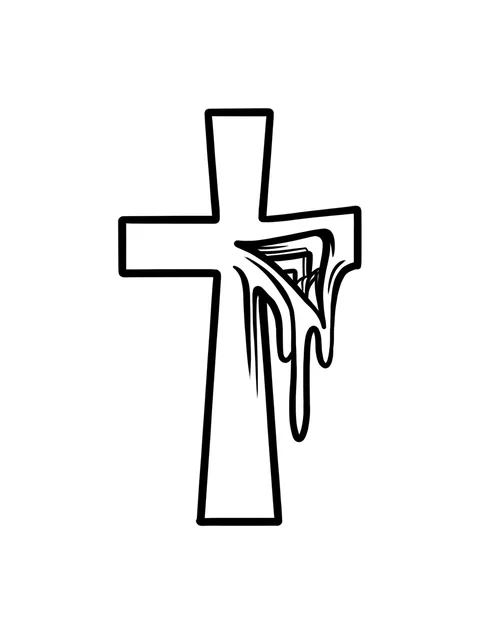
Black and white linework cross tattoo design, outline stencil Try it on — Black and white linework cross tattoo design, outline stencil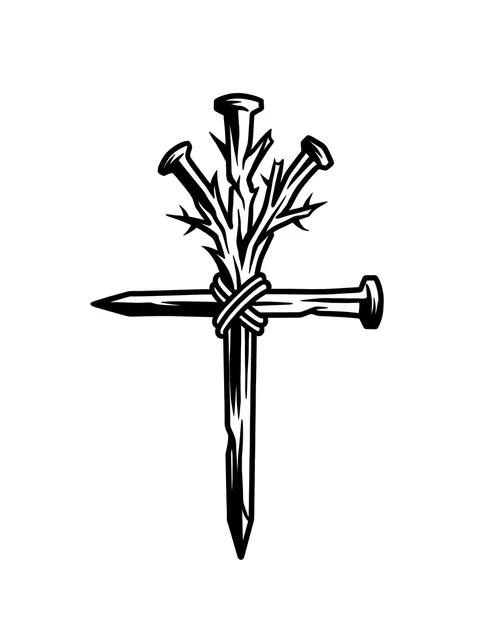
Black and white illustrative cross tattoo design: a cross formed from three nails Try it on — Black and white illustrative cross tattoo design: a cross formed from three nails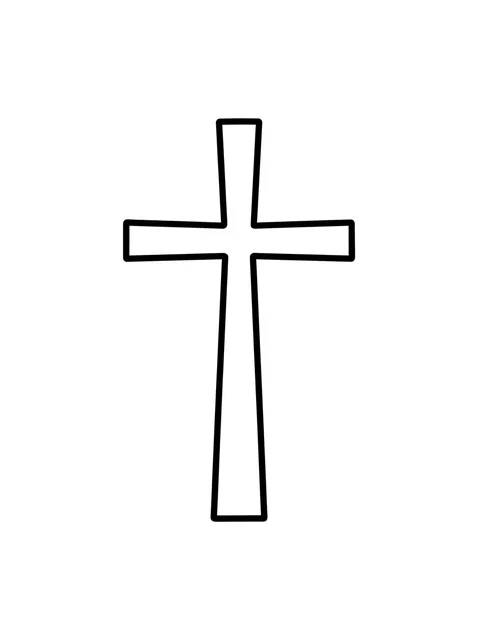
Black and white linework cross tattoo design, outline stencil: a classic Christian cross Try it on — Black and white linework cross tattoo design, outline stencil: a classic Christian cross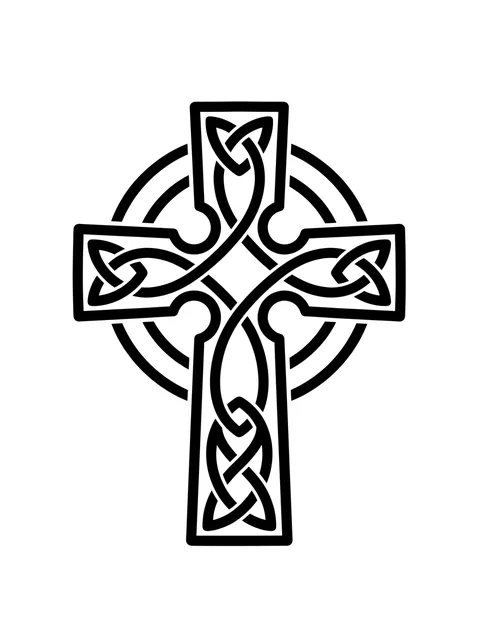
Black and white tribal cross tattoo design Try it on — Black and white tribal cross tattoo design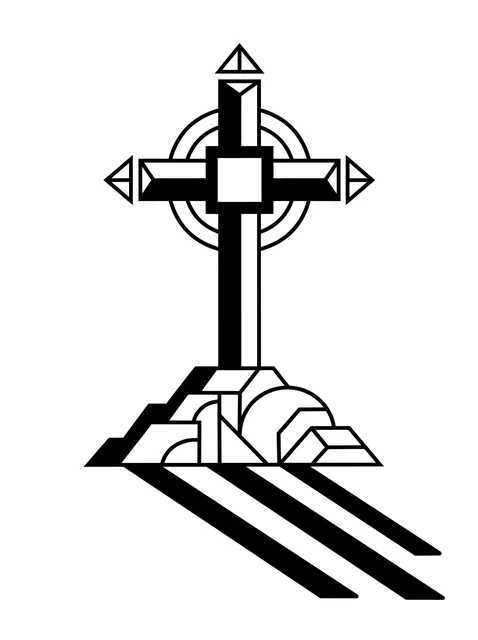
Black and grey geometric cross tattoo design, outline stencil Try it on — Black and grey geometric cross tattoo design, outline stencil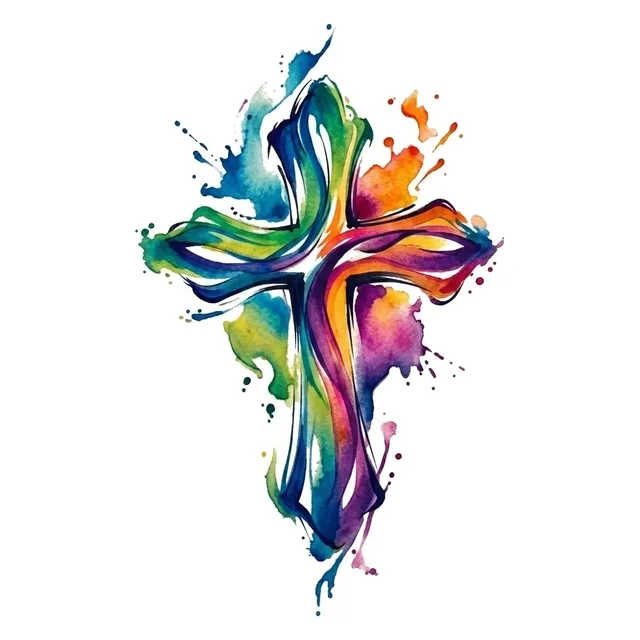
Color watercolor cross tattoo design: the religious symbol Try it on — Color watercolor cross tattoo design: the religious symbol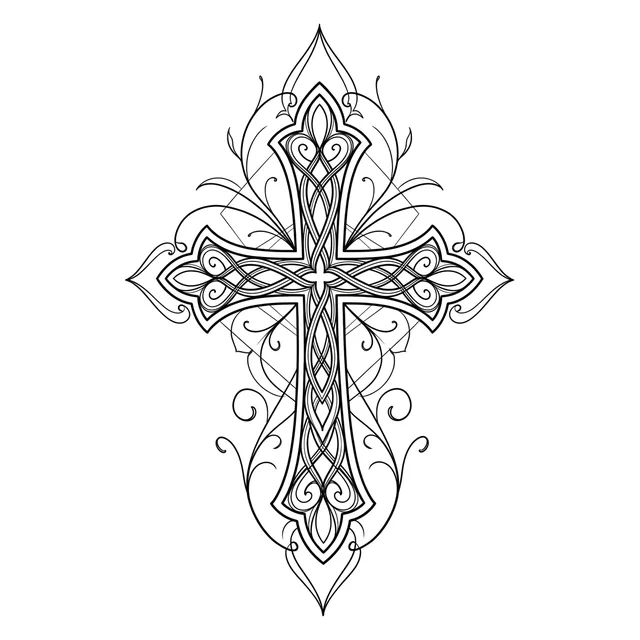
Black and grey ornamental cross tattoo design (2 of 2) Try it on — Black and grey ornamental cross tattoo design (2 of 2)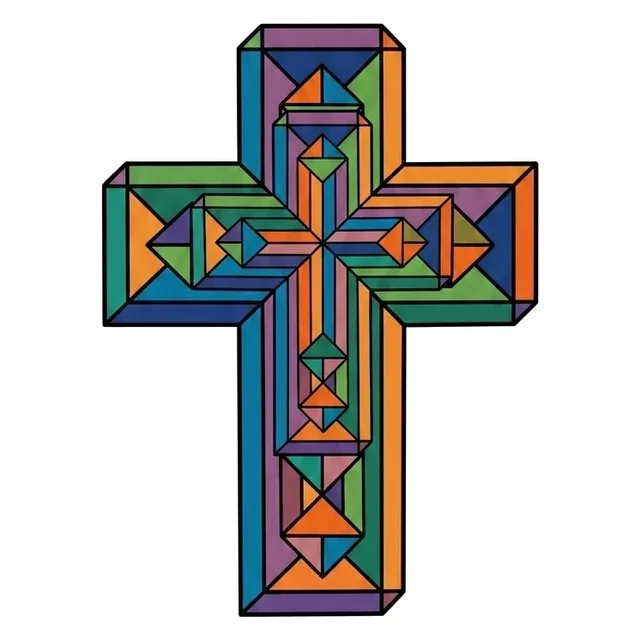
Color geometric cross tattoo design, outline stencil Try it on — Color geometric cross tattoo design, outline stencil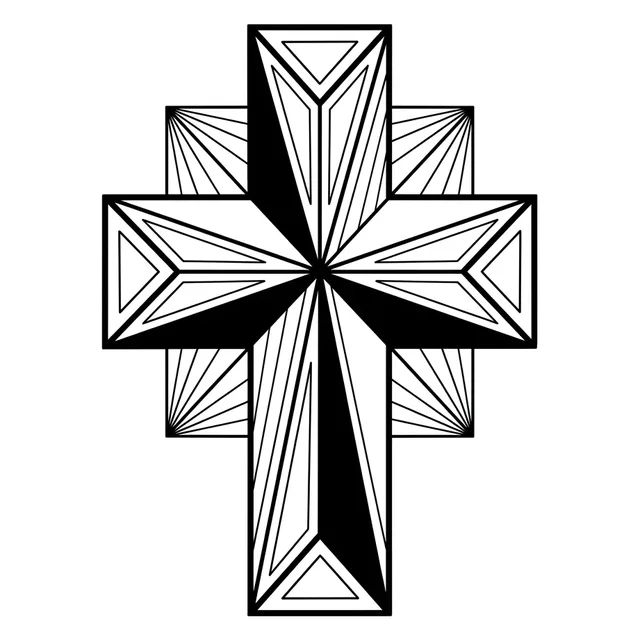
Black and white geometric cross tattoo design, outline stencil (3 of 4) Try it on — Black and white geometric cross tattoo design, outline stencil (3 of 4)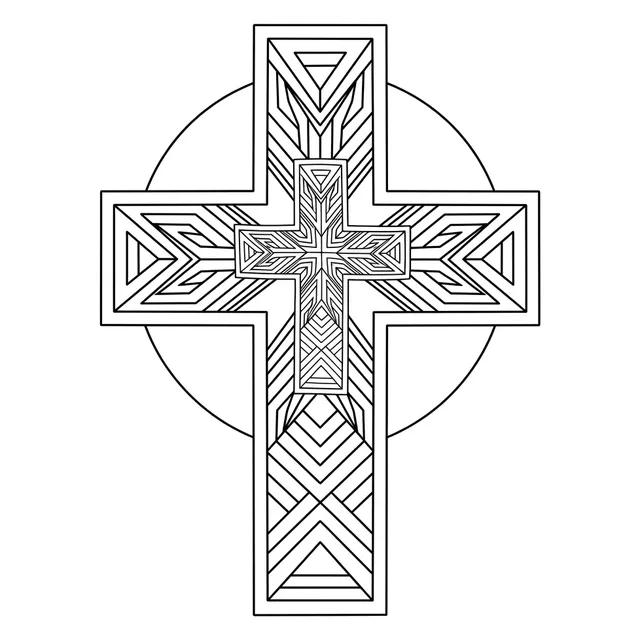
Black and white geometric cross tattoo design, outline stencil (4 of 4) Try it on — Black and white geometric cross tattoo design, outline stencil (4 of 4)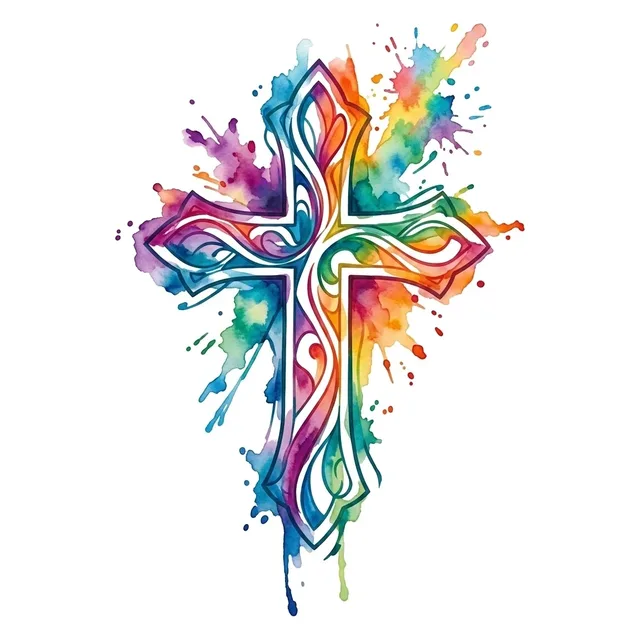
Color watercolor cross tattoo design: an ornate cross Try it on — Color watercolor cross tattoo design: an ornate cross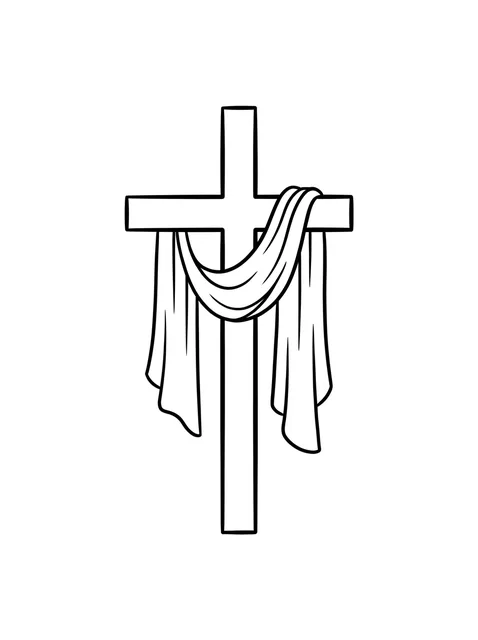
Black and white linework cross tattoo design, outline stencil: a cross draped with fabric Try it on — Black and white linework cross tattoo design, outline stencil: a cross draped with fabric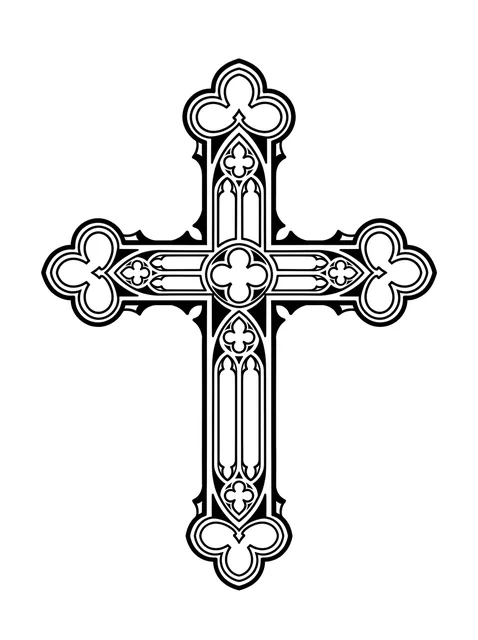
Black and grey gothic cross tattoo design Try it on — Black and grey gothic cross tattoo design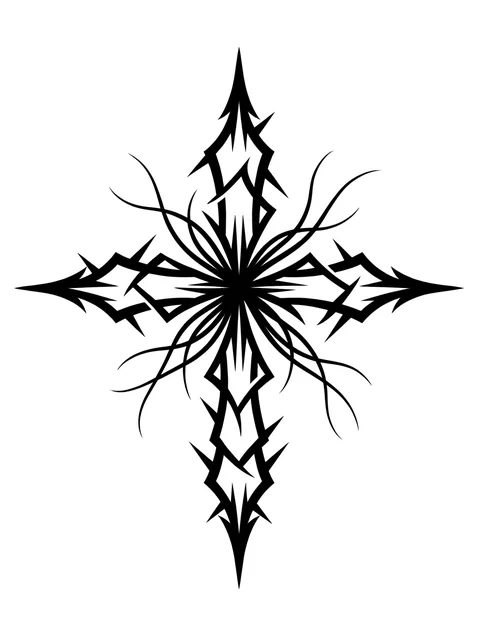
Black and grey cybersigilism cross tattoo design Try it on — Black and grey cybersigilism cross tattoo design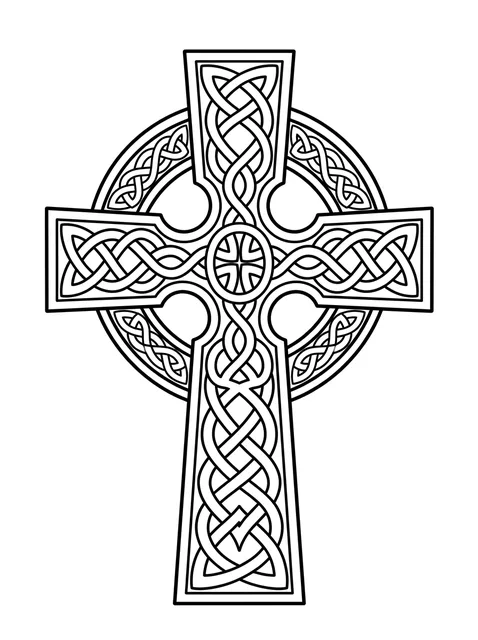
Black and grey celtic cross tattoo design: the shaft, arms and ring filled Try it on — Black and grey celtic cross tattoo design: the shaft, arms and ring filled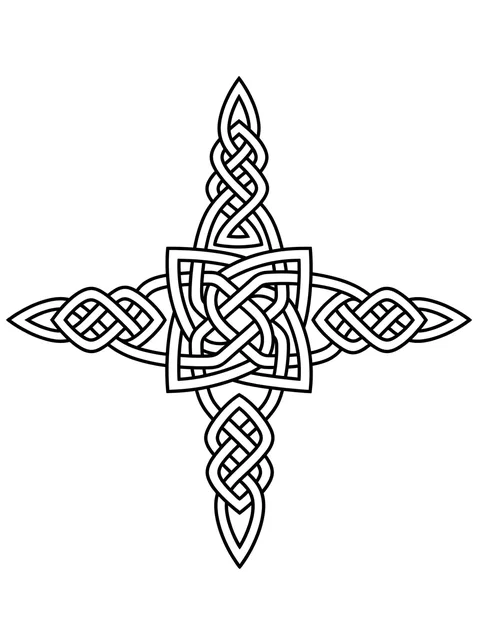
Black and grey celtic cross tattoo design Try it on — Black and grey celtic cross tattoo design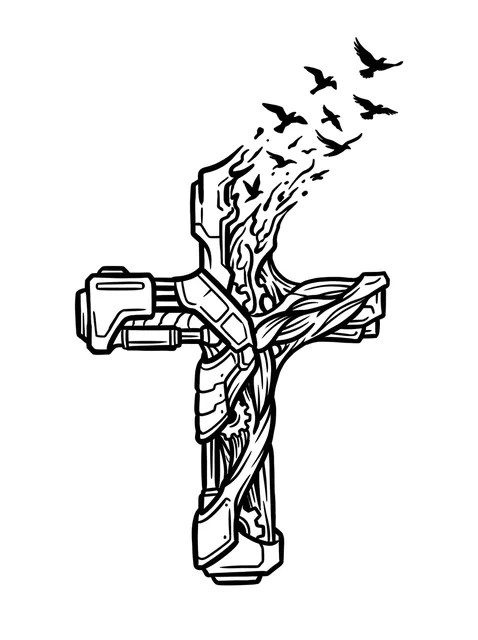
Black and grey illustrative cross and bird tattoo design: a cross, half mechanical and half organic Try it on — Black and grey illustrative cross and bird tattoo design: a cross, half mechanical and half organic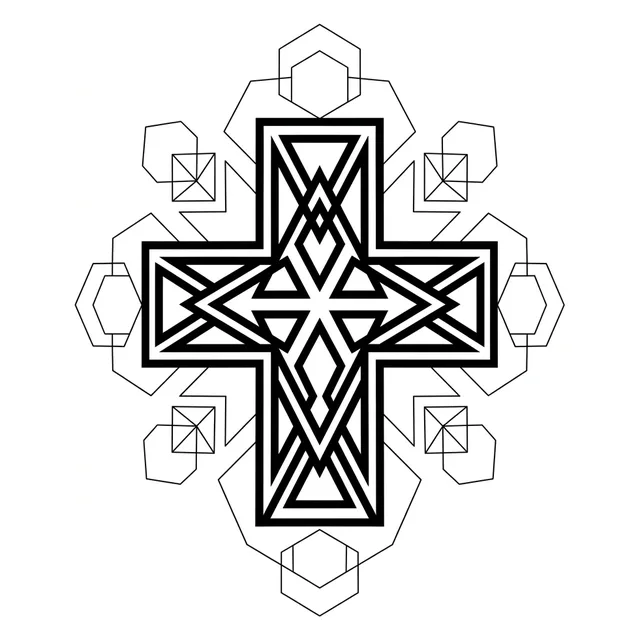
Black and white geometric cross and mandala tattoo design, outline stencil Try it on — Black and white geometric cross and mandala tattoo design, outline stencil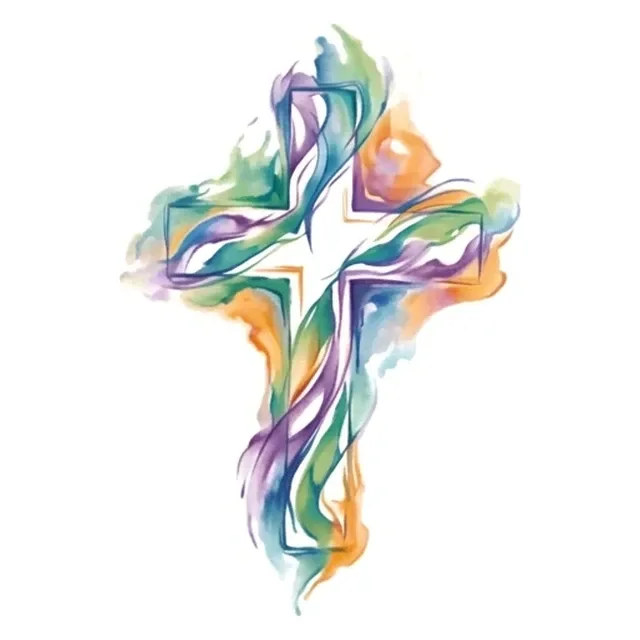
Color watercolor cross and bird tattoo design: a dove subtly integrated into the center Try it on — Color watercolor cross and bird tattoo design: a dove subtly integrated into the center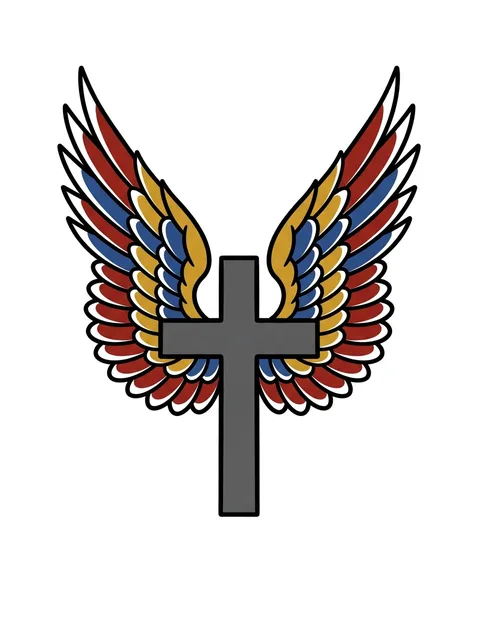
Color traditional cross and angel wings tattoo design: a grey cross Try it on — Color traditional cross and angel wings tattoo design: a grey cross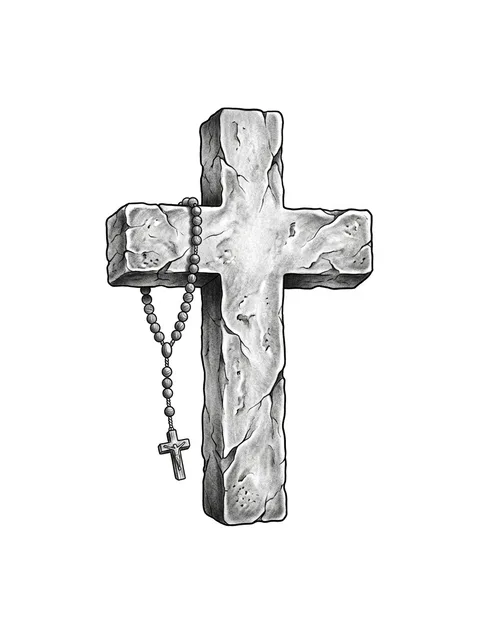
Black and grey chicano cross and crucifix tattoo design: a weathered stone cross Try it on — Black and grey chicano cross and crucifix tattoo design: a weathered stone cross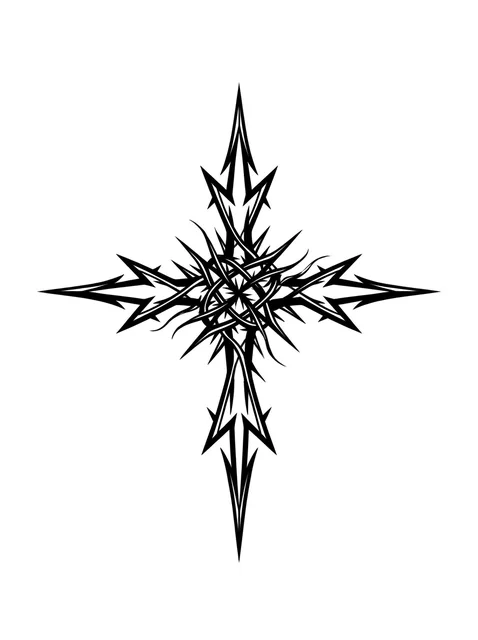
Black and white tribal cross and vine tattoo design Try it on — Black and white tribal cross and vine tattoo design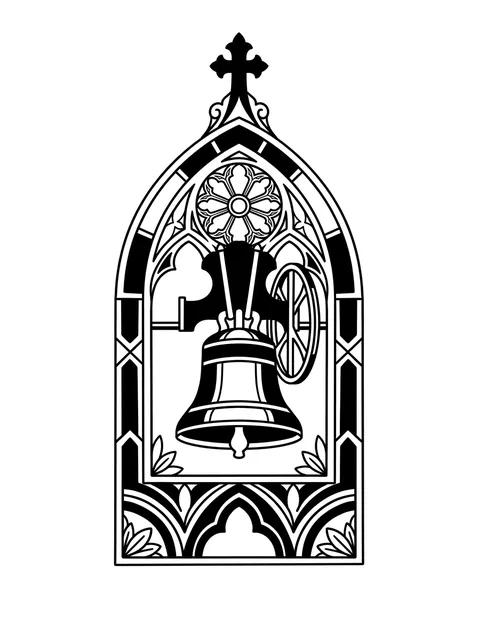
Black and grey gothic cross and rose window tattoo design: the window and the bell are Try it on — Black and grey gothic cross and rose window tattoo design: the window and the bell are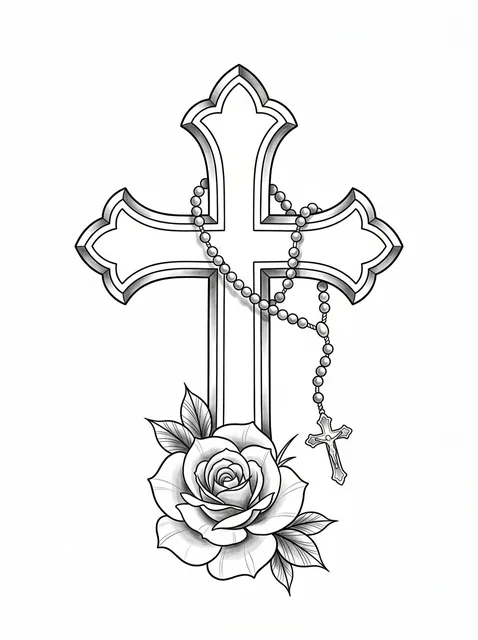
Black and grey chicano cross and rose tattoo design Try it on — Black and grey chicano cross and rose tattoo design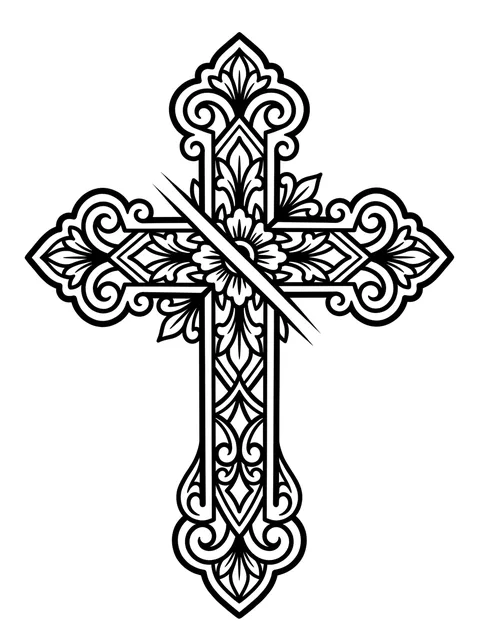
Black and grey ornamental cross and flower tattoo design Try it on — Black and grey ornamental cross and flower tattoo design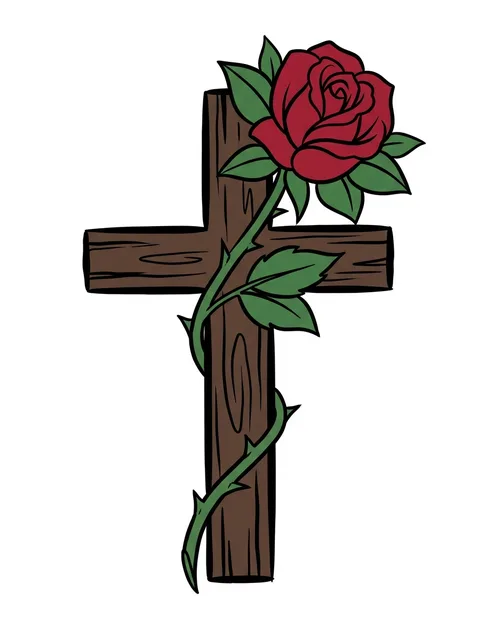
Color traditional cross and rose tattoo design: a wooden cross Try it on — Color traditional cross and rose tattoo design: a wooden cross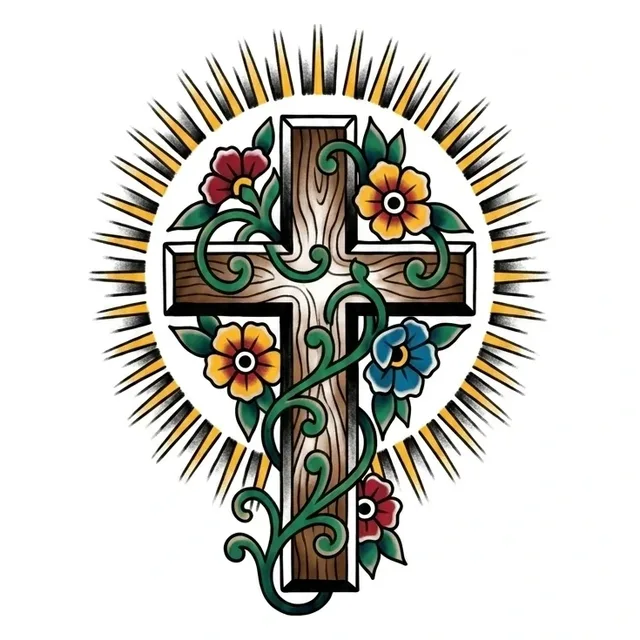
Color neo traditional cross and flower tattoo design: a wooden cross adorned Try it on — Color neo traditional cross and flower tattoo design: a wooden cross adorned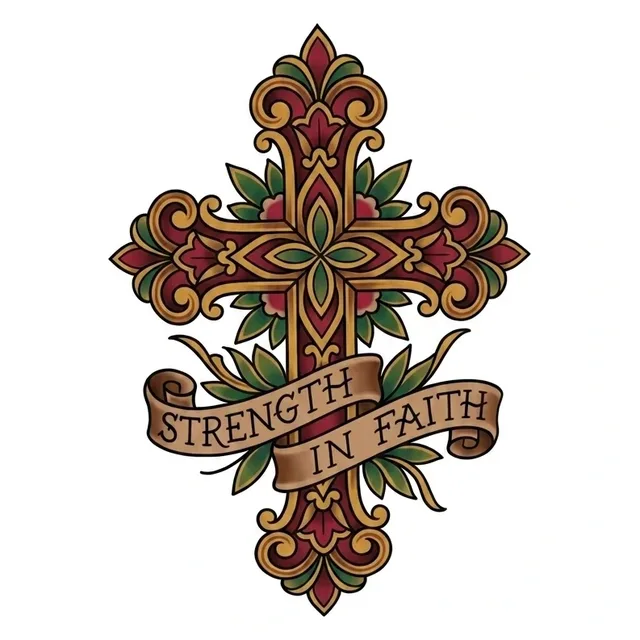
Color neo traditional cross and script quote tattoo design Try it on — Color neo traditional cross and script quote tattoo design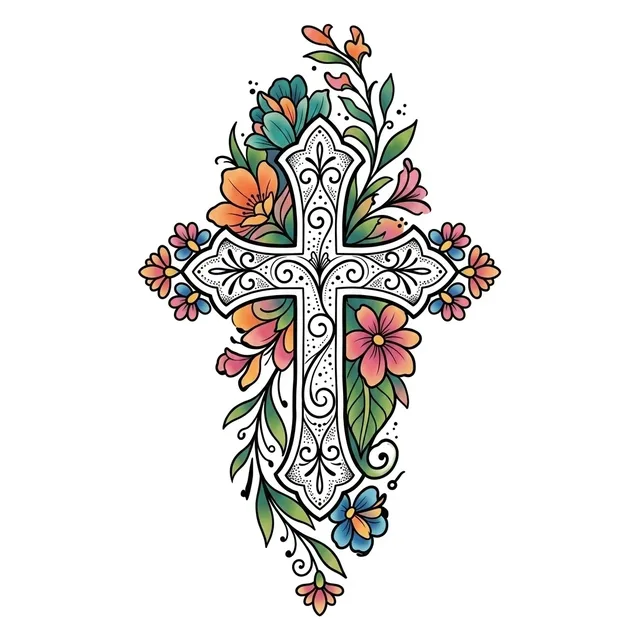
Color neo traditional cross and flower tattoo design: an ornate cross adorned Try it on — Color neo traditional cross and flower tattoo design: an ornate cross adorned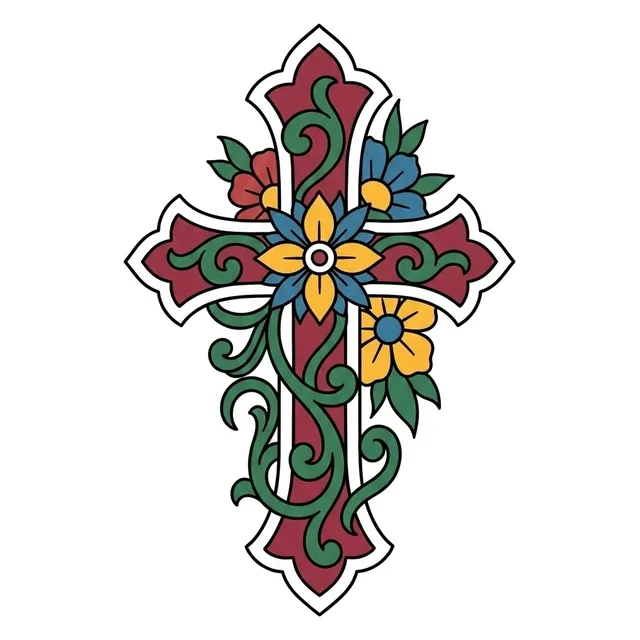
Color neo traditional cross and flower tattoo design: a stylized cross adorned Try it on — Color neo traditional cross and flower tattoo design: a stylized cross adorned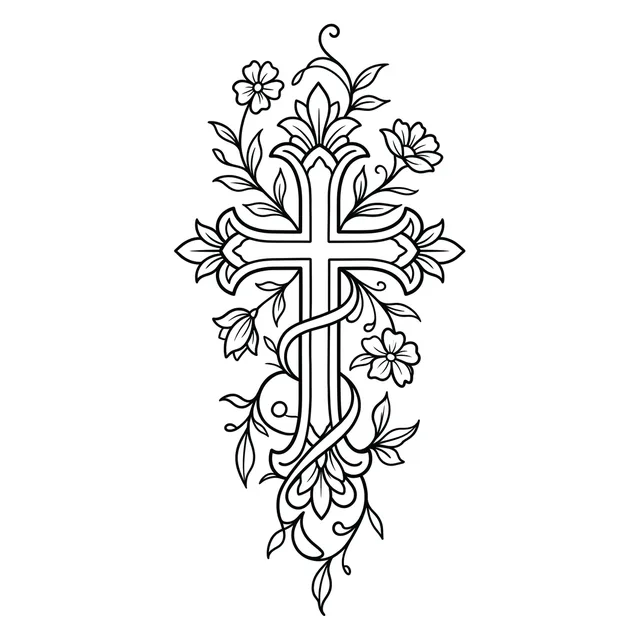
Black and white linework cross and flower tattoo design, outline stencil Try it on — Black and white linework cross and flower tattoo design, outline stencil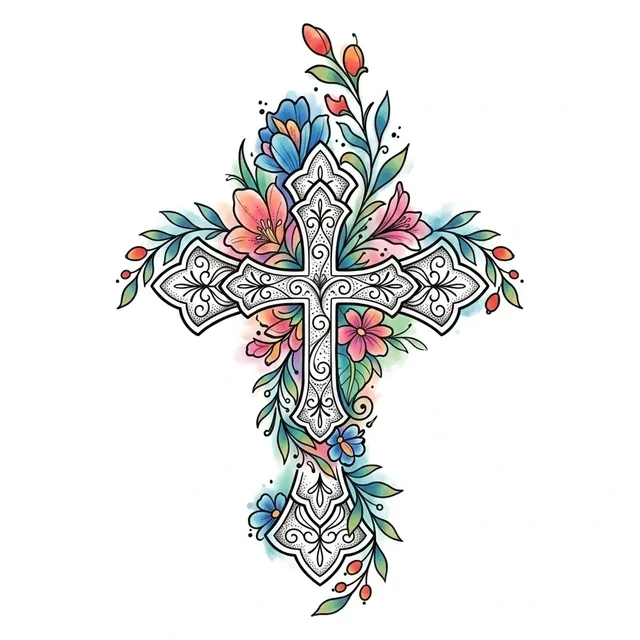
Color watercolor cross and flower tattoo design: an ornate cross adorned Try it on — Color watercolor cross and flower tattoo design: an ornate cross adorned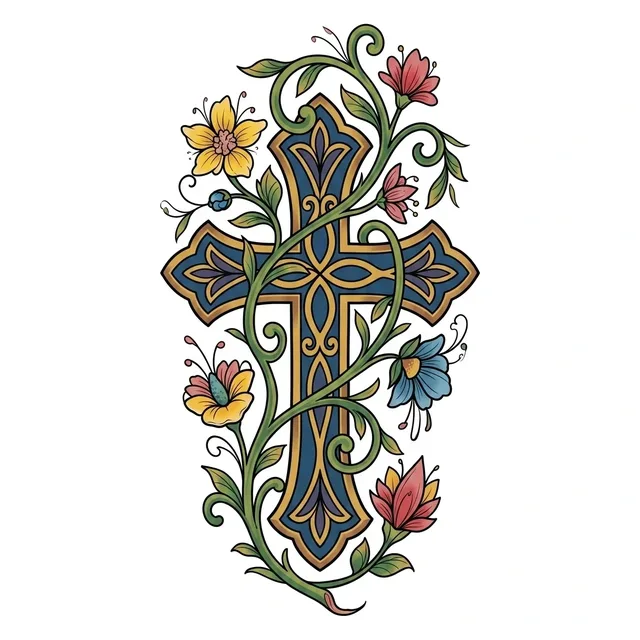
Color illustrative cross and flower tattoo design Try it on — Color illustrative cross and flower tattoo design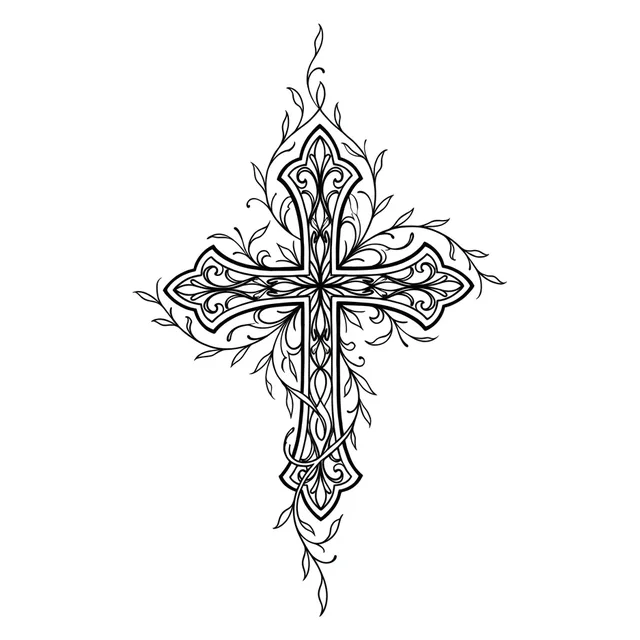
Black and grey ornamental cross and vine tattoo design Try it on — Black and grey ornamental cross and vine tattoo design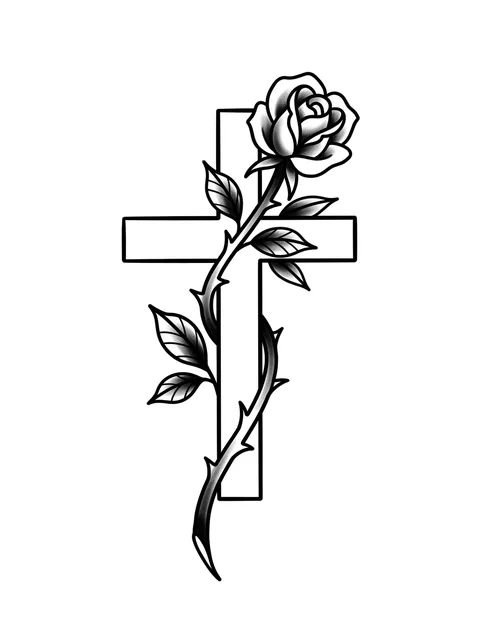
Black and grey traditional cross and rose tattoo design Try it on — Black and grey traditional cross and rose tattoo design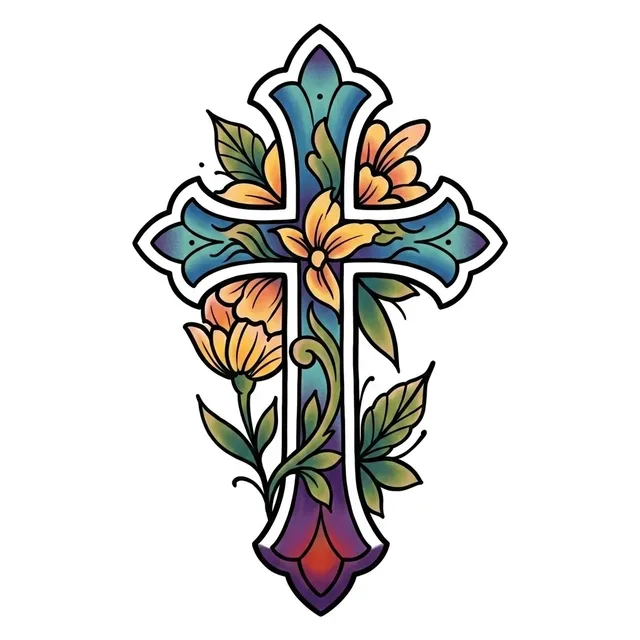
Color neo traditional cross and flower tattoo design Try it on — Color neo traditional cross and flower tattoo design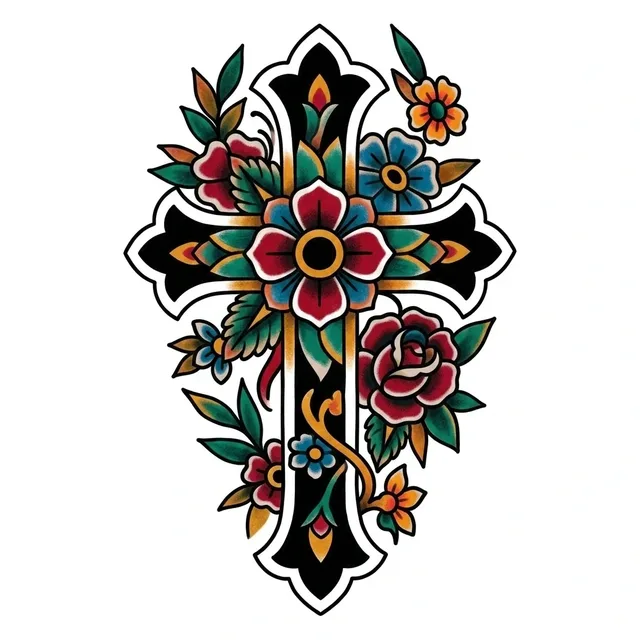
Color neo traditional cross and flower tattoo design: a black cross adorned Try it on — Color neo traditional cross and flower tattoo design: a black cross adorned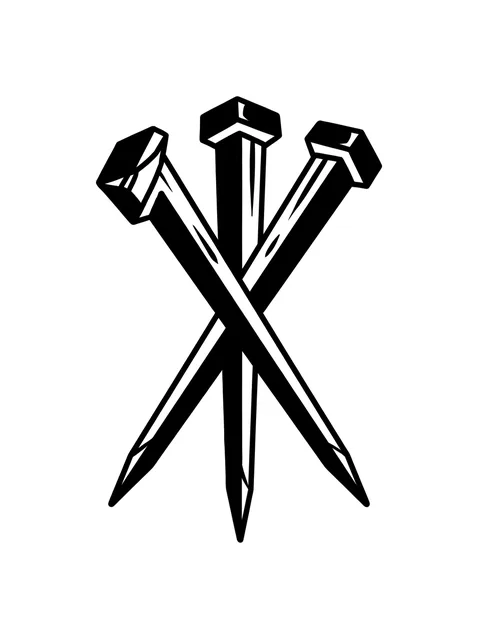
Black and grey traditional cross and nails tattoo design Try it on — Black and grey traditional cross and nails tattoo design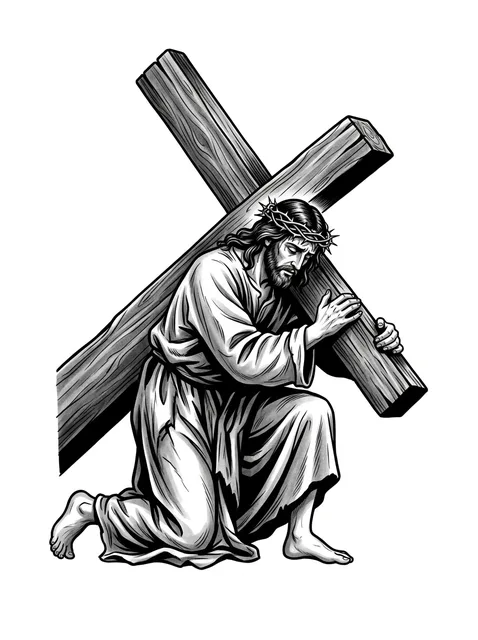
Black and grey illustrative cross and jesus tattoo design: a look of solemn determination Try it on — Black and grey illustrative cross and jesus tattoo design: a look of solemn determination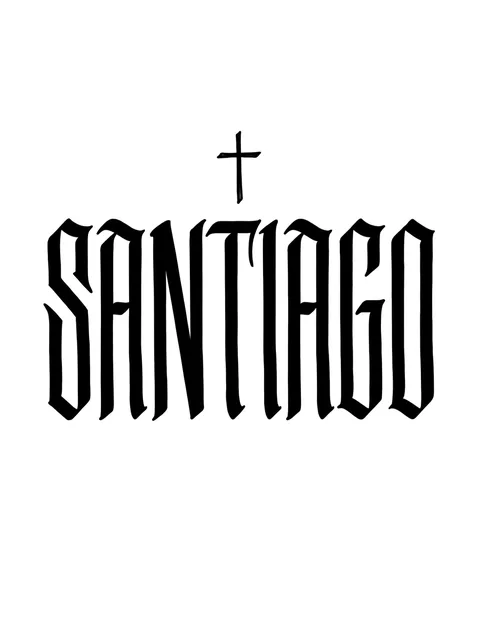
Black and grey lettering cross and name tattoo design Try it on — Black and grey lettering cross and name tattoo design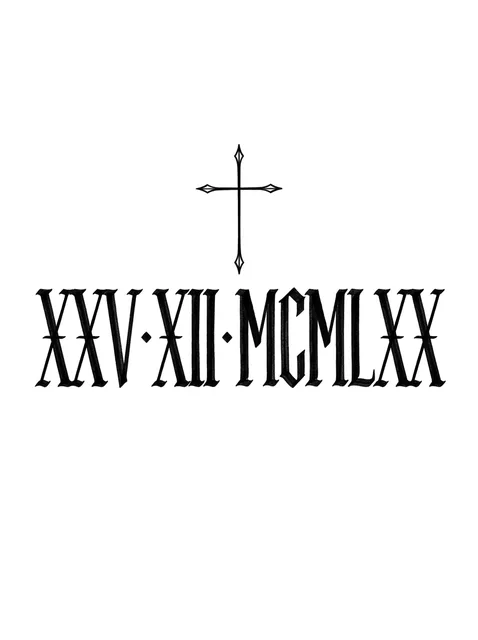
Black and grey lettering cross and roman numerals tattoo design Try it on — Black and grey lettering cross and roman numerals tattoo design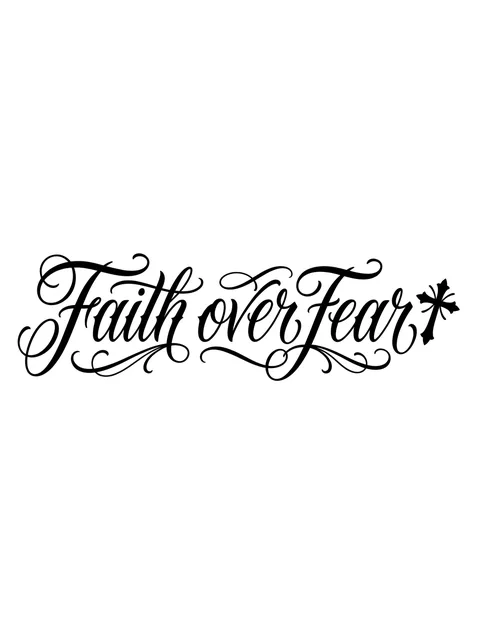
Black and grey lettering cross and quote tattoo design Try it on — Black and grey lettering cross and quote tattoo design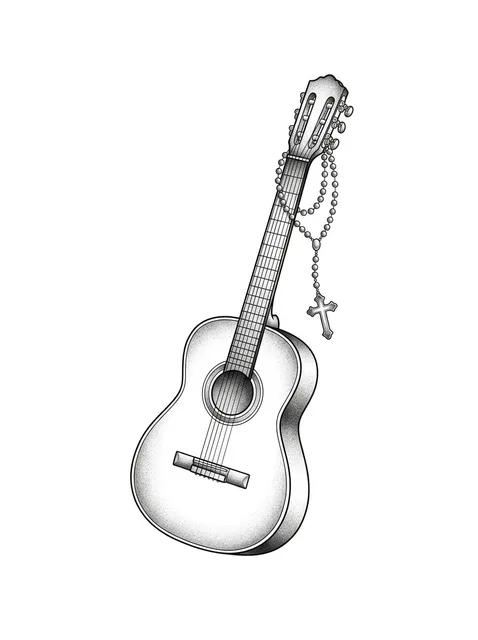
Black and grey chicano cross and guitar tattoo design Try it on — Black and grey chicano cross and guitar tattoo design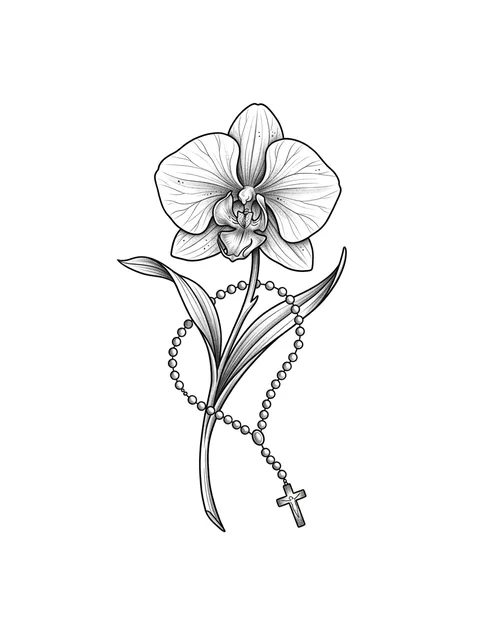
Black and grey fine line cross and orchid tattoo design, outline stencil Try it on — Black and grey fine line cross and orchid tattoo design, outline stencil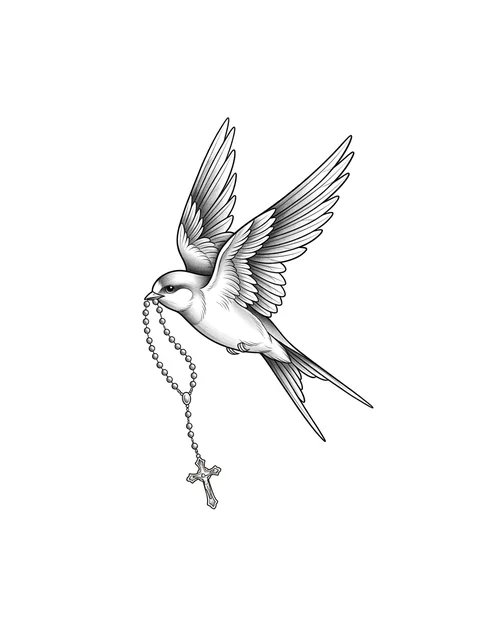
Black and grey chicano cross and swallow tattoo design Try it on — Black and grey chicano cross and swallow tattoo design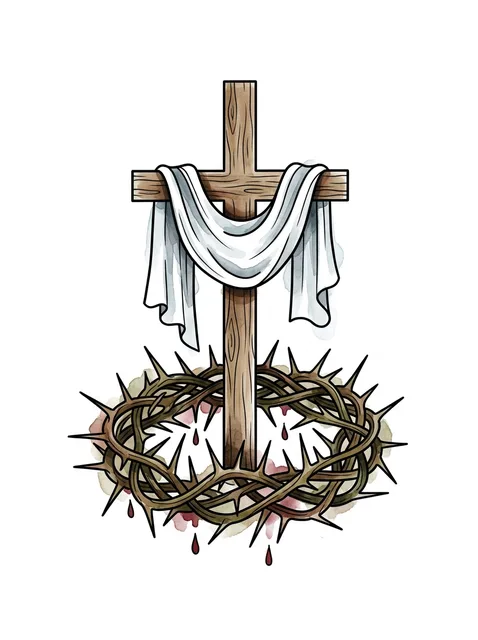
Color illustrative cross and crown of thorns tattoo design Try it on — Color illustrative cross and crown of thorns tattoo design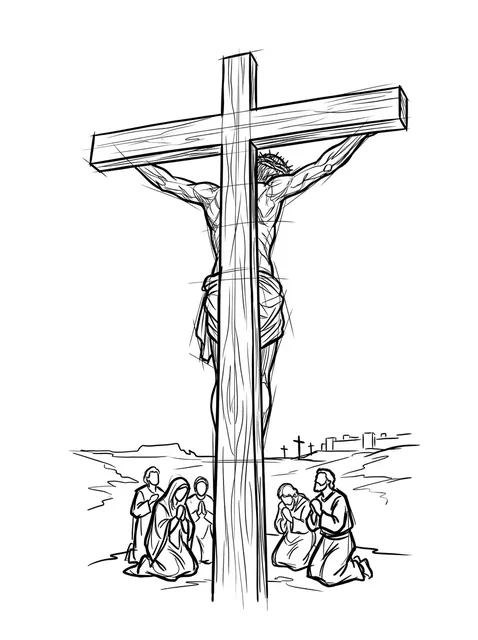
Black and grey illustrative cross and jesus tattoo design Try it on — Black and grey illustrative cross and jesus tattoo design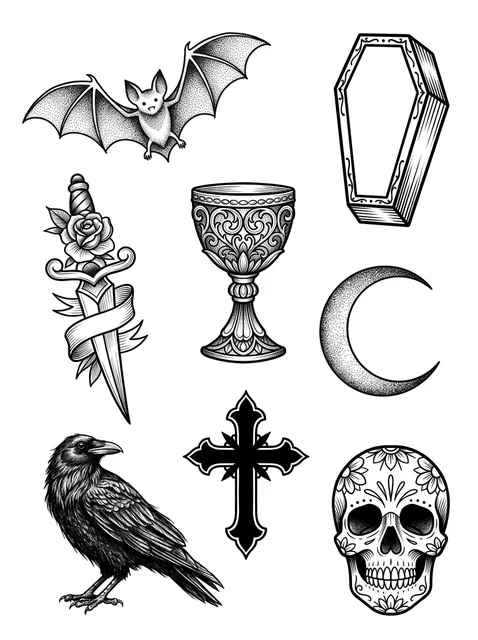
Black and grey patchwork cross and raven tattoo design: a bat with spread wings, a coffin, a dagger Try it on — Black and grey patchwork cross and raven tattoo design: a bat with spread wings, a coffin, a dagger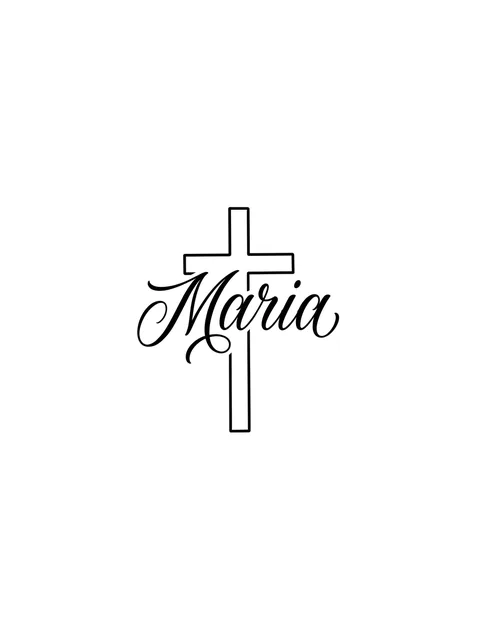
Black and grey lettering cross and rip tattoo design Try it on — Black and grey lettering cross and rip tattoo design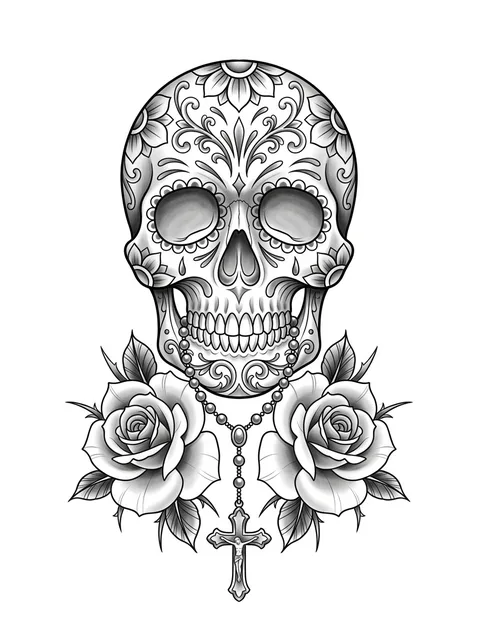
Black and grey realism cross and sugar skull tattoo design Try it on — Black and grey realism cross and sugar skull tattoo design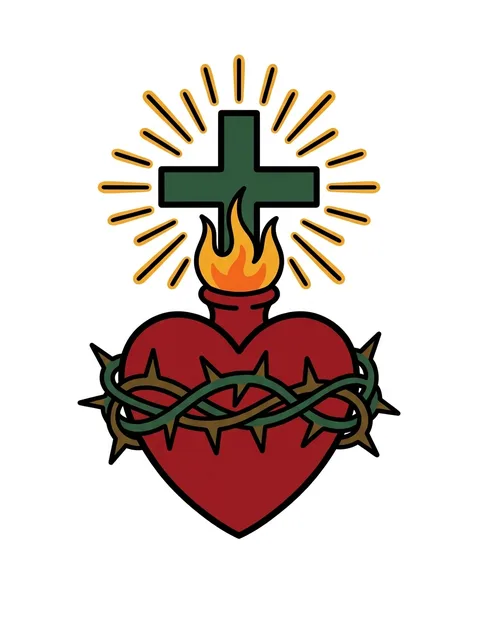
Color traditional cross and crown of thorns tattoo design Try it on — Color traditional cross and crown of thorns tattoo design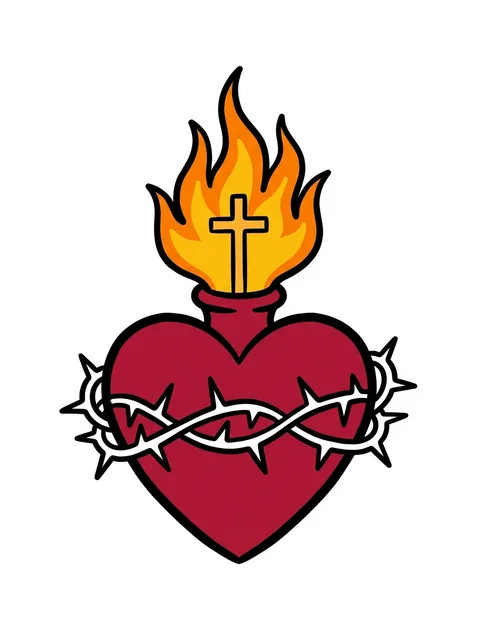
Color traditional cross and jesus tattoo design: a Sacred Heart Try it on — Color traditional cross and jesus tattoo design: a Sacred Heart


Tap any design to see it on your own skin in the try-on — no signup.
This set of 78 cross designs, by the numbers
- Styles represented
- illustrative (18), traditional (8), watercolor (7), geometric (7), neo traditional (6), linework (5)
- Black-and-grey vs colour
- 63% black-and-grey, 37% colour
- Most often drawn with
- vine, flower, leaf, rose
Counted from the 78 designs shown on this page. Every one was drawn for InkCraft — none are scraped or reposted. Free to reference with a link to this page.
What a cross tattoo means
A cross is the most-worn symbol in tattooing and the least specific, which is exactly why people choose it. The same two bars carry faith, mourning, heritage and defiance depending on the form, and none of those readings cancels the others out.
The form does the talking. A plain Latin cross with squared ends reads as faith stated simply. A Celtic cross — the ring joining the arms — carries heritage as much as religion, and is worn by people who would not call themselves devout. A broken or cracked cross is almost always about loss of faith rather than the keeping of it, and an inverted one is a deliberate provocation that many artists will ask you about twice before they draw it.
What is wrapped around it matters as much as the cross itself. A rose stem turns a religious mark into a memorial. A rosary draped over the arms makes it explicitly devotional. Nails at the intersection point at the crucifixion rather than the symbol. Left bare, a cross stays open to whatever the wearer means by it, which is often the point.
Form matters more than decoration on this subject, because the shape itself is the statement. A Latin cross has a lower crossbar and is the plain Western default. A Celtic cross adds a ring, and its knotwork should be continuous â an interlace that dead-ends is the usual sign it was drawn from a photograph rather than constructed. An Orthodox cross carries three bars, the lowest slanted, and reads as specifically Eastern to anyone who recognises it.
Where the design comes from
The cross predates its Christian meaning by millennia — as a solar mark, a compass of directions, a maker's sign — and tattooing inherited all of those layers rather than replacing them. Jerusalem pilgrims took the Coptic cross home on their forearms from at least the sixteenth century, in what is probably the oldest continuously practised tattoo tradition in the world.
Choosing yours
- A cross is a vertical shape with a horizontal interruption, so it wants a field longer than it is wide, and it reads badly rotated. Placed where skin creases across the crossbar, the arms distort every time the body moves.
- Symmetry is unforgiving here. A rose can absorb a wobble; a cross cannot, because the eye knows what the shape should be. This is a design where a heavier, simpler line usually beats a finer, busier one.
Size, cost and placement
How big, and what it costs
A simple linework cross is small and quick — 5-8 cm, often under an hour. An ornate or Celtic cross with knotwork is a different job entirely: the interlace has to be laid out precisely before any needle work, so expect 15 cm minimum and several hours, much of it drawing rather than tattooing.
Where it sits, and how much it hurts
The forearm and the outer upper arm are the standard fields, and both keep a vertical shape reading as a cross. The centre chest and the spine suit larger symmetrical versions. Avoid a small cross on the hand or fingers — it is one of the fastest-blurring placements on the body.
What to ask your artist
- Whether the proportions are Latin, Celtic or Orthodox, since the arm ratios differ and it changes the whole read.
- How knotwork will hold up — interlace needs consistent gaps, and it is the first thing to close as ink spreads.
- If it is a memorial, whether a name sits on the crossbar or below, which affects the shape you commit to now.
Prices vary widely by city and artist — treat these as session lengths rather than quotes, and expect a shop minimum on anything small. The cost guide turns hours into money by size, placement and style.
Common questions
Is a cross tattoo disrespectful?
Not inherently — cross tattoos have a devotional history going back centuries, including among pilgrims. Placement is where opinions differ: some traditions object to religious imagery below the waist, so it is worth deciding what you believe before you choose the spot.
What does a broken cross mean?
Usually a lost or tested faith rather than an attack on it. It is a common memorial choice after a death that changed someone's beliefs.
Celtic or Latin?
A Latin cross is plain and reads as faith. A Celtic cross adds the ring and knotwork, and carries heritage alongside it — people with Irish or Scottish ancestry often choose it for that reason first.
How big does a cross need to be?
Larger than most people expect. Interlaced Celtic work below about 8 cm loses the over-under weave that makes it legible; a plain Latin cross holds much smaller.
What a cross tattoo can mean
The meanings this motif carries on the pages that argue them. Each line is that page's own reason for including it.
- Faith tattoos
- The unambiguous one. Latin, Celtic and Orthodox forms are different statements — the Celtic cross in particular carries a national as well as a religious reading.
- Christian tattoos
- The whole vocabulary rests on it, and the variant carries the meaning: a Latin cross is empty and points at the resurrection, a crucifix keeps the body and points at the cost. Choosing between them is the single most consequential decision on this page.
- Spiritual tattoos
- Included here rather than under belief because a great many are worn as a marker of heritage rather than of practice — a grandmother's faith rather than one's own — which is a genuinely different tattoo with the same shape.
- Protection tattoos
- Worn as a ward far more often than as a statement of belief, and the small wrist versions in Coptic Egypt were exactly that: an identifying mark that could not be removed under pressure. Protective because it declares rather than conceals.
- Memorial tattoos
- Direct and unambiguous when faith was part of who they were. Worth choosing deliberately rather than by default — it is a statement about belief as much as about grief.
See it on your skin before you commit
InkCraft places any of these designs on a photo of you — scaled, wrapped and shaded to the placement you pick.