 InkCraft
Jesus Tattoo Ideas, Designs and Meaning
24 original jesus designs drawn for InkCraftBy Uladzimir TumanauUpdated
Christian tattooing has the deepest image vocabulary of any subject here and uses about four of it. The portraits are the hardest version and the early symbols — the lamb, the fish, the shepherd — are the ones that keep working at any size.
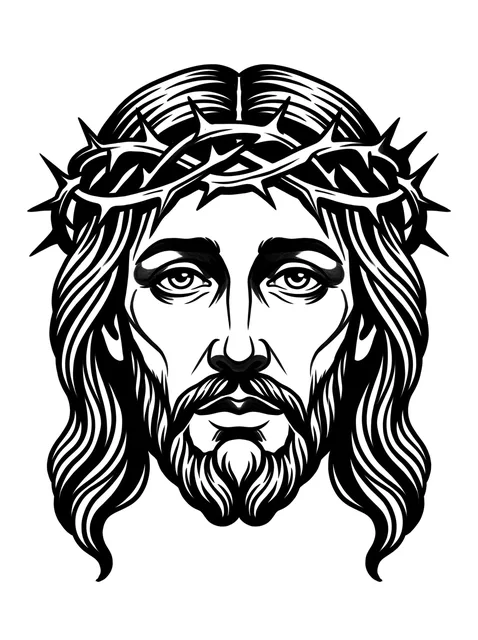
Black and white illustrative jesus tattoo design: a crown of thorns Try it on — Black and white illustrative jesus tattoo design: a crown of thorns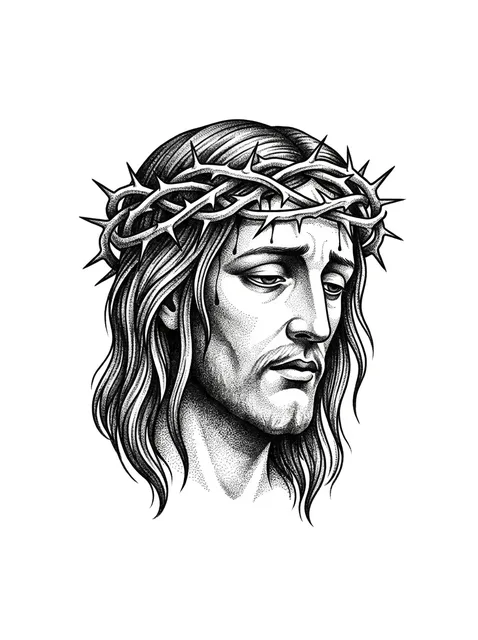
Black and grey dotwork jesus tattoo design Try it on — Black and grey dotwork jesus tattoo design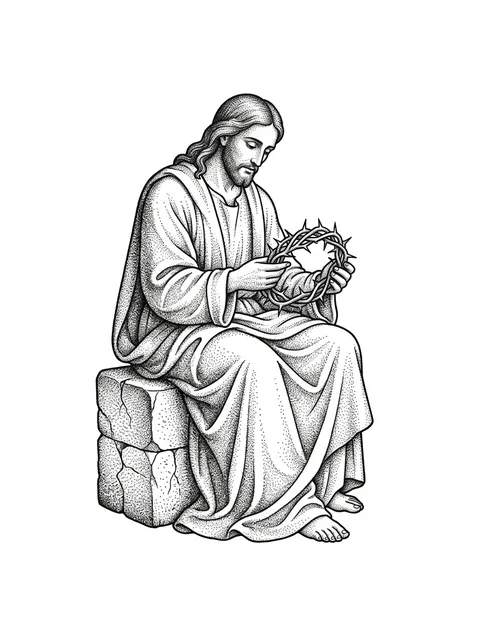
Black and grey dotwork jesus tattoo design Try it on — Black and grey dotwork jesus tattoo design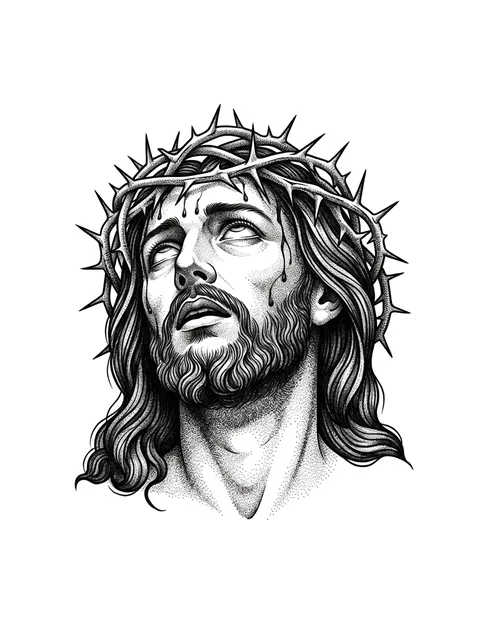
Black and grey dotwork jesus tattoo design: an expression of suffering Try it on — Black and grey dotwork jesus tattoo design: an expression of suffering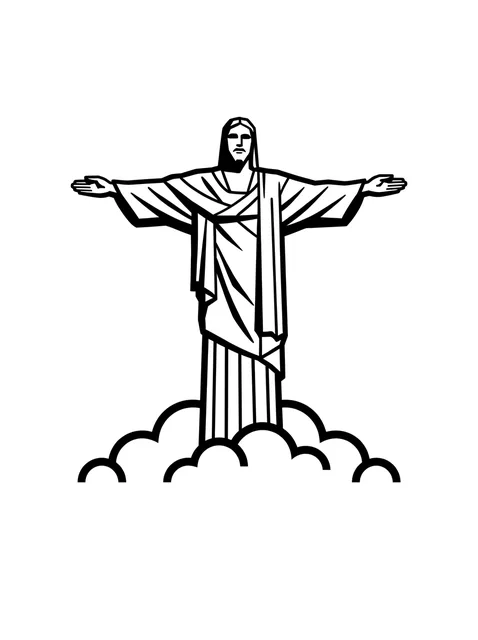
Black and white linework jesus tattoo design, outline stencil: the Christ the Redeemer statue Try it on — Black and white linework jesus tattoo design, outline stencil: the Christ the Redeemer statue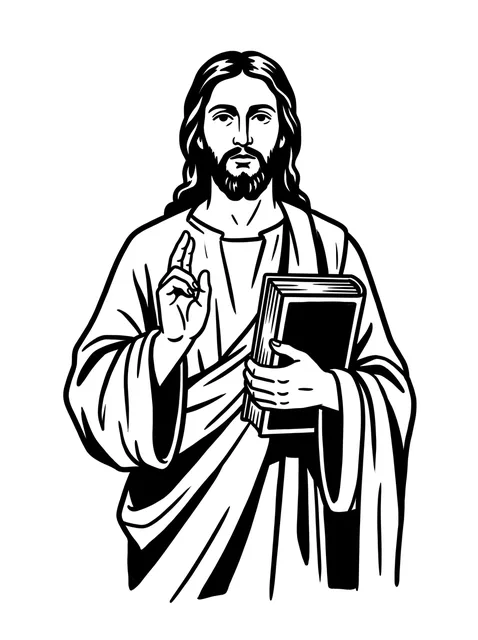
Black and white illustrative jesus tattoo design Try it on — Black and white illustrative jesus tattoo design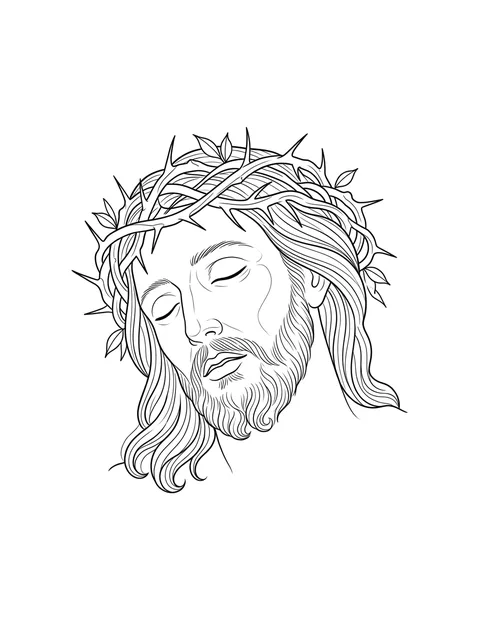
Black and grey illustrative jesus tattoo design Try it on — Black and grey illustrative jesus tattoo design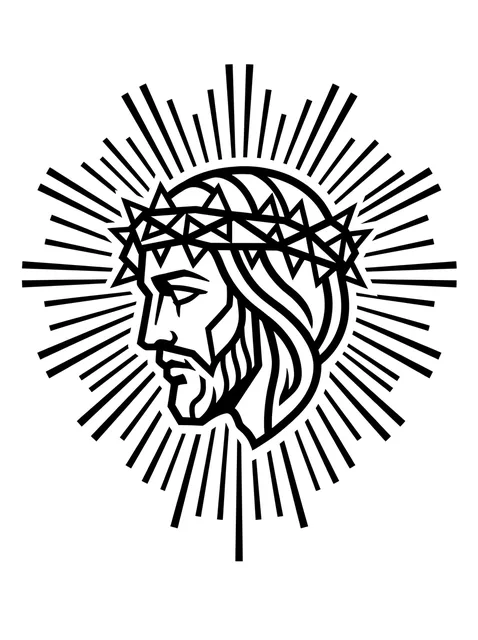
Black and grey illustrative jesus tattoo design: the profile of Jesus Christ, crowned with thorns Try it on — Black and grey illustrative jesus tattoo design: the profile of Jesus Christ, crowned with thorns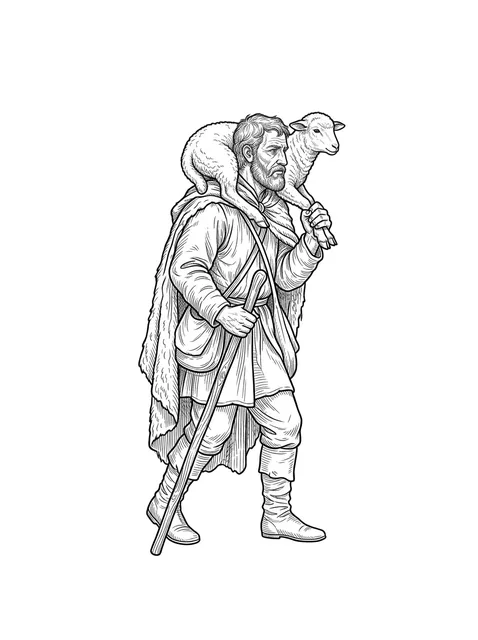
Black and grey illustrative jesus tattoo design Try it on — Black and grey illustrative jesus tattoo design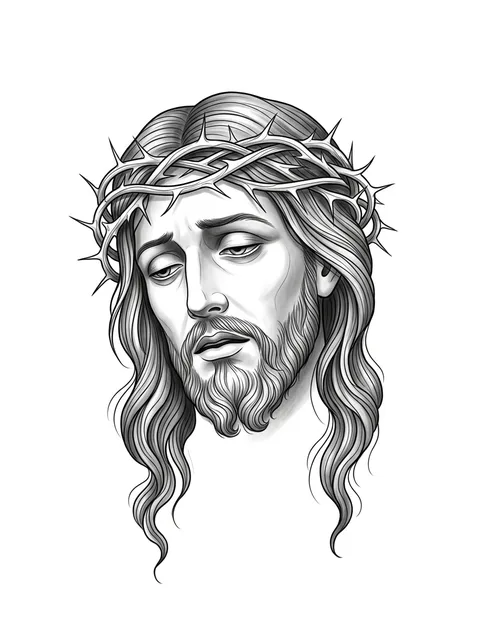
Black and grey chicano jesus tattoo design Try it on — Black and grey chicano jesus tattoo design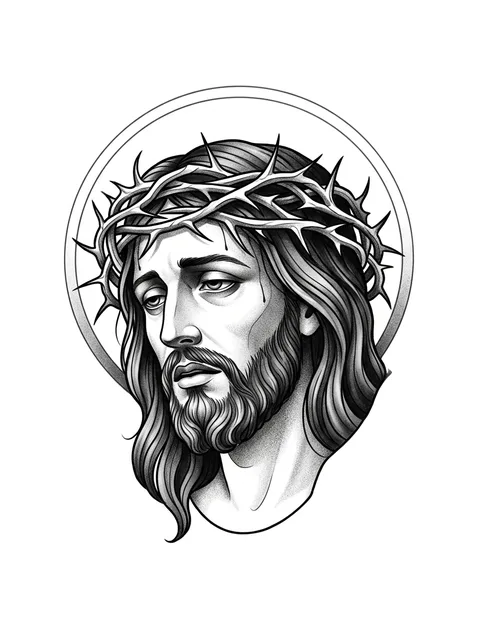
Black and grey illustrative jesus tattoo design Try it on — Black and grey illustrative jesus tattoo design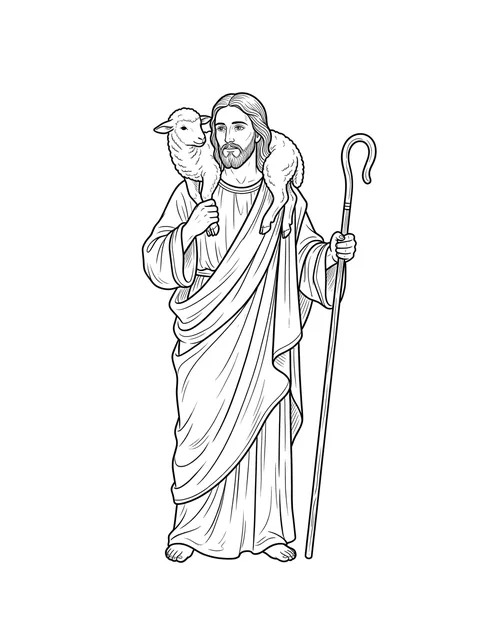
Black and white fine line jesus tattoo design, outline stencil Try it on — Black and white fine line jesus tattoo design, outline stencil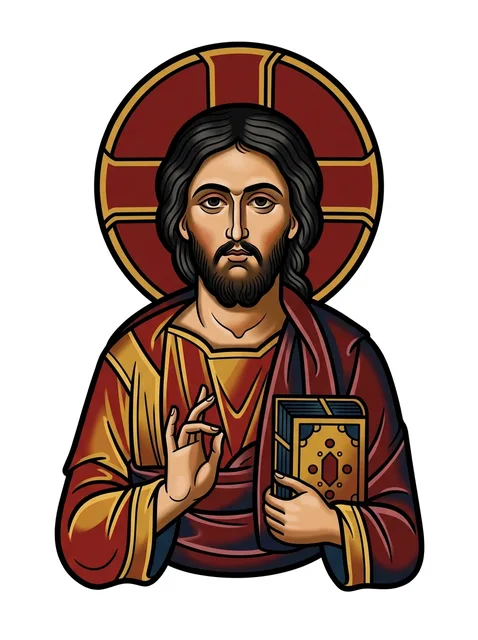
Color neo traditional jesus tattoo design Try it on — Color neo traditional jesus tattoo design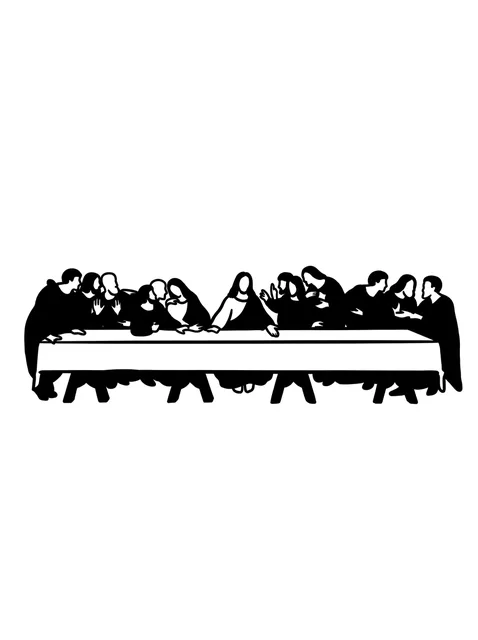
Black and white blackwork jesus and hand tattoo design: the Last Supper Try it on — Black and white blackwork jesus and hand tattoo design: the Last Supper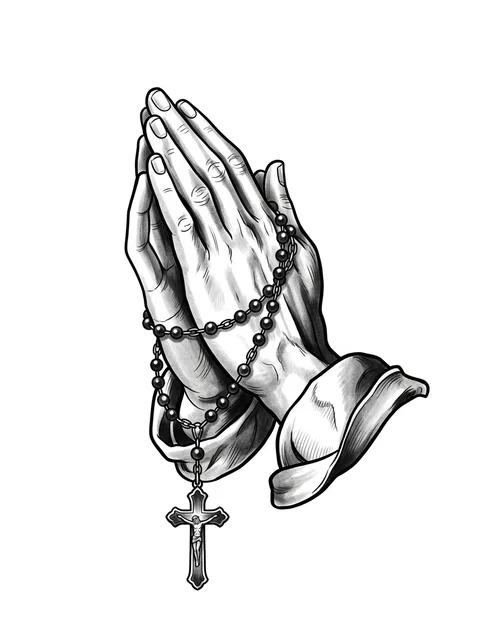
Black and grey illustrative jesus and praying hands tattoo design Try it on — Black and grey illustrative jesus and praying hands tattoo design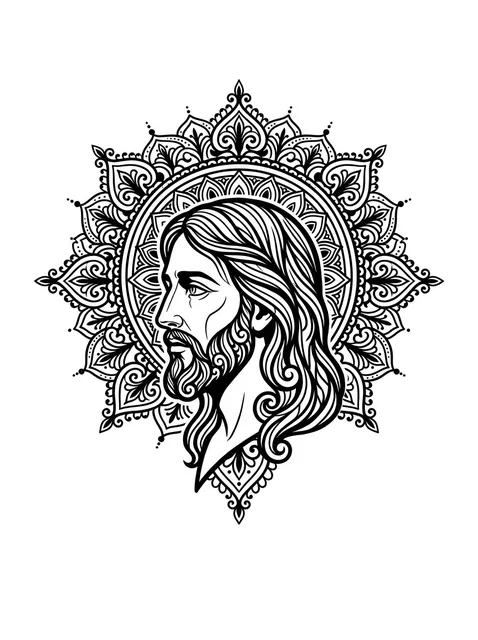
Black and grey illustrative jesus and mandala tattoo design Try it on — Black and grey illustrative jesus and mandala tattoo design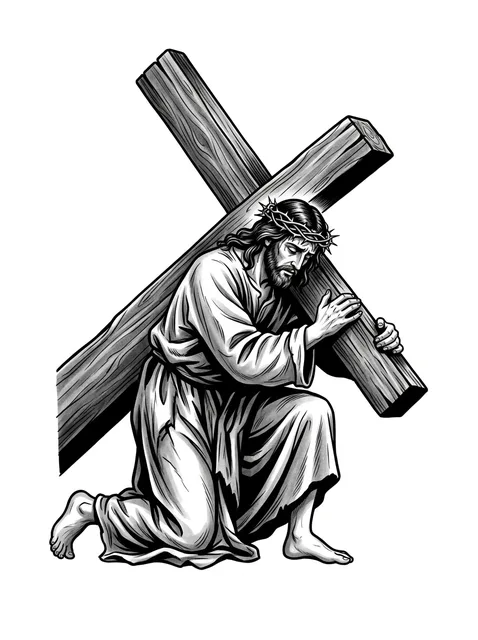
Black and grey illustrative jesus and cross tattoo design: a look of solemn determination Try it on — Black and grey illustrative jesus and cross tattoo design: a look of solemn determination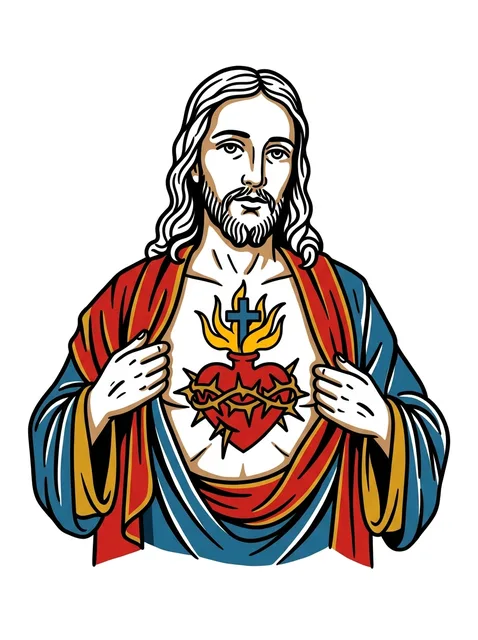
Color traditional jesus and heart tattoo design Try it on — Color traditional jesus and heart tattoo design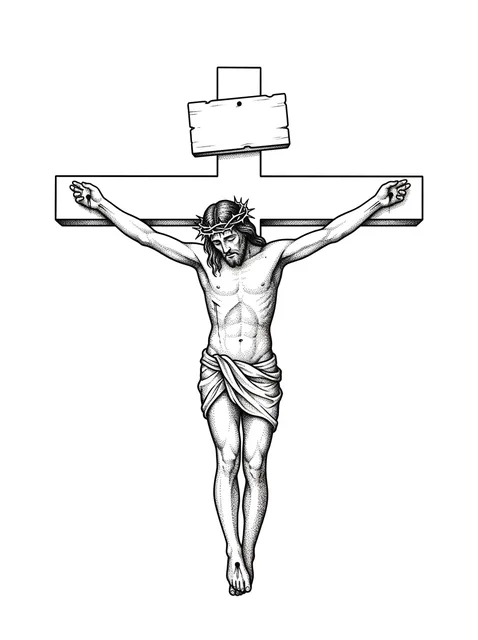
Black and grey illustrative jesus and crucifix tattoo design Try it on — Black and grey illustrative jesus and crucifix tattoo design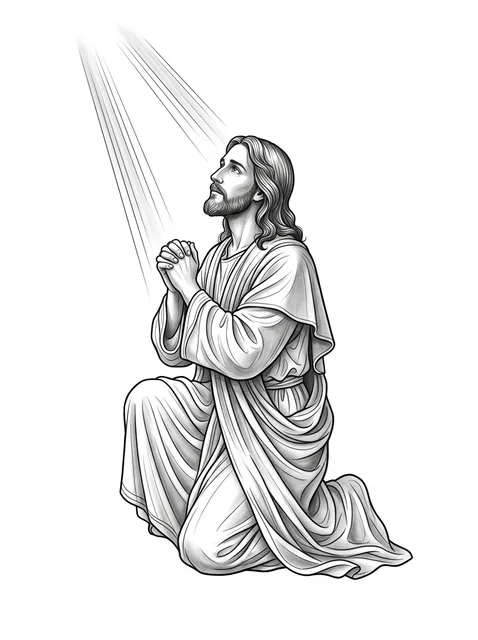
Black and grey chicano jesus and praying hands tattoo design Try it on — Black and grey chicano jesus and praying hands tattoo design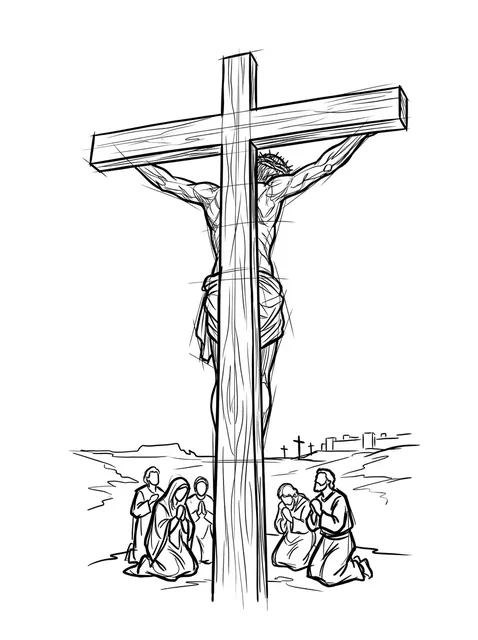
Black and grey illustrative jesus and cross tattoo design Try it on — Black and grey illustrative jesus and cross tattoo design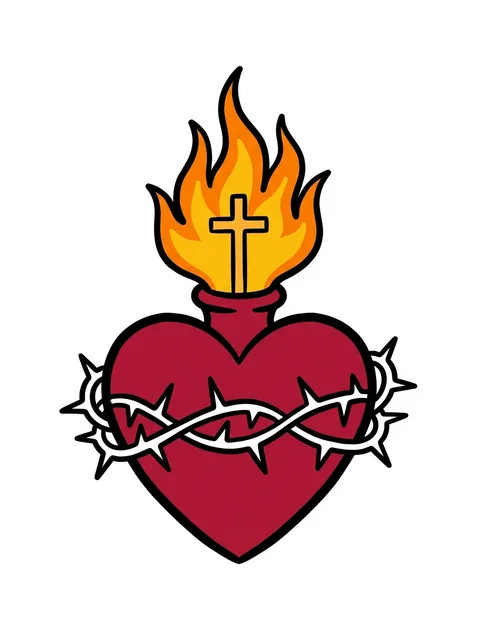
Color traditional jesus and heart tattoo design: a Sacred Heart Try it on — Color traditional jesus and heart tattoo design: a Sacred Heart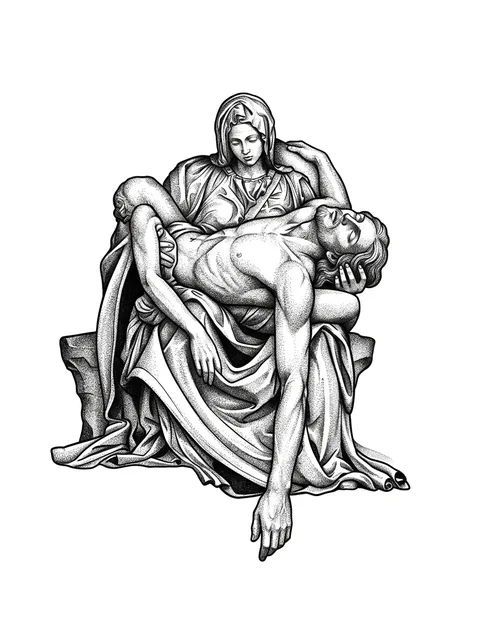
Black and grey dotwork jesus and virgin mary tattoo design Try it on — Black and grey dotwork jesus and virgin mary tattoo design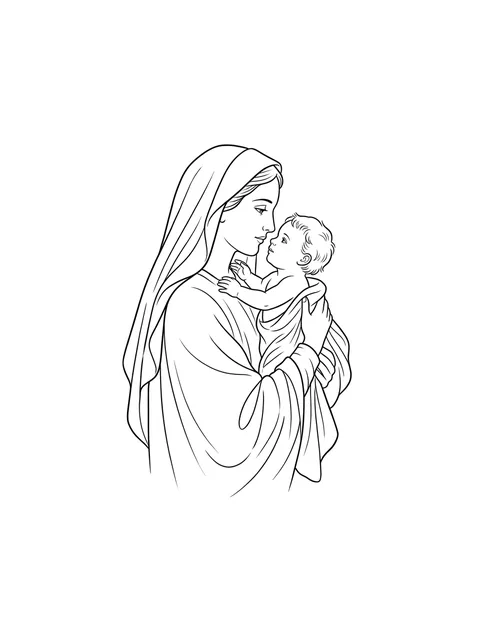
Black and grey illustrative jesus and virgin mary tattoo design: the Virgin Mary cradling baby Jesus Try it on — Black and grey illustrative jesus and virgin mary tattoo design: the Virgin Mary cradling baby Jesus


Tap any design to see it on your own skin in the try-on — no signup.
This set of 24 jesus designs, by the numbers
- Styles represented
- illustrative (12), dotwork (4), chicano (2), traditional (2), linework (1), fine line (1)
- Black-and-grey vs colour
- 88% black-and-grey, 13% colour
- Most often drawn with
- cross, virgin mary, praying hands, heart
Counted from the 24 designs shown on this page. Every one was drawn for InkCraft — none are scraped or reposted. Free to reference with a link to this page.
What a jesus tattoo means
The face of Christ is the most requested image and the most demanding. It is a portrait with no agreed likeness, so what it actually depends on is the expression: eyes lowered rather than closed, and a crown of thorns that presses into the brow rather than resting on it. Those two details are the difference between a devotional piece and a costume.
The crucifix and the empty cross say different things and are routinely confused. A cross with the figure on it marks the suffering; a bare cross marks what came after. People who mean the resurrection often wear the crucifix by default, and it is worth deciding rather than defaulting.
The sacred heart is the oldest colour subject in western tattooing and it carries a specific claim: a heart shown outside the body, wrapped in thorns and still burning. It is about love that persists through injury, and it works as a secular image for exactly the same reason it works as a religious one.
The early symbols are the most durable pieces on this page. The fish made of two crossing arcs, the lamb, the shepherd carrying an animal across the shoulders — these predate the cross as Christian images by up to two centuries, and they survive at sizes where a rendered face would have long since turned to grey.
Where the design comes from
Christian tattooing is genuinely ancient in one place: Coptic Christians in Egypt and pilgrims to Jerusalem have been marked with a small cross on the wrist for well over a thousand years, and the Razzouk family in the Old City has been tattooing pilgrims with the same wooden stamps since the sixteenth century. The western tradition is much newer and arrived through flash — the sacred heart and the praying hands were fixtures of American sheets by the 1930s. The photorealistic Christ portrait is newer again and belongs entirely to the black-and-grey school that developed in Californian prisons and Chicano shops from the 1970s onward, where religious portraiture and fine single-needle technique grew up together.
Choosing yours
- If you want a face, give it room. A rendered portrait below about 15 cm loses the eyes first, and the eyes are the entire piece. At smaller sizes the profile view or a symbol will serve you far better than a shrunken portrait.
- Decide between the crucifix and the bare cross deliberately. They are not decorative variants of each other, and the difference is the one thing another Christian will notice immediately.
- Consider the older symbols seriously rather than as a fallback. The fish, the lamb and the shepherd are simpler drawings, cheaper, more durable, and far less common than another portrait — which makes them more personal, not less devout.
Size, cost and placement
How big, and what it costs
A small cross or fish is a shop-minimum piece under an hour. A black-and-grey face at 15-20 cm is six to eight hours and often two sittings, since it is all careful tonal work with no line to hide behind. A sacred heart in traditional colour sits in the middle at three to four hours.
Where it sits, and how much it hurts
Portraits want a large flat field that does not fold: the outer arm, the chest, the shoulder blade, the outer thigh. Small crosses are traditionally worn on the inner wrist, which is the pilgrim placement. Praying hands suit a vertical run on the forearm where the composition is already tall and narrow.
What to ask your artist
- To show you healed black-and-grey portrait work specifically, since it is a different skill from colour or line work.
- Whether the eyes will be lowered or closed, because it changes the entire reading and is decided at the drawing stage.
- If you are choosing a symbol, to draw it from the historical form rather than from a clip-art version, particularly for the lamb and the shepherd.
Prices vary widely by city and artist — treat these as session lengths rather than quotes, and expect a shop minimum on anything small. The cost guide turns hours into money by size, placement and style.
Common questions
Do tattoos conflict with Christian teaching?
Denominations differ and the question is genuinely contested. The verse usually cited is Leviticus 19:28, which most mainstream traditions read as addressing specific mourning rites rather than as a standing prohibition. Coptic Christians have used tattoos devotionally for centuries. It is a question for your own tradition rather than for a tattooist.
What is the difference between a crucifix and a cross tattoo?
The crucifix carries the figure and marks the crucifixion itself; the bare cross is empty and points at the resurrection. Protestant usage generally prefers the empty cross and Catholic usage the crucifix, so the choice also reads as a signal of tradition.
How small can a Christian tattoo be and still work?
The symbols go very small — a fish made of two arcs or a simple cross works at 3 cm and is the historical pilgrim size. A face does not. The line is roughly whether the design depends on tonal shading, because that is what disappears first.
Should a religious portrait be colour or black and grey?
Black and grey, almost always. The whole technique for rendering these faces came out of the single-needle black-and-grey school, and colour on a devotional portrait tends to read as illustration rather than as icon. Colour belongs on the sacred heart, which was built for it.
What a jesus tattoo can mean
The meanings this motif carries on the pages that argue them. Each line is that page's own reason for including it.
- Christian tattoos
- The face is the hardest thing in tattooing to get right, because everyone knows when a portrait is slightly wrong and nobody can say why. The safer versions are the hands, the wounded side, or the figure seen from behind.
See it on your skin before you commit
InkCraft places any of these designs on a photo of you — scaled, wrapped and shaded to the placement you pick.