 InkCraft
Flower tattoos for women, in black and in colour
40 women's flower tattoos photographed on skin for InkCraftBy Uladzimir TumanauUpdated
These are our own lotus, lily, cherry blossom, rose, peony and sunflower designs, photographed on women across about twenty body parts. Most are black and grey, and far more of them are blackwork or ornamental than fine line.
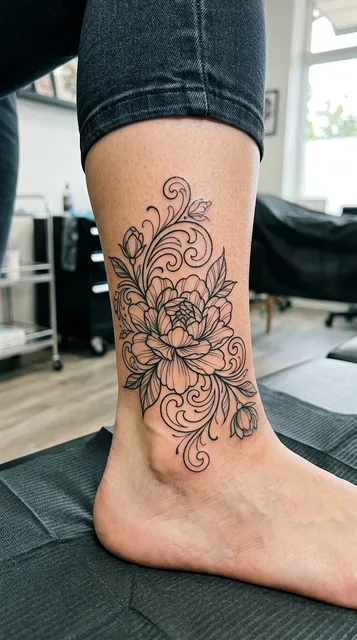
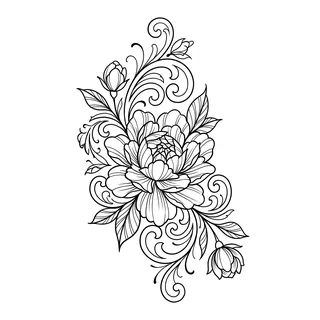
- ornamental · black and greyTry it on — Black and grey ornamental flower tattoo on a woman's ankle
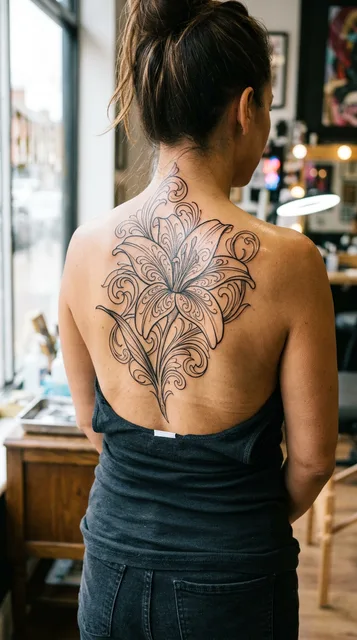
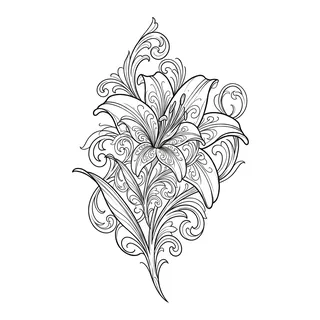
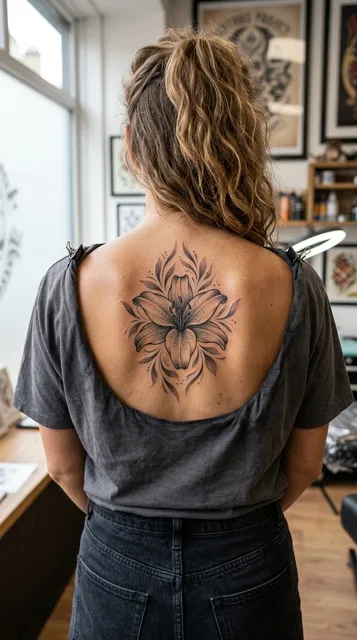
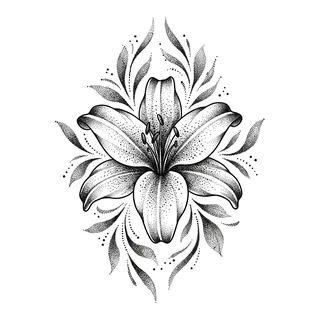
- ornamental · black and greyTry it on — Black and grey ornamental lily tattoo on a woman's back
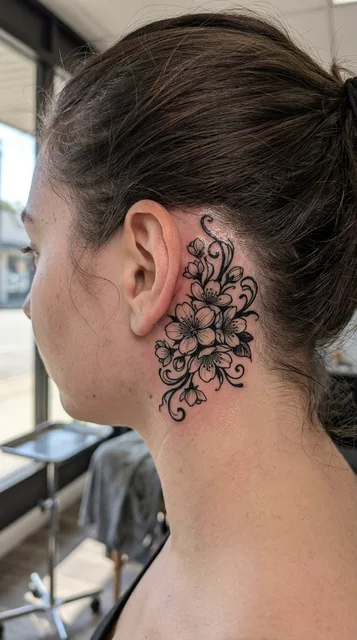
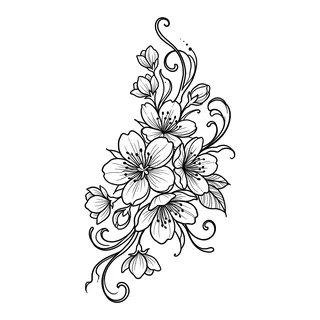
- blackwork · black and whiteTry it on — Black and white blackwork cherry blossom tattoo behind a woman's ear
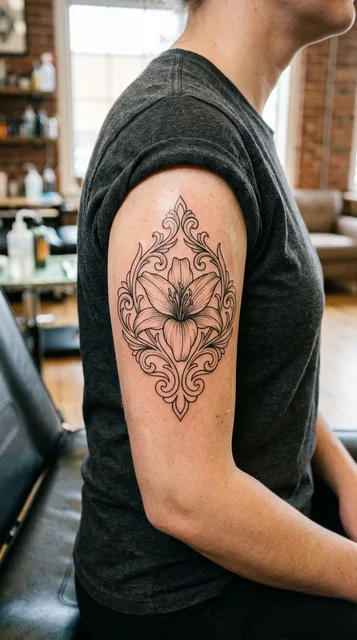
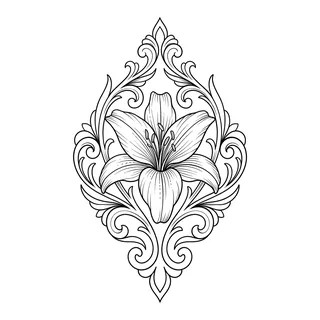
- ornamental · black and greyTry it on — Black and grey ornamental lily tattoo on a woman's bicep
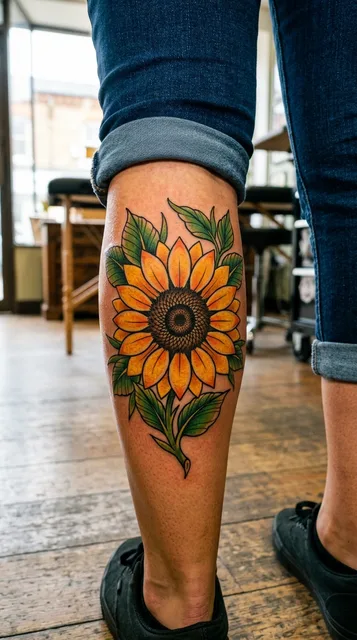
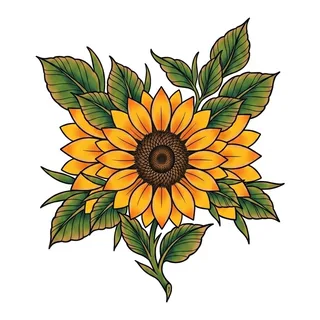
- traditional · colourTry it on — Color traditional sunflower tattoo on a woman's calf
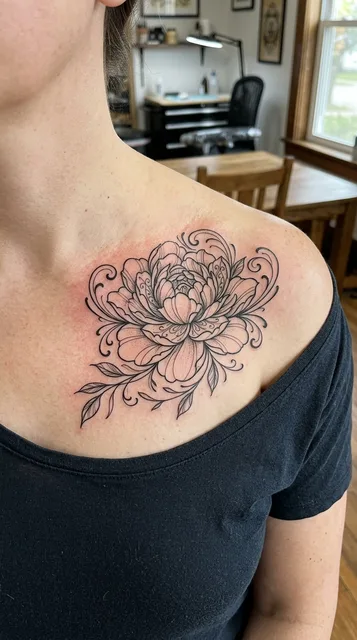
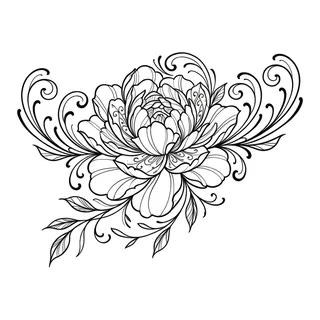
- ornamental · black and greyTry it on — Black and grey ornamental flower tattoo on a woman's collarbone
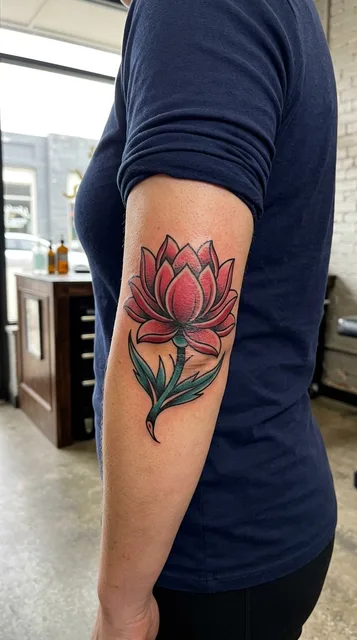
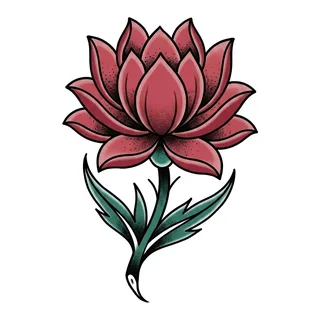
- traditional · colourTry it on — Color traditional lotus tattoo on a woman's elbow
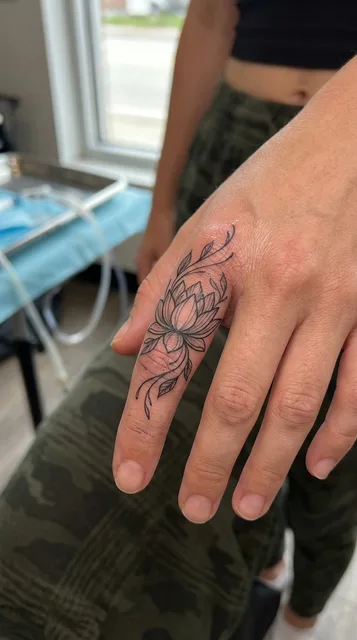
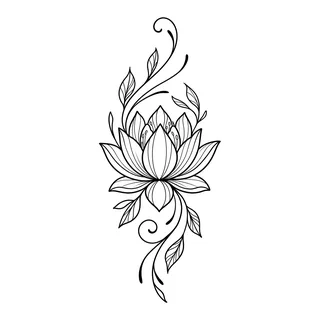
- fine line · black and whiteTry it on — Black and white fine line lotus tattoo on a woman's finger
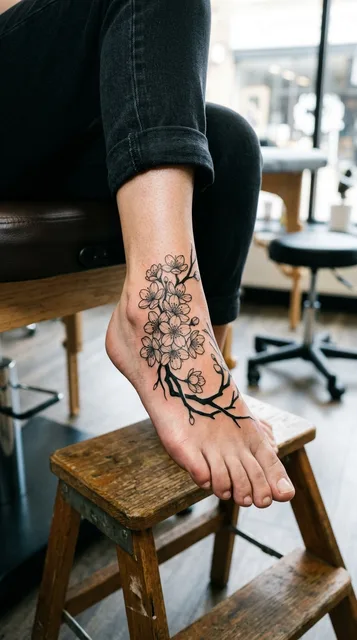
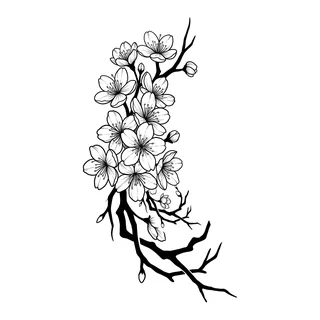
- blackwork · black and whiteTry it on — Black and white blackwork cherry blossom tattoo on a woman's foot
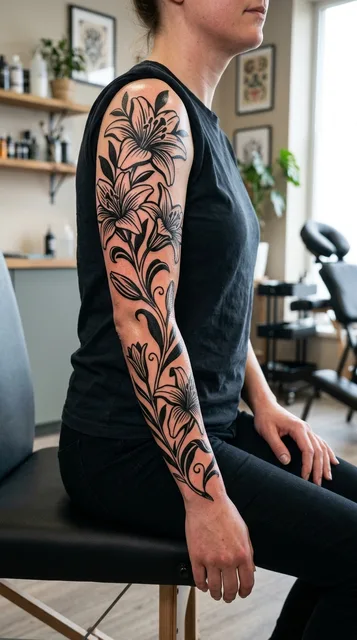
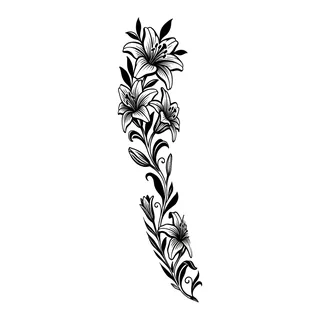
- blackwork · black and whiteTry it on — Black and white blackwork lily tattoo as a full sleeve on a woman
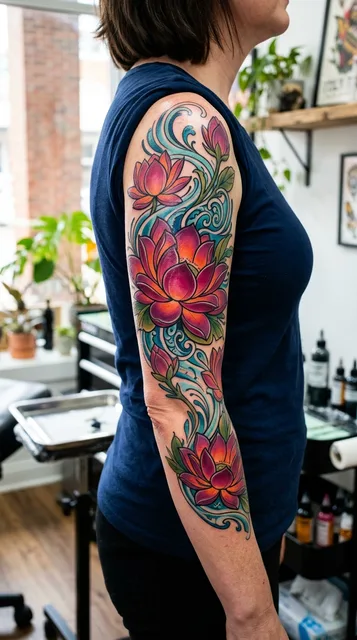
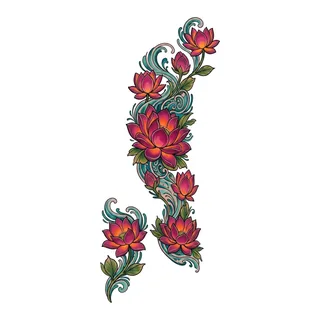
- new school · colourTry it on — Color new school lotus tattoo as a half sleeve on a woman
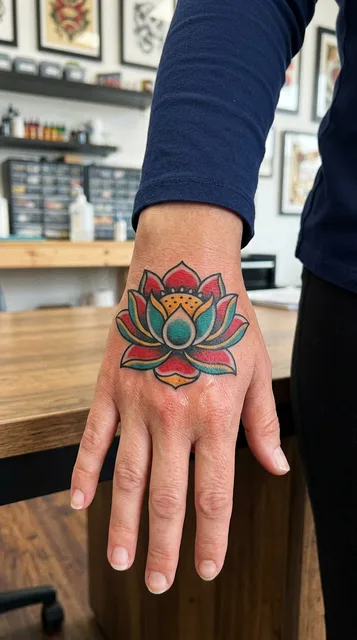
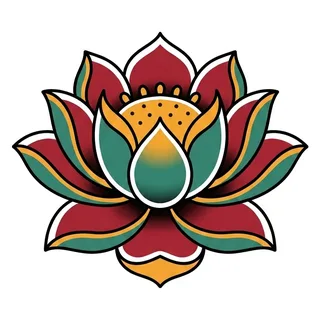
- traditional · colourTry it on — Color traditional lotus tattoo on a woman's hand
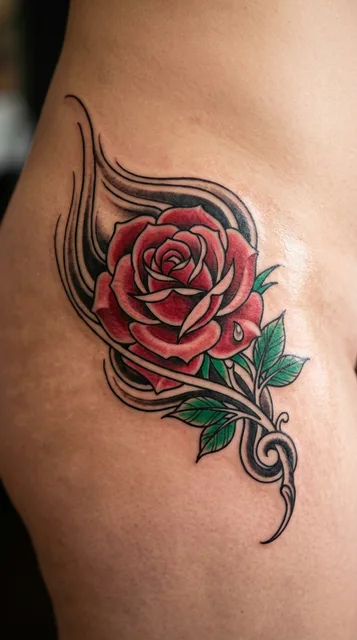
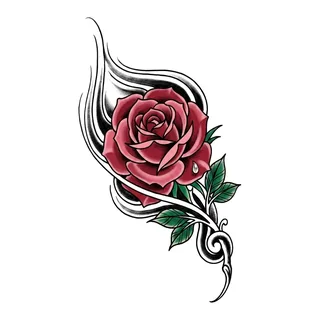
- Japanese · colourTry it on — Color Japanese rose tattoo on a woman's hip
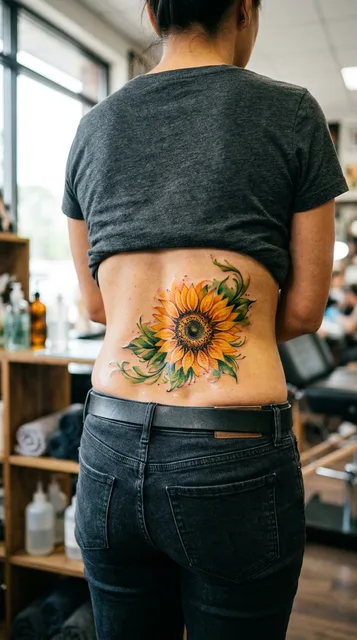
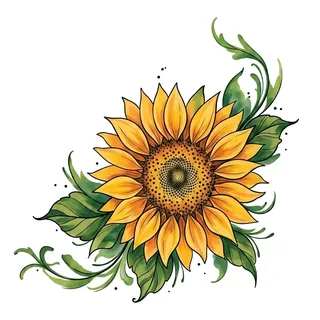
- watercolor · colourTry it on — Color watercolor sunflower tattoo on a woman's lower back
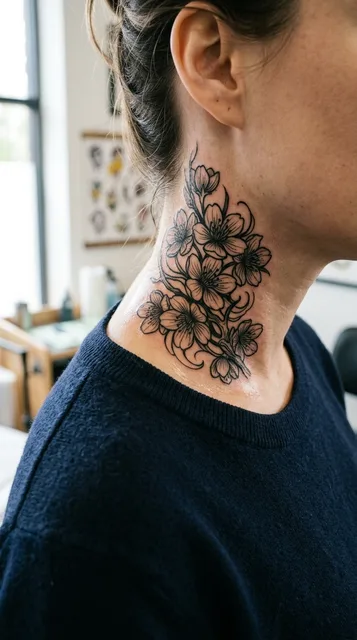
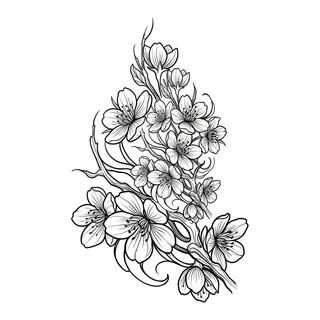
- blackwork · black and whiteTry it on — Black and white blackwork cherry blossom tattoo on a woman's neck
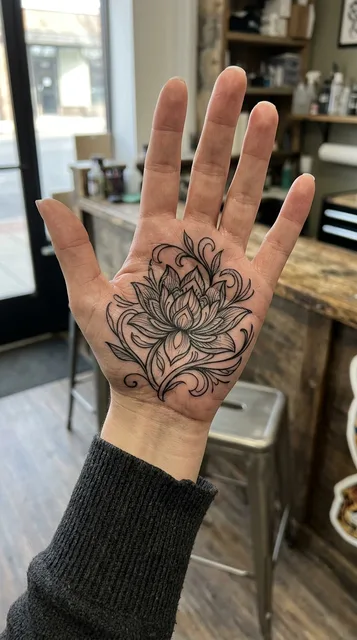
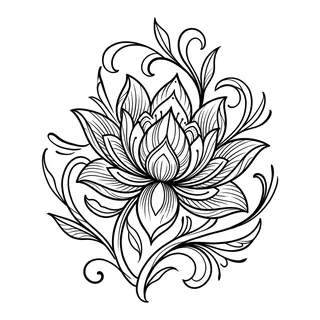
- linework · black and whiteTry it on — Black and white linework lotus tattoo on a woman's palm
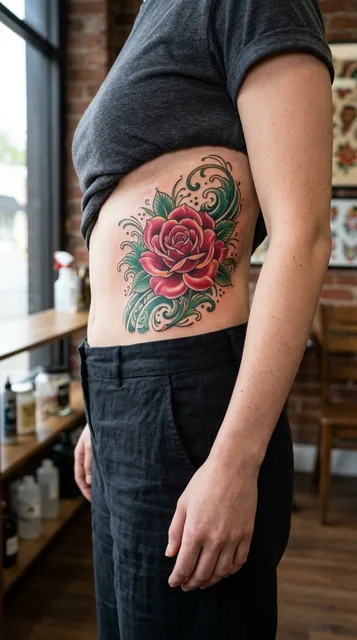
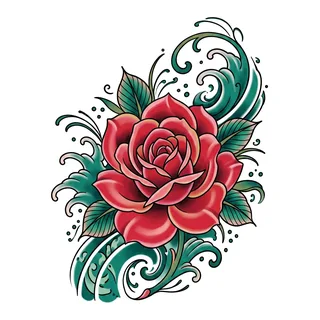
- Japanese · colourTry it on — Color Japanese rose tattoo on a woman's ribs
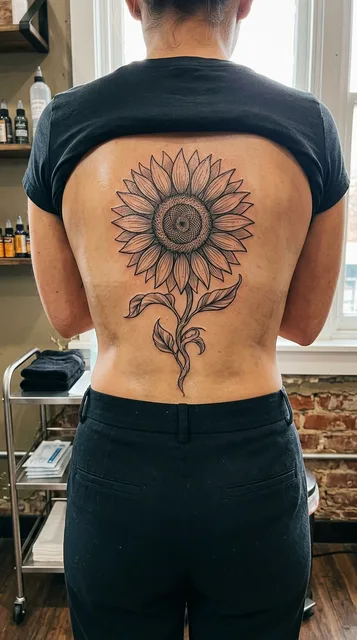
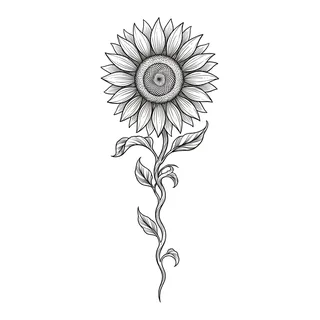
- illustrative · black and greyTry it on — Black and grey illustrative sunflower tattoo on a woman's spine
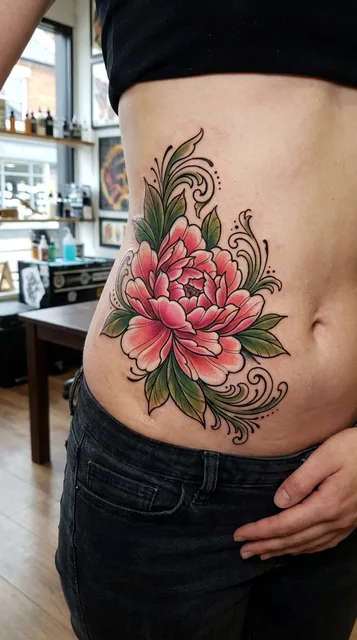
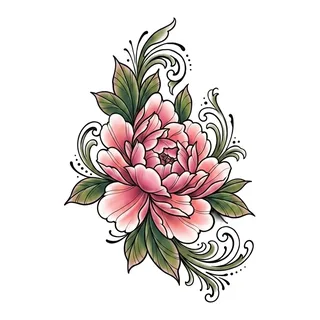
- neo traditional · colourTry it on — Color neo traditional peony tattoo on a woman's stomach
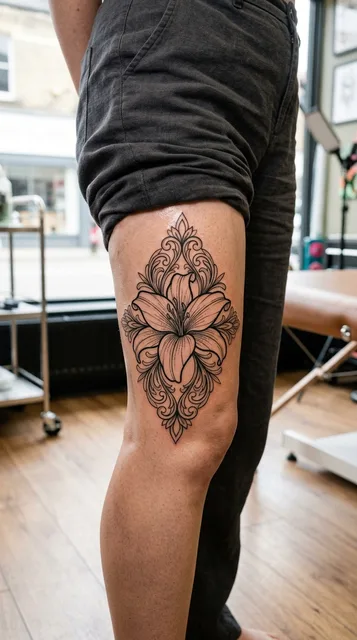
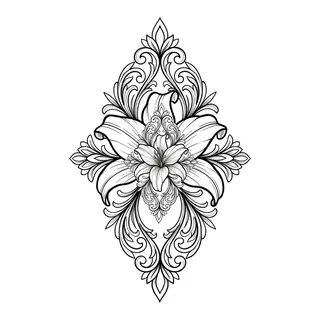
- ornamental · black and greyTry it on — Black and grey ornamental flower tattoo on a woman's thigh
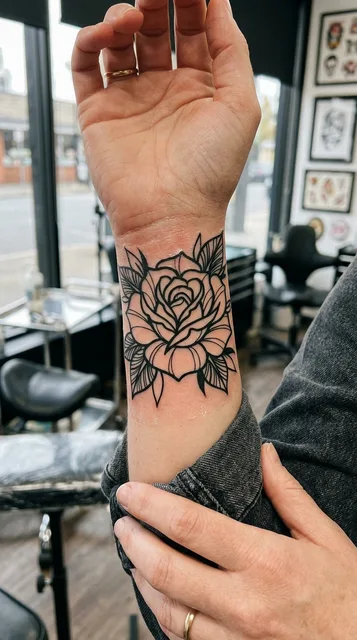
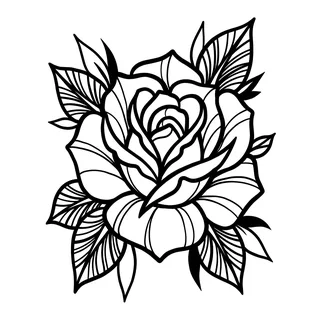
- blackwork · black and whiteTry it on — Black and white blackwork rose tattoo on a woman's wrist
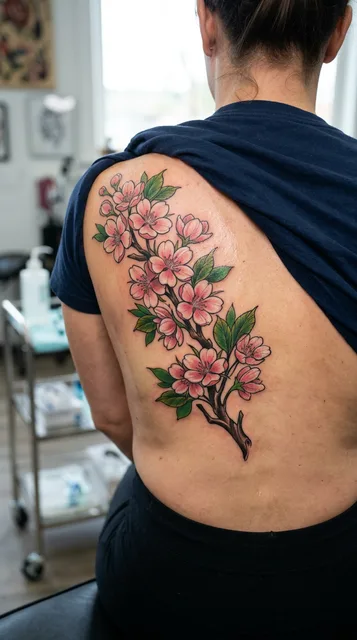
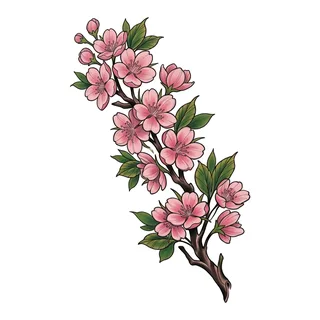
- neo traditional · colourTry it on — Color neo traditional cherry blossom tattoo on a woman's back
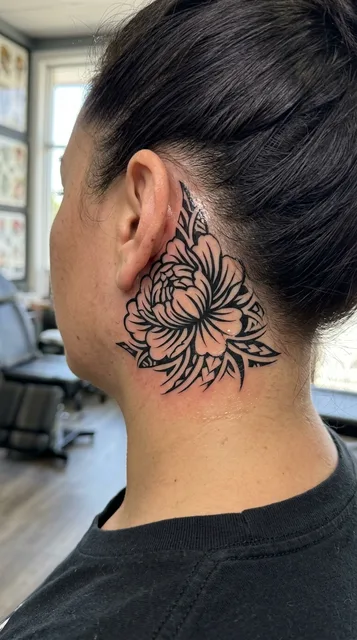
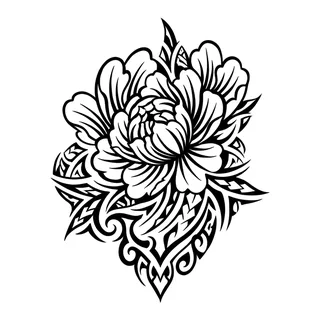
- tribal · black and whiteTry it on — Black and white tribal flower tattoo behind a woman's ear
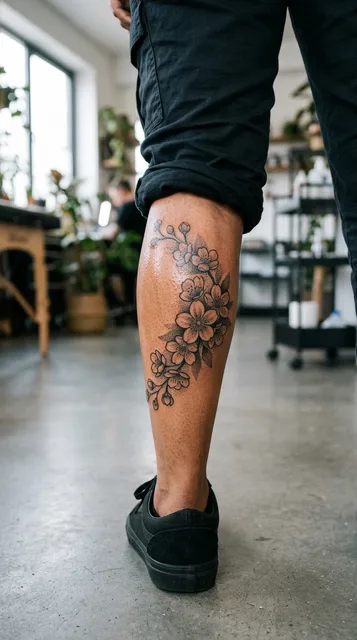
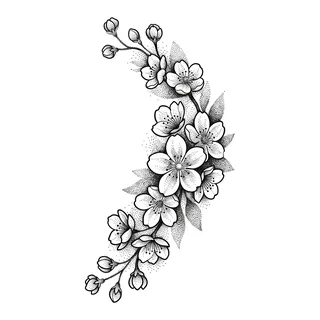
- dotwork · black and greyTry it on — Black and grey dotwork cherry blossom tattoo on a woman's calf
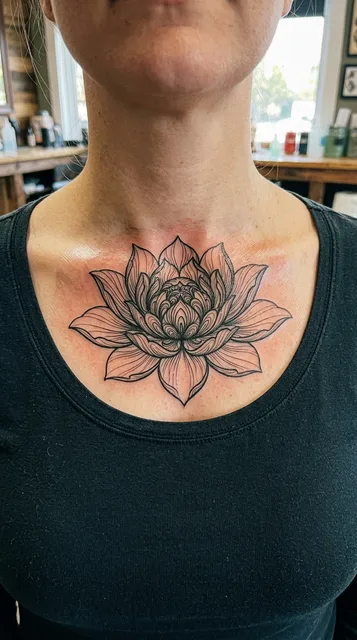
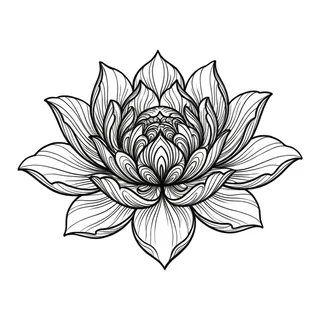
- illustrative · black and greyTry it on — Black and grey illustrative lotus tattoo on a woman's collarbone
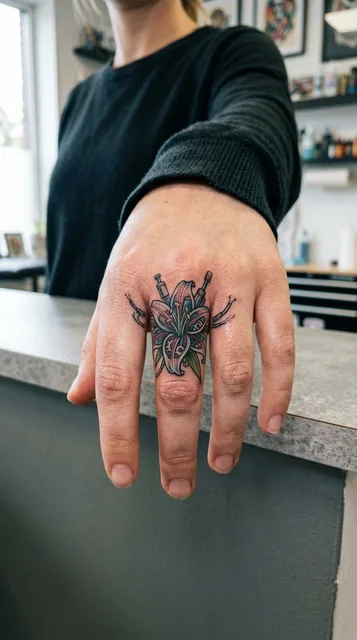
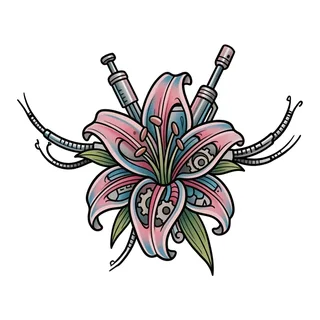
- biomechanical · colourTry it on — Color biomechanical lily tattoo on a woman's finger
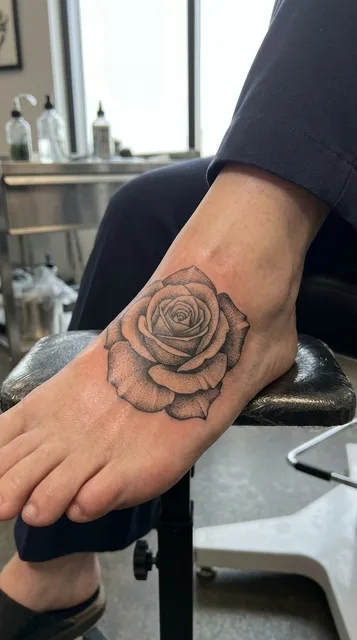
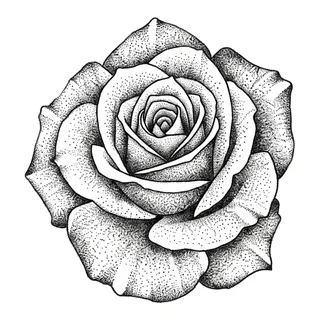
- dotwork · black and greyTry it on — Black and grey dotwork rose tattoo on a woman's foot
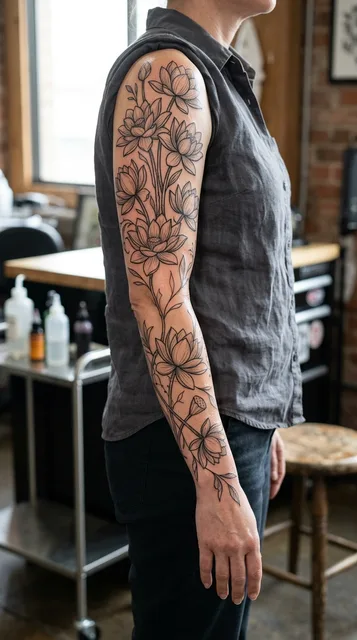
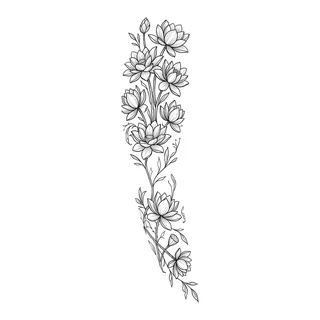
- linework · black and whiteTry it on — Black and white linework lotus tattoo as a full sleeve on a woman
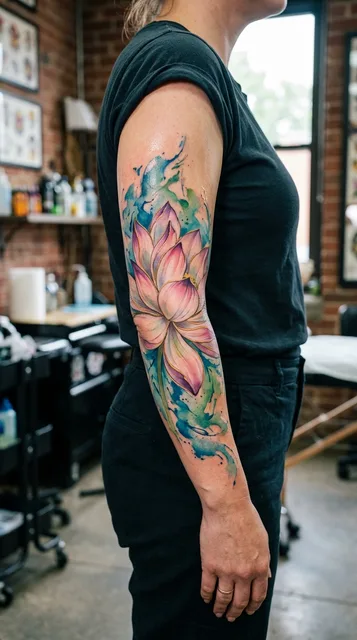
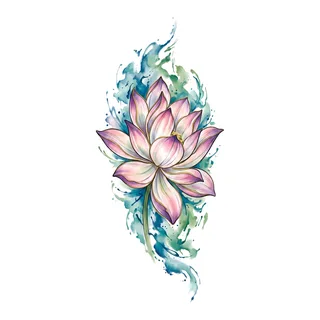
- watercolor · colourTry it on — Color watercolor lotus tattoo as a half sleeve on a woman
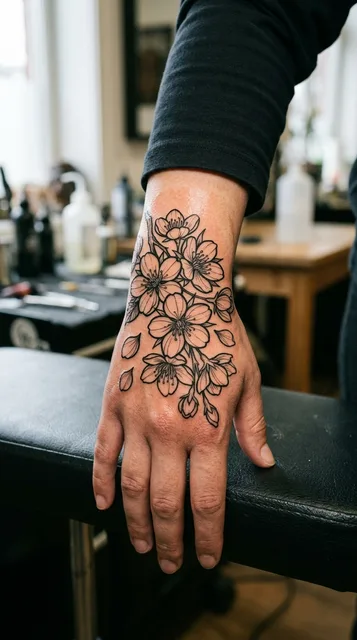
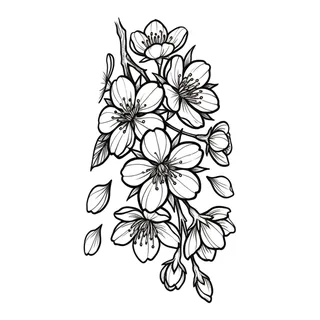
- blackwork · black and whiteTry it on — Black and white blackwork cherry blossom tattoo on a woman's hand
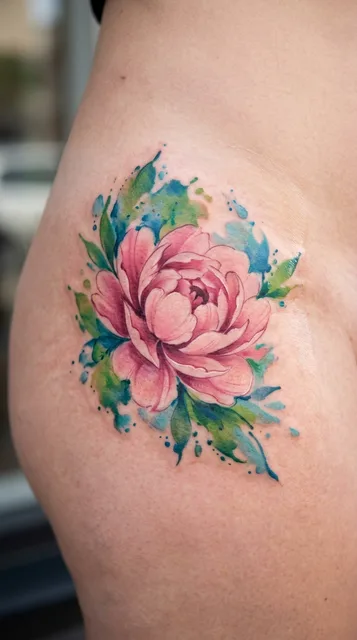
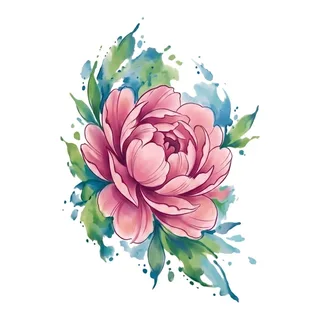
- watercolor · colourTry it on — Color watercolor peony tattoo on a woman's hip
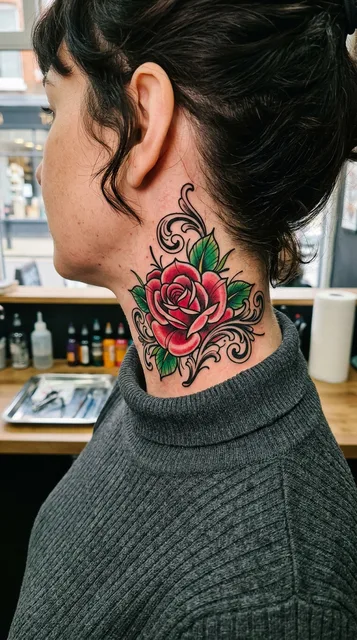
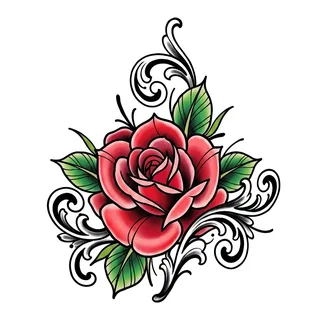
- neo traditional · colourTry it on — Color neo traditional rose tattoo on a woman's neck
- blackwork · black and whiteTry it on — Black and white blackwork flower tattoo on a woman's palm
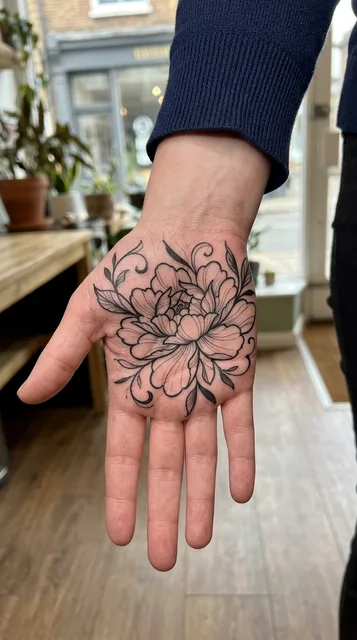
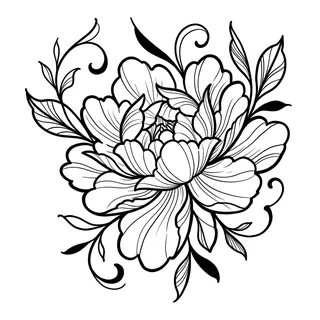
- illustrative · colourTry it on — Color illustrative peony tattoo on a woman's ribs
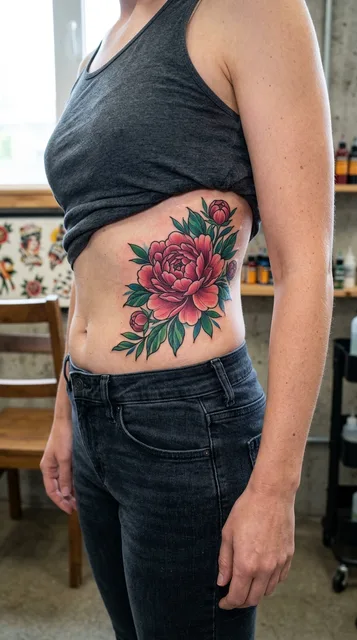
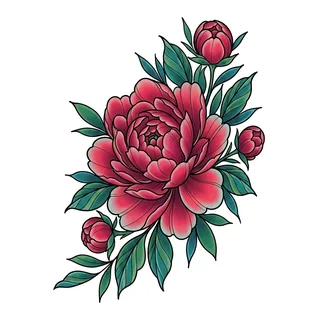
- neo traditional · colourTry it on — Color neo traditional cherry blossom tattoo on a woman's spine
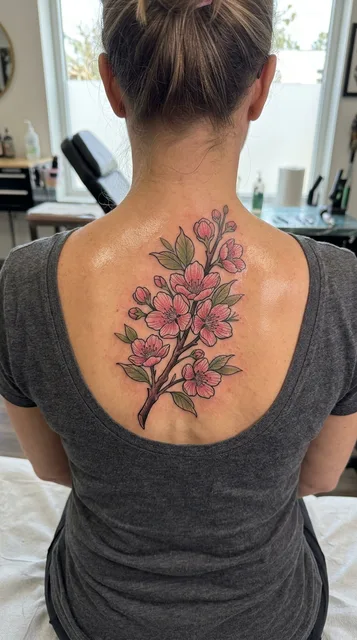
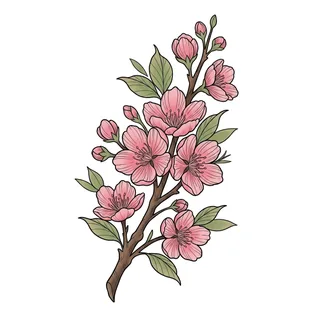
- illustrative · black and greyTry it on — Black and grey illustrative flower tattoo on a woman's stomach
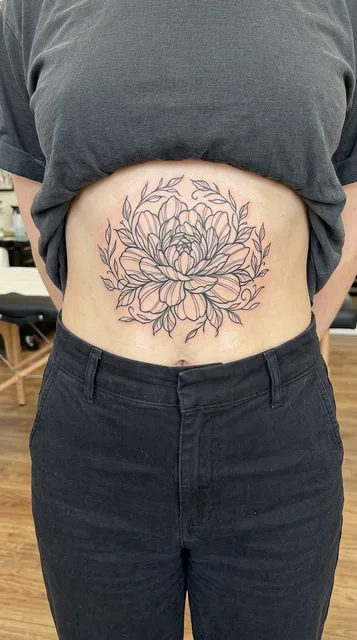
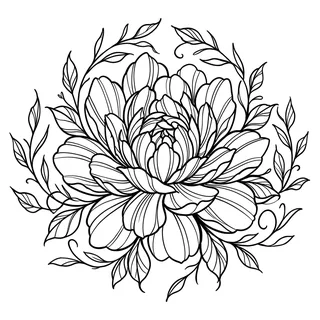
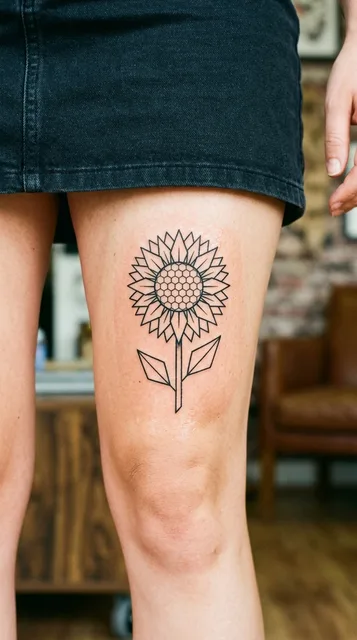
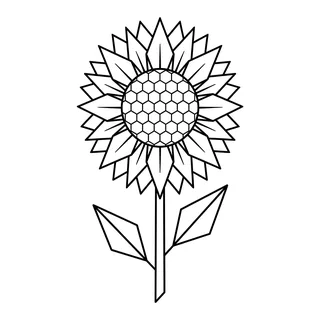
- geometric · black and whiteTry it on — Black and white geometric sunflower tattoo on a woman's thigh
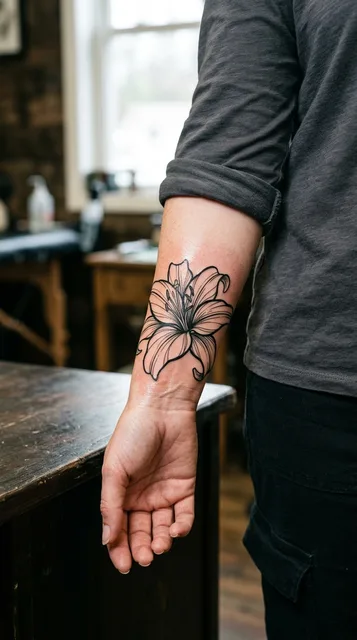
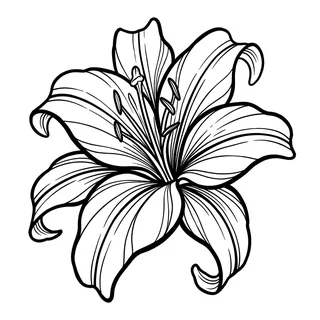
- blackwork · black and whiteTry it on — Black and white blackwork lily tattoo on a woman's wrist
- dotwork · black and greyTry it on — Black and grey dotwork lily tattoo on a woman's back
- ornamental · black and greyTry it on — Black and grey ornamental lily tattoo behind a woman's ear
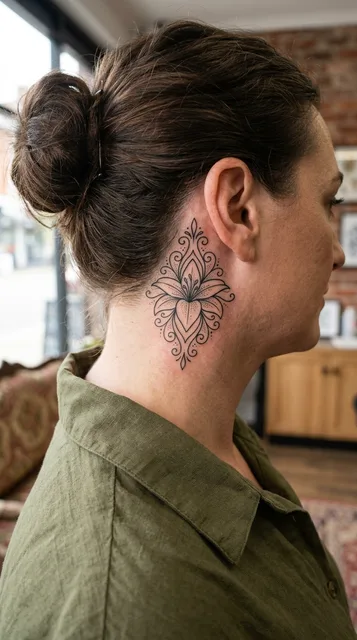
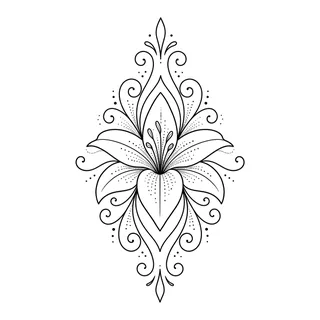


Every pair is one tattoo: the design as it was drawn, and a photograph of that same design on the body.
These 40 tattoos of flowers on women, in numbers
- Body parts
- 21
- Black and grey
- 25
- Colour
- 15
- Most common style
- blackwork
Solid petals, not hairlines
Fine line is the style most people picture for this page, and it is nearly absent from it. Blackwork is the most common style here, with cherry blossoms behind the ear, on the neck, on a hand and on a foot, and lilies on a wrist and a full sleeve. Ornamental pieces come next: lilies on the back, a bicep and behind the ear, and flowers on an ankle, a collarbone and a thigh. The finest thing in the set is a lotus on a finger.
That is what we drew and photographed, not a verdict on taste, and it makes practical sense on these particular spots. Behind the ear, the neck, the hands and the feet all take sun, friction or fast-renewing skin, and a blossom drawn as solid black petals with bare skin between them keeps its shape there far longer than one drawn in single lines. A cherry blossom stays recognisable at two or three centimetres as long as each of its five petals keeps the small notch at its tip, which is also what separates it from the rounded plum blossom, ume, in Japanese art.
The ornamental pieces work differently. Ornamental flowers are usually drawn symmetrical, with petals repeated around a centre, and they need a line to sit on: the centre of the back, the collarbone, the front of the ankle. Placed off that line they look tilted, so expect the stencil to be checked in a mirror with your shoulders level.
Stems that follow a curve
The larger pieces sit on the curved placements. Cherry blossom in neo-traditional colour and a sunflower in illustrative black and grey both sit on the spine; Japanese-style roses sit on the ribs and on a hip, with an illustrative peony on the ribs and a watercolour peony on a hip. A stem or branch already runs in one direction, so it can lie along a spine or the side of the ribcage without bending, while a round bloom sits best centred where the curve is widest, facing the viewer squarely.
Waistbands decide the lower pieces. The watercolour sunflower on the lower back and the rose and peony on hips sit where a trouser or skirt waistband rubs and crops, and whether a hip piece shows in a bikini or above low-rise jeans depends on how far above the hip bone its top edge is set. Check it in the clothes you actually wear, sitting down as well as standing.
The stomach pieces here, a neo-traditional peony and an illustrative flower, are on the skin that changes most with pregnancy and weight, and a loose, organic flower copes with that better than anything geometric. Several flowers sit on the hands, from blackwork blossoms to a traditional lotus and a lily on a finger, and all of them will need redoing sooner than anything on the torso.
Colour, and which flower it is
Colour is in the minority here, and where it appears it follows two approaches. The Japanese-style roses, the traditional sunflower on a calf and the traditional lotuses on an elbow and a hand hold their colour inside solid outlines, which is the version that stays bright longest. Watercolour work, like the sunflower, the lotus half-sleeve and the peony here, usually carries little or no black outline, and that version softens and spreads sooner, especially on skin that sees the sun.
The lotus is the flower here most often, and the one most likely to carry religious weight for someone who sees it. In Hindu and Buddhist art it is a seat for the divine: Lakshmi and the Buddha are both shown on an open lotus, and the plant, Nelumbo nucifera, is sacred across much of Asia. In those places it is read with more weight than a rose, though no one restricts it.
At tattoo scale a peony and a rose are easy to confuse. The peony's petals are ruffled and loosely layered around a full, open centre, while the rose's spiral inwards to a tight bud, and an artist who keeps that difference visible at your size has drawn the flower you asked for. Place a flower on a photo of yourself at the size you have in mind before choosing between them.
Common questions
- Why are so few of these flowers in fine line?
- Because these are the designs we drew and photographed on women, and most were drawn as blackwork or ornamental pieces rather than single-needle linework. That suits exposed spots such as the hands, feet and neck. For thin-line work of any subject, the fine line page is the place to start.
- Does a blackwork flower look heavy on a slim wrist?
- Less than you might expect, because the petals are separated by bare skin and the eye reads the gaps as much as the black. One bloom with a short stem is the right amount for a wrist; a cluster reads as a dark patch from across a room. Solid black also ages more evenly than fine line on skin that bends as often as a wrist does.
- Can a cherry blossom branch run the length of the spine?
- Yes, and it is one of the flowers best suited to it, because the branch gives the piece a direction and the blossoms can be spaced along it. Leave gaps where a bra strap crosses, so the strap sits on bare branch rather than across a bloom, and let the branch taper towards the waist, where the spine curves in.
- Is my birth flower one of these?
- Possibly. Birth-month charts vary, but the rose is June's on almost every one, and the lily is often given to May, although May's flower is strictly lily of the valley, a different plant. The lotus and the cherry blossom are not on the usual Western charts, so for other months ask for the species drawn in the style you liked here.
See it on your own skin first
InkCraft places a design on a photo of you — scaled, wrapped and shaded to the spot you pick, so you can judge the size against your own body before it is permanent.