 InkCraft
Lily Tattoo Ideas, Designs and Meaning
21 original lily designs drawn for InkCraftBy Uladzimir TumanauUpdated
Six recurved petals and six long stamens pushed clear of the throat: no other flower does that, and a lily drawn without them is just a flower. It carries purity and mourning at once.
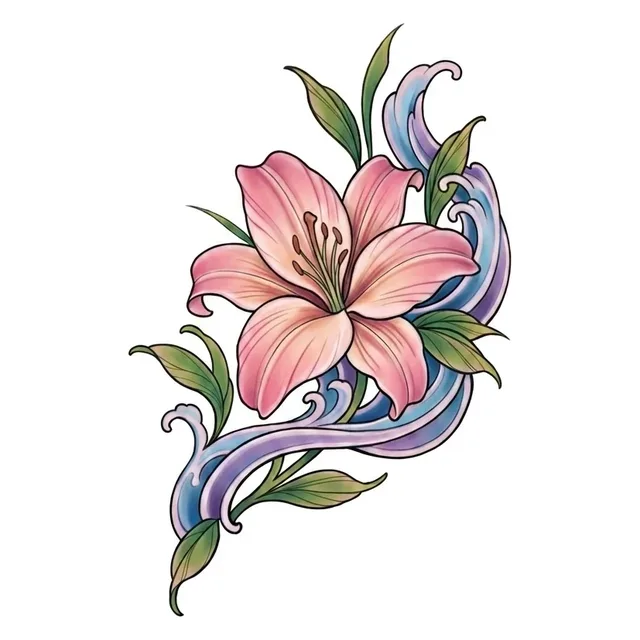
Color neo traditional lily and leaf tattoo design Try it on — Color neo traditional lily and leaf tattoo design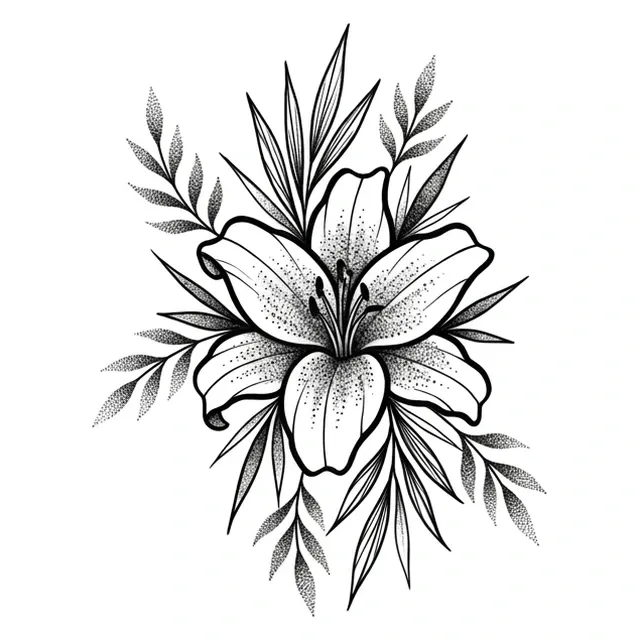
Black and white dotwork lily and leaf tattoo design: a prominent lily flower at its center Try it on — Black and white dotwork lily and leaf tattoo design: a prominent lily flower at its center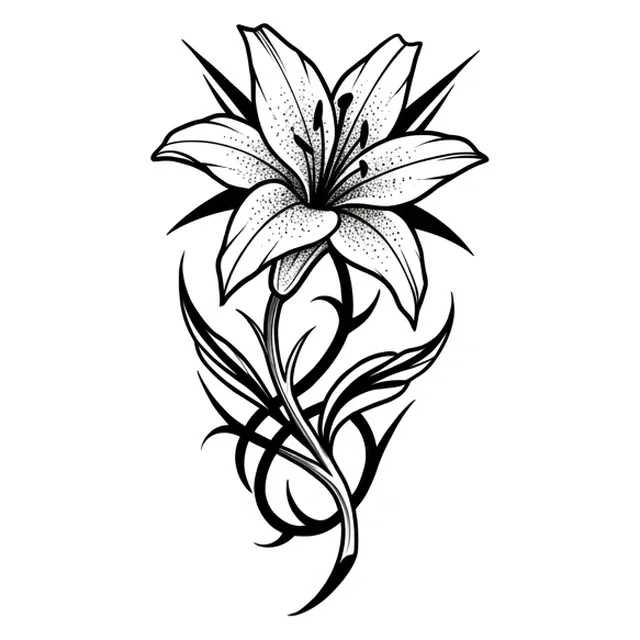
Black and white illustrative lily and vine tattoo design Try it on — Black and white illustrative lily and vine tattoo design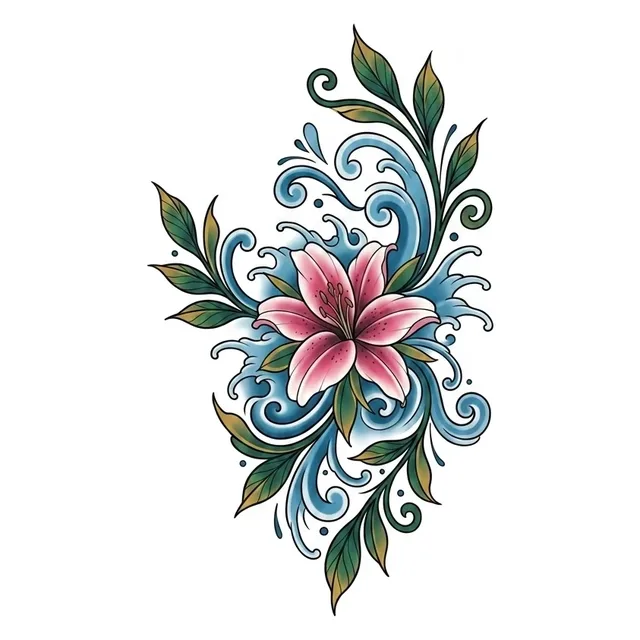
Color neo traditional lily and leaf tattoo design Try it on — Color neo traditional lily and leaf tattoo design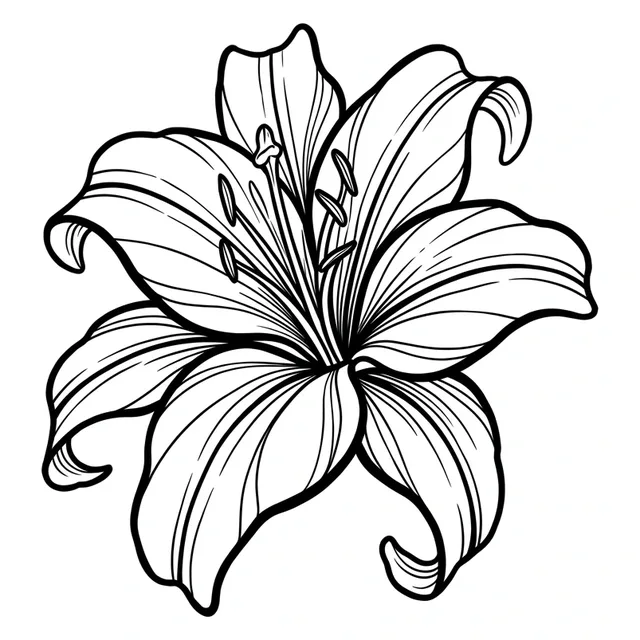
Black and white linework lily and flower tattoo design, outline stencil: a single lily in full bloom Try it on — Black and white linework lily and flower tattoo design, outline stencil: a single lily in full bloom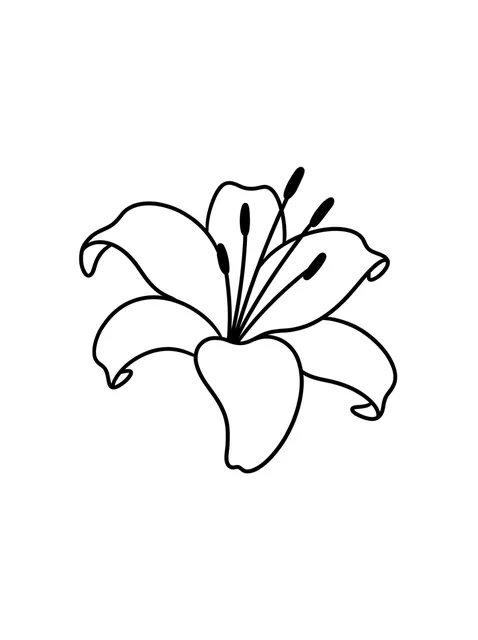
Black and white linework lily and flower tattoo design, outline stencil: a single lily flower Try it on — Black and white linework lily and flower tattoo design, outline stencil: a single lily flower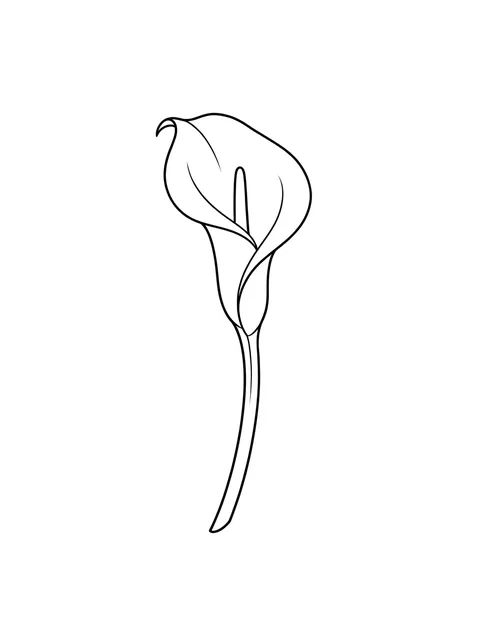
Black and white linework lily and flower tattoo design, outline stencil: a single calla lily flower Try it on — Black and white linework lily and flower tattoo design, outline stencil: a single calla lily flower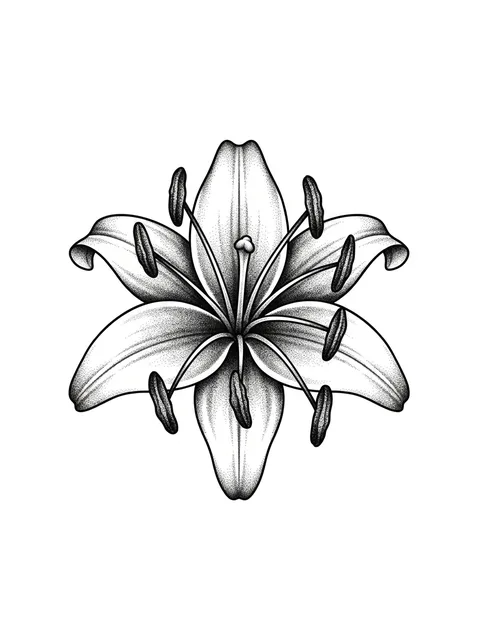
Black and grey dotwork lily and flower tattoo design Try it on — Black and grey dotwork lily and flower tattoo design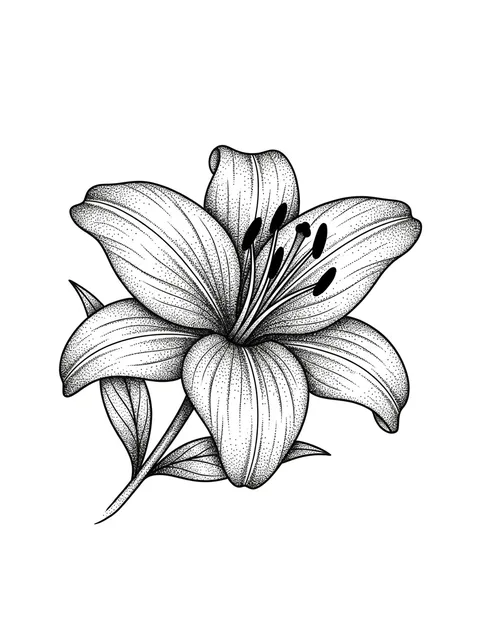
Black and grey dotwork lily and flower tattoo design Try it on — Black and grey dotwork lily and flower tattoo design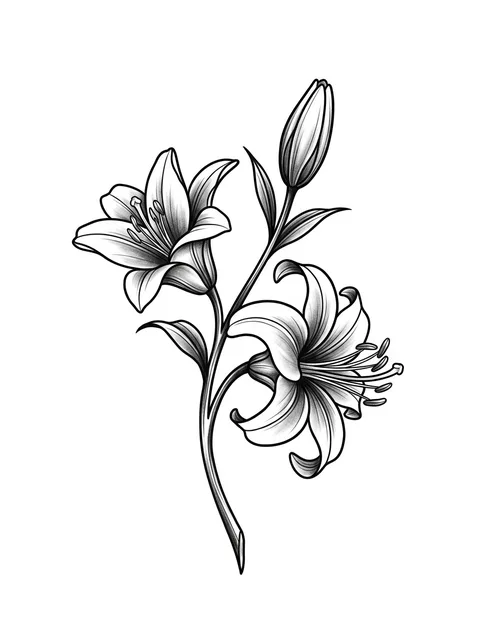
Black and grey illustrative lily and flower tattoo design Try it on — Black and grey illustrative lily and flower tattoo design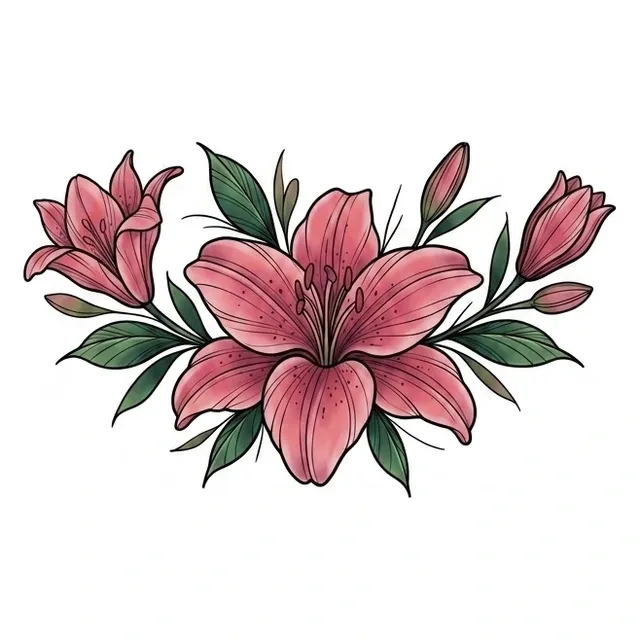
Color illustrative lily and flower tattoo design: a cluster of pink lilies and green leaves Try it on — Color illustrative lily and flower tattoo design: a cluster of pink lilies and green leaves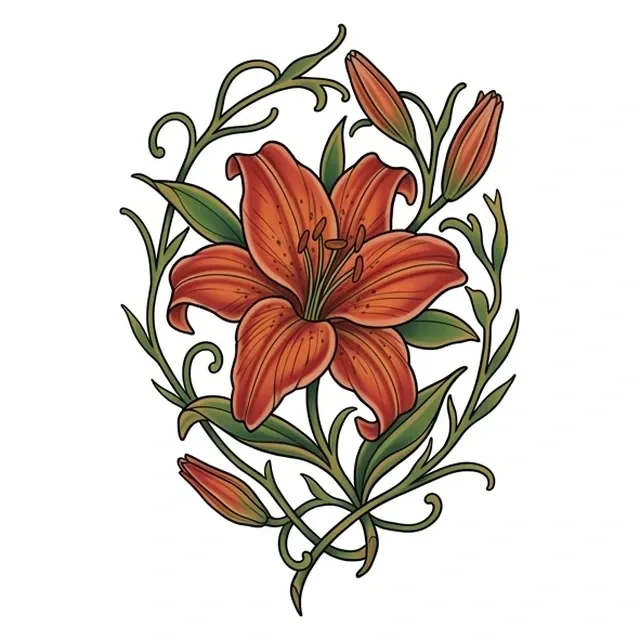
Color neo traditional lily and flower tattoo design Try it on — Color neo traditional lily and flower tattoo design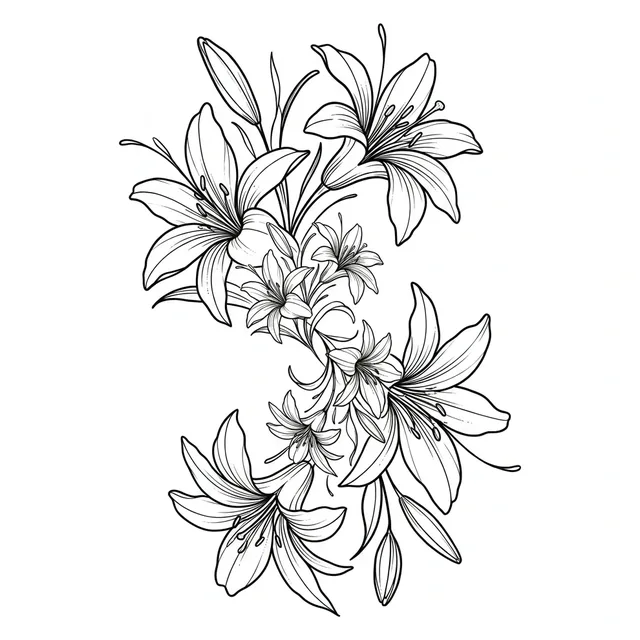
Black and grey illustrative lily and flower tattoo design Try it on — Black and grey illustrative lily and flower tattoo design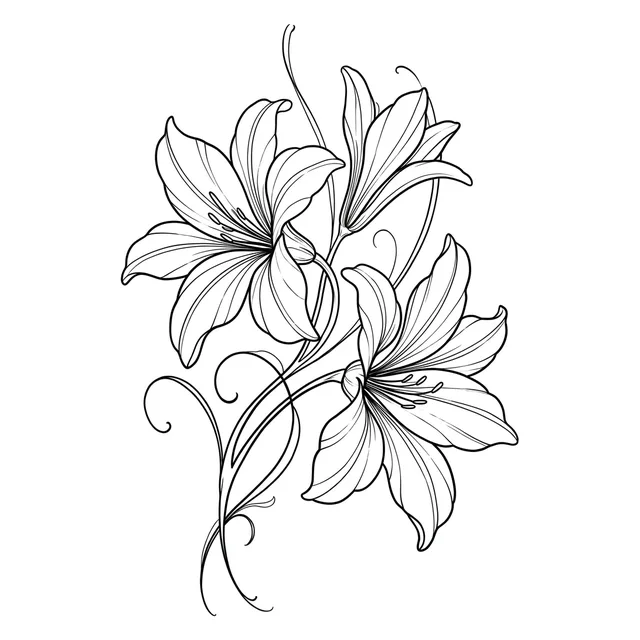
Black and grey illustrative lily and flower tattoo design Try it on — Black and grey illustrative lily and flower tattoo design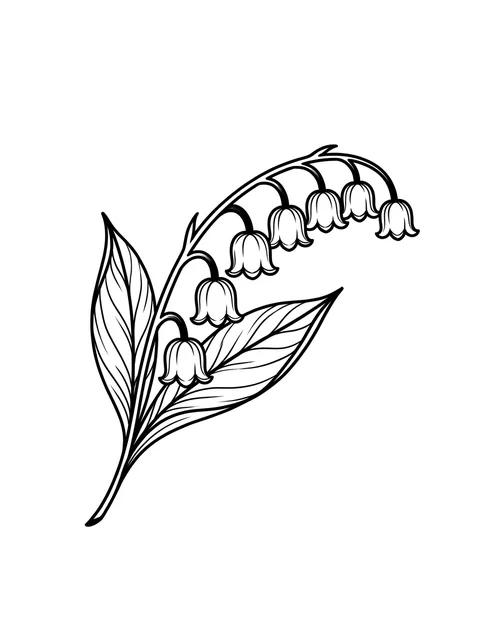
Black and white linework lily and flower tattoo design, outline stencil Try it on — Black and white linework lily and flower tattoo design, outline stencil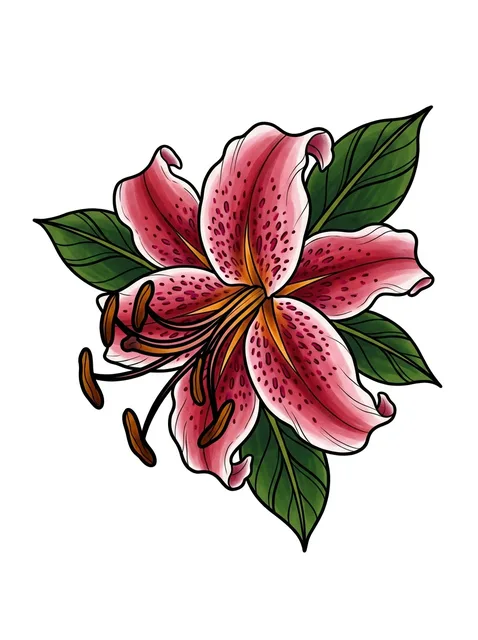
Color illustrative lily and flower tattoo design Try it on — Color illustrative lily and flower tattoo design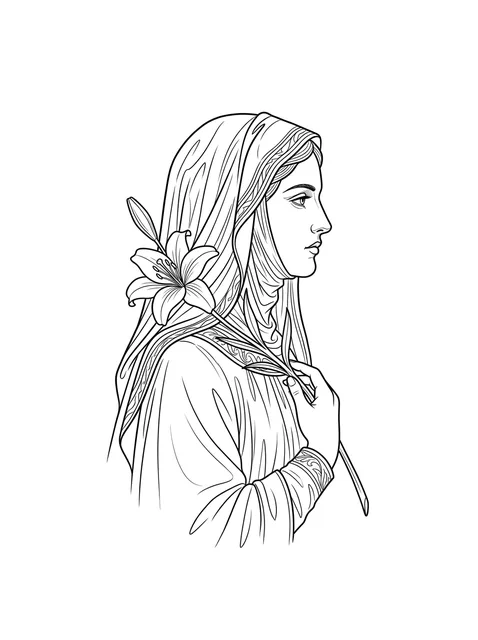
Black and white illustrative lily and virgin mary tattoo design Try it on — Black and white illustrative lily and virgin mary tattoo design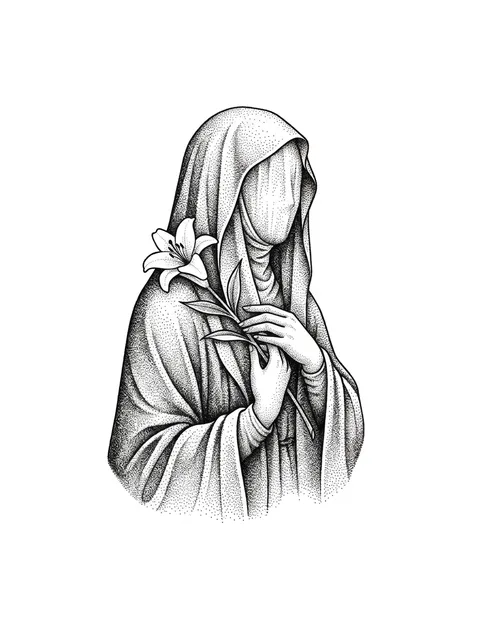
Black and grey dotwork lily and virgin mary tattoo design Try it on — Black and grey dotwork lily and virgin mary tattoo design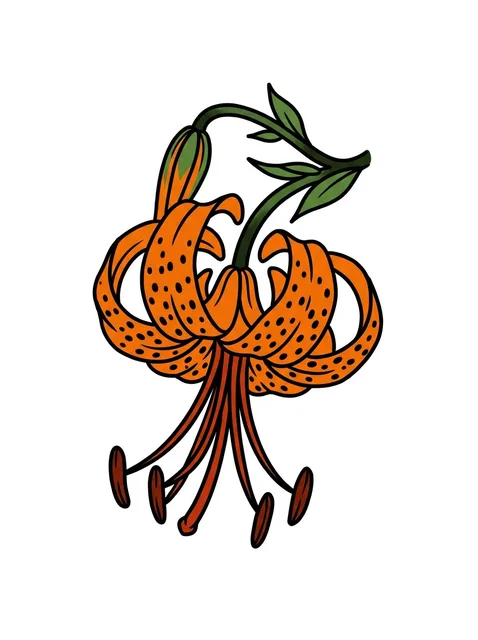
Color traditional lily and flower tattoo design Try it on — Color traditional lily and flower tattoo design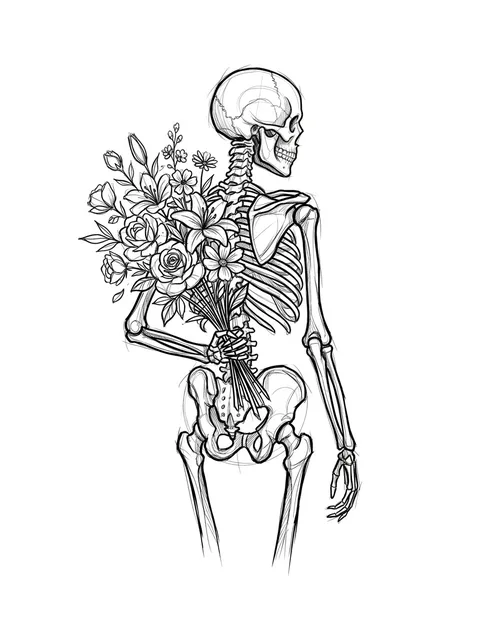
Black and grey illustrative lily and skeleton tattoo design Try it on — Black and grey illustrative lily and skeleton tattoo design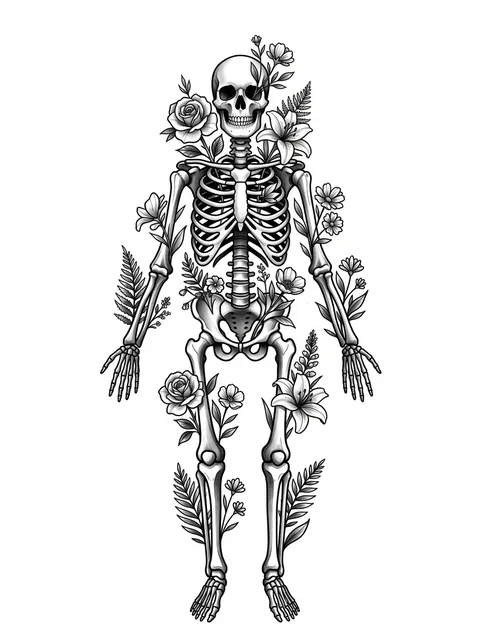
Black and grey illustrative lily and skeleton tattoo design Try it on — Black and grey illustrative lily and skeleton tattoo design


Tap any design to see it on your own skin in the try-on — no signup.
This set of 21 lily designs, by the numbers
- Styles represented
- illustrative (9), dotwork (4), linework (4), neo traditional (3), traditional (1)
- Black-and-grey vs colour
- 71% black-and-grey, 29% colour
- Most often drawn with
- flower, leaf, vine, virgin mary
Counted from the 21 designs shown on this page. Every one was drawn for InkCraft — none are scraped or reposted. Free to reference with a link to this page.
What a lily tattoo means
The purity reading comes almost entirely from Christian painting. In nearly every Annunciation made after about 1300 the angel Gabriel carries a white lily, and the flower became so firmly attached to the Virgin that its common name is still the Madonna lily. Worn for that reason it is a devotional tattoo that does not look like one.
Across much of Europe the same flower means the opposite end of a life. White lilies are the standard funeral flower, laid on coffins and sent to houses in mourning, which gives the bloom a second and entirely separate meaning: not innocence but loss. Both readings are live at once, and which one a viewer reaches for depends mostly on where they grew up.
Greek myth supplies a third and stranger origin. The lily is said to have sprung from drops of Hera's milk, which makes it a flower about motherhood rather than about chastity — a reading that sits oddly beside the Christian one and is worth knowing if the piece is for a parent.
And there is the plainest reason people choose it, which needs no mythology at all: the lily is a birth flower for May, and a great many are worn as a marker for a month, a person or a date. That is a perfectly good reason, and saying it out loud changes how the flower should be drawn.
Where the design comes from
The Madonna lily, Lilium candidum, is among the oldest ornamental plants in cultivation anywhere. It appears in the frescoes at Knossos on Crete from around 1580 BC and in Egyptian tomb painting earlier still, which makes it older as a decorative subject than most of the symbols now attached to it. The fleur-de-lis, despite carrying the word in its name, is almost certainly a stylised iris rather than a lily. And the flower that dominates modern lily tattoos is not old at all: the speckled pink Stargazer was bred in California in the 1970s, which means the most-drawn lily of the last twenty years is younger than the tattoo machine by a century.
Choosing yours
- The stamens are the identification, not the petals. Six of them, carrying heavy anthers well clear of the throat, are what no other flower has — draw the bloom without them and you have a generic flower that the eye files under rose or lotus.
- Be specific about which lily. A calla is a single furled spathe around a straight spadix and shares almost nothing with a true lily beyond the name; lily of the valley is a row of small hanging bells on an arching stem and is a different plant again. Asking for "a lily" and meaning one of those is the commonest disappointment here.
- Most true lilies hang their heads rather than facing out, and almost nobody draws them that way. A nodding bloom seen from slightly below, with the tepals swept back and the stamens dangling, is both more accurate and more interesting than the flat face-on version.
Size, cost and placement
How big, and what it costs
Roughly 8 to 20 cm depending on whether it is one bloom or a stem. Cost tracks the petal count and the shading inside the throat rather than the outline — a single clean bloom is a short sitting, and three flowers at different stages on one arching stem is several times that. Speckling, as on a Stargazer, adds time in proportion to the area.
Where it sits, and how much it hurts
The forearm, the shoulder and the outside of a thigh all suit a single bloom; a multi-flower stem wants a long curved field such as the spine, the ribs or the length of a forearm, where the arch has room to be an arch. The ribs are among the sharper places for pain, the forearm among the gentler.
What to ask your artist
- Which lily, named specifically — Madonna, Stargazer, tiger, calla or lily of the valley are five different drawings.
- Whether the stamens will be drawn clear of the petals at the size you have chosen, since that is the identification.
- Whether the bloom faces out or nods, which changes the whole composition and is almost never offered as a choice.
Prices vary widely by city and artist — treat these as session lengths rather than quotes, and expect a shop minimum on anything small. The cost guide turns hours into money by size, placement and style.
Common questions
Why does a lily mean purity and mourning at the same time?
Two things at once, and they sit at opposite ends of a life. Purity, from the white lily Gabriel carries in Annunciation paintings, which is why it is called the Madonna lily. And mourning, because across much of Europe white lilies are the standard funeral flower. Greek myth adds motherhood, from Hera's milk.
How do you tell a lily from other flowers in a tattoo?
The stamens. Six of them carrying heavy anthers pushed well clear of the petals, around a trumpet-shaped throat with six tepals curving back. No other flower drawn in tattooing does that, which is why a lily without visible stamens quietly becomes a generic bloom.
Is a calla lily the same flower?
No, and it is worth being explicit at the consultation. A calla is a single smooth spathe furled around an upright spadix, with no tepals and no protruding stamens. Lily of the valley is different again, a row of small nodding bells. All three are called lilies and none of them draw alike.
How big does a lily need to be for the stamens to show?
Around 8 cm for a single bloom and 15 cm or more for a stem carrying several. The limit is the stamens: they are fine lines standing clear of the flower, and below about 8 cm they either merge into the petals or have to be dropped, which takes the identification with them.
See it on your skin before you commit
InkCraft places any of these designs on a photo of you — scaled, wrapped and shaded to the placement you pick.