 InkCraft
Scorpion Tattoo Ideas, Designs and Meaning
24 original scorpion designs drawn for InkCraftBy Uladzimir TumanauUpdated
Almost every scorpion tattoo is the same animal side-on with the tail raised over the back. The closed ring and the overhead specimen view are the two compositions the pose has crowded out, and both are stronger.
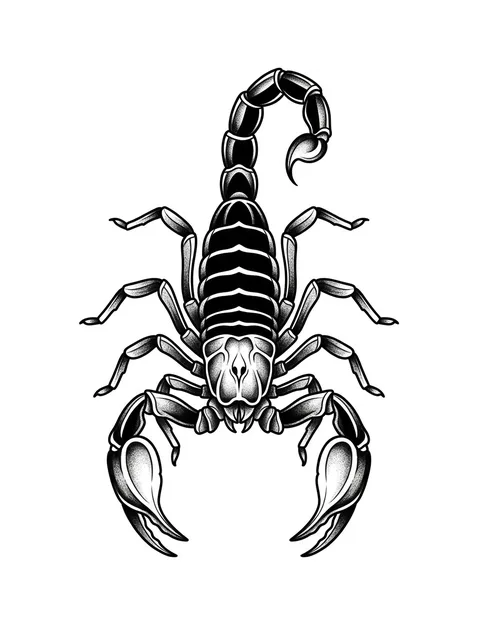
Black and grey traditional scorpion tattoo design Try it on — Black and grey traditional scorpion tattoo design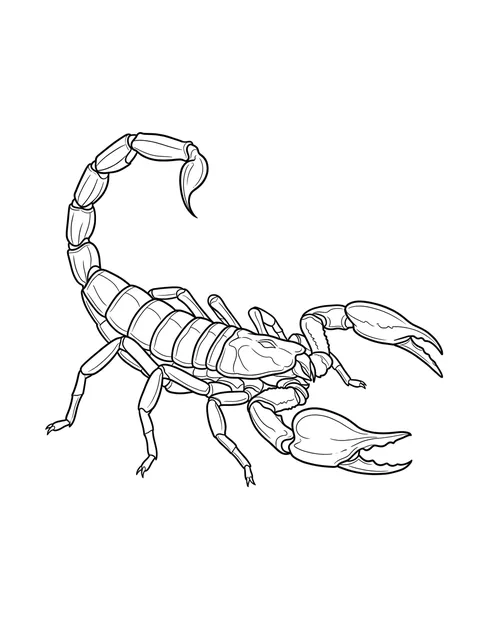
Black and white linework scorpion tattoo design, outline stencil Try it on — Black and white linework scorpion tattoo design, outline stencil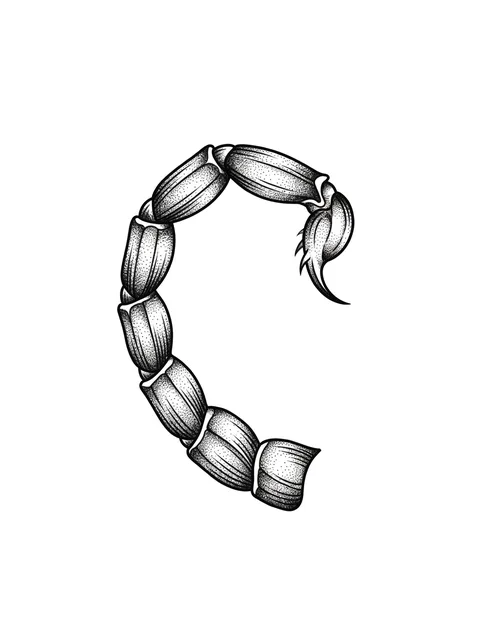
Black and grey dotwork scorpion tattoo design: a scorpion's tail Try it on — Black and grey dotwork scorpion tattoo design: a scorpion's tail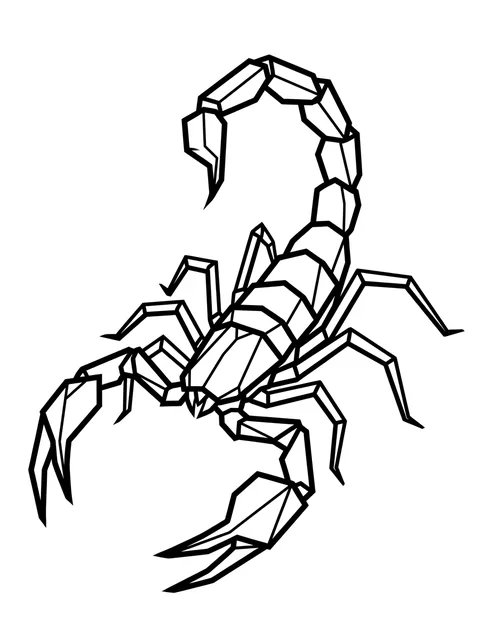
Black and white geometric scorpion tattoo design, outline stencil Try it on — Black and white geometric scorpion tattoo design, outline stencil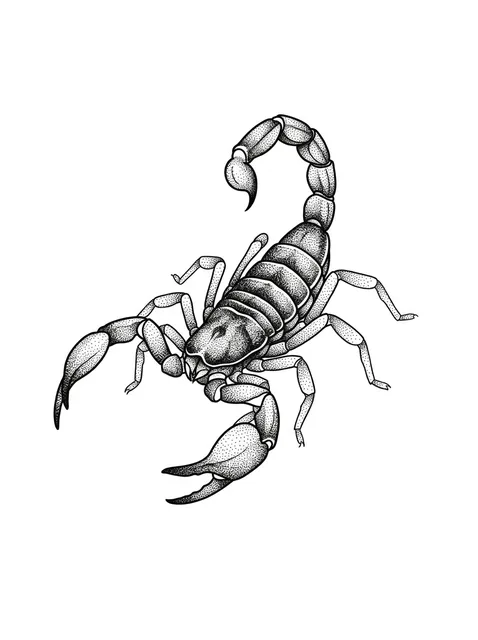
Black and grey dotwork scorpion tattoo design Try it on — Black and grey dotwork scorpion tattoo design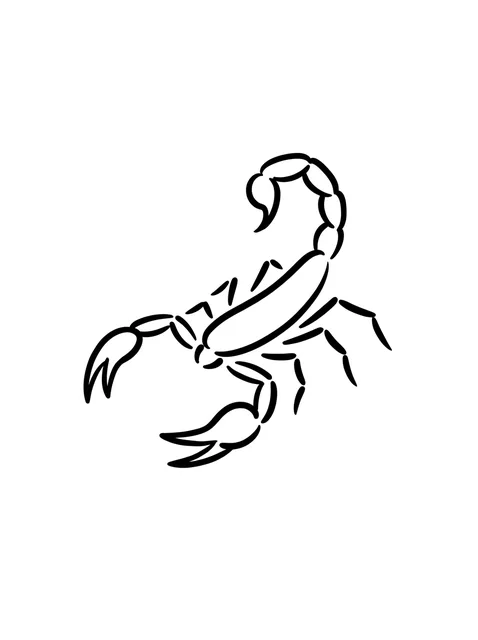
Black and white linework scorpion tattoo design, outline stencil Try it on — Black and white linework scorpion tattoo design, outline stencil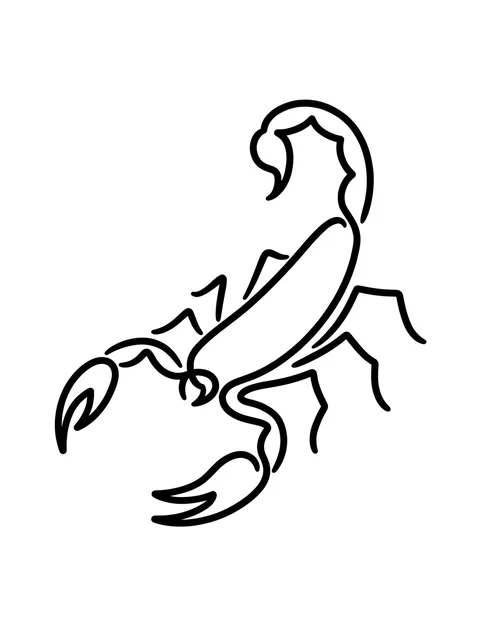
Black and white linework scorpion tattoo design, outline stencil Try it on — Black and white linework scorpion tattoo design, outline stencil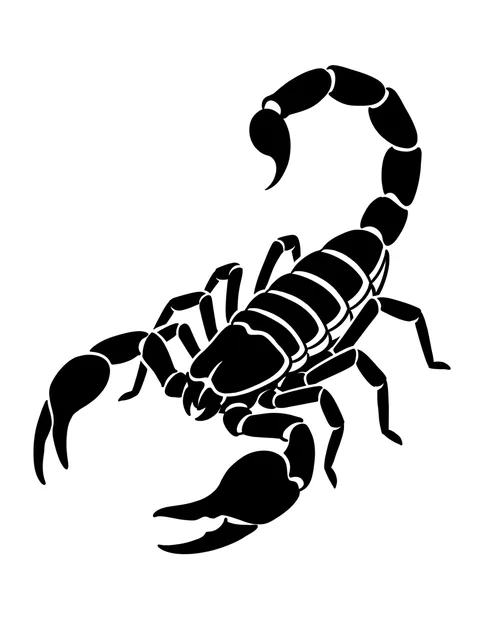
Black and white blackwork scorpion tattoo design Try it on — Black and white blackwork scorpion tattoo design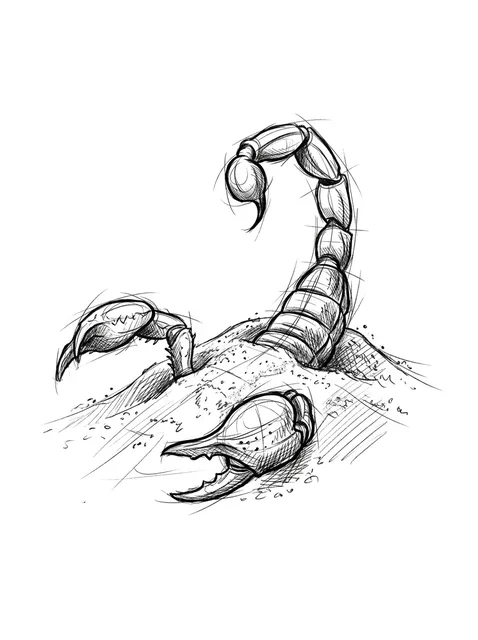
Black and white sketch scorpion tattoo design: a scorpion emerging from sand Try it on — Black and white sketch scorpion tattoo design: a scorpion emerging from sand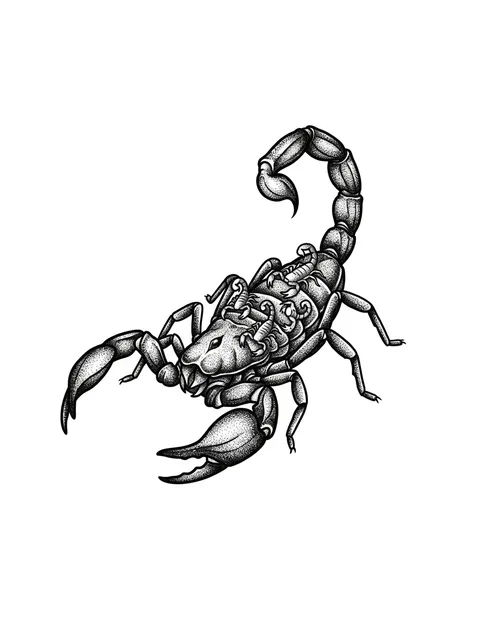
Black and grey dotwork scorpion tattoo design Try it on — Black and grey dotwork scorpion tattoo design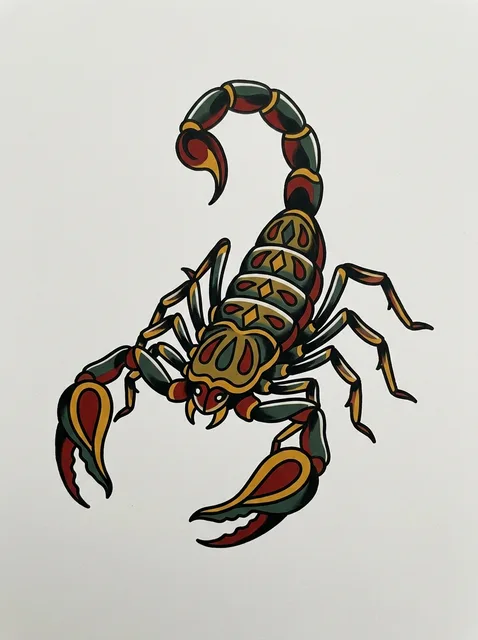
Color traditional scorpion tattoo design Try it on — Color traditional scorpion tattoo design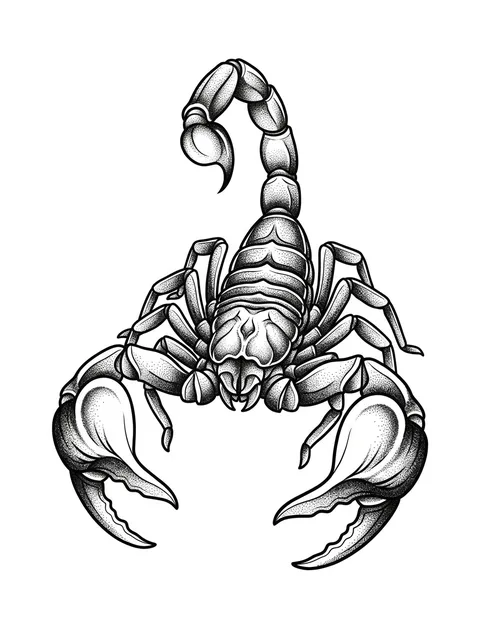
Black and grey dotwork scorpion tattoo design Try it on — Black and grey dotwork scorpion tattoo design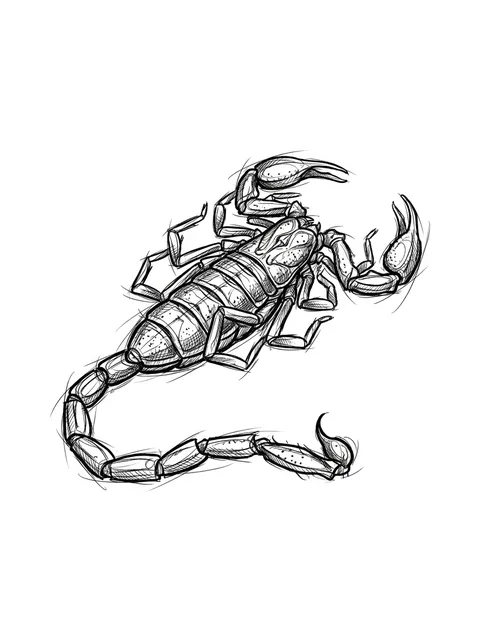
Black and white sketch scorpion tattoo design Try it on — Black and white sketch scorpion tattoo design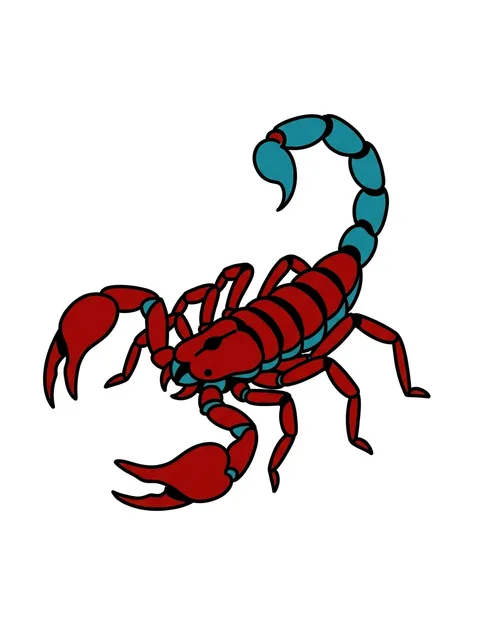
Color traditional scorpion tattoo design Try it on — Color traditional scorpion tattoo design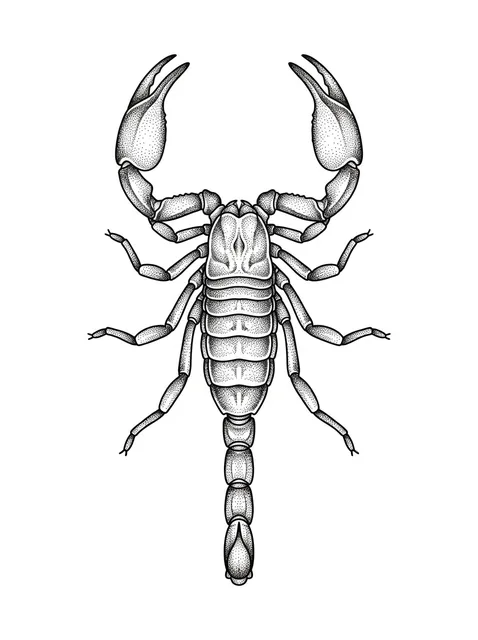
Black and grey dotwork scorpion tattoo design: a scorpion, viewed from above Try it on — Black and grey dotwork scorpion tattoo design: a scorpion, viewed from above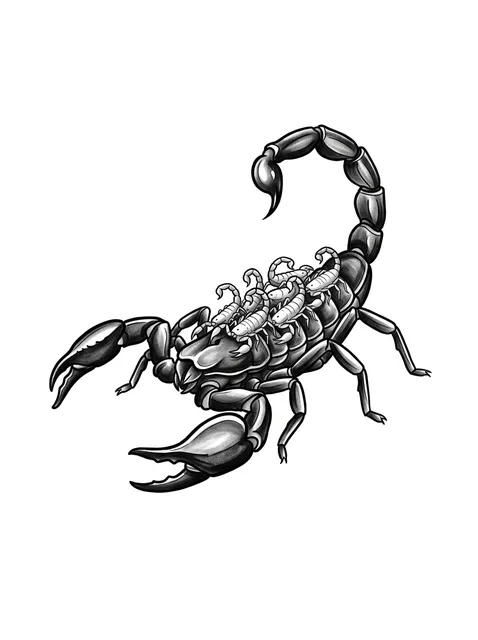
Black and grey illustrative scorpion tattoo design Try it on — Black and grey illustrative scorpion tattoo design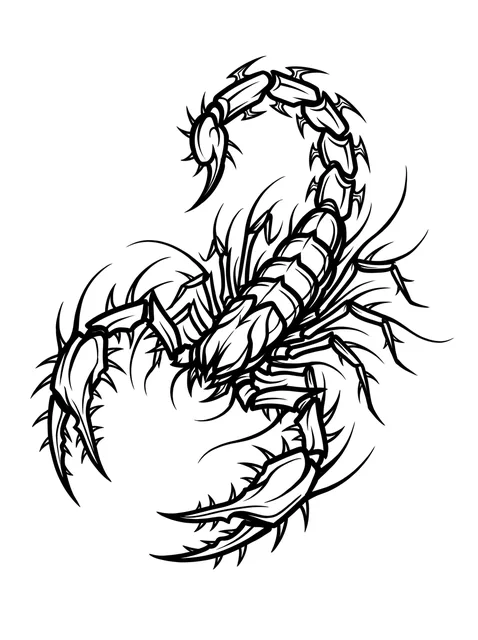
Black and white tribal scorpion tattoo design Try it on — Black and white tribal scorpion tattoo design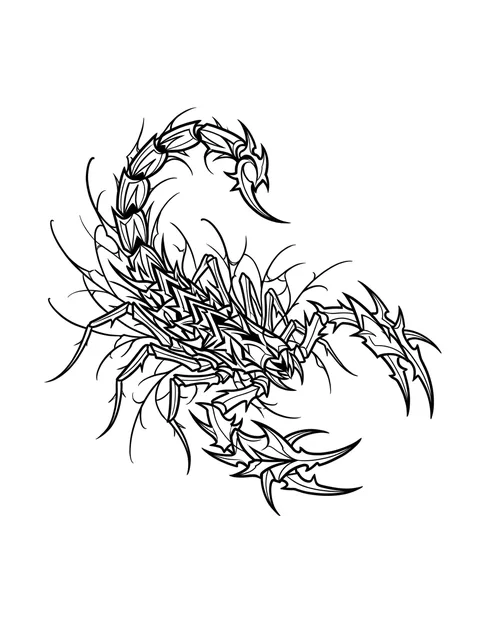
Black and grey cybersigilism scorpion tattoo design Try it on — Black and grey cybersigilism scorpion tattoo design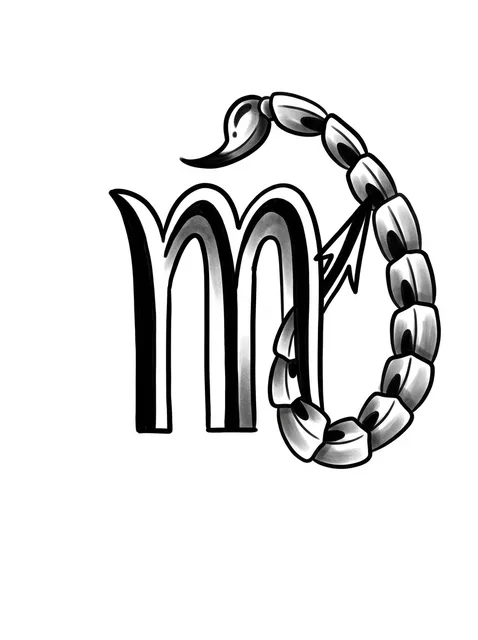
Black and grey traditional scorpion and scorpio tattoo design: the Scorpio zodiac symbol Try it on — Black and grey traditional scorpion and scorpio tattoo design: the Scorpio zodiac symbol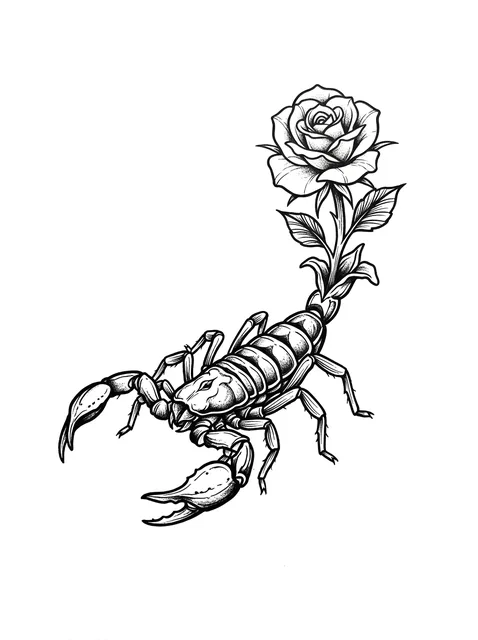
Black and grey illustrative scorpion and rose tattoo design Try it on — Black and grey illustrative scorpion and rose tattoo design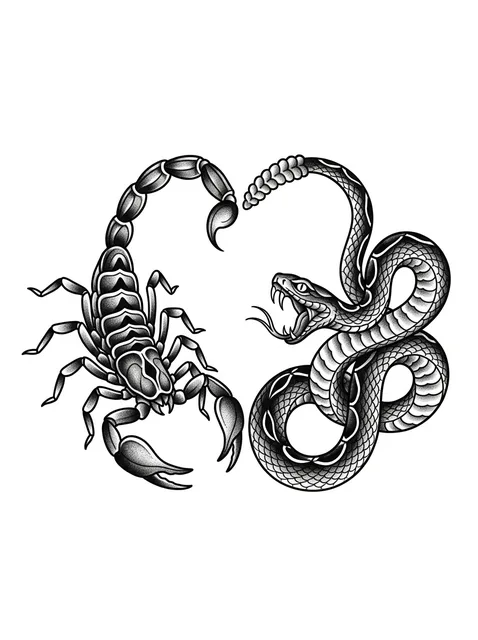
Black and grey traditional scorpion and snake tattoo design Try it on — Black and grey traditional scorpion and snake tattoo design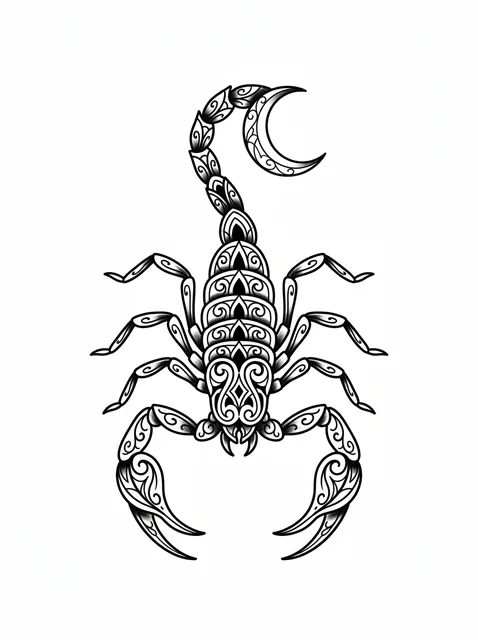
Black and grey neo traditional scorpion and moon tattoo design Try it on — Black and grey neo traditional scorpion and moon tattoo design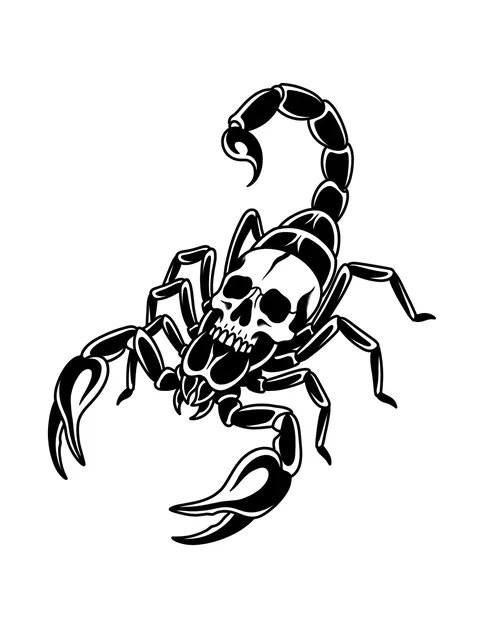
Black and grey traditional scorpion and skull tattoo design Try it on — Black and grey traditional scorpion and skull tattoo design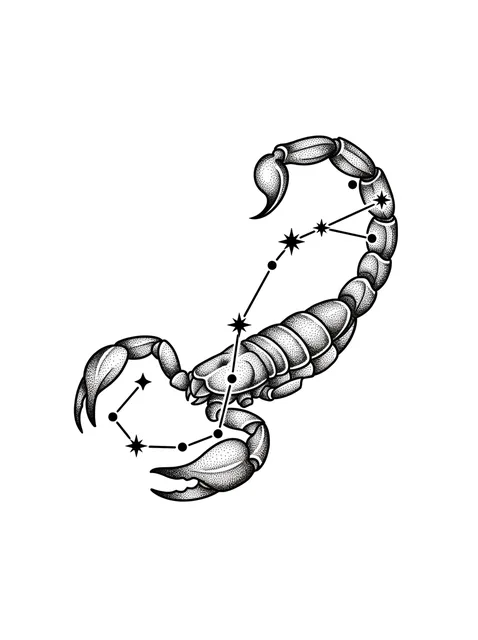
Black and grey dotwork scorpion and constellation tattoo design: a scorpion with its tail curled Try it on — Black and grey dotwork scorpion and constellation tattoo design: a scorpion with its tail curled


Tap any design to see it on your own skin in the try-on — no signup.
This set of 24 scorpion designs, by the numbers
- Styles represented
- traditional (6), dotwork (6), linework (3), sketch (2), illustrative (2), geometric (1)
- Black-and-grey vs colour
- 92% black-and-grey, 8% colour
- Most often drawn with
- scorpio, rose, snake, moon
Counted from the 24 designs shown on this page. Every one was drawn for InkCraft — none are scraped or reposted. Free to reference with a link to this page.
What a scorpion tattoo means
A scorpion is a warning, and that is the whole of its appeal. It is one of very few tattoos that functions as a statement about consequences rather than about qualities — not "I am dangerous" so much as "there is a cost to this", which is a more precise thing to wear than most animal symbolism allows.
The fable is what most people are reaching for even when they have not read it. The scorpion stings the frog carrying it across the river and they both drown, because it is in its nature. Worn deliberately that is an argument about self-knowledge and about not being able to help it, and it is considerably darker than a picture of an arachnid suggests.
Egyptian use points the other way entirely. Serqet was a protective goddess associated with scorpions who guarded against venom rather than dealing it, and scorpions appear in funerary contexts as protectors. The same animal defends and threatens depending on which tradition you take it from.
The animal itself does something no symbol needs to invent: it glows blue-green under ultraviolet light, for reasons nobody has settled. Two per cent of scorpion species are dangerous to a person and the rest are not, which makes the reputation itself part of what is being worn.
Where the design comes from
The scorpion arrived in western tattooing through the American southwest and through military service. It was a desert mark — worn by people stationed in North Africa and later in the Gulf, where it was a local animal rather than an exotic one — and it entered flash the way most animals did, as a small bold design that needed no colour and read at any size. It has a much older life in astrology, where Scorpio has carried the fixed water sign since Babylonian star lists, and a substantial share of scorpion tattoos are zodiac pieces rather than animal ones. The two get drawn identically, which is why the sign is worth mentioning at the consultation if that is what you mean.
Choosing yours
- Break out of the side-on pose. A scorpion curled into a closed ring with the stinger against its own pincer, or laid out flat from directly above like a specimen plate, are both better shapes and neither is common.
- The segments are the design. A scorpion is a repeating structure — tail joints, leg joints, the plates on the back — and drawing those cleanly matters far more than shading the body, which is what most of them spend the time on.
- Decide whether this is the animal or the star sign. If it is Scorpio, the constellation or the glyph may serve you better, and the two are usually conflated into one drawing that does neither job well.
Size, cost and placement
How big, and what it costs
A simple bold scorpion is a shop-minimum piece, under an hour. A detailed one with individually drawn plates and joints wants 12-15 cm and two to three hours. A stippled overhead specimen plate takes longer than its size implies, because dotwork on a segmented body is slow and unforgiving.
Where it sits, and how much it hurts
Scorpions suit long narrow fields where the tail has somewhere to go: the forearm, the outer calf, the side of the neck, along the ribs. The curled ring version is one of the few compositions that works in a small round field. Avoid placements where the legs will fall across a heavy crease.
What to ask your artist
- How heavy the legs will be drawn at your size, because that is the detail that decides whether it survives.
- Whether you mean the animal or the star sign, so the composition can commit to one.
- For an overhead view, to work from an actual specimen reference rather than from other tattoos, since the leg arrangement is almost always drawn wrong.
Prices vary widely by city and artist — treat these as session lengths rather than quotes, and expect a shop minimum on anything small. The cost guide turns hours into money by size, placement and style.
Common questions
Does a scorpion tattoo mean the Scorpio star sign?
Often, but not always, and the drawings are usually identical. If the sign is the point, the glyph or the constellation says so unambiguously; an animal on its own reads as the animal, with its warning and fable associations rather than its astrological ones.
At what size do the legs stop working?
Down to about 5 cm if the segments are simplified. The failure point is the legs — eight thin limbs plus two pincers at small scale merge into a blur, so a small scorpion should be drawn with heavier legs and fewer joints than a large one.
Does the raised tail mean anything different?
A raised tail is the defensive posture and is how the animal is drawn almost universally. A flat or curled tail reads as calm and is far rarer, which makes it a useful way to soften the warning without abandoning the subject.
See it on your skin before you commit
InkCraft places any of these designs on a photo of you — scaled, wrapped and shaded to the placement you pick.