 InkCraft
Growth and New Beginning Tattoo Ideas, Explained
40 InkCraft designs chosen for growth tattoosBy Uladzimir TumanauUpdated
Growth tattoos are usually got at a threshold — a move, a recovery, a decision, a birth — and the risk is specific to that: a piece that marks one particular turning point can end up being about a version of you that has since been superseded twice.
The way round it is to choose something that keeps growing. A vine can be extended. A tree takes branches. A stem takes another bloom. These turn a single moment into a record you keep adding to, which is a far better long-term tattoo than a monument to one Tuesday in a specific year.
All of these are made from repeatable parts for that reason, and what each one says is written under it.
8 designs that carry it, and why
- Vine
- The one motif that is literally designed to be continued — a vine can be extended along a limb for decades, and nobody can tell where one session stopped.
- Tree
- Growth with roots included, which is the version that says you changed without leaving where you came from.
- Leaf
- New growth after nothing. Small and cheap enough to mark a change the week it happens, and to add another later.
- Lotus
- Growth specifically out of something bad. A narrower claim than a flower — worth choosing only if that is the story.
- Cherry blossom
- Growth that is explicitly brief. In Japanese work the whole point is that it falls, so it marks a change you know will not last rather than one you hope will.
- Sunflower
- Turns to follow the light. The most literal image of adapting toward something better, and it reads that way without explanation.
- Butterfly
- Change that required breaking down completely first — the caterpillar does not sprout wings, it dissolves. A harsher image of growth than any plant.
- Snake
- Grows by shedding. The only motif here where getting bigger requires discarding the thing that used to protect you.
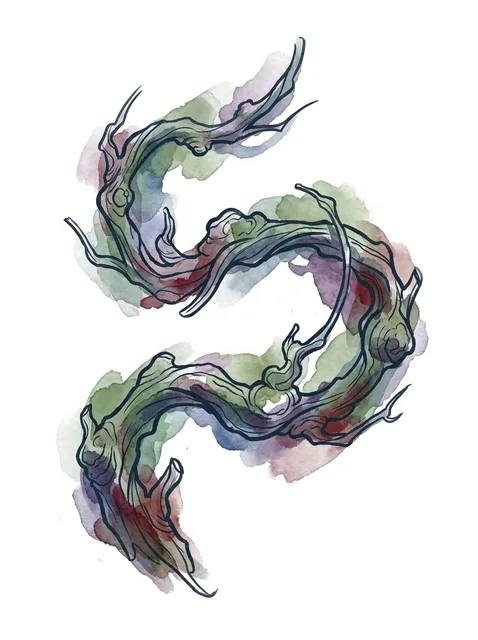
Color watercolor vine tattoo design: a winding vine or branch Try it on — Color watercolor vine tattoo design: a winding vine or branch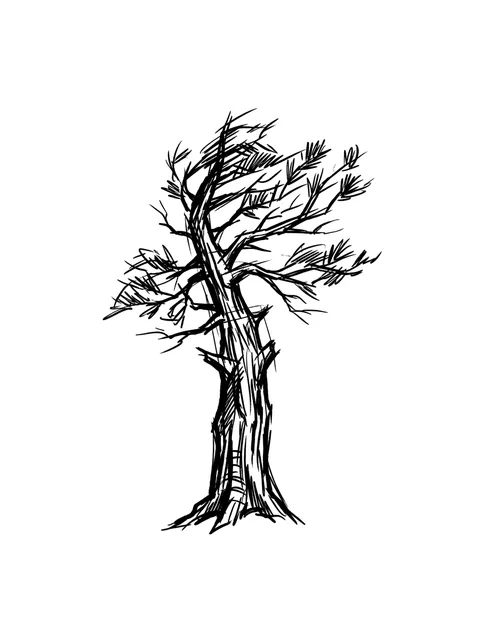
Black and grey sketch tree tattoo design Try it on — Black and grey sketch tree tattoo design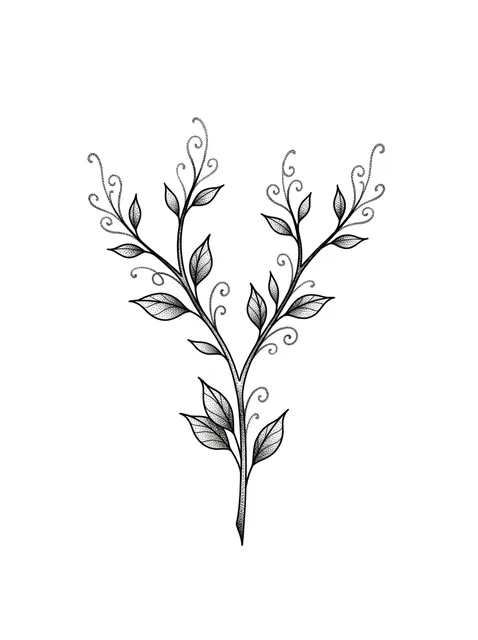
Black and grey dotwork leaf and vine tattoo design Try it on — Black and grey dotwork leaf and vine tattoo design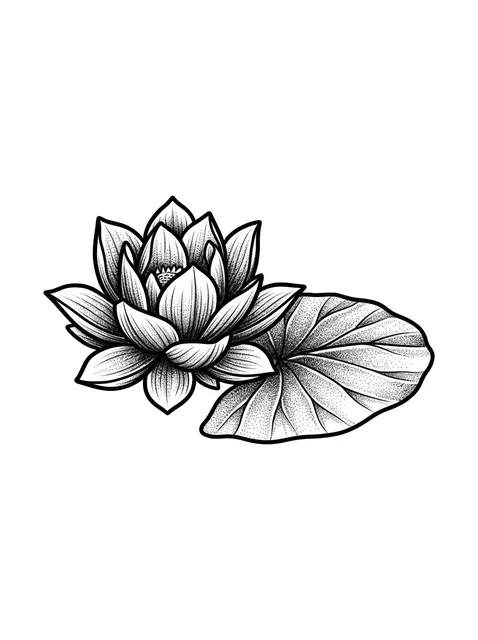
Black and grey dotwork lotus and leaf tattoo design: a prominent leaf Try it on — Black and grey dotwork lotus and leaf tattoo design: a prominent leaf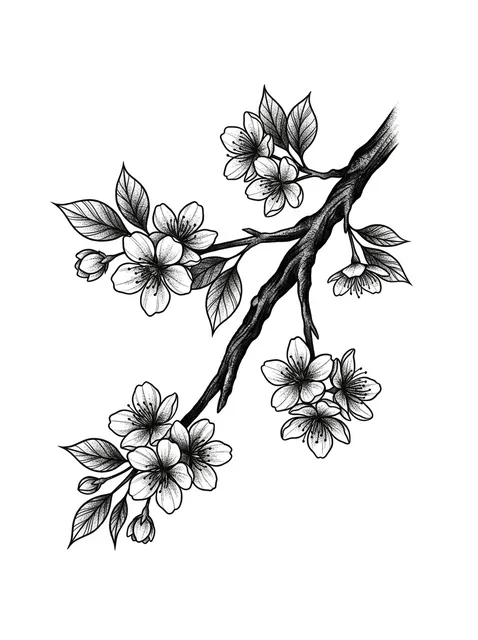
Black and grey illustrative cherry blossom and flower tattoo design: a branch of cherry blossoms Try it on — Black and grey illustrative cherry blossom and flower tattoo design: a branch of cherry blossoms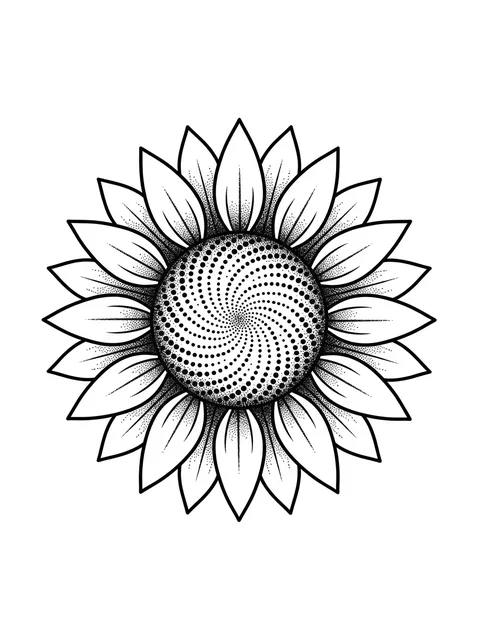
Black and white dotwork sunflower tattoo design: a mesmerizing spiral pattern in the center Try it on — Black and white dotwork sunflower tattoo design: a mesmerizing spiral pattern in the center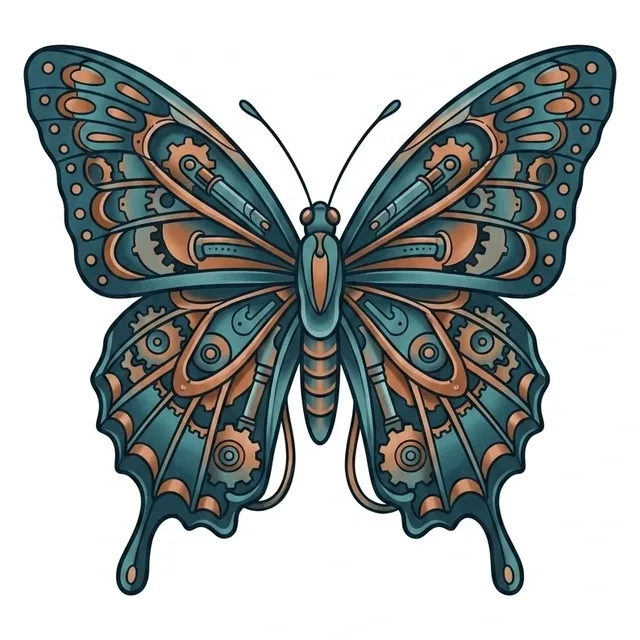
Color neo traditional butterfly tattoo design Try it on — Color neo traditional butterfly tattoo design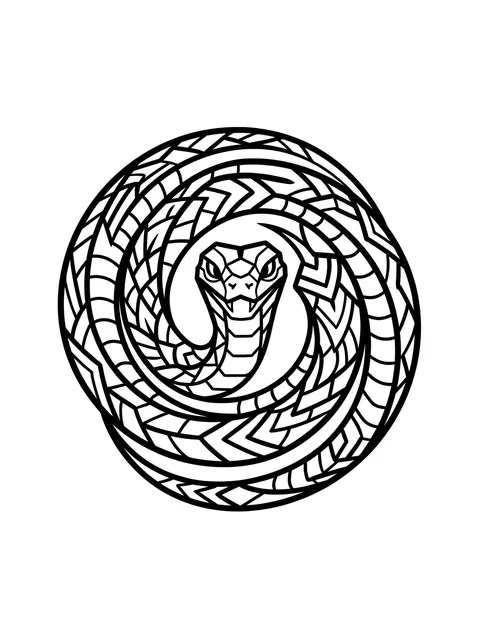
Black and white geometric snake tattoo design, outline stencil: its head prominently centered Try it on — Black and white geometric snake tattoo design, outline stencil: its head prominently centered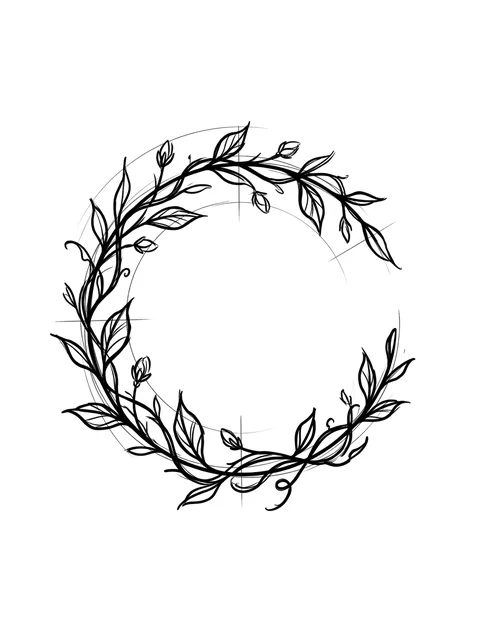
Black and grey sketch vine and leaf tattoo design Try it on — Black and grey sketch vine and leaf tattoo design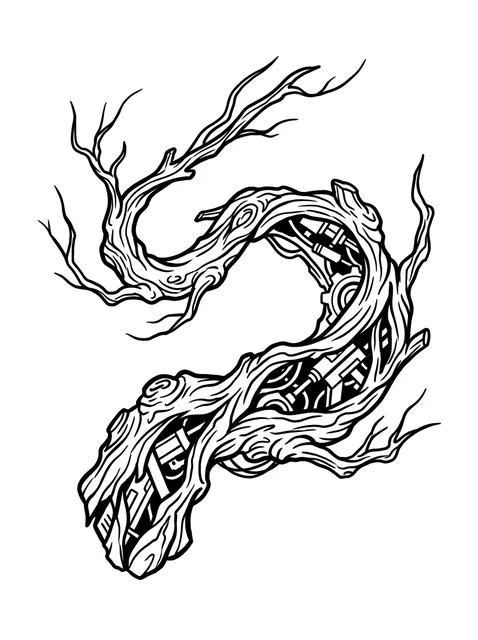
Black and grey illustrative tree tattoo design Try it on — Black and grey illustrative tree tattoo design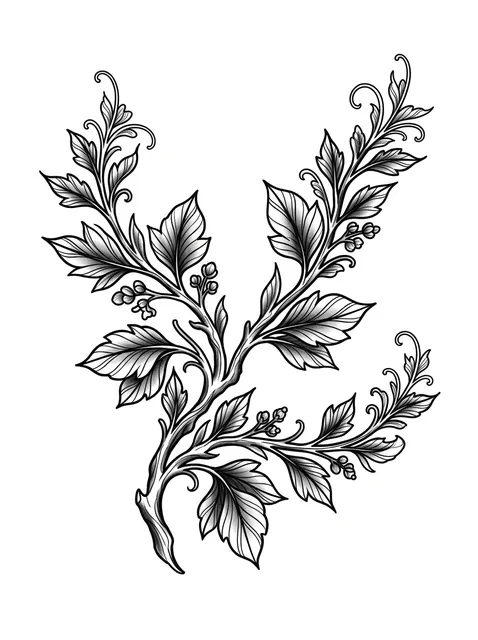
Black and grey illustrative leaf and vine tattoo design Try it on — Black and grey illustrative leaf and vine tattoo design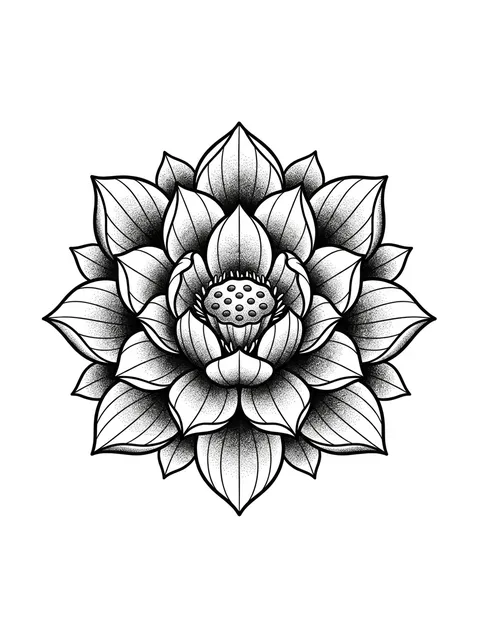
Black and grey dotwork lotus and flower tattoo design Try it on — Black and grey dotwork lotus and flower tattoo design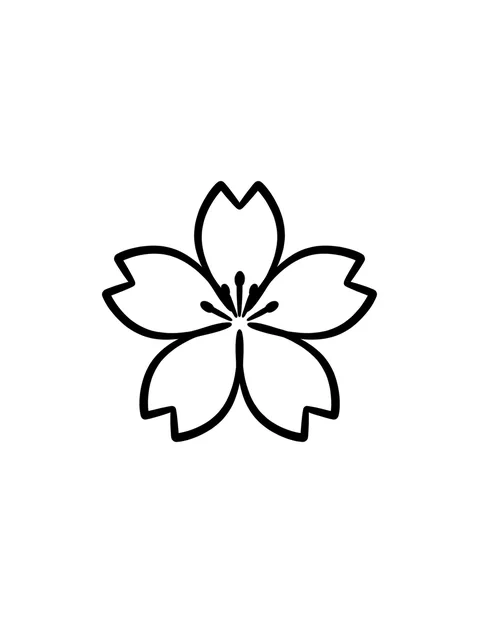
Black and white minimalist cherry blossom and flower tattoo design, outline stencil Try it on — Black and white minimalist cherry blossom and flower tattoo design, outline stencil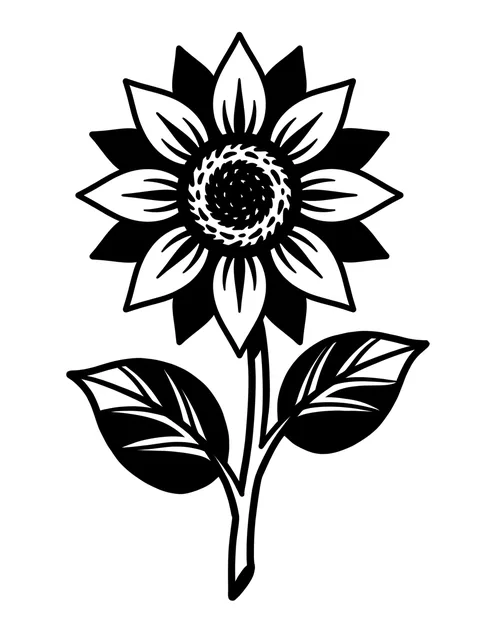
Black and white blackwork sunflower and flower tattoo design Try it on — Black and white blackwork sunflower and flower tattoo design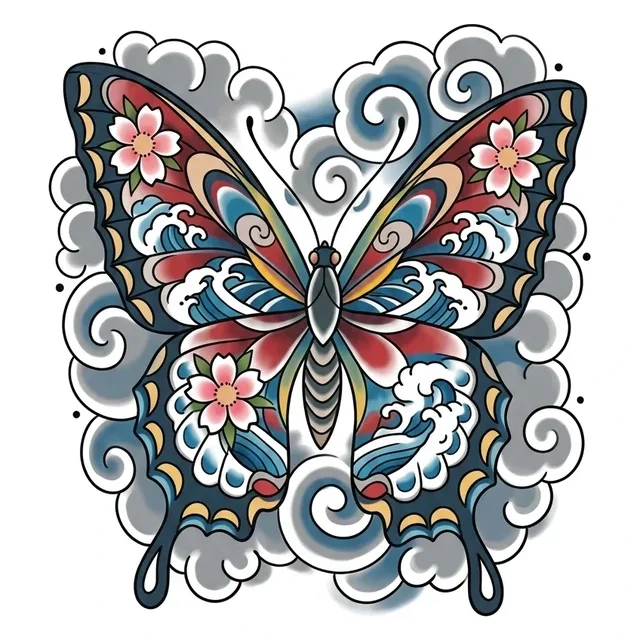
Color Japanese butterfly and cherry blossom tattoo design Try it on — Color Japanese butterfly and cherry blossom tattoo design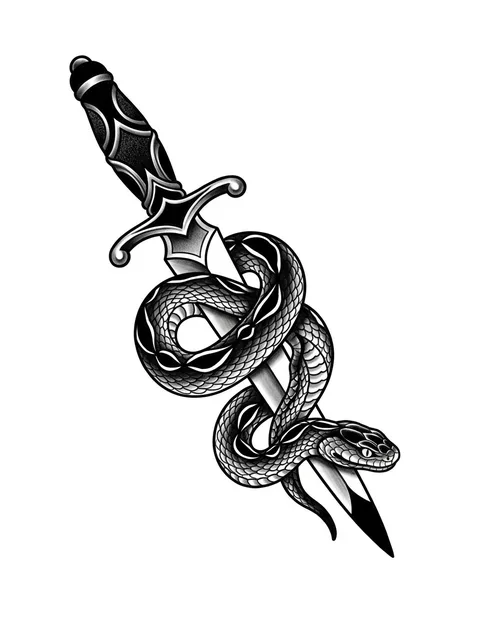
Black and grey traditional snake and dagger tattoo design: a snake coiled around a dagger Try it on — Black and grey traditional snake and dagger tattoo design: a snake coiled around a dagger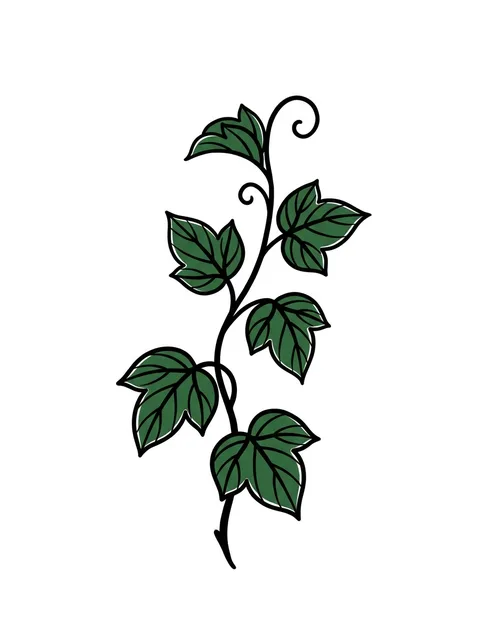
Color illustrative vine and leaf tattoo design: a green ivy vine with several leaves Try it on — Color illustrative vine and leaf tattoo design: a green ivy vine with several leaves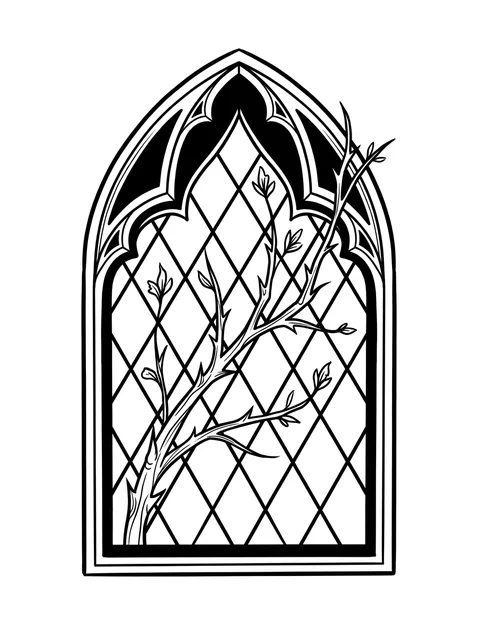
Black and grey gothic tree and leaf tattoo design: a thorny tree branch with delicate leaves Try it on — Black and grey gothic tree and leaf tattoo design: a thorny tree branch with delicate leaves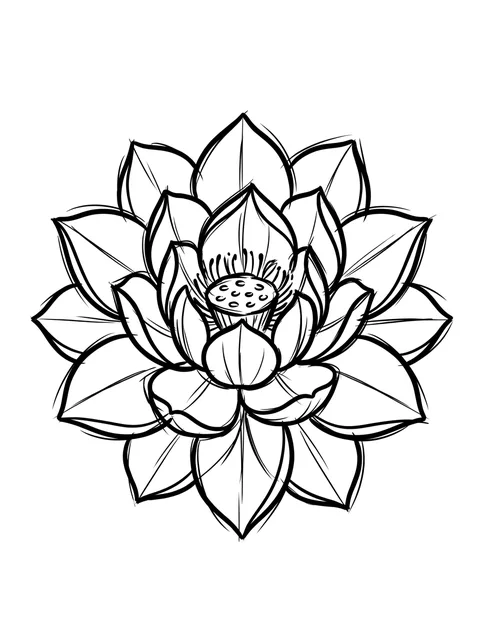
Black and grey linework lotus and flower tattoo design, outline stencil Try it on — Black and grey linework lotus and flower tattoo design, outline stencil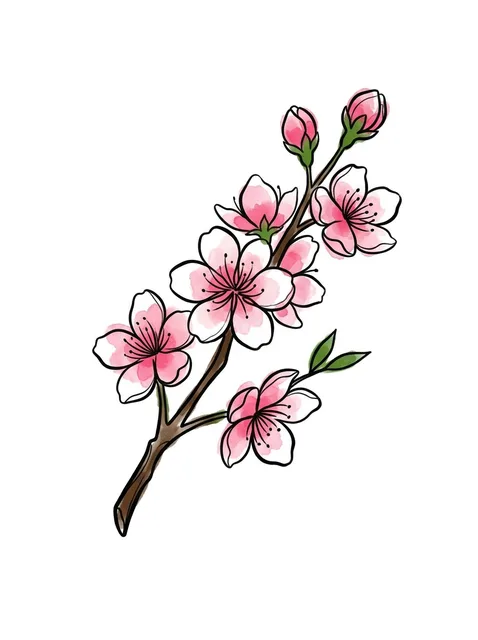
Color watercolor cherry blossom and flower tattoo design Try it on — Color watercolor cherry blossom and flower tattoo design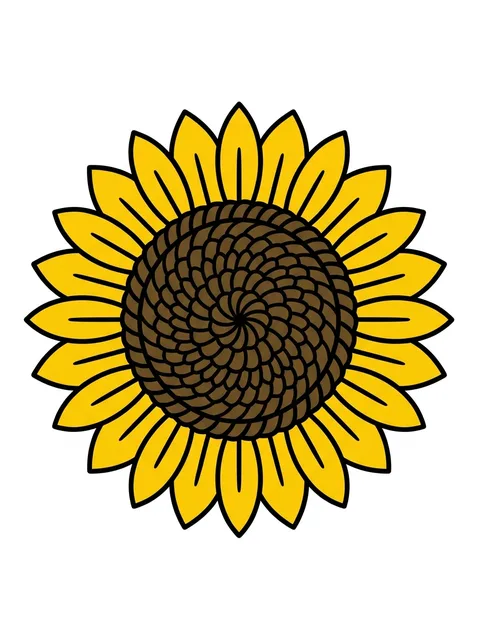
Color illustrative sunflower and flower tattoo design Try it on — Color illustrative sunflower and flower tattoo design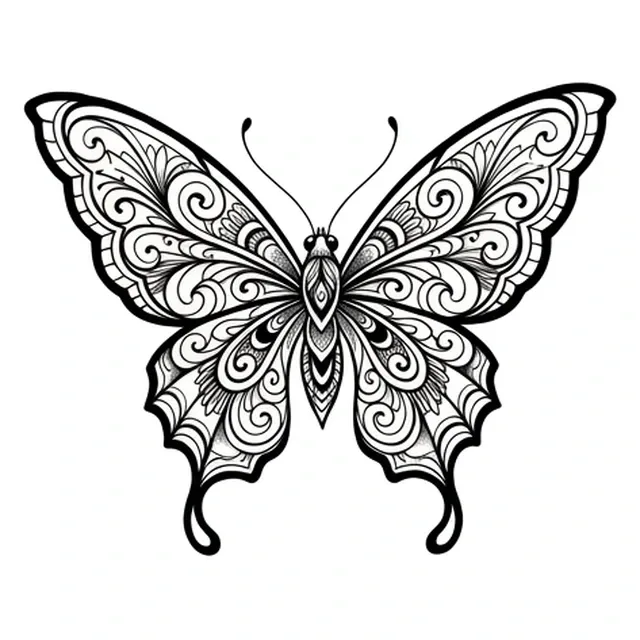
Black and white ornamental butterfly tattoo design Try it on — Black and white ornamental butterfly tattoo design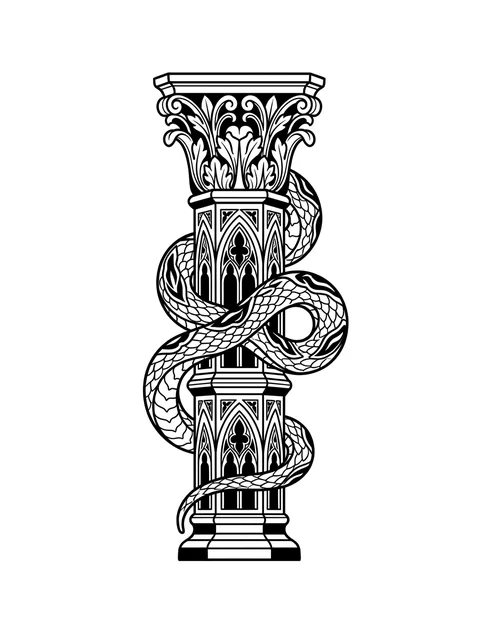
Black and grey gothic snake tattoo design Try it on — Black and grey gothic snake tattoo design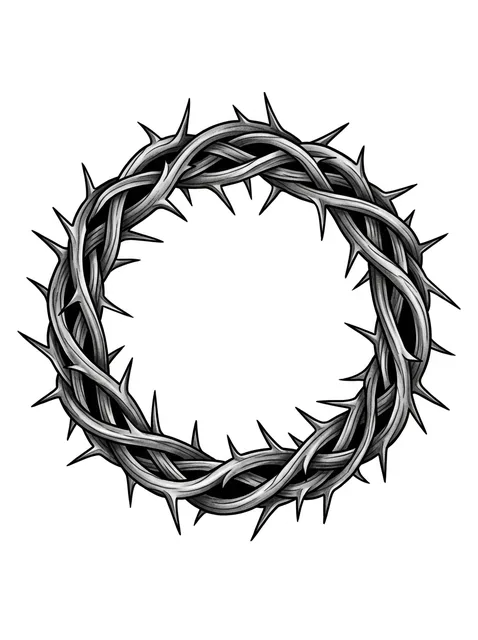
Black and grey illustrative vine tattoo design: a crown of thorns woven into a circular wreath Try it on — Black and grey illustrative vine tattoo design: a crown of thorns woven into a circular wreath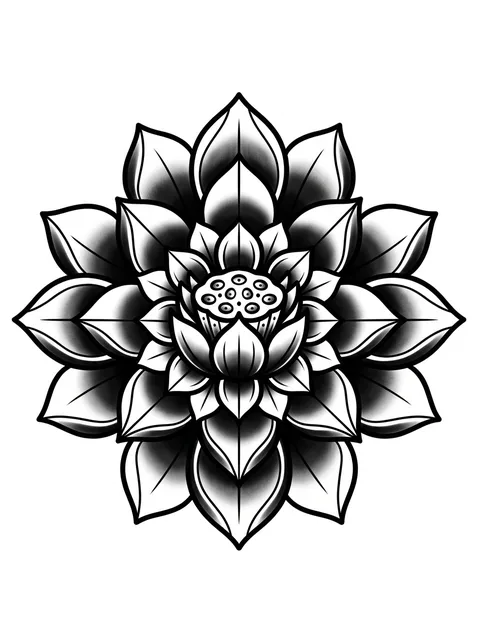
Black and grey traditional lotus tattoo design Try it on — Black and grey traditional lotus tattoo design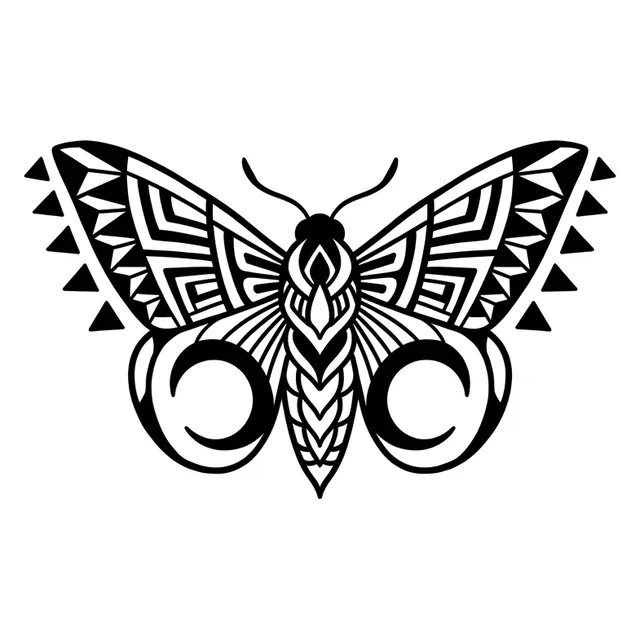
Black and grey tribal butterfly tattoo design Try it on — Black and grey tribal butterfly tattoo design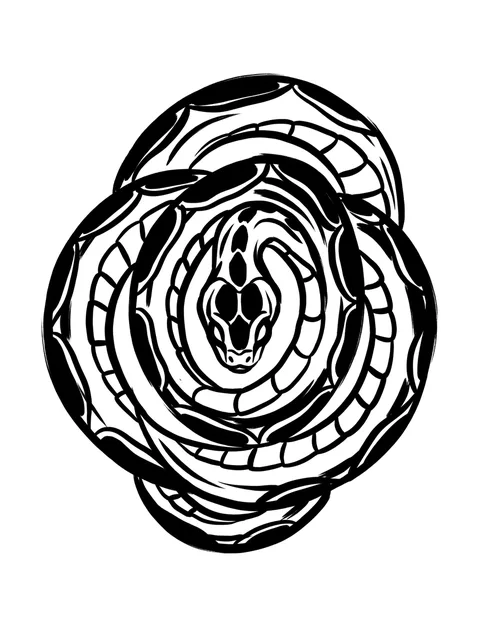
Black and white blackwork snake and ouroboros tattoo design Try it on — Black and white blackwork snake and ouroboros tattoo design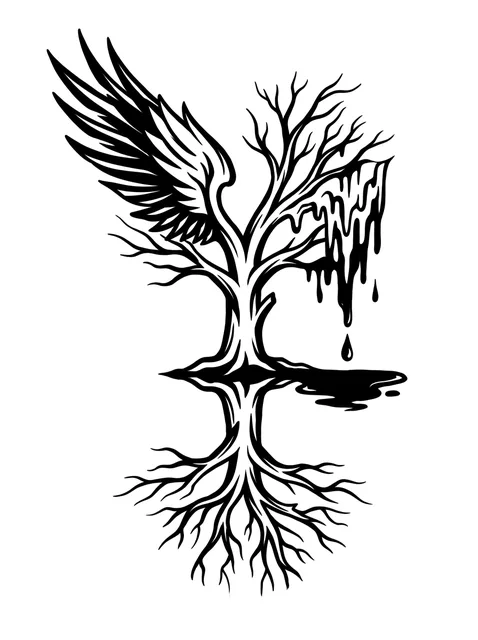
Black and grey illustrative tree tattoo design Try it on — Black and grey illustrative tree tattoo design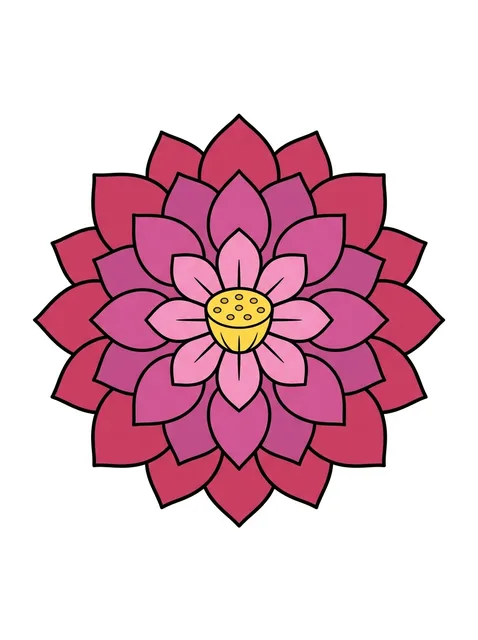
Color illustrative lotus and mandala tattoo design: a bright yellow center Try it on — Color illustrative lotus and mandala tattoo design: a bright yellow center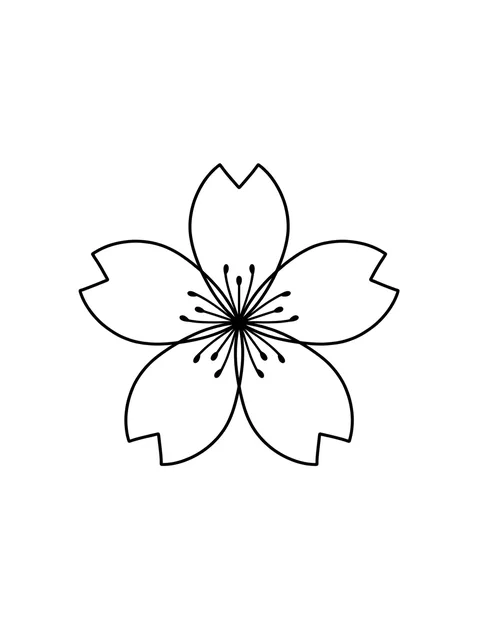
Black and white linework cherry blossom and flower tattoo design, outline stencil Try it on — Black and white linework cherry blossom and flower tattoo design, outline stencil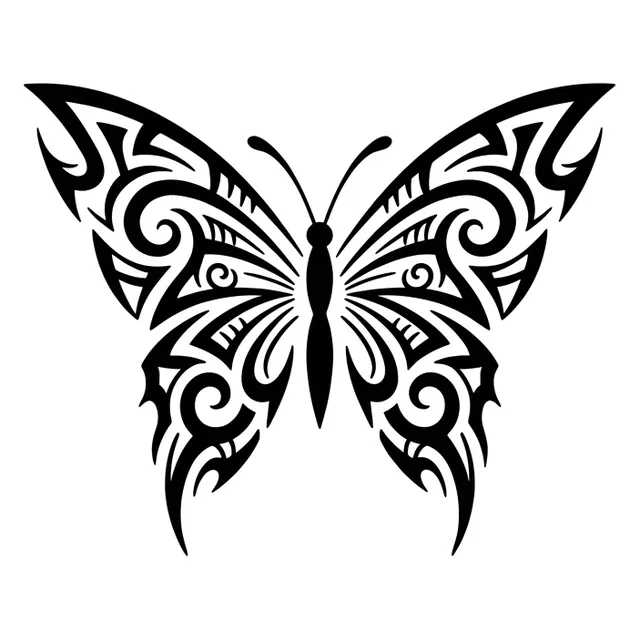
Black and white tribal butterfly tattoo design Try it on — Black and white tribal butterfly tattoo design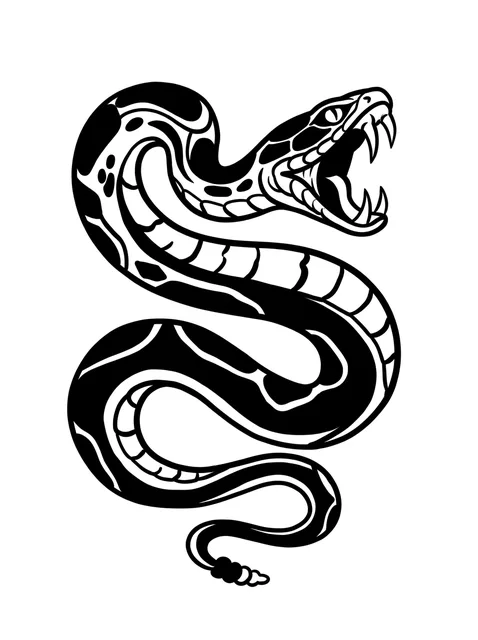
Black and grey traditional snake tattoo design Try it on — Black and grey traditional snake tattoo design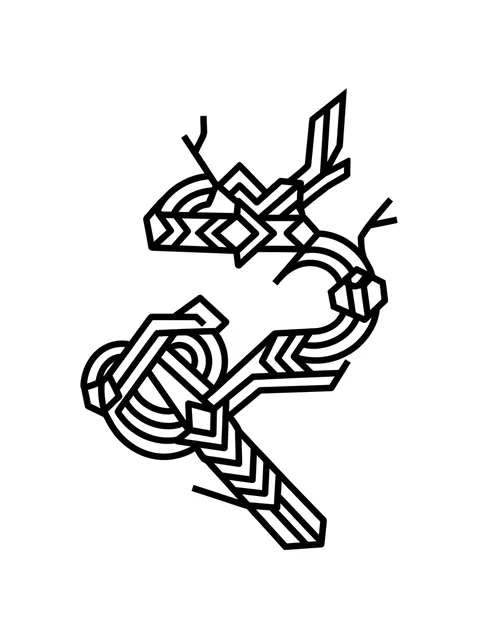
Black and white geometric vine tattoo design, outline stencil: a forked branch-like end Try it on — Black and white geometric vine tattoo design, outline stencil: a forked branch-like end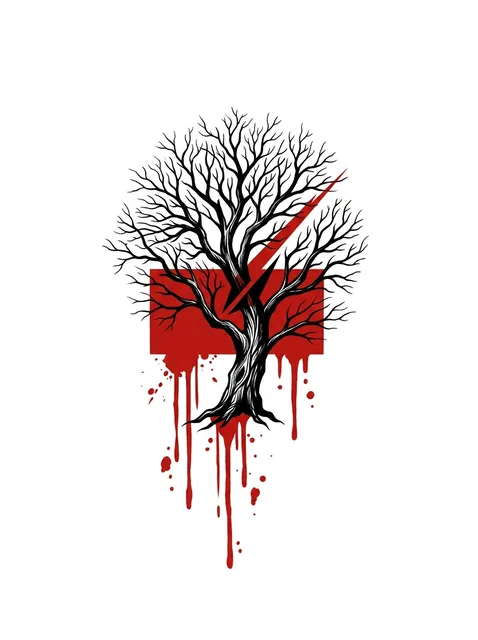
Color trash polka tree tattoo design: a bare, gnarled tree with intricate branches Try it on — Color trash polka tree tattoo design: a bare, gnarled tree with intricate branches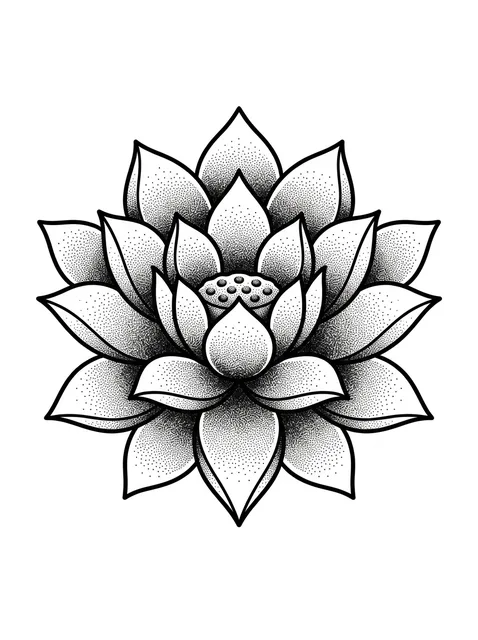
Black and grey dotwork lotus and flower tattoo design: a detailed stamen at the center Try it on — Black and grey dotwork lotus and flower tattoo design: a detailed stamen at the center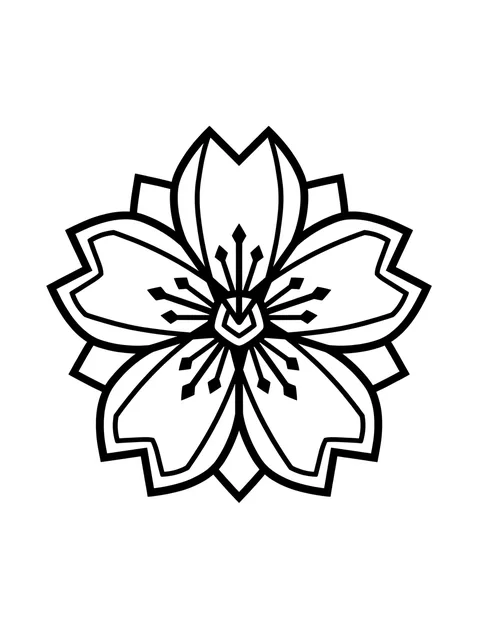
Black and white geometric cherry blossom and flower tattoo design, outline stencil Try it on — Black and white geometric cherry blossom and flower tattoo design, outline stencil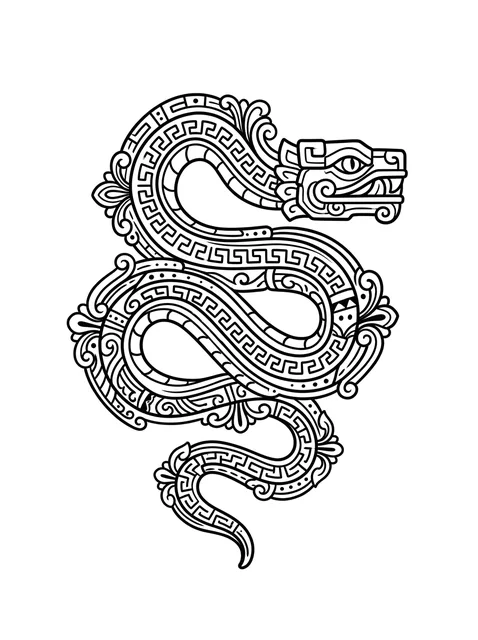
Black and white geometric snake and dragon tattoo design, outline stencil Try it on — Black and white geometric snake and dragon tattoo design, outline stencil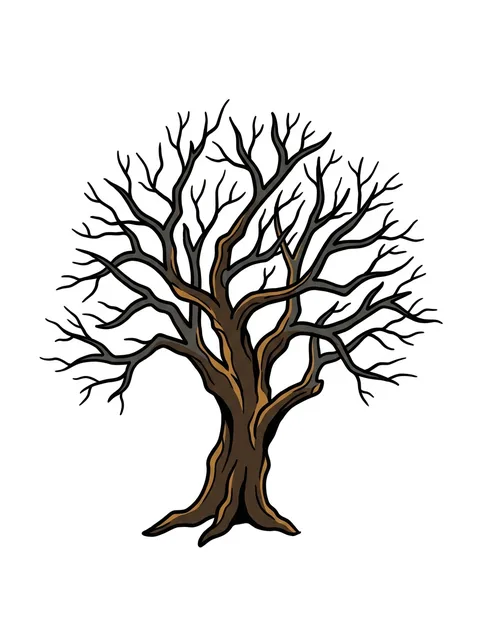
Color illustrative tree tattoo design Try it on — Color illustrative tree tattoo design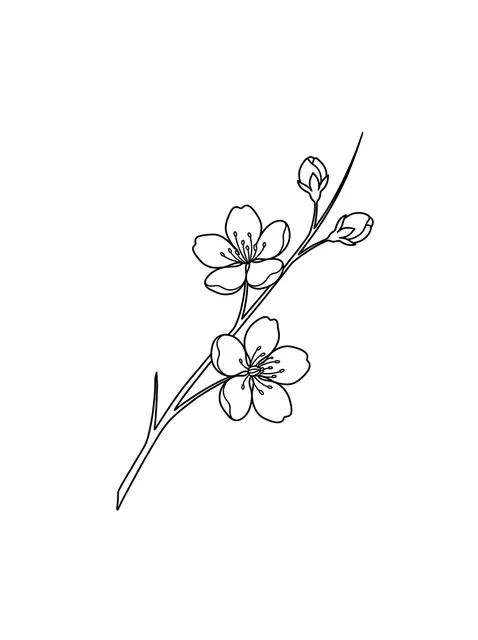
Black and white linework cherry blossom and flower tattoo design, outline stencil Try it on — Black and white linework cherry blossom and flower tattoo design, outline stencil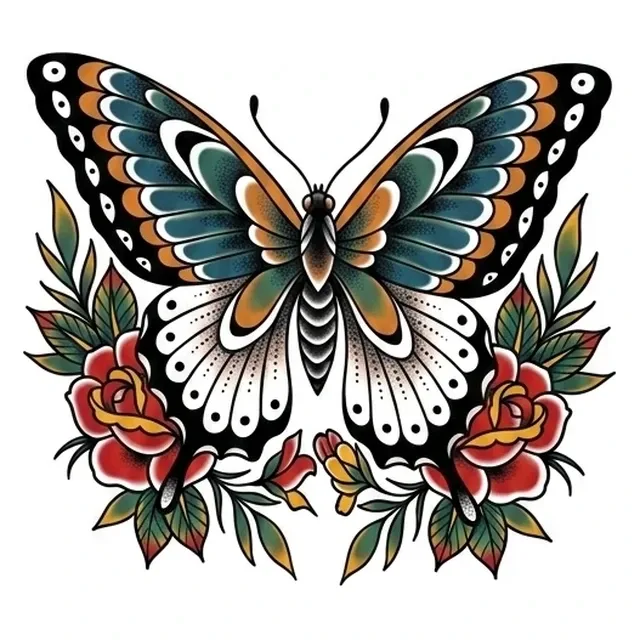
Color neo traditional butterfly and rose tattoo design Try it on — Color neo traditional butterfly and rose tattoo design


40 designs drawn in-house across 8 motifs. Tap any one to place it on a photo of your own skin.
Design for the second session
Ask the artist to plan a composition that is unfinished on purpose. A vine that runs out of the frame, a stem with room above it, a branch with space to fork — all of these let a future addition look like it was always going to be there, which is very hard to fake later.
The enemy is a closed composition. A circular arrangement, a tight bordered panel or a design placed hard against a joint cannot be grown into, and the next piece has to go somewhere else and will read as separate.
Where a growing piece goes
Long fields. The forearm, the outer upper arm, the calf and the spine all accept extension in one direction over years. A design on a wrist or an ankle is bounded by the joint at both ends and has nowhere to go.
Direction matters more than people expect. Botanical work that grows upward — stem below, bloom above — reads correctly on an arm hanging down and upside down on a forearm held up. Decide which of the two positions you care about, because you cannot have both.
Keep the line weight consistent across sessions, and ideally the artist too. A vine extended by a second artist three years later is usually obvious — not because the drawing is worse but because the weight and the black are different.
Common questions
- What tattoo represents a new beginning?
- A lotus if the beginning came out of something bad, a leaf or new growth if it was simply a fresh start, a phoenix if the old thing was destroyed. Cherry blossom is the one that explicitly says the new state is temporary, which is sometimes the honest version.
- How do I get a tattoo I can add to later?
- Choose a motif made of repeatable parts — a vine, a tree, a stem — and ask the artist to design a composition that runs out of the frame rather than closing. Place it on a long field like a forearm or calf, not a wrist, so there is somewhere for it to go.
- Which way should botanical work grow?
- Decide whether you care more about how it looks with your arm down or with it raised — a stem that grows upward on a hanging arm is upside down on a lifted forearm. You cannot have both, and it is the detail people notice a week after healing.
- Should I use the same artist for additions?
- If you can. Line weight and black density vary between artists more than the drawing does, and an extension by a different hand usually reads as an extension rather than as part of the original piece.
See it on your own skin first
InkCraft places a design on a photo of you — scaled, wrapped and shaded to the spot you pick, so you can judge how it reads on your body before it is permanent.