 InkCraft
Scar Cover-Up Tattoo Ideas That Actually Work
40 InkCraft designs chosen for scar cover up tattoosBy Uladzimir TumanauUpdated
A scar cover-up is the one tattoo where the design is chosen by the skin rather than by taste. Scar tissue is collagen laid down in a disorganised way, with fewer of the structures that hold pigment, so it accepts ink unevenly and unpredictably — one patch drinks it, the next rejects most of it, and neither can be predicted before the needle goes in. That single fact rules out roughly half of what people arrive wanting.
What it rules out is anything that depends on evenness. A solid black panel over a scar will show every variation in saturation as a blotch. A fine single-needle drawing will show every place a line has broken. Straight lines and geometric grids are worst of all, because the eye finds a wobble in a straight line instantly and scar tissue does not let a line stay straight.
What works is the opposite: organic shapes with broken edges, deliberate variation in tone, and a composition that is supposed to look irregular. The eight below are the ones artists reach for, and the reason is the same in each case — an uneven result still looks intentional.
8 designs that carry it, and why
- Florals
- The default for good reason: petals overlap, tone varies naturally between them, and a patch that took less ink reads as a highlight rather than a fault. A cluster also gives the artist freedom to put the densest part exactly where the scar is worst.
- Vines
- A vine can be routed around a scar rather than over it, following the parts of the skin that will hold ink and simply travelling past the parts that will not. Almost nothing else in tattooing can be re-drawn mid-session like that.
- Butterfly
- Wing markings are already a pattern of light and dark patches, so uneven uptake disappears into the design. It is also bilaterally symmetric, which lets the artist place the busier wing over the worst of the tissue.
- Leaves
- Veins give a reason for every fine line to change direction and weight, which is exactly what scarred skin does to a line whether you plan it or not.
- Snake
- A long, flexible body can be laid along the length of a linear scar — a surgical line, a self-harm scar — so the scar becomes the spine of the drawing instead of something being hidden behind it.
- Moth
- Furred, soft-edged and built from texture rather than outline, so there is no clean edge anywhere for the skin to break. It is the single most forgiving subject on damaged tissue.
- Mandala
- Radial repetition means the eye reads the pattern rather than any individual mark, so a dot that did not take is absorbed. Keep it to the softer, dotwork end — a hard geometric mandala has the straight-line problem instead.
- Water
- Flowing forms with no fixed correct shape, which means nothing about the result can be measured against what it should have looked like. Useful over broad, irregular scarring such as a burn.
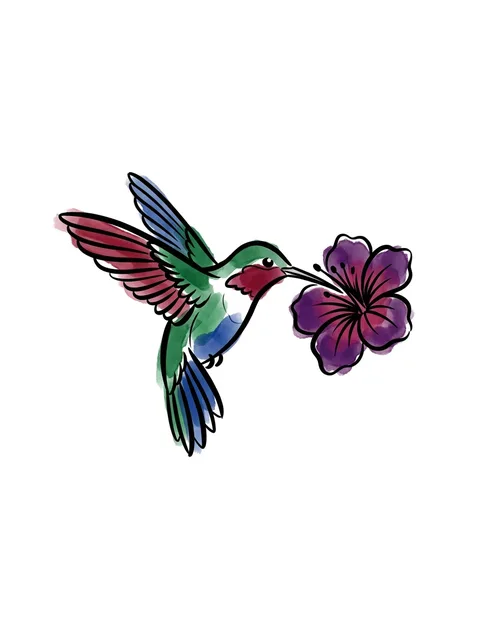
Color watercolor hummingbird and flower tattoo design Try it on — Color watercolor hummingbird and flower tattoo design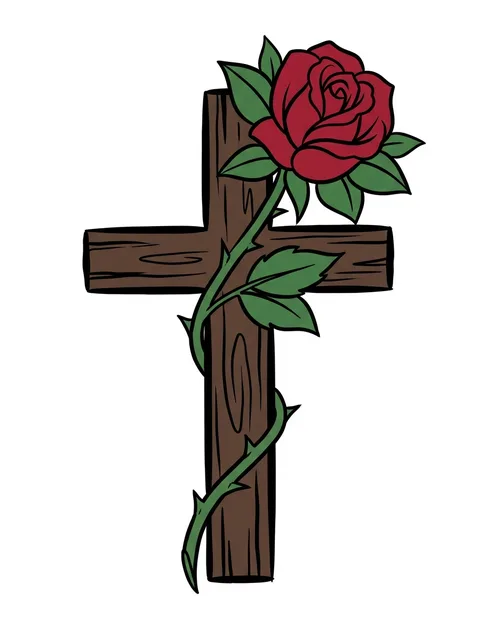
Color traditional cross and rose tattoo design Try it on — Color traditional cross and rose tattoo design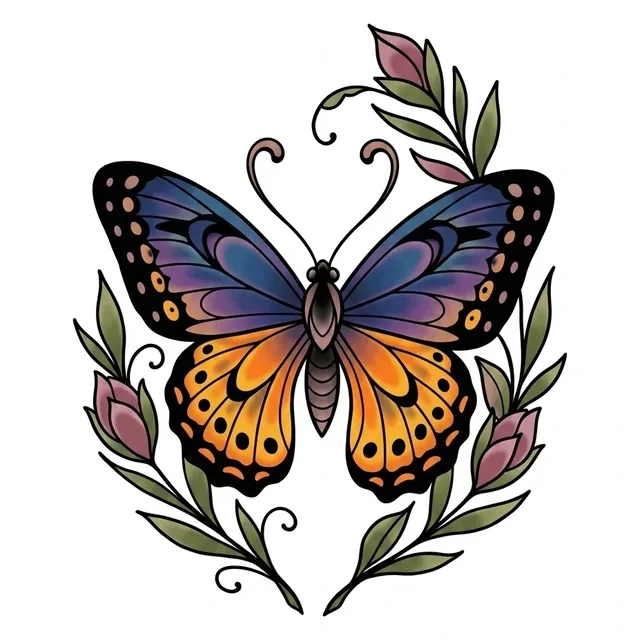
Color neo traditional butterfly and flower tattoo design: a butterfly with blue and orange wings Try it on — Color neo traditional butterfly and flower tattoo design: a butterfly with blue and orange wings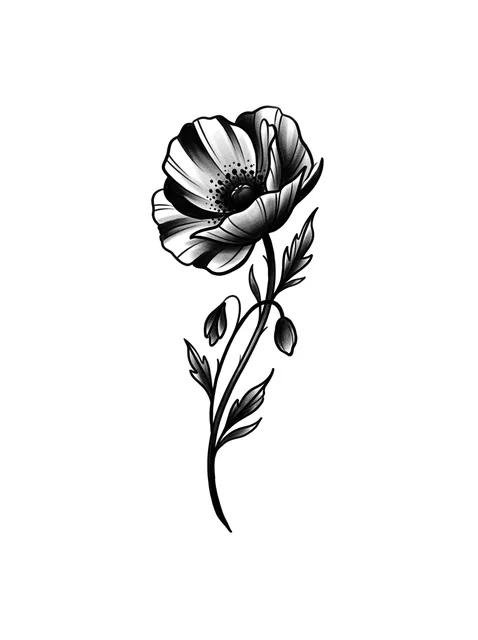
Black and grey neo traditional poppy and flower tattoo design Try it on — Black and grey neo traditional poppy and flower tattoo design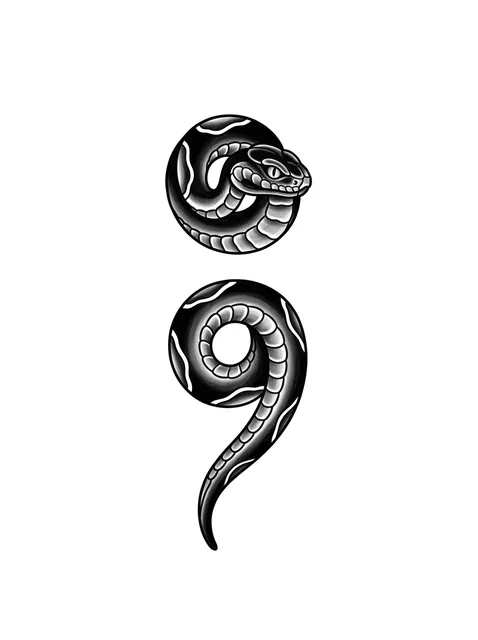
Black and grey traditional snake and semicolon tattoo design Try it on — Black and grey traditional snake and semicolon tattoo design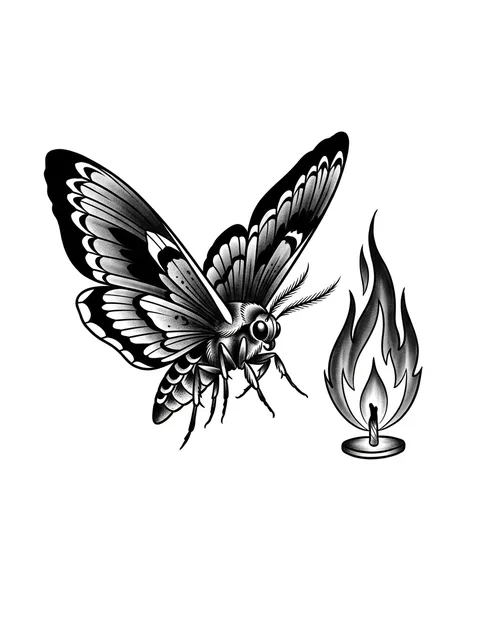
Black and grey traditional moth and fire tattoo design Try it on — Black and grey traditional moth and fire tattoo design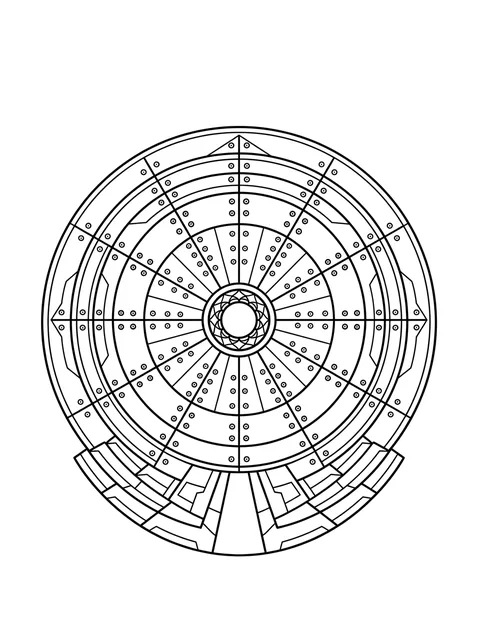
Black and white geometric mandala and abstract tattoo design, outline stencil Try it on — Black and white geometric mandala and abstract tattoo design, outline stencil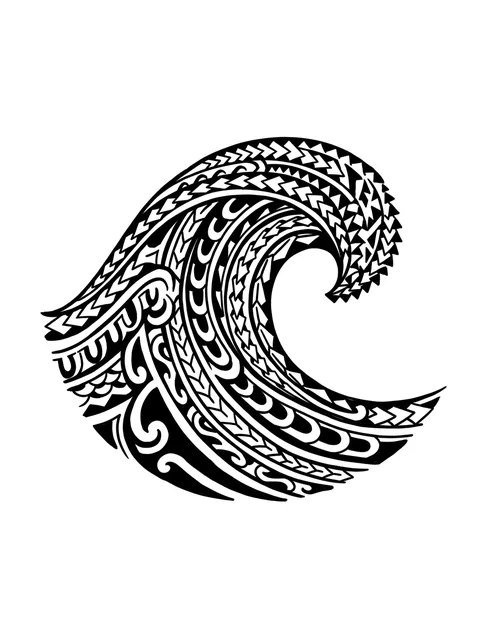
Black and white tribal wave tattoo design Try it on — Black and white tribal wave tattoo design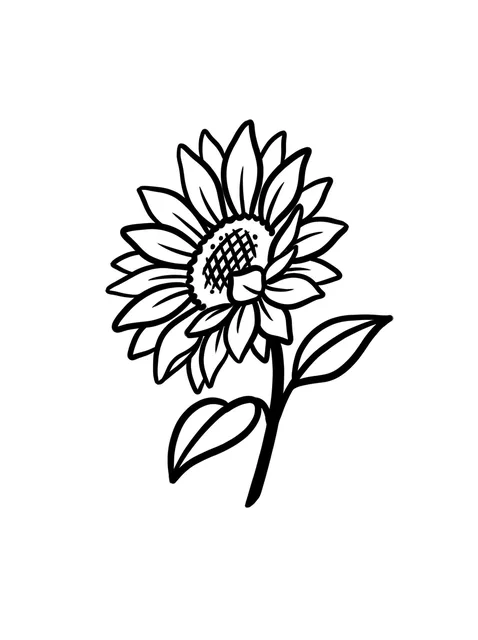
Black and white linework sunflower and flower tattoo design, outline stencil Try it on — Black and white linework sunflower and flower tattoo design, outline stencil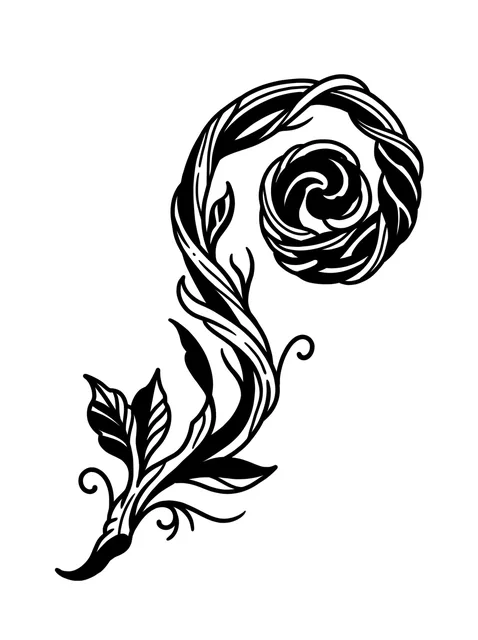
Black and white blackwork fern and leaf tattoo design: a stylized fern frond unfurling in a spiral Try it on — Black and white blackwork fern and leaf tattoo design: a stylized fern frond unfurling in a spiral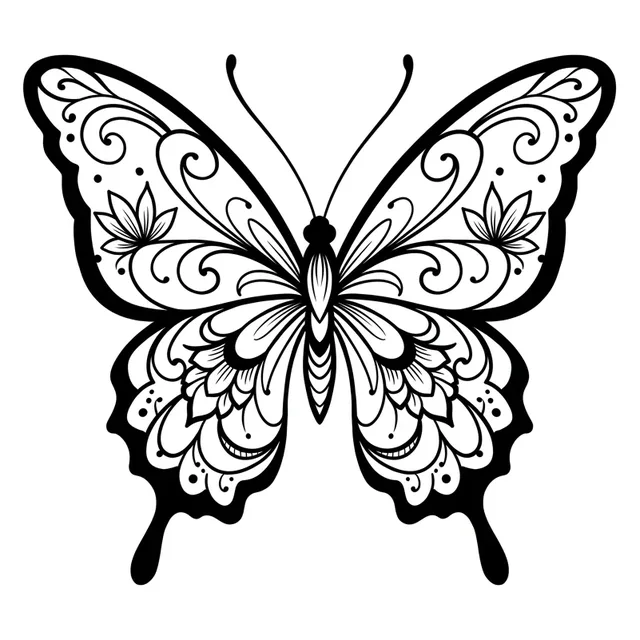
Black and white ornamental butterfly and flower tattoo design Try it on — Black and white ornamental butterfly and flower tattoo design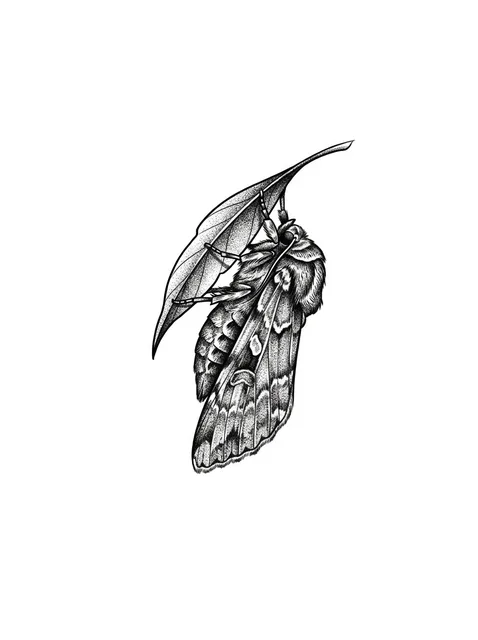
Black and grey dotwork moth and leaf tattoo design: a moth clinging to a leaf Try it on — Black and grey dotwork moth and leaf tattoo design: a moth clinging to a leaf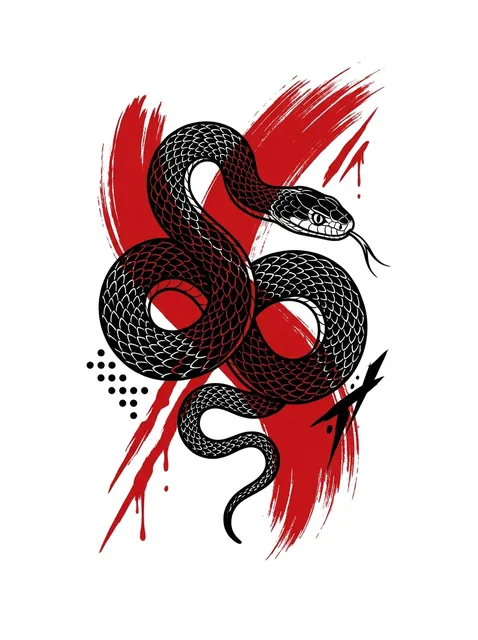
Color trash polka snake tattoo design: a coiled black snake with detailed scales Try it on — Color trash polka snake tattoo design: a coiled black snake with detailed scales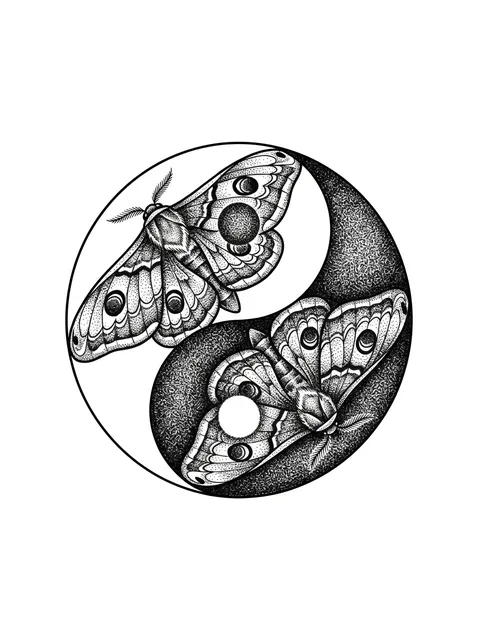
Black and grey dotwork moth and yin yang tattoo design Try it on — Black and grey dotwork moth and yin yang tattoo design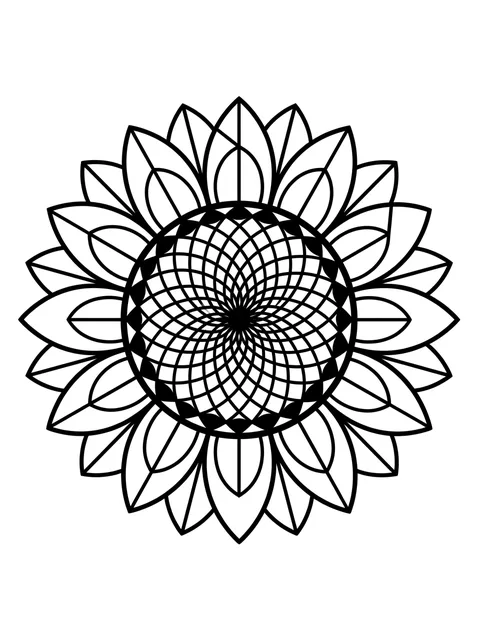
Black and white geometric mandala and flower tattoo design, outline stencil Try it on — Black and white geometric mandala and flower tattoo design, outline stencil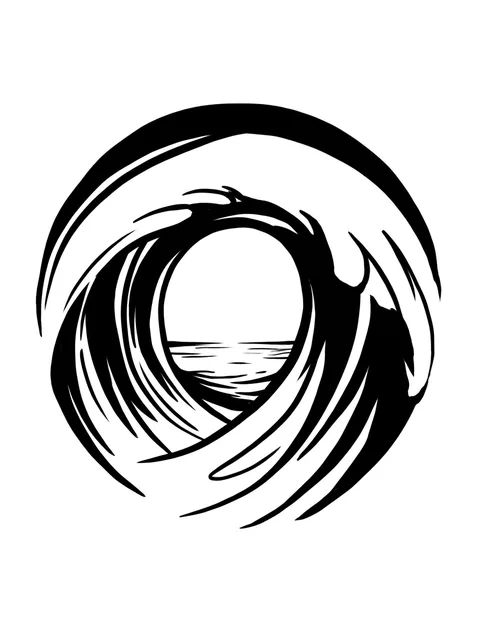
Black and white blackwork wave tattoo design Try it on — Black and white blackwork wave tattoo design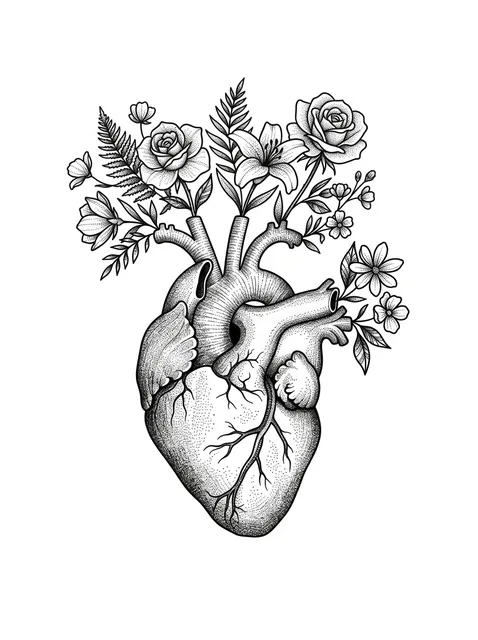
Black and grey dotwork heart and flower tattoo design Try it on — Black and grey dotwork heart and flower tattoo design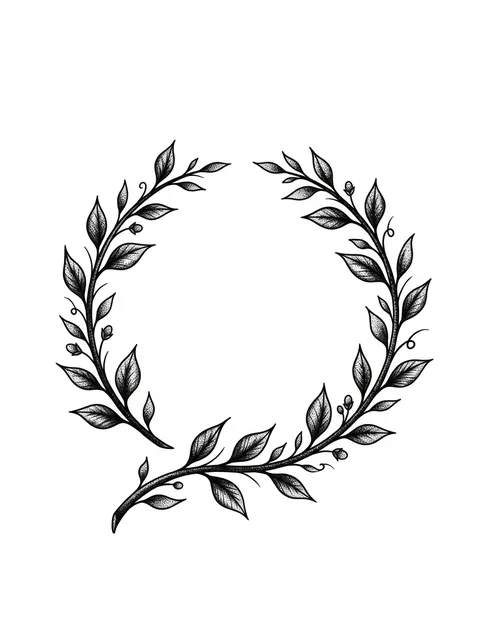
Black and grey dotwork leaf and vine tattoo design: a graceful laurel wreath Try it on — Black and grey dotwork leaf and vine tattoo design: a graceful laurel wreath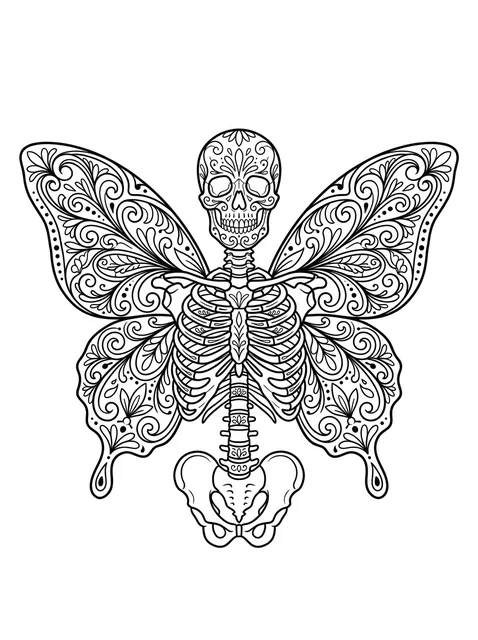
Black and white illustrative skull and butterfly tattoo design Try it on — Black and white illustrative skull and butterfly tattoo design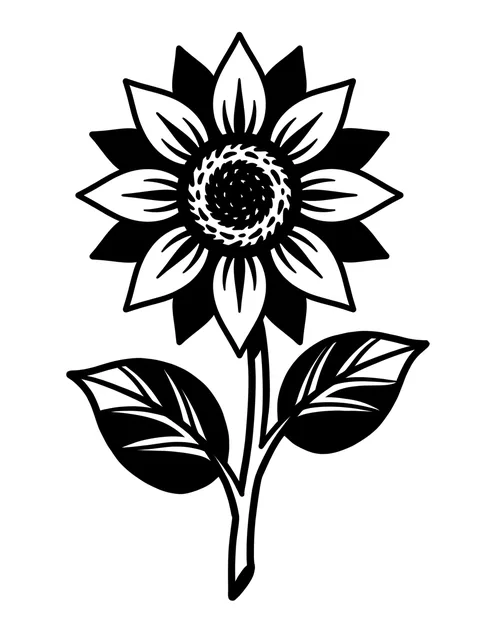
Black and white blackwork sunflower and flower tattoo design Try it on — Black and white blackwork sunflower and flower tattoo design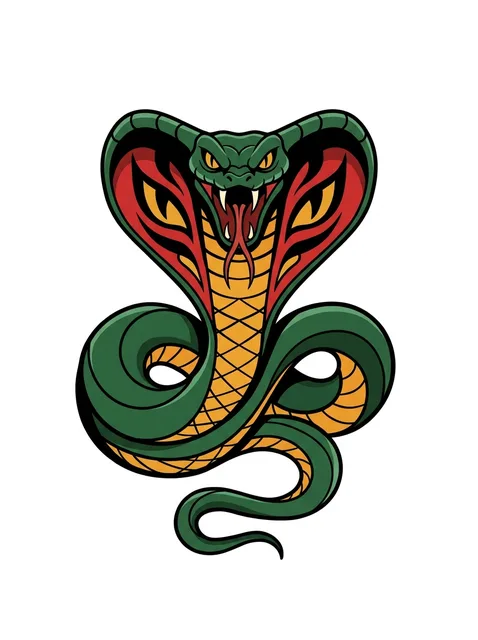
Color new school snake tattoo design: a cobra with its hood spread, ready to strike Try it on — Color new school snake tattoo design: a cobra with its hood spread, ready to strike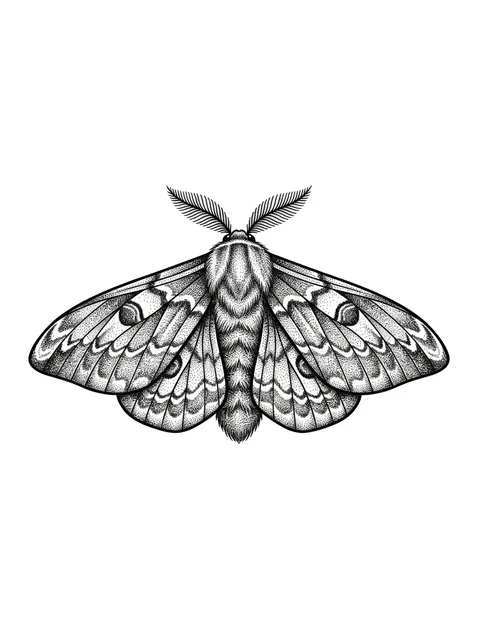
Black and grey dotwork moth tattoo design Try it on — Black and grey dotwork moth tattoo design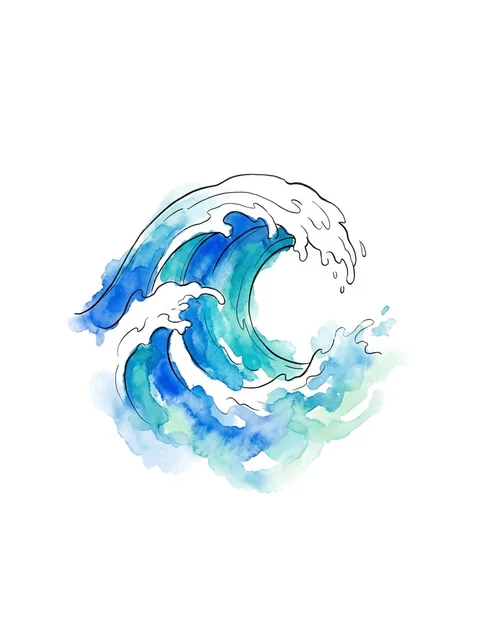
Color watercolor wave tattoo design Try it on — Color watercolor wave tattoo design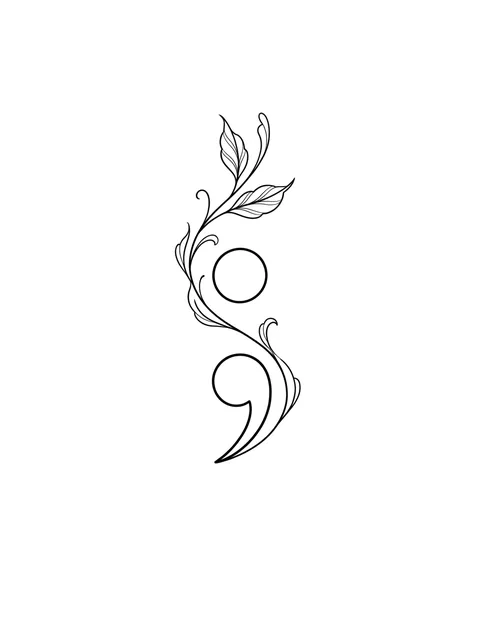
Black and white fine line semicolon and leaf tattoo design, outline stencil Try it on — Black and white fine line semicolon and leaf tattoo design, outline stencil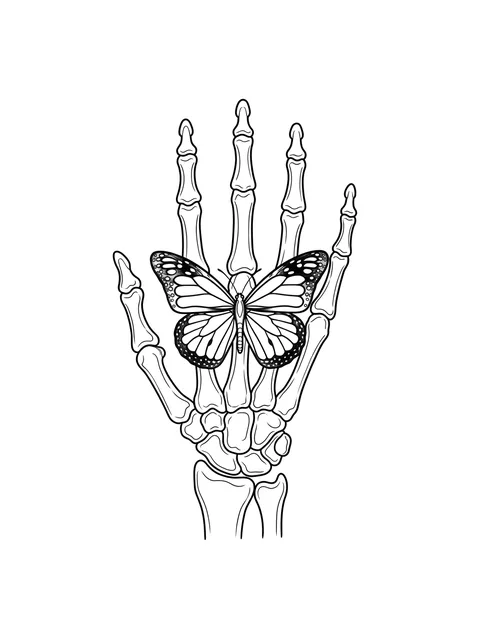
Black and white linework skeleton hand and butterfly tattoo design, outline stencil Try it on — Black and white linework skeleton hand and butterfly tattoo design, outline stencil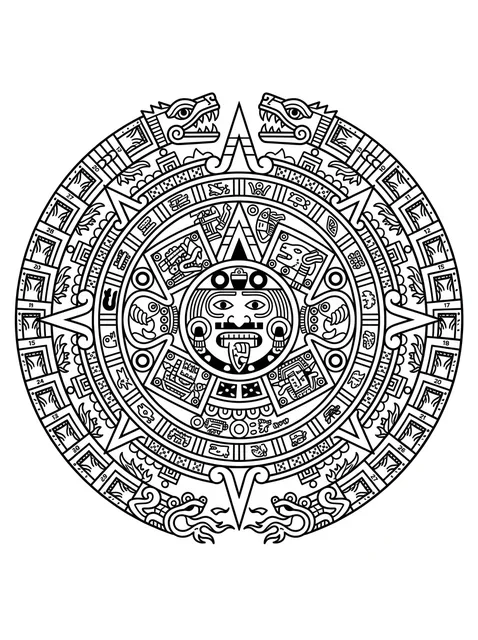
Black and white geometric mandala and aztec tattoo design, outline stencil Try it on — Black and white geometric mandala and aztec tattoo design, outline stencil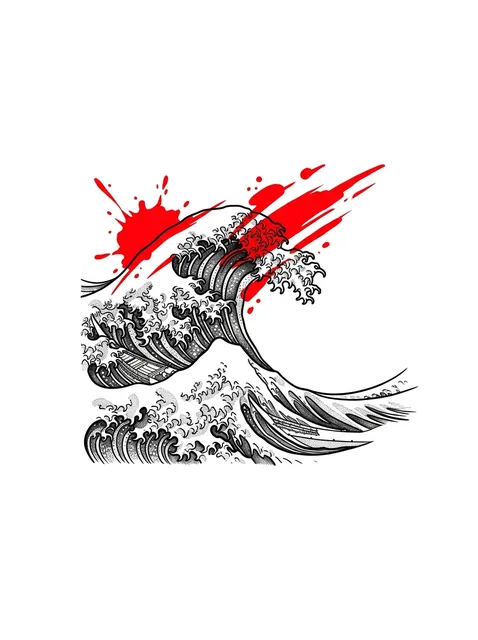
Color Japanese wave tattoo design: the wave, adding a dynamic and modern touch Try it on — Color Japanese wave tattoo design: the wave, adding a dynamic and modern touch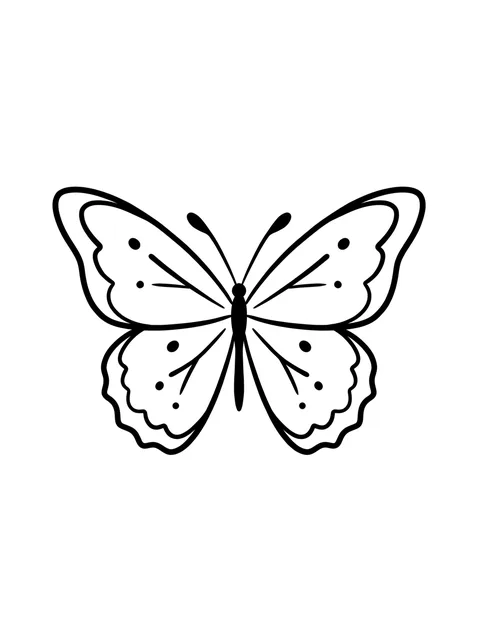
Black and white linework butterfly tattoo design, outline stencil: a butterfly with delicate wings Try it on — Black and white linework butterfly tattoo design, outline stencil: a butterfly with delicate wings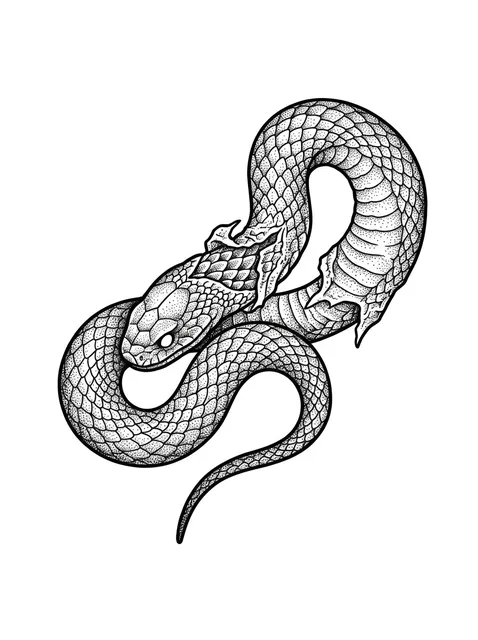
Black and grey dotwork snake tattoo design: a coiled snake, shedding its skin Try it on — Black and grey dotwork snake tattoo design: a coiled snake, shedding its skin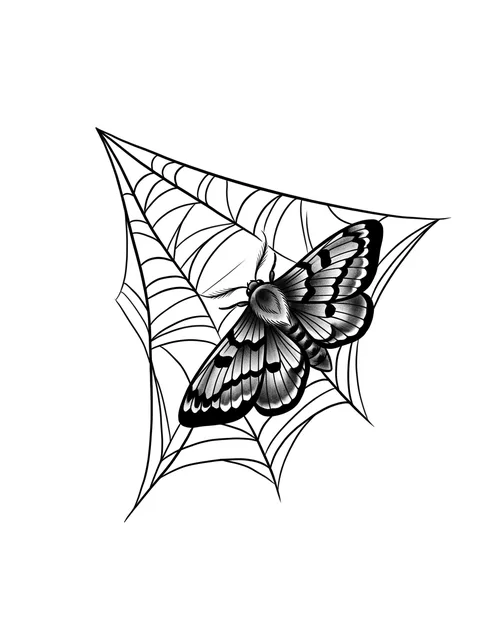
Black and grey neo traditional moth and web tattoo design Try it on — Black and grey neo traditional moth and web tattoo design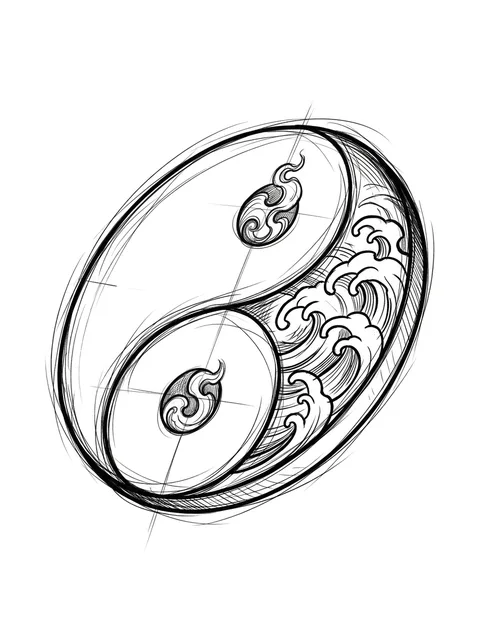
Black and grey sketch yin yang and wave tattoo design Try it on — Black and grey sketch yin yang and wave tattoo design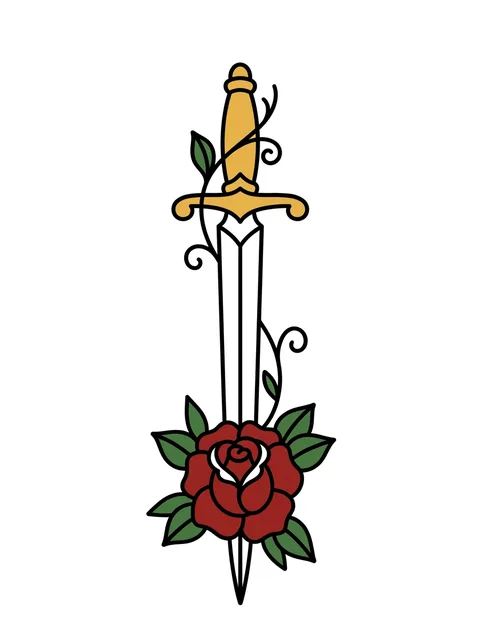
Color traditional sword and dagger tattoo design Try it on — Color traditional sword and dagger tattoo design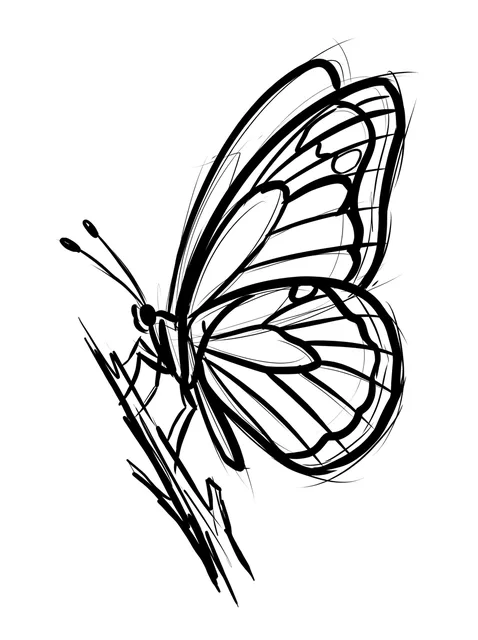
Black and grey sketch butterfly tattoo design: a butterfly in flight Try it on — Black and grey sketch butterfly tattoo design: a butterfly in flight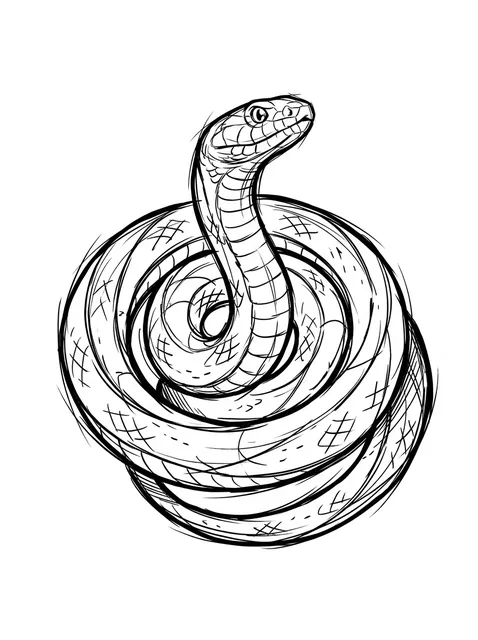
Black and grey illustrative snake tattoo design: its head raised and looking forward Try it on — Black and grey illustrative snake tattoo design: its head raised and looking forward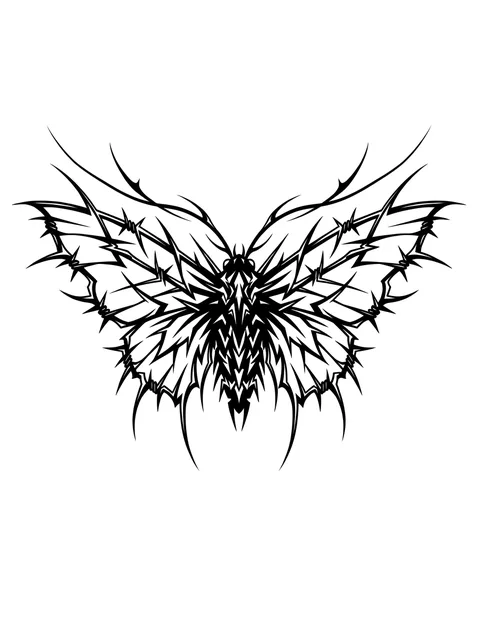
Black and grey cybersigilism moth tattoo design Try it on — Black and grey cybersigilism moth tattoo design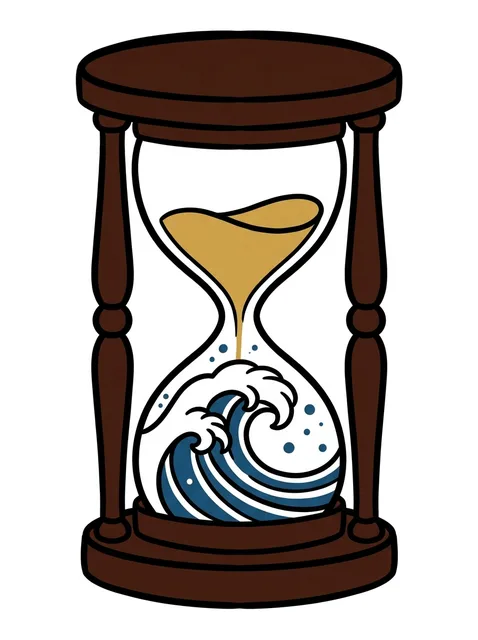
Color neo traditional hourglass and wave tattoo design: an hourglass with a brown wooden frame Try it on — Color neo traditional hourglass and wave tattoo design: an hourglass with a brown wooden frame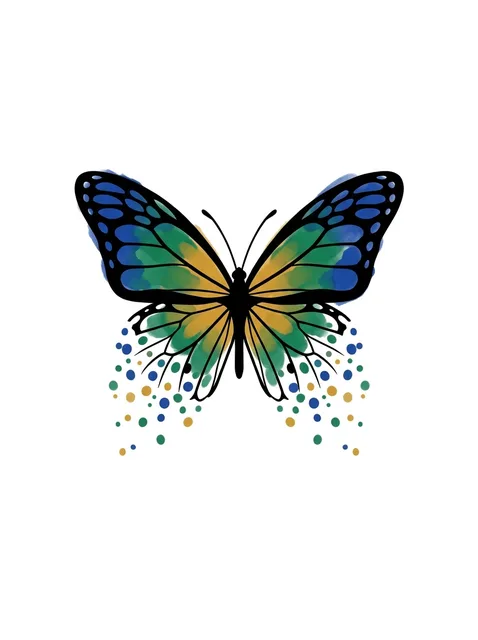
Color watercolor butterfly tattoo design Try it on — Color watercolor butterfly tattoo design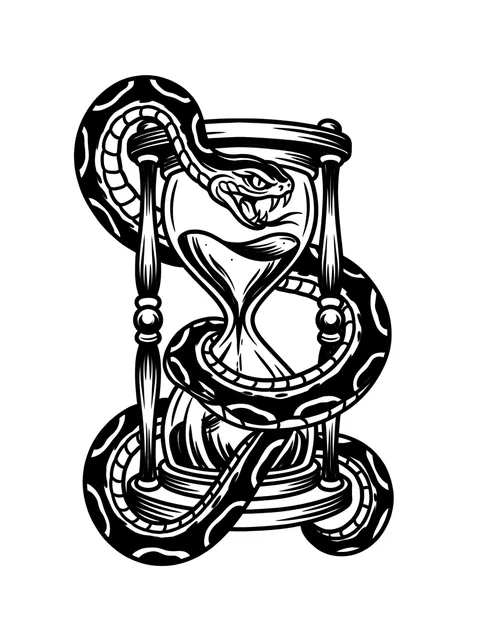
Black and white traditional snake and hourglass tattoo design: a snake coiled around an hourglass Try it on — Black and white traditional snake and hourglass tattoo design: a snake coiled around an hourglass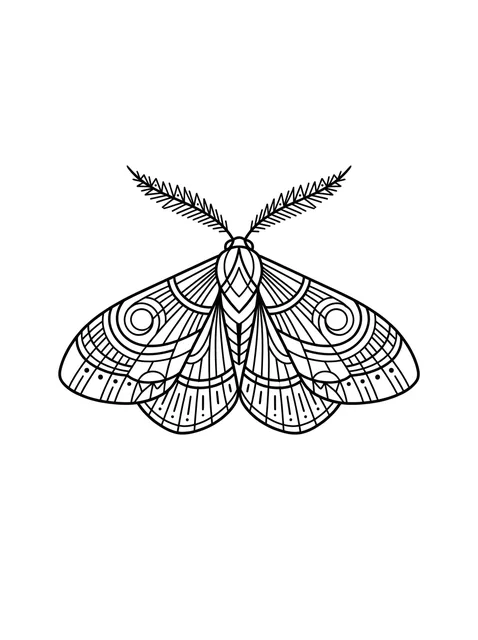
Black and white linework moth tattoo design, outline stencil Try it on — Black and white linework moth tattoo design, outline stencil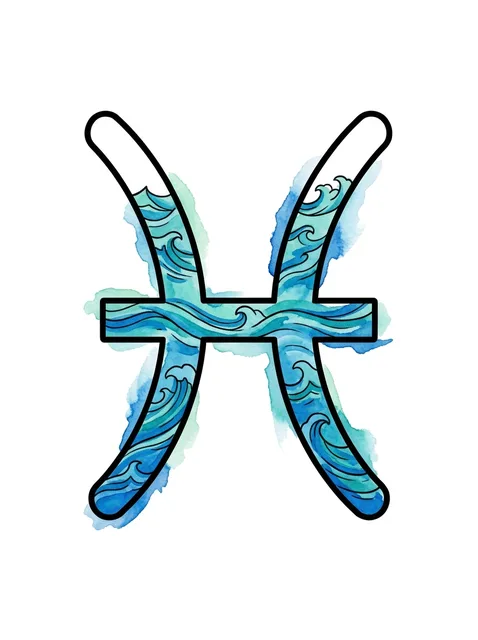
Color watercolor pisces and wave tattoo design: the Pisces zodiac symbol Try it on — Color watercolor pisces and wave tattoo design: the Pisces zodiac symbol


40 designs drawn in-house across 8 motifs. Tap any one to place it on a photo of your own skin.
How long to wait, and what will be refused
A scar is not ready until it has matured, which takes twelve to eighteen months and sometimes longer. Before that the tissue is still remodelling, it is still gaining and losing blood supply, and anything tattooed into it will move as the scar settles. Most reputable artists will not touch one under a year old and many want two, and an artist willing to tattoo a six-month-old scar is telling you something about their judgement rather than their confidence.
Some scars will be refused regardless of age, and this is where a responsible artist earns their fee. Keloids — raised, shiny scars that have grown beyond the original wound — are usually declined outright, because the trauma of tattooing can trigger further keloid growth. Hypertrophic scars, which are raised but stay within the wound boundary, are sometimes workable and sometimes not. Skin that is numb, that is still changing colour, or that sits over a graft needs a dermatologist's opinion before a tattooer's.
If you keloid anywhere on your body, say so at the consultation even if the scar you want covered looks fine. It changes the risk on every part of the piece, not just the scarred part.
Camouflage is the wrong goal
The word cover-up sets an expectation that almost never survives contact with the skin. Ink does not make a raised scar flat and it does not make a shiny scar matte — texture is still texture under any amount of pigment, and in raking light it will still be visible. What a tattoo does is take away the reason the eye stops there, by giving it something more interesting to look at in the same place.
Which is why the successful pieces are the ones that use the scar rather than deny it. A surgical line becomes a stem, a branch or the spine of a snake. A burn becomes the shaded ground behind a floral. A stretch-marked area becomes the texture inside a wing. Told to hide something, the design fights the skin; told to incorporate it, it works with it.
Expect more than one session, and expect the second to be the one that makes it. Scar tissue commonly loses a good deal of pigment during healing in a way normal skin does not, and the touch-up is where the piece evens out rather than an admission of failure. Budget for it from the start, and choose an artist who mentions it before you do.
Covering an old tattoo is a different problem with the same vocabulary, and it is worth knowing which one you have: a scar constrains how the skin takes ink, while an old tattoo constrains what can be drawn on top of it. The removal and cover-up guide covers the second — what covers what, when to fade first, and what each route costs in sessions.
Common questions
- How long after a scar forms can it be tattooed?
- Twelve to eighteen months at minimum, and two years is safer. The tissue is still remodelling before that, so anything placed into it will shift as the scar settles. An artist willing to work on a six-month-old scar is showing you their judgement rather than their skill.
- Can every scar be tattooed over?
- No. Keloids, which grow beyond the original wound and stay raised and shiny, are usually refused because tattooing can trigger further growth. Numb areas, skin still changing colour, and grafted skin all need a dermatologist to look first. Say at the consultation if you keloid anywhere, even away from this scar.
- Will a tattoo make the scar completely invisible?
- No, and any artist promising that is worth leaving. Texture survives pigment — a raised scar stays raised and catches light the same way. What changes is that the eye now has something to look at other than the scar, which in practice is what people actually wanted.
- Why do artists say it will need a second session?
- Because scar tissue loses pigment during healing far more than normal skin does, and how much is impossible to predict beforehand. The second pass is where the saturation evens out and the piece becomes what it was designed to be. Budget for it rather than treating it as something going wrong.
- Does it hurt to tattoo over a scar?
- Usually more than the same spot on unmarked skin, and unevenly. Scar tissue has fewer nerve endings in some places and oversensitive ones in others, so one pass can feel like nothing and the next like a burn. Old, flat, pale scars are closest to normal skin; thick, raised or recent ones sting more and bleed more, which also slows the artist down. Say where it is most sensitive before the needle starts, and expect the session to run in shorter passes with more breaks than the size of the piece would suggest.
See it on your own skin first
InkCraft places a design on a photo of you — scaled, wrapped and shaded to the spot you pick, so you can judge how it reads on your body before it is permanent.