 InkCraft
Faith Tattoo Ideas and What They Mean
40 InkCraft designs chosen for faith tattoosBy Uladzimir TumanauUpdated
Faith imagery is the one category where getting the tradition wrong is genuinely noticeable. A lotus, a cross, a hamsa and an unalome are four different religions, and combining them because they all look spiritual produces a piece that means nothing to anyone inside any of those traditions.
So the first decision is which tradition, stated plainly, and the second is how legible you want it. A cross is unmistakable. An ichthys, an anchor or a trinity knot say the same thing to people who know and read as a drawing to people who do not — which is the older pattern, because early Christian symbols were designed to be deniable.
These are sorted by what they are and which tradition they belong to, so nothing here was picked for looking spiritual.
8 designs that carry it, and why
- Cross
- The unambiguous one. Latin, Celtic and Orthodox forms are different statements — the Celtic cross in particular carries a national as well as a religious reading.
- Angel
- Guardianship rather than worship, which is why it is the most common devotional piece among people who are not otherwise observant.
- Lotus
- Buddhist and Hindu — coming up clean through mud. Widely used outside both traditions now, but the reading is theirs and stays legible as such.
- Mandala
- A meditation object, not a decoration: the symmetry is the point, and a mandala drawn off-centre or cropped by a limb loses the entire meaning.
- Praying hands
- Dürer’s drawing, by way of mid-century American flash. Direct, devotional, and strongly associated with memorial work as well as with faith.
- All-seeing eye
- Providence watching. The Christian, Masonic and Egyptian versions are distinct symbols that modern flash has blurred — worth specifying which you mean.
- Star
- Guidance. The number of points is the whole meaning: five, six and eight are different faiths, and this is the most common place people get it accidentally wrong.
- Feather
- In several traditions a prayer carried upward. Gentle and non-specific, which is why it suits faith that the wearer does not want to announce.
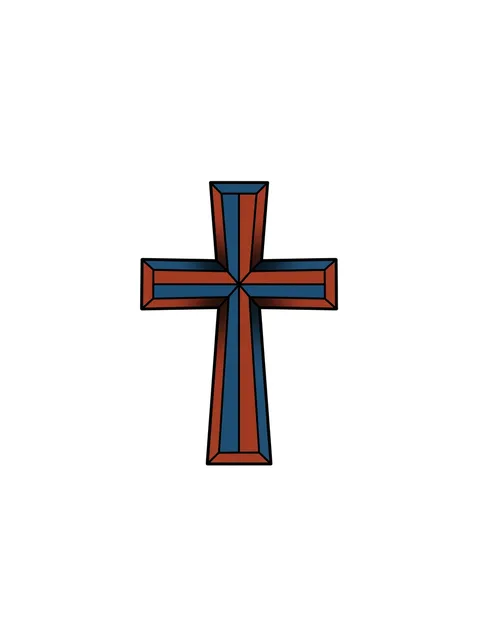
Color traditional cross tattoo design Try it on — Color traditional cross tattoo design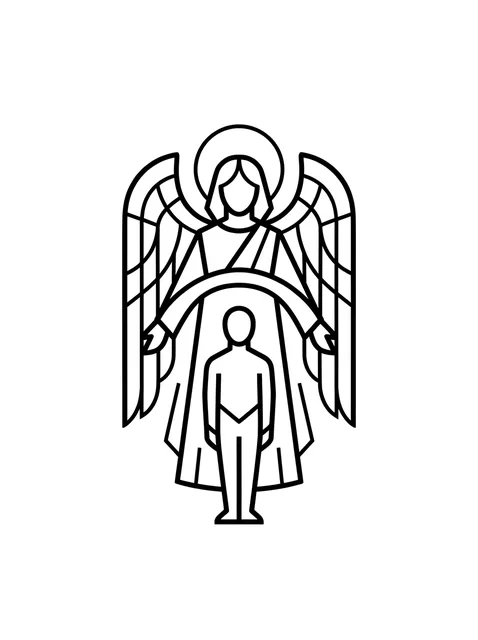
Black and white linework angel tattoo design, outline stencil Try it on — Black and white linework angel tattoo design, outline stencil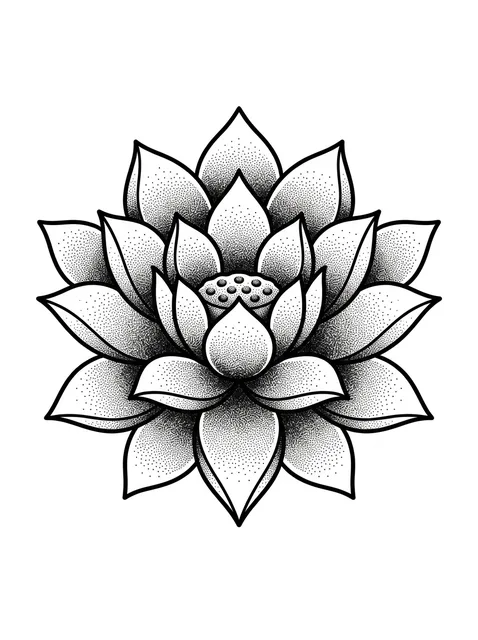
Black and grey dotwork lotus and flower tattoo design: a detailed stamen at the center Try it on — Black and grey dotwork lotus and flower tattoo design: a detailed stamen at the center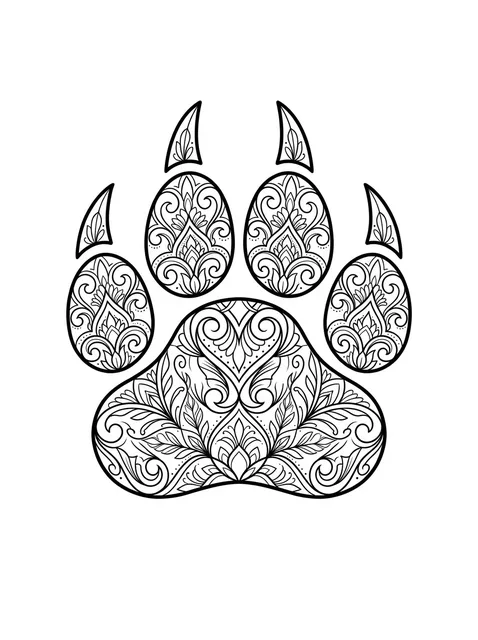
Black and white ornamental mandala tattoo design: a stylized animal paw print Try it on — Black and white ornamental mandala tattoo design: a stylized animal paw print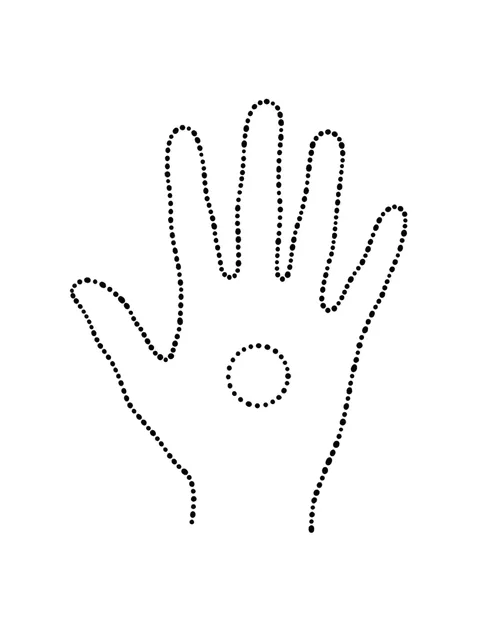
Black and grey stick and poke hand tattoo design Try it on — Black and grey stick and poke hand tattoo design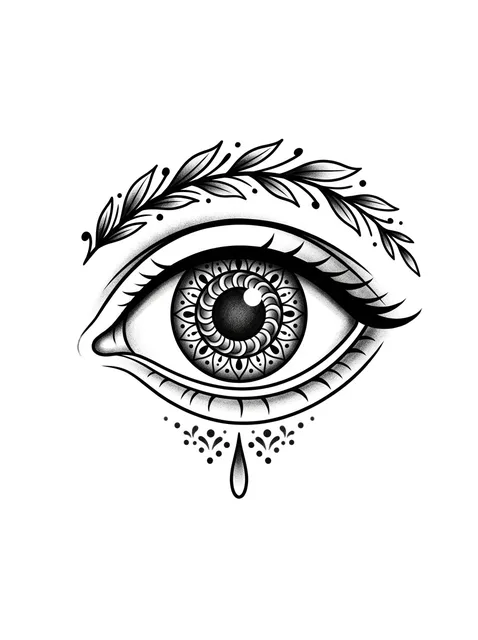
Black and white blackwork eye and leaf tattoo design: a stylized eye with a detailed mandala iris Try it on — Black and white blackwork eye and leaf tattoo design: a stylized eye with a detailed mandala iris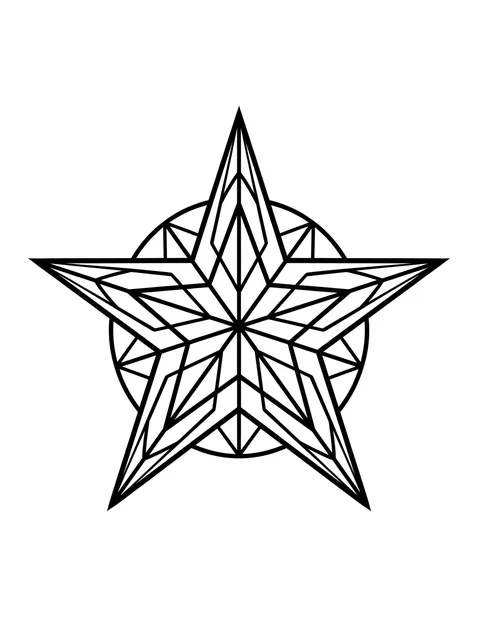
Black and white geometric star tattoo design, outline stencil Try it on — Black and white geometric star tattoo design, outline stencil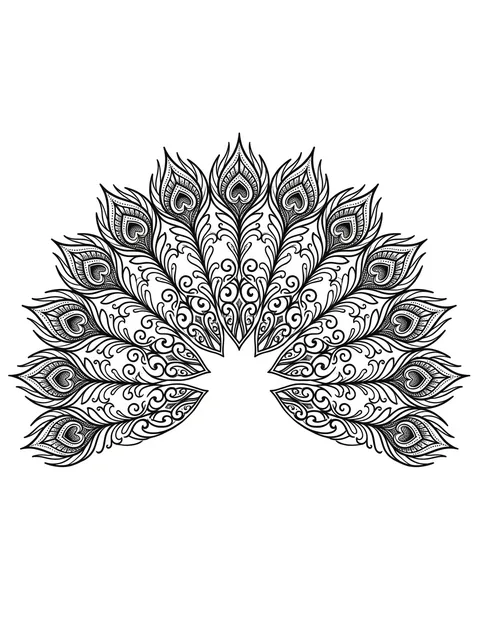
Black and white ornamental feather and mandala tattoo design: a fan of peacock feathers Try it on — Black and white ornamental feather and mandala tattoo design: a fan of peacock feathers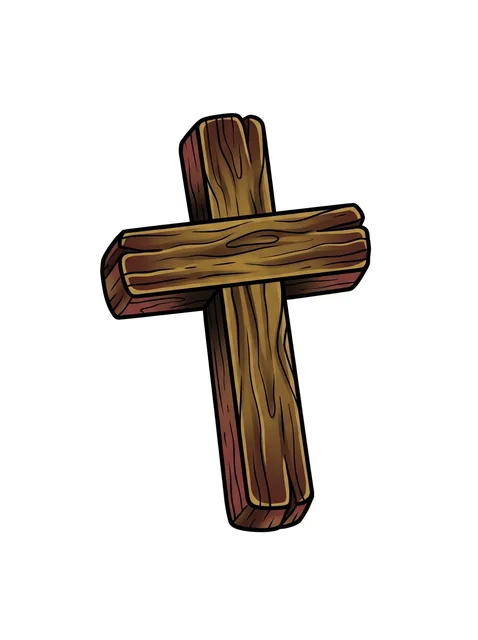
Color illustrative cross tattoo design Try it on — Color illustrative cross tattoo design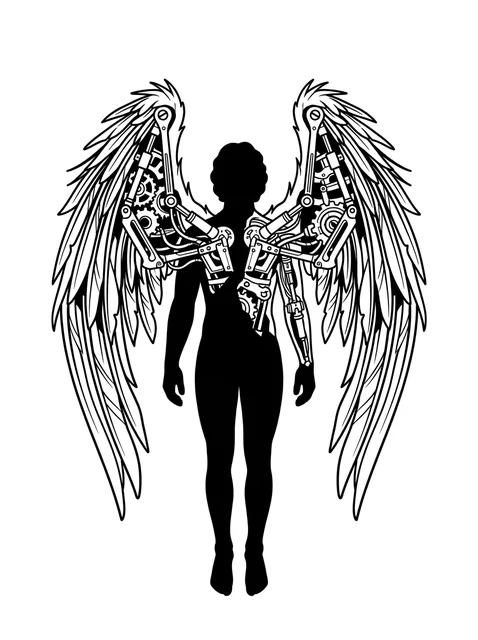
Black and grey illustrative angel tattoo design Try it on — Black and grey illustrative angel tattoo design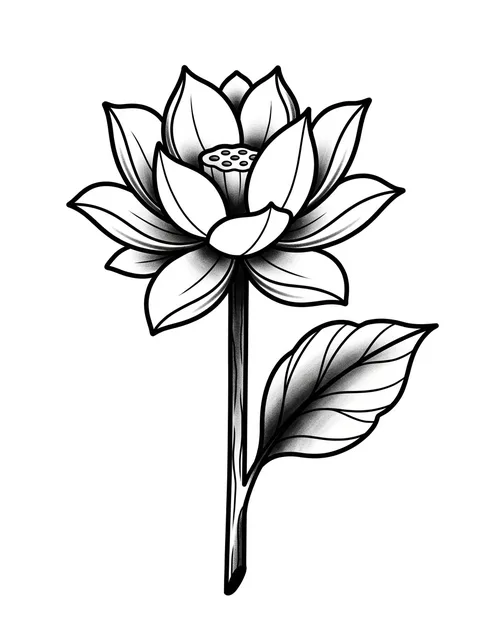
Black and grey neo traditional lotus and leaf tattoo design Try it on — Black and grey neo traditional lotus and leaf tattoo design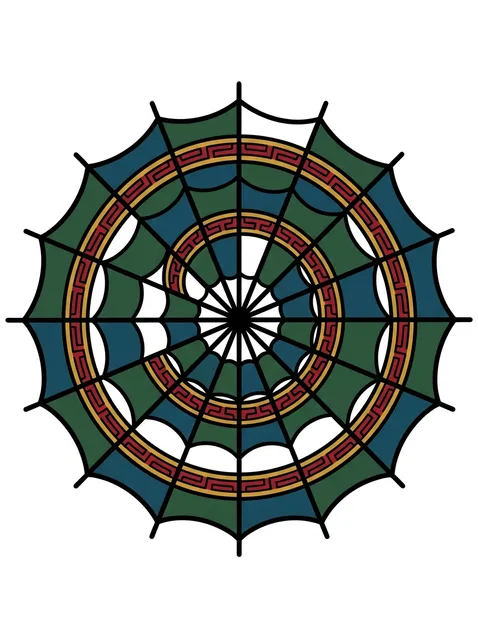
Color geometric mandala and web tattoo design, outline stencil: a central web-like pattern Try it on — Color geometric mandala and web tattoo design, outline stencil: a central web-like pattern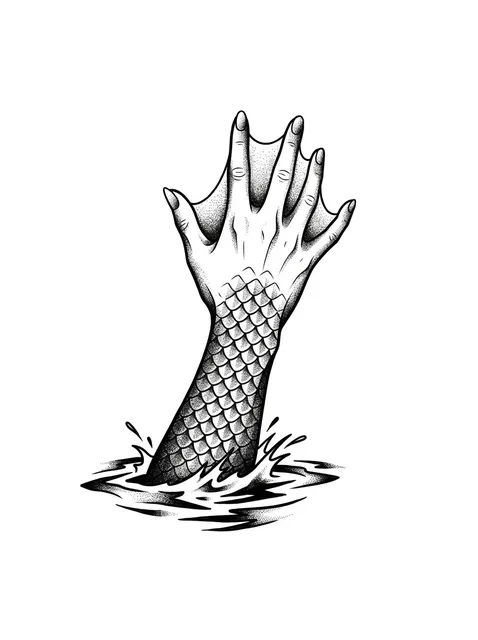
Black and grey dotwork hand and mermaid tattoo design Try it on — Black and grey dotwork hand and mermaid tattoo design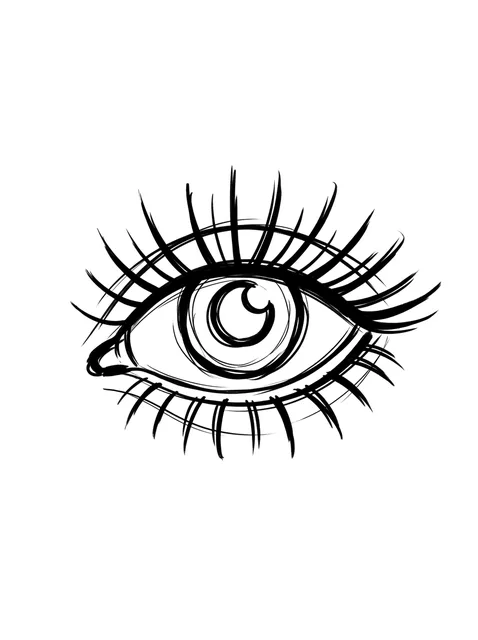
Black and grey sketch eye and moon tattoo design: an eye with long, spiky lashes Try it on — Black and grey sketch eye and moon tattoo design: an eye with long, spiky lashes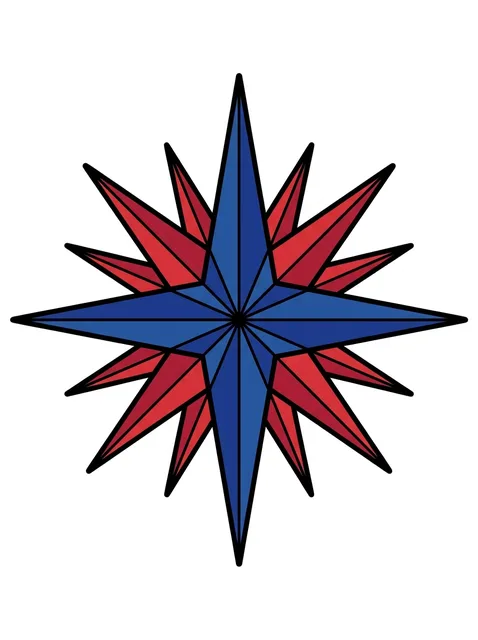
Color illustrative star tattoo design: a compass rose or nautical star Try it on — Color illustrative star tattoo design: a compass rose or nautical star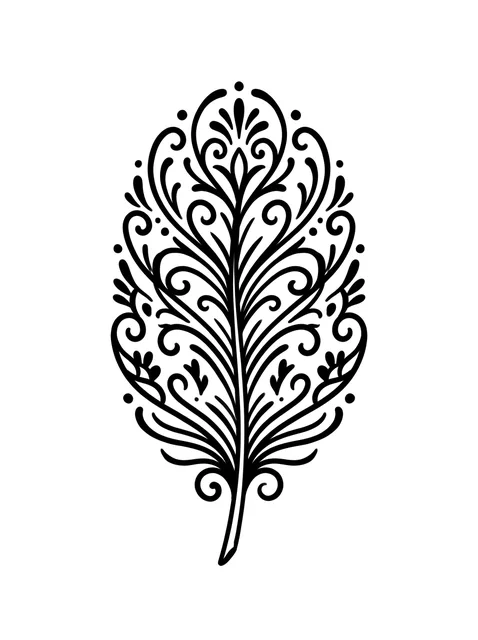
Black and grey ornamental feather tattoo design Try it on — Black and grey ornamental feather tattoo design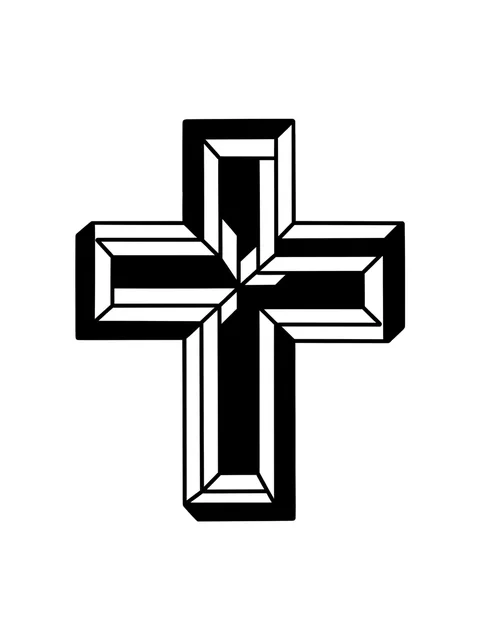
Black and white geometric cross tattoo design, outline stencil Try it on — Black and white geometric cross tattoo design, outline stencil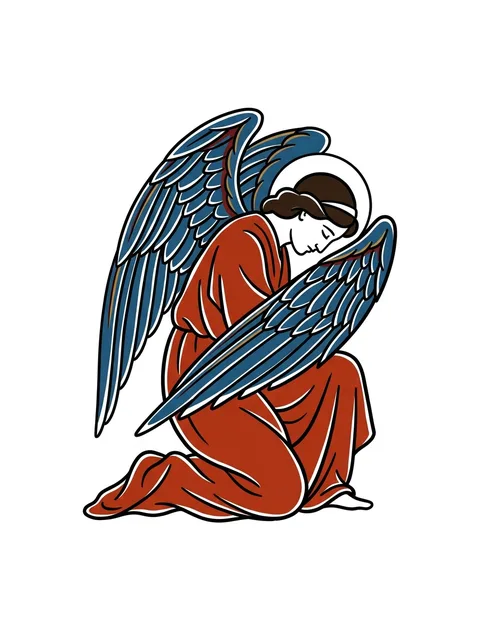
Color traditional angel tattoo design Try it on — Color traditional angel tattoo design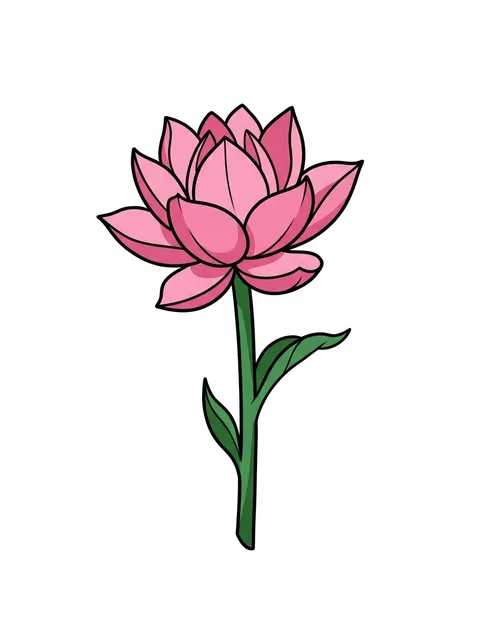
Color illustrative lotus and flower tattoo design: a pink lotus flower with a green stem and leaves Try it on — Color illustrative lotus and flower tattoo design: a pink lotus flower with a green stem and leaves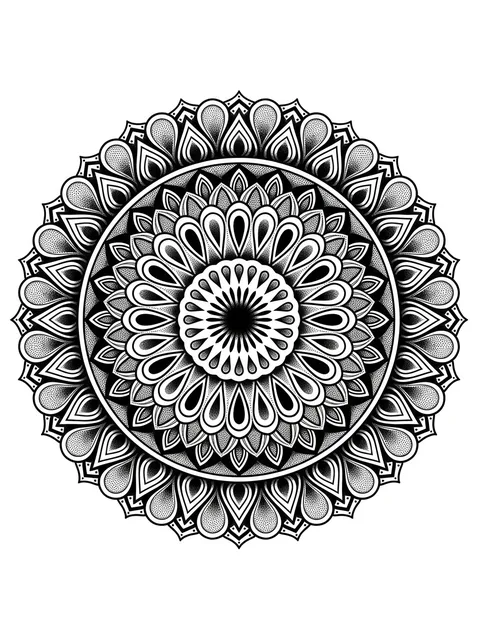
Black and white dotwork mandala tattoo design Try it on — Black and white dotwork mandala tattoo design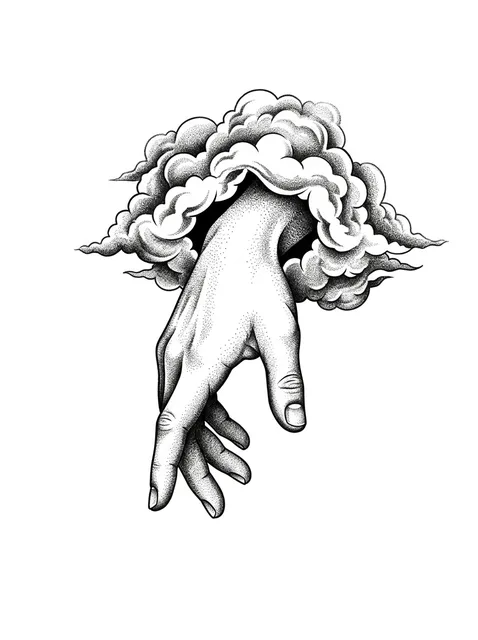
Black and grey dotwork hand and cloud tattoo design: a hand emerging from a swirling cloud formation Try it on — Black and grey dotwork hand and cloud tattoo design: a hand emerging from a swirling cloud formation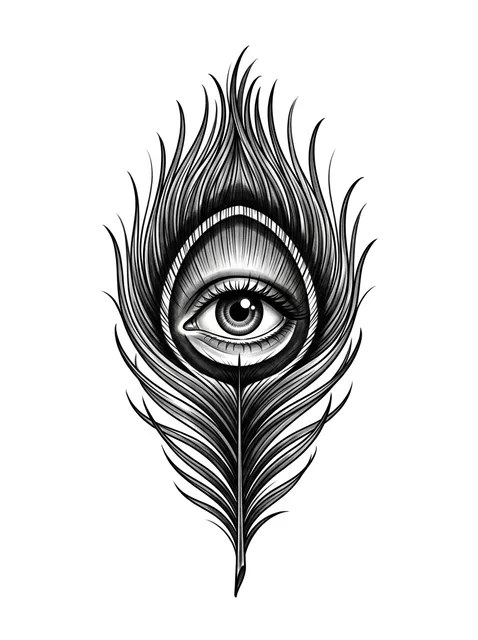
Black and grey illustrative eye and feather tattoo design Try it on — Black and grey illustrative eye and feather tattoo design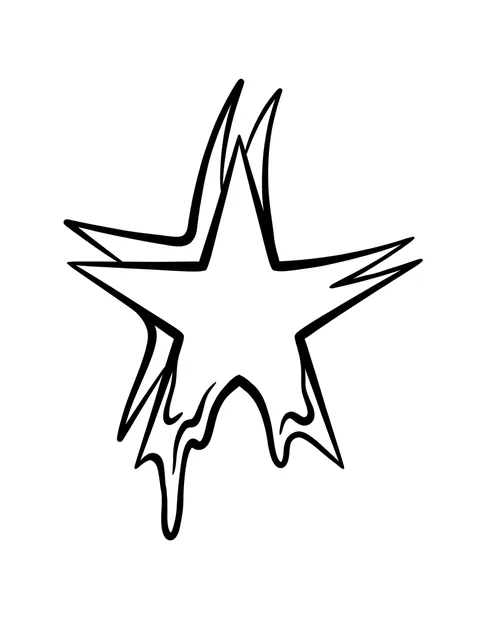
Black and white linework star tattoo design, outline stencil Try it on — Black and white linework star tattoo design, outline stencil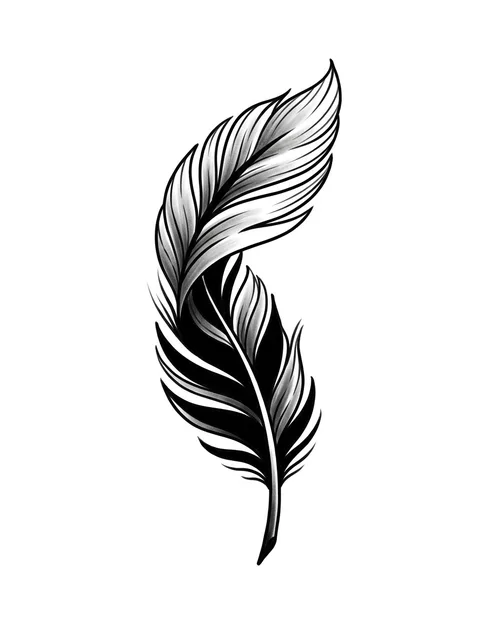
Black and grey illustrative feather tattoo design Try it on — Black and grey illustrative feather tattoo design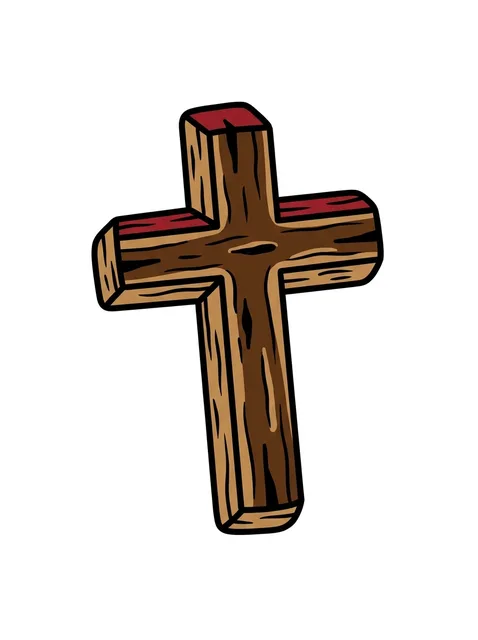
Color traditional cross tattoo design: a wooden cross with bold black outlines Try it on — Color traditional cross tattoo design: a wooden cross with bold black outlines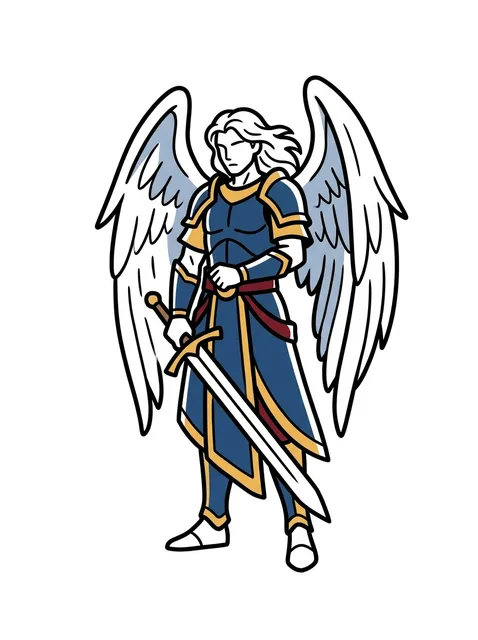
Color illustrative angel and sword tattoo design: an angel in blue and gold armor, holding a sword Try it on — Color illustrative angel and sword tattoo design: an angel in blue and gold armor, holding a sword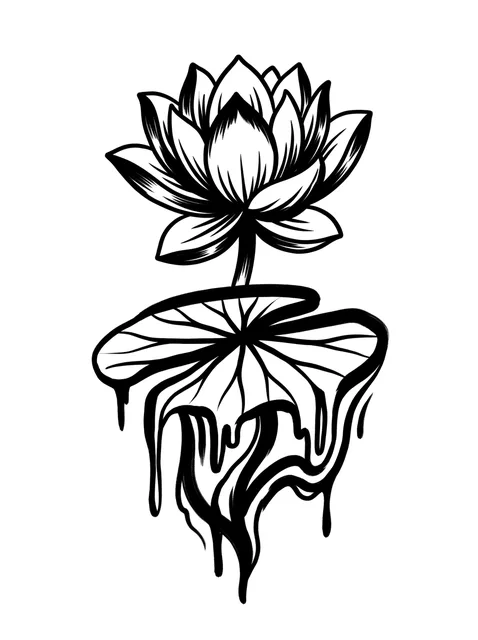
Black and white blackwork lotus and leaf tattoo design: a blooming lotus flower atop a lily pad Try it on — Black and white blackwork lotus and leaf tattoo design: a blooming lotus flower atop a lily pad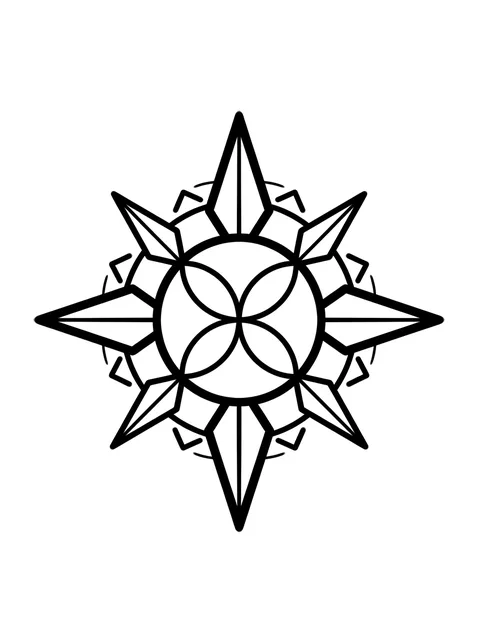
Black and white geometric mandala and star tattoo design, outline stencil Try it on — Black and white geometric mandala and star tattoo design, outline stencil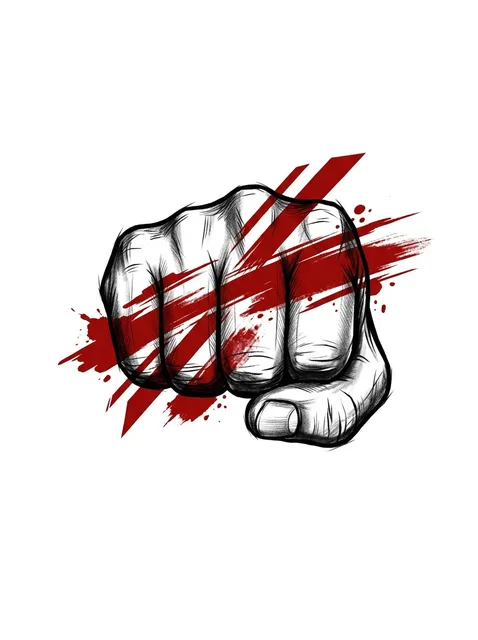
Color trash polka hand tattoo design: a clenched fist Try it on — Color trash polka hand tattoo design: a clenched fist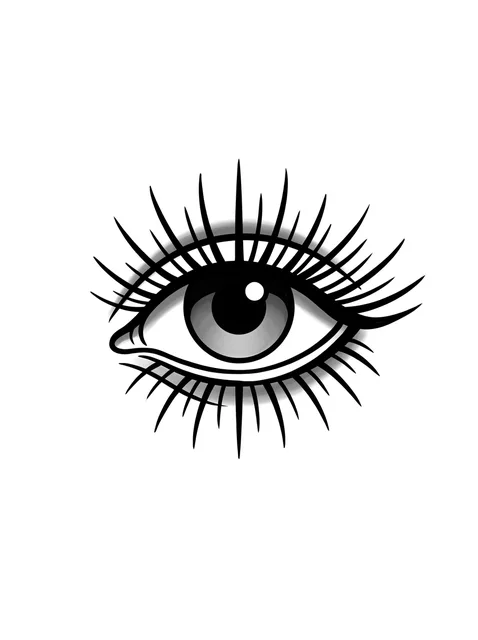
Black and grey neo traditional eye tattoo design Try it on — Black and grey neo traditional eye tattoo design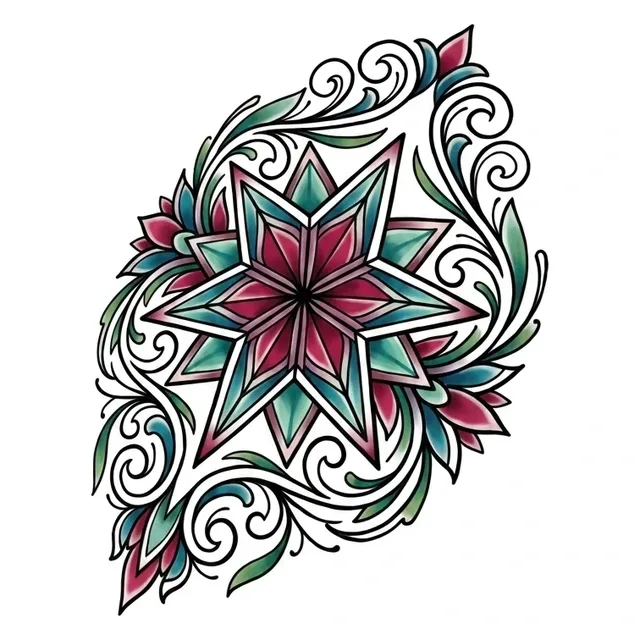
Color neo traditional star and vine tattoo design Try it on — Color neo traditional star and vine tattoo design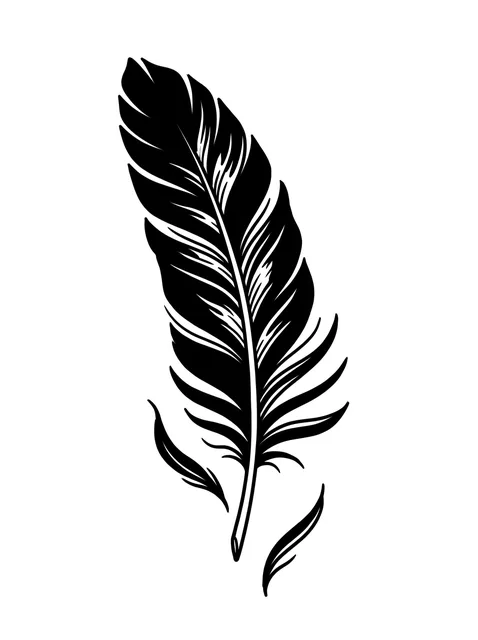
Black and white blackwork feather tattoo design Try it on — Black and white blackwork feather tattoo design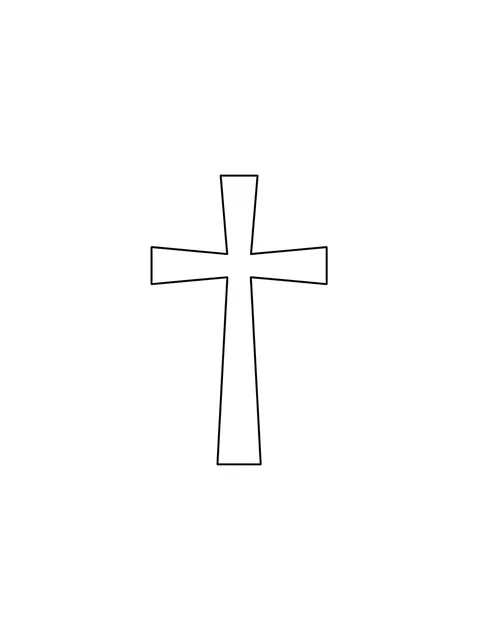
Black and white minimalist cross tattoo design, outline stencil: a Latin cross Try it on — Black and white minimalist cross tattoo design, outline stencil: a Latin cross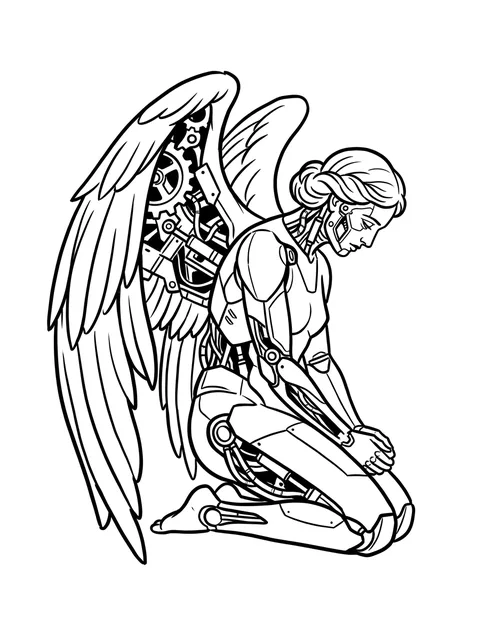
Black and white illustrative angel tattoo design Try it on — Black and white illustrative angel tattoo design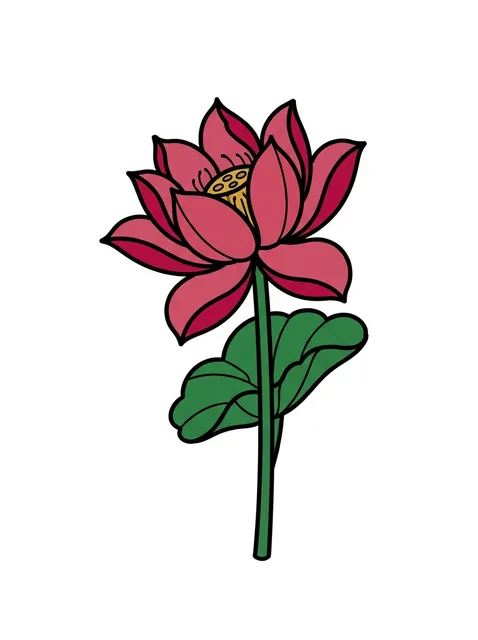
Color illustrative lotus and flower tattoo design Try it on — Color illustrative lotus and flower tattoo design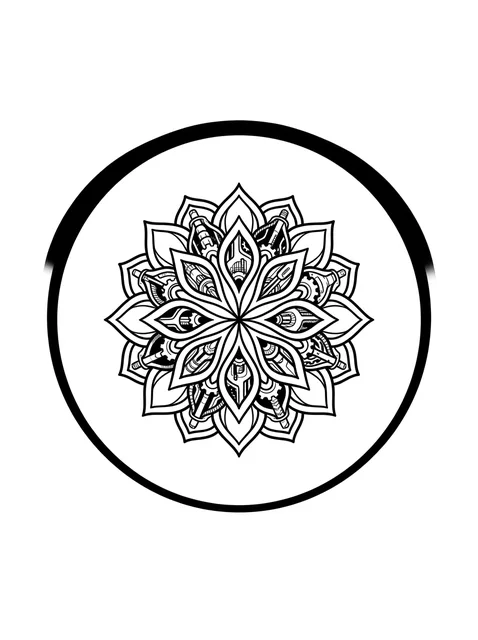
Black and grey geometric mandala and flower tattoo design, outline stencil Try it on — Black and grey geometric mandala and flower tattoo design, outline stencil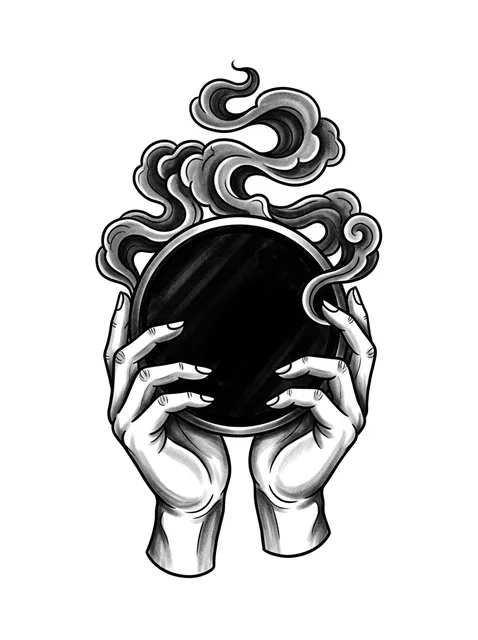
Black and grey neo traditional hand tattoo design Try it on — Black and grey neo traditional hand tattoo design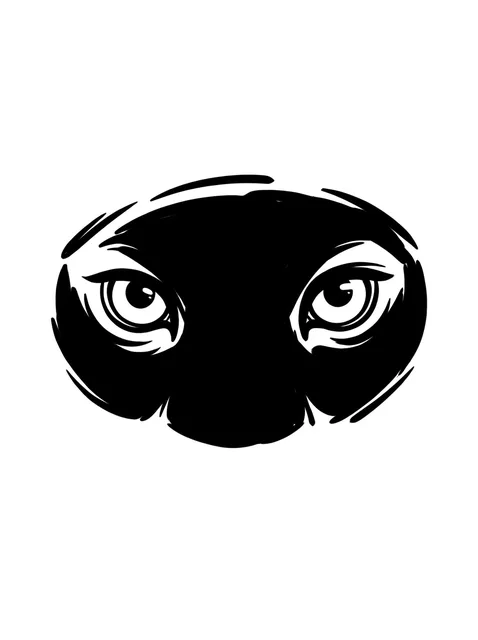
Black and white blackwork eye tattoo design Try it on — Black and white blackwork eye tattoo design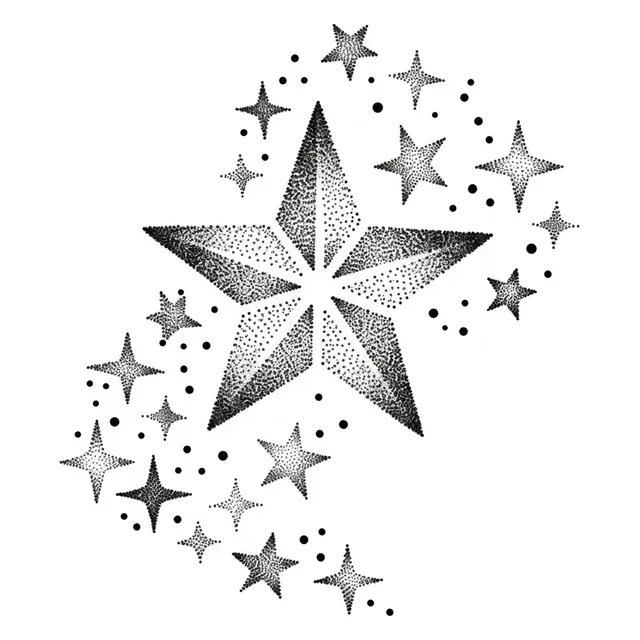
Black and grey dotwork star tattoo design Try it on — Black and grey dotwork star tattoo design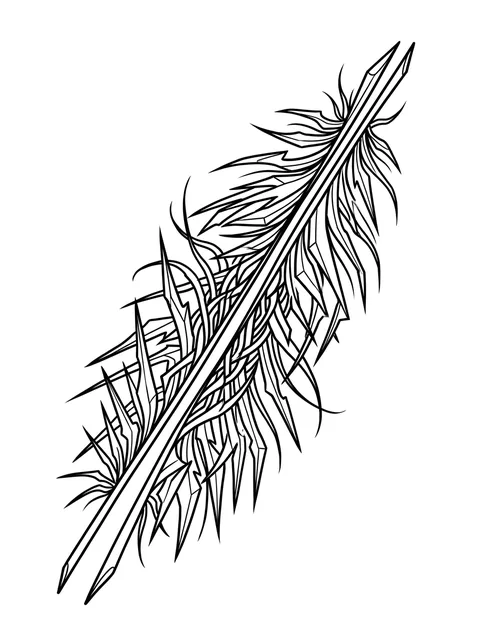
Black and grey illustrative feather tattoo design Try it on — Black and grey illustrative feather tattoo design


40 designs drawn in-house across 8 motifs. Tap any one to place it on a photo of your own skin.
Specific beats spiritual
The weakest pieces in this category are assembled from several traditions because each element looked meaningful. The strongest are one tradition, drawn properly, at a size that lets the detail hold — a single well-drawn Celtic knot says more than a composition containing a lotus, an om and a cross.
If your faith is genuinely syncretic, say that with one image rather than with several: a light, a door, a path. Stacking established symbols reads as decoration to everyone who recognises any of them.
Placement, and what some traditions say about it
Some observant communities hold specific views about tattooing, and a few hold views about where. If that applies to you it is worth resolving before the appointment rather than after — it is the most common source of regret in this category, and it is not a design problem.
Practically: symmetric devotional work — mandalas, crosses, knotwork — needs a flat, symmetric field or it will look skewed. The centre of the chest, the spine, the back of the neck and the inner forearm all work. The side of the neck, the shoulder cap and the ribs curve enough that a symmetric design lands lopsided however well it was drawn.
Mandalas in particular are unforgiving: the eye reads the symmetry instantly, so a mandala placed on a curve or cropped by a joint fails visibly in a way an asymmetric drawing never does.
Common questions
- Is it wrong to get a religious tattoo?
- That depends entirely on the tradition, and it is worth settling before the appointment rather than after. Several observant communities hold specific views on tattooing generally. This is the one category where the question is not about design.
- Can I combine symbols from different religions?
- You can, but it usually reads as decoration to anyone who recognises any of them. One tradition drawn well says considerably more than several stacked. If your belief is genuinely syncretic, express it with a single image rather than an assembly.
- Where should a symmetric design like a mandala go?
- Somewhere flat and symmetric — centre chest, spine, back of the neck, inner forearm. Curved fields like the side of the neck, the shoulder cap and the ribs make a mandala land lopsided no matter how well it was drawn, because the eye reads symmetry instantly.
- What is a subtle faith tattoo?
- An anchor, an ichthys, a trinity knot or a small feather. Early Christian symbols were specifically designed to be deniable, so the tradition of a faith mark that reads as a drawing to outsiders is older than the obvious version.
See it on your own skin first
InkCraft places a design on a photo of you — scaled, wrapped and shaded to the spot you pick, so you can judge how it reads on your body before it is permanent.