 InkCraft
Protection Tattoo Ideas and What They Ward Off
40 InkCraft designs chosen for protection tattoosBy Uladzimir TumanauUpdated
Look at protective symbols from anywhere in the world and the same thing keeps appearing: an eye. The nazar across Turkey and the Levant, the hamsa across North Africa and the Middle East, the Eye of Horus in Egypt, eyes painted on the bows of fishing boats from Portugal to China. Cultures that never met arrived at the same answer, and the logic behind it is consistent.
The threat these charms were made against is the evil eye — harm arriving through someone else's look, usually envy rather than malice. The defence is not a shield, because you cannot block a look. It is a second eye that looks back: something that returns the gaze, absorbs it, and is visibly watching. That is why the protective object is almost always worn where others can see it, which is the opposite of how most people choose a tattoo placement.
The rest of the protective vocabulary works differently, through a guardian rather than a gaze — an armed archangel, an animal that does not run. Both traditions appear below, and choosing between them is the first real decision here.
8 designs that carry it, and why
- Nazar
- The glass amulet itself, not a human eye: four concentric rings of dark blue, white, light blue and black. Those flat rings are the one thing an anatomical eye never has, which is what keeps it a charm rather than a portrait.
- Archangel Michael
- The guardian rather than the gaze — armoured, armed and already standing over what he defeated. It is the protective piece most often worn by soldiers, police and paramedics, and the posture is what carries it.
- Lion
- Guardian lions flank doorways from Assyria to China to the front steps of public libraries, always in pairs and always facing outward. What is being protected is behind them, which is a useful thing to decide before choosing where it sits.
- Wolf
- Protective through the pack rather than through force: the meaning people reach for is that something will not be faced alone. A lone wolf carries almost the opposite, which is worth knowing before choosing the composition.
- Snake
- The uraeus on an Egyptian crown is a rearing cobra placed at the forehead to spit at the pharaoh's enemies — protection by threatening first, which is the most aggressive version of this idea and the oldest surviving one.
- Owl
- Protection through vigilance rather than force. It sees in conditions nothing else can and turns its head further than seems possible, which is why it guards rather than fights in almost every tradition that uses it.
- Cross
- Worn as a ward far more often than as a statement of belief, and the small wrist versions in Coptic Egypt were exactly that: an identifying mark that could not be removed under pressure. Protective because it declares rather than conceals.
- Eye of Horus
- An account of injury and repair rather than a plain eye: Horus lost it in a fight and it was restored, which is why the wedjat means healing and wholeness as well as protection. The falcon markings beneath are what identify it.
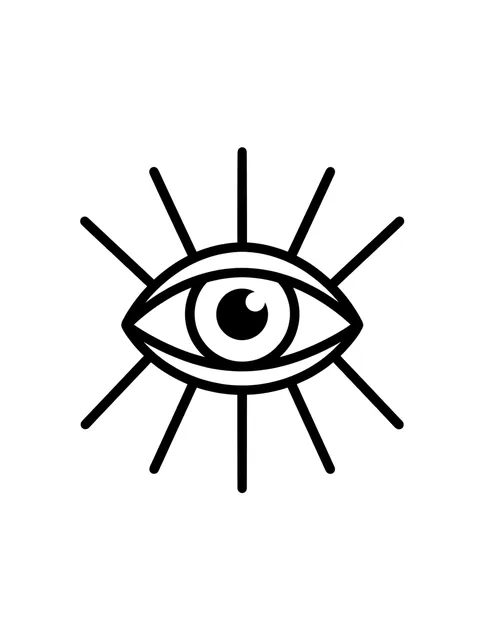
Black and white minimalist evil eye and eye tattoo design, outline stencil: an evil eye symbol Try it on — Black and white minimalist evil eye and eye tattoo design, outline stencil: an evil eye symbol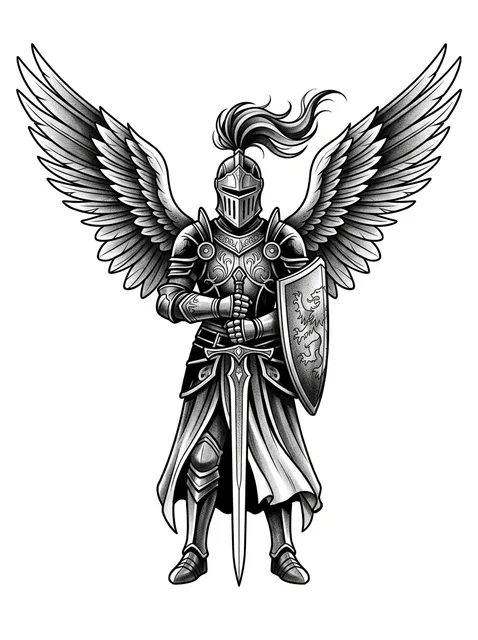
Black and grey illustrative archangel and angel tattoo design Try it on — Black and grey illustrative archangel and angel tattoo design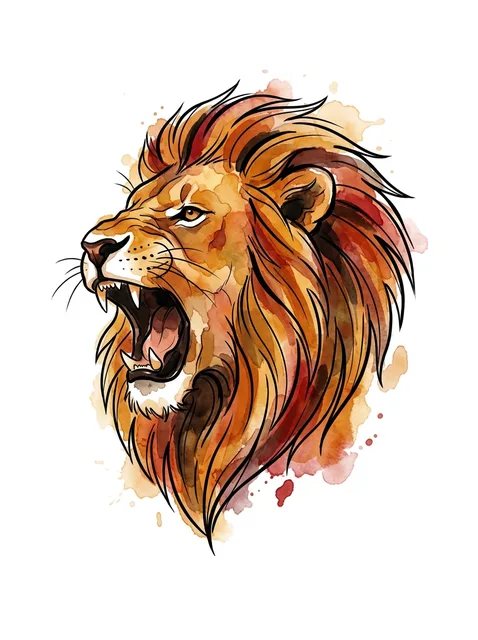
Color watercolor lion tattoo design: a roaring lion's head Try it on — Color watercolor lion tattoo design: a roaring lion's head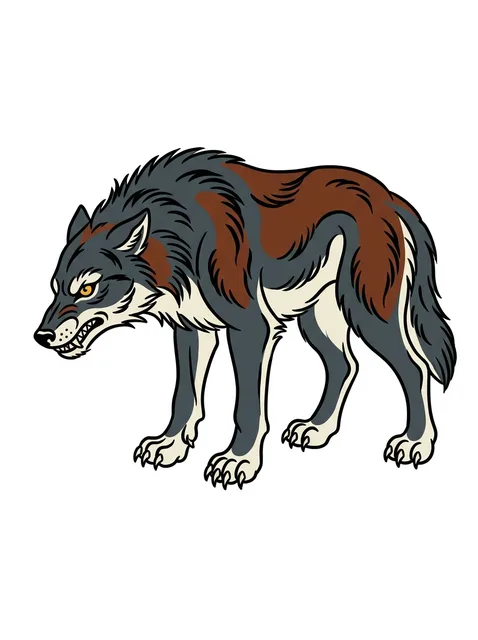
Color traditional wolf tattoo design: a snarling wolf Try it on — Color traditional wolf tattoo design: a snarling wolf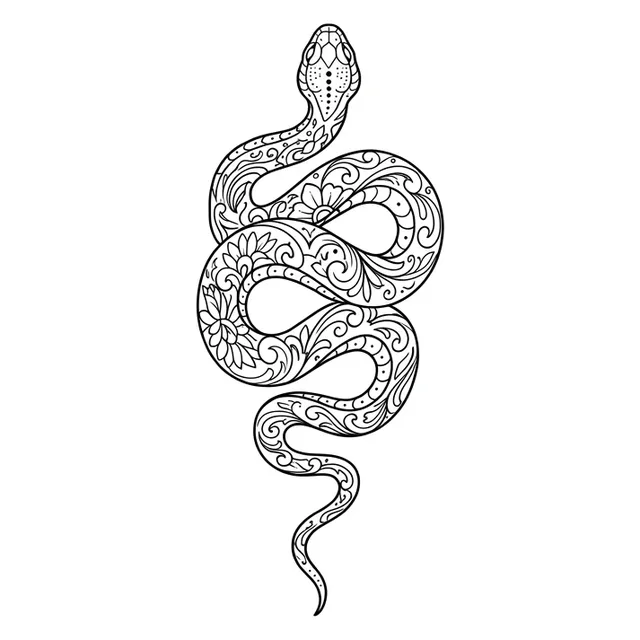
Black and grey illustrative snake and flower tattoo design: a coiled snake Try it on — Black and grey illustrative snake and flower tattoo design: a coiled snake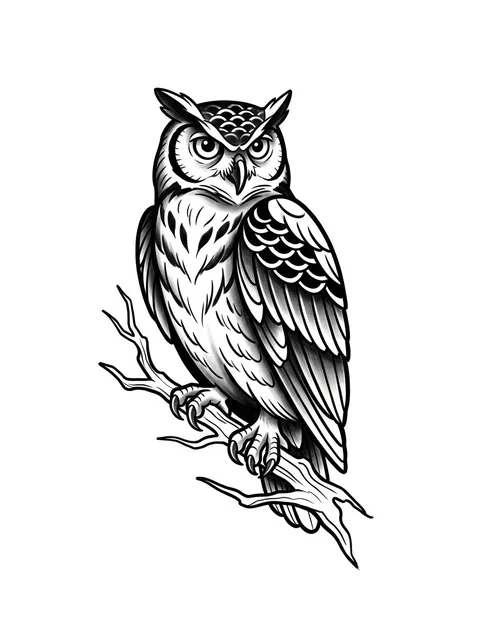
Black and grey traditional owl tattoo design: an owl perched on a branch Try it on — Black and grey traditional owl tattoo design: an owl perched on a branch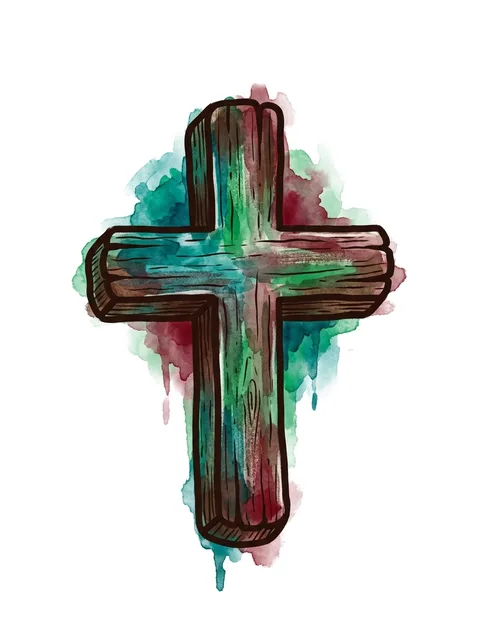
Color watercolor cross tattoo design: a wooden cross Try it on — Color watercolor cross tattoo design: a wooden cross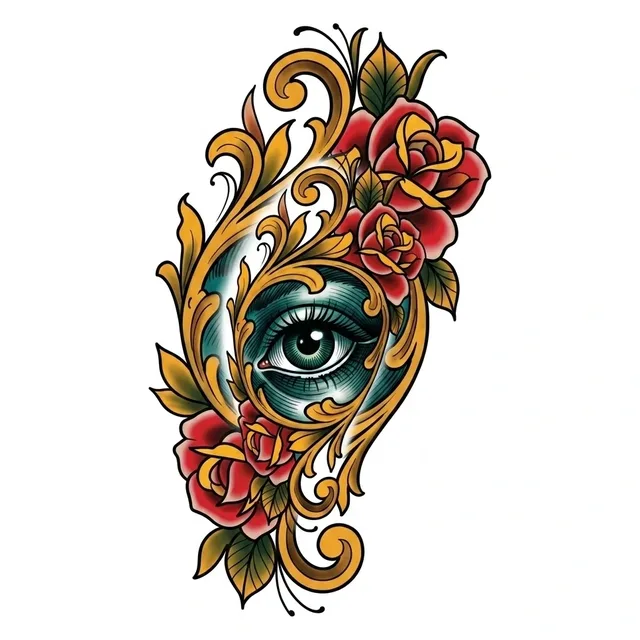
Color neo traditional eye and rose tattoo design: a detailed eye with a teal iris Try it on — Color neo traditional eye and rose tattoo design: a detailed eye with a teal iris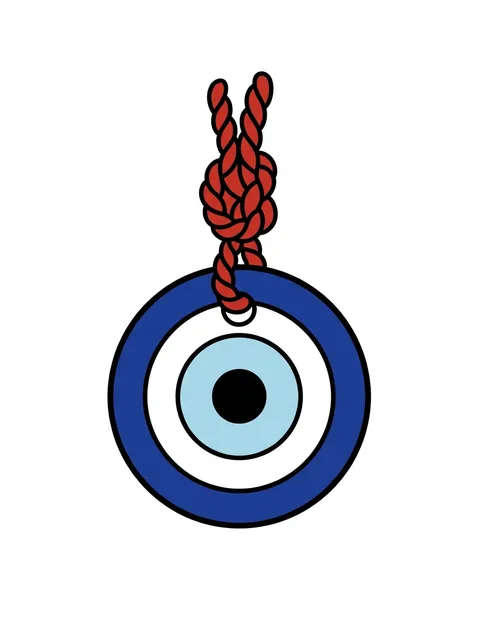
Color illustrative evil eye tattoo design: a classic evil eye symbol Try it on — Color illustrative evil eye tattoo design: a classic evil eye symbol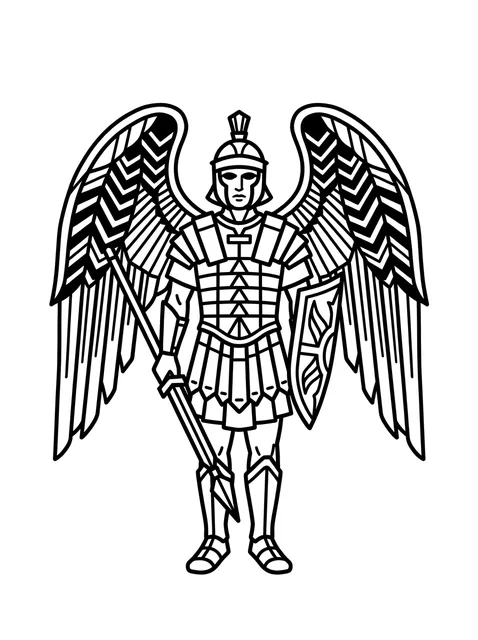
Black and white linework archangel and angel wings tattoo design, outline stencil Try it on — Black and white linework archangel and angel wings tattoo design, outline stencil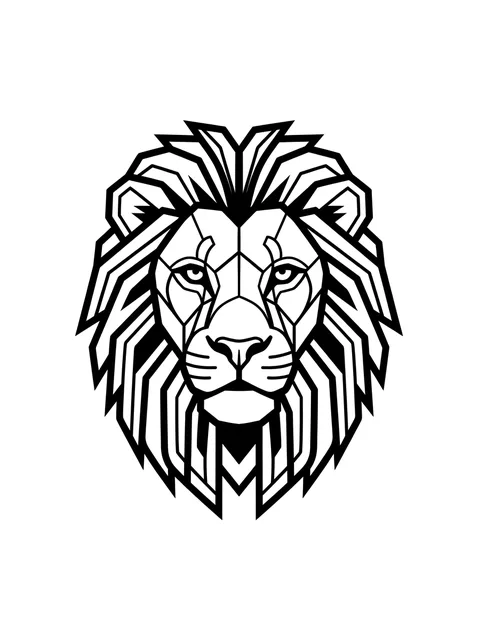
Black and white geometric lion tattoo design, outline stencil Try it on — Black and white geometric lion tattoo design, outline stencil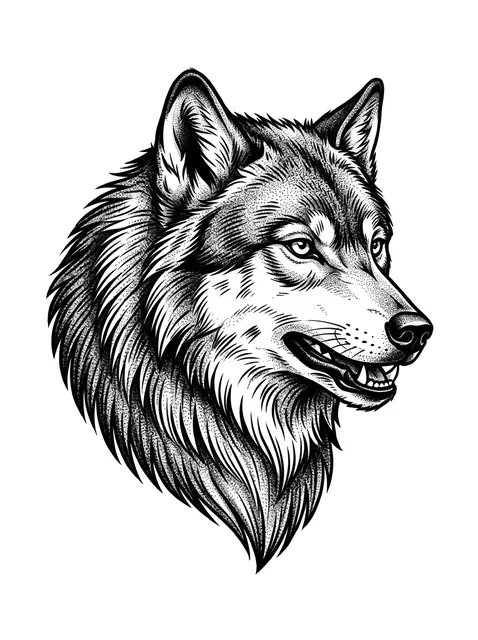
Black and white illustrative wolf tattoo design: a wolf's head Try it on — Black and white illustrative wolf tattoo design: a wolf's head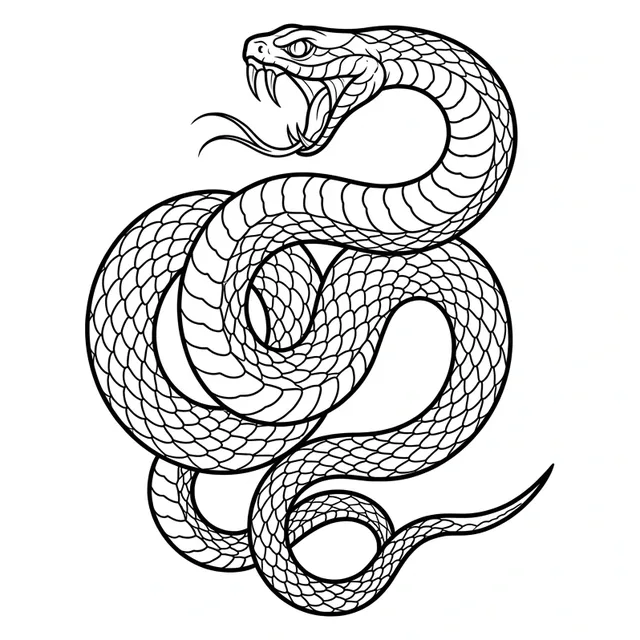
Black and grey illustrative snake tattoo design Try it on — Black and grey illustrative snake tattoo design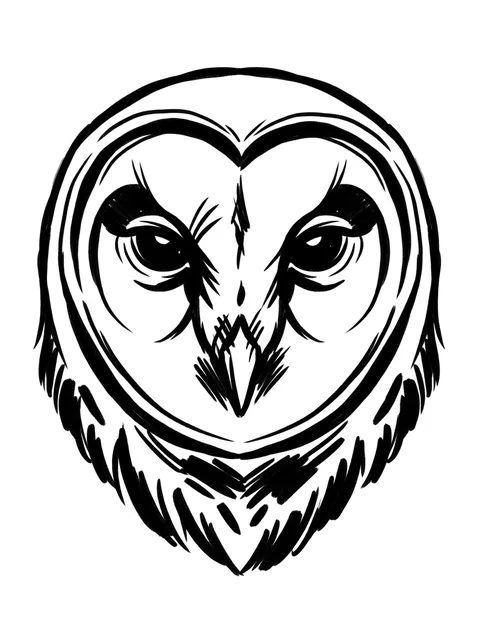
Black and white illustrative owl tattoo design: the head of an owl Try it on — Black and white illustrative owl tattoo design: the head of an owl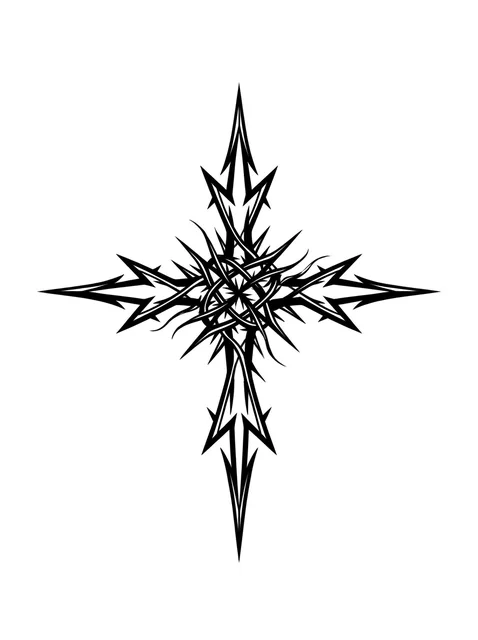
Black and white tribal cross and vine tattoo design Try it on — Black and white tribal cross and vine tattoo design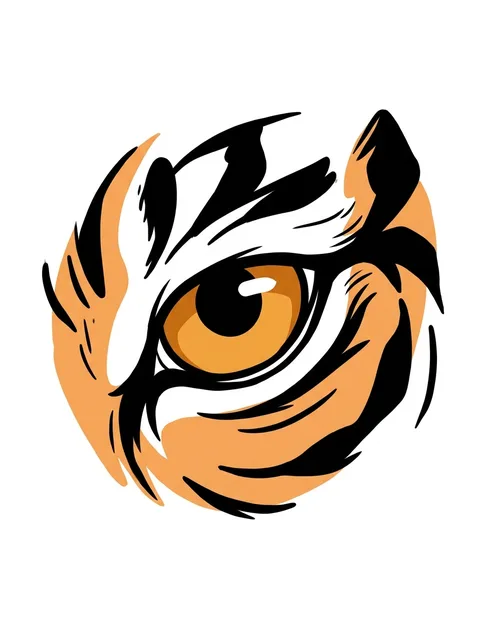
Color illustrative tiger and eye tattoo design: a tiger's eye Try it on — Color illustrative tiger and eye tattoo design: a tiger's eye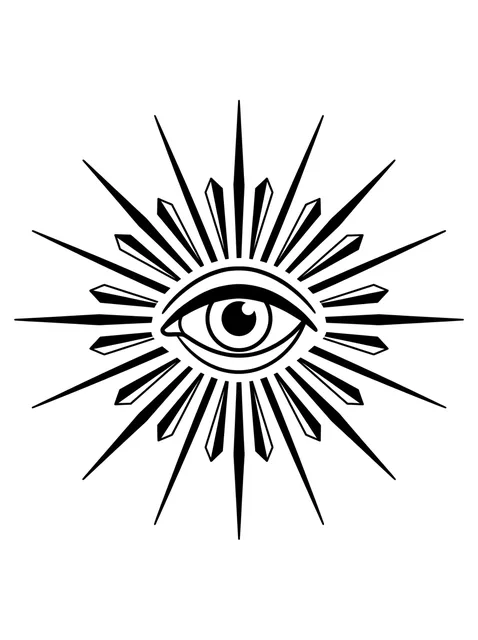
Black and grey illustrative evil eye and eye tattoo design Try it on — Black and grey illustrative evil eye and eye tattoo design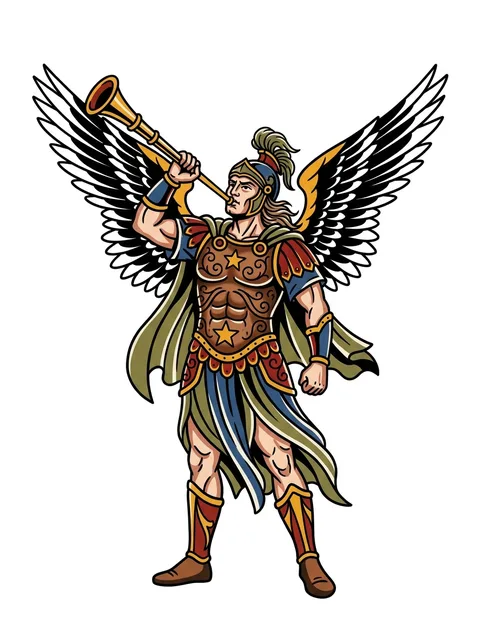
Color neo traditional archangel and angel tattoo design Try it on — Color neo traditional archangel and angel tattoo design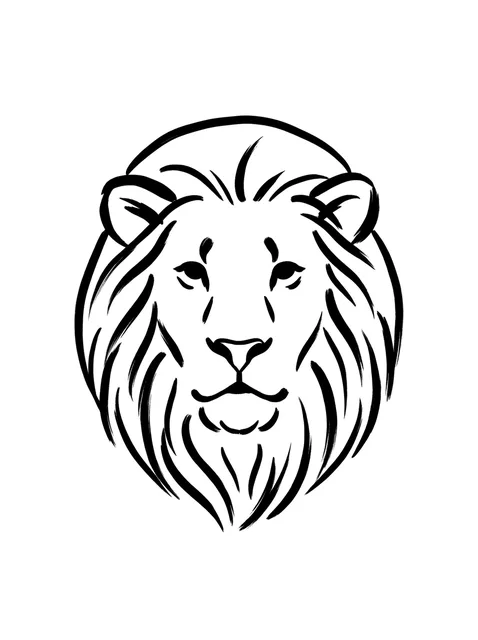
Black and white traditional lion tattoo design: a lion's head Try it on — Black and white traditional lion tattoo design: a lion's head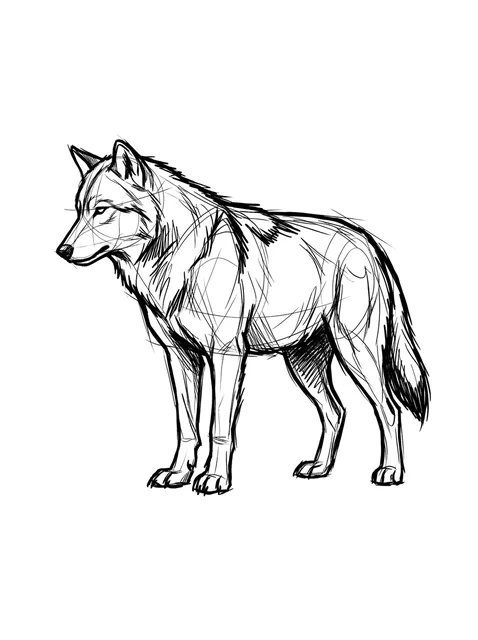
Black and grey sketch wolf tattoo design: a wolf standing in profile Try it on — Black and grey sketch wolf tattoo design: a wolf standing in profile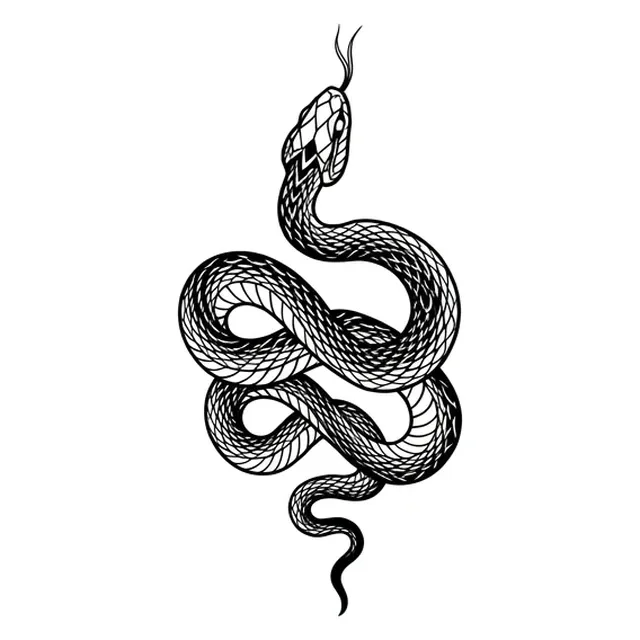
Black and grey illustrative snake tattoo design: a coiled snake Try it on — Black and grey illustrative snake tattoo design: a coiled snake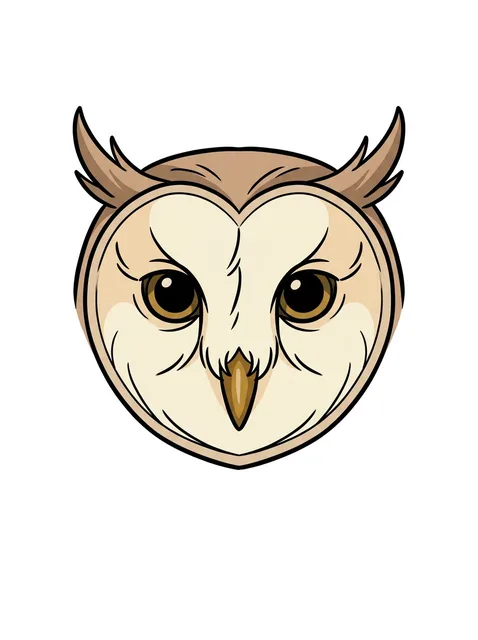
Color illustrative owl tattoo design Try it on — Color illustrative owl tattoo design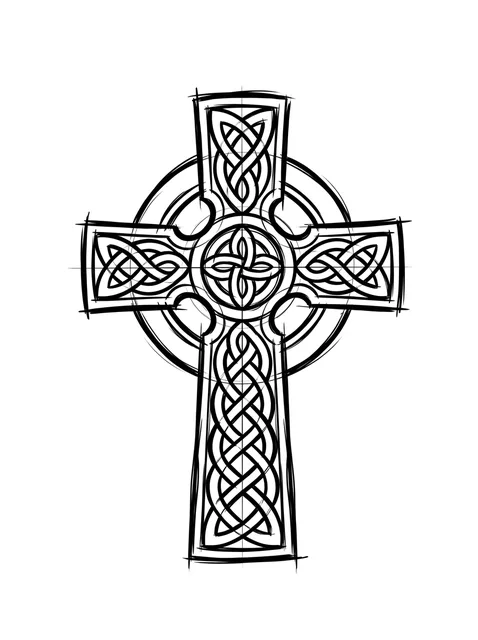
Black and grey illustrative cross tattoo design: a sketch-like quality Try it on — Black and grey illustrative cross tattoo design: a sketch-like quality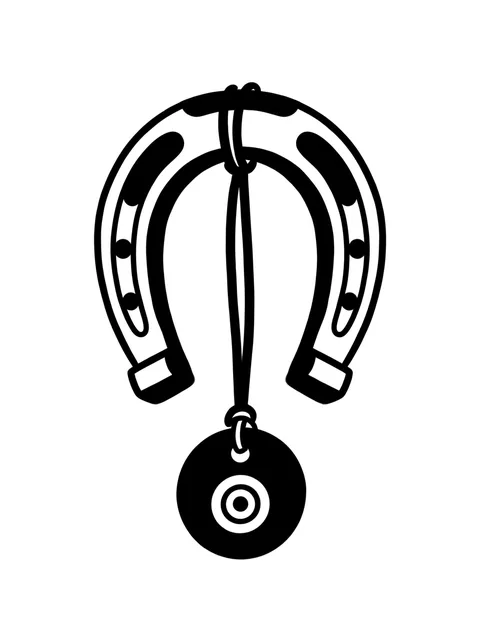
Black and white illustrative evil eye tattoo design Try it on — Black and white illustrative evil eye tattoo design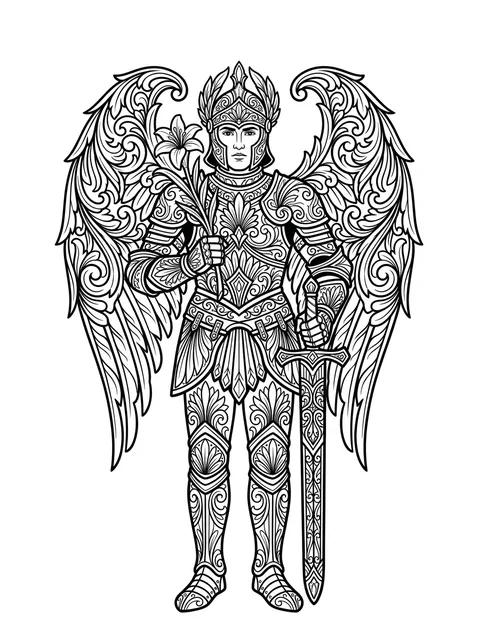
Black and grey illustrative archangel and angel tattoo design Try it on — Black and grey illustrative archangel and angel tattoo design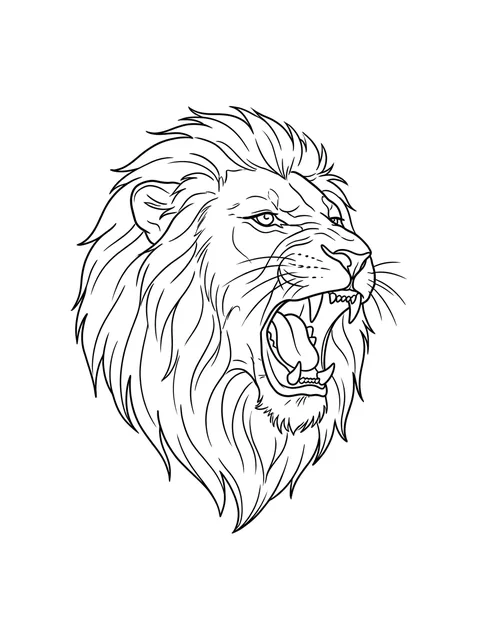
Black and white linework lion tattoo design, outline stencil Try it on — Black and white linework lion tattoo design, outline stencil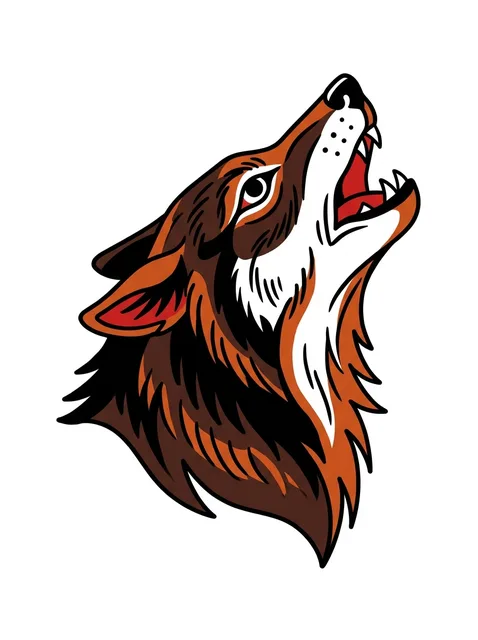
Color traditional wolf tattoo design: a howling wolf head Try it on — Color traditional wolf tattoo design: a howling wolf head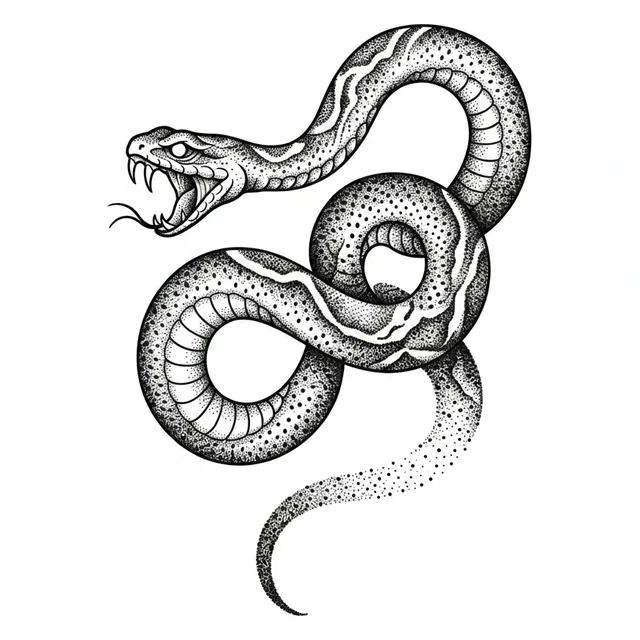
Black and grey dotwork snake tattoo design: a coiled snake Try it on — Black and grey dotwork snake tattoo design: a coiled snake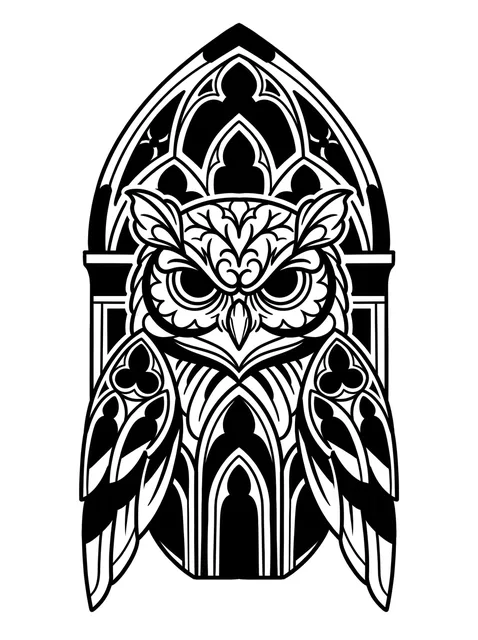
Black and grey gothic owl tattoo design Try it on — Black and grey gothic owl tattoo design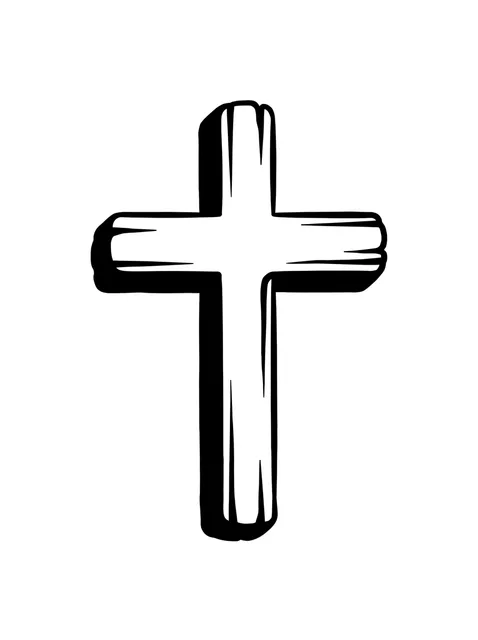
Black and white illustrative cross tattoo design Try it on — Black and white illustrative cross tattoo design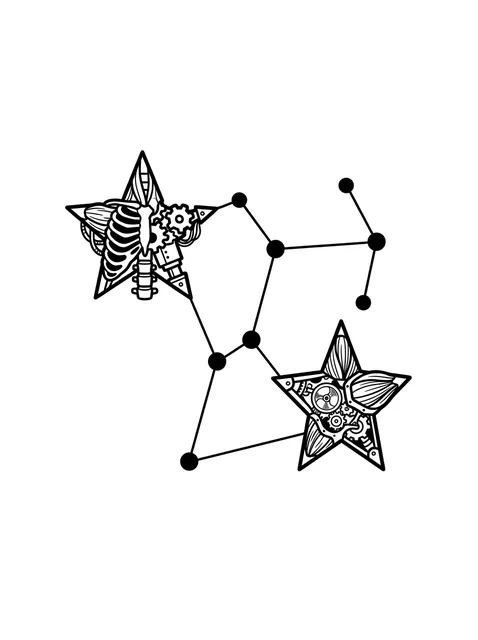
Black and white illustrative star and skeleton tattoo design: a constellation of stars Try it on — Black and white illustrative star and skeleton tattoo design: a constellation of stars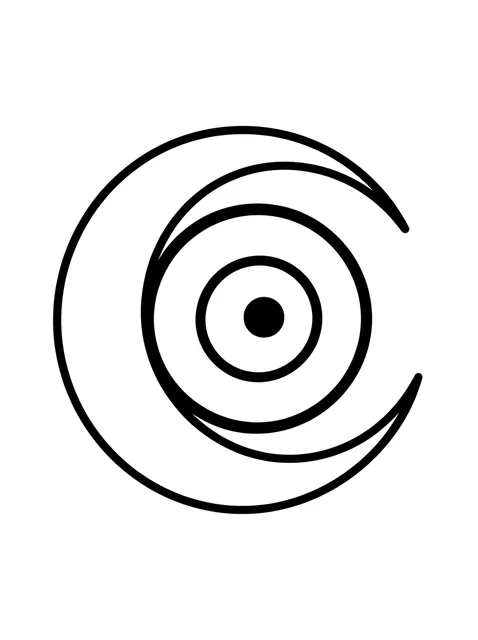
Black and white minimalist evil eye and moon tattoo design, outline stencil Try it on — Black and white minimalist evil eye and moon tattoo design, outline stencil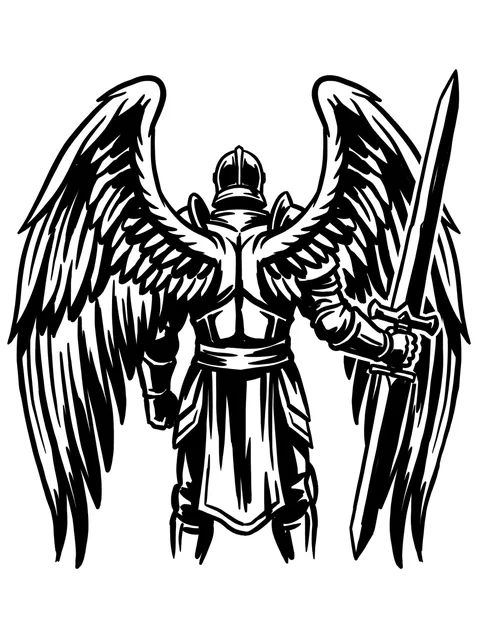
Black and white blackwork archangel and angel tattoo design Try it on — Black and white blackwork archangel and angel tattoo design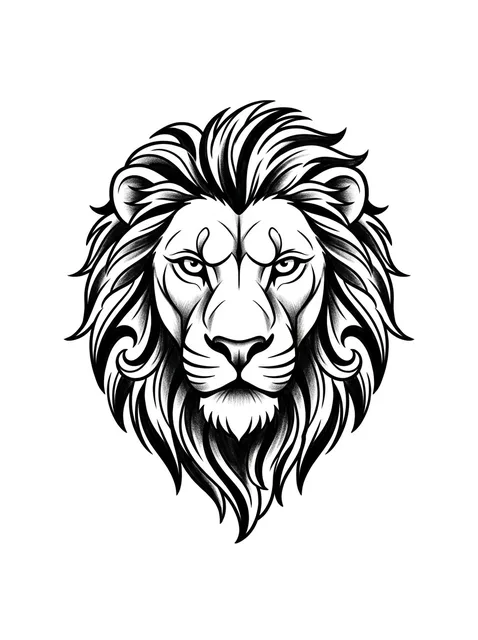
Black and grey illustrative lion tattoo design: a majestic lion's head Try it on — Black and grey illustrative lion tattoo design: a majestic lion's head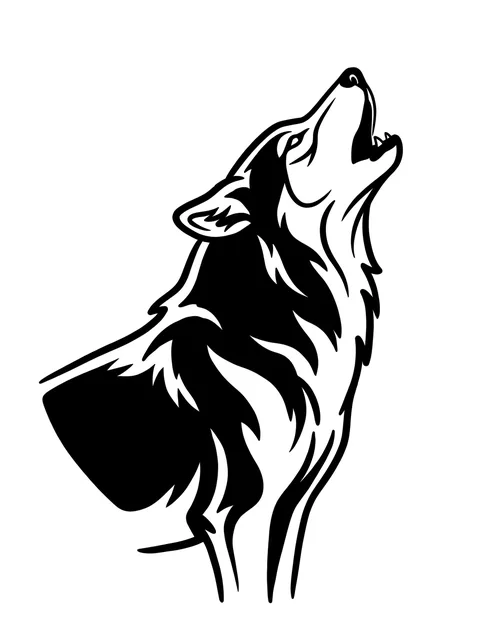
Black and white blackwork wolf tattoo design: a howling wolf Try it on — Black and white blackwork wolf tattoo design: a howling wolf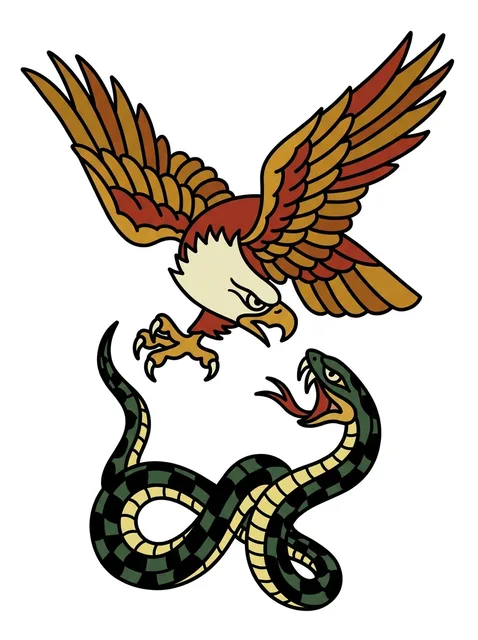
Color traditional eagle and snake tattoo design Try it on — Color traditional eagle and snake tattoo design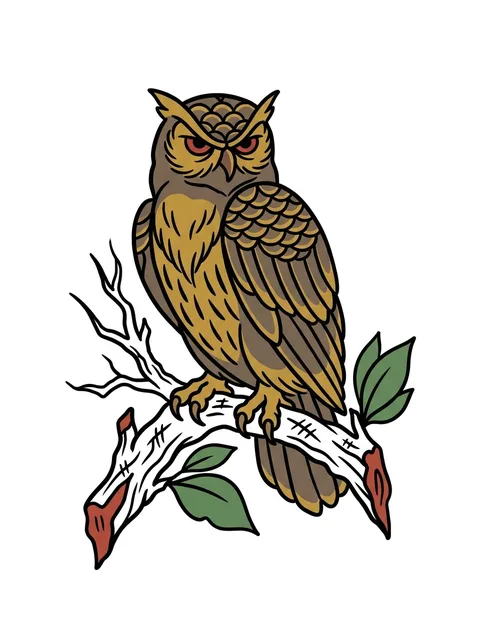
Color traditional owl and leaf tattoo design Try it on — Color traditional owl and leaf tattoo design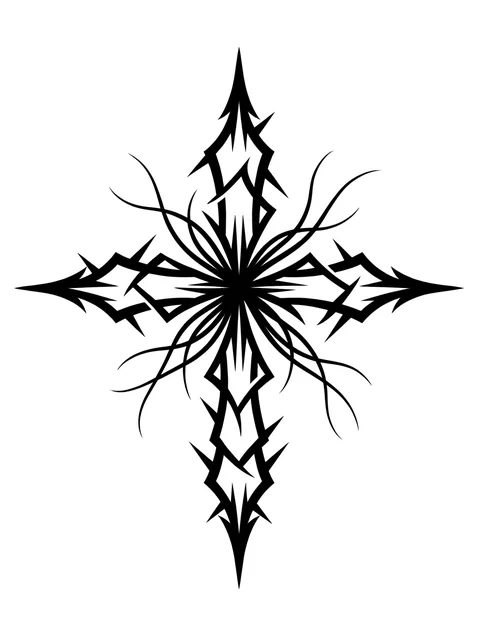
Black and grey cybersigilism cross tattoo design Try it on — Black and grey cybersigilism cross tattoo design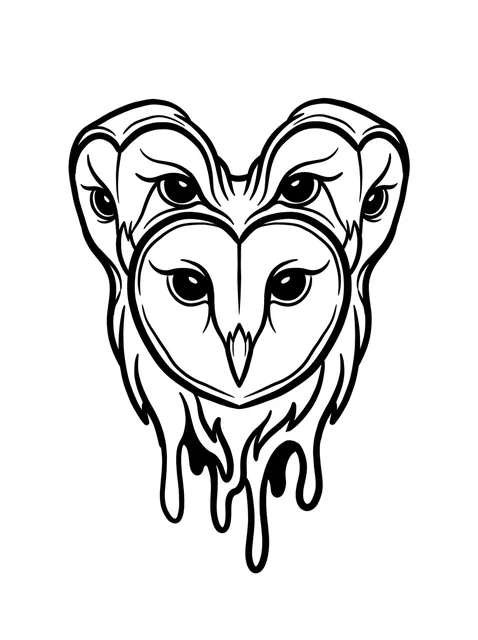
Black and grey illustrative owl and eye tattoo design Try it on — Black and grey illustrative owl and eye tattoo design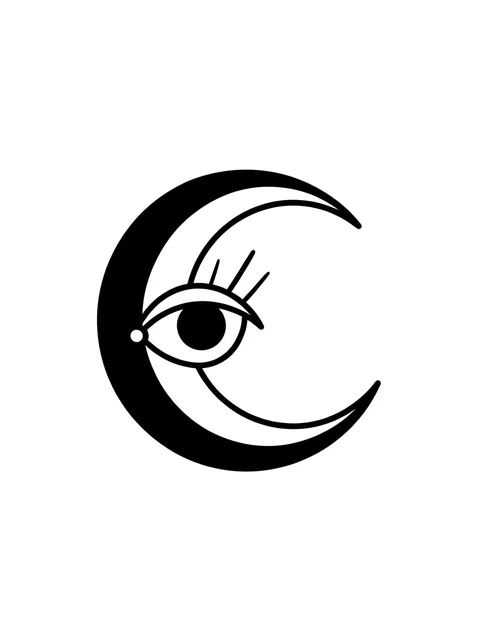
Black and white minimalist evil eye and moon tattoo design, outline stencil Try it on — Black and white minimalist evil eye and moon tattoo design, outline stencil


40 designs drawn in-house across 8 motifs. Tap any one to place it on a photo of your own skin.
Why so many of them are eyes
The belief behind the evil eye is remarkably consistent across cultures that had no contact: that a look carrying envy can cause real harm, usually to whatever was being envied — a child, a herd, a crop, a new house. Because the mechanism is a look, every defence built against it is also visual. An amulet that returns the gaze is the standard answer, and the blue glass nazar, the hand-shaped hamsa with an eye at its centre, and the eyes painted on Mediterranean fishing boats are all the same idea in different materials.
One consequence matters for a tattoo specifically. The charm only works where it can be seen, because being visible is the entire mechanism — an amulet in a drawer protects nothing. That argues for a placement people will notice rather than one you can cover, which runs directly against the way most people choose where a tattoo goes and is worth deciding deliberately rather than by default.
A second consequence is that many of these traditions expect the charm to break. A nazar that cracks is understood to have done its job by absorbing something, and is replaced rather than mourned. That idea does not transfer to skin, and it is the one part of the belief a tattoo genuinely cannot carry.
Choosing one that is specific
Protective imagery is easy to wear as decoration, and the way to avoid that is to be exact about what is being protected and from what. A guardian figure implies something behind it: lions flank a doorway, an archangel stands over something defeated. Deciding what is behind yours changes where it sits on the body and which way it faces, and those are the two decisions that make the difference between a symbol and an ornament.
Be specific about the source, too. A nazar, a hamsa and an Eye of Horus are three different objects from three different traditions with three different stories, and a drawing that blends them belongs to none of them. If you want the Egyptian one, the falcon markings below the eye are what identify it; if you want the Turkish one, the concentric rings are; if you want the hamsa, the hand is.
And be honest about which of the two mechanisms you mean. An eye watches, and everything about that version wants to be seen. A guardian stands between, and that version can sit anywhere — including somewhere private, where the protection is for you rather than declared to anyone else.
Common questions
- Why are protective symbols almost always eyes?
- Because the threat they were made against arrives through a look. The evil eye is harm carried by someone's envious gaze, and you cannot block a look — so the standard defence is a second eye that returns it. Cultures with no contact arrived at the same answer, from the Turkish nazar to eyes painted on Mediterranean fishing boats.
- Does a protection tattoo need to be visible?
- If it is the gaze kind, yes — being seen is the entire mechanism, and an amulet nobody can see protects nothing. If it is the guardian kind, an archangel or a lion standing between you and something, it works anywhere, including somewhere private. Decide which of the two you mean first.
- What is the difference between a nazar and a hamsa?
- The nazar is the blue glass bead itself — concentric rings of dark blue, white, light blue and black, with no anatomy at all. The hamsa is an open hand, usually with an eye at its centre, from North Africa and the Middle East. They are different objects from different traditions and blending them produces neither.
- Can a protection tattoo be for someone else?
- That is the older use. Most of these charms were placed on what was vulnerable rather than on the person choosing them — a child, an animal, a boat, a doorway — so wearing one on behalf of somebody is closer to the original than wearing one for yourself. It also settles which way the guardian should face.
See it on your own skin first
InkCraft places a design on a photo of you — scaled, wrapped and shaded to the spot you pick, so you can judge how it reads on your body before it is permanent.